

Search Species
Search for fish species by common or scientific name, or use filters to browse by water type, size, temperament, and difficulty.
Found 119 species
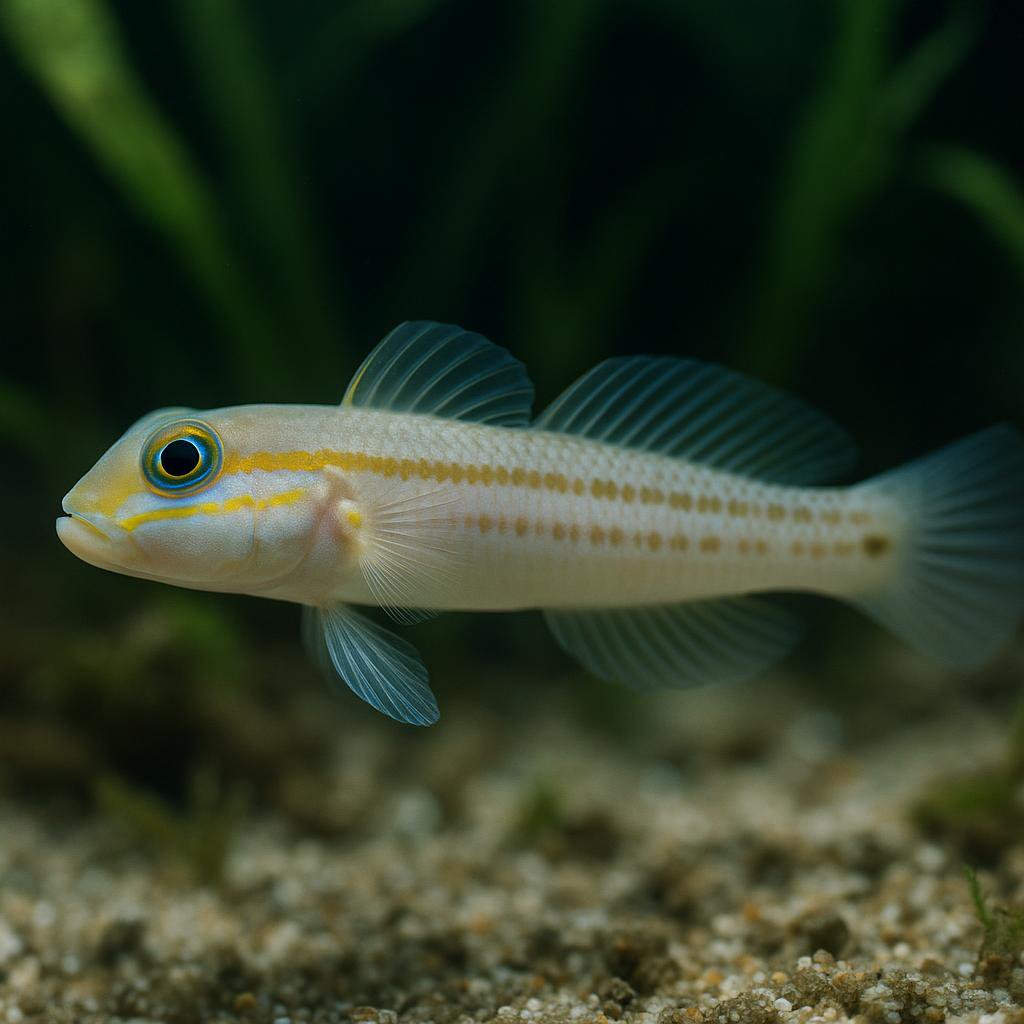
Blueband goby
Valenciennea strigata
This is that classic gold/yellow-headed sand-sifting goby with the little blue cheek stripe-always busy, always rearranging your sandbed. In a reef tank it'll spend the day taking mouthfuls of sand, filtering out tiny critters/foods, then "snowing" clean sand back out, and it'll usually claim a burrow area (often as a pair in the wild). It's super cool behavior-wise, but you really do need a mature tank with a proper sandbed and a lid because they can jump.
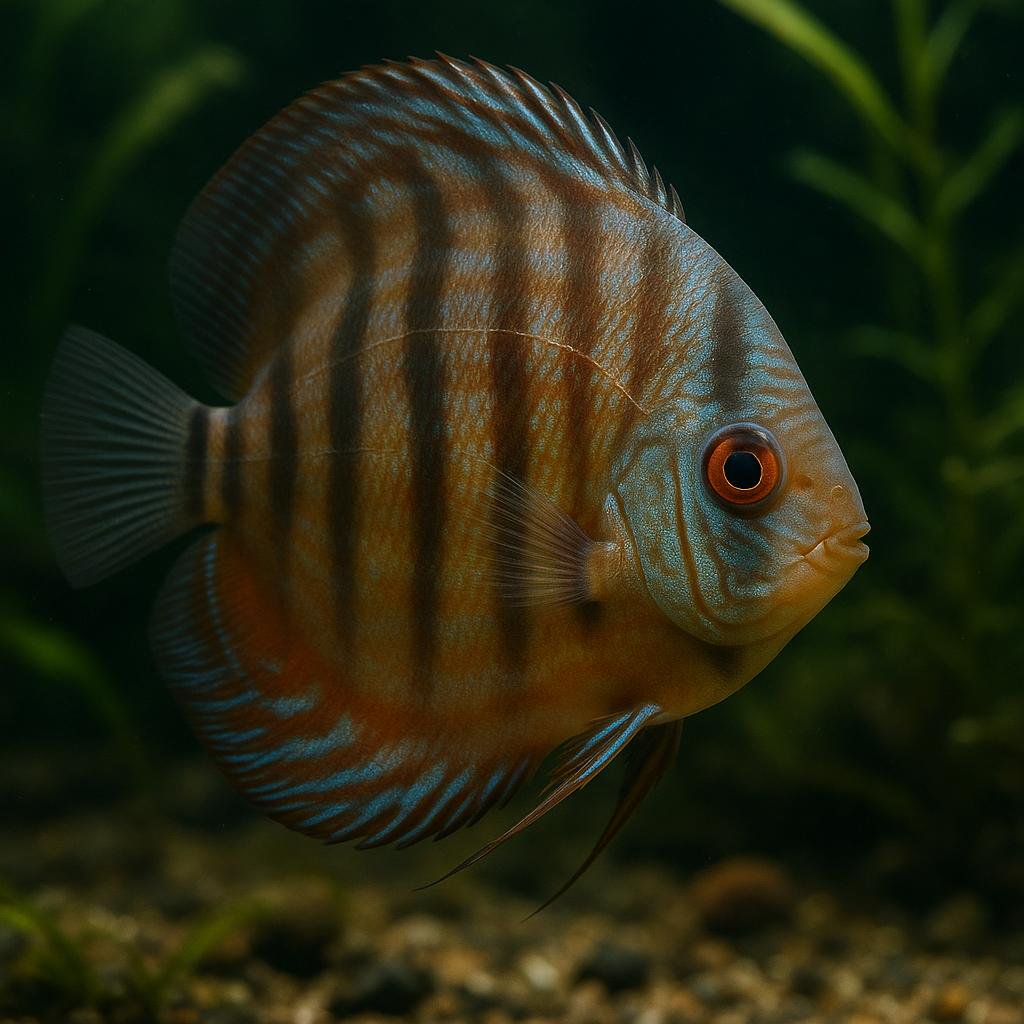
Blue discus
Symphysodon aequifasciatus
This is one of the classic wild discus from the Amazon-big, round, and super "cichlid-smart," but way more chill than most cichlids. The coolest part to me is the parenting: the fry actually feed off a mucus layer from the parents' skin for a while, which is just wild to see if you ever breed them.
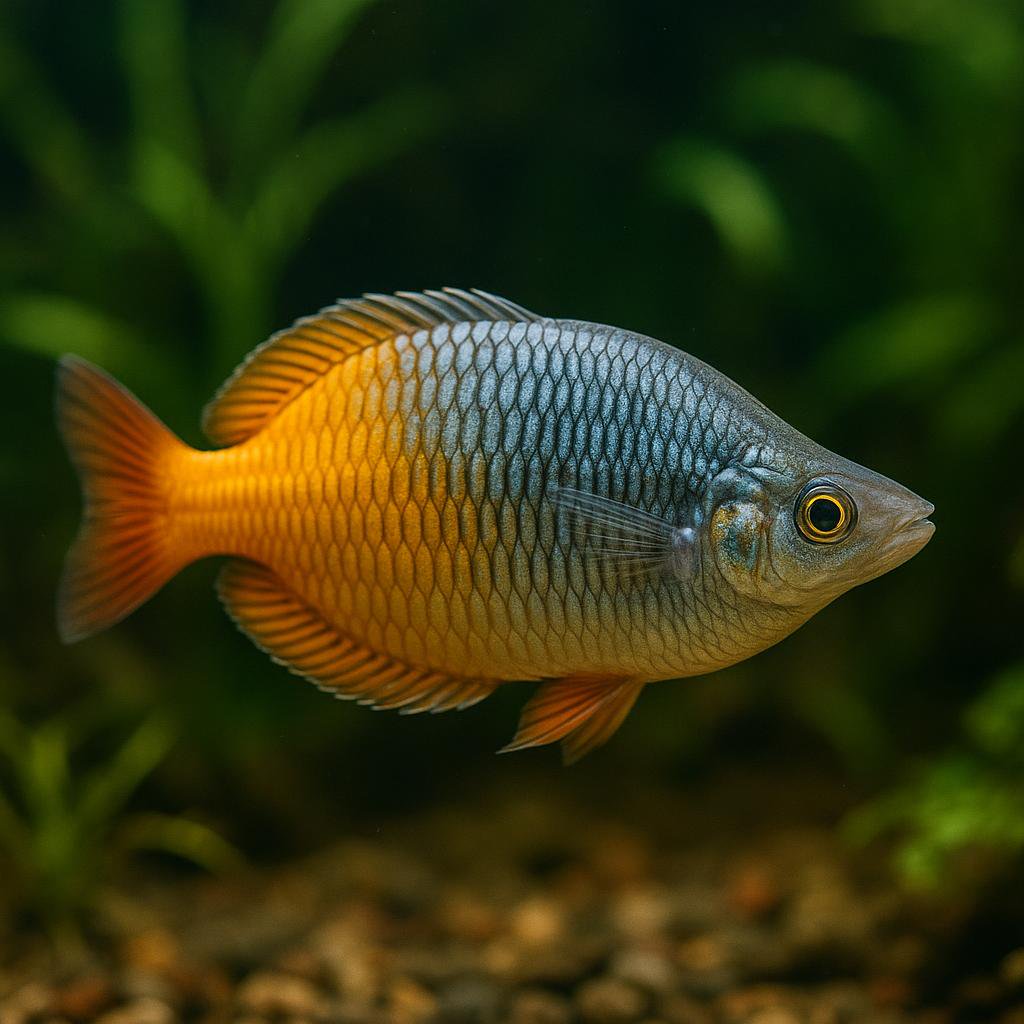
Boeseman's rainbowfish
Melanotaenia boesemani
Boesemani rainbows are basically little swimming fireworks once they settle in-males get that wild split-color look (blue up front, orange in back) and they'll flash and posture at each other all day. They're super active and way happier in a real group with a long tank to cruise, not a cramped setup where they can't stretch out.
-1771032879.jpg)
Brilliant rummy-nose tetra
Petitella bleheri (syn. Hemigrammus bleheri)
This is the rummy-nose with the really "full-face" red that runs back past the gill plate, plus that crisp black-and-white tail that flashes when the whole group turns together. When they're happy and the water's clean, they school tight and look like one living fish-when they're stressed, that red head fades fast, so they're basically your tank's mood ring.
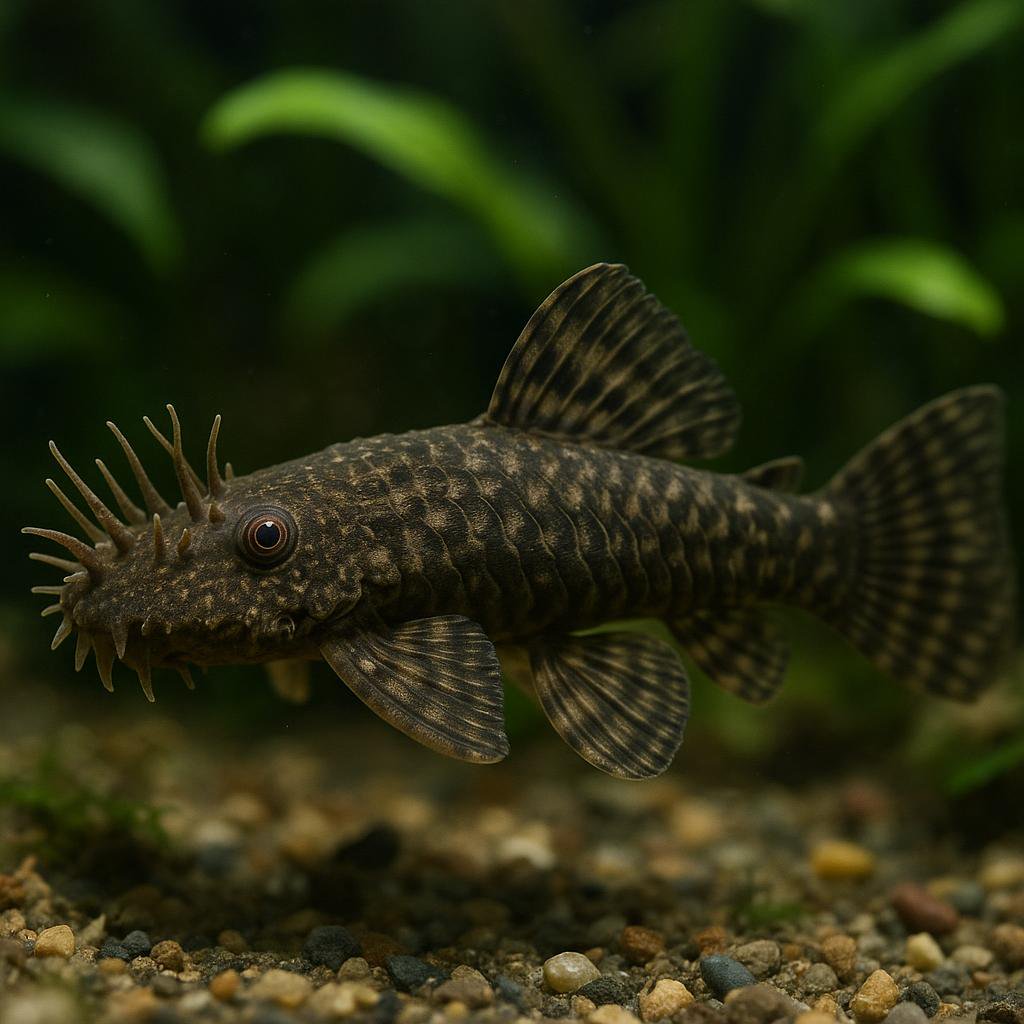
Bristlenose Pleco (Common Bristlenose)
Ancistrus cirrhosus
The Bristlenose Pleco is a small catfish with a sucker mouth, armored body, and distinctive bristles on its face, especially in males. It is primarily nocturnal and spends much of its time grazing on biofilm and algae from surfaces, making it a popular, hardy "algae-eater" in community aquariums.
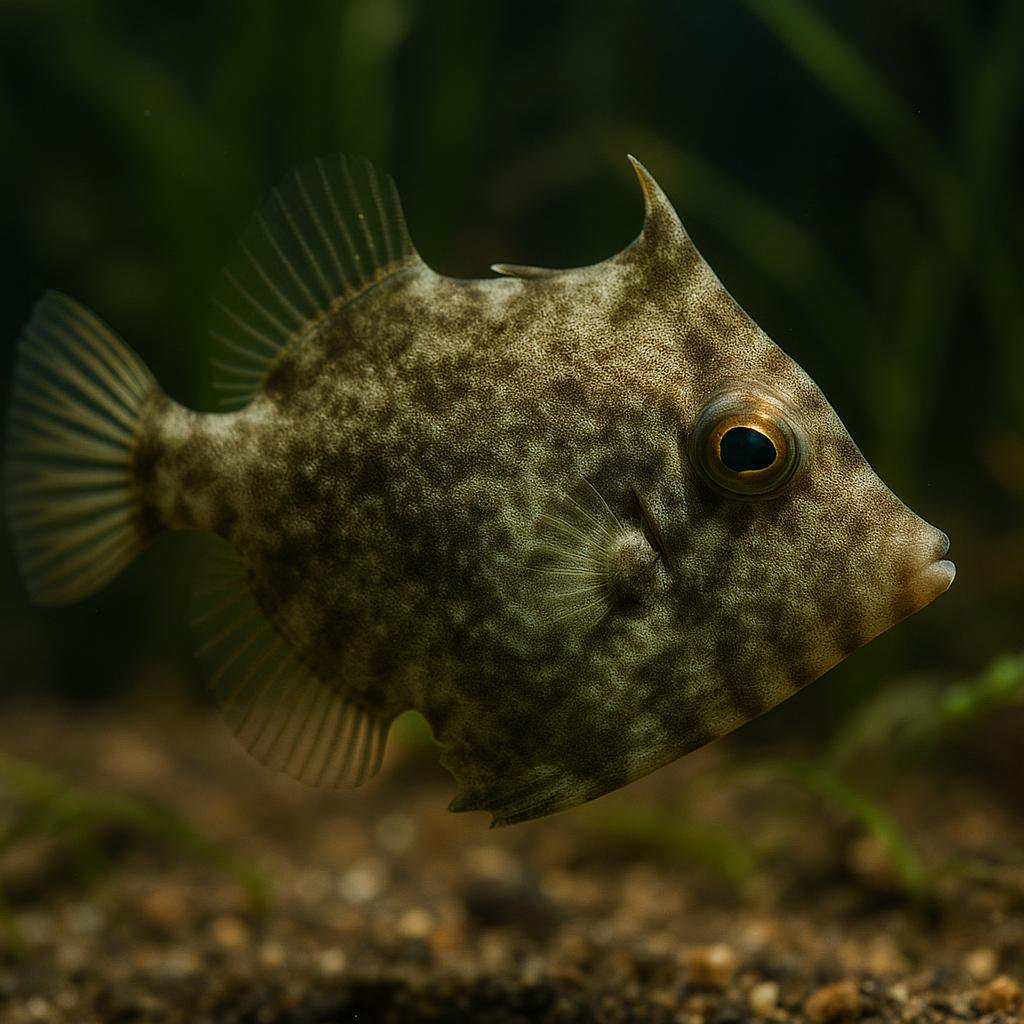
Bristletail Filefish (Aiptasia-Eating Filefish)
Acreichthys tomentosus
This little weirdo is one of my favorites because it's got that goofy filefish "face," a knack for wedging itself into rockwork, and a ton of personality once it settles in. People love them for the chance they'll snack on nuisance Aiptasia, but even when they're not on pest patrol they're just fun to watch cruise around and pick at stuff all day.
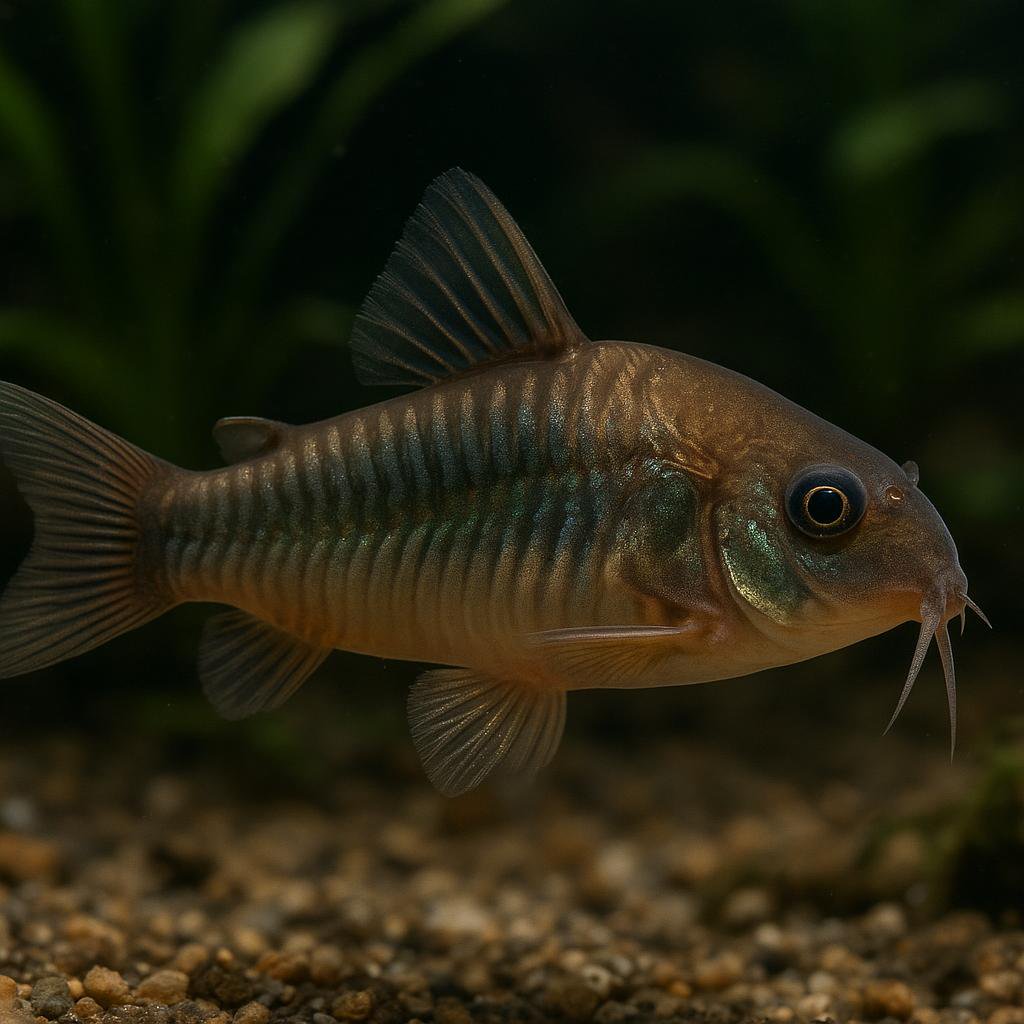
Bronze Corydoras
Corydoras aeneus
The Bronze Corydoras is a charming and highly popular freshwater fish known for its peaceful nature and striking bronze coloration. It has a stout body with barbels around its mouth, allowing it to forage effectively on the substrate. Often seen in schools, this species is well-loved for its social behavior and bottom-dwelling habits.
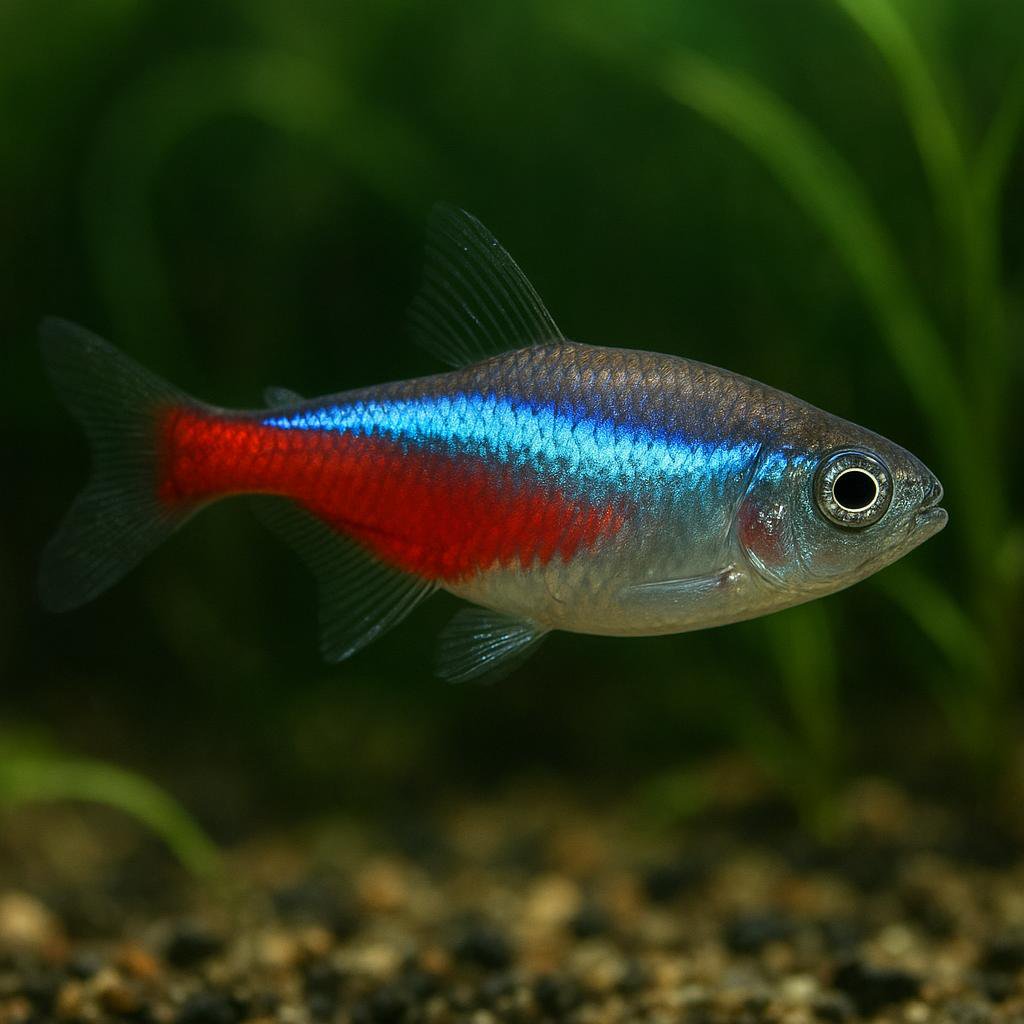
Cardinal Tetra
Paracheirodon axelrodi
The Cardinal Tetra is a small, vibrant freshwater fish known for its striking iridescent blue and red coloring. It is closely related to the Neon Tetra but can be distinguished by the extended red stripe that runs the entire length of its body. People love keeping Cardinal Tetras in their tanks because they're peaceful and great at schooling together.
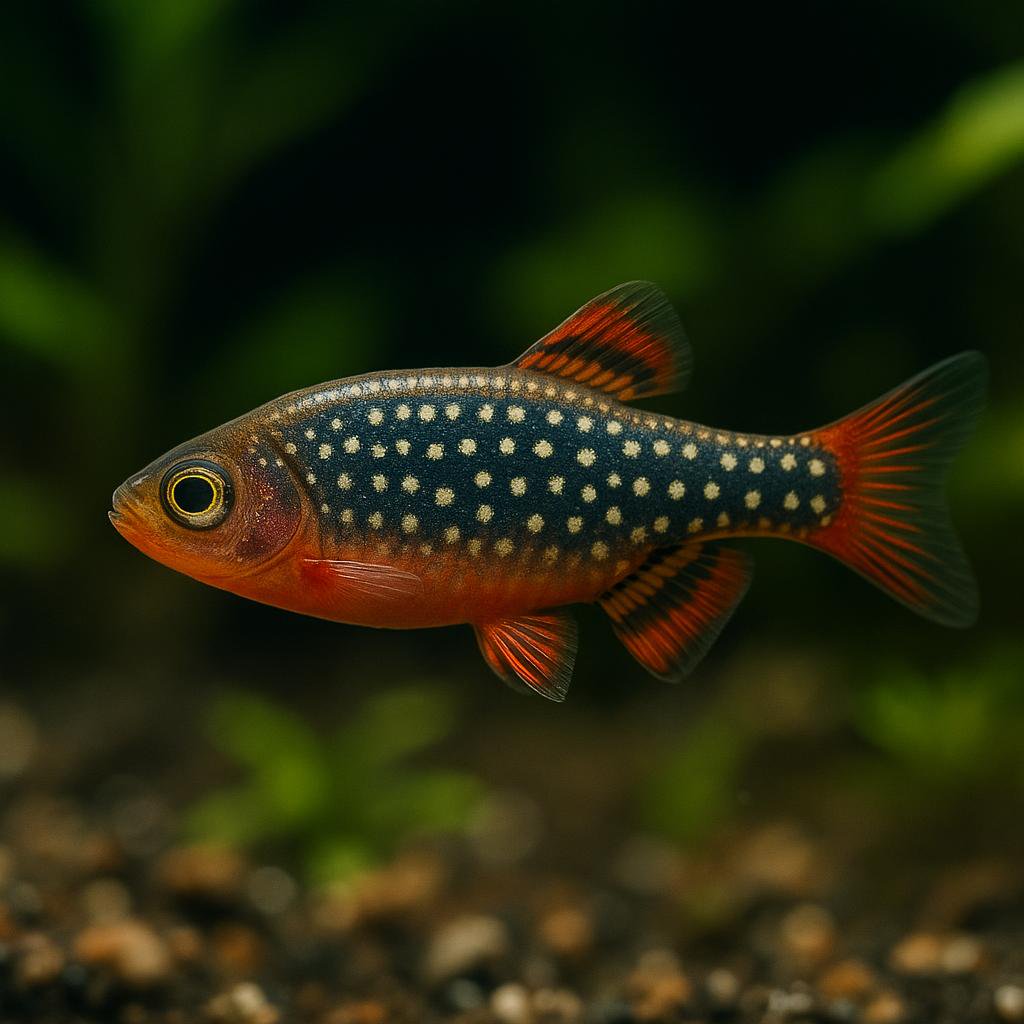
Celestial Pearl Danio
Danio margaritatus
This is the little "galaxy fish" everyone stops to stare at-dark bluish body sprinkled with pearly spots and those punchy orange/red fins. They're peaceful but kinda shy, and you'll see the best color and the cutest little male sparring displays when you keep a proper group in a heavily planted tank with gentle flow.
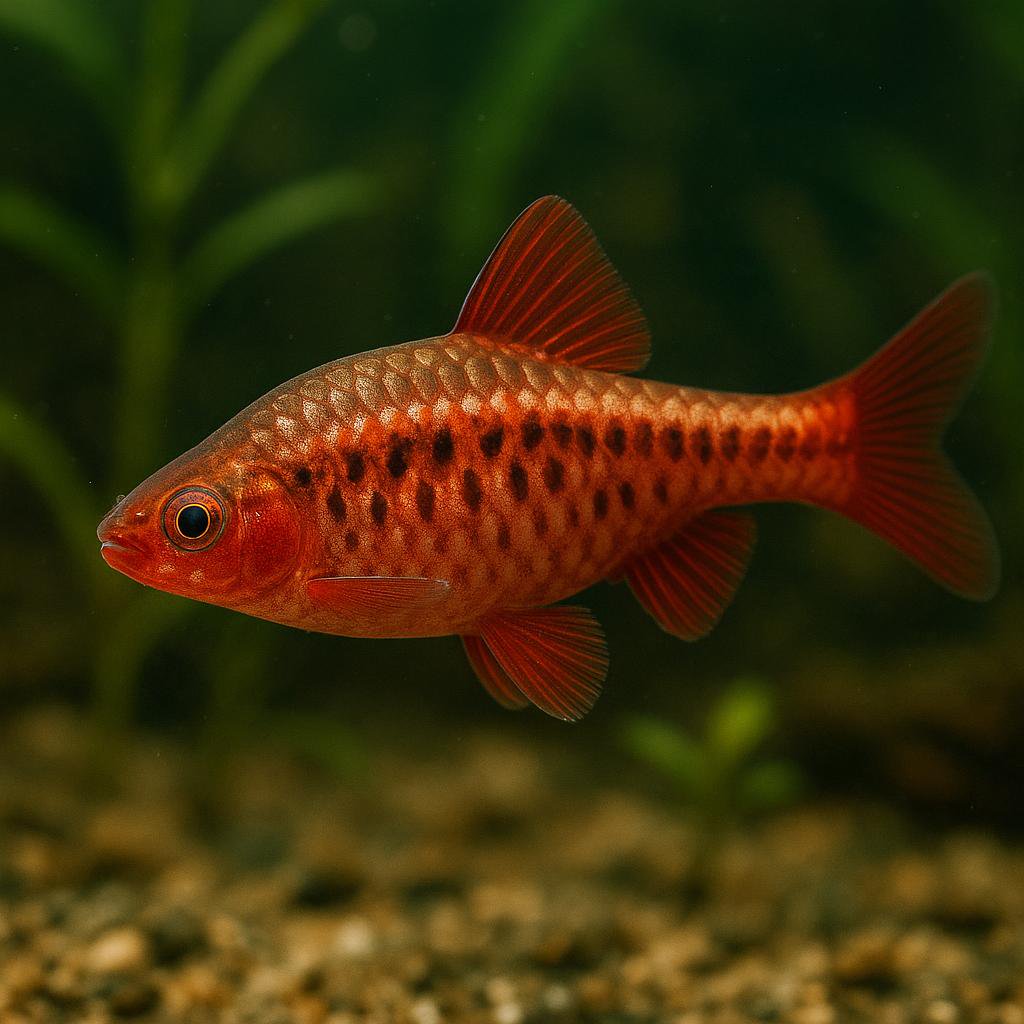
Cherry barb
Rohanella titteya
Cherry barbs are small Sri Lankan barbs; males intensify to deep red (especially when breeding). They're generally peaceful and can be shy unless kept in a group, and they look best in planted aquariums with subdued lighting and darker substrate.
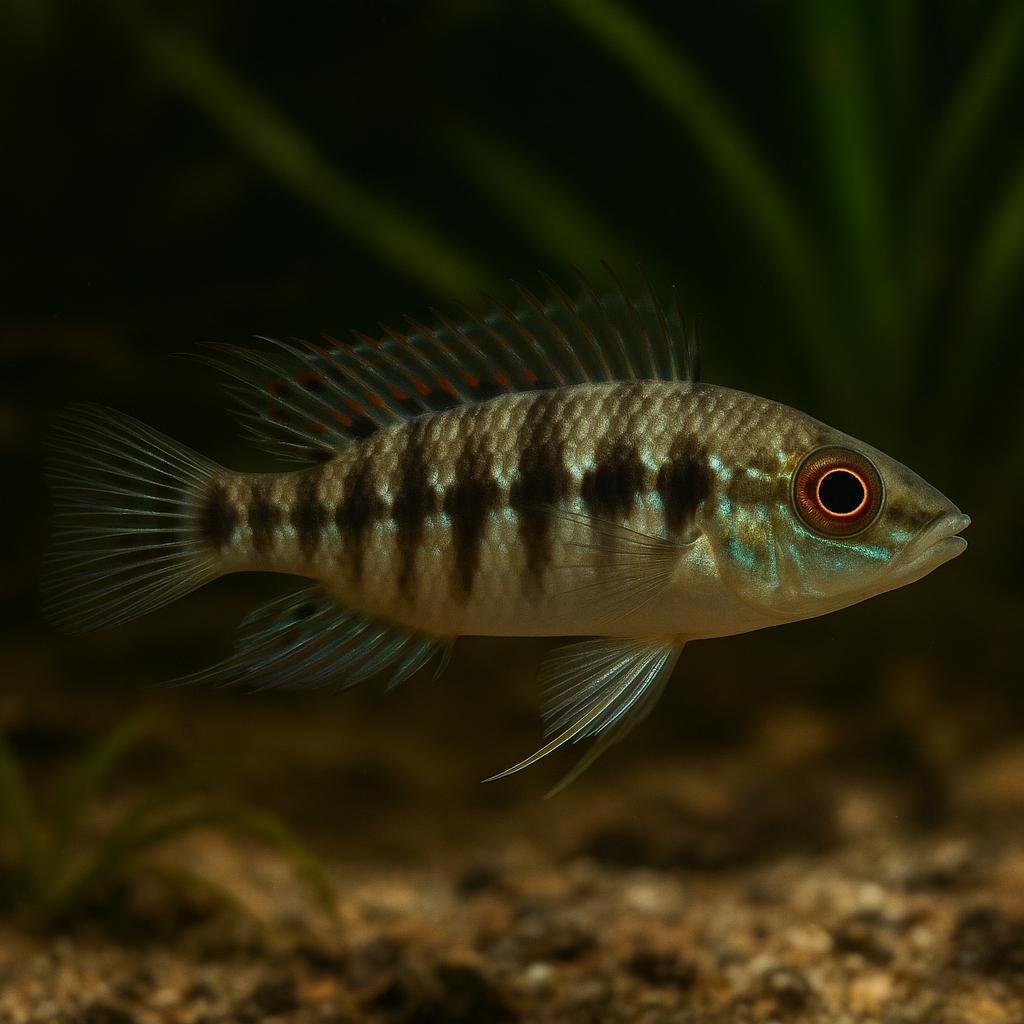
Chessboard cichlid
Dicrossus filamentosus
Dicrossus filamentosus is that classy little blackwater dwarf cichlid with the crisp "chessboard" pattern and, in mature males, a super cool lyretail with streamers. It's generally mellow and shy, but when a female is guarding eggs/fry she turns into a tiny, fearless bulldozer (and it's honestly awesome to watch). Give them soft, clean water, leaf litter, and calm tankmates and they really settle in and show their best colors.
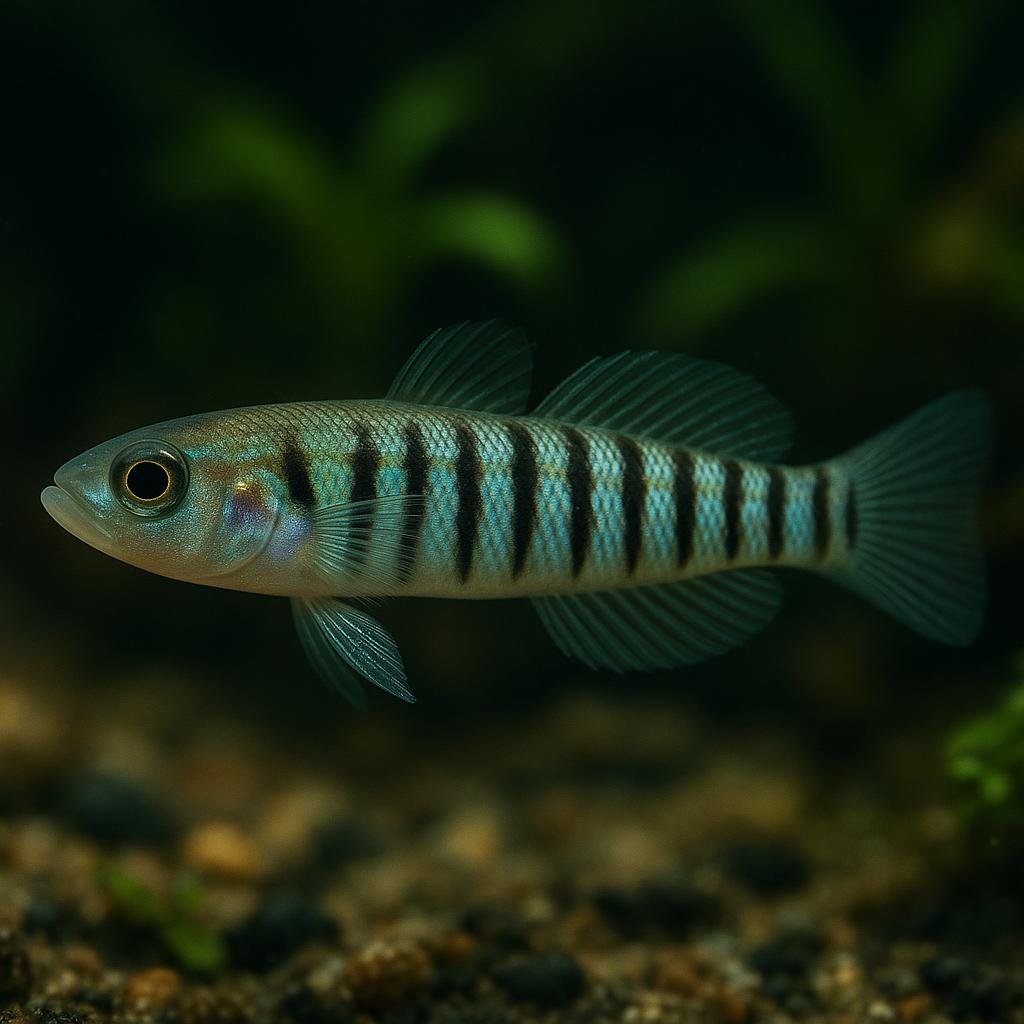
Chinese zebra goby
Ptereleotris zebra
Ptereleotris zebra is one of those slick, torpedo-shaped dartfish that likes to hover in the water column, then instantly zip back into a bolt-hole when it gets spooked. In the wild it hangs out on exposed seaward reefs in groups, often in current, and in a tank the big thing is giving it open swim room plus tight cover because it is absolutely a jumper.