

Search Species
Search for fish species by common or scientific name, or use filters to browse by water type, size, temperament, and difficulty.
Found 79 species
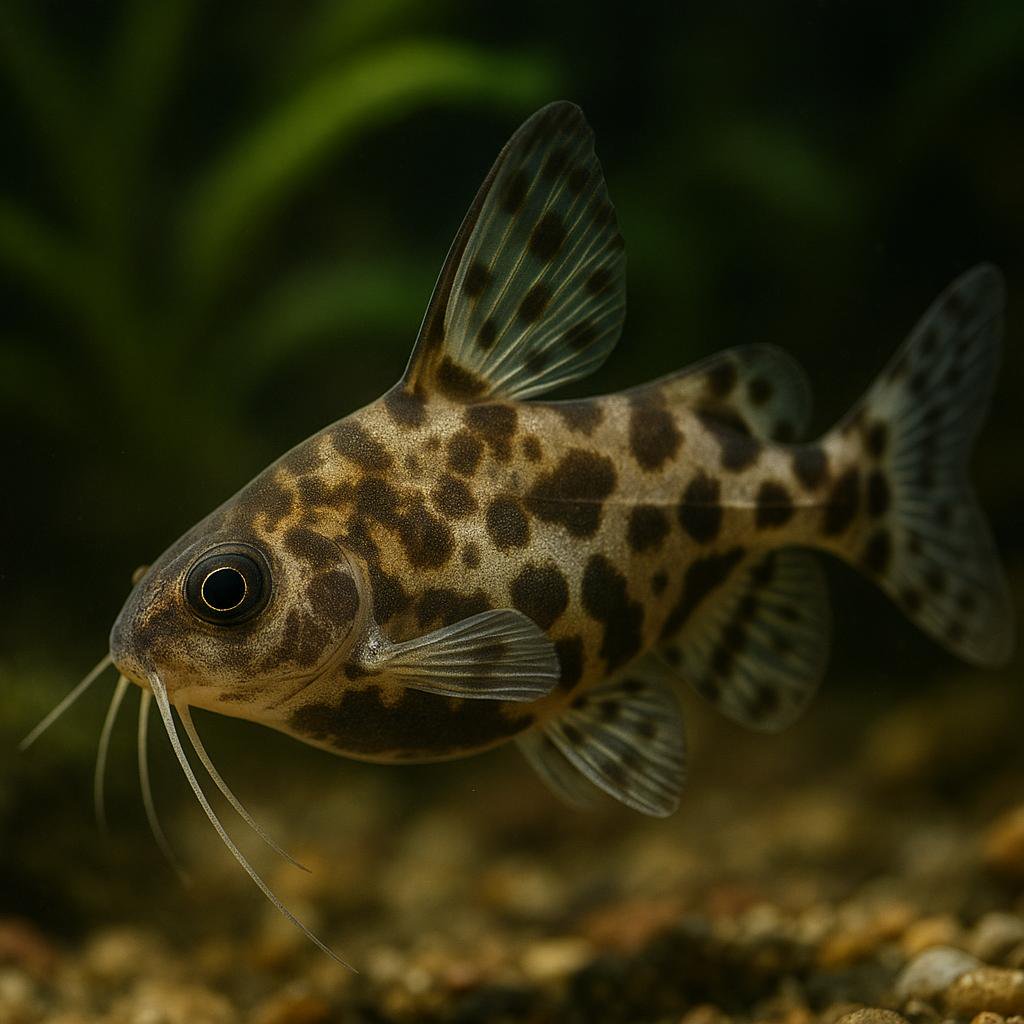
Upside-down Catfish
Synodontis nigriventris
The upside-down catfish is a small African mochokid catfish famous for swimming and feeding belly-up, especially under cover and along the water's surface. It has a light belly (often with darker spotting), a darker back, and prominent barbels, and it is most active at dusk and night. Peaceful overall, it does best in groups with plenty of hiding places like driftwood and caves.
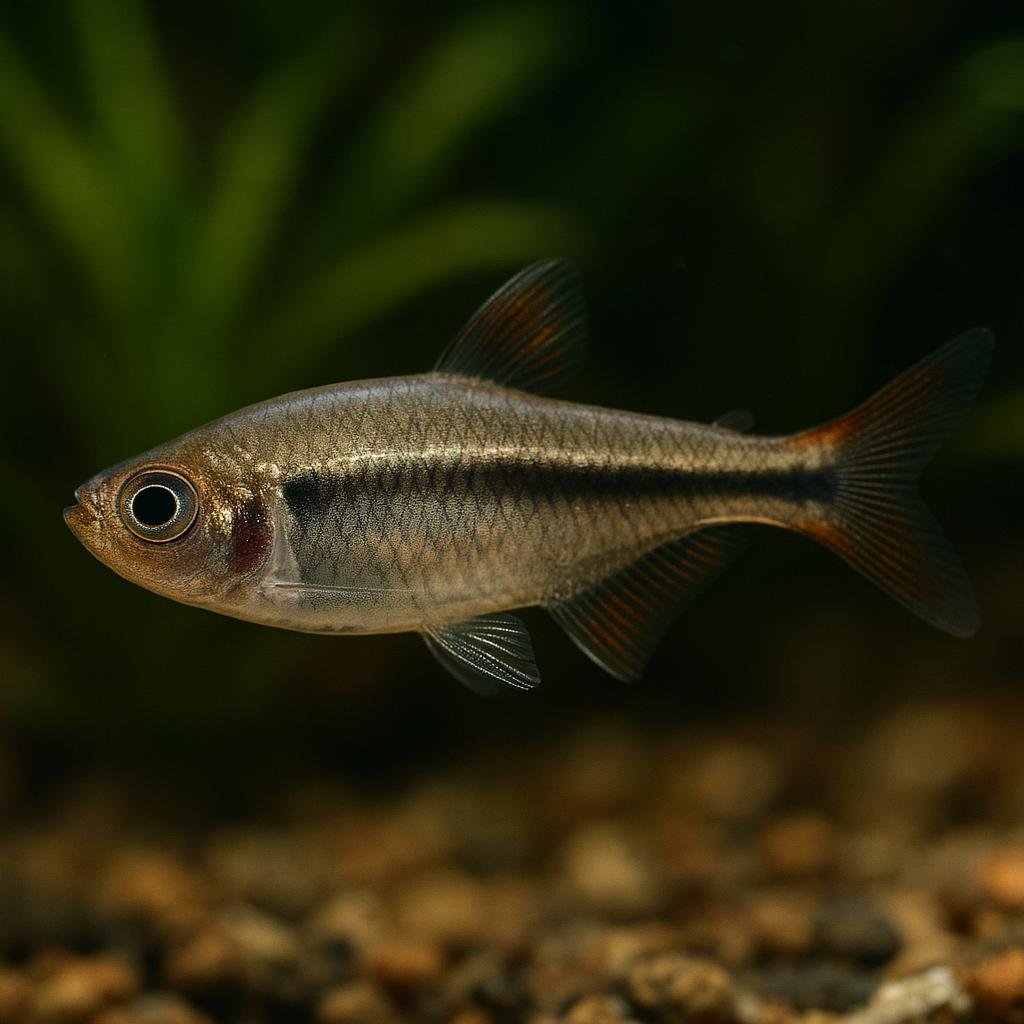
Veilfin tetra
Hyphessobrycon elachys
This is one of those tiny Paraguay-basin tetras that looks kind of understated until the males mature and start throwing those longer, flowy fins - then it gets really classy. Keep them in a proper little group and theyll spend the whole day hovering and cruising the midwater, looking extra sharp over dark substrate and plants.
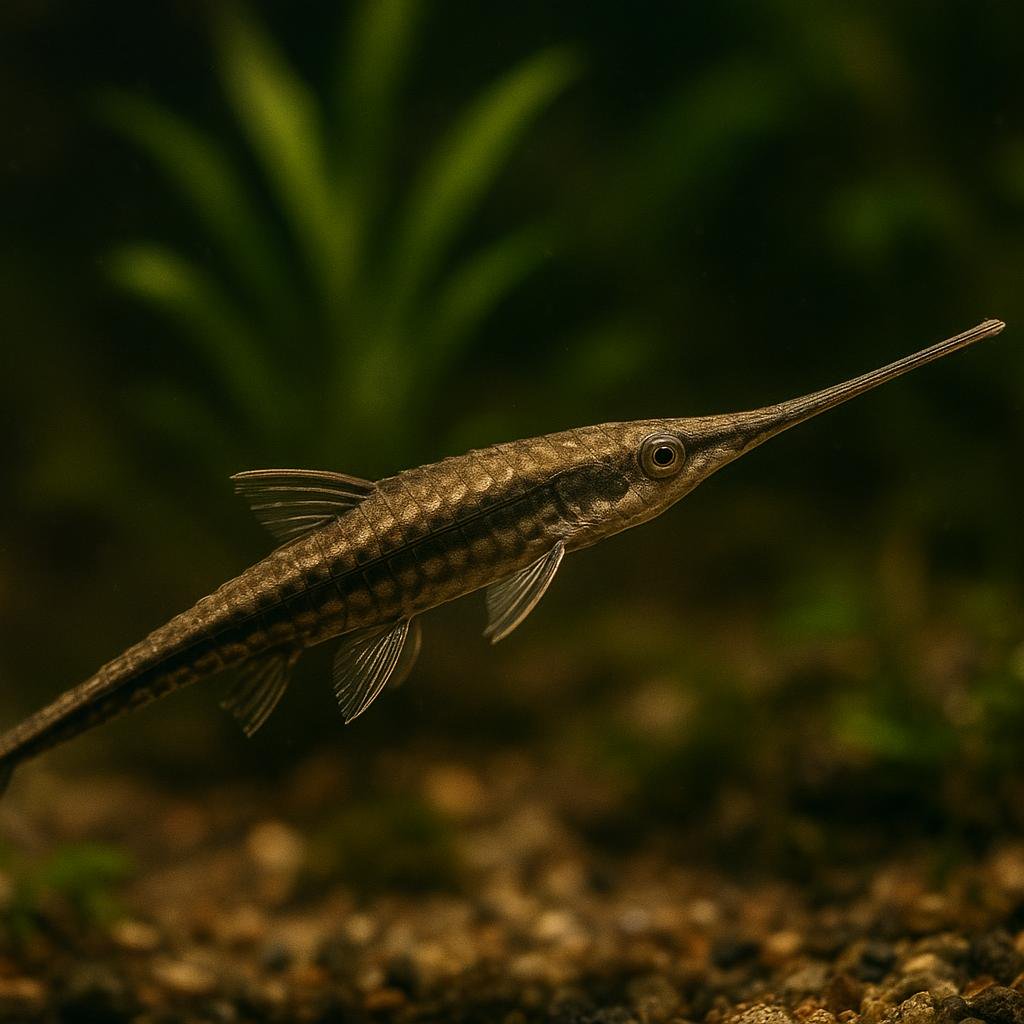
Whiptail catfish (Twig catfish)
Farlowella acus
Farlowella acus is that classic twig-looking whiptail that can sit on wood and basically disappear - it really does look like a little stick with fins. It is super chill and spends most of its time grazing and picking at surfaces, so it does best in a mature tank with stable water and plenty of stuff to cling to.
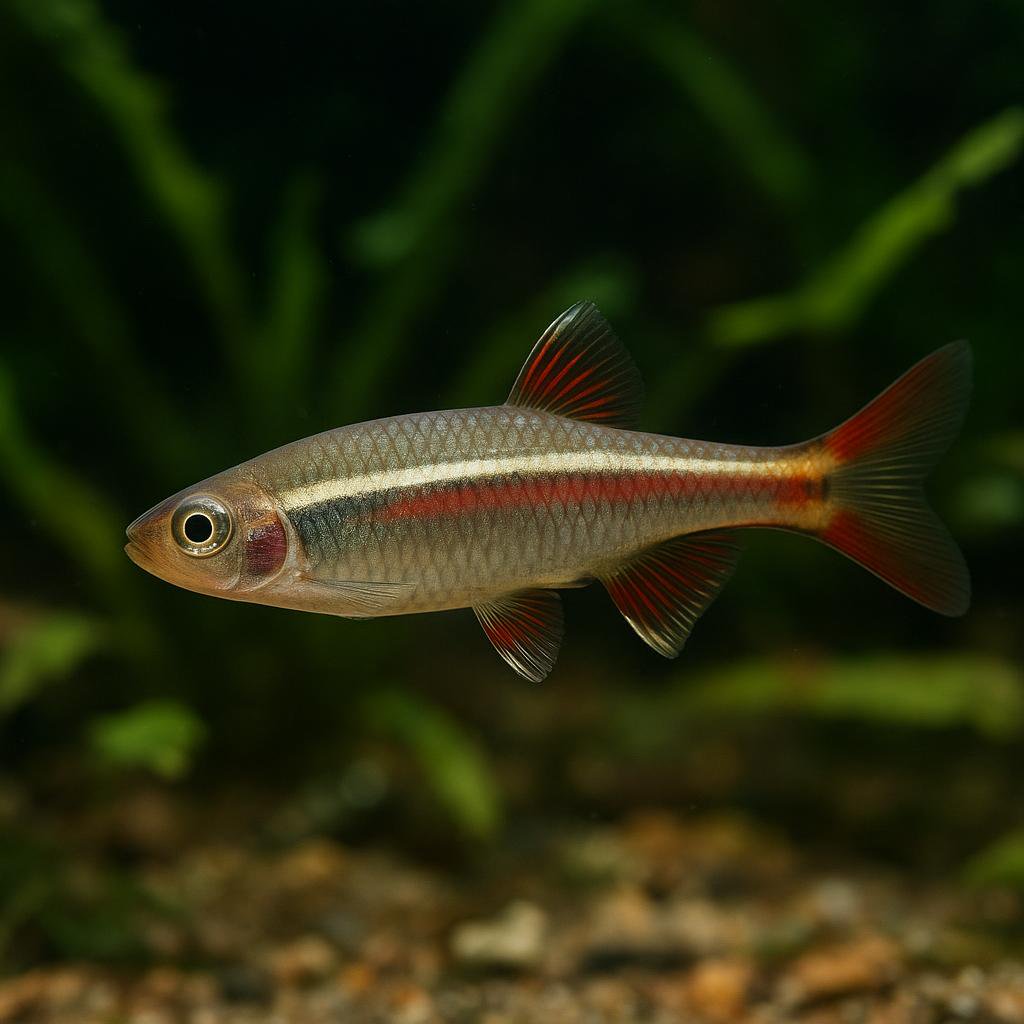
White Cloud Mountain Minnow
Tanichthys albonubes
White Clouds are tiny little stream minnows with that neat glowing stripe and red-tipped fins, and they look way better the cooler you keep them. They're super active in a group and do this constant "busy schooling" thing in the top/middle of the tank-really fun fish when you give them space to zip around.
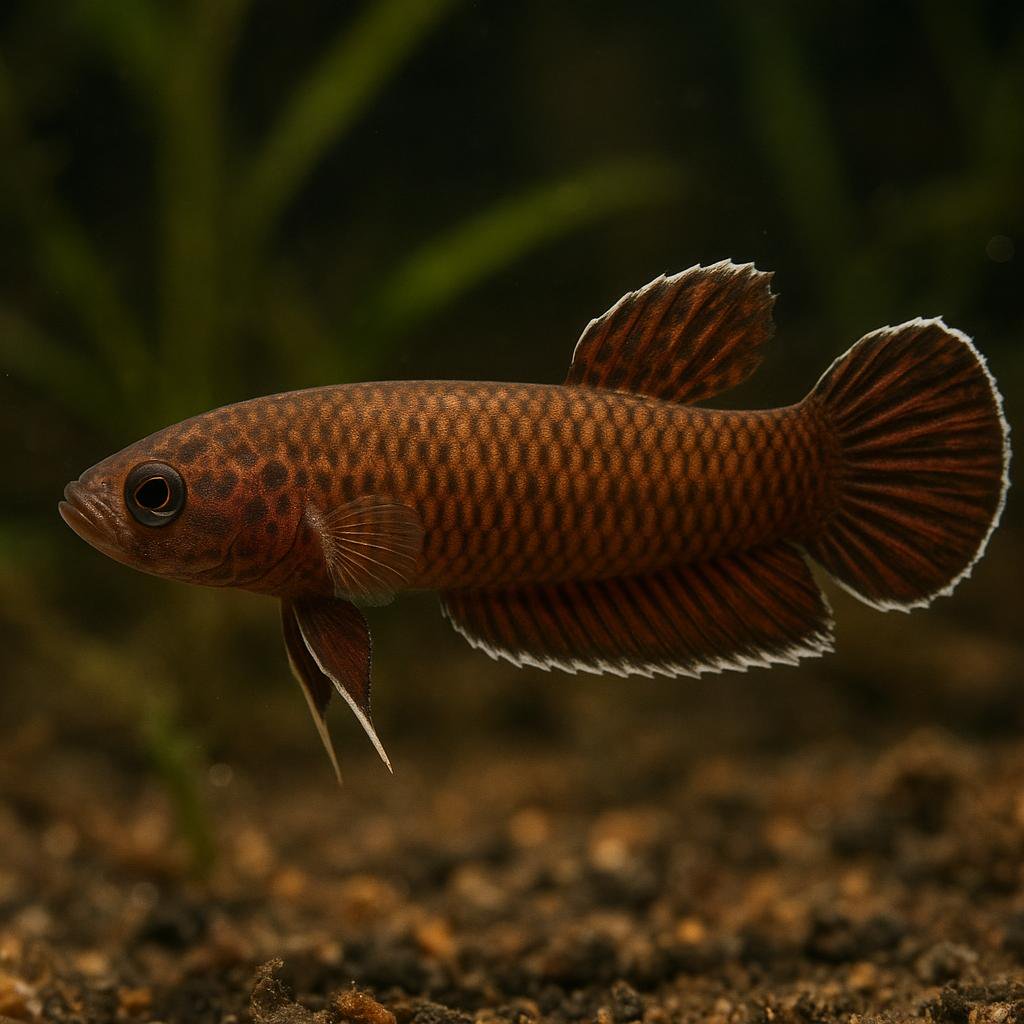
White-Edged (Albimarginata) Betta
Betta albimarginata
This is one of those wild bettas that feels more like a tiny aquarium predator than a "fancy fin" betta-sleek, quick, and always watching what's going on. The males are awesome with that crisp white edging on the fins, and the coolest part is the dad carries the eggs in his mouth, so you'll sometimes see him just chilling and not eating for a bit while he incubates.
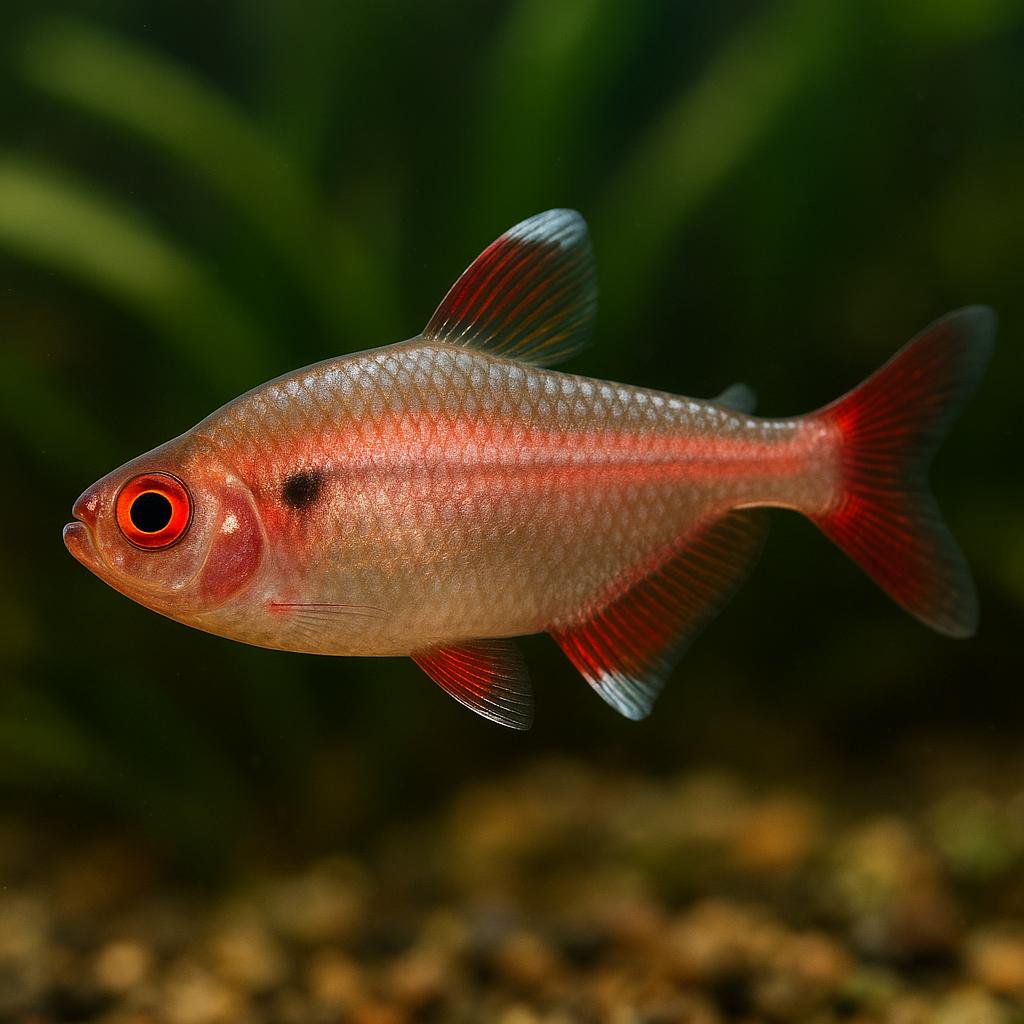
Yellow phantom tetra
Hyphessobrycon roseus
Hyphessobrycon roseus is a small phantom-type tetra (syn. Megalamphodus roseus) from the Maroni and Oyapock river basins (French Guiana/Guianas region). It is best kept in a planted, softwater setup in a group, where males may display but are generally peaceful.
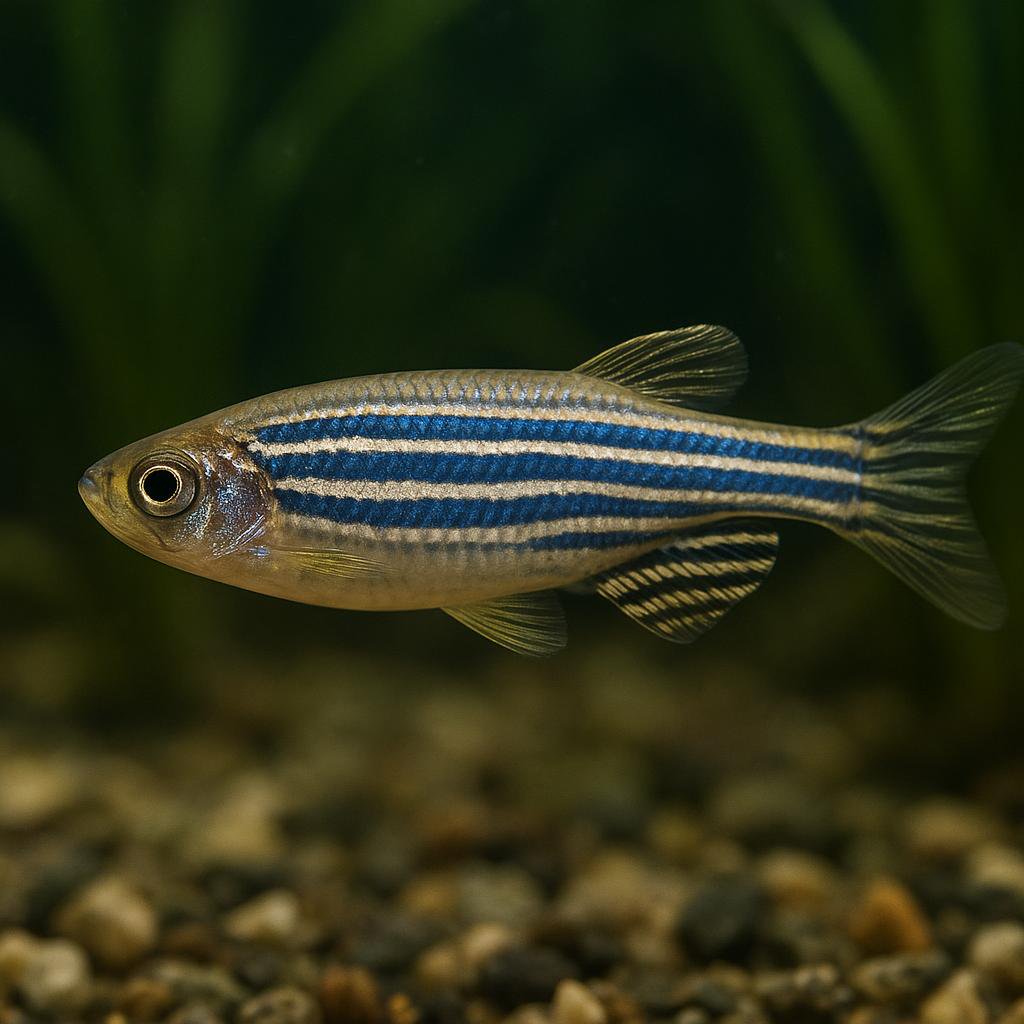
Zebra Danio
Danio rerio
Zebra danios are those nonstop little stripey rockets that zip around the top and middle of the tank like they've had three espressos. They're super fun in a group because they chase, spar, and "race" each other without really meaning harm, and that constant motion makes the whole tank feel alive.