

Search Species
Search for fish species by common or scientific name, or use filters to browse by water type, size, temperament, and difficulty.
Found 51 species
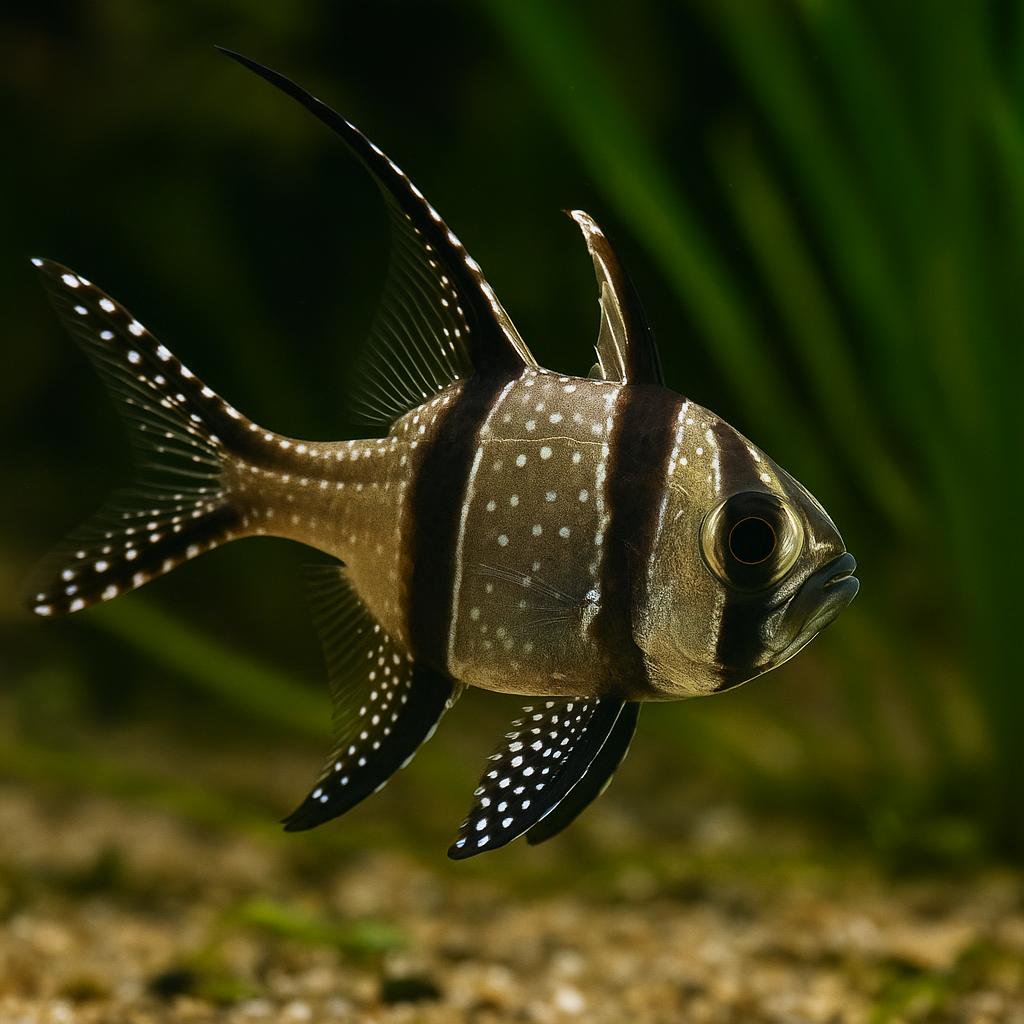
Banggai Cardinalfish
Pterapogon kauderni
Banggai cardinals just sort of hover like little underwater satellites, and the bold black bars with those long, polka-dotted fins look unreal under reef lighting. They're super chill most of the time, but once a pair forms you'll see real "fish drama," and the male will even mouthbrood the babies like a champ.
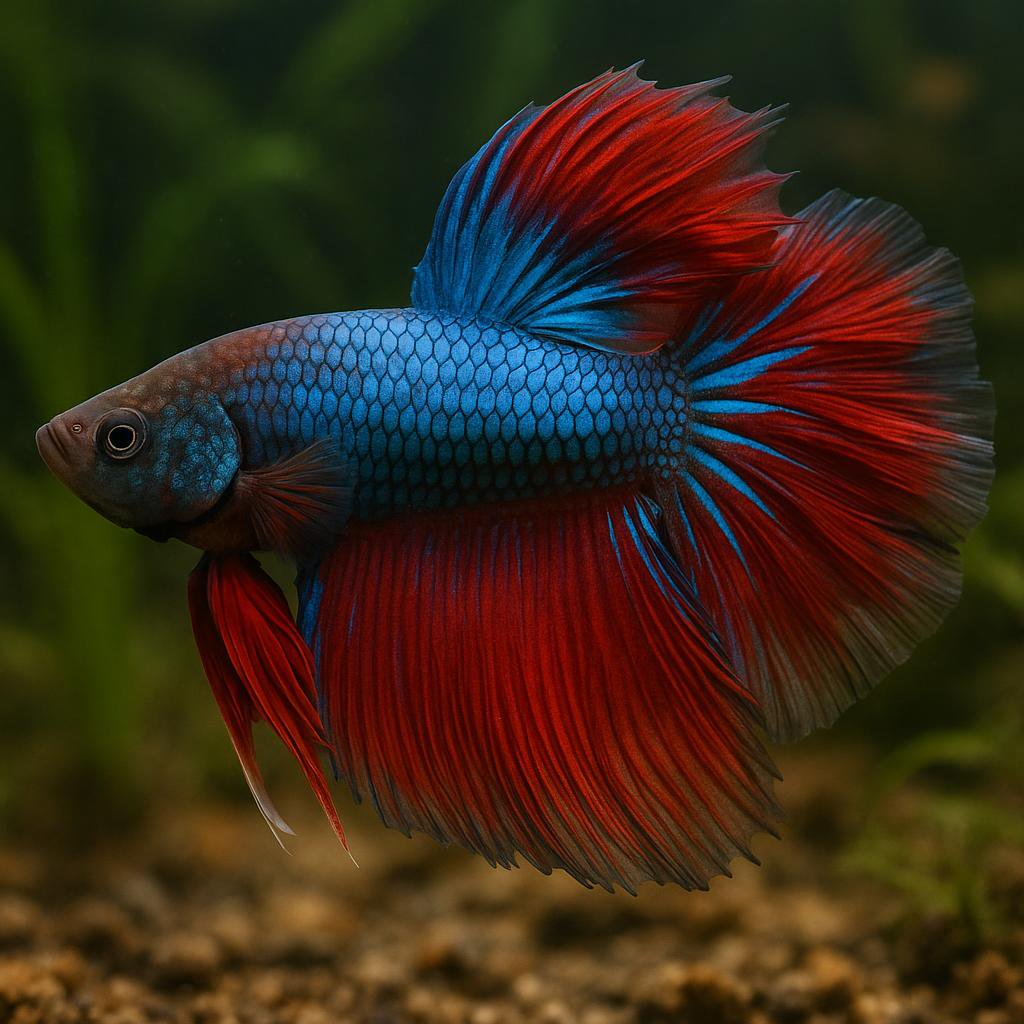
Betta
Betta splendens
Betta fish, also known as Siamese fighting fish, are popular for their striking colors and flowing fins. They are known for their territorial nature, especially males, which can display aggressive behavior towards each other.
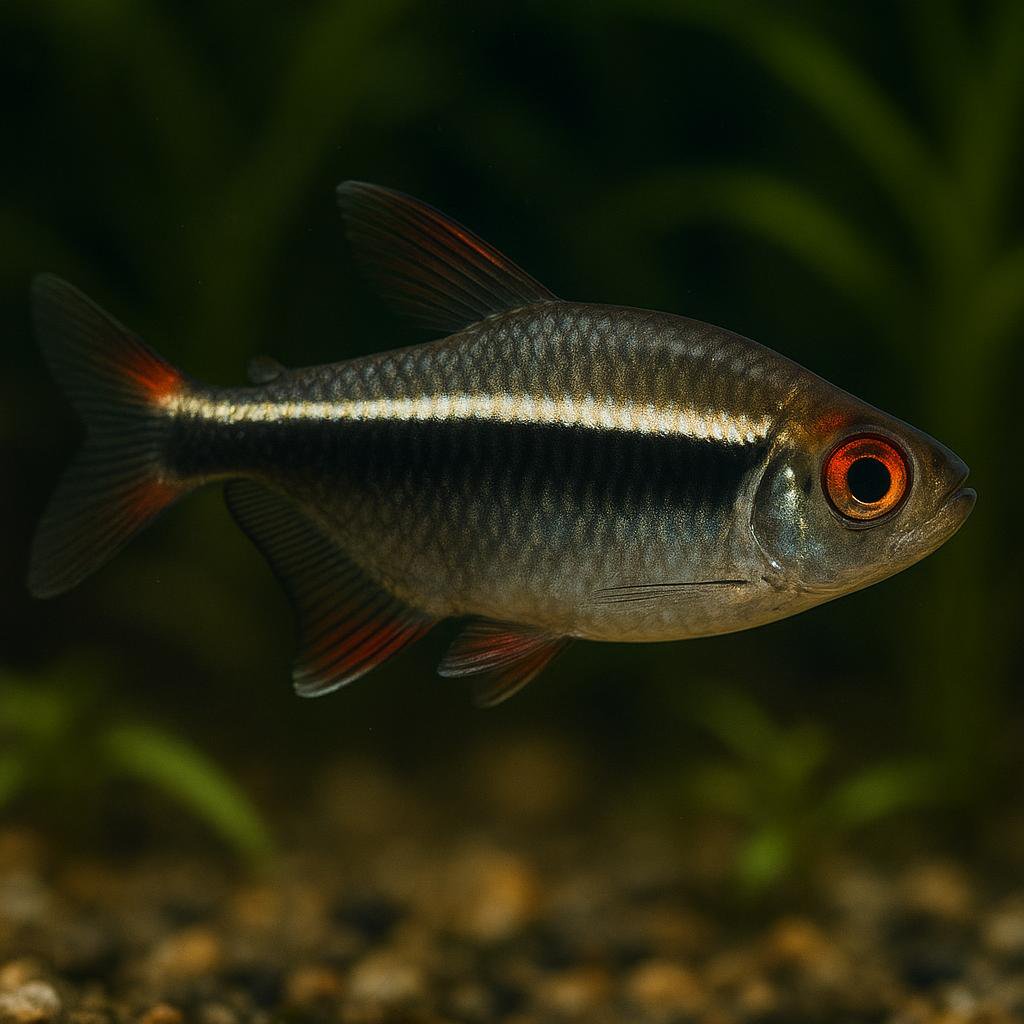
Black Neon Tetra
Hyphessobrycon herbertaxelrodi
Black neons are one of those little tetras that look kinda understated until the light hits them-then that bright stripe pops and they shimmer when the school turns together. They're super chill, always cruising mid-water, and they make a tank feel "alive" without being hectic. If you keep a nice group, they get bolder and you'll see way more of their personality.
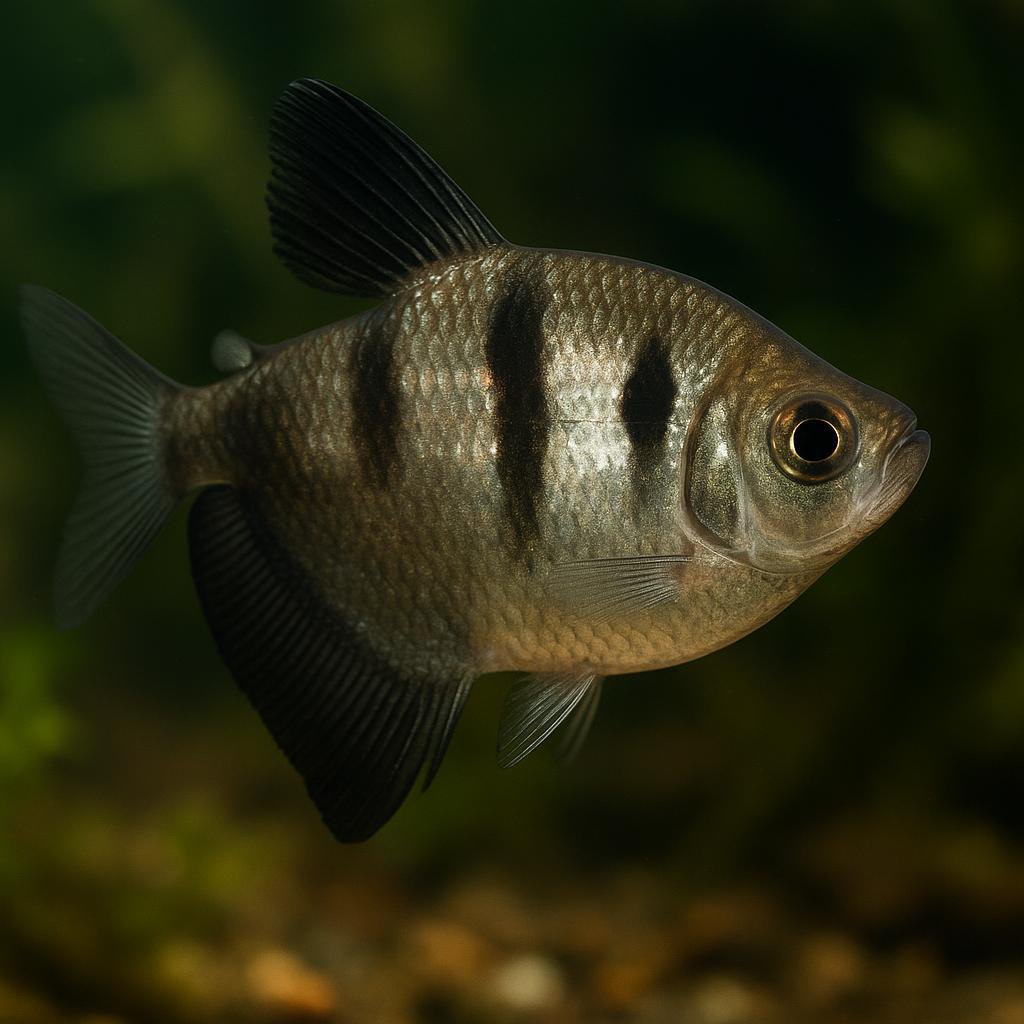
Black Skirt Tetra (Black Widow Tetra)
Gymnocorymbus ternetzi
Black skirts are those little "suit-and-tie" tetras with the dark bands and flowing fins that look way fancier than they should for how tough they are. They're super active midwater fish, and when you keep a proper group they do that tight, zippy schooling thing that makes the whole tank feel alive. Just give them enough buddies and finny tankmates they won't be tempted to nip.
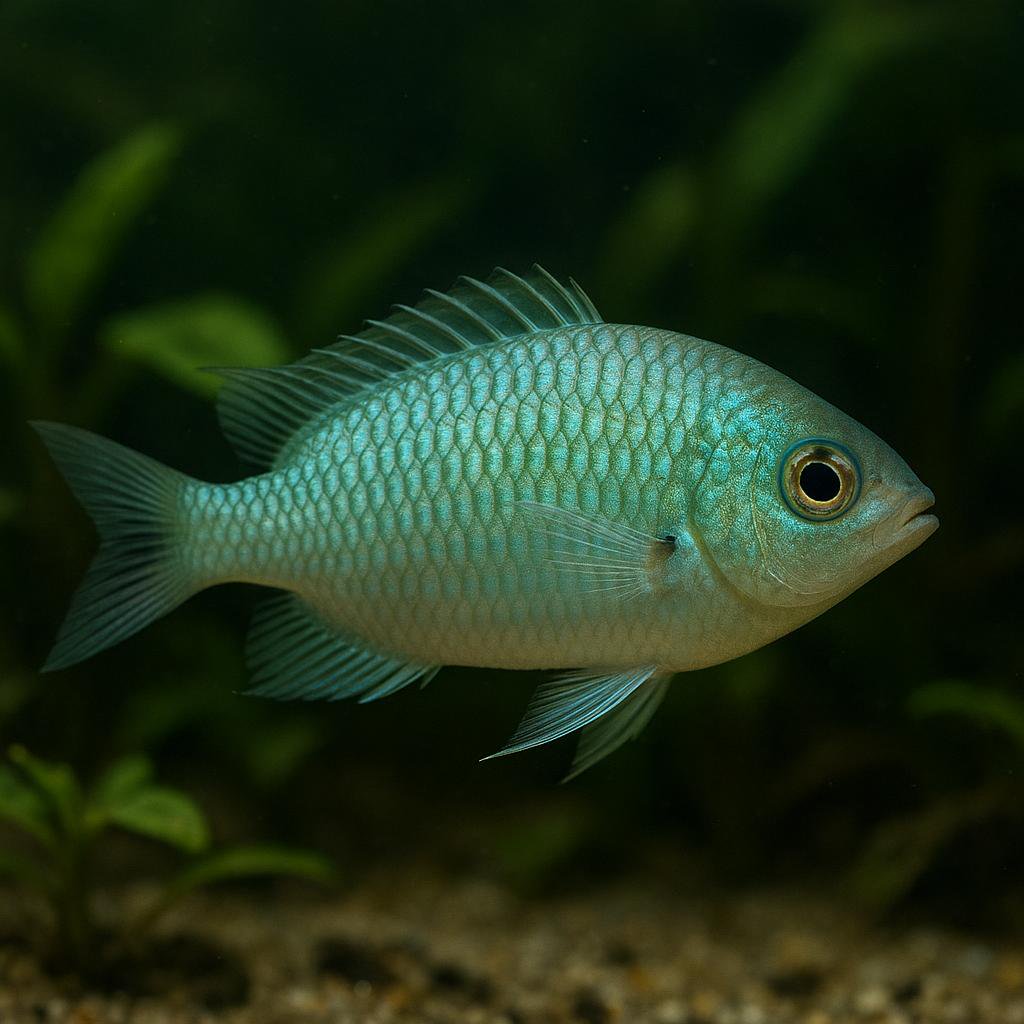
Blue Green Chromis (Green Chromis)
Chromis viridis
Blue Green Chromis are those shimmery little green-blue darts you'll see zipping around the top of a reef tank, always looking like they're catching the light just right. They're super fun in a group because they hover and cruise together, but they've got a bit of a "pecking order" thing going on if the tank's tight or the group's too small.
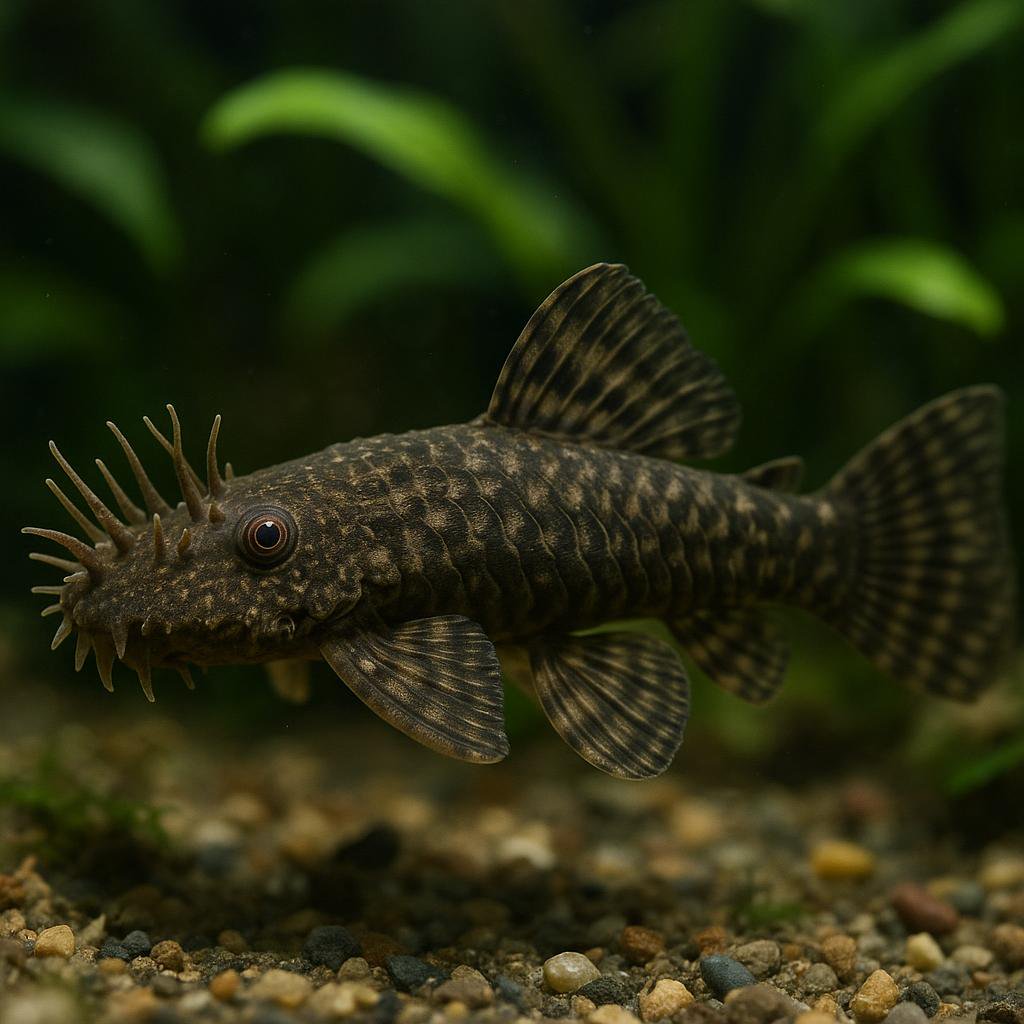
Bristlenose Pleco (Common Bristlenose)
Ancistrus cirrhosus
The Bristlenose Pleco is a small catfish with a sucker mouth, armored body, and distinctive bristles on its face, especially in males. It is primarily nocturnal and spends much of its time grazing on biofilm and algae from surfaces, making it a popular, hardy "algae-eater" in community aquariums.
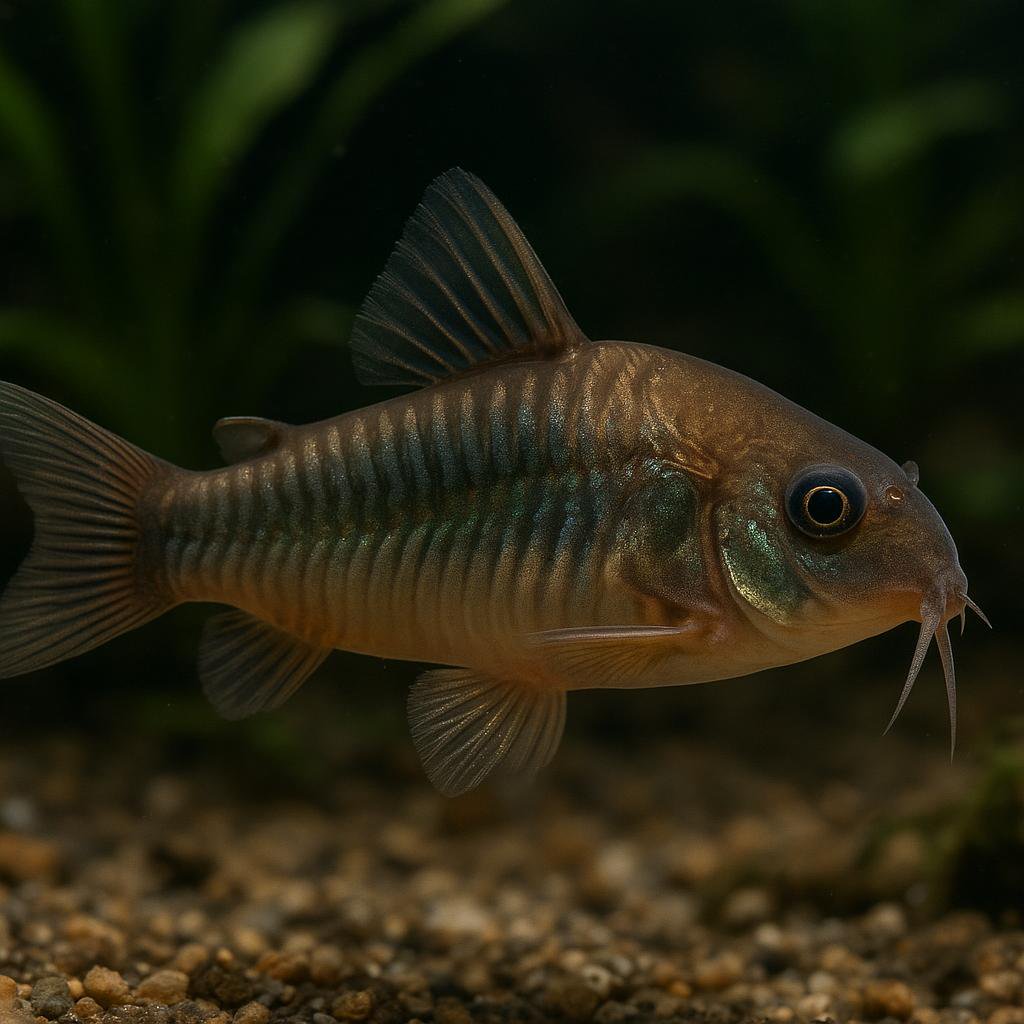
Bronze Corydoras
Corydoras aeneus
The Bronze Corydoras is a charming and highly popular freshwater fish known for its peaceful nature and striking bronze coloration. It has a stout body with barbels around its mouth, allowing it to forage effectively on the substrate. Often seen in schools, this species is well-loved for its social behavior and bottom-dwelling habits.
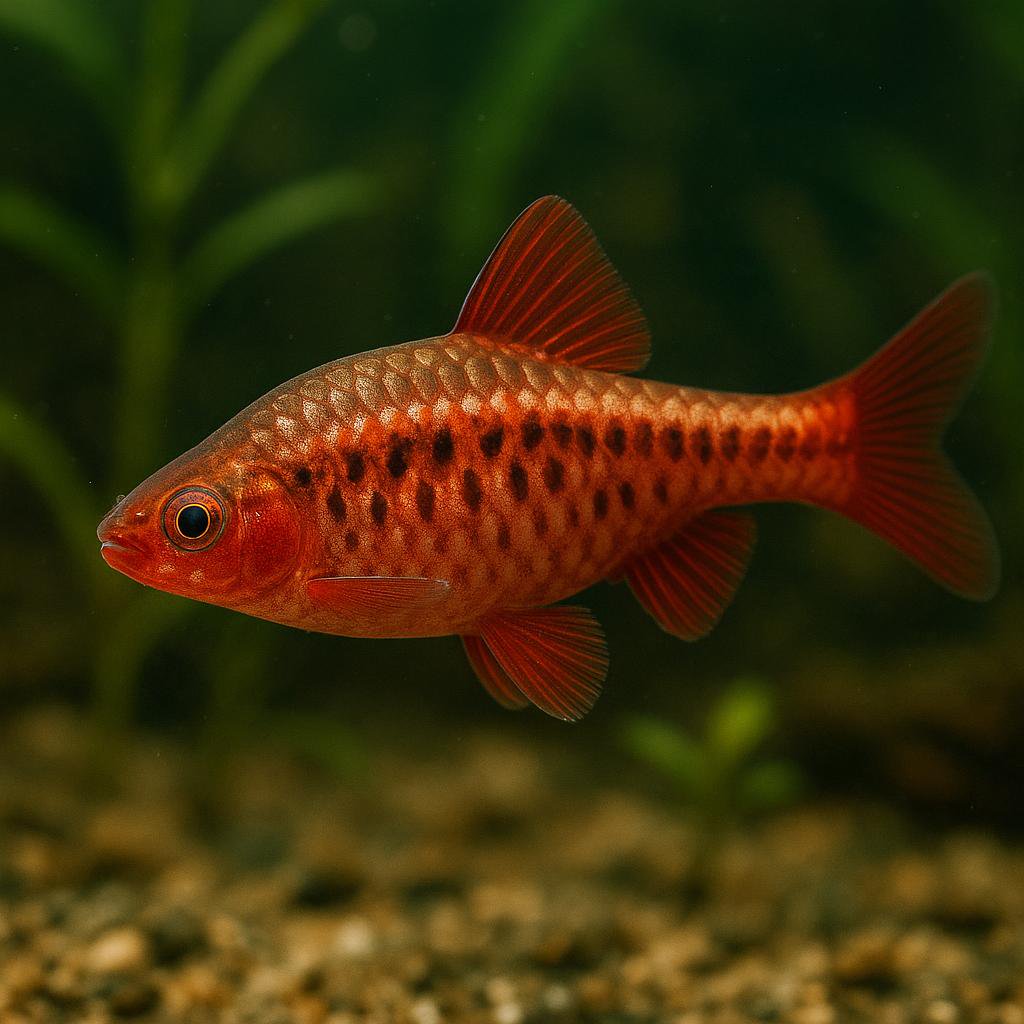
Cherry barb
Rohanella titteya
Cherry barbs are small Sri Lankan barbs; males intensify to deep red (especially when breeding). They're generally peaceful and can be shy unless kept in a group, and they look best in planted aquariums with subdued lighting and darker substrate.
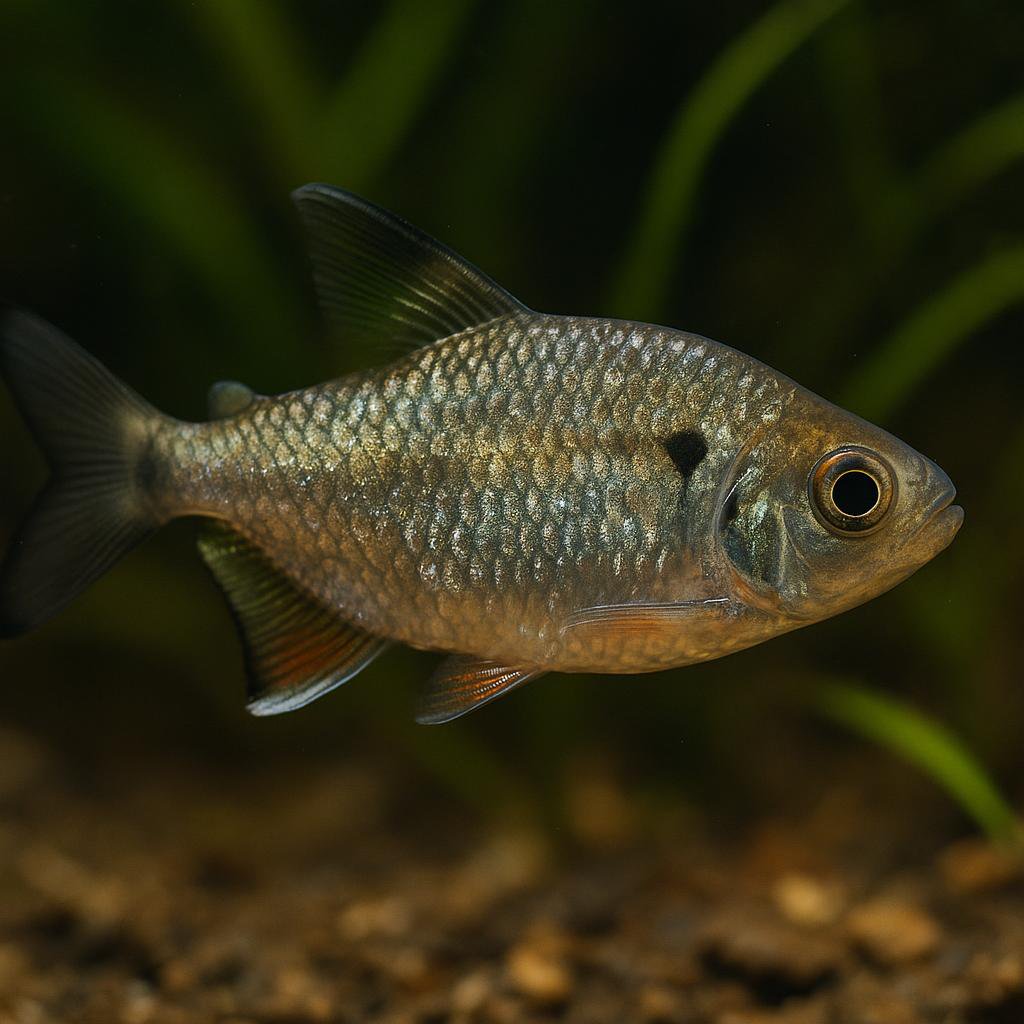
Diamond Tetra
Moenkhausia pittieri
Diamond tetras are one of those fish that look kind of plain in the bag, then you get them settled in and they start throwing off this glittery, diamond-like shine when the light hits them-super satisfying to watch. They're active, always cruising around the midwater, and in a nice little school they'll do that tight, synchronized swimming thing that makes the tank feel alive.
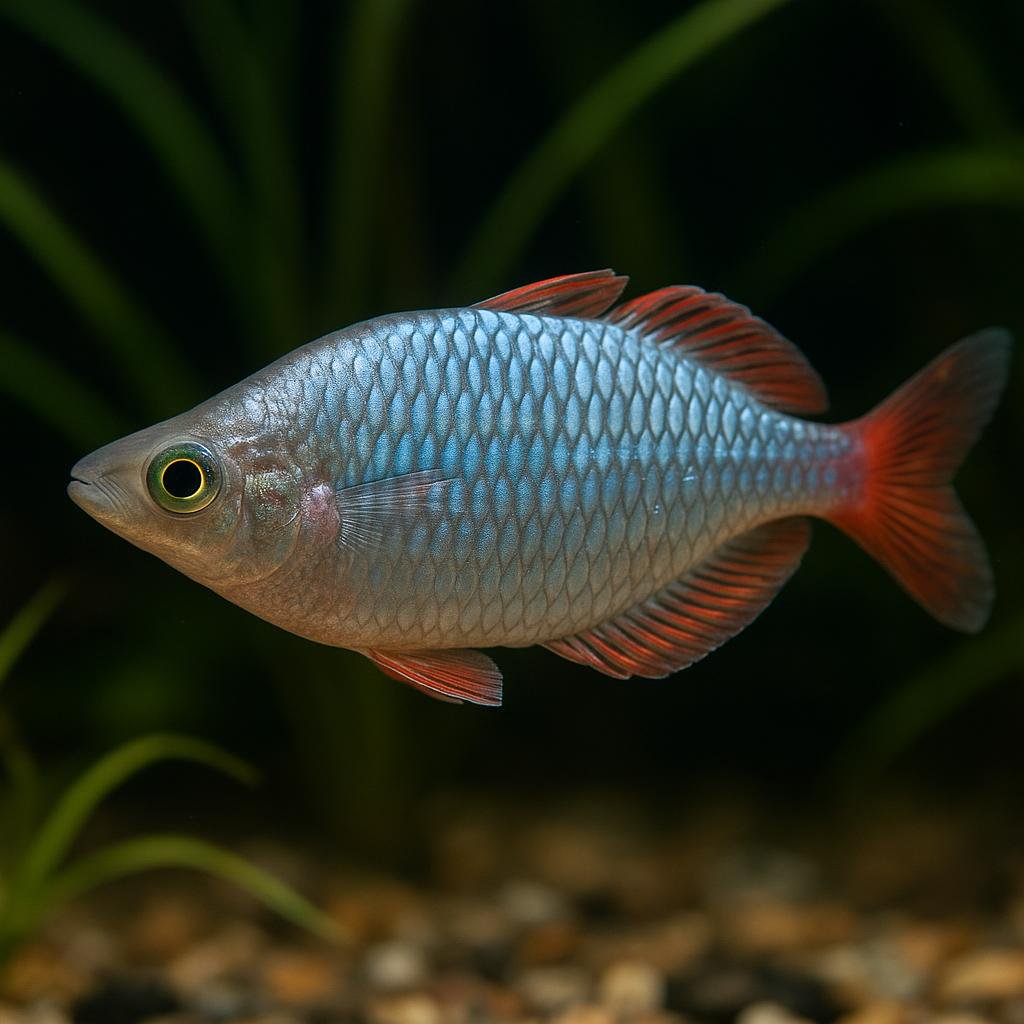
Dwarf Neon Rainbowfish
Melanotaenia praecox
These little rainbows are like living sparks-electric blue bodies with those punchy red/orange fins, and they look even better the more you keep together. They're constantly cruising the mid-water, flashing at each other and doing that classic rainbowfish "look at me" shimmy, especially when the lights first come on or at feeding time.
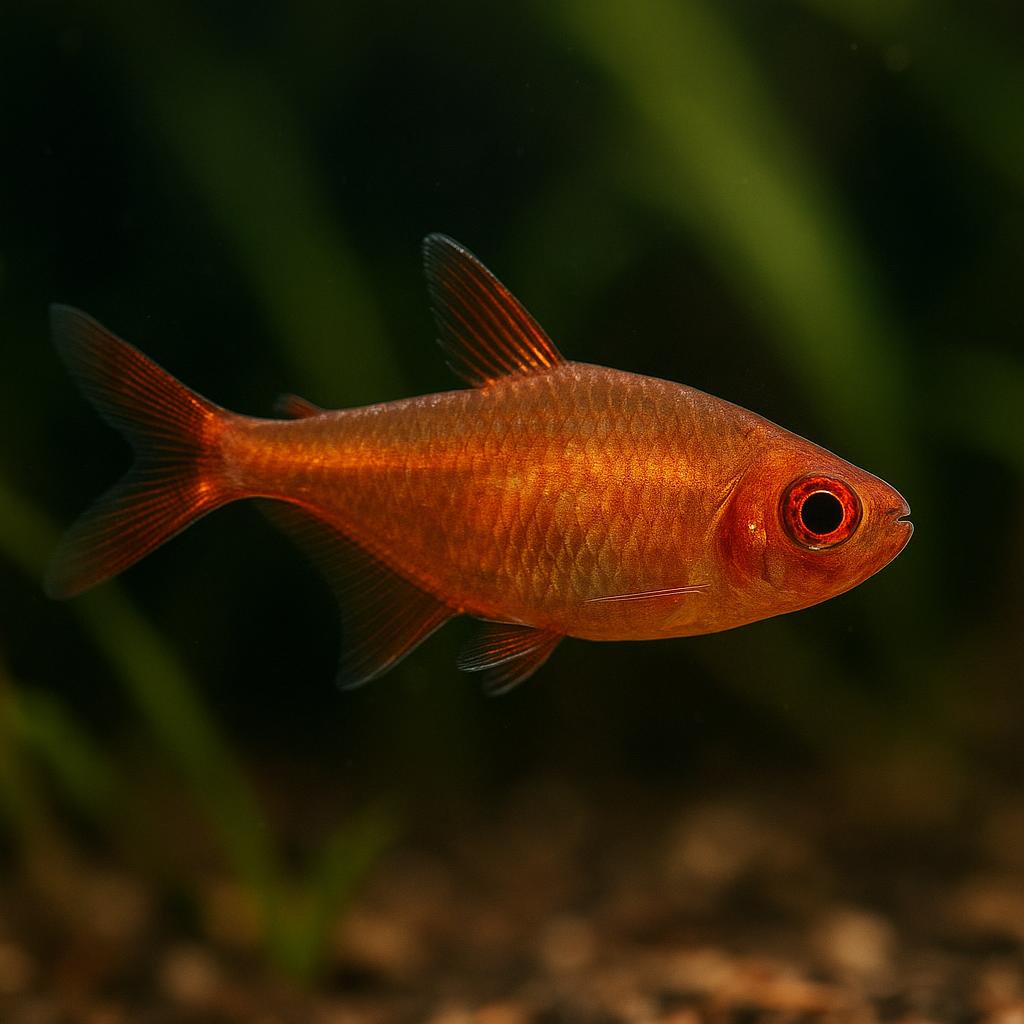
Ember tetra
Hyphessobrycon amandae
Ember tetras are tiny little orange "glow fish" tetras that look insanely good over a dark substrate with plants and a bit of leaf litter. They're happiest in a proper little gang, and when they settle in and feel safe the whole school starts moving like one warm, flickery cloud.
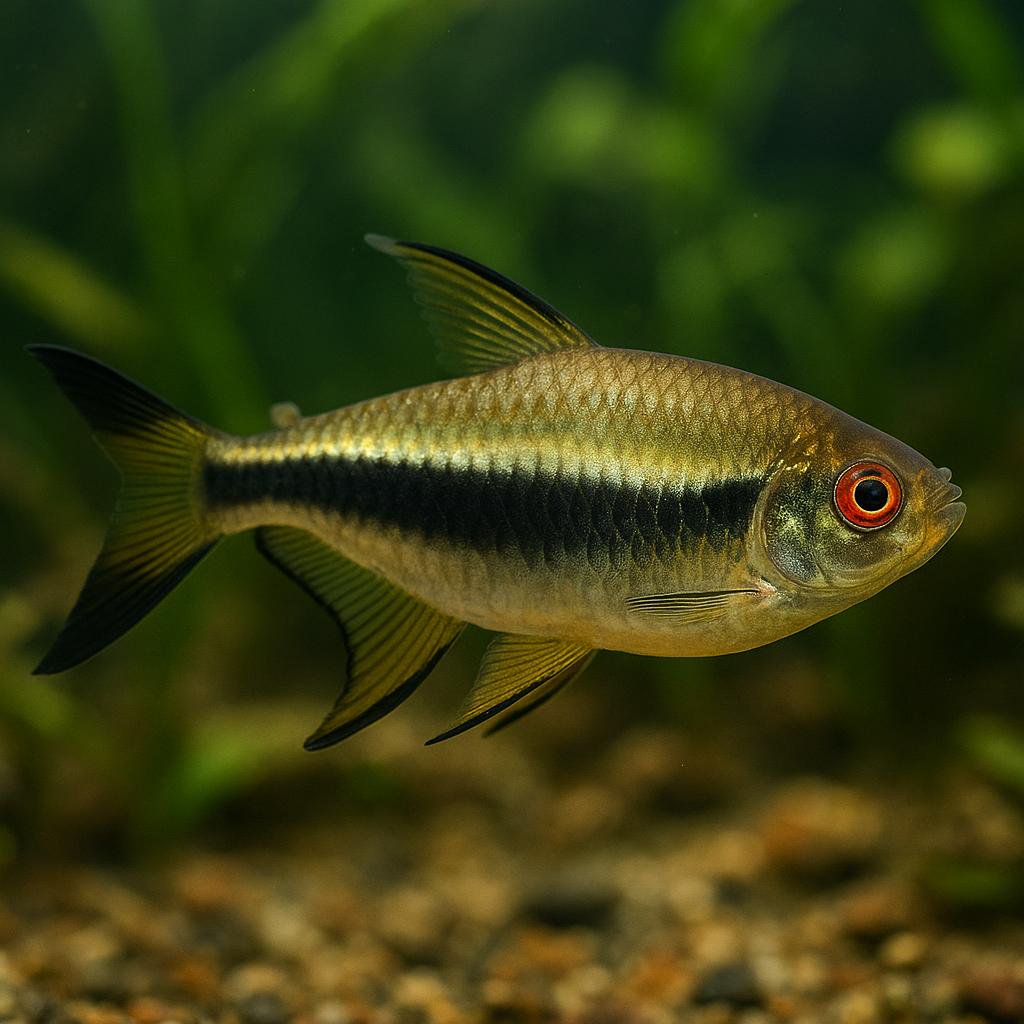
Emperor tetra
Nematobrycon palmeri
Emperor tetras are those classy little Colombian characins with the dark horizontal stripe and the males' awesome trident/lyretail look. Keep a decent-sized group and you'll see the males do their little posturing displays without really hurting each other, especially in a planted tank with some shade.