

Bronze Corydoras
Corydoras aeneus
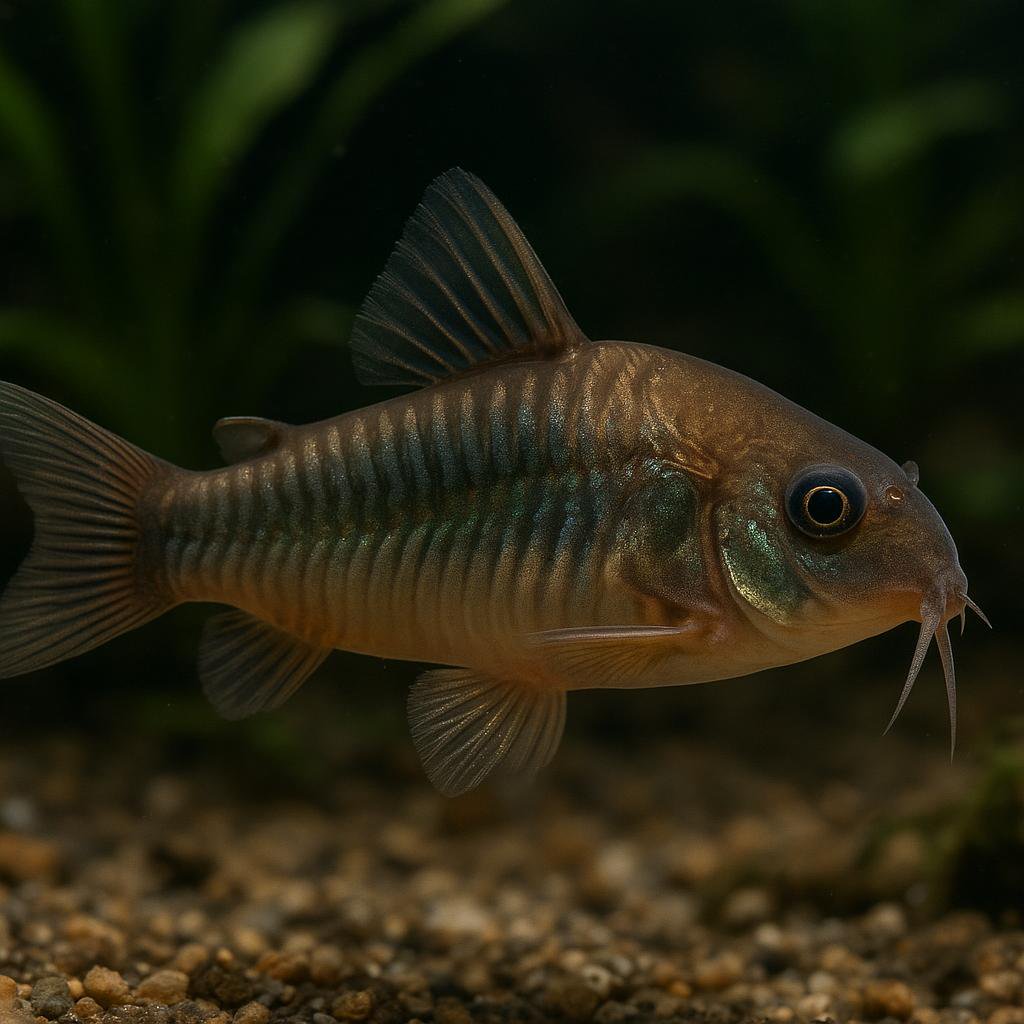
The Bronze Corydoras features a robust, silvery-green body with bronze highlights and distinctive dark spots along its flanks.
This page includes AI-generated images. Why am I seeing AI images?
About the Bronze Corydoras
The Bronze Corydoras is a charming and highly popular freshwater fish known for its peaceful nature and striking bronze coloration. It has a stout body with barbels around its mouth, allowing it to forage effectively on the substrate. Often seen in schools, this species is well-loved for its social behavior and bottom-dwelling habits.
Quick Facts
Size
3 inches
Temperament
Peaceful
Difficulty
Beginner
Min Tank Size
20 gallons
Lifespan
5-10 years
Origin
South America
Diet
Omnivore - flakes, pellets, live foods
Water Parameters
22-26°C
6-8
5-19 dGH
Need a heater for this species?
This species needs 22-26°C in a 20 gallon tank. Use our heater calculator to find the right wattage.
Calculate heater sizeCare Notes
- Bronze Corydoras thrive in a tank setup with a soft substrate like sand or smooth gravel, which prevents damage to their sensitive barbels while they forage.
- Maintain stable, well-oxygenated water; typical captive-care ranges are ~72-79°F (22-26°C), pH ~6.0-7.5 (tolerance can extend to ~8.0), and soft to moderately hard water (commonly cited up to ~12 dGH, with some references listing higher tolerance).
- Offer a varied diet including high-quality sinking pellets and occasional treats of live or frozen foods like bloodworms and daphnia to keep them healthy and active.
- This species is peaceful and social, best kept in groups of at least five to six individuals, and makes excellent tank mates for other non-aggressive community fish.
- Though not particularly challenging, breeding can be encouraged by slightly lowering the water temperature and increasing oxygenation, simulating rainy season conditions.
- Watch for common health issues like barbel erosion or fungal infections, typically caused by poor water quality or inappropriate substrate.
- Regular partial water changes and good filtration are essential to maintain high water quality and support the well-being of Bronze Corydoras.
Compatibility
Good Tankmates
- Other peaceful community fish (avoid fish that bully bottom dwellers; provide adequate group size and floor space)
- Small tetras and rasboras
- Dwarf shrimp species (with caution; may eat shrimplets)
- Non-aggressive bottom dwellers like kuhli loaches
- Snails such as nerite or mystery snails
- Peaceful gouramis like honey gouramis
Avoid
- Aggressive cichlids
- Large predatory fish
- Fin-nipping fish such as tiger barbs
- Large crayfish species
Habitat and Natural Environment
The Bronze Corydoras, scientifically known as Corydoras aeneus, is native to South America, where it can be found in freshwater rivers and streams with slow to moderate flow. These fish thrive in environments that have sandy substrates and are abundant in plant life, providing both cover and feeding opportunities.
Tank Setup Requirements
To mimic their natural habitat, it is essential to provide a soft, sandy substrate in the aquarium, which is gentle on the Corydoras' sensitive barbels. A planted aquarium with plenty of hiding spots is ideal. Live plants, driftwood, and rocks can help create a naturalistic setup.
- Tank Size: Minimum 20 gallons
- Water Temperature: 20-26°C (68-79°F)
- pH Level: 6.0-7.5
- Water Hardness: 2-12 dGH
Ensure adequate filtration and water movement to maintain high water quality and oxygenation, which are critical to the health of Bronze Corydoras.
Feeding and Diet
Bronze Corydoras are omnivorous and have a varied diet. In the aquarium, they should be fed sinking pellets or wafers, complemented by live or frozen foods such as bloodworms, brine shrimp, and daphnia.
- Sinking pellets
- Live or frozen food: bloodworms, brine shrimp, daphnia
- Occasional vegetable matter
Feed small amounts twice daily to prevent leftovers from degrading water quality.
Behavior and Temperament
Bronze Corydoras are peaceful, social fish that feel most comfortable in groups. Keeping them in a school of at least six individuals is recommended to ensure their well-being and a natural display of their social behaviors. They are bottom-dwellers, often seen scavenging the substrate for food.
Ideal tank mates include other small, peaceful fish species that thrive in similar water conditions.
Breeding
Breeding Bronze Corydoras is achievable in a home aquarium with the right conditions. They typically breed in large schools.
- Increase protein in diet leading up to breeding
- Simulate rainy season by lowering temperature slightly and performing frequent water changes
- Females will lay eggs on glass, plants, or other tank surfaces
Remove adults after spawning to prevent them from eating the eggs.
Health and Common Issues
Bronze Corydoras are generally hardy fish, but they are prone to certain health issues. Maintaining clean water conditions is essential to their health.
- Watch for signs of stress, such as clamped fins or unusual erratic swimming
- Prone to barbels injuries from rough substrates
- Susceptible to common freshwater diseases like Ich
Avoid copper-based medications, which can be harmful to corydoras and other scaleless fish.
Similar Species
Other freshwater peaceful species you might be interested in.
Amapa tetra
Hyphessobrycon amapaensis
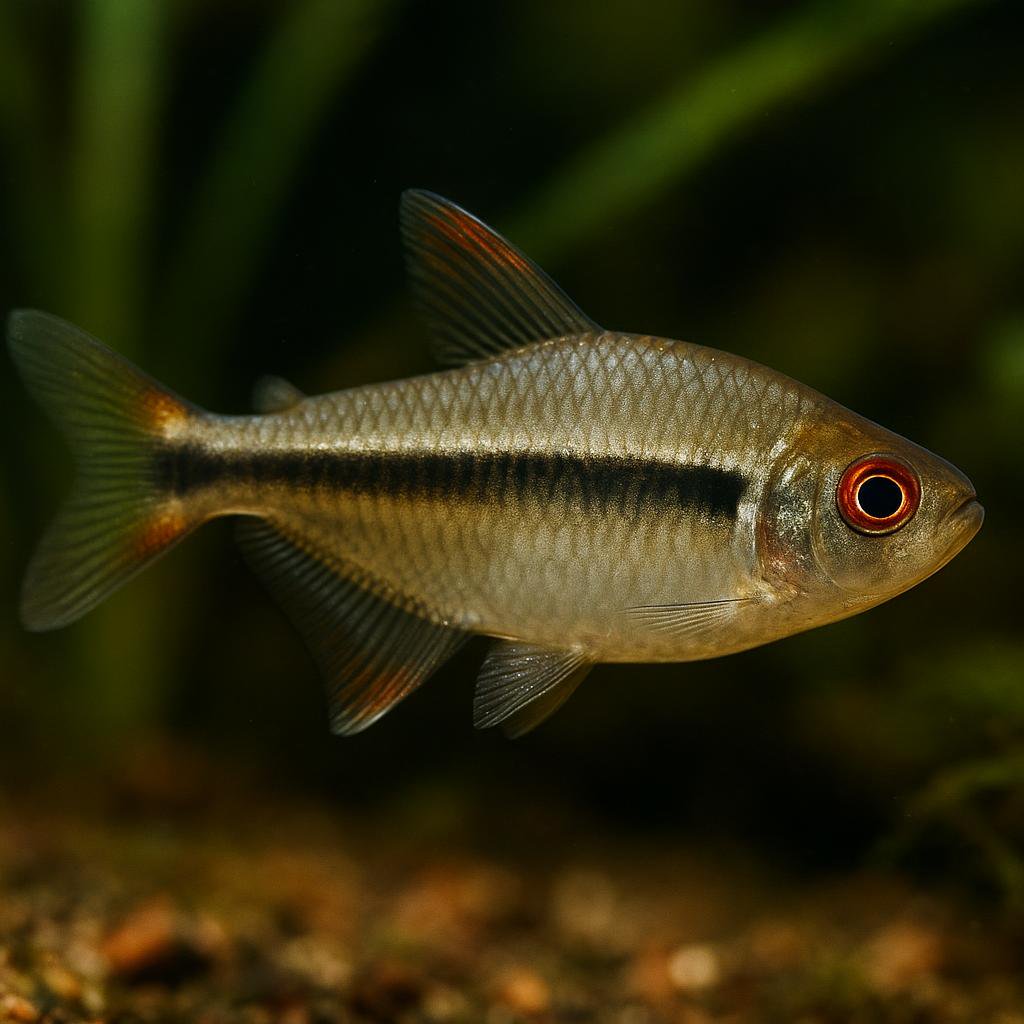
This is a tiny, super sleek little tetra with a clean red stripe down the side that really pops once its settled in. It does best in a planted, slightly tinted "creek-style" setup and looks way cooler when you keep a proper group so they school and flash that line together. If you can give it soft, slightly acidic water and a calm community, its an easy fish to fall for.
Armoured stickleback
Indostomus paradoxus
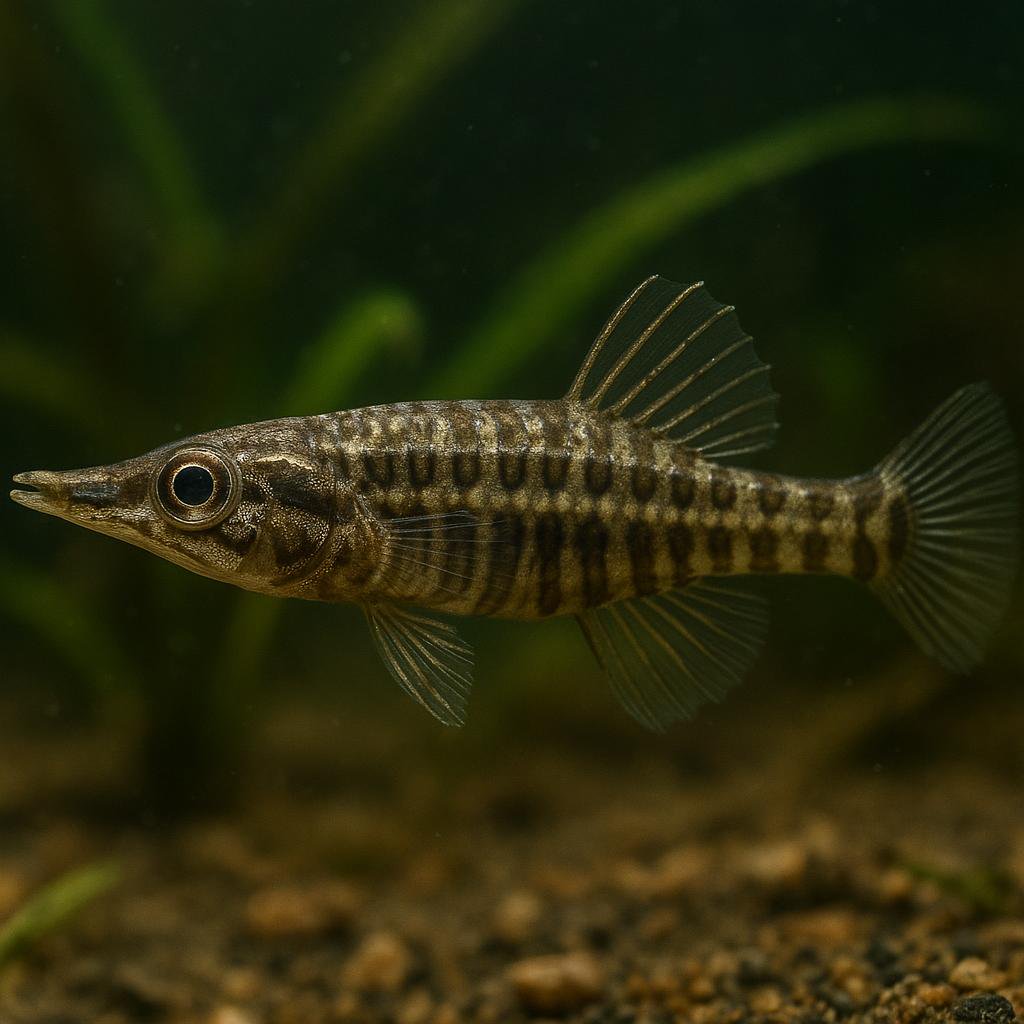
This is that goofy little "freshwater seahorse"-looking fish that just kind of perches and scoots around like a tiny armored twig. Its whole vibe is slow, sneaky micropredator - once its settled in, you will catch it stalking microfoods and doing these subtle little posture displays. The big trick is feeding: they do best when you can provide lots of small live foods in a calm, planted tank.
Bishop toothcarp
Brachyrhaphis episcopi
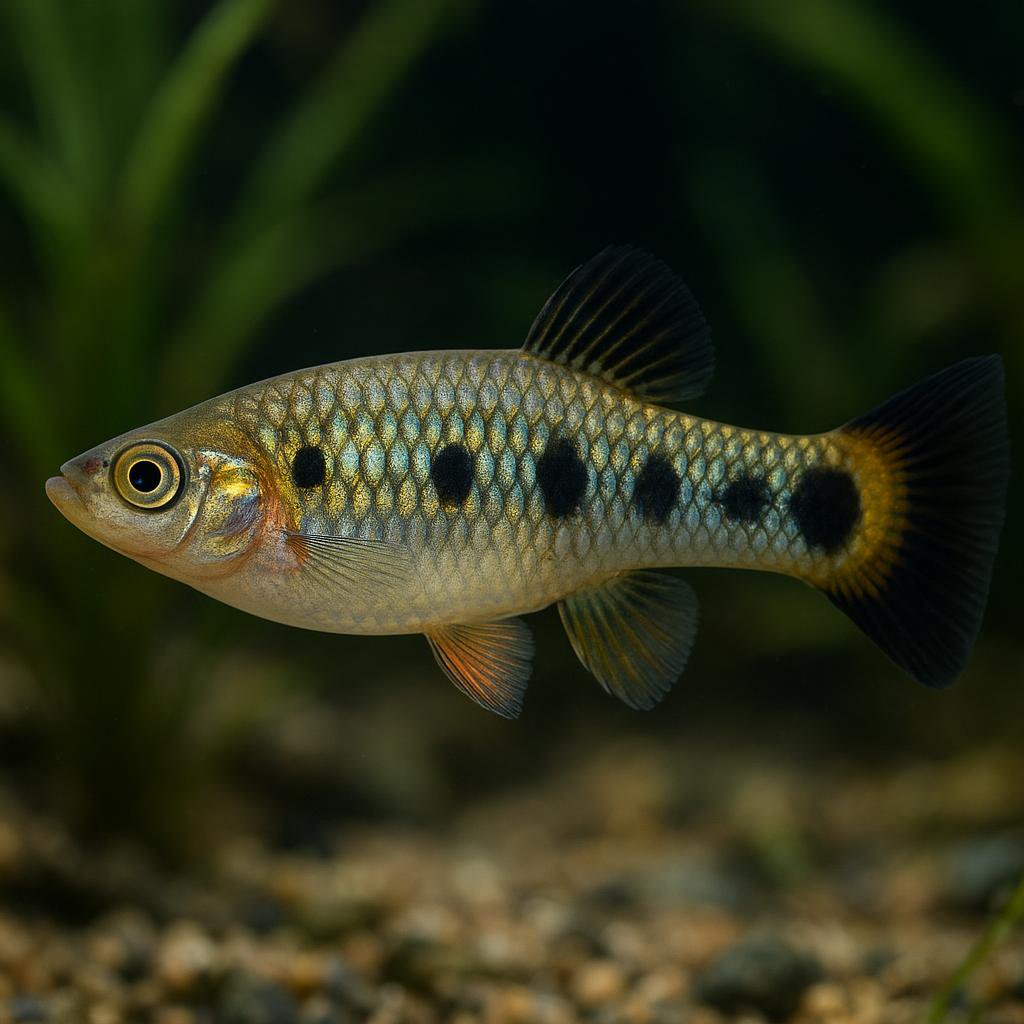
This is a tiny Panamanian livebearer that does best when you treat it more like a shy wild fish than a fancy guppy-lots of cover, calm vibes, and really clean water. The fun part is watching the males posture and spar while the females cruise around dropping fully-formed fry about once a month.
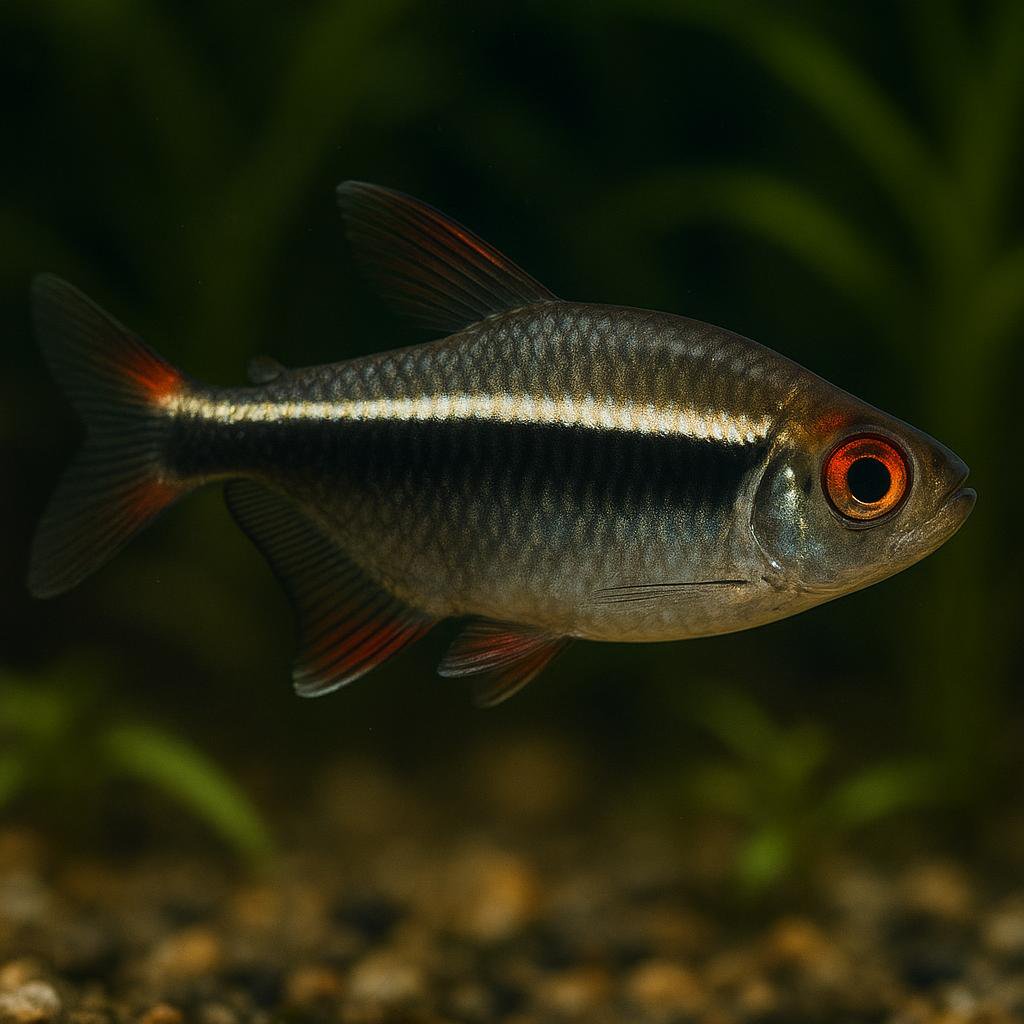
Black Neon Tetra
Hyphessobrycon herbertaxelrodi
Black neons are one of those little tetras that look kinda understated until the light hits them-then that bright stripe pops and they shimmer when the school turns together. They're super chill, always cruising mid-water, and they make a tank feel "alive" without being hectic. If you keep a nice group, they get bolder and you'll see way more of their personality.
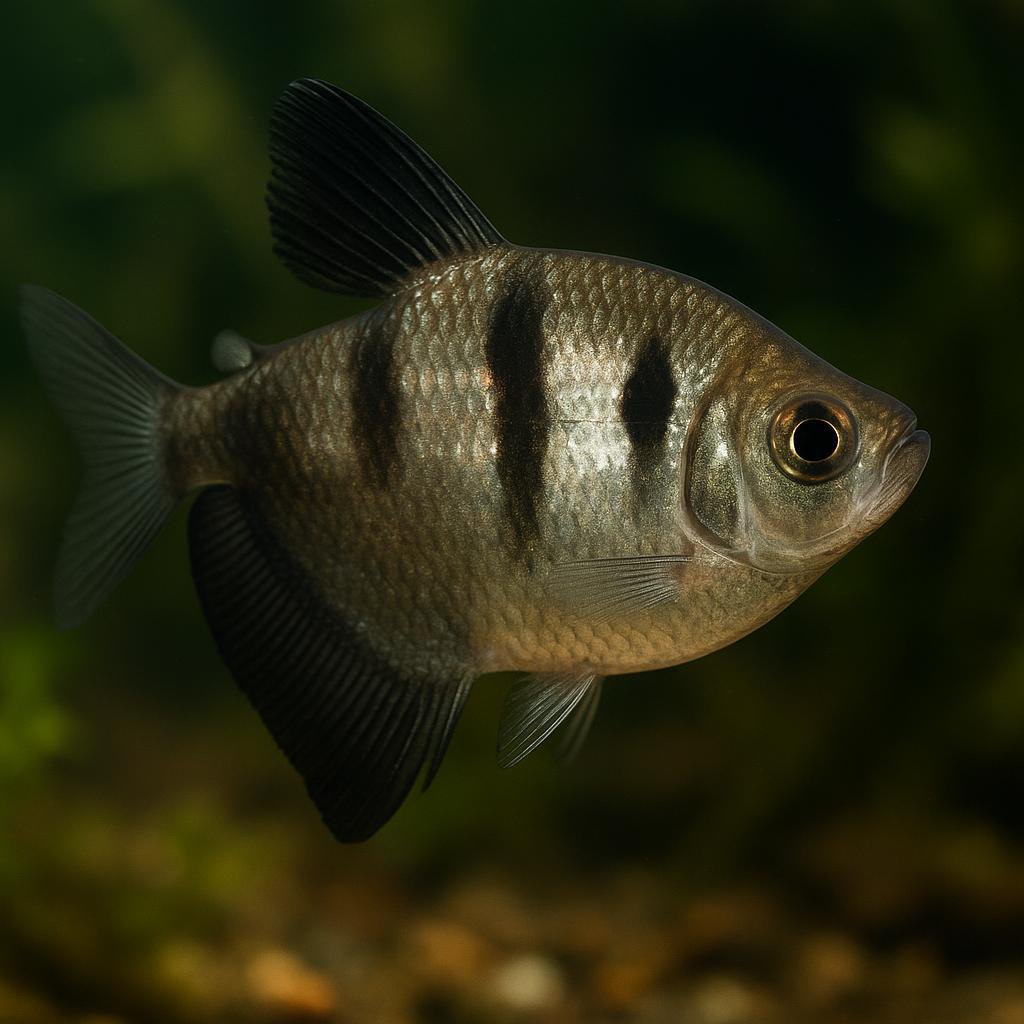
Black Skirt Tetra (Black Widow Tetra)
Gymnocorymbus ternetzi
Black skirts are those little "suit-and-tie" tetras with the dark bands and flowing fins that look way fancier than they should for how tough they are. They're super active midwater fish, and when you keep a proper group they do that tight, zippy schooling thing that makes the whole tank feel alive. Just give them enough buddies and finny tankmates they won't be tempted to nip.
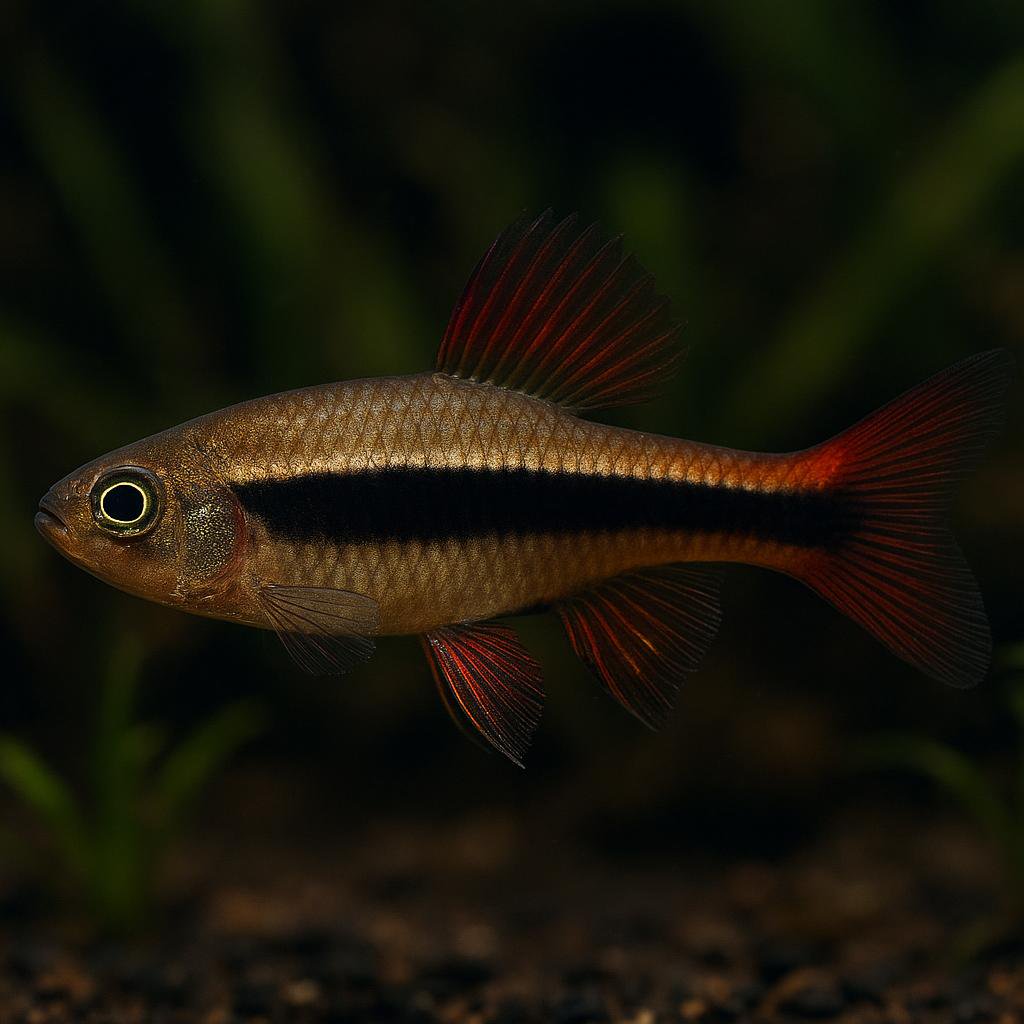
Black morpho tetra
Poecilocharax weitzmani
Poecilocharax weitzmani is one of those tiny blackwater oddballs that acts more like a little darter than a typical tetra - it hangs low, darts between cover, and the males can get pretty showy with fin-flares. The really cool part is they are cave breeders with male brood care, which is not what most people expect from a small characin. Give them very soft, acidic, super-clean water and lots of leaf litter and hidey holes, and they settle in and start showing their best colors.
More to Explore
Discover more freshwater species.
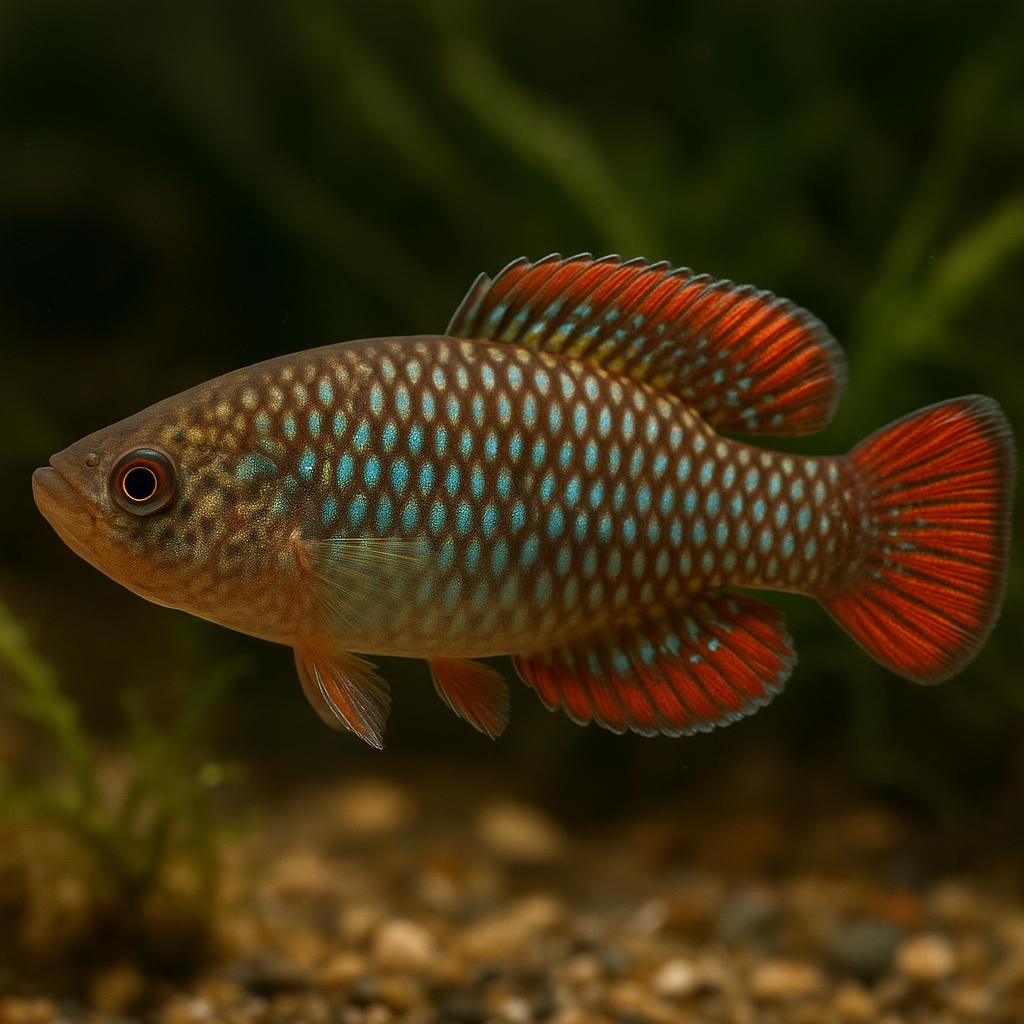
American flagfish
Jordanella floridae
Jordanella floridae is that little Florida native with the red-and-cream striping that really does look like a tiny flag once a male colors up. They graze algae like champs (especially stringy/hair algae), but they have a bit of attitude - give them plants and space so the bossy behavior stays manageable. Bonus: the male guards the eggs and will actively fan them, which is pretty fun to watch.
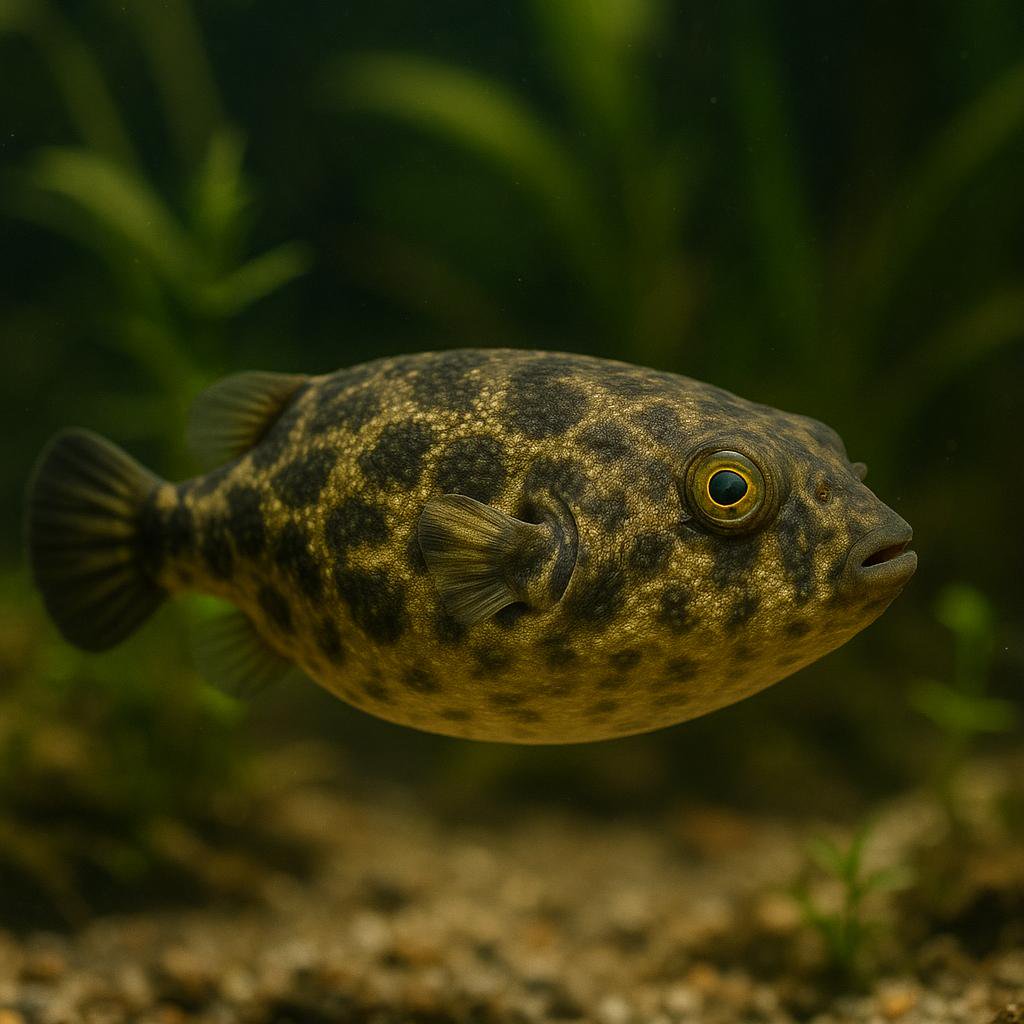
Arrowhead puffer
Pao suvattii
Pao suvattii is that sneaky Mekong puffer that likes to sit low and ambush food, and it has that super recognizable arrow/V pattern on its back. Gorgeous fish with tons of personality, but it is absolutely not a community guy - plan on a solo, species-only setup if you want everybody to stay in one piece.
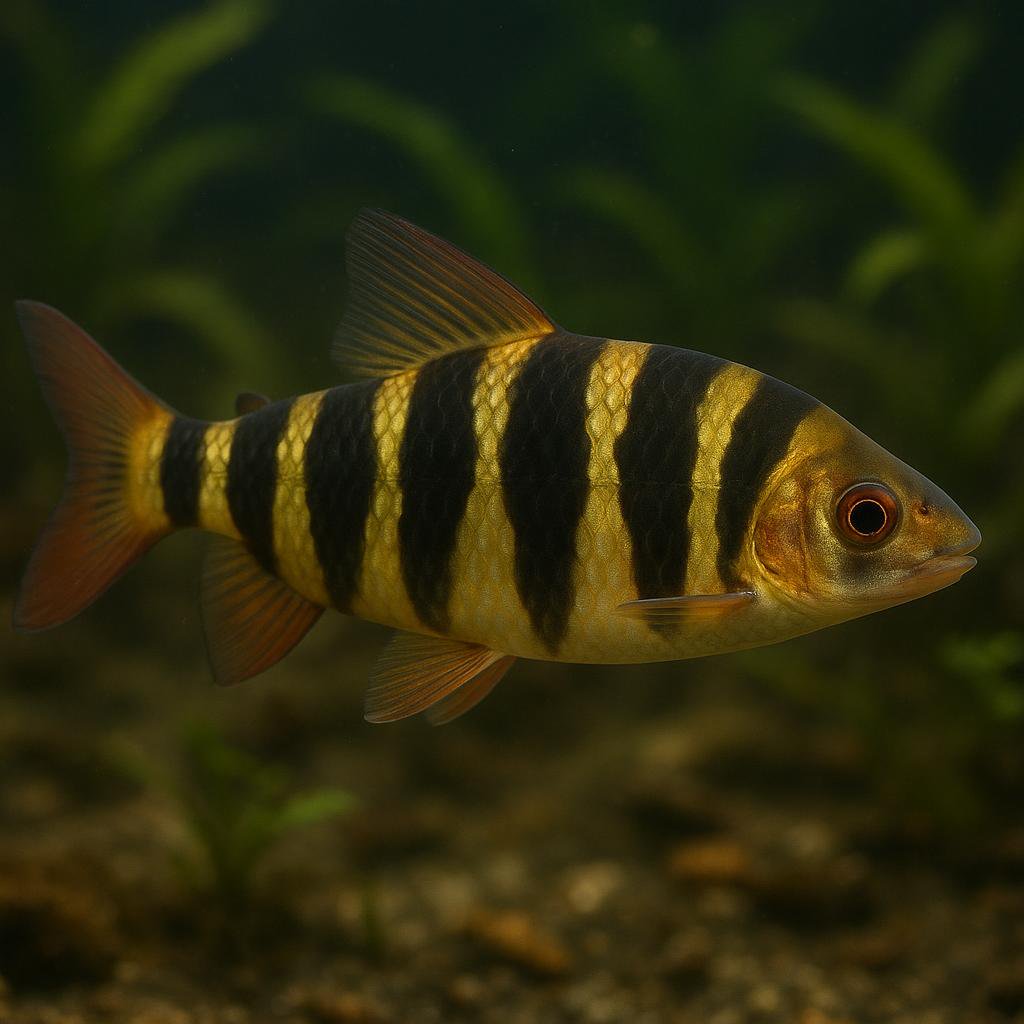
Banded Leporinus
Leporinus fasciatus
Banded Leporinus are those torpedo-shaped, black-and-yellow striped fish that look like they're wearing a little prison outfit-and they stay on the move. They've got a ton of personality and they're awesome to watch cruising and picking at stuff, but they're also the kind of fish that will redecorate your tank and "taste test" anything soft-looking.
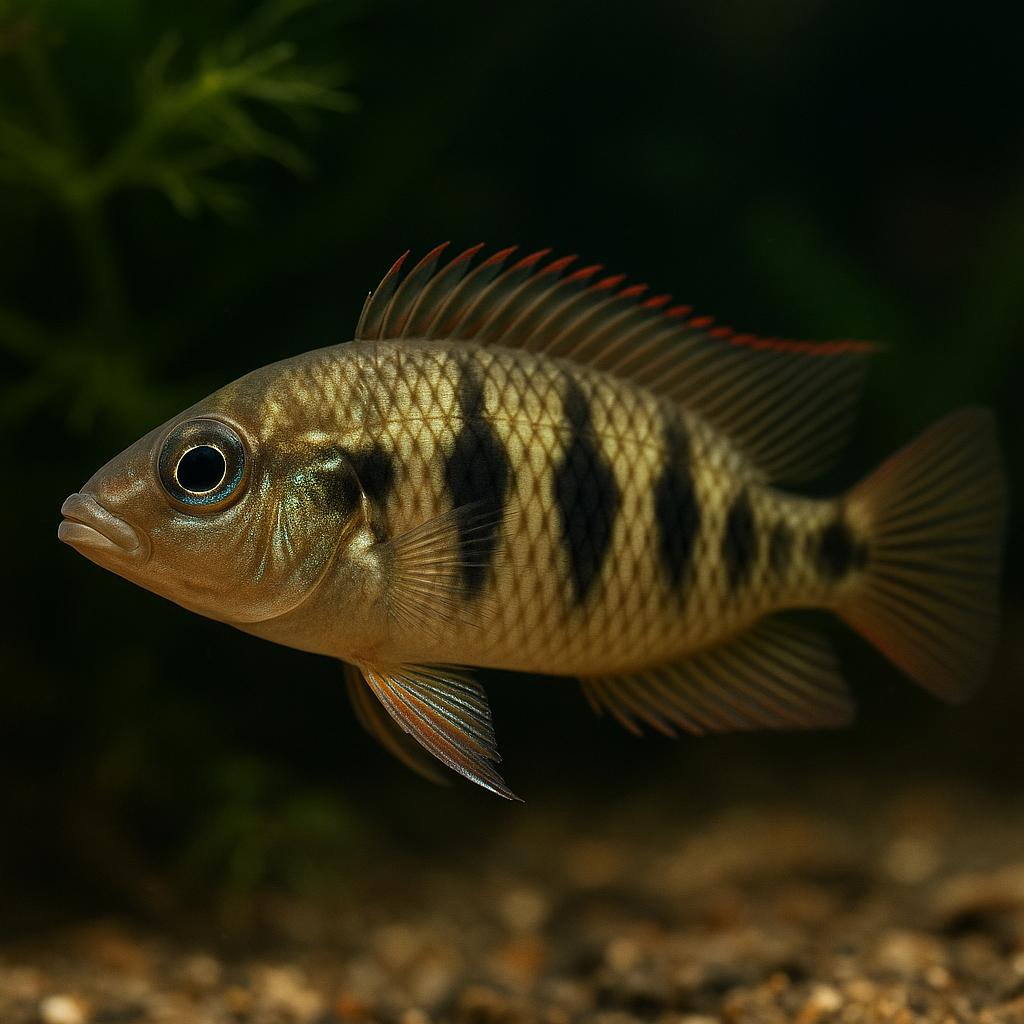
Bandi cichlid
Wallaceochromis signatus
A West African dwarf cichlid from Guinea's Bandi River, this fish shows crisp vertical bars and spotted fins with red highlights. Females have a bold black spot at the base of the tail, and pairs guard eggs and fry in caves, which makes their parental behavior fun to watch.
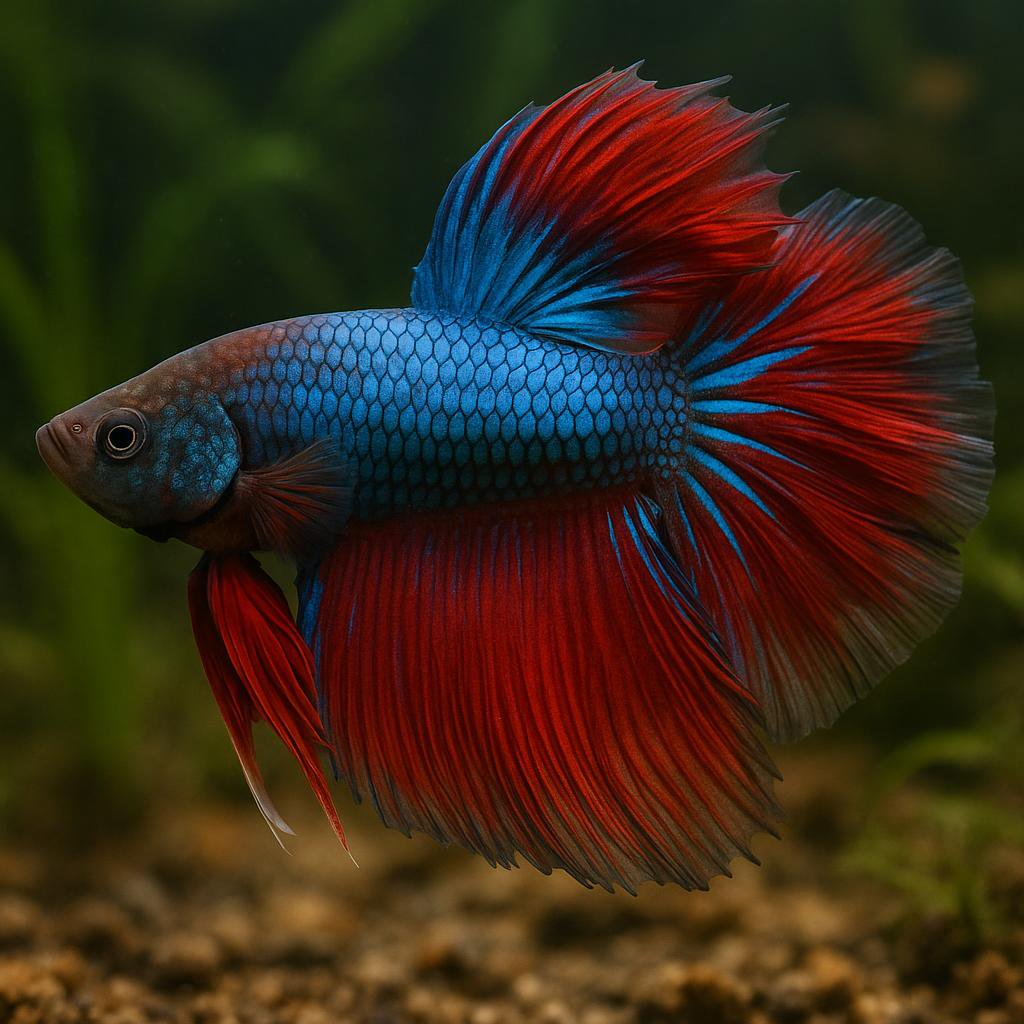
Betta
Betta splendens
Betta fish, also known as Siamese fighting fish, are popular for their striking colors and flowing fins. They are known for their territorial nature, especially males, which can display aggressive behavior towards each other.
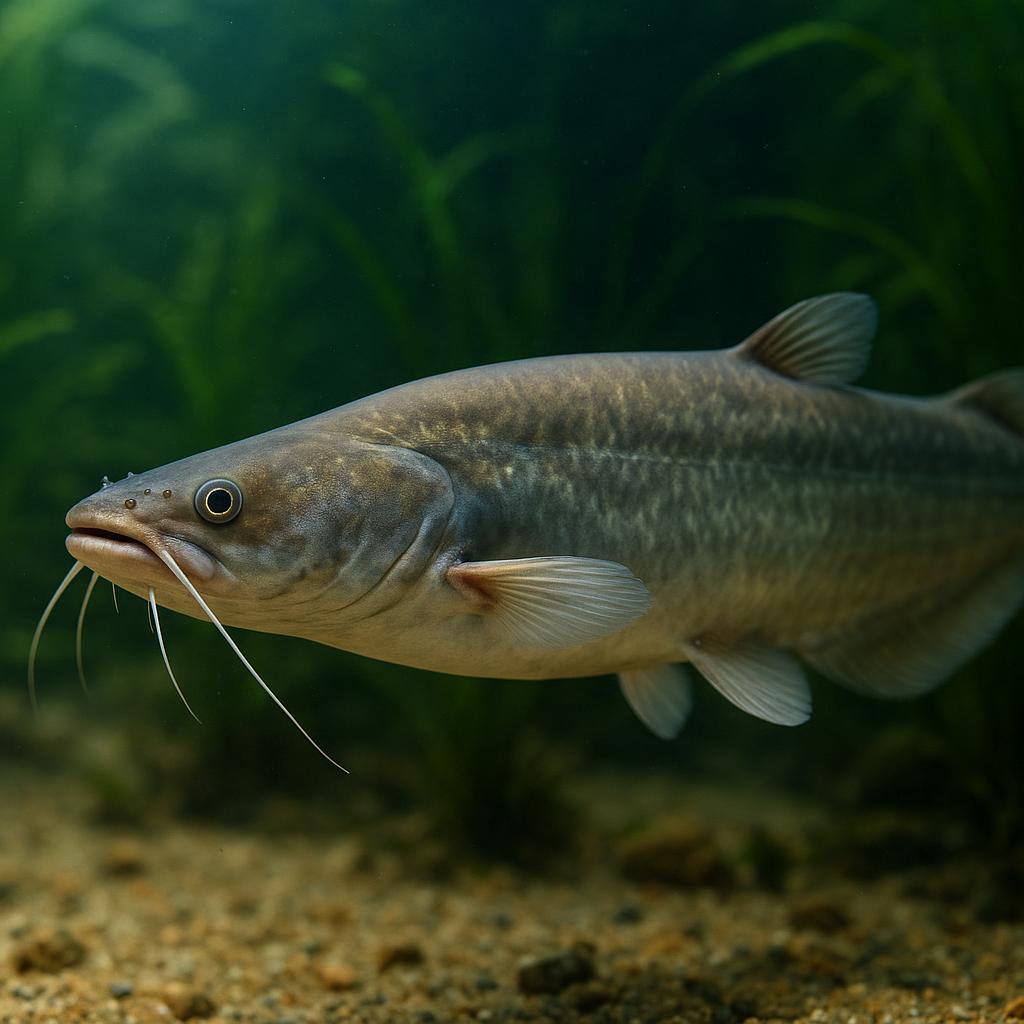
Blackhawk catfish
Wallagonia micropogon
Wallagonia micropogon is a giant Southeast Asian sheatfish with an eel-like body and a huge, scoop-like mouth for hunting other fish. It is native to the Mekong and middle Chao Phraya basins and was long confused with Wallagonia leerii, which makes IDs and care notes tricky. Stunning as a juvenile but it grows to true megafish size, so it is only realistic for expert keepers or public aquariums.
Looking for other species?