

Search Species
Search for fish species by common or scientific name, or use filters to browse by water type, size, temperament, and difficulty.
Found 159 species
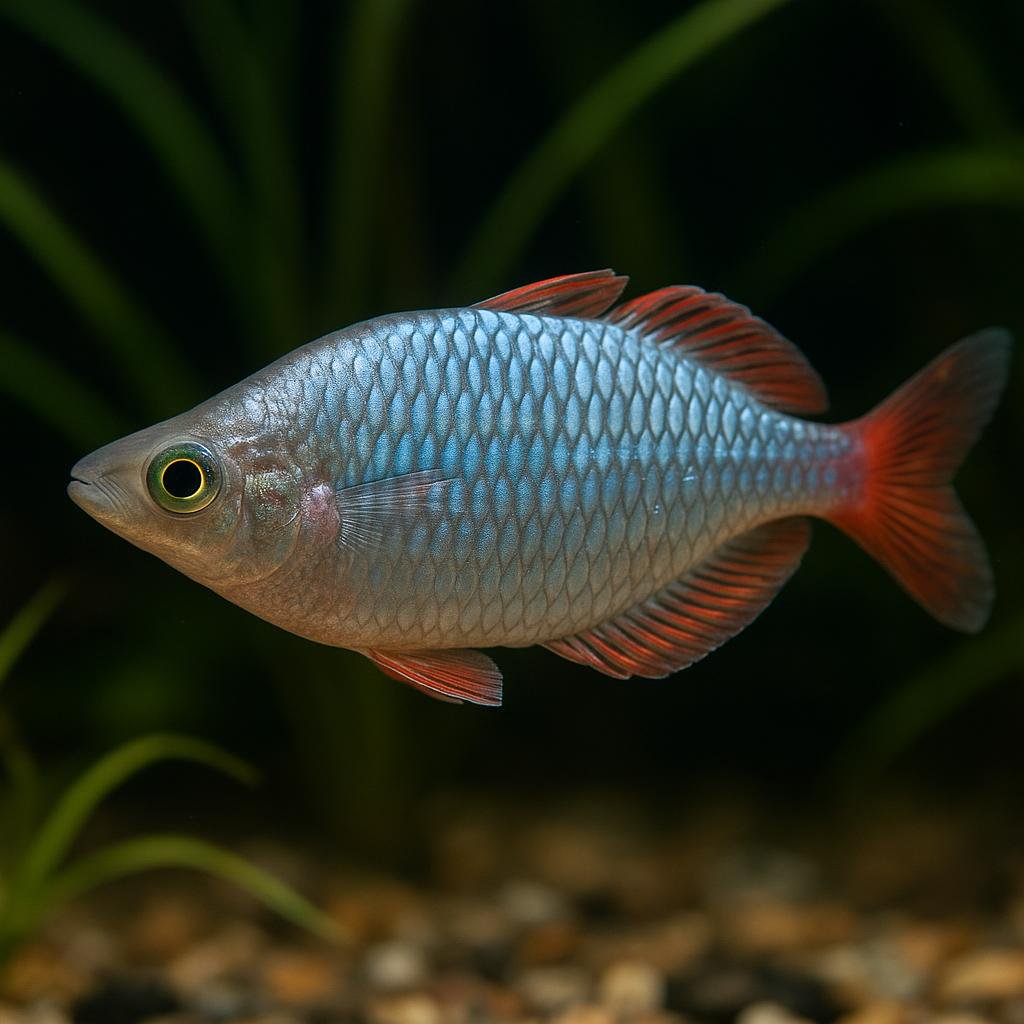
Dwarf Neon Rainbowfish
Melanotaenia praecox
These little rainbows are like living sparks-electric blue bodies with those punchy red/orange fins, and they look even better the more you keep together. They're constantly cruising the mid-water, flashing at each other and doing that classic rainbowfish "look at me" shimmy, especially when the lights first come on or at feeding time.
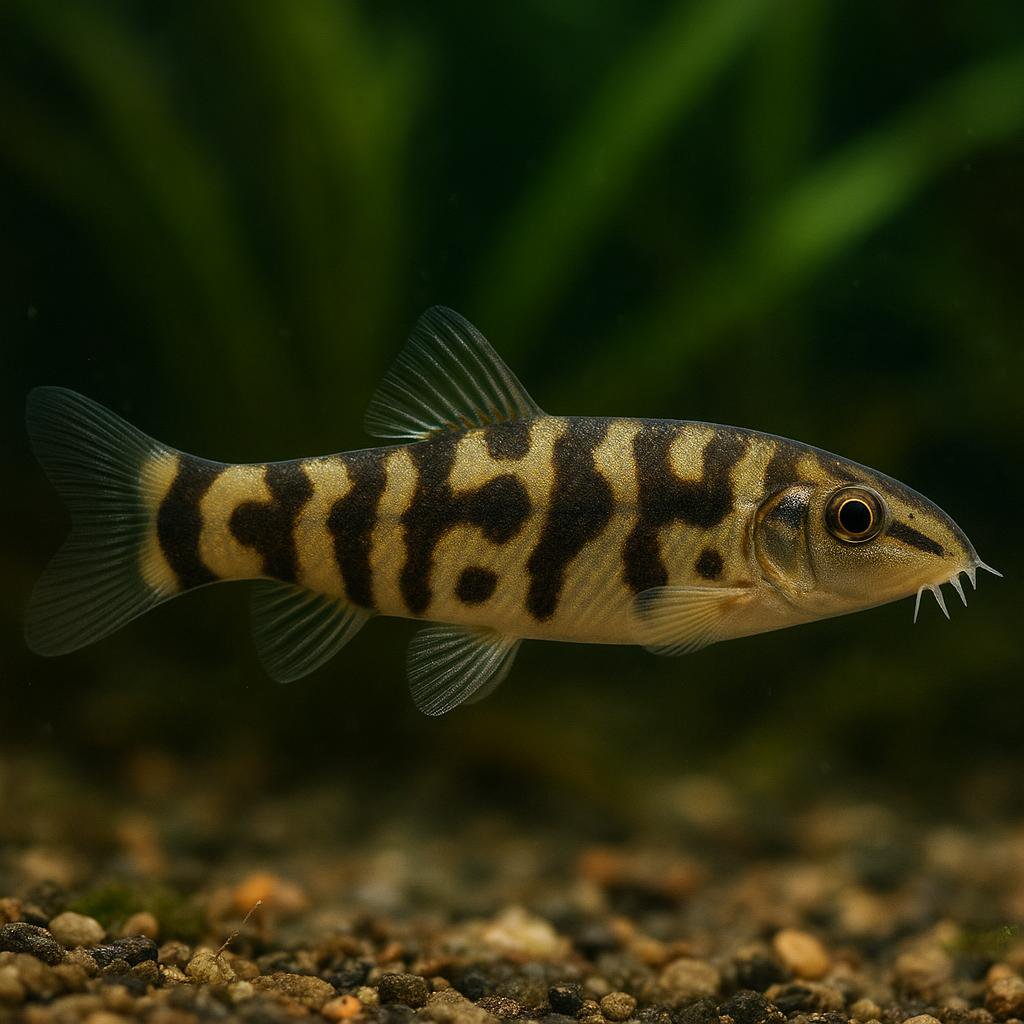
Dwarf chain loach
Ambastaia sidthimunki
This is the little "Sid" loach people fall in love with once they see a whole group doing their goofy zoomies and clicking at each other. They stay tiny but act like big loaches - always busy, always social, and way more confident when you keep them in a proper gang. Give them sand, hiding spots, and lots of buddies and they really shine.
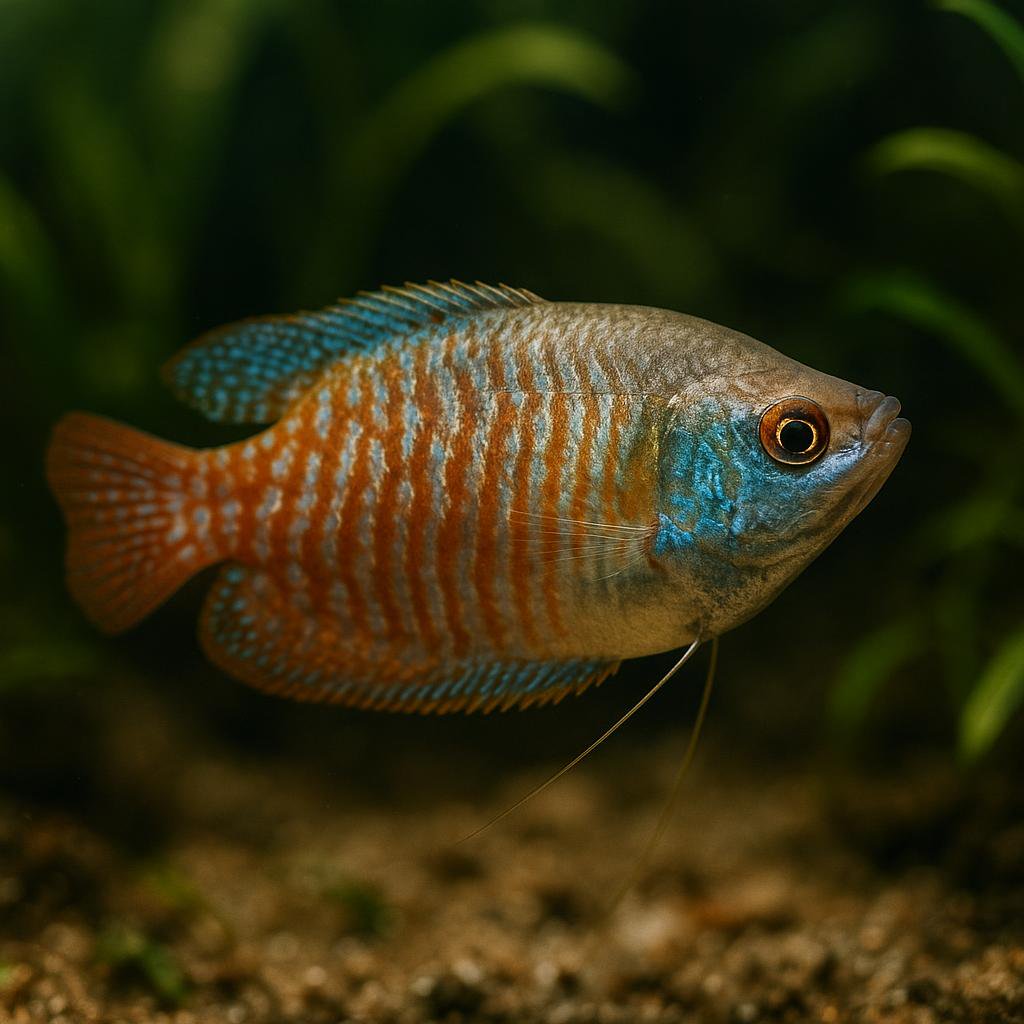
Dwarf gourami
Trichogaster lalius
Dwarf gouramis are those little jewel-box labyrinth fish that hang out near the surface, cruising through plants and popping up for air when they feel like it. Give them a calm, planted setup and they'll reward you with tons of personality-males especially will posture and show off, and they're classic bubble-nest builders when they're in the mood.
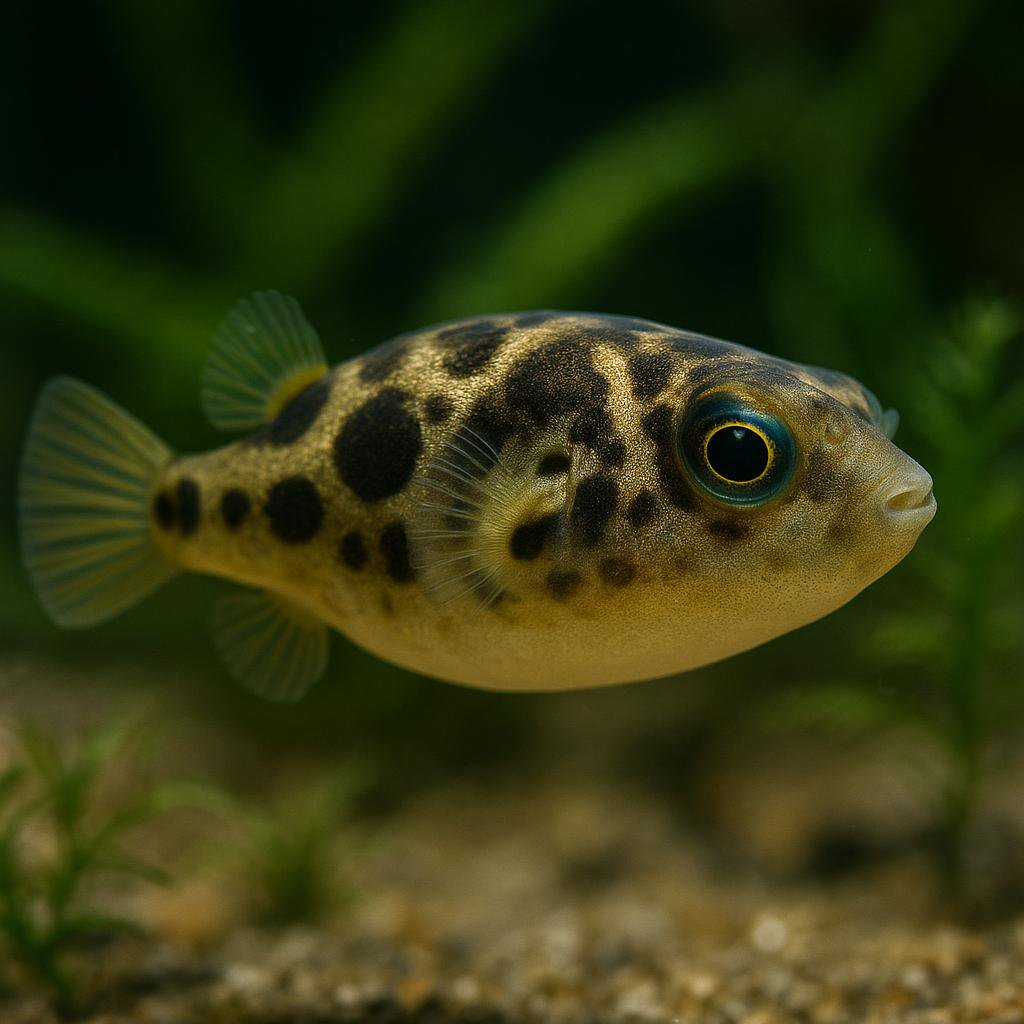
Dwarf pufferfish (Pea puffer)
Carinotetraodon travancoricus
This is the famous pea puffer-tiny (around 3.5 cm max) but it acts like a full-size puffer, cruising around and hunting little critters with a ton of attitude. If you give it a heavily planted tank with lots of line-of-sight breaks, you'll get to watch really cool "stalking" behavior all day.
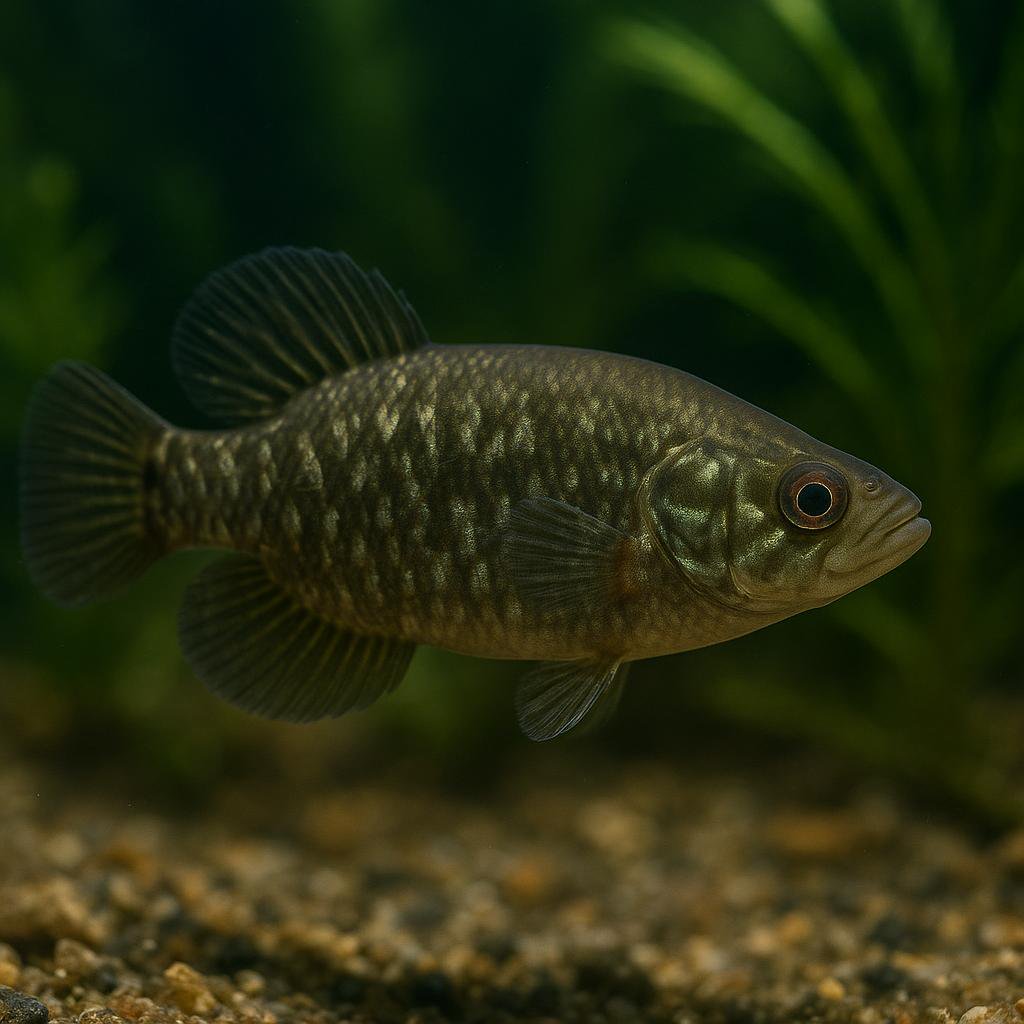
Eastern mudminnow
Umbra pygmaea
Eastern mudminnow (Umbra pygmaea) is a small freshwater umbrid native to eastern North America that inhabits slow, vegetated waters such as swamps, ponds, and ditches. It feeds mainly on insect larvae and small aquatic invertebrates and is noted for tolerance of low-oxygen wetland habitats.
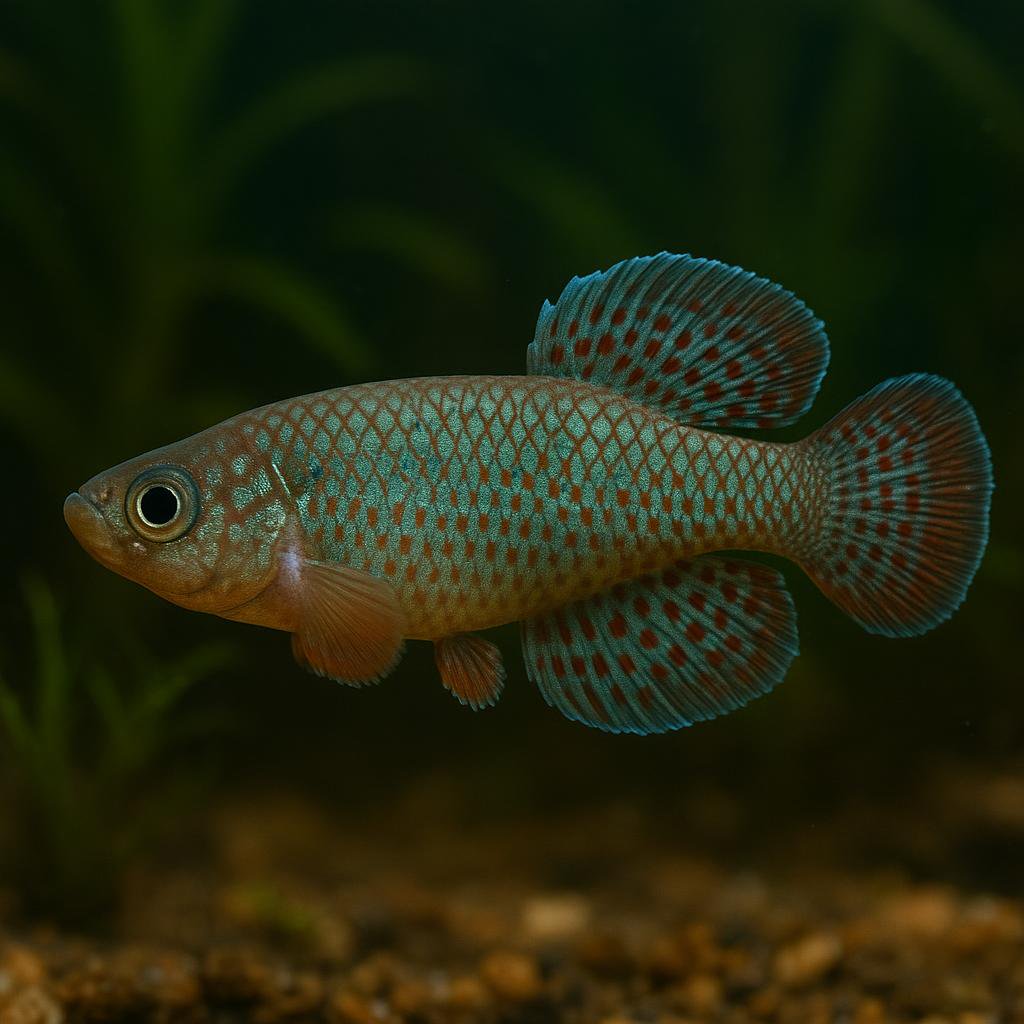
Elongate killifish
Titanolebias elongatus
A giant annual killifish from the La Plata basin, it can top out around 22 cm and throws its weight around like a little predator. The cool part is the annual life cycle - adults spawn into peat or mud, eggs sit dry for months, then hatch with the rains.
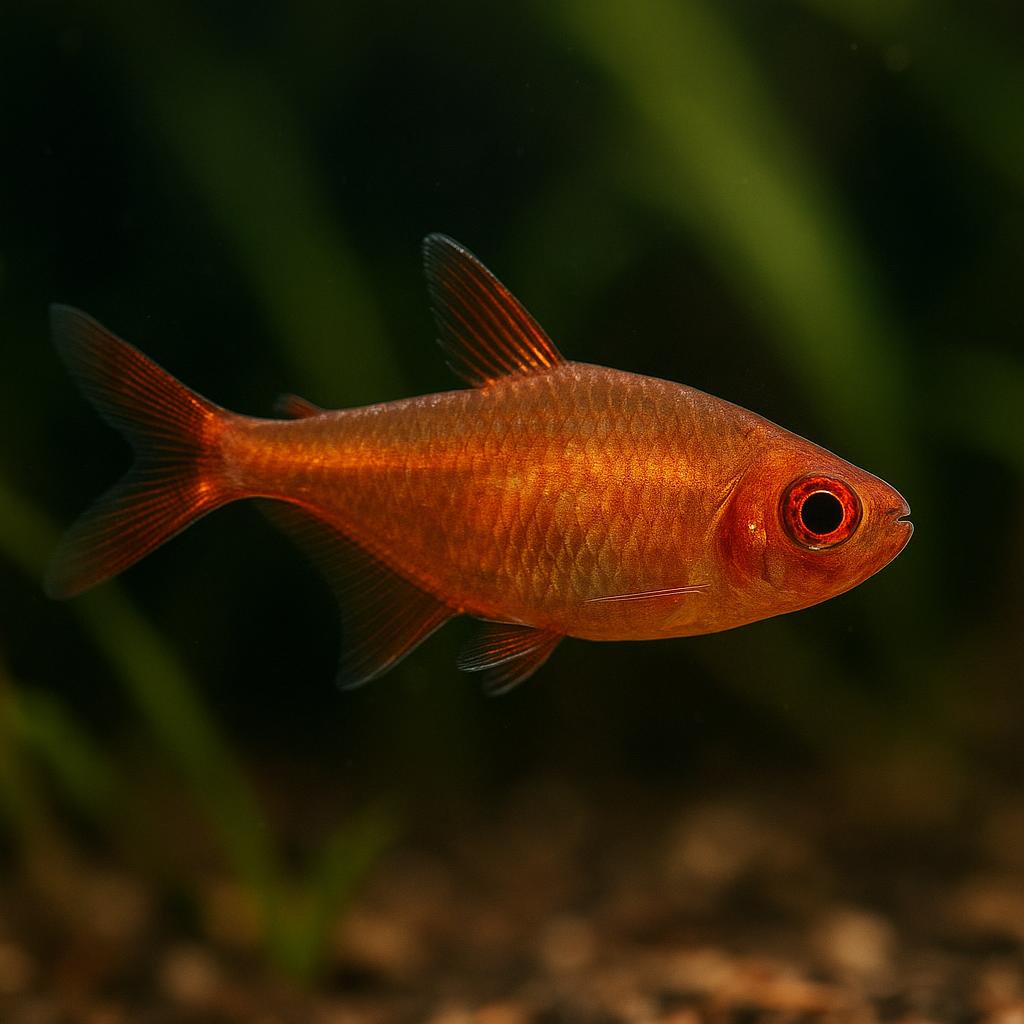
Ember tetra
Hyphessobrycon amandae
Ember tetras are tiny little orange "glow fish" tetras that look insanely good over a dark substrate with plants and a bit of leaf litter. They're happiest in a proper little gang, and when they settle in and feel safe the whole school starts moving like one warm, flickery cloud.
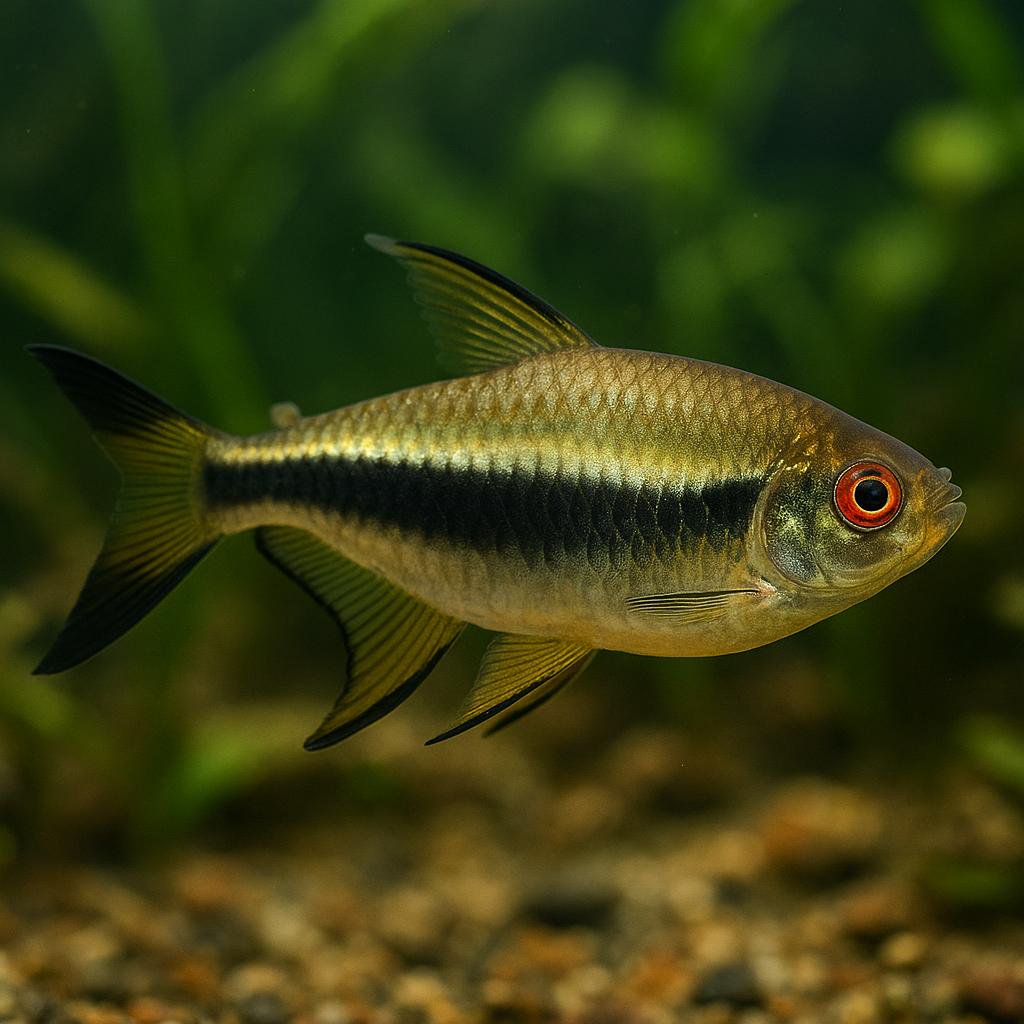
Emperor tetra
Nematobrycon palmeri
Emperor tetras are those classy little Colombian characins with the dark horizontal stripe and the males' awesome trident/lyretail look. Keep a decent-sized group and you'll see the males do their little posturing displays without really hurting each other, especially in a planted tank with some shade.
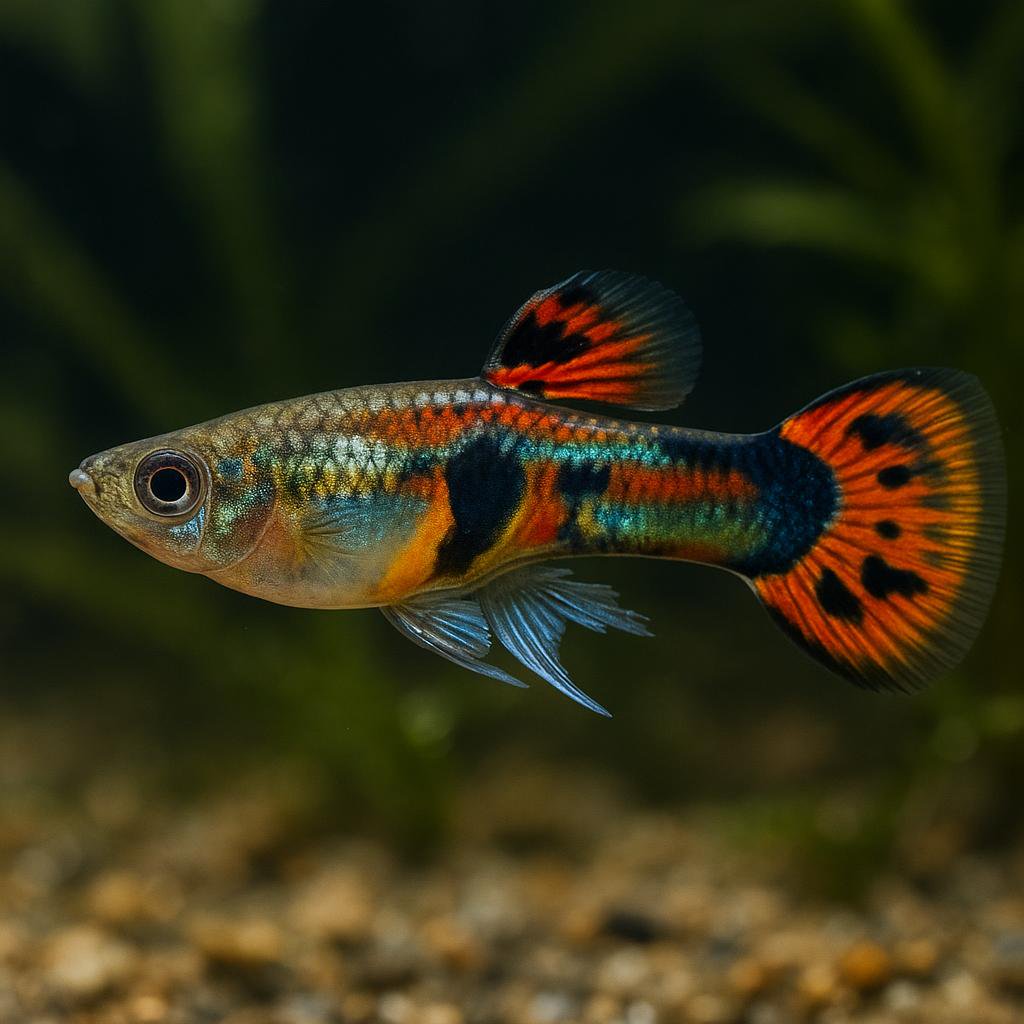
Endler's livebearer
Poecilia wingei
Endlers are basically tiny little firecrackers-males stay small but flash a ton of neon color and never stop cruising the tank. They're super social and active, and if you keep males and females together you'll have babies before you've even finished tweaking the aquascape.
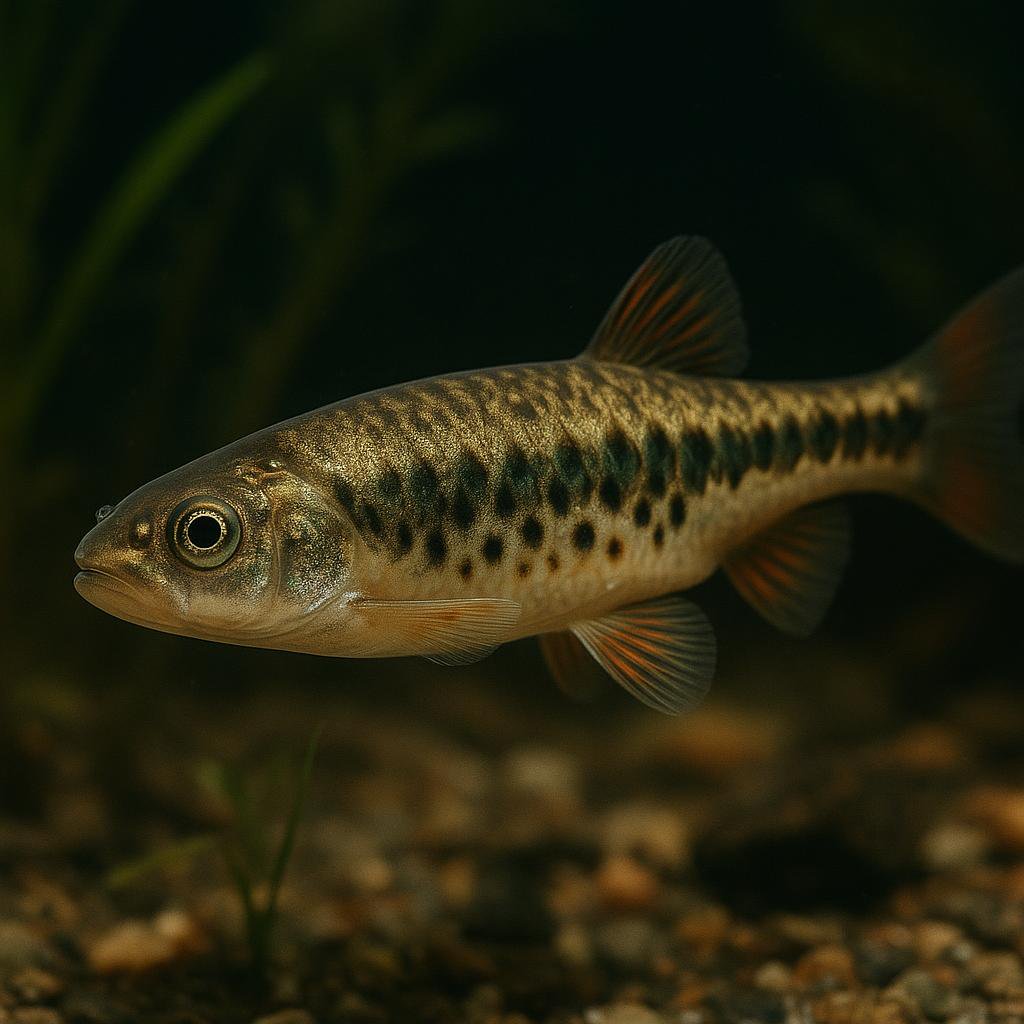
Eurasian Minnow (Common Minnow)
Phoxinus phoxinus
Phoxinus phoxinus is a small, fast-swimming minnow associated with cool, well-oxygenated waters. It is a gregarious shoaling fish; males intensify in colour during breeding. Note: the name P. phoxinus has historically been applied broadly across Eurasia, but the group is now treated as a species complex in which true P. phoxinus may be restricted to parts of Western Europe.
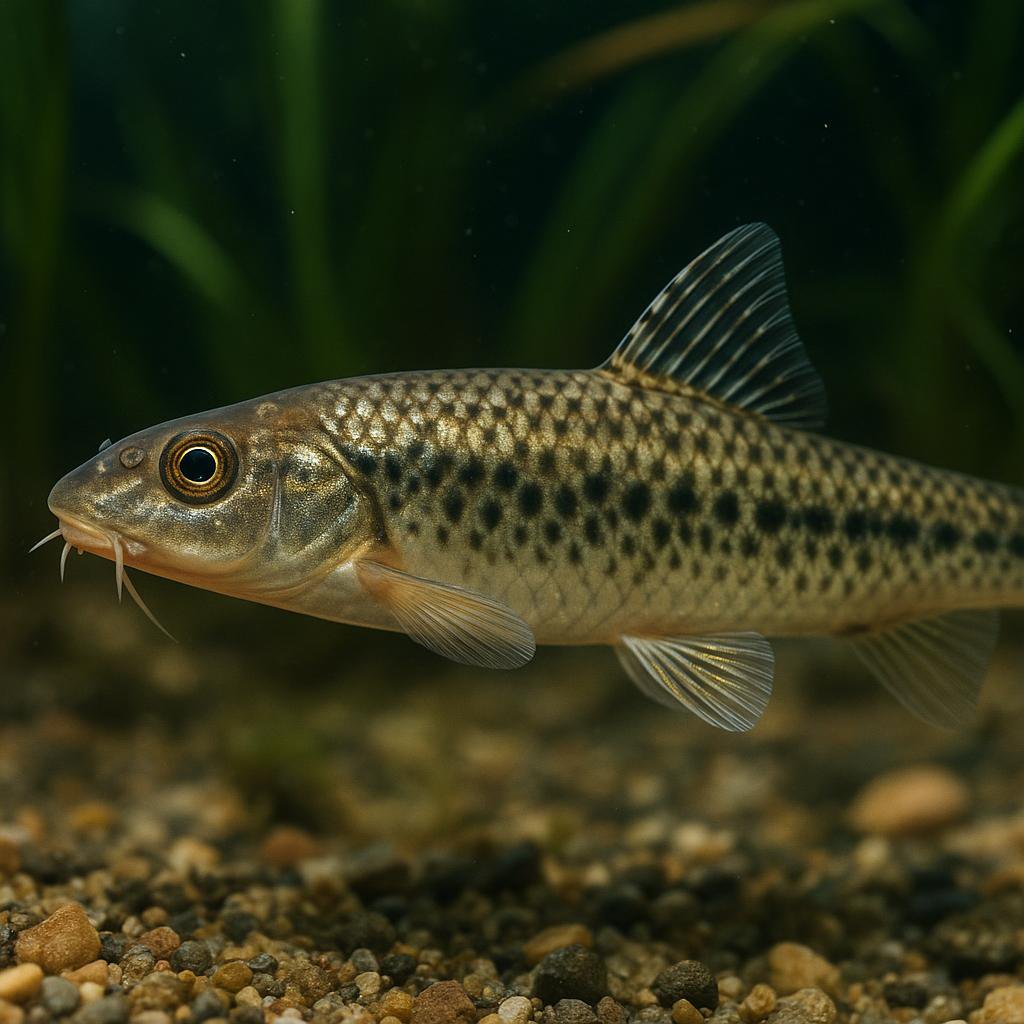
European gudgeon
Gobio gobio
The European gudgeon is a small bottom-dwelling cyprinid with a slender body, sandy-brown mottling, and distinct barbels at the corners of the mouth used to locate food in the substrate. It is an active schooling fish that prefers well-oxygenated water and a sand or fine-gravel bottom, often resting on the substrate between foraging bouts. Best kept in cool, river-style aquariums with moderate flow rather than warm tropical setups.
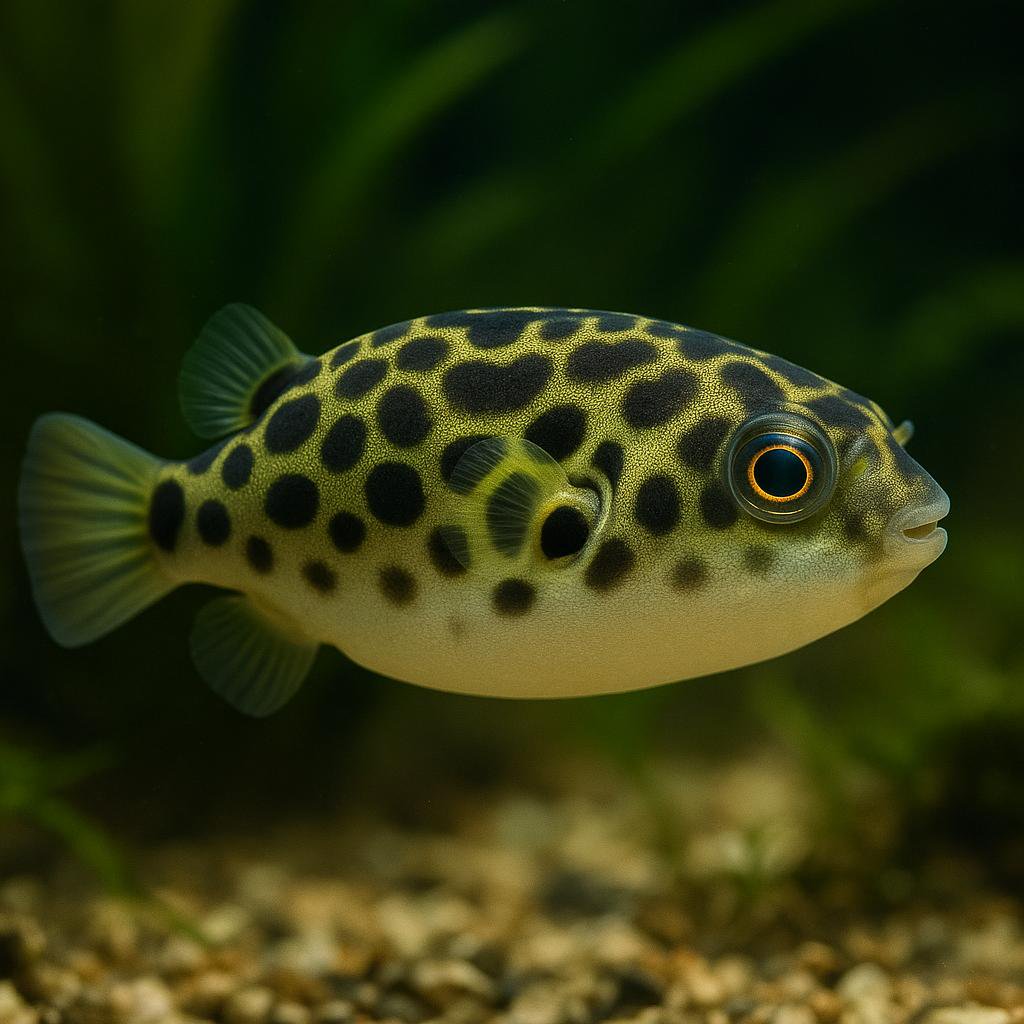
Eyespot pufferfish (Figure-8 puffer)
Dichotomyctere ocellatus
This is the little "figure-8" puffer with the yellow-green squiggles and the two bold eyespots near the tail-tons of personality in a small body. They're basically snail-hunting machines with a curious, interactive vibe, but they can be spicy with their own kind, so you plan the tank around that.