

Search Species
Search for fish species by common or scientific name, or use filters to browse by water type, size, temperament, and difficulty.
Found 654 species
Discolored Yunnan loach
Yunnanilus discoloris
A small nemacheilid (stone loach) endemic to Yunnan, China, known from a single tributary spring (White Dragon Spring) in the Lake Dianchi drainage. The species is named for strong sexual dimorphism in coloration and is assessed as Critically Endangered, with threats including habitat modification and introduced species; it is not a standard aquarium-trade species and species-specific husbandry information is scarce.
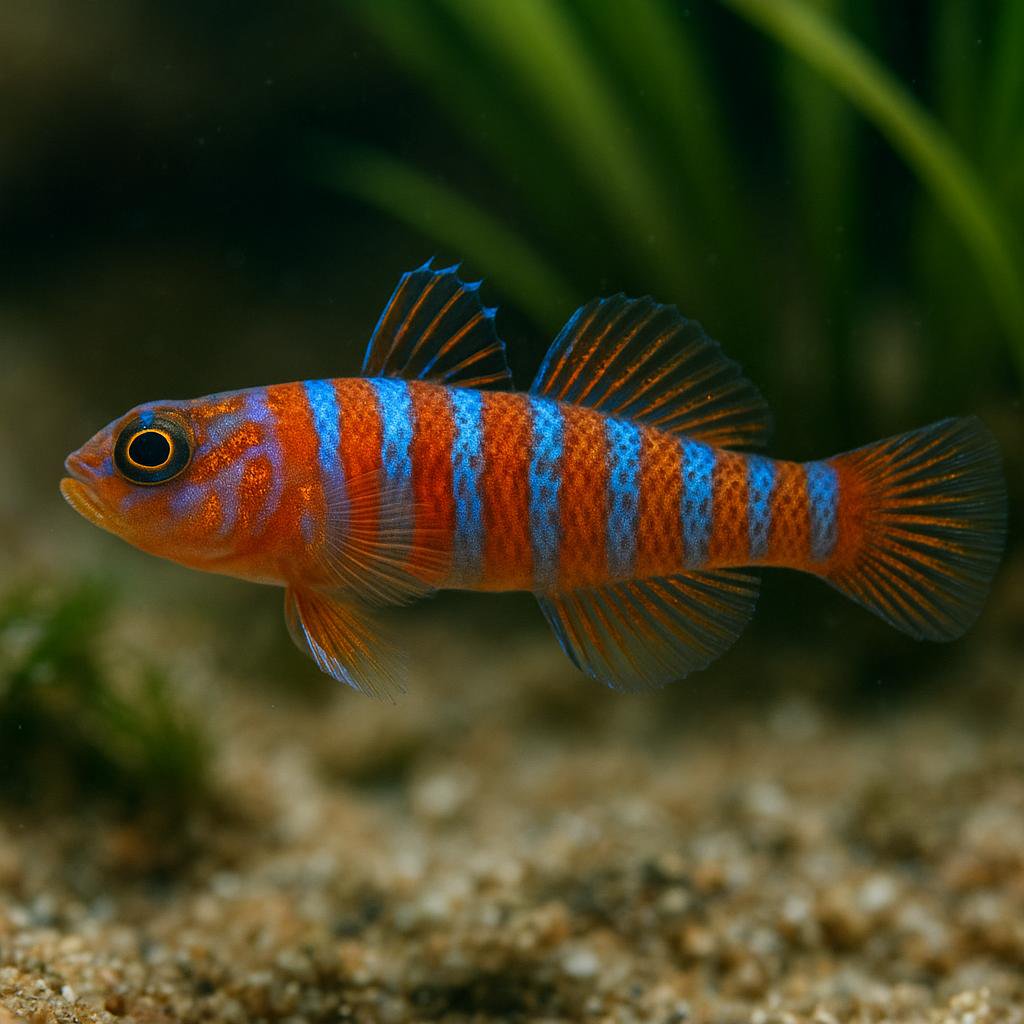
Distant goby
Lythrypnus insularis
Lythrypnus insularis is a tiny little reef goby from the Revillagigedo Islands (Mexico) that hangs tight to rocky reef crevices and walls. Its reddish body with lots of narrow blue bars is super slick up close, and because it is only about an inch long, it lives a very "hide, peek, and dart" kind of life in the rocks.
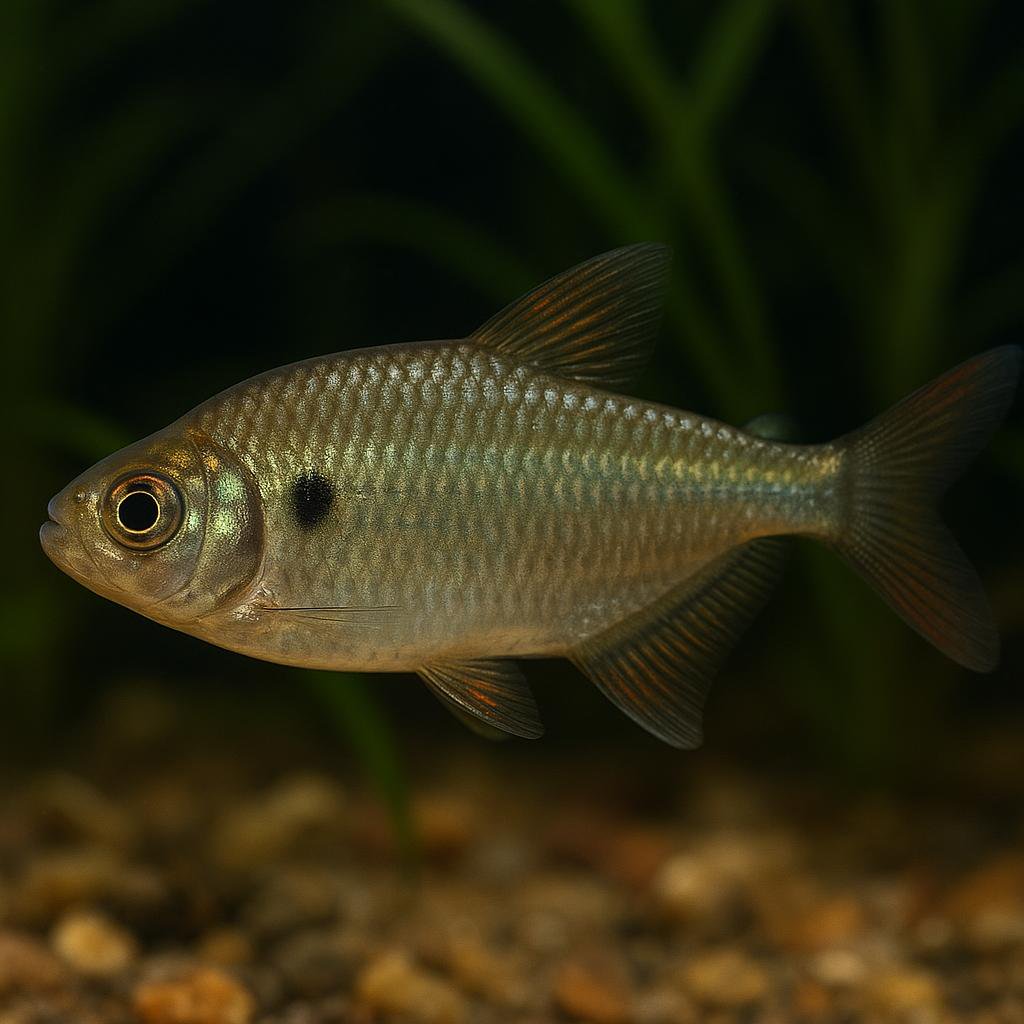
Doce River moenkhausia (lambari)
Moenkhausia doceana
Moenkhausia doceana is a Brazilian characin from the Doce and Mucuri river basins - basically a regional "lambari" type tetra. In the wild it hangs in the water column of clear, moving streams and picks off insect larvae and other little buggy bits, so it tends to do best in a roomy tank with good flow and a group of its own kind.
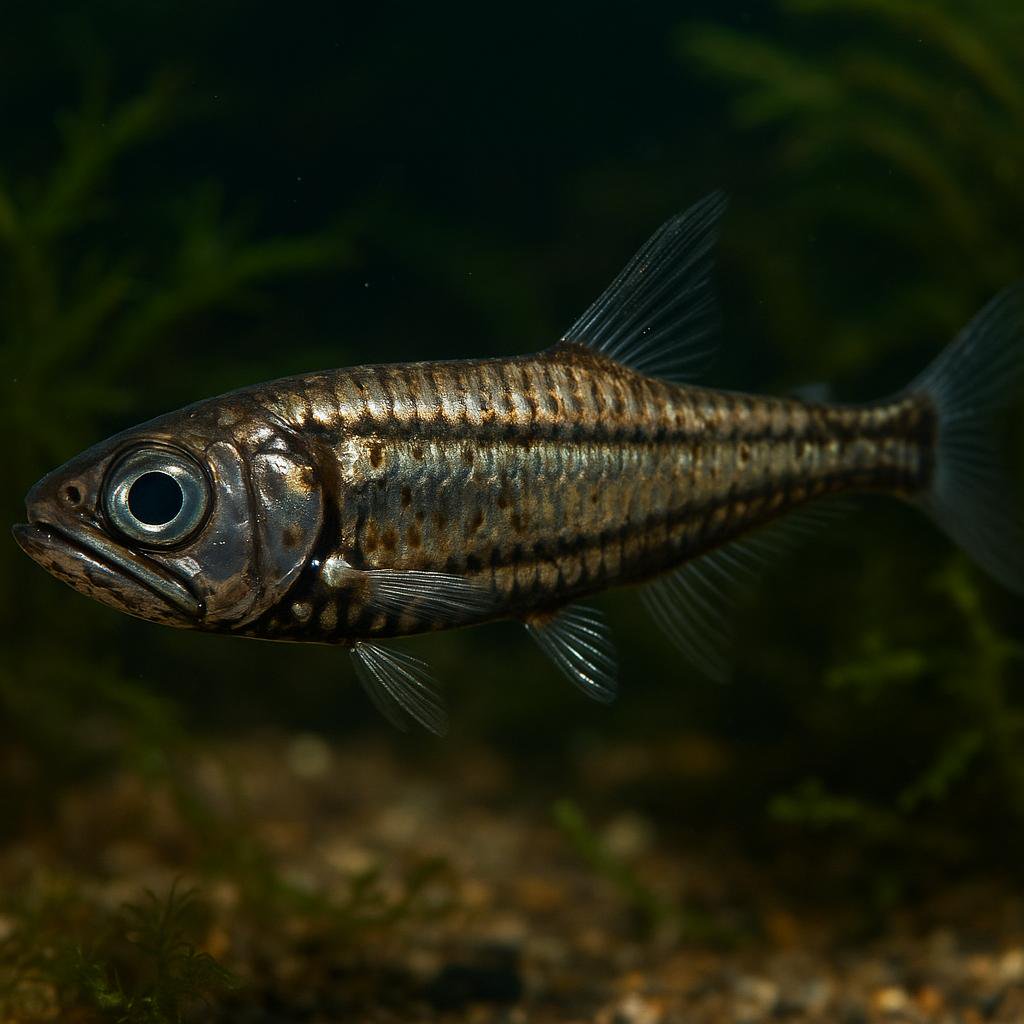
Dofleini's lanternfish
Lobianchia dofleini
This is a small mesopelagic lanternfish (Myctophidae) with photophores and diel vertical migration behavior. It occurs in the Atlantic Ocean, including the Mediterranean Sea, and is not a realistic home-aquarium species due to deep-pelagic habitat requirements.
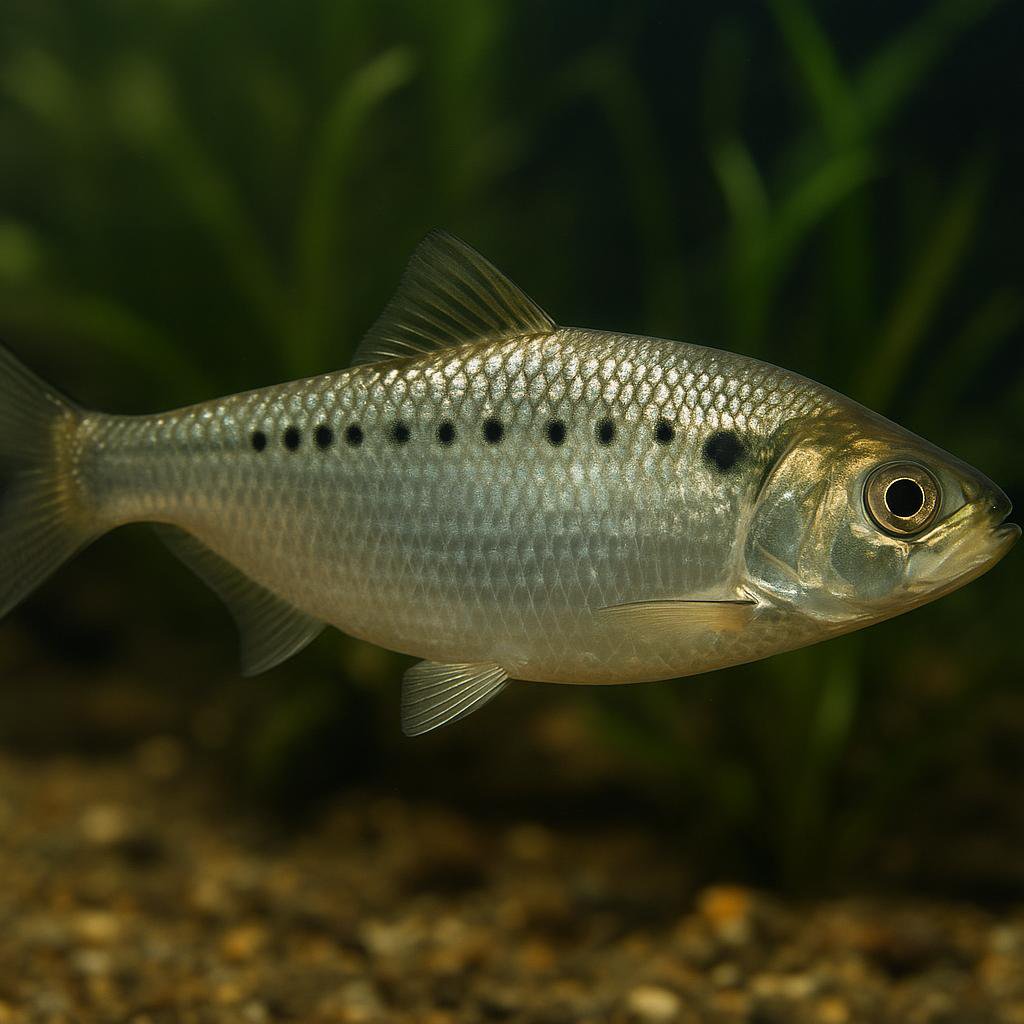
Dotted gizzard shad
Konosirus punctatus
Konosirus punctatus is a coastal, open-water schooling shad from East Asia that runs in and out of bays and brackish estuaries to breed. It gets fairly big for a "shad" and is built for constant cruising, so its care is much closer to a coolwater baitfish setup than a typical home aquarium community fish.
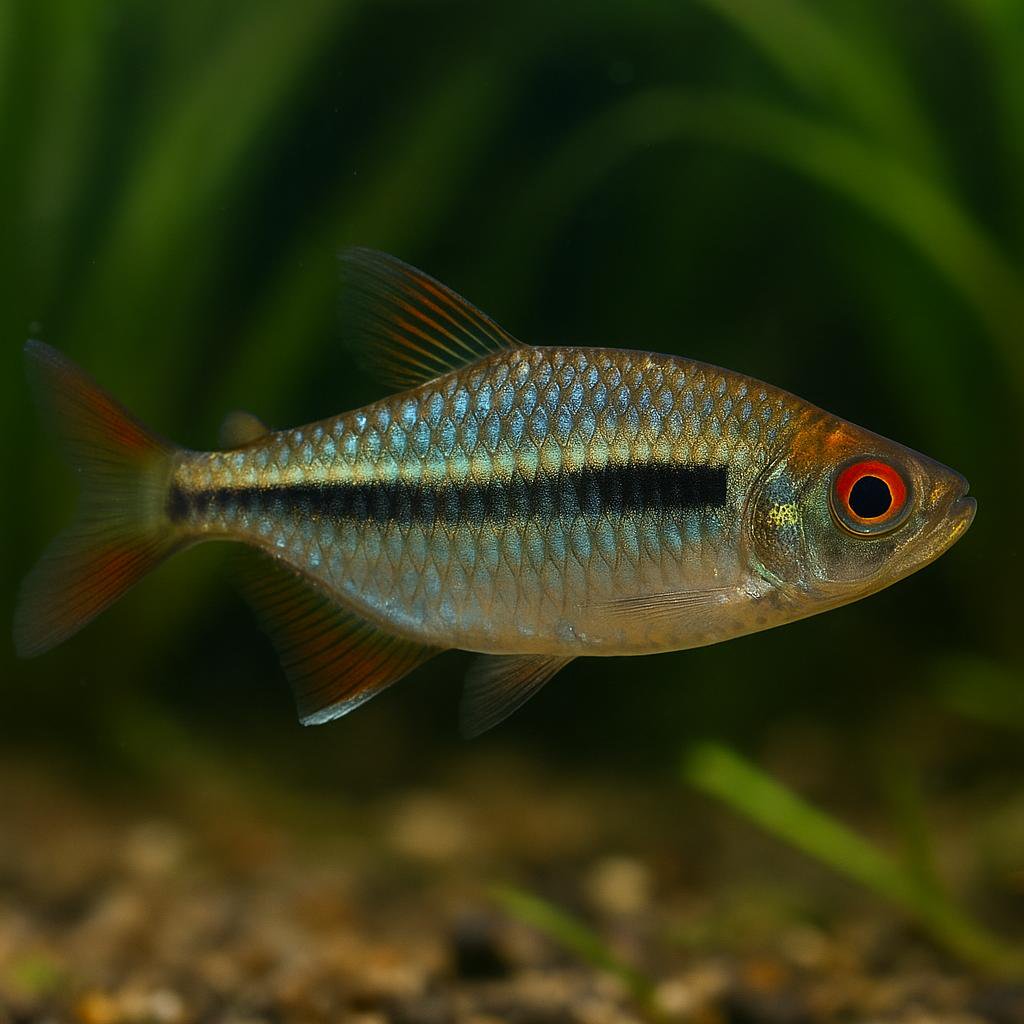
Dragon fin tetra
Diapoma terofali
This is a little South American characin from the Parana-Uruguay system that stays pretty small but has a neat "glandulocaudine" twist - males have a special caudal gland tied to breeding. In a calm planted setup they act like a typical small tetra-ish fish, cruising midwater and looking best in a group.
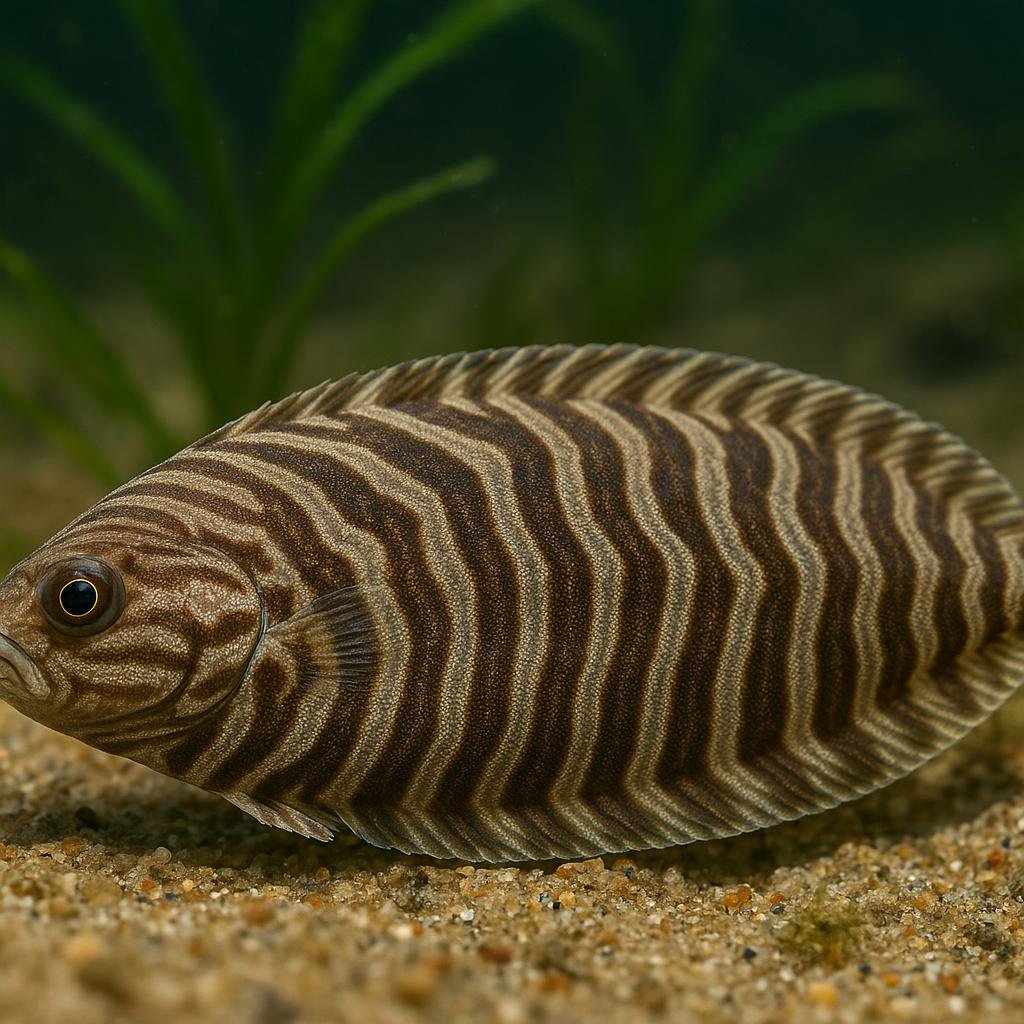
Duskybanded sole
Zebrias penescalaris
This is a small marine sole (family Soleidae) from southern Australian waters that inhabits soft-bottom (sand/mud) habitats; it is a demersal, sand-associated species with banding patterns used for camouflage.
Dusky sand eel
Yirrkala fusca
Yirrkala fusca is a little snake eel (worm eel) from the Ophichthidae family that spends its life nosing around sandy or silty bottoms and basically wants to stay hidden. It is not really an aquarium fish - it is small, cryptic, and super prone to escaping unless the tank is built like a fortress.
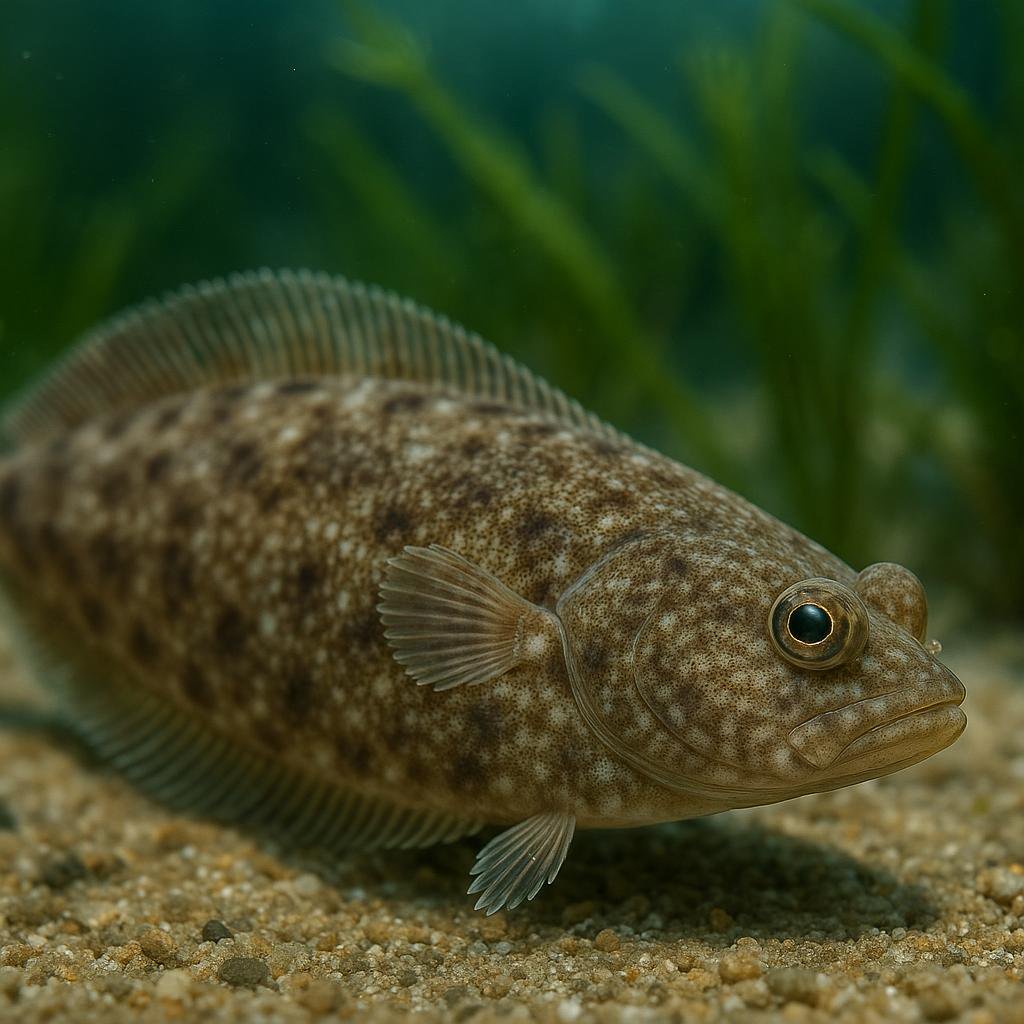
Dusky Tongue Sole
Paraplagusia sinerama
A tongue sole (family Cynoglossidae) from soft-bottom habitats in northern Australia (Exmouth Gulf, WA to Moreton Bay, QLD) and also New Guinea. It is a bottom-dwelling flatfish associated with soft substrates; aquarium care details (salinity/pH/tankmates) are not well documented in major references.
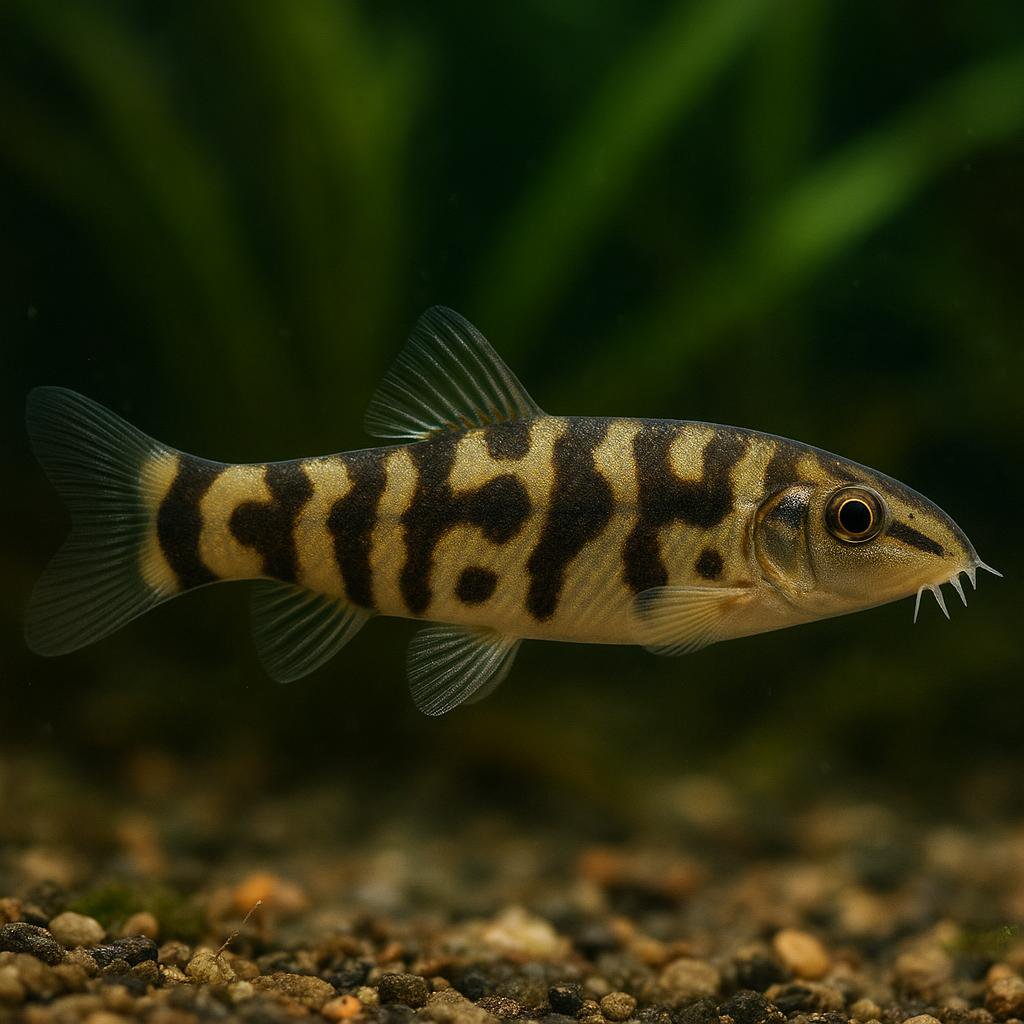
Dwarf chain loach
Ambastaia sidthimunki
This is the little "Sid" loach people fall in love with once they see a whole group doing their goofy zoomies and clicking at each other. They stay tiny but act like big loaches - always busy, always social, and way more confident when you keep them in a proper gang. Give them sand, hiding spots, and lots of buddies and they really shine.
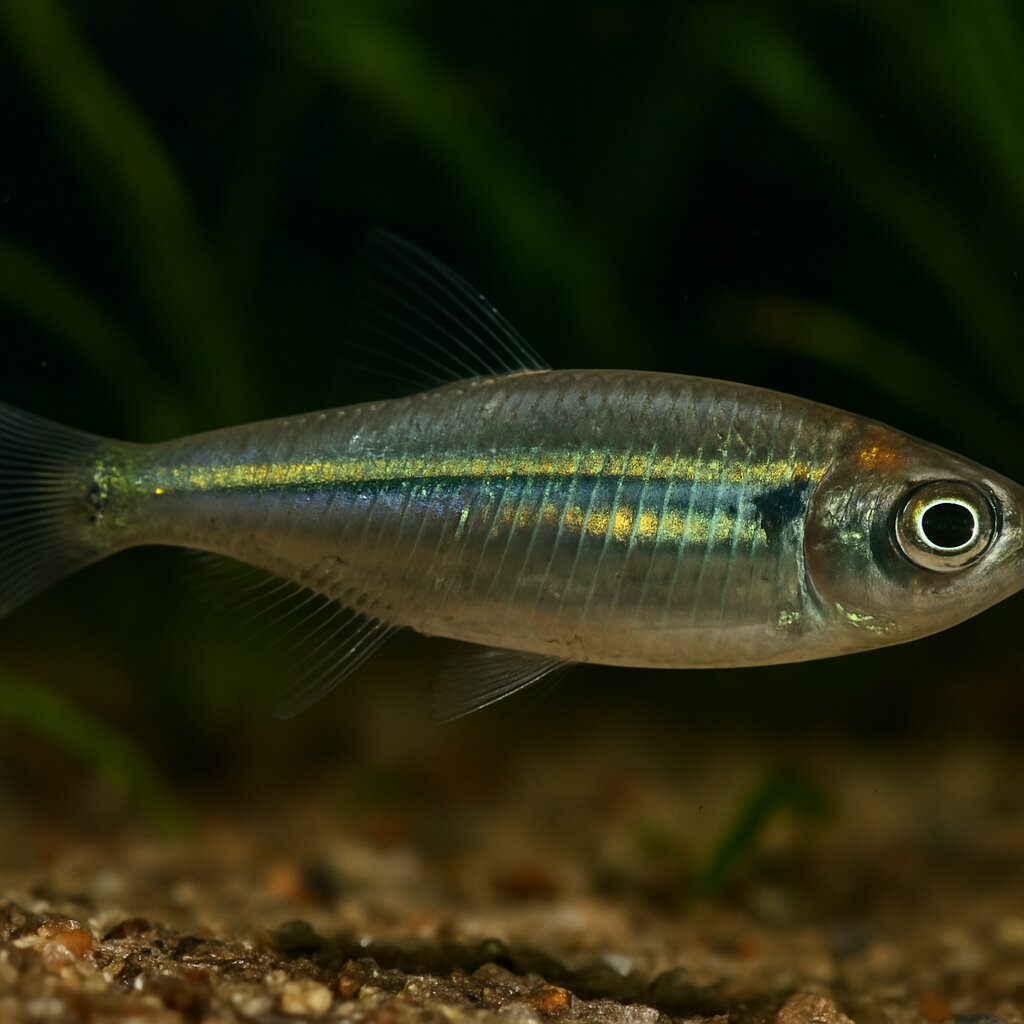
Dwarf herring
Jenkinsia lamprotaenia
Tiny Caribbean baitfish that flash a bright silver stripe as they cruise in tight schools near beaches and reef edges. They pick zooplankton from the water column and even form big lunar-timed spawning swarms, so they really come alive in a big, high-flow setup with lots of open water.
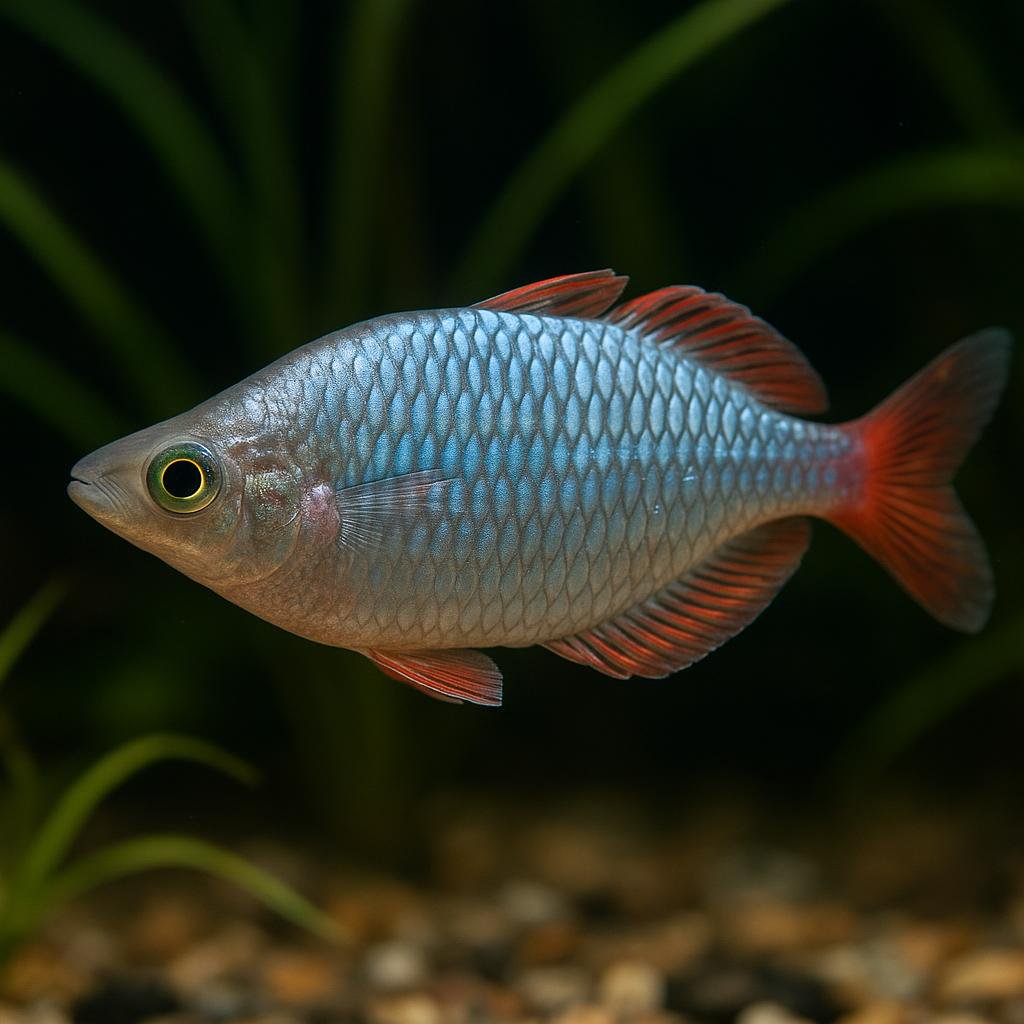
Dwarf Neon Rainbowfish
Melanotaenia praecox
These little rainbows are like living sparks-electric blue bodies with those punchy red/orange fins, and they look even better the more you keep together. They're constantly cruising the mid-water, flashing at each other and doing that classic rainbowfish "look at me" shimmy, especially when the lights first come on or at feeding time.