

Hyaline cardinalfish
Foa hyalina
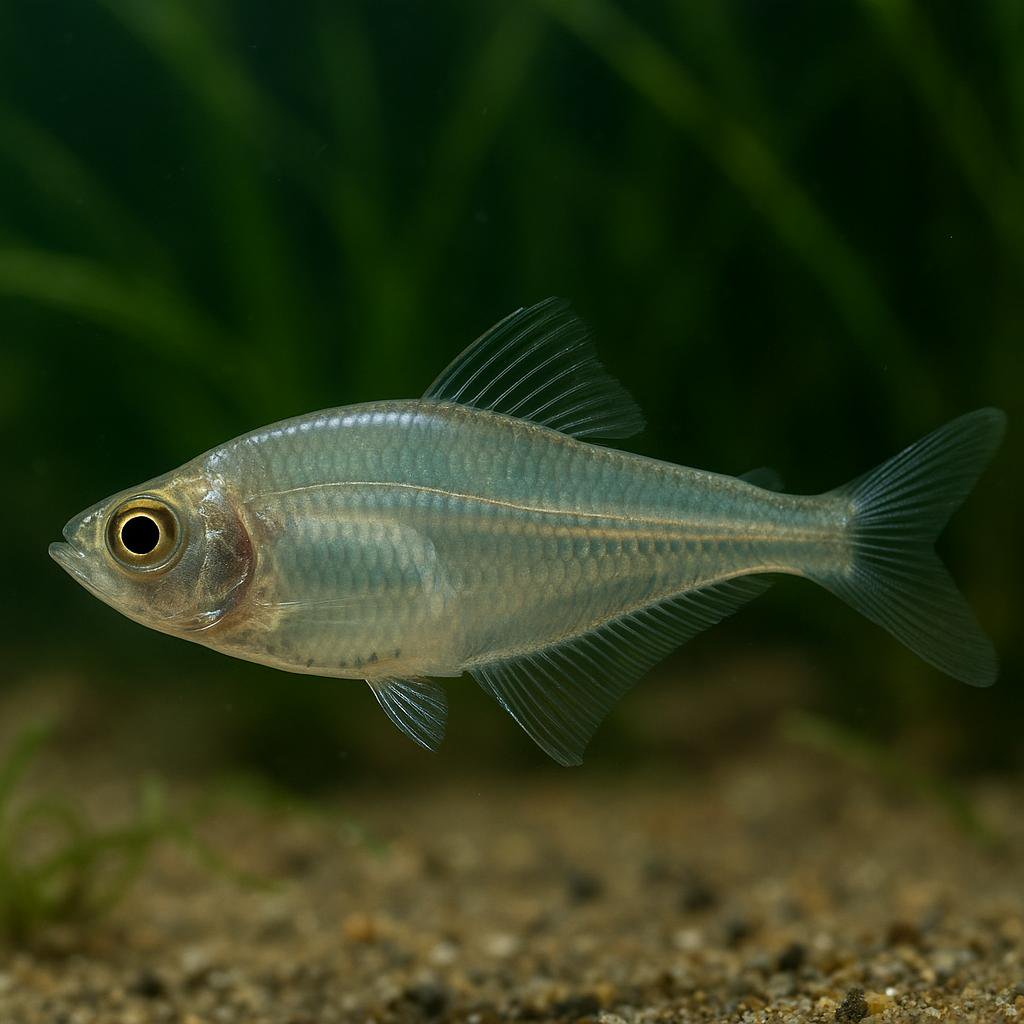
Hyaline cardinalfish exhibit transparent bodies with vibrant blue accents and elongated dorsal fins, making them distinctive among reef fishes.
This page includes AI-generated images. Why am I seeing AI images?
About the Hyaline cardinalfish
This is a tiny little reef cardinalfish that looks almost glass-clear with a few reddish-brown stripes, so it kind of vanishes when it hangs in soft corals. In the wild it tends to be solitary and it tucks itself into Sinularia-type soft coral for cover, then comes alive more at night like a lot of cardinals do. Like other apogonids, it is a mouthbrooder, so once you see a male holding, he will go off food for a bit.
Also known as
Quick Facts
Size
4.7 cm SL
Temperament
Peaceful
Difficulty
Advanced
Min Tank Size
20 gallons
Lifespan
3-5 years
Origin
Western Pacific
Diet
Carnivore (planktivore) - zooplankton, small frozen foods like mysis/cyclops
Water Parameters
22-27°C
8.1-8.4
8-12 dGH
Need a heater for this species?
This species needs 22-27°C in a 20 gallon tank. Use our heater calculator to find the right wattage.
Calculate heater sizeCare Notes
- Give them a mature, low-drama reef with lots of branching rock, caves, and overhangs - they like to hover in cover and spook easily under bright, open layouts.
- Keep salinity steady around 1.025-1.026 and temp about 76-79F; they are way less forgiving of quick swings than most "easy" cardinals.
- They are crepuscular/nocturnal feeders, so toss food in after lights go down or at least during dim ramp time, or bolder tankmates will steal everything.
- Feed small meaty stuff: enriched mysis, copepods, baby brine, finely chopped shrimp/clam; multiple small feedings work better than one big dump.
- Avoid housing them with fast, aggressive eaters (most dottybacks, big wrasses, pushy anthias) and anything that thinks tiny fish are snacks; calm gobies, small blennies, and peaceful clowns are usually fine.
- If you keep more than one, add a group at once and give them lots of hiding spots; singles are fine, but mixing new ones into an established group often turns into chasing and one fish fading out.
- Watch for slow starvation and sunken bellies - they can look "fine" while quietly losing the food race, so target feed with a pipette if needed.
- Breeding is doable: they are mouthbrooders, and the male may stop eating while holding; move him to a quiet, low-flow box/tank near release or the fry become instant live food in a reef.
Compatibility
Good Tankmates
- Other small, peaceful cardinals and similar gentle schooling fish (like pajama cardinals or small Apogon-type cardinals) - hyaline cardinals are chill and usually settle in better in a little group, just do not cram them in a tiny tank.
- Firefish (Nemateleotris spp.) - same vibe: peaceful, hang in the water column, and they will not bully or outcompete the hyalines at feeding time.
- Watchman gobies and other mellow gobies (clown gobies, neon gobies) - they keep to their own zones and will not hassle your cardinals.
- Small, non-pushy blennies (tailspot blenny, similar) - generally ignore the cardinals and just do their perch-and-graze thing.
- Peaceful reef-safe wrasses that are not bullies (pink-streaked wrasse, possum wrasse) - active but usually not aggressive, and they will not treat cardinals like chew toys.
- Gentle clowns (ocellaris/percula, especially a smaller pair) - usually fine as long as the clowns are not being little terrors and the cardinals have calmer zones to hang out.
Avoid
- Dottybacks (especially orchid dottyback) and other territorial rock-pickers - they love to claim caves and will absolutely chase these shy cardinals into hiding.
- Hawkfish (flame hawk, longnose hawk) - they are perch hunters and small cardinals can get stalked, stressed, or straight up eaten if the size gap is there.
- Big or mean wrasses (sixline that turned psycho, lunare, etc.) - constant buzzing and bullying, plus they outcompete hard at feeding time so your hyalines slowly fade out.
- Any predators or mouthy fish (groupers, lionfish, large damsels, triggerfish) - if it can fit a hyaline cardinalfish in its mouth, it will eventually try.
Where they come from
Hyaline cardinalfish (Foa hyalina) come from Indo-Pacific reefs. Think sheltered reef slopes and rubble zones where the light is a little broken up and there are lots of little hidey-holes. They are one of those small, see-through cardinals that look almost unreal under actinics.
Because they are naturally a bit cryptic and small-mouthed, most of the challenge with this species is getting them settled, eating reliably, and not outcompeted.
Setting up their tank
If you try to keep these like you would a bolder cardinal or a clownfish, you will probably just end up with a fish you never see that slowly loses weight. Give them a calm tank with structure and predictable routine.
- Tank size: I would treat 20-30 gallons as a practical minimum for a small group, bigger is easier for stable water and calmer social spacing.
- Aquascape: Lots of small caves, overhangs, and branching rock. Rubble piles and shaded pockets help them feel "invisible" (which is what they want).
- Flow: Moderate. They do not need a blender, but they also do poorly in stagnant corners where food just rots.
- Lighting: They handle normal reef lighting, but give them shaded areas so they can pick a comfort zone.
- Filtration: Strong enough to keep nutrients in check, since you will likely feed heavier and more often than average.
If you can, quarantine and train them to eat in a bare-bottom QT with a few PVC elbows. In the display, live rock makes it way easier for them to dodge food and slowly starve without you noticing.
They do best in a mature system where pods and other micro-life are already present. That background "snack supply" buys you time while they figure out prepared foods.
What to feed them
This is the make-or-break section. Foa hyalina are micro-predators with small mouths, and they are not great at rushing a feeding frenzy. You want small foods, offered often, and you want to watch their bellies, not just assume they are eating.
- Best starters: Live baby brine, live copepods, or live enriched foods to kickstart feeding response.
- Frozen staples: Mysis (the smaller stuff), finely chopped krill, Cyclops, calanus, enriched brine, and good reef blends with tiny particles.
- Prepared foods: Tiny sinking pellets can work once they are confident, but do not expect pellets to be day-1 food.
Feed like you are keeping mandarins: smaller portions, more sessions. Two big feedings a day is usually worse than 3-5 small ones for these guys.
Target feeding helps a lot. I like using a turkey baster or a long pipette to gently cloud food near their hiding area, not blasting them in the face. If you have faster fish, distract them on the other side of the tank first.
How they behave and who they get along with
They are shy, hover-y cardinals. Once settled, you will see them hanging midwater near rockwork, usually facing into the flow, picking at passing food. They are not "interactive" like a clownfish, but they are really cool in a subtle way.
- Best tankmates: Peaceful fish that do not dominate feeding time (small gobies, blennies, assessors, quieter wrasses, some dwarf angels if the tank is calm and feeding is controlled).
- Avoid: Aggressive dottybacks, pushy damsels, big wrasses that vacuum food, hawkfish that perch-and-pounce, and anything that turns feeding into a sport.
- Inverts: Generally fine with standard reef inverts, but tiny ornamental shrimp or very small new shrimp may be at risk if they fit in the mouth.
They lose at the dinner table. If you have fish that can inhale a cube of mysis in 20 seconds, plan on target feeding or feeding stations, or the hyaline cardinalfish will slowly fade.
Grouping can work, but it depends on your space and the individuals. A small group in a bigger tank often makes them bolder. In tighter quarters, you can see bullying and one fish getting pushed off food.
Breeding tips
Like many cardinalfish, they are very likely mouthbrooders (male holds the eggs). In home tanks it is possible to see a male with a "puffy" mouth that stops eating for a bit. Actually raising the fry is the hard part because the babies are tiny and need very small live foods.
- If you spot a holding male: Keep the tank calm and do not chase him. Sudden stress can make him spit the clutch.
- Fry food: You will likely need rotifers first, then nauplii and copepods as they grow. Have cultures going before you try to raise any.
- Collection: A dimly lit fry trap near where the male hangs out can sometimes catch released fry without tearing the tank apart.
Do not be shocked if you never see a successful spawn even with a pair. These fish can be picky about feeling secure, and they are not as "predictable" as banggai cardinals.
Common problems to watch for
Most losses with this species are slow-burn issues: they look fine for a couple weeks, then you realize they have been missing meals the whole time. The other big risk is rough shipping and parasite pressure on already-stressed fish.
- Starvation and pinched belly: The #1 problem. Watch body mass behind the head and along the back, not just whether they dart at food.
- Getting bullied off food: Even "peaceful" fish can outcompete them just by being faster.
- Crypt and other external parasites: Flashing, rapid breathing, hiding more than usual, and refusal to eat are red flags.
- Bacterial issues after shipping: Frayed fins, cloudy eyes, and lethargy can show up if they arrived banged up.
- Jumping: Cardinals can jump when spooked, especially in a new tank or during night scares.
If one stops eating, do not wait it out. Move it to a quiet QT and get calories into it with live foods. With small cardinals, a few days of "maybe it ate" can turn into a fish that is too far gone.
A tight lid helps, and so does managing nighttime spooks (a dim room light for a bit after lights-out, or ramping down your lights if your setup allows it). Once they are settled and feeding well, they are a lot less nerve-y.
Similar Species
Other marine peaceful species you might be interested in.
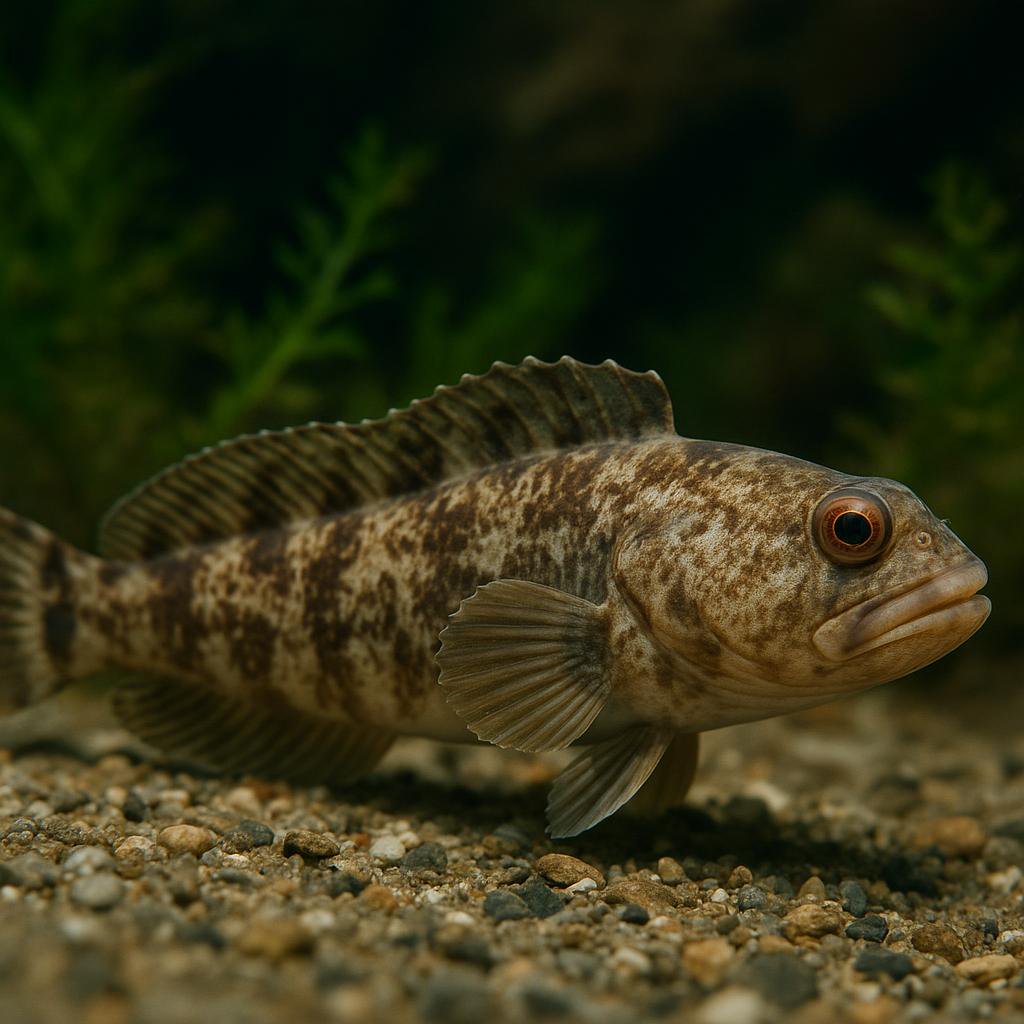
Abe's eelpout
Japonolycodes abei
Japonolycodes abei is a temperate, deepwater demersal eelpout (family Zoarcidae) endemic to Japan (Kumano-nada Sea reported; other sources also report Sagami Bay and Tosa Bay). It is the only species in the genus Japonolycodes and occurs roughly 40-300 m depth, making it an uncommon/atypical aquarium species.
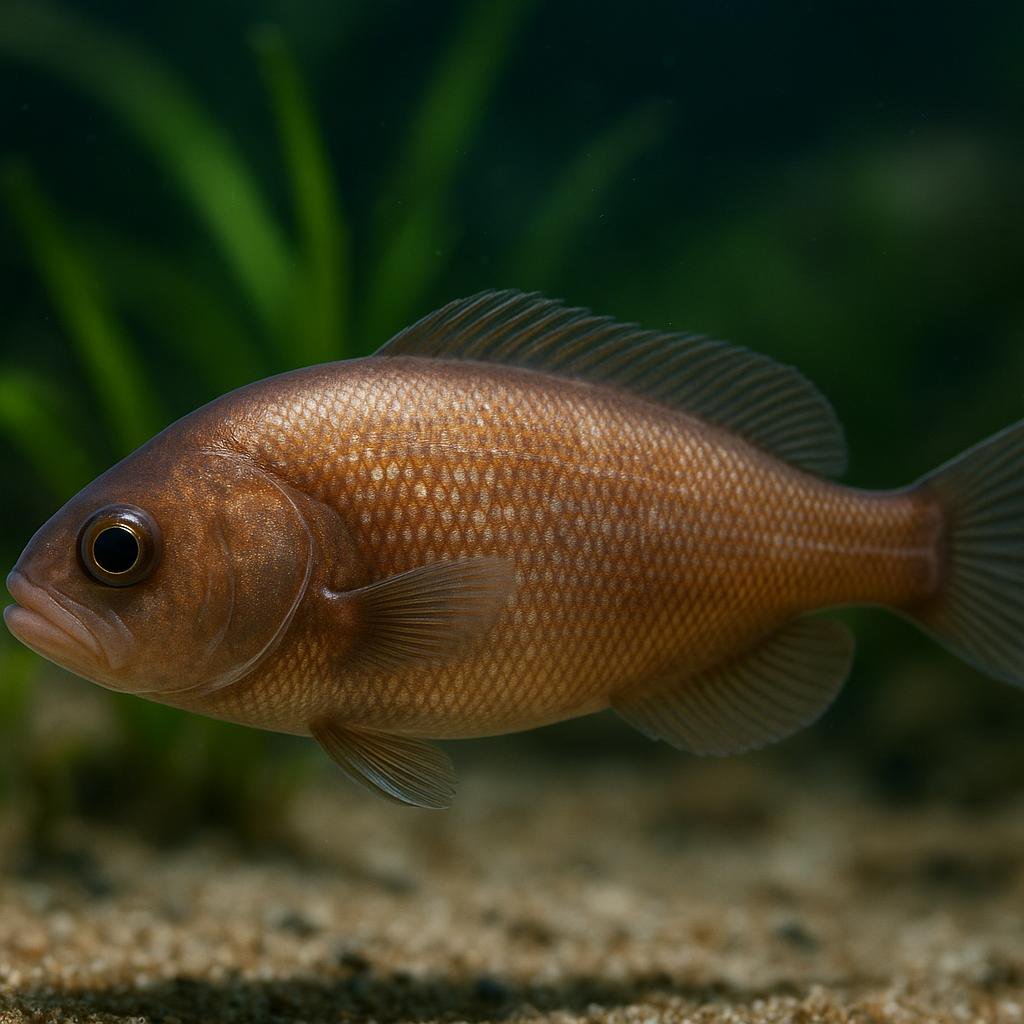
Affinis blind cusk-eel
Barathronus affinis
Barathronus affinis is a tiny, super-weird deep-sea blind cusk-eel from the western-central Indian Ocean. It is one of those gelatinous, loose-skinned brotula-type fishes that live way down in the dark and are basically never seen alive, so almost everything we know comes from preserved specimens and taxonomic work.
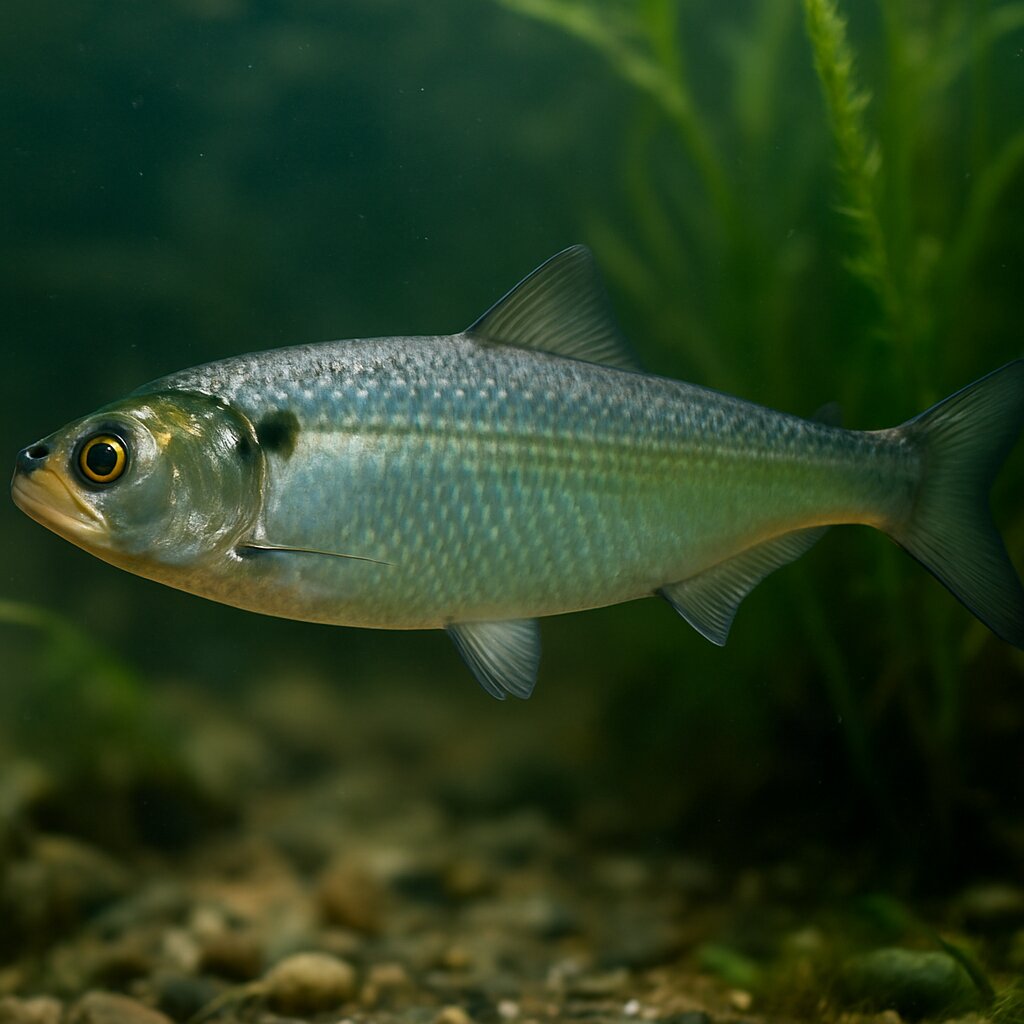
Allis shad
Alosa alosa
Gorgeous silver, fast-swimming shad that spends most of its life in the sea and then surges up big rivers in noisy, surface-spawning schools. It grows huge for a herring-type fish and needs cool, ultra-oxygenated water and tons of open space, so it is a public-aquarium species rather than a home tank fish.
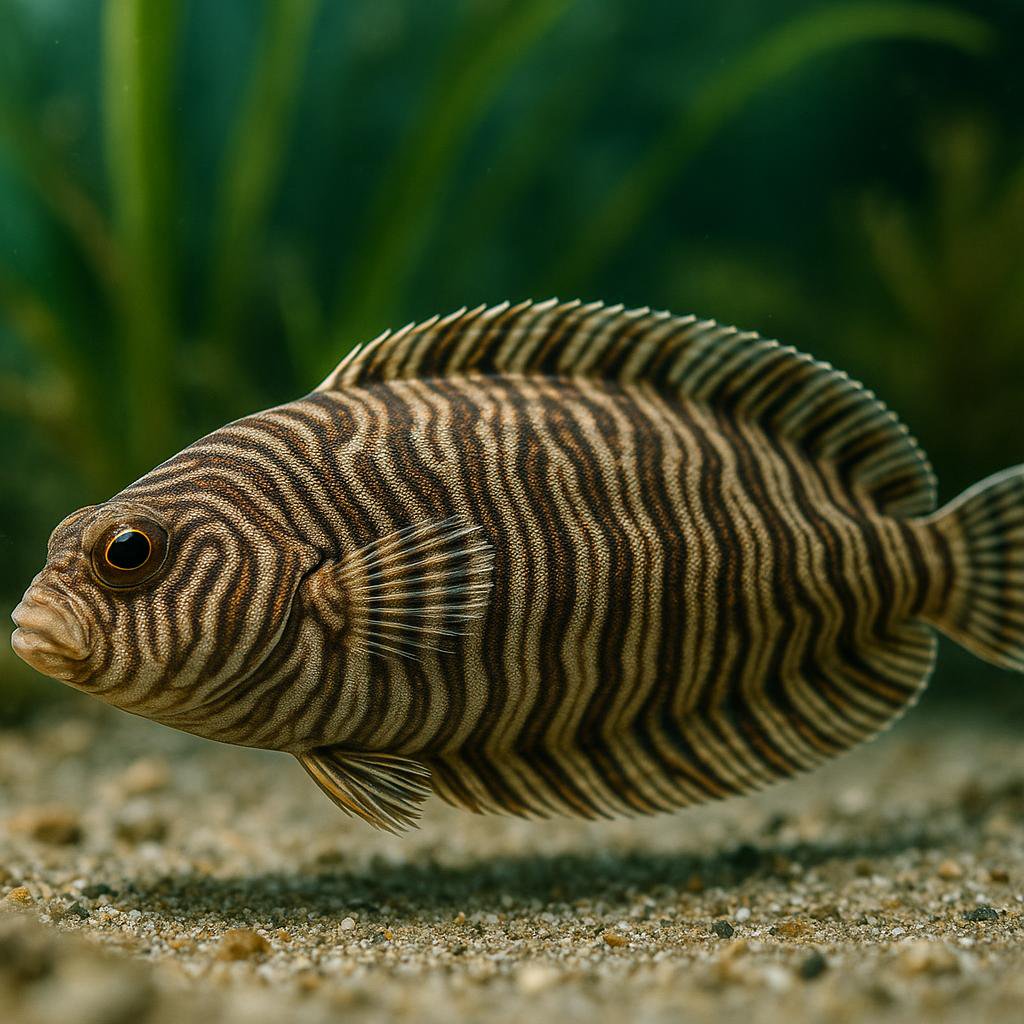
Annandale's zebra sole
Zebrias annandalei
Zebrias annandalei is a small demersal sole from coastal India that inhabits sandy or muddy bottoms and buries for camouflage. It is rarely kept in home aquaria and would require a specialized marine sand-bottom setup and appropriate feeding.
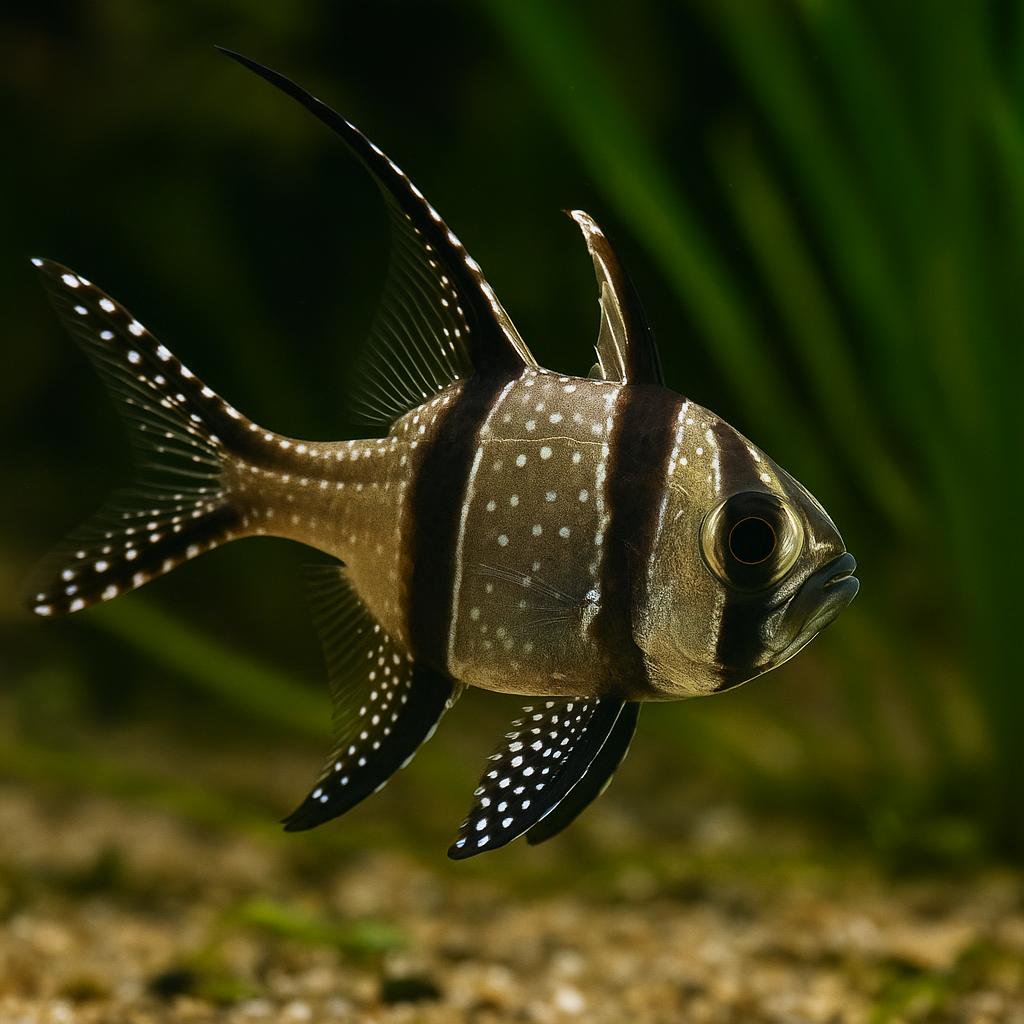
Banggai Cardinalfish
Pterapogon kauderni
Banggai cardinals just sort of hover like little underwater satellites, and the bold black bars with those long, polka-dotted fins look unreal under reef lighting. They're super chill most of the time, but once a pair forms you'll see real "fish drama," and the male will even mouthbrood the babies like a champ.
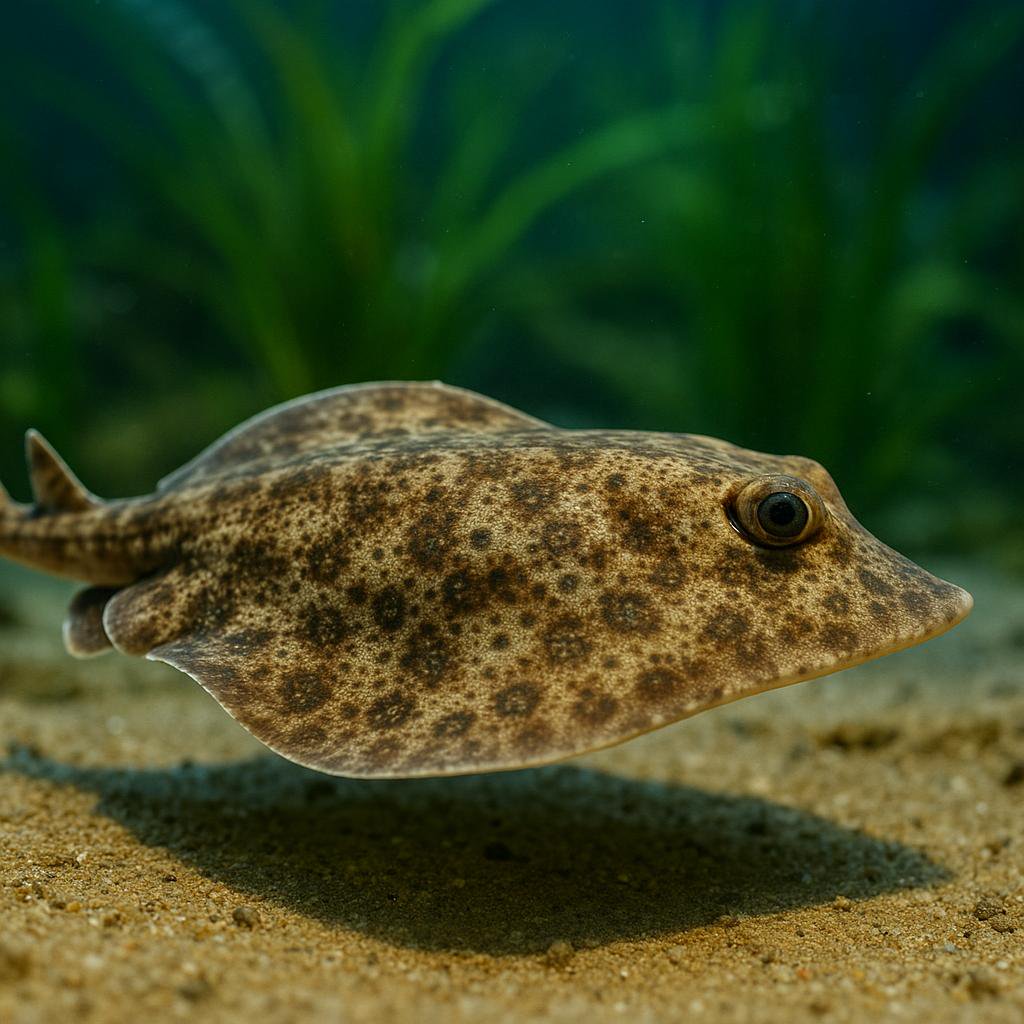
Barbedwire-tailed skate
Notoraja martinezi
Notoraja martinezi is a deepwater skate from the eastern Pacific (Costa Rica down to Ecuador) that lives way down on soft bottoms. The tail is the giveaway - it is lined with strong, hooked thorns that really do look like barbed wire. This is absolutely not an aquarium fish; it is a cold, high-pressure deep-sea animal with basically no practical home care info because it is not kept in the hobby.
More to Explore
Discover more marine species.
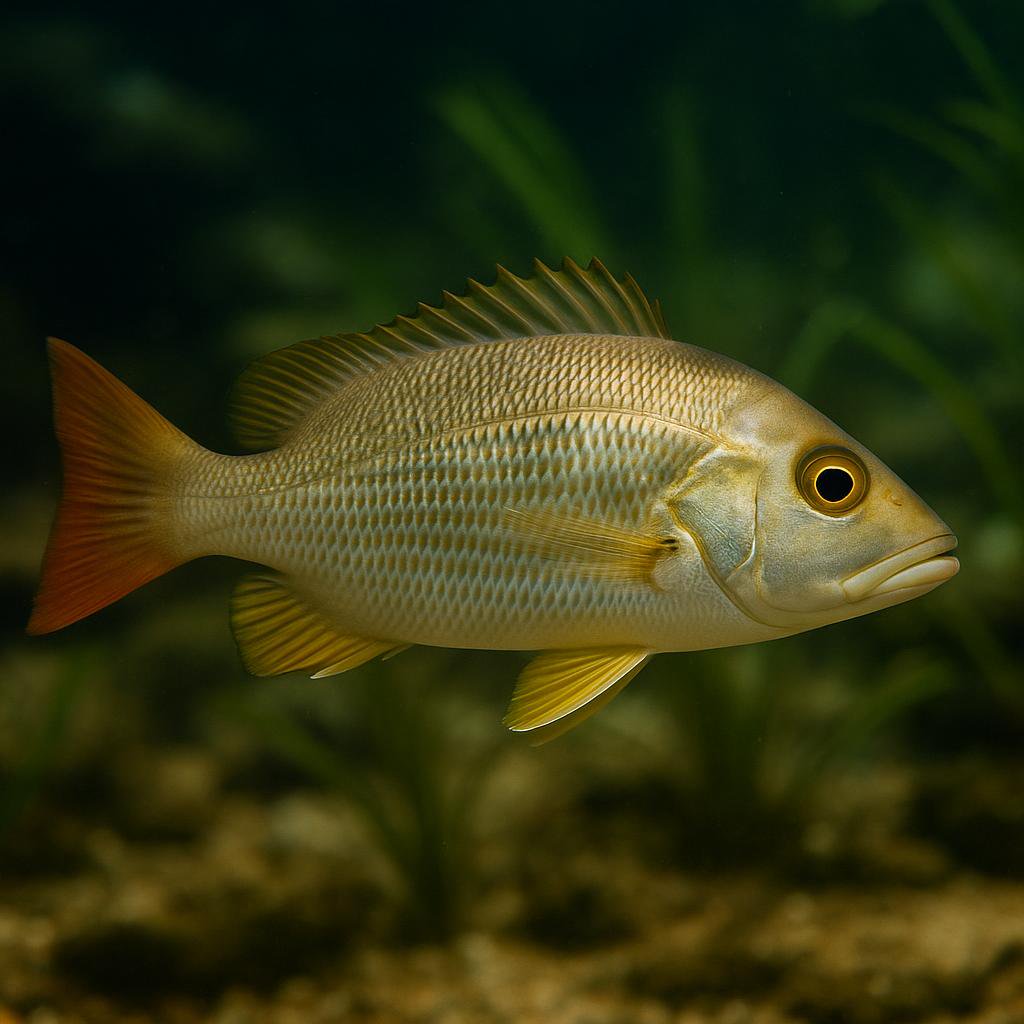
African red snapper
Lutjanus agennes
This is a true snapper from West Africa - a big, fast-growing predator that goes from coastal reefs to brackish lagoons and estuaries (especially as a juvenile). Super cool fish in the wild, but it gets absolutely huge and will eat smaller tankmates once it has the mouth for it, so its really more of a public-aquarium scale animal than a home-aquarium fish.
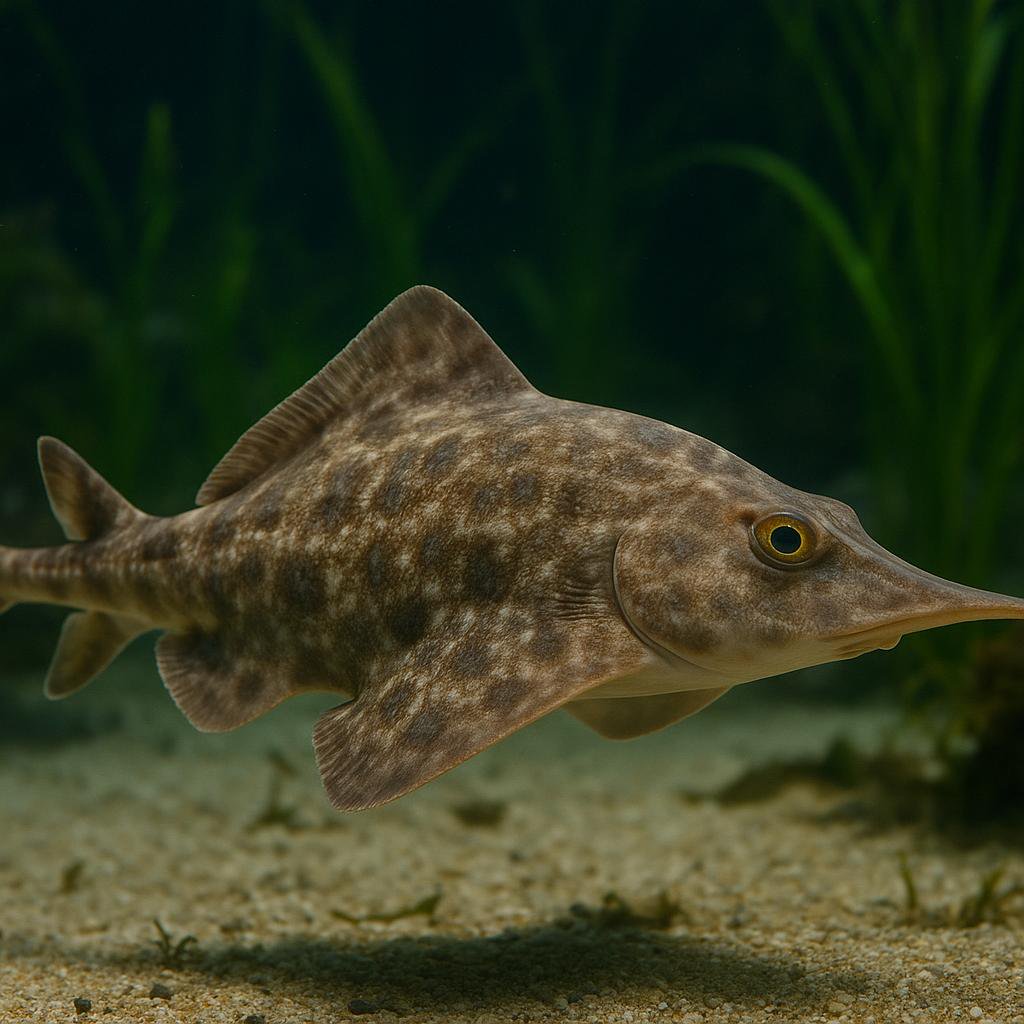
Aleutian skate
Bathyraja aleutica
This is a big, cold-water deep-slope skate from the North Pacific that cruises muddy bottoms and eats chunky benthic prey like crabs and shrimp. The really cool bit is its egg-laying skate life - it does distinct pairing (the classic skate "embrace") and drops those tough egg cases on the seafloor. Not an aquarium fish at all unless you're basically running a public-aquarium-style chilled system.
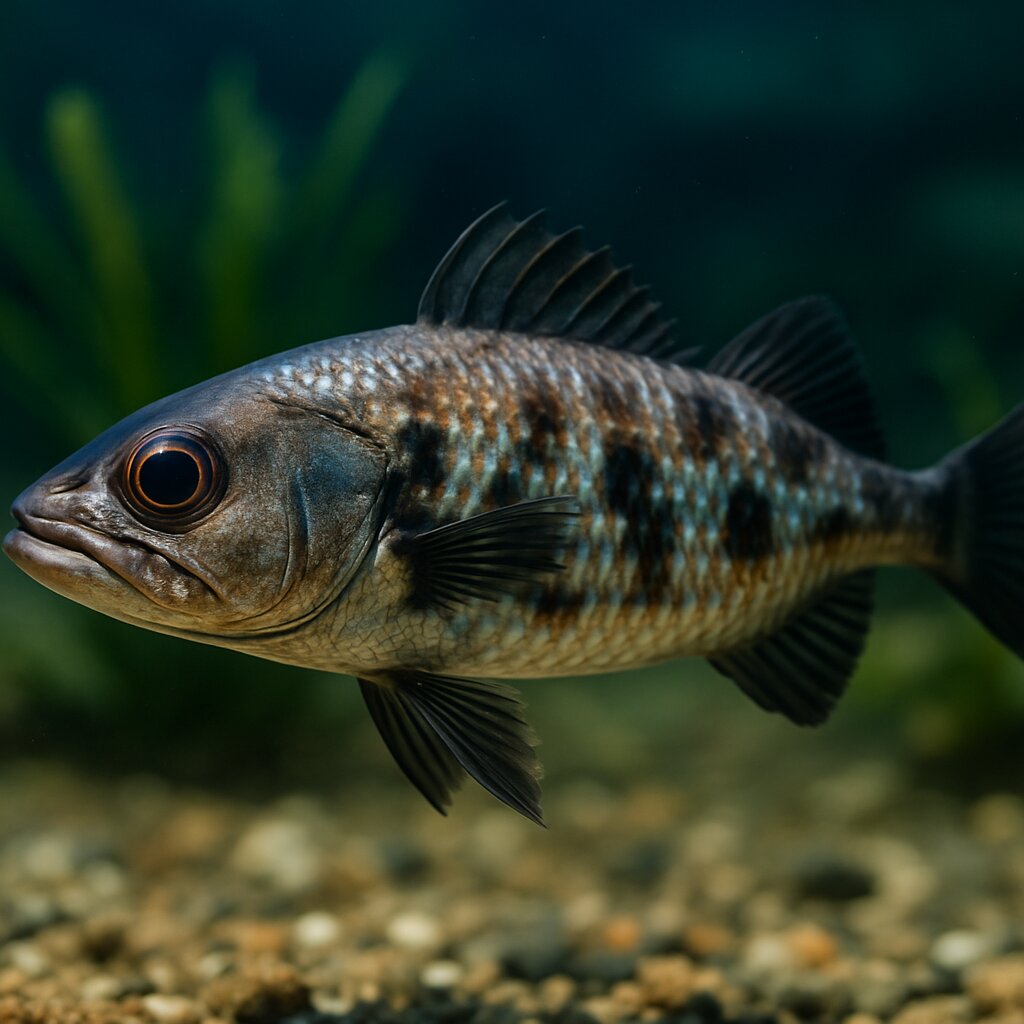
Antarctic dragonfish
Vomeridens infuscipinnis
Deep down around Antarctica, this sleek dragonfish cruises the water column like a little submarine, nearly neutrally buoyant so it can hover above the seafloor. It munches almost exclusively on Antarctic krill and lives in near-freezing water 500-800 m down, so it is a cool species to read about, not one for home tanks.
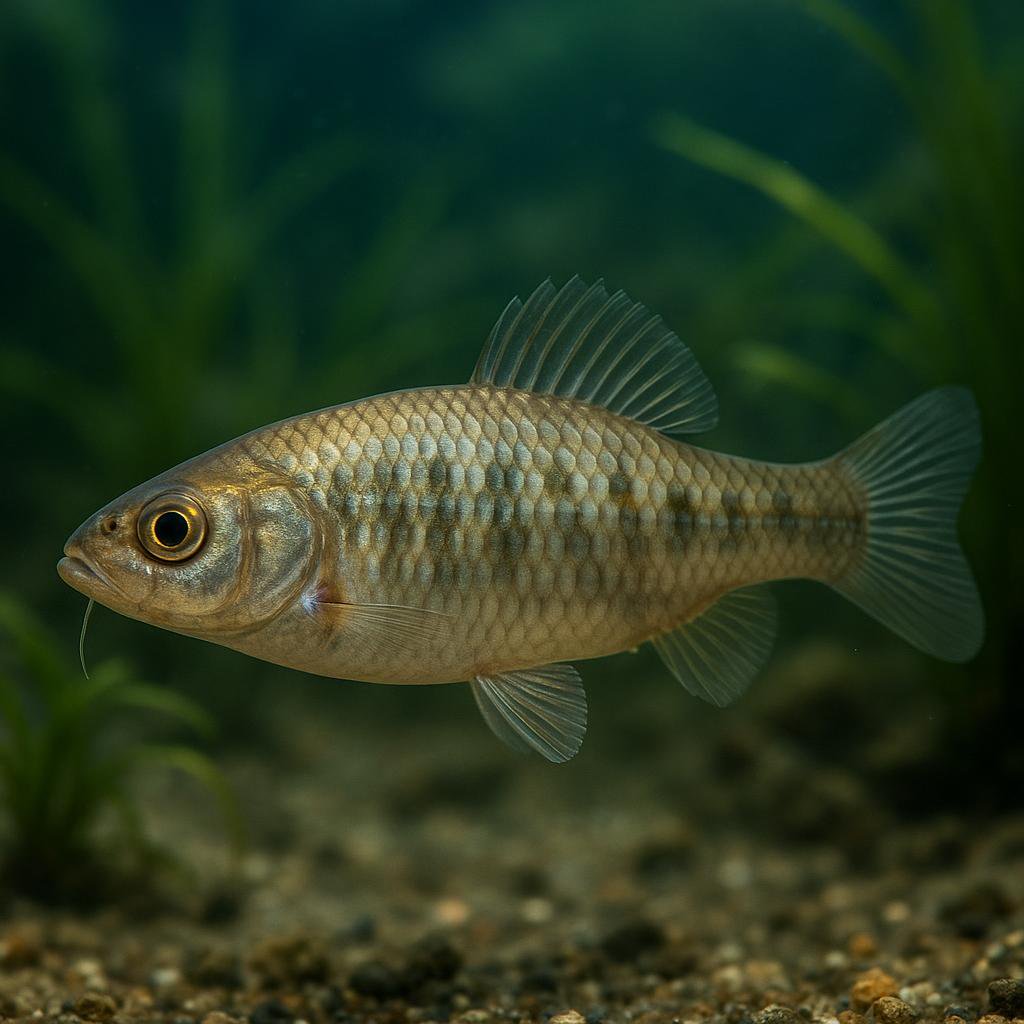
Arabian spiny eel
Notacanthus indicus
Notacanthus indicus is a deep-sea spiny eel (family Notacanthidae; not a true eel) known from the Arabian Sea on the continental slope at roughly ~960–1,046 m depth, with reported maximum length around 20 cm TL; it is a deep-water bycatch species and not established in the aquarium trade.
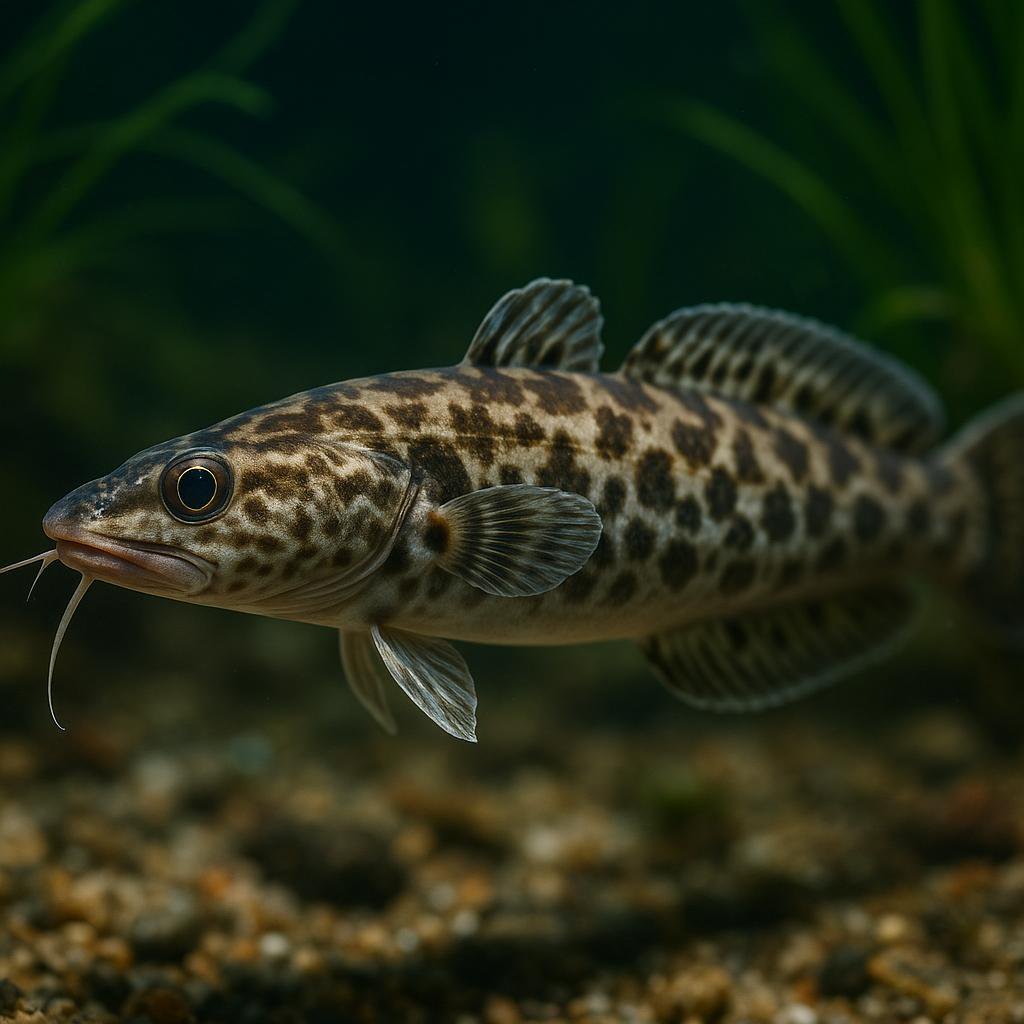
Arctic rockling
Gaidropsarus argentatus
This is a deepwater North Atlantic rockling (a cod relative) that hangs out on soft bottoms way down the slope. It is a cold-water, bottom-hugging predator that snoots around for crustaceans and will also take small fish when it gets the chance.
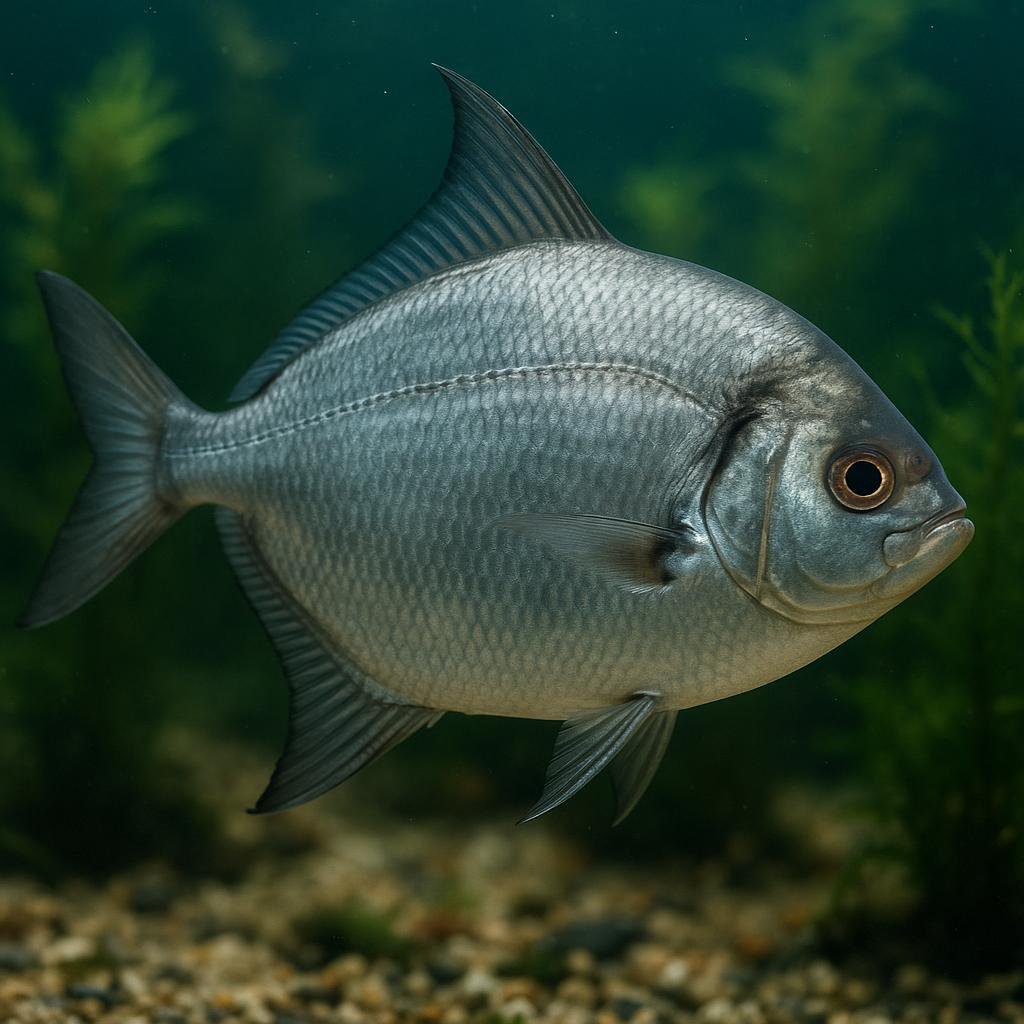
Atlantic pomfret
Brama brama
Brama brama is the Atlantic pomfret (aka Ray's bream) - a deep-bodied, open-ocean pelagic fish that cruises around in small schools and follows water temps. It is a legit big, wild marine species (not an aquarium fish) that eats other small sea critters like fish and squid, and it ranges across a huge chunk of the Atlantic plus parts of the Indian and South Pacific.
Looking for other species?