

Search Species
Search for fish species by common or scientific name, or use filters to browse by water type, size, temperament, and difficulty.
Found 337 species
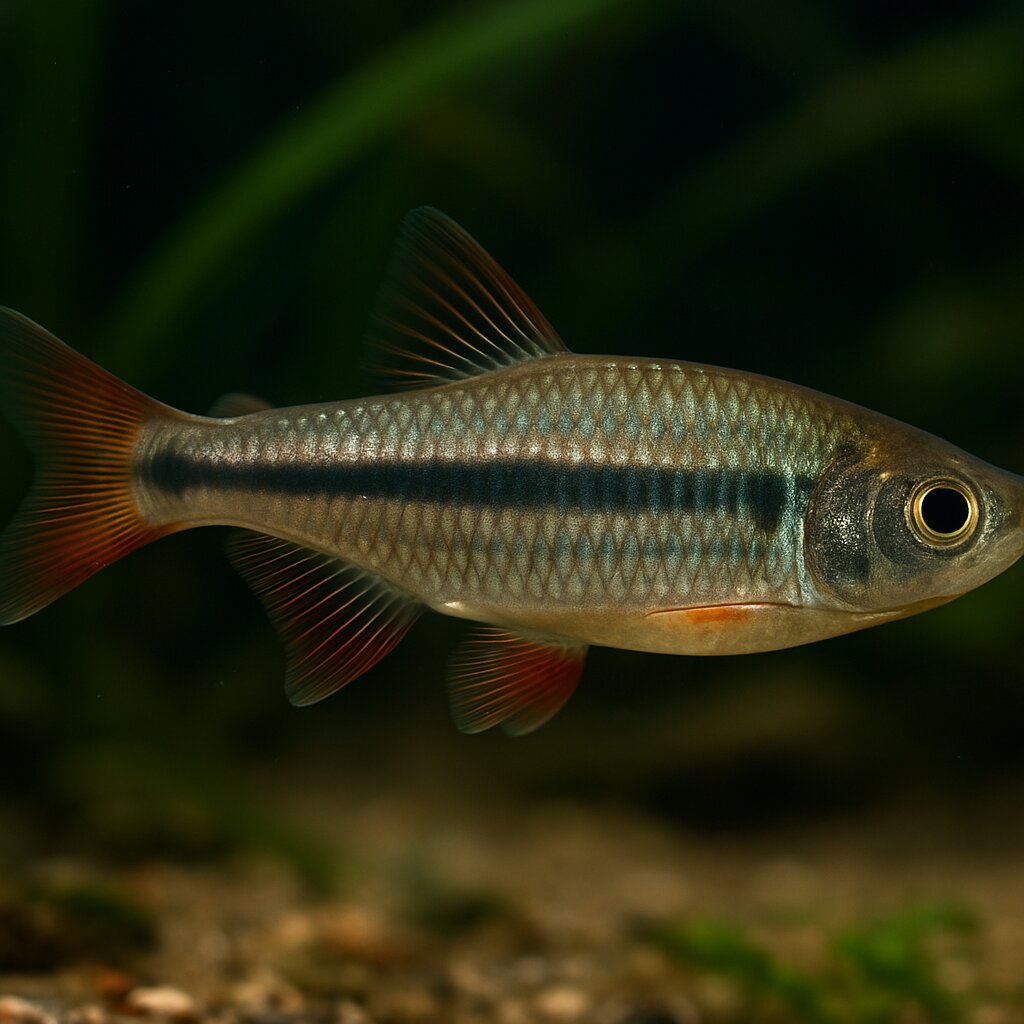
Neolebias
Neolebias gracilis
Tiny, slender African characin from the Ruki drainage in DR Congo. It looks plain at first, but a settled group shows neat schooling moves and subtle shimmer, and they really come alive in soft, tea-colored water. Keep a small shoal and feed fine live or frozen foods and you will see their best behavior.
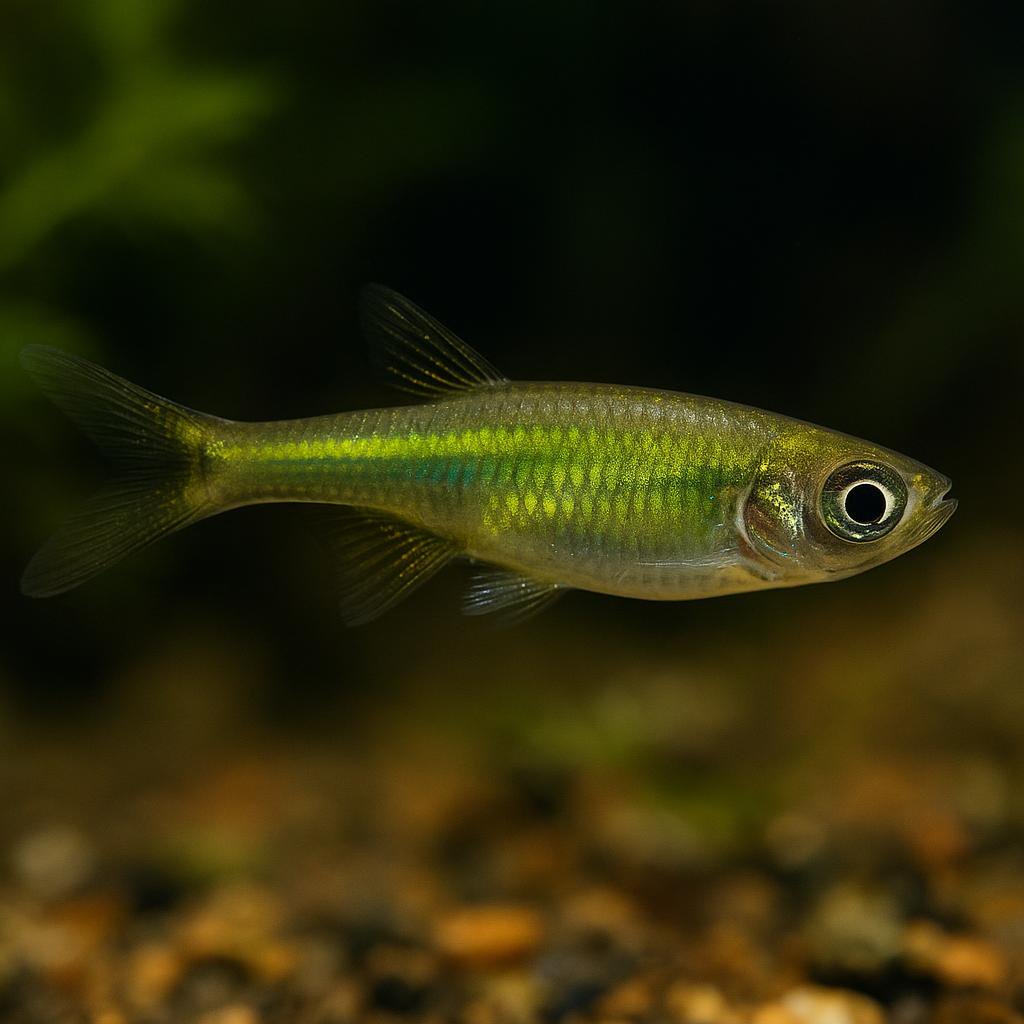
Neon Green Rasbora
Microdevario kubotai
This is that tiny, glassy-yellow fish that turns into a little green highlighter once it settles into an aquarium-especially over a dark substrate and under decent lighting. They're super active mid-water shoalers, and the whole group "flashing" that neon stripe together is the main event. Keep them in a proper group and they get way bolder and look a lot more intense.
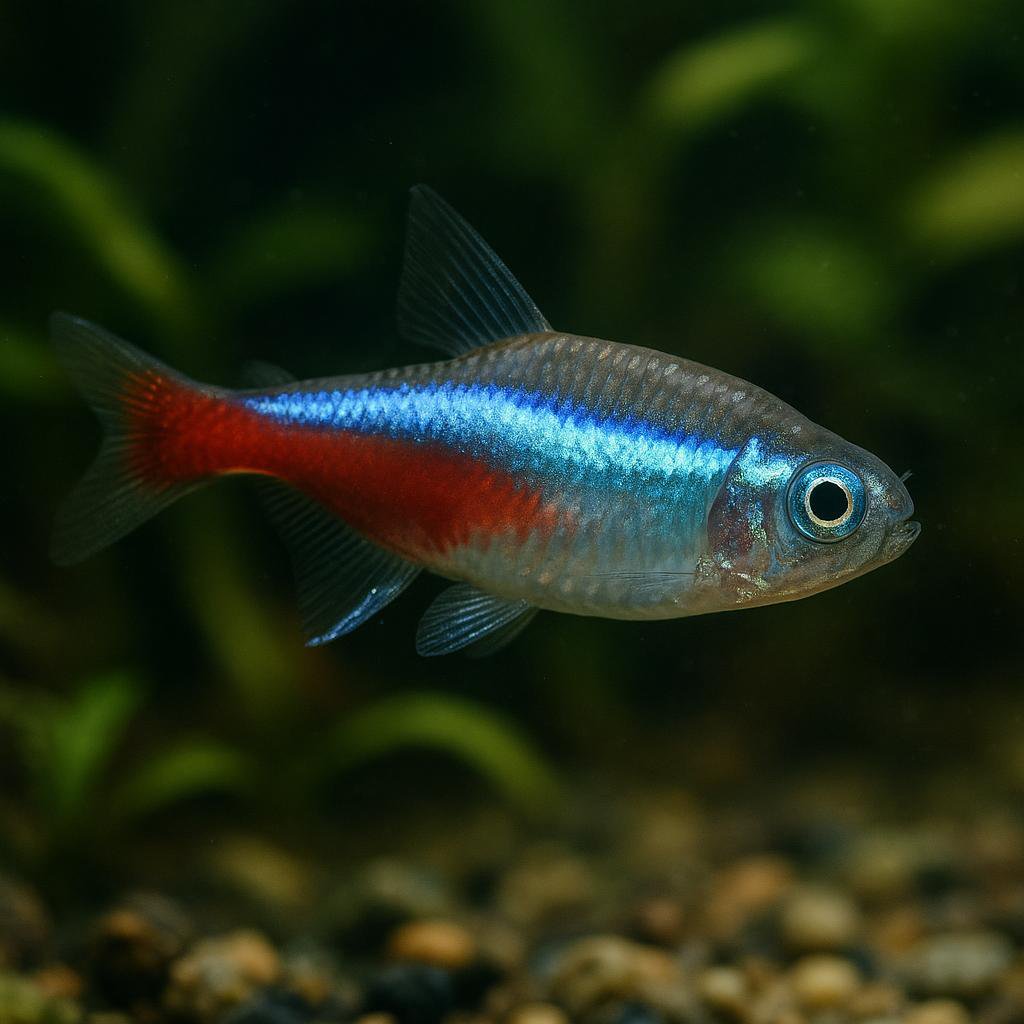
Neon Tetra
Paracheirodon innesi
The Neon Tetra is a small, brightly colored fish known for its vibrant blue and red stripes that run the length of its body. It is a favorite among aquarists due to its striking appearance and peaceful nature. Neon Tetras are schooling fish that thrive in groups, adding a lively and colorful presence to any aquarium.
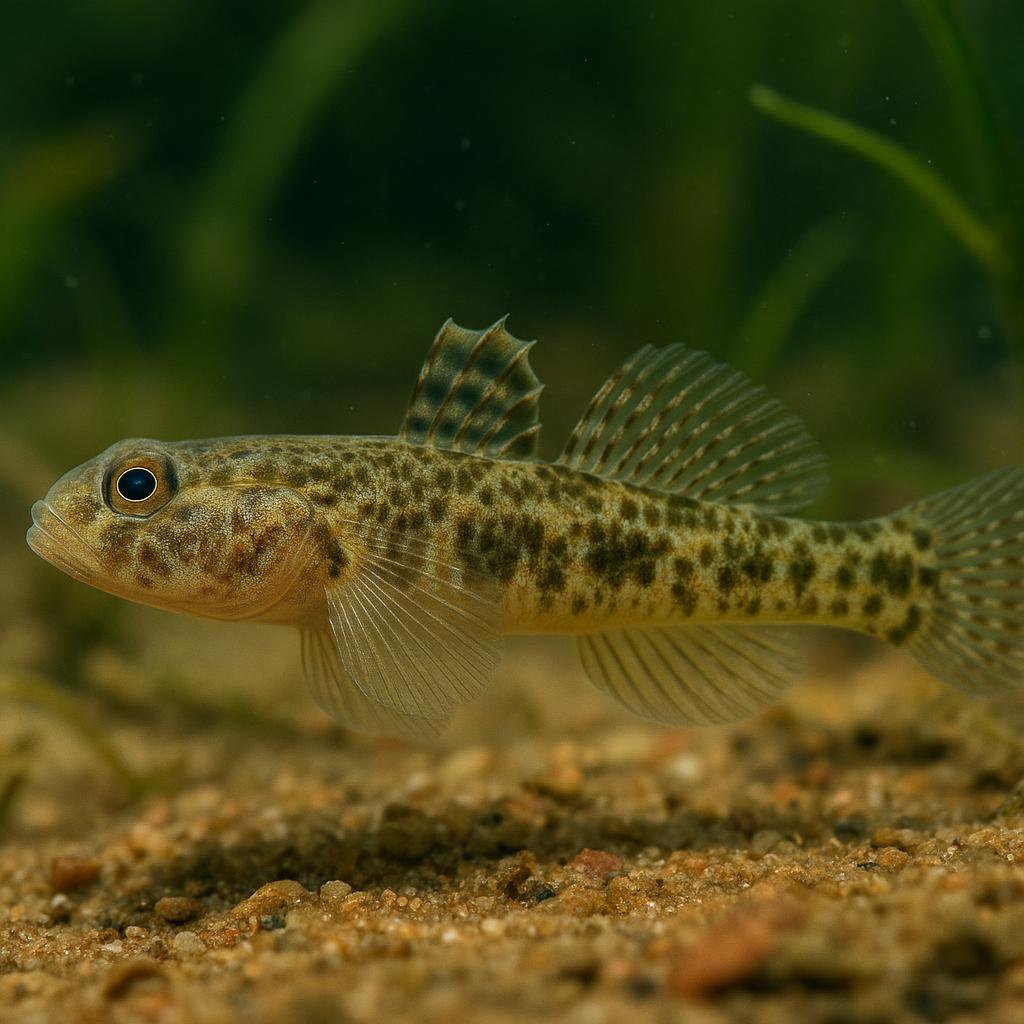
Neretva dwarf goby
Knipowitschia croatica
This is a tiny little freshwater goby from clear karst springs and slow waters in Croatia and Bosnia-Herzegovina, and it basically lives its whole life down on the bottom. The males guard eggs laid in little cavities under stones or shells, and the whole species is short-lived (under 2 years), so its behavior is way more "seasonal breeder" than "pet fish that lives forever."
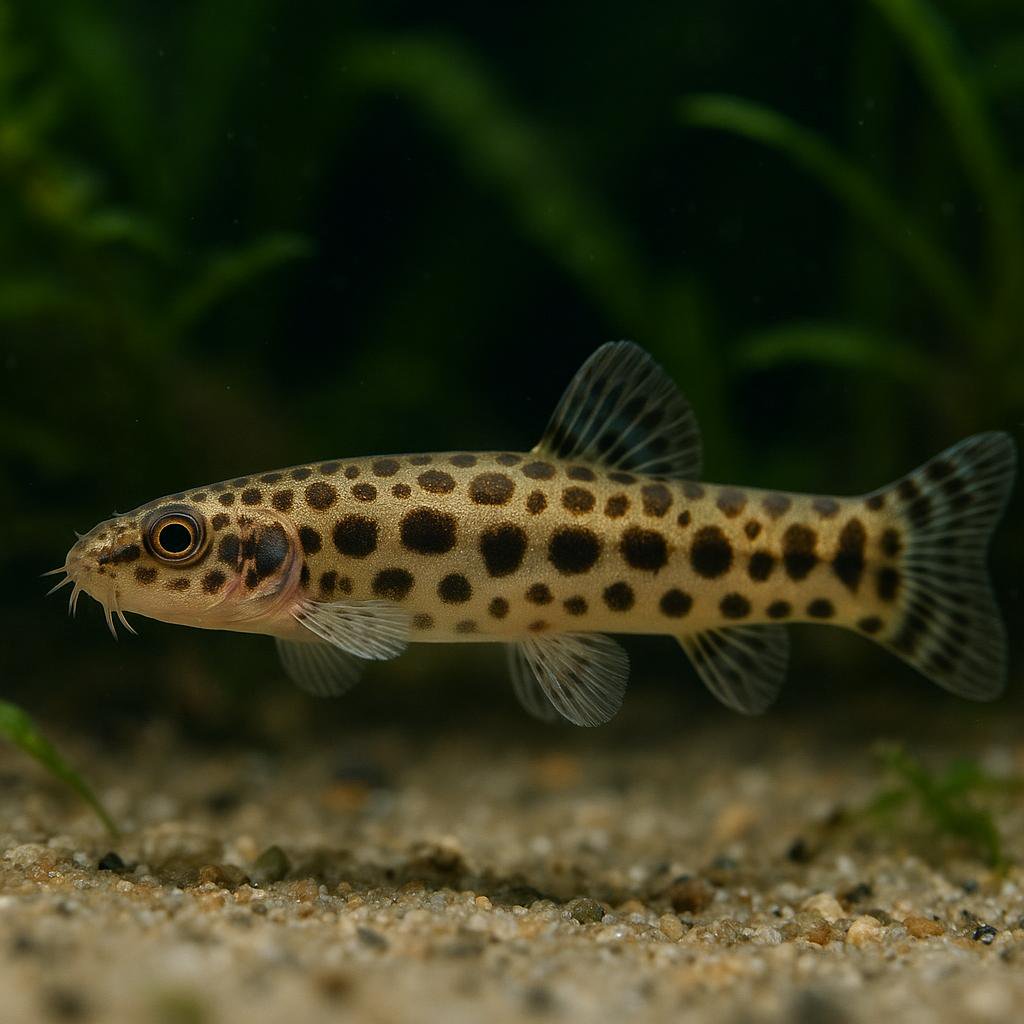
Niulan Yunnan loach
Yunnanilus niulanensis
Yunnanilus niulanensis is a small freshwater stone loach (Nemacheilidae) described from the upper Niulanjiang River (a branch of the Jinsha River) in Songming County, Yunnan, China. It is characterized by large brown spots on the upper two-thirds of the body and head; aquarium availability and husbandry are not well-documented in authoritative sources.
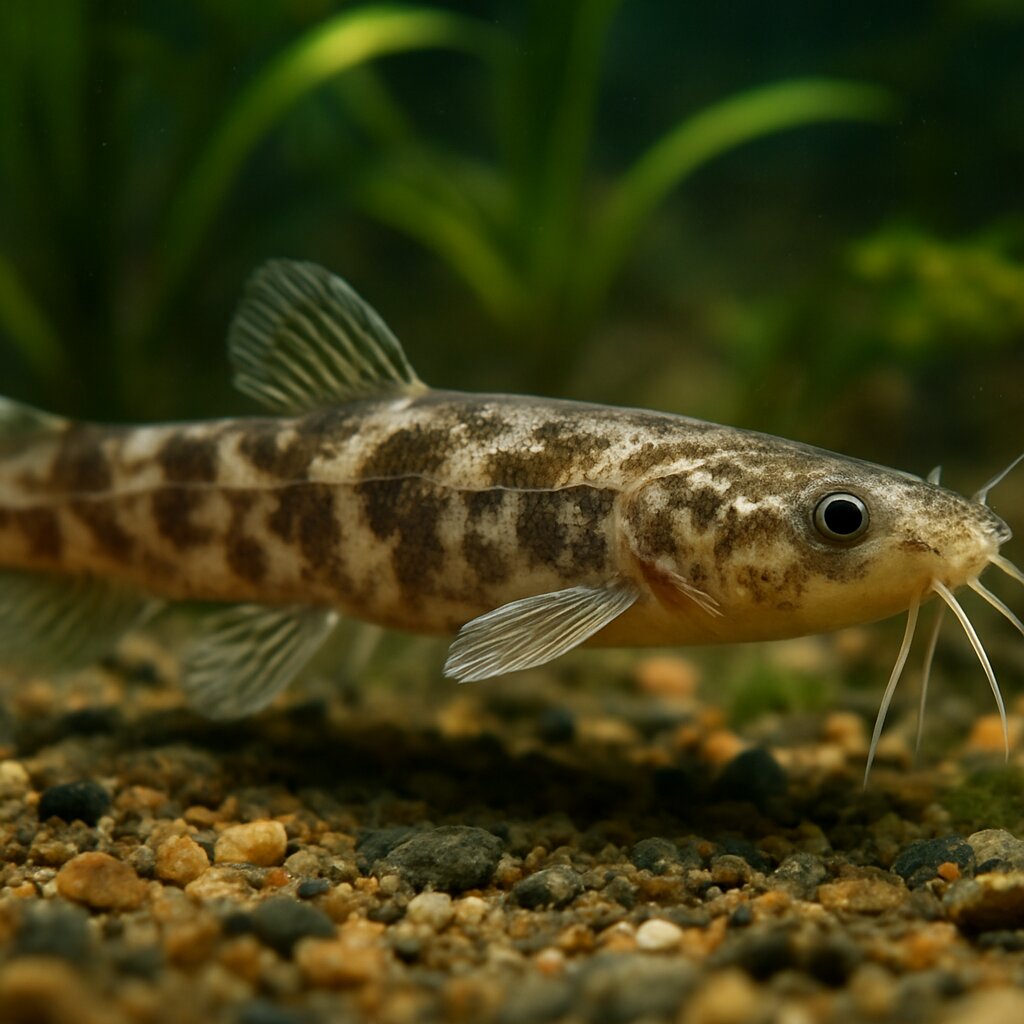
no common name
Trichomycterus trefauti
This is a tiny stream-dwelling pencil catfish from the upper Sao Francisco basin in Minas Gerais, Brazil. It tops out around 5 cm and comes from cool, shallow riffles with pebbles and strong flow, with a neat oval spot at the tail base and a little filament on the first pectoral ray. Super cool oddball, but it really appreciates clean, highly oxygenated water and current.
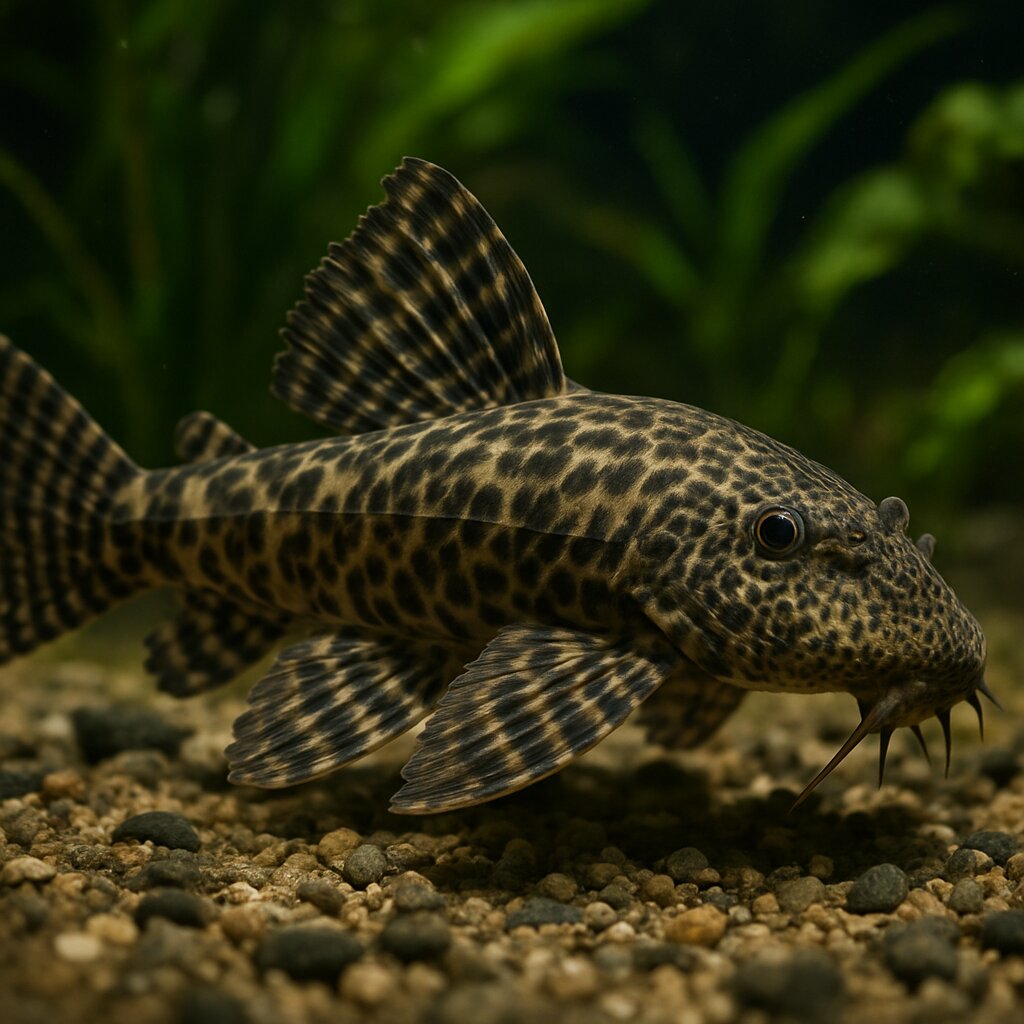
no established common name
Aphanotorulus phrixosoma
This is a super obscure Peruvian loricariid that is only known from a single specimen and is thought to be a hybrid, so you will not run into it in shops. If you are into sleek, fast river plecos, its close relatives like Aphanotorulus emarginatus scratch the same itch. Treat any husbandry as a best guess based on congeners rather than nailed-down rules.
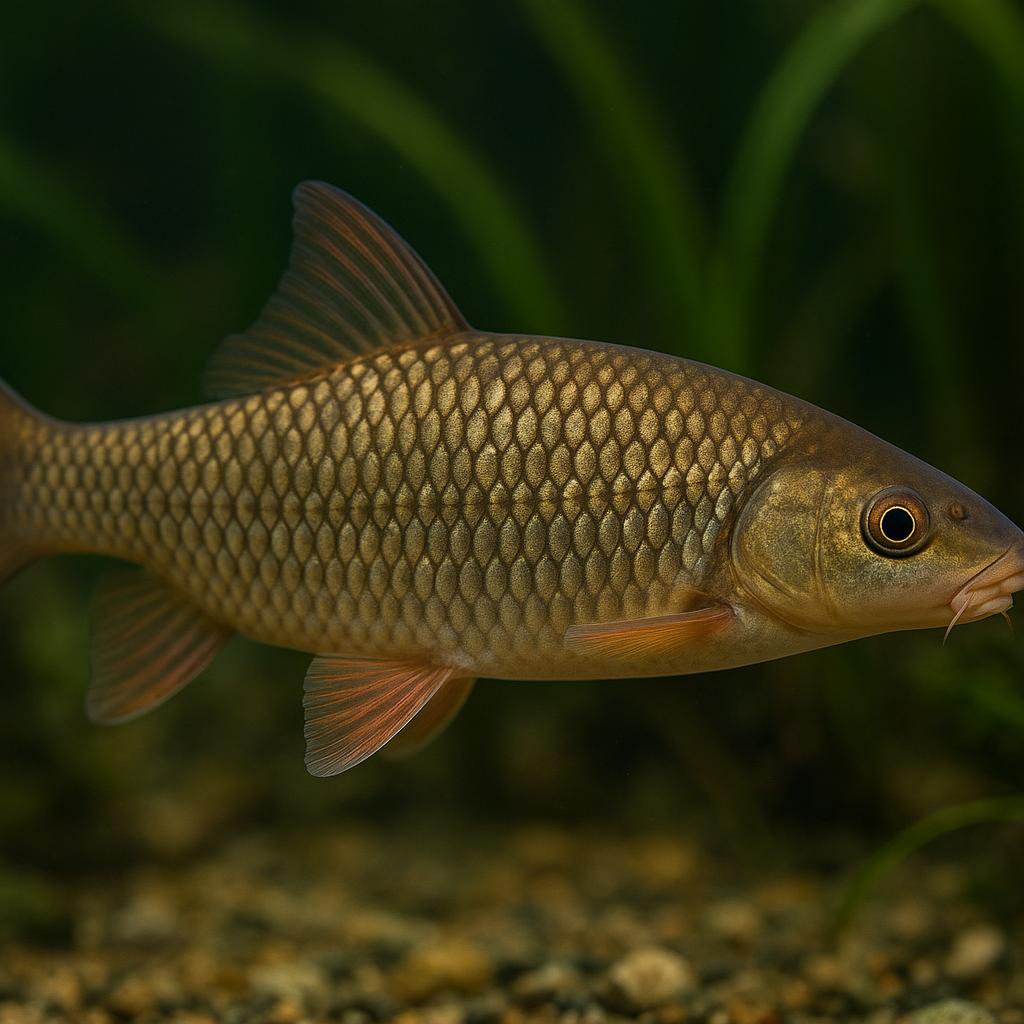
No established common name
Labeobarbus girardi
Labeobarbus girardi is a cyprinid endemic to Angola, recorded from the Lucala River in the Cuanza (Kwanza) basin; the type locality is Lucala River at Lucala. Reported maximum size is around 30 cm (FishBase 30 cm TL; a WRC compilation notes 300 mm SL). It is poorly known scientifically and assessed as Data Deficient; aquarium husbandry information specific to this species is not established.
No established common name
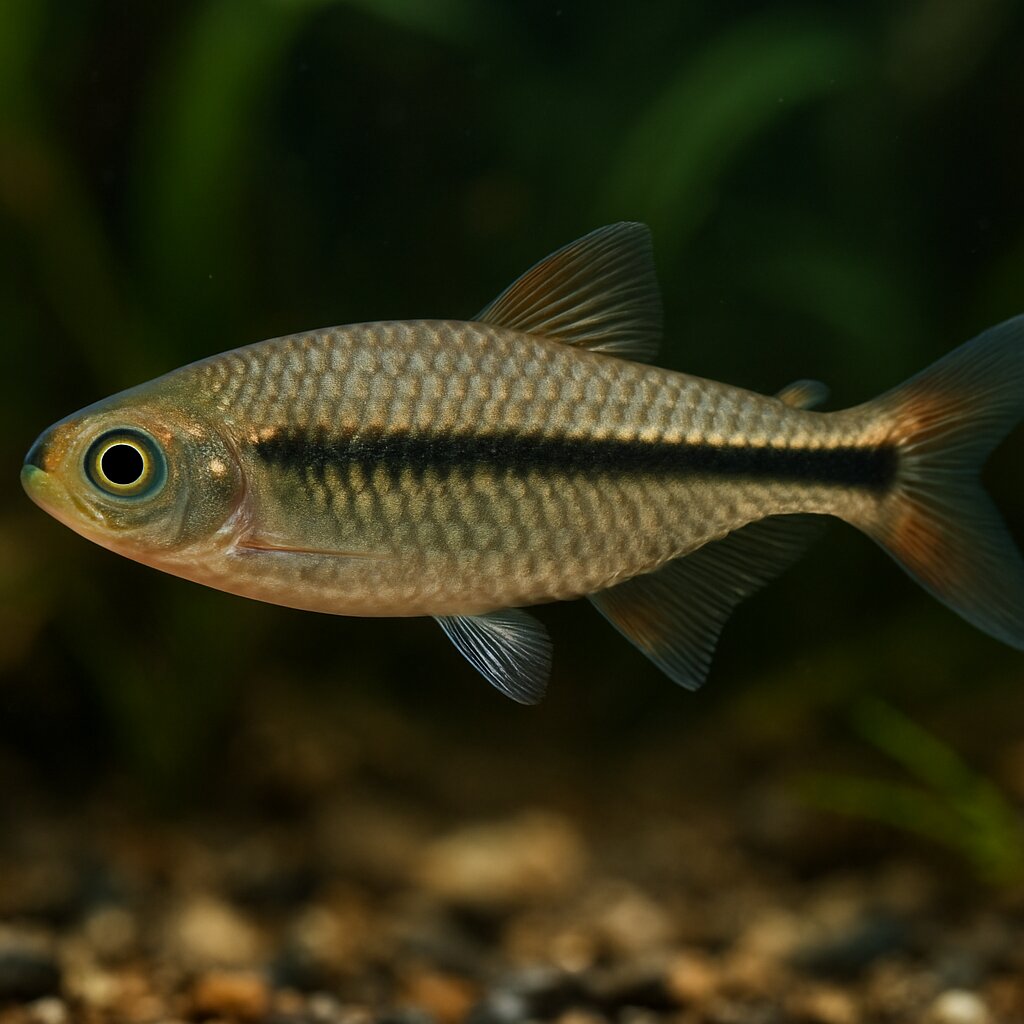
Knodus alpha
Think of this one as a sleek little Orinoco stream tetra. It is active in a group and loves picking off tiny bugs and inverts drifting by, so a bit of current and clean, well-oxygenated water really brings it to life. Not a flashy show fish, but super fun to watch once a shoal settles in.
No established common name
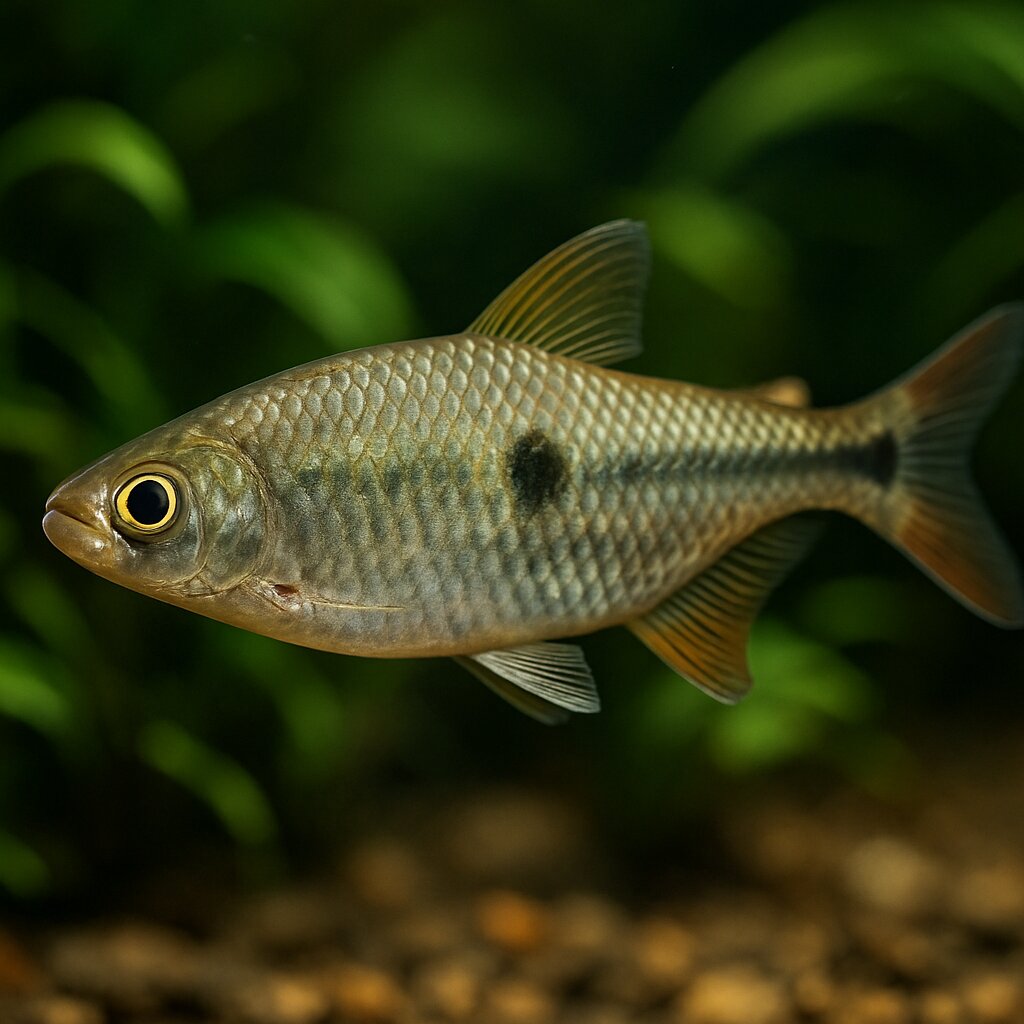
Jupiaba potaroensis
This is a little Guyanese characin from the Potaro River blackwaters. It stays small and really shows off when kept as a group in soft, tea-colored water with leaf litter. Give it a calm, shaded tank and it will cruise midwater all day.
No established common name
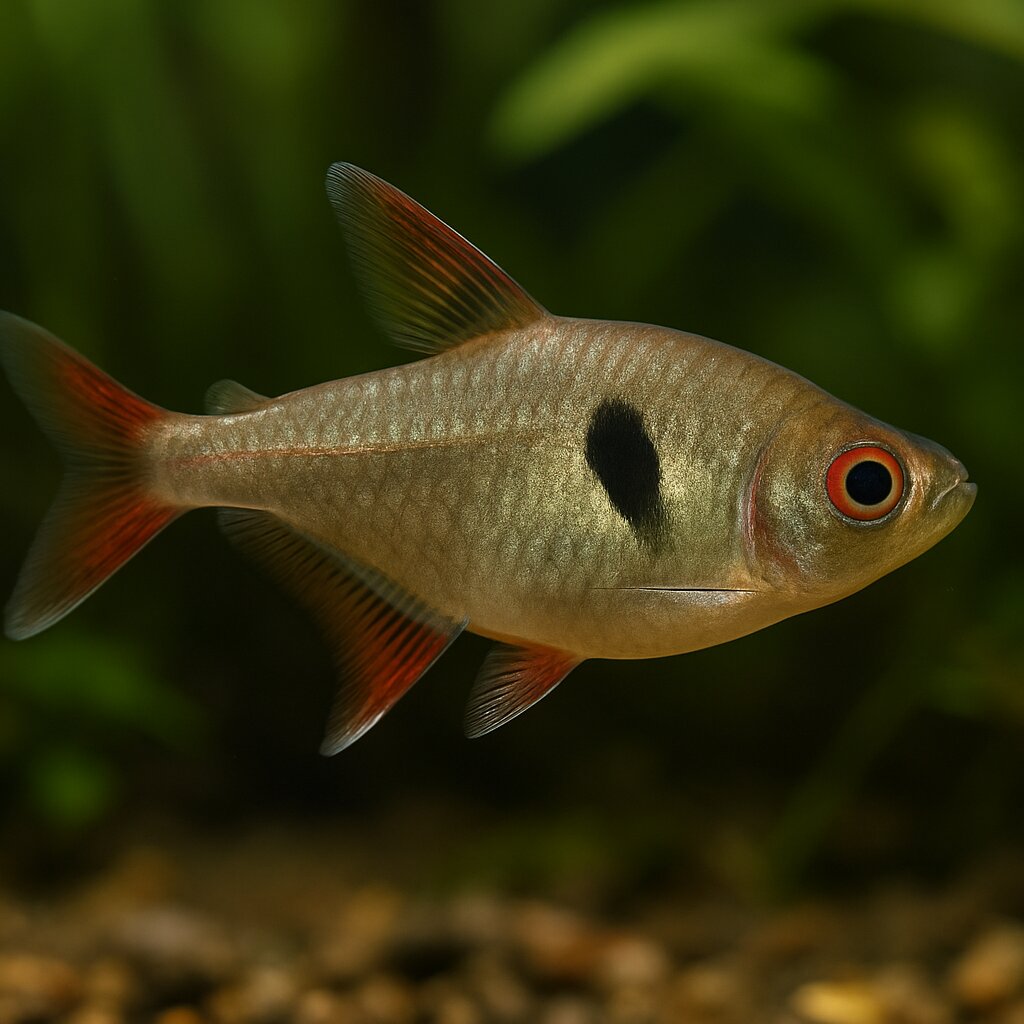
Megalamphodus khardinae
Tiny rosy-tetra relative from the lower Purus blackwaters in Brazil with a neat triangular shoulder spot and red-tipped dorsal and adipose fins. Keep a good-sized group and they will glow over leaf litter and show off those subtle oranges. They appreciate soft, acidic water like their slow, tea-colored home creeks.
No established common name
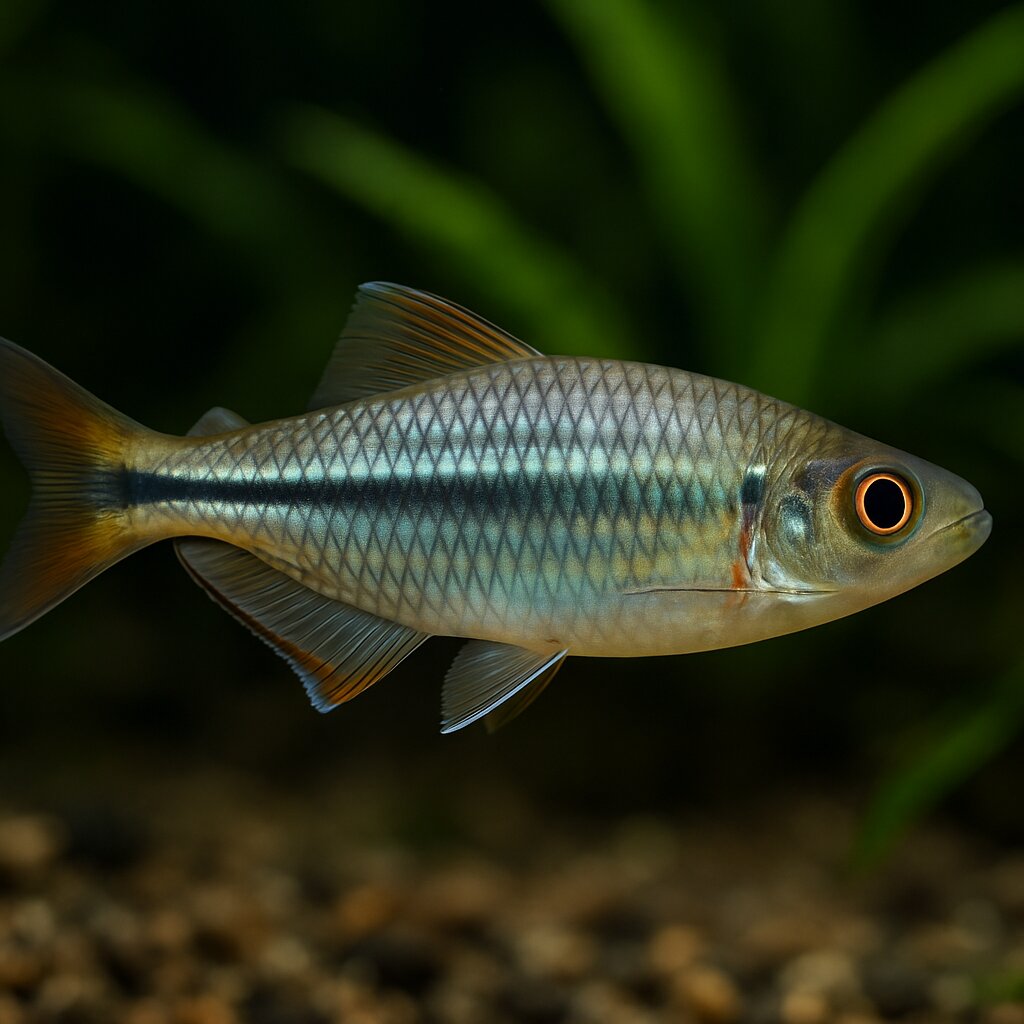
Phenacogrammus urotaenia
Think of this as a shy little African tetra with a bold dark band near the tail and a soft pink tint on the fins. It comes from shady blackwater forest creeks in Cameroon and Gabon, so it looks happiest in tea-colored, gentle-flow tanks and in a good-sized group.