

Search Species
Search for fish species by common or scientific name, or use filters to browse by water type, size, temperament, and difficulty.
Found 528 species
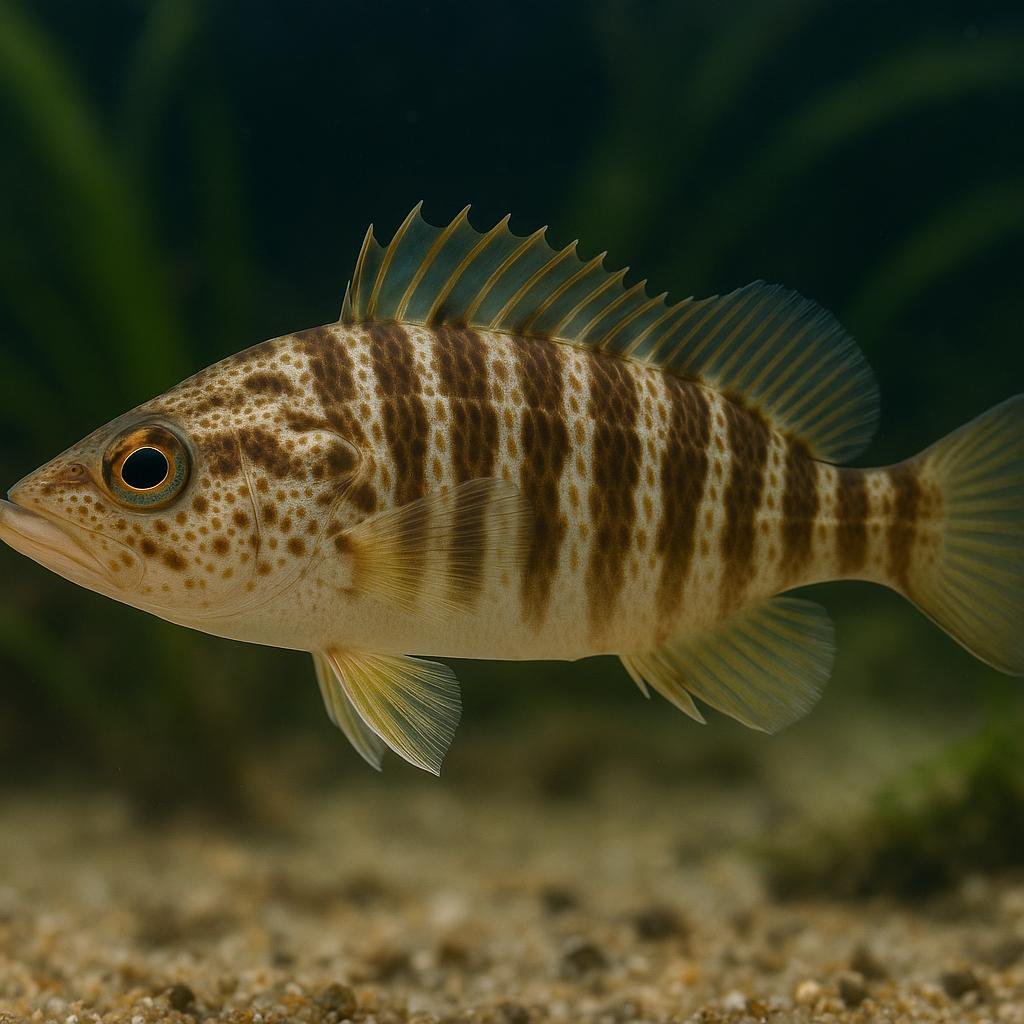
Highfin sand perch
Diplectrum labarum
Diplectrum labarum is a small serranid (sea bass relative) from the Tropical Eastern Pacific that hangs around sandy-muddy bottoms and eats meaty stuff like crustaceans and small fish. The cool part is the look: those tall, filament-y front dorsal spines plus the bold bars and tail-spot make it stand out fast when you see one.
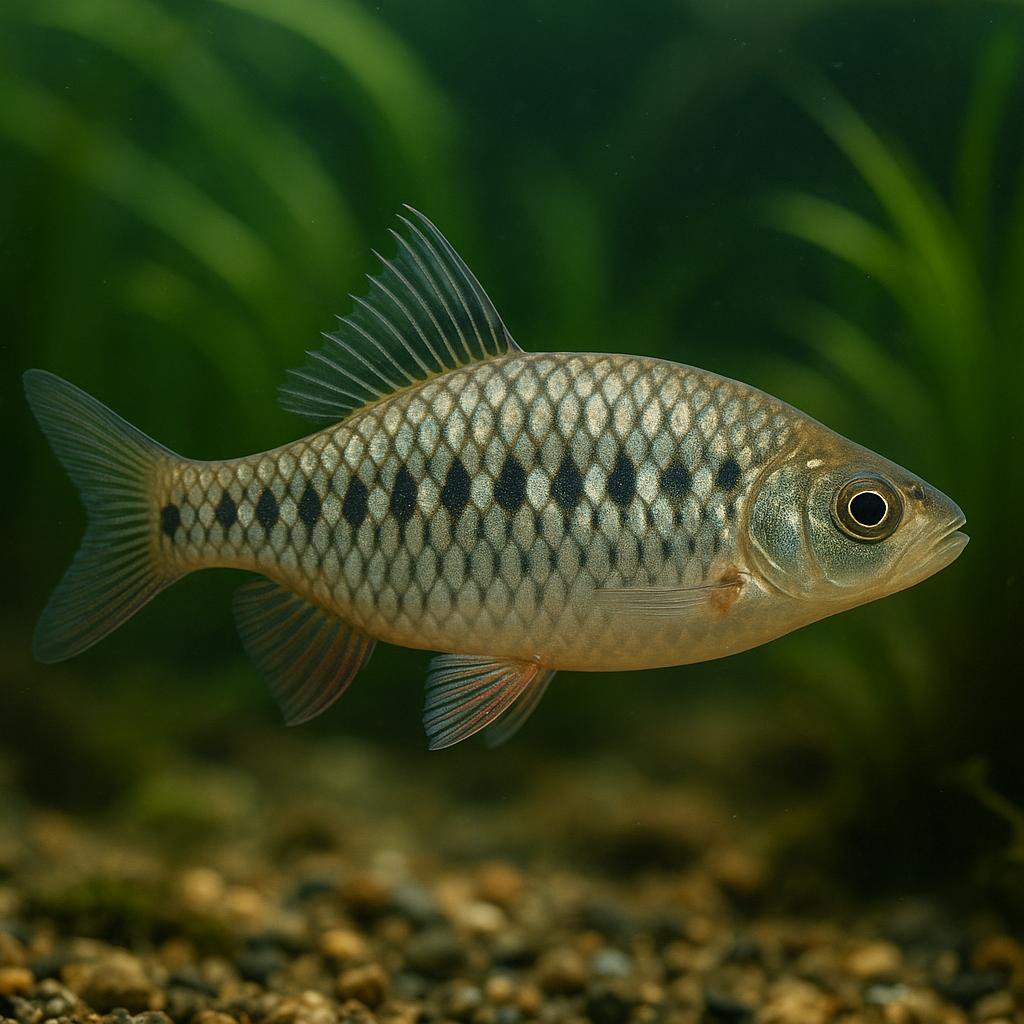
Highfin threadsail
Hime diactithrix
This is a deepwater little threadsail/flagfin from the Western Pacific that lives way down on the continental shelf. Its whole vibe is that tall, sail-like dorsal fin with warm orange spotting and bands, but because it comes from around 200-300 m it is basically never an aquarium fish in any normal sense.
Highfin Toadfish
Torquigener altipinnis
This is a little Southwest Pacific puffer that hangs over sandy areas and has those tall, sickle-y dorsal and anal fins that give it the "highfin" look. In photos it is usually a brown-grey fish dusted with milky white spots, and the original description even mentions bright yellow on the lower half and fins. Like most puffers it is a curious, nippy little carnivore, and it is not a great "community tank" type of fish.
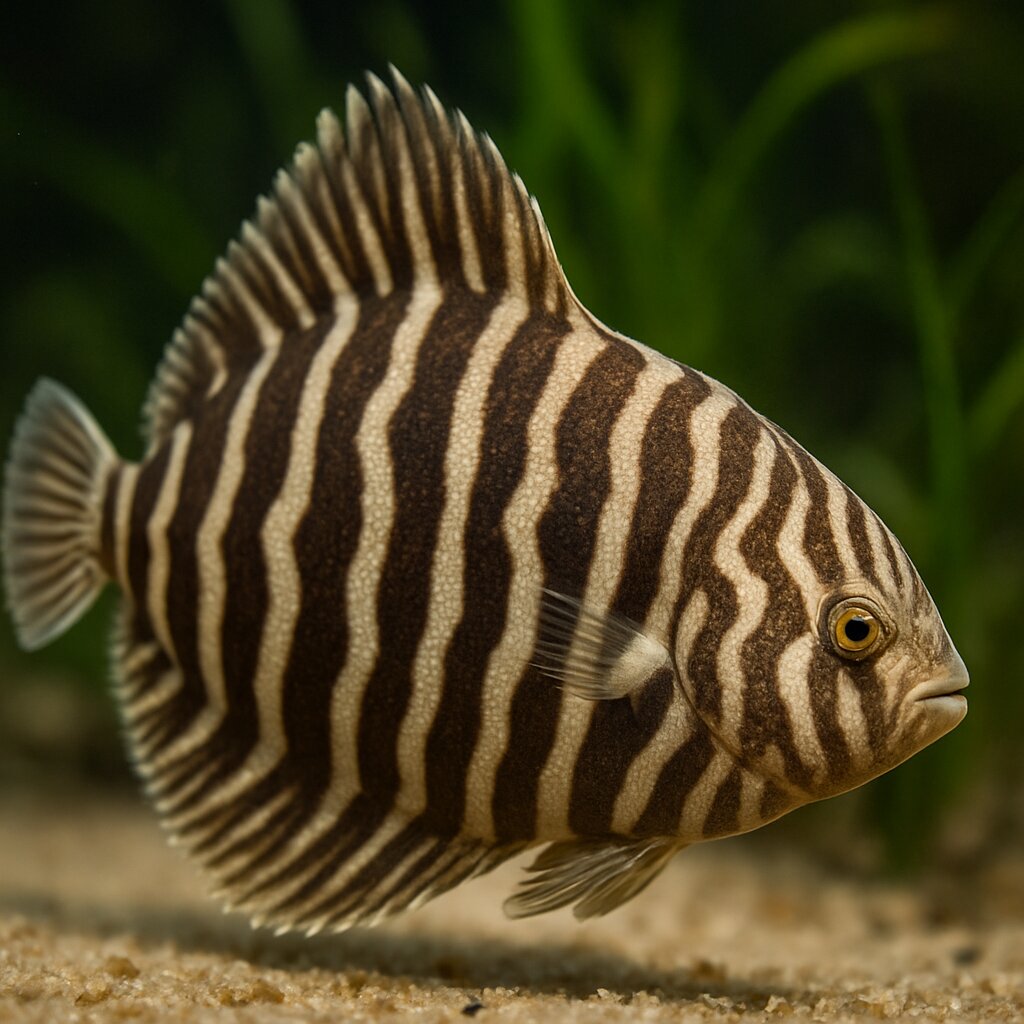
Highfin zebra sole
Zebrias altipinnis
A slick little marine sole with bold zebra bars that spends its days buried in sand with just those curious eyes showing. It is an ambush hunter that snaps up small crustaceans and fish, so it needs a fine sand bed and meaty foods. Super cool to watch when it glides and vanishes into the substrate like a magic trick.
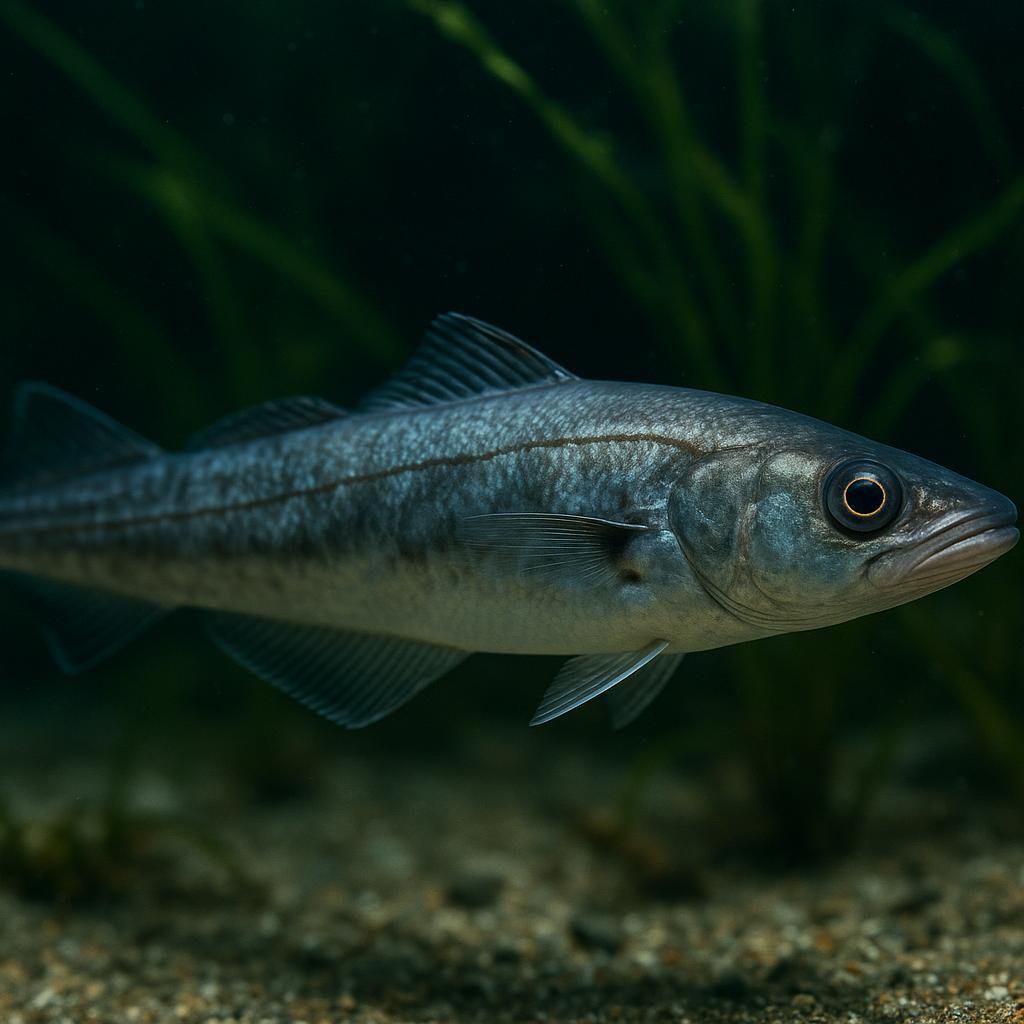
Hoki
Macruronus novaezelandiae
This is hoki (also sold as blue grenadier) — a deepwater, slope-associated marine fish found around New Zealand and southern Australia (and also off South America). It reaches about 1.2–1.3 m and lives in deep, cool waters, making it unsuitable for home aquaria.
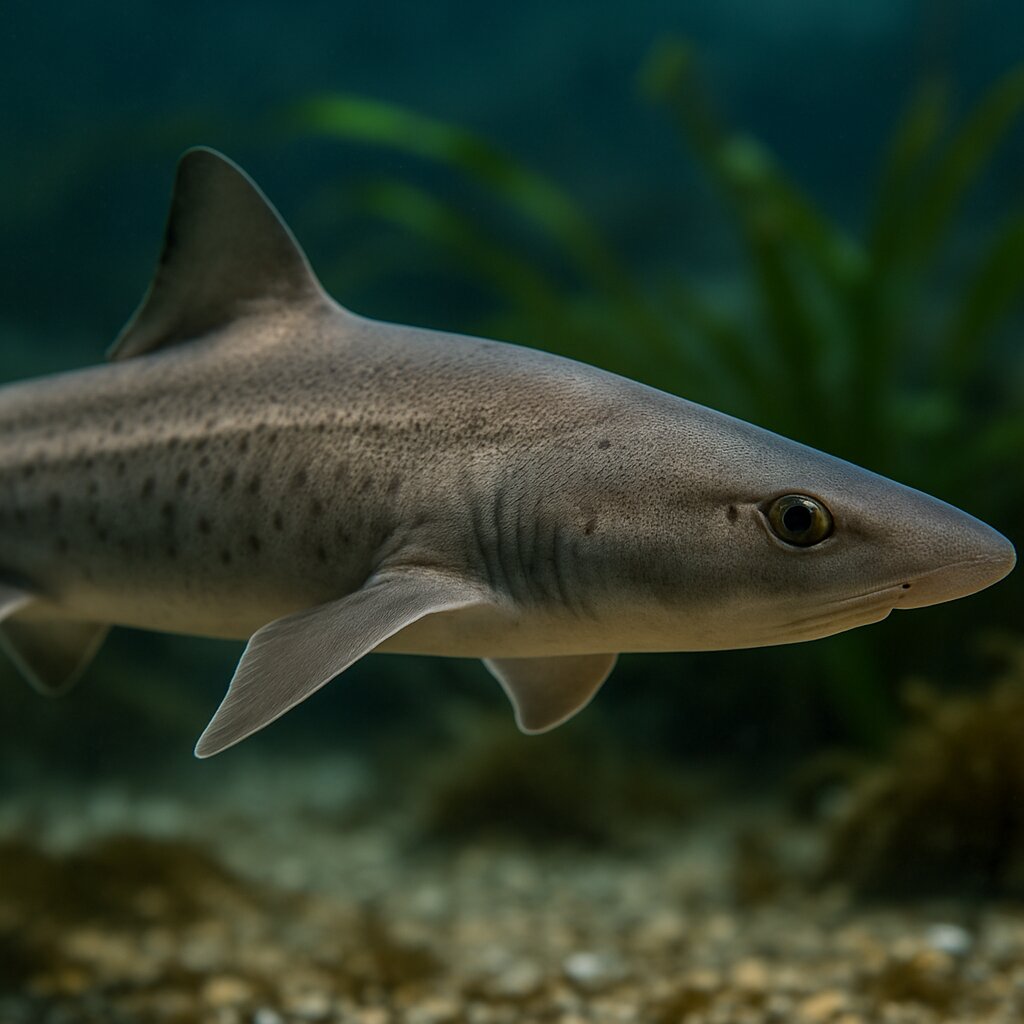
Humpback smooth-hound
Mustelus whitneyi
A sleek gray houndshark from the cool Humboldt Current, this shark gets its name from the subtle hump just ahead of the first dorsal fin and those dark-fringed fin edges. It works rocky and soft bottoms for crabs, mantis shrimp, and small fish and needs chilled, wide-open swimming space if anyone tries to keep it in captivity.
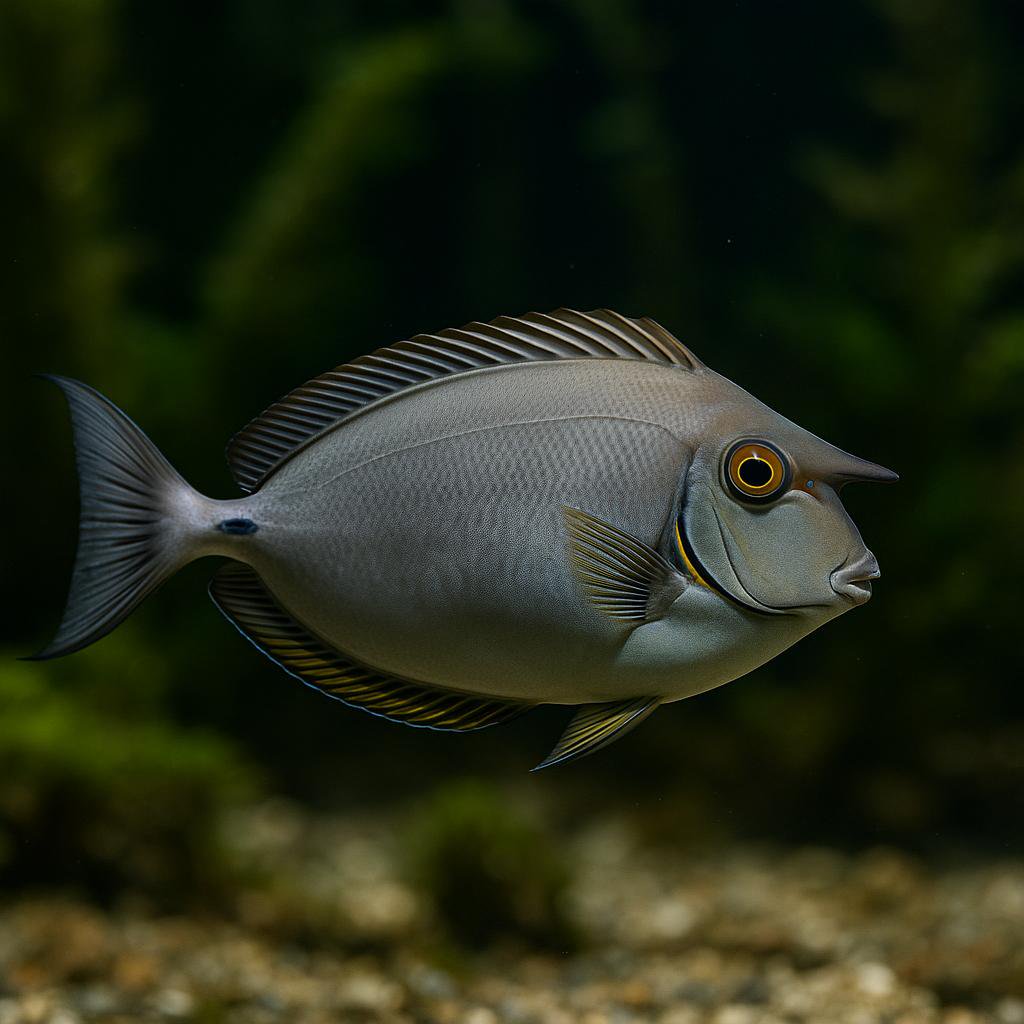
Humpback unicornfish
Naso brachycentron
This is the big, open-water cruising unicornfish with that chunky hump on the back and a horn that really shows up on adult males. In the ocean youll see them in small groups (sometimes big schools) working reef slopes and rocky areas, grazing algae and just covering ground all day. In aquariums the main thing is simple: it gets enormous and needs a truly massive, stable system to thrive.
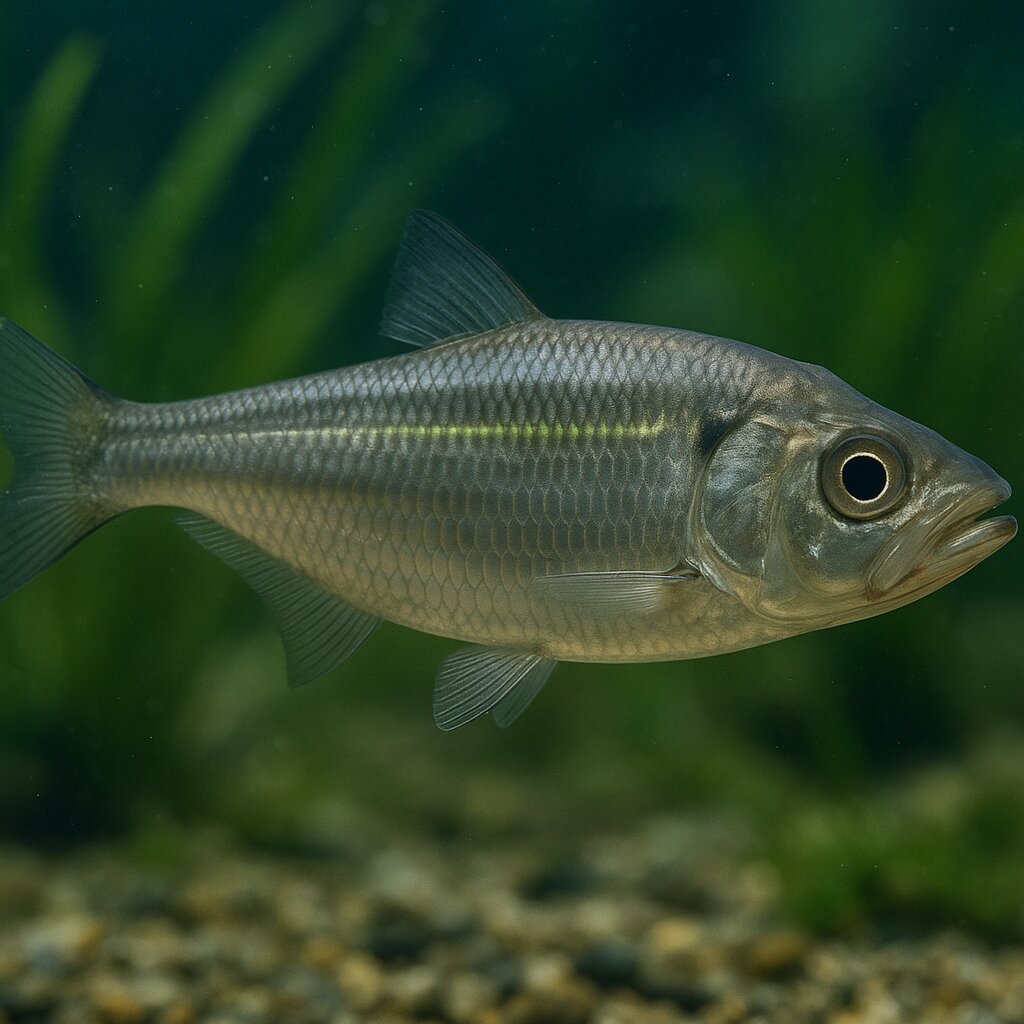
Humphead thryssa
Thryssa polybranchialis
Picture a slim, silvery anchovy with a little hump on the nape, ripping around in tight, flashy schools. It lives off tiny plankton and really needs open water and big flow, so this one is a public-aquarium fish more than a home tank project.
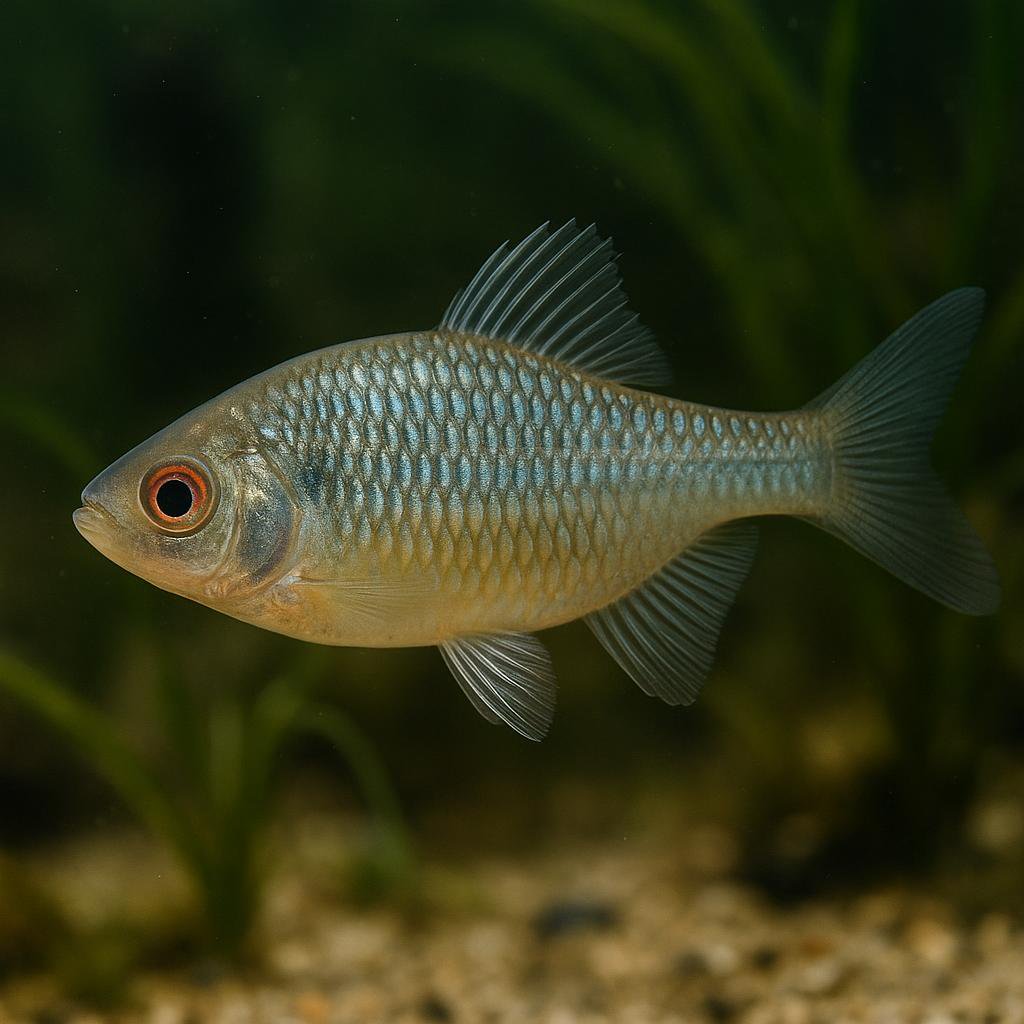
Hung's silvermouth cardinalfish
Jaydia hungi
Jaydia hungi is a little marine cardinalfish from the western Indian Ocean (including the Red Sea) that spends its time down near the bottom and comes alive more at night. Like a lot of cardinalfish, the cool party trick is the male mouthbroods the eggs, so breeding behavior is way more interesting than you would guess from a small, silvery fish.
Hyaline cardinalfish
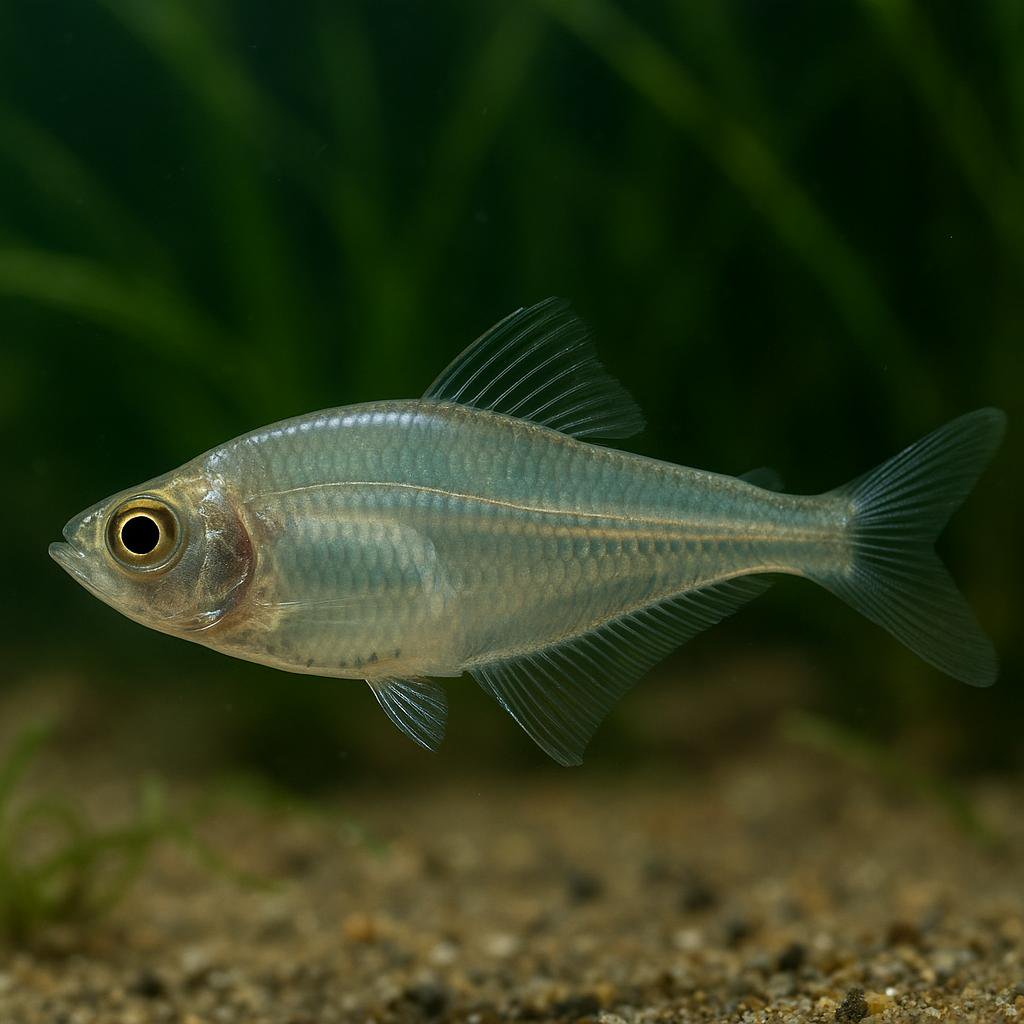
Foa hyalina
This is a tiny little reef cardinalfish that looks almost glass-clear with a few reddish-brown stripes, so it kind of vanishes when it hangs in soft corals. In the wild it tends to be solitary and it tucks itself into Sinularia-type soft coral for cover, then comes alive more at night like a lot of cardinals do. Like other apogonids, it is a mouthbrooder, so once you see a male holding, he will go off food for a bit.
Indian Ocean lanternfish
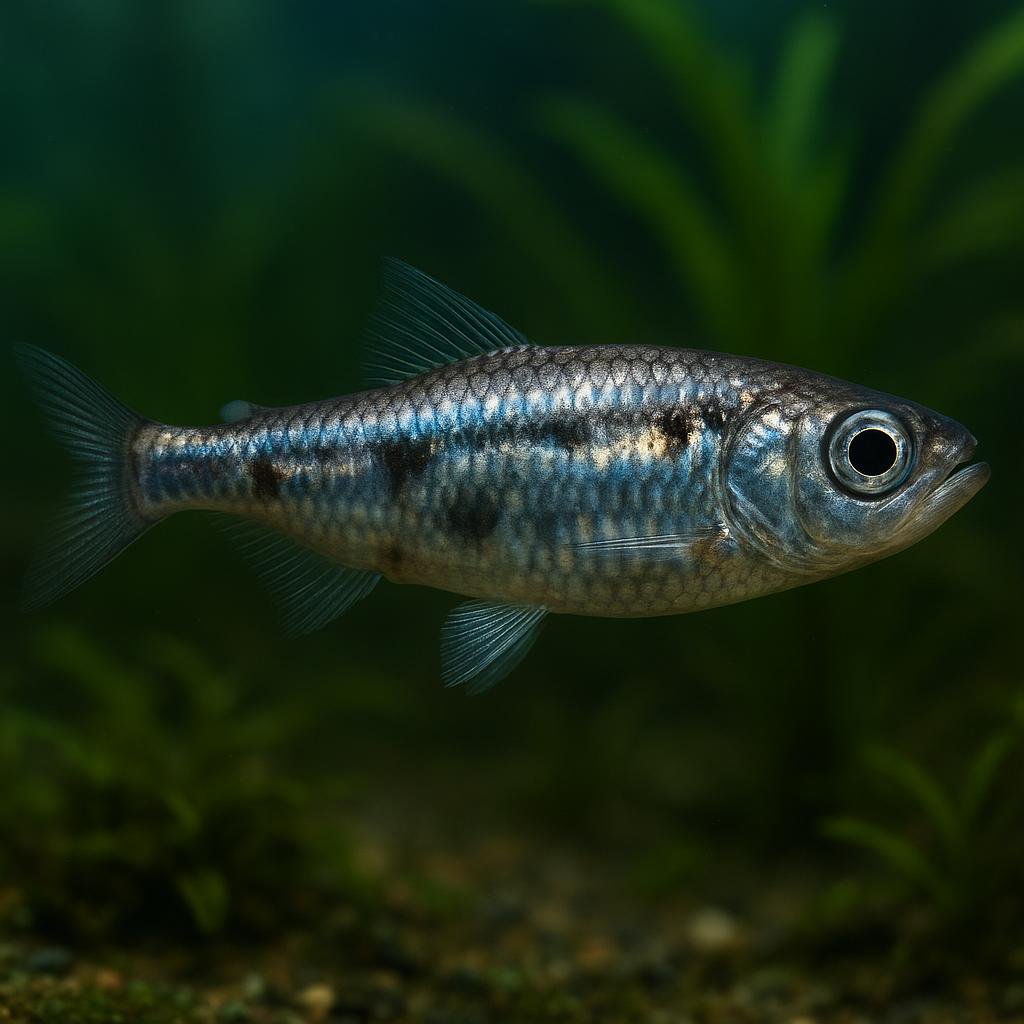
Lampanyctus indicus
Lampanyctus indicus is a tiny deep-sea lanternfish from the equatorial Indian Ocean. Like other myctophids it has rows of light organs (photophores) and does the classic up-and-down daily migration in the water column. Super cool animal, but realistically its a research/deep-ocean species, not an aquarium fish.
Indian perch
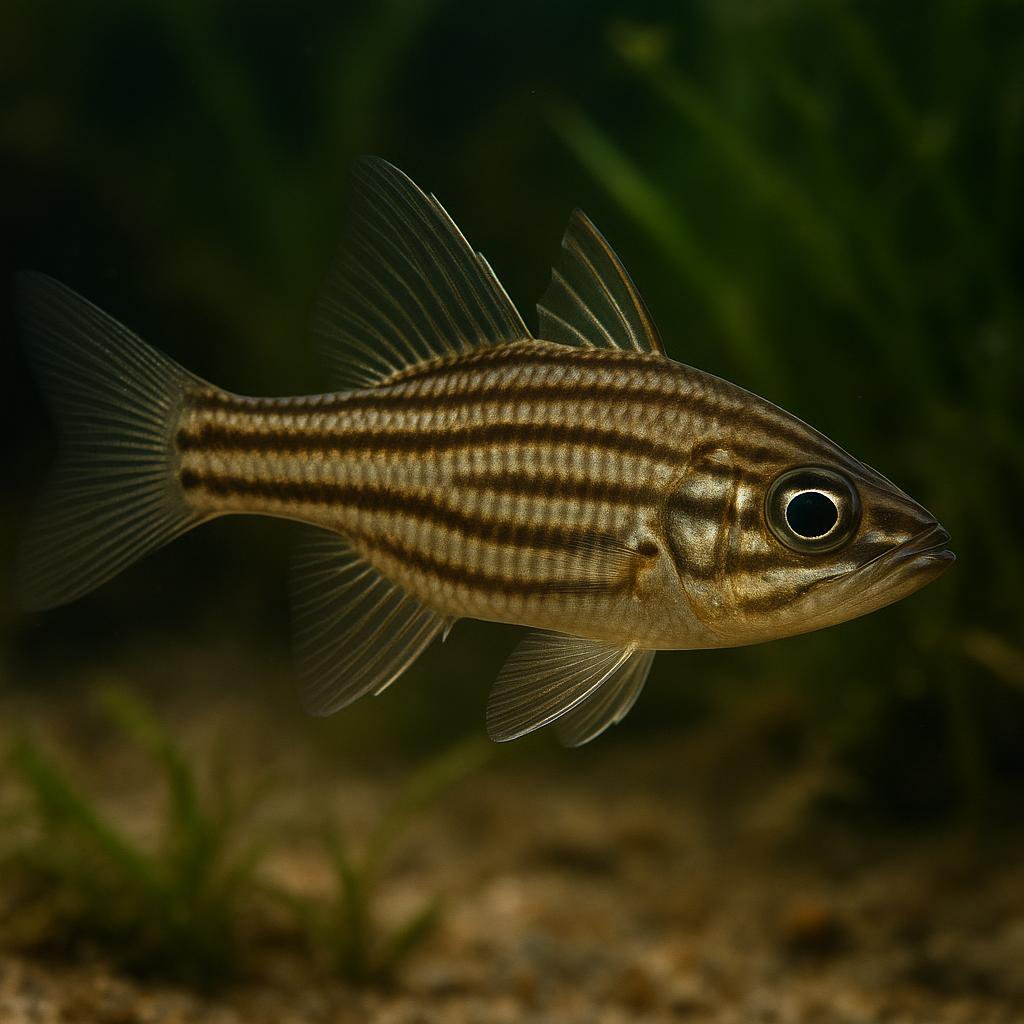
Jaydia lineata
Jaydia lineata is a little Indo-West Pacific cardinalfish with a clean set of brown vertical bands and that classic big-eyed, hang-back cardinalfish vibe. The really cool part is the breeding - the male mouthbroods the eggs, so if you ever got a pair settled in, you could actually see some neat parental care behavior.