

Silver splitfin
Verilus cynodon
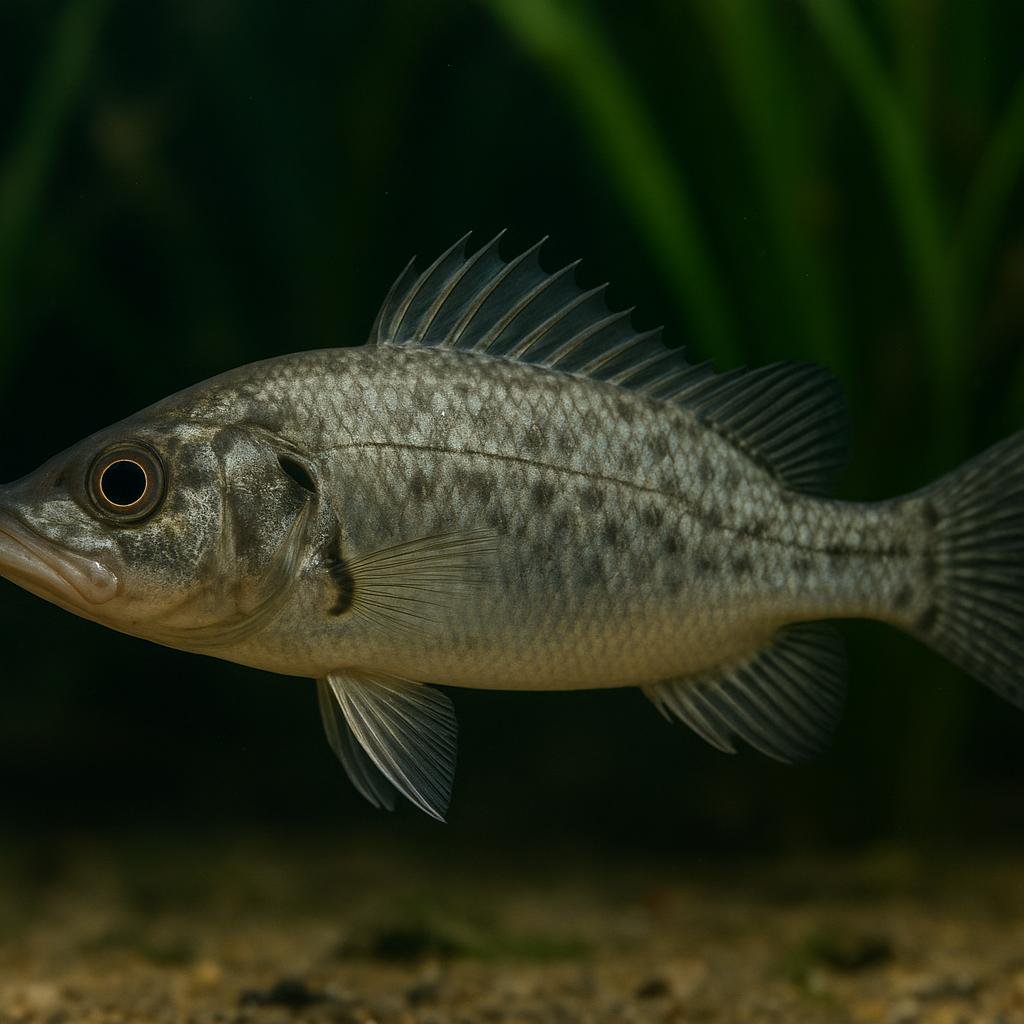
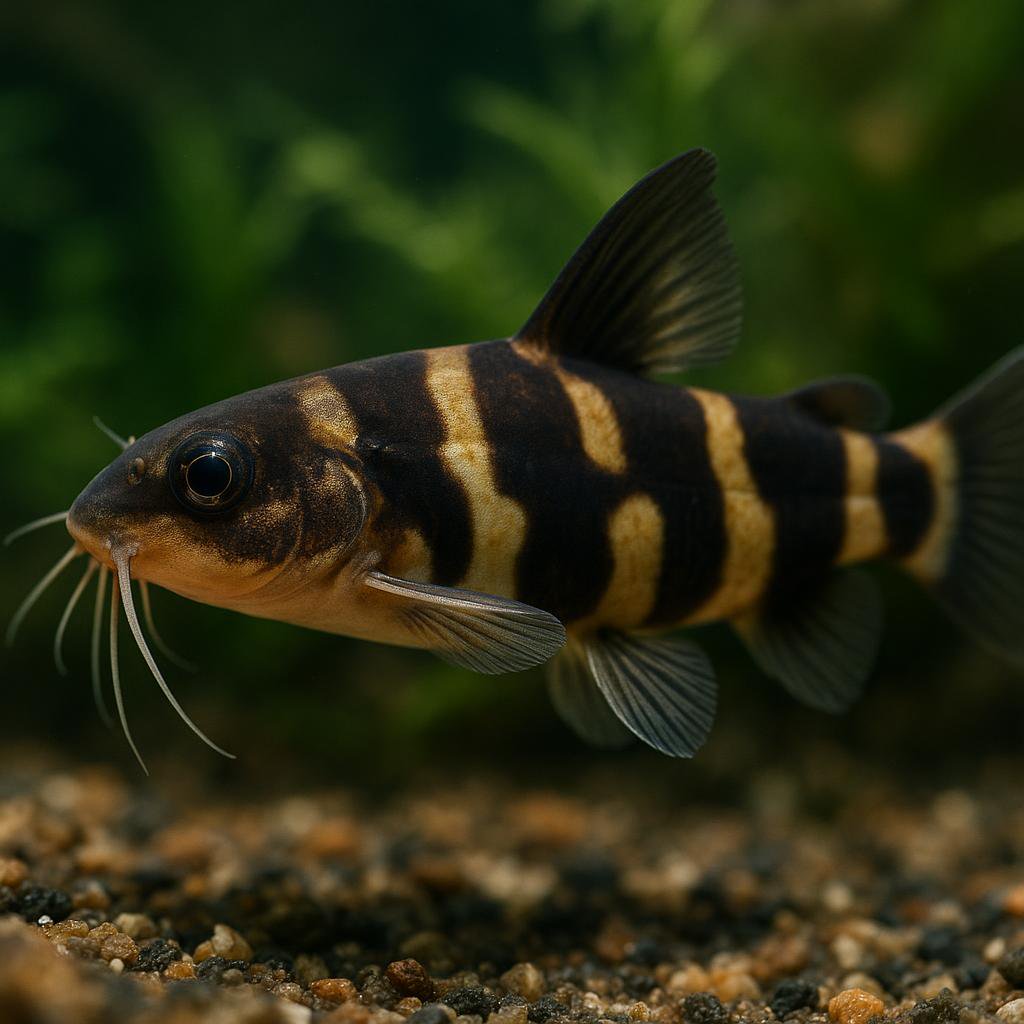
The Silver splitfin exhibits a streamlined body with a metallic sheen and distinctive orange-red stripes along the lateral line.
This page includes AI-generated images. Why am I seeing AI images?
About the Silver splitfin
Verilus cynodon (silver splitfin) is a deepwater marine "ocean bass" kind of fish from the western Indian Ocean, usually caught way down the slope rather than anywhere near reefs. Its whole deal is being a small, silvery, toothy little predator that lives in the dark zone (roughly 100-570 m), so its care is basically not practical for normal home aquariums.
Also known as
Quick Facts
Size
21.0 cm SL
Temperament
Semi-aggressive
Difficulty
Expert
Min Tank Size
75 gallons
Lifespan
unknown
Origin
Western Indian Ocean (Mozambique Channel to Eastern Cape, South Africa)
Diet
Carnivore - likely small fishes and crustaceans (deepwater predator); not an aquarium species
Water Parameters
12.7-18.8°C
7.8-8.4
8-12 dGH
Need a heater for this species?
This species needs 12.7-18.8°C in a 75 gallon tank. Use our heater calculator to find the right wattage.
Calculate heater sizeCare Notes
- Give them a big, mature reef tank with real rockwork and lots of caves - they get twitchy in bare glass boxes and will pace themselves raw.
- Keep salinity steady around 1.025-1.026 and temp 76-78F; they are the kind of fish that crashes hard when salinity swings after top-off or water changes.
- They like high flow and high oxygen, so aim powerheads across the rockwork and keep the surface ripping; if they start hanging in the current gulping, you are already behind.
- Feed small, meaty foods 2-3 times a day (mysis, chopped clam, enriched brine, roe); they are pigs but still lose weight fast if you only do one big feeding.
- Watch the mouth and snout - they will slam rocks when spooked, and split lips get infected fast in dirty water or with pushy tankmates.
- Tankmates need to be calm but not timid: avoid aggressive wrasses, big dottybacks, and territorial damsels that will bully them off food; they do fine with peaceful tangs, anthias, and reef-safe gobies if the tank is big.
- Cover the tank like you mean it - they jump when startled, and a 1 inch gap around plumbing is enough for a carpet surf.
- If you try breeding, give them a quiet cave and heavy feeding; pairs get extra nasty around the nest, so have a divider or a backup tank ready unless you like surprise fatalities.
Compatibility
Good Tankmates
- Other sturdy, same-size semi-assertive fish that can handle a little posturing (think similar-temperament open-water swimmers that will not get bullied)
- Tougher midwater schoolers that stay on the move and do not act timid - they spread any chasing out and the splitfin usually stops fixating on one fish
- Rock-dwelling, hold-your-ground types that keep to their own little territory and are not easily stressed (they ignore the splitfin's attitude)
- Active bottom cruisers that are not delicate and do not mind a busy tank - they mostly stay out of the splitfin's lane
- Fast, alert fish that eat well and are not slow at feeding time - the splitfin can be a bit grabby and you do not want timid eaters
- Peaceful cleaner types that can dodge and are not pushovers - in my experience they get left alone as long as the tank has enough space and hiding spots
Avoid
- Slow fish with long, fancy fins - the splitfin tends to test them and you can end up with fin nips and stressed-out show fish
- Tiny timid fish (especially small new additions) - they get chased hard, pinned in corners, and may stop eating
- Anything really aggressive or hyper-territorial - you are basically signing up for constant sparring and shredded fins
- Shy bottom sitters that do not move much - they get bothered just because they are easy targets
Where they come from
Silver splitfins (Verilus cynodon) are one of those fish you usually run into through other serious marine keepers, not at the average shop. The ones I have kept were collected around rocky coastal reefs where surge, bright light, and lots of tiny crustaceans are the norm. That background explains most of their quirks in a tank: they like flow, they like to pick all day, and they do not forgive sloppy water.
Setting up their tank
If you want these to last, think "high-energy reef edge" more than "calm lagoon." They do best in mature systems that have been running a while and already have microfauna to graze on. Fresh setups with sterile rock usually end in a slow fade.
- Tank size: I would not bother under 75 gallons for a small group. Bigger is easier because they are active and you get more stability.
- Aquascape: lots of rock with cracks and ledges, plus open lanes for swimming. They use cover, but they are not cave fish.
- Flow and oxygen: strong, varied flow and good surface agitation. If your fish ever hover and "pant" in the current, treat that as a real warning sign.
- Filtration: oversized skimmer, aggressive mechanical filtration, and a plan for nutrients (refugium, algae scrubber, or very consistent water changes).
- Lighting: reef-level lighting is fine. They are not light-shy, but they spook less if you give them shaded zones under overhangs.
- Cover: tight lid. They can launch when startled, especially the first couple weeks.
These are not a "new tank" fish. I have seen them look fine for a month in a young system and then slowly crash once the easy food runs out and small water swings start stacking up.
Aim for reef-typical parameters and keep them steady. I run 1.025-1.026 salinity, 76-78F, and avoid big daily pH swings by keeping gas exchange strong. Stability beats chasing numbers.
What to feed them
They are constant pickers with a real preference for meaty microfoods. In my tanks, the quickest way to get weight on them is frequent small feedings rather than one big dump of food.
- First foods that usually work: live or enriched frozen copepods, baby brine (enriched), mysis (smaller pieces), finely chopped shrimp, and roe.
- Prepared options: high-quality small pellets can work, but many ignore them at first. I have the best luck mixing pellets into a slurry of thawed frozen so they accidentally learn pellets are edible.
- Feeding rhythm: 2-4 small feedings a day is not overkill for this species. An auto-feeder plus one frozen feeding is a nice combo once they accept dry.
- Extras: a thriving pod population in the rock helps a lot, especially for new arrivals.
Watch bellies, not just behavior. A Silver splitfin can act bold and still be slowly starving. I like to check them from the side right after lights come on - sunken belly and pinched back are your early clues.
How they behave and who they get along with
They are alert, fast, and a little pushy around food, but not usually murderous. The biggest issue is that they get outcompeted or bullied by the wrong tankmates, and they hate being the only one of their kind.
- Group size: keep 3-6 if you can. Singles tend to stay on edge and feed worse.
- Good tankmates: peaceful to semi-peaceful reef fish that will not hog every bite (smaller wrasses, chromis that are not jerks, firefish in larger tanks with lots of cover, gobies, tangs that are not overly aggressive).
- Avoid: aggressive damsels, big dottybacks, triggerfish, and anything that makes feeding a contact sport.
- Inverts: generally reef-safe in the usual sense, but they will absolutely hunt tiny shrimp and snack on pods. Decorative microfauna is food to them.
- Corals: no special coral drama in my experience, but they can knock things if the rockwork is cramped and they are spooked.
They settle down a lot once they learn the feeding routine. The first week can look like nonstop dashing and shadow-hugging. Give them structure, flow, and predictable meals and they usually chill out.
Breeding tips
Breeding in home aquariums is possible but not something I would call repeatable for most people. Spawning tends to happen when the fish are well-fed, the tank is stable, and there is a clear "seasonal" cue like a slight temp swing or heavier feeding for a few weeks.
- If you want to try: keep a group with a clear pair forming, feed heavy on small meaty foods, and maintain very clean water despite the feeding.
- Spawning sites: they seem to prefer rock faces and crevices in higher flow areas.
- Egg and larval reality check: if they broadcast or leave eggs exposed, they usually get eaten in a community reef. A dedicated setup and larval food plan (rotifers, then copepods) is basically mandatory.
- Best practical approach: if you see courtship, consider moving the group to a breeding tank or removing other fish rather than trying to "save" eggs in a full reef.
Most losses I have seen labeled as "mystery" were actually nutrition problems in disguise. If you are not ready to feed often and maintain water quality at the same time, breeding attempts just add stress.
Common problems to watch for
They are one of those expert fish where the problems are usually husbandry-related, not random bad luck. Catching issues early is the difference between a quick turnaround and a slow decline.
- Slow starvation: shows up as a pinched belly, hollowing behind the head, and less interest in grazing. Fix by increasing feeding frequency and offering smaller, more enticing foods (pods, roe, enriched baby brine).
- Shipping stress and refusal to eat: common with new imports. Dim lights, strong oxygenation, and quiet surroundings help. I like to start with live/enriched foods to get the first bites.
- Aggression at feeding time: they can get nippy in tight spaces. Spread food out, use a feeding ring on one side and broadcast on the other, and avoid keeping them with aggressive gluttons.
- Crypt and velvet sensitivity: treat any "dusty" look, flashing, rapid breathing, or hanging in flow as an emergency. Quarantine is your friend here.
- Jumping: almost always in the first days or after a big scare. Lid every gap, including around plumbing.
- Parameter swings: they show stress fast if salinity or temperature bounces. Top-off failures are a classic way to lose them.
Rapid breathing, clamped fins, and staying glued to powerhead flow can mean velvet or severe oxygen issues. Do not wait it out. Get oxygen up immediately and move to a treatment plan if you suspect parasites.
Similar Species
Other marine semi-aggressive species you might be interested in.
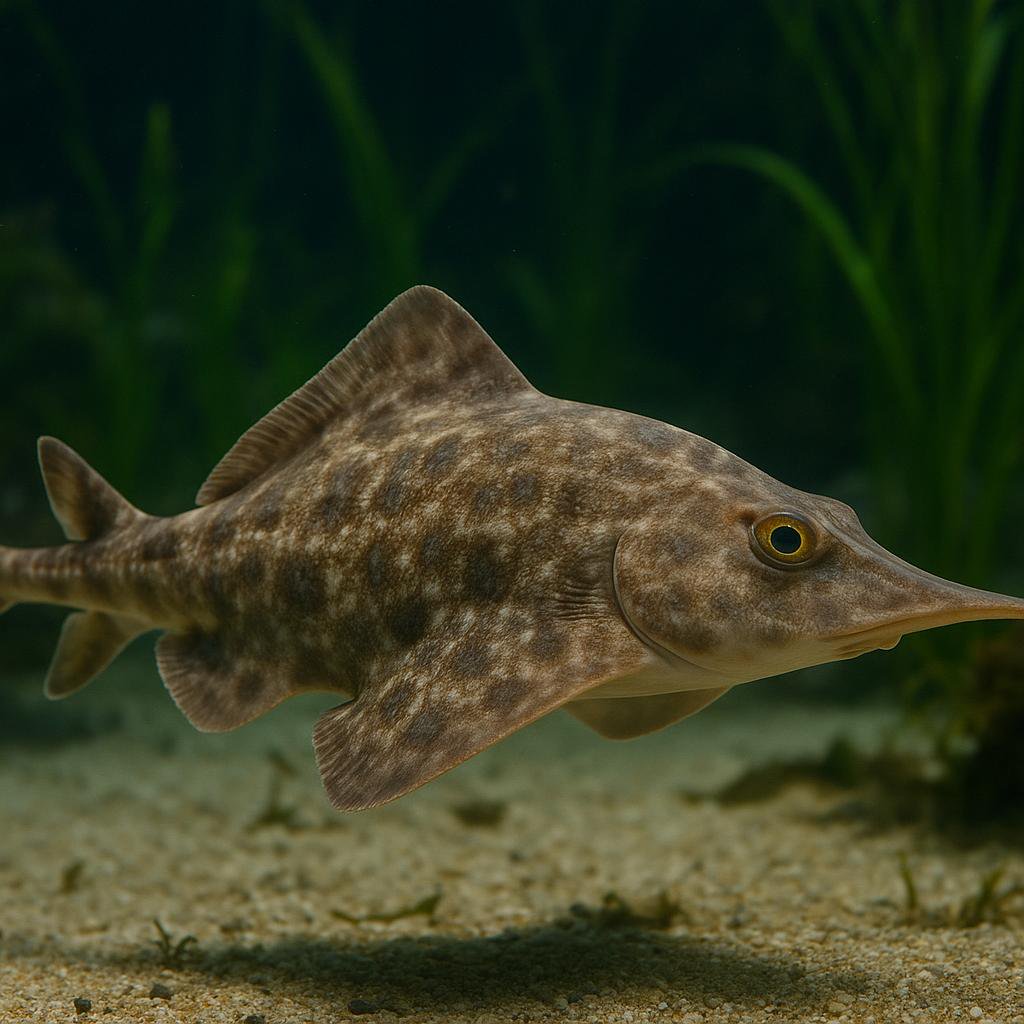
Aleutian skate
Bathyraja aleutica
This is a big, cold-water deep-slope skate from the North Pacific that cruises muddy bottoms and eats chunky benthic prey like crabs and shrimp. The really cool bit is its egg-laying skate life - it does distinct pairing (the classic skate "embrace") and drops those tough egg cases on the seafloor. Not an aquarium fish at all unless you're basically running a public-aquarium-style chilled system.
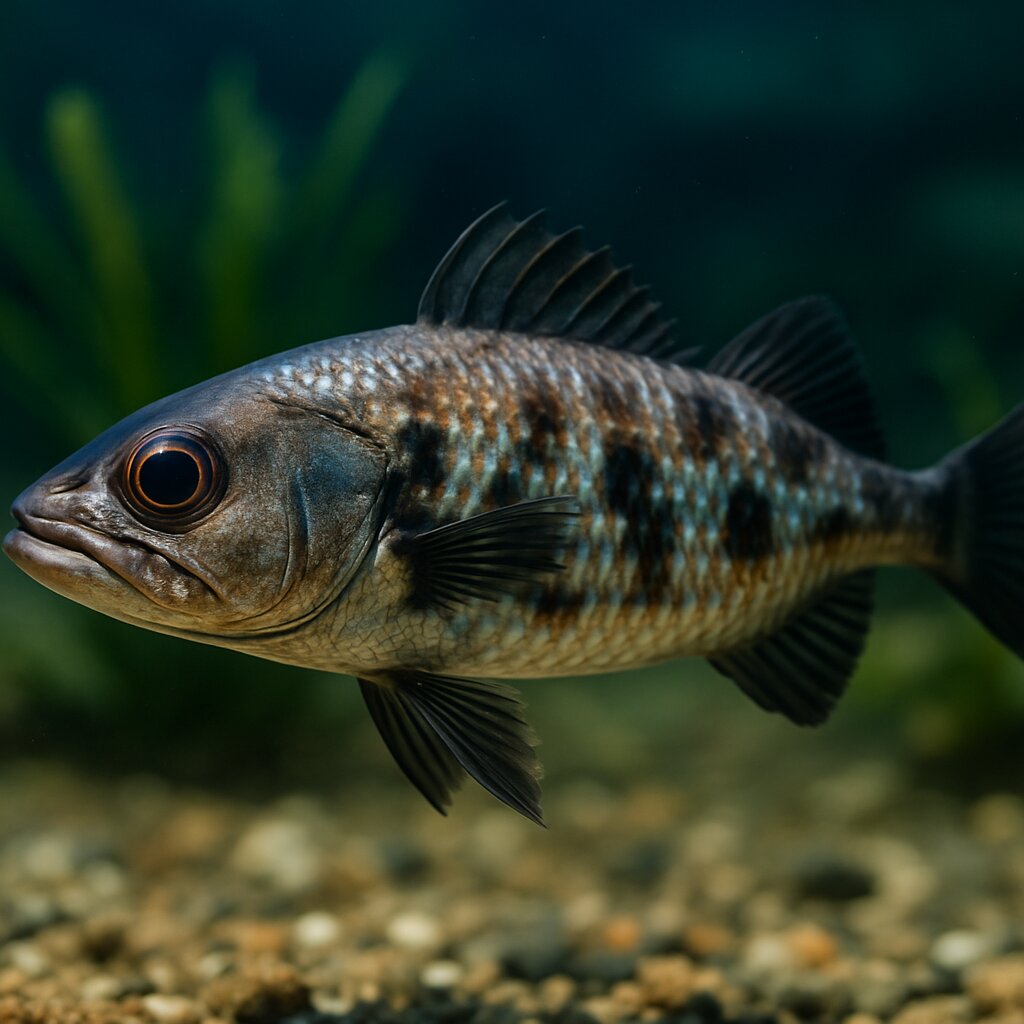
Antarctic dragonfish
Vomeridens infuscipinnis
Deep down around Antarctica, this sleek dragonfish cruises the water column like a little submarine, nearly neutrally buoyant so it can hover above the seafloor. It munches almost exclusively on Antarctic krill and lives in near-freezing water 500-800 m down, so it is a cool species to read about, not one for home tanks.
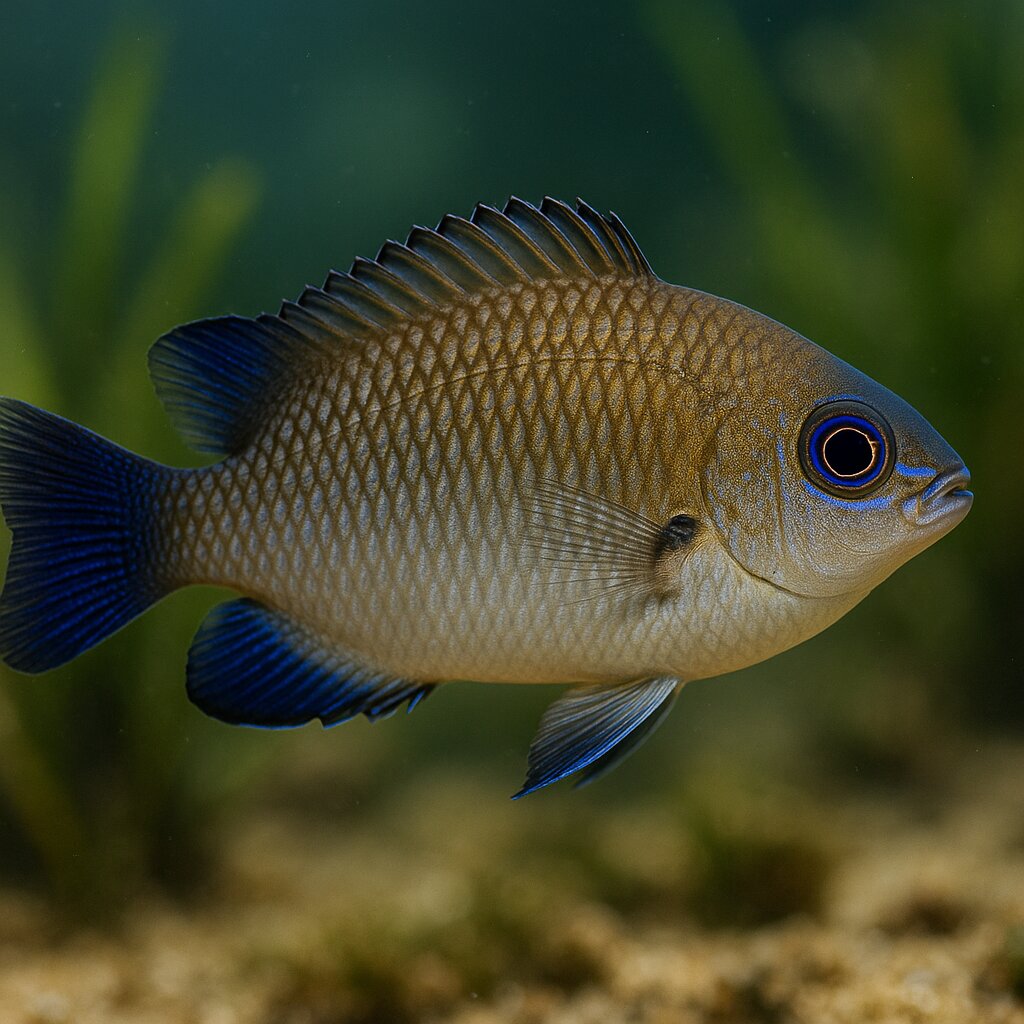
Arabian demoiselle
Neopomacentrus sindensis
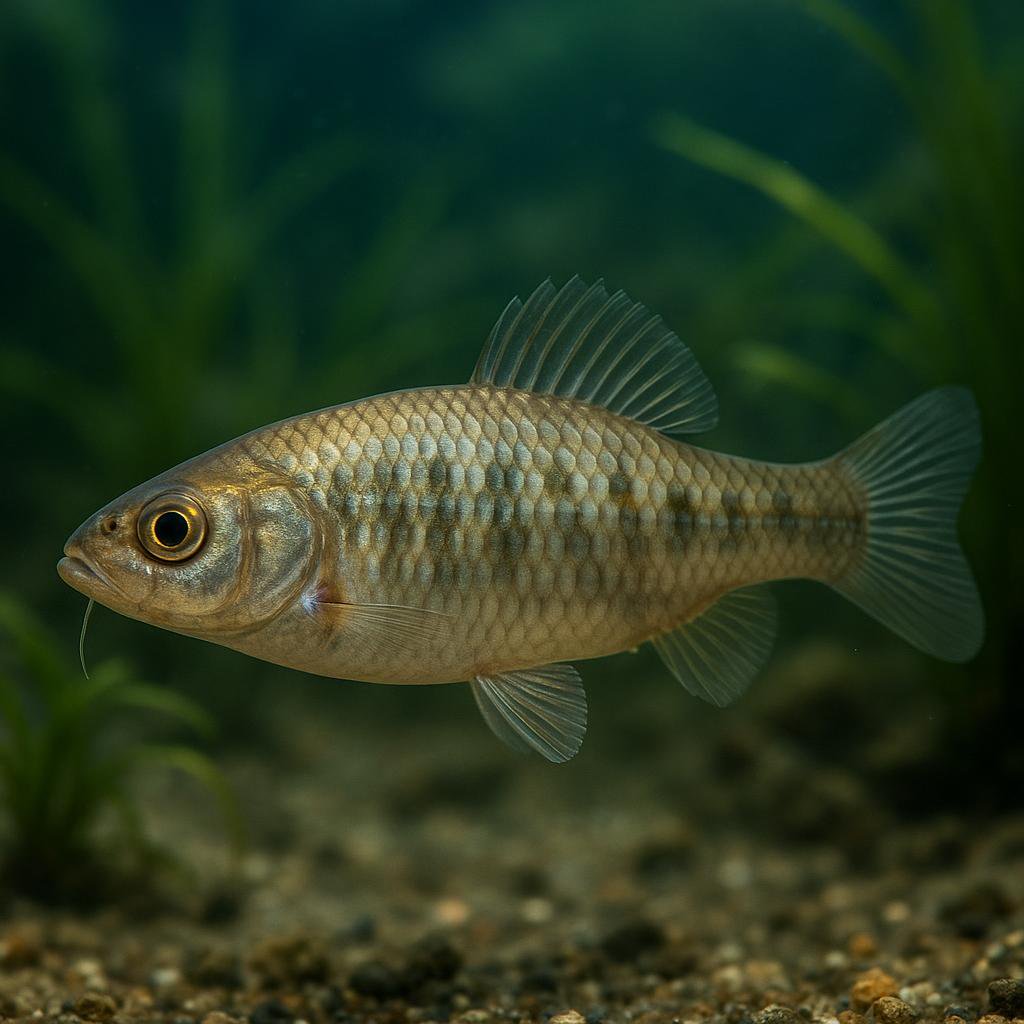
A small lyretail damsel from the Persian Gulf and Arabian Sea, it hangs in loose groups around coral heads, rocks, and even pier pilings picking zooplankton from the flow. Think classic damsel toughness with a slightly milder attitude than the real bruisers, plus subtle yellow tail accents. Males clean a patch, get a mate to lay eggs there, and then stand guard fanning the clutch.
Arabian spiny eel
Notacanthus indicus
Notacanthus indicus is a deep-sea spiny eel (family Notacanthidae; not a true eel) known from the Arabian Sea on the continental slope at roughly ~960–1,046 m depth, with reported maximum length around 20 cm TL; it is a deep-water bycatch species and not established in the aquarium trade.
Arctic rockling
Gaidropsarus argentatus
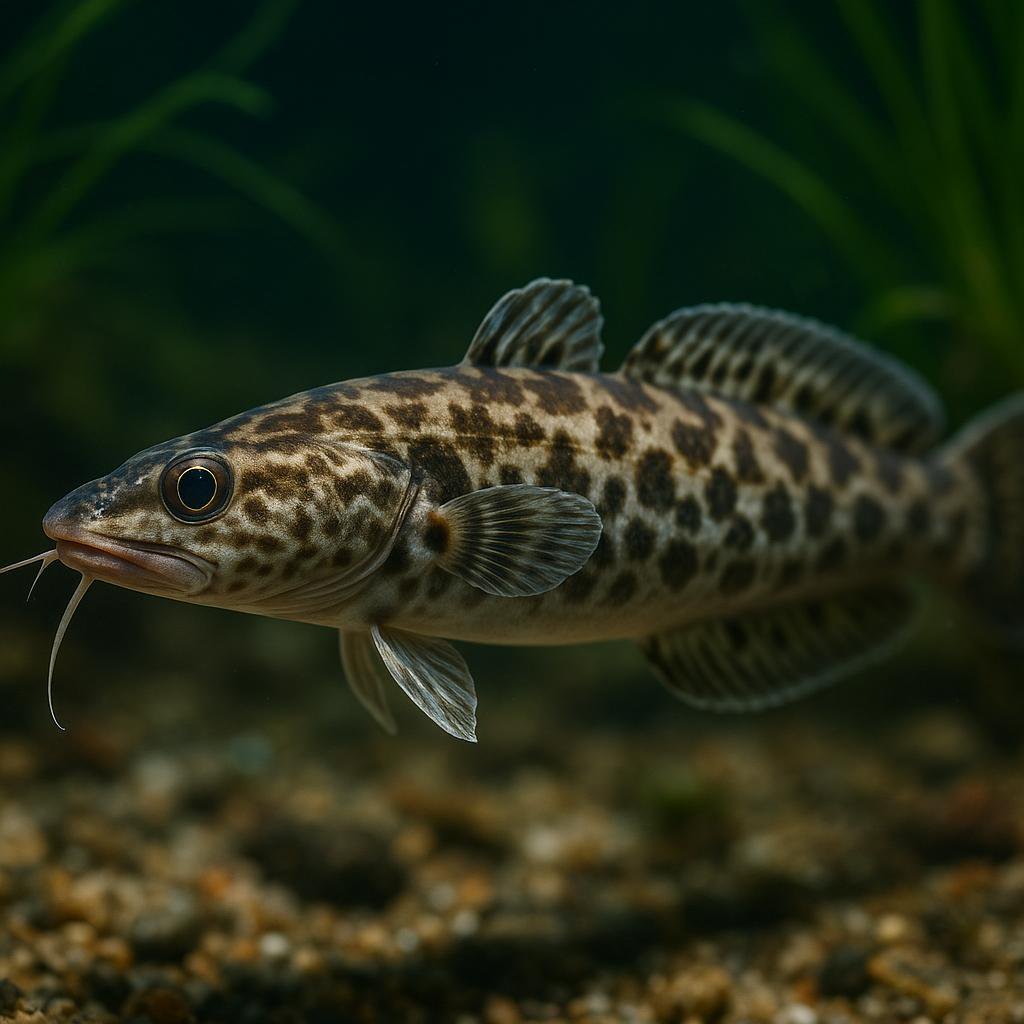
This is a deepwater North Atlantic rockling (a cod relative) that hangs out on soft bottoms way down the slope. It is a cold-water, bottom-hugging predator that snoots around for crustaceans and will also take small fish when it gets the chance.
Atlantic pomfret
Brama brama
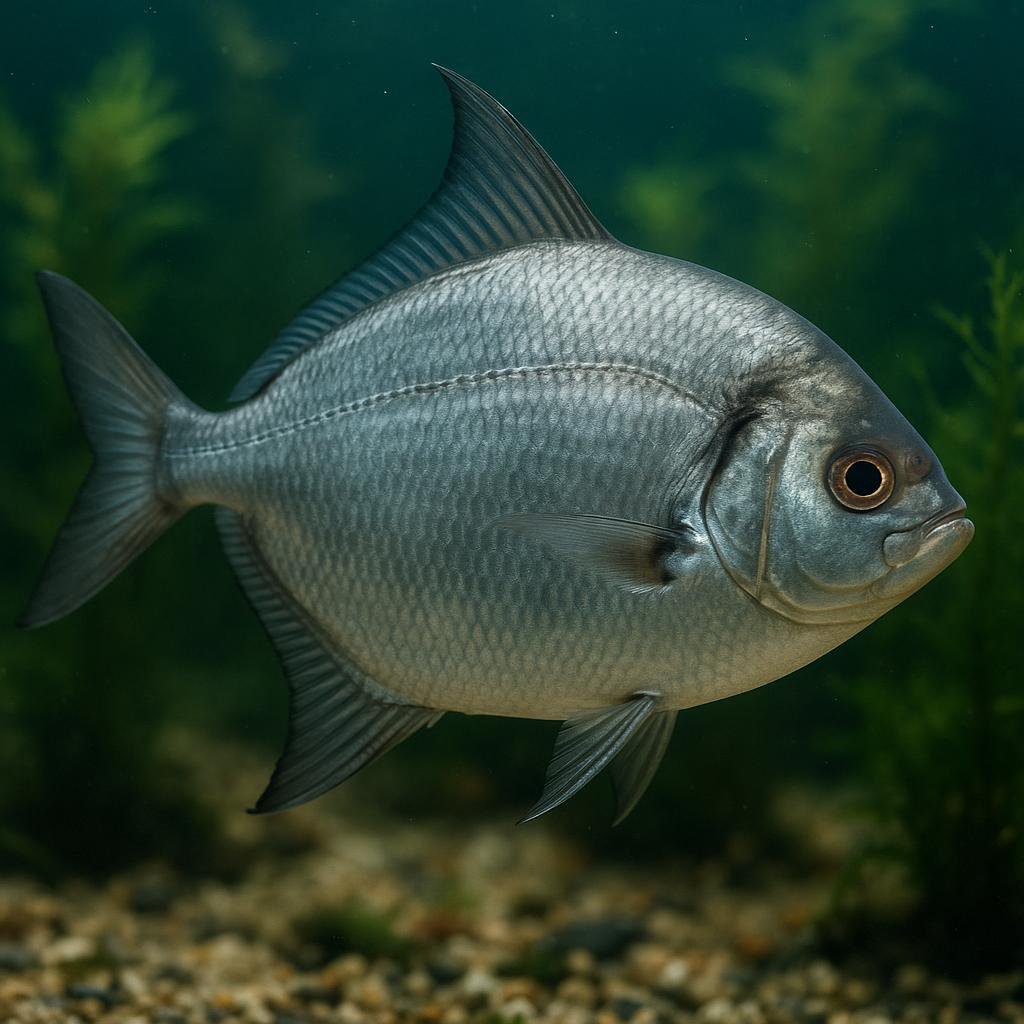
Brama brama is the Atlantic pomfret (aka Ray's bream) - a deep-bodied, open-ocean pelagic fish that cruises around in small schools and follows water temps. It is a legit big, wild marine species (not an aquarium fish) that eats other small sea critters like fish and squid, and it ranges across a huge chunk of the Atlantic plus parts of the Indian and South Pacific.
More to Explore
Discover more marine species.
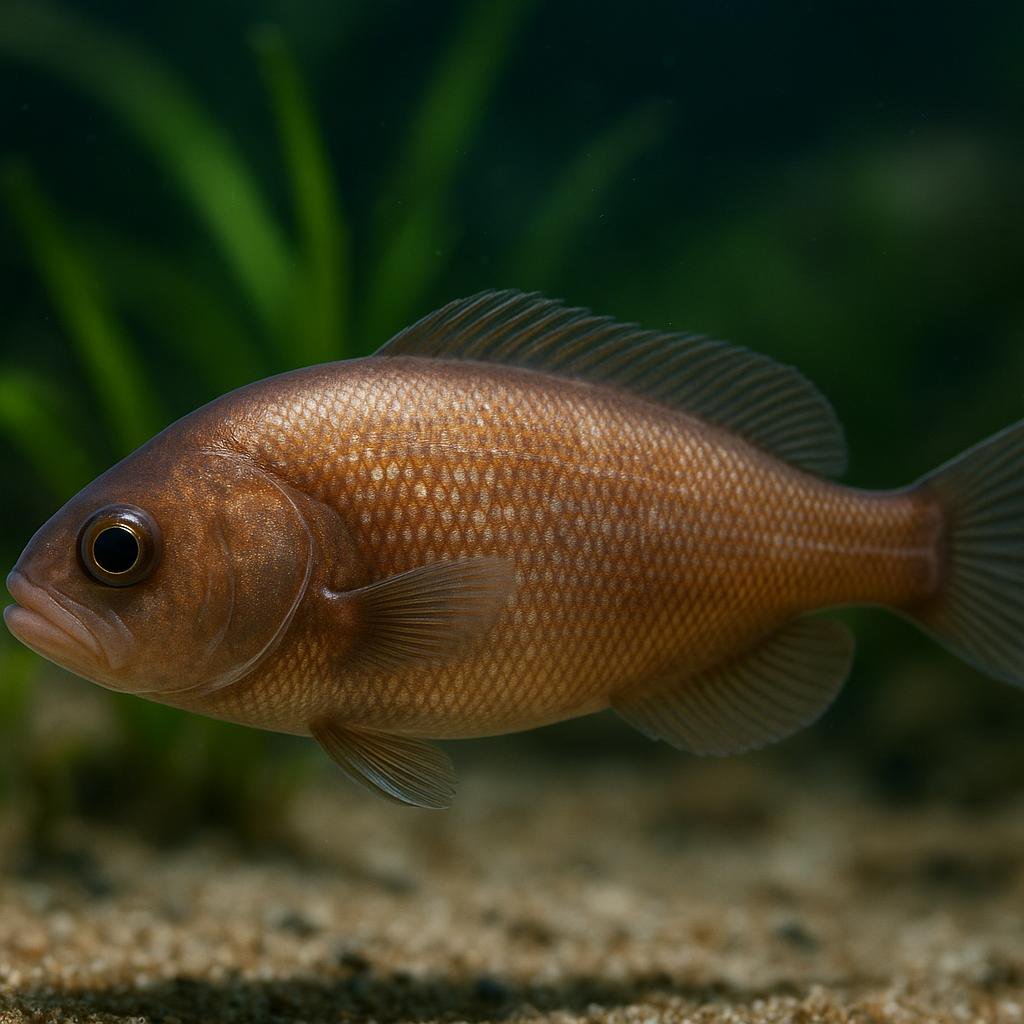
Abe's eelpout
Japonolycodes abei
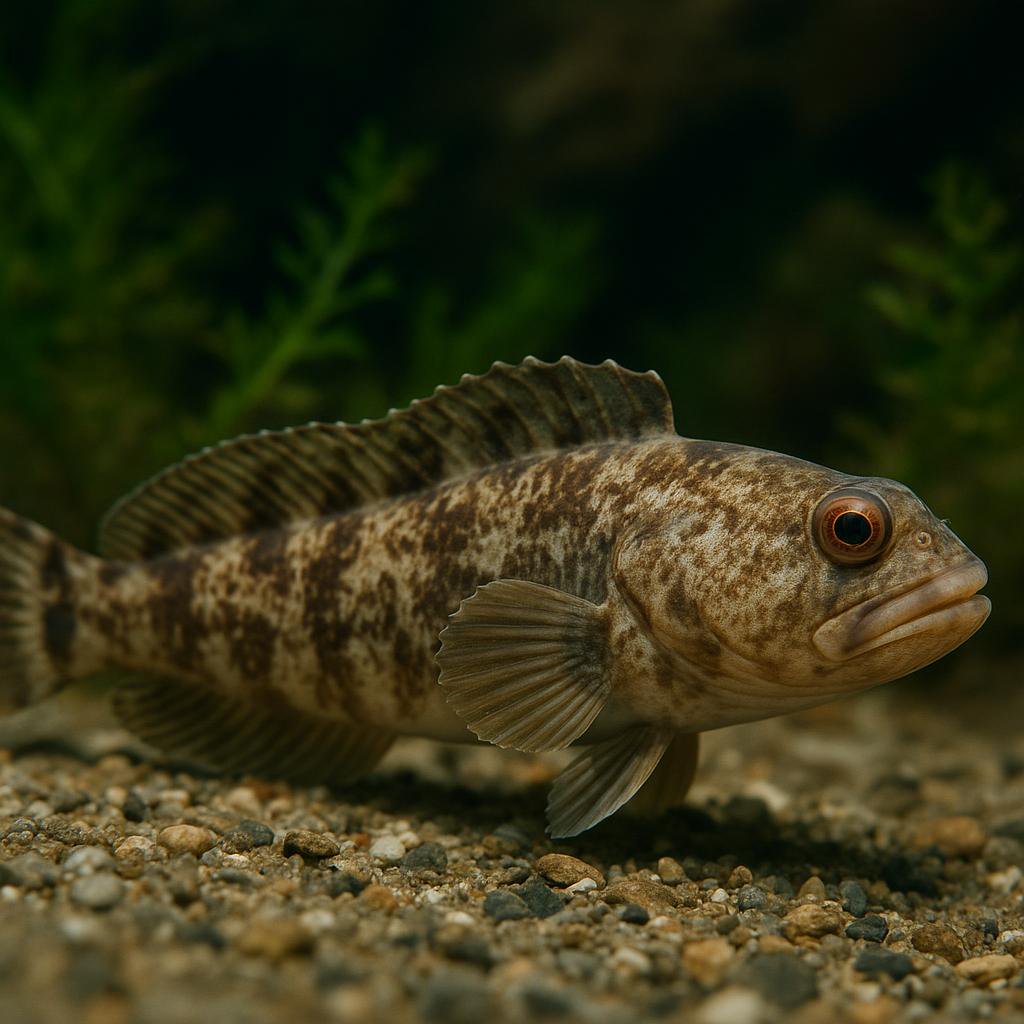
Japonolycodes abei is a temperate, deepwater demersal eelpout (family Zoarcidae) endemic to Japan (Kumano-nada Sea reported; other sources also report Sagami Bay and Tosa Bay). It is the only species in the genus Japonolycodes and occurs roughly 40-300 m depth, making it an uncommon/atypical aquarium species.
Affinis blind cusk-eel
Barathronus affinis
Barathronus affinis is a tiny, super-weird deep-sea blind cusk-eel from the western-central Indian Ocean. It is one of those gelatinous, loose-skinned brotula-type fishes that live way down in the dark and are basically never seen alive, so almost everything we know comes from preserved specimens and taxonomic work.
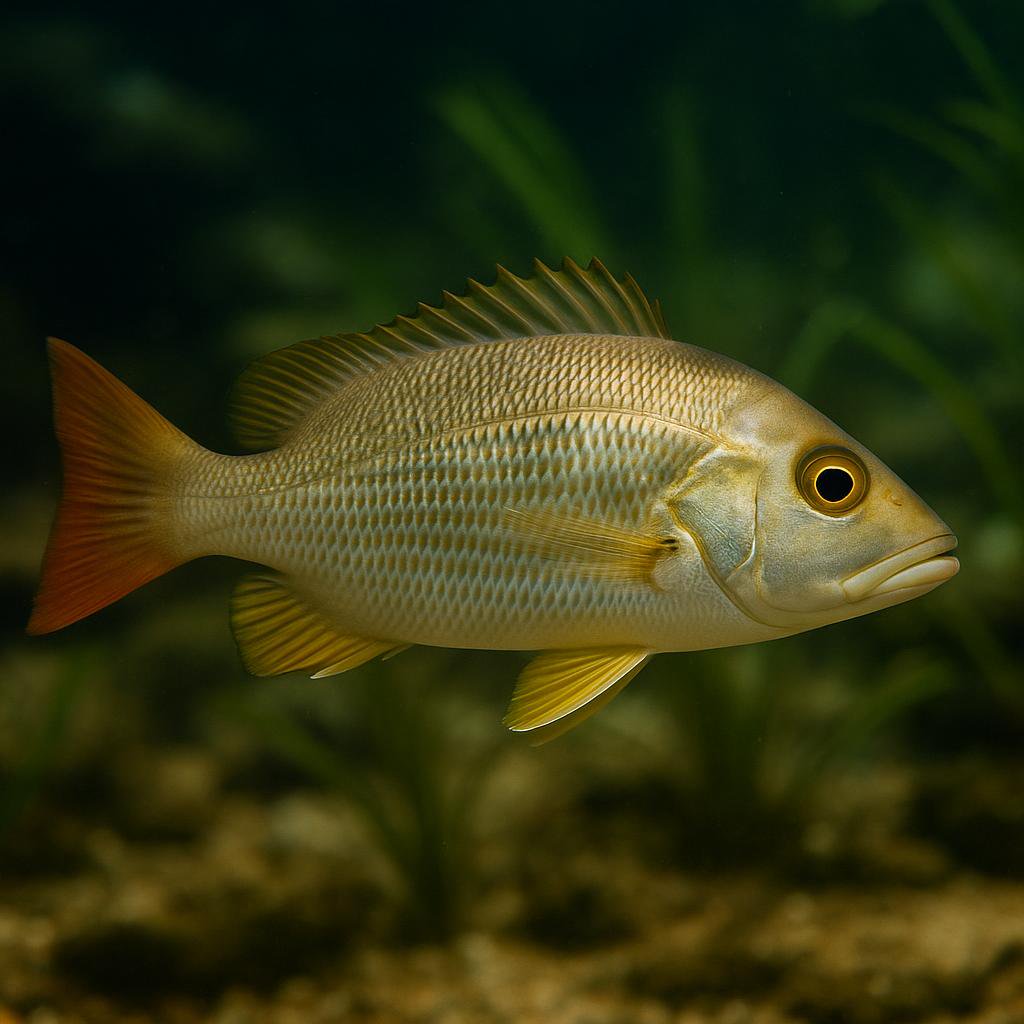
African red snapper
Lutjanus agennes
This is a true snapper from West Africa - a big, fast-growing predator that goes from coastal reefs to brackish lagoons and estuaries (especially as a juvenile). Super cool fish in the wild, but it gets absolutely huge and will eat smaller tankmates once it has the mouth for it, so its really more of a public-aquarium scale animal than a home-aquarium fish.
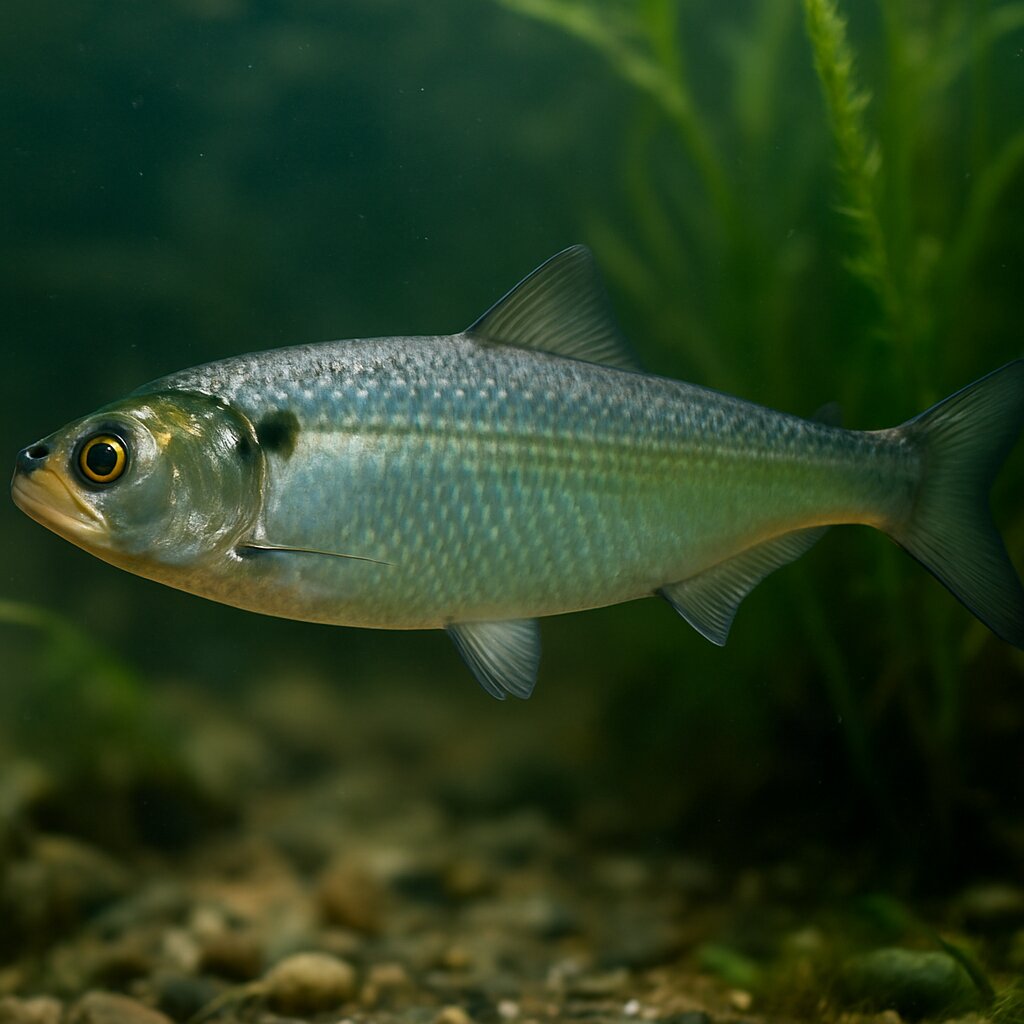
Allis shad
Alosa alosa
Gorgeous silver, fast-swimming shad that spends most of its life in the sea and then surges up big rivers in noisy, surface-spawning schools. It grows huge for a herring-type fish and needs cool, ultra-oxygenated water and tons of open space, so it is a public-aquarium species rather than a home tank fish.
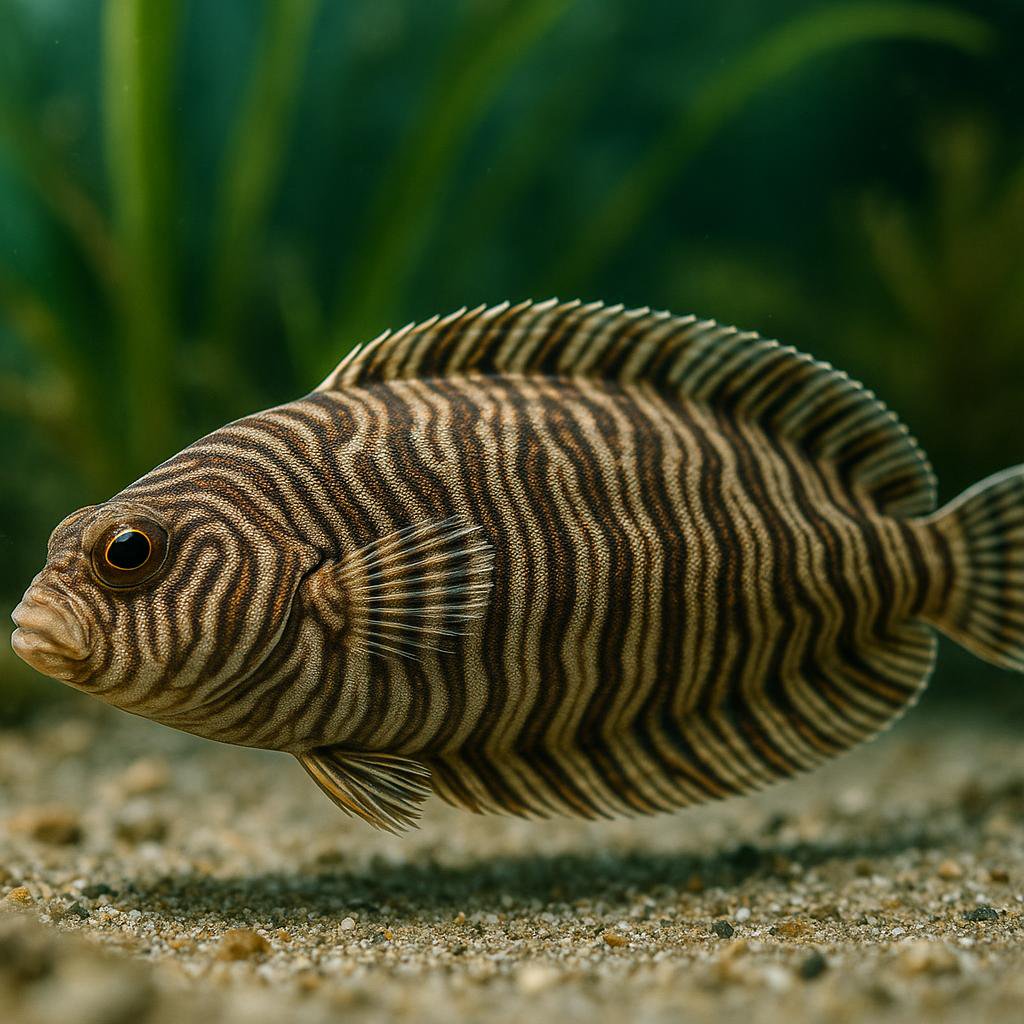
Annandale's zebra sole
Zebrias annandalei
Zebrias annandalei is a small demersal sole from coastal India that inhabits sandy or muddy bottoms and buries for camouflage. It is rarely kept in home aquaria and would require a specialized marine sand-bottom setup and appropriate feeding.
Australian sawtail catshark
Figaro boardmani
Figaro boardmani is a small, deepwater Australian catshark with these cool saw-like ridges of spiny denticles along the tail and a neat pattern of dark saddle bands. It lives way down on the outer continental shelf and slope, so its natural water is cold, dim, and stable - totally not a typical home-aquarium fish. Diet-wise its a predator that goes after fish, crustaceans, and cephalopods.
Looking for other species?