

Search Species
Search for fish species by common or scientific name, or use filters to browse by water type, size, temperament, and difficulty.
Found 148 species
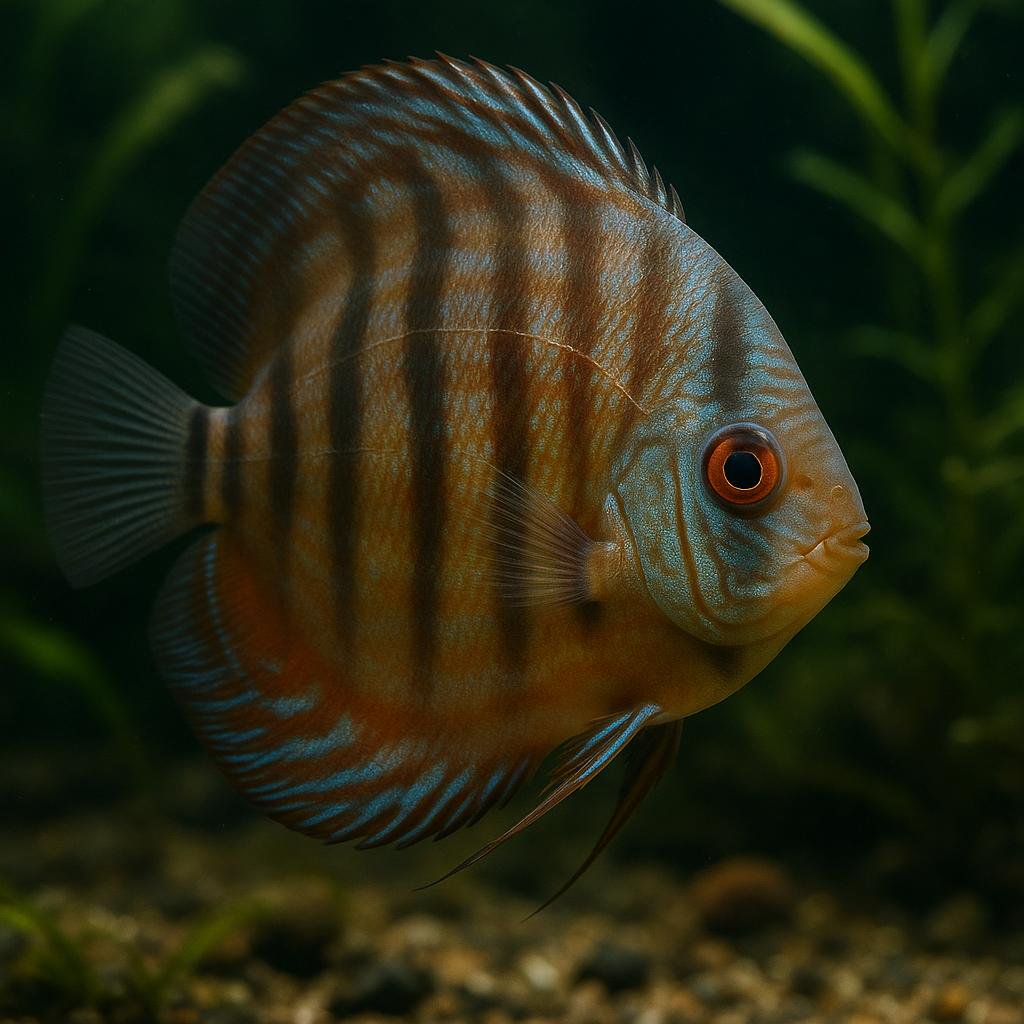
Blue discus
Symphysodon aequifasciatus
This is one of the classic wild discus from the Amazon-big, round, and super "cichlid-smart," but way more chill than most cichlids. The coolest part to me is the parenting: the fry actually feed off a mucus layer from the parents' skin for a while, which is just wild to see if you ever breed them.
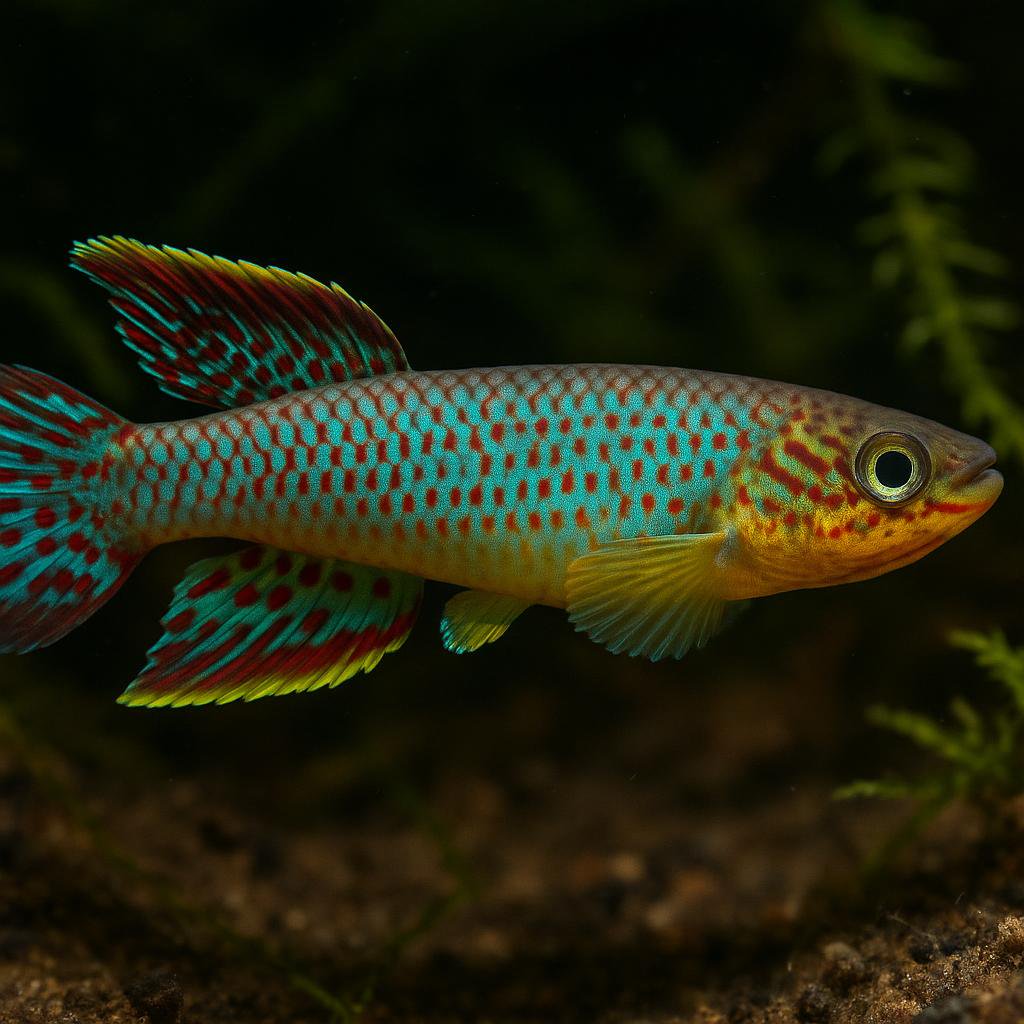
Blue gularis
Fundulopanchax sjostedti
This is the big, flashy West African killifish with the ridiculous triple-point tail and electric blue-green body covered in red spotting. Males can be real attitude machines with each other, but if you give them room, cover, and a tight lid, they make an awesome centerpiece fish that will absolutely demolish live and frozen foods.
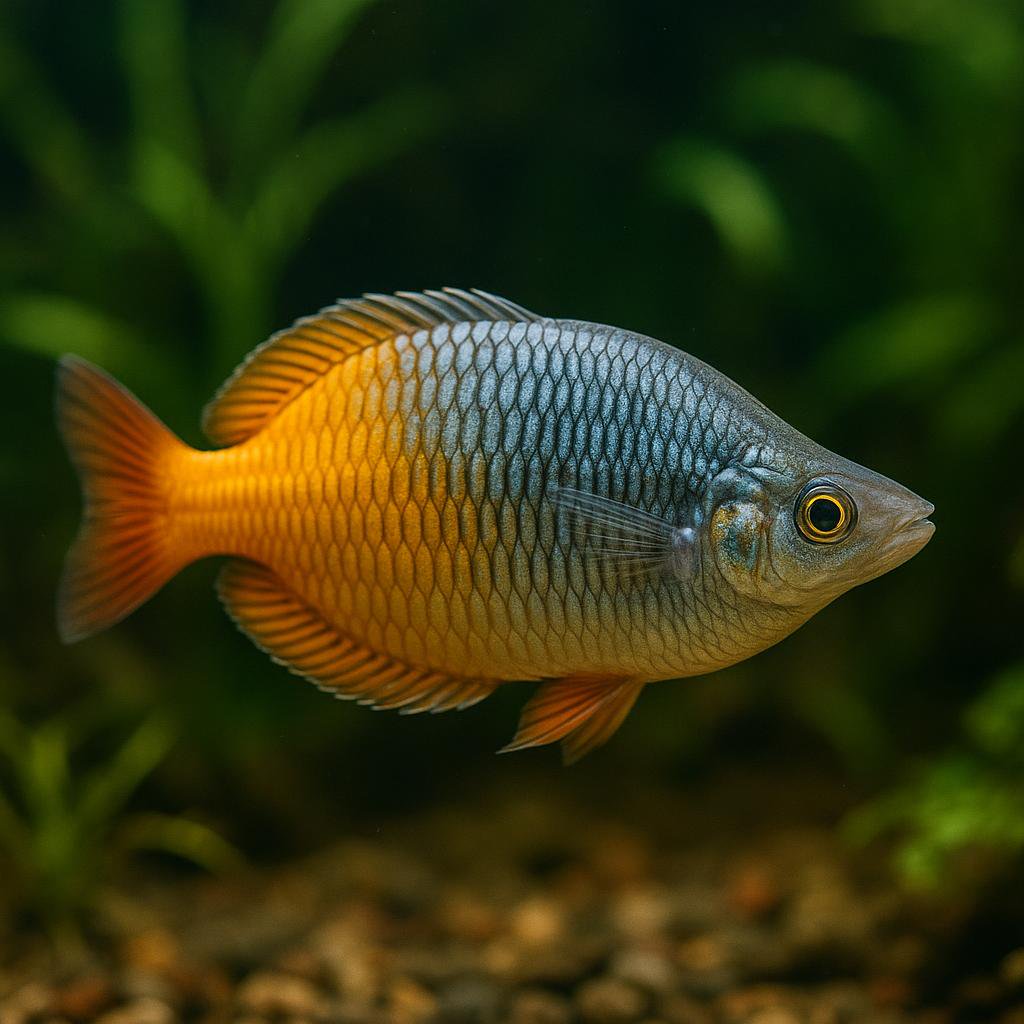
Boeseman's rainbowfish
Melanotaenia boesemani
Boesemani rainbows are basically little swimming fireworks once they settle in-males get that wild split-color look (blue up front, orange in back) and they'll flash and posture at each other all day. They're super active and way happier in a real group with a long tank to cruise, not a cramped setup where they can't stretch out.
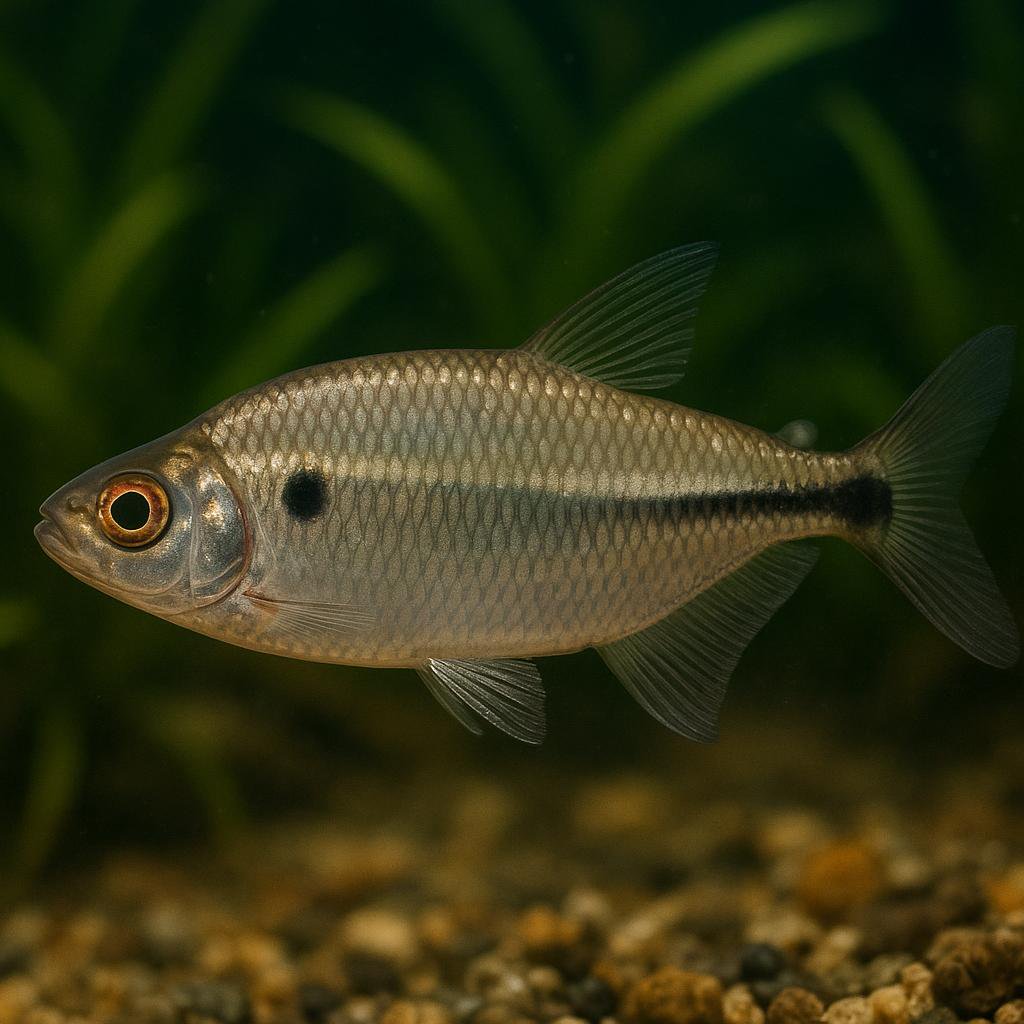
Boulenger's Featherfin Tetra
Bryconaethiops boulengeri
A big, fast African tetra from the Congo River basin, it cruises the mid-to-upper water in active groups and flashes a bold broken stripe along its flanks. In the wild it hunts insects at the surface and can leap, so aquariums need tight lids. Keep it with robust tankmates it cannot swallow.
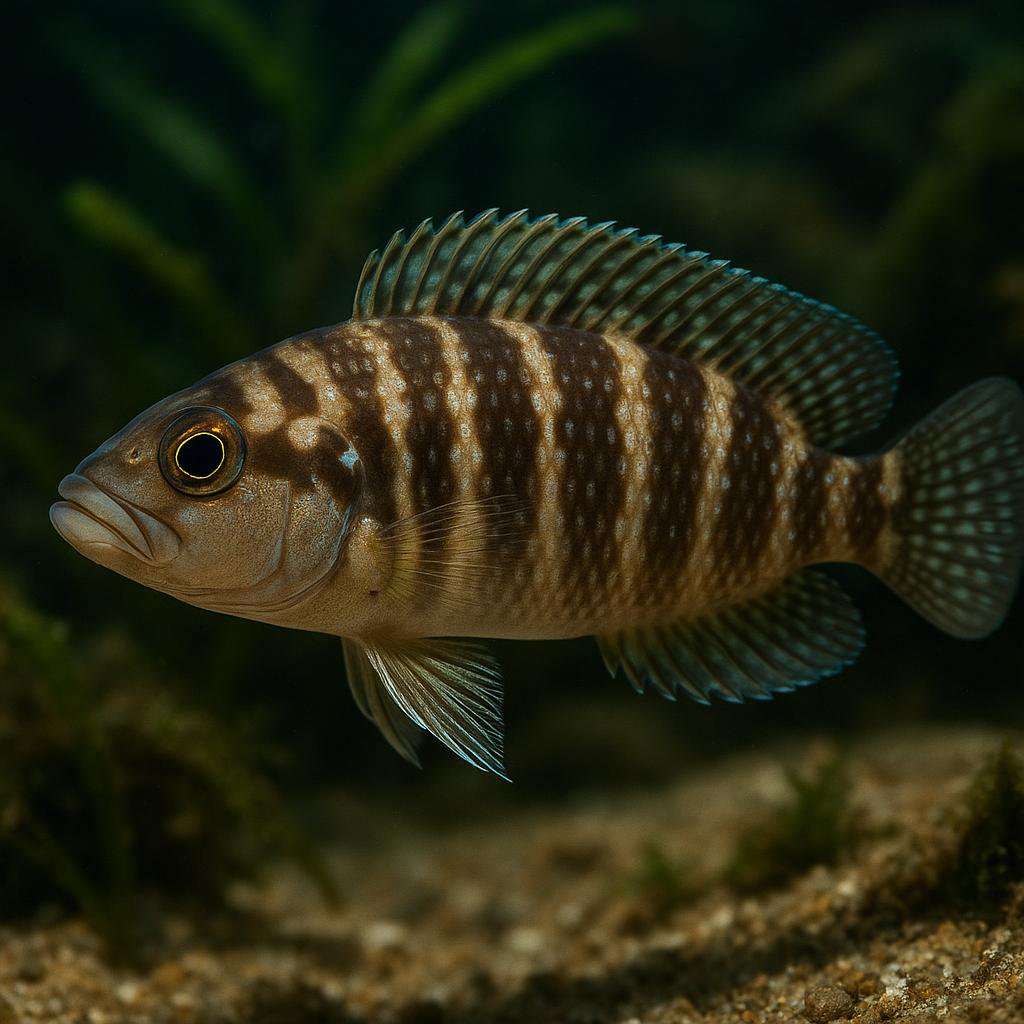
Boulenger's lamprologine (shell-dwelling Tanganyika cichlid)
Lepidiolamprologus boulengeri
This is one of those really fun Lake Tanganyika shell-and-sand lamprologines that lives as a pair, digs a little pit, and then the female hangs out in snail shells like its a tiny fortress. Give them fine sand and a pile of shells and you will get to watch legit, purposeful cichlid home-building and territory behavior in a small-bodied fish.
-1771032879.jpg)
Brilliant rummy-nose tetra
Petitella bleheri (syn. Hemigrammus bleheri)
This is the rummy-nose with the really "full-face" red that runs back past the gill plate, plus that crisp black-and-white tail that flashes when the whole group turns together. When they're happy and the water's clean, they school tight and look like one living fish-when they're stressed, that red head fades fast, so they're basically your tank's mood ring.
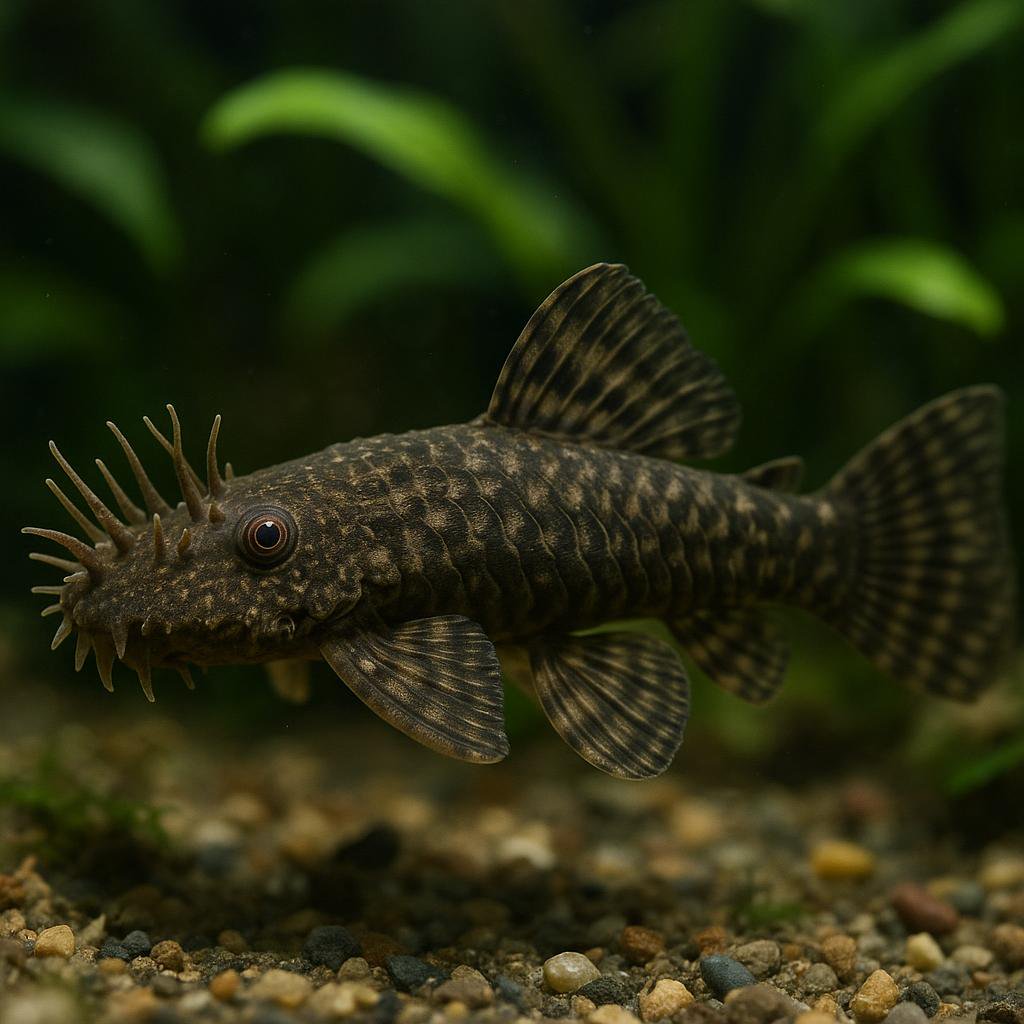
Bristlenose Pleco (Common Bristlenose)
Ancistrus cirrhosus
The Bristlenose Pleco is a small catfish with a sucker mouth, armored body, and distinctive bristles on its face, especially in males. It is primarily nocturnal and spends much of its time grazing on biofilm and algae from surfaces, making it a popular, hardy "algae-eater" in community aquariums.
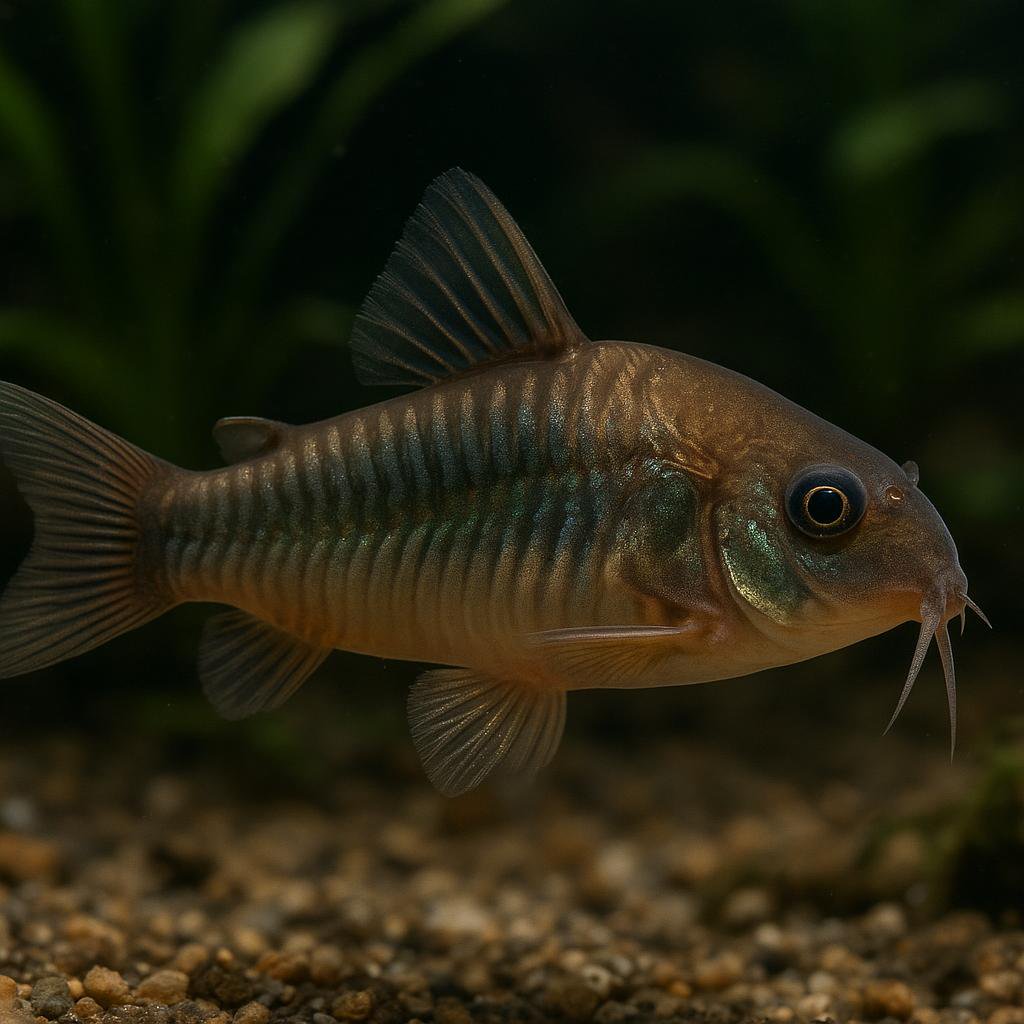
Bronze Corydoras
Corydoras aeneus
The Bronze Corydoras is a charming and highly popular freshwater fish known for its peaceful nature and striking bronze coloration. It has a stout body with barbels around its mouth, allowing it to forage effectively on the substrate. Often seen in schools, this species is well-loved for its social behavior and bottom-dwelling habits.
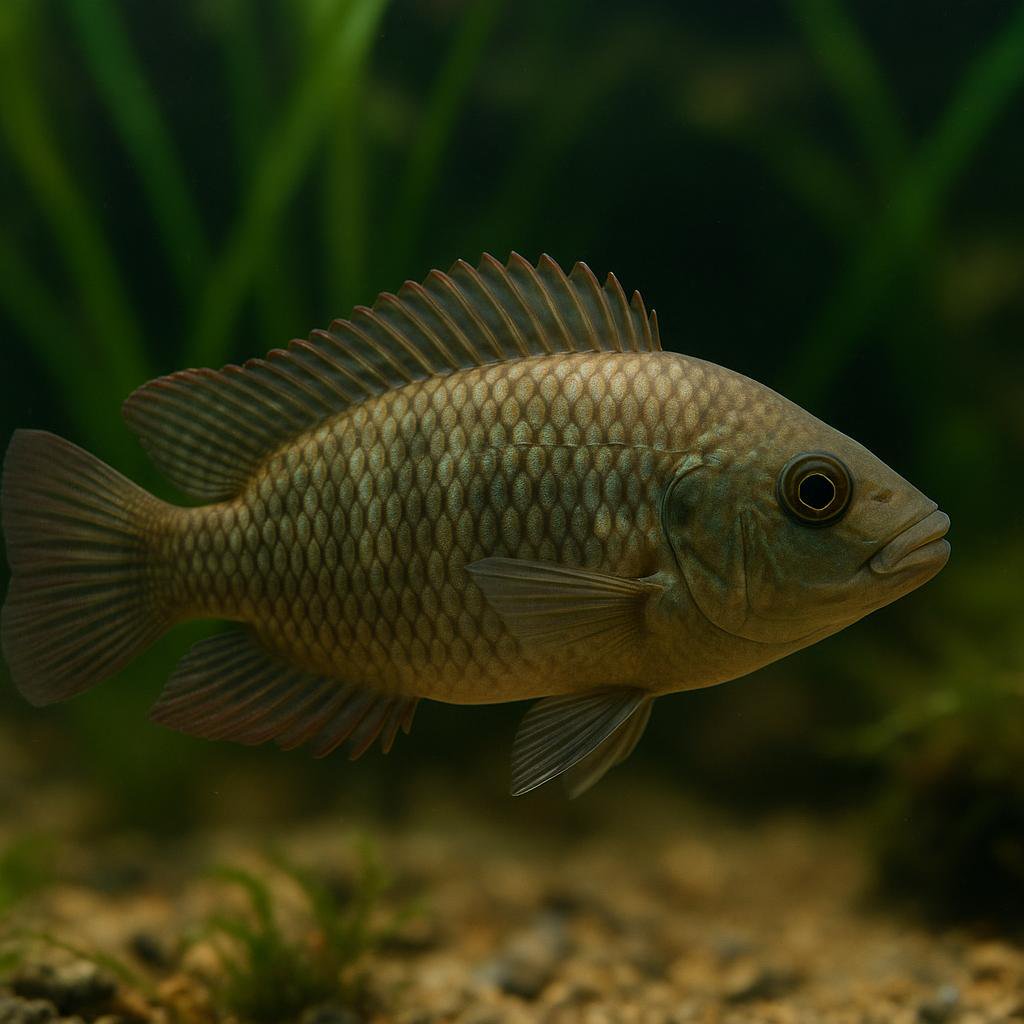
Busuma tilapia
Tilapia busumana
This West African tilapia comes from fast-flowing rivers and Lake Bosumtwi in Ghana and Cote d'Ivoire, and adult males can develop a noticeable forehead hump. It forms pairs and guards open nests, so it needs space and strong flow; you mostly see it with specialist cichlid keepers rather than in regular shops.
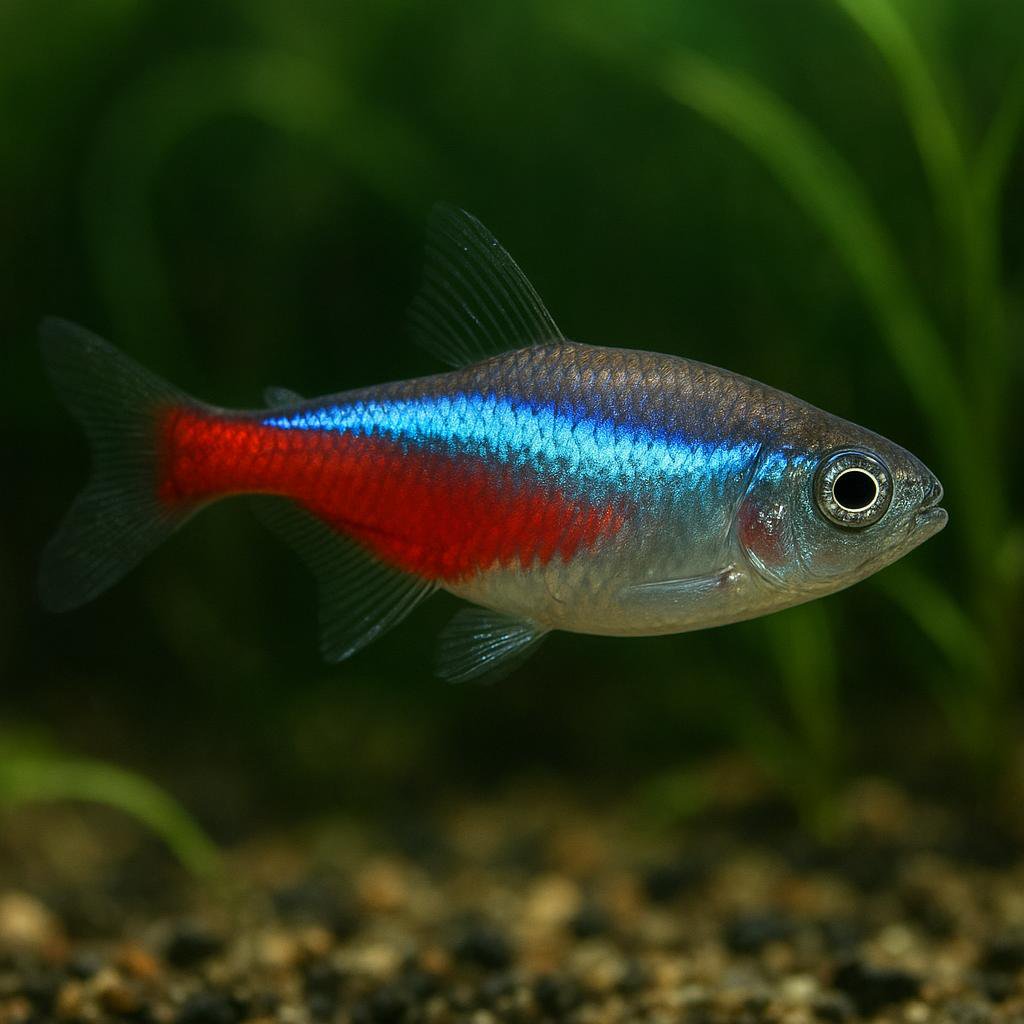
Cardinal Tetra
Paracheirodon axelrodi
The Cardinal Tetra is a small, vibrant freshwater fish known for its striking iridescent blue and red coloring. It is closely related to the Neon Tetra but can be distinguished by the extended red stripe that runs the entire length of its body. People love keeping Cardinal Tetras in their tanks because they're peaceful and great at schooling together.
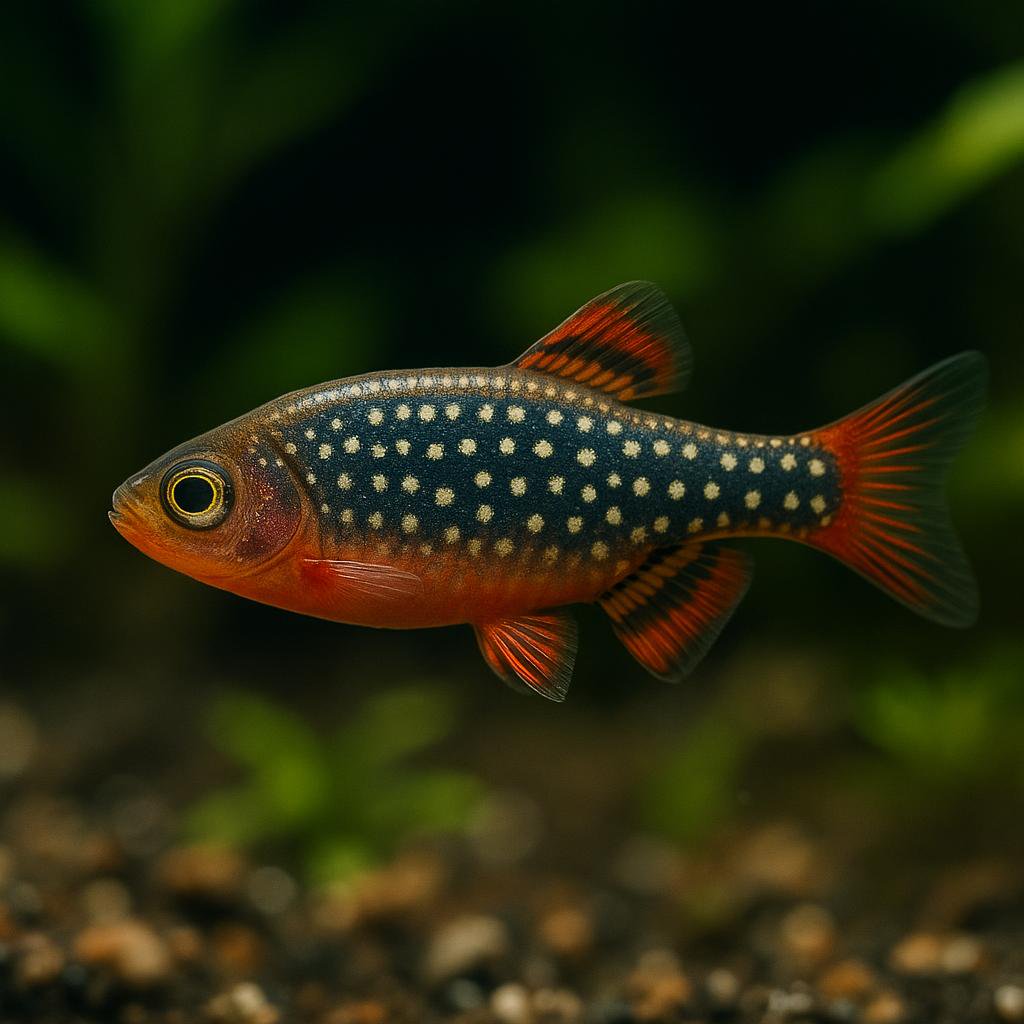
Celestial Pearl Danio
Danio margaritatus
This is the little "galaxy fish" everyone stops to stare at-dark bluish body sprinkled with pearly spots and those punchy orange/red fins. They're peaceful but kinda shy, and you'll see the best color and the cutest little male sparring displays when you keep a proper group in a heavily planted tank with gentle flow.
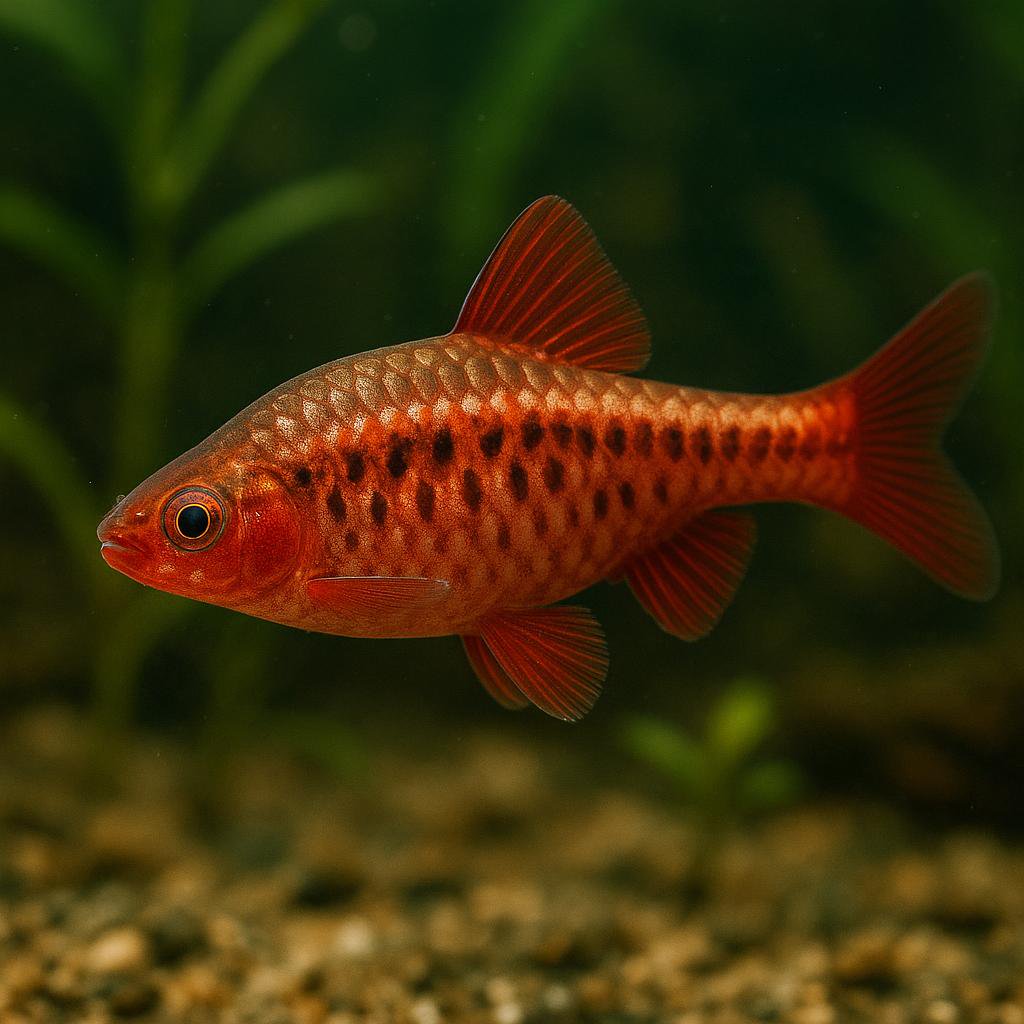
Cherry barb
Rohanella titteya
Cherry barbs are small Sri Lankan barbs; males intensify to deep red (especially when breeding). They're generally peaceful and can be shy unless kept in a group, and they look best in planted aquariums with subdued lighting and darker substrate.