

Arrowhead puffer
Pao suvattii
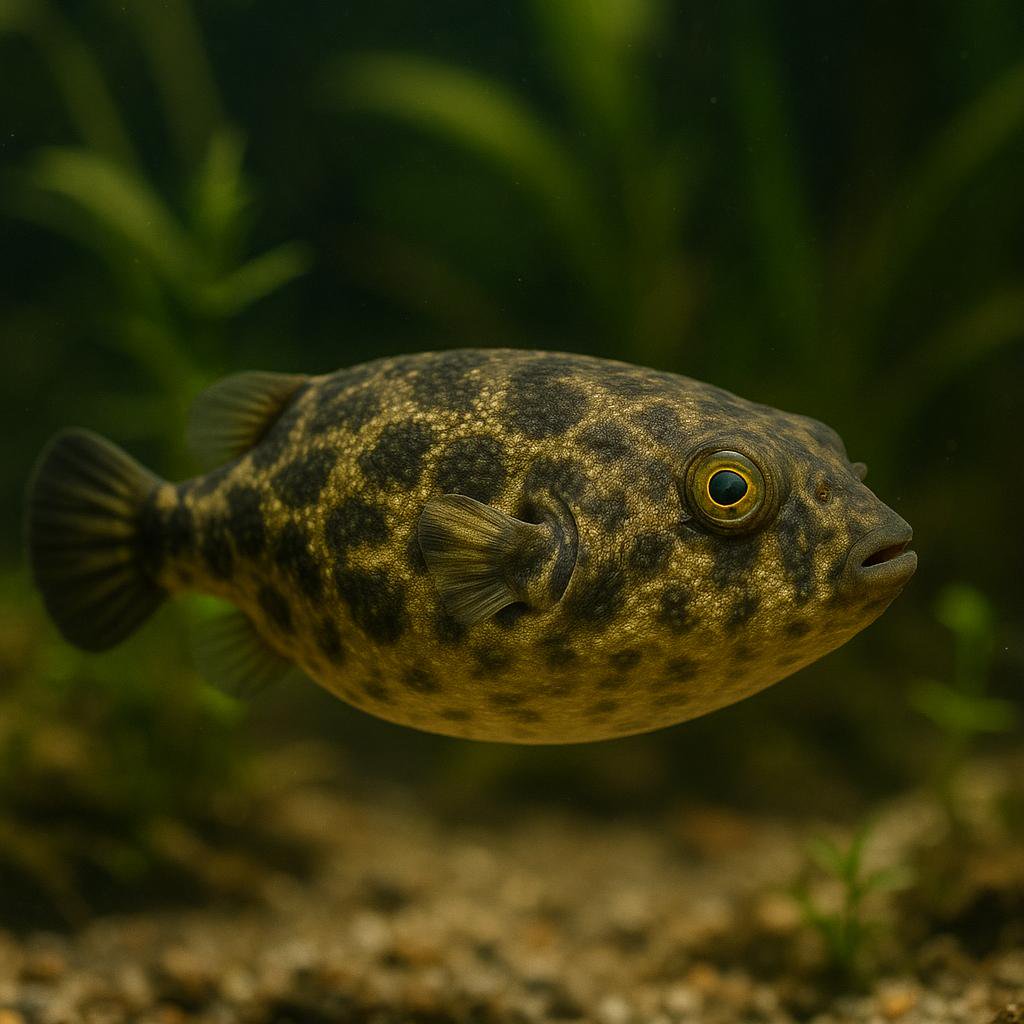
The Arrowhead puffer features a distinctive arrowhead-shaped body, with a mottled pattern of pale yellow and brown, and prominent spines along its skin.
This page includes AI-generated images. Why am I seeing AI images?
About the Arrowhead puffer
Pao suvattii is that sneaky Mekong puffer that likes to sit low and ambush food, and it has that super recognizable arrow/V pattern on its back. Gorgeous fish with tons of personality, but it is absolutely not a community guy - plan on a solo, species-only setup if you want everybody to stay in one piece.
Also known as
Quick Facts
Size
11.5 cm SL (about 4.5 inches)
Temperament
Aggressive
Difficulty
Advanced
Min Tank Size
30 gallons
Lifespan
5-10 years
Origin
Southeast Asia (Lower Mekong basin)
Diet
Carnivore - snails, crustaceans, mollusks, shrimp, worms, meaty frozen foods; hard-shelled foods help wear the beak
Water Parameters
22-26°C
6.5-7.5
5-12 dGH
Need a heater for this species?
This species needs 22-26°C in a 30 gallon tank. Use our heater calculator to find the right wattage.
Calculate heater sizeCare Notes
- Give it a big, footprint-heavy tank (40-55+ gallons for one) with sand and lots of caves or driftwood tunnels - they like to claim a hide and ambush from it.
- Keep conditions stable with strong filtration and frequent maintenance: 22-26°C, pH 6.5-7.5, GH 5-12 dGH, and ammonia/nitrite at 0.
- Feed meaty stuff, not flakes: snails, shrimp, earthworms, mussel/clams on the half shell, and occasional pieces of fish; rotate foods so they do not get picky and skinny.
- You still need crunchy foods for tooth wear - if the beak starts overgrowing, they will stop eating and you may be stuck doing tooth trims (not fun), so keep a steady supply of snails/shell-on foods.
- Do not plan on community life - they are fin/scale biters and will murder tankmates; if you try anything, think species-only or a very large tank with tough, fast fish and an exit plan.
- They are masters at begging and overeating, so feed smaller portions 4-6x/week and skip a day; a fat Arrowhead puffer gets lazy and water quality tanks quicker.
- Watch for bloat/constipation from too much dry food or fatty meals - if it looks swollen and stops pooping, back off feeding and offer shelled foods and worms; clean water fixes half the problems.
Compatibility
Good Tankmates
- Kept alone (solitary) is typically recommended; multiple individuals often fight unless very carefully managed.
Avoid
- Risk with most fish tankmates is high, so it's generally advised to keep this species solitary.
- Most fish tankmates are risky; this species is commonly recommended to be kept solitary.
- Most fish tankmates are risky; this species is commonly recommended to be kept solitary.
- Most fish tankmates are risky; this species is commonly recommended to be kept solitary.
- Most fish tankmates are risky; this species is commonly recommended to be kept solitary.
- Slow fish with fancy fins (bettas, guppies, angelfish) - the puffer will treat those fins like snacks, and the slow swimming makes it worse.
- Other puffers or similarly bitey/aggressive fish (most cichlids, red-tailed sharks) - this turns into nonstop territory wars and shredded fins real fast.
- Small schooling community fish like neon tetras, rasboras, endlers - they look like food, and even if they survive, they get stressed and picked off.
- Shrimp, snails, and other inverts - basically expensive live food. Arrowheads are built for crunching stuff.
Where they come from
Arrowhead puffers (Pao suvattii) come from Southeast Asia, mostly around Thailand and nearby areas in slow rivers, canals, and muddy backwaters. They are a "sit and wait" predator in the wild, which explains a lot about how they act in our tanks - they pick a spot, watch everything, and ambush food.
They are freshwater puffers, not brackish. Skip the salt talk unless you're treating something and know exactly why you're doing it.
Setting up their tank
This species is advanced for one big reason: they are not community fish, and they are not forgiving if you cut corners on space, filtration, or boredom. If you set the tank up around their personality, they're actually pretty straightforward.
- Tank size: I would not do smaller than 30 gallons for one, and 40+ is just easier to manage long term.
- Footprint matters more than height. They spend a lot of time on the bottom and like to claim a zone.
- Substrate: sand is my pick. They root around and it looks natural with them.
- Hardscape: lots of wood, rock piles, and line-of-sight breaks. Give them multiple "caves" even if you only keep one fish.
- Plants: tough stuff or floaters. They can redecorate, and some individuals treat delicate plants like chew toys.
Filtration needs to be beefy. They are messy eaters, and the food they like (meaty, chunky stuff) fouls water fast. I run extra mechanical filtration (sponge prefilter on the intake helps a ton) and I keep a gravel vac handy even with sand.
If you only do one thing: plan for easy cleaning. Open swimming space in front, hardscape in back, and a layout that lets you siphon leftovers without tearing the tank apart.
- Temperature: mid to upper 70s F (around 24-26 C) is a comfortable zone.
- pH and hardness: they adapt to a range, but stability beats chasing numbers.
- Water changes: expect to do them often, especially if you feed heavy. Leftovers and waste show up fast with these guys.
Arrowhead puffers are strong biters. Use tools. Long tweezers, feeding tongs, and a net you don't mind getting shredded.
What to feed them
They are predators and they know it. Mine learned the feeding routine quickly and would sit in the same "launch pad" spot waiting for shrimp or snails. The trick is variety and not letting them get lazy on one food.
- Staples I rotate: shrimp (shell-on when possible), chunks of white fish, squid, earthworms, and snails.
- Good treats: live blackworms, live shrimp, and the occasional crab or mussel meat (not constantly).
- Foods I avoid as regular diet: feeder fish (parasite risk), fatty mammal meat, and too much dried/processed stuff.
Snails aren't just food - they're tooth insurance. Puffers' teeth keep growing, and crunchy foods help keep them worn down. You don't need to feed snails every day, but you do want hard-shelled meals in the rotation.
Watch the teeth. If the beak starts looking overgrown or they struggle to eat, you may be headed toward tooth trimming, and that's not a fun day for you or the fish.
I feed adults small portions once a day or every other day depending on body shape. They beg like puppies, but they can get chunky fast. Remove leftovers within a few minutes - uneaten shrimp turns into ammonia soup surprisingly quickly.
How they behave and who they get along with
Arrowhead puffers are basically aquatic landmines. They're not constantly aggressive like some cichlids, but they have a very clear idea of what belongs in their space, and they can go from "fine" to "I will bite that" with no warning.
- Best plan: species-only tank with one puffer.
- Tankmates are a gamble. Even "fast" fish can get nailed at night or when they wander too close.
- Bottom dwellers (plecos, loaches, cories): usually a bad match. Same territory, and they get bitten.
- Inverts: will be hunted. Shrimp and snails are food, not roommates.
If you try tankmates anyway, have a backup tank ready. Not "I'll figure it out" - an actual cycled plan B, because things can go sideways overnight.
They can be shy at first, especially in a bare tank. With cover and a consistent routine, they usually settle into a pattern: pick a favorite cave, patrol a bit, then park and watch. They are smart enough to recognize you and will come out for food once they feel secure.
Breeding tips
Breeding Pao suvattii in home aquariums is uncommon. They are not easy to sex, and keeping pairs together is risky because of aggression. Most hobbyists (me included) keep them solo, which pretty much ends the breeding conversation.
If you're determined to try breeding, focus on a large tank with heavy sight breaks, a well-fed conditioned pair, and a way to separate them quickly. But be ready for injuries - these are not gentle fish.
Common problems to watch for
Most issues with arrowhead puffers come from three places: dirty water from messy feeding, tooth overgrowth from soft diets, and stress from bad tankmate choices. If you stay ahead of those, you're already doing better than most.
- Overgrown teeth: caused by too many soft foods. Rotate in snails and shell-on shrimp.
- Bloat/constipation: can happen with heavy meals. Feed smaller portions and add more rougher foods like snails/worms.
- Internal parasites: wild-caught puffers sometimes arrive with them. Watch for weight loss despite eating and long, white stringy poop.
- Fin bites and wounds: usually from tankmate experiments or cramped setups. These bite marks can get infected.
- Ammonia/nitrite spikes: often from uneaten meaty food. Remove leftovers fast and keep filtration maintained.
I keep a feeding dish (a little glass dish on the sand) for messy foods. It trains the puffer to eat in one spot and makes cleanup way easier.
One last thing: skip most "puffer meds" advice you see copy-pasted online. Puffers can be sensitive to some medications and dosing. If you need to treat something, identify the issue first and double-check the med is puffer-safe before you dump anything in the tank.
Similar Species
Other freshwater aggressive species you might be interested in.
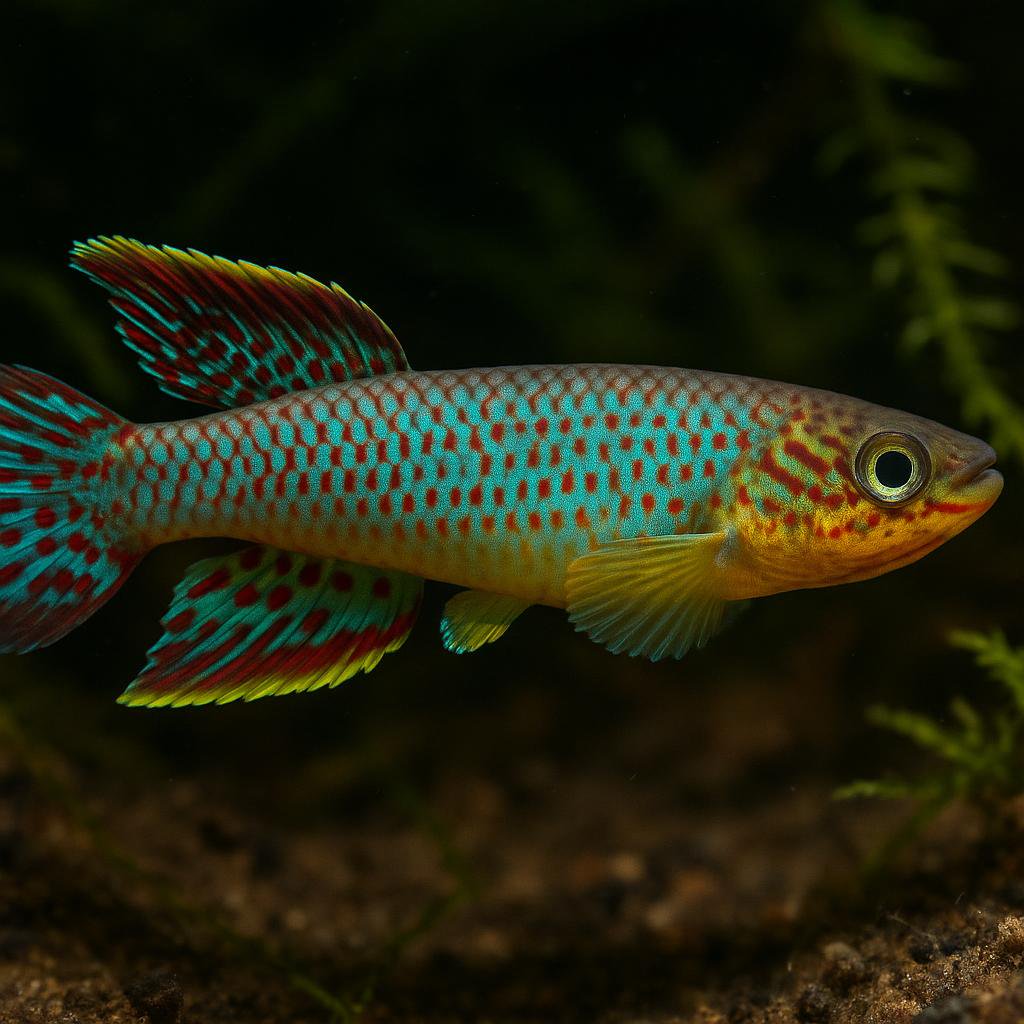
Blue gularis
Fundulopanchax sjostedti
This is the big, flashy West African killifish with the ridiculous triple-point tail and electric blue-green body covered in red spotting. Males can be real attitude machines with each other, but if you give them room, cover, and a tight lid, they make an awesome centerpiece fish that will absolutely demolish live and frozen foods.
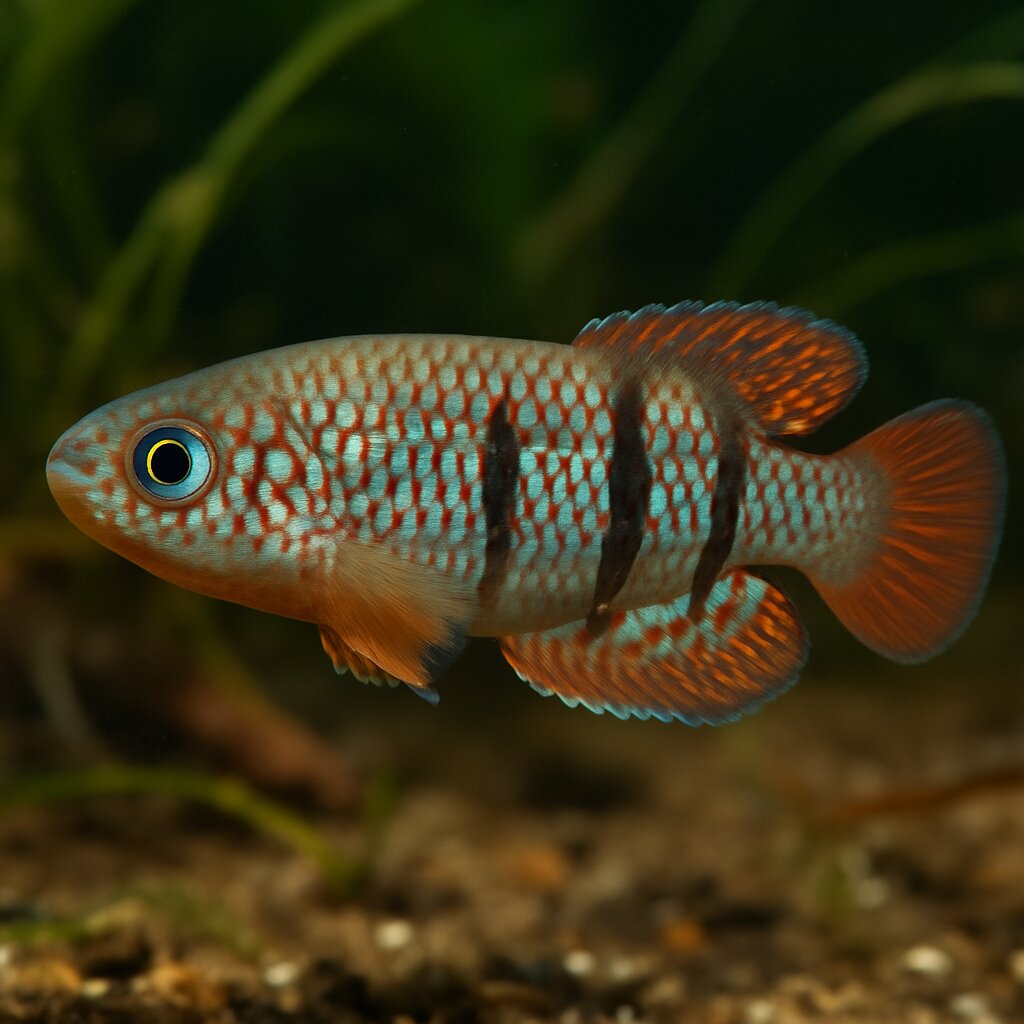
Hypsolebias trifasciatus
Hypsolebias trifasciatus
Tiny but flashy, this annual killi lights up with a blue body and bold yellow-and-black striping on the anal fin. It comes from shallow seasonal pools in northeastern Brazil, so it likes soft, warm water and will bury eggs in a peat or mud-like substrate. Males have big attitudes for such small fish, so plan for line-of-sight breaks or keep a single pair.
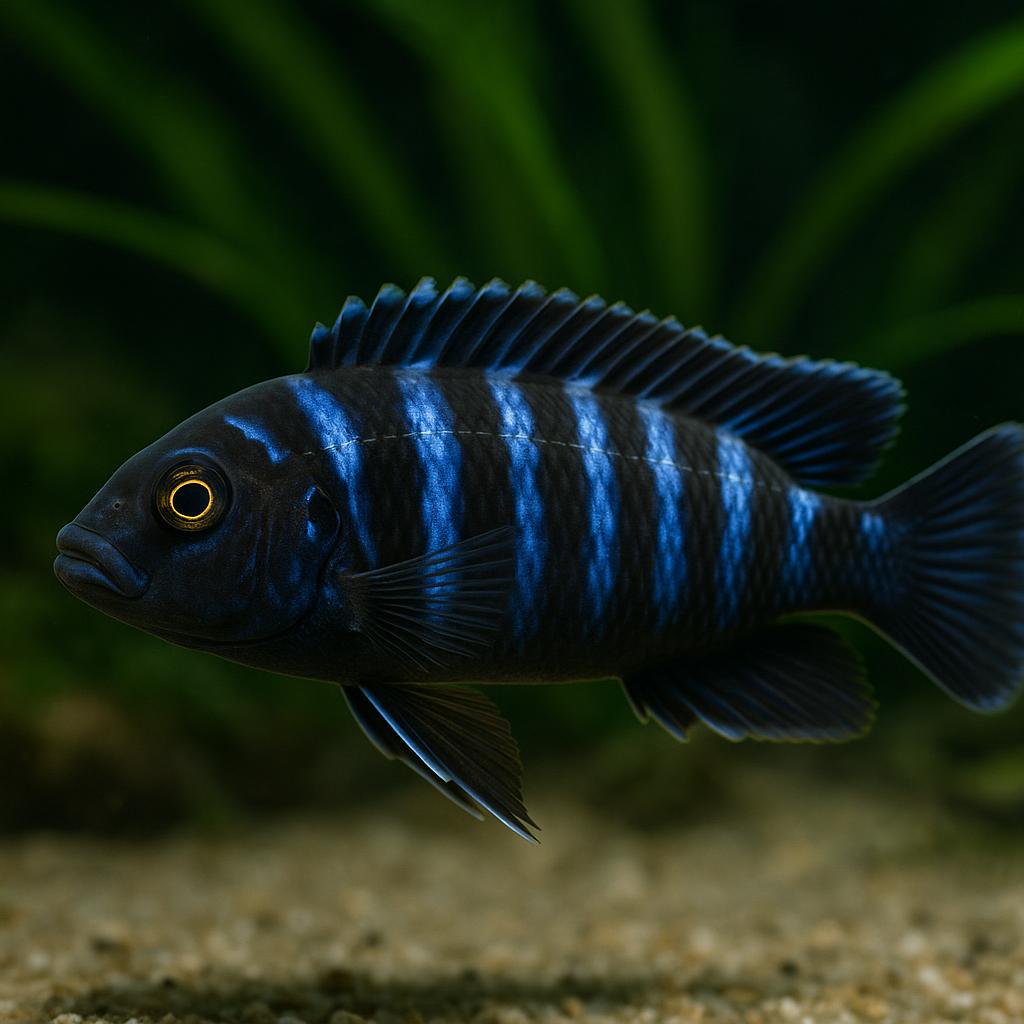
Northern blue melanochromis
Melanochromis kaskazini
A roaming, cobalt-blue mbuna from the rocky-sandy transition of Lake Malawi, it hunts larger invertebrates and small fish instead of grazing algae. Males are solid deep blue, while females are white with black stripes and a yellow-orange anal fin, which makes pairs striking to watch.
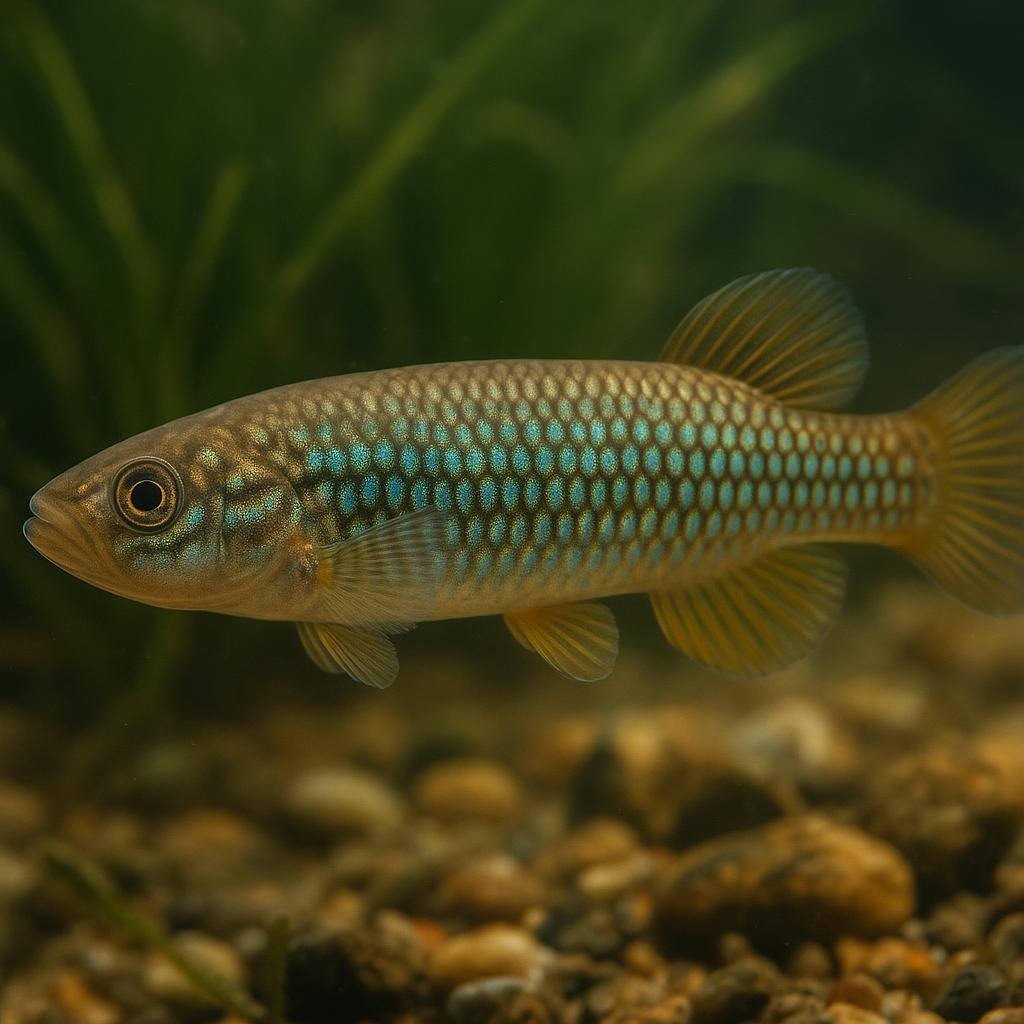
Northern studfish
Fundulus catenatus
A big North American killifish, males glow turquoise-blue with orange-edged tails and fine red lines in breeding dress. It rockets along the surface in clear, cool creeks and can be feisty and jumpy, so a tight lid and roomy quarters are a must.
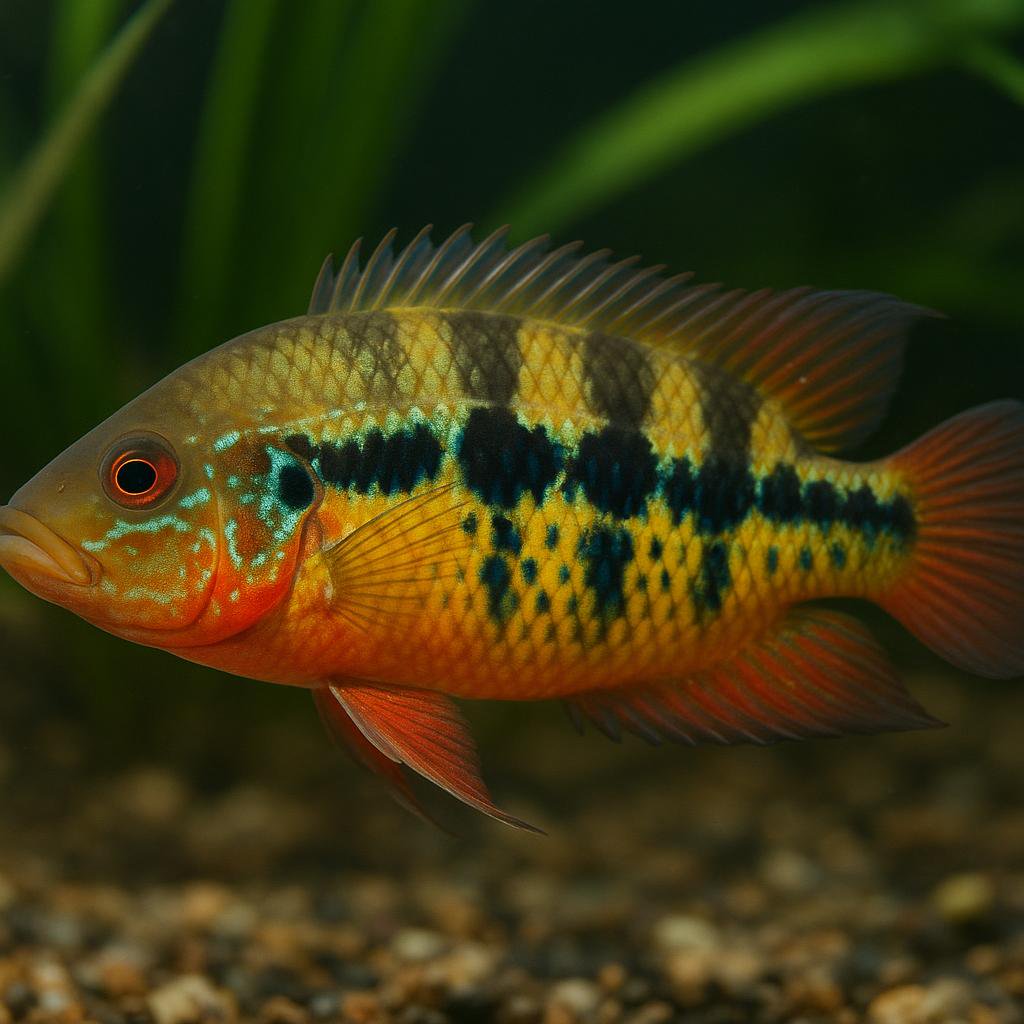
Salvini cichlid
Trichromis salvini
A flashy Central American cichlid with a bright yellow body, bold black bars, and blue spangles, salvini look like little hot rods. They are territorial predators that form pairs and put on intense parental-guarding displays. Best kept solo or with equally tough neighbors in a roomy tank.
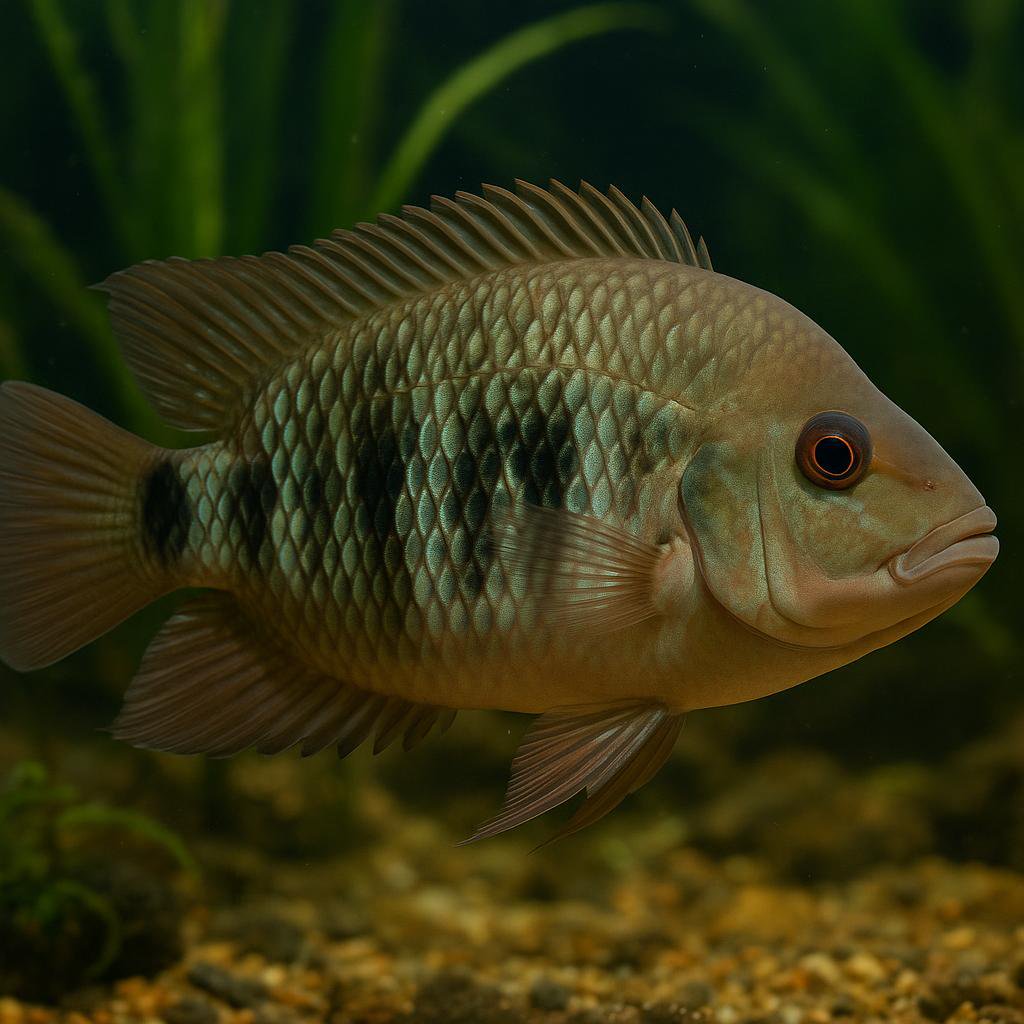
Window cichlid
Vieja fenestrata
A big, polychromatic Mexican cichlid with bold "window" bars that can show red on the head and fins in some populations. It grazes in lakes and slow rivers, then turns dramatic black-and-white while guarding eggs. Powerful and territorial, it needs serious space and filtration.
More to Explore
Discover more freshwater species.
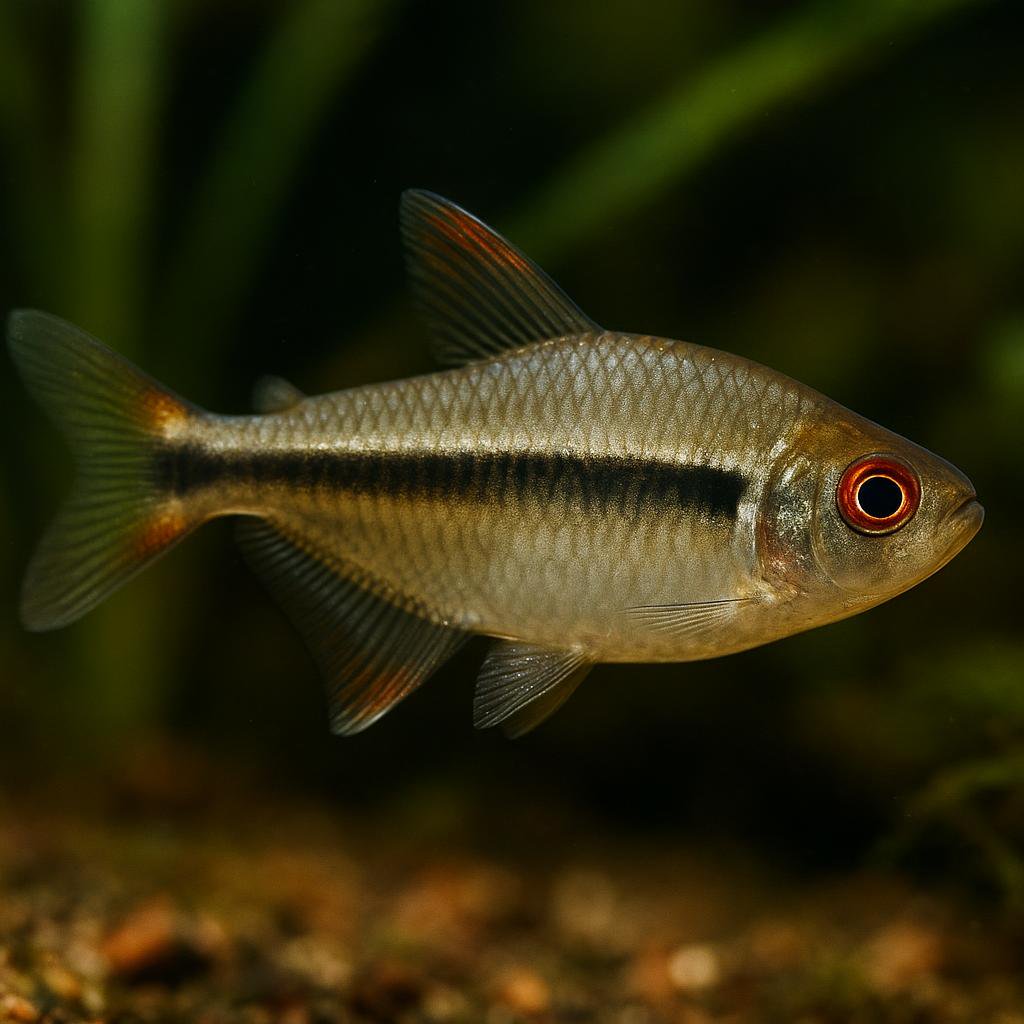
Amapa tetra
Hyphessobrycon amapaensis
This is a tiny, super sleek little tetra with a clean red stripe down the side that really pops once its settled in. It does best in a planted, slightly tinted "creek-style" setup and looks way cooler when you keep a proper group so they school and flash that line together. If you can give it soft, slightly acidic water and a calm community, its an easy fish to fall for.
American flagfish
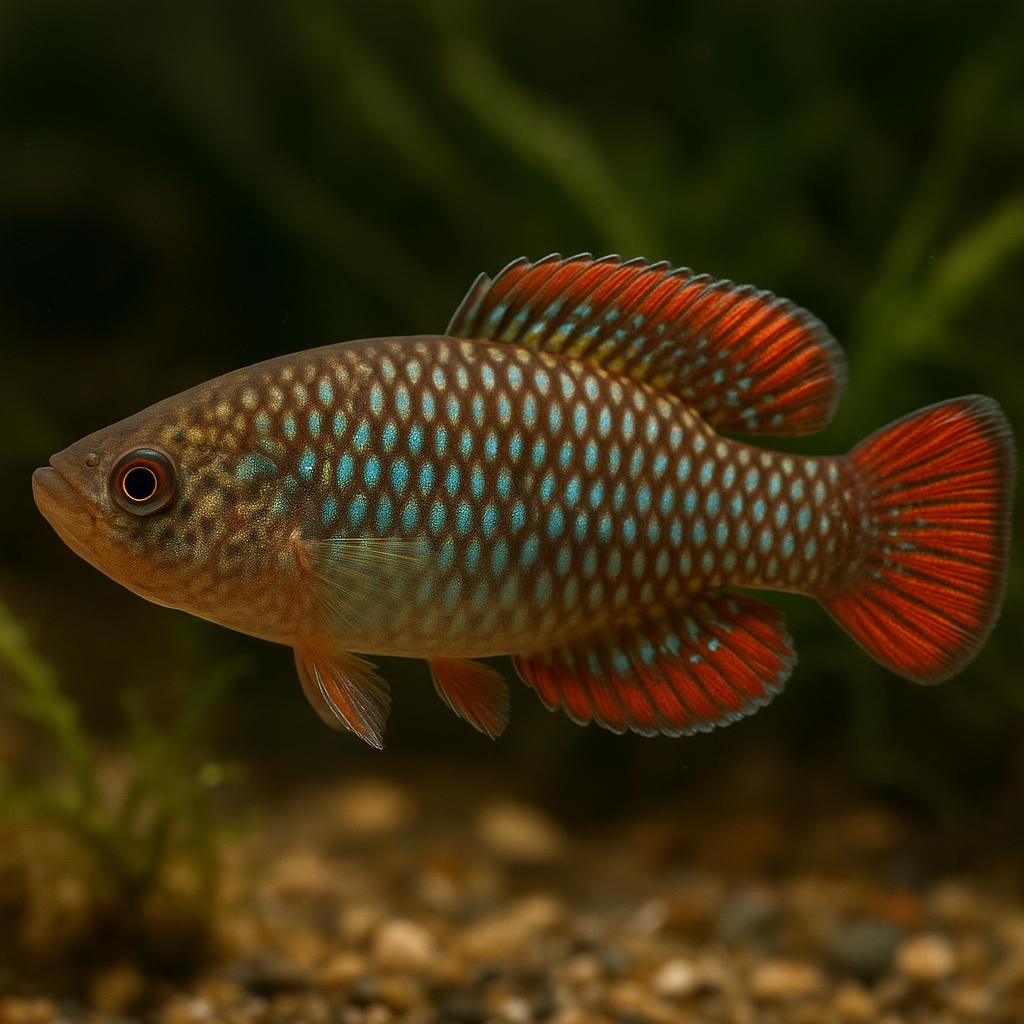
Jordanella floridae
Jordanella floridae is that little Florida native with the red-and-cream striping that really does look like a tiny flag once a male colors up. They graze algae like champs (especially stringy/hair algae), but they have a bit of attitude - give them plants and space so the bossy behavior stays manageable. Bonus: the male guards the eggs and will actively fan them, which is pretty fun to watch.
Armoured stickleback
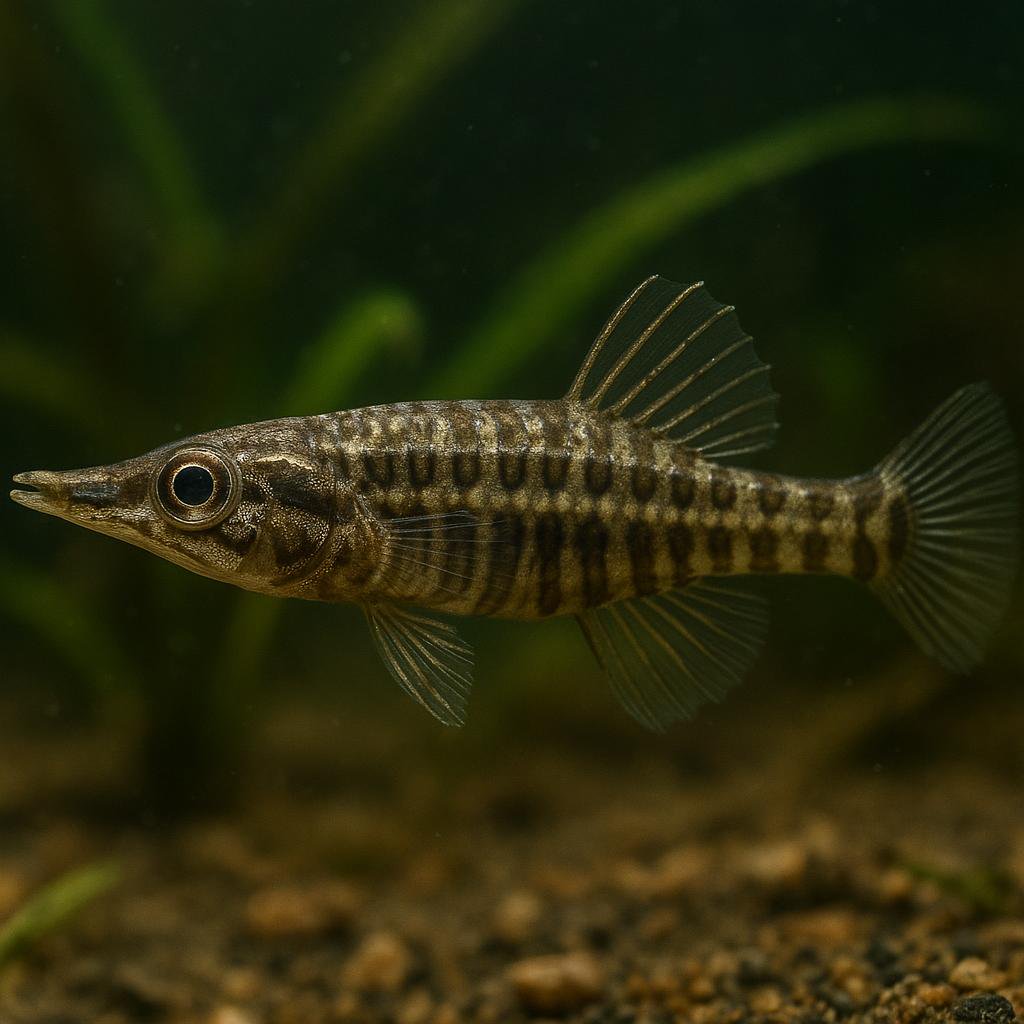
Indostomus paradoxus
This is that goofy little "freshwater seahorse"-looking fish that just kind of perches and scoots around like a tiny armored twig. Its whole vibe is slow, sneaky micropredator - once its settled in, you will catch it stalking microfoods and doing these subtle little posture displays. The big trick is feeding: they do best when you can provide lots of small live foods in a calm, planted tank.
Banded Leporinus
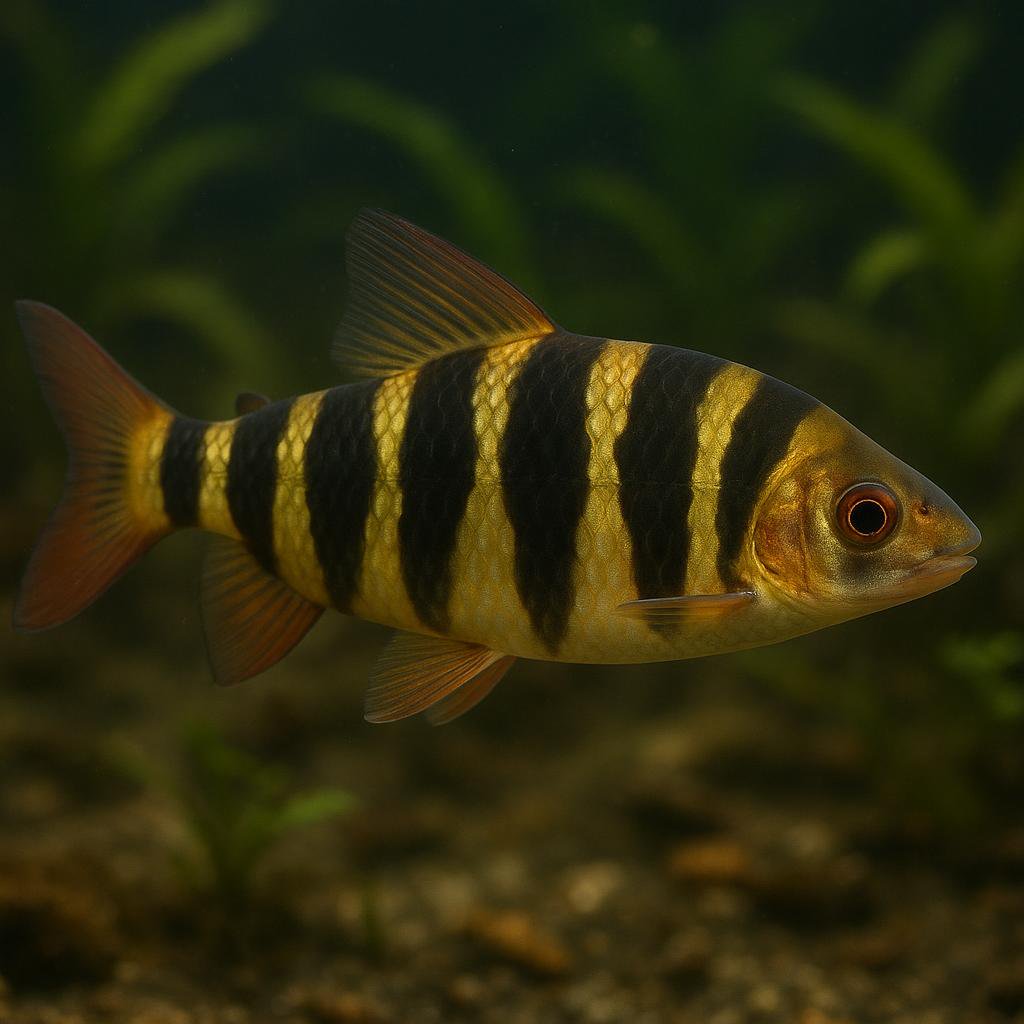
Leporinus fasciatus
Banded Leporinus are those torpedo-shaped, black-and-yellow striped fish that look like they're wearing a little prison outfit-and they stay on the move. They've got a ton of personality and they're awesome to watch cruising and picking at stuff, but they're also the kind of fish that will redecorate your tank and "taste test" anything soft-looking.
Bandi cichlid
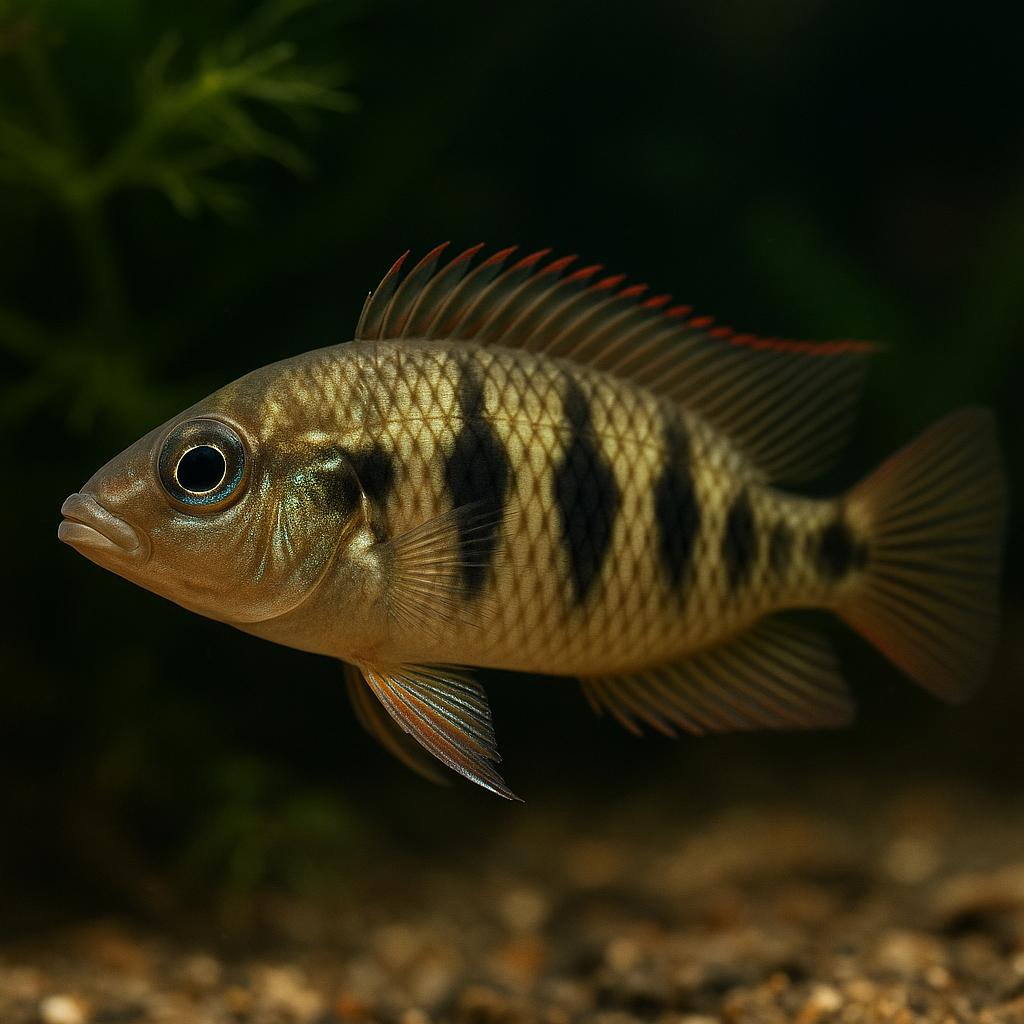
Wallaceochromis signatus
A West African dwarf cichlid from Guinea's Bandi River, this fish shows crisp vertical bars and spotted fins with red highlights. Females have a bold black spot at the base of the tail, and pairs guard eggs and fry in caves, which makes their parental behavior fun to watch.
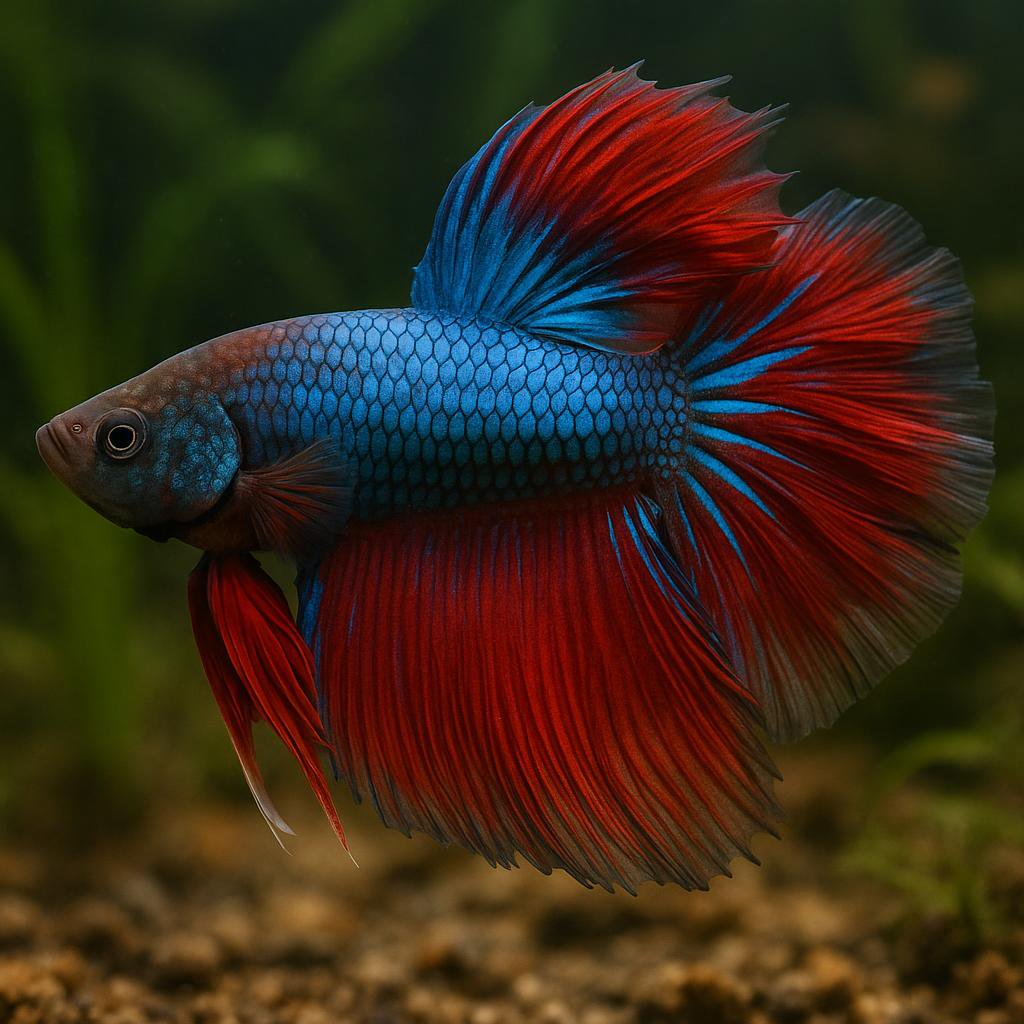
Betta
Betta splendens
Betta fish, also known as Siamese fighting fish, are popular for their striking colors and flowing fins. They are known for their territorial nature, especially males, which can display aggressive behavior towards each other.
Looking for other species?