

Search Species
Search for fish species by common or scientific name, or use filters to browse by water type, size, temperament, and difficulty.
Found 148 species
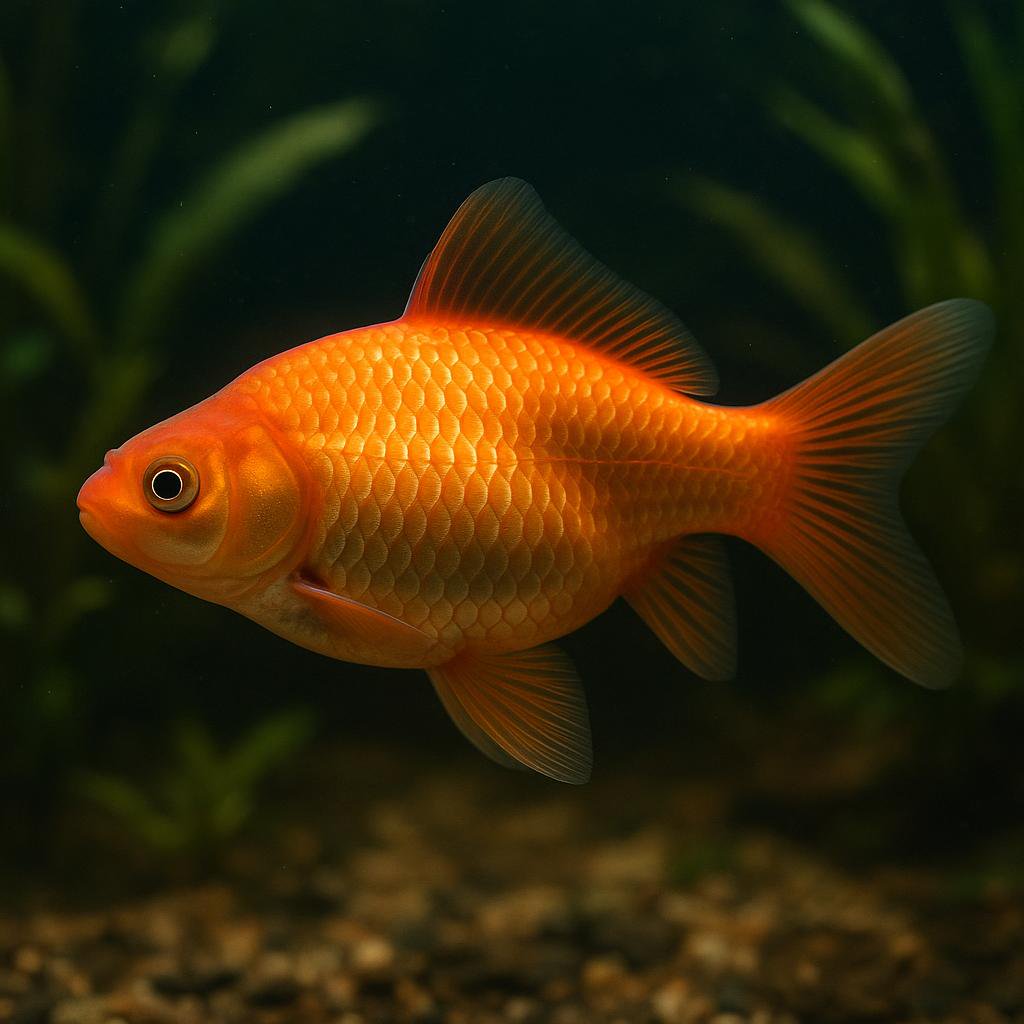
Goldfish
Carassius auratus
Goldfish are one of the most popular and recognizable freshwater fish in the aquarium hobby. They are known for their golden-orange coloration, although they can also appear in red, white, yellow, and black. Goldfish are highly adaptable and can thrive in a variety of conditions, making them a favorite among beginners.
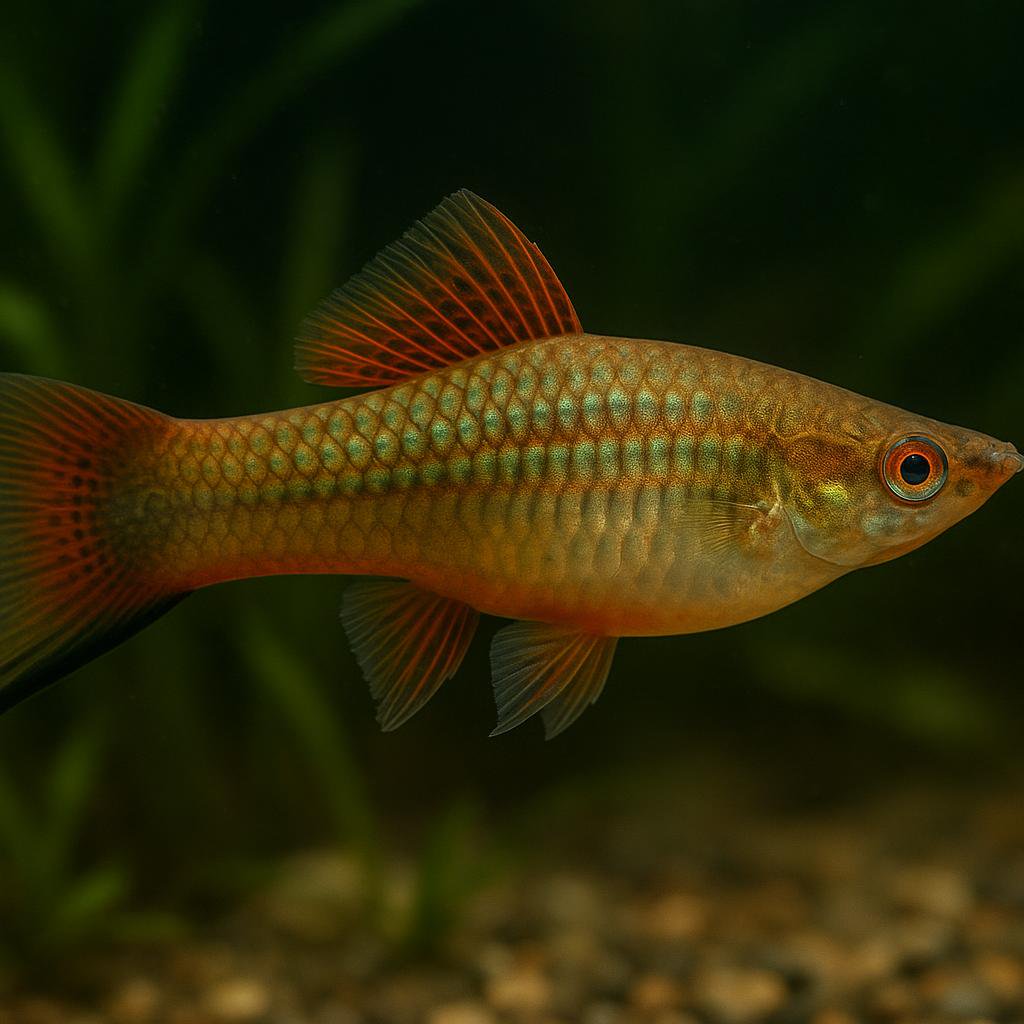
Green Swordtail
Xiphophorus hellerii
Swordtails are busy, always-on-the-move livebearers, and the males' "sword" tail extension is the whole show-lots of displaying and posturing in the open water. They're tough as nails in hard, slightly alkaline water, but in tight tanks the males will absolutely bicker and chase each other around.
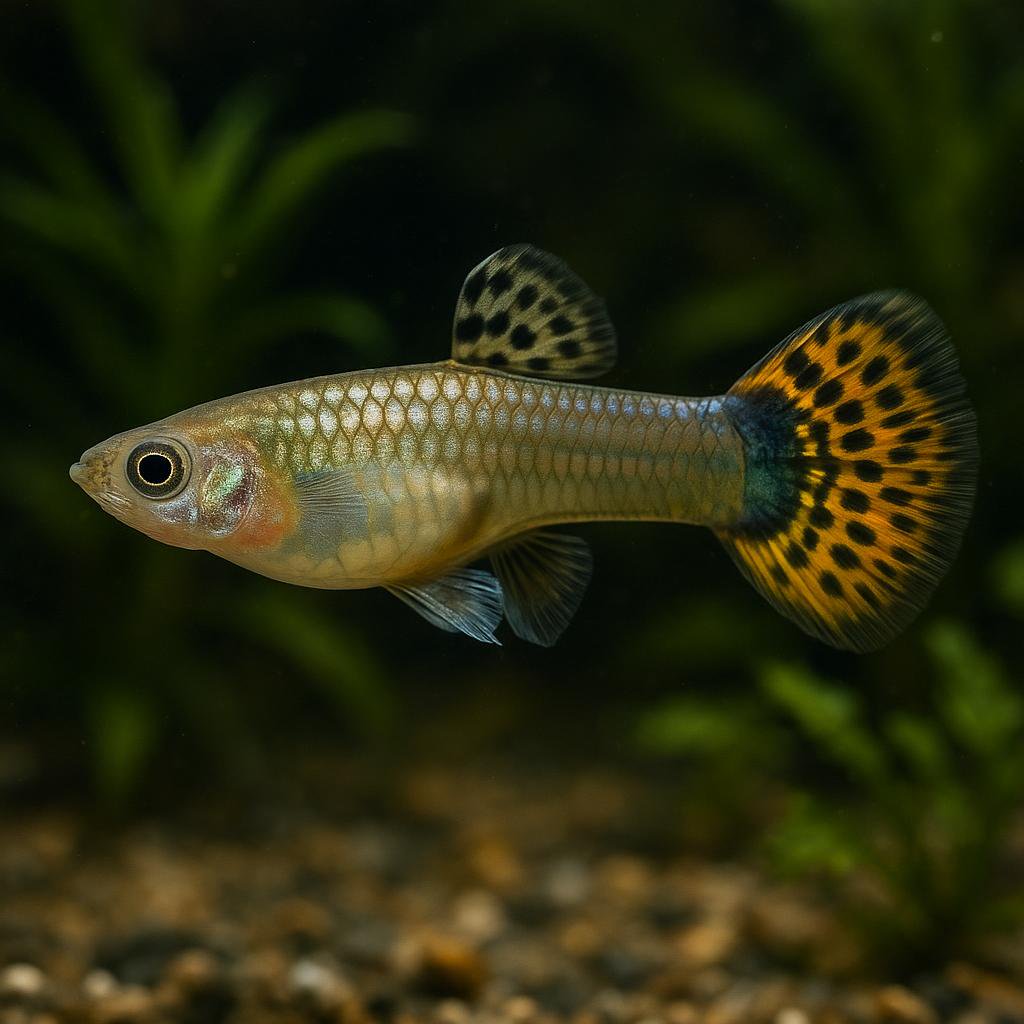
Guppy
Poecilia reticulata
The Guppy is one of the most popular freshwater fish among aquarium enthusiasts due to its colorful appearance and lively nature. These fish have a wide range of vibrant colors and tail shapes, making them a visual delight in any aquarium. Guppies are known for their peaceful temperament and ease of care, making them ideal for both beginner and experienced fishkeepers.
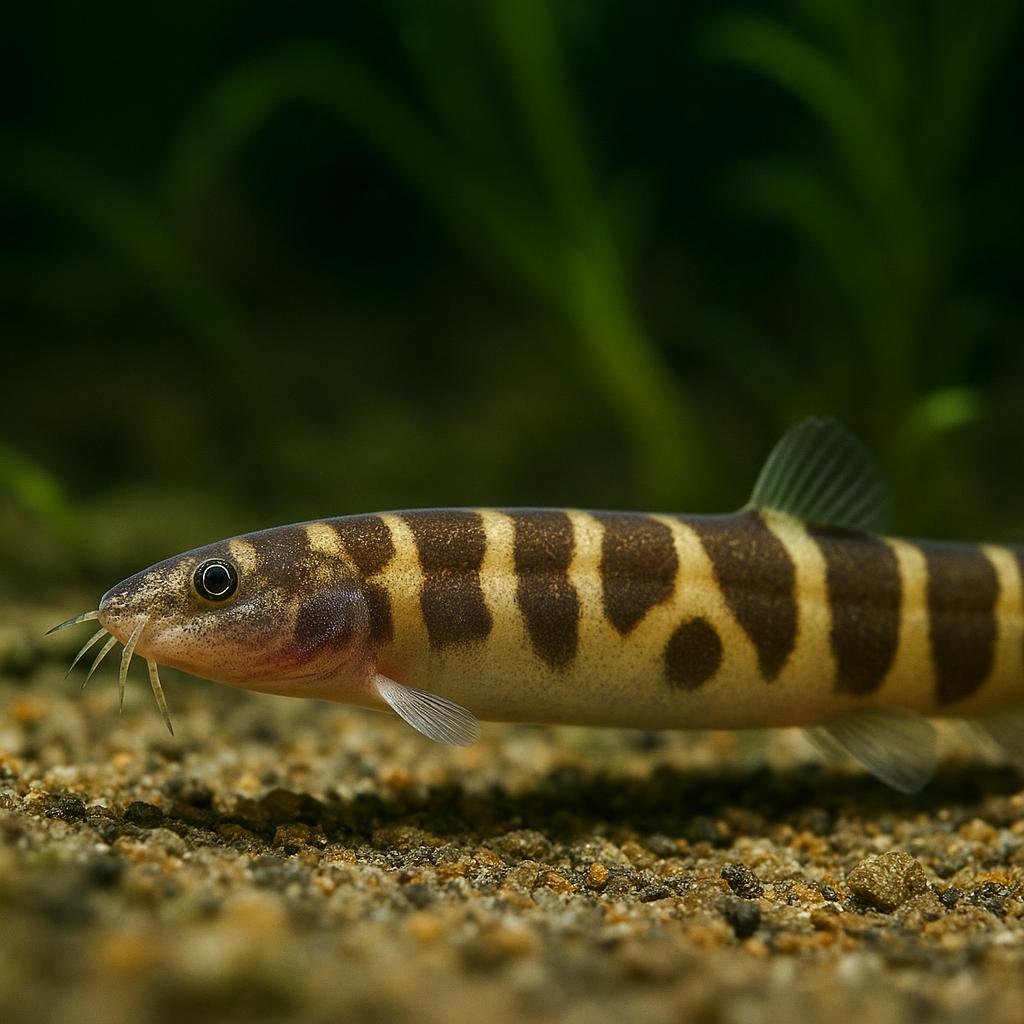
Half-banded kuhli loach
Pangio semicincta
Pangio semicincta is one of those classic "striped kuhli" loaches that spends the day wedged in plants and caves, then comes out at lights-down to wiggle around like a tiny eel. They're super social once you keep a proper group, and they're famous for piling into the same hidey-hole together. Also: they're one of the species that gets mixed up/mislabeled in the trade a lot, so buying from a shop that IDs them carefully is a win.
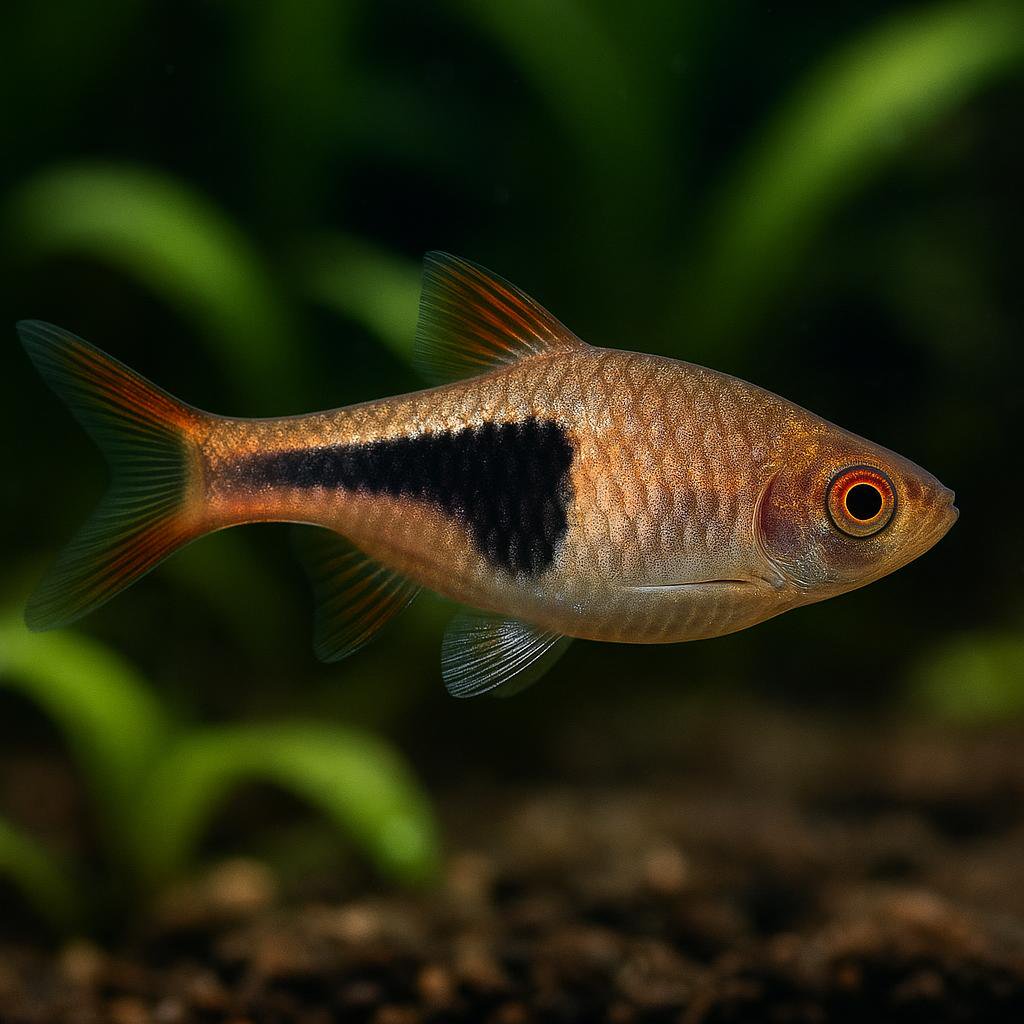
Harlequin Rasbora
Trigonostigma heteromorpha
Harlequin rasboras are those little coppery-orange fish with the bold black "wedge" on their sides that somehow look even better once they're cruising in a group. Give them a nice school and some plants to weave through and they'll do this tight, synchronized swimming thing that's honestly kind of hypnotic.
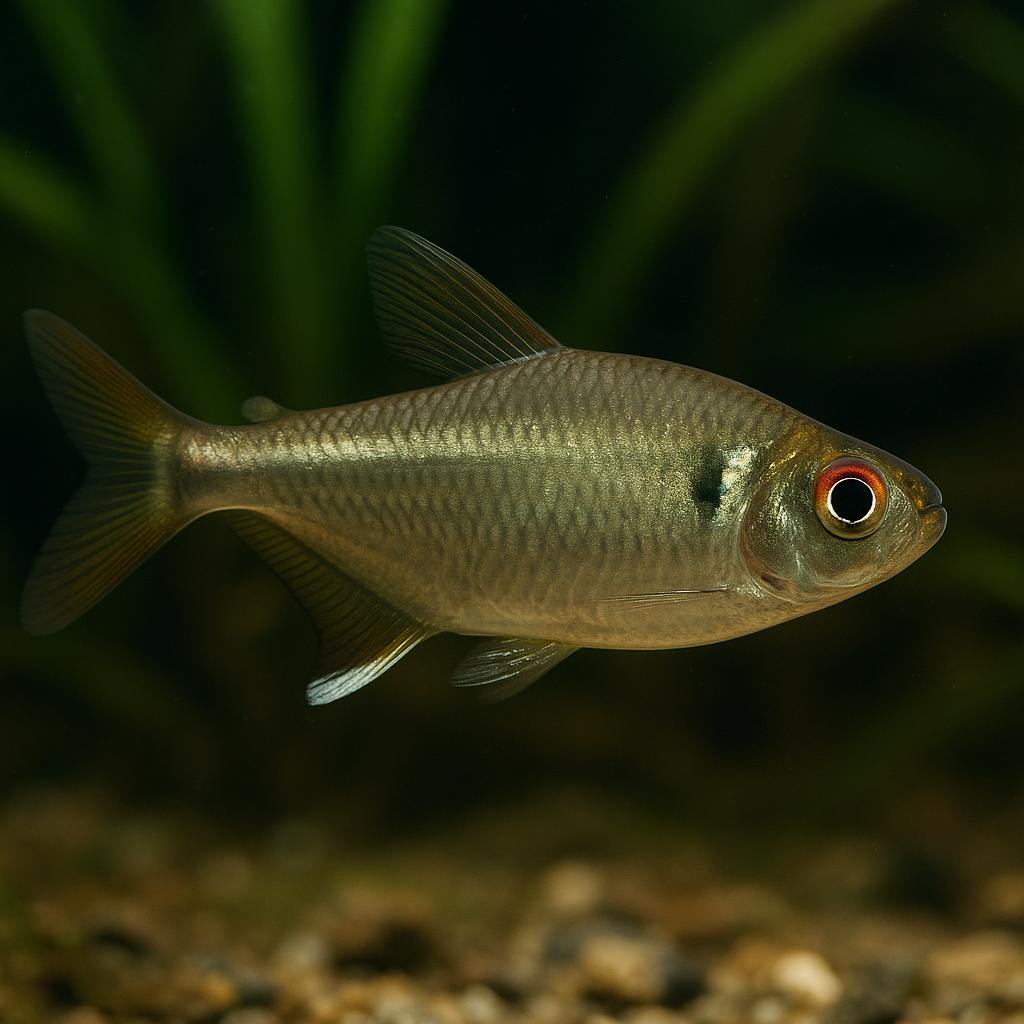
Head-and-Tail Light Tetra
Hemigrammus ocellifer
This little tetra does a neat trick in the light-there's a shiny "headlight" spot near the gills and a glowing "taillight" at the base of the tail, so the whole school kind of sparkles as they turn. They're super chill in a group, and they look way better the bigger the shoal is and the more plants you give them to cruise through.
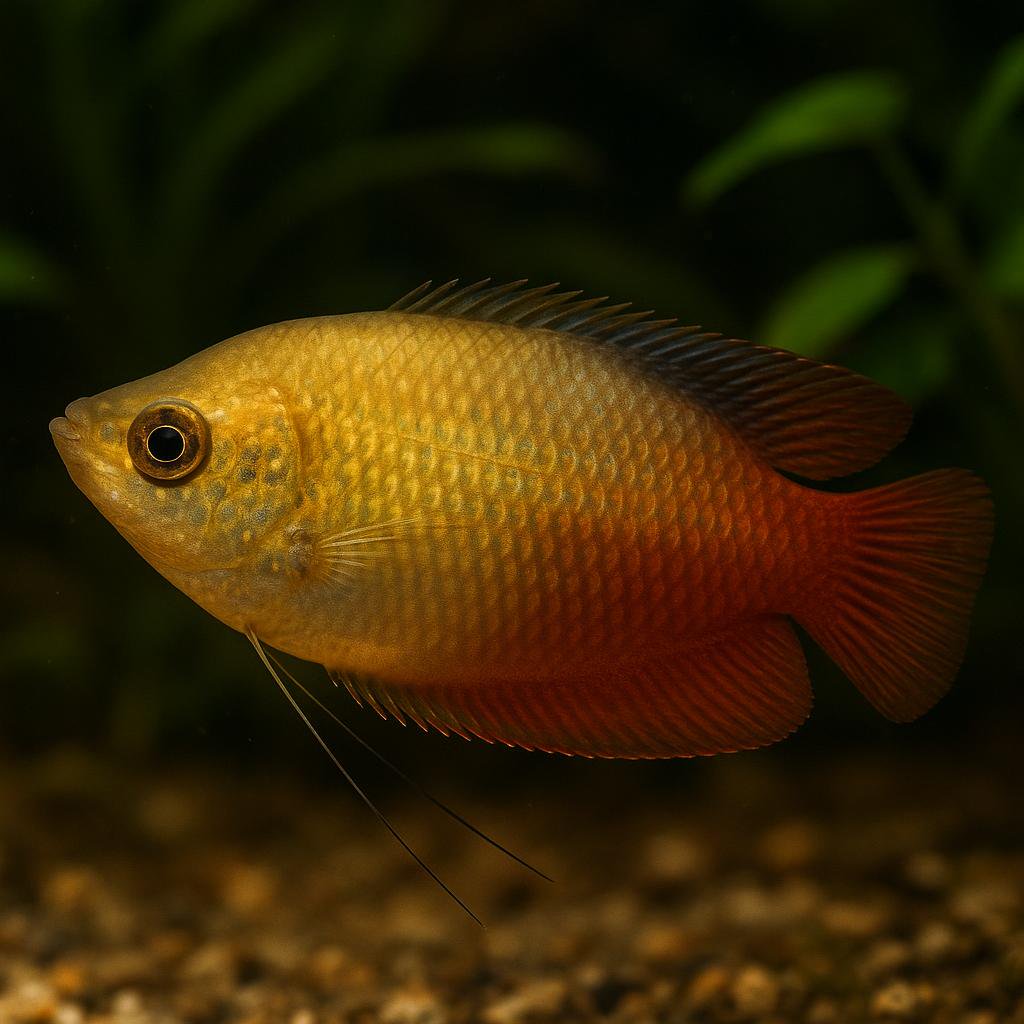
Honey gourami
Trichogaster chuna
Honey gouramis are those little chill labyrinth fish that spend a lot of time cruising the upper half of the tank and "feeling" around with their long thread-like belly fins. Give them plants (especially floaters) and calm tankmates and they really settle in-males can glow that warm honey/orange color and will build bubble nests at the surface.
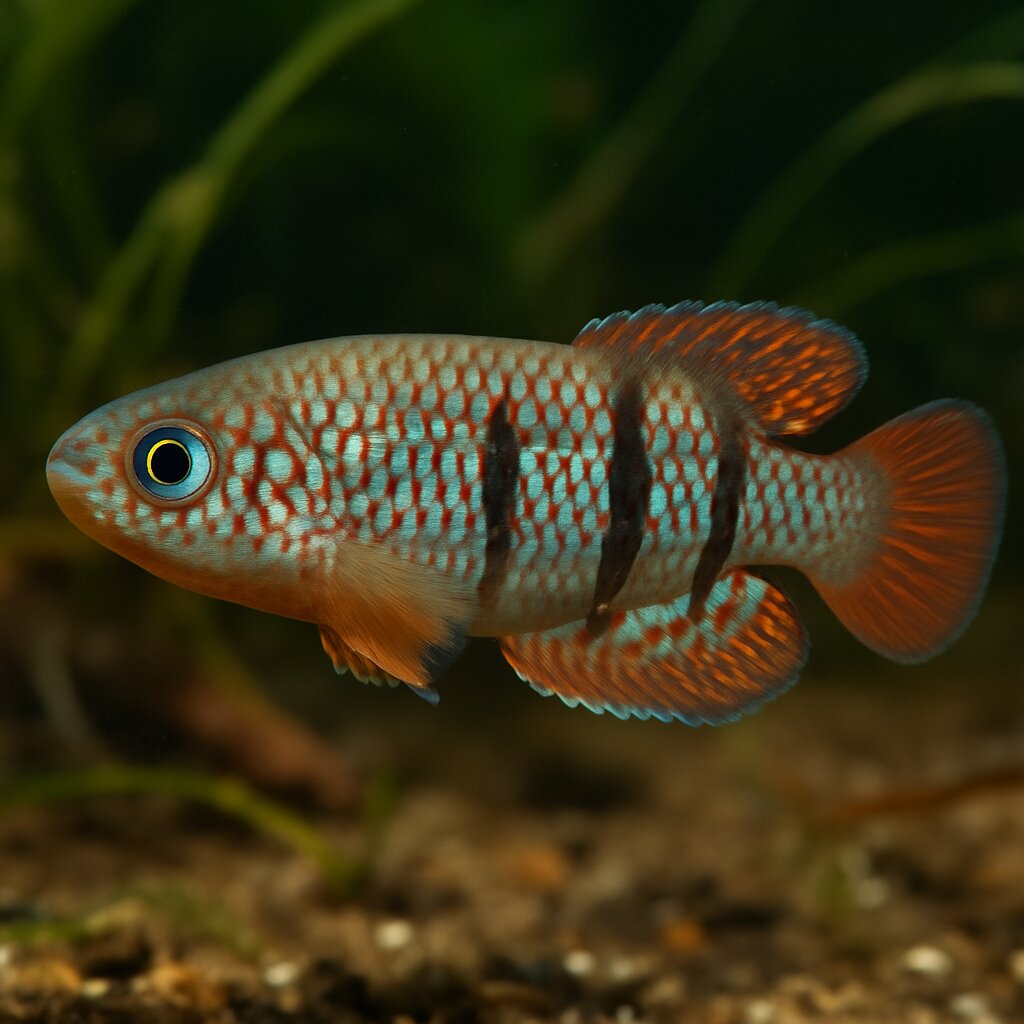
Hypsolebias trifasciatus
Hypsolebias trifasciatus
Tiny but flashy, this annual killi lights up with a blue body and bold yellow-and-black striping on the anal fin. It comes from shallow seasonal pools in northeastern Brazil, so it likes soft, warm water and will bury eggs in a peat or mud-like substrate. Males have big attitudes for such small fish, so plan for line-of-sight breaks or keep a single pair.
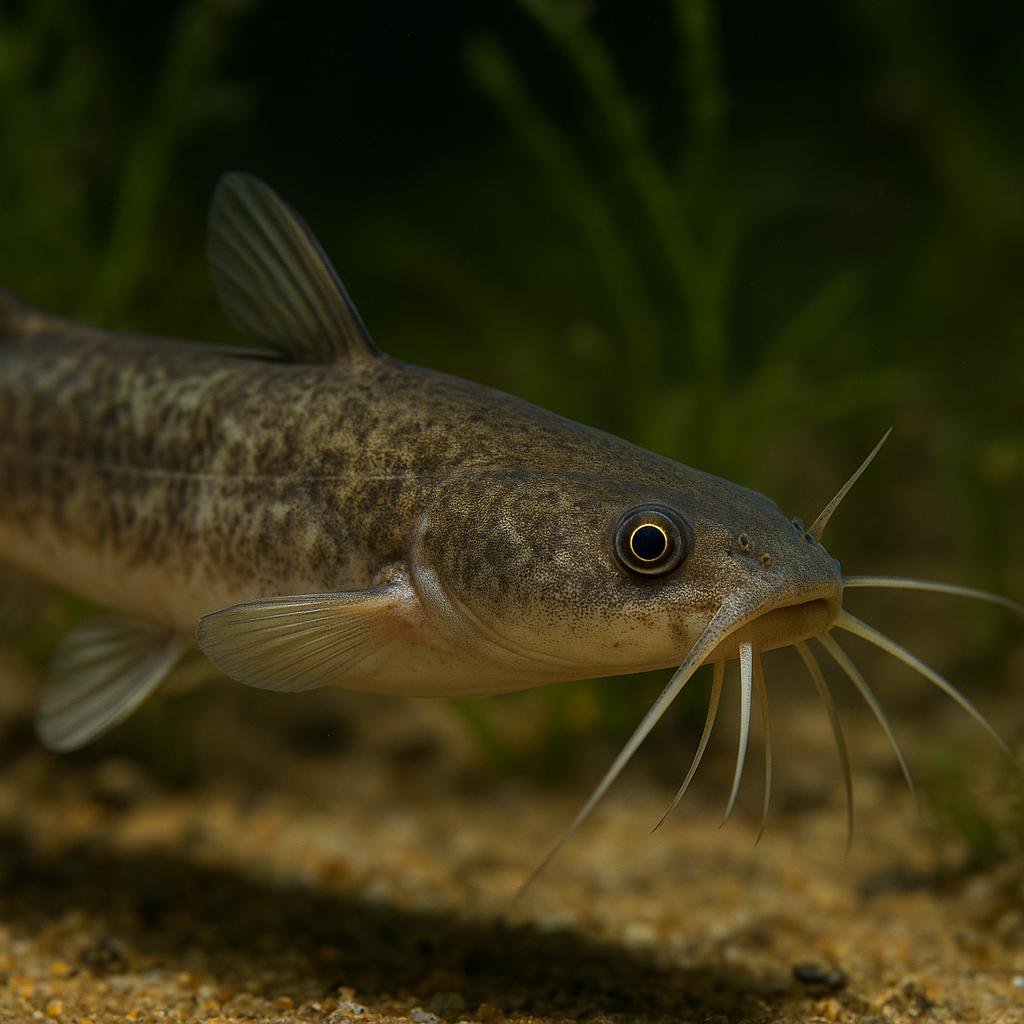
Hyrtl's tandan
Neosilurus hyrtlii
A sleek Australian eel-tail catfish with the anal and caudal fins fused into an eel-like tail, it cruises the bottom at night and forms loose shoals. Calm toward similarly sized fish but an eager predator of bite-size tankmates, it grows big and appreciates long, open swimming space.
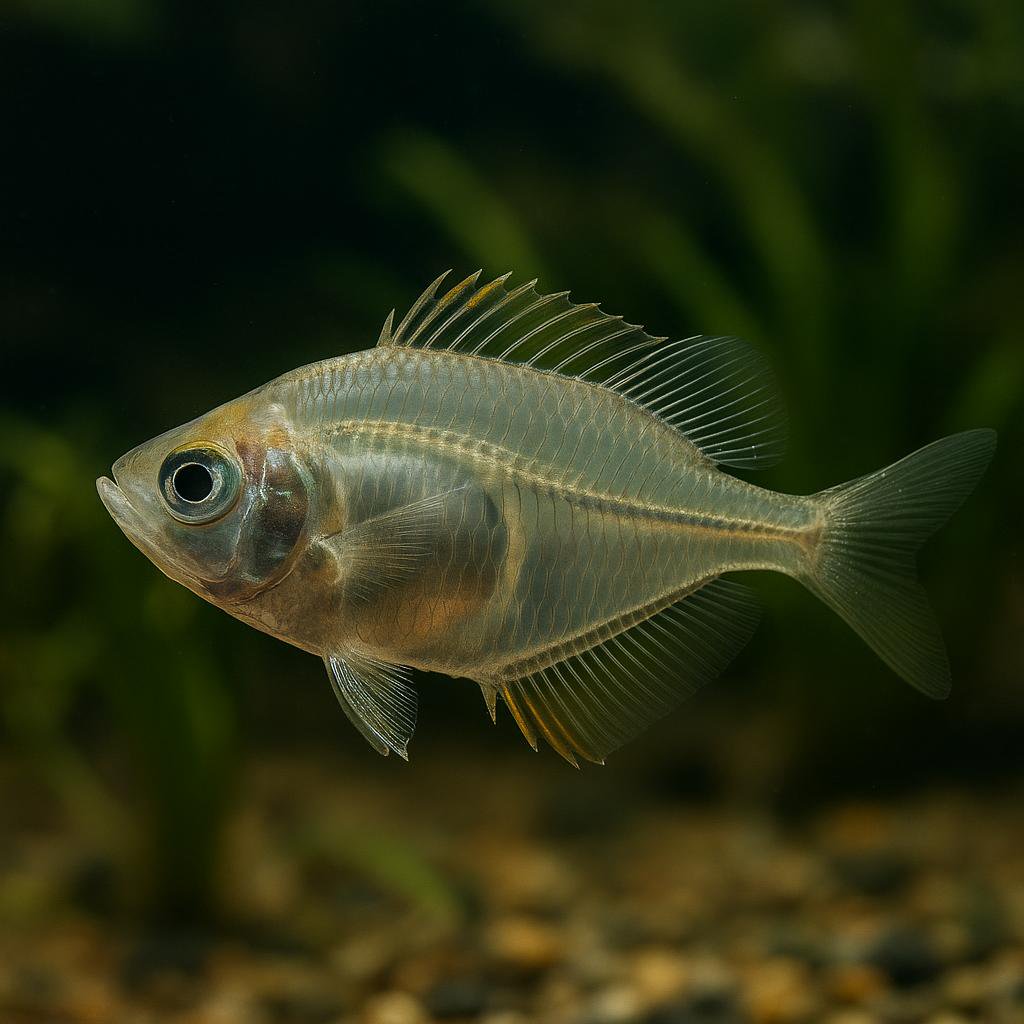
Indian glassy fish
Parambassis ranga
This is the classic see-through "glassfish" where you can literally see the bones and organs-super cool in a planted tank with calm tankmates. They're happiest when you keep a little crew of them (they get braver and way more active in a group). Also: skip any dyed/painted ones-those fish are usually in rough shape from the process.
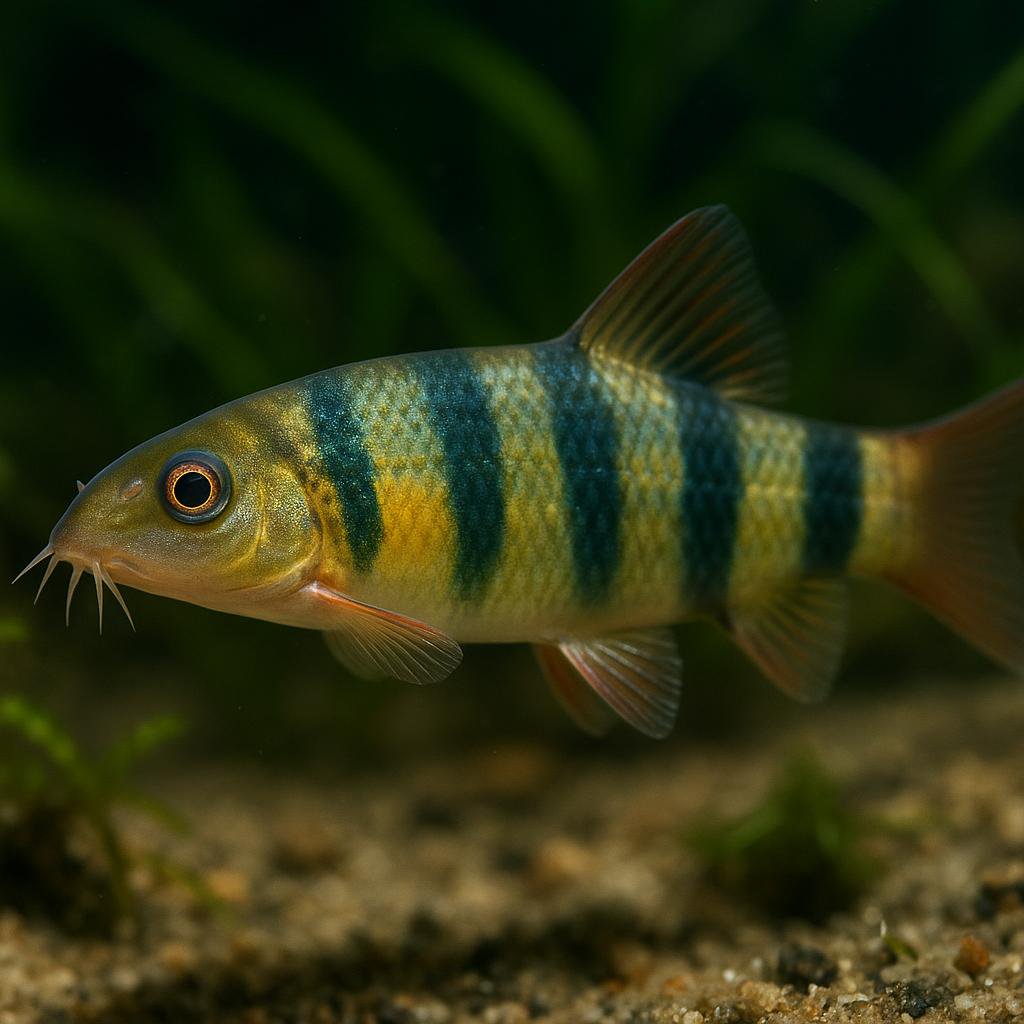
Jaguar loach
Yasuhikotakia splendida
A compact Mekong-basin loach with a bold tail ring and yellow fins peppered with black spots, it looks like a tiny predator in camo. Kept in groups it forms pecking orders and even makes audible clicks during spats, so it is lively to watch but not a community pushover. ([fishbase.se](https://www.fishbase.se/summary/Yasuhikotakia-splendida))
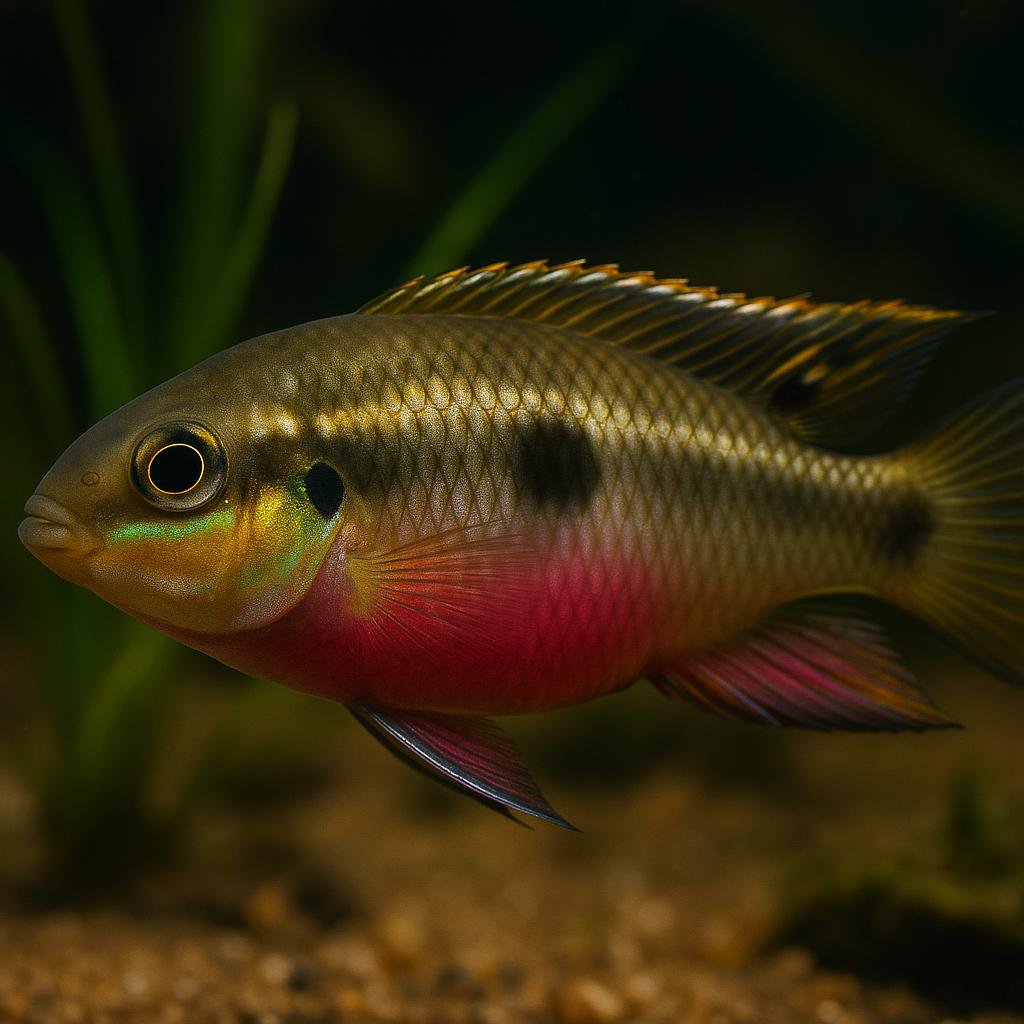
Kribensis
Pelvicachromis pulcher
Kribensis are one of those dwarf cichlids that pack a ton of personality into a small fish-especially once they pick a cave and start acting like proud homeowners. The female's purple/red belly when she's in breeding mode is the real show-stealer, and the pair will do seriously impressive parent-care if they spawn.