

Lang Tso naked carp
Gymnocypris chui
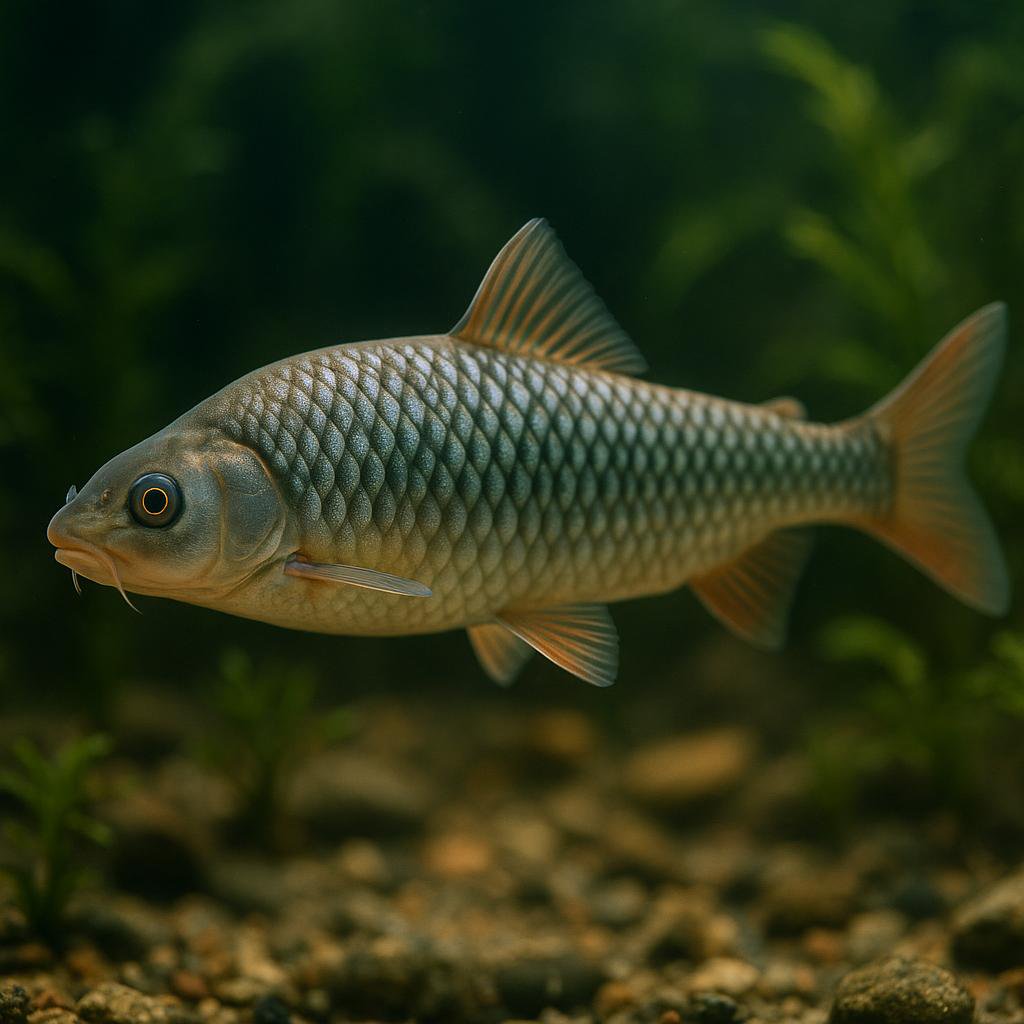
The Lang Tso naked carp features a streamlined body with a pale, almost translucent coloration and lacks scales, showcasing a smooth, velvety texture.
This page includes AI-generated images. Why am I seeing AI images?
About the Lang Tso naked carp
Gymnocypris chui is a high-altitude Tibetan "naked carp" from cold endorheic lakes, and it gets that name because its body is largely scaleless. Its whole vibe is built for chilly, oxygen-poor plateau water - not your typical tropical aquarium fish, but super interesting if you're into oddball cyprinids.
Also known as
Quick Facts
Size
24.5 cm
Temperament
Peaceful
Difficulty
Expert
Min Tank Size
180 gallons
Lifespan
10-20 years
Origin
Tibet (China) - Tibetan Plateau
Diet
Omnivore/planktivore - zooplankton and aquatic invertebrates plus algae/plant matter; in captivity would be sinking pellets, greens, and frozen foods
Water Parameters
4-18°C
7-9
5-25 dGH
Need a heater for this species?
This species needs 4-18°C in a 180 gallon tank. Use our heater calculator to find the right wattage.
Calculate heater sizeCare Notes
- Give them a big, long tank with serious flow and oxygen - think river-runner setup with powerheads and a canister that really moves water. They sulk fast in still water and will hug the bottom gasping if you cheap out on circulation.
- Keep it cool: 55-68F (13-20C) is where they act normal, and they get stressed when you push them into warm tropical temps. Aim for stable, hard, alkaline water (roughly pH 7.5-9.0) and do big, regular water changes because they hate dirty water.
- Use rounded sand or smooth gravel and lots of rockwork for current breaks, but leave a long open lane for cruising. Tight caves and sharp decor are a bad combo because they spook and scrape themselves.
- Feed like a highland cyprinid: quality sinking pellets, algae wafers, and lots of veg (blanched spinach/zucchini), with occasional frozen foods like bloodworms or daphnia. Go light and frequent because they can bloat if you hammer them with rich food in warm water.
- Tankmates need to be cool-water and fast enough to handle current - hillstream loaches and other cold-tolerant, non-nippy cyprinids work. Skip fancy long-finned fish and most tropical community stuff since the temp and flow will wreck them.
- They can get pushy with their own kind in tight quarters, so either keep one or keep a proper group in a big tank with line-of-sight breaks. Watch for lip-locking and chasing during feeding and spread food across the tank.
- Breeding is not a casual home project: they are seasonal spawners tied to cool temps and strong flow, and most attempts just end in stress unless you can mimic river conditions and cycling. If you see males getting intense and fish rushing in current, back off feeding and keep water changes high so eggs and fry are not smothered by gunk.
- Common problems are oxygen starvation, heat stress, and scrapes that turn into infections. If they start hanging in the outflow, breathing hard, or clamping fins, crank aeration, drop temp a bit, and do a big water change right away.
Compatibility
Good Tankmates
- Other coldwater, river-style cyprinids (think barbs/danies that like current and cooler temps) - they match the naked carp's cruising pace and dont get stressed by a more open, fast-swimming setup.
- Hillstream loaches (Sewellia, Beaufortia, etc.) - great if you run high oxygen and flow. They mind their own business, cling to rocks, and arent competition at the surface.
- Weather loaches (Dojo loaches) - peaceful, tough, and they handle cooler freshwater well. They also do the 'bottom crew' thing without picking fights.
- Stone loaches (Barbatula-type loaches) - same idea as above: calm bottom dwellers that like cooler, well-oxygenated water and wont hassle a peaceful carp.
- White Cloud Mountain minnows - solid dither fish in coolwater tanks. Just give them space and flow so they dont get outcompeted at feeding time.
- Rosy red minnows or other hardy feeder-type minnows (kept as pets, not feeders) - they track well with temps and activity, and theyre usually too quick to be bothered.
Avoid
- Anything warmwater tropical that needs stable higher temps (discus, most tetras/ram cichlids) - the temp mismatch is the real problem, not attitude.
- Aggressive or super territorial fish (most cichlids like convicts, midsize 'mean' stuff) - naked carp are peaceful and just get pushed around at food and in the open.
- Nippy fin-biters and rowdy barbs (tiger barbs, some larger barbs when crowded) - even if the carp isnt a fancy-finned fish, constant chasing and nipping stresses them out.
- Big predators or mouthy fish that see slimmer tankmates as snacks (snakeheads, arowana, big catfish) - they dont belong with a peaceful carp long term.
Where they come from
Lang Tso naked carp (Gymnocypris chui) are high-altitude cyprinids from the Tibetan Plateau region. Think cold, clear water, big seasonal swings, lots of oxygen, and a life built around currents and long stretches of open water. They are not a warm, planted-community-tank kind of fish.
If you are used to tropical freshwater setups, treat this species like a coldwater river-lake fish that hates stale, warm water. Most failures come from heat, low oxygen, and cramped quarters.
Setting up their tank
Space and oxygen come first. These are strong, active swimmers and they get sizable, so a long footprint matters more than height. I would not bother unless you can dedicate a big, coldwater system and keep it stable.
- Tank size: big, long tank. Realistically 180+ gallons for a small group, more if you want them to look relaxed instead of pacing.
- Temperature: cool to cold. Aim roughly 50-64F (10-18C). Short warm spells happen in nature, but a warm aquarium running 70F+ is where they go downhill fast.
- Flow and oxygen: heavy surface agitation, strong filtration, and powerheads to make a steady current. I like at least one area that really moves water and one calmer area for resting.
- Filtration: oversized canister/sump with lots of bio media. These fish eat a lot and they are messy.
- Substrate and decor: sand to smooth gravel, rounded rocks, and open lanes for swimming. Skip sharp rock piles that scrape them up when they spook.
- Lighting: moderate. They do not need bright reef-style lights. Too bright with no shade can make them skittish.
Do not run this tank like a typical planted tropical setup. CO2 injection + warm temps + lower surface agitation is basically the opposite of what these carp want.
Water chemistry is less about chasing a magic pH number and more about keeping it clean and highly oxygenated. Neutral to slightly alkaline is common in their native waters, but I have seen them do fine across a reasonable range as long as ammonia and nitrite are always zero and nitrate stays low.
If your room gets hot in summer, plan for it before you buy the fish. A reliable chiller (or a cool fish room) is not optional long-term.
What to feed them
They are basically coldwater omnivores with a big appetite. In my experience they do best on a varied diet that mixes quality sinking pellets with natural foods. Overfeeding is easy because they act hungry all the time.
- Staple: high-quality sinking omnivore/carp pellets (wheat-germ based formulas can be nice in cooler water).
- Protein treats: frozen mysis, brine shrimp, chopped earthworms, blackworms (if you trust your source), krill in moderation.
- Greens: blanched spinach, zucchini, shelled peas, and occasional algae wafers if they take them.
- Feeding rhythm: smaller portions 1-2 times daily. In colder water they may want less, and that is fine.
Watch body shape from above. You want them solid, not blocky. If bellies get rounded and they start looking thick behind the head, cut back and increase flow/exercise.
How they behave and who they get along with
They are active, strong fish with that classic carp curiosity. Not usually aggressive in the cichlid sense, but they can bowl over timid tankmates, outcompete them at feeding time, and stress slower fish just by constantly moving.
- Best kept with: other robust coldwater species that like current and cooler temps (think hillstream-type environments, but scaled up).
- Avoid: tropical community fish, fancy goldfish, slow long-finned fish, and anything that needs warm water.
- Group size: they do better with their own kind if you have the space. A lone fish can get nervous and pace.
Spooking is real with big cyprinids. Give them open swim space, but also a few visual breaks (rock lines, big rounded boulders). And always use a tight lid - a startled carp can launch.
Breeding tips
Breeding in home aquariums is not something most hobbyists pull off with this species. In the wild they use seasonal cues, migration, and specific spawning grounds. You can sometimes trigger spawning behavior by mimicking seasons, but raising fry is a whole other project.
- Season cues: a long cool period followed by a gradual warm-up (still cool overall) and heavier feeding.
- Water movement: increased current and big water changes can act like a spring runoff signal.
- Spawning setup: smooth gravel/rocky areas with strong flow and high oxygen.
If your goal is breeding, you are basically building a coldwater river system and running it like a seasonal program. Most people keep them as display fish instead.
Common problems to watch for
Most issues trace back to warm water, low oxygen, or dirty water. These fish can look fine for a while and then suddenly crash if you let summer temps creep up or you slack on maintenance.
- Heat stress: rapid breathing, hanging near surface/outflow, lethargy. Fix temperature and oxygen first, not meds.
- Low oxygen: same signs as heat stress. Add surface agitation, clean clogged media, and point powerheads at the surface.
- Ammonia/nitrite spikes: they eat big and produce big waste. Test more than you think you need to, especially after filter cleaning or a power outage.
- Skin scrapes and infections: often from spooking into decor or rough netting. Use soft nets or tubs and keep hardscape smooth.
- Parasites on new arrivals: wild or pond-raised cyprinids can bring flukes/ich. Quarantine is your friend, but do it in the same cool temp range.
Do not treat them like a tropical fish when something looks off. Raising temperature to 'speed up recovery' is a common move with tropicals, and it can make coldwater carp spiral fast.
Similar Species
Other freshwater peaceful species you might be interested in.
Amphilius dimonikensis
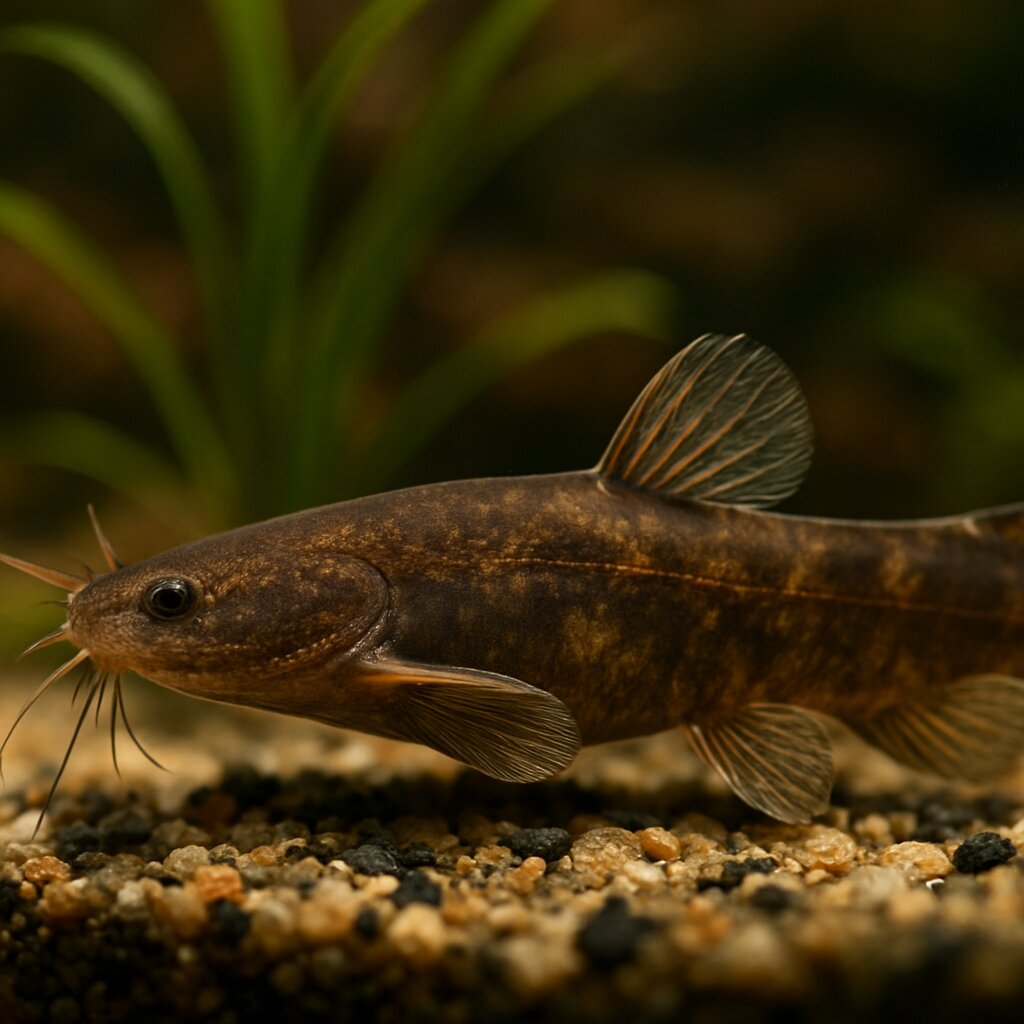
A small loach catfish endemic to the Mpoulou River in the Mayombe (Dimonika Biosphere Reserve), Republic of the Congo. Amphilius dimonikensis has a subtle banded pattern and inhabits fast, clear streams over rock and sand. In aquaria, prioritize strong, well-oxygenated flow with rounded stones and sand to mimic hillstream conditions.
Aboina barb
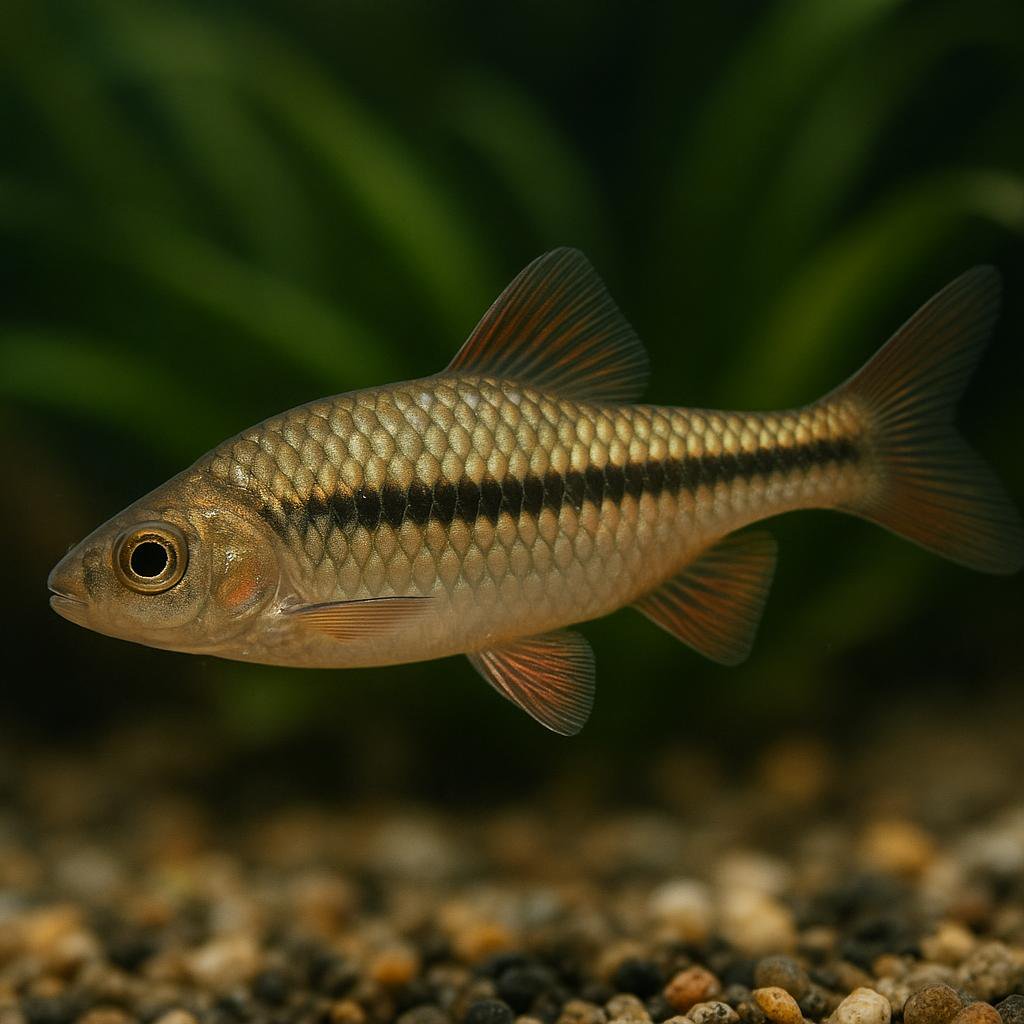
Enteromius aboinensis
Enteromius aboinensis (the Aboina barb) is a small West African barb with a clean black midline stripe and a little spot right at the base of the tail. It does best when you treat it like a proper schooling fish - keep a decent group and give it plants around the edges with open swimming room in the middle.
Ajuricaba tetra
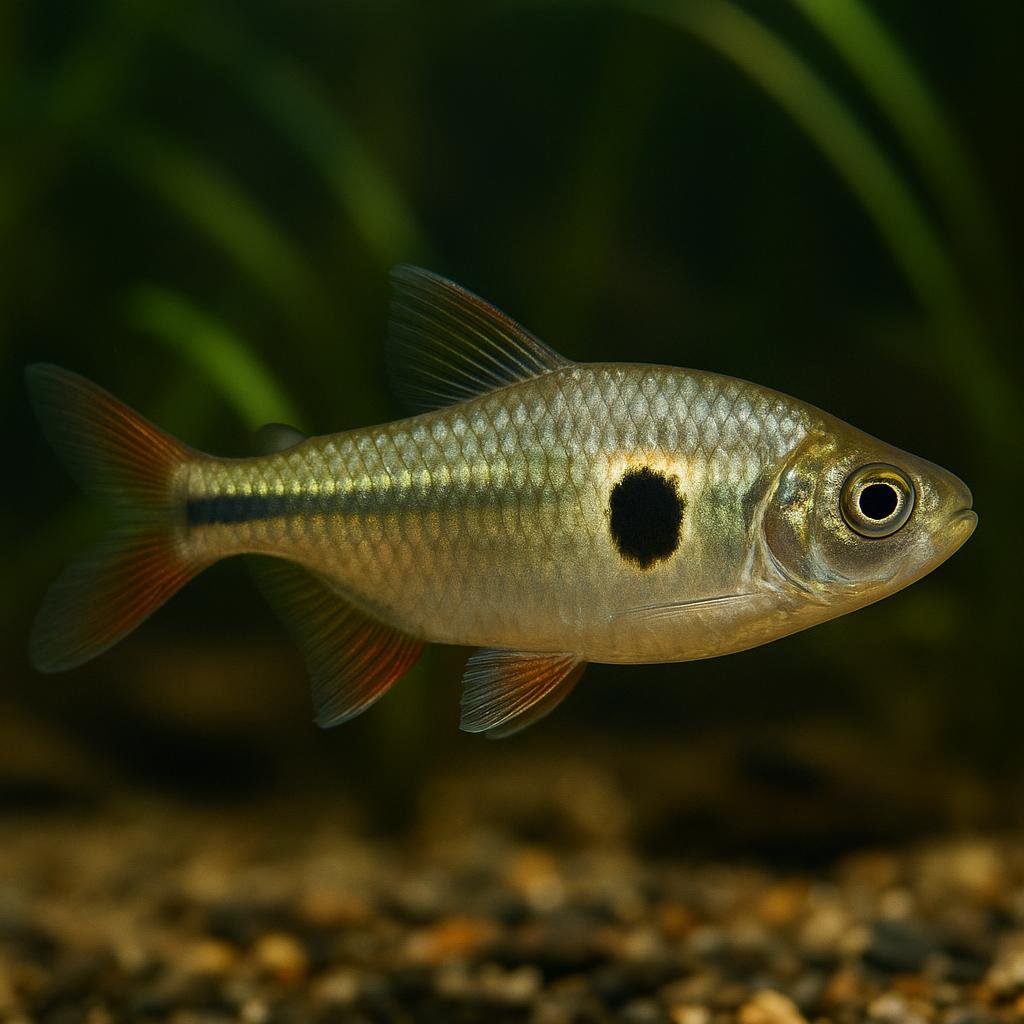
Jupiaba ajuricaba
Jupiaba ajuricaba is a South American freshwater characin from the Amazon basin in Brazil (rio Negro, rio Solimões, and rio Tapajós basins). It reaches about 9.5 cm SL and is diagnosed by a narrow dark midlateral stripe, an elongated humeral spot, and an ocellated spot on the upper caudal-fin lobe. Wild specimens have been collected from blackwater forest streams and also oxbow-lake habitats.
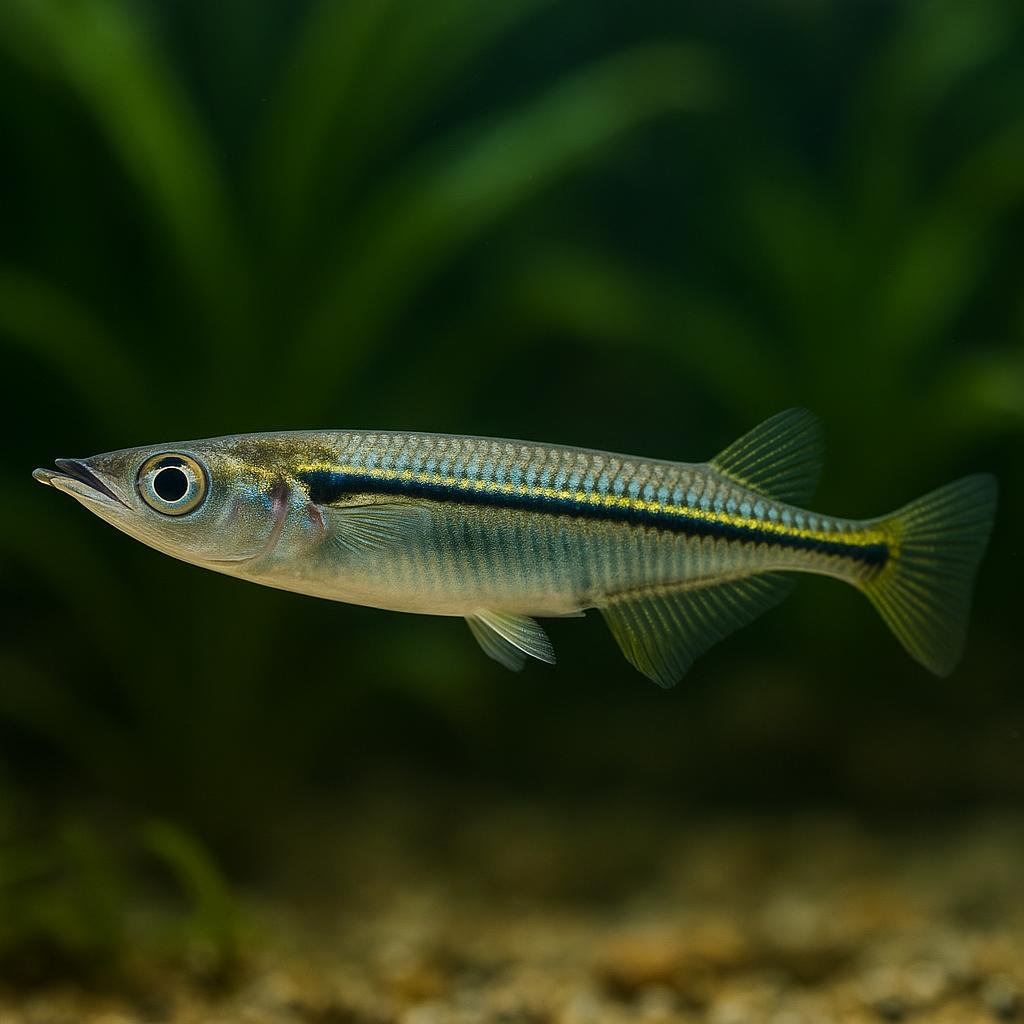
Allen's river garfish
Zenarchopterus alleni
A poorly known freshwater halfbeak endemic to West Papua (Mamberamo River), described from a single specimen (~13 cm SL). Beyond basic habitat/occurrence, little is published about its ecology or aquarium suitability; assume it is a surface-oriented, jump-prone halfbeak only by analogy with related taxa.
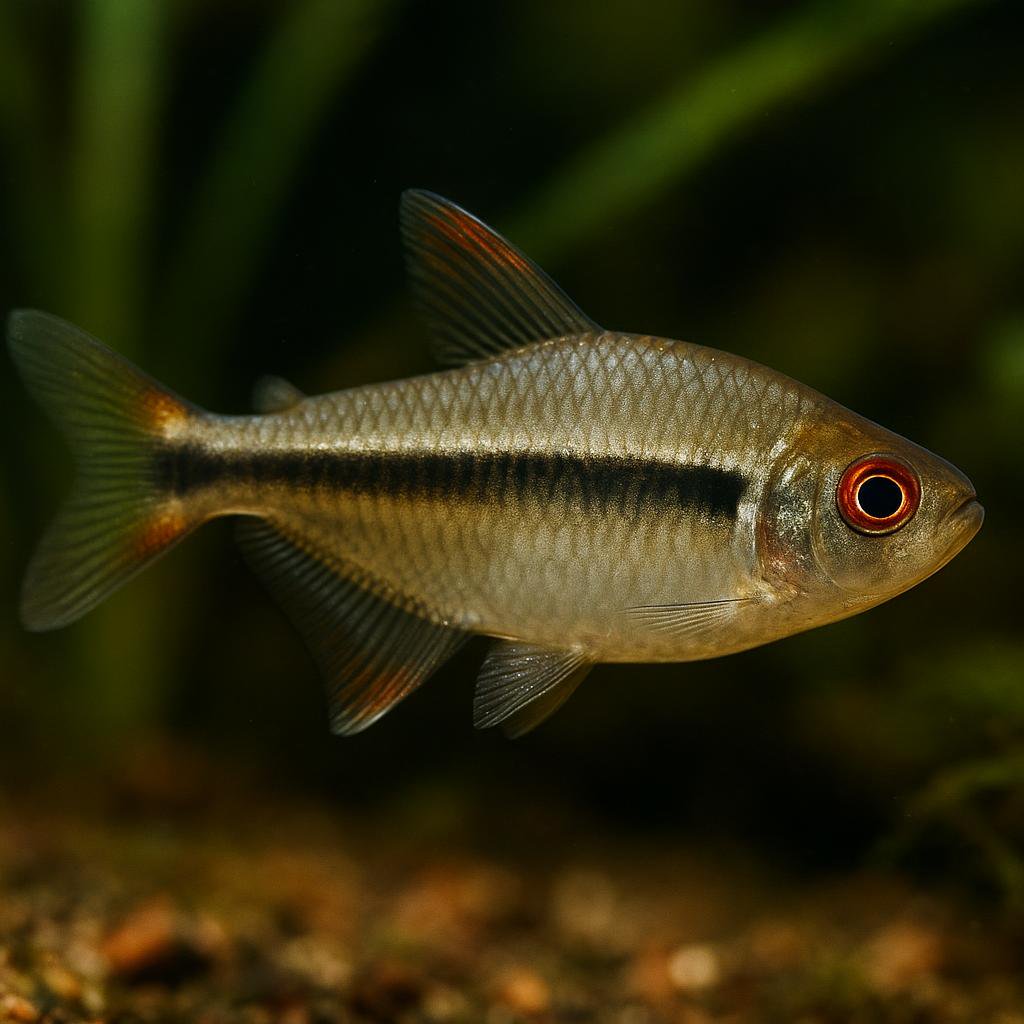
Amapa tetra
Hyphessobrycon amapaensis
This is a tiny, super sleek little tetra with a clean red stripe down the side that really pops once its settled in. It does best in a planted, slightly tinted "creek-style" setup and looks way cooler when you keep a proper group so they school and flash that line together. If you can give it soft, slightly acidic water and a calm community, its an easy fish to fall for.
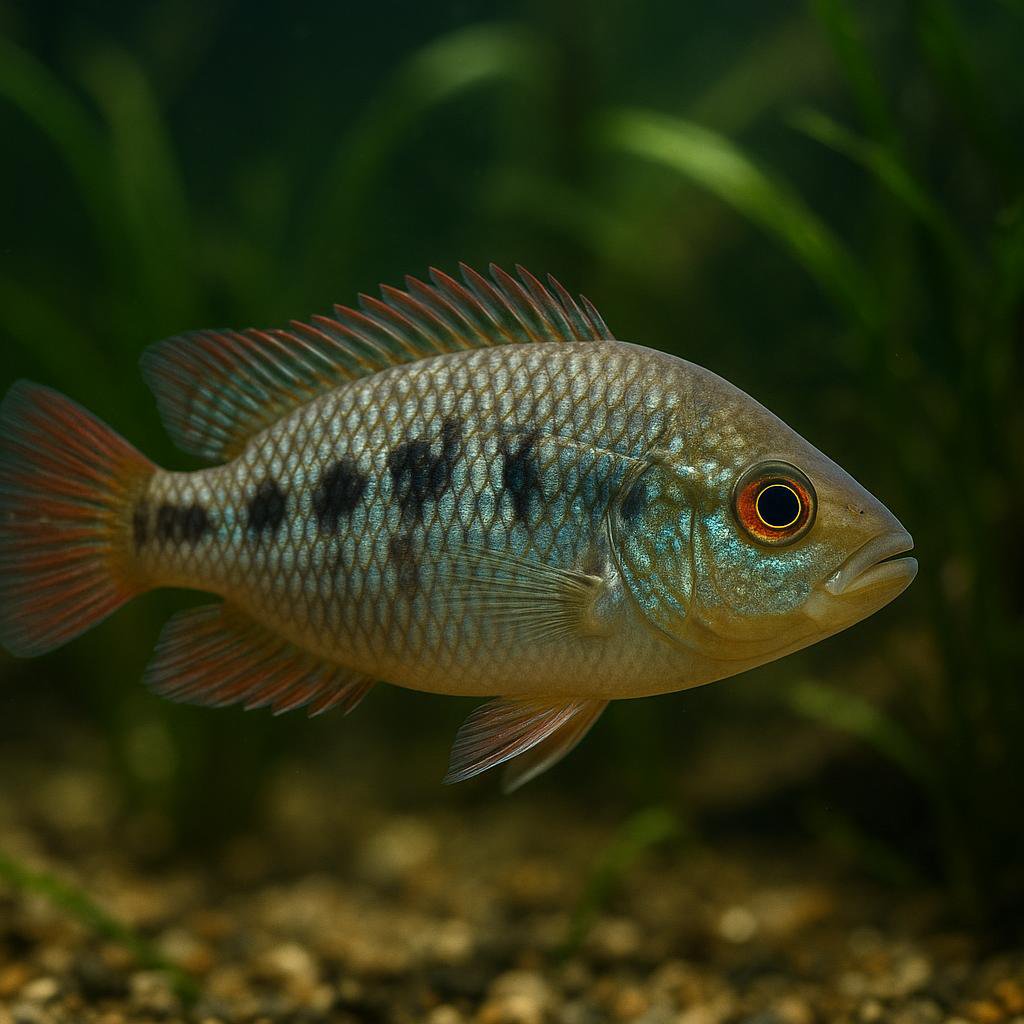
Amatlan chub
Yuriria amatlana
Yuriria amatlana (the Amatlan chub) is a little Mexican native minnow from the Ameca River basin. Its wild range is pretty limited and it is listed as Endangered, so its care info in the aquarium hobby is basically nonexistent and its availability is usually low. In the original species description, preserved fish show a dark lateral stripe with a darker patch on the caudal peduncle, and they can have tiny barbels at the mouth corners.
More to Explore
Discover more freshwater species.
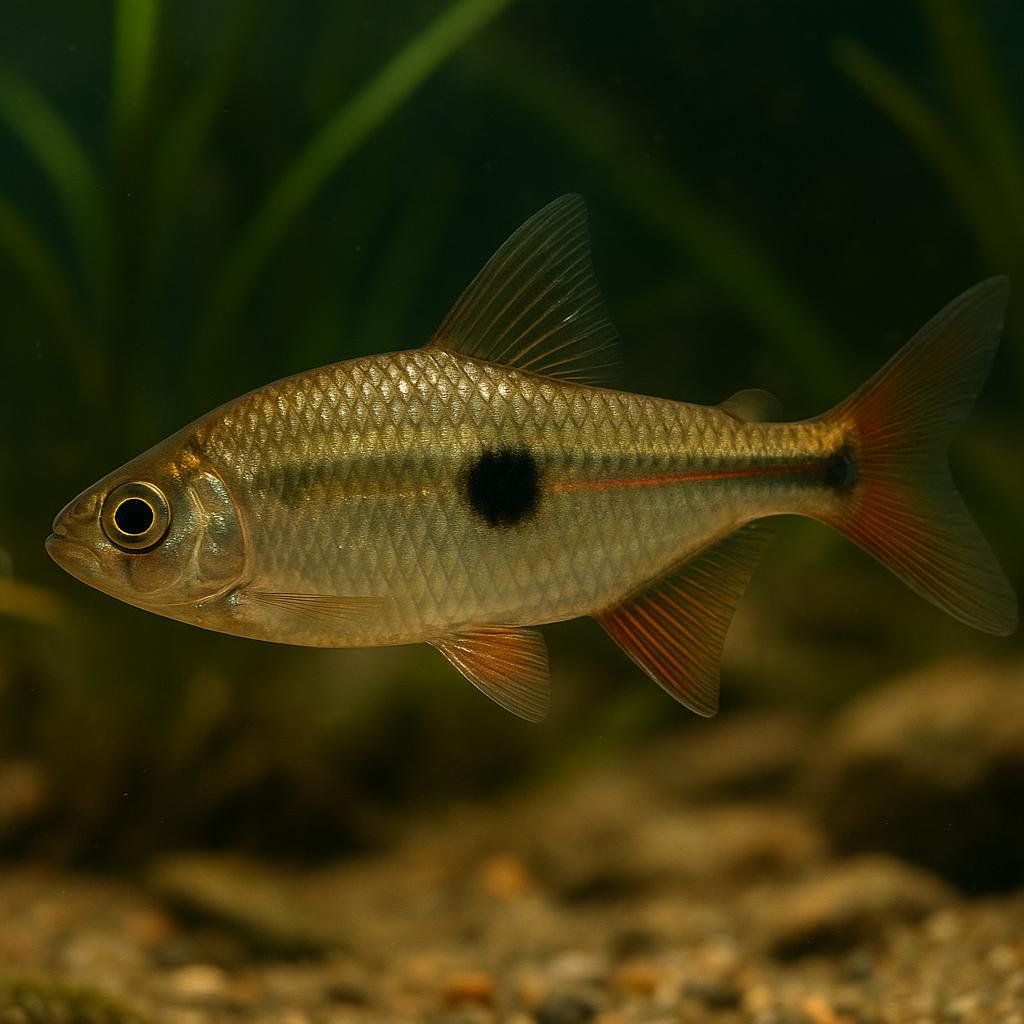
Jupiaba kurua
Small South American characin endemic to the upper rio Curuá (rio Xingu basin, Brazil). Reaches about 8.7 cm SL and inhabits clearwater rivers. Distinguished by dark dots on the bases of many lateral scales and a distinct dark caudal‑peduncle spot. Reported diet indicates omnivory, including aquatic insects, small fishes, and fragments of Podostemaceae and filamentous algae.
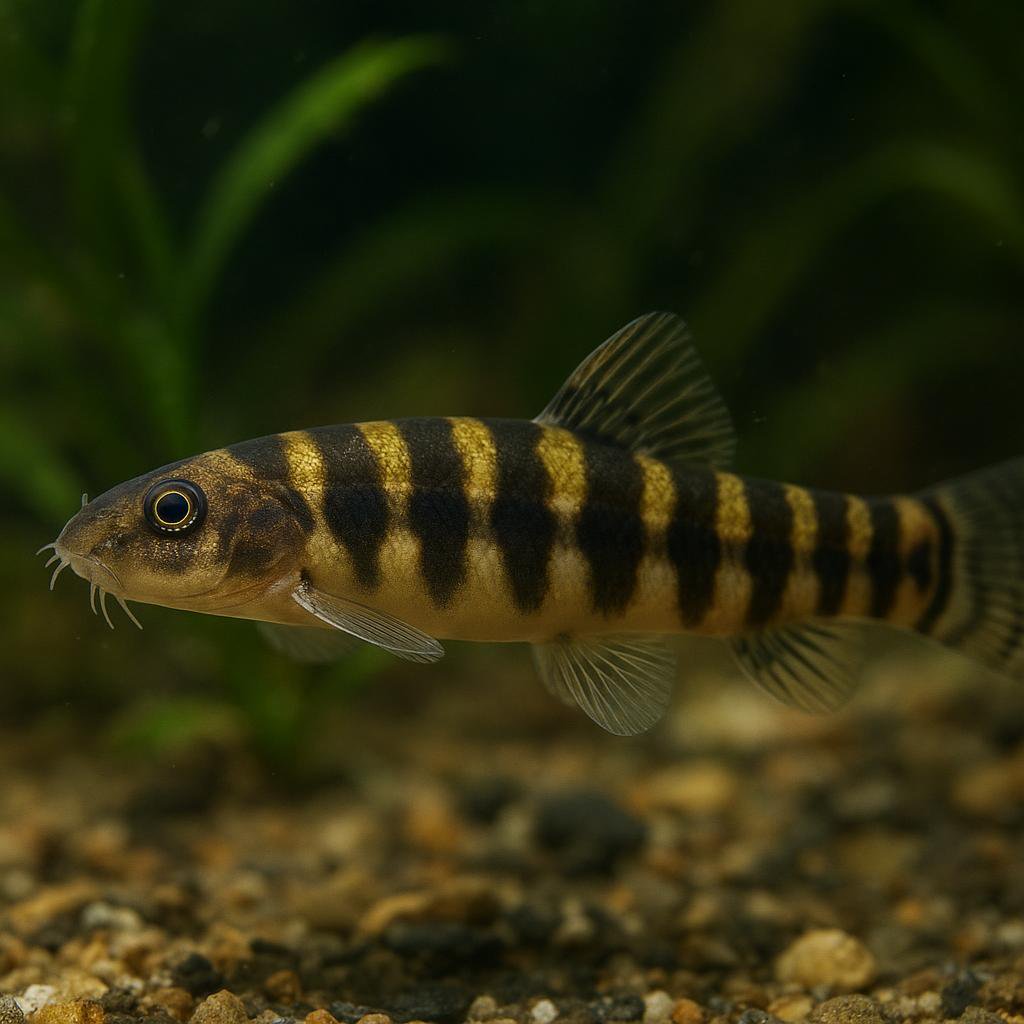
Altipedunculata stone loach
Schistura altipedunculata
Schistura altipedunculata is one of those little stream loaches that wants clean, well-oxygenated water and a bunch of rock nooks to claim as home. It is a bottom-hugger that will spend its day scooting from crevice to crevice, and it tends to get a bit spicy with its own kind if you do not give it enough hiding spots.
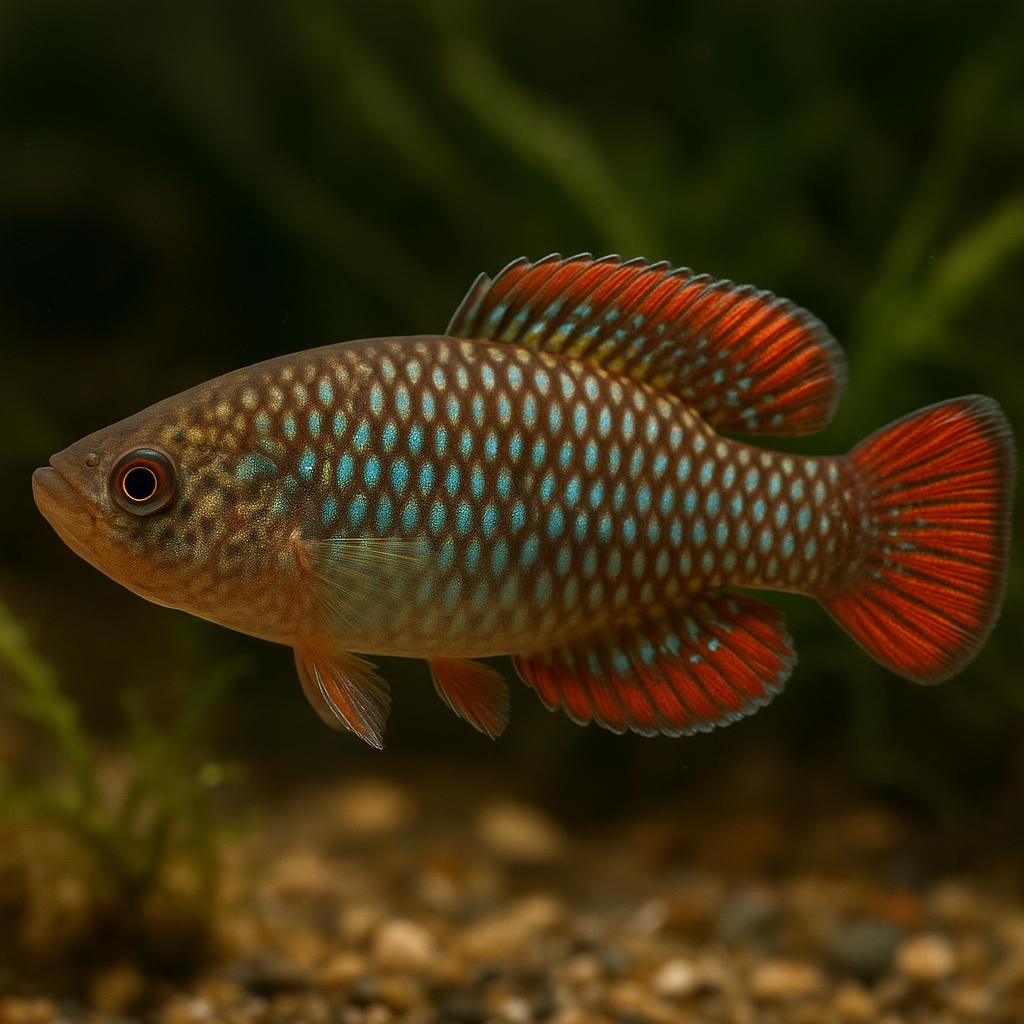
American flagfish
Jordanella floridae
Jordanella floridae is that little Florida native with the red-and-cream striping that really does look like a tiny flag once a male colors up. They graze algae like champs (especially stringy/hair algae), but they have a bit of attitude - give them plants and space so the bossy behavior stays manageable. Bonus: the male guards the eggs and will actively fan them, which is pretty fun to watch.
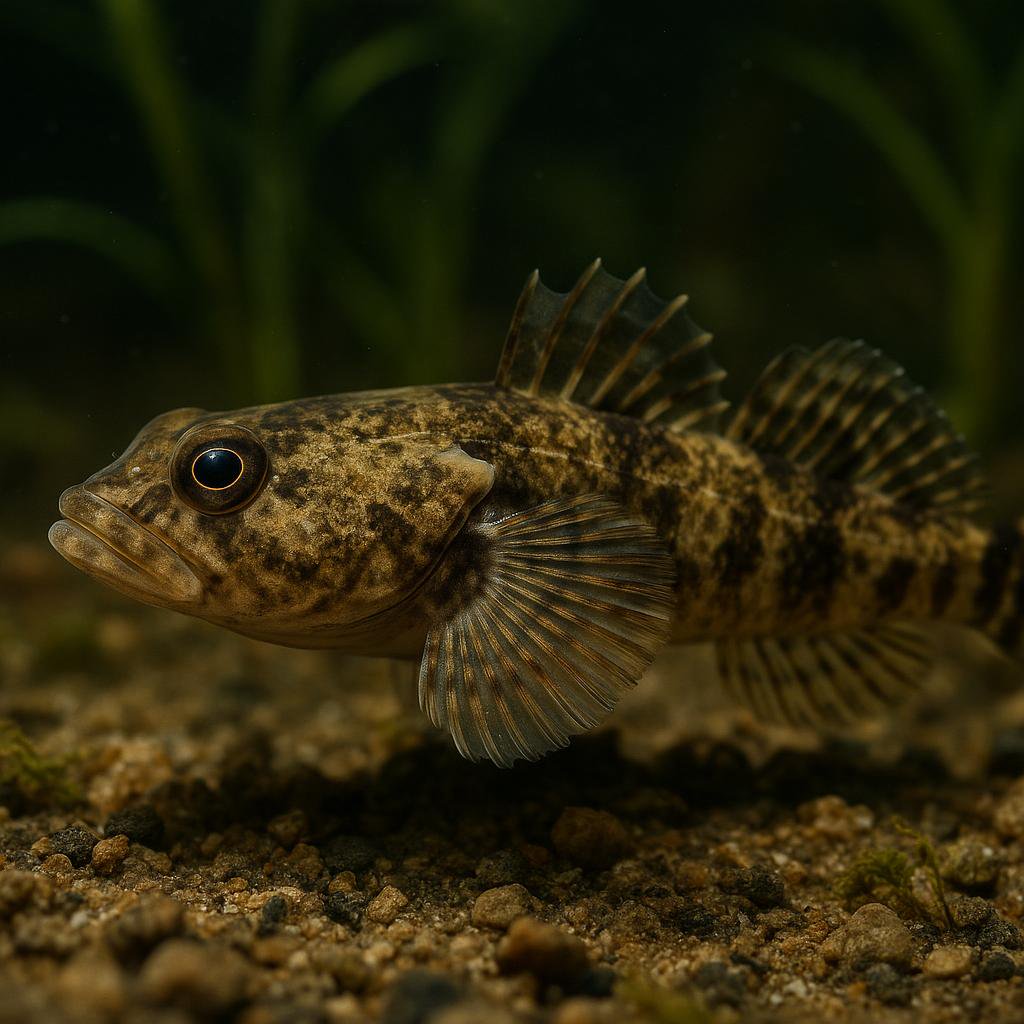
Amur sculpin
Alpinocottus szanaga
This is a little coldwater sculpin from the Amur drainage - a bottom-hugging, rock-and-gravel fish that spends its day wedged under stones and darting out to grab food. Super cool behavior and attitude, but it is absolutely not a warm tropical community fish - it wants chilly, fast, oxygen-rich water and will bicker with other bottom fish.
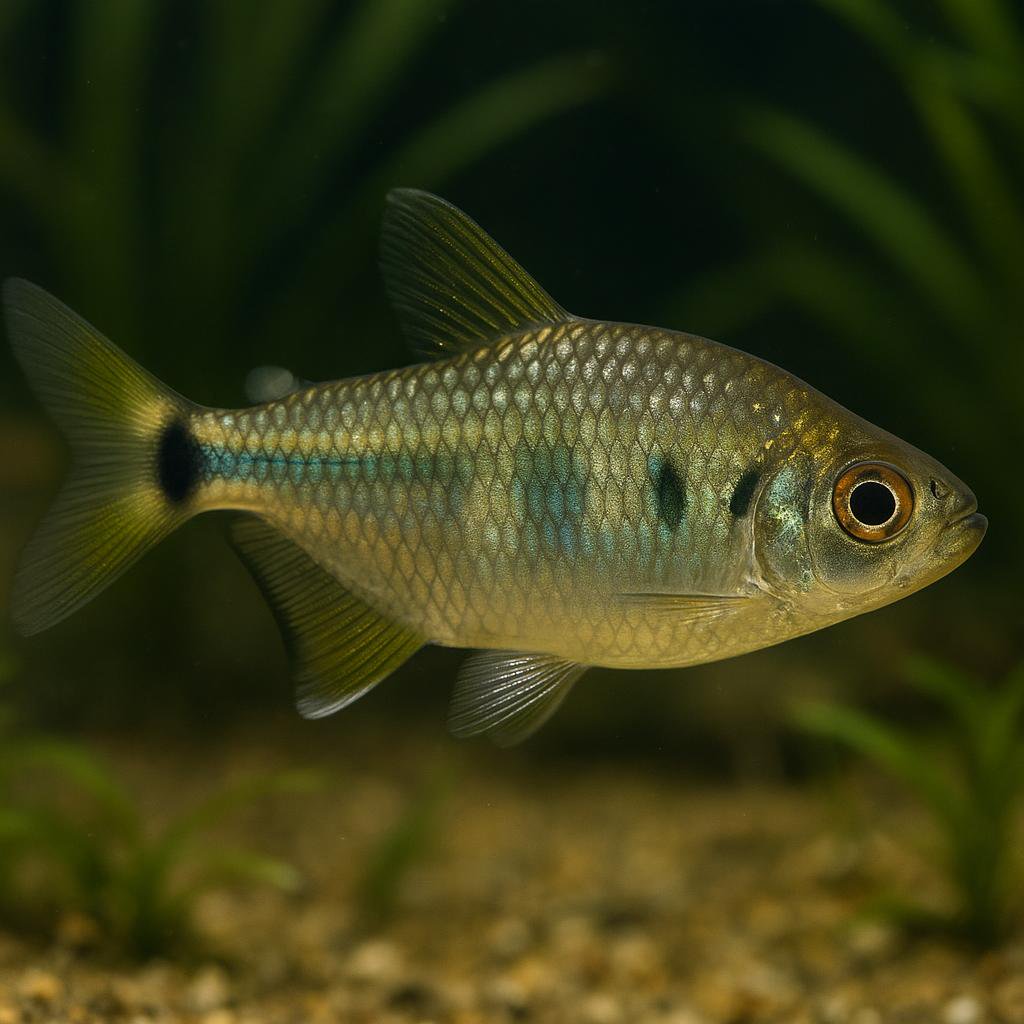
Andrica moenkhausia
Moenkhausia andrica
Moenkhausia andrica is a little Brazilian characin from the Tapajos system that tops out around 7 cm (about 2.8 inches) standard length. It has a neat netted (reticulated) scale pattern plus a dark spot on the caudal peduncle, and the really wild part is that mature females can have tiny fin hooklets too, which is usually a male-only thing in a lot of characins.
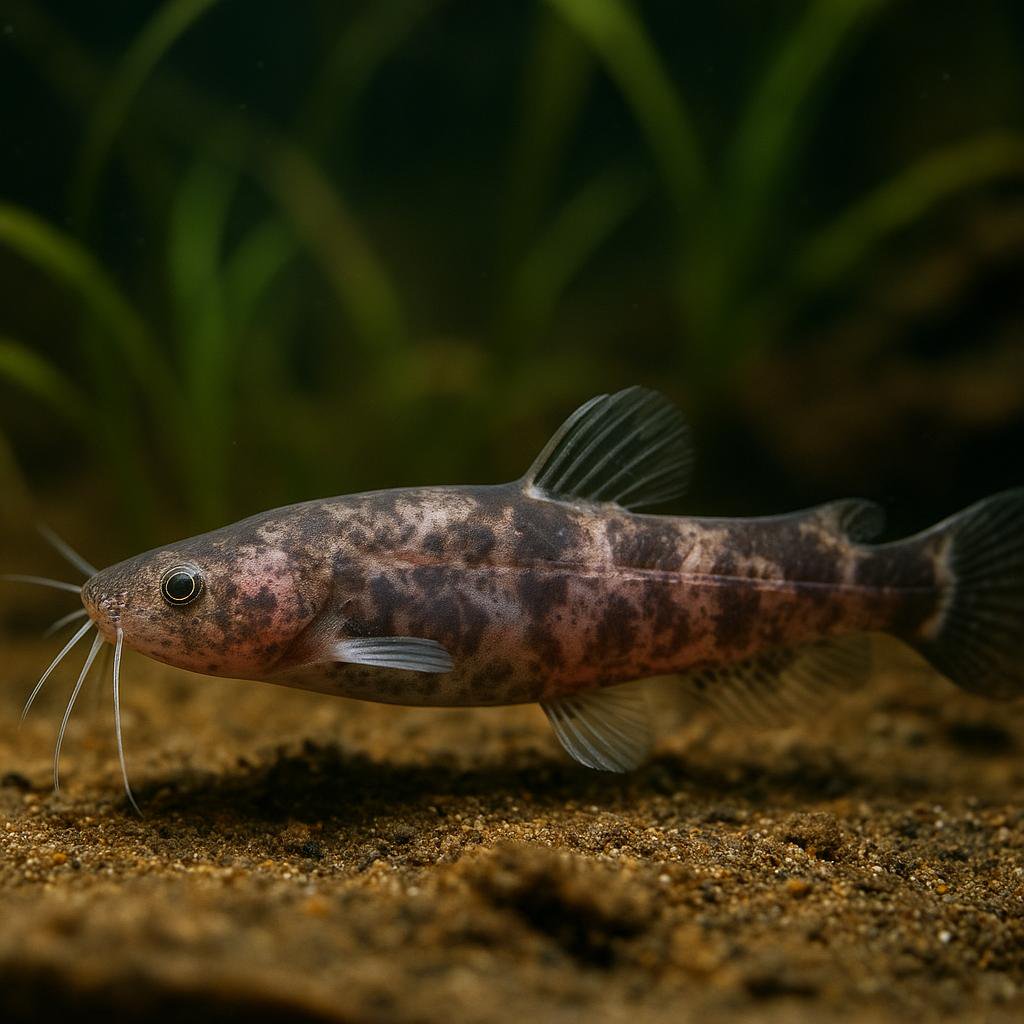
Anhanga pygmy pencil catfish
Potamoglanis anhanga
This is a truly tiny Amazonian trichomycterid catfish - like 1.3 cm max - so it is more of a micro-predator oddball than a typical community catfish. It is the kind of fish that disappears into sand, leaf litter, and plant roots, and you will spend way more time setting up the right micro-habitat than you will actually seeing it.
Looking for other species?