

Amur sculpin
Alpinocottus szanaga
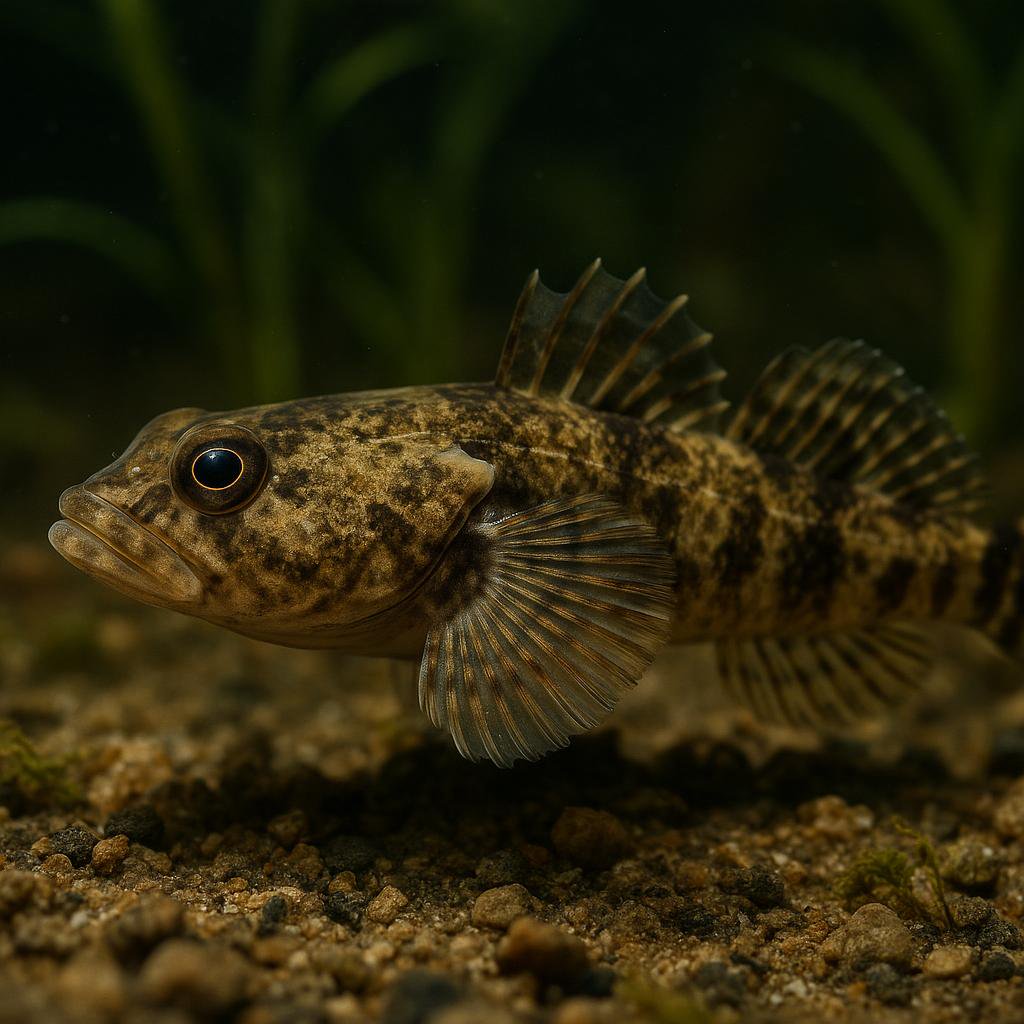
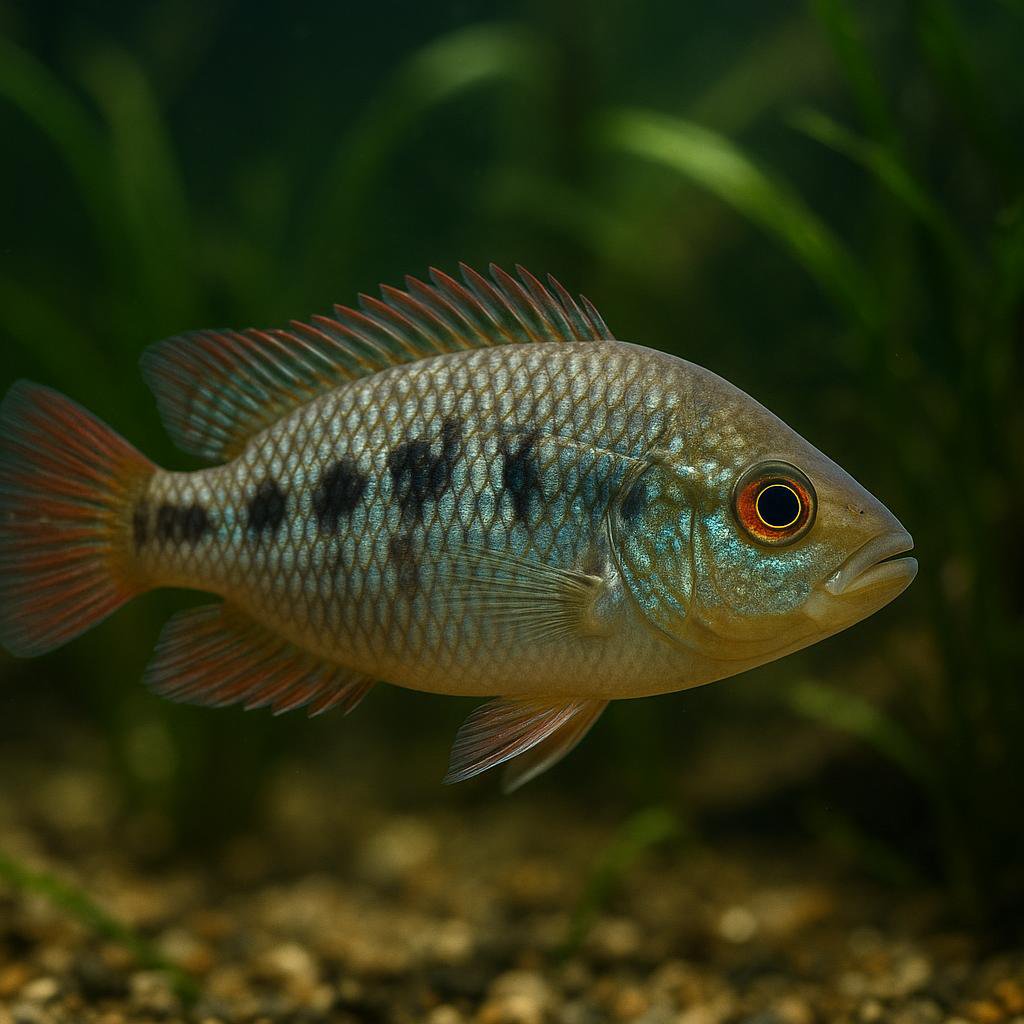
The Amur sculpin features a robust body with a mottled brown and yellow coloration, prominent pectoral fins, and a long, slender dorsal fin.
This page includes AI-generated images. Why am I seeing AI images?
About the Amur sculpin
This is a little coldwater sculpin from the Amur drainage - a bottom-hugging, rock-and-gravel fish that spends its day wedged under stones and darting out to grab food. Super cool behavior and attitude, but it is absolutely not a warm tropical community fish - it wants chilly, fast, oxygen-rich water and will bicker with other bottom fish.
Also known as
Quick Facts
Size
8.2 cm SL
Temperament
Semi-aggressive
Difficulty
Advanced
Min Tank Size
20 gallons
Lifespan
3-6 years
Origin
Northeast Asia: Amur and Lena River basins (China, Russia, Mongolia)
Diet
Carnivore - insect larvae, small crustaceans, worms; in aquariums: frozen foods and sinking meaty pellets
Water Parameters
4-16°C
6.5-8
3-15 dGH
Need a heater for this species?
This species needs 4-16°C in a 20 gallon tank. Use our heater calculator to find the right wattage.
Calculate heater sizeCare Notes
- Keep them cold: 50-64F is the comfort zone, and anything pushing the 70s for long tends to end in stress, fungus, or just a slow fade. A fan or chiller is way more useful than fancy lights.
- Build the tank like a stream bed - rounded rocks, slate, and lots of tight crevices; they want roofs over their heads, not open sand. Moderate flow plus heavy aeration keeps them acting normal and breathing easy.
- They hate dirty water in a sneaky way: ammonia and nitrite must stay at 0, and nitrates kept low with big weekly water changes. Use an intake sponge because they like to park on the bottom and can get pinned by strong suction.
- Feed meaty sinking stuff and vary it - live or frozen bloodworms, blackworms, chopped earthworms, mysis, and small shrimp are solid. Target feed with tongs or a turkey baster after lights-out so faster fish do not steal everything.
- Tankmates need to be coldwater and chill: small dace/minnows can work if the tank is roomy, but skip nippy fish and anything that will bully a bottom sitter. Also skip tiny fish or shrimp you care about - a sculpin will vacuum up what fits in its mouth.
- Do not mix two males in a small tank; they get territorial around caves and you will find shredded fins. If you want multiples, give each one its own cave and break up sight lines with rock piles.
- Breeding is cave-based: a male will claim a tight cave and guard eggs stuck to the ceiling, fanning them with his fins. If you see a male glued to a cave entrance, do not rearrange rocks or you will make him ditch the clutch.
Compatibility
Good Tankmates
- Hillstream loaches (Sewellia, Gastromyzon) - they like the same cool, high-oxygen, rocky flow and they mostly mind their own business on different surfaces. Just make sure there are lots of perches and crevices so nobody has to share a favorite rock.
- Stonerollers and similar algae-grazing minnows (Campostoma) - tough, fast, and not easily bullied. They hang in the open and graze while the sculpin does its sit-and-pounce thing down low.
- Darters (Etheostoma species) - if you have access to legal, captive-bred ones, they are great with sculpins in a coldwater river setup. Same vibe: bottom oriented, lots of posturing, but usually it stays bluff-y if the tank has broken sight lines.
- White Cloud Mountain minnows (Tanichthys) - quick midwater fish that do fine in cooler temps. They are usually too fast to get picked on, and they do not compete much for the sculpin's favorite hideouts.
- Rosy red minnows or other small, sturdy feeder-type fatheads (Pimephales) - not as pretty, but they are hardy and quick, and they match the cooler-water theme. Keep them well-fed so they do not hover on the bottom and get grabbed.
Avoid
- Small, peaceful goby-like bottom fish that want warm water (like bumblebee gobies) - bad match mostly because of temp and water needs. Even if they look like they would fit, they are not built for cold, fast freshwater like an Amur sculpin setup.
- Shrimp, small crayfish, and tiny bottom fish (baby loaches, small kuhli loaches, juvenile catfish) - sculpins are ambush predators and will absolutely try to eat anything that fits in their mouth, especially at night.
- Slow fish with fancy fins (bettas, fancy guppies, longfin goldfish) - they are easy targets for fin-nipping and stress, plus most of them want warmer, calmer water than the sculpin likes.
- Territorial bottom bruisers (bigger cichlids, bullhead catfish, large aggressive loaches) - they will fight over caves and floor space. With a semi-aggressive sculpin, that usually turns into constant shoving matches and beat-up fins.
Where they come from
Amur sculpins (Cottus szanaga) are little bottom-dwelling predators from cold, fast freshwater in the Amur River region (Far East Russia/northeast Asia). Think rocky streams and river edges with a steady current, lots of oxygen, and water that stays cool most of the year. If you try to keep them like a generic tropical "bottom fish," they usually fade out.
If you have ever kept hillstream loaches or coldwater darters, you are in the right mindset. These sculpins want cool, clean, oxygen-rich water and places to wedge themselves.
Setting up their tank
Set the tank up like a cold stream display, not a planted tropical community. Mine did best in a longer footprint (more floor space) with rocks, cobble, and a few tight caves. They spend most of their time on the bottom, parked in the current, watching for food.
- Tank size: I would start at 20 long minimum for one, and 30-40 breeder if you want to try multiples.
- Substrate: rounded gravel/pebbles and cobbles. Skip sharp stuff - they sit and shuffle on it all day.
- Hardscape: lots of fist-sized rocks, slate, and small caves. Make several tight hideouts so they do not have to fight over one.
- Flow and oxygen: strong flow plus heavy surface agitation. A powerhead or river-manifold style setup works great.
- Filtration: oversize it. They are messy eaters, and they hate dirty water.
- Temperature: cool. Aim roughly 50-68F (10-20C) depending on your local stock and season. If your room hits the mid-70s in summer, plan on a chiller or a cool basement setup.
- Lighting/plants: low to moderate light is fine. Plants are optional. If you want greenery, stick to cooler-tolerant plants (java fern, anubias, mosses) attached to rock, not delicate stems.
Warm water is the silent killer with sculpins. They might look fine for weeks, then they stop eating and go downhill fast. If you cannot keep the tank cool in summer, pick a different species.
Water parameters are less about chasing a magic pH number and more about stability and cleanliness. Neutral to slightly alkaline is usually fine, but what they really respond to is high dissolved oxygen and low waste. Big water changes and good mechanical filtration make a bigger difference than tweaking pH.
What to feed them
They are sit-and-wait hunters. In my tanks they ignored flake completely and only got interested when something meaty hit the bottom and moved. Once settled, some will learn to take frozen from tongs, but do not count on pellets right away.
- Best staples: live blackworms, chopped earthworms, live or frozen bloodworms, mysis, krill pieces, and quality frozen "predator" blends.
- Good extras: live amphipods/scuds, small freshwater shrimp, and insect larvae (where legal/safe).
- If you try pellets: start with sinking carnivore pellets and drop them right in front of their face after they have taken frozen reliably. Some never convert.
- Feeding rhythm: smaller amounts more often beats one big dump. They will gorge and then sit, and leftover food rots fast in a high-flow rock tank.
Use a feeding dish or a flat rock as a "dinner plate." It keeps food from vanishing into the gravel, and you can siphon leftovers in 30 seconds.
How they behave and who they get along with
Amur sculpins are classic grumpy bottom fish. They are not hyper-aggressive swimmers, but they are territorial about a good crevice. They also have that wide mouth and will try to eat anything they can fit, especially at night.
- Toward their own kind: expect squabbles unless the tank is roomy with lots of broken line-of-sight hides. Multiple caves is not optional.
- Toward other bottom fish: usually tense. They will posture and body-check anything that wants the same real estate.
- Toward midwater fish: often okay if the fish are too big to be eaten and can handle cool, fast water.
- What I would avoid: small tetras/rasboras (too warm anyway), fancy slow fish, long-finned fish, and anything shrimp-sized you actually care about.
Do not trust them with dwarf shrimp. Even if you rarely see hunting, they are built for ambush and will pick them off over time.
If you want tankmates, think coolwater river fish that like flow: larger minnows from temperate setups, white clouds in cooler water (not ice-cold), or sturdy loach species that tolerate the temperature range. Even then, keep an eye on fin nips and nighttime "mystery disappearances."
Breeding tips
Breeding is possible, but it is not a casual "oops babies" fish. In the wild they spawn seasonally, and the cues are usually cooling/warming cycles, lots of oxygen, and a safe nest site. Males typically claim a cavity and guard eggs.
- Give them real nest options: tight caves, rock piles with flat stones, and PVC elbows hidden under rock all work.
- Seasonal cycle helps: a winter cool-down (safely) followed by a slow warm-up often triggers behavior.
- Feed heavy beforehand: live worms and meaty frozen foods get them in breeding condition faster than dry foods.
- Expect guarding: once a male is on eggs, keep disturbance low and do not rearrange rocks.
If you ever see a male parked upside-down under a rock or deep in a cave and refusing to leave, check for eggs. That "stubborn" behavior is often nest guarding.
Common problems to watch for
Most losses with sculpins come from a few repeat issues: heat, low oxygen, and dirty water trapped under rockwork. They are tough in the sense that they handle current and cooler temps well, but they do not forgive neglect.
- Overheating: appetite drops, they hide constantly, breathing looks heavier. Fix temperature first.
- Low oxygen/poor flow: hanging in the highest-flow spots gasping, or rapid gill movement. Add surface agitation and clean filters.
- Waste buildup under rocks: you will smell it when you move a stone. Use a turkey baster or siphon to blast/suck detritus out weekly.
- Food rot: uneaten worms tucked in gravel will spike ammonia fast. Target feed and remove leftovers.
- Injuries from fights: torn fins and scraped heads happen if hides are limited. Add more caves and visual breaks.
- Parasites on wild-caught fish: skinny fish that still eats, flashing, clamped fins. Quarantine and consider a parasite protocol suited to coldwater systems.
Rock piles can collapse if you stack them on loose gravel. Set big rocks directly on the tank bottom (or on egg crate), then add smaller stones around them. A sculpin wedged under a shifting rock is a bad day.
If you keep the water cool, moving, and clean, they are honestly pretty straightforward. The "advanced" part is just that most of us are set up for tropical fish, and sculpins want that cold river life 24/7.
Similar Species
Other freshwater semi-aggressive species you might be interested in.
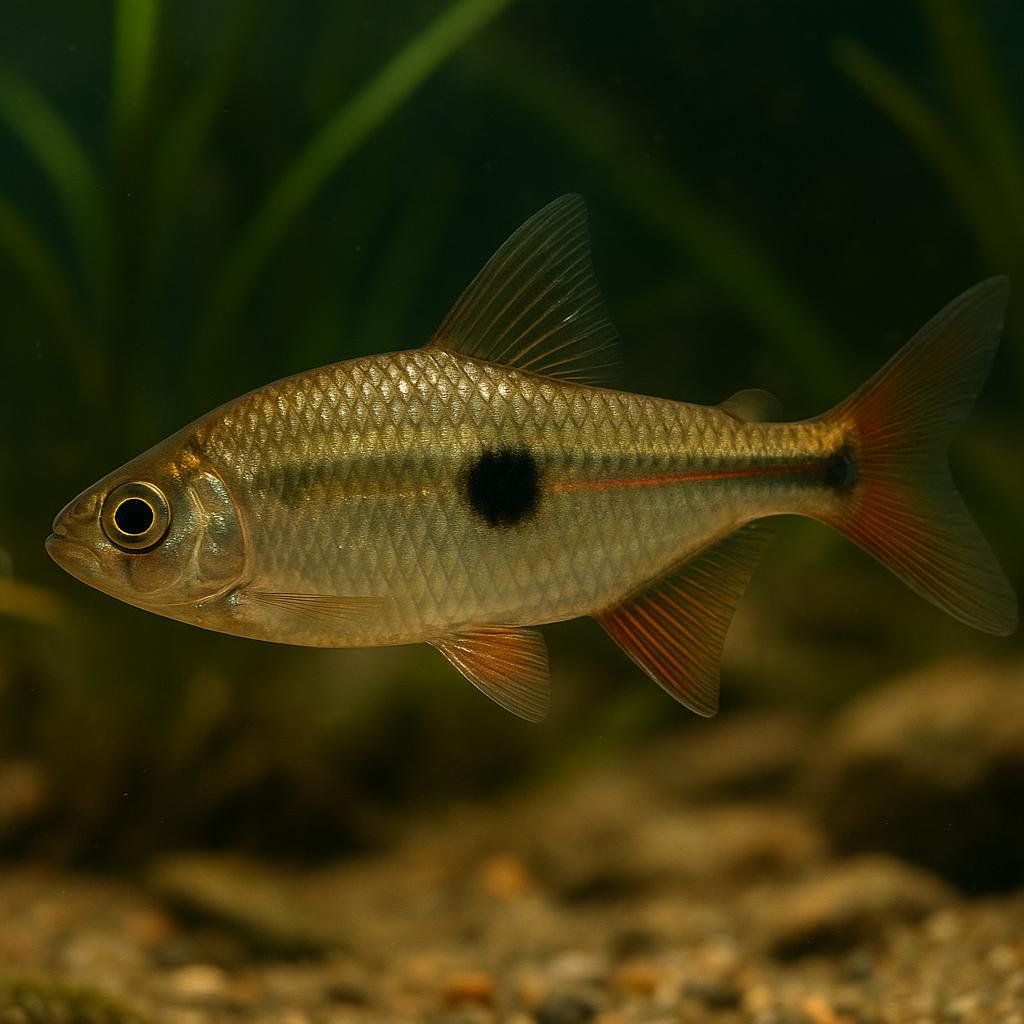
Jupiaba kurua
Small South American characin endemic to the upper rio Curuá (rio Xingu basin, Brazil). Reaches about 8.7 cm SL and inhabits clearwater rivers. Distinguished by dark dots on the bases of many lateral scales and a distinct dark caudal‑peduncle spot. Reported diet indicates omnivory, including aquatic insects, small fishes, and fragments of Podostemaceae and filamentous algae.
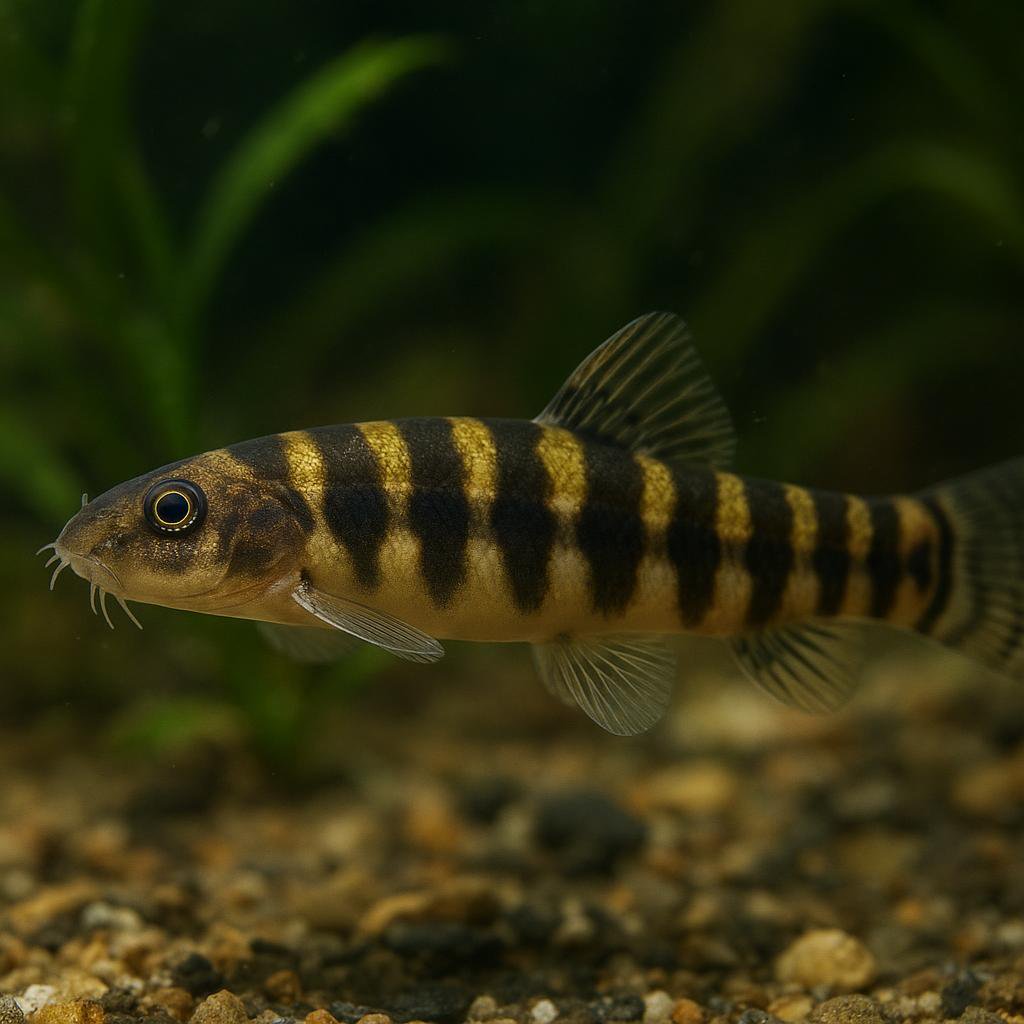
Altipedunculata stone loach
Schistura altipedunculata
Schistura altipedunculata is one of those little stream loaches that wants clean, well-oxygenated water and a bunch of rock nooks to claim as home. It is a bottom-hugger that will spend its day scooting from crevice to crevice, and it tends to get a bit spicy with its own kind if you do not give it enough hiding spots.
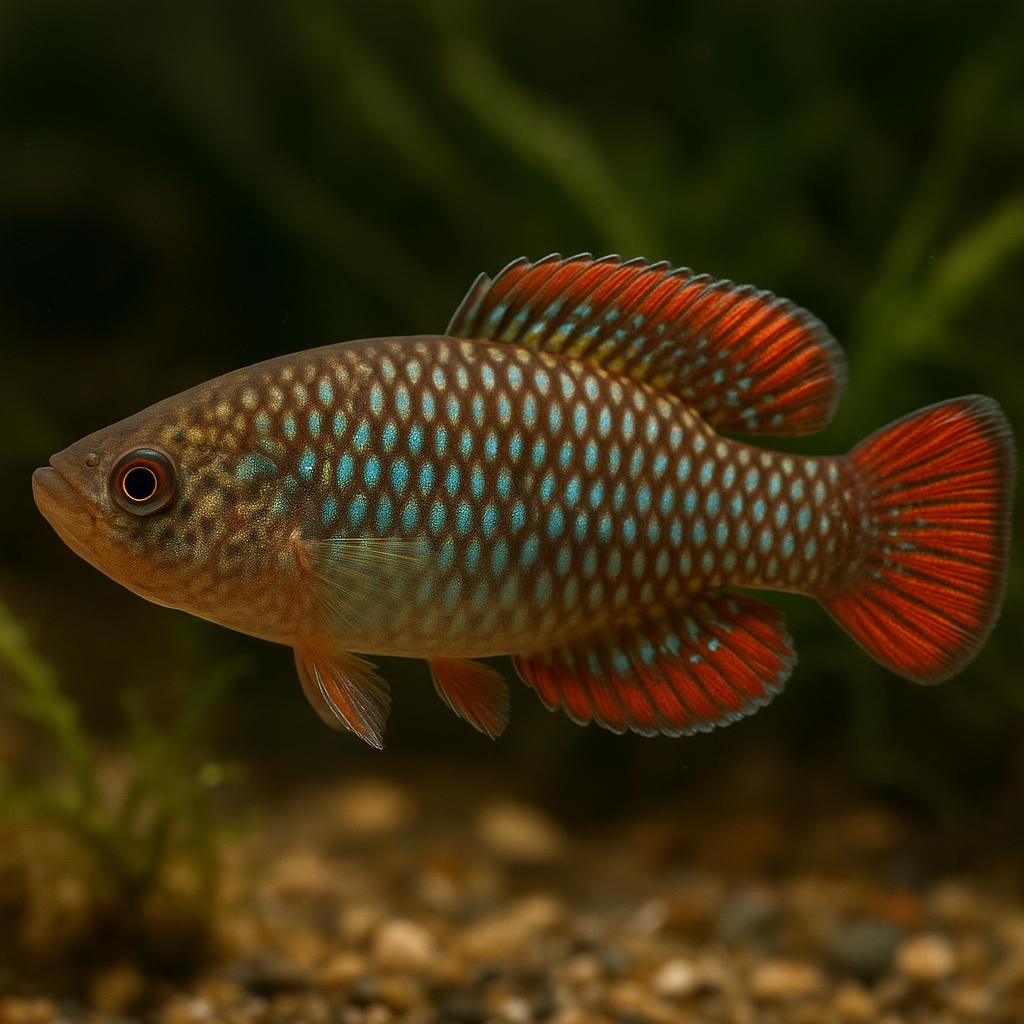
American flagfish
Jordanella floridae
Jordanella floridae is that little Florida native with the red-and-cream striping that really does look like a tiny flag once a male colors up. They graze algae like champs (especially stringy/hair algae), but they have a bit of attitude - give them plants and space so the bossy behavior stays manageable. Bonus: the male guards the eggs and will actively fan them, which is pretty fun to watch.
Anitápolis livebearer
Jenynsia weitzmani
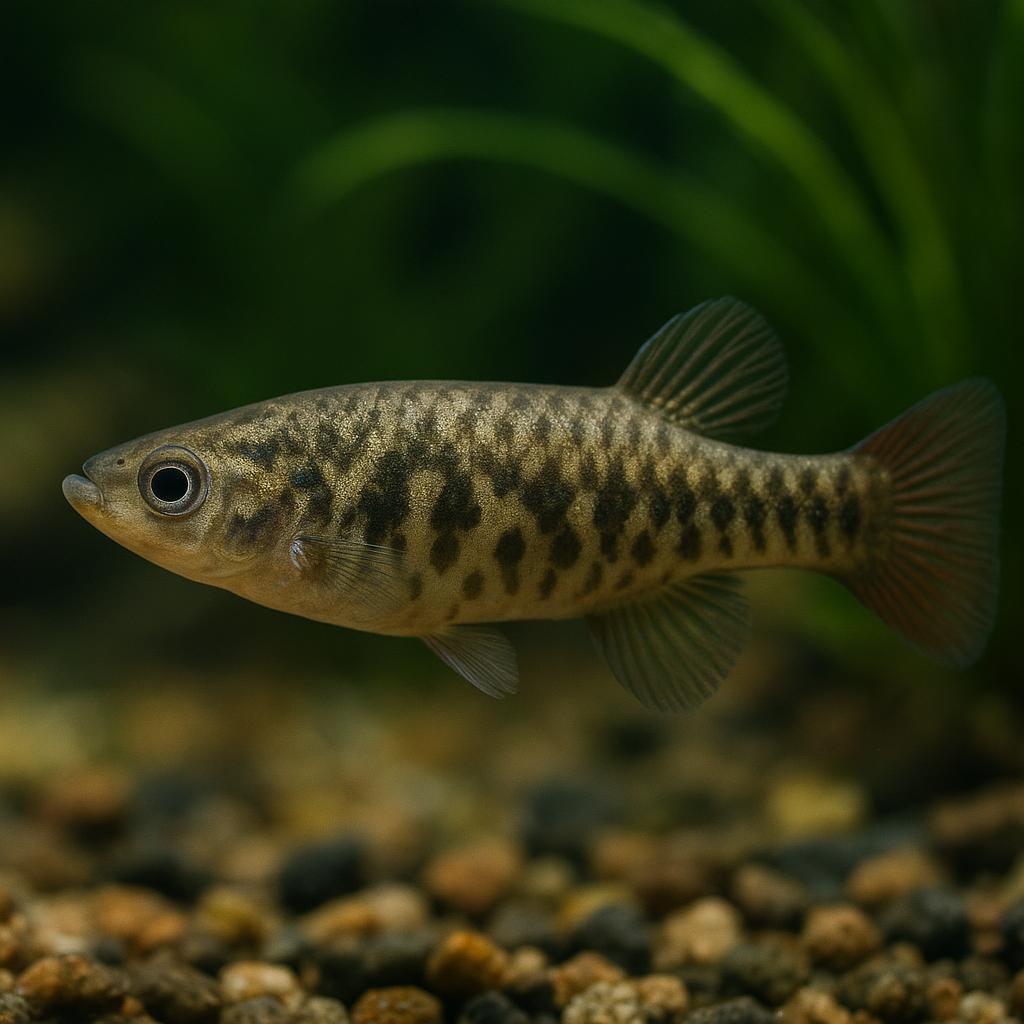
Jenynsia weitzmani is a freshwater anablepid livebearer endemic to southern Brazil (currently known only from the type locality near Anitápolis, Santa Catarina). Like other Jenynsia (onesided livebearers), reproduction involves lateralized mating morphology/behavior; aquarium care guidance is not well-documented for this species specifically.
Aracu-comum
Schizodon vittatus
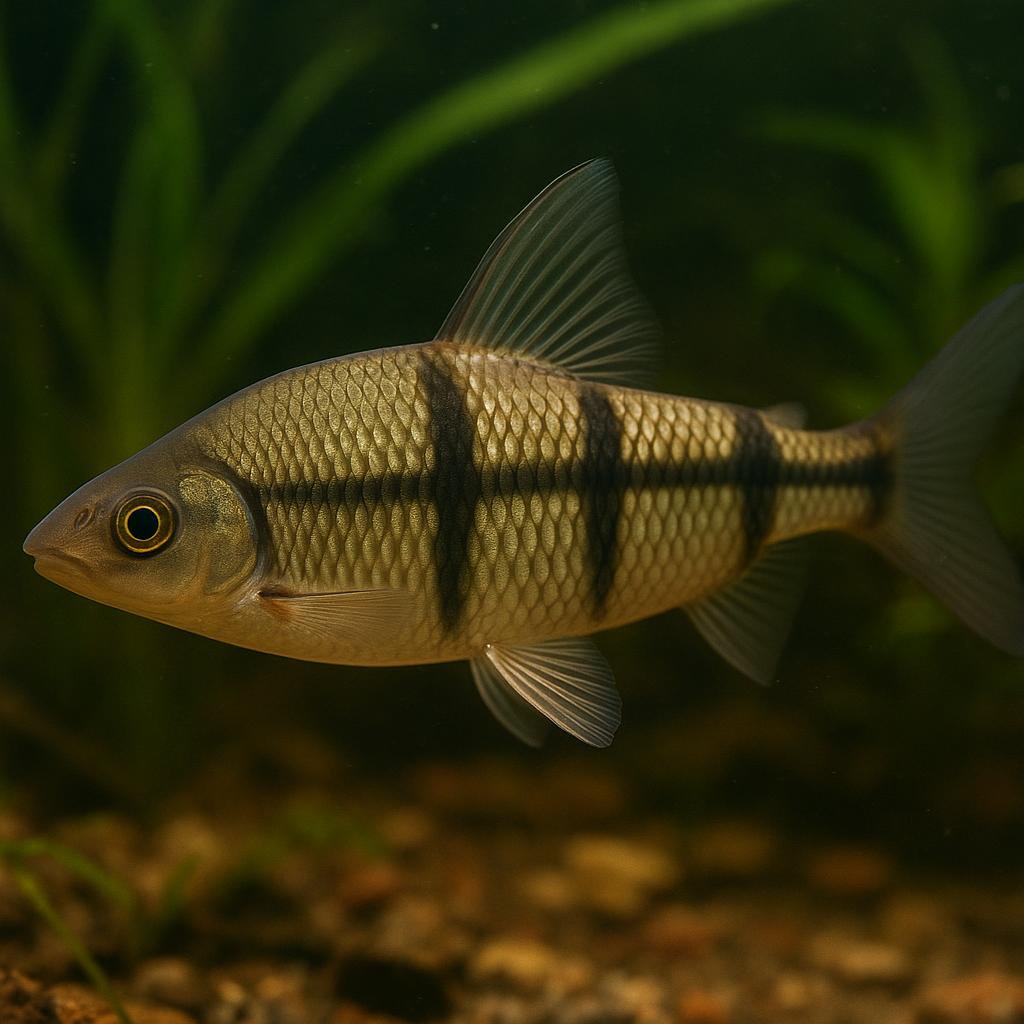
Schizodon vittatus is a large South American anostomid (family Anostomidae). Reported maximum size is about 35 cm standard length; it is harvested/consumed in parts of Brazil and is not commonly covered by mainstream aquarium husbandry references.
Bakongo cichlid
Thoracochromis bakongo
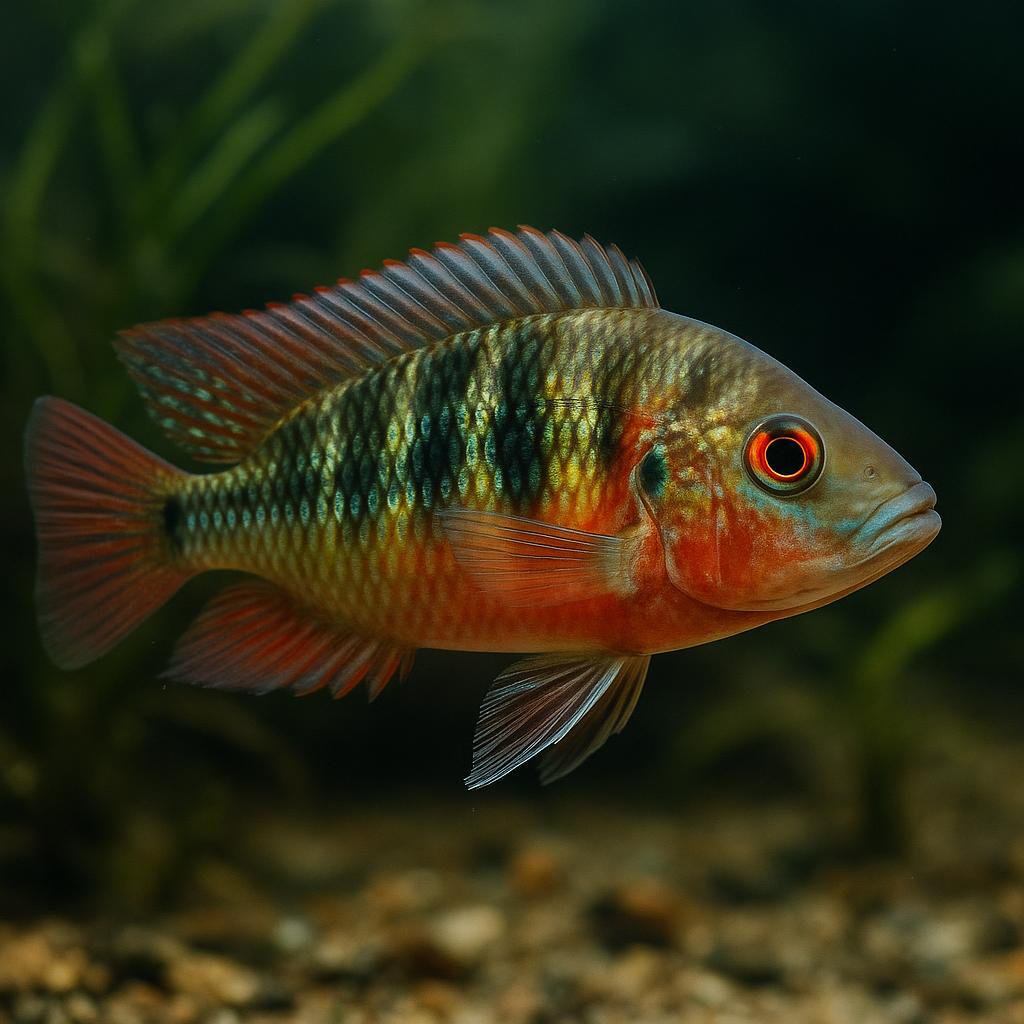
Thoracochromis bakongo is a small riverine haplochromine cichlid from the lower Congo/Kasai systems in DR Congo, reaching about 10.8 cm TL (~4.3 in). Aquarium breeding behavior for this specific species is not consistently documented in major references, so avoid stating confirmed maternal mouthbrooding unless you can cite a species-level source.
More to Explore
Discover more freshwater species.
Amphilius dimonikensis
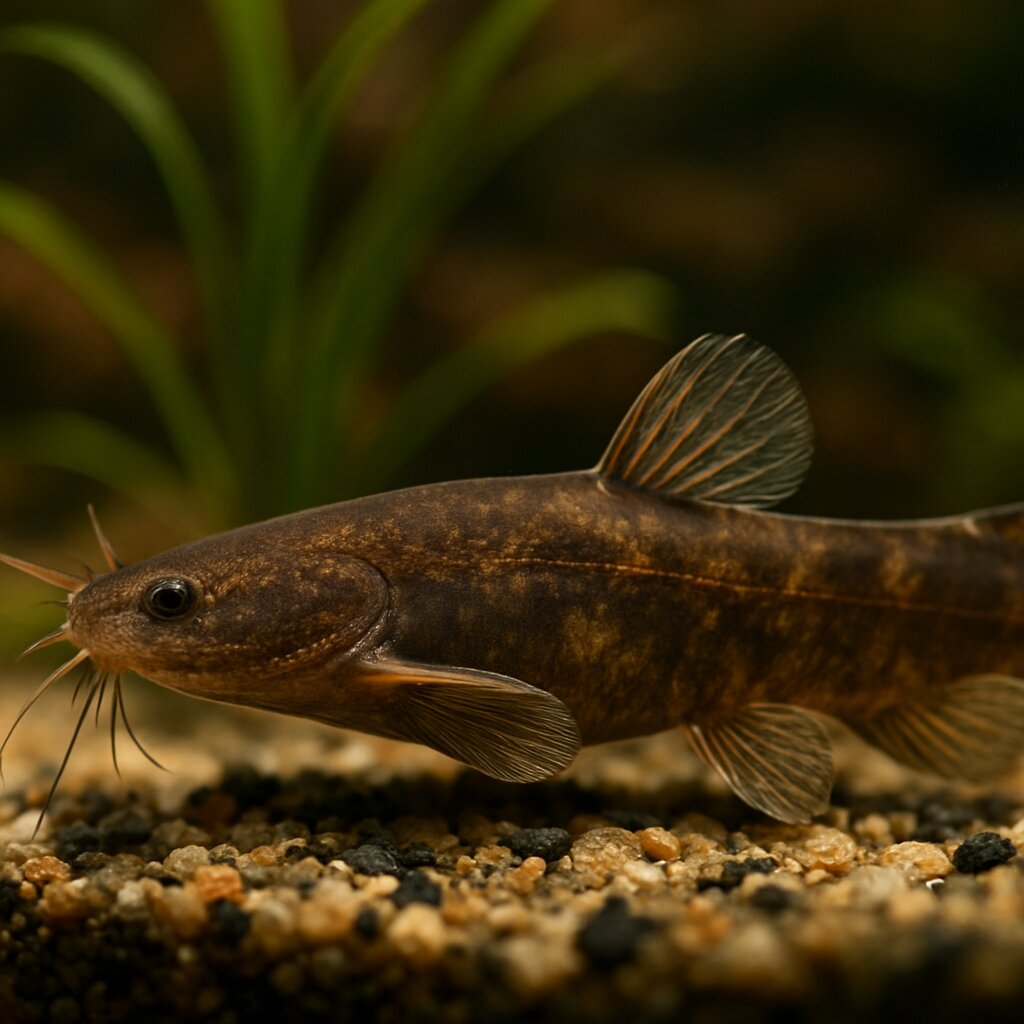
A small loach catfish endemic to the Mpoulou River in the Mayombe (Dimonika Biosphere Reserve), Republic of the Congo. Amphilius dimonikensis has a subtle banded pattern and inhabits fast, clear streams over rock and sand. In aquaria, prioritize strong, well-oxygenated flow with rounded stones and sand to mimic hillstream conditions.
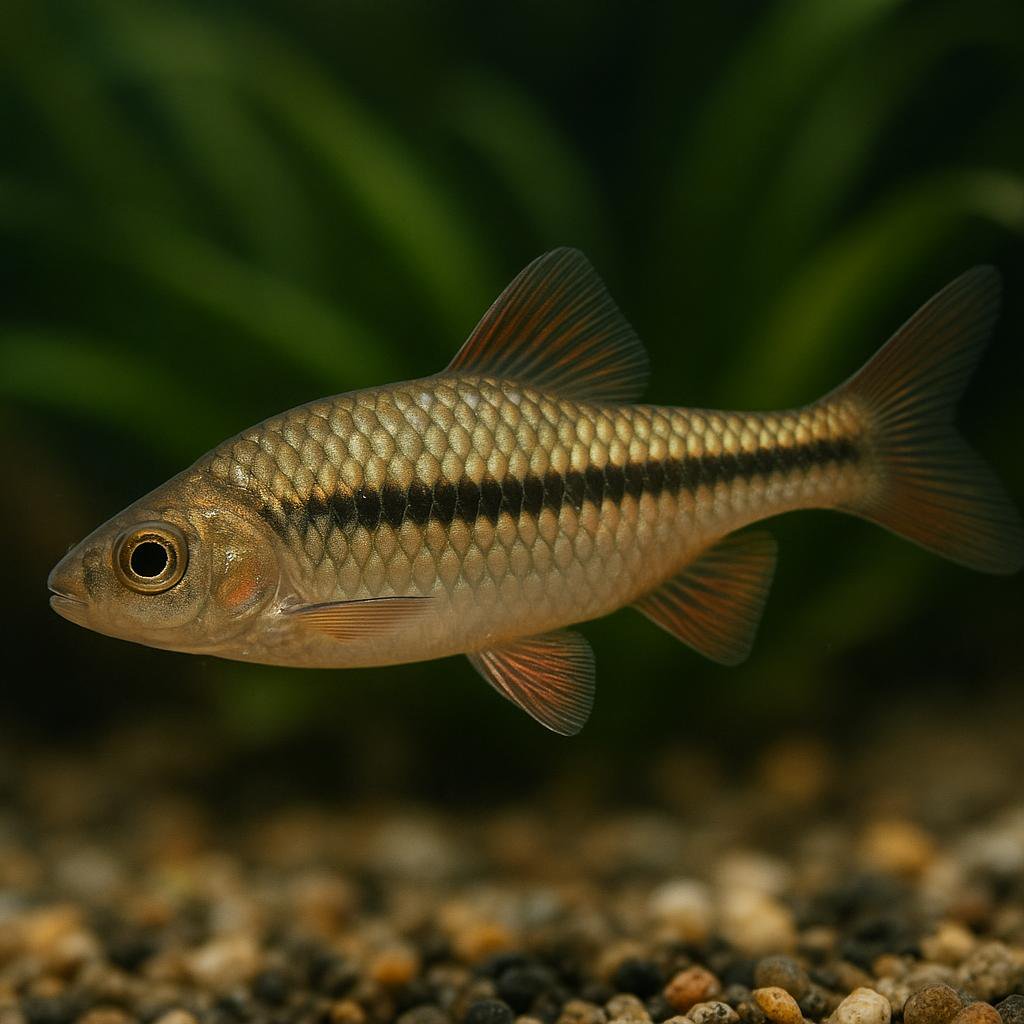
Aboina barb
Enteromius aboinensis
Enteromius aboinensis (the Aboina barb) is a small West African barb with a clean black midline stripe and a little spot right at the base of the tail. It does best when you treat it like a proper schooling fish - keep a decent group and give it plants around the edges with open swimming room in the middle.
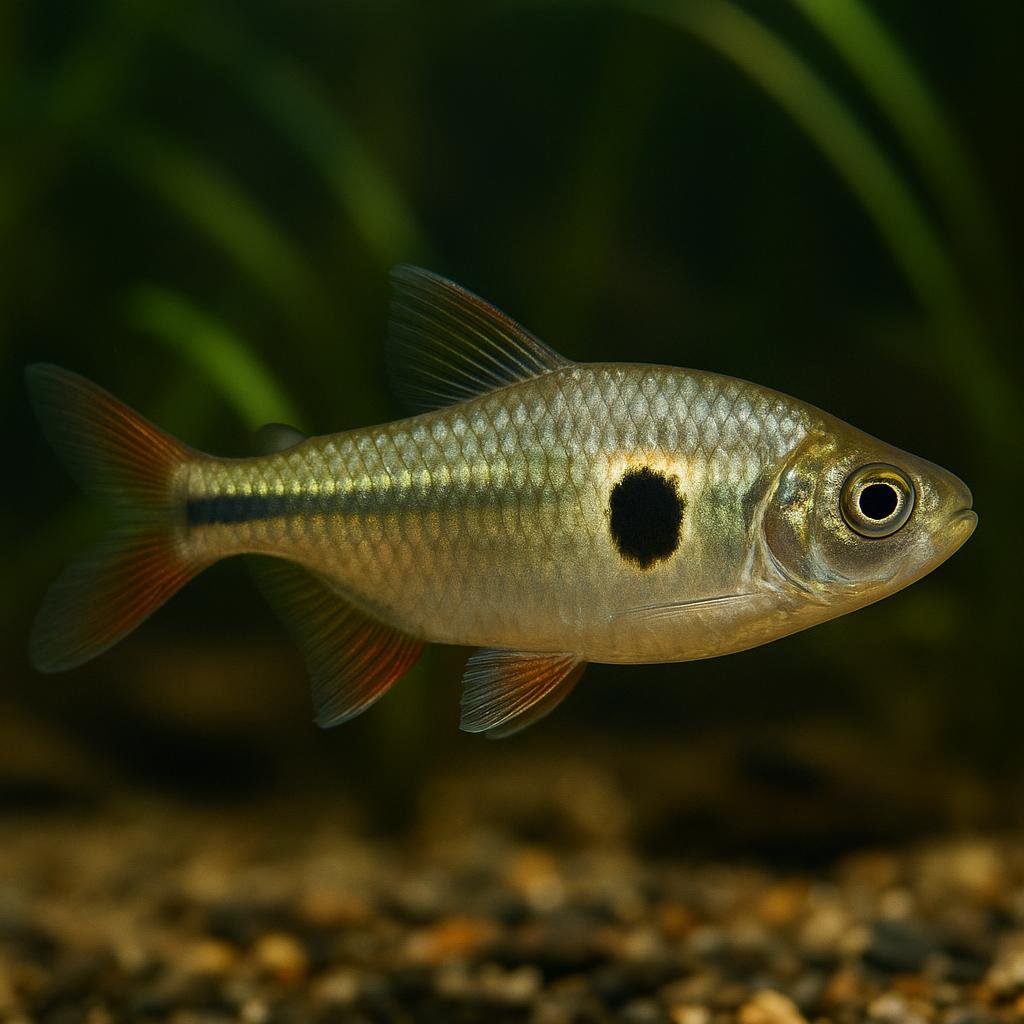
Ajuricaba tetra
Jupiaba ajuricaba
Jupiaba ajuricaba is a South American freshwater characin from the Amazon basin in Brazil (rio Negro, rio Solimões, and rio Tapajós basins). It reaches about 9.5 cm SL and is diagnosed by a narrow dark midlateral stripe, an elongated humeral spot, and an ocellated spot on the upper caudal-fin lobe. Wild specimens have been collected from blackwater forest streams and also oxbow-lake habitats.
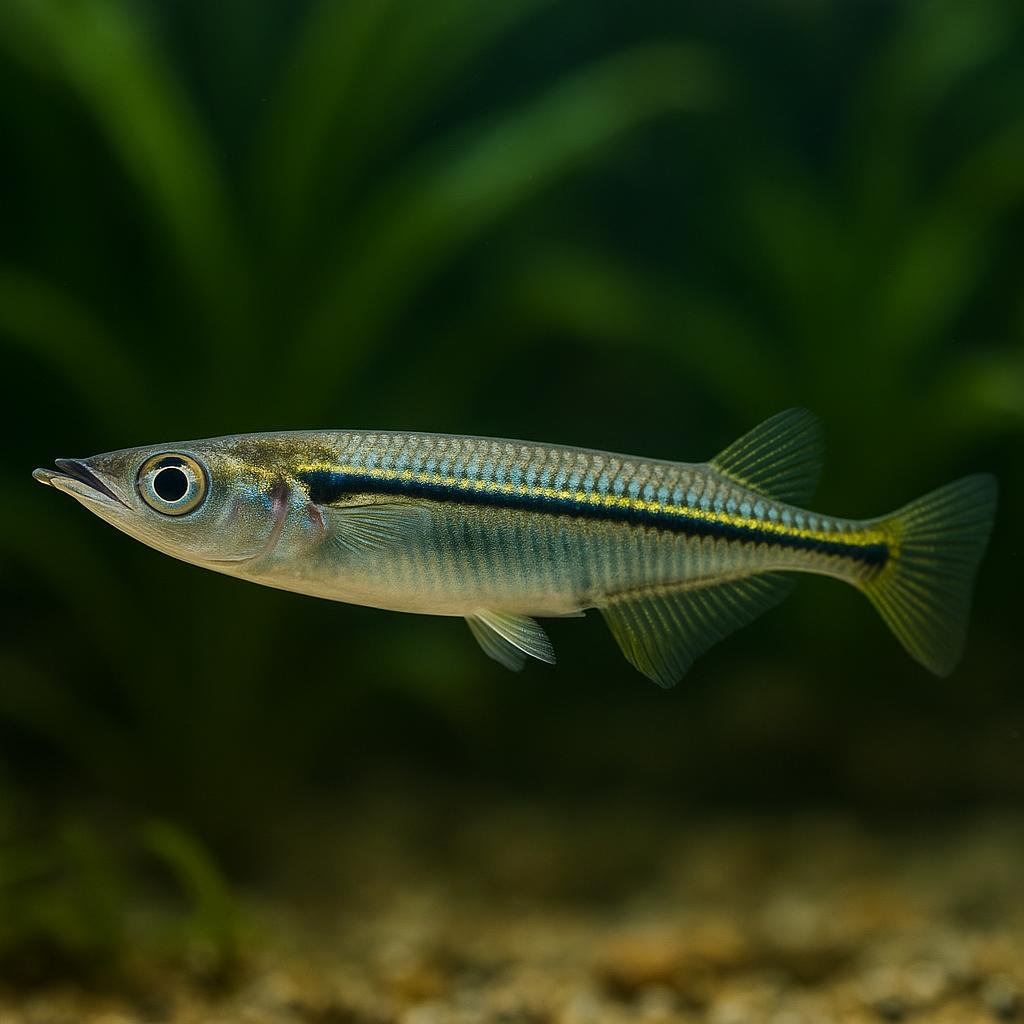
Allen's river garfish
Zenarchopterus alleni
A poorly known freshwater halfbeak endemic to West Papua (Mamberamo River), described from a single specimen (~13 cm SL). Beyond basic habitat/occurrence, little is published about its ecology or aquarium suitability; assume it is a surface-oriented, jump-prone halfbeak only by analogy with related taxa.
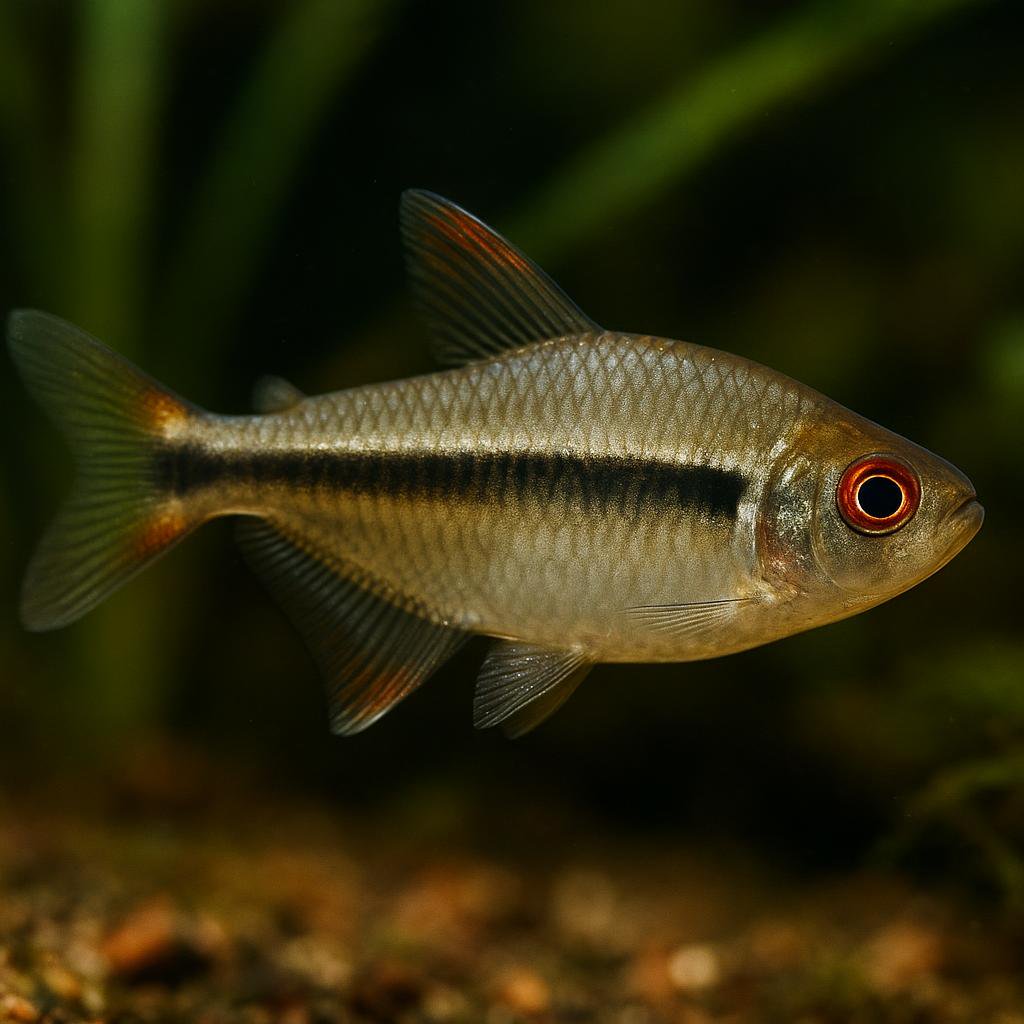
Amapa tetra
Hyphessobrycon amapaensis
This is a tiny, super sleek little tetra with a clean red stripe down the side that really pops once its settled in. It does best in a planted, slightly tinted "creek-style" setup and looks way cooler when you keep a proper group so they school and flash that line together. If you can give it soft, slightly acidic water and a calm community, its an easy fish to fall for.
Amatlan chub
Yuriria amatlana
Yuriria amatlana (the Amatlan chub) is a little Mexican native minnow from the Ameca River basin. Its wild range is pretty limited and it is listed as Endangered, so its care info in the aquarium hobby is basically nonexistent and its availability is usually low. In the original species description, preserved fish show a dark lateral stripe with a darker patch on the caudal peduncle, and they can have tiny barbels at the mouth corners.
Looking for other species?