

Himachal stone loach
Schistura himachalensis
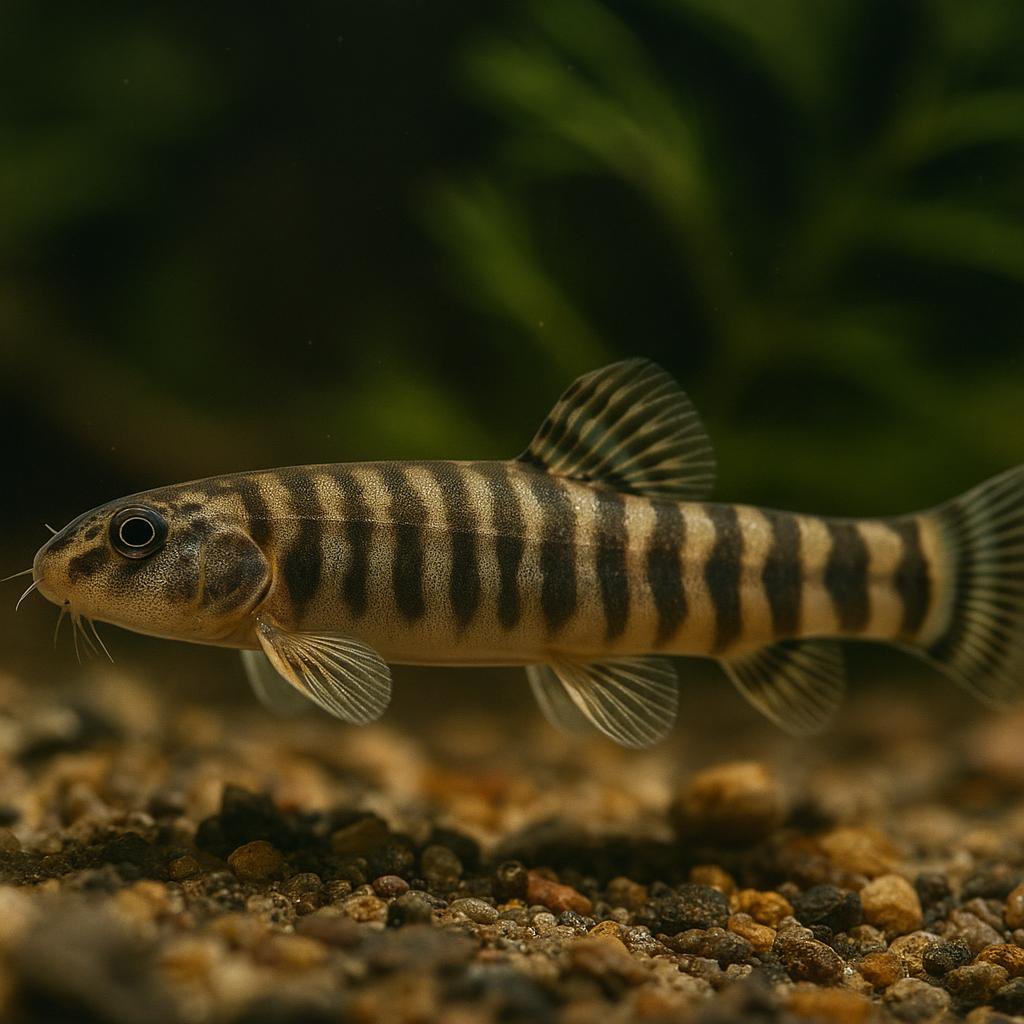
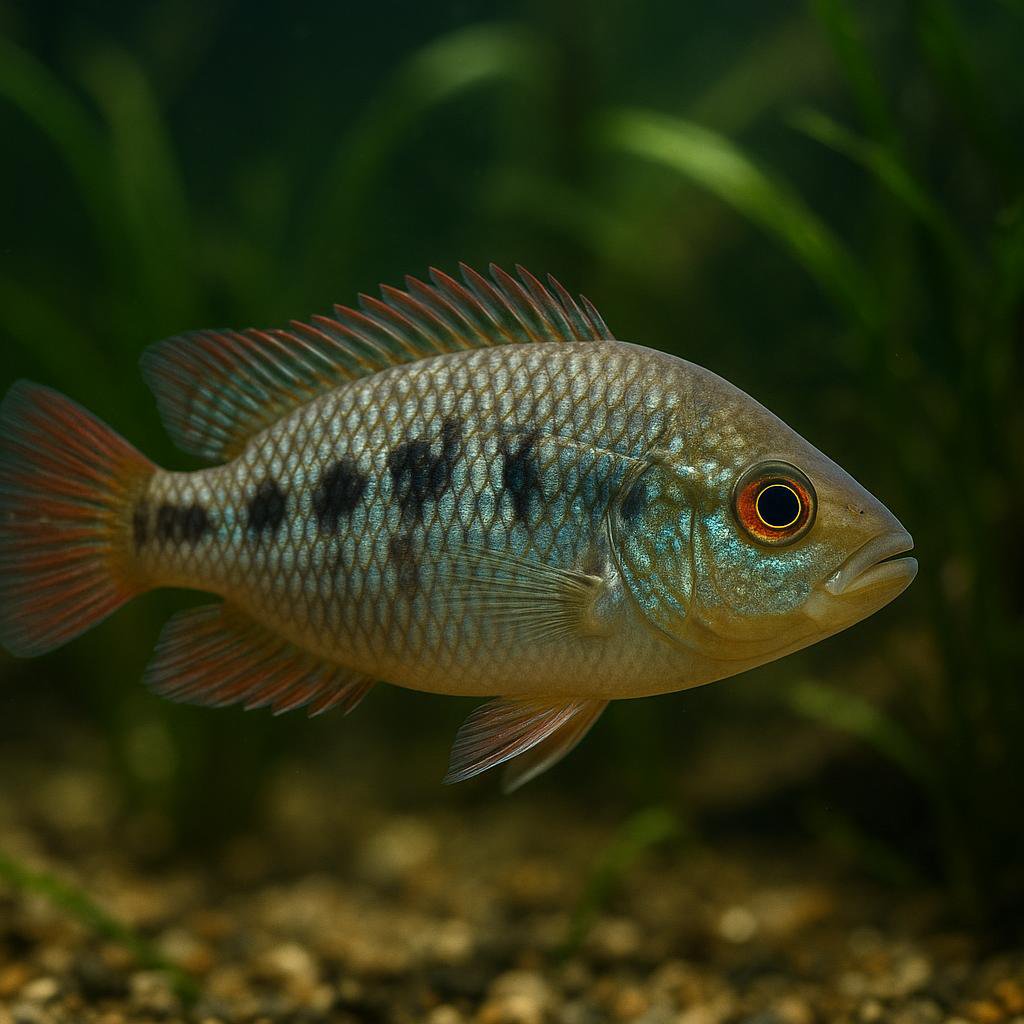
The Himachal stone loach features a slender body with a mottled brown and yellow pattern, and a distinctive barbels near its mouth.
This page includes AI-generated images. Why am I seeing AI images?
About the Himachal stone loach
This is a tiny Himalayan hillstream Schistura that stays close to the bottom and spends its day nosing around between gravel and stones. In a tank they do best when you set it up like a little fast creek - lots of oxygen, clean water, and a bunch of rock piles so they can claim personal space.
Also known as
Quick Facts
Size
4 cm TL
Temperament
Semi-aggressive
Difficulty
Intermediate
Min Tank Size
20 gallons
Lifespan
4-7 years
Origin
South Asia (Western Himalaya, India)
Diet
Omnivore/micropredator - sinking micro-pellets, frozen foods (bloodworms, daphnia), live foods; grazes biofilm and small invertebrates
Water Parameters
18-24°C
6.5-7.8
3-12 dGH
Need a heater for this species?
This species needs 18-24°C in a 20 gallon tank. Use our heater calculator to find the right wattage.
Calculate heater sizeCare Notes
- Give them a river-style tank: sand or smooth gravel, rounded rocks, and lots of flow. They spend their day wedged under stones, so pile up hiding spots and keep the layout stable.
- Cool, oxygen-rich water is the whole game - think 18-24 C (65-75 F) with strong surface agitation. pH around 6.5-7.8 is fine as long as it stays steady, and keep nitrate low with regular water changes.
- Use a tight lid and block any filter gaps - they can rocket up glass and slip into weird places. Intake sponges are your friend because they love poking around in current.
- Feed like they are little benthic predators: frozen bloodworms, blackworms, brine shrimp, daphnia, and good sinking pellets. Drop food in different spots so the bossy one does not hog everything.
- Tankmates: other cool-water, current-loving fish like danios, white clouds, and hillstream loaches work if the tank is roomy. Skip slow long-finned fish and most warm-water community stuff - they will get stressed by the flow and temp mismatch.
- They can get cranky with other Schistura in tight quarters, especially males, so either keep one or keep a group in a bigger tank with lots of broken lines of sight. If you see fin nips or constant chasing, add more rock caves or separate them.
- Watch for skinny-belly syndrome: if one stays thin, it is usually getting outcompeted or dealing with internal parasites. Quarantine new fish, and treat early if you see stringy white poop or they stop hunting food.
Compatibility
Good Tankmates
- Hillstream loaches (Sewellia, Gastromyzon) - they like the same cool, fast-flowing, high-oxygen setup, and they mostly stick to their own little patches on the rocks
- White cloud mountain minnows - quick, tough little schooling fish that handle cooler water and current, and they are too zippy to get hassled much
- Zebra danios (or other danios in general) - active midwater fish that match the loach vibe and dont sit around on the bottom where the Schistura wants to claim turf
- Rasboras that like cooler water (like harlequins or similar sturdy rasboras) - peaceful midwater schoolers that keep things moving and out of the loachs face
- Sturdy barbs that are not big bullies (like checker barbs) - active, not slow, and they dont mind current, just avoid the really spicy barb species
- Other Schistura or similar stone loaches - only if the tank is roomy with lots of rock piles and sight breaks, otherwise they squabble and one fish ends up owning the whole bottom
Avoid
- Fancy slow fish like bettas, guppies, long-finned mollies - they get stressed in the current, and the loach can get pushy and opportunistic with slow tankmates
- Super aggressive or very territorial fish (cichlids like convicts, jewel cichlids, most mbuna) - they will turn the bottom into a war zone fast
- Goldfish - totally different temp and flow needs, plus goldfish are messy and the loach wants clean, oxygen-rich water
- Passive bottom dwellers like corydoras - they want the same real estate, and Schistura can be a jerk about caves and feeding spots
Where they come from
Himachal stone loaches (Schistura himachalensis) come from cool, fast-moving hill streams in the Himalayan region. Think shallow water, lots of rocks, and a steady push of current. That background explains basically everything about them in the aquarium: they want flow, oxygen, and places to wedge themselves between stones.
If yours spends most of its time plastered to the bottom or tucked under a rock, that is normal stone loach behavior, not a sign its sick.
Setting up their tank
Set the tank up like a mini stream. You do not need a fancy aquascape, but you do need structure and flow. Mine did best once I stopped treating them like generic community bottom fish and started building around their love of current and cover.
- Tank size: 20 gallons long (or similar footprint) is a nice starting point for a small group. Bigger is easier because it spreads out squabbles.
- Substrate: sand or smooth small gravel. Skip sharp gravel - these guys rub and wedge themselves everywhere.
- Hardscape: lots of rounded river rocks, cobbles, and a few pieces of driftwood. Build caves and tight crevices.
- Plants: optional. If you use them, pick tough stuff that can handle flow (Java fern, Anubias, Bolbitis) and anchor it well.
- Flow and oxygen: strong filter turnover plus a powerhead or river manifold if you like DIY. Add surface agitation.
- Water: neutral to slightly acidic is fine. I aim for cool-to-mid temps (around 68-74F / 20-23C) and stable rather than chasing exact numbers.
- Lid: they can jump, especially when startled. Cover gaps.
Give them at least two kinds of cover: tight rock cracks (their favorite) and a darker shaded area. They will use both, and you will see them more often once they feel they have escape routes.
Do not run them in a warm, low-flow tank long-term. They might survive for a while, but you will see more stress, more hiding, and more random losses.
What to feed them
They are little micro-predators and grazers. In my tanks they spend the day picking at biofilm and searching the sand for tiny bits, then really switch on at feeding time. Variety is what keeps them in good shape.
- Staples: sinking micro pellets, small wafers, and quality granules that get to the bottom fast.
- Frozen: bloodworms, brine shrimp, daphnia, cyclops, chopped blackworms. Rotate them.
- Live (if you can): baby brine shrimp, grindal worms, live blackworms. They go nuts for it.
- Natural snacks: let some rocks grow a little algae/biofilm. They will graze it between meals.
Feed after lights-out once in a while. If you have faster midwater fish, the loaches get a calmer shot at the good stuff in the dark.
If you only feed big wafers, the dominant loach may hog them. I get better results scattering small sinking foods across the whole bottom.
How they behave and who they get along with
Schistura are fun because they have personality. They perch, they dart, they do little face-offs, and they claim favorite rocks. Most of the drama is harmless posturing, but they are not shy about telling another bottom fish to move.
- Best kept: in a small group (3-6+) if the tank has enough rockwork and line-of-sight breaks.
- Temperament: semi-territorial with their own kind and other bottom dwellers. Usually fine in the midwater.
- Good tankmates: danios, white cloud mountain minnows, small barbs (the peaceful ones), hillstream-style species that like cooler water and flow (chosen carefully), and calm small tetras if temps match.
- Tankmates to avoid: slow fancy fish, long-finned fish that get nipped, very timid bottom fish, and other territorial loaches in cramped tanks.
- Shrimp/snails: small shrimp may get hunted, especially baby shrimp. Adult snails are usually ignored, but tiny snails can become snacks.
If you see constant chasing, add more rock piles and break up sight lines. One extra pile of stones can change the whole vibe.
Breeding tips
Breeding Schistura in home aquariums is hit-or-miss. Some hobbyists report seasonal spawning triggers, but it is not like breeding livebearers where it just happens. Still, you can stack the odds in your favor.
- Start with a group and let them sort out pairs naturally. Sexing is subtle; females are often a bit fuller when mature.
- Condition them hard with live/frozen foods for a few weeks.
- Try a cool-water change to mimic rainy season (a few degrees drop with a larger water change), then keep flow high and water very clean.
- Provide spawning spots: pebble beds, gaps under flat stones, and tight caves. Eggs are usually scattered or tucked away.
- If you suspect spawning, watch for egg predation. Many keepers move adults or move stones/egg sites to a separate rearing tank.
Even if you never breed them, conditioning and seasonal cool-water changes often improve activity and color. They act more like themselves.
Common problems to watch for
Most issues I have seen with stone loaches come from the tank being too warm, too stagnant, or too dirty for too long. They handle normal community tank hiccups, but they do not forgive low oxygen or old mulm sitting in dead spots.
- Rapid breathing, hanging in high-flow areas: usually oxygen/flow problem or high temps. Add aeration and check ammonia/nitrite right away.
- Skinny loach that never fills out: not getting food (outcompeted) or internal parasites. Try target feeding and consider antiparasitic treatment if weight stays low.
- Fin damage and scrapes: sharp decor or rough substrate, or bullying in tight quarters. Smooth your hardscape and add more shelters.
- Ich and other spots after new fish: they are not uniquely delicate, but they get stressed by shipping. Quarantine new arrivals if you can.
- Sudden losses after a filter slows down: these fish notice oxygen dips fast. Keep filters clean and flow consistent.
Avoid copper-based meds unless you know the dose is loach-safe and you have to use it. Loaches can react badly, and it is not worth guessing.
Look under the rocks during maintenance. If you find pockets of gunk, you have dead spots. Re-aim flow or rearrange stones so water moves through the scape instead of around it.
Similar Species
Other freshwater semi-aggressive species you might be interested in.
Jupiaba kurua
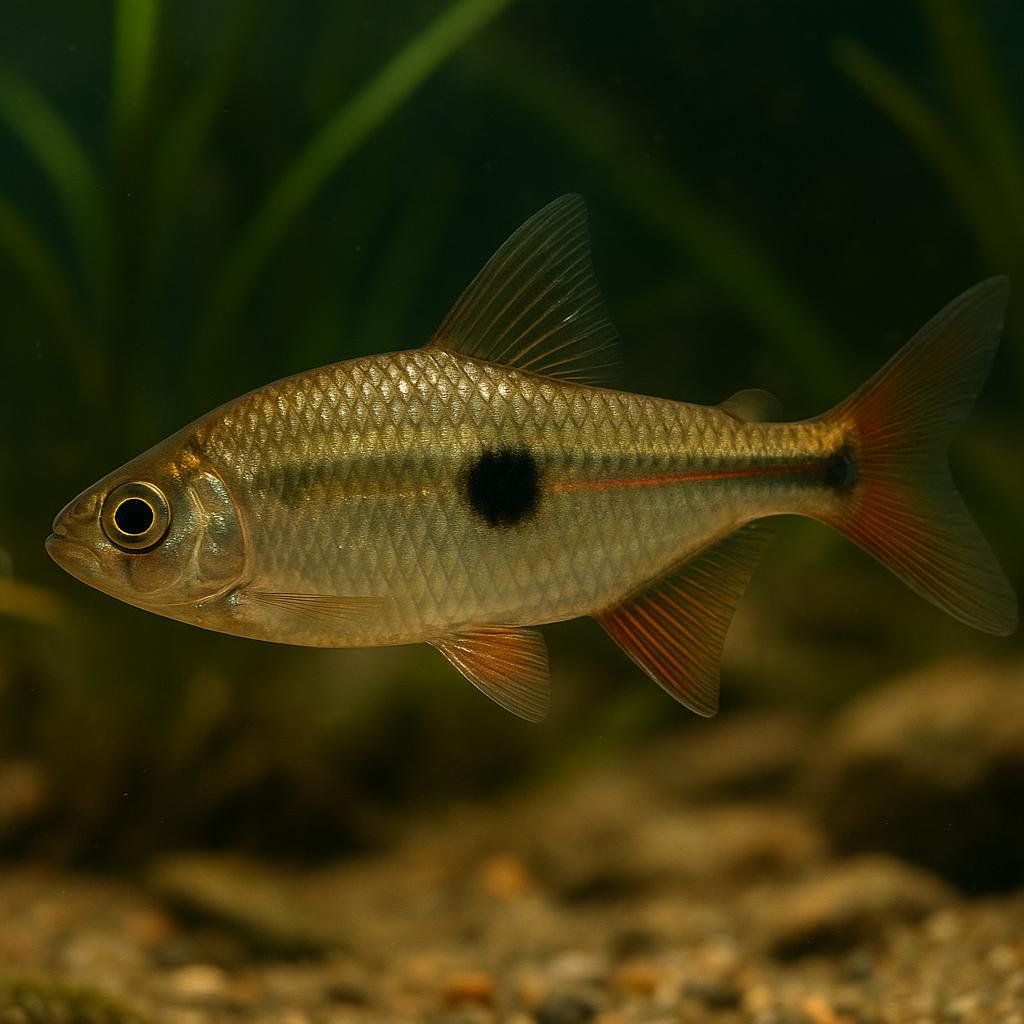
Small South American characin endemic to the upper rio Curuá (rio Xingu basin, Brazil). Reaches about 8.7 cm SL and inhabits clearwater rivers. Distinguished by dark dots on the bases of many lateral scales and a distinct dark caudal‑peduncle spot. Reported diet indicates omnivory, including aquatic insects, small fishes, and fragments of Podostemaceae and filamentous algae.
Altipedunculata stone loach
Schistura altipedunculata
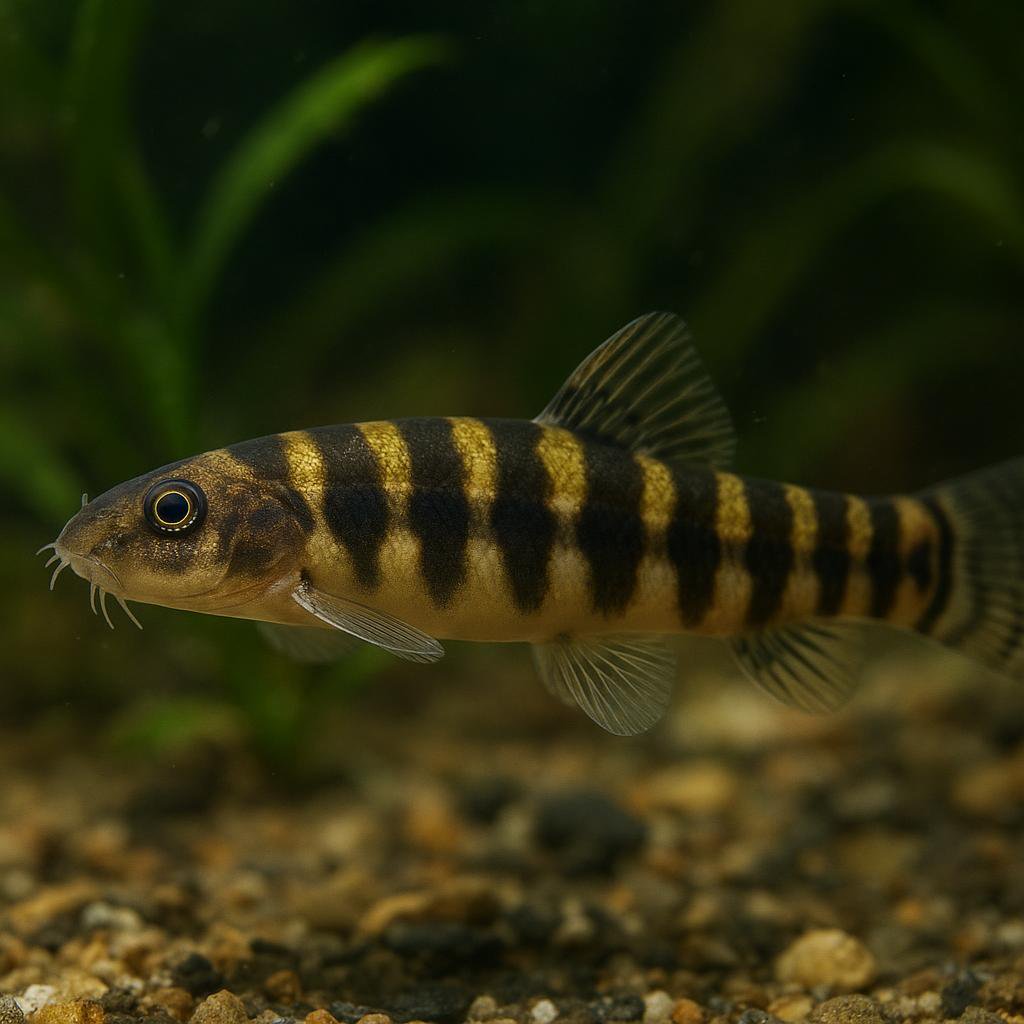
Schistura altipedunculata is one of those little stream loaches that wants clean, well-oxygenated water and a bunch of rock nooks to claim as home. It is a bottom-hugger that will spend its day scooting from crevice to crevice, and it tends to get a bit spicy with its own kind if you do not give it enough hiding spots.
American flagfish
Jordanella floridae
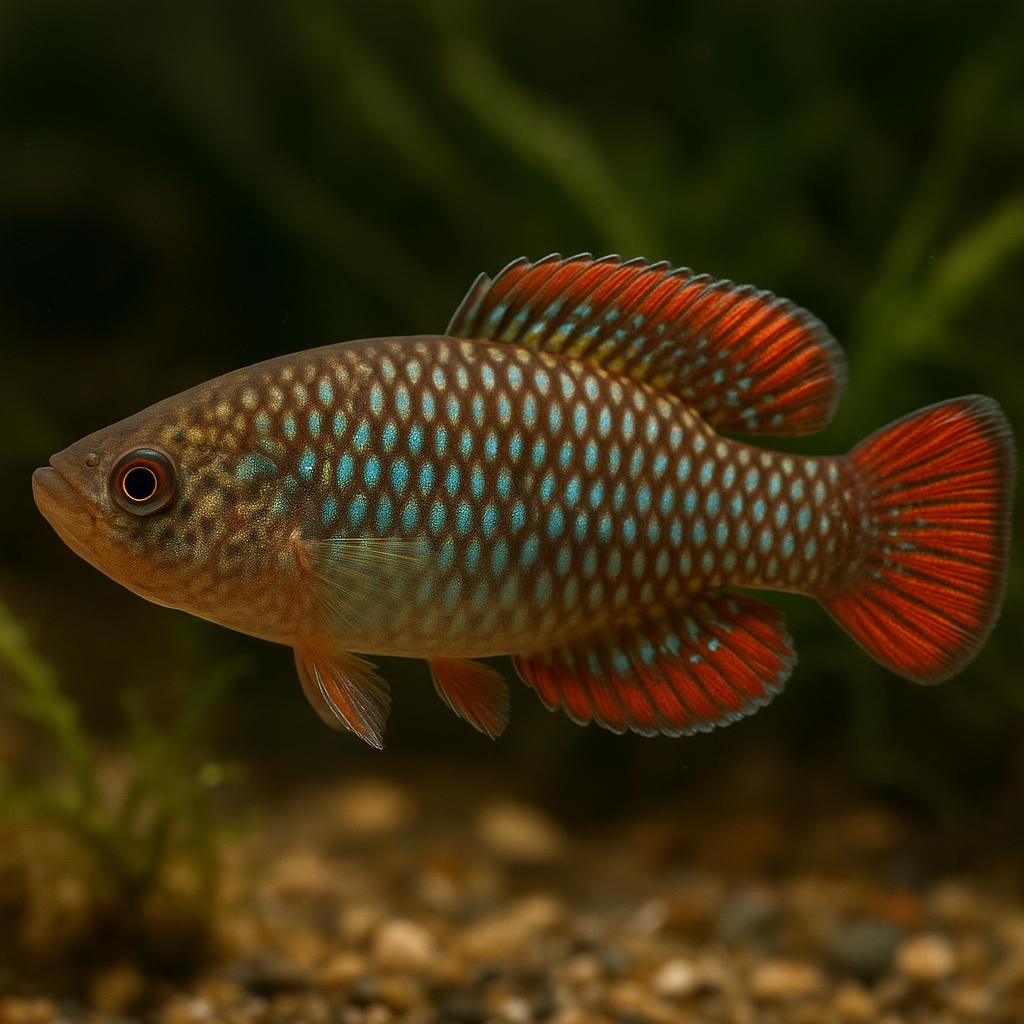
Jordanella floridae is that little Florida native with the red-and-cream striping that really does look like a tiny flag once a male colors up. They graze algae like champs (especially stringy/hair algae), but they have a bit of attitude - give them plants and space so the bossy behavior stays manageable. Bonus: the male guards the eggs and will actively fan them, which is pretty fun to watch.
Amur sculpin
Alpinocottus szanaga
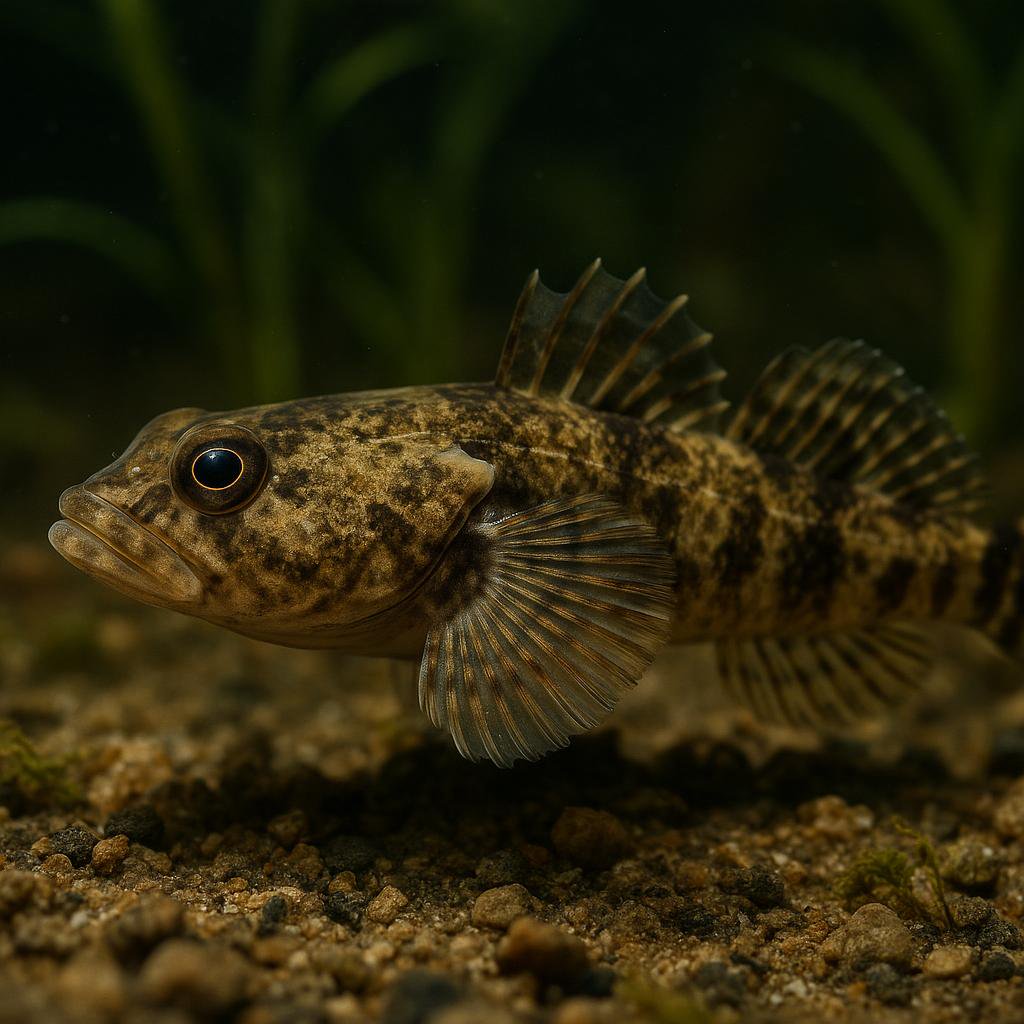
This is a little coldwater sculpin from the Amur drainage - a bottom-hugging, rock-and-gravel fish that spends its day wedged under stones and darting out to grab food. Super cool behavior and attitude, but it is absolutely not a warm tropical community fish - it wants chilly, fast, oxygen-rich water and will bicker with other bottom fish.
Anitápolis livebearer
Jenynsia weitzmani
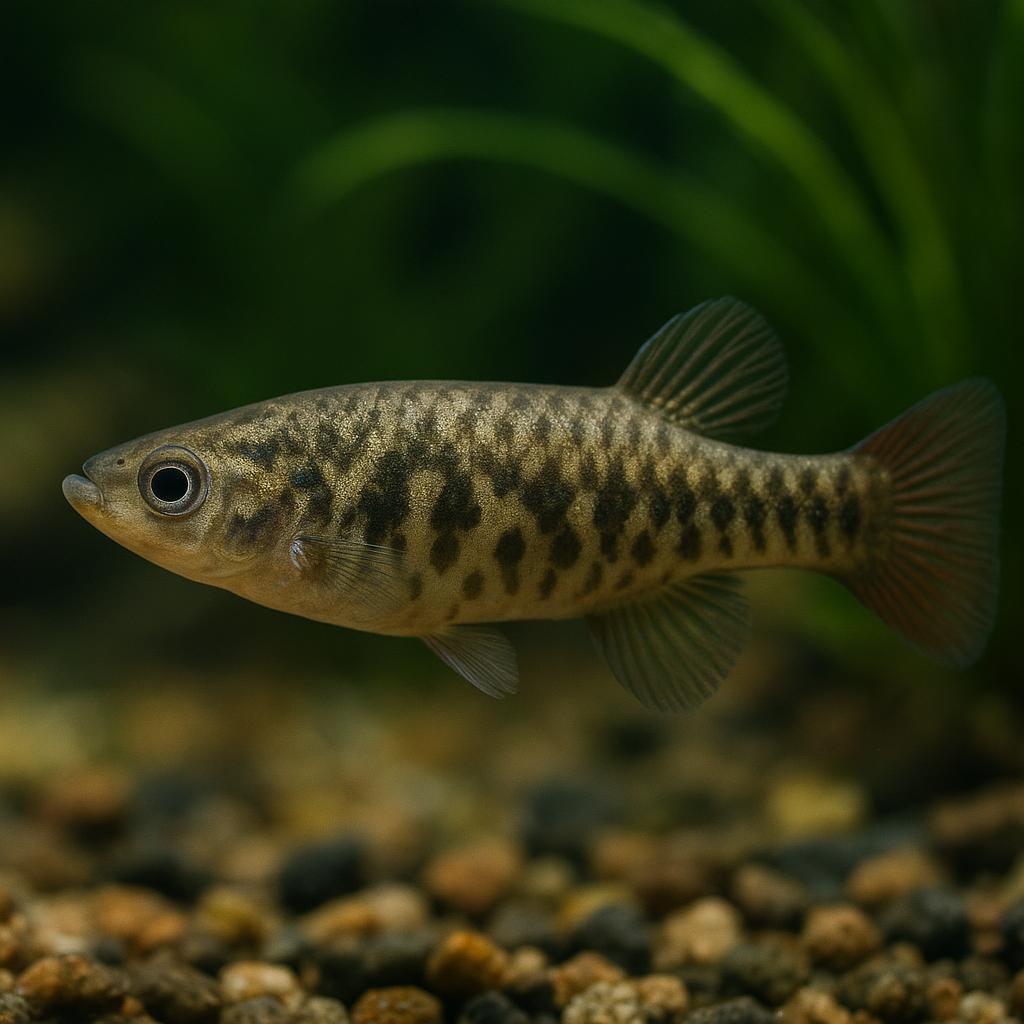
Jenynsia weitzmani is a freshwater anablepid livebearer endemic to southern Brazil (currently known only from the type locality near Anitápolis, Santa Catarina). Like other Jenynsia (onesided livebearers), reproduction involves lateralized mating morphology/behavior; aquarium care guidance is not well-documented for this species specifically.
Aracu-comum
Schizodon vittatus
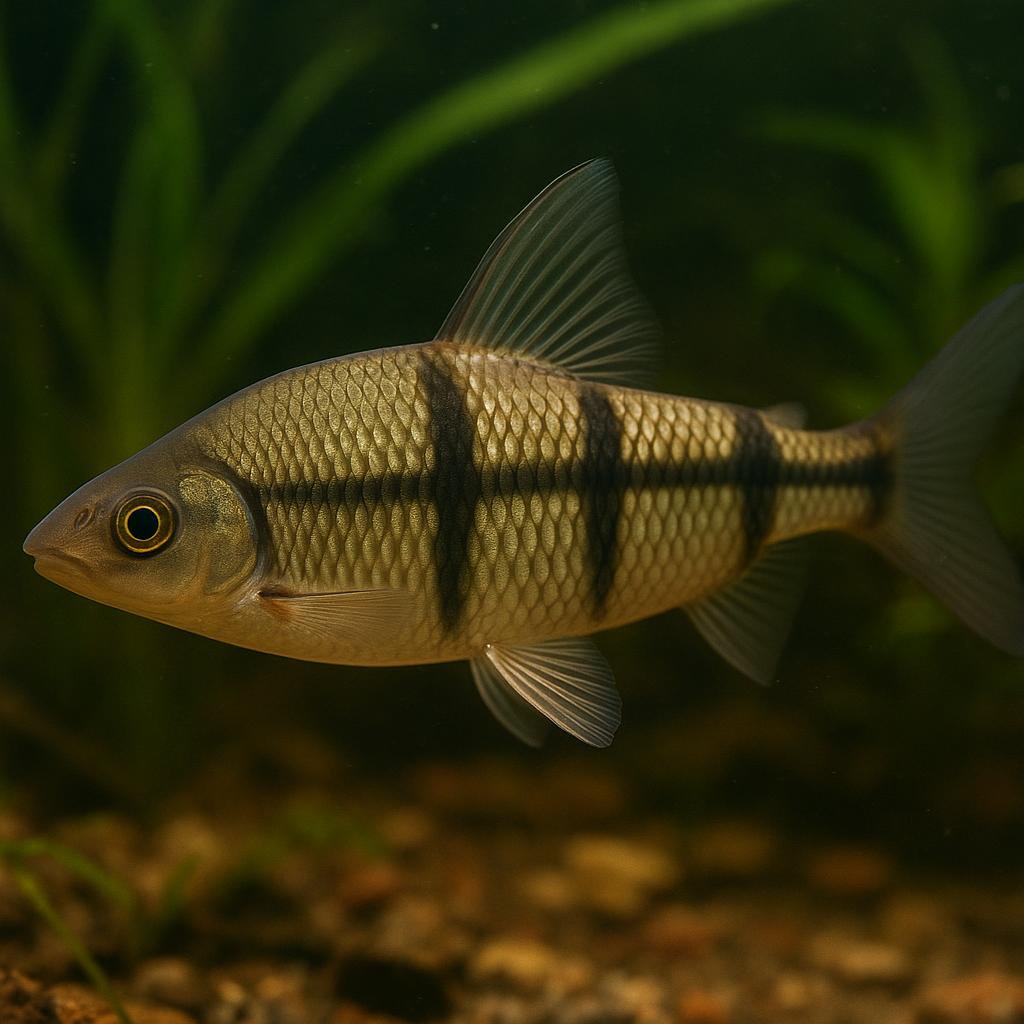
Schizodon vittatus is a large South American anostomid (family Anostomidae). Reported maximum size is about 35 cm standard length; it is harvested/consumed in parts of Brazil and is not commonly covered by mainstream aquarium husbandry references.
More to Explore
Discover more freshwater species.
Amphilius dimonikensis
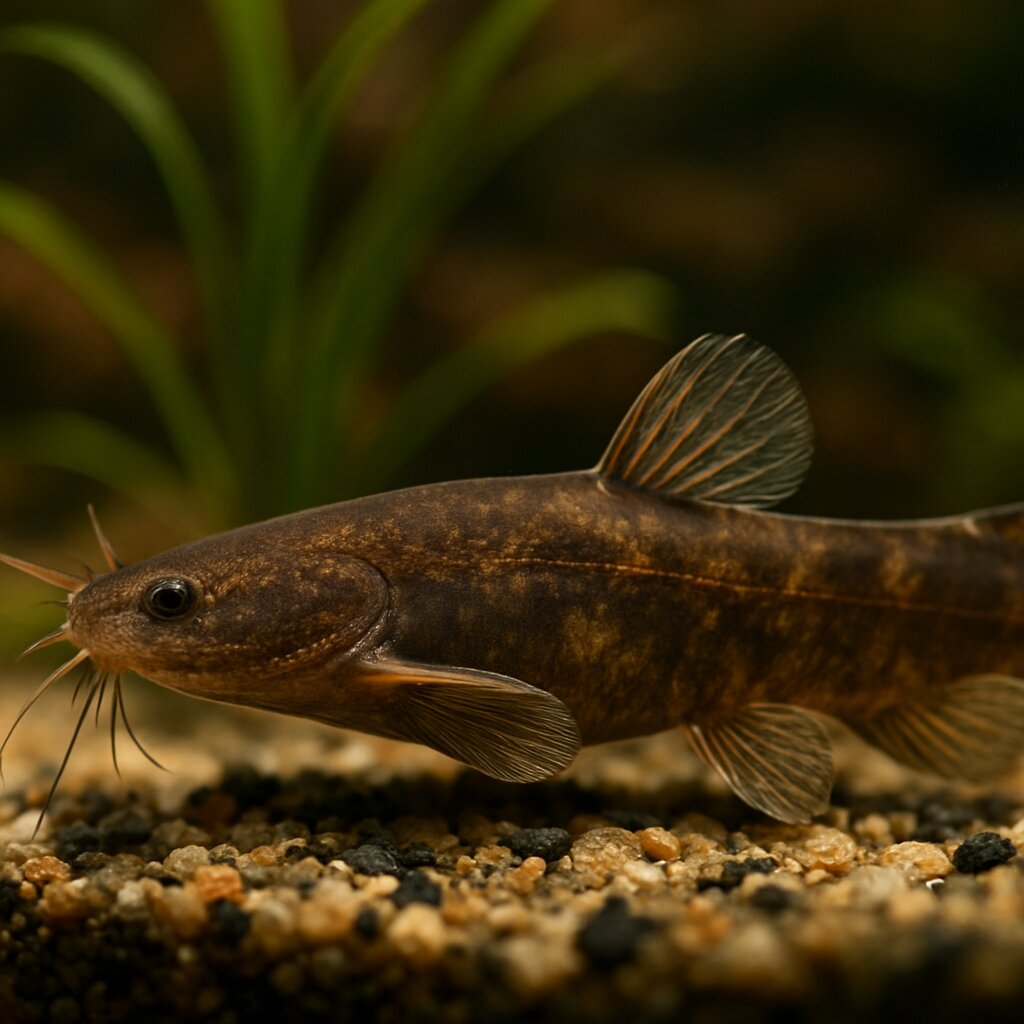
A small loach catfish endemic to the Mpoulou River in the Mayombe (Dimonika Biosphere Reserve), Republic of the Congo. Amphilius dimonikensis has a subtle banded pattern and inhabits fast, clear streams over rock and sand. In aquaria, prioritize strong, well-oxygenated flow with rounded stones and sand to mimic hillstream conditions.
Aboina barb
Enteromius aboinensis
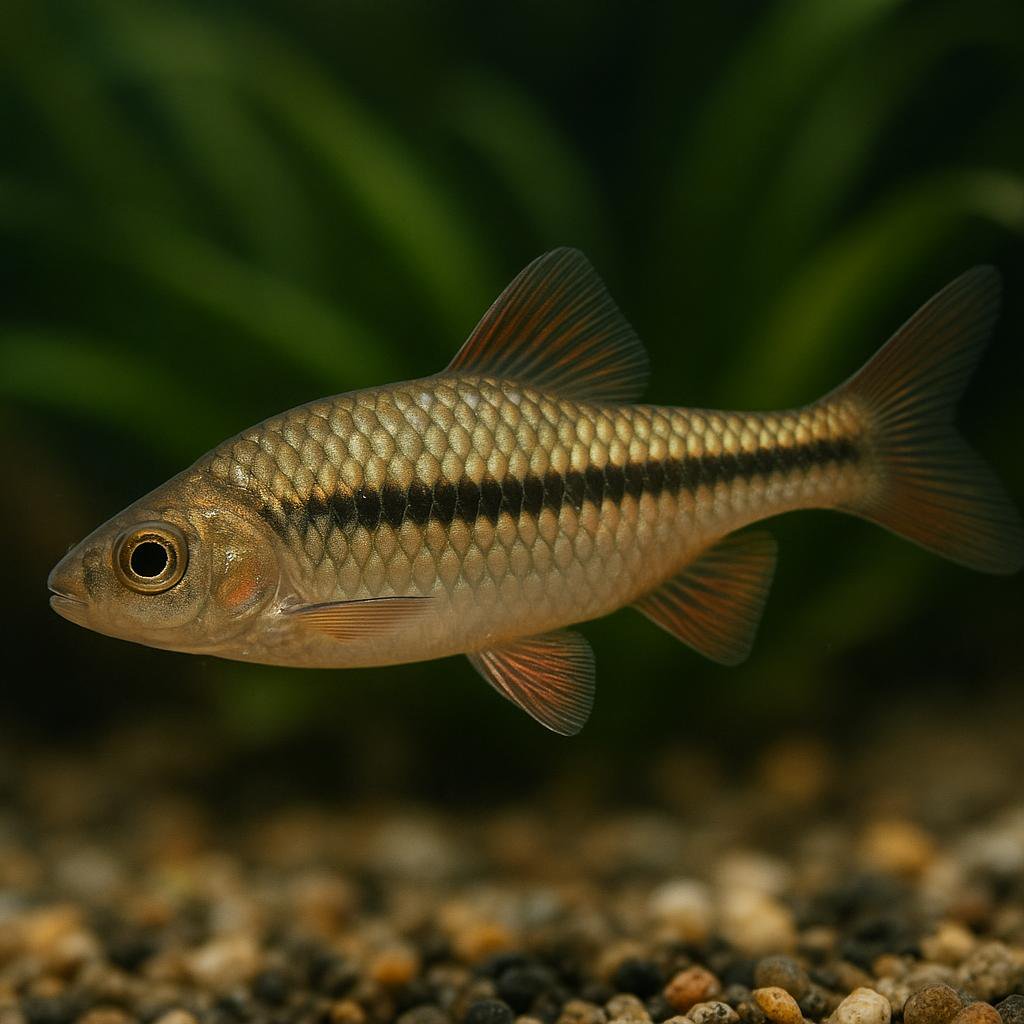
Enteromius aboinensis (the Aboina barb) is a small West African barb with a clean black midline stripe and a little spot right at the base of the tail. It does best when you treat it like a proper schooling fish - keep a decent group and give it plants around the edges with open swimming room in the middle.
Ajuricaba tetra
Jupiaba ajuricaba
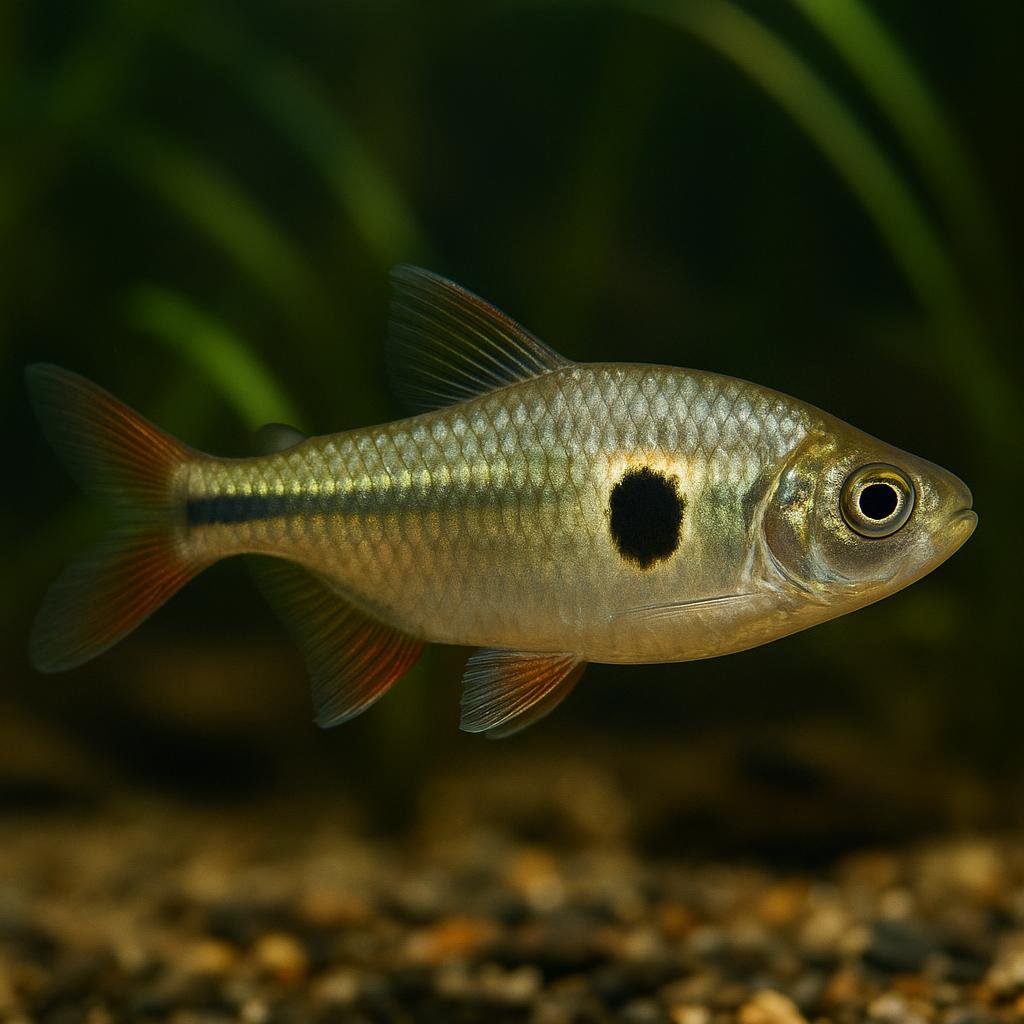
Jupiaba ajuricaba is a South American freshwater characin from the Amazon basin in Brazil (rio Negro, rio Solimões, and rio Tapajós basins). It reaches about 9.5 cm SL and is diagnosed by a narrow dark midlateral stripe, an elongated humeral spot, and an ocellated spot on the upper caudal-fin lobe. Wild specimens have been collected from blackwater forest streams and also oxbow-lake habitats.
Allen's river garfish
Zenarchopterus alleni
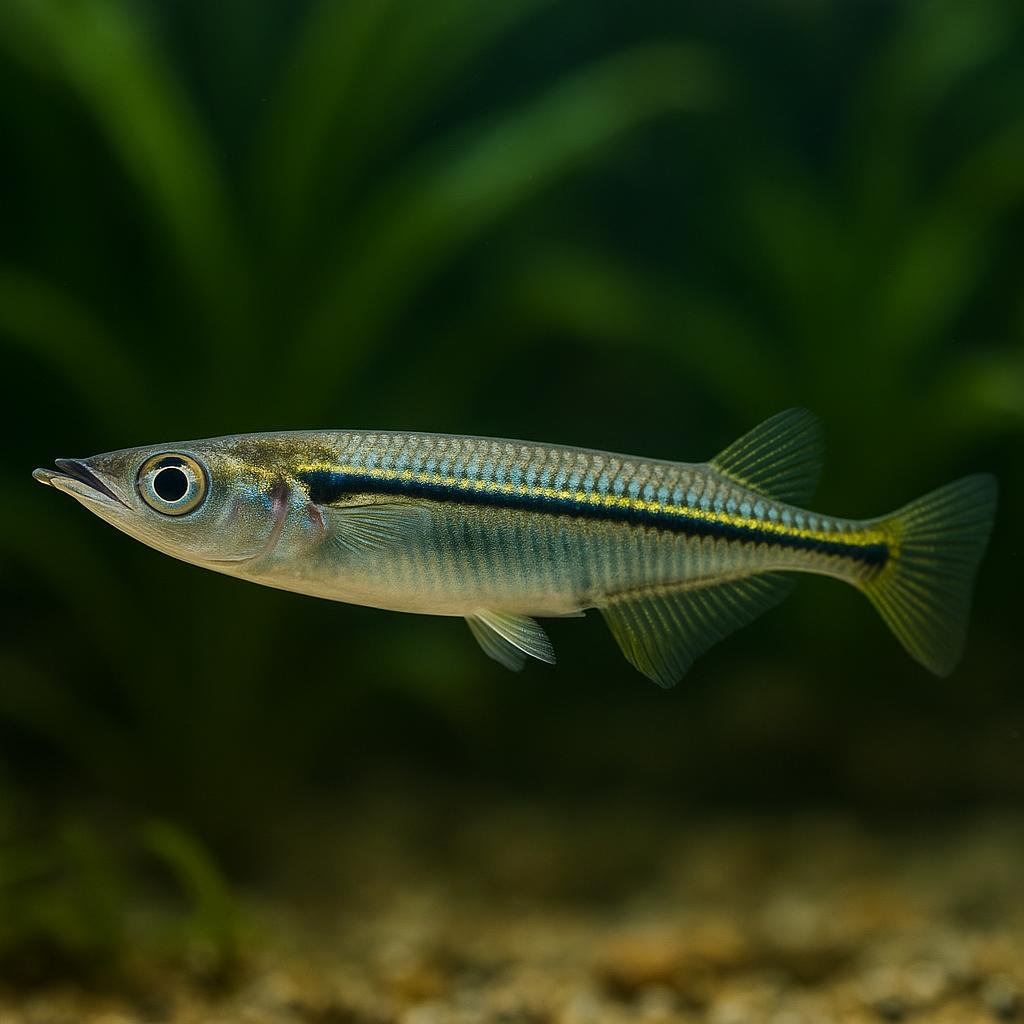
A poorly known freshwater halfbeak endemic to West Papua (Mamberamo River), described from a single specimen (~13 cm SL). Beyond basic habitat/occurrence, little is published about its ecology or aquarium suitability; assume it is a surface-oriented, jump-prone halfbeak only by analogy with related taxa.
Amapa tetra
Hyphessobrycon amapaensis
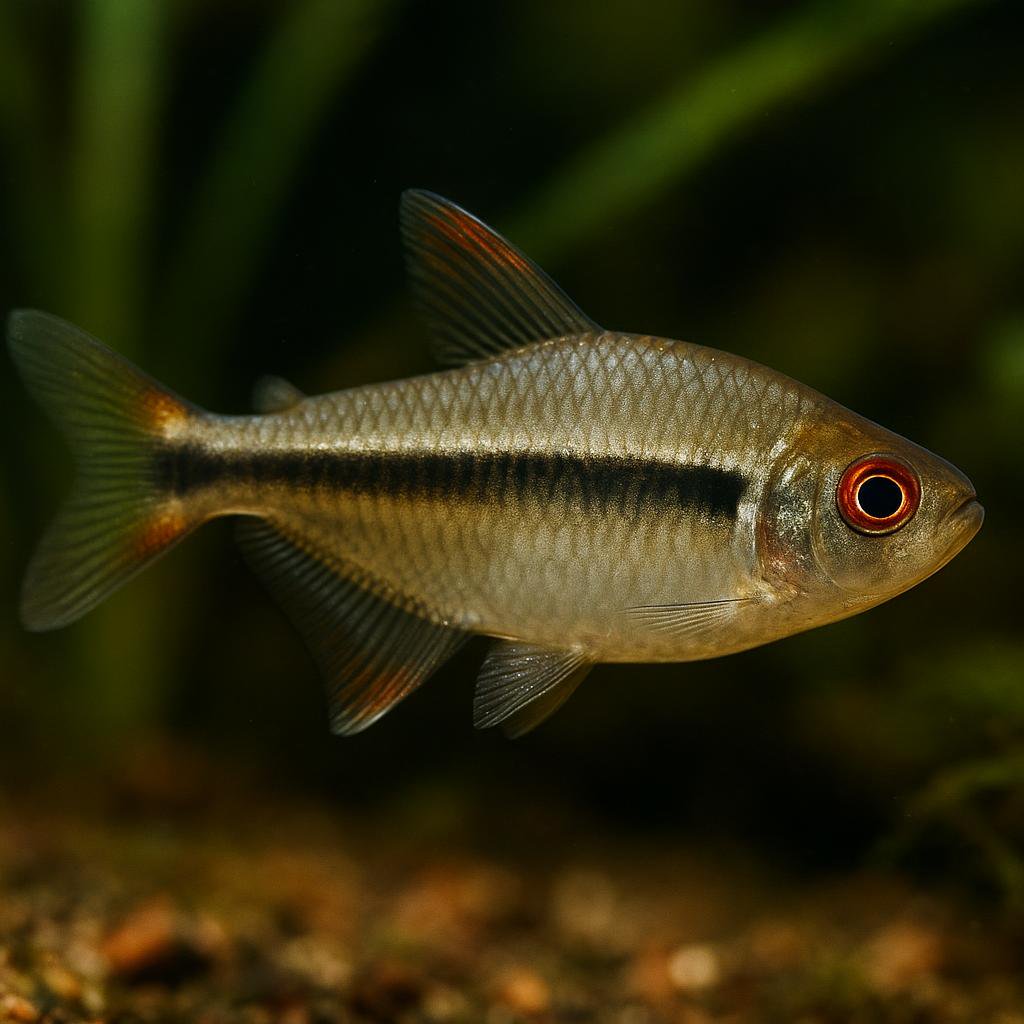
This is a tiny, super sleek little tetra with a clean red stripe down the side that really pops once its settled in. It does best in a planted, slightly tinted "creek-style" setup and looks way cooler when you keep a proper group so they school and flash that line together. If you can give it soft, slightly acidic water and a calm community, its an easy fish to fall for.
Amatlan chub
Yuriria amatlana
Yuriria amatlana (the Amatlan chub) is a little Mexican native minnow from the Ameca River basin. Its wild range is pretty limited and it is listed as Endangered, so its care info in the aquarium hobby is basically nonexistent and its availability is usually low. In the original species description, preserved fish show a dark lateral stripe with a darker patch on the caudal peduncle, and they can have tiny barbels at the mouth corners.
Looking for other species?