

European mudminnow
Umbra krameri
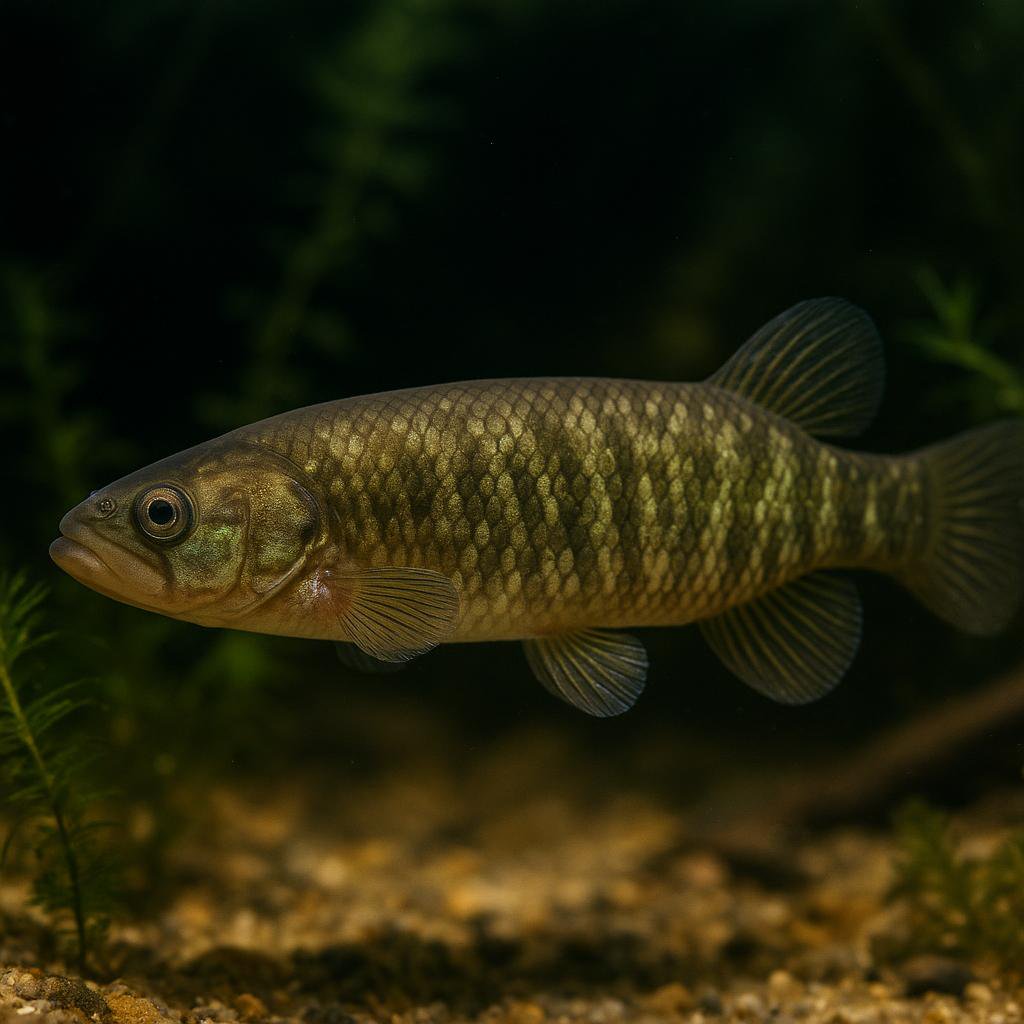
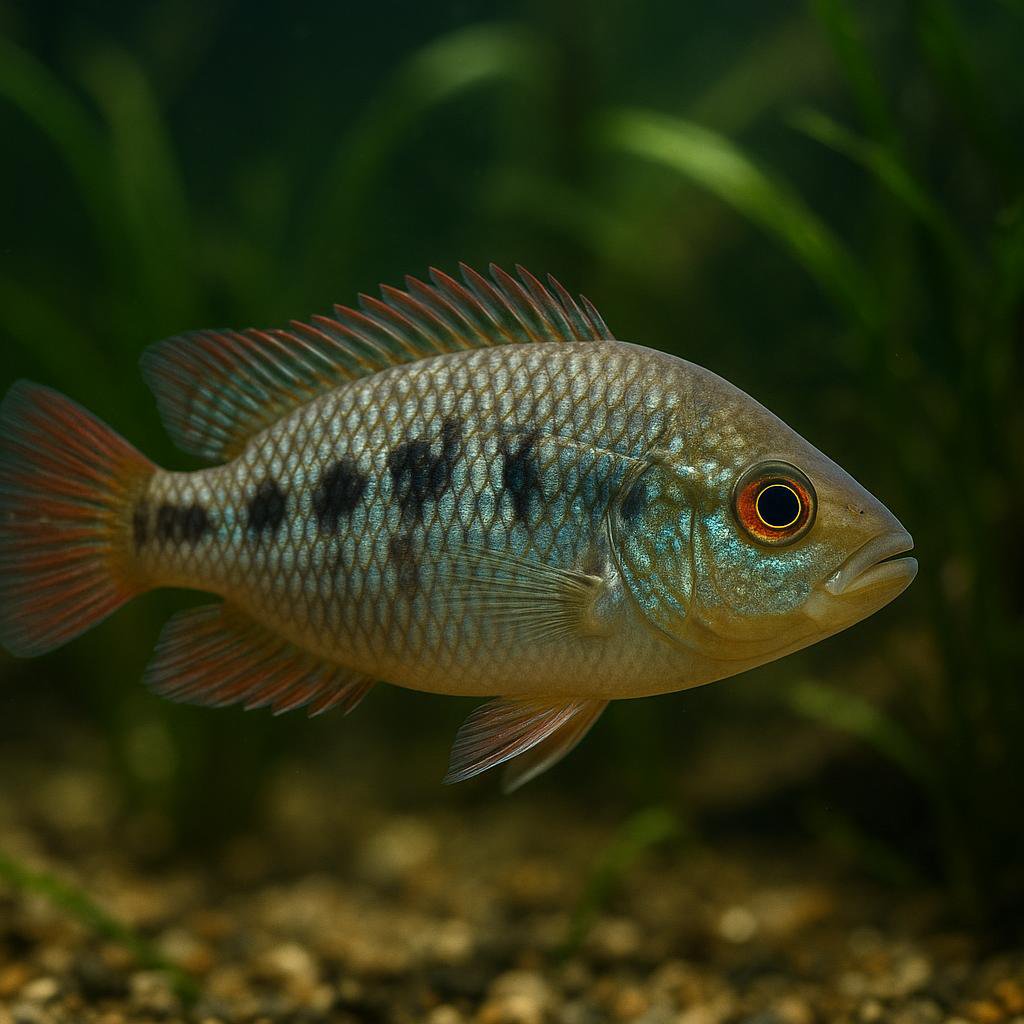
The European mudminnow exhibits a slender, elongated body with a brownish-green hue and distinct, dark spots along its sides.
This page includes AI-generated images. Why am I seeing AI images?
About the European mudminnow
Umbra krameri is a little swamp-and-ditch specialist from the Danube area that does the classic mudminnow thing: it can handle low-oxygen, weedy water and will happily pick at tiny critters all day. Its coolest party trick is that it is facultative air-breathing, and it has that subtle mottled, shadowy pattern that makes it vanish in plants until it suddenly darts out for food.
Also known as
Quick Facts
Size
17 cm
Temperament
Semi-aggressive
Difficulty
Intermediate
Min Tank Size
20 gallons
Lifespan
4-5 years
Origin
Europe (Danube and Dniester drainages)
Diet
Carnivore/invertivore - insect larvae, small crustaceans, snails; in captivity use frozen/live foods and meaty pellets
Water Parameters
5-24°C
6-6.5
5-12 dGH
Need a heater for this species?
This species needs 5-24°C in a 20 gallon tank. Use our heater calculator to find the right wattage.
Calculate heater sizeCare Notes
- Give them a low, wide tank with lots of plants and tangled cover (roots, leaf litter, moss) - they relax when they can lurk and dash out, not when they have to hover in the open.
- They come from slow, weedy waters, so keep the flow gentle and avoid blasting them with a powerhead; a sponge filter or baffled filter output makes them act way less skittish.
- They tolerate cool-to-mild temps well (roughly 12-22 C / 54-72 F) and don-t need tropical heat; keep ammonia/nitrite at zero and don-t let nitrate creep high if you want good color and appetite.
- Feed like a mini predator: frozen bloodworms, blackworms, daphnia, chopped earthworms, and small shrimp; they will take pellets eventually, but they really shine on meaty foods.
- Tankmates: think small, calm, and not fin-nippy - avoid aggressive barbs/cichlids and don-t mix with tiny shrimp or very small fish unless you-re fine with them disappearing.
- Keep the lid tight - they can jump when spooked, especially during netting or big light changes; I dim the lights and give them floating plants to keep them chill.
- Breeding is doable if you give them a cool season then warm up in spring: lots of fine plants for egg scattering, and pull adults after spawning because they will snack on eggs/fry if they find them.
- Watch for stress from warm water and strong current - it often shows up as hiding nonstop and refusing food; in planted, low-flow setups they come out more and feed hard.
Compatibility
Good Tankmates
- Tougher, fast little schooling fish like danios (zebra/leopard danios) - they stay in the upper water, are too quick to get bullied, and they do not have big snack-sized vibes
- Small barbs that are on the calmer side (cherry barbs, odessa barbs) - active enough to hold their own, but not usually looking for a fight if the tank has cover
- Spined loaches like weather loach (Misgurnus) or smaller Cobitidae - they hang on the bottom and can handle a pushy neighbor way better than soft, delicate bottom fish
- Sturdy minnows and small native-type cyprinids (white cloud mountain minnows, rosy red minnows/fathead minnows) - they match the coolwater vibe and do fine as long as they are not tiny fry-sized
- Hardy, medium livebearers like platies or larger endlers - okay if they are not dropping clouds of fry, because mudminnows will absolutely treat babies like free snacks
Avoid
- Anything small enough to be swallowed - neon-size tetras, tiny rasboras, and especially shrimp - if it fits in the mouth, it is on the menu sooner or later
- Slow fish with fancy fins (bettas, fancy guppies, long-finned goldfish) - they get stressed, get nipped, and the mudminnow tends to be a fin-testing little predator
- Aggressive fin-nippers and brawlers (tiger barbs, some cichlids) - you end up with constant chasing and shredded fins on both sides
- Gentle bottom dwellers that cannot push back (corydoras, small otos) - mudminnows cruise the lower zones and will hassle them, especially at feeding time
Where they come from
European mudminnow (Umbra krameri) is one of those oddball native fish that makes you wonder why it is not in the hobby more. They come from lowland wetlands and slow backwaters in parts of Central and Eastern Europe - think weedy ditches, floodplain ponds, and lazy side channels with leaf litter and soft bottoms.
That background tells you almost everything: they are built for still water, lots of cover, and messy, organic environments where food drifts by or hides in the plants.
Setting up their tank
Give them a tank that feels like a swampy backwater, not a bright river tank. They calm down fast once they have shade and places to tuck in.
- Tank size: 20 gallons long for a small group works well. Bigger is always easier if you want tankmates.
- Substrate: sand or smooth fine gravel. I like tossing in a layer of leaf litter (oak/beech/Indian almond) for that natural feel.
- Hardscape: branches, rooty wood, and a couple of caves or rock piles. They will use every nook.
- Plants: go heavy. Java fern, Anubias, hornwort, water sprite, Vallisneria, floating plants. Dense edges are your friend.
- Flow: low to moderate. A sponge filter or a gentle canister with a spray bar keeps things stable without blasting them.
- Lighting: dimmer is better. Floaters help a lot.
If they are acting skittish and hugging corners, add more cover and dim the light. The same fish that looks "meh" in a bare tank can turn into a confident little predator once it feels hidden.
Water parameters are not something I obsess over with this species as long as you keep it clean and stable. Neutral-ish pH and moderate hardness are fine. What they do notice is temperature and oxygen. Cool to room-temp water suits them, and they do not love hot, stuffy tanks.
Avoid running them warm like tropical community fish. Long stretches in the upper 70s F can make them sluggish and more prone to problems, especially if oxygen is low.
What to feed them
They eat like little ambush hunters. Mine learned quickly that anything wiggly is food, and anything that sinks and smells like meat is at least worth investigating.
- Great staples: frozen bloodworms, blackworms, chopped earthworms, daphnia, mysis, brine shrimp.
- Live foods they go nuts for: blackworms, mosquito larvae (if you can get them safely), live daphnia.
- Prepared foods: sinking carnivore pellets, soft granules, and meaty gels. Some take flakes, but do not count on it.
Feed after lights are lower or at dusk. They are bolder then, and shy fish will actually come out to eat instead of letting the confident one hog everything.
If you are trying to wean them onto pellets, start by mixing frozen food and pellets in the same spot. Let the smell of the frozen food get them in a feeding mood. Once one fish starts snapping at pellets, the rest often copy it.
How they behave and who they get along with
European mudminnows have that classic "sit and watch" predator vibe. They hover in cover, then dart out to grab food. They are not usually hyper-aggressive, but they are absolutely mouth-driven. If it fits, it is food. If it does not fit, it might still get nipped if it annoys them.
- Best setup: a species tank or a calm, coolwater community with similarly sized, non-bullying fish.
- Good tankmates: larger danios, bitterling (where legal), bigger rosy minnows, peaceful barbs that like cooler water, small weather loaches (watch feeding competition).
- Avoid: tiny fish (they will disappear), long-finned slow fish (nipping risk), aggressive fin-biters, and anything that needs tropical temps.
They are more confident in a group. Kept solo, they can turn into a permanent hider. A small group spreads out the "who is brave enough to come out" job.
With their own kind, you will see little squabbles, especially around favorite hides. In a planted tank with multiple sight breaks, it stays pretty chill. In a bare tank, one fish can claim the whole place.
Breeding tips
Breeding is doable, but it is not a "they will spawn every week" kind of fish. The biggest trigger is seasonal thinking: cooler period, then a warm-up and lots of food. If you have kept native spawners before, the rhythm will feel familiar.
- Give them a winter break: several weeks on the cool side with lighter feeding.
- Warm them back up gradually and start feeding heavier with live/frozen foods.
- Provide spawning habitat: dense fine-leaved plants, moss, or mops near the bottom and along edges.
- Keep the tank calm during the ramp-up. Too much disturbance seems to stall things.
If you want fry, assume the adults will snack given the chance. A separate spawning tank, or pulling the adults after eggs are laid, saves you a lot of frustration.
Fry take tiny foods at first. Infusoria and very small live foods (like newly hatched brine shrimp once they are ready) make life easier than trying to force powders from day one.
Common problems to watch for
Most issues I have seen with this species come from keeping them like tropical community fish or keeping them in a sterile, bright tank where they never relax.
- Heat and low oxygen: warm water plus weak surface agitation can lead to lethargy and poor appetite.
- Food competition: fast tankmates can starve them without you noticing. They are not built for frenzy feeding.
- Stress from lack of cover: hiding all day, pale colors, jumpy behavior.
- Parasites from live foods: live worms and wild-collected foods can bring hitchhikers if you are not careful.
They can jump, especially when spooked. A tight lid (and blocking filter gaps) saves you from the worst kind of surprise.
If one stops eating, check the basics first: temperature creeping up, not enough cover, or tankmates outcompeting it. Fixing those usually solves more than any medication does. If you do need to treat, they handle standard freshwater meds fine in my experience, but I still go gentle and keep oxygen high during treatment.
Similar Species
Other freshwater semi-aggressive species you might be interested in.
Jupiaba kurua
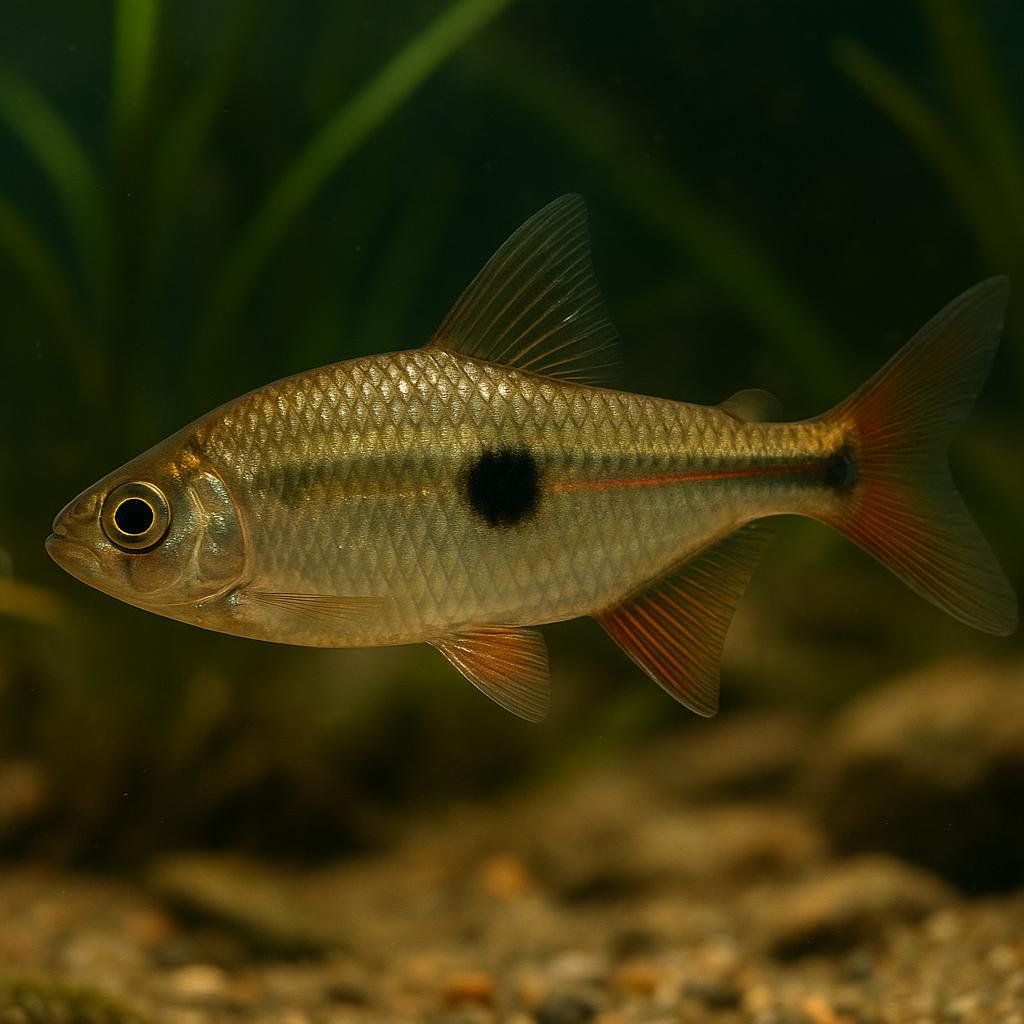
Small South American characin endemic to the upper rio Curuá (rio Xingu basin, Brazil). Reaches about 8.7 cm SL and inhabits clearwater rivers. Distinguished by dark dots on the bases of many lateral scales and a distinct dark caudal‑peduncle spot. Reported diet indicates omnivory, including aquatic insects, small fishes, and fragments of Podostemaceae and filamentous algae.
Altipedunculata stone loach
Schistura altipedunculata
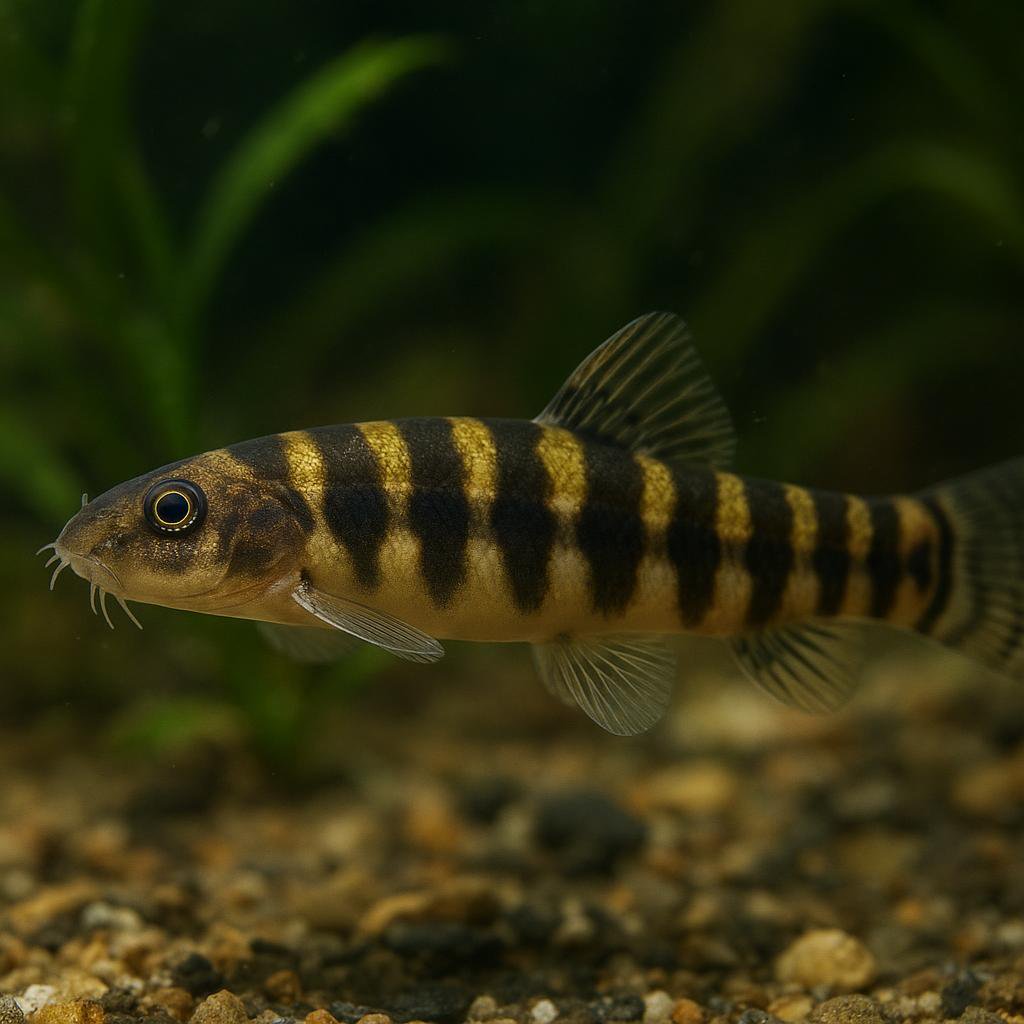
Schistura altipedunculata is one of those little stream loaches that wants clean, well-oxygenated water and a bunch of rock nooks to claim as home. It is a bottom-hugger that will spend its day scooting from crevice to crevice, and it tends to get a bit spicy with its own kind if you do not give it enough hiding spots.
American flagfish
Jordanella floridae
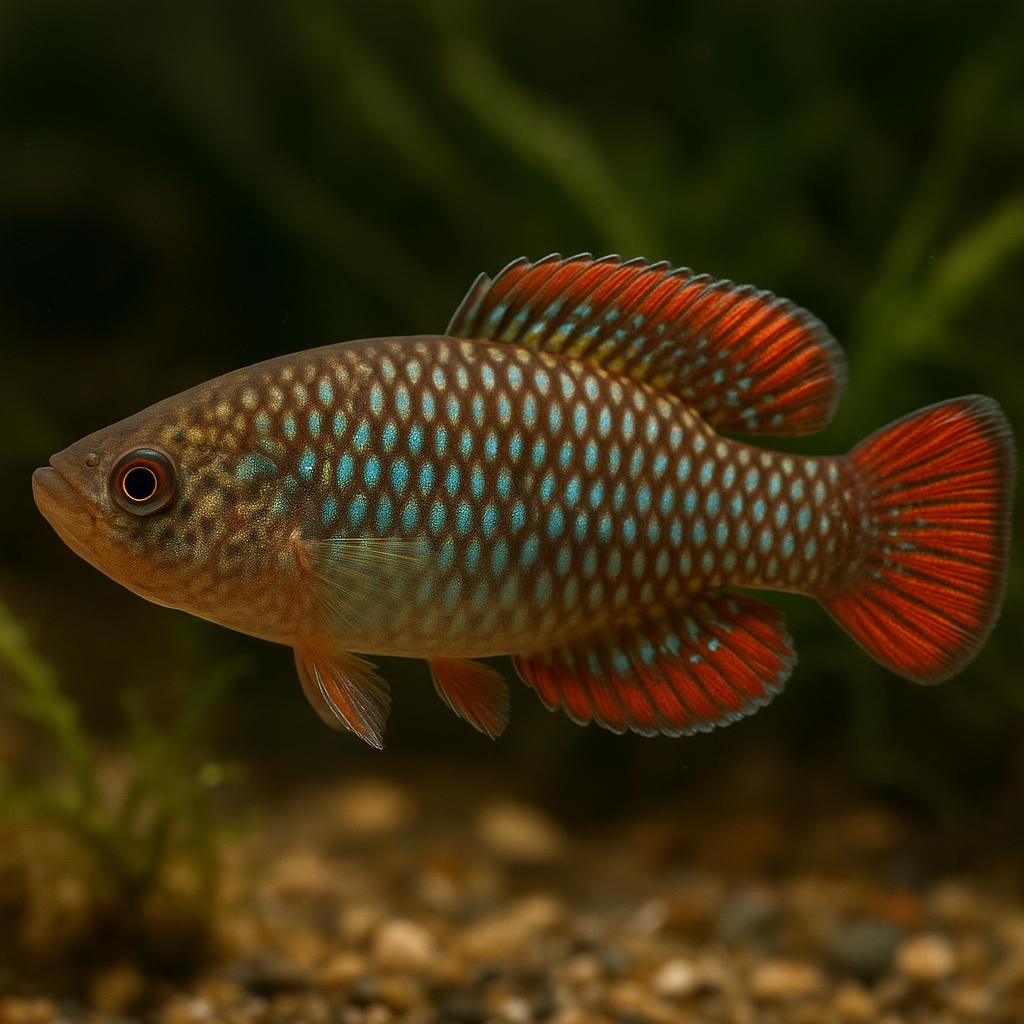
Jordanella floridae is that little Florida native with the red-and-cream striping that really does look like a tiny flag once a male colors up. They graze algae like champs (especially stringy/hair algae), but they have a bit of attitude - give them plants and space so the bossy behavior stays manageable. Bonus: the male guards the eggs and will actively fan them, which is pretty fun to watch.
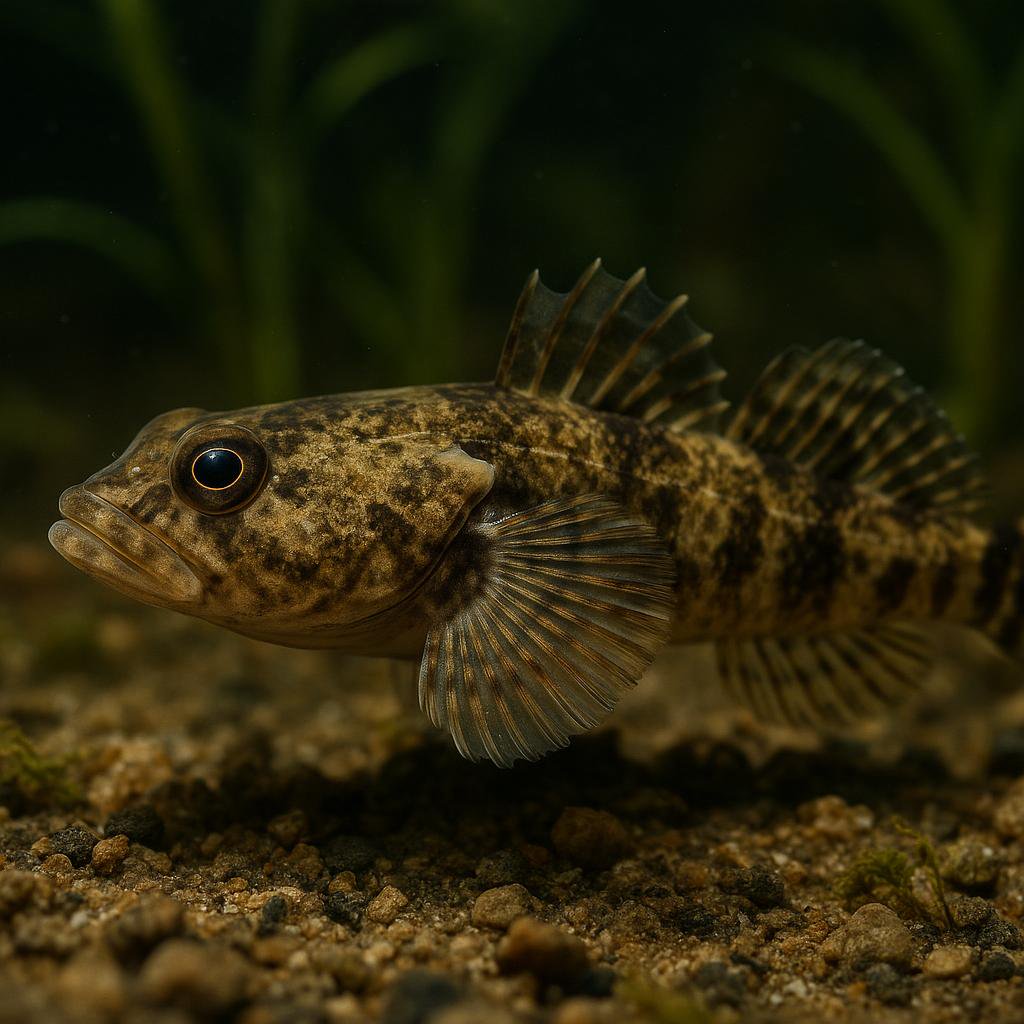
Amur sculpin
Alpinocottus szanaga
This is a little coldwater sculpin from the Amur drainage - a bottom-hugging, rock-and-gravel fish that spends its day wedged under stones and darting out to grab food. Super cool behavior and attitude, but it is absolutely not a warm tropical community fish - it wants chilly, fast, oxygen-rich water and will bicker with other bottom fish.
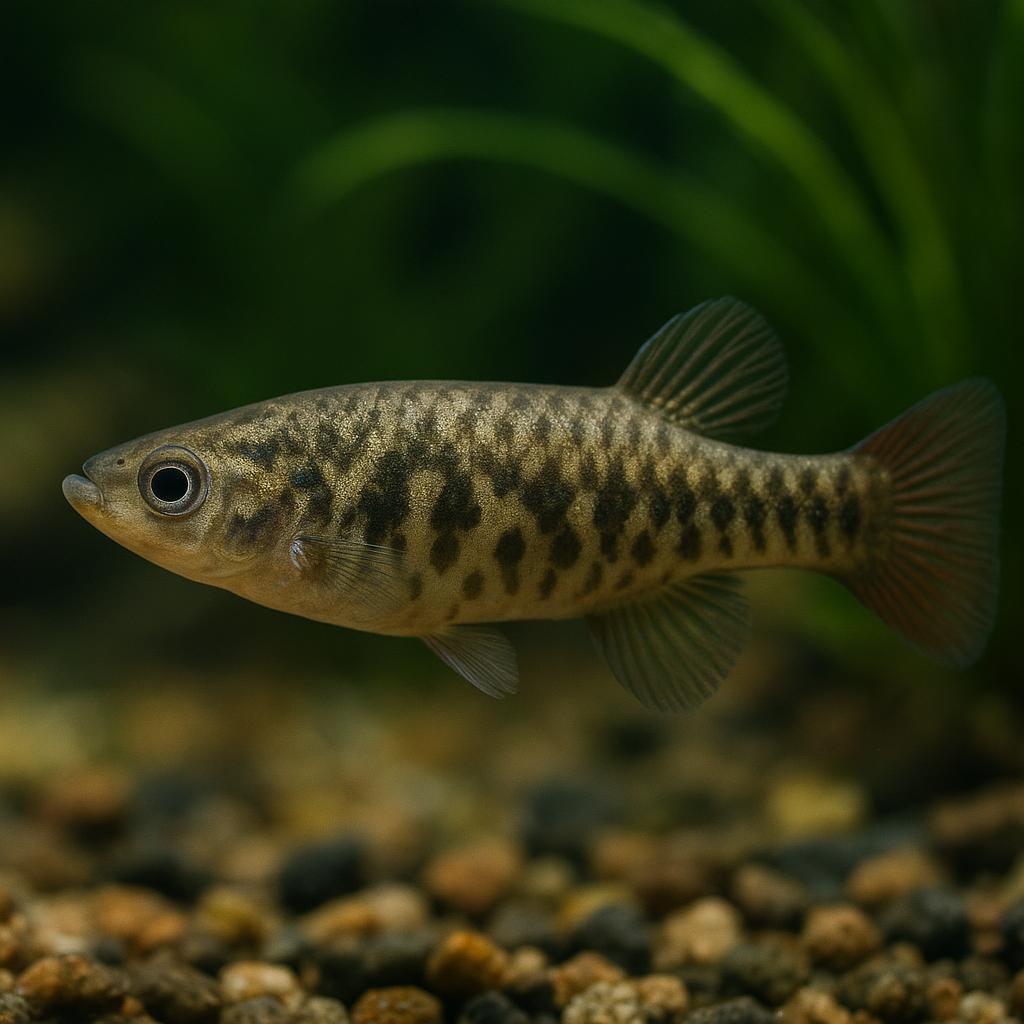
Anitápolis livebearer
Jenynsia weitzmani
Jenynsia weitzmani is a freshwater anablepid livebearer endemic to southern Brazil (currently known only from the type locality near Anitápolis, Santa Catarina). Like other Jenynsia (onesided livebearers), reproduction involves lateralized mating morphology/behavior; aquarium care guidance is not well-documented for this species specifically.
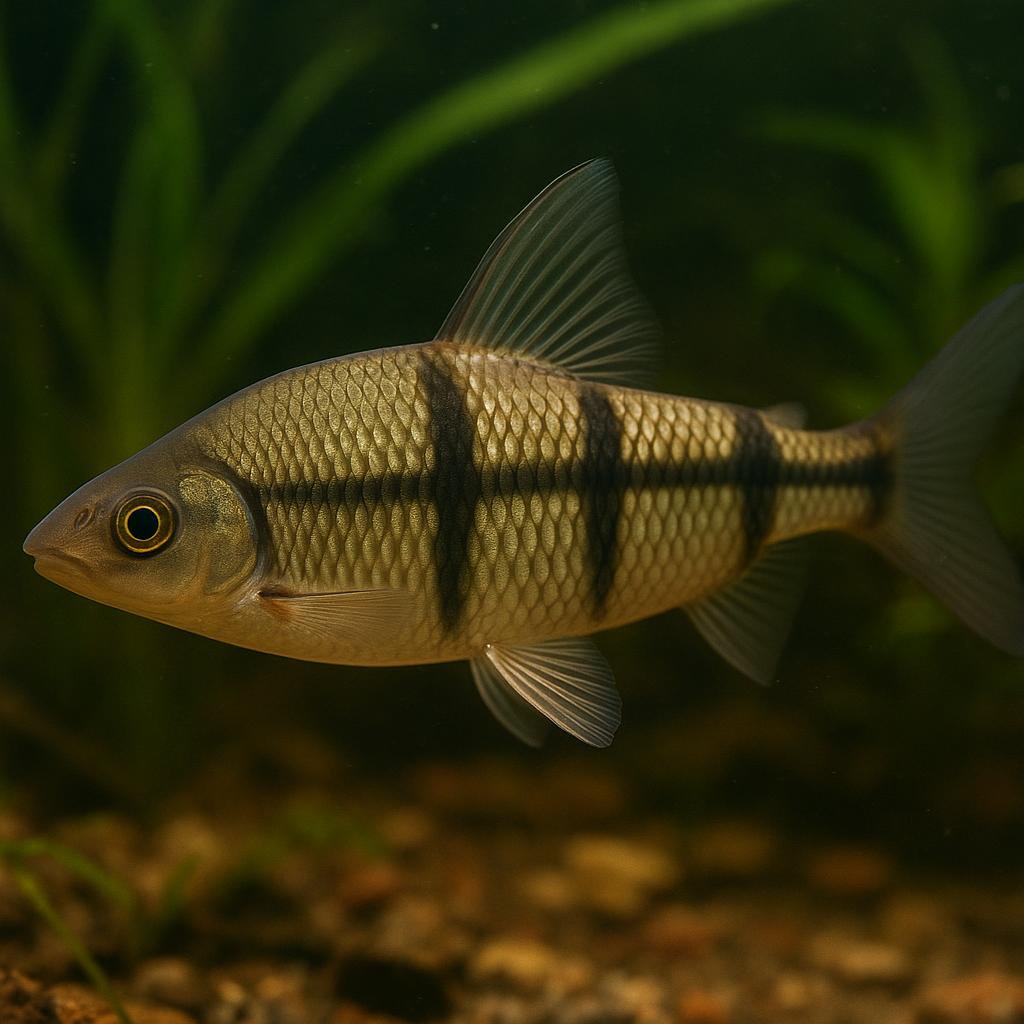
Aracu-comum
Schizodon vittatus
Schizodon vittatus is a large South American anostomid (family Anostomidae). Reported maximum size is about 35 cm standard length; it is harvested/consumed in parts of Brazil and is not commonly covered by mainstream aquarium husbandry references.
More to Explore
Discover more freshwater species.
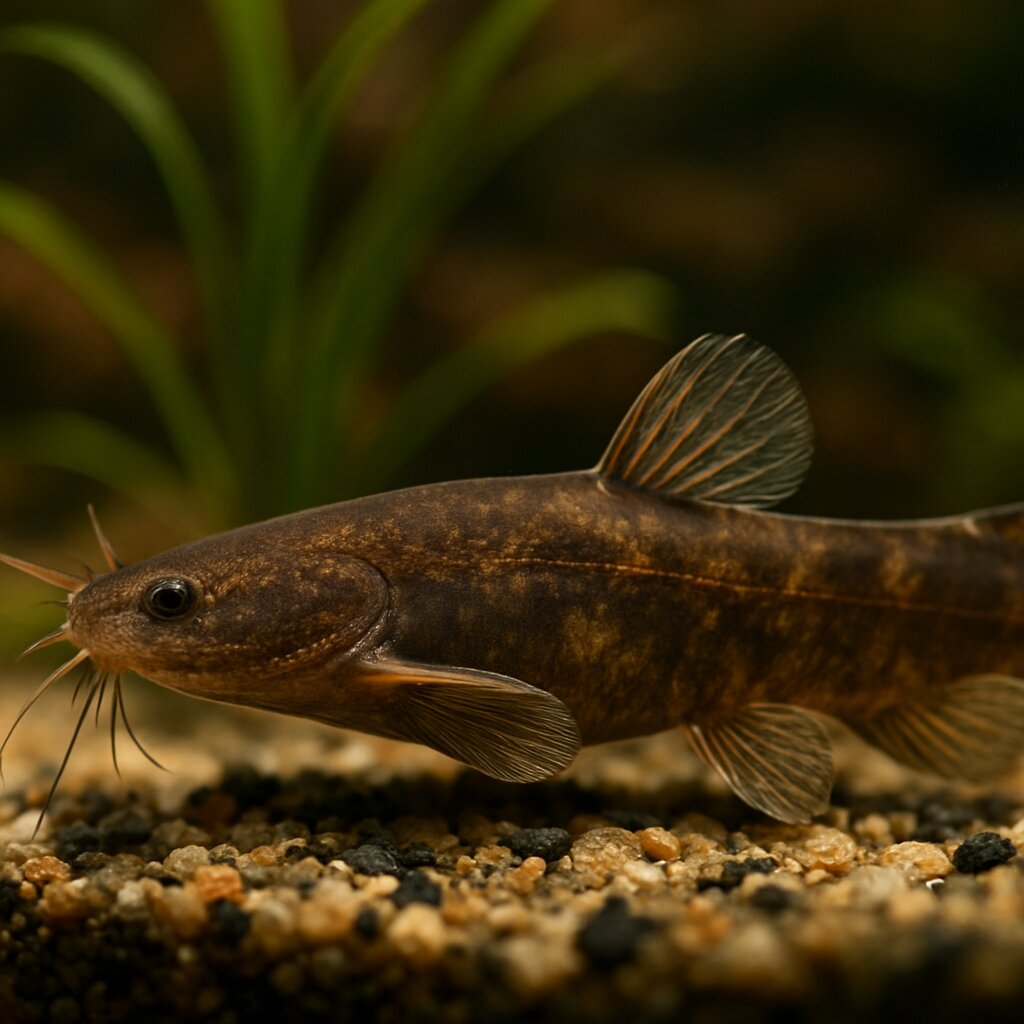
Amphilius dimonikensis
A small loach catfish endemic to the Mpoulou River in the Mayombe (Dimonika Biosphere Reserve), Republic of the Congo. Amphilius dimonikensis has a subtle banded pattern and inhabits fast, clear streams over rock and sand. In aquaria, prioritize strong, well-oxygenated flow with rounded stones and sand to mimic hillstream conditions.
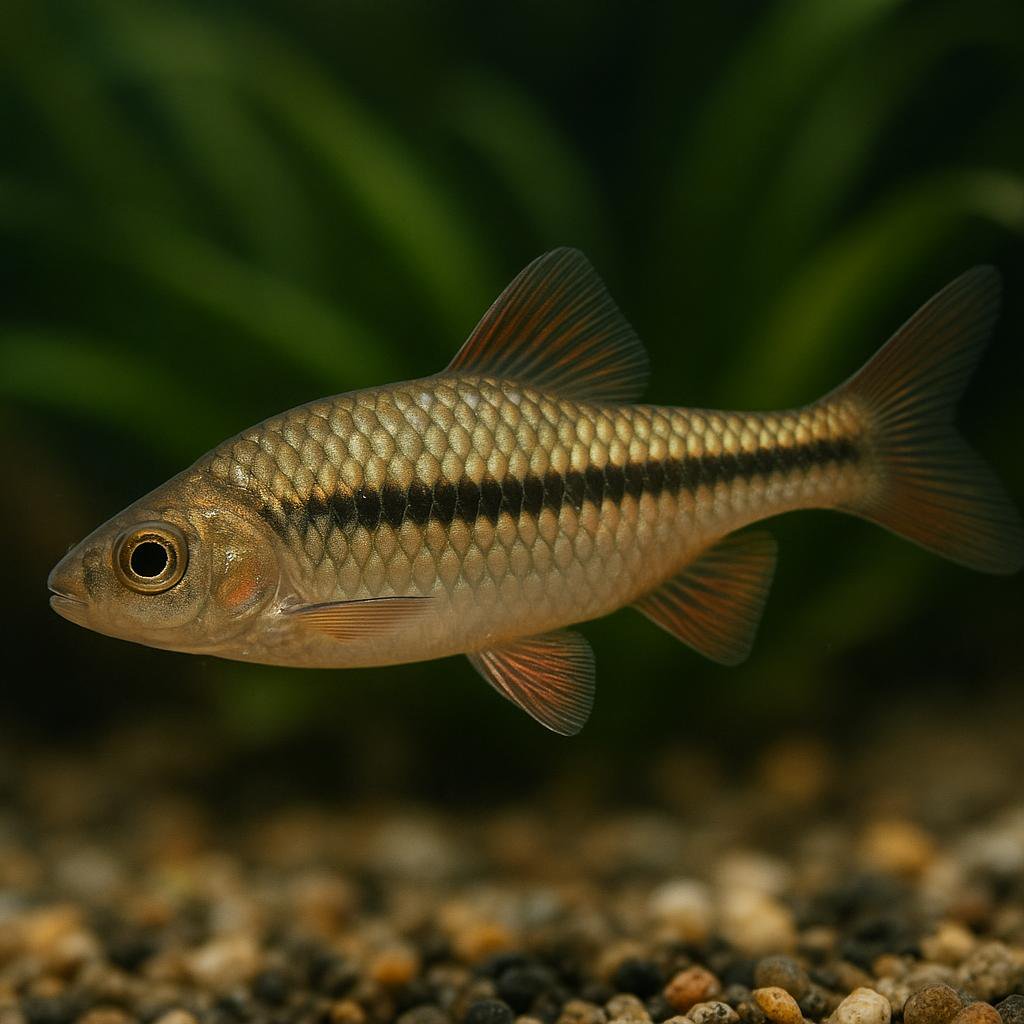
Aboina barb
Enteromius aboinensis
Enteromius aboinensis (the Aboina barb) is a small West African barb with a clean black midline stripe and a little spot right at the base of the tail. It does best when you treat it like a proper schooling fish - keep a decent group and give it plants around the edges with open swimming room in the middle.
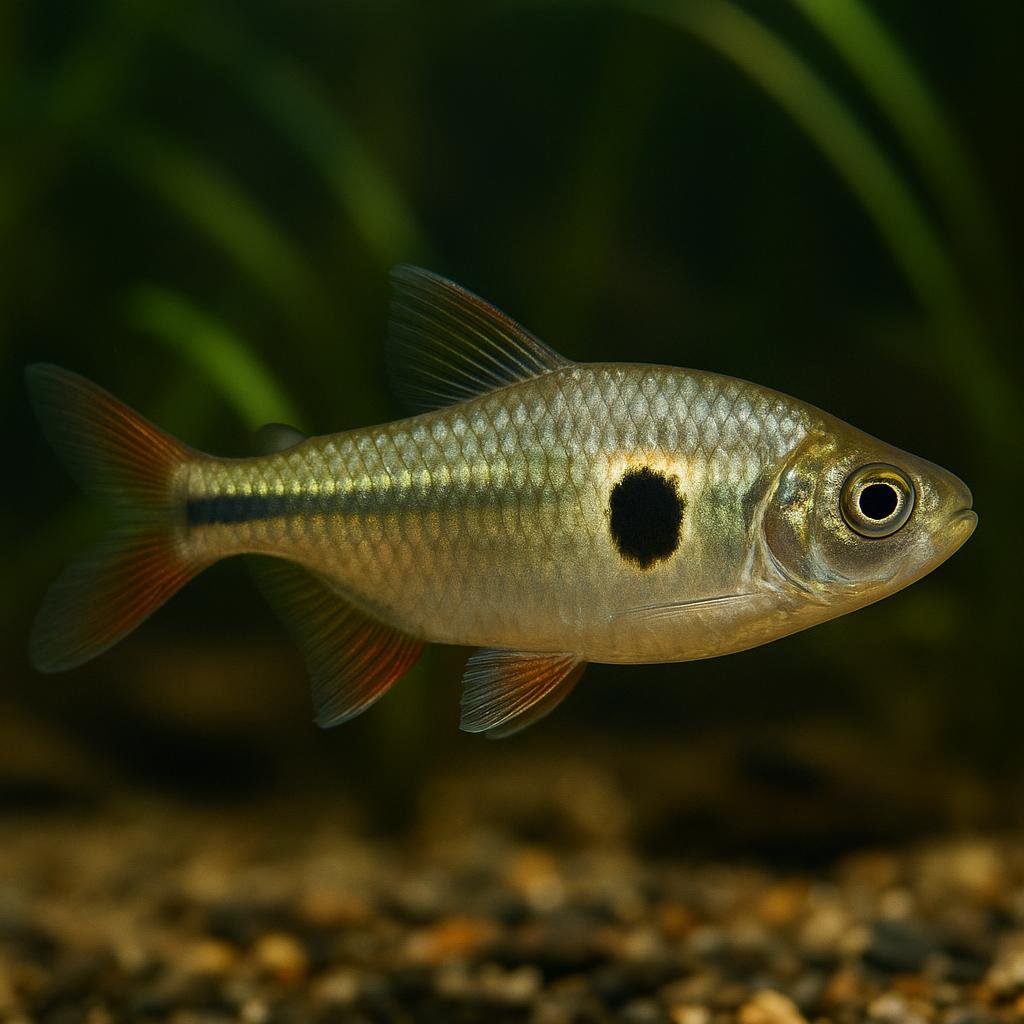
Ajuricaba tetra
Jupiaba ajuricaba
Jupiaba ajuricaba is a South American freshwater characin from the Amazon basin in Brazil (rio Negro, rio Solimões, and rio Tapajós basins). It reaches about 9.5 cm SL and is diagnosed by a narrow dark midlateral stripe, an elongated humeral spot, and an ocellated spot on the upper caudal-fin lobe. Wild specimens have been collected from blackwater forest streams and also oxbow-lake habitats.
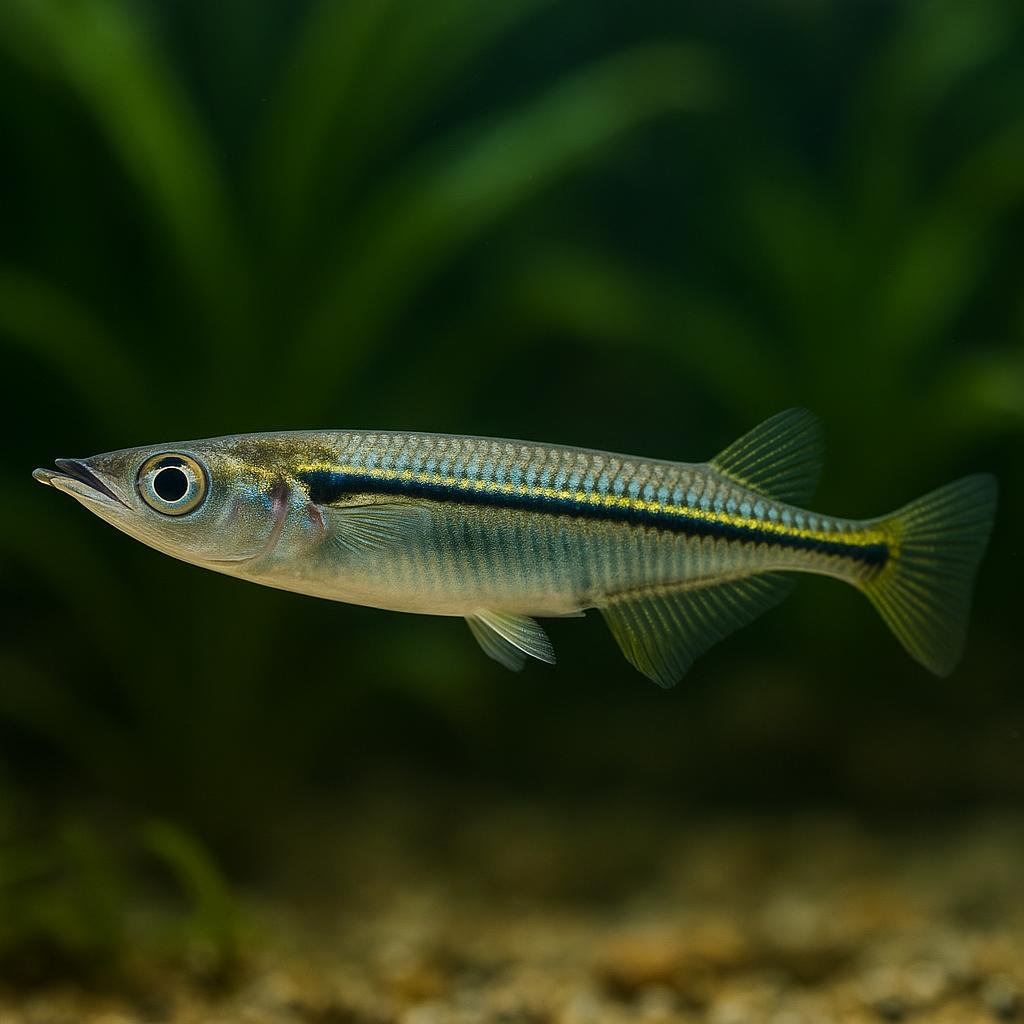
Allen's river garfish
Zenarchopterus alleni
A poorly known freshwater halfbeak endemic to West Papua (Mamberamo River), described from a single specimen (~13 cm SL). Beyond basic habitat/occurrence, little is published about its ecology or aquarium suitability; assume it is a surface-oriented, jump-prone halfbeak only by analogy with related taxa.
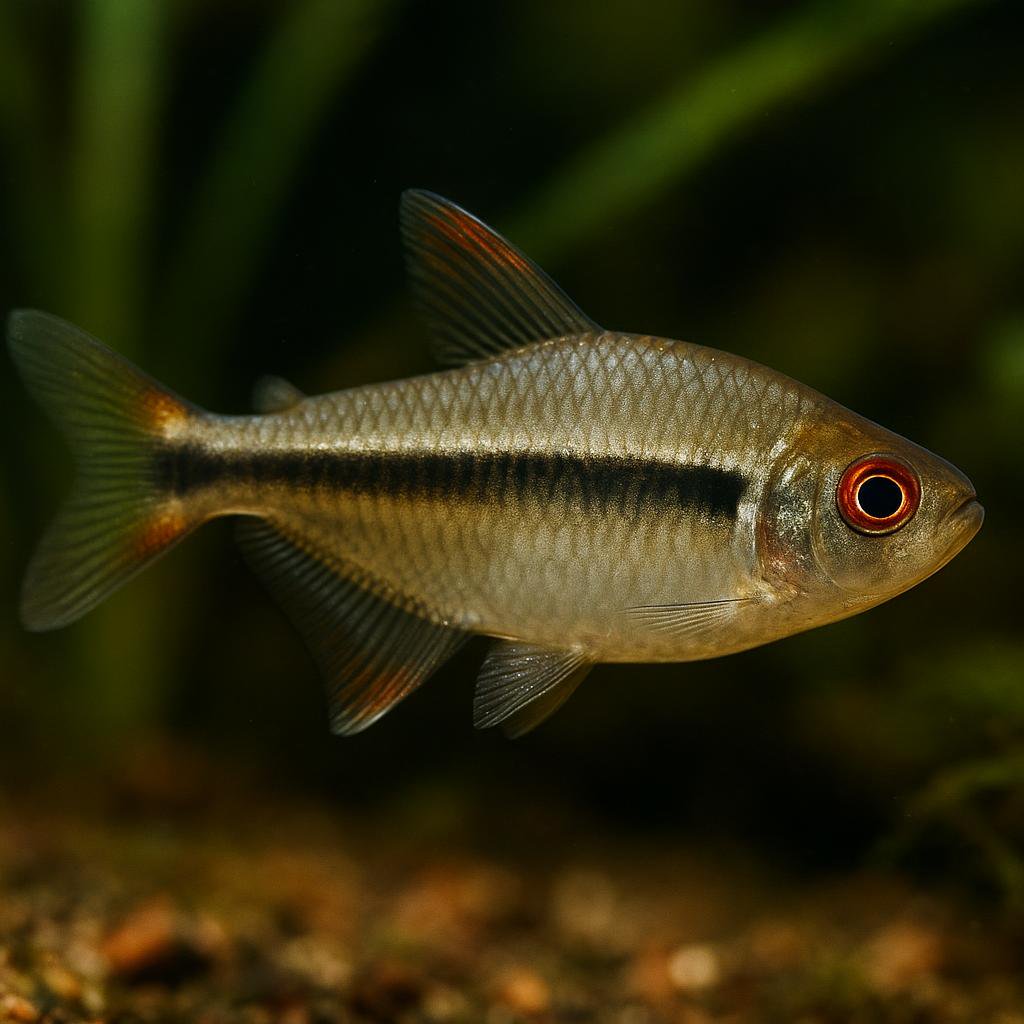
Amapa tetra
Hyphessobrycon amapaensis
This is a tiny, super sleek little tetra with a clean red stripe down the side that really pops once its settled in. It does best in a planted, slightly tinted "creek-style" setup and looks way cooler when you keep a proper group so they school and flash that line together. If you can give it soft, slightly acidic water and a calm community, its an easy fish to fall for.
Amatlan chub
Yuriria amatlana
Yuriria amatlana (the Amatlan chub) is a little Mexican native minnow from the Ameca River basin. Its wild range is pretty limited and it is listed as Endangered, so its care info in the aquarium hobby is basically nonexistent and its availability is usually low. In the original species description, preserved fish show a dark lateral stripe with a darker patch on the caudal peduncle, and they can have tiny barbels at the mouth corners.
Looking for other species?