

Allen's river garfish
Zenarchopterus alleni
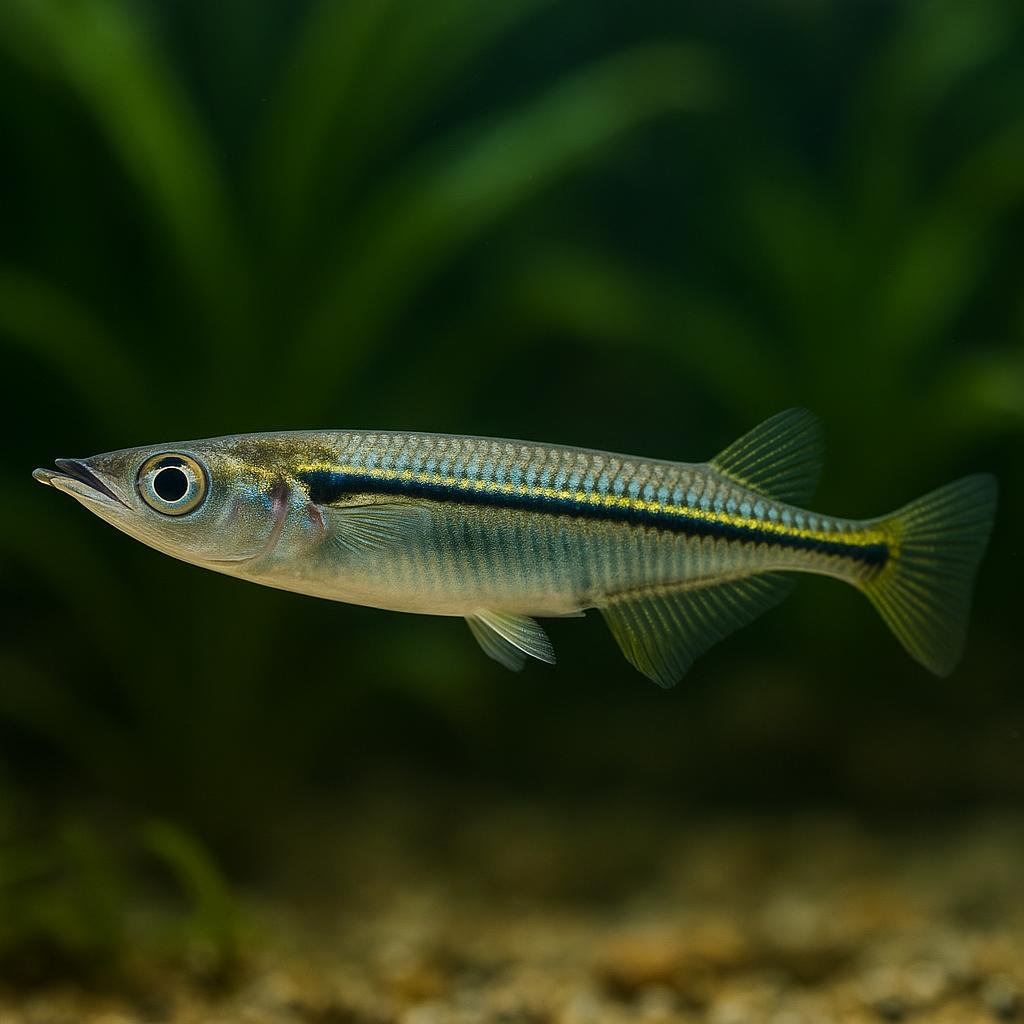
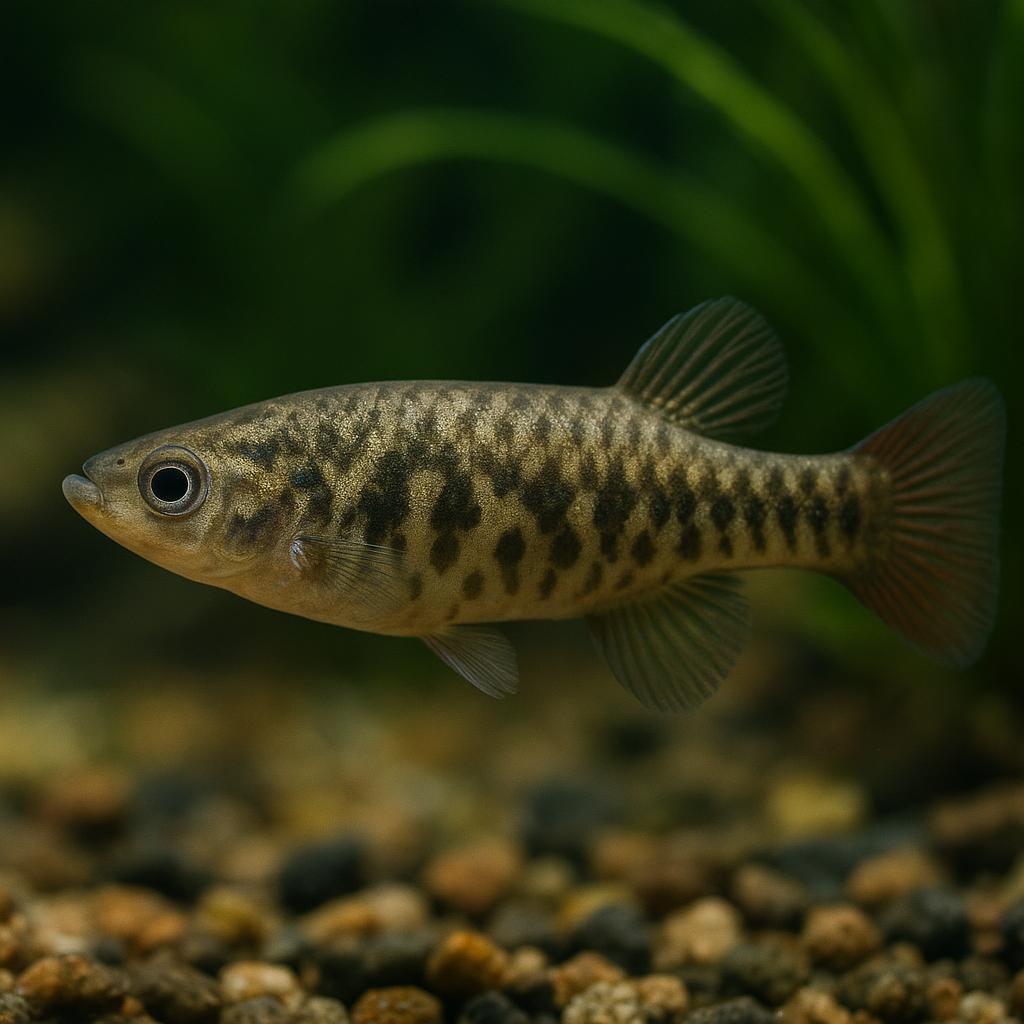
Allen's river garfish features a slender, elongated body with a distinctive greenish-blue sheen and long, pointed jaws filled with sharp teeth.
This page includes AI-generated images. Why am I seeing AI images?
About the Allen's river garfish
A poorly known freshwater halfbeak endemic to West Papua (Mamberamo River), described from a single specimen (~13 cm SL). Beyond basic habitat/occurrence, little is published about its ecology or aquarium suitability; assume it is a surface-oriented, jump-prone halfbeak only by analogy with related taxa.
Quick Facts
Size
13 cm SL
Temperament
Peaceful
Difficulty
Expert
Min Tank Size
20 gallons
Lifespan
unknown
Origin
Asia (West Papua, Indonesia)
Diet
Carnivore/insectivore (likely surface micro-predator - small insects/larvae and tiny crustaceans)
Water Parameters
24-28°C
6.5-8
2-15 dGH
Need a heater for this species?
This species needs 24-28°C in a 20 gallon tank. Use our heater calculator to find the right wattage.
Calculate heater sizeCare Notes
- Give them a long tank with a big open surface lane - they live up top and hate bumping into hardscape. Tight lids are non-negotiable because they jump like missiles when spooked.
- Freshwater is fine, but keep it steady: warm (mid to upper 70s F), clean, and moving a bit with good oxygen. They sulk and get fin issues fast in old, low-flow water.
- They are surface hunters, so feed at the top: live or frozen insects (mosquito larvae, small crickets, blackworms) and small floating pellets once they recognize them. Do multiple small feeds because they burn it off fast and skinny out before you notice.
- Keep them with calm midwater fish that will not outcompete them at feeding time, and avoid anything nippy. Also avoid tiny tankmates - if it fits in their mouth, it will eventually disappear.
- Use floating plants or dim the lights if they are skittish; bright, bare tanks make them smash the glass on startle flights. A dark background helps a lot.
- Watch for mouth and snout damage from jumping or panicking, plus surface film reducing oxygen right where they breathe and feed. If they start hanging listless at the top, check for poor surface agitation and stale water first.
- Breeding is undocumented in captivity for this species (it is known from a single specimen). Do not assume livebearing/sex ratios or fry-production behavior for Z. alleni without species-specific evidence.
Where they come from
Allen's river garfish (Zenarchopterus alleni) comes from northern Australia, cruising slow rivers, billabongs, and weedy backwaters. If you picture warm water with lots of cover at the edges and a gentle flow, you're basically there. They spend a ton of time right under the surface, picking off small prey and insects.
These are surface specialists. Most of what makes them 'hard' is not water chemistry wizardry - its giving them safe surface space, steady food, and zero chances to launch themselves onto your floor.
Setting up their tank
Give them length over height. They use the top 2-3 inches of the tank like its their highway, and they spook easily. For a small group, I'd start at 4 ft long (around 55-75 gallons) and bigger is genuinely easier because they can spread out and you get fewer panic sprints.
- Tank: long footprint, lots of open surface lane
- Lid: tight-fitting, no gaps around filters or airline holes (they jump like arrows)
- Flow: gentle to moderate, nothing that pins them at the surface
- Lighting: not super bright unless you break it up with floaters
- Filtration: oversized but with intake protection (pre-filter sponge)
Decor-wise, think edge cover. I like a mix of fine-leaved plants (or artificial ones if you can't keep plants) plus some floating plants to calm them down. Keep the middle and surface mostly open so they can cruise without smacking into hardscape.
Water-wise, warm and stable beats chasing exact numbers. I kept mine in the mid-to-high 70s F and they were much calmer once the tank was mature. Freshwater is fine, but they don't love big swings. If your tap is on the hard side, they usually handle it better than rapid pH bouncing from tinkering.
Cover every gap. The smallest opening around a HOB filter or glass lid corner is the one they will find at 2 a.m. If you can slide a fingertip through it, its not safe.
What to feed them
They're visual, surface-feeding predators. Mine ignored food that sank, and they were picky about anything that didn't move. Plan around that and feeding gets a lot easier.
- Great staples: live/frozen mosquito larvae, daphnia, brine shrimp, chopped bloodworms (offered at the surface)
- Meaty options: small crickets or flightless fruit flies (for larger individuals), chopped prawn/shrimp as an occasional treat
- Training foods: floating micro-pellets or small floating sticks - sometimes they learn, sometimes they never do
A trick that worked for me: use a feeding ring or a clear tube to keep food at the surface so it doesn't get dragged into the filter. If you're offering frozen, thaw it and gently pour it right into the ring. They learn the spot fast.
If they refuse prepared foods, don't panic-feed. Offer live/frozen at the surface for a week, then mix in tiny amounts of floating pellets with the live food. Some will convert, some will stay stubborn. Either way, you can keep them healthy on frozen if you stay consistent.
How they behave and who they get along with
They look sleek and calm, but they're skittish. Sudden movements, loud lid clanks, or a net in the water can set off the full-speed surface dash. In a settled tank with cover, they spend the day cruising and doing that cool angled hover just under the film.
They do best in a group, but you want space. In cramped tanks, you may see chasing and fin-nipping. With room and line-of-sight breaks (plants, floaters), they usually sort themselves out.
- Good tankmates: calm mid-water fish that won't harass them (larger rainbows, peaceful barbs, sturdy tetras in big tanks), bottom fish that mind their business (loaches, Corydoras that like warmer water)
- Avoid: fin-nippers, hyper surface feeders, aggressive cichlids, anything small enough to fit in their mouth
- Also avoid: jumpy fish that startle the whole tank every 10 minutes
Don't keep them with tiny livebearer fry or small nano fish. If it fits, it will eventually disappear. This isn't 'mean' behavior - it's just how they eat.
Breeding tips
Breeding Zenarchopterus in home aquariums is possible, but its not a casual weekend project. The big challenge is getting a settled group, lots of live food, and the right social mix. If you buy juveniles and raise a group, your odds are way better than trying to pair off adults.
If you want to try, set up a species-focused tank: floating plants, gentle filtration, and very clean water with frequent small water changes. I had the best behavior (more displaying, less spooking) with dimmer light and heavy surface cover.
- Start with a group so you likely get both sexes
- Condition with tons of live/frozen foods at the surface for several weeks
- Give them quiet time - they breed more readily in tanks with low traffic and stable routines
- If you see fry, separate adults or move fry to a grow-out tank and feed tiny live foods (baby brine, microworms)
Even if you never breed them, raising them from young and getting them onto reliable foods is the real win with this species.
Common problems to watch for
Most issues I saw were husbandry and handling problems, not mystery diseases.
- Jumping and impact injuries: the #1 killer - caused by gaps in lids, sudden lights-on, chasing, or spooking
- Starvation in 'community' tanks: they lose out at feeding time if food sinks or faster fish steal everything
- Mouth and snout damage: from slamming into glass during panic sprints or from rough netting
- Surface film and low oxygen: they hang at the surface anyway, so a stagnant top layer can stress them fast
- Internal parasites (wild fish): weight loss despite eating, stringy poop - quarantine helps a lot
Don't net them like a tetra. Use a container/cup to move them if you can. Their long beak and slim body get tangled easily, and one bad thrash can mean a broken snout.
If one is acting shy and staying pinned in a corner, check the obvious stuff first: surface agitation, ammonia/nitrite (even tiny spikes), and whether its actually getting food. Once they're confident and well-fed, they're surprisingly hardy - but they won't forgive sloppy surface access or a sketchy lid.
Similar Species
Other freshwater peaceful species you might be interested in.
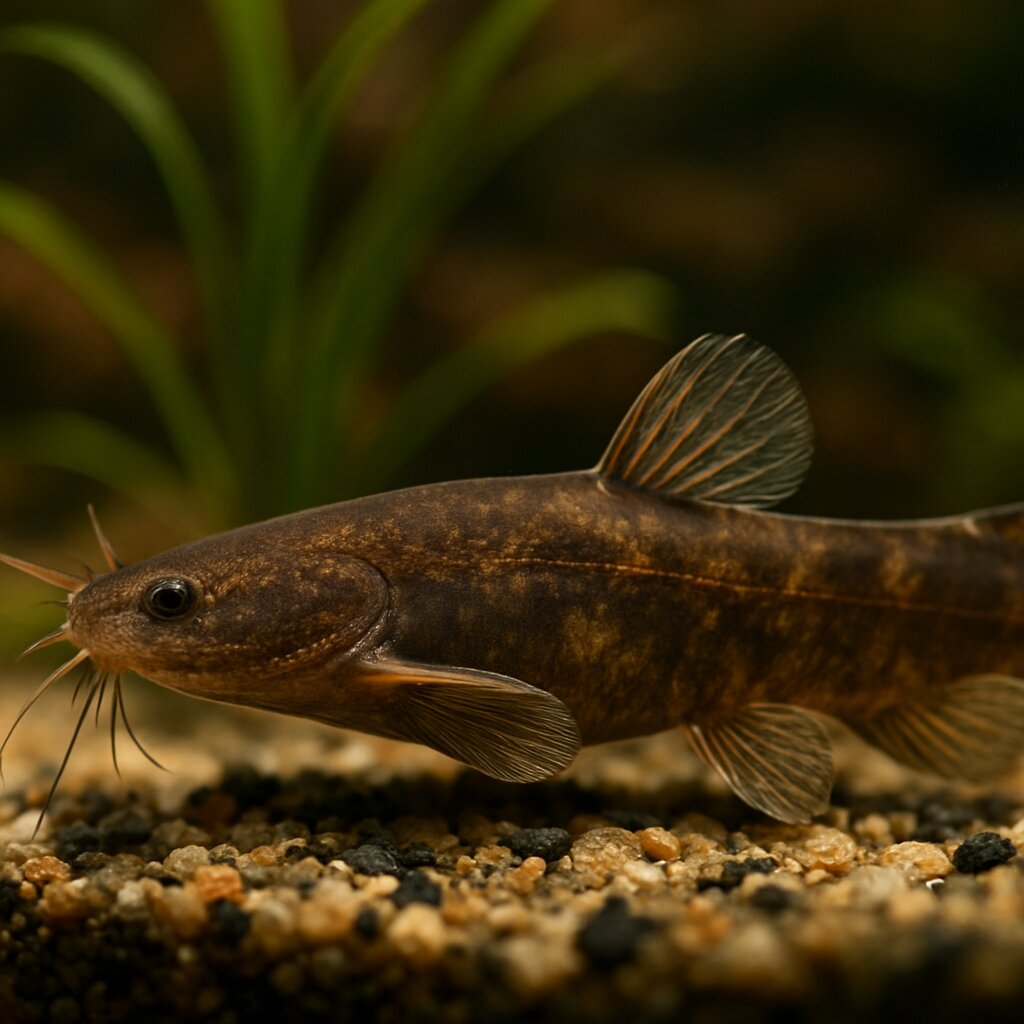
Amphilius dimonikensis
A small loach catfish endemic to the Mpoulou River in the Mayombe (Dimonika Biosphere Reserve), Republic of the Congo. Amphilius dimonikensis has a subtle banded pattern and inhabits fast, clear streams over rock and sand. In aquaria, prioritize strong, well-oxygenated flow with rounded stones and sand to mimic hillstream conditions.
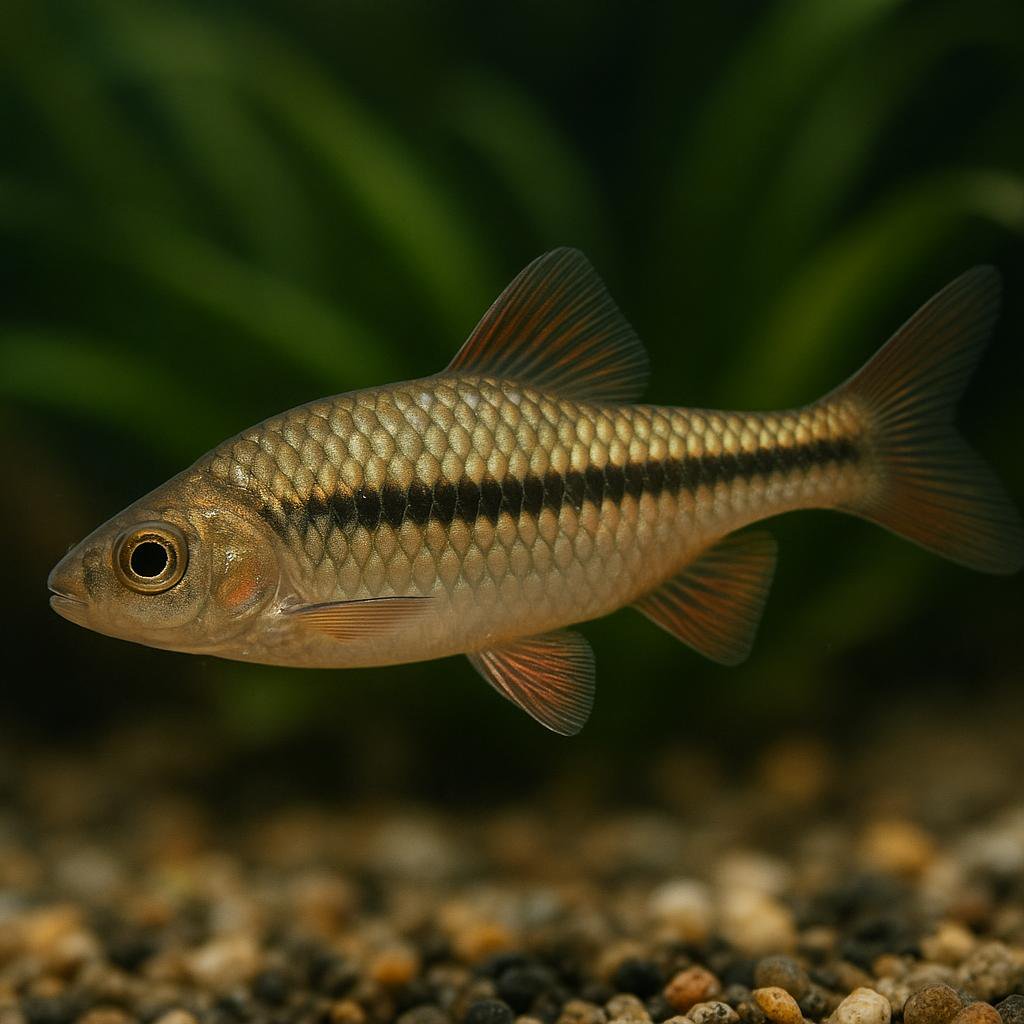
Aboina barb
Enteromius aboinensis
Enteromius aboinensis (the Aboina barb) is a small West African barb with a clean black midline stripe and a little spot right at the base of the tail. It does best when you treat it like a proper schooling fish - keep a decent group and give it plants around the edges with open swimming room in the middle.
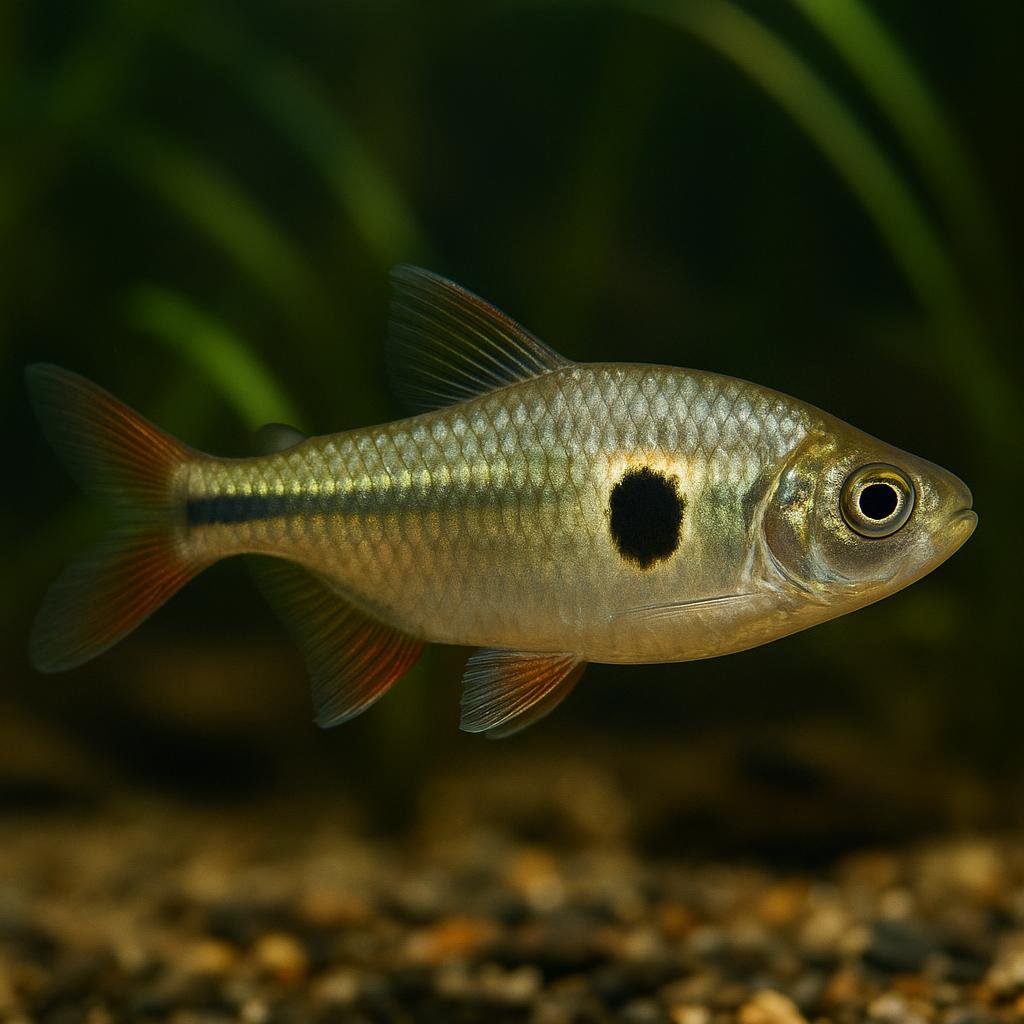
Ajuricaba tetra
Jupiaba ajuricaba
Jupiaba ajuricaba is a South American freshwater characin from the Amazon basin in Brazil (rio Negro, rio Solimões, and rio Tapajós basins). It reaches about 9.5 cm SL and is diagnosed by a narrow dark midlateral stripe, an elongated humeral spot, and an ocellated spot on the upper caudal-fin lobe. Wild specimens have been collected from blackwater forest streams and also oxbow-lake habitats.
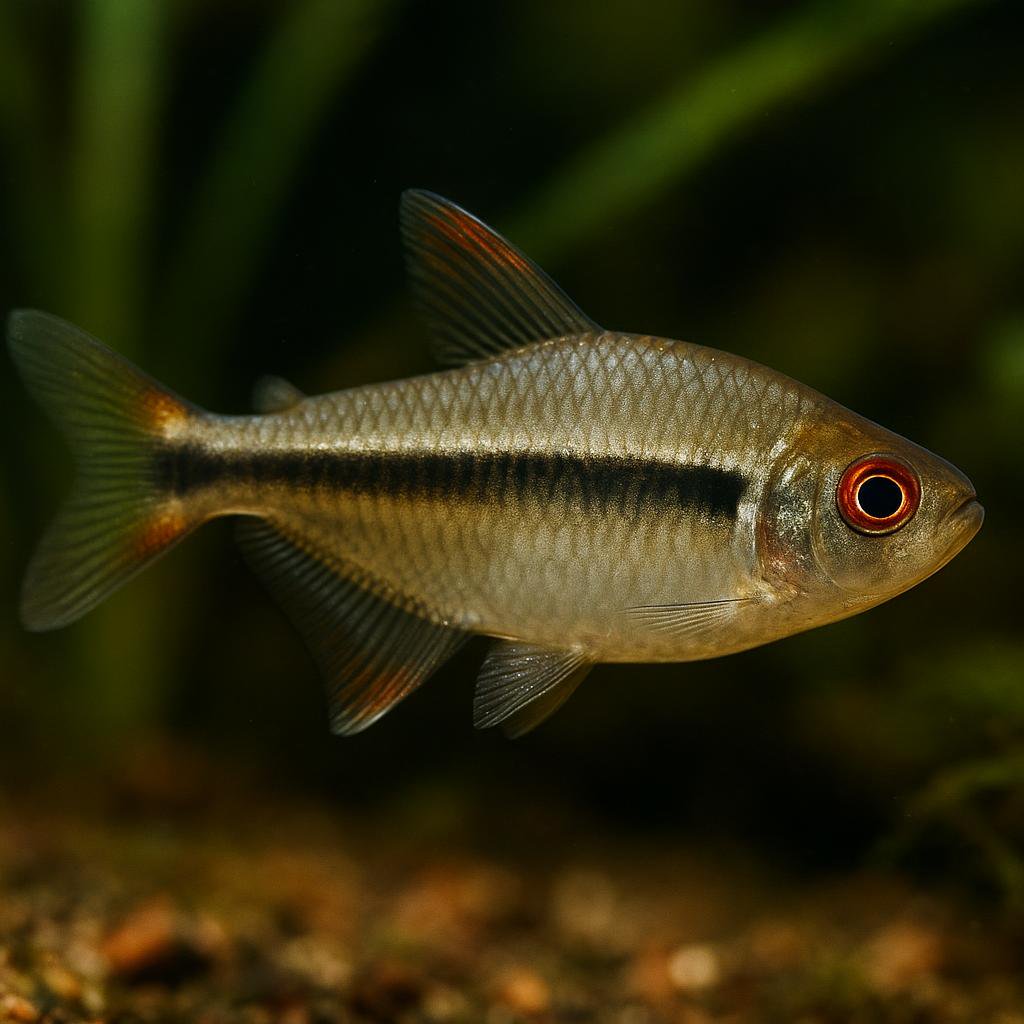
Amapa tetra
Hyphessobrycon amapaensis
This is a tiny, super sleek little tetra with a clean red stripe down the side that really pops once its settled in. It does best in a planted, slightly tinted "creek-style" setup and looks way cooler when you keep a proper group so they school and flash that line together. If you can give it soft, slightly acidic water and a calm community, its an easy fish to fall for.
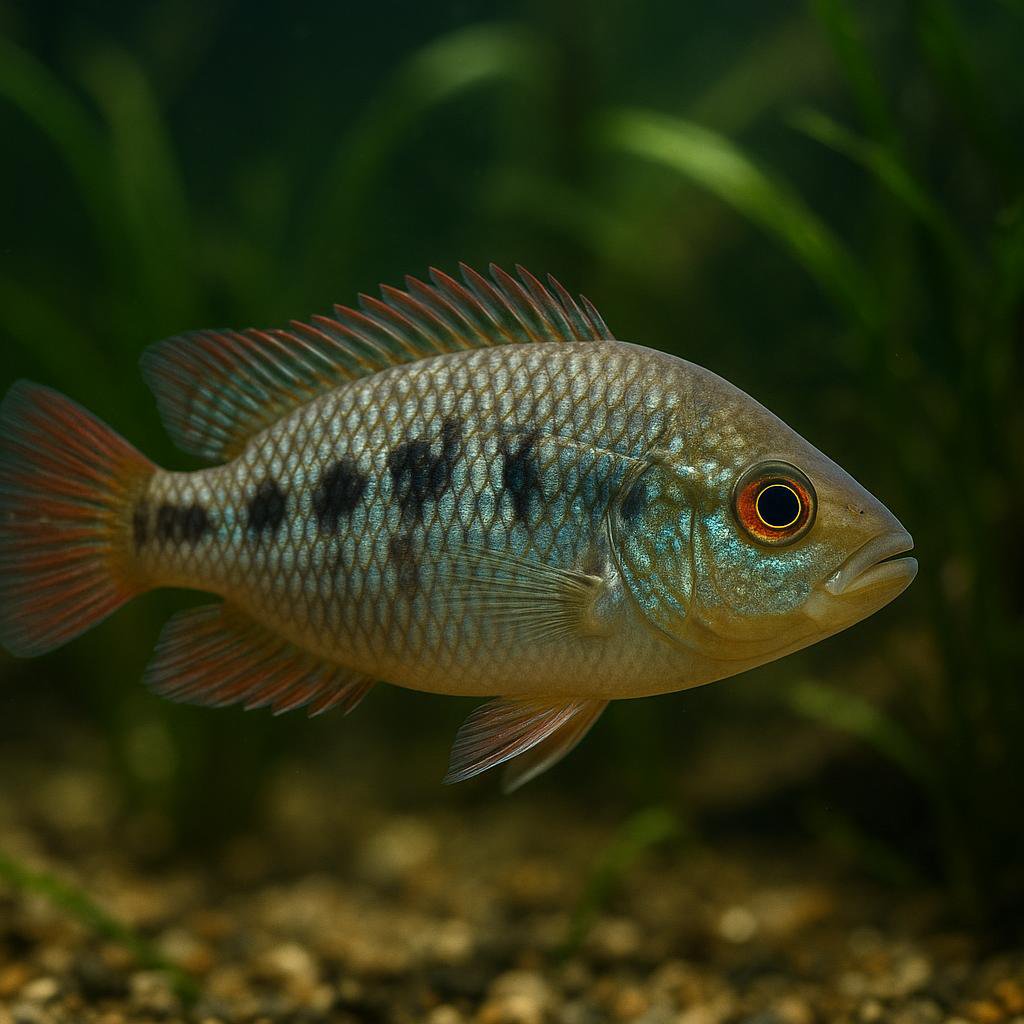
Amatlan chub
Yuriria amatlana
Yuriria amatlana (the Amatlan chub) is a little Mexican native minnow from the Ameca River basin. Its wild range is pretty limited and it is listed as Endangered, so its care info in the aquarium hobby is basically nonexistent and its availability is usually low. In the original species description, preserved fish show a dark lateral stripe with a darker patch on the caudal peduncle, and they can have tiny barbels at the mouth corners.
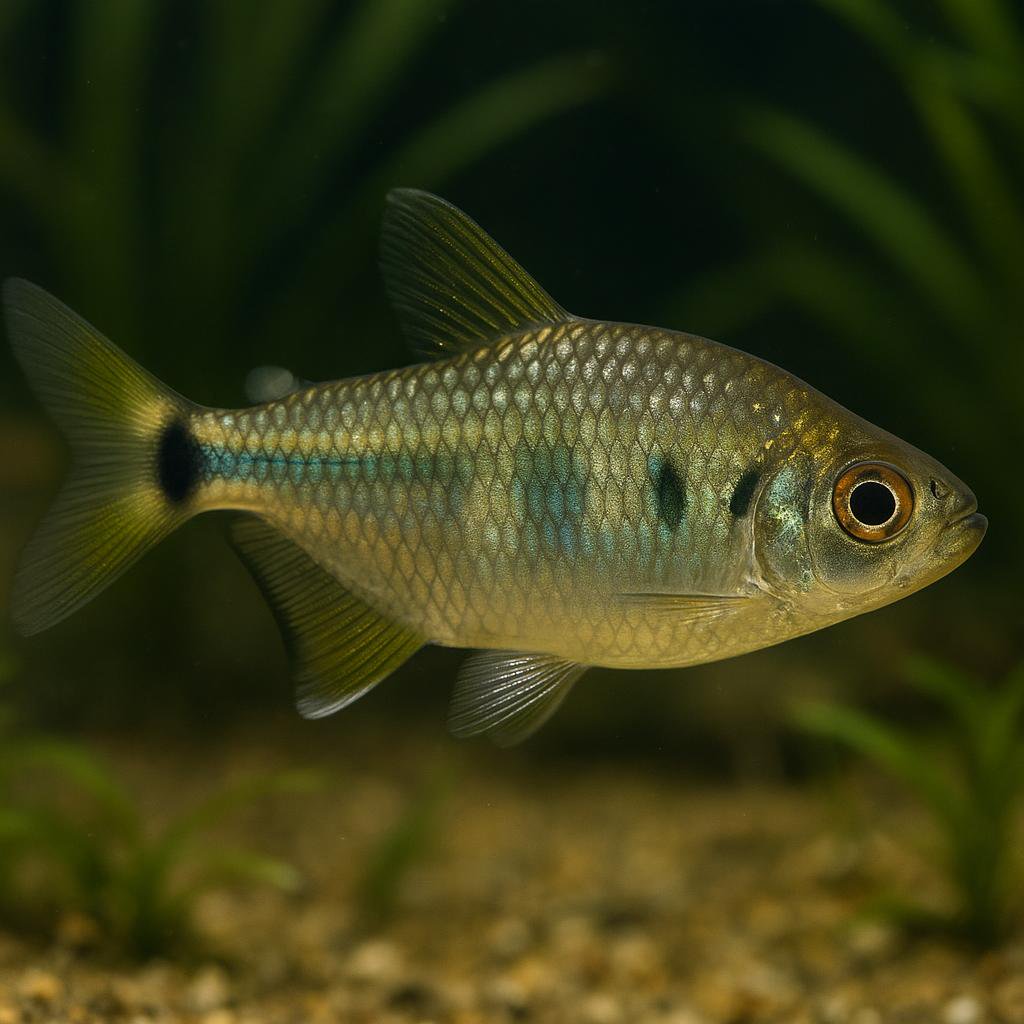
Andrica moenkhausia
Moenkhausia andrica
Moenkhausia andrica is a little Brazilian characin from the Tapajos system that tops out around 7 cm (about 2.8 inches) standard length. It has a neat netted (reticulated) scale pattern plus a dark spot on the caudal peduncle, and the really wild part is that mature females can have tiny fin hooklets too, which is usually a male-only thing in a lot of characins.
More to Explore
Discover more freshwater species.
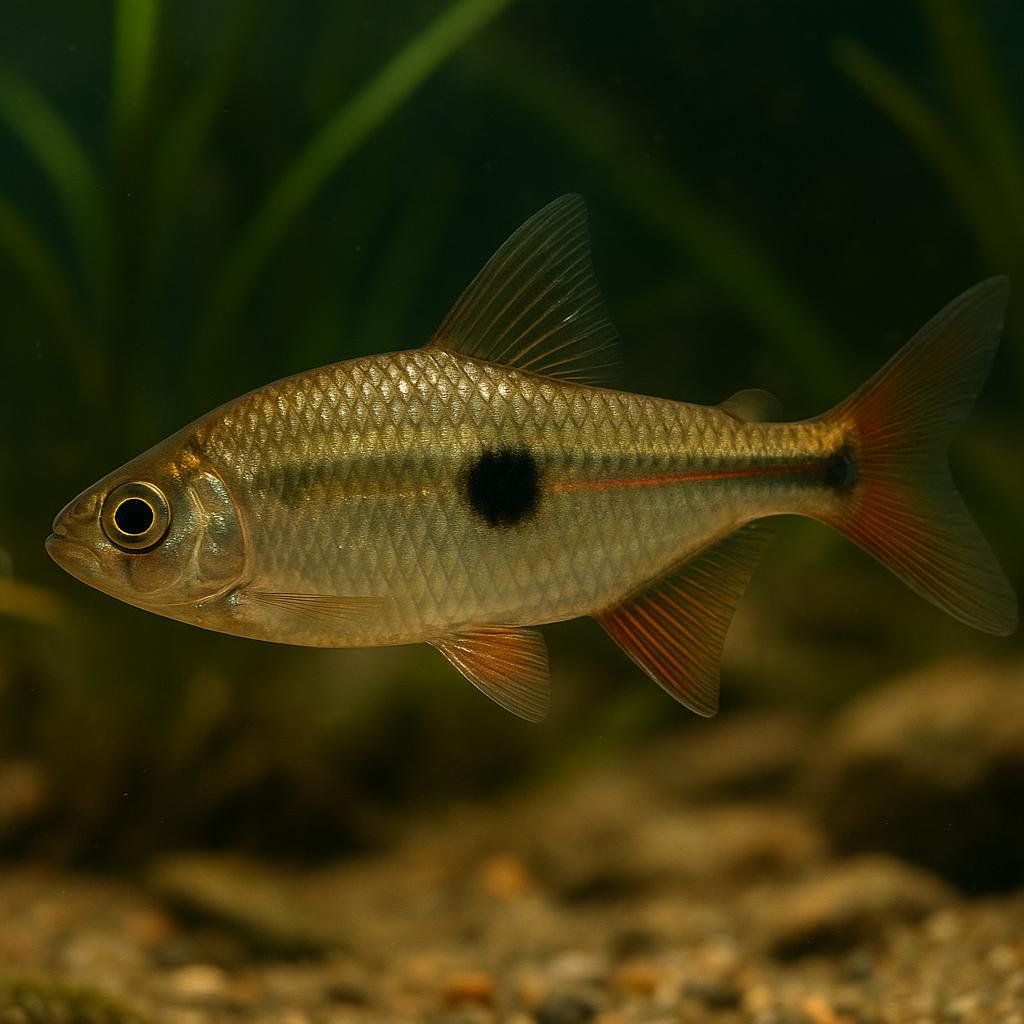
Jupiaba kurua
Small South American characin endemic to the upper rio Curuá (rio Xingu basin, Brazil). Reaches about 8.7 cm SL and inhabits clearwater rivers. Distinguished by dark dots on the bases of many lateral scales and a distinct dark caudal‑peduncle spot. Reported diet indicates omnivory, including aquatic insects, small fishes, and fragments of Podostemaceae and filamentous algae.
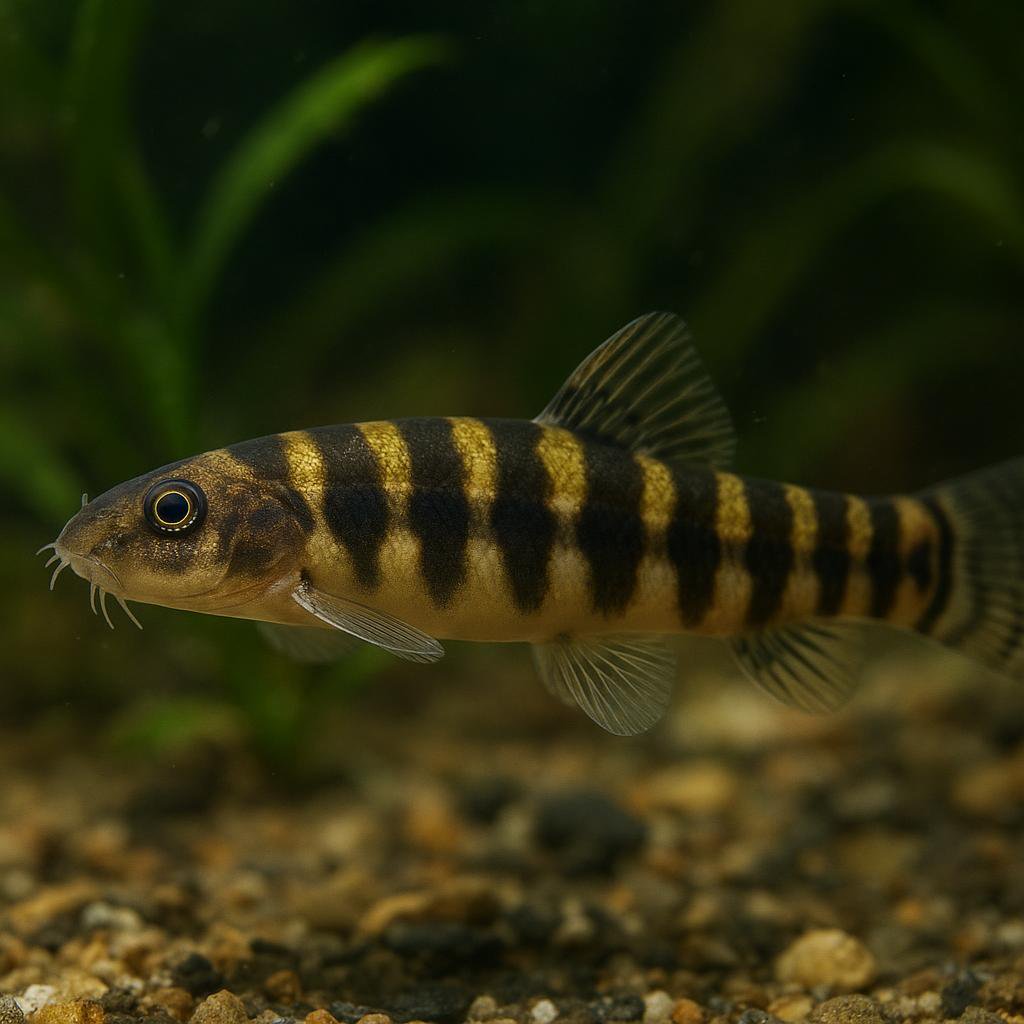
Altipedunculata stone loach
Schistura altipedunculata
Schistura altipedunculata is one of those little stream loaches that wants clean, well-oxygenated water and a bunch of rock nooks to claim as home. It is a bottom-hugger that will spend its day scooting from crevice to crevice, and it tends to get a bit spicy with its own kind if you do not give it enough hiding spots.
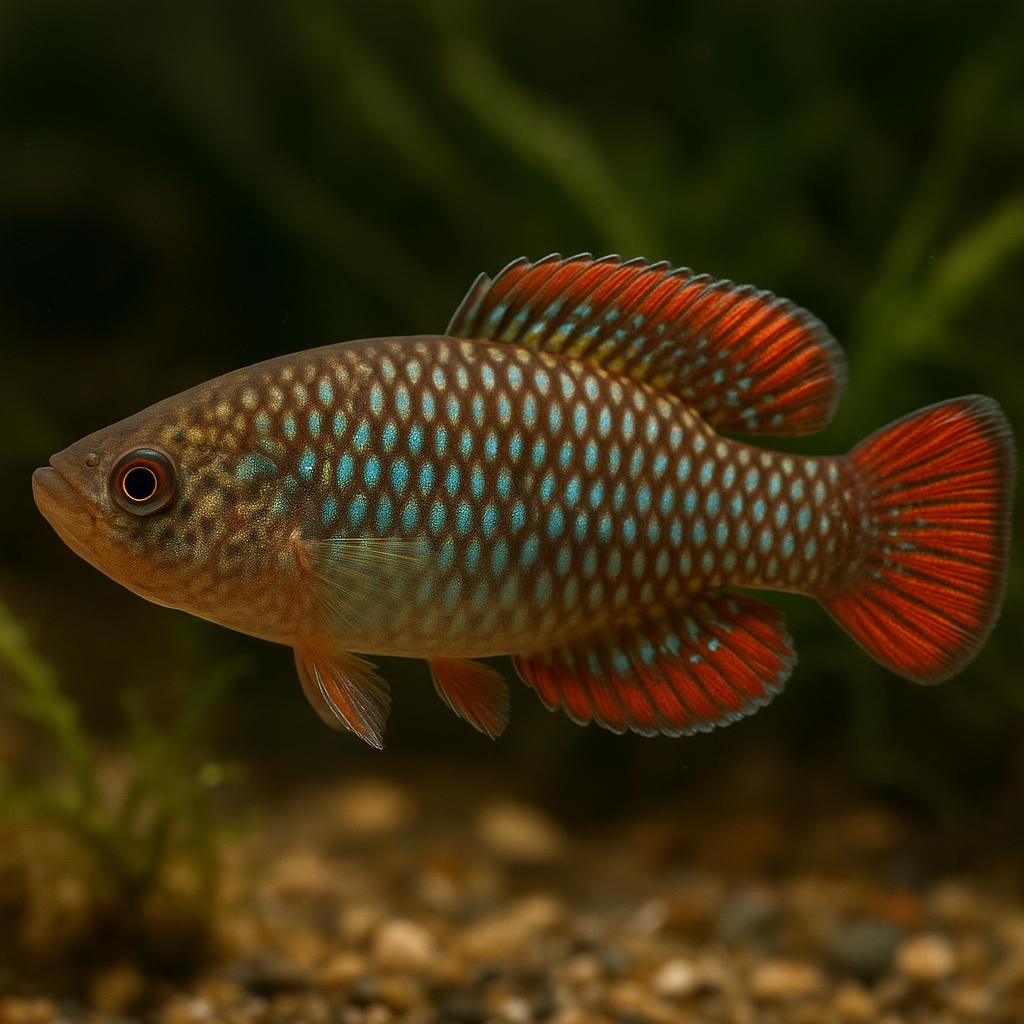
American flagfish
Jordanella floridae
Jordanella floridae is that little Florida native with the red-and-cream striping that really does look like a tiny flag once a male colors up. They graze algae like champs (especially stringy/hair algae), but they have a bit of attitude - give them plants and space so the bossy behavior stays manageable. Bonus: the male guards the eggs and will actively fan them, which is pretty fun to watch.
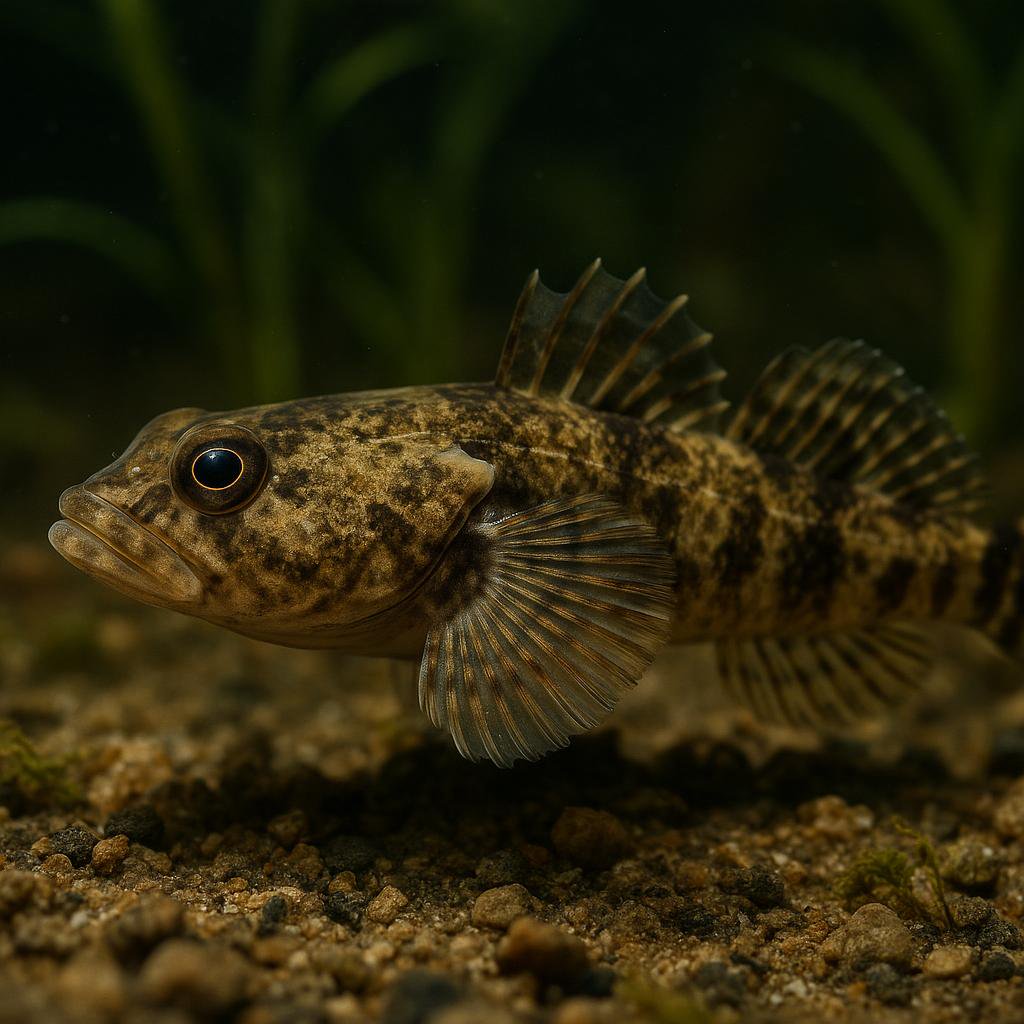
Amur sculpin
Alpinocottus szanaga
This is a little coldwater sculpin from the Amur drainage - a bottom-hugging, rock-and-gravel fish that spends its day wedged under stones and darting out to grab food. Super cool behavior and attitude, but it is absolutely not a warm tropical community fish - it wants chilly, fast, oxygen-rich water and will bicker with other bottom fish.
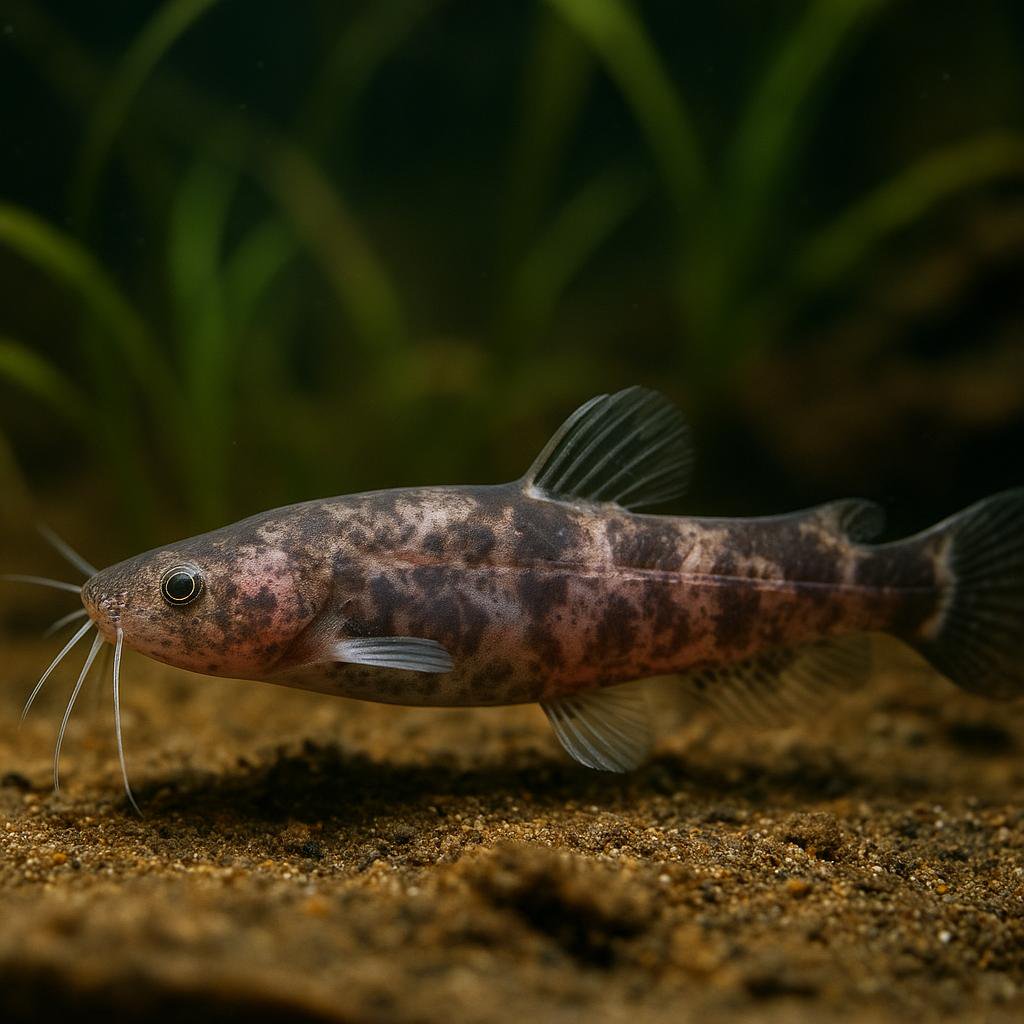
Anhanga pygmy pencil catfish
Potamoglanis anhanga
This is a truly tiny Amazonian trichomycterid catfish - like 1.3 cm max - so it is more of a micro-predator oddball than a typical community catfish. It is the kind of fish that disappears into sand, leaf litter, and plant roots, and you will spend way more time setting up the right micro-habitat than you will actually seeing it.
Anitápolis livebearer
Jenynsia weitzmani
Jenynsia weitzmani is a freshwater anablepid livebearer endemic to southern Brazil (currently known only from the type locality near Anitápolis, Santa Catarina). Like other Jenynsia (onesided livebearers), reproduction involves lateralized mating morphology/behavior; aquarium care guidance is not well-documented for this species specifically.
Looking for other species?