

Search Species
Search for fish species by common or scientific name, or use filters to browse by water type, size, temperament, and difficulty.
Found 665 species
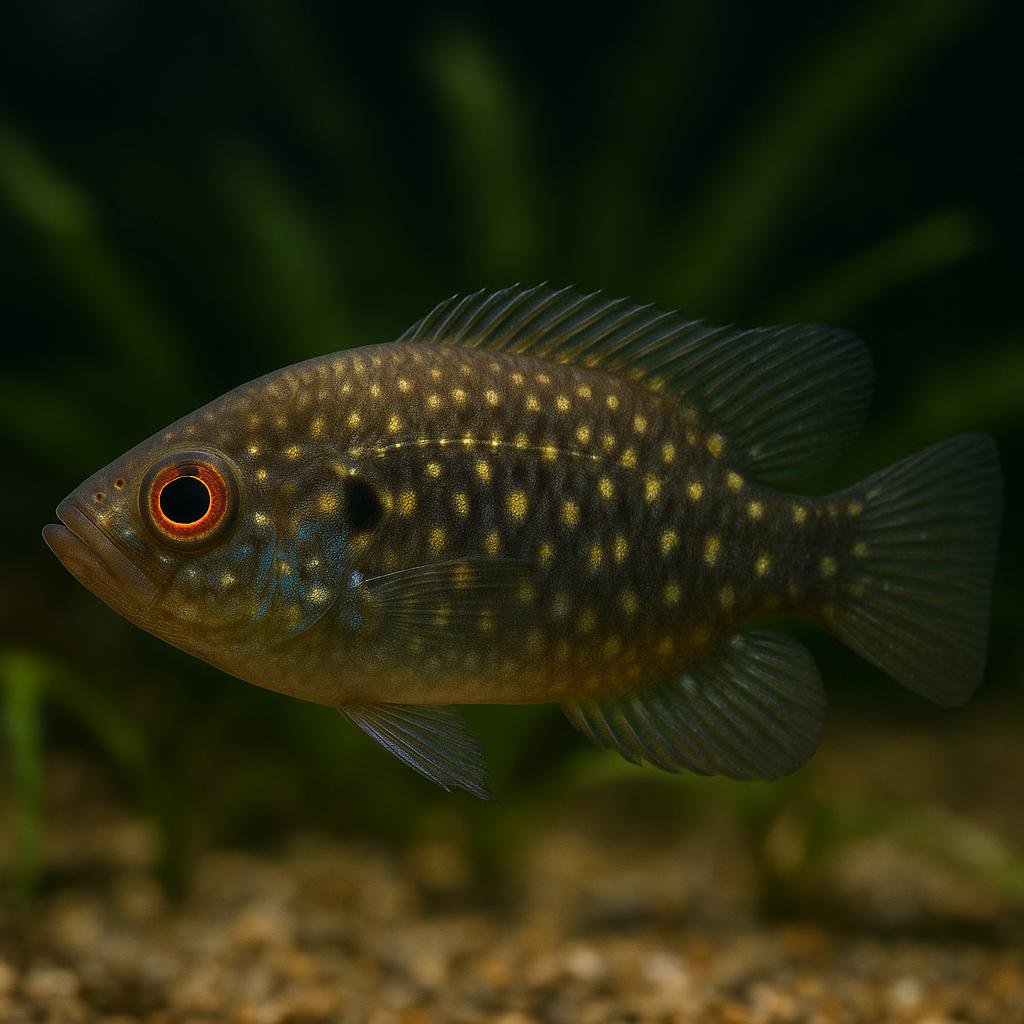
Glover's toadfish
Vladichthys gloverensis
This is a tiny reef-dwelling toadfish from Belize and Honduras that hangs out on rubble bottoms and basically lives the classic "sit still and ambush" life. Super cool little weirdo fish with a flattened head and lots of patterning, but it is not really an aquarium-trade species and would be a specialized, species-only kind of setup if you ever encountered one.
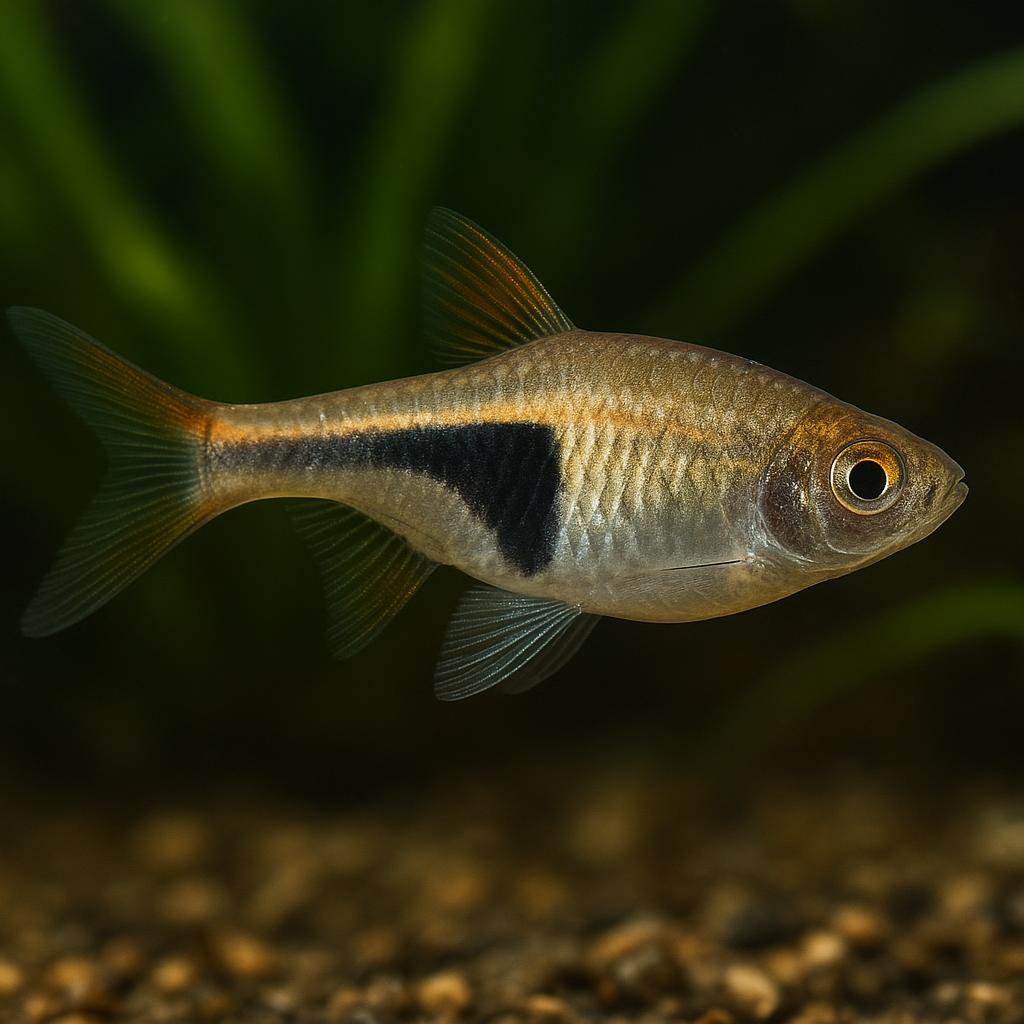
Glowlight rasbora
Trigonostigma hengeli
This is the little "orange neon line + tiny black wedge" rasbora that absolutely glows when you keep it over a dark substrate with plants and a bit of tannin-stained water. The best part is how tight they school-get a decent group and they move like one fish, super calming to watch.
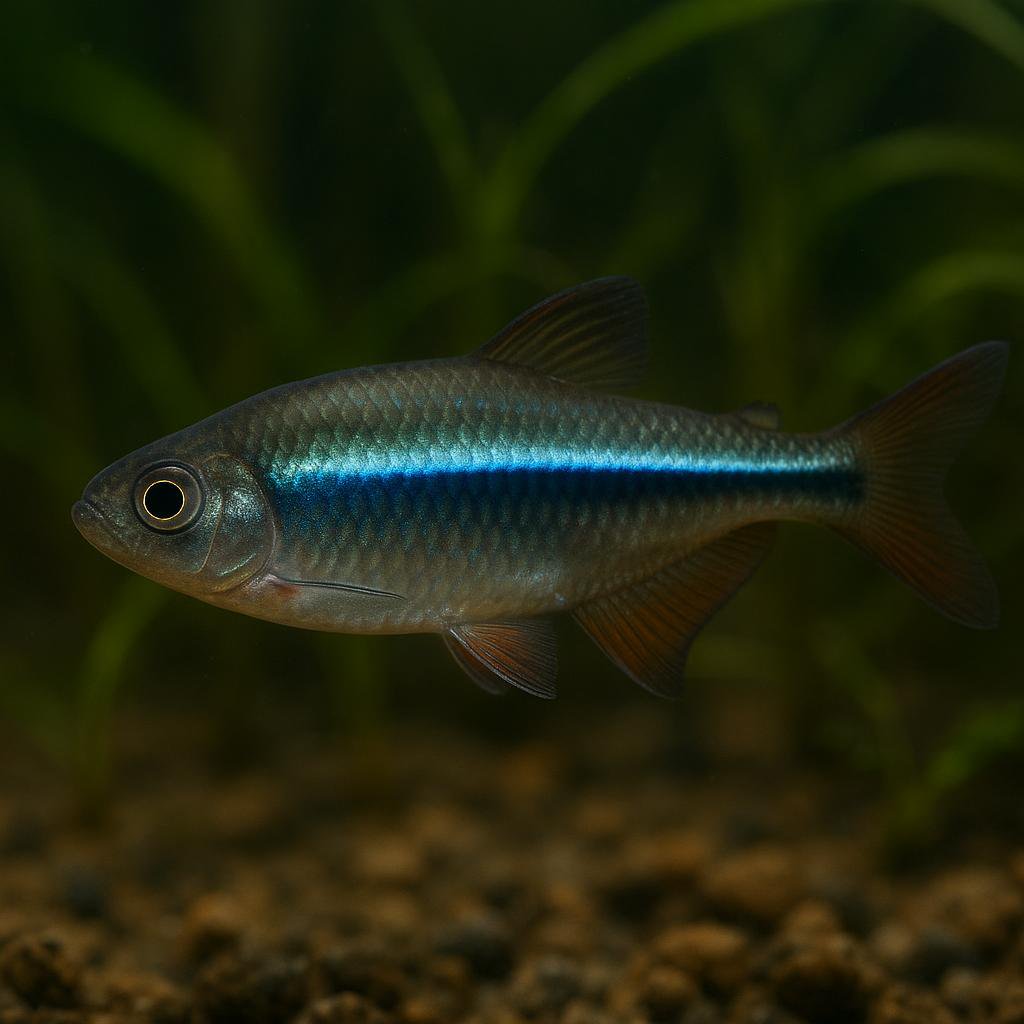
Glow Light Tetra
Hemigrammus erythrozonus
The Glowlight Tetra (Hemigrammus erythrozonus) is a small, peaceful South American schooling tetra with a translucent silvery body and a distinctive iridescent orange-red stripe running from the snout to the base of the tail.
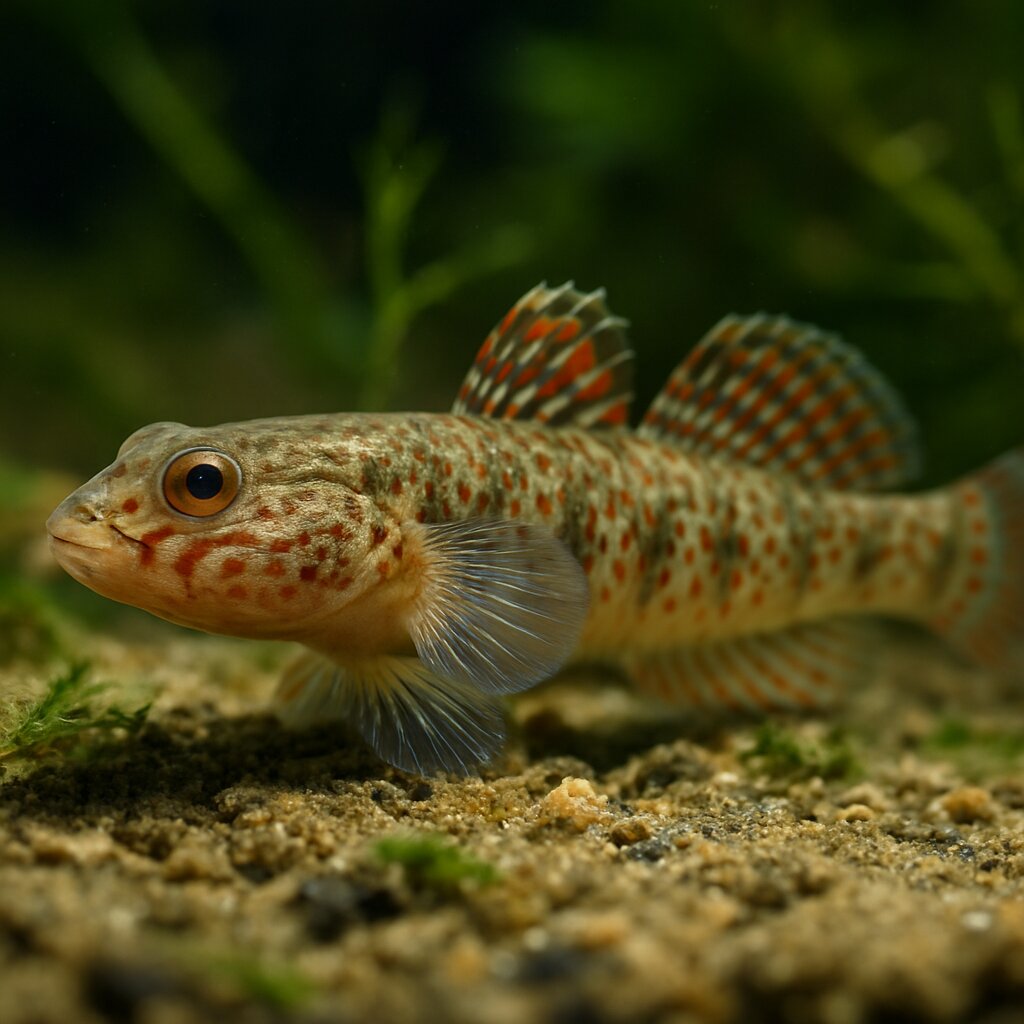
Goby
Rhinogobius flavoventris
Tiny lake-dwelling goby from the Philippines with a buttery-yellow belly and a curious, perch-and-dash way of exploring the tank. Males pick a little cave under a rock and fiercely guard the eggs, which is awesome to watch. Give it clean, well-oxygenated water and small meaty foods and it will show loads of personality.
Gold-black Borneo sucker
Gastromyzon auronigrus
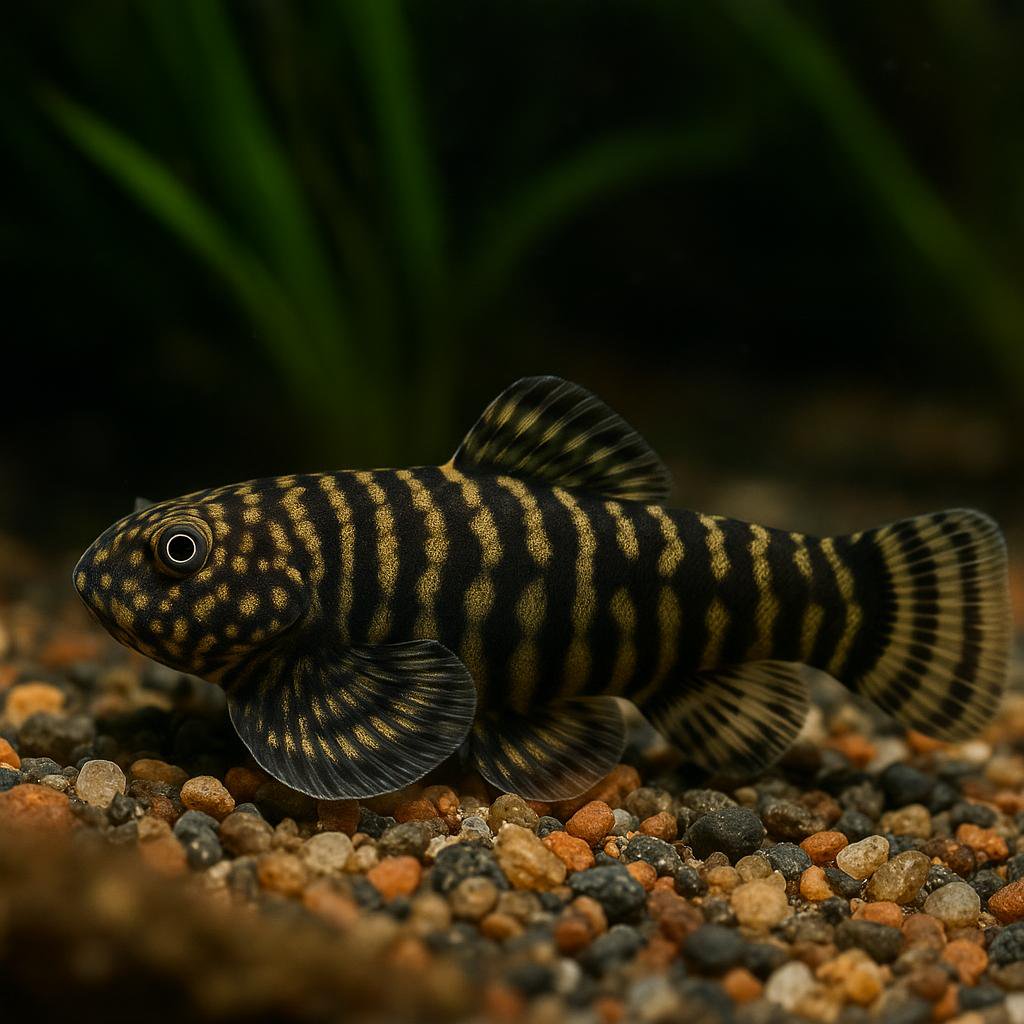
This is one of the Borneo hillstream loaches that lives plastered to rocks in fast, oxygen-rich streams, using its belly and fins like a suction cup. The wild coloration is a really sharp black base with thin gold bars, so it looks like a little living racing stripe when it scoots around grazing biofilm on stones.
Golden-banded goby
Brachygobius nunus
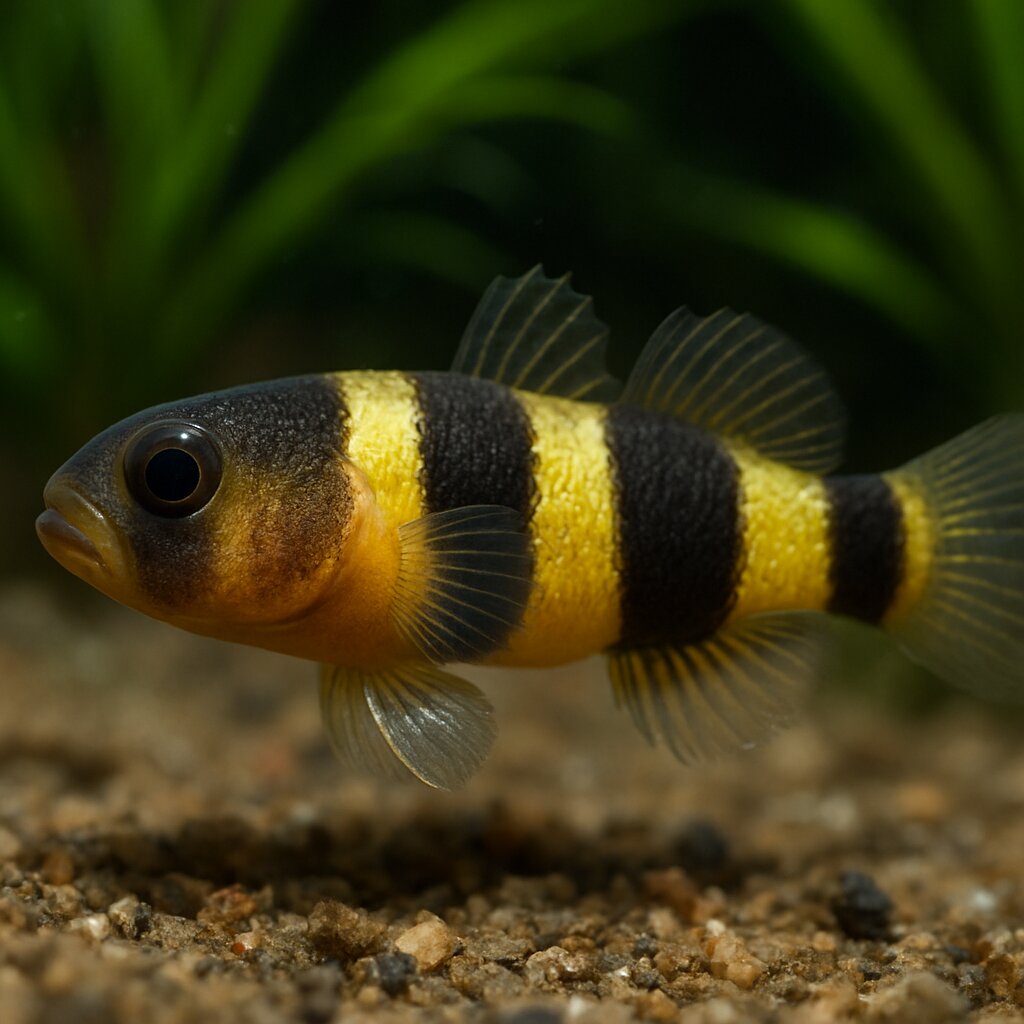
Teeny little striped goby that perches on rocks with its built-in suction-cup fins and then zips to the next spot like it owns the place. Give it slightly salty water and plenty of tiny live foods and you will get lots of spunky staring contests and cave-guarding antics.
Golden Julie
Julidochromis ornatus
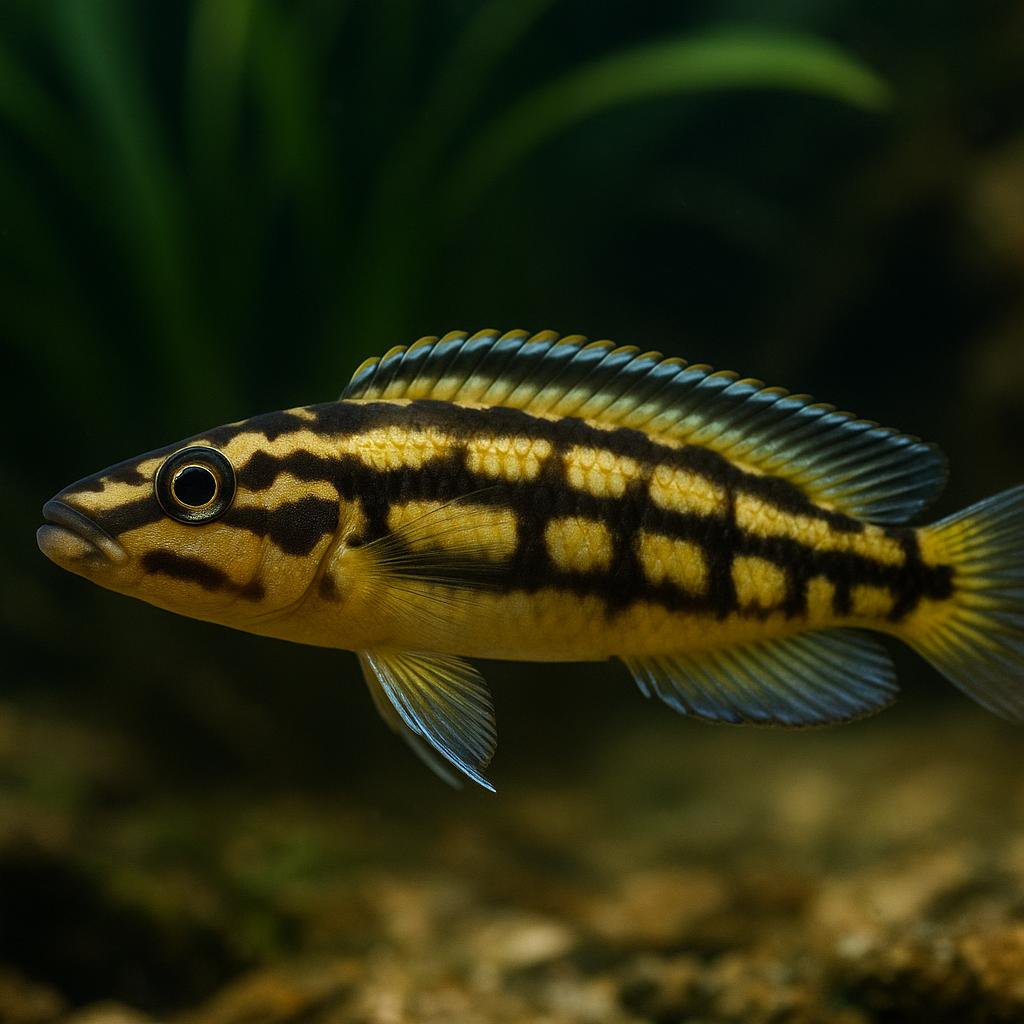
Julidochromis ornatus is that sleek little Tanganyikan rock-dweller with the gold body and crisp black stripes that just pops against a pile of limestone. Give it a tight maze of caves and it will pick one like its home base, patrol it, and (once paired up) it is a really fun cave spawner to watch. It is small, but it has big "this is my rock" energy - especially around breeding time.
Golden otocinclus
Otocinclus affinis
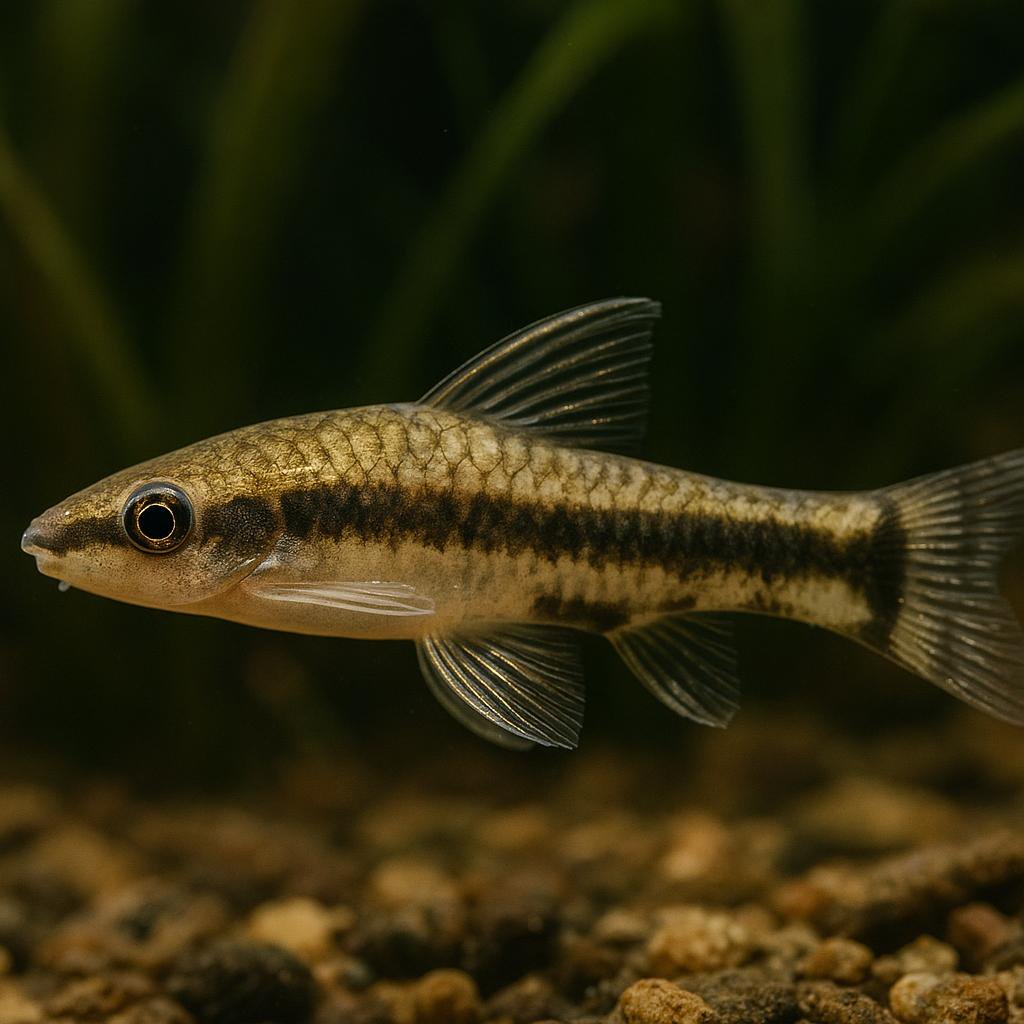
Otocinclus affinis is a small South American suckermouth catfish prized for grazing soft algae and biofilm on plants, glass, and décor. It has a slender body with a dark lateral stripe and a pale underside, and it is best kept in groups where it feels secure. Although peaceful, it can be delicate when newly imported and does best in mature, well-oxygenated aquariums with plenty of natural growth to graze.
Golden pencilfish
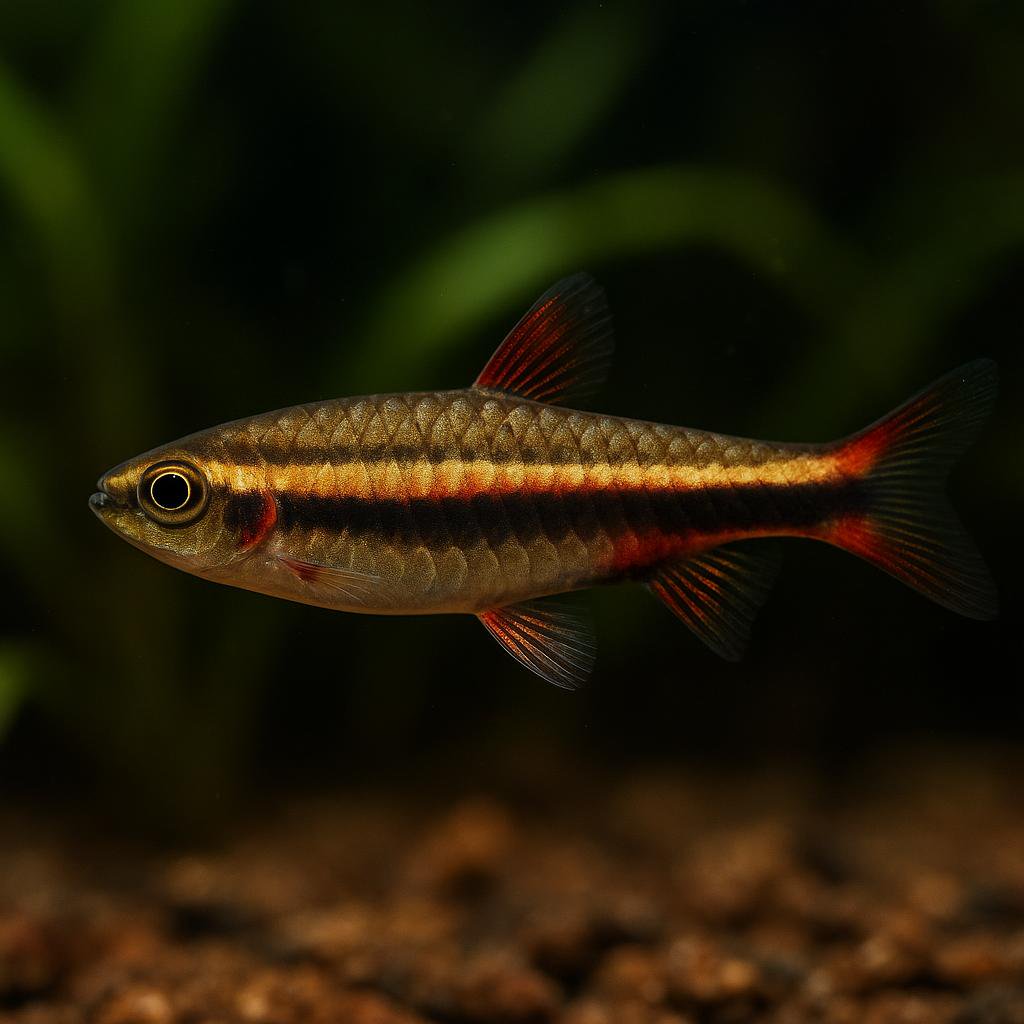
Nannostomus beckfordi
Beckford's pencilfish is that sleek little "stick with fins" that likes to hang in the upper half of the tank at a slight angle and flash a crisp dark stripe. Keep a proper group and you'll see males do these tiny sparring/display moments (no real damage) and the whole school just looks super classy over dark substrate and plants.
Golden spiny eel
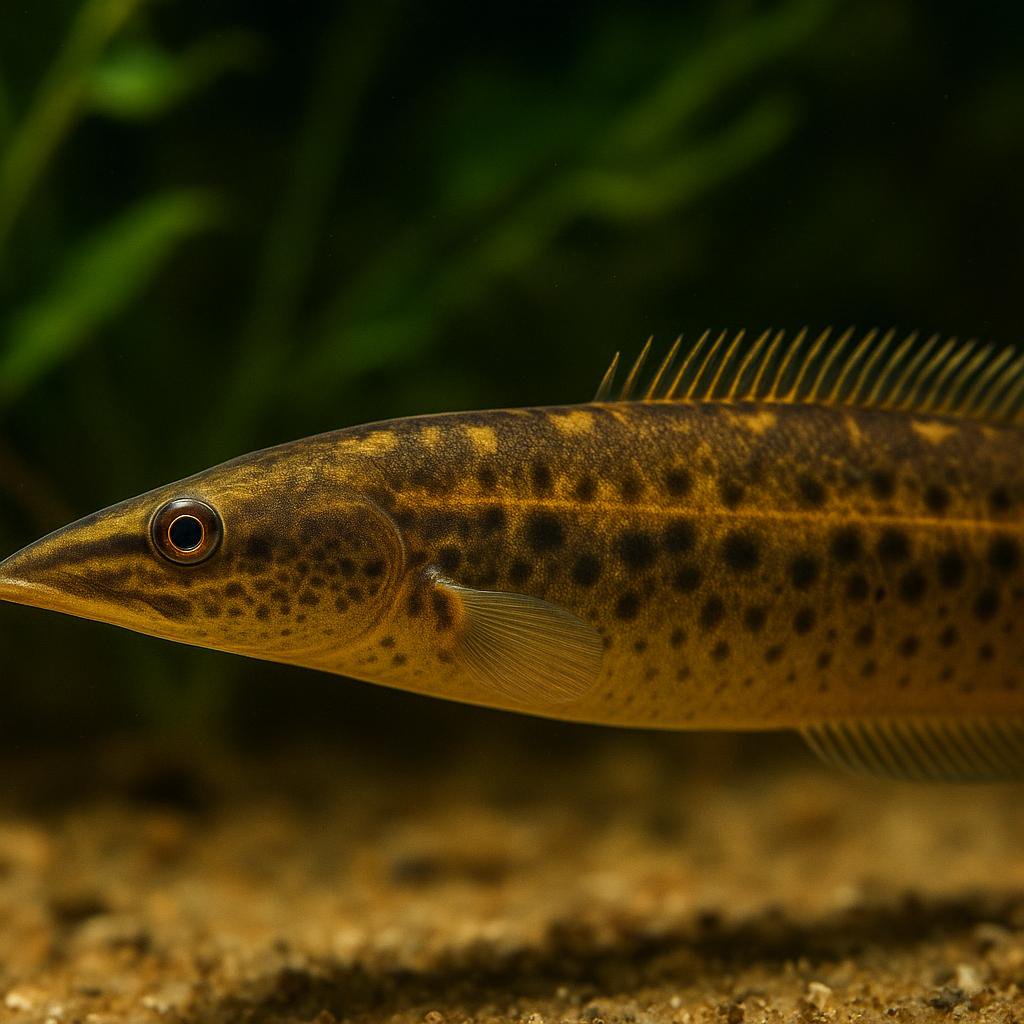
Macrognathus aureus
This is a Myanmar spiny eel with those bold, white-edged dark blotches running along the back and sides - it looks like someone hand-painted it. Like most Macrognathus, it is a shy, burrowing little noodle that comes alive at dusk and will absolutely make you fall in love once it starts taking worms from tongs.
Goldfish
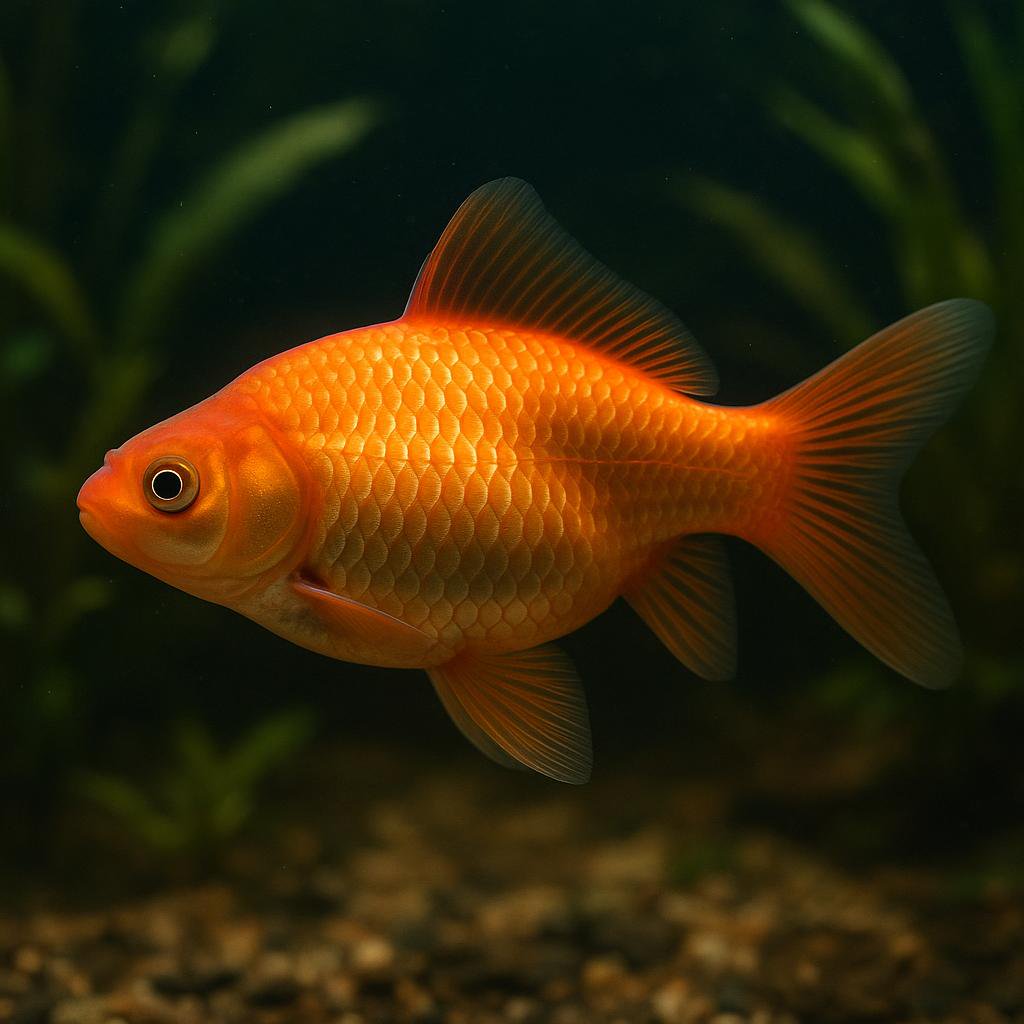
Carassius auratus
Goldfish are one of the most popular and recognizable freshwater fish in the aquarium hobby. They are known for their golden-orange coloration, although they can also appear in red, white, yellow, and black. Goldfish are highly adaptable and can thrive in a variety of conditions, making them a favorite among beginners.
Gold-marked shrimpgoby
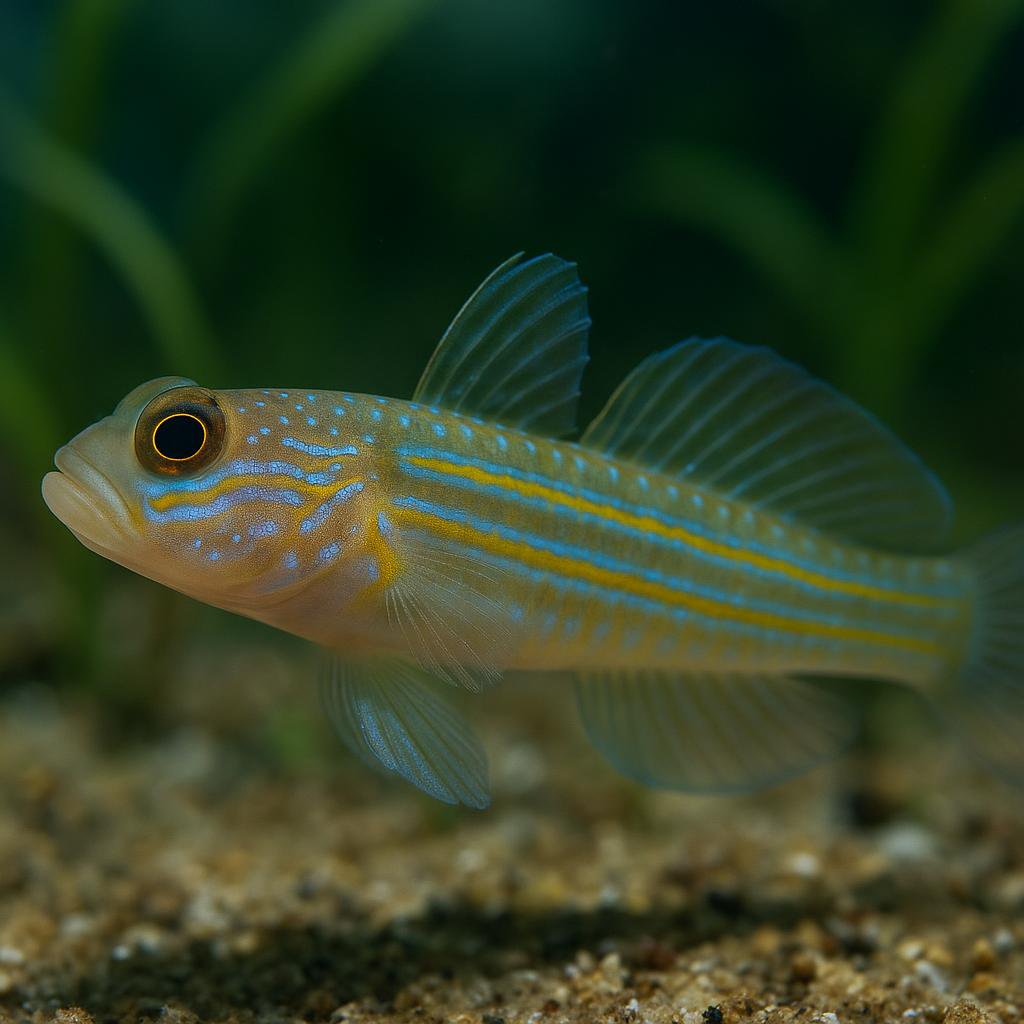
Vanderhorstia auronotata
This is a tiny little shrimp-goby from Indonesia that hangs out on silty sand slopes and does the whole burrow-living thing with an Alpheus snapping shrimp. The cool part is the bright orange-yellow spotting/lines over a pale body - it is one of those blink-and-you-miss-it gobies that looks even better up close than from across the tank.