

Papuan blenny
Rhabdoblennius papuensis
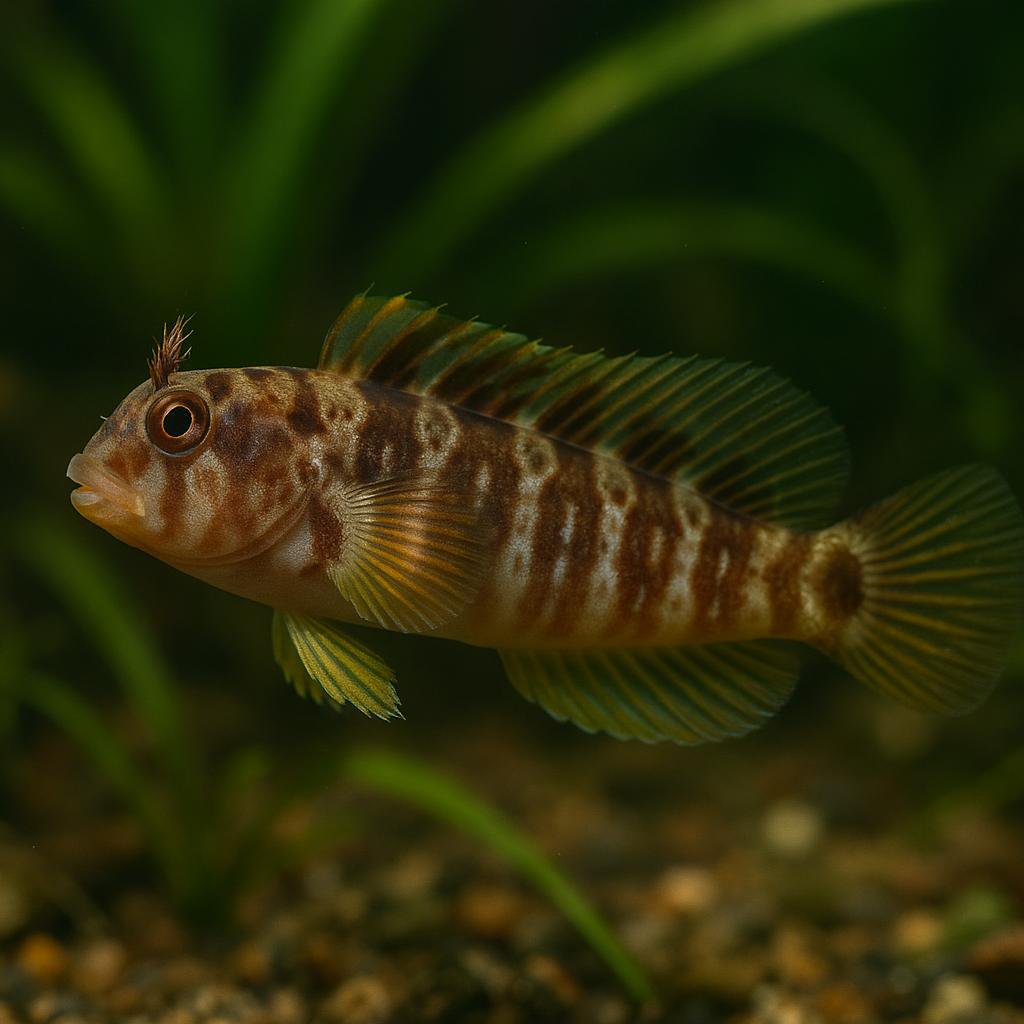
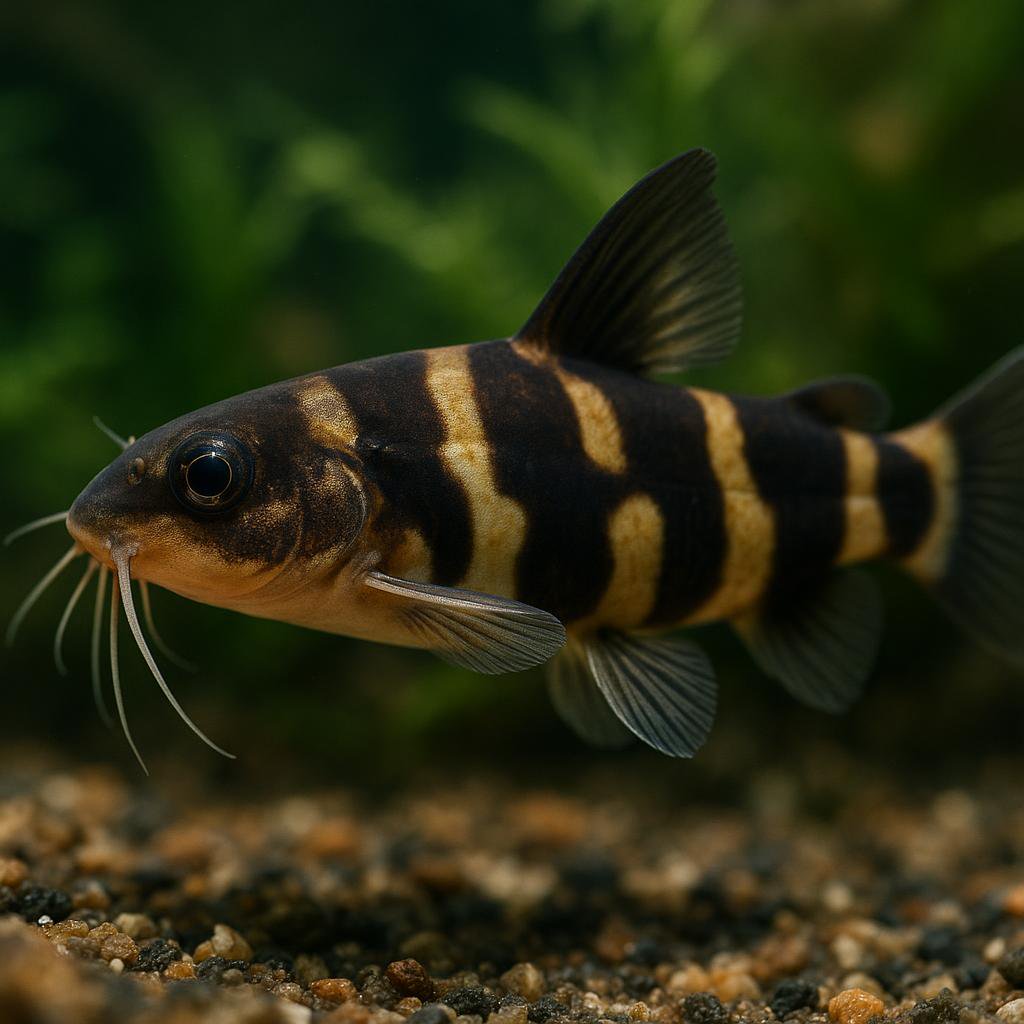
The Papuan blenny features a slender body with a mottled brown and cream coloration, highlighted by elongated dorsal fins and prominent sensory tentacles.
This page includes AI-generated images. Why am I seeing AI images?
About the Papuan blenny
This is a tiny little combtooth blenny from the wave-smacked, super-shallow shoreline around Papua New Guinea. It is the kind of fish that spends its time glued to rocks, picking at film algae and micro-stuff, and wedging itself into tight crevices when it feels like it. Cool pick for a saltwater nano if you can actually source one and give it the right rocky, high-oxygen setup.
Also known as
Quick Facts
Size
3.9 cm SL
Temperament
Semi-aggressive
Difficulty
Advanced
Min Tank Size
10 gallons
Lifespan
2-5 years
Origin
Western Pacific (Papua New Guinea)
Diet
Omnivore/grazer - film algae, microfauna, small frozen foods, quality pellets
Water Parameters
24-29°C
8-8.4
8-12 dGH
Need a heater for this species?
This species needs 24-29°C in a 10 gallon tank. Use our heater calculator to find the right wattage.
Calculate heater sizeCare Notes
- Give it a rock-heavy tank with lots of tight holes and ledges - they pick a home base and get cranky if they can't claim a nook.
- Keep salinity stable around 1.024-1.026 and run the tank like a reef: 24-26 C (75-79 F), pH about 8.1-8.4, and keep nitrate low (I try to stay under ~10-20 ppm).
- They hate big parameter swings more than slightly 'off' numbers, so use an ATO, mix saltwater consistently, and avoid rapid salinity changes during top-offs and water changes.
- Feed small meaty stuff 1-2x a day: mysis, enriched brine, chopped shrimp, and quality pellets - mine also grazed film algae and picked at tiny critters in the rock.
- Tankmates: best with small, non-bully reef fish; avoid dottybacks, bigger wrasses, and other blennies unless the tank is big and there are tons of extra bolt-holes.
- Cover the tank - they can launch when spooked, especially during lights on/off or if a bigger fish rushes them.
- Watch for rapid breathing and hanging in high flow: these guys get hit hard by low oxygen and dirty water, so keep surface agitation strong and clean up detritus around their favorite caves.
- If you ever see a male guarding a crevice and getting extra territorial, you might have eggs; he will fan them, so do not rearrange rocks or blast the nest area with a turkey baster.
Compatibility
Good Tankmates
- Clownfish (ocellaris or percula) - they stick to their little zone and usually ignore a Papuan blenny as long as you are not cramming everyone into a tiny tank
- Small, chill gobies (watchman, neon, clown goby) - bottom or perch fish that keep to themselves, and they are not usually looking to pick a fight
- Firefish (dartfish) - generally fine if the blenny has its own rock holes and you have decent rockwork; add the firefish first so it claims a bolt-hole
- Fairy or flasher wrasses - active midwater swimmers that do not care about a blenny perched on the rocks, and they are quick enough to avoid any random blenny attitude
- Reef-safe tangs in bigger tanks (like kole or tomini) - they cruise and graze, the blenny posts up and guards a spot, and they typically do not overlap much
- Cardinalfish (banggai, pajama) - mellow, hover-y fish that usually do not provoke the blenny, just give them cover so they are not stressed by any occasional chasing
Avoid
- Other blennies and similar perch-y fish (especially other Rhabdoblennius, tailspot, bicolor, etc.) - this is where the Papuan blenny gets spicy and territorial, and you can end up with constant rock-hole beef
- Dottybacks - tough, nosy, and they love the same rock real estate; that combo tends to turn into nonstop squabbles
- Hawkfish - they park on the same ledges and can be pushy, and in my experience they escalate the whole 'who owns this rock' thing
- Really aggressive damsels (like domino, three-stripe, etc.) - they are fast, mean, and territorial, and the blenny will either get bullied or get drawn into constant fights
Where they come from
Papuan blennies (Rhabdoblennius papuensis) are little reef perchers from the Indo-Pacific around Papua New Guinea and nearby areas. Think shallow reefs and rocky rubble zones where there are lots of tiny holes to duck into, algae films to graze on, and constant wave-driven flow.
In the tank, that translates to a fish that wants real rockwork, lots of texture, and a spot it can claim as home base.
Setting up their tank
These are not the kind of blenny you toss into a brand-new marine tank and hope for the best. They do best once the tank has some age on it and the rock has biofilm and natural algae growth. Mine acted totally different once the tank matured - way more out and about, less frantic hunting for food.
- Tank size: I would not do under 20 gallons for one, and 30+ is more comfortable if you want a peaceful community.
- Rockwork: Build a maze of small caves and crevices. They love a tight little bolt-hole they can reverse into.
- Flow and oxygen: Moderate to strong flow is your friend. They come from high-oxygen, surge-y areas.
- Lighting: Normal reef lighting is fine. A bit of algae growth on rocks is actually helpful for them.
- Lid: Cover the tank. Blennies can and will launch if spooked.
Skip the ultra-sterile look. If your rocks are spotless and you run the tank too clean, you will be fighting feeding and weight loss with this species.
Give them at least a couple of distinct perches with line-of-sight breaks. If they can see the whole tank from their favorite spot, they tend to get bossy.
What to feed them
Papuan blennies are small pickers. In my experience they do a mix of grazing and micro-hunting all day. Some individuals take frozen right away, others act like it is not food for a week and then suddenly figure it out.
- Daily basics: frozen mysis (small pieces), enriched brine, finely chopped seafood, and quality nano pellets once they recognize them.
- Grazing support: nori or algae sheets can help, but a lot of their grazing is film algae and stuff living in it.
- Pods and microfauna: a refugium or pod-friendly rock really helps, especially early on.
- Feeding style: small amounts 2-3 times a day beats one big dump.
If yours ignores prepared food, try turning flow down for 5 minutes and target-feeding near its bolt-hole. Once it learns 'food appears here,' it usually gets easier.
Watch the belly. A healthy blenny has a nice, slightly rounded look. If it starts looking pinched behind the head, you need to adjust feeding fast.
How they behave and who they get along with
They are classic blennies: curious, perchy, and a little grumpy about their personal space. Most of the day is spent hopping between favorite rocks, peeking out of holes, and doing quick dashes to grab food.
- Good tankmates: peaceful to semi-peaceful reef fish that do not compete for the same holes (small wrasses, gobies that stick to sand, cardinals, chromis).
- Use caution: other blennies, fang blennies, and similar-shaped perch fish. Hole-to-hole turf wars are common.
- Avoid: aggressive dottybacks, big hawkfish, and anything that treats small perch fish like snacks.
They can be totally reef-safe with corals, but they may nip at algae on coral bases or irritated tissue if the tank is too lean on food. Most of the time, it is not them being mean - it is them being hungry.
Territory matters more than tank size on paper. If you give them multiple hideouts and keep similar niche fish out, they are usually solid community members.
Breeding tips
Like a lot of blennies, they are cave spawners. In a stable tank you may see a pair form, with one fish guarding a particular hole and doing little display darts at the other.
- Provide spawn sites: small tubes, empty shells, or tight rock crevices they can fully occupy.
- Conditioning: frequent small feedings and plenty of microfoods seem to get them in the mood.
- What you might see: eggs stuck to the inside of a cave, and a guarding fish fanning and chasing intruders.
Raising the larvae is the hard part. They are likely planktonic and tiny, so you are looking at rotifers, greenwater, and a dedicated rearing setup if you want a real shot.
Common problems to watch for
- Starvation in clean or new tanks: they pick all day, so a tank without film algae and pods can slowly waste them away.
- Getting bullied off food: faster fish can outcompete them, especially in smaller tanks.
- Jumping: usually happens after a sudden light change, a chase, or hands in the tank.
- Marine ich/velvet: they are not uniquely sensitive, but small fish go downhill fast. Quarantine and observation help a lot.
- Internal parasites: if it eats like a champ but stays skinny, think deworming after a proper ID plan.
Fast breathing, hiding all day, and refusing food in a marine tank can turn into a disaster quickly (especially velvet). If you see those signs, do not wait around hoping it passes.
The biggest key with Papuan blennies is setting them up so they can do their natural routine: perch, graze, pick, retreat to a hole, repeat. If you build the tank around that, they are awesome little characters.
Similar Species
Other marine semi-aggressive species you might be interested in.
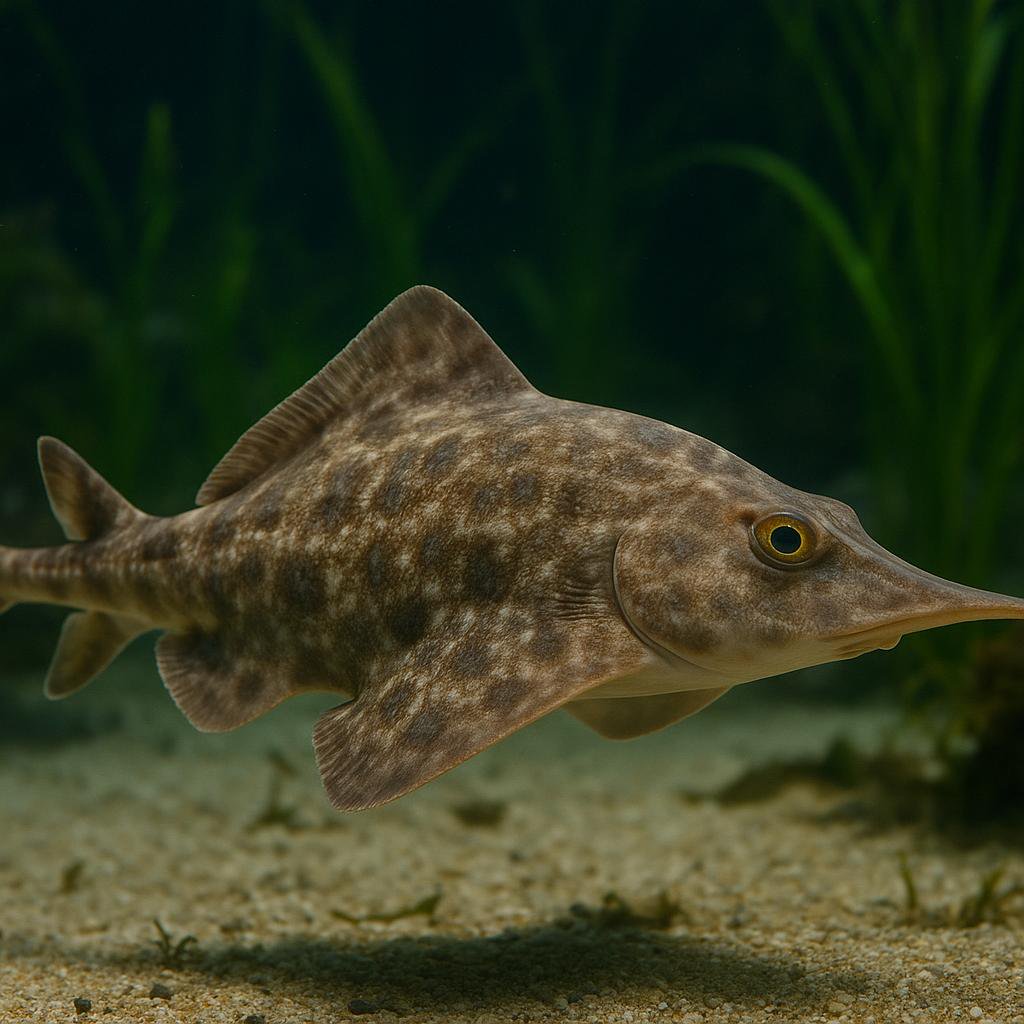
Aleutian skate
Bathyraja aleutica
This is a big, cold-water deep-slope skate from the North Pacific that cruises muddy bottoms and eats chunky benthic prey like crabs and shrimp. The really cool bit is its egg-laying skate life - it does distinct pairing (the classic skate "embrace") and drops those tough egg cases on the seafloor. Not an aquarium fish at all unless you're basically running a public-aquarium-style chilled system.
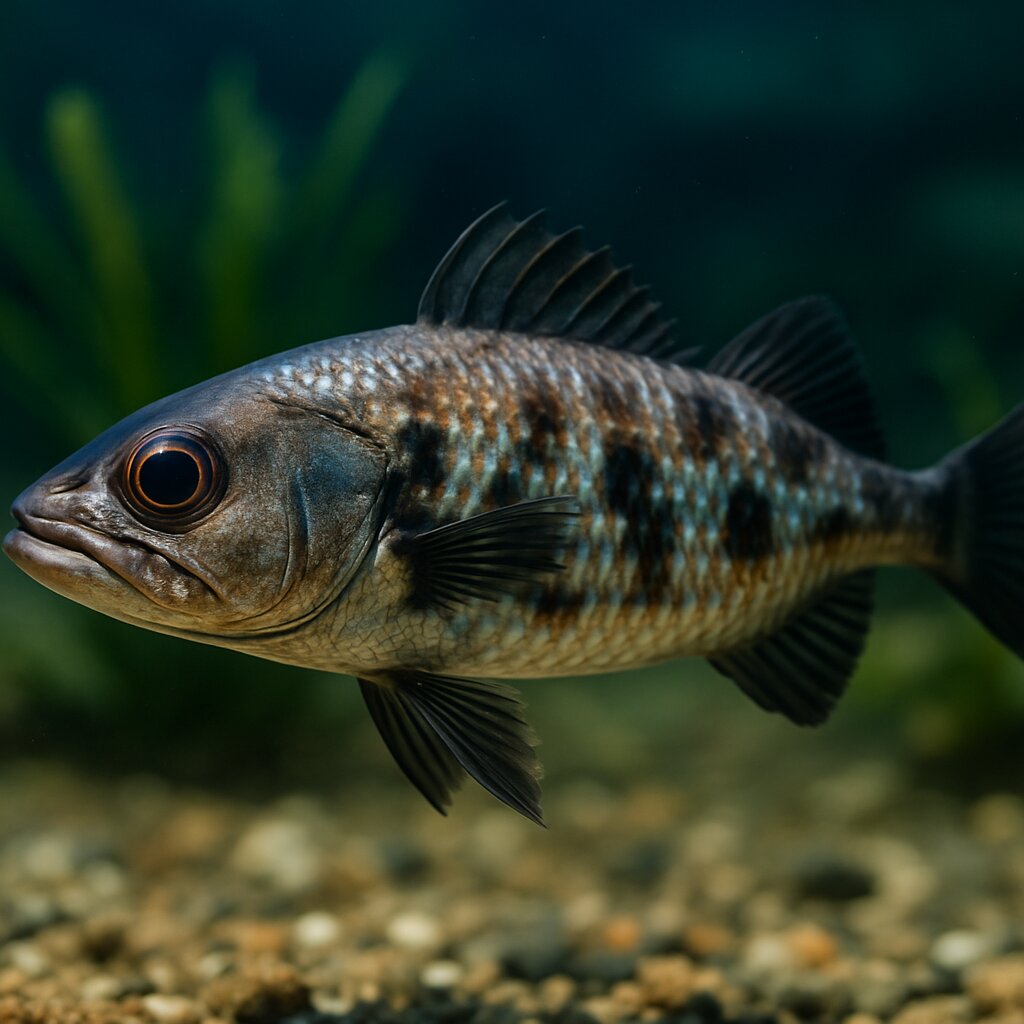
Antarctic dragonfish
Vomeridens infuscipinnis
Deep down around Antarctica, this sleek dragonfish cruises the water column like a little submarine, nearly neutrally buoyant so it can hover above the seafloor. It munches almost exclusively on Antarctic krill and lives in near-freezing water 500-800 m down, so it is a cool species to read about, not one for home tanks.
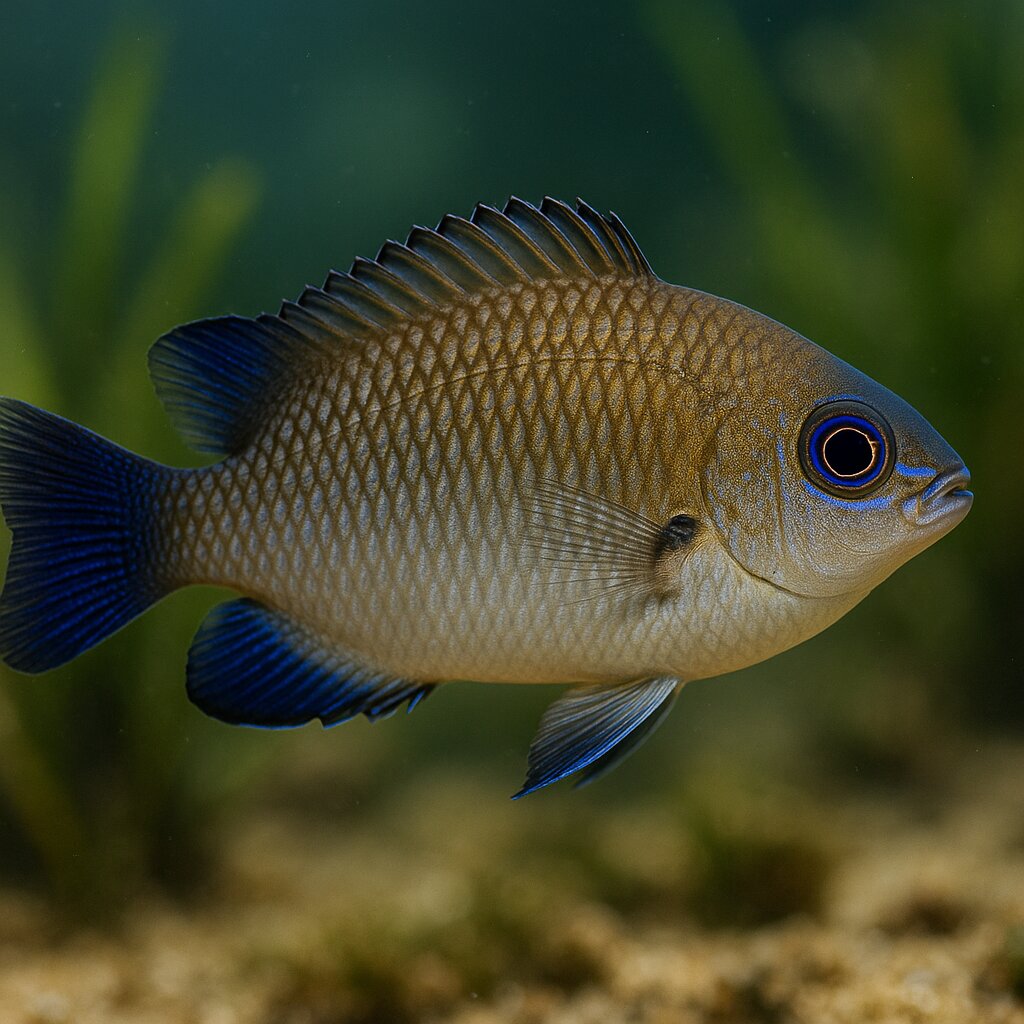
Arabian demoiselle
Neopomacentrus sindensis
A small lyretail damsel from the Persian Gulf and Arabian Sea, it hangs in loose groups around coral heads, rocks, and even pier pilings picking zooplankton from the flow. Think classic damsel toughness with a slightly milder attitude than the real bruisers, plus subtle yellow tail accents. Males clean a patch, get a mate to lay eggs there, and then stand guard fanning the clutch.
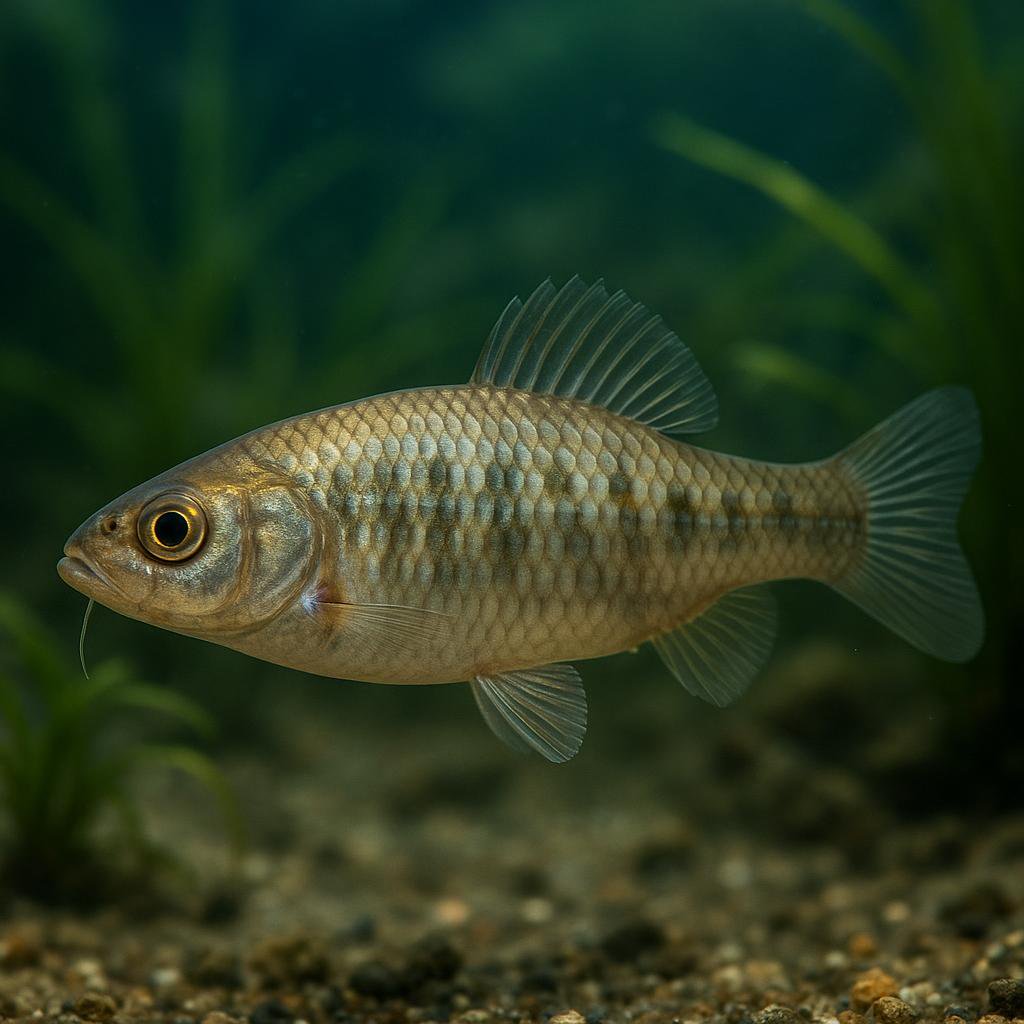
Arabian spiny eel
Notacanthus indicus
Notacanthus indicus is a deep-sea spiny eel (family Notacanthidae; not a true eel) known from the Arabian Sea on the continental slope at roughly ~960–1,046 m depth, with reported maximum length around 20 cm TL; it is a deep-water bycatch species and not established in the aquarium trade.
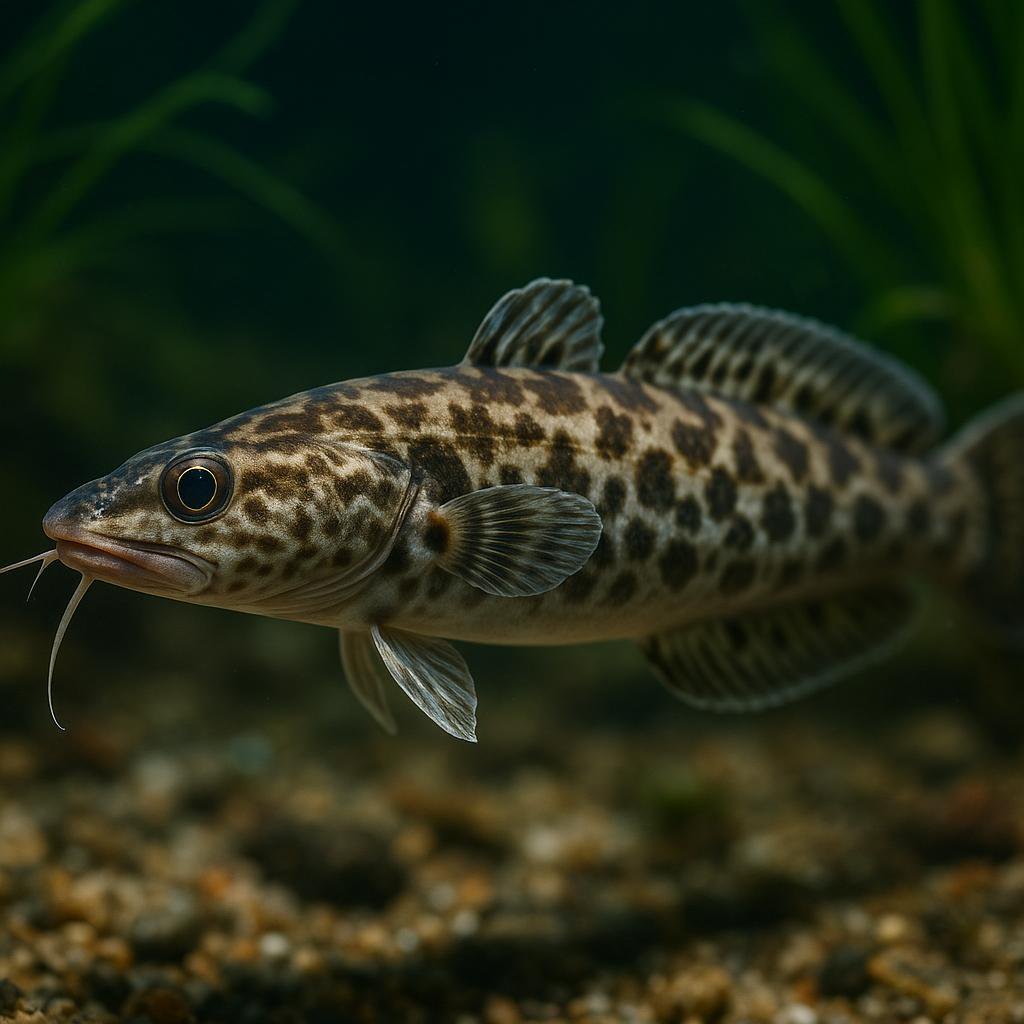
Arctic rockling
Gaidropsarus argentatus
This is a deepwater North Atlantic rockling (a cod relative) that hangs out on soft bottoms way down the slope. It is a cold-water, bottom-hugging predator that snoots around for crustaceans and will also take small fish when it gets the chance.
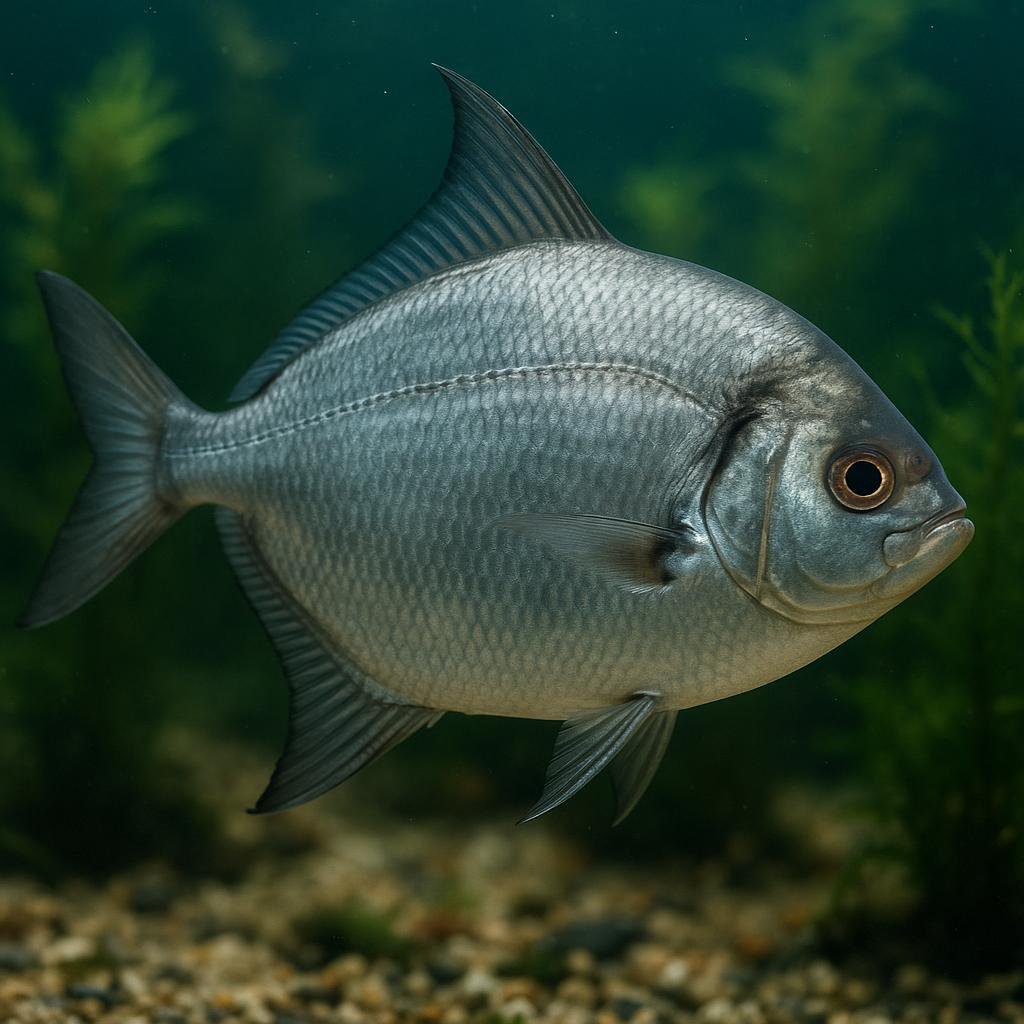
Atlantic pomfret
Brama brama
Brama brama is the Atlantic pomfret (aka Ray's bream) - a deep-bodied, open-ocean pelagic fish that cruises around in small schools and follows water temps. It is a legit big, wild marine species (not an aquarium fish) that eats other small sea critters like fish and squid, and it ranges across a huge chunk of the Atlantic plus parts of the Indian and South Pacific.
More to Explore
Discover more marine species.
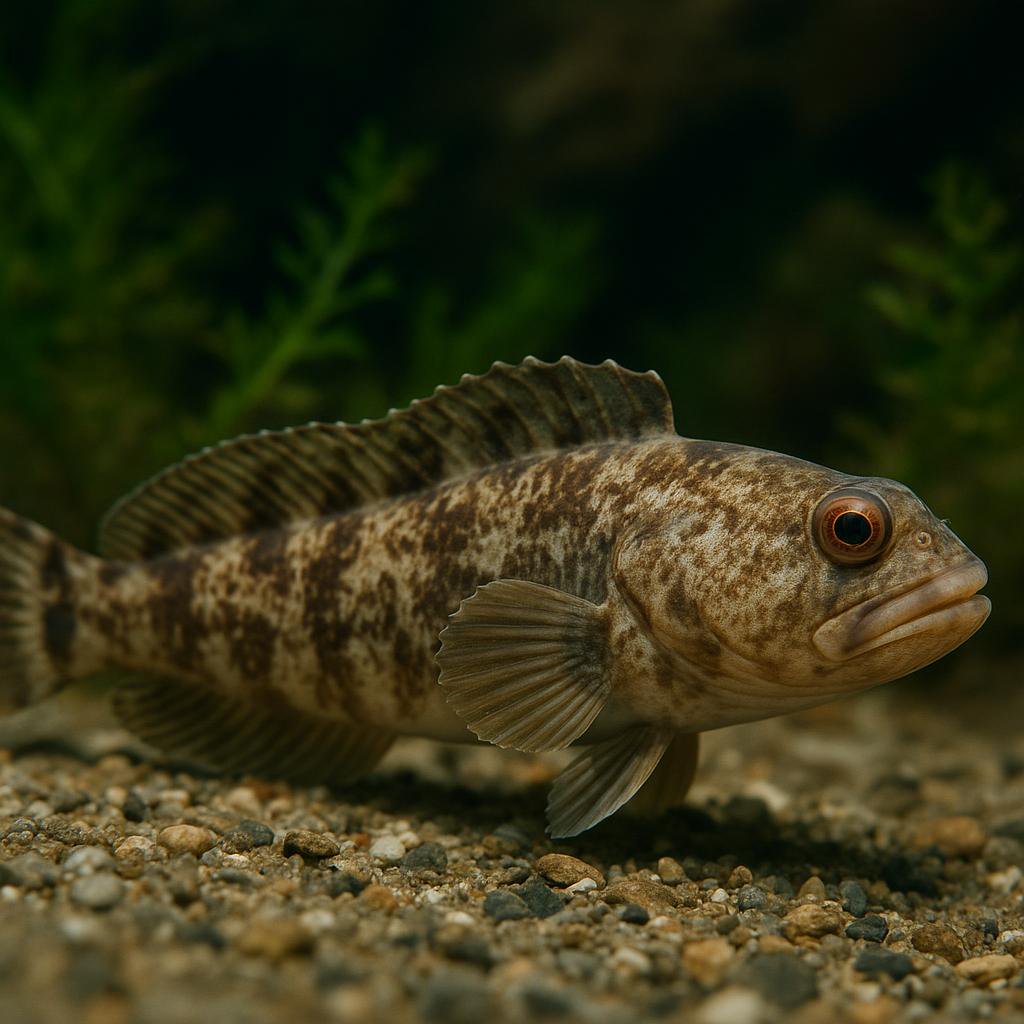
Abe's eelpout
Japonolycodes abei
Japonolycodes abei is a temperate, deepwater demersal eelpout (family Zoarcidae) endemic to Japan (Kumano-nada Sea reported; other sources also report Sagami Bay and Tosa Bay). It is the only species in the genus Japonolycodes and occurs roughly 40-300 m depth, making it an uncommon/atypical aquarium species.
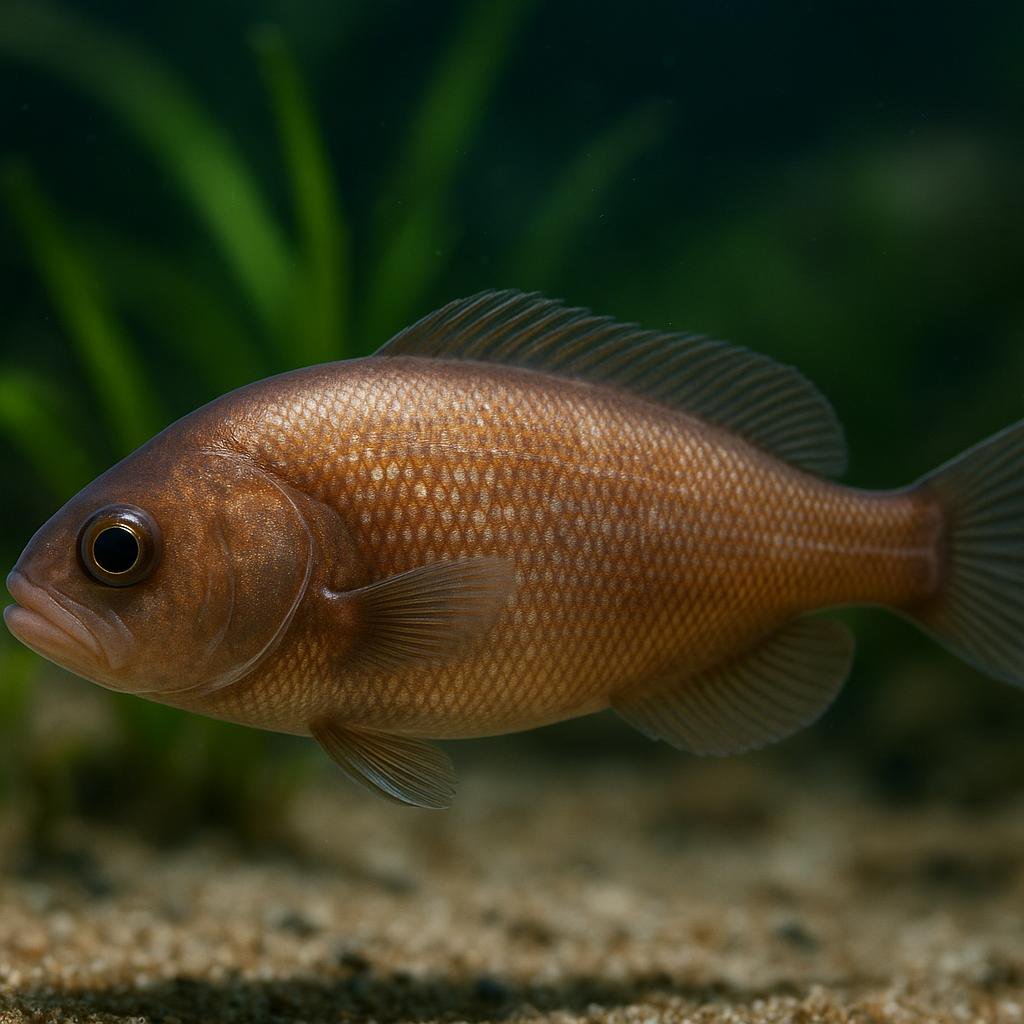
Affinis blind cusk-eel
Barathronus affinis
Barathronus affinis is a tiny, super-weird deep-sea blind cusk-eel from the western-central Indian Ocean. It is one of those gelatinous, loose-skinned brotula-type fishes that live way down in the dark and are basically never seen alive, so almost everything we know comes from preserved specimens and taxonomic work.
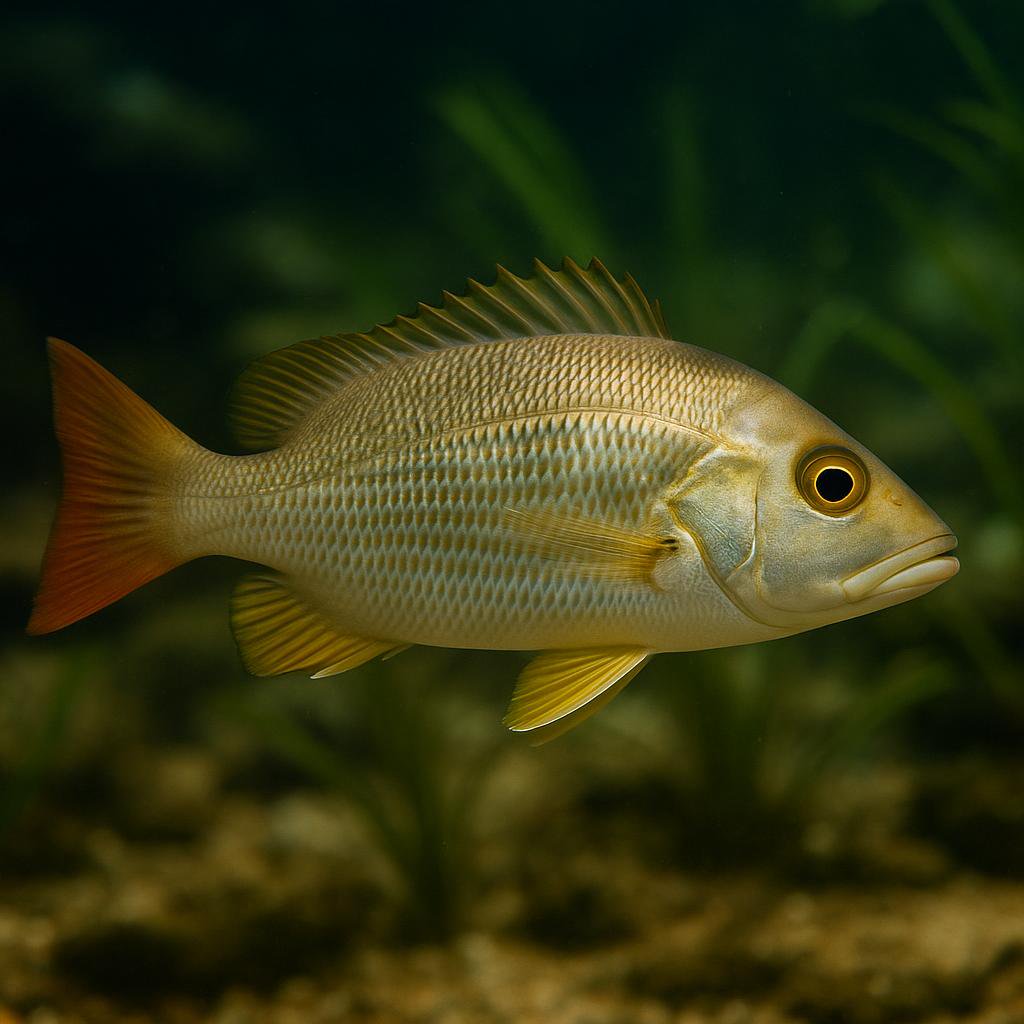
African red snapper
Lutjanus agennes
This is a true snapper from West Africa - a big, fast-growing predator that goes from coastal reefs to brackish lagoons and estuaries (especially as a juvenile). Super cool fish in the wild, but it gets absolutely huge and will eat smaller tankmates once it has the mouth for it, so its really more of a public-aquarium scale animal than a home-aquarium fish.
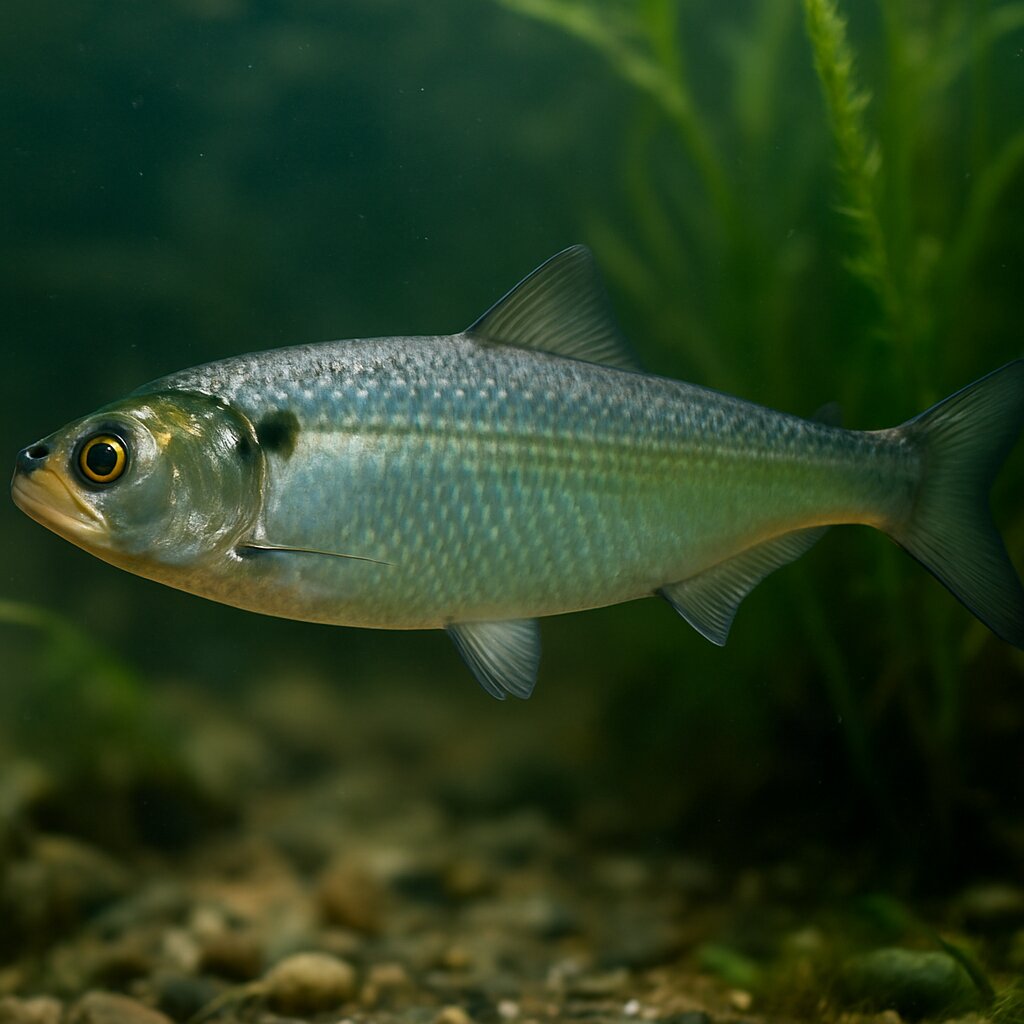
Allis shad
Alosa alosa
Gorgeous silver, fast-swimming shad that spends most of its life in the sea and then surges up big rivers in noisy, surface-spawning schools. It grows huge for a herring-type fish and needs cool, ultra-oxygenated water and tons of open space, so it is a public-aquarium species rather than a home tank fish.
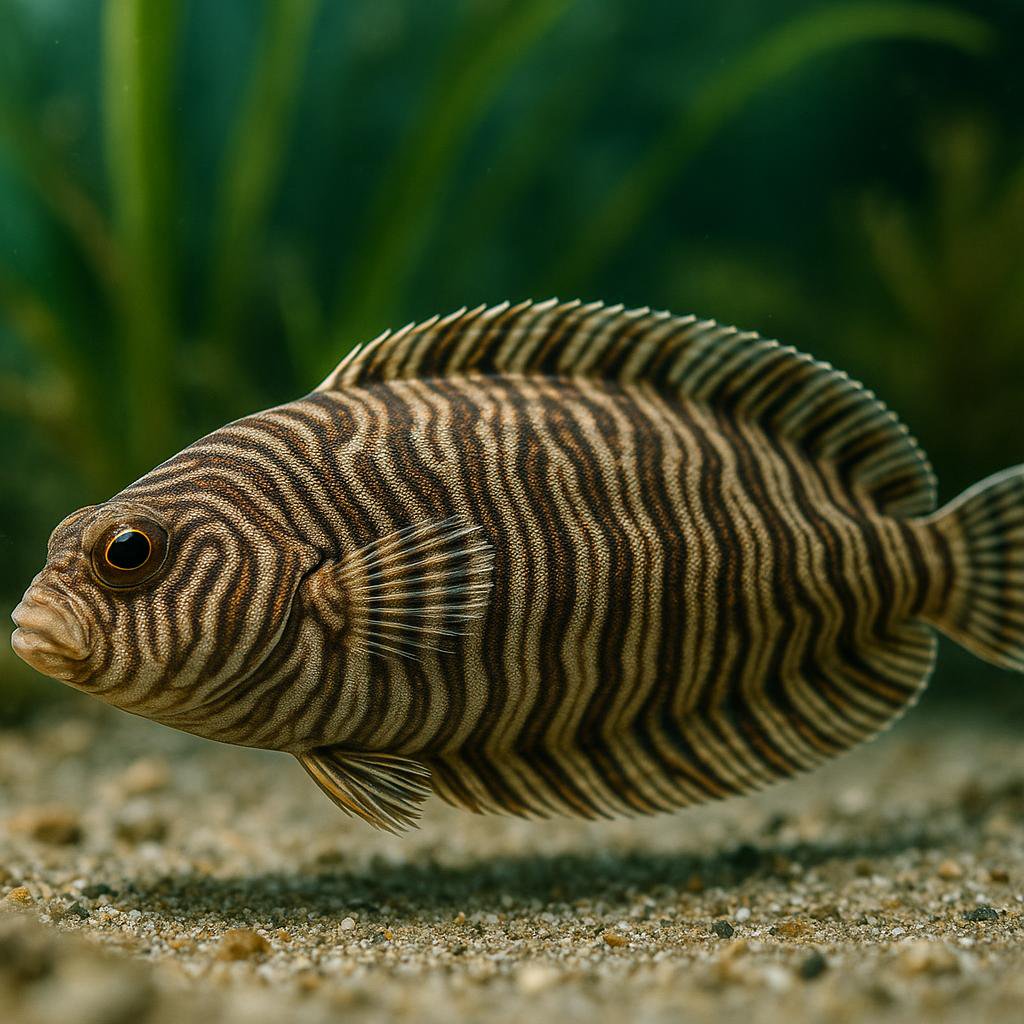
Annandale's zebra sole
Zebrias annandalei
Zebrias annandalei is a small demersal sole from coastal India that inhabits sandy or muddy bottoms and buries for camouflage. It is rarely kept in home aquaria and would require a specialized marine sand-bottom setup and appropriate feeding.
Australian sawtail catshark
Figaro boardmani
Figaro boardmani is a small, deepwater Australian catshark with these cool saw-like ridges of spiny denticles along the tail and a neat pattern of dark saddle bands. It lives way down on the outer continental shelf and slope, so its natural water is cold, dim, and stable - totally not a typical home-aquarium fish. Diet-wise its a predator that goes after fish, crustaceans, and cephalopods.
Looking for other species?