

Search Species
Search for fish species by common or scientific name, or use filters to browse by water type, size, temperament, and difficulty.
Found 159 species
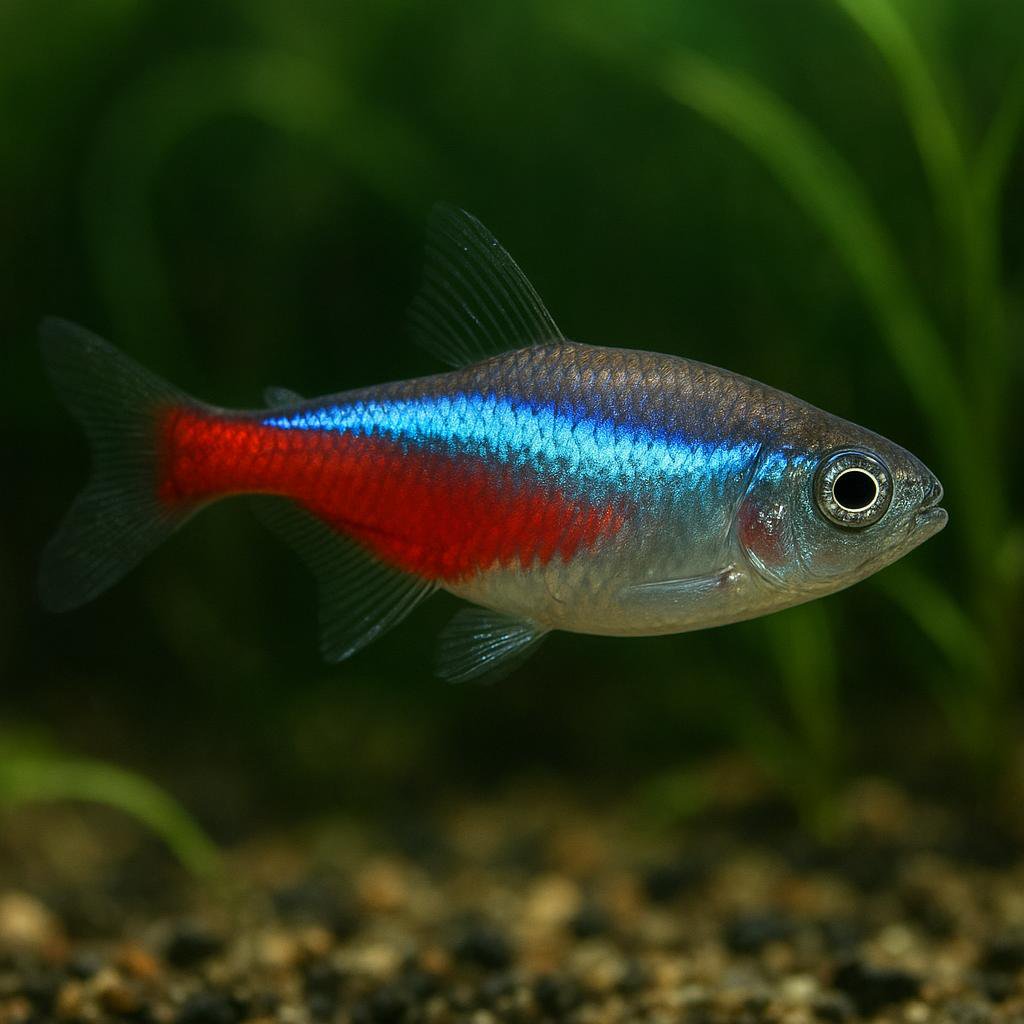
Cardinal Tetra
Paracheirodon axelrodi
The Cardinal Tetra is a small, vibrant freshwater fish known for its striking iridescent blue and red coloring. It is closely related to the Neon Tetra but can be distinguished by the extended red stripe that runs the entire length of its body. People love keeping Cardinal Tetras in their tanks because they're peaceful and great at schooling together.
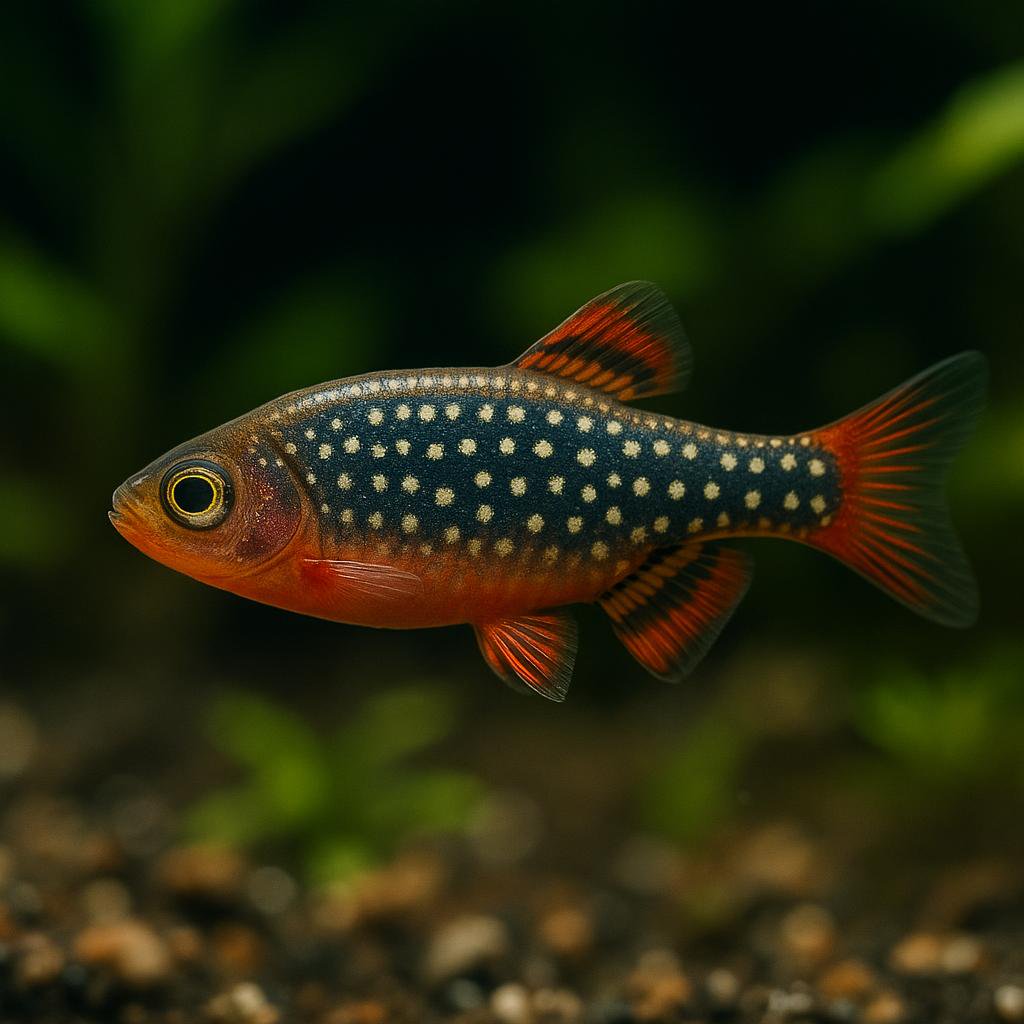
Celestial Pearl Danio
Danio margaritatus
This is the little "galaxy fish" everyone stops to stare at-dark bluish body sprinkled with pearly spots and those punchy orange/red fins. They're peaceful but kinda shy, and you'll see the best color and the cutest little male sparring displays when you keep a proper group in a heavily planted tank with gentle flow.
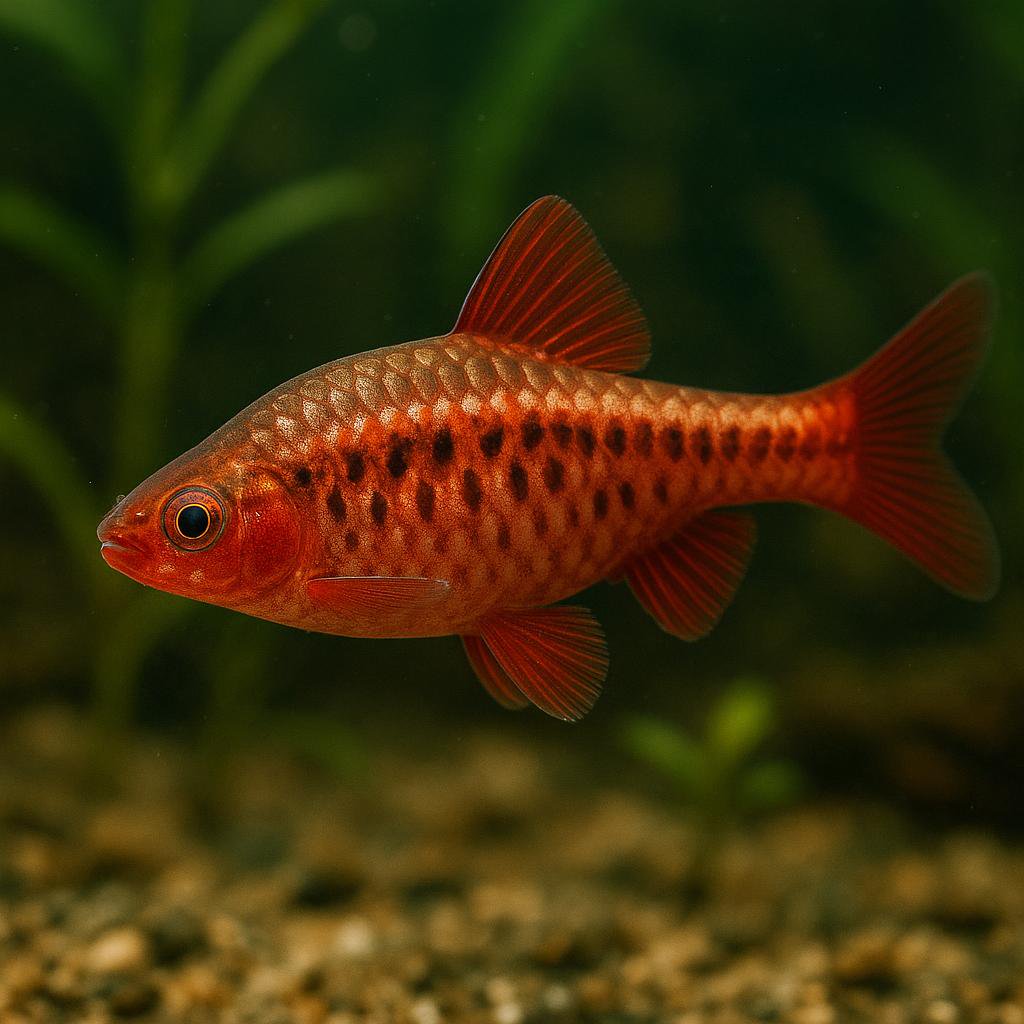
Cherry barb
Rohanella titteya
Cherry barbs are small Sri Lankan barbs; males intensify to deep red (especially when breeding). They're generally peaceful and can be shy unless kept in a group, and they look best in planted aquariums with subdued lighting and darker substrate.
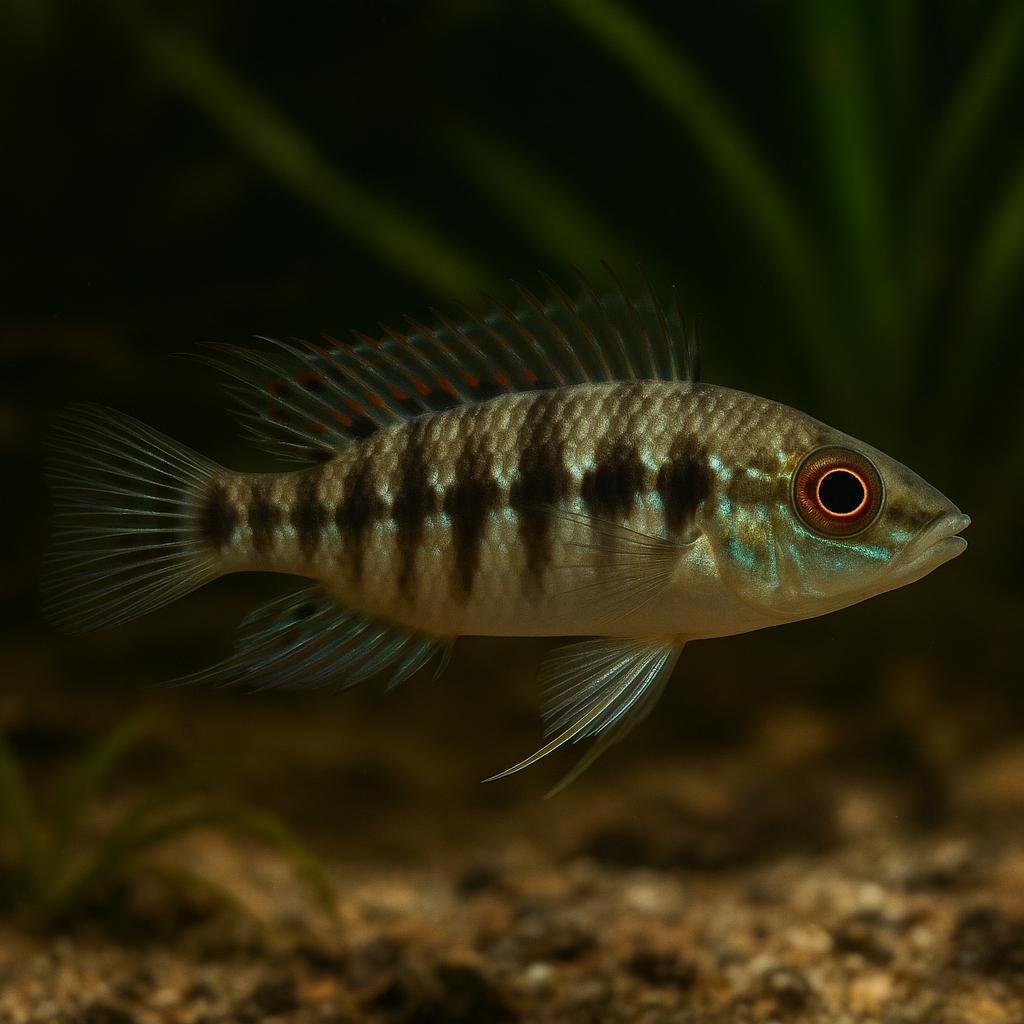
Chessboard cichlid
Dicrossus filamentosus
Dicrossus filamentosus is that classy little blackwater dwarf cichlid with the crisp "chessboard" pattern and, in mature males, a super cool lyretail with streamers. It's generally mellow and shy, but when a female is guarding eggs/fry she turns into a tiny, fearless bulldozer (and it's honestly awesome to watch). Give them soft, clean water, leaf litter, and calm tankmates and they really settle in and show their best colors.
Chinese zebra goby
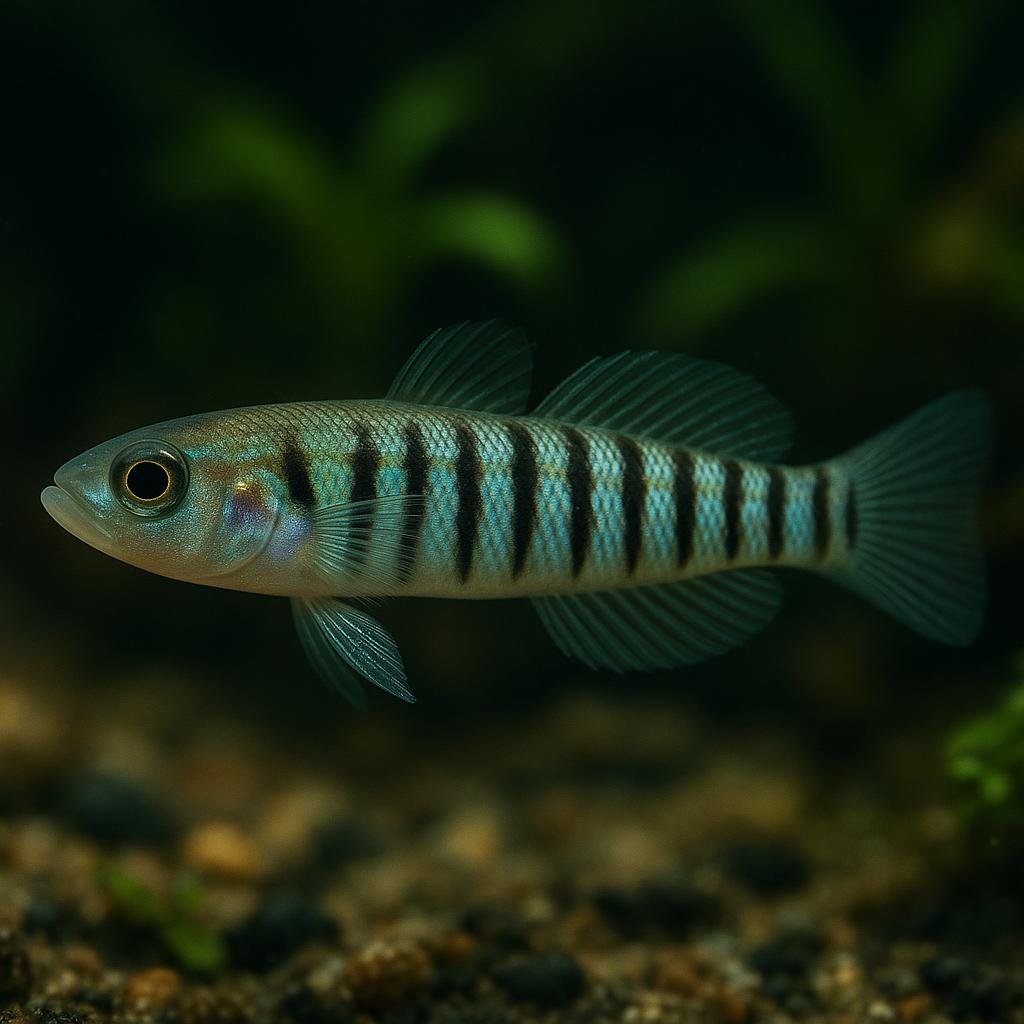
Ptereleotris zebra
Ptereleotris zebra is one of those slick, torpedo-shaped dartfish that likes to hover in the water column, then instantly zip back into a bolt-hole when it gets spooked. In the wild it hangs out on exposed seaward reefs in groups, often in current, and in a tank the big thing is giving it open swim room plus tight cover because it is absolutely a jumper.
Chocolate-colored catfish
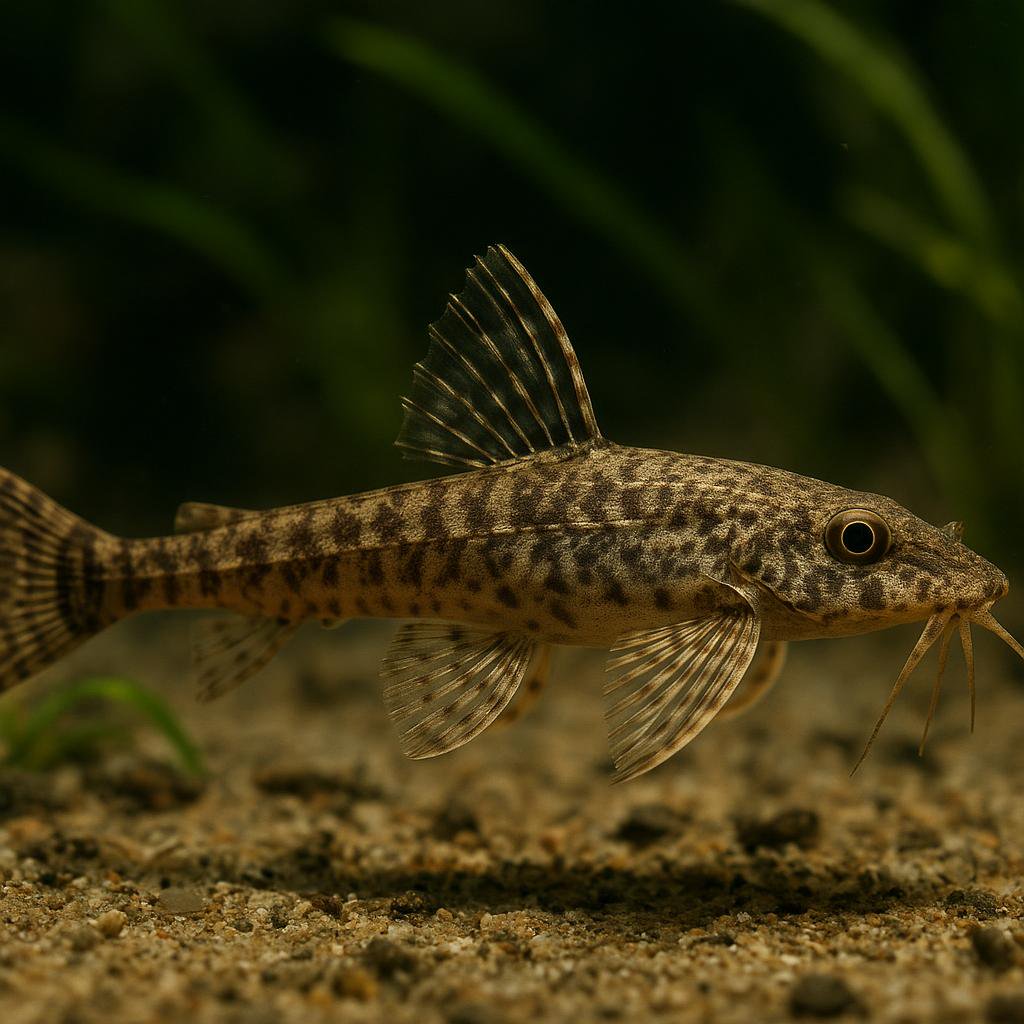
Rineloricaria lanceolata
This is a slim little whiptail (a Loricariid) that spends most of its time gliding over sand and leaves, picking at biofilm like a tiny vacuum cleaner. Give it driftwood, caves, and calm tankmates and it turns into a super chill, sneaky-bottom-dweller with that awesome long whip tail and high dorsal fin.
Cobalt blue goby
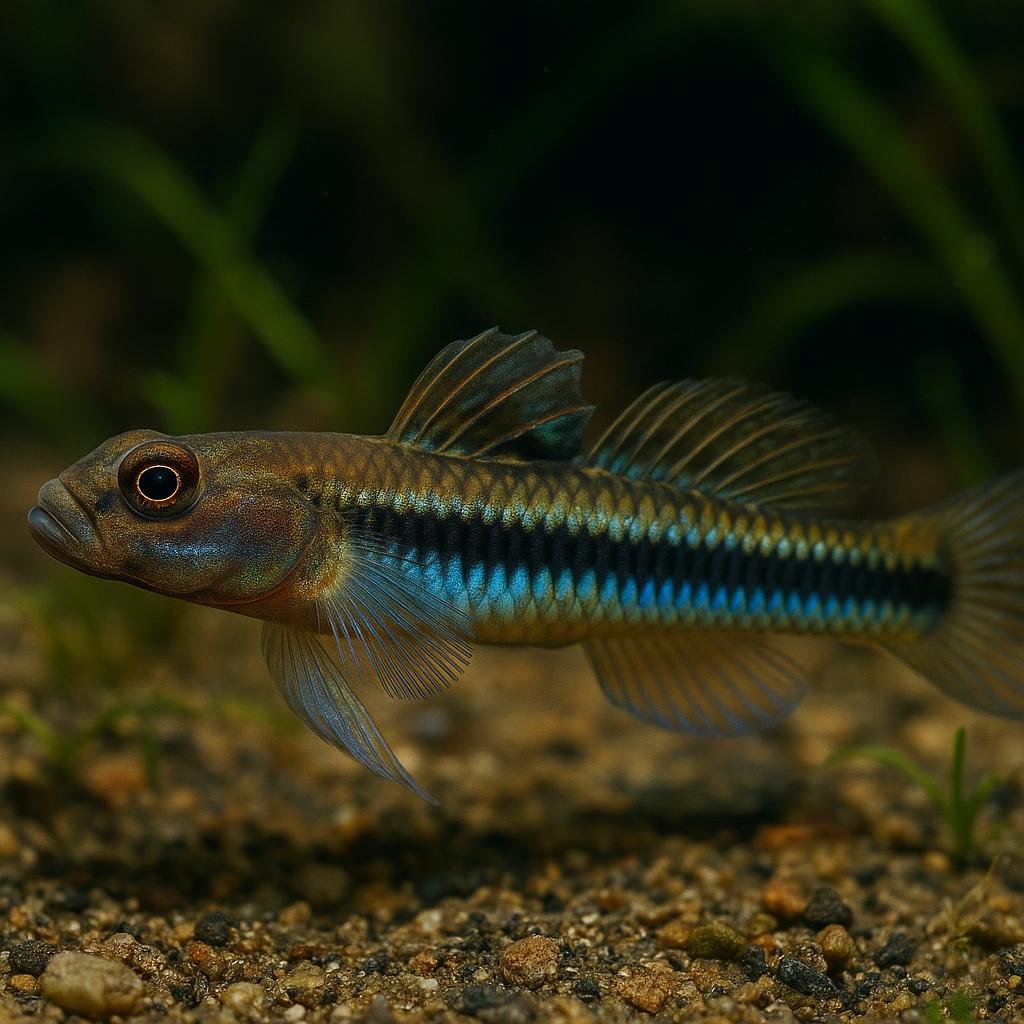
Stiphodon semoni
Stiphodon semoni is one of those little river gobies that spends its whole day perched on rocks, scooting around, and grazing biofilm/aufwuchs like a tiny underwater goat. Give it clean, oxygen-rich water and a nice algae-y rockscape, and the males especially can look unreal with that blue-green sheen and bands.
Common fusegoby
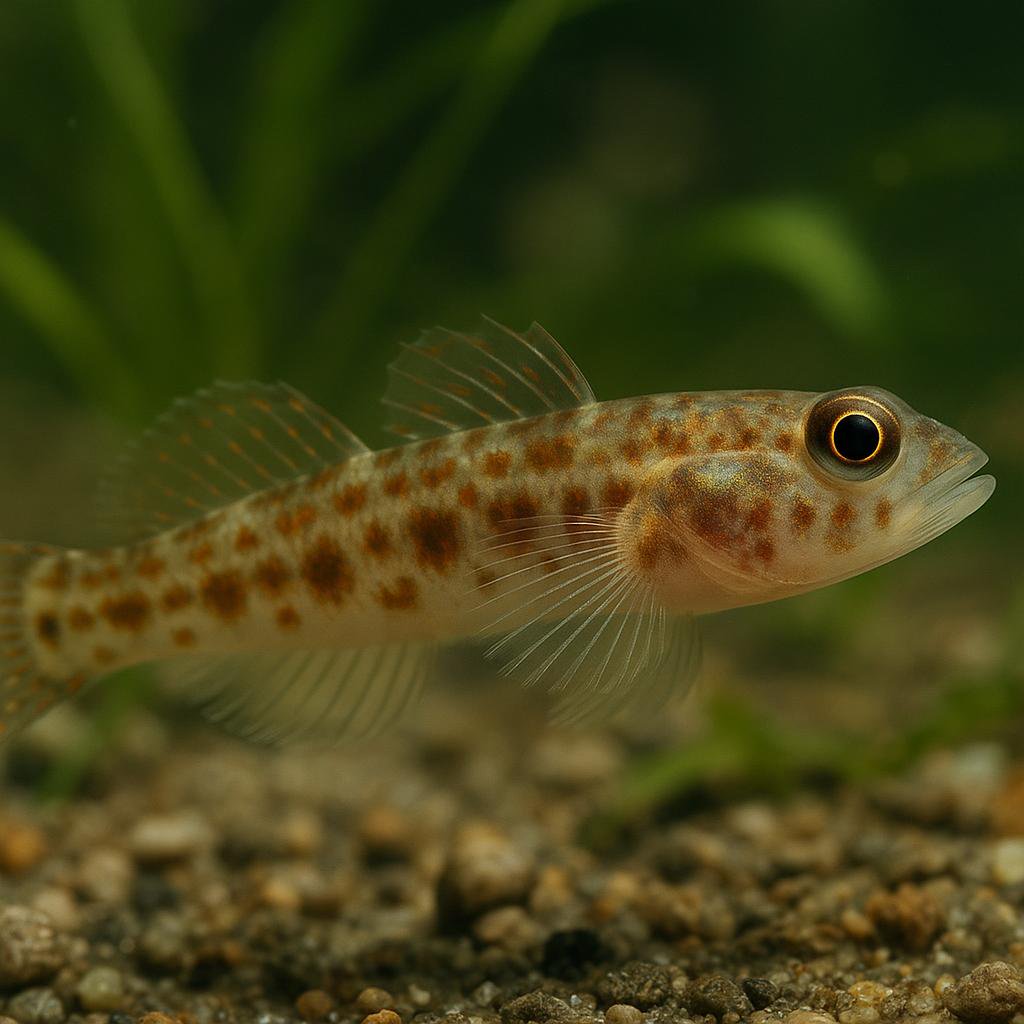
Fusigobius neophytus
A tiny sand-perching goby from Indo-Pacific reefs, it spends its days sitting on rubble or sand patches and making quick dashes for tiny prey. The body is semi-translucent with fine speckling and a small black spot on the first dorsal, and it usually shows up alone or in small loose groups.
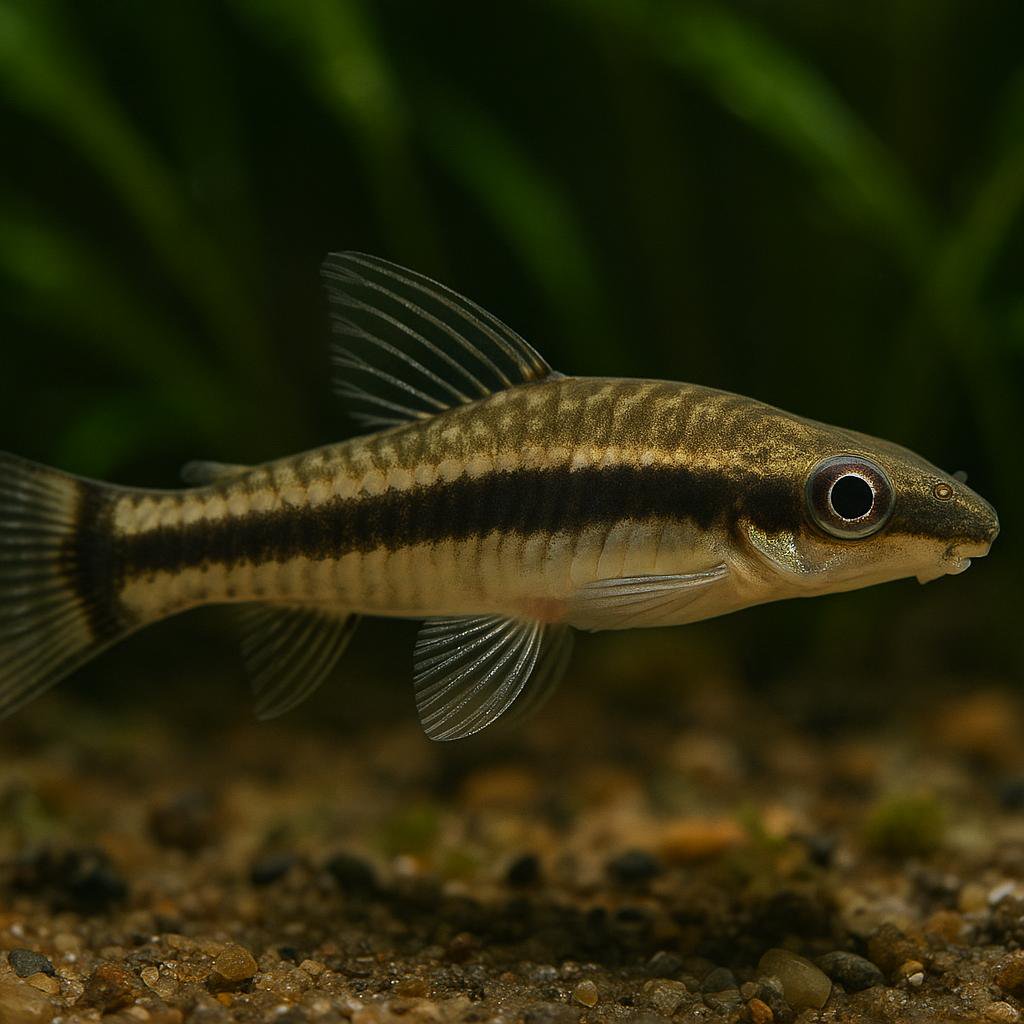
Common otocinclus
Otocinclus vittatus
O. vittatus is that tiny little "oto" you see plastered to plant leaves and the glass, just quietly vacuuming up soft algae and biofilm all day. The big trick with them is they're amazing grazers, but they can absolutely run out of food in a too-clean/new tank, so you've got to plan on supplementing with algae wafers/blanched veg.
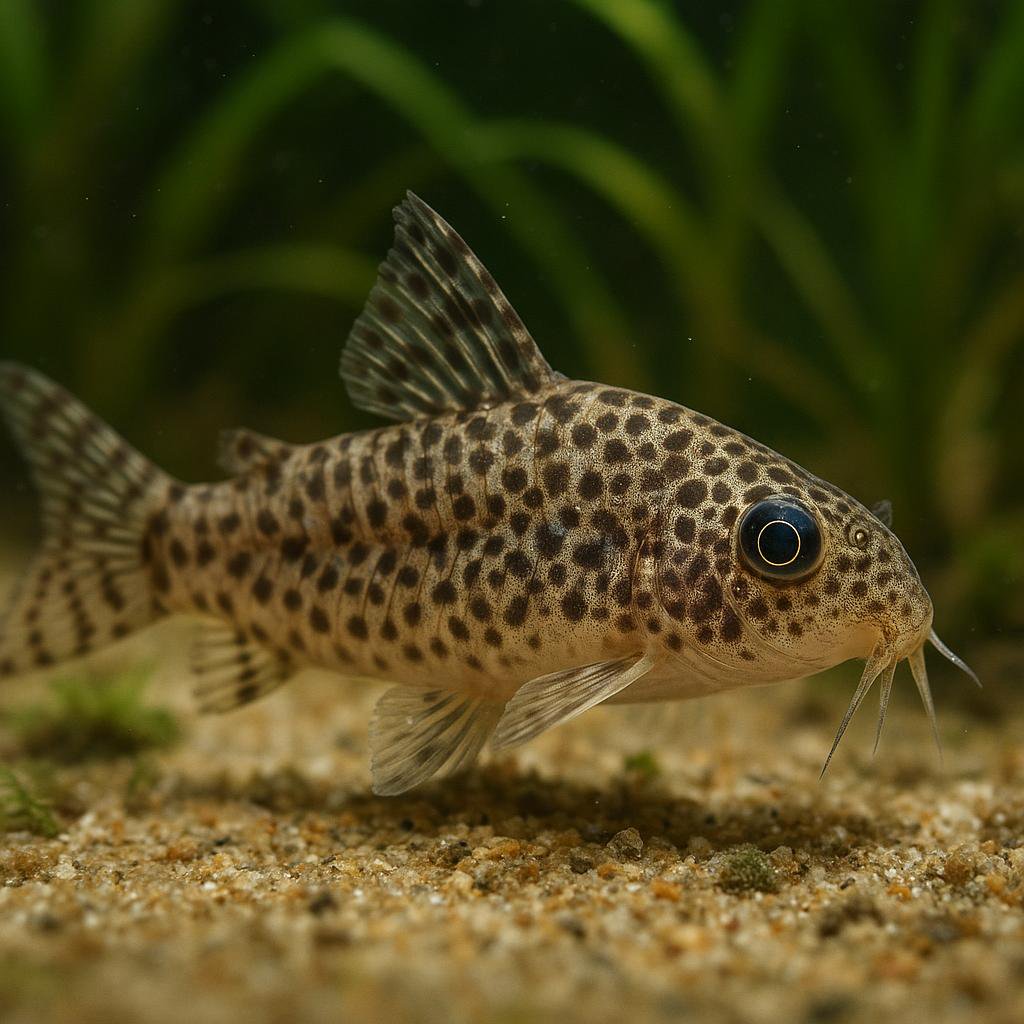
Darkspotted catfish
Aspidoras fuscoguttatus
A tiny, spotty cousin of the corydoras that stays around an inch and a half, this catfish likes to scoot in little groups across sandy bottoms. It is a facultative air-breather and will dash up for a gulp, which is fun to watch in a calm community tank.
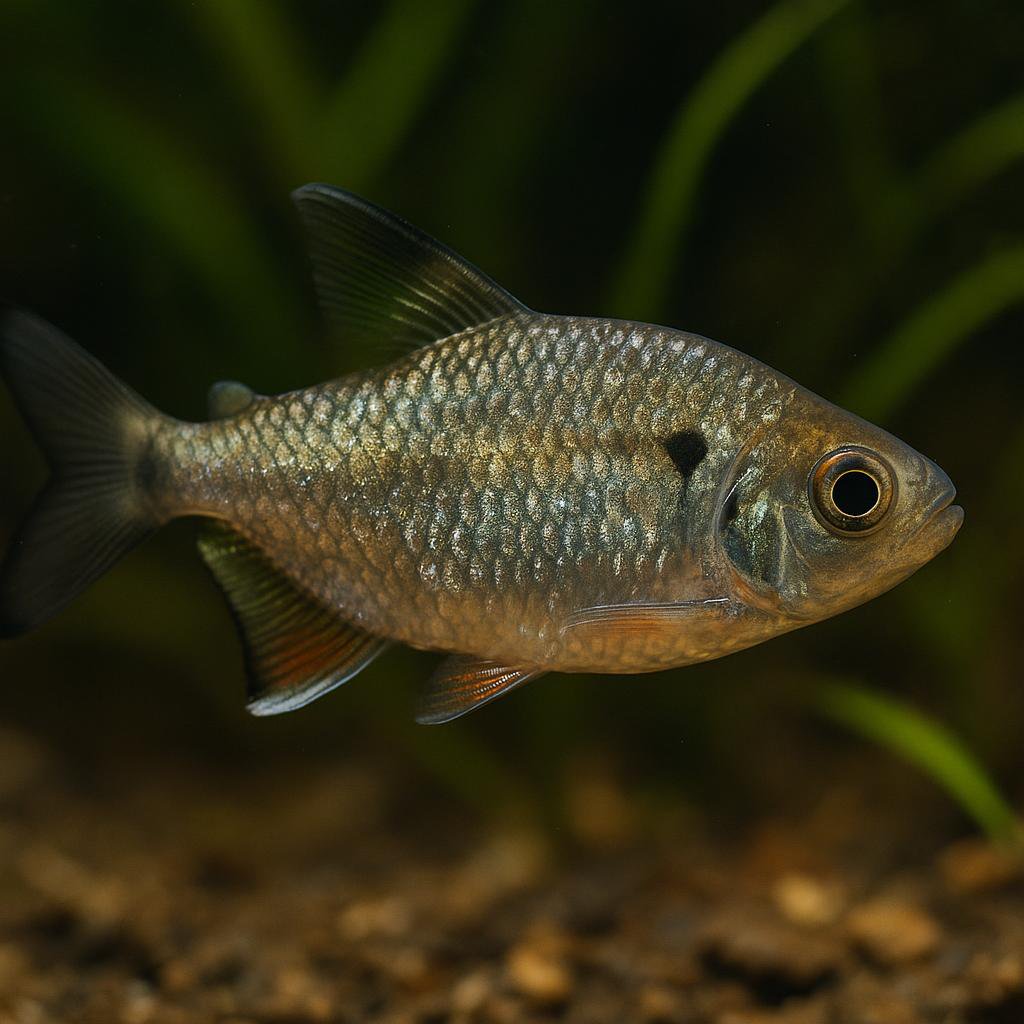
Diamond Tetra
Moenkhausia pittieri
Diamond tetras are one of those fish that look kind of plain in the bag, then you get them settled in and they start throwing off this glittery, diamond-like shine when the light hits them-super satisfying to watch. They're active, always cruising around the midwater, and in a nice little school they'll do that tight, synchronized swimming thing that makes the tank feel alive.
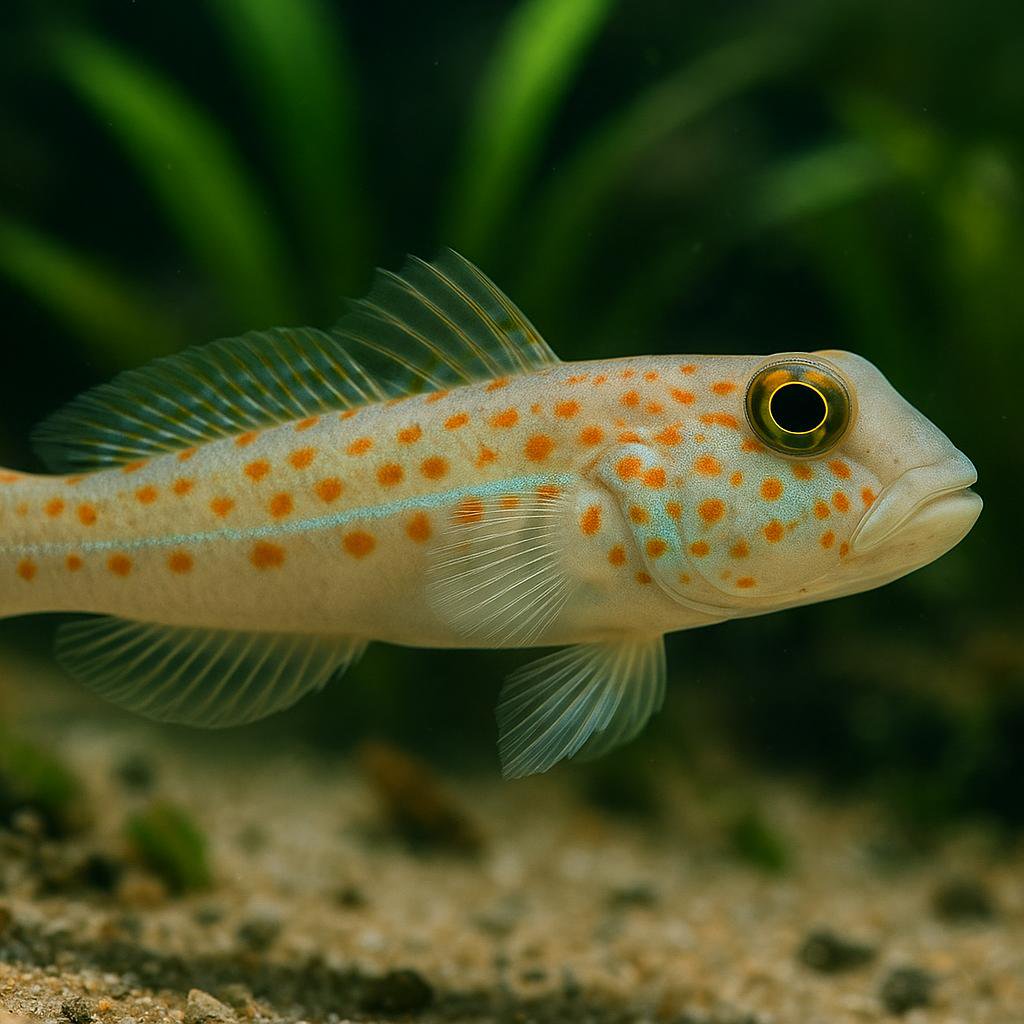
Diamond Watchman Goby
Valenciennea puellaris
This is that sand-sifting goby you'll see cruising the bottom, taking huge mouthfuls of sand and spitting it out like a little construction crew. It's awesome for keeping a sandy substrate looking clean, but it'll also redecorate-so anything sitting on the sand is gonna get buried or undermined sooner or later. Super cool personality too, especially once it picks a favorite burrow and starts "working" all day.