

Barbados vent eelpout
Thermarces pelophilum
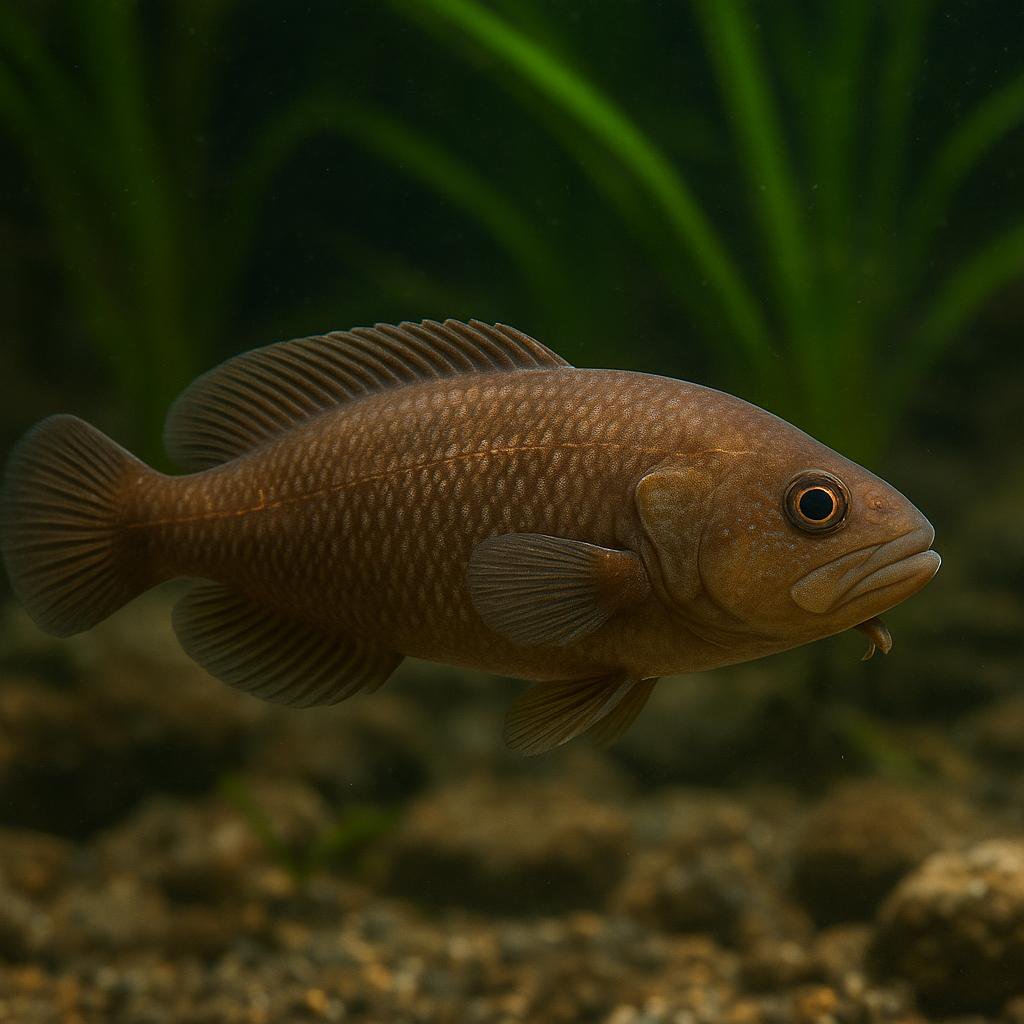
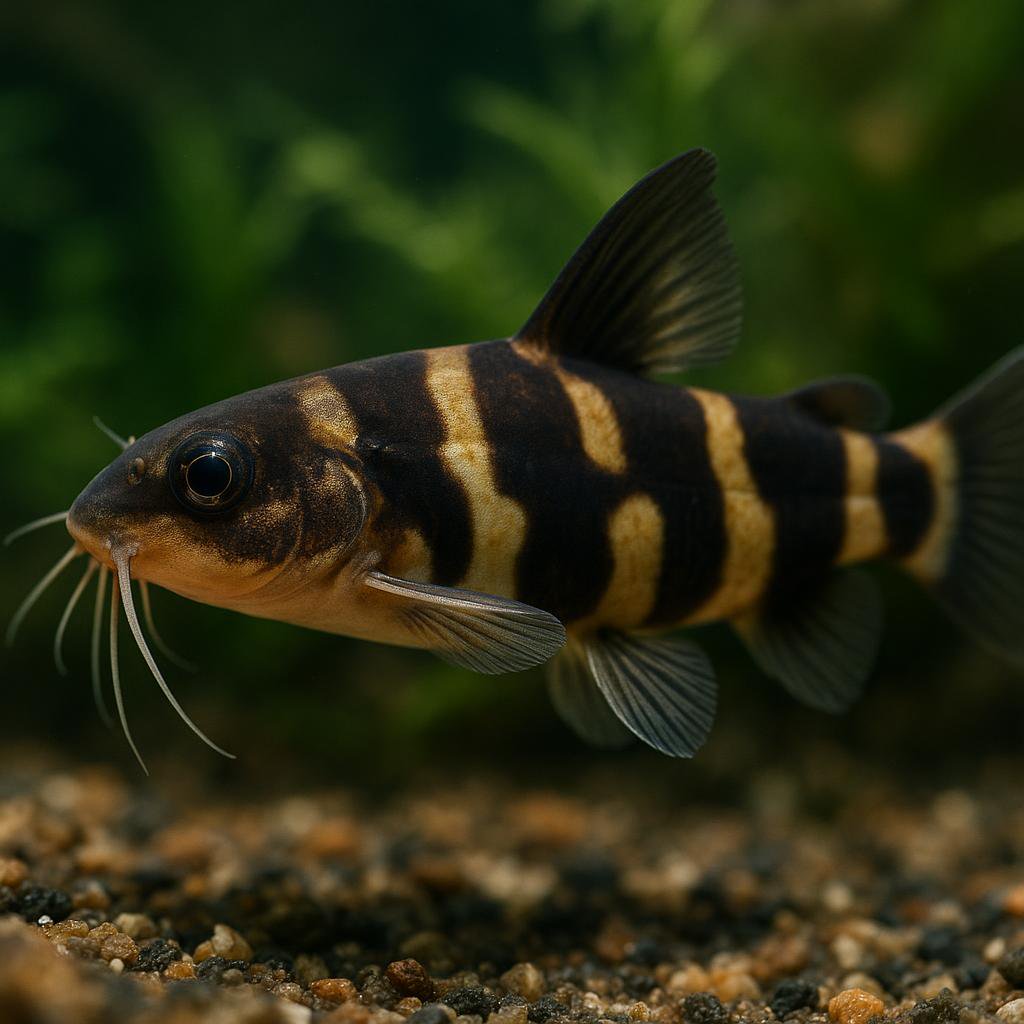
The Barbados vent eelpout exhibits a slender body with a dark brown to reddish hue and prominent tubercles along its skin.
This page includes AI-generated images. Why am I seeing AI images?
About the Barbados vent eelpout
This is a deep-sea eelpout that was collected at cold seeps off Barbados - think pitch-black, high-pressure ocean bottom, not an aquarium fish. It tops out around 12.4 cm and basically lives in a world of mud, methane, and seep life, which is a pretty wild niche for a fish.
Also known as
Quick Facts
Size
12.4 cm TL
Temperament
Semi-aggressive
Difficulty
Expert
Min Tank Size
0 gallons
Lifespan
unknown
Origin
Western Central Atlantic (Barbados)
Diet
Carnivore - unknown specifics (likely small benthic invertebrates/fish at cold seeps)
Care Notes
- This is a deep, cold-water eelpout - run a chiller and aim for 39-46F (4-8C); if it creeps into the 50s for long, expect stress and fast decline.
- Give it a dim, low-flow tank with lots of tight caves (PVC elbows, rock piles with crevices) and a soft-sand patch; they like to wedge themselves in and will scrape up on sharp rock.
- Keep salinity stable around 1.025-1.027 SG (35-37 ppt) and don't let pH swing (about 8.0-8.3); they hate sudden changes more than slightly "imperfect" numbers.
- Feed like a predator that eats slow - small chunks of marine meaty foods (shrimp, clam, squid, silversides) and live/frozen crustaceans, offered on tongs near its hide; 2-3 times a week is usually plenty.
- Skip tropical cleanup crews and most reef stuff - cold temps will wipe them out; go with cold-tolerant snails/urchins if you can source them, and be ready to run the tank more like a cold fish-only system.
- Tankmates need to be cold-water and not snack-sized; it will inhale small fish/crabs, and big aggressive fish will harass it out of its caves.
- Lid the tank tight - eelpouts are sneaky escape artists, especially at night; block any gaps around plumbing and overflows.
- Watch for mouth/skin damage and bacterial infections from rough decor or warm spikes; if it stops eating, check temperature and oxygen first, then look for abrasions and treat fast in a cold, well-aerated hospital setup.
Compatibility
Good Tankmates
- Tough, chill bottom buddies like small to medium rock or sand-sifting gobies (watchman-type). They tend to hold their own, stick to their lane, and arent usually tempting targets.
- Bigger, steady midwater fish like hardier damselfish (not the psycho ones) that can handle a little attitude. They move fast and dont let the eelpout boss them around.
- Moderate wrasses (Halichoeres-type) that cruise around and dont hover near the bottom all day. Theyre quick, confident, and usually too busy to get hassled much.
- Hawkfish that are similarly bold but not huge. They perch, theyre aware, and they dont tend to act like food the way slow, dainty fish do.
- Bristly scavenger types like larger cleaner shrimp-safe hermits and robust snails (if the eelpout is well fed). Not fish, but they usually do fine if you dont keep the eelpout hungry.
- Other sturdy, semi-aggressive reef fish in the same vibe (think moderate dottyback-ish personalities, but not tiny ones). Basically anything that is confident, not delicate, and not shaped like a snack.
Avoid
- Tiny fish like small gobies, firefish, and juvenile anything. If it can fit in that mouth, it eventually turns into a midnight snack, especially once the lights go out.
- Super peaceful, slow cruisers like mandarins and scooter blennies. They dont compete well at feeding time and they get stressed by a pushy cave-guarding fish.
- Long-finned or timid fish that hover and freeze when spooked (fancy clowns, ornate blennies, etc). The eelpout will crowd them out of cover and may nip or escalate in tight spaces.
- Big territorial bruisers like large dottybacks, triggerfish, and nasty hawkfish. You end up with a cave war, shredded fins, and a fish that never relaxes.
Where they come from
The Barbados vent eelpout (Thermarces pelophilum) is a deep-sea fish from hydrothermal vent areas in the Caribbean region. Think cold, dark, high-pressure habitat with patchy food and lots of hiding in cracks and rubble. That background explains why they act secretive, hate bright light, and can be picky about food and stability.
This is one of those species that is more like running a life-support system than keeping a typical marine fish. If your tank ever swings fast (temp, oxygen, ammonia), they are not forgiving.
Setting up their tank
Real talk: the biggest hurdle is temperature and oxygen, not decor. These fish are tied to cold, stable water and they stress out fast in warm reef temps. If you cannot run a chilled system reliably, I would not attempt them.
- Temperature: plan for a chilled marine setup. Aim for coldwater ranges and keep it steady. Sudden changes are a fast track to a dead eelpout.
- Oxygen: heavy aeration and strong surface agitation. I like oversizing the skimmer and adding redundant air/flow because deepwater fish hate low O2 events.
- Filtration: aggressive biofiltration plus mechanical removal. They are messy predators and leftover food will wreck water quality quickly.
- Flow: moderate to strong, but give calm pockets behind rockwork so the fish can park itself without fighting current all day.
- Lighting: dim. If you run bright lights, give shaded zones and caves. They will wedge themselves into the darkest crack they can find.
- Aquascape: lots of tight crevices, rock piles, and PVC elbows hidden behind rock. They like contact on their body and will pick one or two favorite holes.
- Substrate: optional, but fine sand or bare bottom makes cleanup easier because you will be feeding meaty foods.
Build the tank around easy cleanup. A turkey baster and a siphon hose become your best friends because uneaten shrimp bits rot fast in cold systems too.
Cover every intake and gap. Eelpouts explore and can get pinned to a pump guard or vanish into an overflow. I have learned to treat them like escape artists with fins.
What to feed them
They are carnivores and they like real food. Mine did best on a rotation of marine-based frozen foods with occasional live options to get a new arrival started. The trick is getting them eating confidently before they lose weight.
- Staples: chopped shrimp, squid, scallop, clam, marine fish flesh (sparingly), and quality frozen carnivore blends
- Good variety foods: mysis, krill (chopped), enriched brine (more as a treat), and small chunks of mussel
- How to offer: feeding tongs or a feeding stick right at the cave entrance works better than broadcasting food into the flow
- Frequency: small meals are safer than huge dumps of food. You want them full, but you do not want leftovers dissolving into ammonia
Avoid freshwater feeder fish and cheap fatty baits. Long term they can cause nutrition issues and they foul the water. Stick to marine-origin foods and add variety.
New specimens sometimes only react to moving food. If it is ignoring frozen, try wiggling a piece on tongs or offering live ghost shrimp or live marine-adapted options briefly, then convert to frozen once it is settled.
How they behave and who they get along with
Expect a shy, sit-and-wait predator. Most of the day it will be tucked into a crevice with just the head out, then it comes alive at feeding time. They are not a community fish and they do not read the usual reef etiquette.
- Temperament: generally not a nonstop brawler, but it will eat anything it can fit in its mouth
- Activity: mostly crepuscular/nocturnal, especially under brighter lighting
- Tankmates: coldwater species only, and even then choose sturdy fish that are too large to swallow and not hyper-aggressive
- Inverts: do not count on shrimp or small crabs surviving. Snails might be ignored, or might get sampled
If it can fit in their mouth, assume it will eventually become food. This includes "temporary" cleanup crew additions.
They also do not like being outcompeted. Fast, boisterous feeders can keep them from getting enough food, which is a silent way to lose them. Target feeding solves a lot of that.
Breeding tips
Breeding in home aquaria is not something most hobbyists pull off with vent-associated deepwater eelpouts. Between temperature needs, space, and the fact that sexes are not obvious, it is more of a research-project level goal.
- If you ever try: run a mature, ultra-stable coldwater system for a long time first
- Give multiple secure dens so a pair can choose a spot and not be forced together
- Feed heavy with variety to condition them, but keep water quality pristine with strong filtration and frequent maintenance
- If eggs or young appear: be ready with tiny meaty foods and a separate system, because adults may eat them
If your goal is breeding, document everything (temps, photoperiod, diet, behavior). With rare species like this, your notes are half the value.
Common problems to watch for
Most losses come from slow decline after shipping stress, warm water, or low oxygen events. The fish may look "fine" while it is quietly burning through reserves.
- Refusing food: often stress, too much light, too much competition, or food presented the wrong way. Try dimming, adding more cover, and target feeding at its den.
- Weight loss: easy to miss because they hide. Check body condition weekly. A sunken belly means you need to step up feeding and reduce competition.
- Water quality crashes from leftover food: meaty diets plus cold systems can still spike ammonia fast. Remove scraps right after feeding.
- Oxygen dips: power outages or clogged intakes hit hard. Use redundant aeration and keep spares for pumps and air.
- Skin damage from rough rock or pump guards: they wedge into tight places. Smooth sharp edges and use fine intake screens.
Quarantine is tricky with coldwater species, but skipping it is how parasites and bacterial issues sneak in. If you cannot quarantine at the right temperature, at least do a long, calm observation period in a separate chilled system.
If you commit to the coldwater hardware and you are disciplined about feeding and cleanup, they can be a really rewarding oddball. Just go in expecting more effort than a typical marine predator, and build redundancy into everything.
Similar Species
Other marine semi-aggressive species you might be interested in.
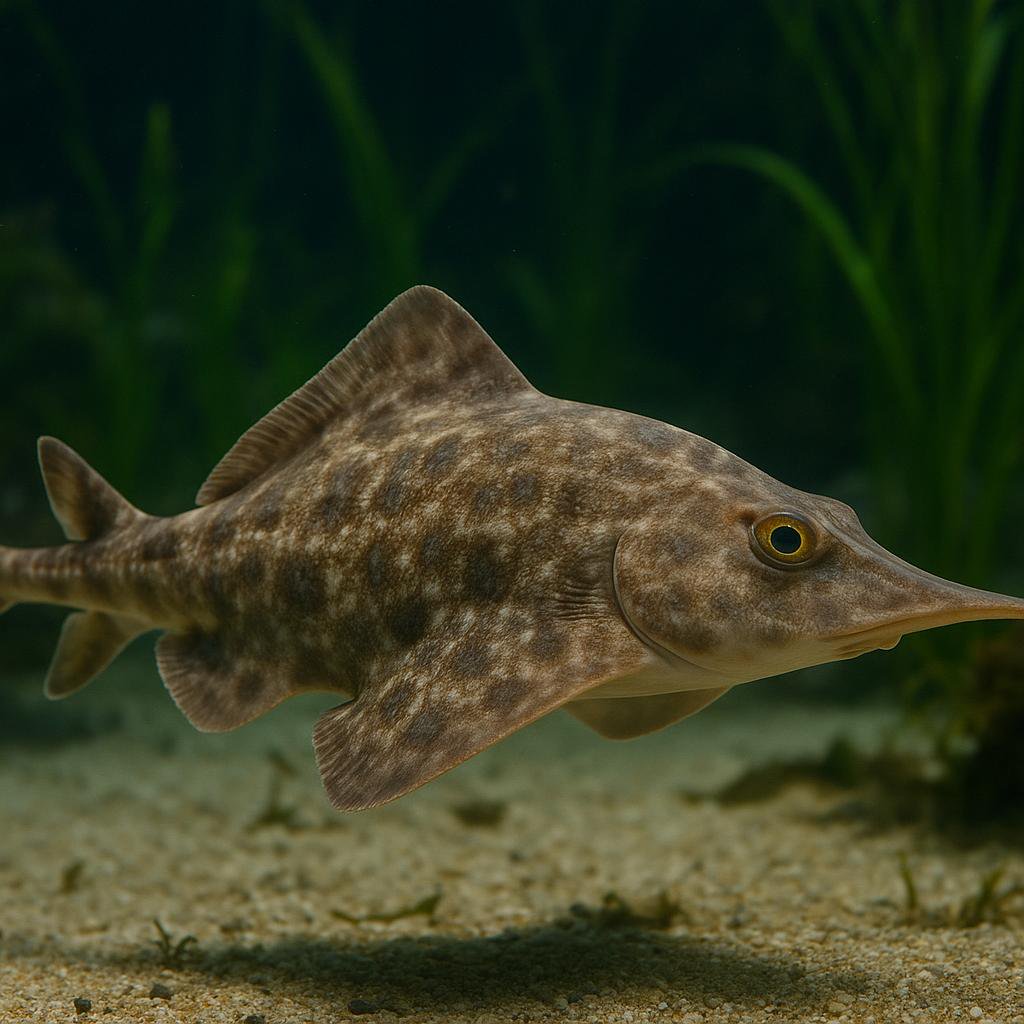
Aleutian skate
Bathyraja aleutica
This is a big, cold-water deep-slope skate from the North Pacific that cruises muddy bottoms and eats chunky benthic prey like crabs and shrimp. The really cool bit is its egg-laying skate life - it does distinct pairing (the classic skate "embrace") and drops those tough egg cases on the seafloor. Not an aquarium fish at all unless you're basically running a public-aquarium-style chilled system.
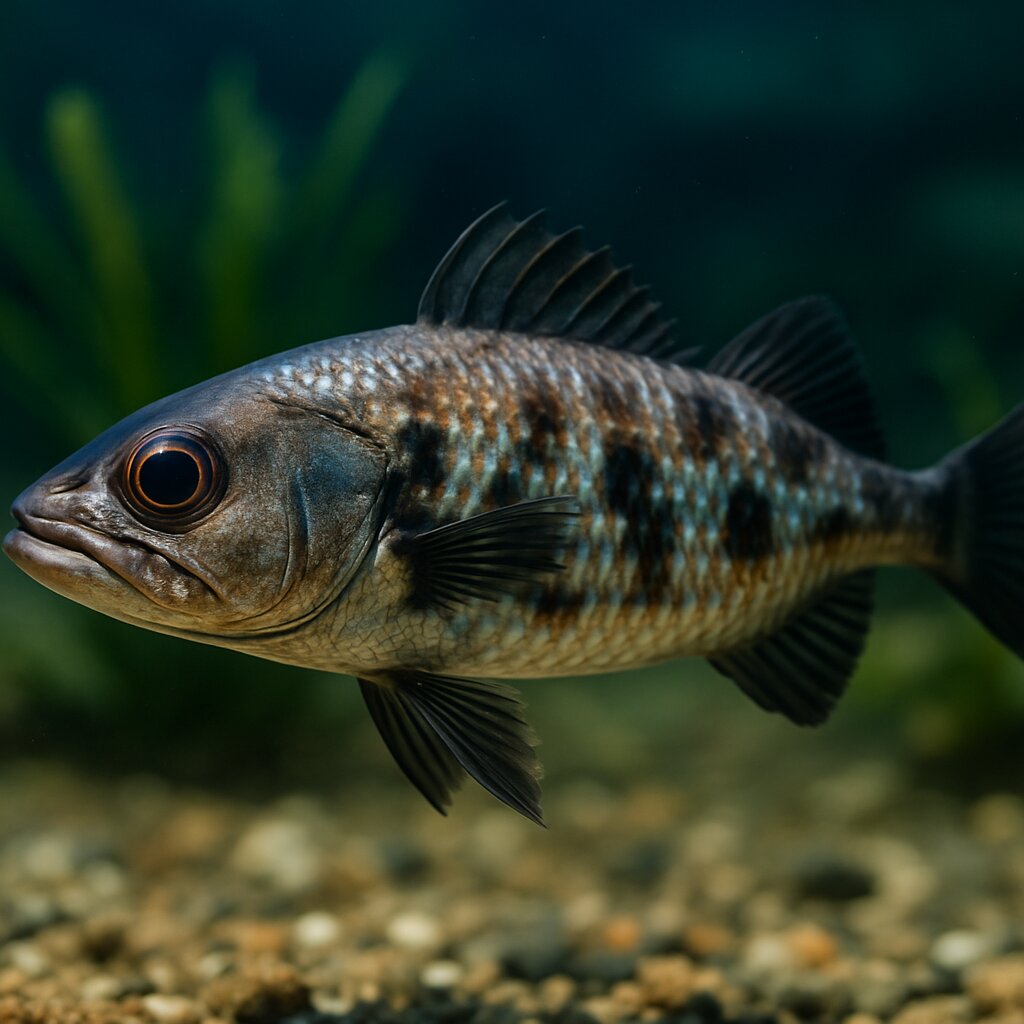
Antarctic dragonfish
Vomeridens infuscipinnis
Deep down around Antarctica, this sleek dragonfish cruises the water column like a little submarine, nearly neutrally buoyant so it can hover above the seafloor. It munches almost exclusively on Antarctic krill and lives in near-freezing water 500-800 m down, so it is a cool species to read about, not one for home tanks.
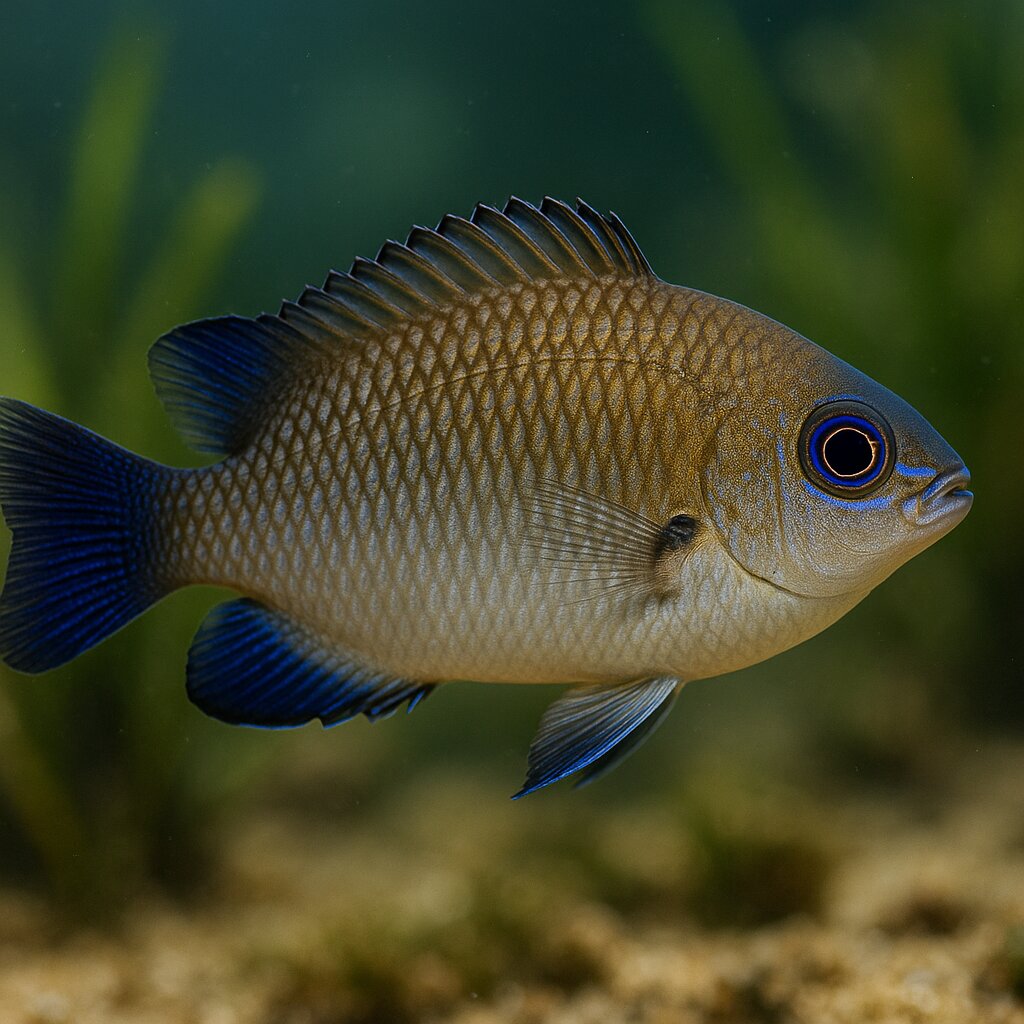
Arabian demoiselle
Neopomacentrus sindensis
A small lyretail damsel from the Persian Gulf and Arabian Sea, it hangs in loose groups around coral heads, rocks, and even pier pilings picking zooplankton from the flow. Think classic damsel toughness with a slightly milder attitude than the real bruisers, plus subtle yellow tail accents. Males clean a patch, get a mate to lay eggs there, and then stand guard fanning the clutch.
Arabian spiny eel
Notacanthus indicus
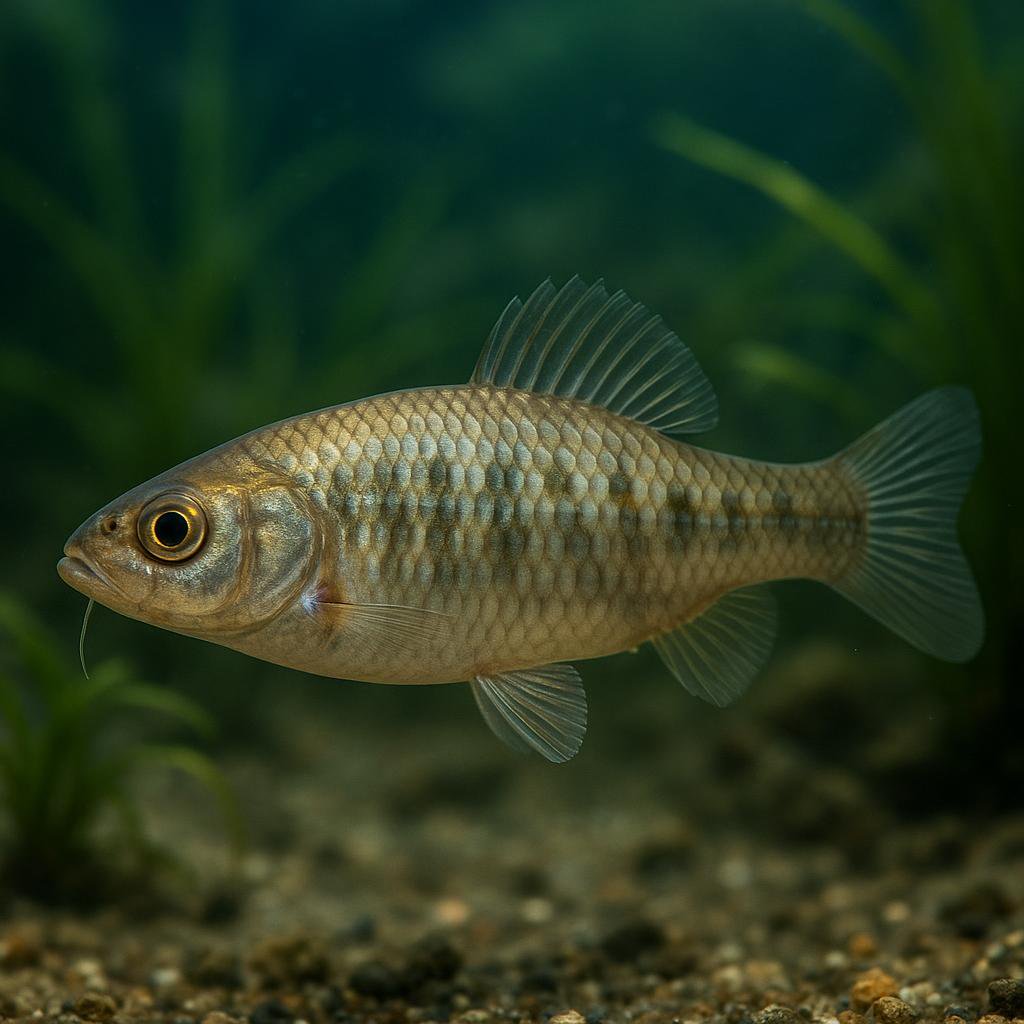
Notacanthus indicus is a deep-sea spiny eel (family Notacanthidae; not a true eel) known from the Arabian Sea on the continental slope at roughly ~960–1,046 m depth, with reported maximum length around 20 cm TL; it is a deep-water bycatch species and not established in the aquarium trade.
Arctic rockling
Gaidropsarus argentatus
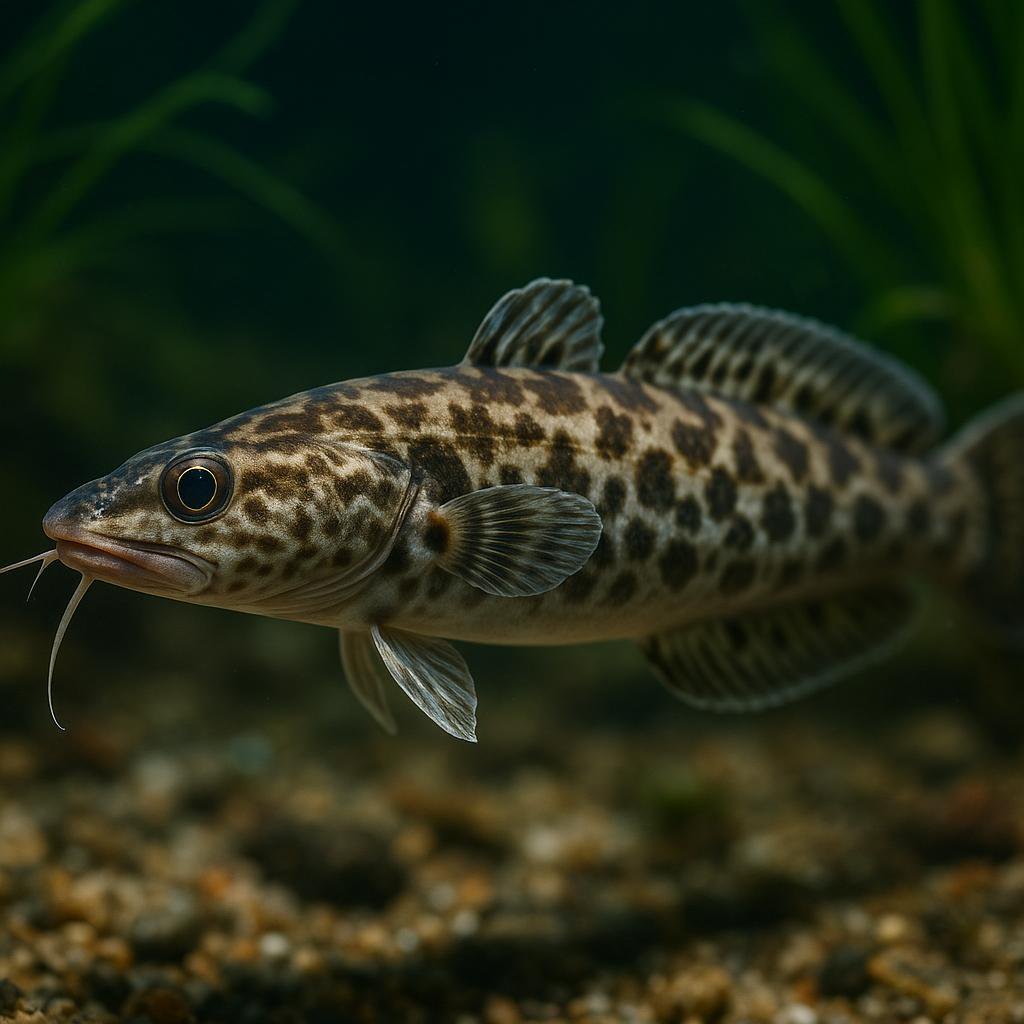
This is a deepwater North Atlantic rockling (a cod relative) that hangs out on soft bottoms way down the slope. It is a cold-water, bottom-hugging predator that snoots around for crustaceans and will also take small fish when it gets the chance.
Atlantic pomfret
Brama brama
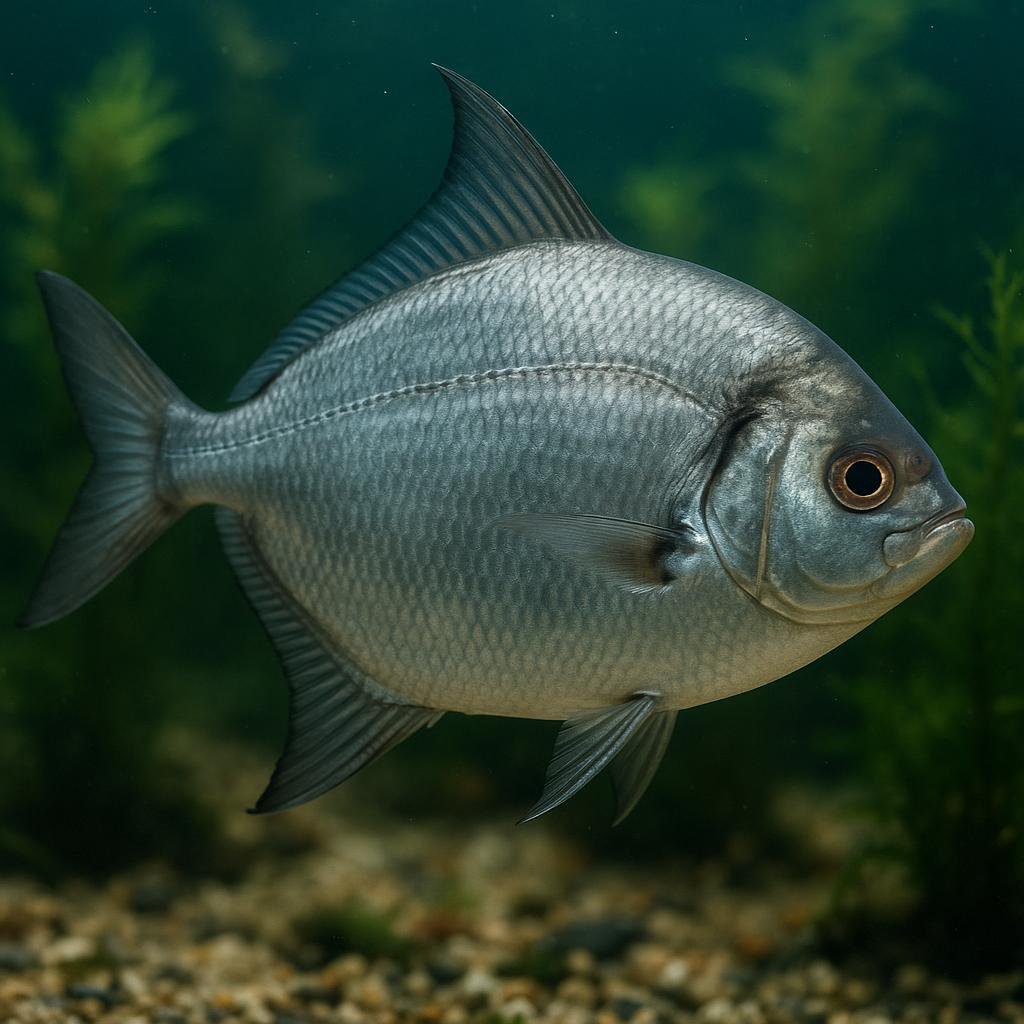
Brama brama is the Atlantic pomfret (aka Ray's bream) - a deep-bodied, open-ocean pelagic fish that cruises around in small schools and follows water temps. It is a legit big, wild marine species (not an aquarium fish) that eats other small sea critters like fish and squid, and it ranges across a huge chunk of the Atlantic plus parts of the Indian and South Pacific.
More to Explore
Discover more marine species.
Abe's eelpout
Japonolycodes abei
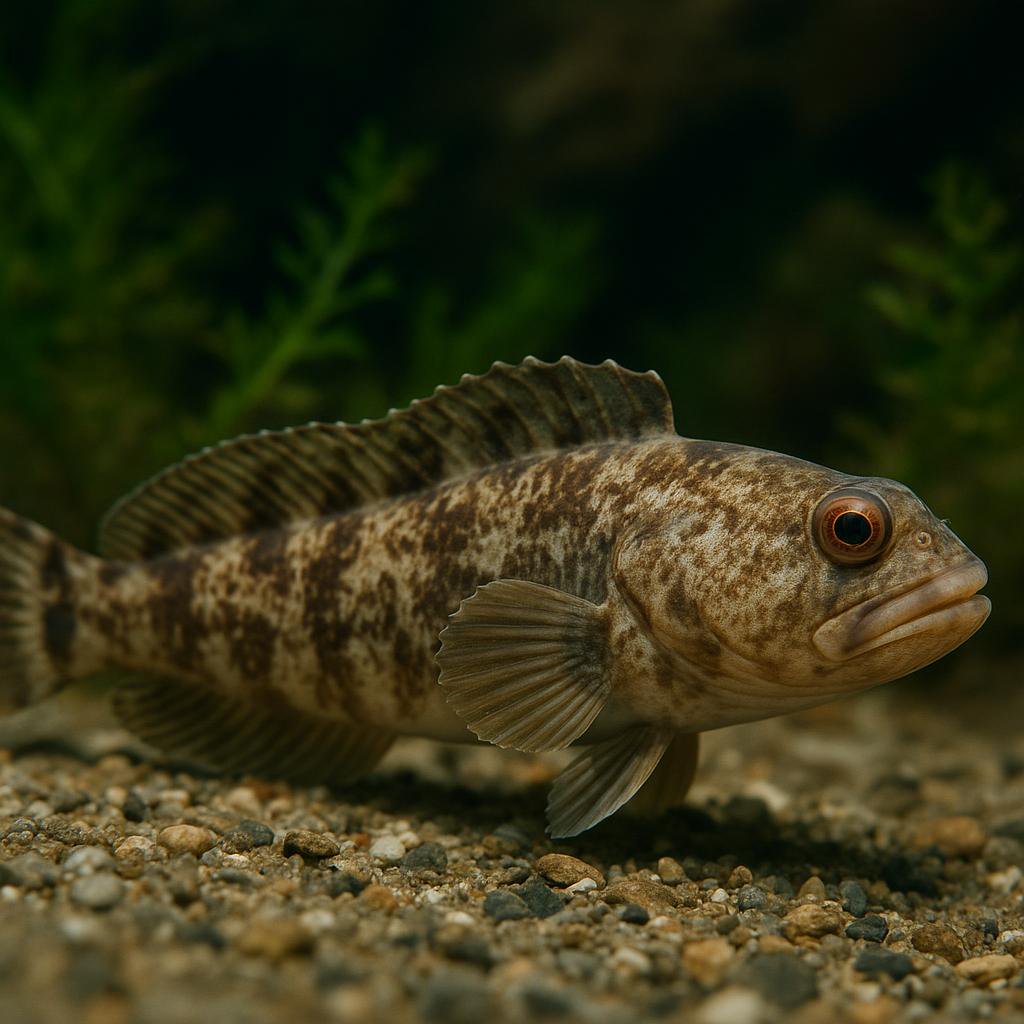
Japonolycodes abei is a temperate, deepwater demersal eelpout (family Zoarcidae) endemic to Japan (Kumano-nada Sea reported; other sources also report Sagami Bay and Tosa Bay). It is the only species in the genus Japonolycodes and occurs roughly 40-300 m depth, making it an uncommon/atypical aquarium species.
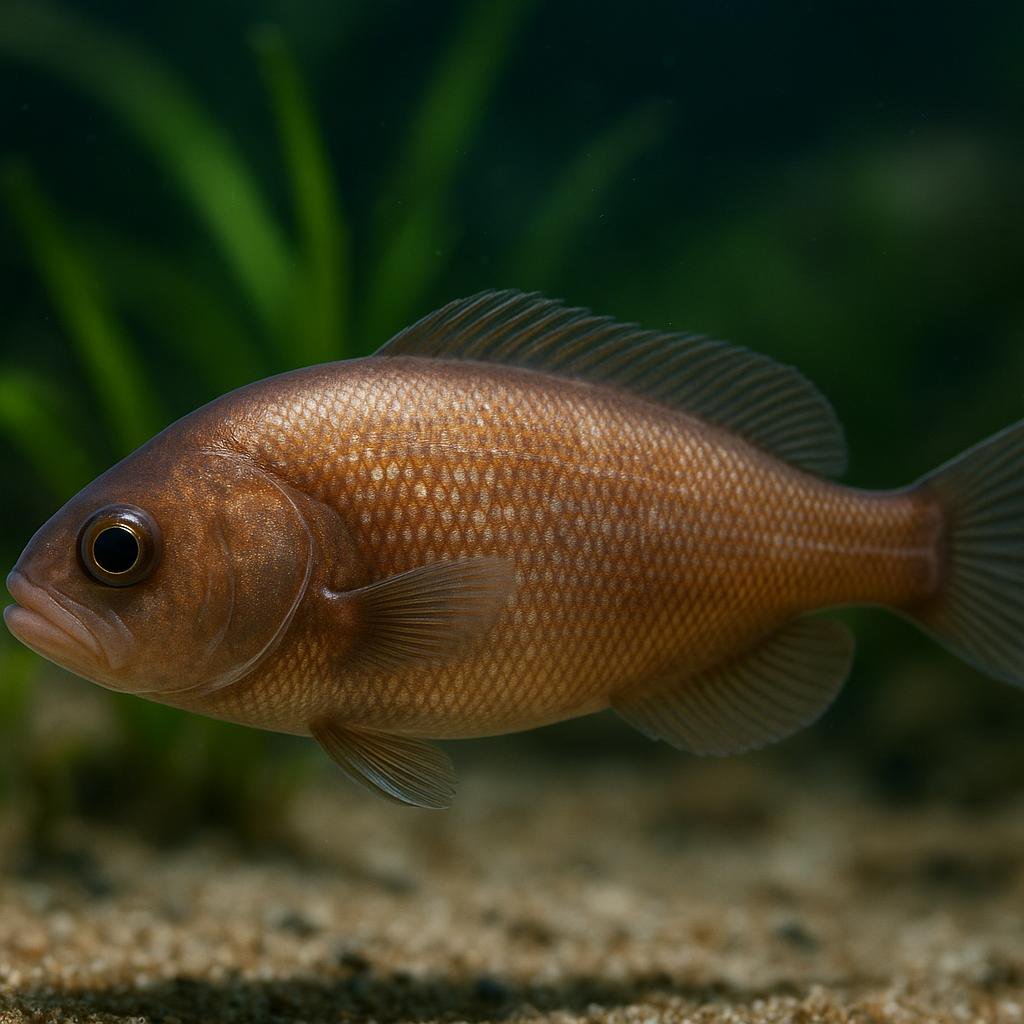
Affinis blind cusk-eel
Barathronus affinis
Barathronus affinis is a tiny, super-weird deep-sea blind cusk-eel from the western-central Indian Ocean. It is one of those gelatinous, loose-skinned brotula-type fishes that live way down in the dark and are basically never seen alive, so almost everything we know comes from preserved specimens and taxonomic work.
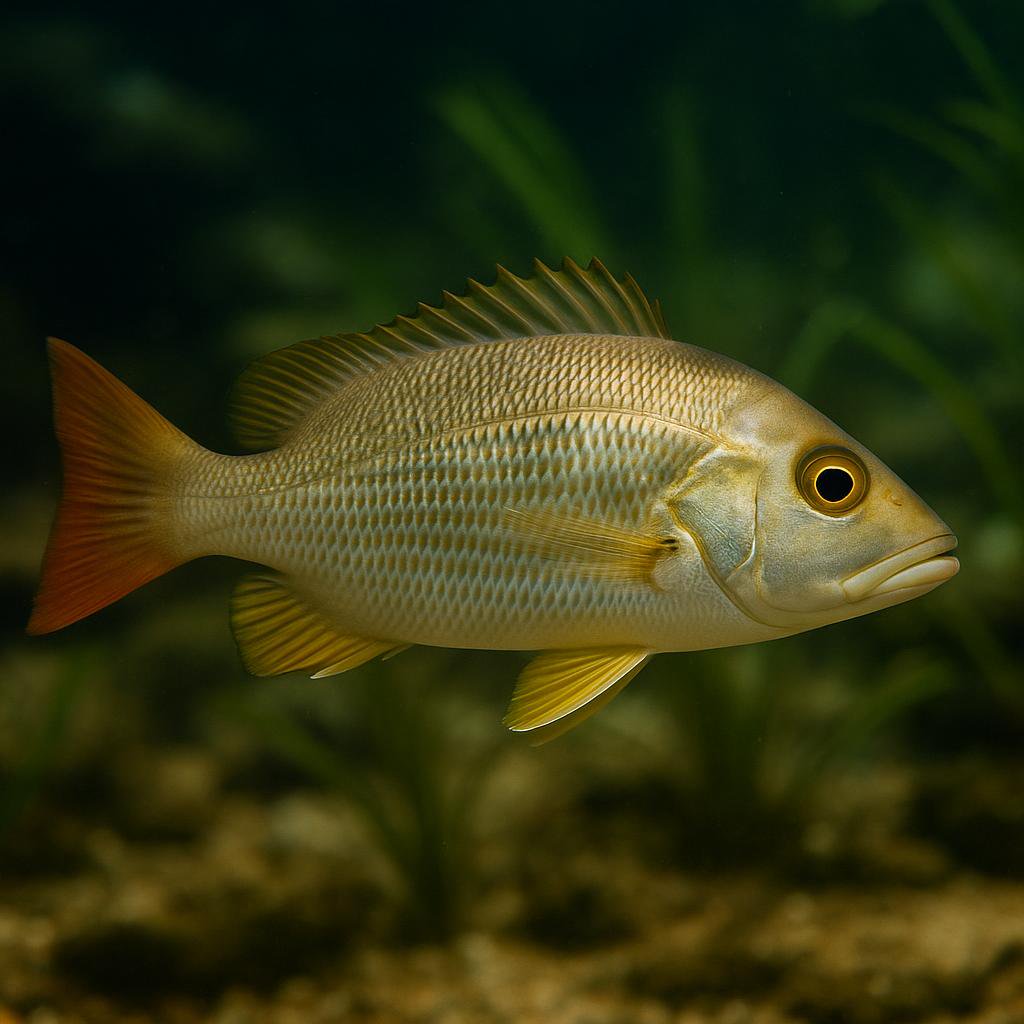
African red snapper
Lutjanus agennes
This is a true snapper from West Africa - a big, fast-growing predator that goes from coastal reefs to brackish lagoons and estuaries (especially as a juvenile). Super cool fish in the wild, but it gets absolutely huge and will eat smaller tankmates once it has the mouth for it, so its really more of a public-aquarium scale animal than a home-aquarium fish.
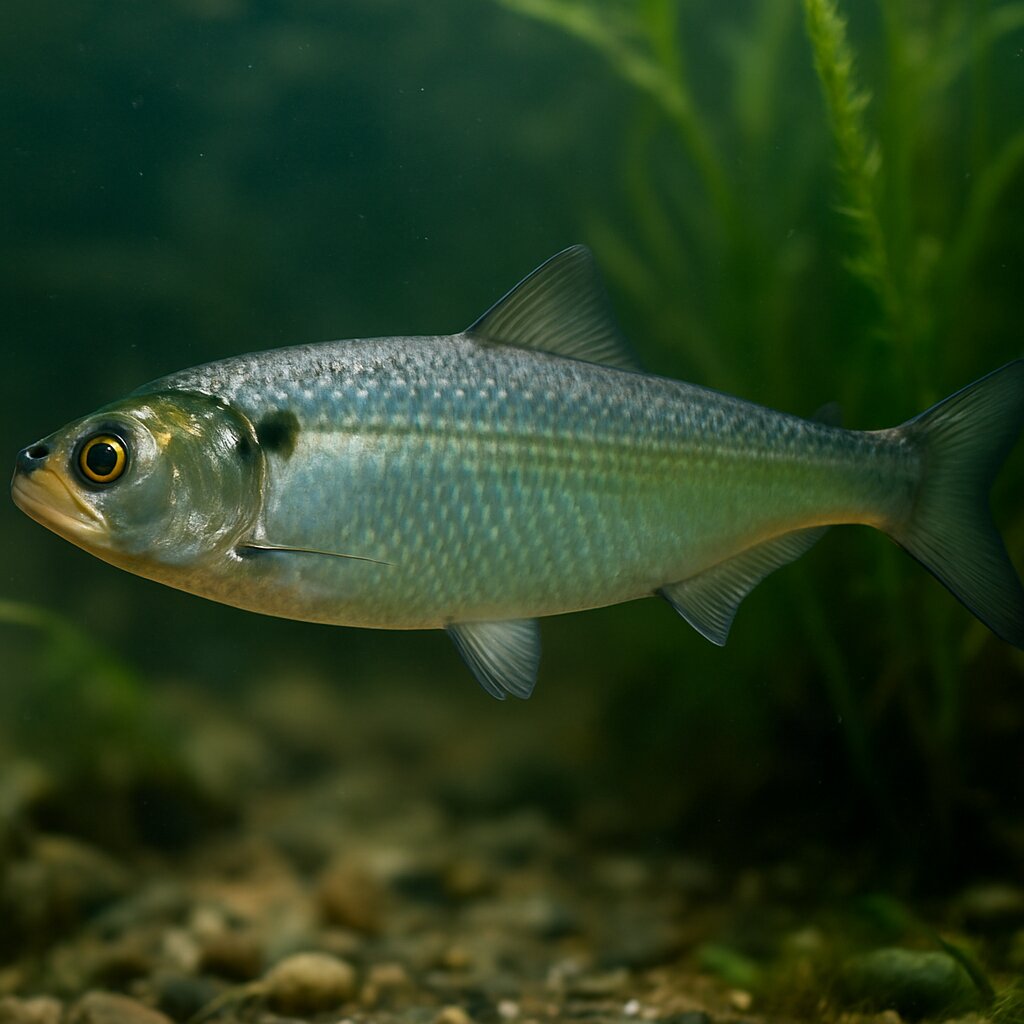
Allis shad
Alosa alosa
Gorgeous silver, fast-swimming shad that spends most of its life in the sea and then surges up big rivers in noisy, surface-spawning schools. It grows huge for a herring-type fish and needs cool, ultra-oxygenated water and tons of open space, so it is a public-aquarium species rather than a home tank fish.
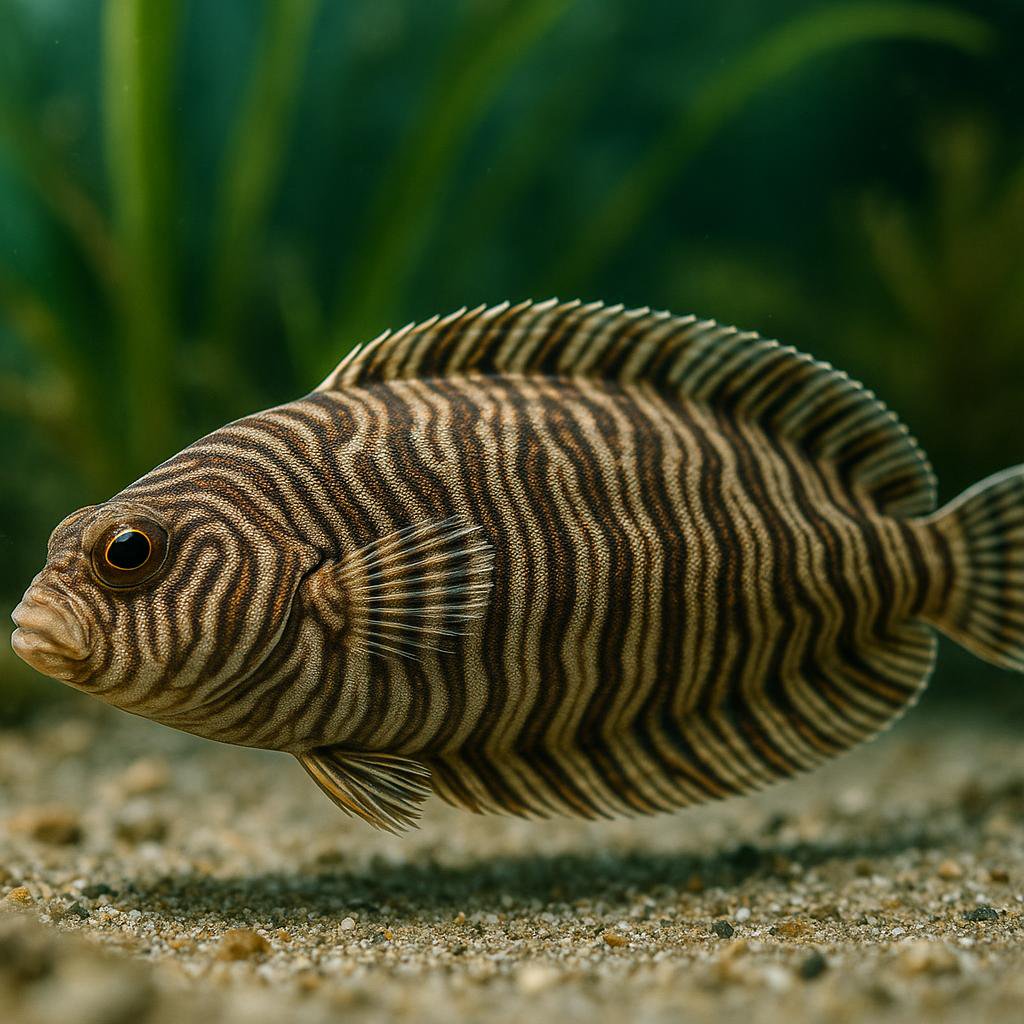
Annandale's zebra sole
Zebrias annandalei
Zebrias annandalei is a small demersal sole from coastal India that inhabits sandy or muddy bottoms and buries for camouflage. It is rarely kept in home aquaria and would require a specialized marine sand-bottom setup and appropriate feeding.
Australian sawtail catshark
Figaro boardmani
Figaro boardmani is a small, deepwater Australian catshark with these cool saw-like ridges of spiny denticles along the tail and a neat pattern of dark saddle bands. It lives way down on the outer continental shelf and slope, so its natural water is cold, dim, and stable - totally not a typical home-aquarium fish. Diet-wise its a predator that goes after fish, crustaceans, and cephalopods.
Looking for other species?