

Search Species
Search for fish species by common or scientific name, or use filters to browse by water type, size, temperament, and difficulty.
Found 665 species
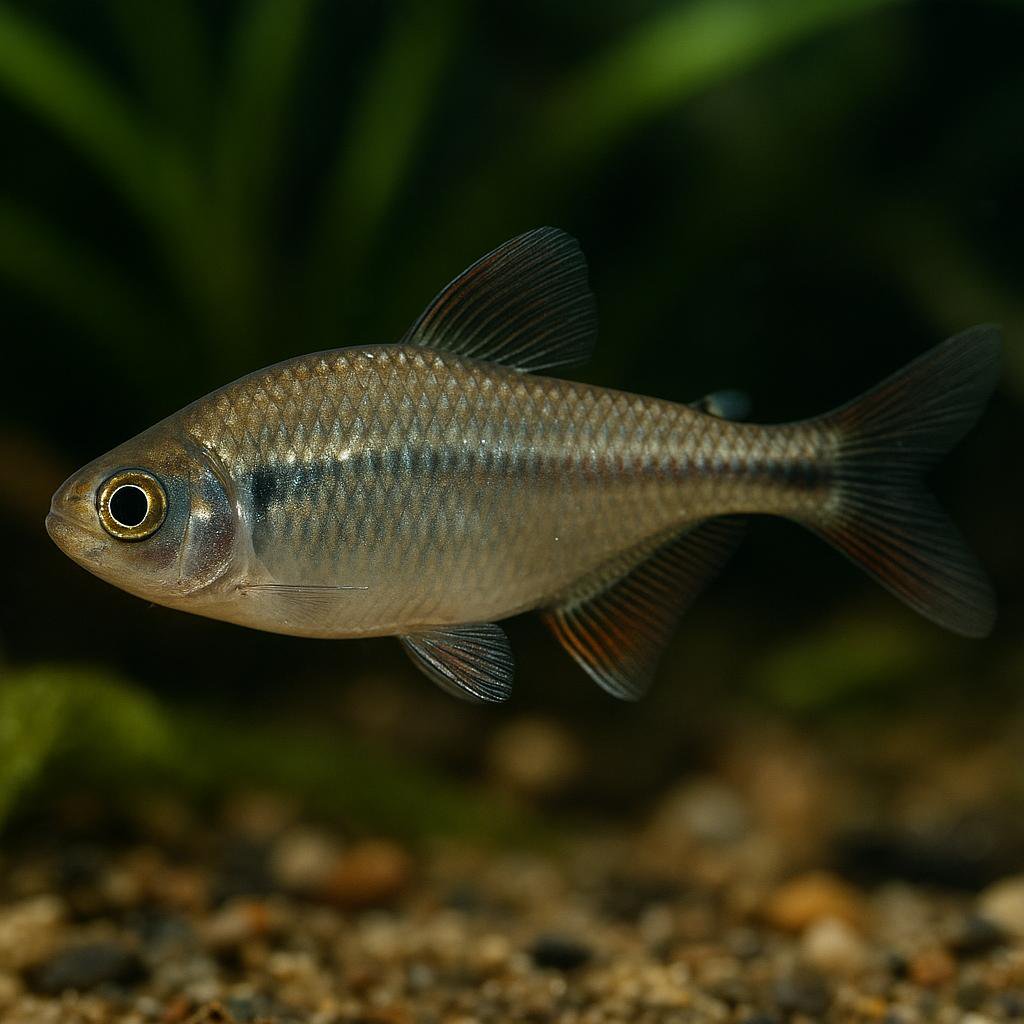
Mojarita
Knodus breviceps
Knodus breviceps is a small freshwater characin from South America, reported from the Tocantins River basin. FishBase lists it as a benthopelagic freshwater species.
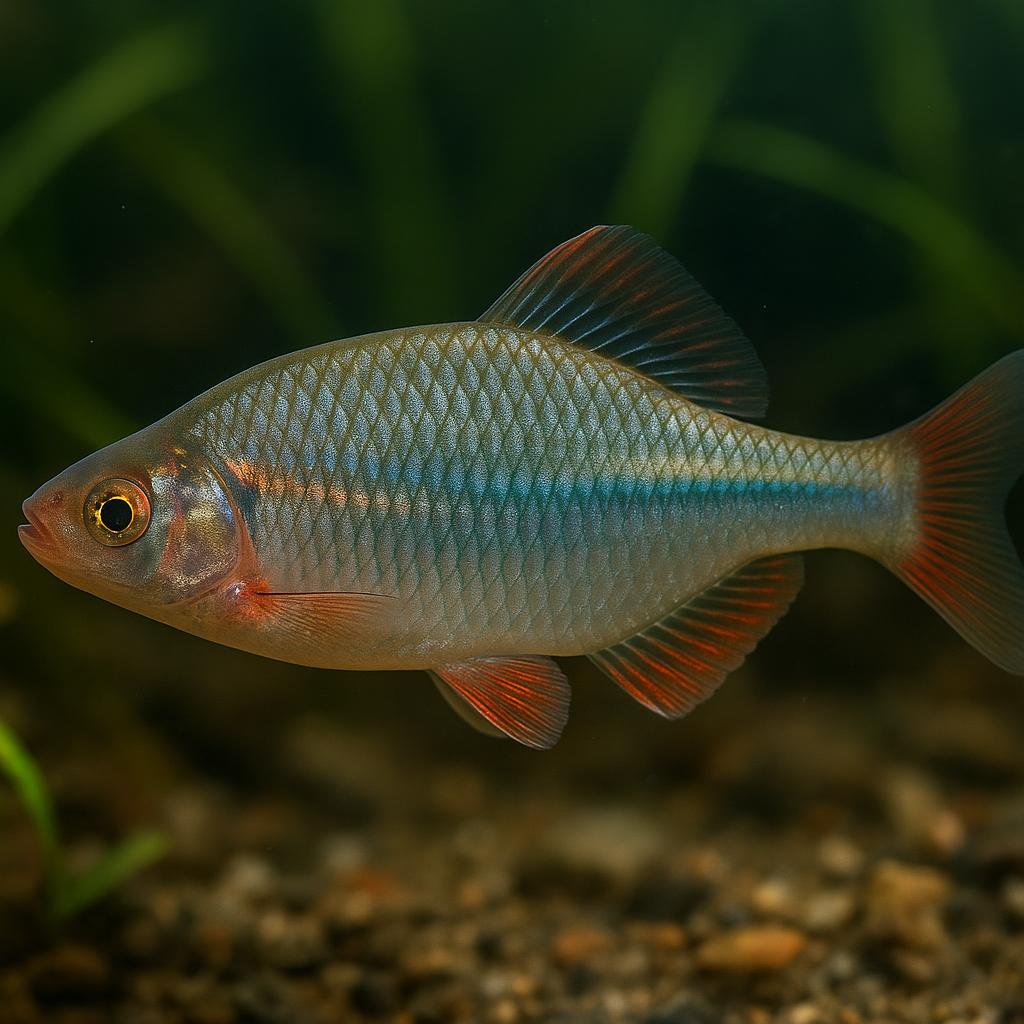
Mongolia bitterling
Rhodeus monguonensis
Rhodeus monguonensis is a little temperate bitterling from China, and its whole claim to fame (like other bitterlings) is the wild breeding trick of laying eggs into freshwater mussels. Its actual aquarium care is basically "cool, clean water and a planted setup," but the real challenge is that species-specific hobby info is scarce, so you end up keeping it like other Rhodeus and watching behavior closely.
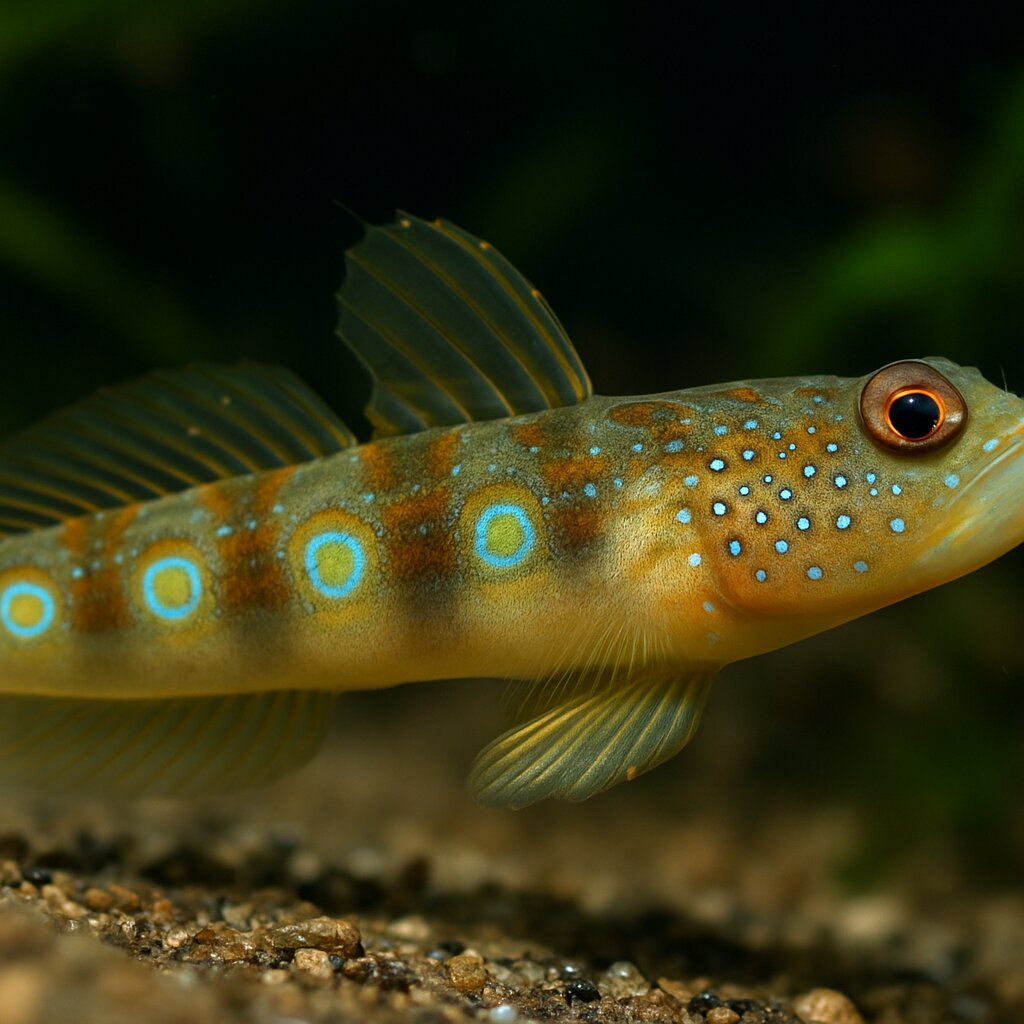
Moon-spotted shrimp goby
Vanderhorstia nannai
This little shrimp-goby rocks bright moon-yellow spots and loves living with a pistol shrimp, sharing a sand burrow and acting like the lookout. Give it a sandy bed and peaceful tankmates and it will perch at the entrance, dash for meaty bites, and show tons of personality. Use a snug lid - they can launch if startled.
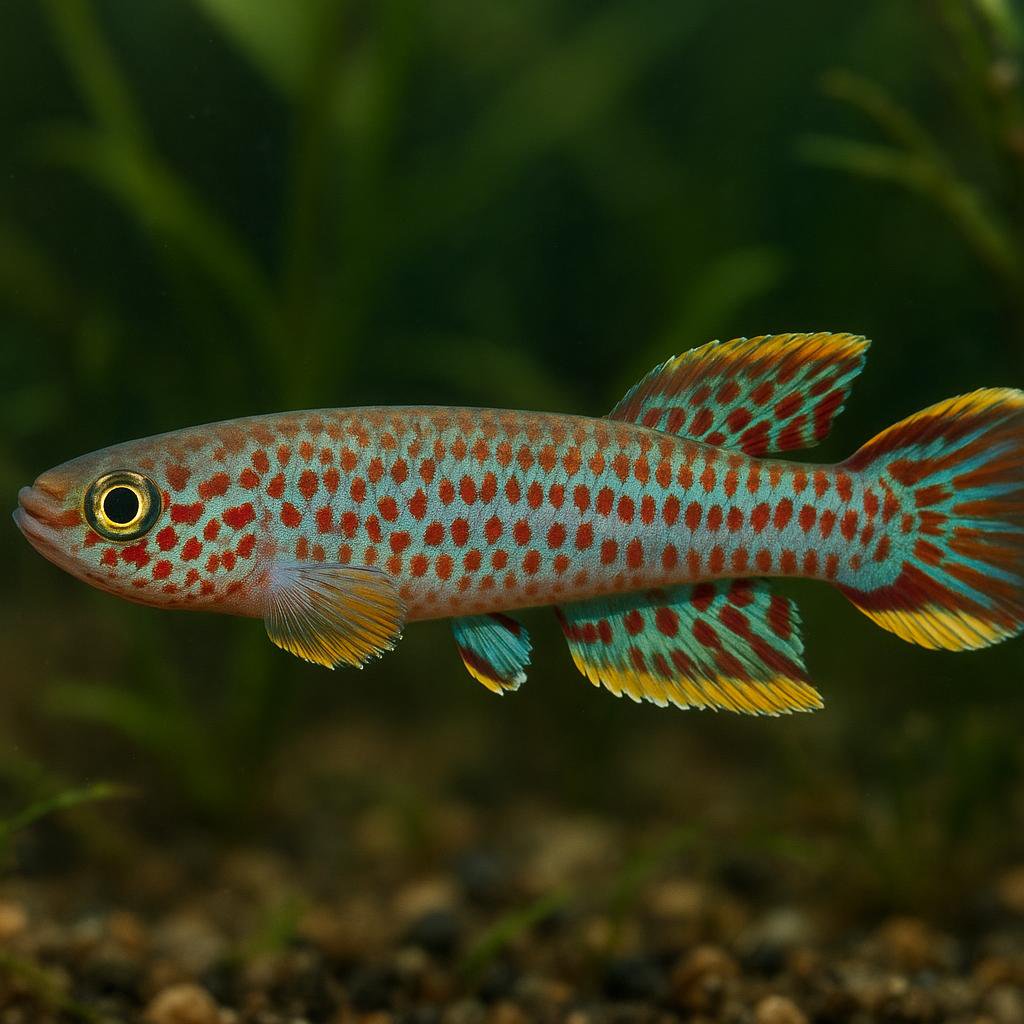
Mo River killifish
Fundulopanchax moensis
Fundulopanchax moensis is one of those West African stream killies where the males just light up once they settle in, especially in a dim, plant-packed tank. It is a non-annual killi (so not a "live fast, die young" puddle fish) and it really rewards you if you keep it covered and calm - they can be jumpy little rockets.
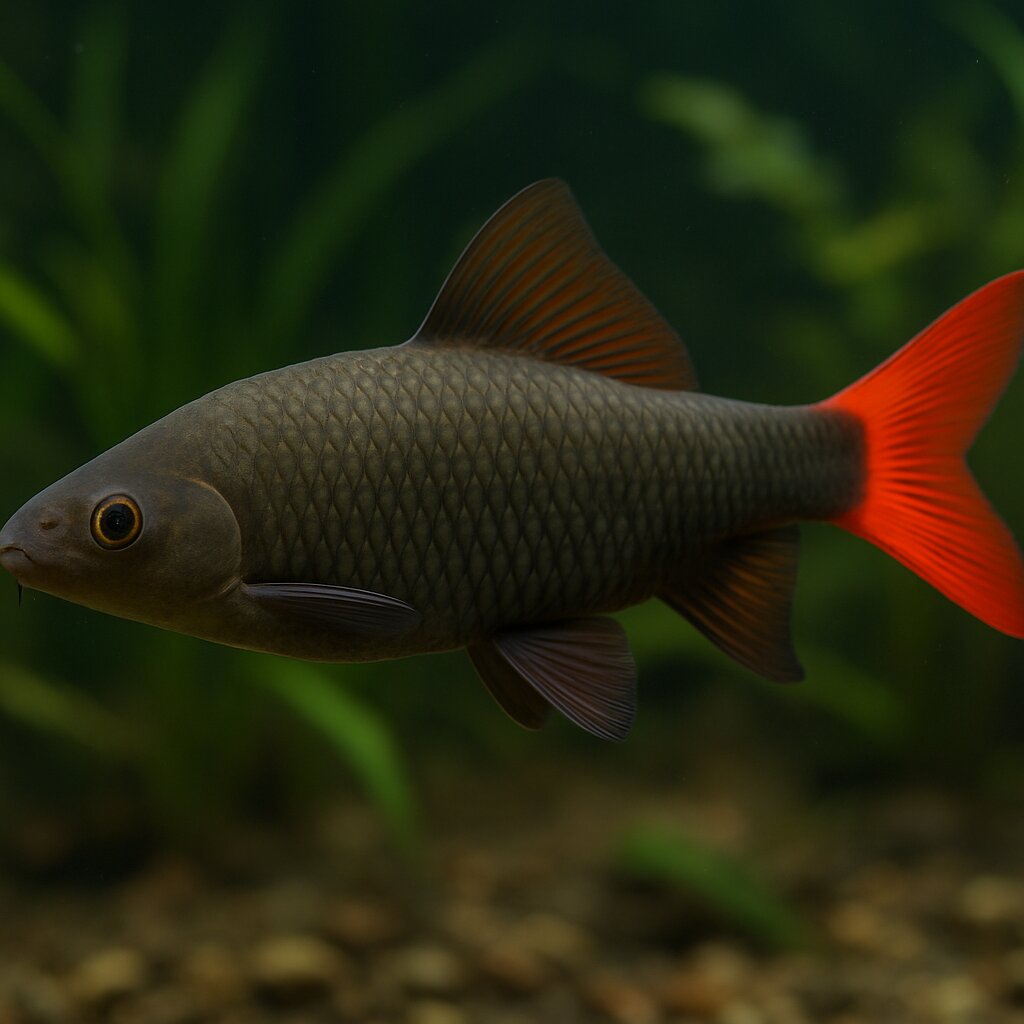
Moszkowski labeo
Labeo moszkowskii
A pocket-sized labeo from Sumatra that tops out around 5 cm and spends its day scraping biofilm from rocks and wood. You almost never see it in the trade, so carewise treat it like a mini algae-grazer in clean, oxygen-rich flow with plenty of hard surfaces to rasp. Size and Sumatran origin are documented, while the grazing habit follows the genus pattern of periphyton-feeding labeos. ([fishbase.se](https://fishbase.se/identification/SpeciesList.php?areacode=4&showAll=yes&sortby=species&utm_source=openai))
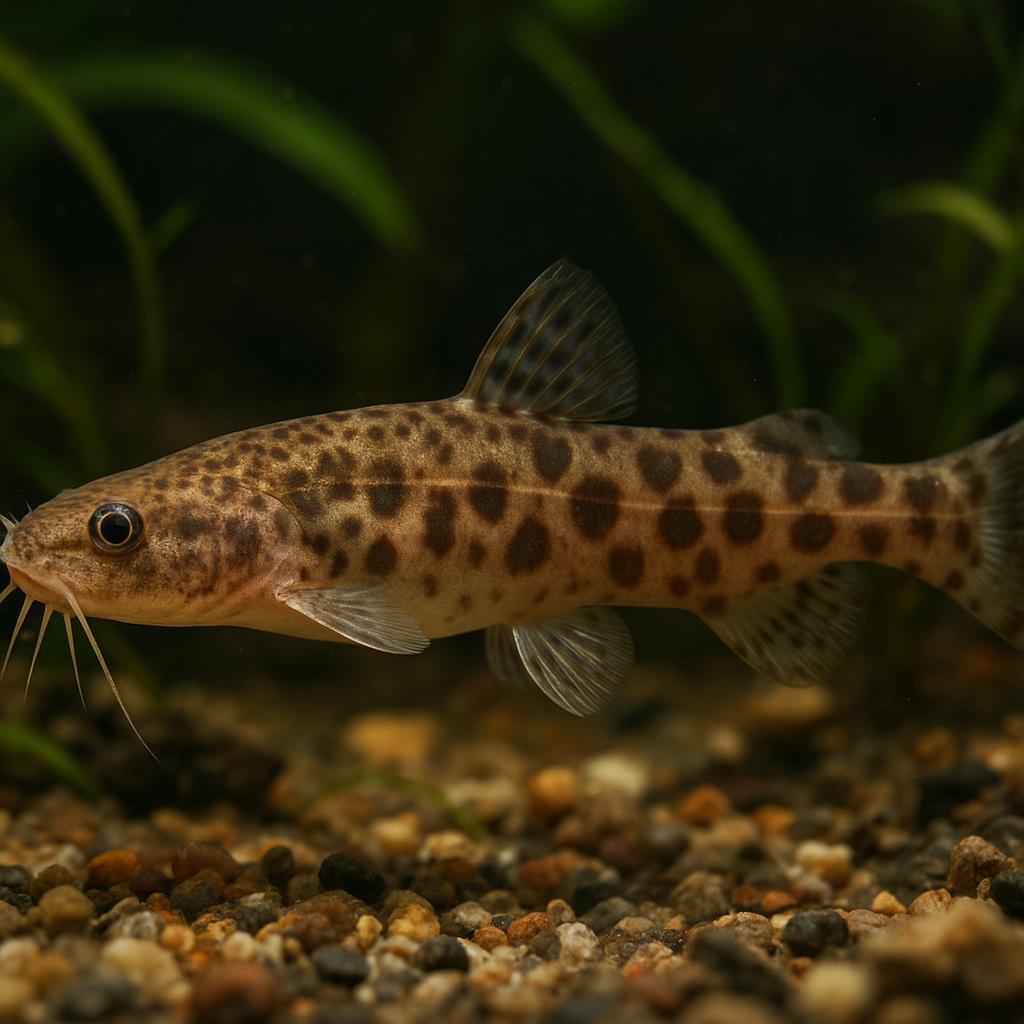
Motatan pencil catfish
Trichomycterus motatanensis
Trichomycterus motatanensis is a little Venezuelan pencil catfish from the Lake Maracaibo basin area, the kind that likes hugging the bottom and poking around in crevices. Its not really a mainstream aquarium fish, so a lot of its exact care details in captivity are basically undocumented - if you ever ran into one, you would treat it like a cool-water, high-oxygen stream catfish and keep things super clean.
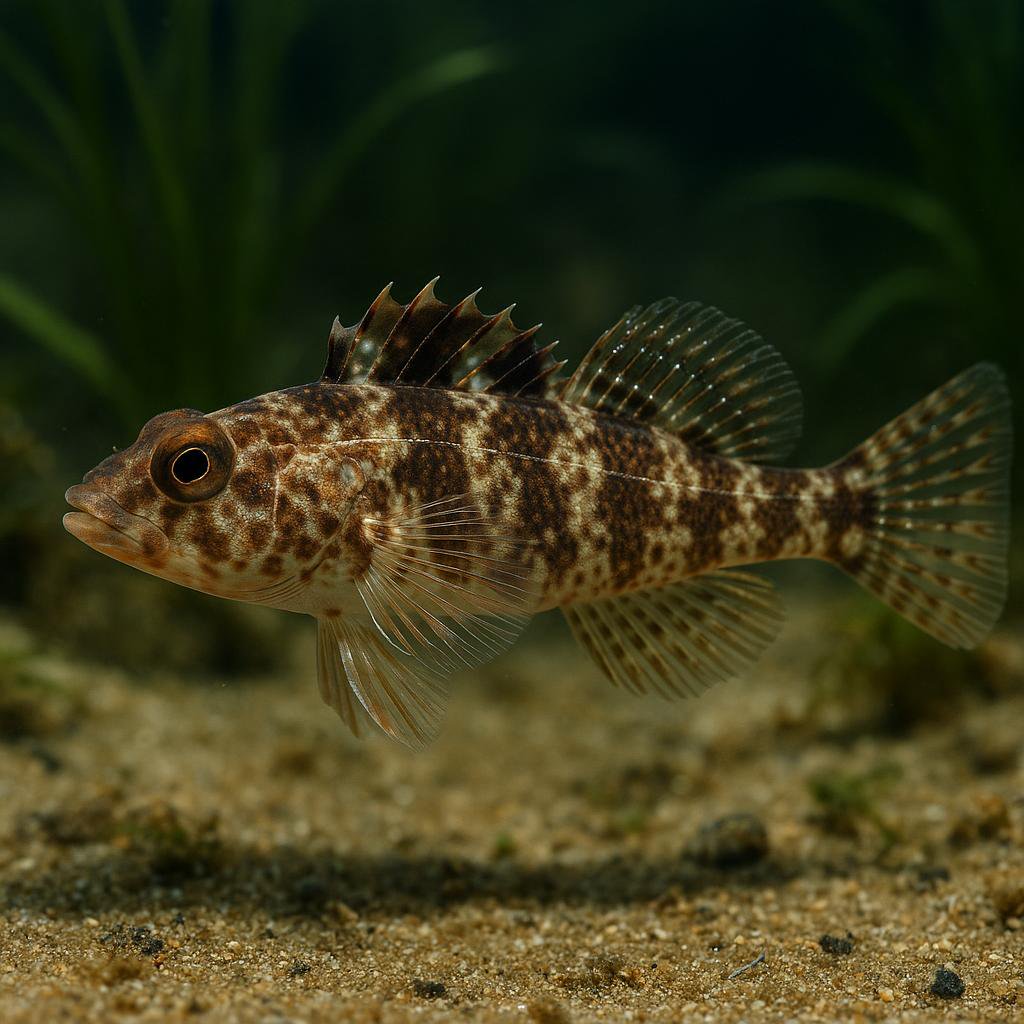
Mottled triplefin
Forsterygion malcolmi
This is a little New Zealand temperate reef triplefin that spends its time parked on rockwork, peeking out from overhangs and holes like a tiny goby-meets-blenny. It is a crustacean-and-snail picker in the wild, and its whole vibe is "hang close to cover and watch everything" - super cool if you like natural behavior more than flashy open-water swimming.
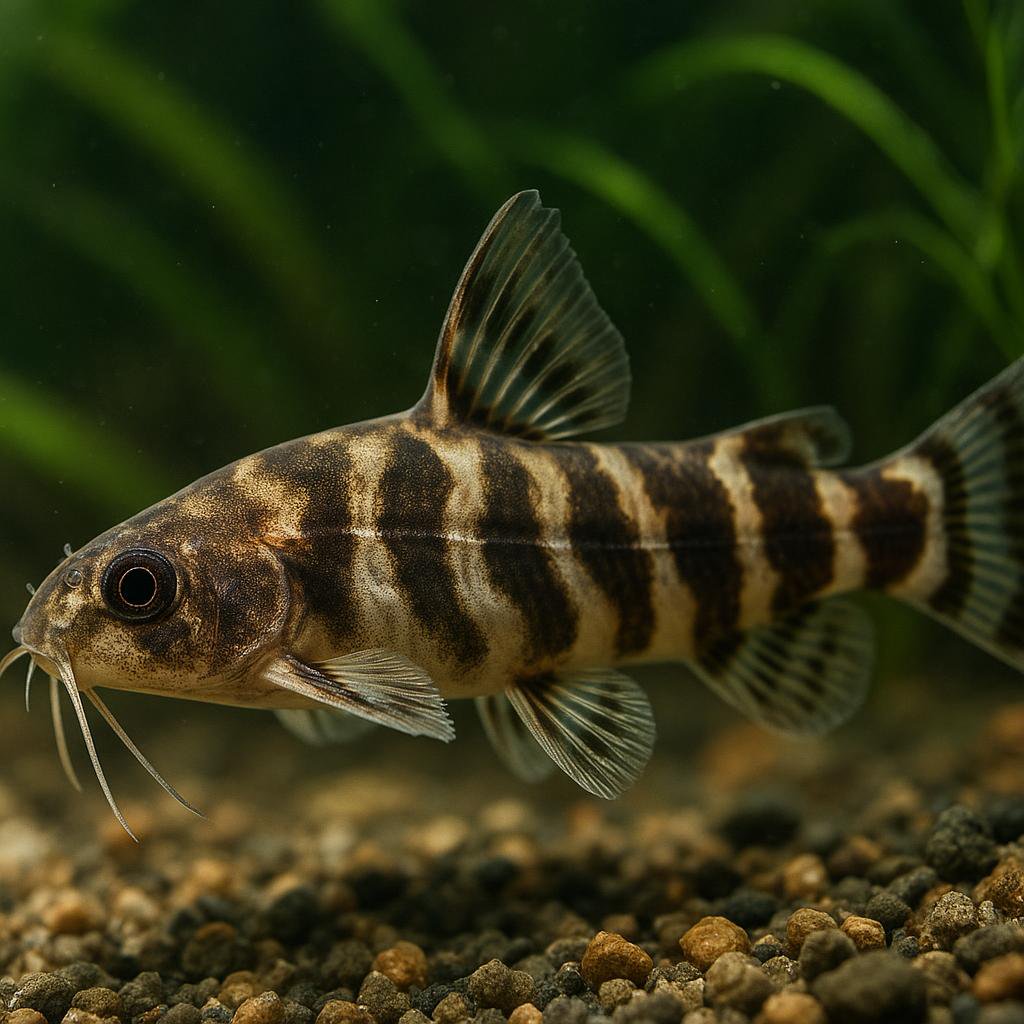
Mountain Erethistoides catfish
Erethistoides montana
This is a tiny little South Asian river catfish that lives down in fast, clean streamlets, where it hugs the bottom and lets the current do its thing. In a tank it is basically a stealthy pebble-cat that comes alive at feeding time, and it really appreciates lots of oxygen and places to tuck in.
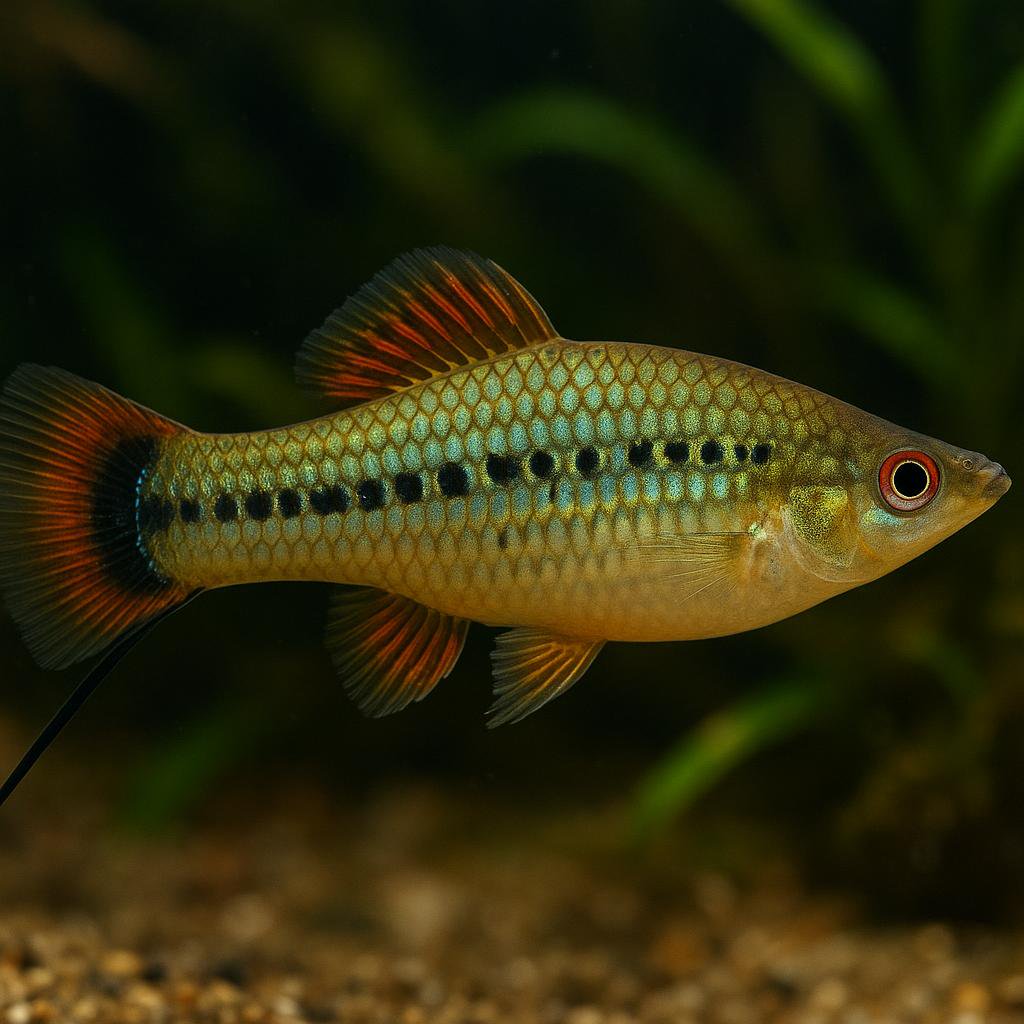
Mountain swordtail
Xiphophorus nezahualcoyotl
This is a cool little wild-type swordtail from Mexico that likes it a bit cooler than the typical pet-store swordtail. Males can do a quirky "headstand" display during courtship and squabbles, and in a roomy tank they stay active and busy without being total jerks.
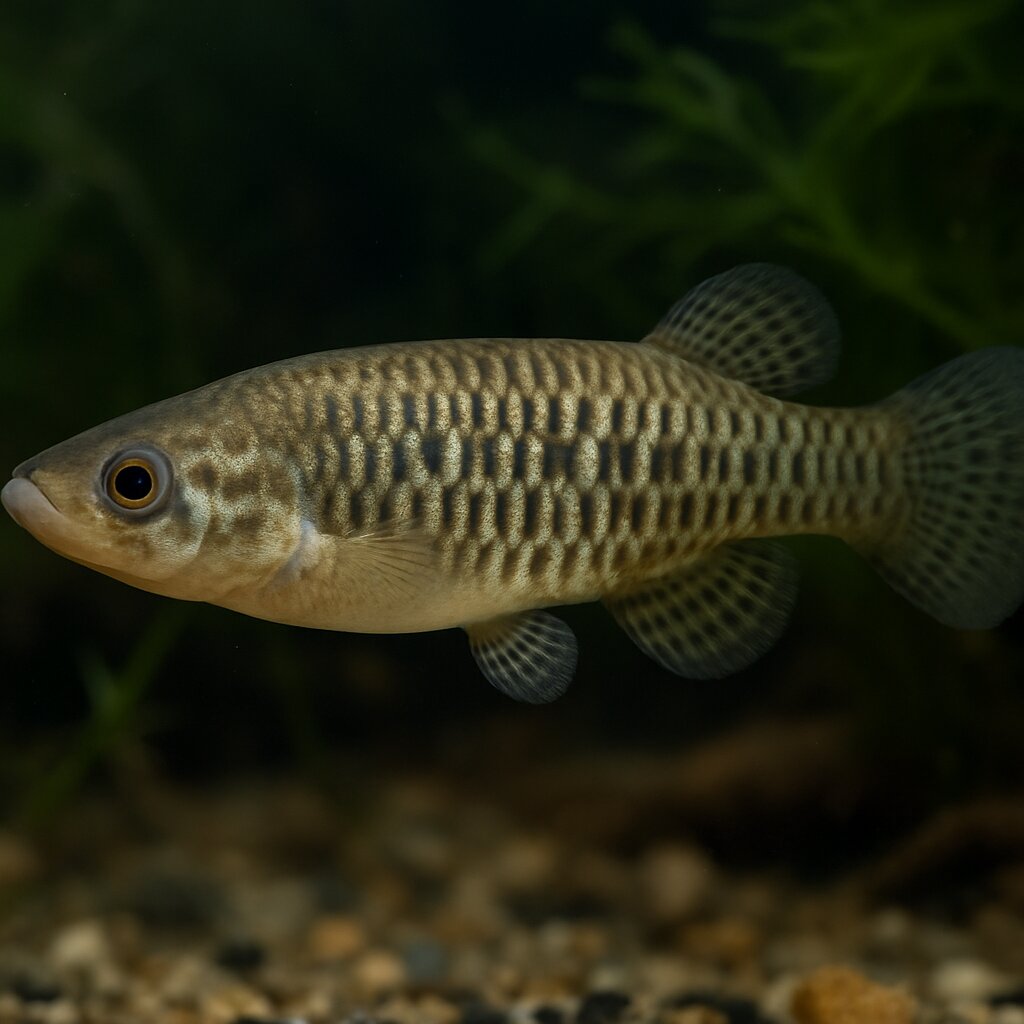
Mummichog
Fundulus heteroclitus
Tough little estuary killifish that handles swings in salinity and temperature like a champ, so it is great for a low-fuss brackish setup. In a group they are busy and curious, and breeding is fun to watch when males flash gold-green spangles. They eat pretty much anything that hits the water.
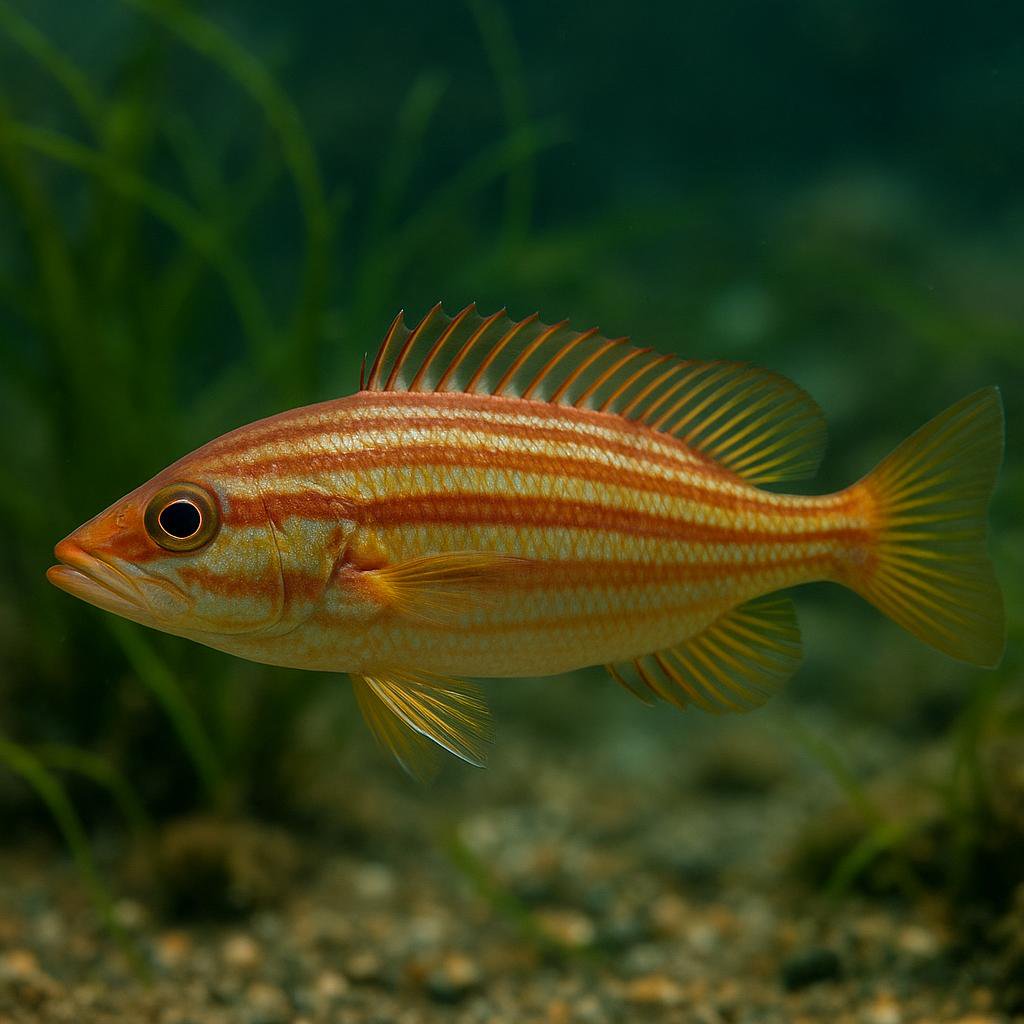
Murray Island bandfish
Owstonia merensis
Owstonia merensis is a tiny deepwater bandfish from the western Pacific - think slope/reef-edge trawl depths, not a reef tank fish. It stays small (around 5.7 cm standard length in the literature) and lives way down where water is cool, dark, and super stable, which is why it is basically never a realistic home-aquarium species.
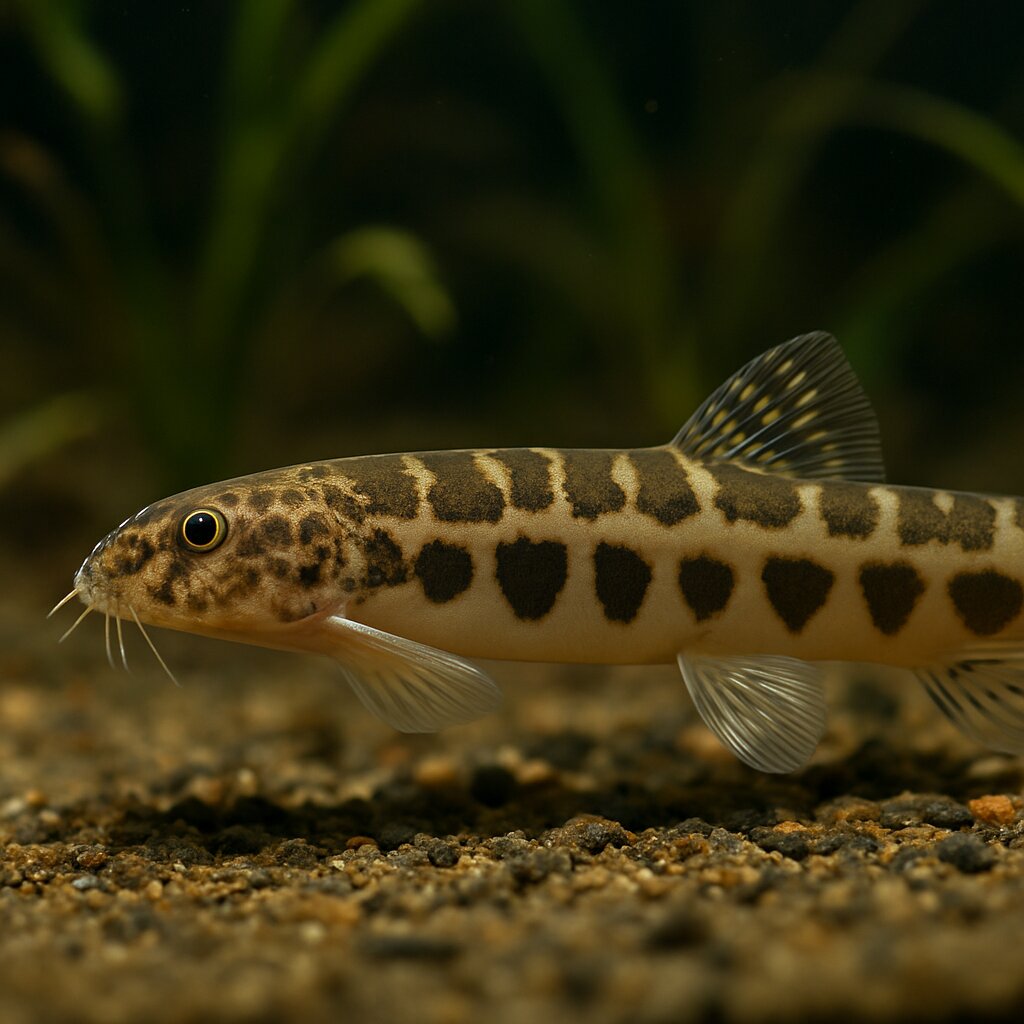
Nanpanjiang stone loach
Yunnanilus nanpanjiangensis
A slender little stone loach from Yunnan’s Nanpanjiang River, it likes cool, clear running water and a sandy or fine gravel bottom. It spends its days nosing through pebbles for tiny critters and really settles in when kept as a small group in a tank with good flow.