

Zebra pleco
Hypancistrus zebra
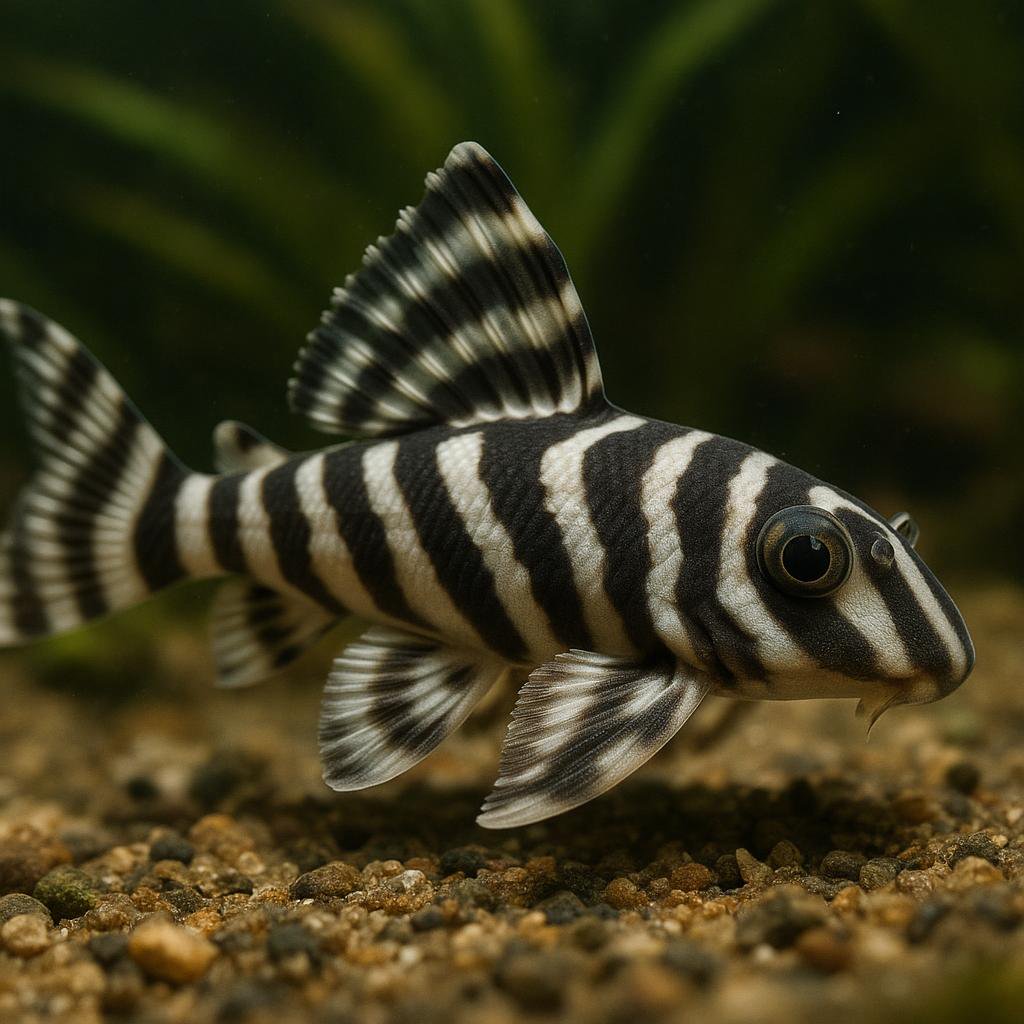
Zebra plecos exhibit striking black and white stripes, with a flattened body and sucker-shaped mouth adapted for grazing on algae.
This page includes AI-generated images. Why am I seeing AI images?
About the Zebra pleco
This is the famous black-and-white striped L-number pleco (L046) from the Rio Xingu, and it really does look like a little underwater zebra. Its best traits are how cavey and secretive it is by day, then it pops out at night to hunt meaty foods - and the male will guard eggs in a cave if you ever breed them. It is not an algae-cleaner pleco, so think of it more like a tiny, warm-water, rock-dwelling catfish with attitude over caves.
Also known as
Quick Facts
Size
7 cm
Temperament
Semi-aggressive
Difficulty
Advanced
Min Tank Size
30 gallons
Lifespan
10-15 years
Origin
South America (Brazil - Rio Xingu basin)
Diet
Carnivore-leaning omnivore - sinking meaty foods, frozen/live foods, quality pellets
Water Parameters
26-30°C
6-7.5
2-16 dGH
Need a heater for this species?
This species needs 26-30°C in a 30 gallon tank. Use our heater calculator to find the right wattage.
Calculate heater sizeCare Notes
- Give them lots of tight caves (slate or ceramic tubes) and line-of-sight breaks - they chill in holes all day and get stressed if they can't claim a spot.
- Keep the water hot and very well-oxygenated with strong flow: target 26–30°C (78.8–86°F) and prioritize high dissolved oxygen (good filtration + vigorous circulation/aeration).
- They handle a range best when conditions are stable—aim for pH about 6.0–7.5 and keep water quality high with regular maintenance.
- Feed after lights-out: meaty foods like frozen bloodworms, brine shrimp, mysis, and good sinking carnivore pellets; don't expect them to live on algae wafers.
- Skip aggressive or super-competitive eaters (big cichlids, hyper barbs) - calm small fish work, and watch other bottom fish that will steal caves or outcompete at feeding.
- Breeding is basically 'cave + warm fast water + heavy feeding': males guard the eggs in a cave, so having multiple caves of different tight sizes helps a lot.
- Common fail points: low oxygen from weak flow, wasted food rotting in caves, and skinny bellies from being outcompeted - target feed with tongs or a baster and remove leftovers.
Compatibility
Good Tankmates
- Small, calm tetras (neon, cardinal, rummynose) - they stay midwater, dont mess with caves, and they handle the warm, clean water Zebra plecos like
- Peaceful pencilfish or hatchetfish - top and midwater types that mostly ignore the bottom, so the pleco can do its shy cave thing
- Chill dwarf cichlids like Apistogramma (the calmer species) - works best in bigger tanks with lots of caves so nobody argues over a single hide
- Discus in a warm, well-oxygenated community (tank size and feeding competition permitting) - ensure the pleco gets meaty foods after lights-out and provide ample caves.
- Corydoras that like warmer water (sterbai is the classic) - generally fine if you have enough floor space and multiple hides so the Zebra isnt getting crowded
- Other peaceful Loricariids that arent cave hogs (like smaller Ancistrus in roomy tanks) - doable, but only if you provide lots of separate caves and feeding spots
Avoid
- Big, pushy cichlids (oscars, green terrors, convicts in breeding mode) - they will claim the bottom and caves, and the Zebra will get bullied or stressed out
- Nippy fin-biters like tiger barbs - they are too hectic, and constant harassment keeps shy plecos from feeding properly
- Other aggressive cave spawners and territorial bottom fish (many larger plecos, some synodontis) - theyll take over the plecos hiding spots and outcompete them at feeding time
Where they come from
Zebra plecos (Hypancistrus zebra) come from Brazil's Rio Xingu, a big, fast river with warm water, tons of oxygen, and rocky crevices everywhere. That background explains basically everything about them in aquariums: they like it hot, clean, and moving, and they want tight caves they can claim.
If you've kept other plecos and treated them like generic "algae eaters," zebra plecos will humble you. Think of them more like cave-dwelling river fish that happen to be catfish.
Setting up their tank
The tank is won or lost on water quality and oxygen. I have had the best luck treating their tank like a little river: strong filtration, lots of flow, and no detritus sitting around. They do not forgive a dirty, low-oxygen setup, especially at the temperatures they like.
- Tank size: 20-30 gallons can work for a small group, but more space makes it easier to keep stable water and spread out caves
- Temperature: 82-86F is a sweet spot for most groups; they can handle warm, but warm water needs more oxygen and clean filtration
- pH and hardness: they are not super picky if stable; neutral-ish to slightly acidic is common (roughly pH 6.5-7.5)
- Flow and oxygen: add a powerhead or strong return flow; surface agitation matters a lot
- Filtration: oversized sponge filters plus a canister or HOB works great; prefilter sponges keep baby fish from vanishing
- Substrate: sand or bare-bottom both work; I like sand because it looks natural, but bare-bottom makes feeding and cleanup easier
- Decor: piles of rock and lots of caves; keep lines of sight broken so everyone can claim a spot
- Lighting: they do not need bright light; dimmer tanks bring them out more
Use caves with one main entrance and a snug fit. If the male can wedge himself in and block the door, you're on the right track. Too-large caves often lead to abandoned spawns or eggs getting eaten.
Warm water plus weak aeration is a bad combo. If you run them 84F and the surface is glassy, you are asking for trouble.
What to feed them
They are not algae grazers in the way people expect. Mine spend most of their feeding time hunting and picking at meaty foods. They'll eat some plant-based stuff, but you will get better body weight and better breeding results with a protein-leaning menu.
- Staples: quality sinking carnivore pellets and wafers (look for fish/shrimp as main ingredients)
- Frozen foods: bloodworms, brine shrimp, mysis, chopped krill (go easy with rich foods until you know your tank stays clean)
- Fresh: small bits of shrimp or clam occasionally, rinsed well
- Bonus: a little zucchini or green bean now and then, mostly for variety
Feed after lights out and you will see them more. I like doing smaller feedings more often rather than dumping a big meal in. Leftover food rots fast at 84F.
If you never see them eat, try dropping food right at the cave entrances with tongs or a feeding tube. Shy zebra plecos will ignore food that lands out in the open.
How they behave and who they get along with
They are mostly nocturnal and pretty chill in the open, but they get serious about caves. You will see sparring and shoving, especially between males, and especially if caves are limited or all the same size.
- Best kept: in a small group with multiple caves per fish
- Male-to-male: expect territory fights if space is tight
- Tankmates: small, peaceful fish that tolerate warm water (avoid anything that constantly raids caves or stresses them)
- Avoid: large aggressive cichlids, fin nippers, and anything known for eating eggs/fry or bullying bottom fish
If you want to breed them, a species-only tank makes life simpler. In a community tank they can still spawn, but eggs and tiny fry are easy snacks for just about everyone.
Breeding tips
Breeding zebra plecos is doable, but you have to stack the odds. You want a mature group, lots of caves, heavy feeding, and very steady clean water. Most spawns happen in caves with a male guarding the clutch.
- Group setup: start with 5-8 juveniles if you can; let them grow out and sort themselves out
- Caves: different sizes and shapes, tight entrances, placed in areas with decent flow
- Trigger: slightly cooler water changes can help, especially if your tank has been warm and stable for a while
- Male behavior: the male will often sit in the cave and fan the eggs; don't panic if you barely see him for days
- Fry: once free-swimming, they need tiny meaty foods (crushed pellets, baby brine shrimp, finely chopped frozen foods)
Do not keep messing with the cave to check eggs. Curious hands can cause a male to abandon a spawn. If you want to peek, do it quickly and sparingly with a dim light.
If you find a male guarding and you must move the spawn, move the whole cave underwater into a breeder box or separate tank. Handling eggs directly is where things go sideways.
Common problems to watch for
Most zebra pleco problems trace back to the same stuff: dirty warm water, low oxygen, or being outcompeted for food. They are hardy enough once settled, but they do not bounce back fast if you let the tank slip.
- Fast breathing or hanging in high-flow areas: often low oxygen or rising waste at high temperature
- Hollow bellies: not getting enough food (common in community tanks) or internal parasites in new imports
- White fuzz on eggs: fungus, often from infertile eggs or poor flow in the cave
- Sudden losses after a big feeding: leftover food fouling the tank overnight
- Aggression injuries: torn fins or scrape marks from cave fights
Ammonia and nitrite at any level can wipe them out fast, and nitrate can get ugly at their temps if you let detritus build up. If something seems off, test the water before you start throwing meds at the tank.
My go-to routine is simple: strong flow, frequent partial water changes, feed with a light hand, and vacuum out junk before it becomes a problem. If you do that and give them caves, zebra plecos usually reward you by actually coming out and acting like they own the place.
Similar Species
Other freshwater semi-aggressive species you might be interested in.
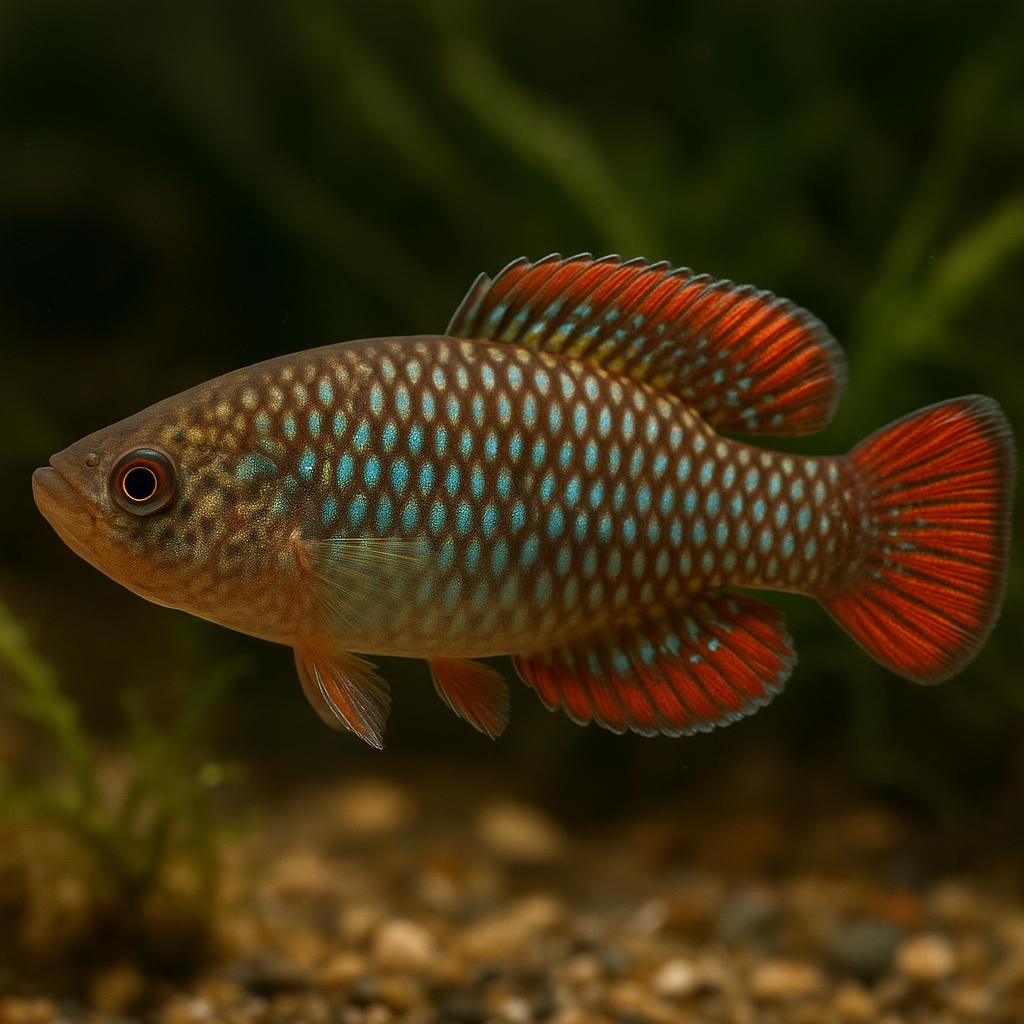
American flagfish
Jordanella floridae
Jordanella floridae is that little Florida native with the red-and-cream striping that really does look like a tiny flag once a male colors up. They graze algae like champs (especially stringy/hair algae), but they have a bit of attitude - give them plants and space so the bossy behavior stays manageable. Bonus: the male guards the eggs and will actively fan them, which is pretty fun to watch.
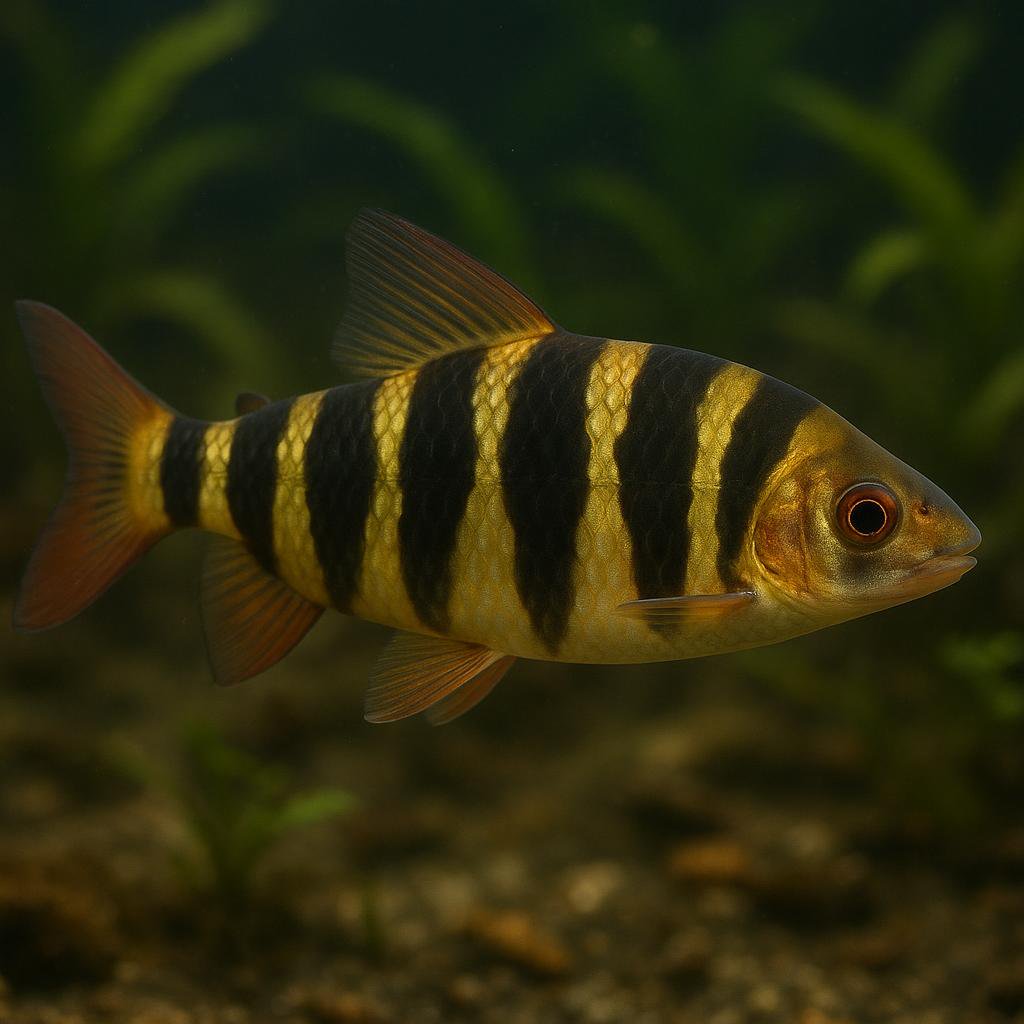
Banded Leporinus
Leporinus fasciatus
Banded Leporinus are those torpedo-shaped, black-and-yellow striped fish that look like they're wearing a little prison outfit-and they stay on the move. They've got a ton of personality and they're awesome to watch cruising and picking at stuff, but they're also the kind of fish that will redecorate your tank and "taste test" anything soft-looking.
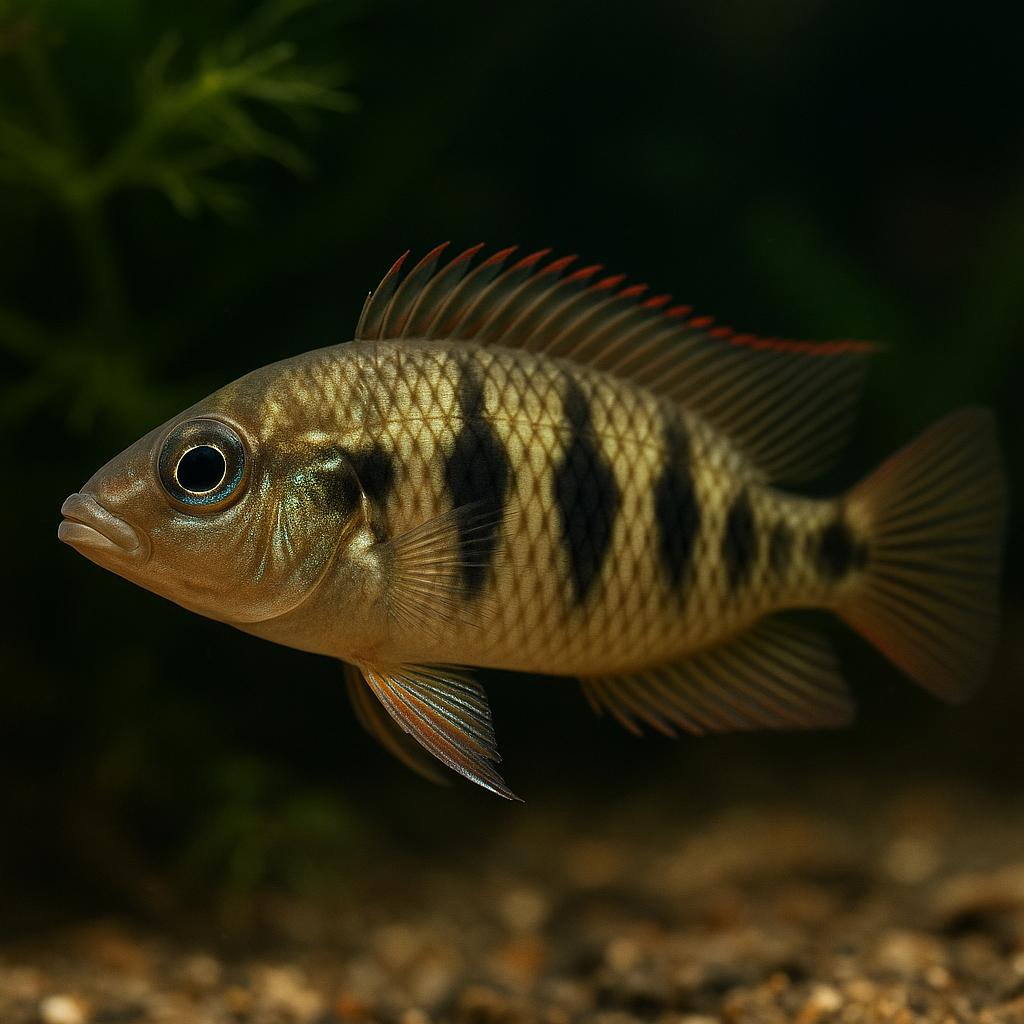
Bandi cichlid
Wallaceochromis signatus
A West African dwarf cichlid from Guinea's Bandi River, this fish shows crisp vertical bars and spotted fins with red highlights. Females have a bold black spot at the base of the tail, and pairs guard eggs and fry in caves, which makes their parental behavior fun to watch.
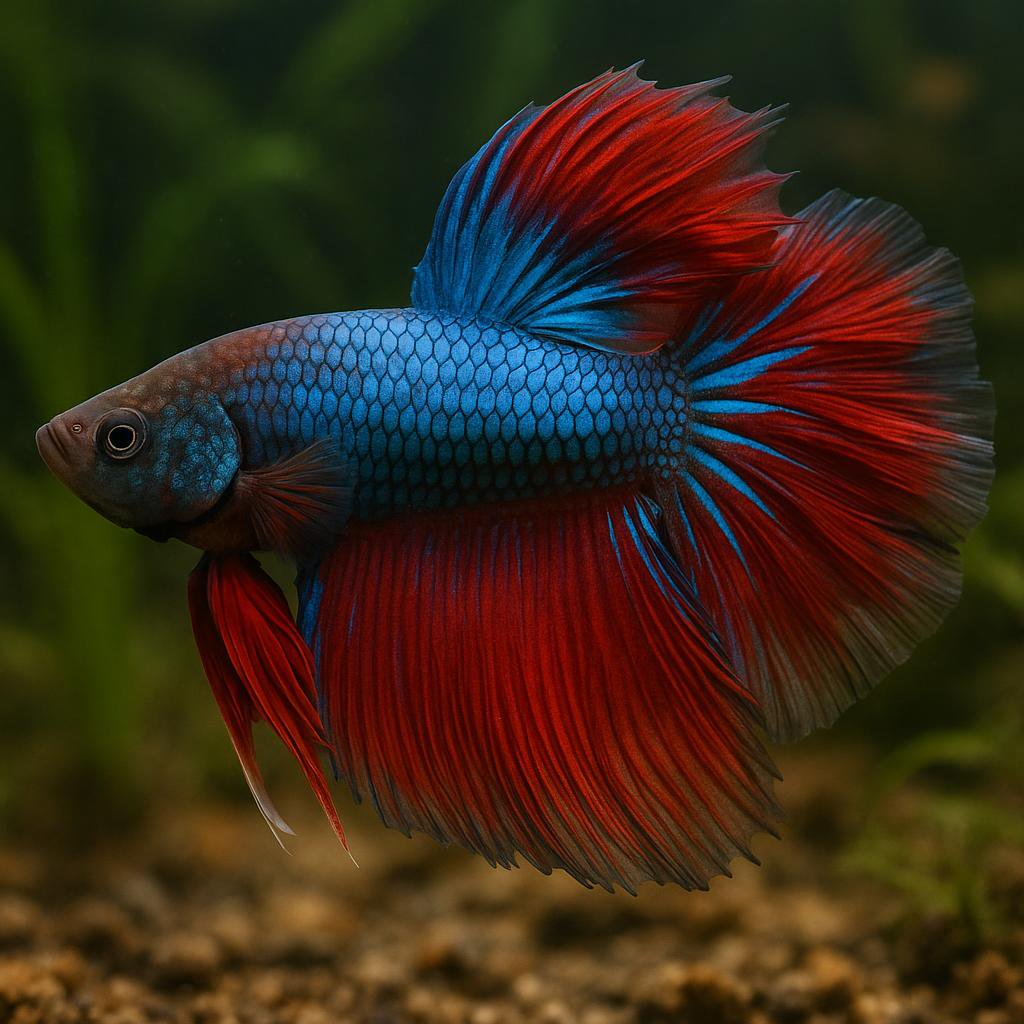
Betta
Betta splendens
Betta fish, also known as Siamese fighting fish, are popular for their striking colors and flowing fins. They are known for their territorial nature, especially males, which can display aggressive behavior towards each other.
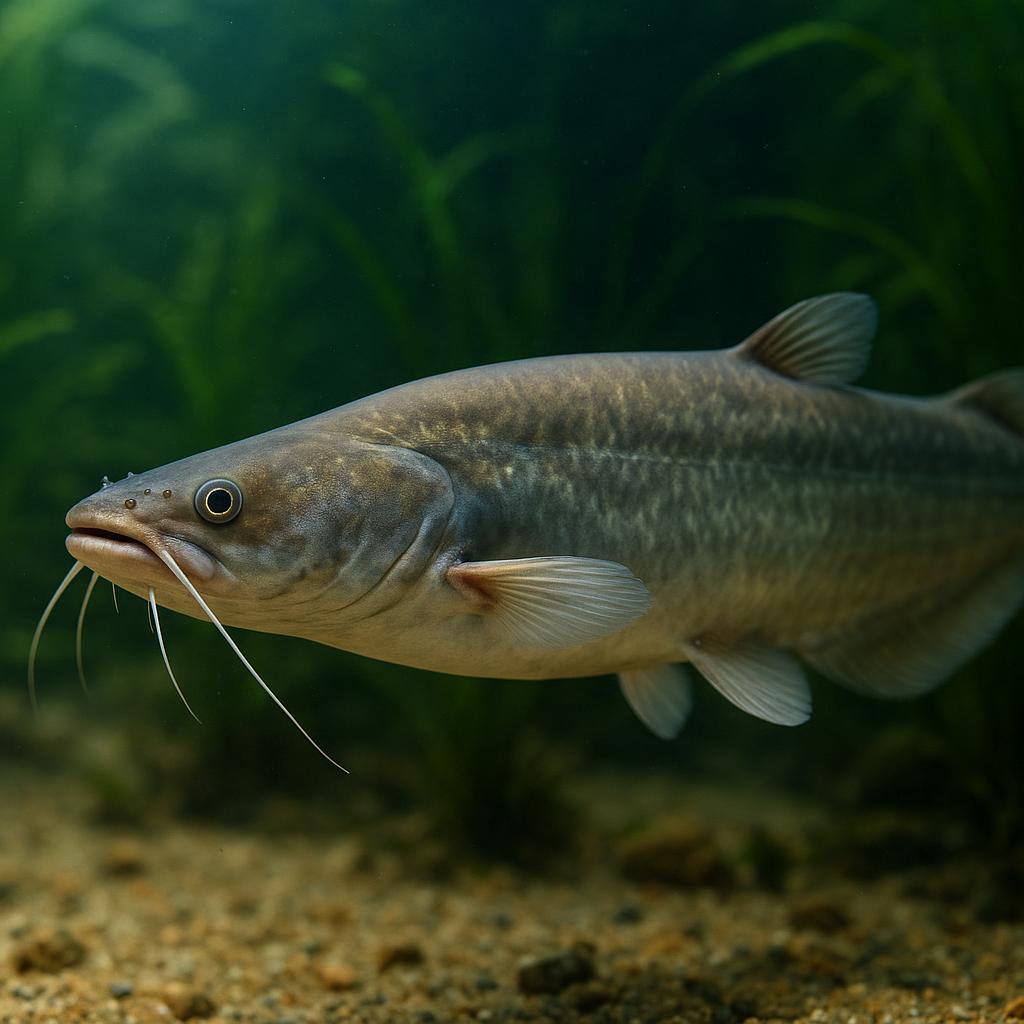
Blackhawk catfish
Wallagonia micropogon
Wallagonia micropogon is a giant Southeast Asian sheatfish with an eel-like body and a huge, scoop-like mouth for hunting other fish. It is native to the Mekong and middle Chao Phraya basins and was long confused with Wallagonia leerii, which makes IDs and care notes tricky. Stunning as a juvenile but it grows to true megafish size, so it is only realistic for expert keepers or public aquariums.
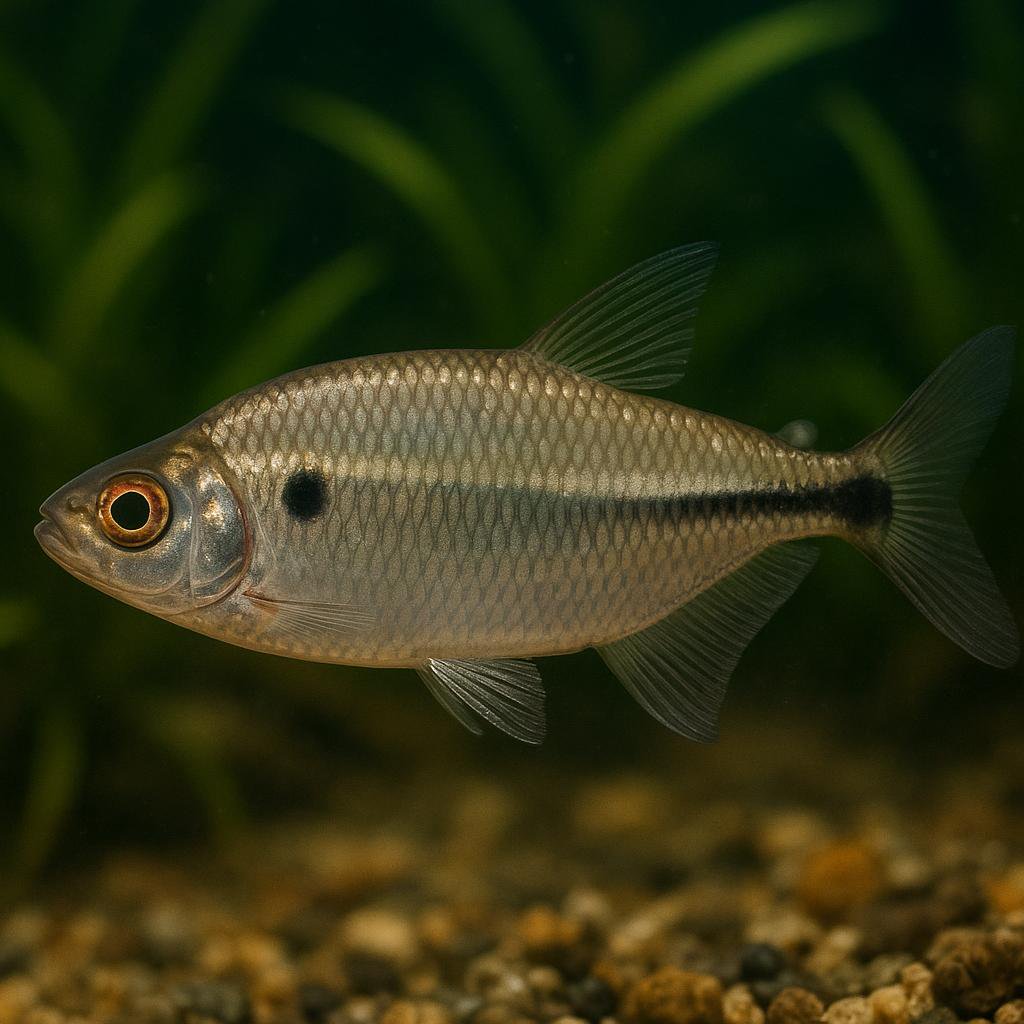
Boulenger's Featherfin Tetra
Bryconaethiops boulengeri
A big, fast African tetra from the Congo River basin, it cruises the mid-to-upper water in active groups and flashes a bold broken stripe along its flanks. In the wild it hunts insects at the surface and can leap, so aquariums need tight lids. Keep it with robust tankmates it cannot swallow.
More to Explore
Discover more freshwater species.
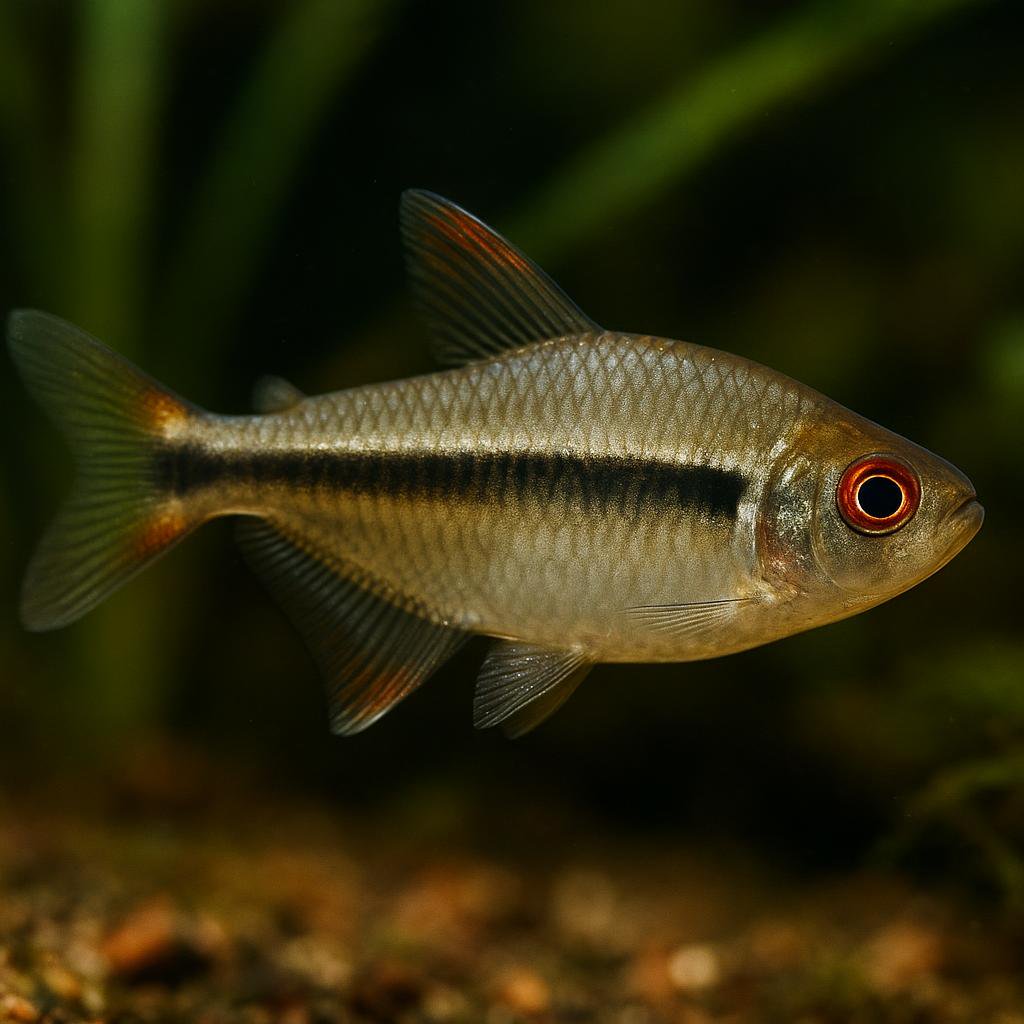
Amapa tetra
Hyphessobrycon amapaensis
This is a tiny, super sleek little tetra with a clean red stripe down the side that really pops once its settled in. It does best in a planted, slightly tinted "creek-style" setup and looks way cooler when you keep a proper group so they school and flash that line together. If you can give it soft, slightly acidic water and a calm community, its an easy fish to fall for.
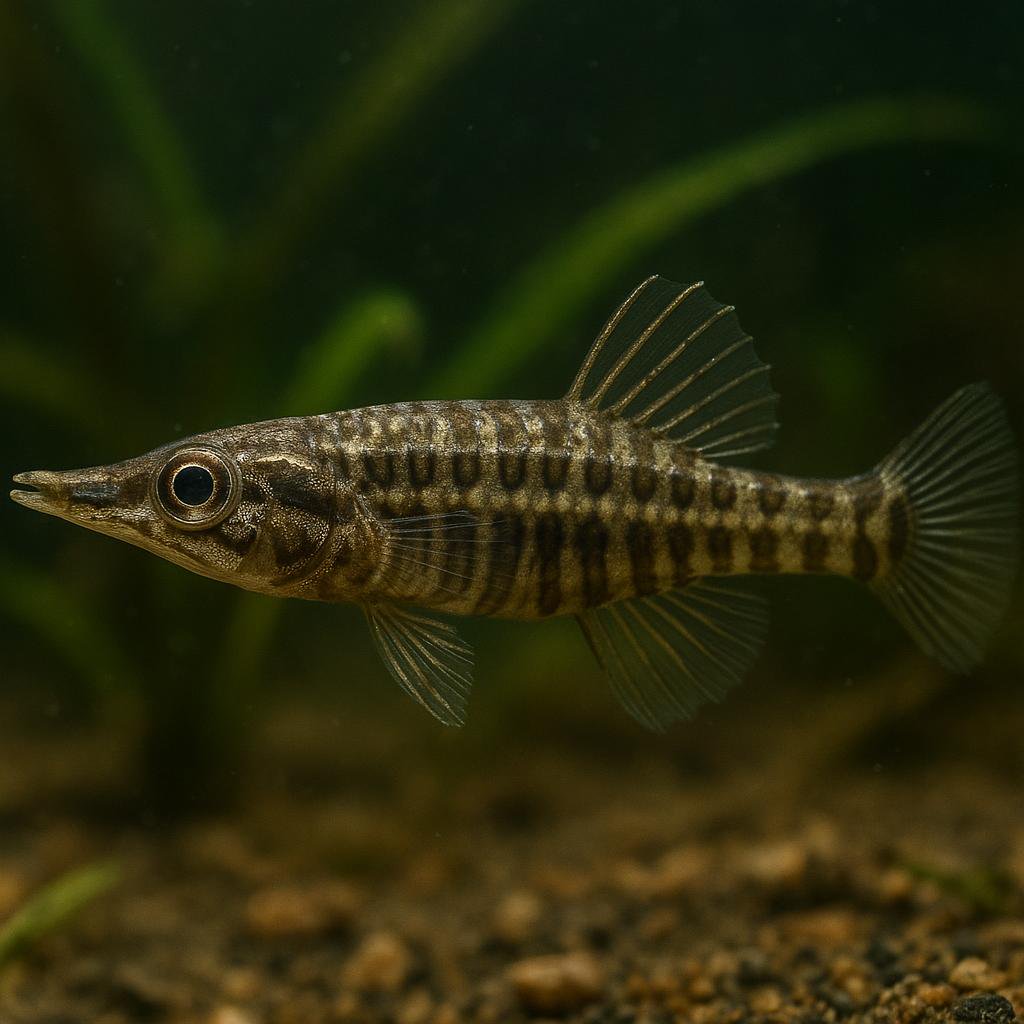
Armoured stickleback
Indostomus paradoxus
This is that goofy little "freshwater seahorse"-looking fish that just kind of perches and scoots around like a tiny armored twig. Its whole vibe is slow, sneaky micropredator - once its settled in, you will catch it stalking microfoods and doing these subtle little posture displays. The big trick is feeding: they do best when you can provide lots of small live foods in a calm, planted tank.
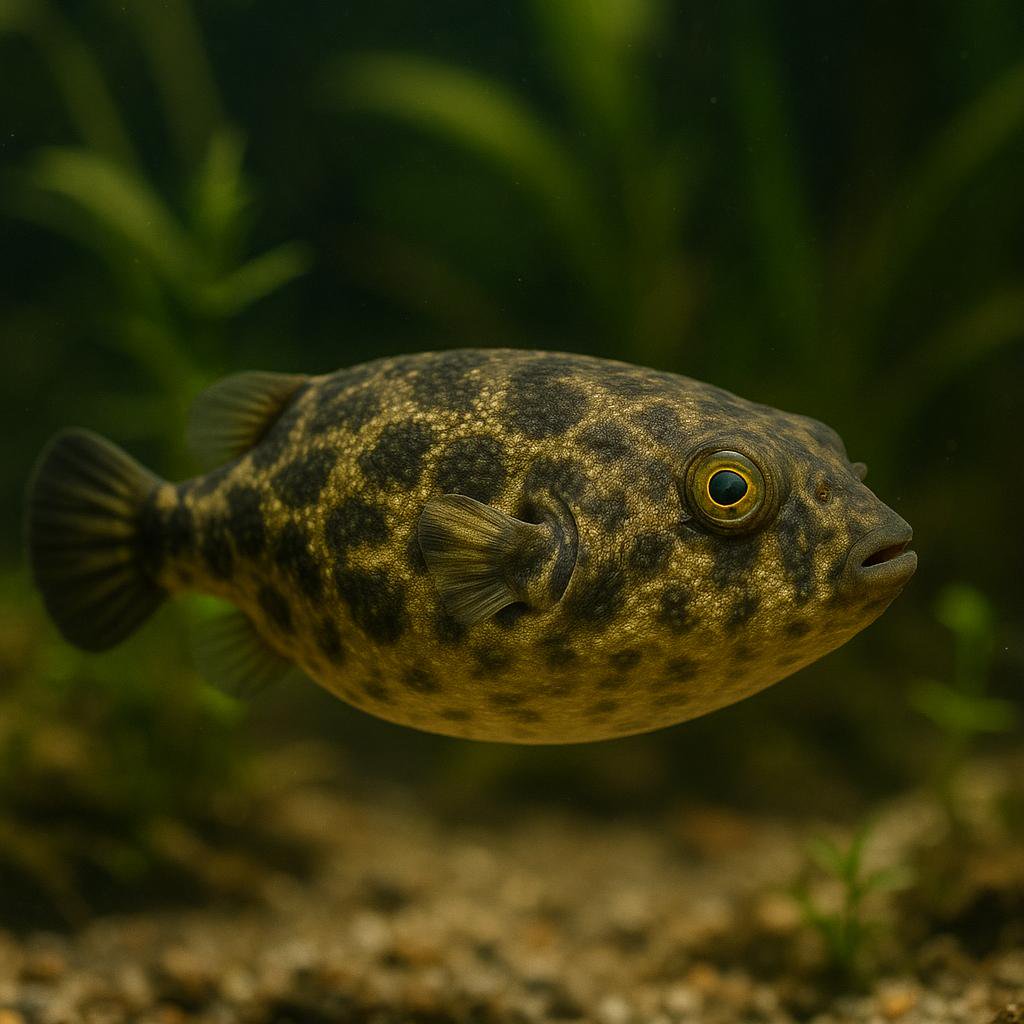
Arrowhead puffer
Pao suvattii
Pao suvattii is that sneaky Mekong puffer that likes to sit low and ambush food, and it has that super recognizable arrow/V pattern on its back. Gorgeous fish with tons of personality, but it is absolutely not a community guy - plan on a solo, species-only setup if you want everybody to stay in one piece.
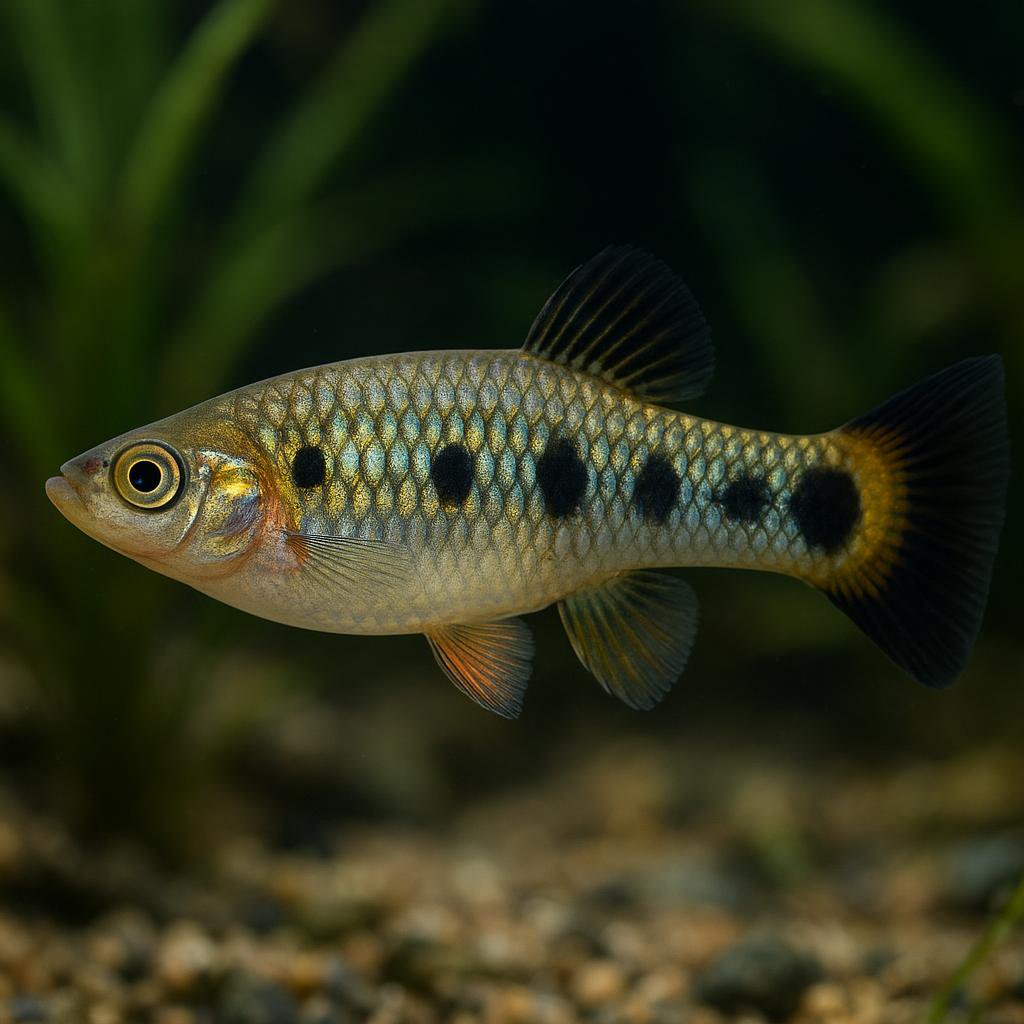
Bishop toothcarp
Brachyrhaphis episcopi
This is a tiny Panamanian livebearer that does best when you treat it more like a shy wild fish than a fancy guppy-lots of cover, calm vibes, and really clean water. The fun part is watching the males posture and spar while the females cruise around dropping fully-formed fry about once a month.
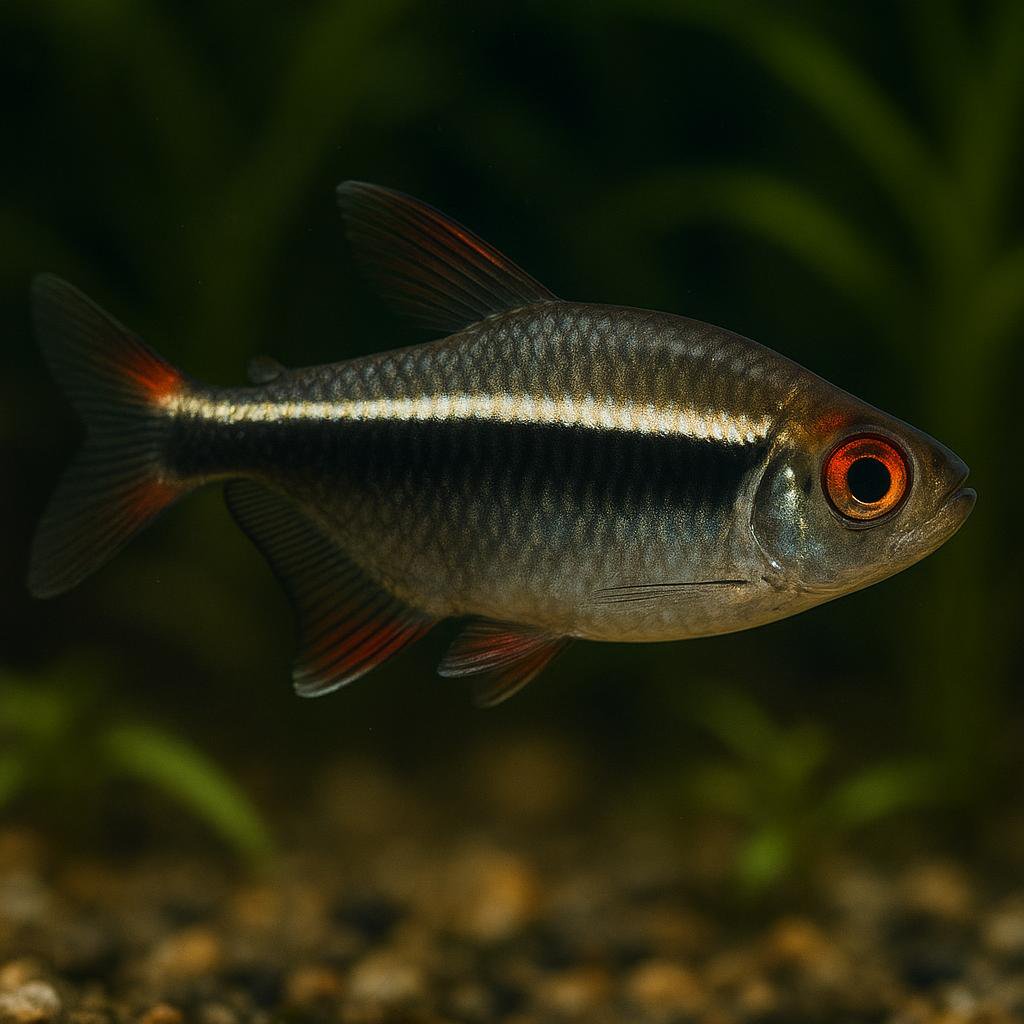
Black Neon Tetra
Hyphessobrycon herbertaxelrodi
Black neons are one of those little tetras that look kinda understated until the light hits them-then that bright stripe pops and they shimmer when the school turns together. They're super chill, always cruising mid-water, and they make a tank feel "alive" without being hectic. If you keep a nice group, they get bolder and you'll see way more of their personality.
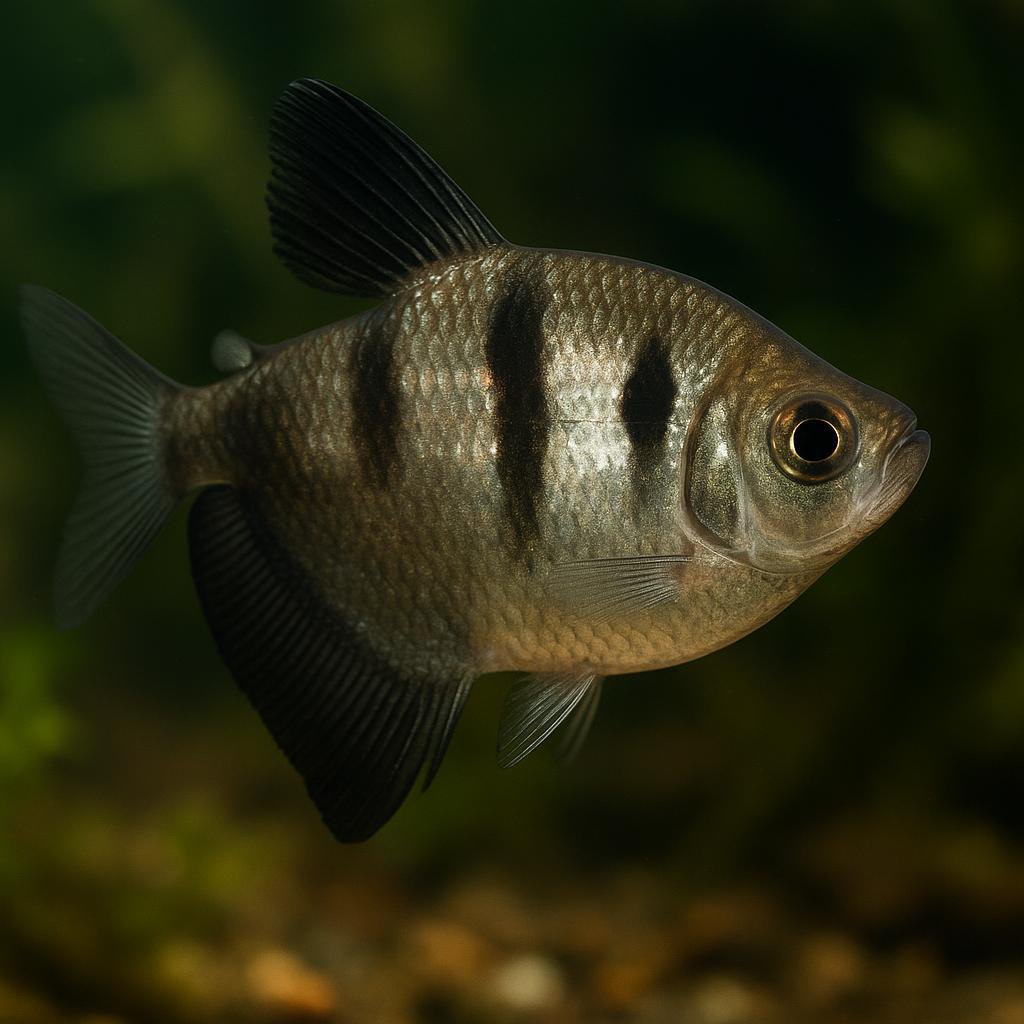
Black Skirt Tetra (Black Widow Tetra)
Gymnocorymbus ternetzi
Black skirts are those little "suit-and-tie" tetras with the dark bands and flowing fins that look way fancier than they should for how tough they are. They're super active midwater fish, and when you keep a proper group they do that tight, zippy schooling thing that makes the whole tank feel alive. Just give them enough buddies and finny tankmates they won't be tempted to nip.
Looking for other species?