

Search Species
Search for fish species by common or scientific name, or use filters to browse by water type, size, temperament, and difficulty.
Found 29 species
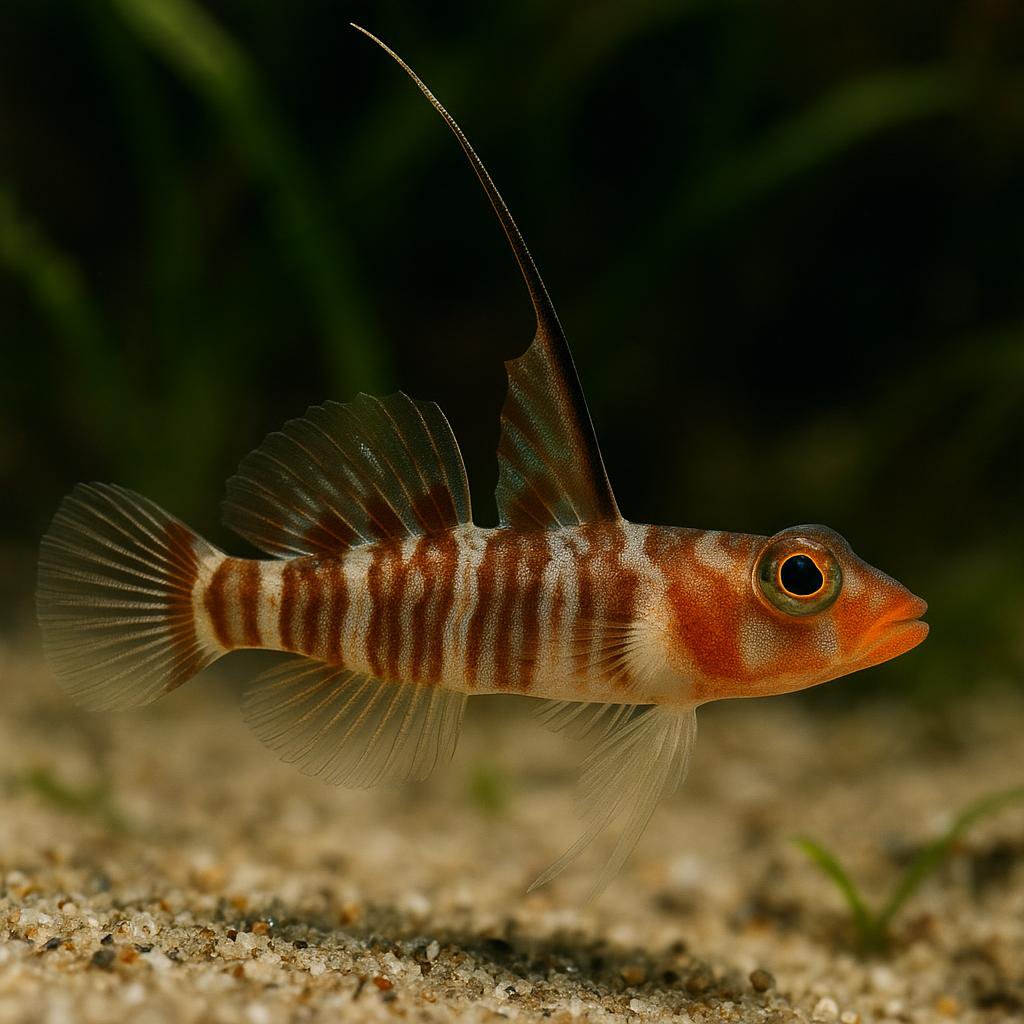
Flaming Prawn Goby
Discordipinna griessingeri
This tiny reef goby flashes long orange fins as it shuffles between rock crevices, so you usually spot it in quick cameos. At barely 3 cm long, its crisp white-and-orange striping and spiky fin displays look wild for such a small fish.
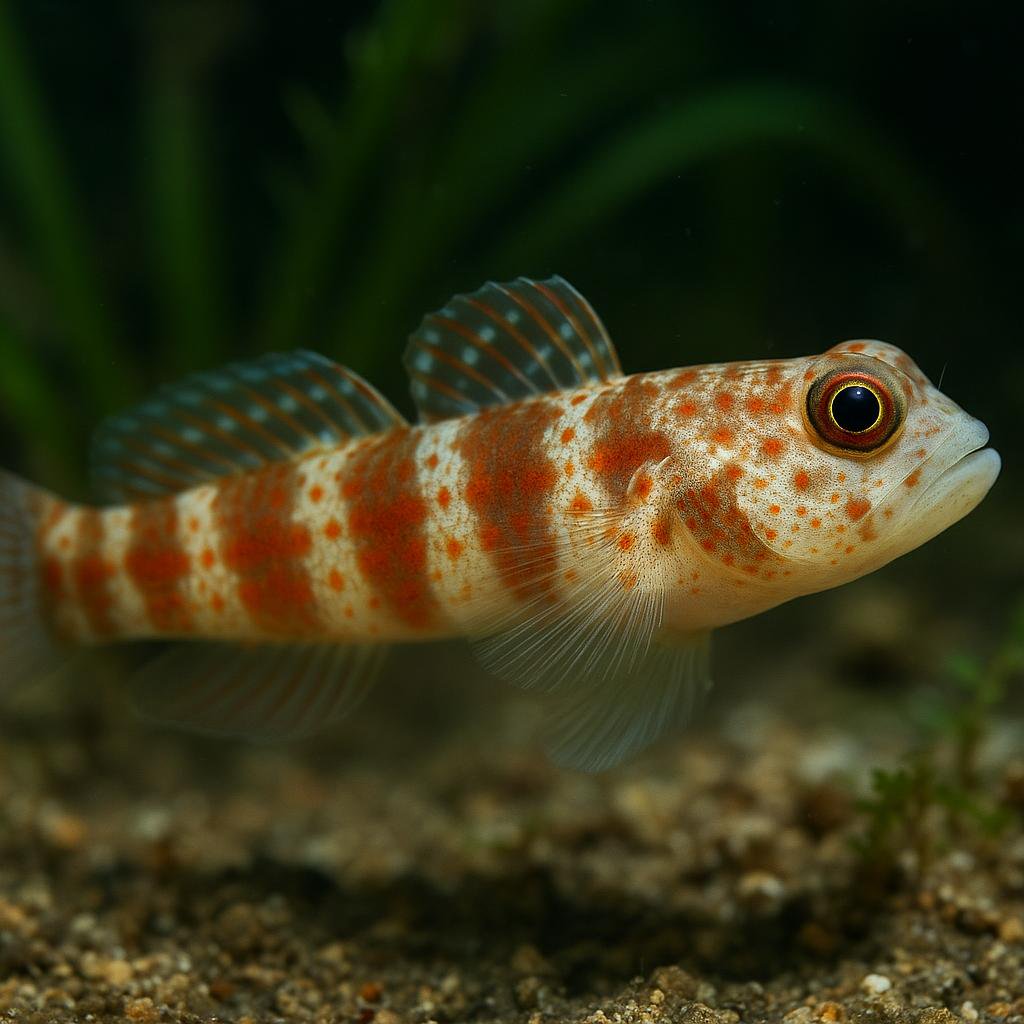
Gorgeous prawn-goby
Amblyeleotris wheeleri
Amblyeleotris wheeleri is that classic shrimp-goby that picks a sandy spot, makes a burrow, and basically turns your tank into a little nature documentary if you pair it with a pistol shrimp. It hangs at the burrow entrance, does the whole lookout routine, and flashes those red bands and blue speckling when it is settled in.
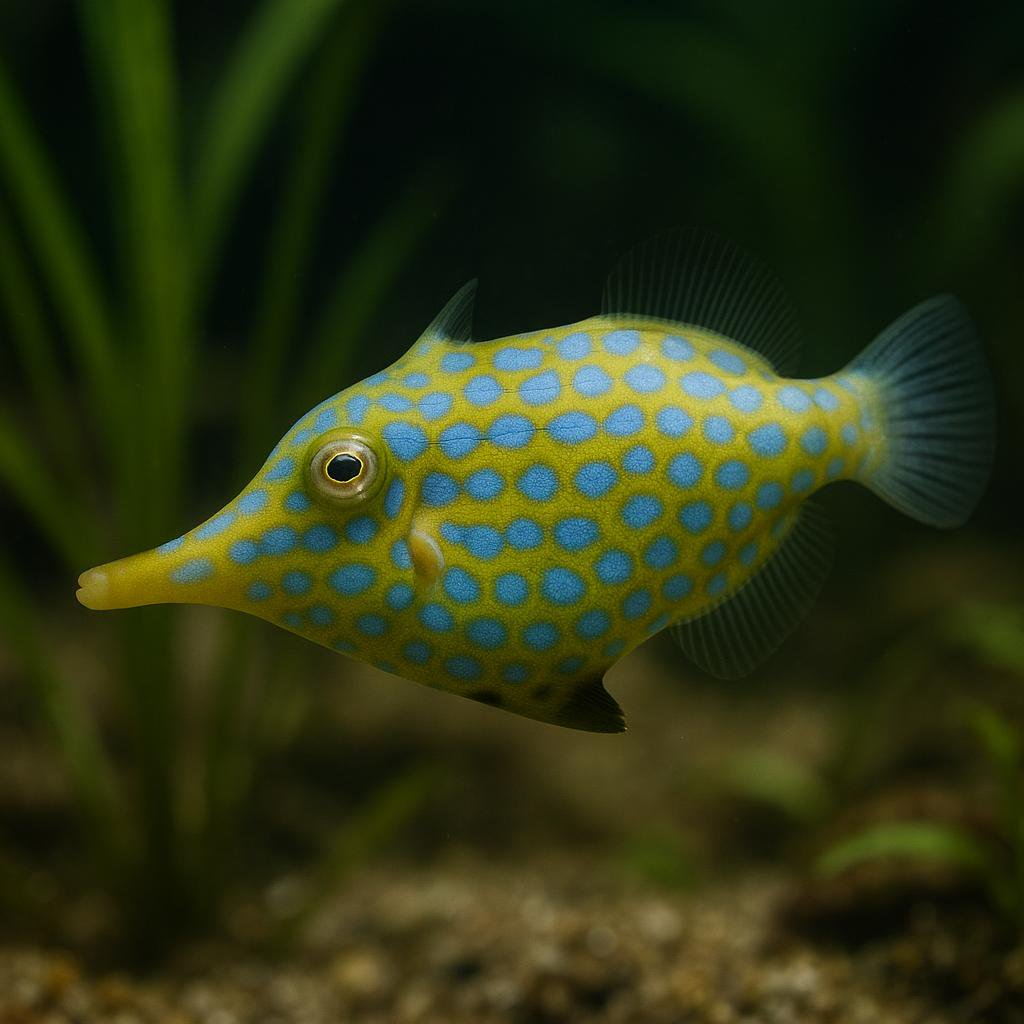
Harlequin filefish
Oxymonacanthus longirostris
This is that super-cool orange-spotted, long-snouted filefish that hangs tight in branching Acropora like it's part of the coral. In the wild it's basically an Acropora-polyp specialist and usually lives in pairs, which is exactly why it's so tricky in home aquariums unless you're ready for the feeding challenge.
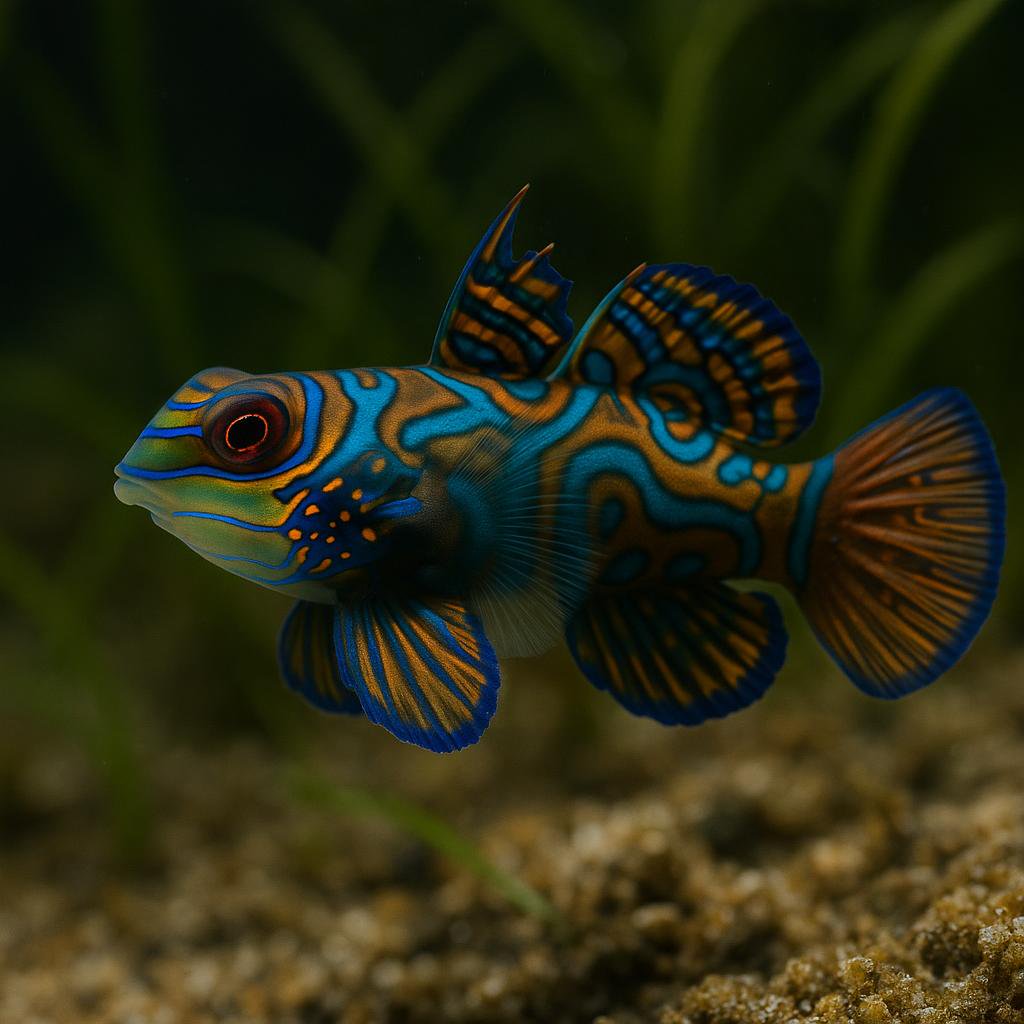
Mandarinfish
Synchiropus splendidus
This is the classic mandarin dragonet-the little reef crawler that looks like someone hand-painted neon blue and orange squiggles onto a fish. It spends basically all day pecking at live rock for tiny pods, and at dusk you can sometimes catch the pair-spawning "rise" if you keep a bonded male/female. Absolutely reef-safe, but it's one of those fish that does amazing only when the tank is truly mature and full of microfauna.
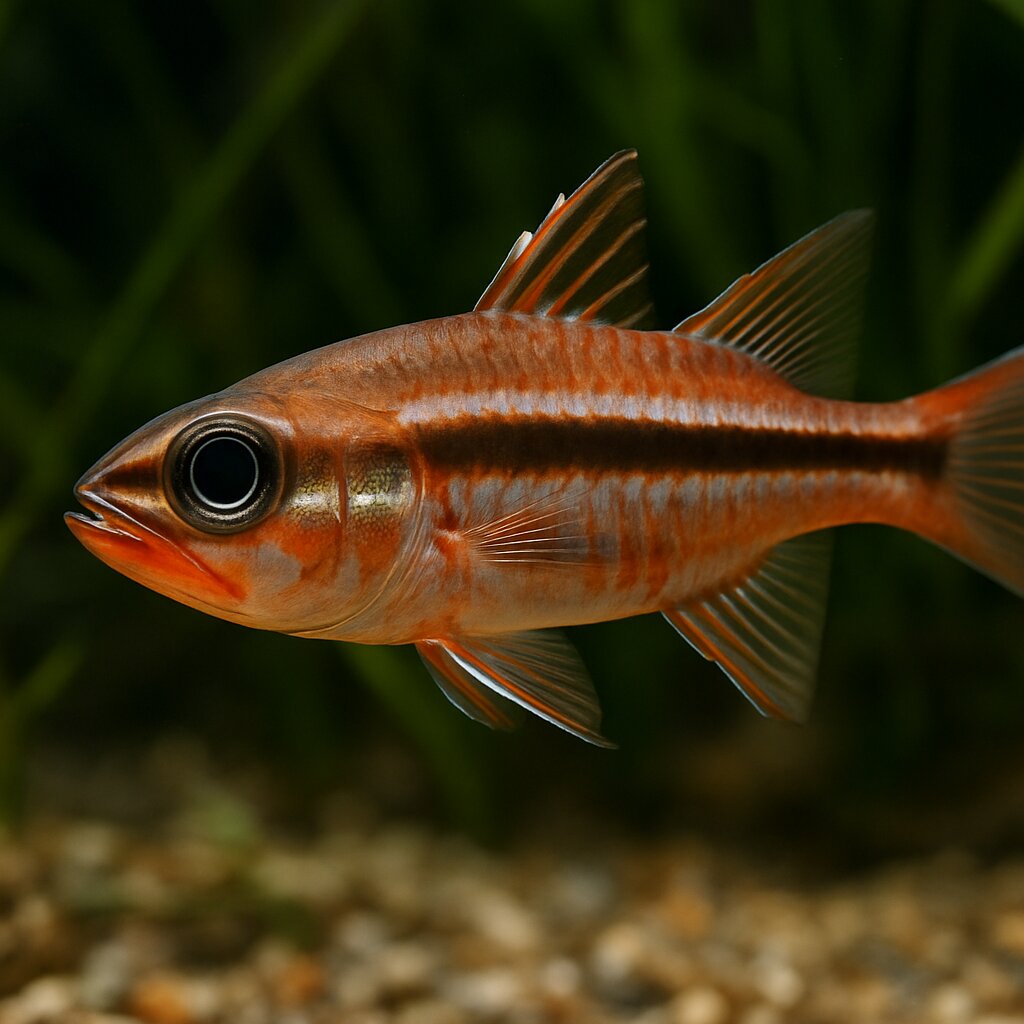
Munahosi cardinalfish
Ostorhinchus cheni
Think of a deepwater cardinalfish with a moody, reddish body, two slim dusky stripes, and a bold spot at the tail base. It hangs in the shadows, cruises slowly, and the male mouthbroods eggs, which is wild to watch if you ever see it happen. Super cool fish, but it comes from 70-100 m and prefers cooler marine temps, so it is definitely a specialist project.
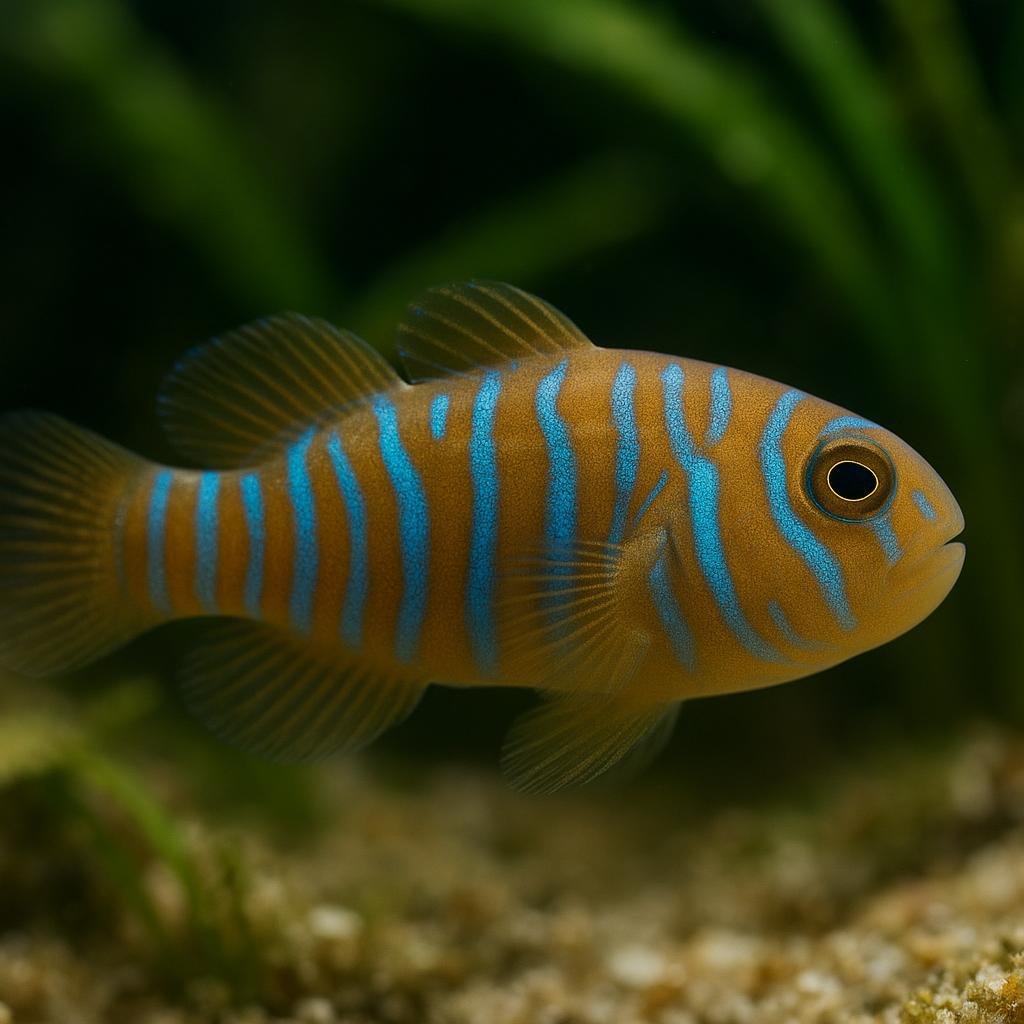
Needlespine coral goby
Gobiodon acicularis
A tiny coral-dwelling goby that perches among branching SPS corals and can be nearly jet-black to brown. It is the only Gobiodon with a filament-like first dorsal spine, which looks wild when it flicks it while displaying.
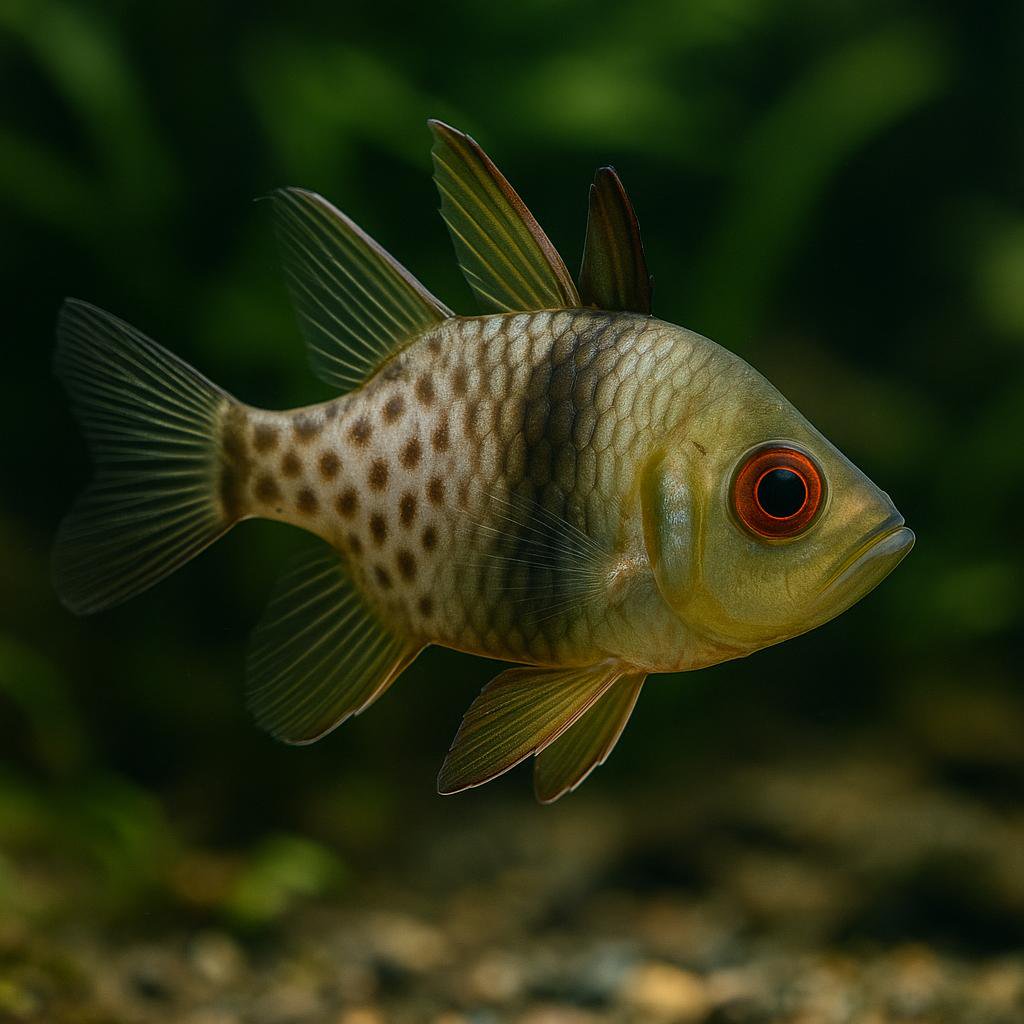
Pajama Cardinalfish
Sphaeramia nematoptera
This little cardinalfish looks like it got dressed in a rush-polka-dot back half, bold stripes up front, and that neon-orange tail spot that really pops under reef lights. It's a super chill, "hang in the shadows" kind of fish that likes to hover around rockwork and just cruise calmly all day. If you keep a small group, they'll often tuck in together and make your tank feel instantly more alive without causing any drama.
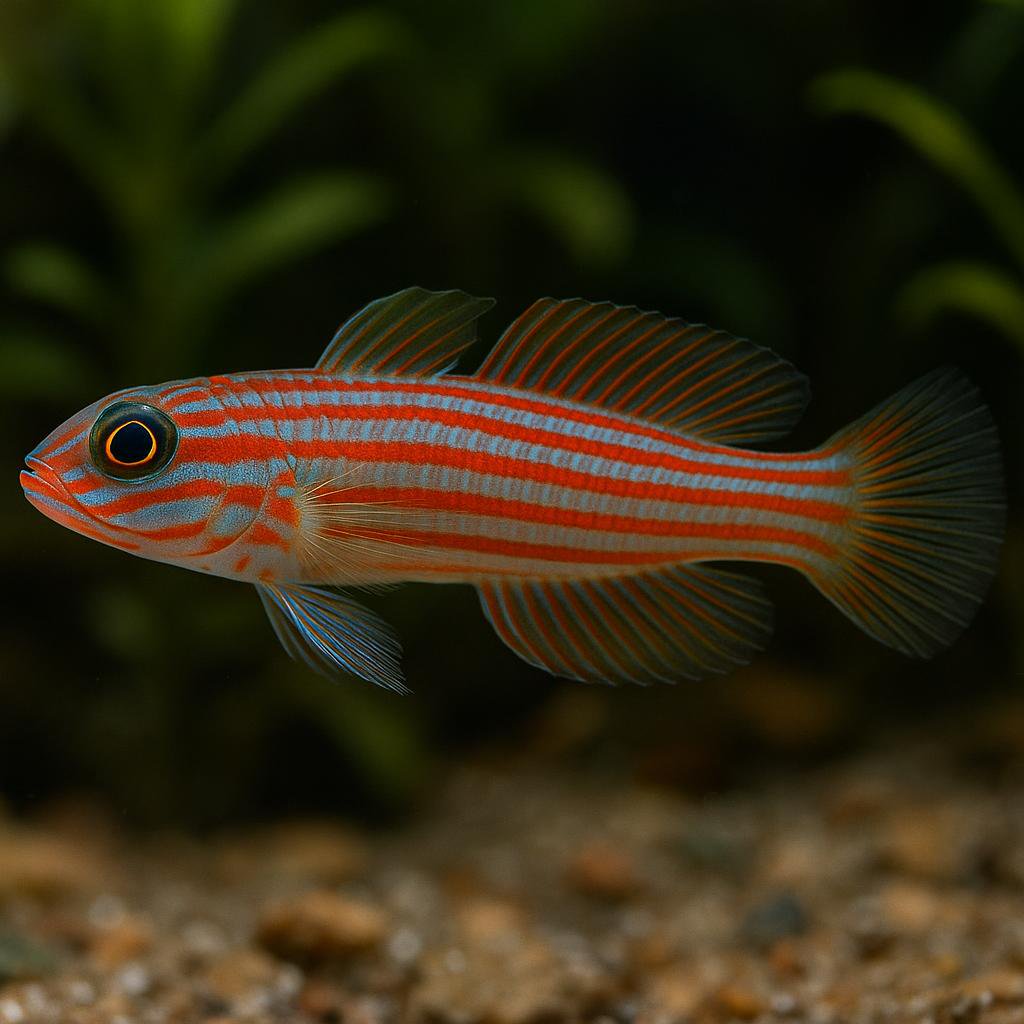
Rainford's goby
Koumansetta rainfordi
This little goby is a tiny striped hoverer that spends its day scooting between rock crevices and pecking at the sand and micro-stuff on the rocks. In the right setup its a super chill, reef-safe character fish, but the big trick is keeping it well-fed in a mature tank so it doesnt slowly waste away.
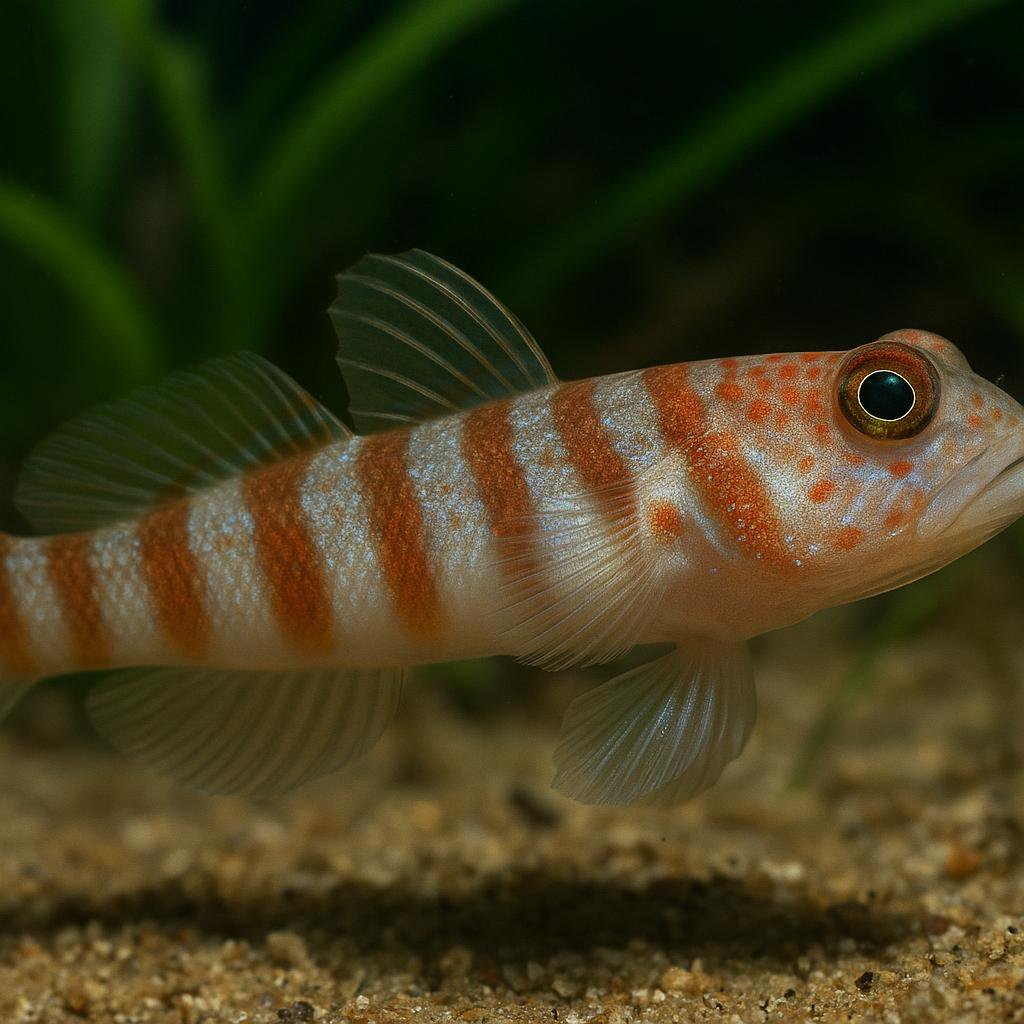
Randall’s shrimp goby
Amblyeleotris randalli
Randall's shrimp goby is that little candy-cane striped goby you'll see parked at the entrance of a burrow, doing sentry duty like it's getting paid for it. The really fun part is the partnership with a pistol shrimp-goby keeps watch, shrimp does the digging, and they basically run a tiny construction site in your sand bed. Give it a cozy sand area and a few rubble bits and it'll settle in and start acting like it owns the place (in the cutest way).
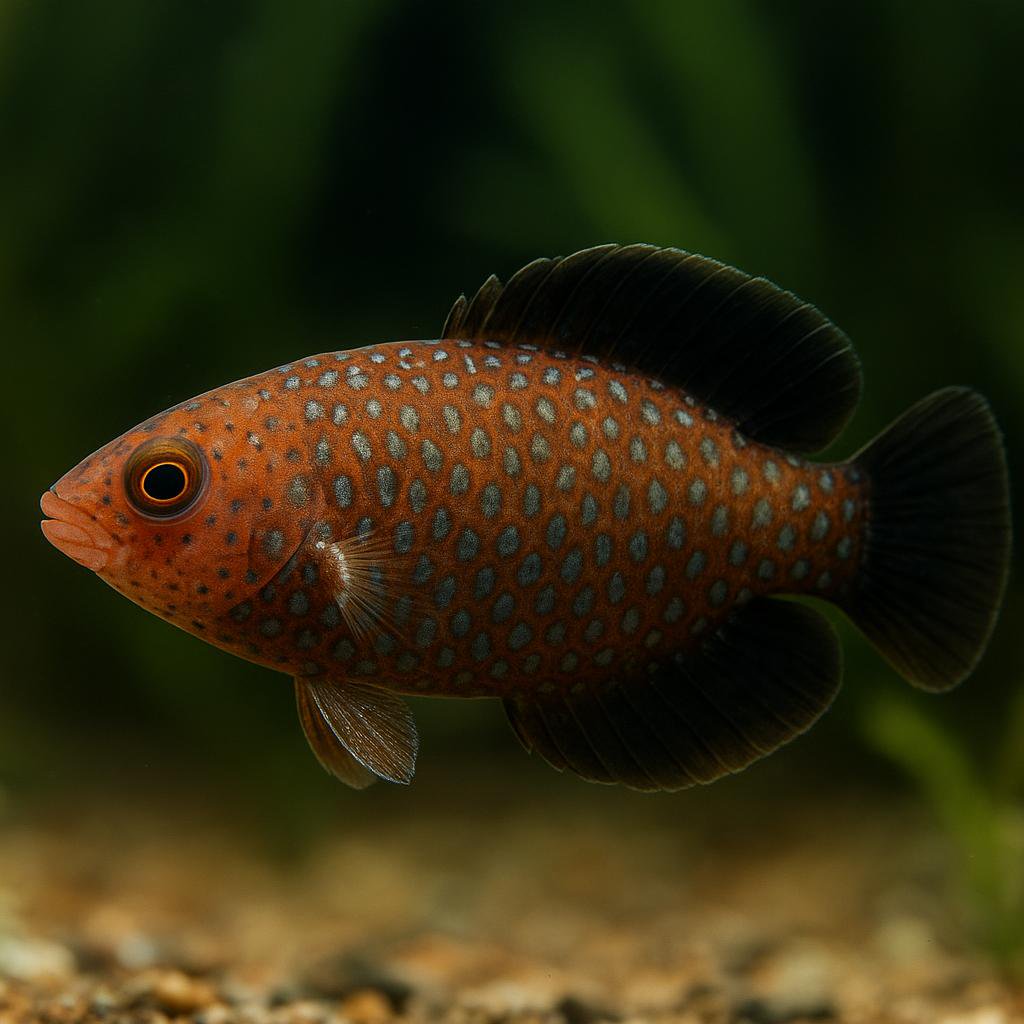
Sharpnose wrasse
Wetmorella nigropinnata
This is one of those tiny, sneaky reef wrasses that lives in the rockwork - you'll see it poking its little sharp snout into cracks hunting micro-prey. Super peaceful and shy, but once it settles in, its yellow bars and twitchy 'possum wrasse' vibes are seriously addictive to watch.
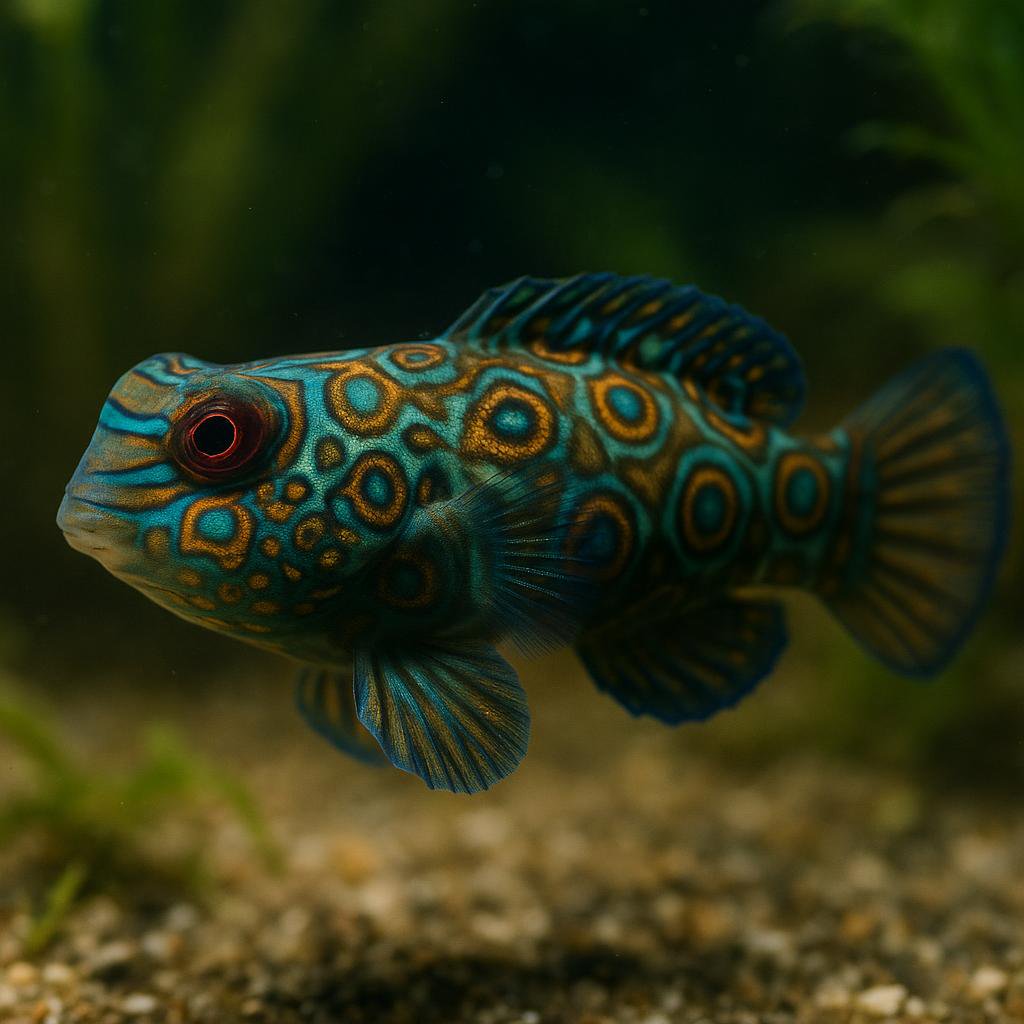
Spotted Mandarin Dragonet (Picturesque/Psychedelic Mandarin)
Synchiropus picturatus
This little dragonet is basically a living piece of reef art-chunky fins, goofy "hovering" swimming, and those crazy psychedelic spots that look painted on. The big thing with them is they're constant pickers, cruising rockwork all day hunting tiny critters, so they're happiest in a mature tank with tons of pods (or a keeper who's ready to meet them halfway on food). If you like chill fish with tons of personality that don't bother anyone, mandarin time is hard to beat.
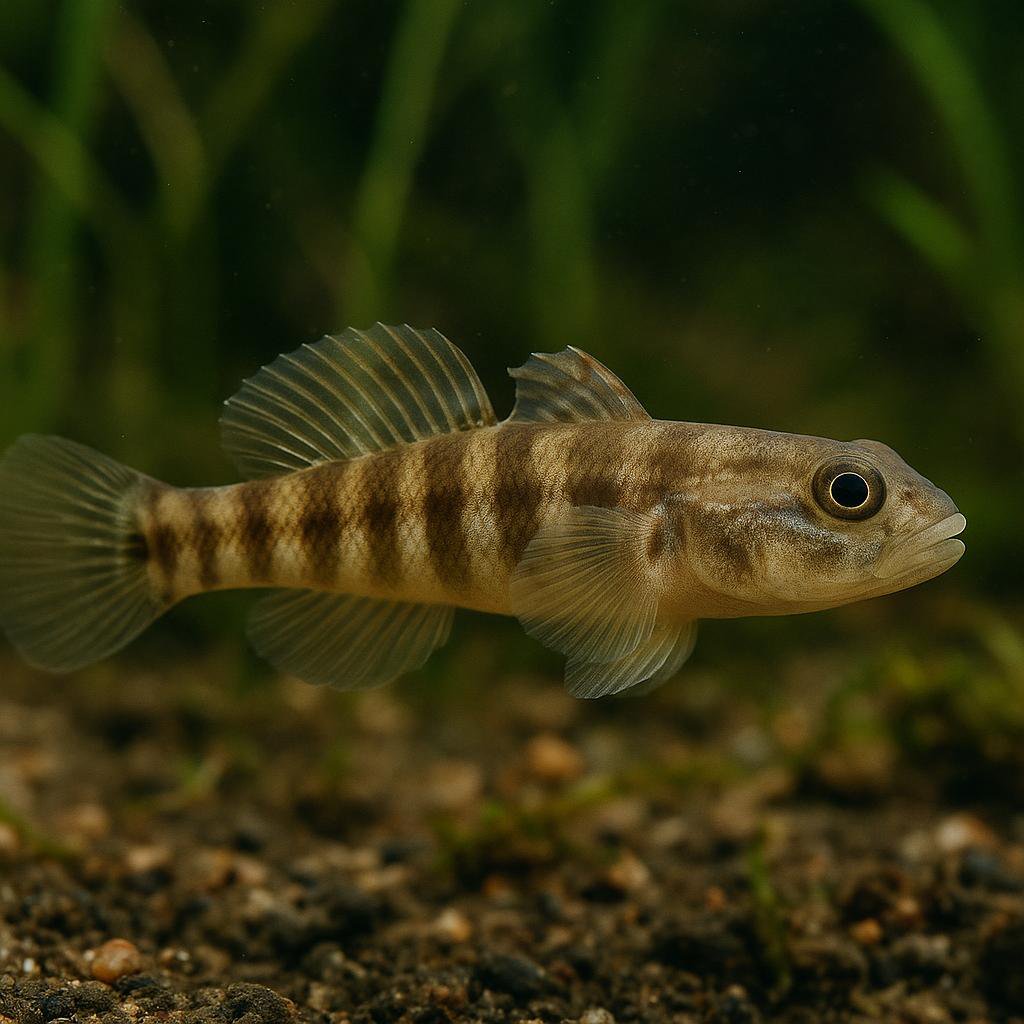
Striped goby
Gobius vittatus
A small Mediterranean goby that patrols pink coralline-algae bottoms and picks at tiny crustaceans and worms. It tops out around 2.3 inches and spends most of its time close to the substrate. Researchers have aged females to about 4 years, and there is even work suggesting it mimics a little blenny's look.