

Blue skate
Notoraja azurea
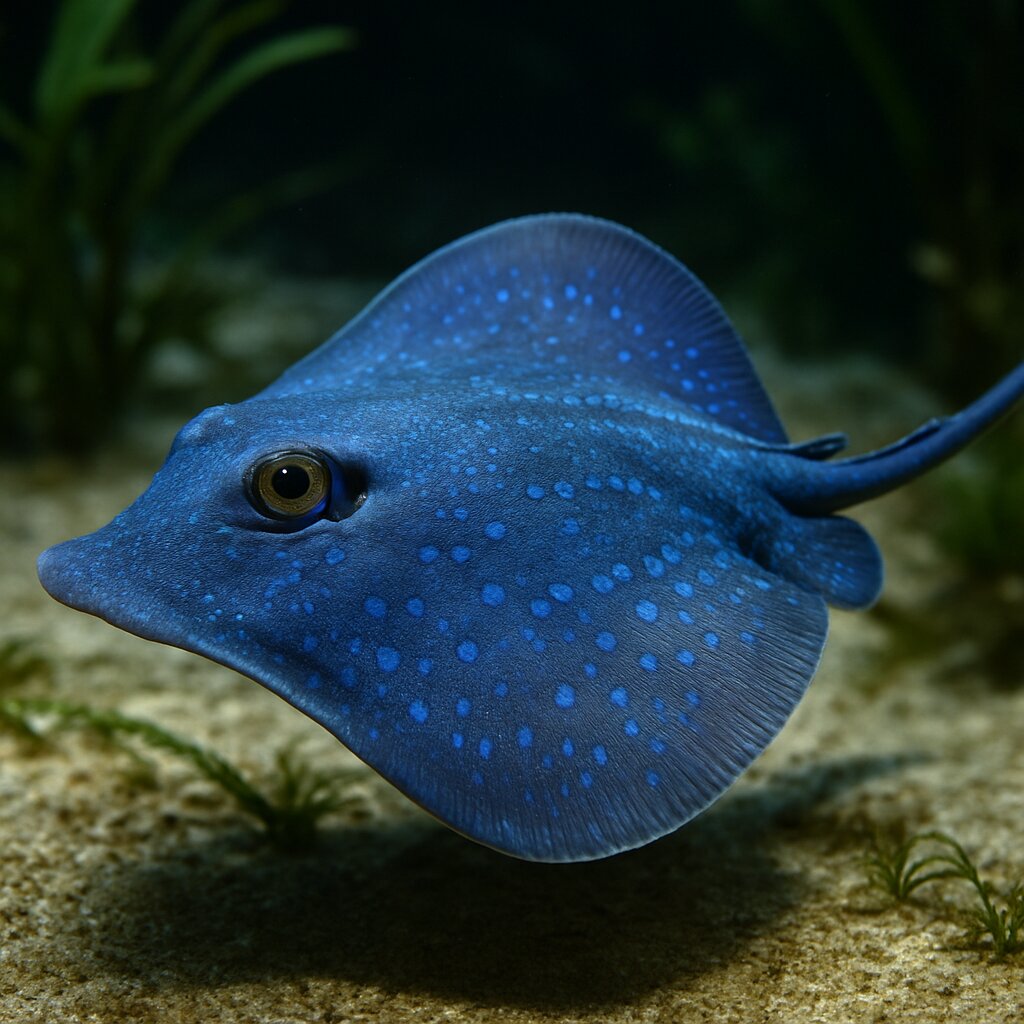
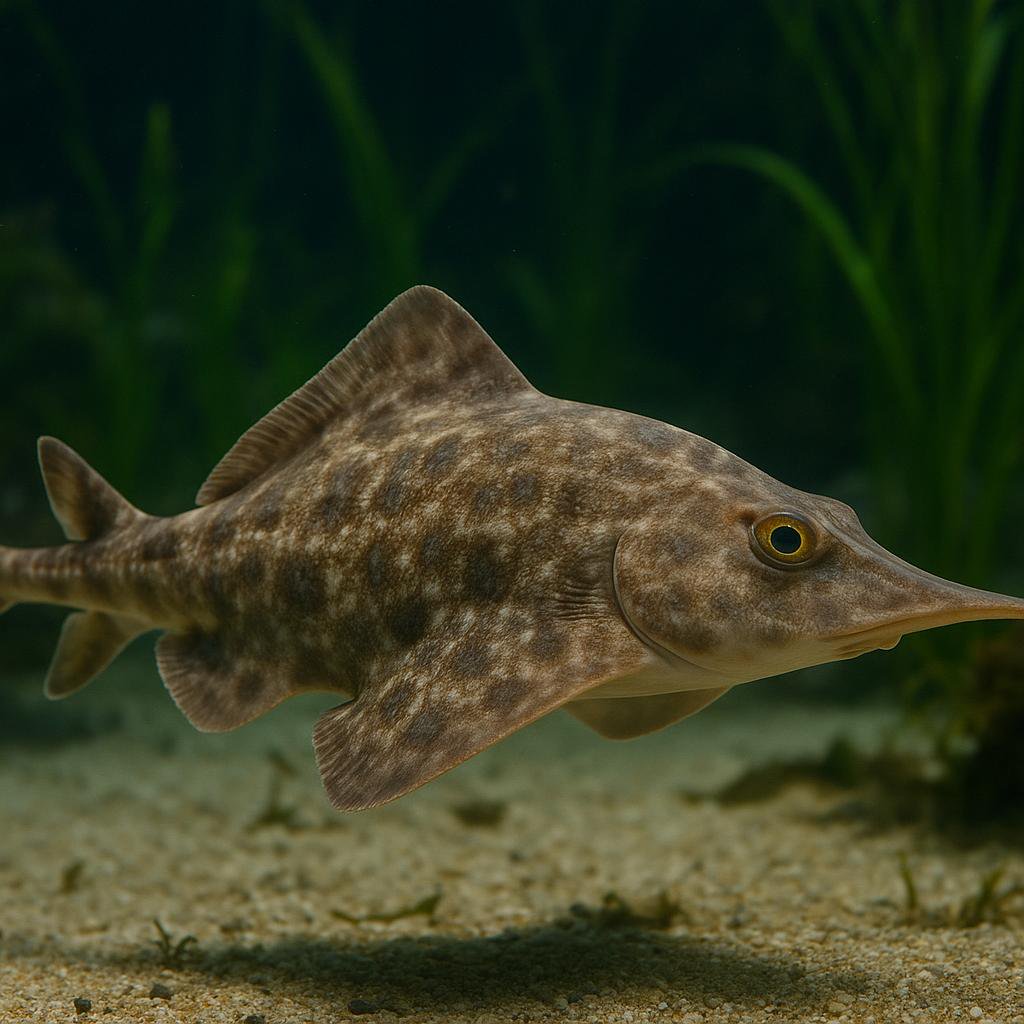
The Blue skate has a flattened body with a distinctive blue-tinted dorsal surface, featuring small, scattered white spots.
This page includes AI-generated images. Why am I seeing AI images?
About the Blue skate
Gorgeous fish, but strictly a look-dont-keep species: a metallic-blue deepwater skate from southern Australia that glides along the continental slope 765-1440 m down in about 3-6 C water. It tops out around 65 cm and occasionally turns up in deep-sea trawls, but conditions that cold and pressurized put it way outside home-aquarium territory. ([fishbase.se](https://fishbase.se/summary/SpeciesSummary.php?id=63978))
Quick Facts
Size
64.5 cm TL (about 25 inches)
Temperament
Peaceful
Difficulty
Expert
Min Tank Size
0 gallons
Lifespan
Unknown
Origin
Southern Australia
Diet
Carnivore - benthic invertebrates and small fishes
Water Parameters
2.9-6.1°C
7.8-8.2
350-380 dGH
Care Notes
- Think public aquarium scale: minimum 3000-5000 L with a big open footprint (about 8x4 ft), rounded corners, and 2-4 in of fine sugar-sized sand; skip sharp rock and decor.
- Deep-coldwater animal here - run 4-8 C (39-46 F), salinity 35 ppt (1.025-1.026), and very high oxygen; use a redundant chiller and an oversized skimmer, with flow aimed off the bottom.
- Keep ammonia and nitrite at 0 and nitrate under 10 ppm, and never use copper or formalin; do not lower salinity for treatments because elasmobranchs crash under hyposalinity.
- Target-feed with tongs at dusk so tankmates do not steal: strips of marine fish, squid, and shrimp soaked in a marine vitamin/HUFA mix; start daily at 3-5% body weight, then go every other day once it holds weight.
- Rotate foods and avoid thiaminase-heavy staples like smelt or raw carp; if it snubs dead food, kickstart with live shore crabs or prawns, then switch back once it learns the routine.
- Best kept alone or with calm, non-nippy coldwater fish; avoid triggers, puffers, big wrasses, eels, and any stinging anemones, and cover every intake with foam or a screen to protect the disc.
- Handle in a soft rubber tub and keep it submerged; slow drip acclimate for 1-2 hours in dim light and keep noise down because stress knocks them out fast.
- They lay egg cases; if you have a pair, give flat tiles and a slight spring warm-up to 8-10 C, then expect 4-6 months per egg case, with pups starting on live mysids and very fine shaved seafood.
Compatibility
Good Tankmates
- Calm midwater temperate schoolers that ignore the bottom and never nip (kept in a chilled setup so they do not roam the sand)
- Other peaceful temperate skates/rays of similar size in a very large chilled tank with a deep sand bed and lots of open floor
- Big mellow grazers like temperate mullet that mind their own business and do not compete for meaty food on the sand
- Easygoing temperate flatfish of similar size that keep to themselves and will not hassle a buried skate
- Non-territorial temperate perch/sea-bass types trained to eat midwater so they do not mob the skate at feeding time
- Slow, low-drama display fish used in coldwater exhibits that do not peck fins or poke at sand burrows
Avoid
- Anything nippy or pushy like triggers, puffers, big wrasses, or damsel bullies that will chew wing edges
- Ambush predators and eels (groupers, large cod, conger) that will bite fins or try to swallow smaller skates
- Fast, boisterous sharks and racers (dogfish, jacks, bonito) that outcompete at feeding and keep the skate stressed
- Anything small enough to be a snack, like tiny gobies or blennies, that will get vacuumed up during night cruises
Where they come from
Blue skates are deepwater, coldwater skates from the continental slope in the South Pacific. Think dim, near-freezing water over soft mud and sand, usually hundreds of meters down. They cruise low, settle in, and let the world drift by.
Hard truth: this is not a home-aquarium species. Collection depth, temperature needs, and sheer space put them firmly in public-aquarium territory. I kept mine in a dedicated coldroom system with backup power and redundant chillers. Please only attempt this if you can meet that level.
Setting up their tank
Footprint matters way more than volume. You want floor space they can cruise without turning constantly.
- Footprint: at least 3 x 2 m (10 x 6 ft) for a single adult; more is better.
- Volume: 1500-3000+ liters to keep temps stable and give you filtration headroom.
- Temperature: 6-8 C works well long term; they tolerate 4-10 C. Above 12 C, feeding drops off fast.
- Salinity: 35 ppt. pH 8.0-8.2. Keep oxygen near saturation.
- Substrate: 7-10 cm of fine sand. No sharp gravel. They bury themselves daily.
- Aquascape: Open sand flats with a couple of smooth PVC arches. Skip rock piles.
- Flow: Gentle, laminar, and broad. Point intakes away from the bottom.
- Lighting: Very dim, blue-leaning. They relax with low light and dusk/dawn ramps.
Use a serious chiller (titanium, external) sized for the whole system, plus a backup. Put the sump and live rock remote so the display stays open and clean. Big skimmer, oversized mechanical filtration, and easy-to-service socks or drums. I aim for 4-6x turnover through the sump and lots of gas exchange.
Wrap every intake with a cage or foam guard. Their spiracles and tails find unprotected pumps at the worst time.
Quarantine needs to be chilled too. Bare-bottom QT stresses them. Give them a shallow sand tray so they can bury, and keep handling to near zero. Move them in a tub, not a net.
What to feed them
They are benthic hunters. Getting a new skate to eat is all about scent, movement, and timing.
- Starter foods: live shore crabs with crushed claws, live ghost shrimp, or fresh clam strips. Wiggle a piece just ahead of the snout.
- Staples once they settle: squid strips, prawn, sand lance, silversides, mussel, and razor clam. Rotate items.
- Supplements: soak a couple feeds per week in a marine vitamin/iodine mix. Watch thiaminase-heavy fish (smelt/silversides) and balance with squid and crustacean meat.
- Schedule: juveniles daily in small portions; adults 3-4x per week. Pull leftovers within 10-15 minutes.
Feed at dusk with room lights low. Use a long feeding stick and set the food gently on the sand by the snout. They cue on subtle movement more than a fishy cloud of smell.
If they ignore food, try a fresh clam cracked open right on the sand, or bury a small piece so they uncover it. Keep the water very cold and quiet during feeding sessions.
How they behave and who they get along with
Most of the day they sit partly buried with just eyes and spiracles showing. At night they do lazy circuits, then park again. Not aggressive, but they will eat bite-size fish and inverts that wander over their disc.
- Good tankmates: very calm, coldwater species that ignore them and do not nip, like larger snail species and a few hardy, non-nippy coldwater fish. Honestly, a species-only setup is safest.
- Risky: crabs and lobsters (they will either get eaten or pick at the skate), urchins that bulldoze, and stinging anemones that can burn the skin.
- Avoid: warmwater fish, fast or pushy feeders, anything that pecks fins (wrasses, butterflyfish), and any ray or shark in cramped quarters.
They spook at sudden movement above the tank. A visual barrier around the lower half of the glass helps a lot.
Breeding tips
They are egg layers. In big, chilled systems with a seasonal temperature and light drop, females may lay tough egg cases along the edges or on smooth panels. Incubation is long at these temps.
- Provide vertical egg panels or coarse plastic mesh along the perimeter.
- If eggs appear, move them to a dim, well-oxygenated hatching tank with the same temperature and gentle flow.
- Expect months, not weeks, before hatch. Keep algae and bacterial film off the cases with flow, not scrubbing.
- Hatchlings are tiny and touchy. Think live mysids, amphipods, and enriched brine to start, then minced clam and squid.
I have had egg cases show up but did not get viable hatchlings. Even public aquariums call this a long-shot project. If you try, keep meticulous notes on temperature swings and photoperiod.
Common problems to watch for
- Heat creep: a few degrees too warm and they go off food. Use redundant chillers and alarms. Shade the tank from room heat.
- Starvation after import: deepwater skates can ignore food for weeks. Start with live or ultra-fresh shellfish and feed at dusk. Keep people away from the glass.
- Skin abrasions: rough decor or uncovered intakes scuff the disc edge. Keep everything smooth and sandy.
- External parasites and gill flukes: common on wild skates. Copper and many formalin products are unsafe for elasmobranchs. Work with a vet and use elasmobranch-safe options only.
- Nutritional gaps: all-silverside diets lead to issues over time. Rotate foods and add vitamins/iodine a couple times a week.
- Water quality swings: they hate ammonia spikes and low oxygen. Big skimmer, good surface agitation, and steady maintenance.
- Collection trauma: deep-caught animals sometimes arrive weak and never settle. If you have a choice, take a robust feeder over a perfect-looking but shy specimen.
Do not use copper-based meds with skates. It can kill them quickly. If you have to treat, consult an elasmobranch-experienced vet and move the animal to an appropriate treatment system.
Check local regulations. Some deepwater skates are protected or restricted, and bycatch sourcing is a whole topic on its own. If you cannot verify legal, ethical collection and transport at chilled temps, walk away.
Similar Species
Other marine peaceful species you might be interested in.
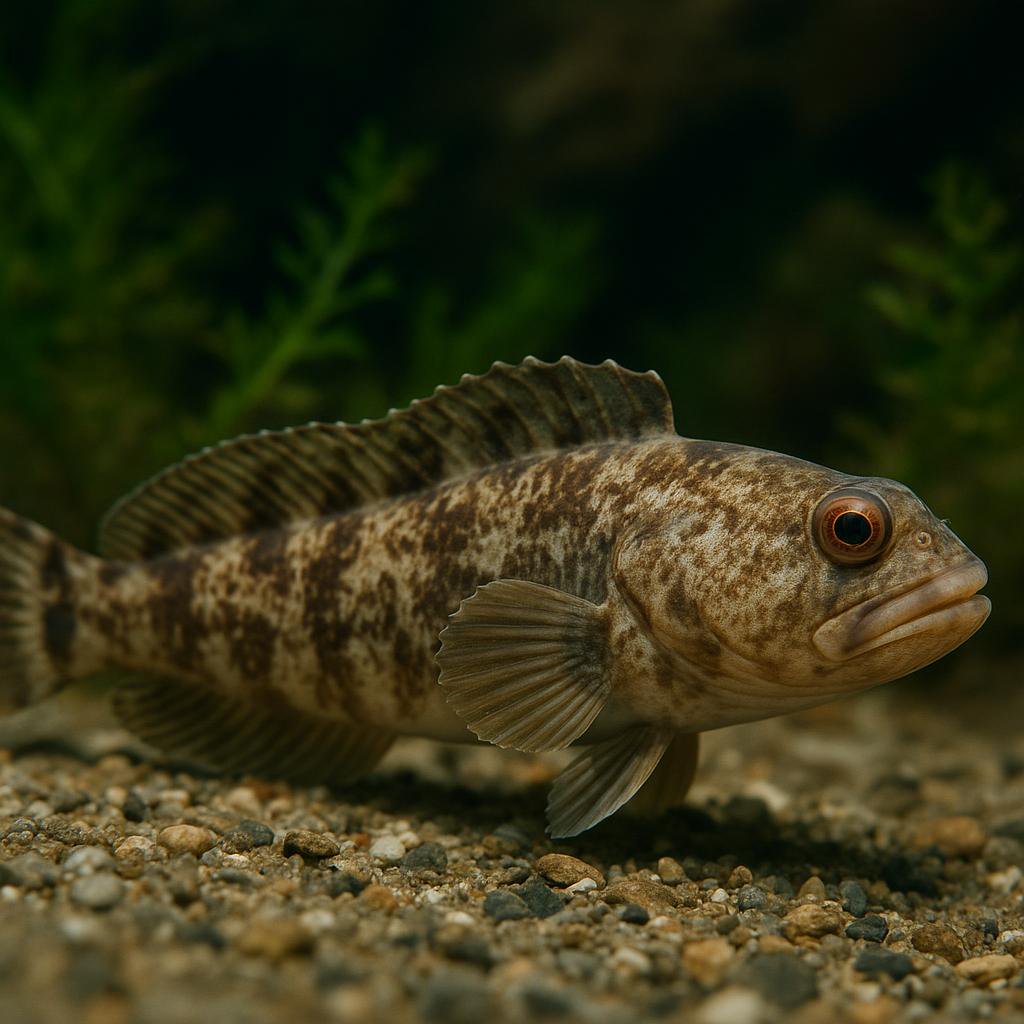
Abe's eelpout
Japonolycodes abei
Japonolycodes abei is a temperate, deepwater demersal eelpout (family Zoarcidae) endemic to Japan (Kumano-nada Sea reported; other sources also report Sagami Bay and Tosa Bay). It is the only species in the genus Japonolycodes and occurs roughly 40-300 m depth, making it an uncommon/atypical aquarium species.
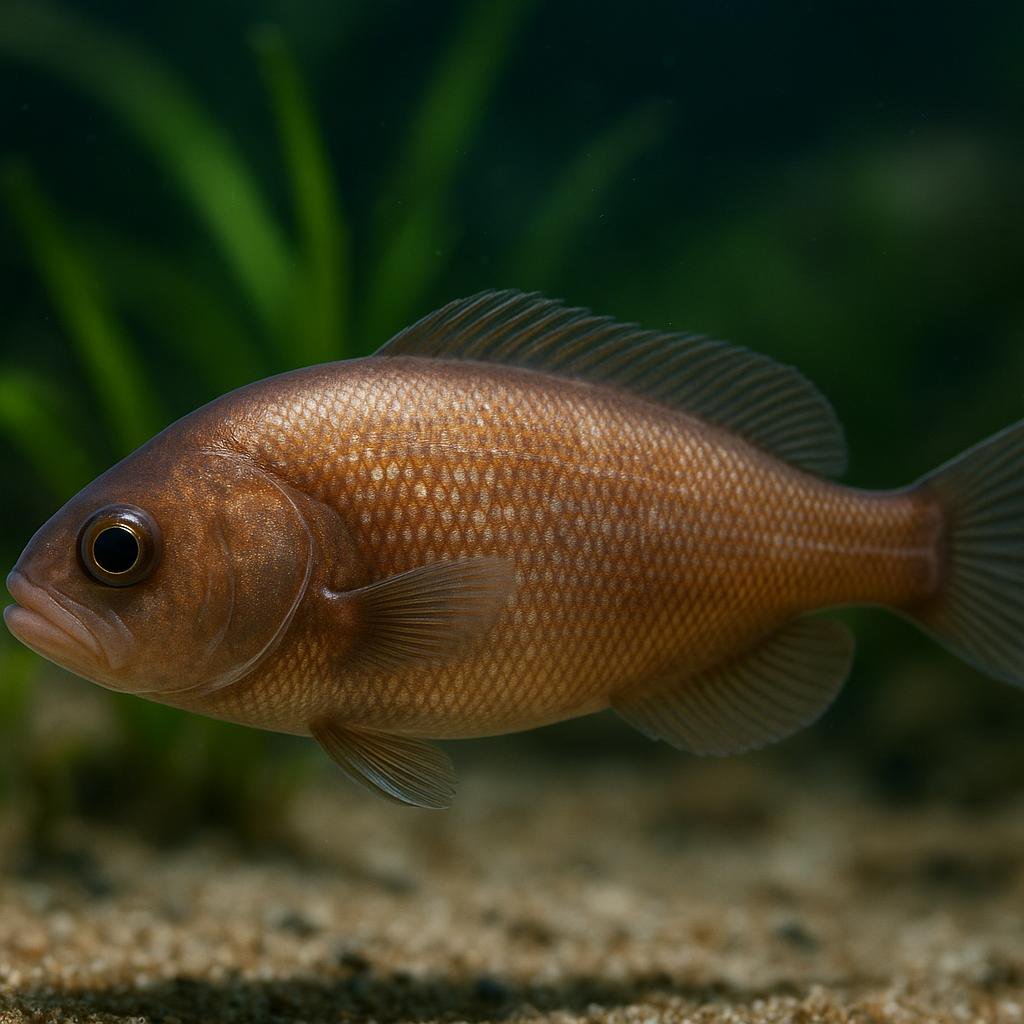
Affinis blind cusk-eel
Barathronus affinis
Barathronus affinis is a tiny, super-weird deep-sea blind cusk-eel from the western-central Indian Ocean. It is one of those gelatinous, loose-skinned brotula-type fishes that live way down in the dark and are basically never seen alive, so almost everything we know comes from preserved specimens and taxonomic work.
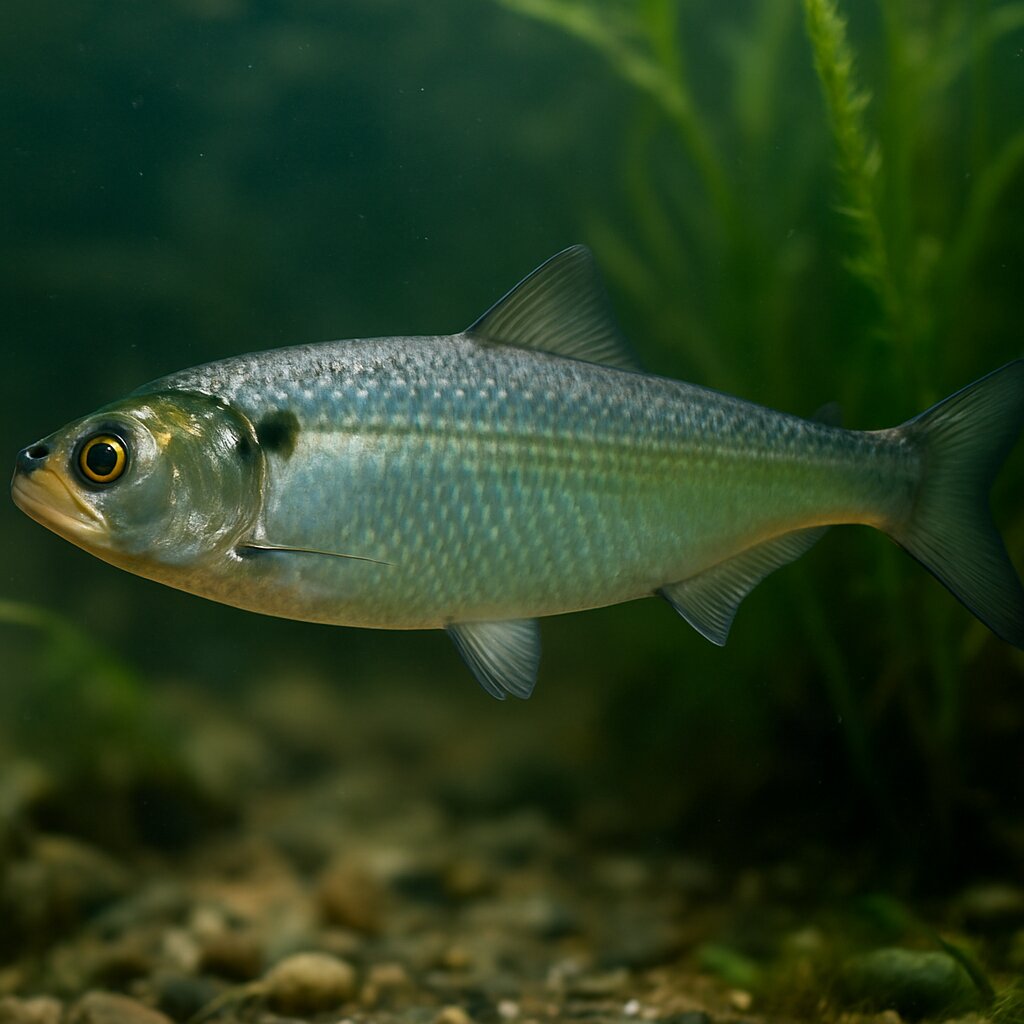
Allis shad
Alosa alosa
Gorgeous silver, fast-swimming shad that spends most of its life in the sea and then surges up big rivers in noisy, surface-spawning schools. It grows huge for a herring-type fish and needs cool, ultra-oxygenated water and tons of open space, so it is a public-aquarium species rather than a home tank fish.
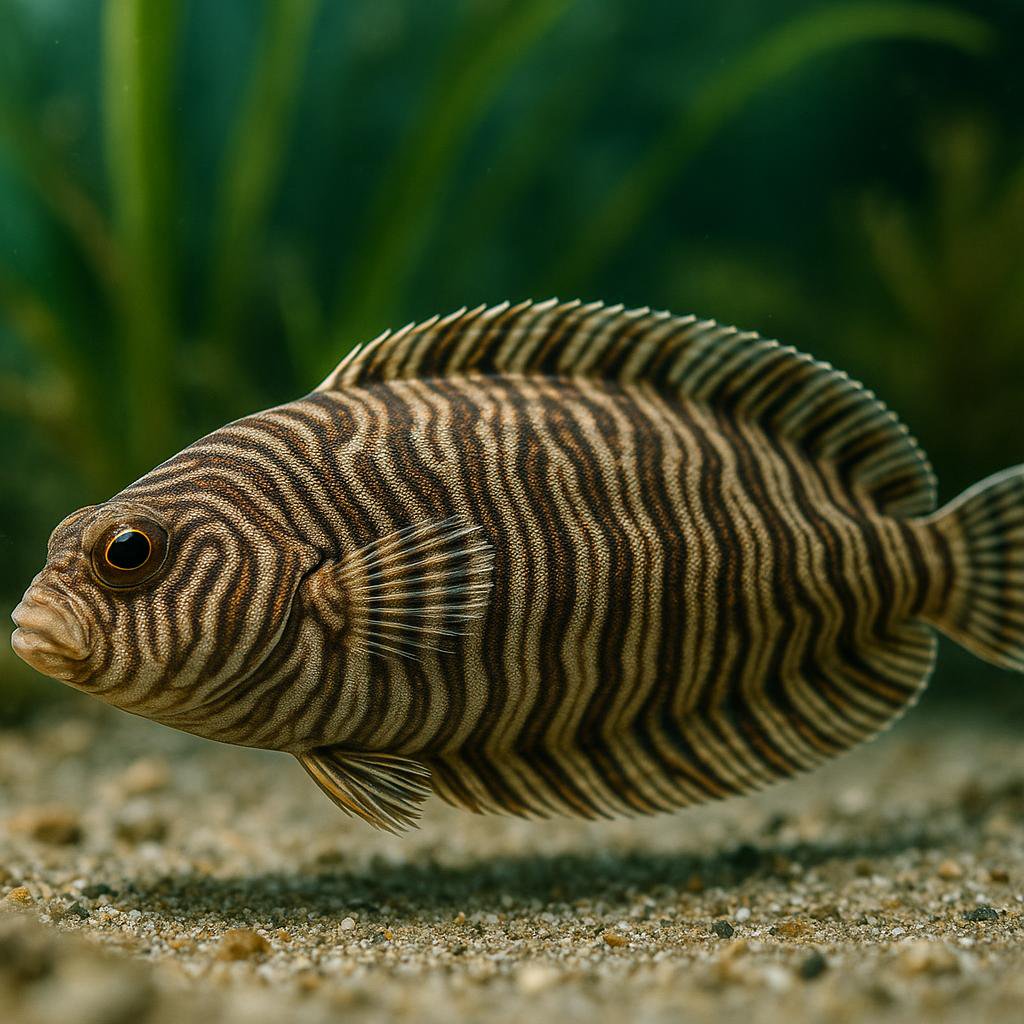
Annandale's zebra sole
Zebrias annandalei
Zebrias annandalei is a small demersal sole from coastal India that inhabits sandy or muddy bottoms and buries for camouflage. It is rarely kept in home aquaria and would require a specialized marine sand-bottom setup and appropriate feeding.
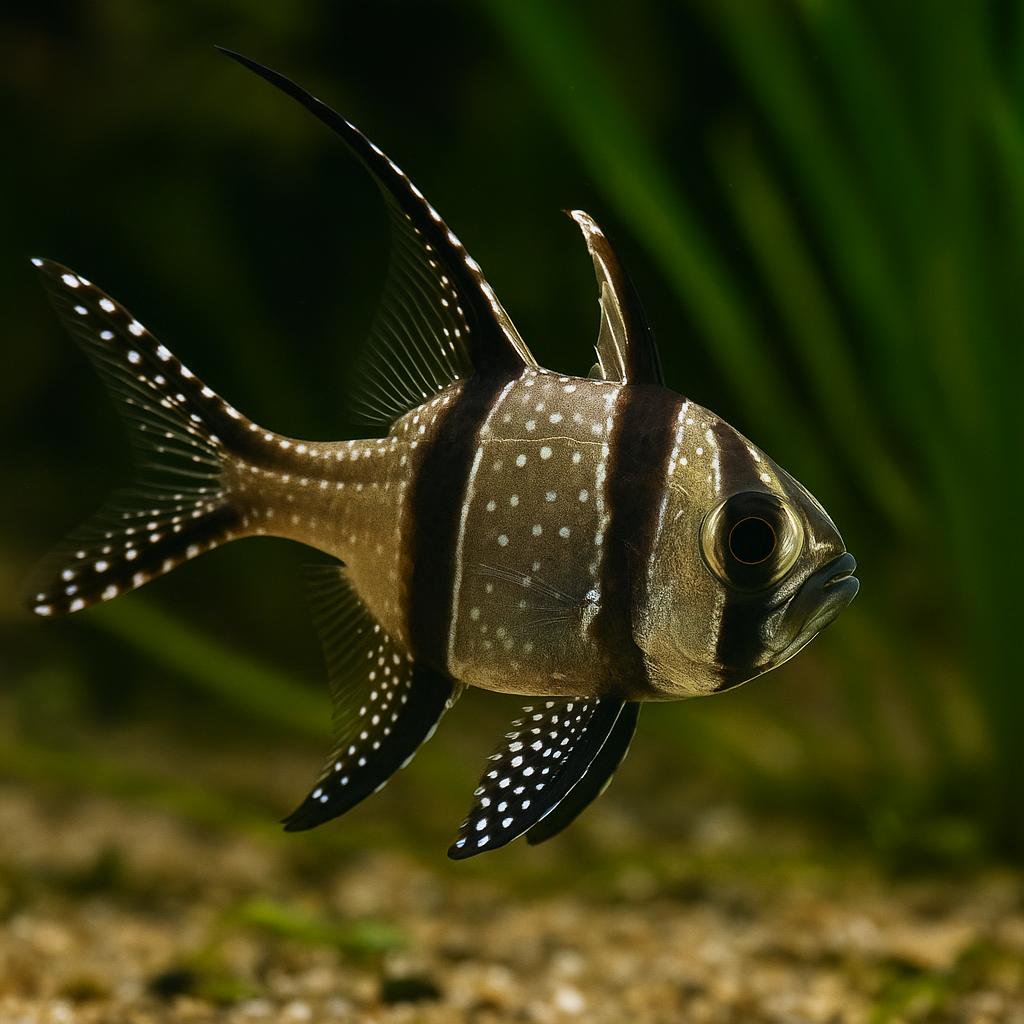
Banggai Cardinalfish
Pterapogon kauderni
Banggai cardinals just sort of hover like little underwater satellites, and the bold black bars with those long, polka-dotted fins look unreal under reef lighting. They're super chill most of the time, but once a pair forms you'll see real "fish drama," and the male will even mouthbrood the babies like a champ.
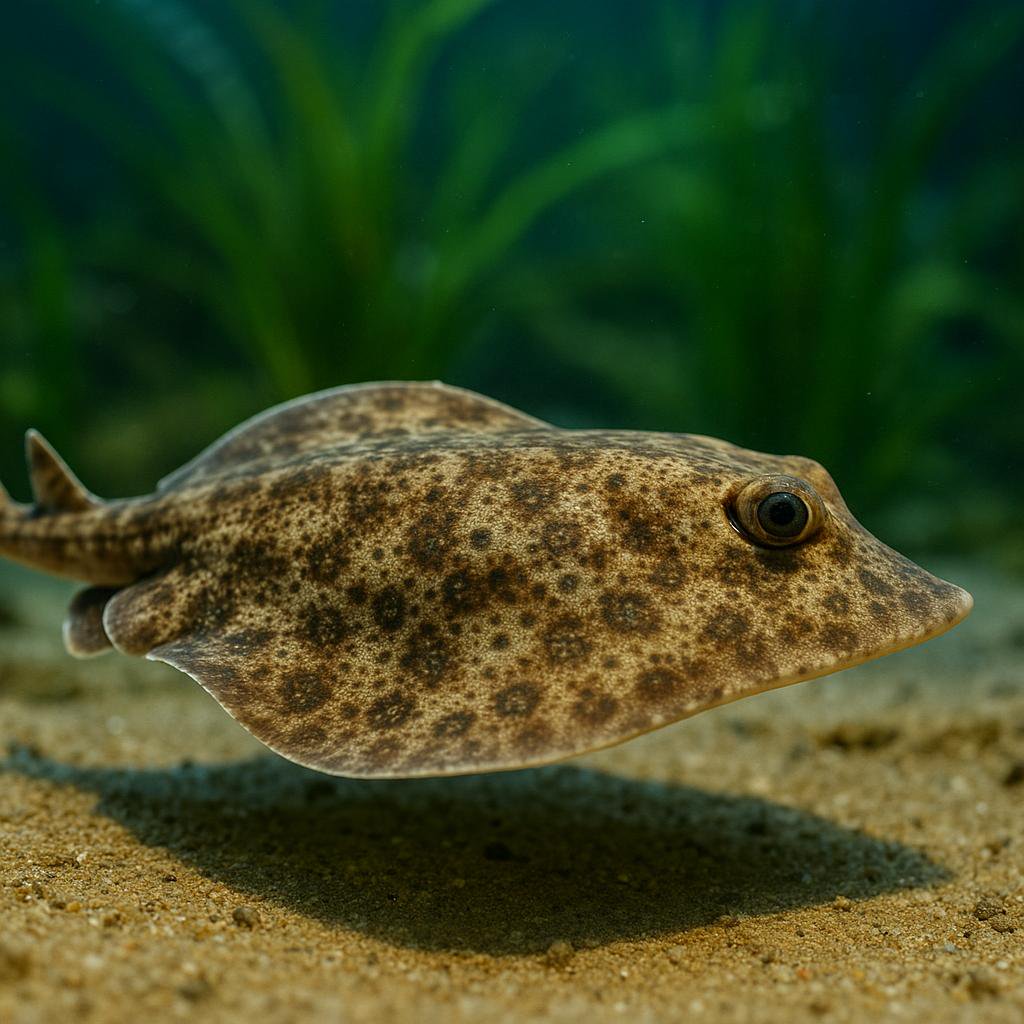
Barbedwire-tailed skate
Notoraja martinezi
Notoraja martinezi is a deepwater skate from the eastern Pacific (Costa Rica down to Ecuador) that lives way down on soft bottoms. The tail is the giveaway - it is lined with strong, hooked thorns that really do look like barbed wire. This is absolutely not an aquarium fish; it is a cold, high-pressure deep-sea animal with basically no practical home care info because it is not kept in the hobby.
More to Explore
Discover more marine species.
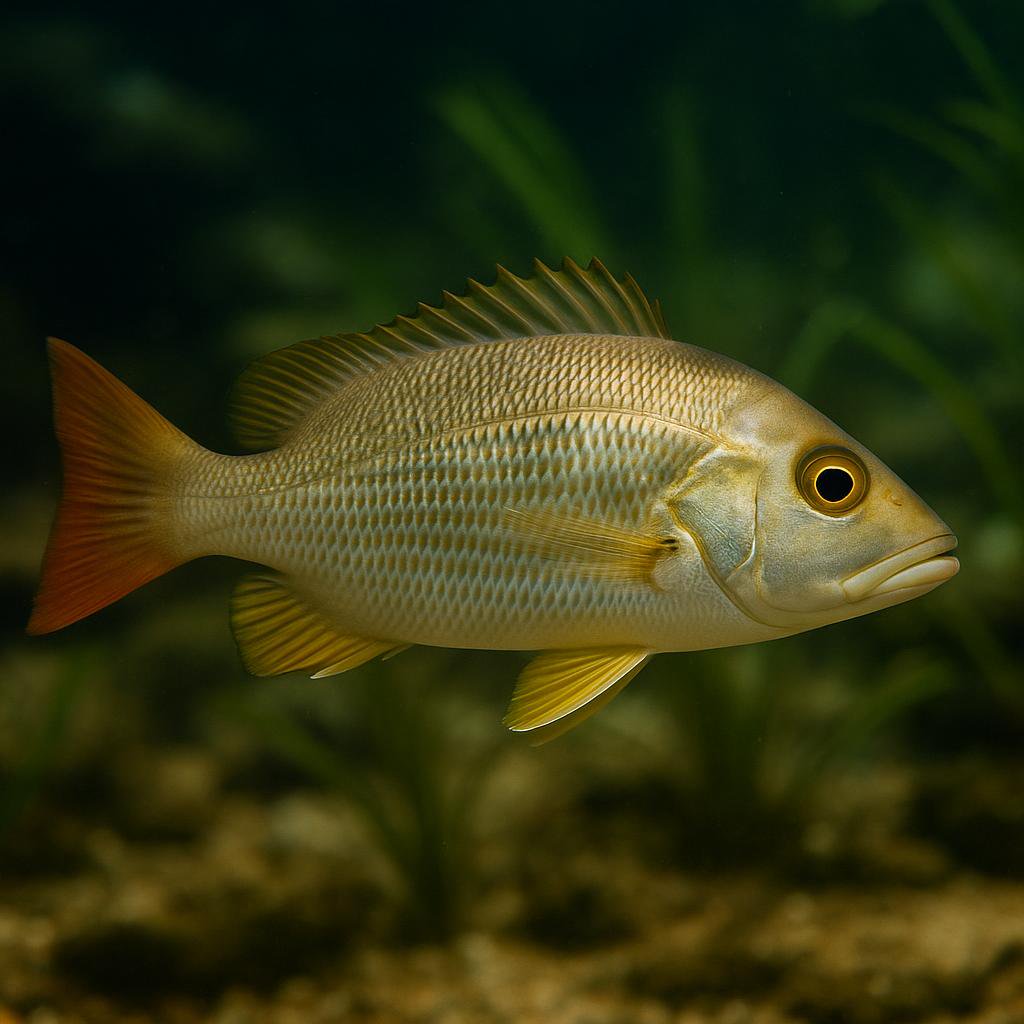
African red snapper
Lutjanus agennes
This is a true snapper from West Africa - a big, fast-growing predator that goes from coastal reefs to brackish lagoons and estuaries (especially as a juvenile). Super cool fish in the wild, but it gets absolutely huge and will eat smaller tankmates once it has the mouth for it, so its really more of a public-aquarium scale animal than a home-aquarium fish.
Aleutian skate
Bathyraja aleutica
This is a big, cold-water deep-slope skate from the North Pacific that cruises muddy bottoms and eats chunky benthic prey like crabs and shrimp. The really cool bit is its egg-laying skate life - it does distinct pairing (the classic skate "embrace") and drops those tough egg cases on the seafloor. Not an aquarium fish at all unless you're basically running a public-aquarium-style chilled system.
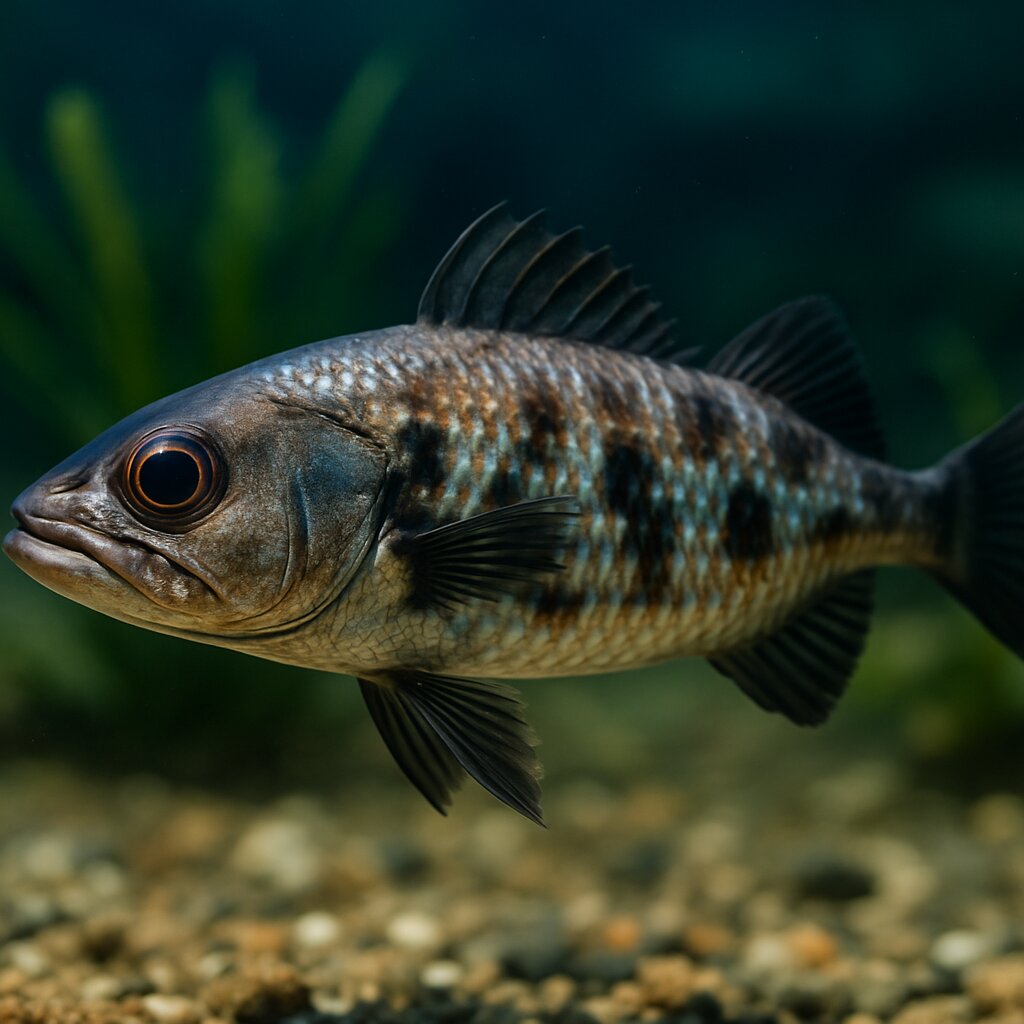
Antarctic dragonfish
Vomeridens infuscipinnis
Deep down around Antarctica, this sleek dragonfish cruises the water column like a little submarine, nearly neutrally buoyant so it can hover above the seafloor. It munches almost exclusively on Antarctic krill and lives in near-freezing water 500-800 m down, so it is a cool species to read about, not one for home tanks.
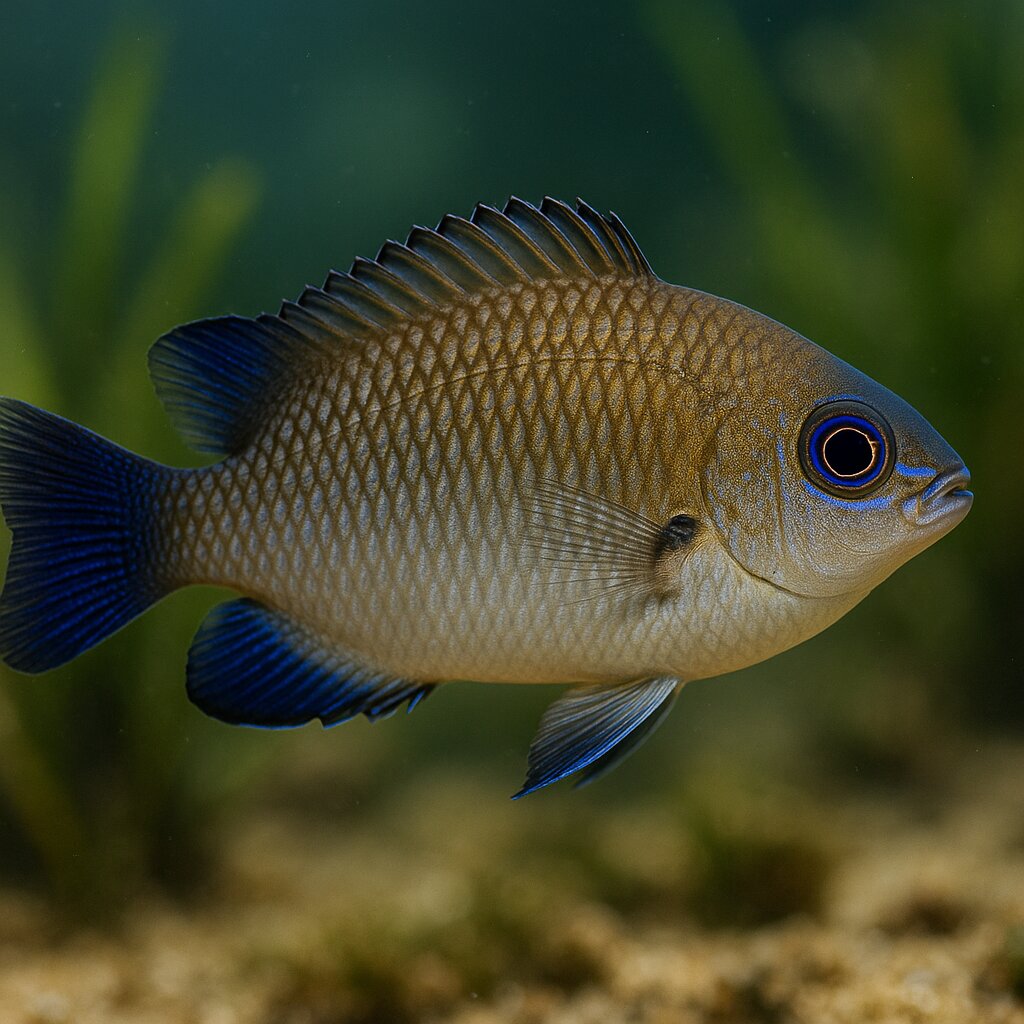
Arabian demoiselle
Neopomacentrus sindensis
A small lyretail damsel from the Persian Gulf and Arabian Sea, it hangs in loose groups around coral heads, rocks, and even pier pilings picking zooplankton from the flow. Think classic damsel toughness with a slightly milder attitude than the real bruisers, plus subtle yellow tail accents. Males clean a patch, get a mate to lay eggs there, and then stand guard fanning the clutch.
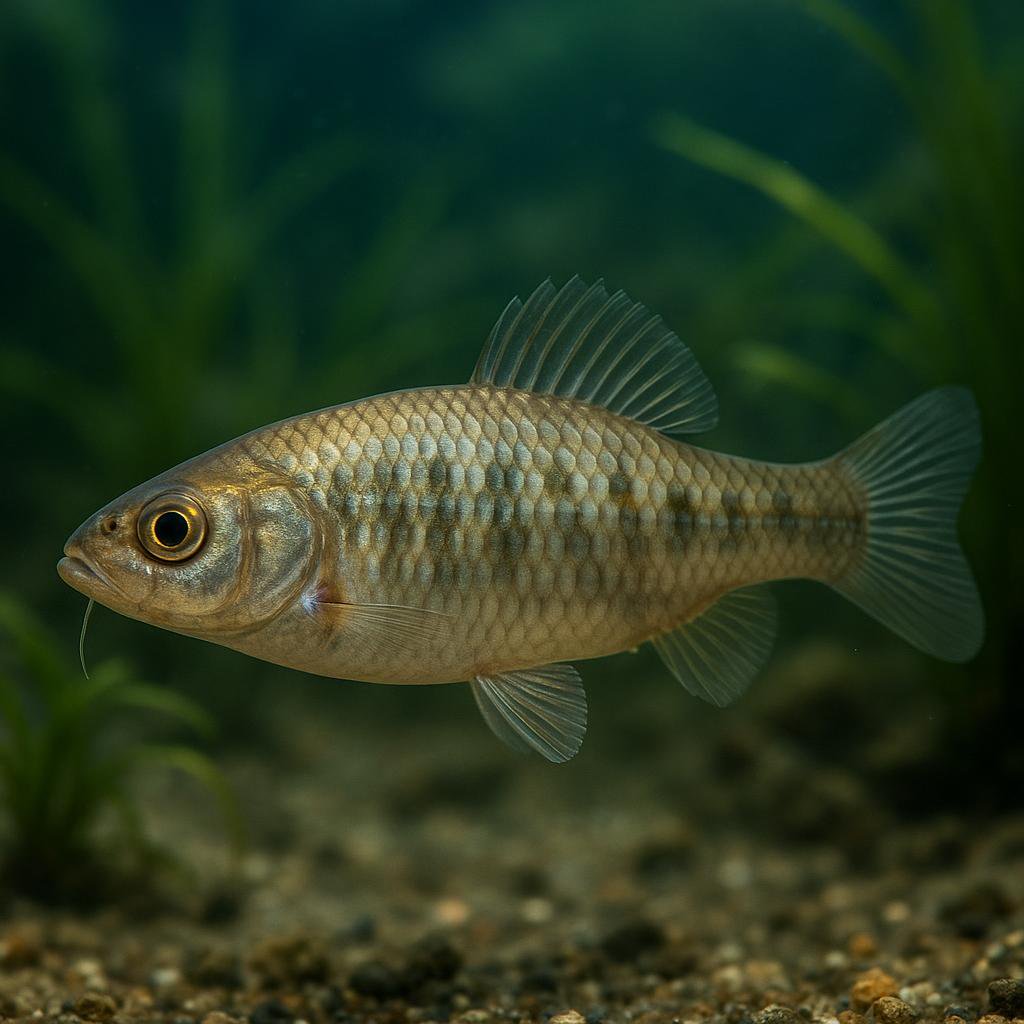
Arabian spiny eel
Notacanthus indicus
Notacanthus indicus is a deep-sea spiny eel (family Notacanthidae; not a true eel) known from the Arabian Sea on the continental slope at roughly ~960–1,046 m depth, with reported maximum length around 20 cm TL; it is a deep-water bycatch species and not established in the aquarium trade.
Arctic rockling
Gaidropsarus argentatus
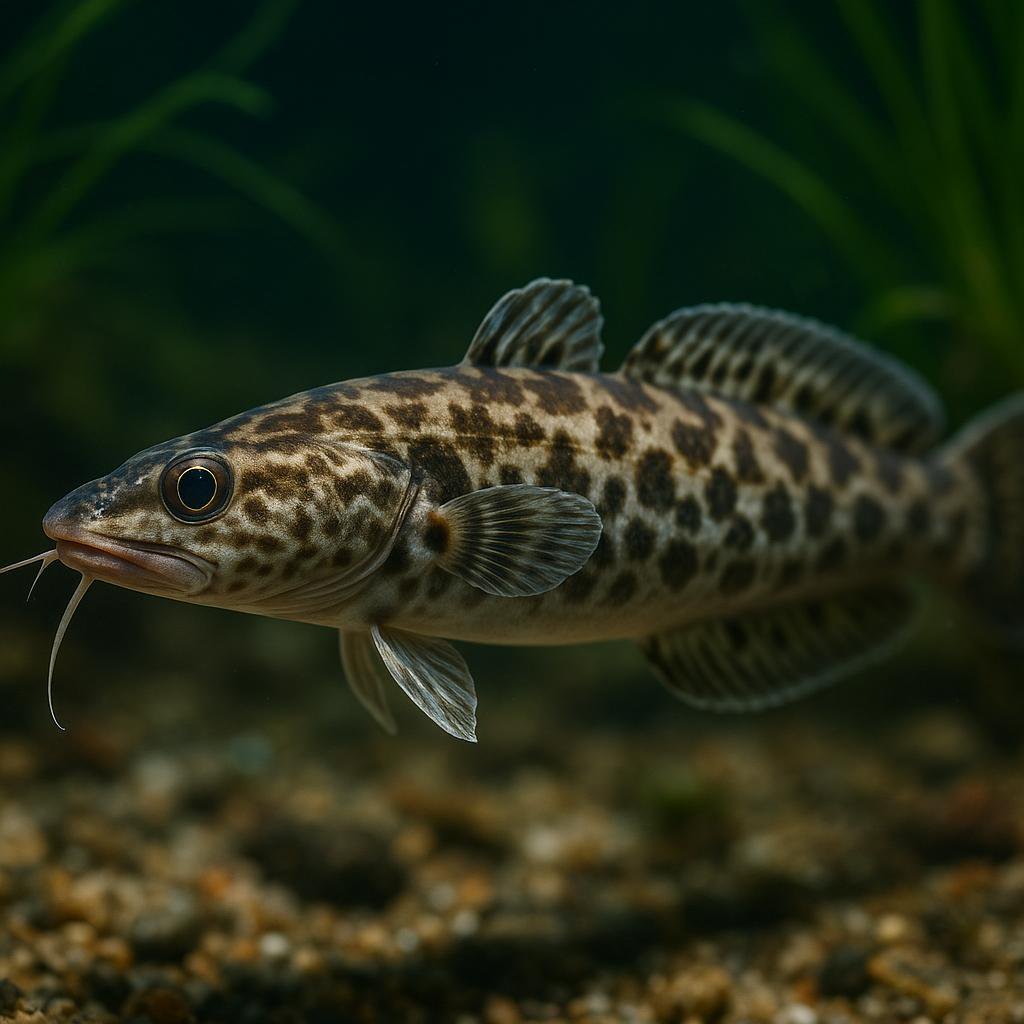
This is a deepwater North Atlantic rockling (a cod relative) that hangs out on soft bottoms way down the slope. It is a cold-water, bottom-hugging predator that snoots around for crustaceans and will also take small fish when it gets the chance.
Looking for other species?