

Search Species
Search for fish species by common or scientific name, or use filters to browse by water type, size, temperament, and difficulty.
Found 654 species
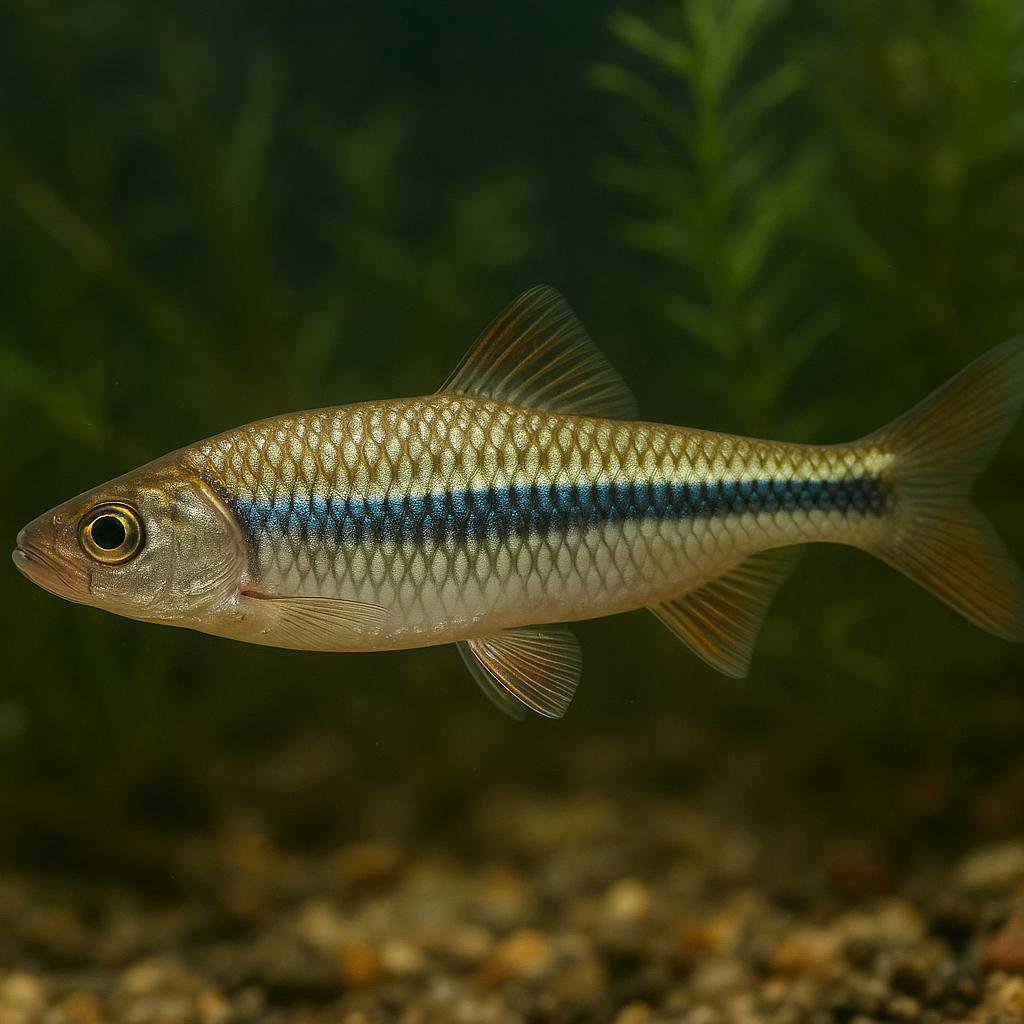
Gunther's baril
Opsarius radiolatus
Opsarius radiolatus is a fast, stream-type danio relative that really wants room to cruise - think clear, gravelly water and a lot of current. If you keep a small group in a long tank with good flow, they settle in and you get that constant, zippy midwater action that makes river tanks feel alive.
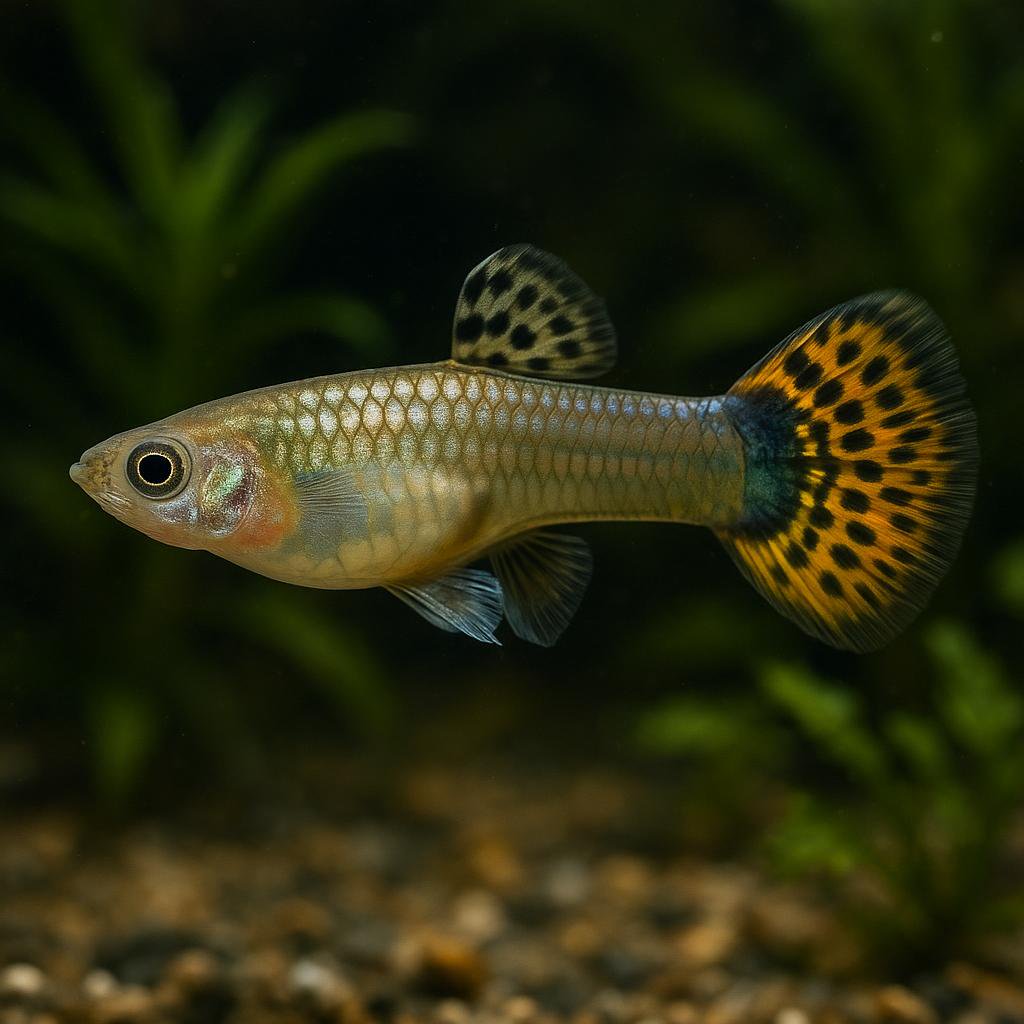
Guppy
Poecilia reticulata
The Guppy is one of the most popular freshwater fish among aquarium enthusiasts due to its colorful appearance and lively nature. These fish have a wide range of vibrant colors and tail shapes, making them a visual delight in any aquarium. Guppies are known for their peaceful temperament and ease of care, making them ideal for both beginner and experienced fishkeepers.
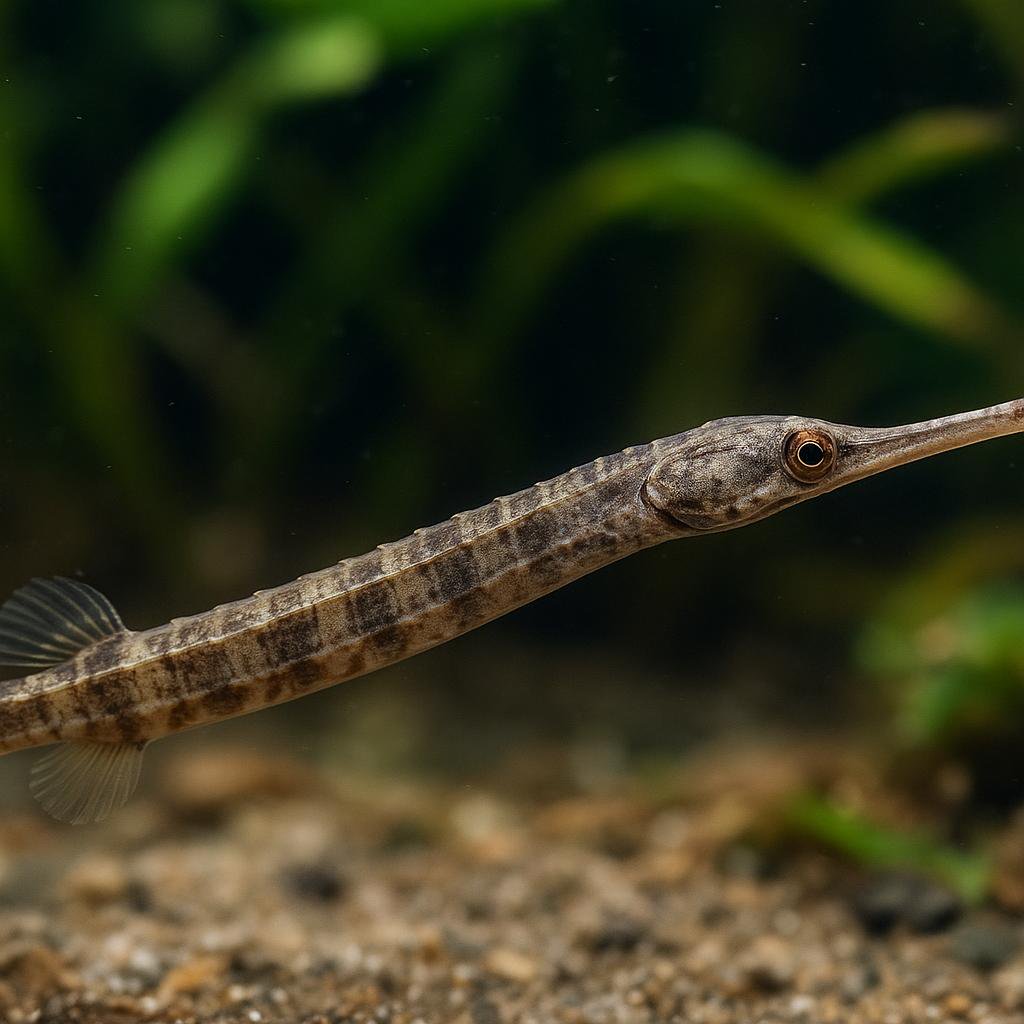
Hairy pipefish
Urocampus carinirostris
This is a tiny, stick-thin pipefish that lives in seagrass and algae beds and uses its prehensile tail to hang on like a little underwater chameleon. The coolest part is the "hairy" fringing (little filaments) all over the body that breaks up its outline, and like other syngnathids the male carries the eggs in a brood pouch under the tail.
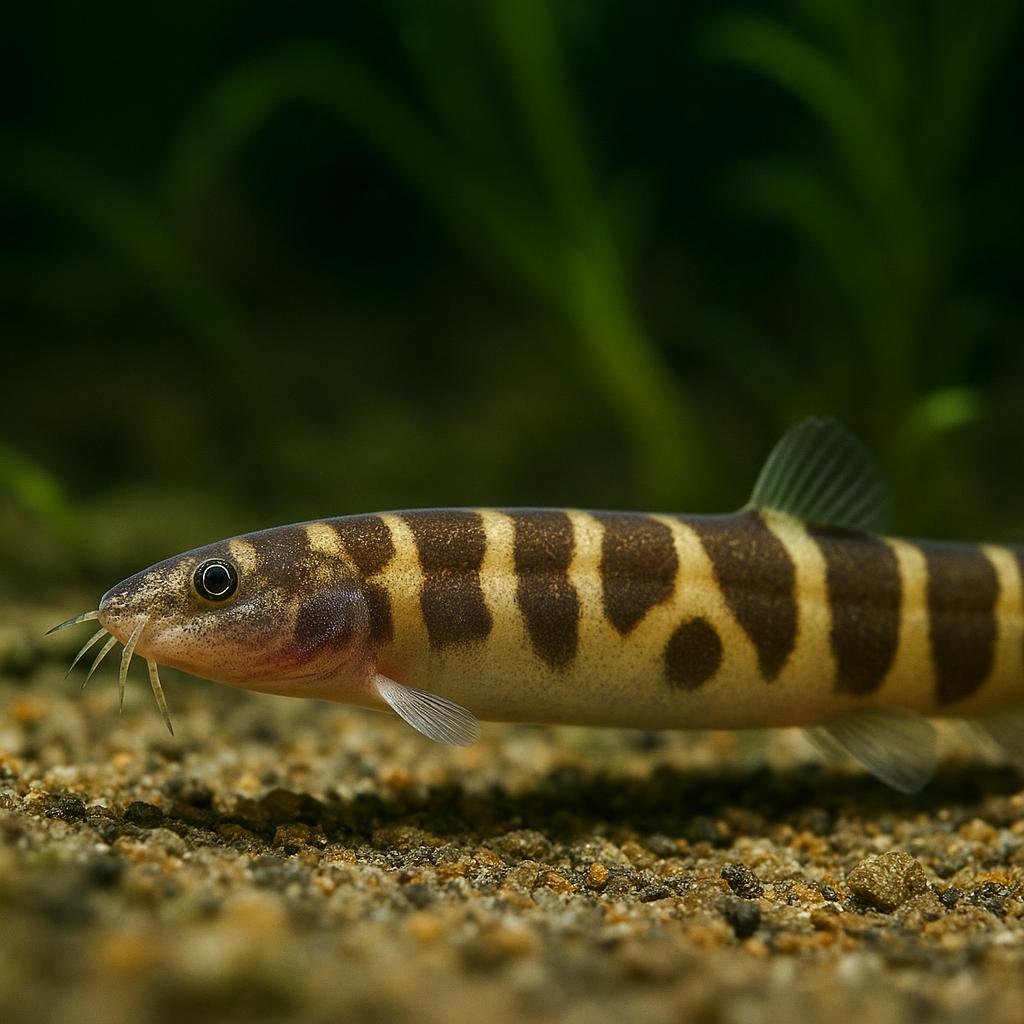
Half-banded kuhli loach
Pangio semicincta
Pangio semicincta is one of those classic "striped kuhli" loaches that spends the day wedged in plants and caves, then comes out at lights-down to wiggle around like a tiny eel. They're super social once you keep a proper group, and they're famous for piling into the same hidey-hole together. Also: they're one of the species that gets mixed up/mislabeled in the trade a lot, so buying from a shop that IDs them carefully is a win.
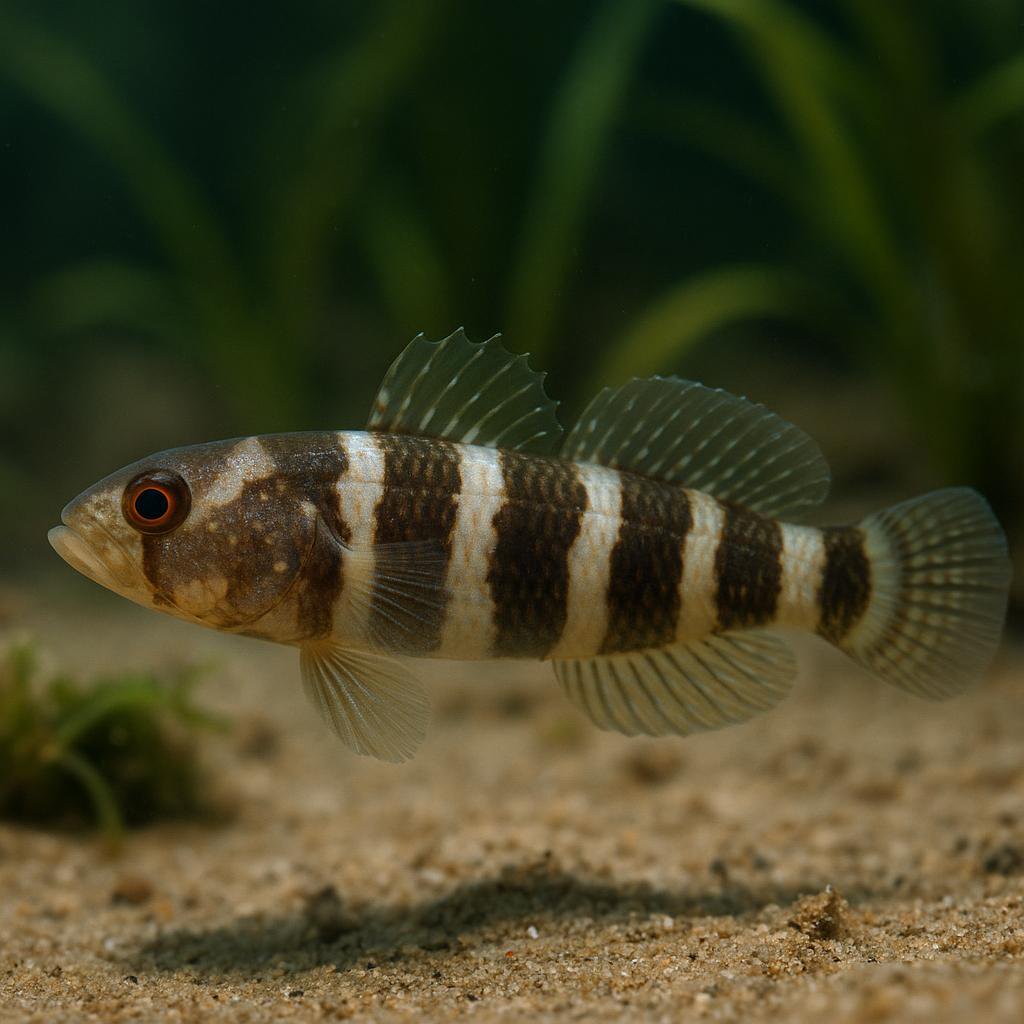
Halfbelt wriggler
Xenisthmus semicinctus
Xenisthmus semicinctus is a tiny little reef-dweller (barely 2 cm) from the Rowley Shoals off Western Australia. It is one of those blink-and-you-miss-it benthic fishes that lives right down on shallow coral reef habitat, kind of wriggling and hugging cover instead of swimming out in the open. Super cool fish biologically, but its so small and specialized that it is basically never seen in the normal aquarium trade.
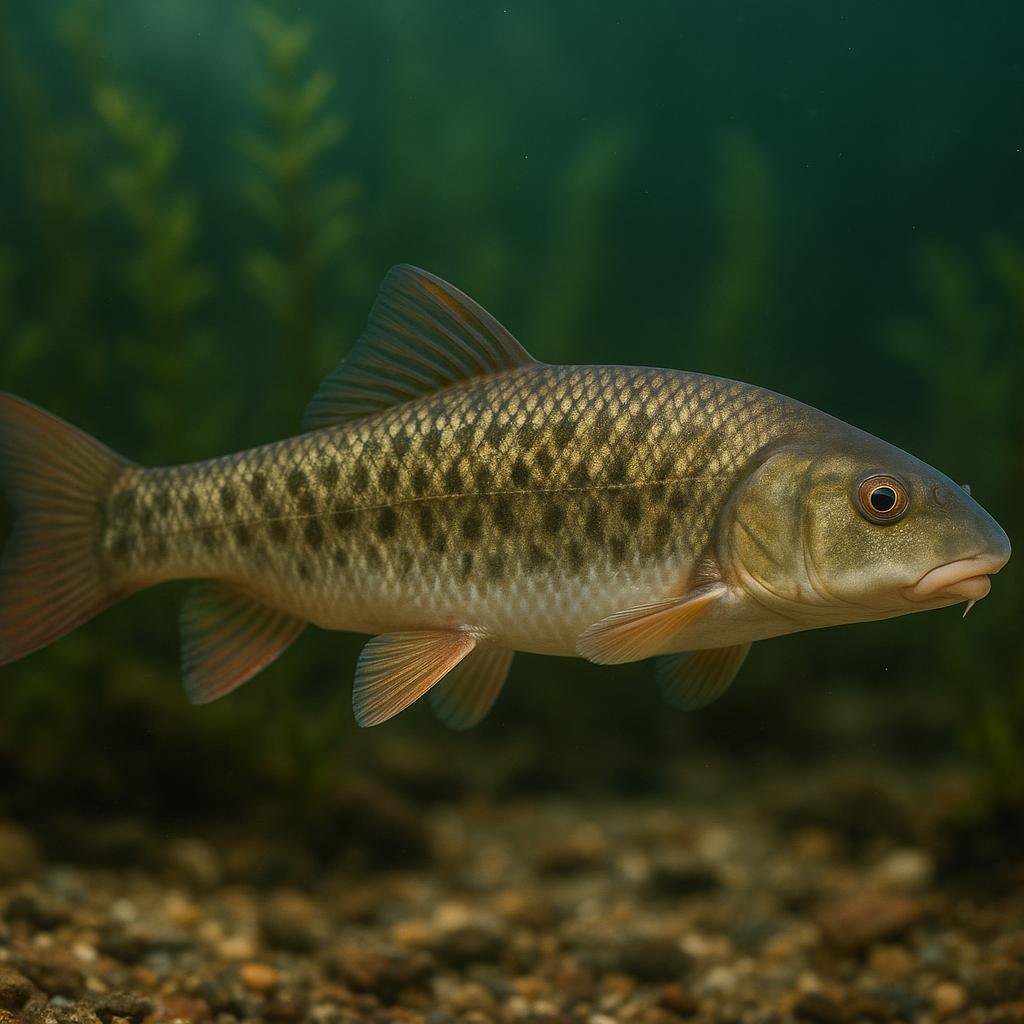
Harelip sucker
Moxostoma lacerum
Moxostoma lacerum (the harelip sucker, also called the hairlip redhorse) was a temperate North American sucker with a really odd split lower lip and a specialized bottom-feeding setup. Sadly its whole story is basically a cautionary tale - it was sensitive to silt and habitat changes, and it is now listed as Extinct (IUCN assessed August 4, 2012).
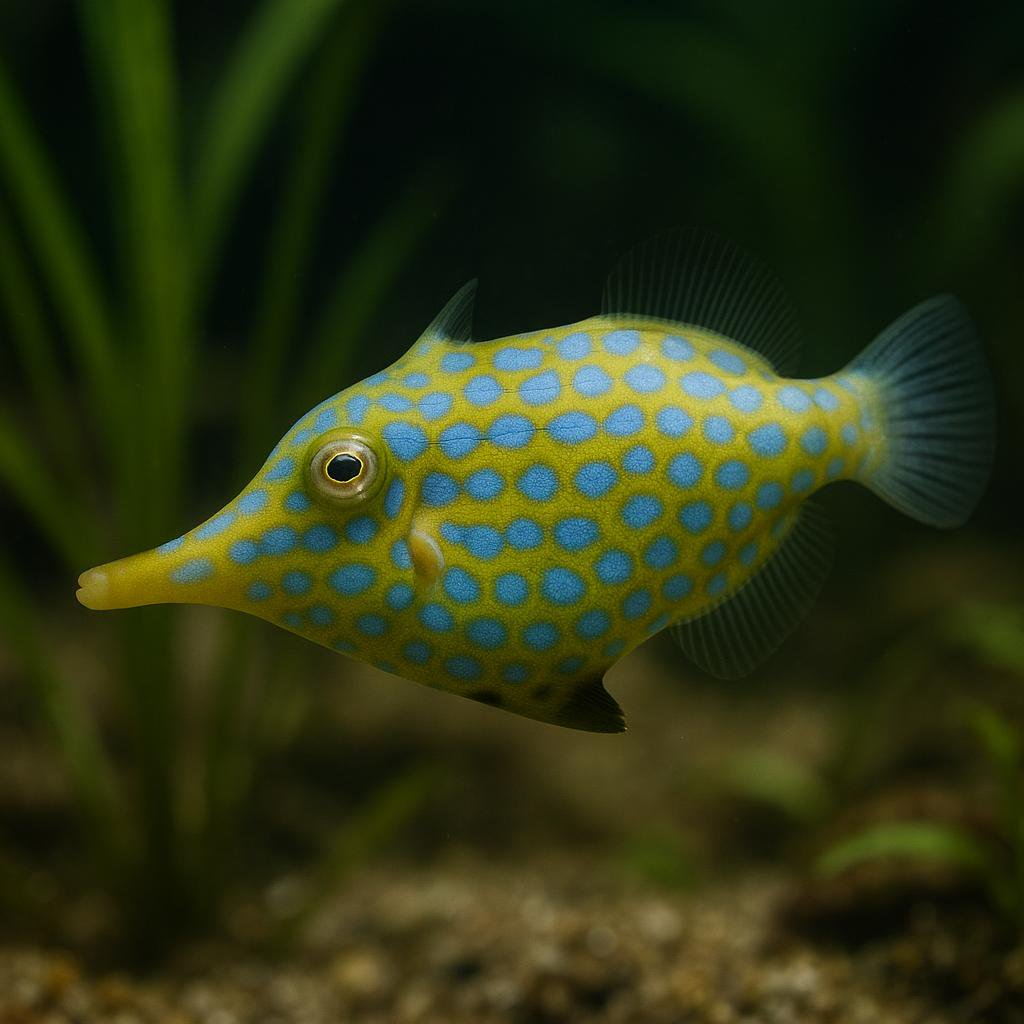
Harlequin filefish
Oxymonacanthus longirostris
This is that super-cool orange-spotted, long-snouted filefish that hangs tight in branching Acropora like it's part of the coral. In the wild it's basically an Acropora-polyp specialist and usually lives in pairs, which is exactly why it's so tricky in home aquariums unless you're ready for the feeding challenge.
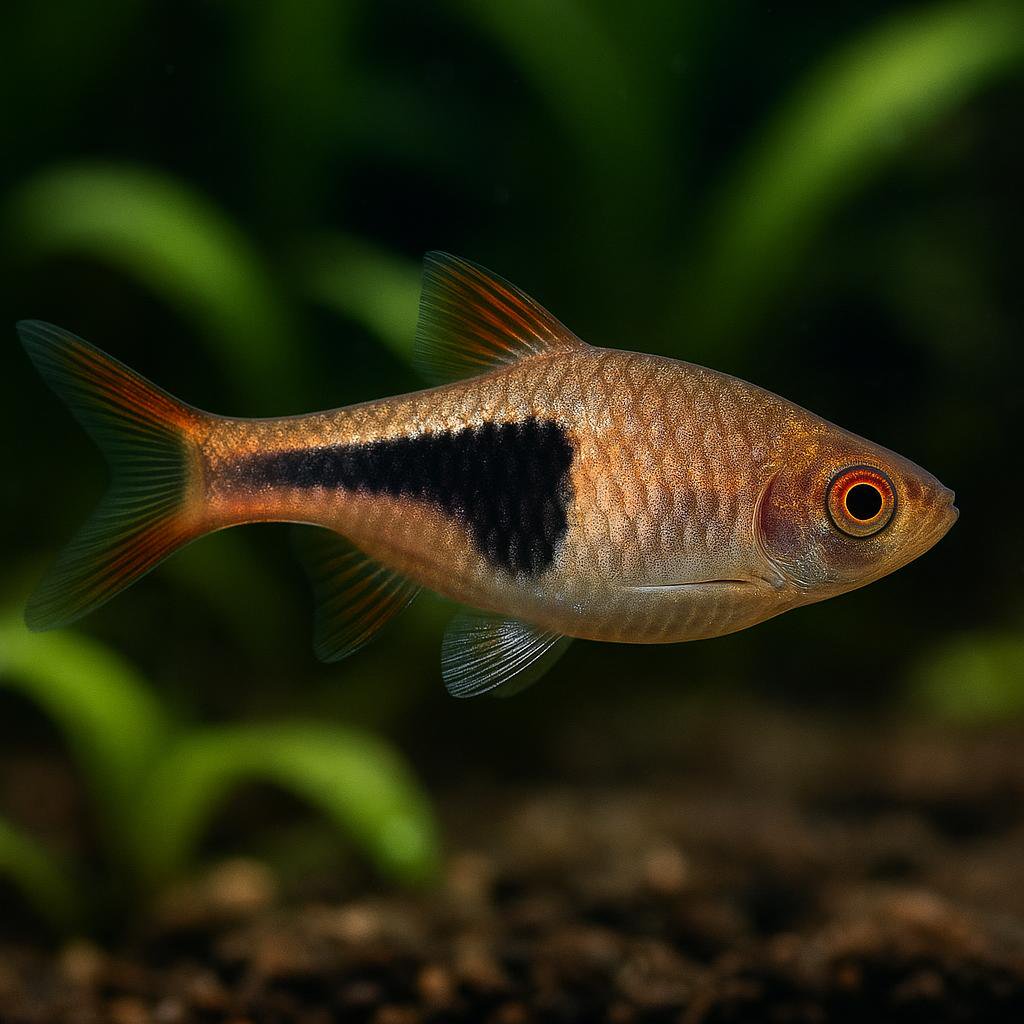
Harlequin Rasbora
Trigonostigma heteromorpha
Harlequin rasboras are those little coppery-orange fish with the bold black "wedge" on their sides that somehow look even better once they're cruising in a group. Give them a nice school and some plants to weave through and they'll do this tight, synchronized swimming thing that's honestly kind of hypnotic.
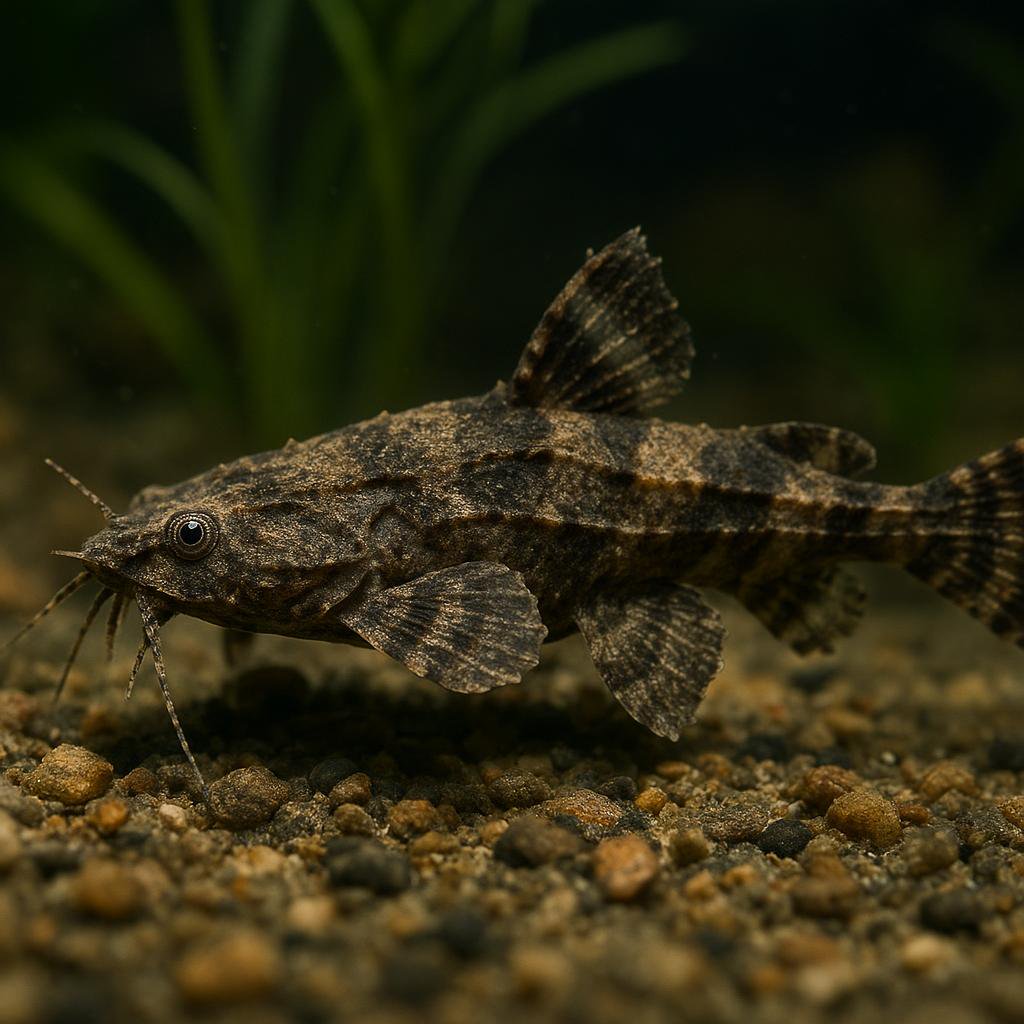
Hartt's banjo catfish
Bunocephalus hartti
Bunocephalus hartti is a tiny little banjo catfish from the Sao Francisco basin in Brazil that lives its best life looking like a dead leaf and pretending it does not exist. Give it sand and leaf litter and it will vanish for days, then suddenly pop out at night like a little cryptid vacuuming up food off the bottom.
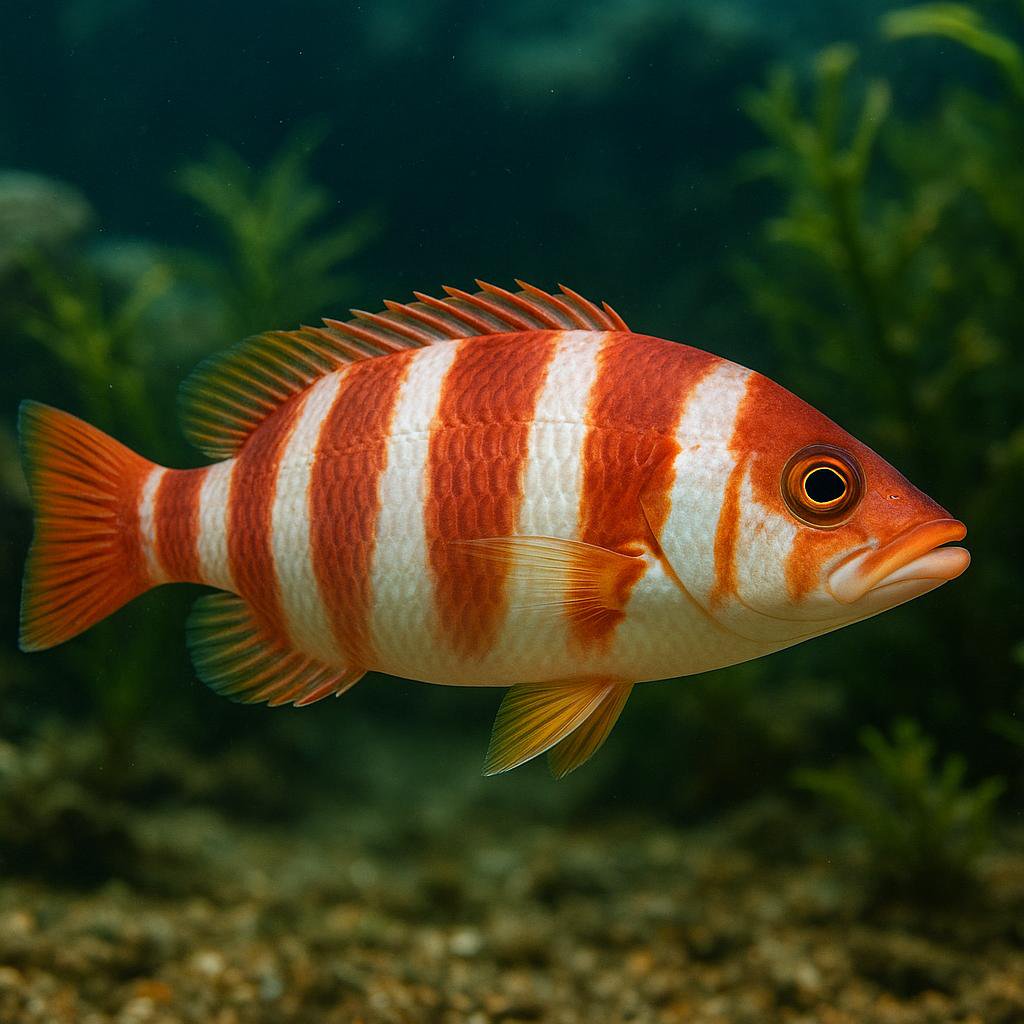
Hawaiian bandfish
Owstonia hawaiiensis
Owstonia hawaiiensis is a deepwater Hawaiian bandfish - a slim, rosy-red slope fish that hangs close to the bottom in the dark, cooler zones most divers never see. It is not really an aquarium fish in the normal sense, since it comes from deep water and would need specialized coldwater/deepwater life support to have a shot long-term.
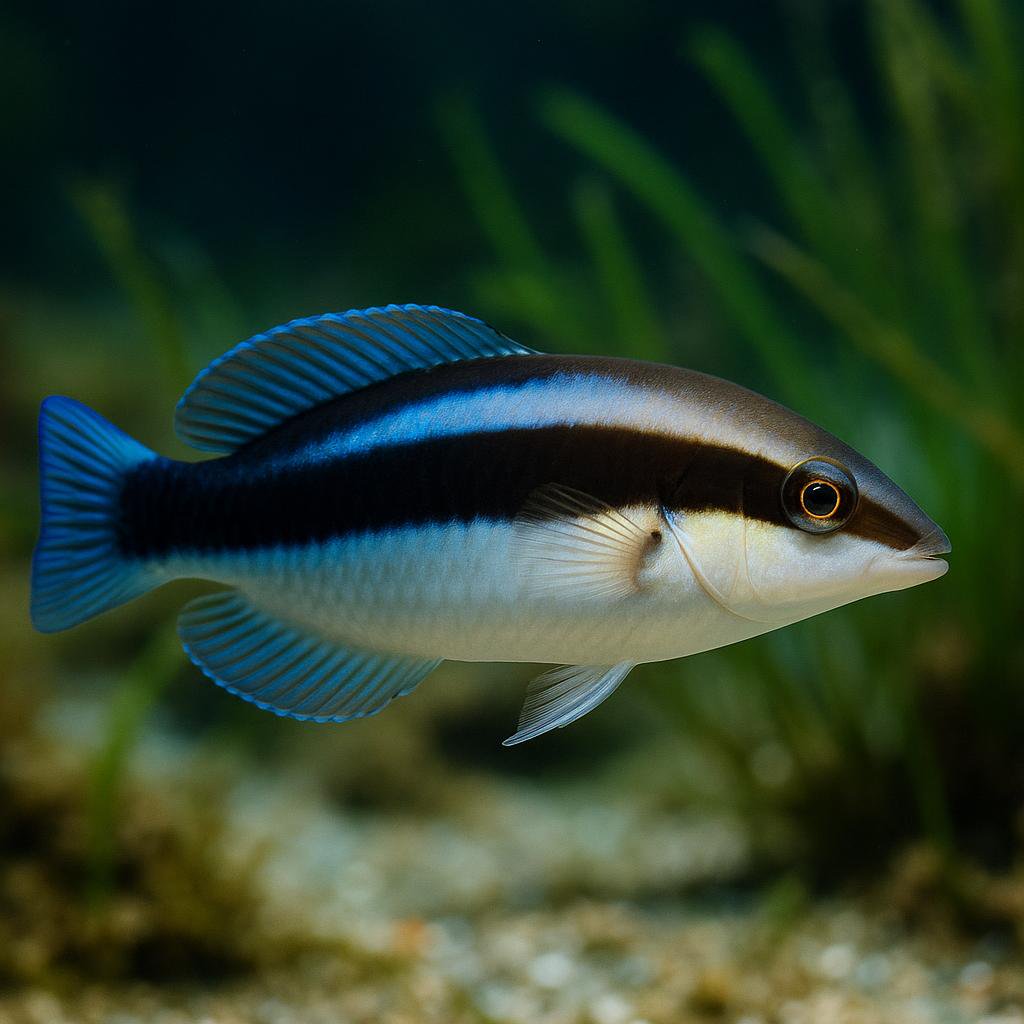
Hawaiian cleaner wrasse
Labroides phthirophagus
This is the little reef "dentist" from Hawaii that sets up a cleaning station and does that classic flitty dance to invite other fish in. Its whole life revolves around picking parasites (plus mucus/scales) off clients, which is fascinating to watch but also exactly why it so often wastes away in typical home aquariums.
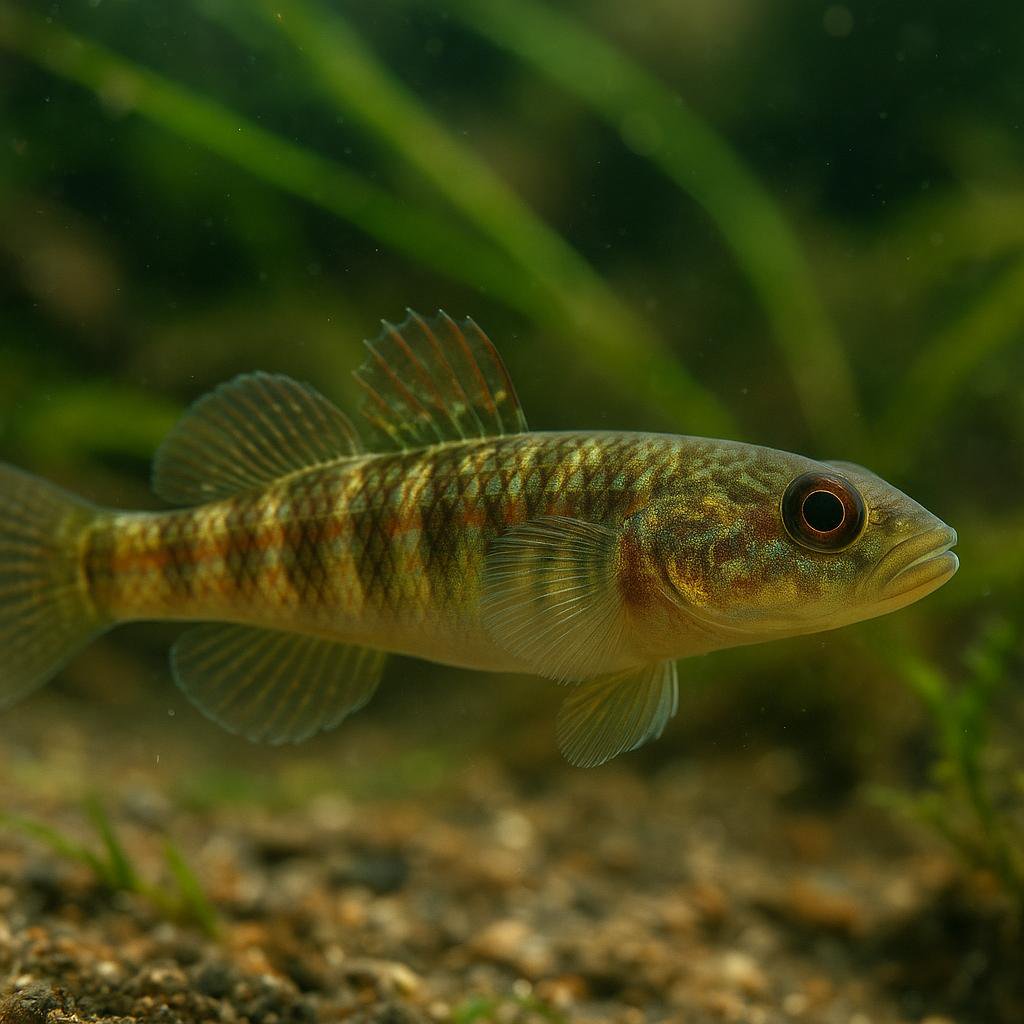
Hawaiian surf sardine
Iso hawaiiensis
Iso hawaiiensis is a tiny surf-zone silverside that lives right in the splashy, wave-battered edge of rocky headlands and reefs. Its whole vibe is fast, nervous, and built for rough water, so it is way more of a cool natural-history fish than a typical home-aquarium resident.