

Philippine slender flounder
Japonolaeops gracilis
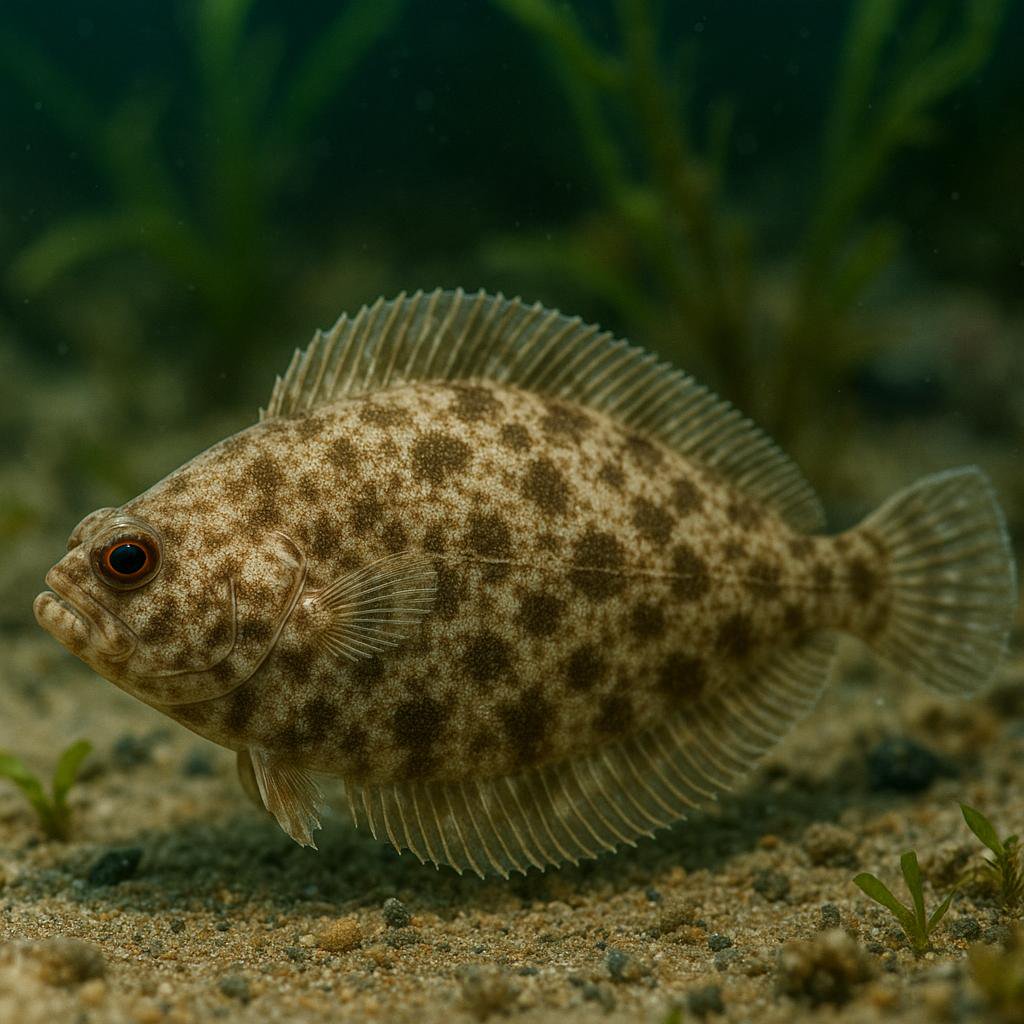
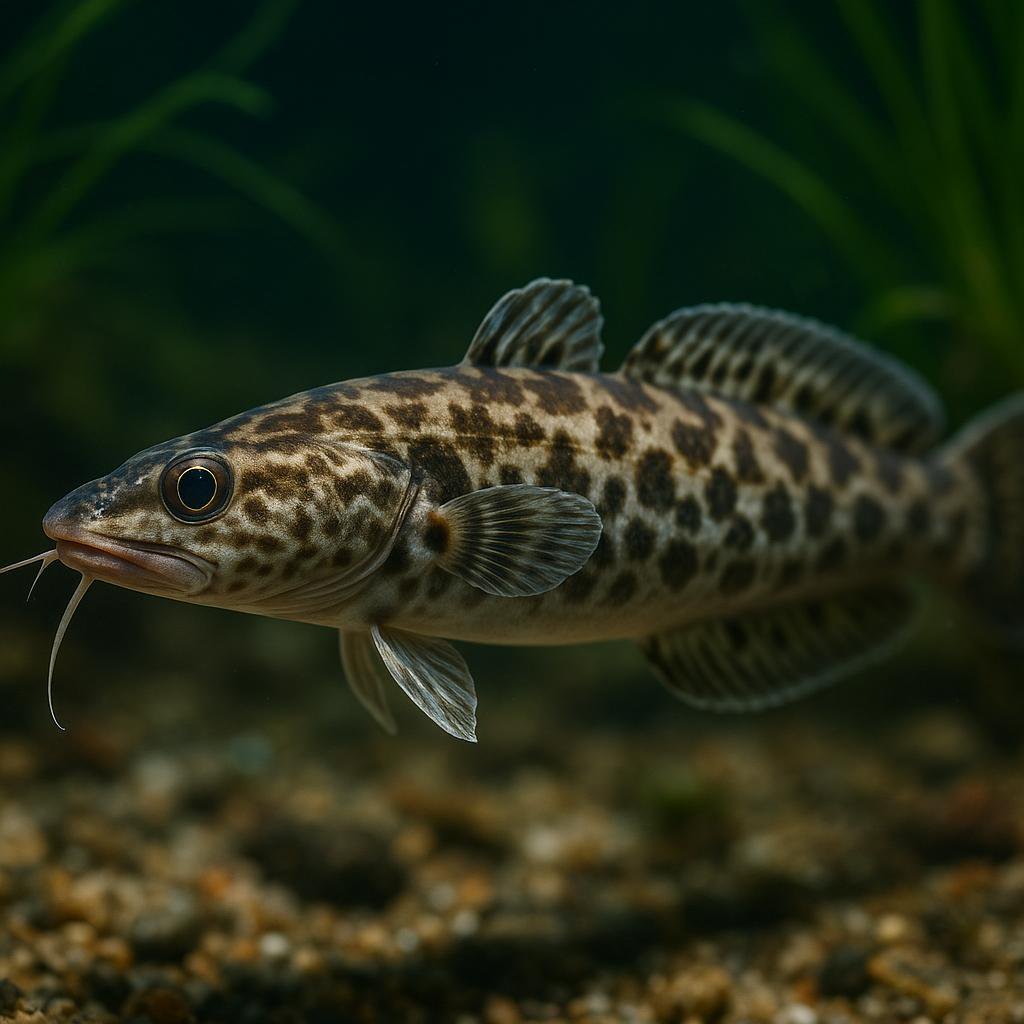
The Philippine slender flounder has a flattened body with a pale yellowish-brown color, featuring fine dark speckles and a distinctive elongated dorsal fin.
This page includes AI-generated images. Why am I seeing AI images?
About the Philippine slender flounder
Japonolaeops gracilis (syn. Laeops gracilis) is a marine bathydemersal lefteye flounder (Bothidae) recorded from sandy/muddy bottoms in deep water (reported roughly ~180-500 m; FishBase records ~197-216 m). Maximum size reported up to about 20 cm SL (also reported ~16-16.5 cm TL). It is a deepwater species and is not an established aquarium fish.
Also known as
Quick Facts
Size
20 cm SL (max); also reported 16.5 cm TL on FishBase
Temperament
Peaceful
Difficulty
Expert
Min Tank Size
180 gallons
Lifespan
unknown
Origin
Western Central Pacific (Philippines); Western Pacific
Diet
Carnivore - small benthic invertebrates (deepwater predator)
Water Parameters
12.8-20.2°C
7.8-8.4
7-12 dGH
Need a heater for this species?
This species needs 12.8-20.2°C in a 180 gallon tank. Use our heater calculator to find the right wattage.
Calculate heater sizeCare Notes
- If attempted, provide a soft sandy/muddy substrate area; the species is reported from sandy, muddy habitats in deep water.
- Keep temperature aligned with cool-temperate conditions rather than tropical reef ranges; FishBase models a preferred temperature range of about 12.8-20.2 °C for this species (deepwater fish are not suited to 24-27 °C tropical settings). Salinity stability is still important for marine fishes, but this species is not a typical reef-temperature aquarium fish.
- Go heavy on oxygen and flow but keep the bottom calm: strong surface agitation plus gentle, non-blasting flow over the sand so it can stay buried without getting sandblasted.
- Feed like a predator that lives on the floor: small marine meaty foods (mysis, chopped shrimp, clam, squid, live ghost shrimp) dropped right in front of it; target-feed with tongs so faster fish do not steal everything.
- Do not expect it to eat pellets day one - get it taking frozen first, then you can try training with scent-soaked pellets, but some never convert.
- Tankmates need to be boring and non-pushy: avoid wrasses, triggers, puffers, big hawkfish, and anything that nips fins or harasses the sandbed; also anything small enough to fit in its mouth will eventually disappear.
- Watch for sand-related issues: torn fins and mouth damage happen when the substrate is too sharp, and flounders on rough bottom get infections that spread fast.
- Breeding in home tanks is basically a non-event - they are marine spawners with pelagic larvae, so unless you are set up for larval rearing, just enjoy it as a display predator.
Compatibility
Good Tankmates
- Small, peaceful gobies that mind their business - think watchman gobies (Cryptocentrus spp.) or neon gobies (Elacatinus spp.). They hang out near the bottom but usually do not mess with a flounder thats just trying to be a sand pancake.
- Calm blennies like a tailspot blenny or other small algae-pickers that stick to rocks and perches. They are not usually interested in whats buried in the sand, so theres not much drama.
- Peaceful sand sifters like small Valenciennea gobies (diamond or sleeper types) - only if your sandbed is big and mature. They can share the sand zone fine, just make sure theres enough real estate so the flounder is not constantly getting bulldozed.
- (Unverified for this deepwater species) Any tankmate guidance is speculative; this species is a deepwater flounder and there's not much information on its compatibility with other fish in aquariums.
- Peaceful dartfish/firefish (Nemateleotris spp.). They are midwater hoverers and skittish, but they do great with a flounder because neither one is looking for a fight.
- Small, non-aggressive cardinalfish (like Banggai or pajama cardinals). Slow, steady, and not the type to pick on a buried fish. Great vibe match in a calm marine setup.
Avoid
- Anything predatory enough to treat a slender flounder like a snack - groupers, big hawkfish, lionfish, eel types. If it can fit the flounder in its mouth, it will eventually try.
- Nippy, pushy fish that love to harass bottom fish - damsels and most dottybacks are the classic problem kids. Even if they cannot eat it, they will stress it out and keep it pinned down.
- Territorial sand bullies like aggressive triggers or large wrasses that constantly flip rocks and dig. The flounder wants a quiet sandbed, not a construction site.
- Bigger scorpionfish and anglers (frogfish) - they are ambush predators and do not care that the flounder is peaceful. Slow bottom fish plus ambush predator is a bad combo.
Where they come from
Japonolaeops gracilis is one of those under-the-radar flatfish from the western Pacific, recorded around the Philippines and nearby waters. Think deeper coastal and shelf areas with sand or mixed sand-mud bottoms, not bright reef shallows. That background explains a lot about how they act in a tank: they want a bottom to disappear into, low drama, and food that moves like real prey.
This is an expert fish mostly because of feeding and stress sensitivity, not because they are "aggressive" or hard to house. Getting them eating well is the whole game.
Setting up their tank
Give this flounder floor space first, not height. A long footprint tank beats a tall show tank every time. I would not bother under 75 gallons for an adult, and bigger is simply easier because it buffers swings and gives them room to settle.
Substrate matters a lot. They relax when they can bury, and they get jumpy and refuse food when they cannot. Use fine sand (sugar-sized aragonite or similar). Skip crushed coral and sharp grades - I have seen flatfish scrape themselves up trying to wedge into rough substrate.
- Tank footprint: prioritize length and width (4 ft tanks are your friend)
- Substrate: fine sand, 1-2 in deep so they can bury
- Flow: moderate overall, but make a couple of calmer zones along the bottom
- Rockwork: stable and set on the glass, not on top of sand (burrowers can undermine piles)
- Lighting: they do fine under normal reef lighting, but they are less skittish with some shaded areas
Cover your intakes and powerheads. A buried flounder can pop up at night and end up plastered to an overflow or sucked into a strong intake. A coarse sponge prefilter is cheap insurance.
Water quality needs to be steady. Aim for standard marine numbers and avoid fast swings: 1.024-1.026 salinity, stable temp (roughly 24-26 C / 75-79 F), and low nitrogen. They are not tolerant of "new tank syndrome," so I would only add one to a mature system.
What to feed them
Feeding is the make-or-break part. These are ambush predators that want meaty foods, ideally things that wriggle or at least look like they could. Some individuals transition to frozen quickly, others act like frozen food is invisible for weeks.
- Best starters: live ghost shrimp, live grass shrimp, small live mollies acclimated to saltwater (use carefully), live blackworms if you can keep them clean
- Frozen staples once they convert: mysis, chopped prawn, chopped clam, squid strips, enriched brine (as a mixer, not the main diet)
- Avoid as a main food: plain brine shrimp, dry pellets (some take them, many do not), fatty freshwater feeders
My go-to trick for conversion is a feeding stick or long tweezers. Wiggle a small piece of shrimp right in front of their face while they are half-buried. Once they hit consistently, you can start mixing in more frozen and reducing live.
Feed after lights dim or in the evening. A lot of slender flounders get bolder at dusk, and you will waste less food to fast midwater fish.
Smaller, more frequent meals work better than big dumps of food. They can gorge, but a buried predator that misses meals for a week goes downhill fast. Watch the body: you want a gently rounded profile, not a pinched head and thin back half.
How they behave and who they get along with
Most of the time you will forget they are in the tank. They bury with just the eyes showing, then explode into motion when food passes. They are not "mean," but they are absolutely a predator. If something can fit in their mouth, eventually it might.
- Good tankmates: calm to semi-calm marine fish that stay midwater (bigger wrasses, larger gobies that do not sit on the sand, rabbitfish, smaller tangs in big tanks)
- Use caution: sand-sitting gobies, dragonets, small blennies, tiny cardinals, cleaner shrimp and small ornamental shrimp
- Bad idea: anything bitey that picks at fins/eyes, hyper feeders that outcompete them, small fish you would not want to lose
Assume small shrimp are snacks. Even if they ignore them for months, one night you may wake up and the shrimp is just gone.
They are generally fine as a single specimen. Mixing flatfish can turn into a staring contest over the best patch of sand, and in smaller tanks it can end with one getting bullied off food.
Breeding tips
Breeding in home aquariums is basically a long shot. Many marine flounders spawn pelagic eggs in open water, and larvae go through a planktonic phase before the classic "one eye migrates" metamorphosis. That is not impossible in captivity, but it is a whole separate hobby with live foods, larval tanks, and lots of failures.
If you ever do see courtship or spawning behavior, write it down (temp, time, moonlight cycle, feeding). Even observations are valuable with uncommon species like this.
Common problems to watch for
Most issues trace back to stress and not eating. A flounder that stays fully buried all the time and never reacts to food is waving a red flag. The second big one is skin damage from rough substrate, rock collapses, or getting pinned to intakes.
- Refusing food: often from bright, busy tanks, competition, or a too-new setup
- Weight loss: sneaky because they can look "flat" by nature - watch for a sharp head profile and sunken area behind the eyes
- Scrapes/ulcers: usually from coarse substrate or abrasive decor
- External parasites (marine ich/velvet): flatfish can show heavy breathing and flashing, sometimes before you see obvious spots
- Nitrate creep and dirty sandbed: uneaten meaty food rots fast if you overfeed or the cleanup crew cannot keep up
Do not medicate a display tank on impulse. Flatfish can react badly to some treatments, and many meds crash inverts and biofilters. If you keep expert fish, having a cycled quarantine/hospital tank ready will save you eventually.
Practical routine that helped me: target-feed so food is not drifting into the rockwork, siphon the top layer of sand lightly in feeding zones, and keep a log of feedings. With a buried predator, you can miss problems for days if you are not paying attention.
Similar Species
Other marine peaceful species you might be interested in.
Abe's eelpout
Japonolycodes abei
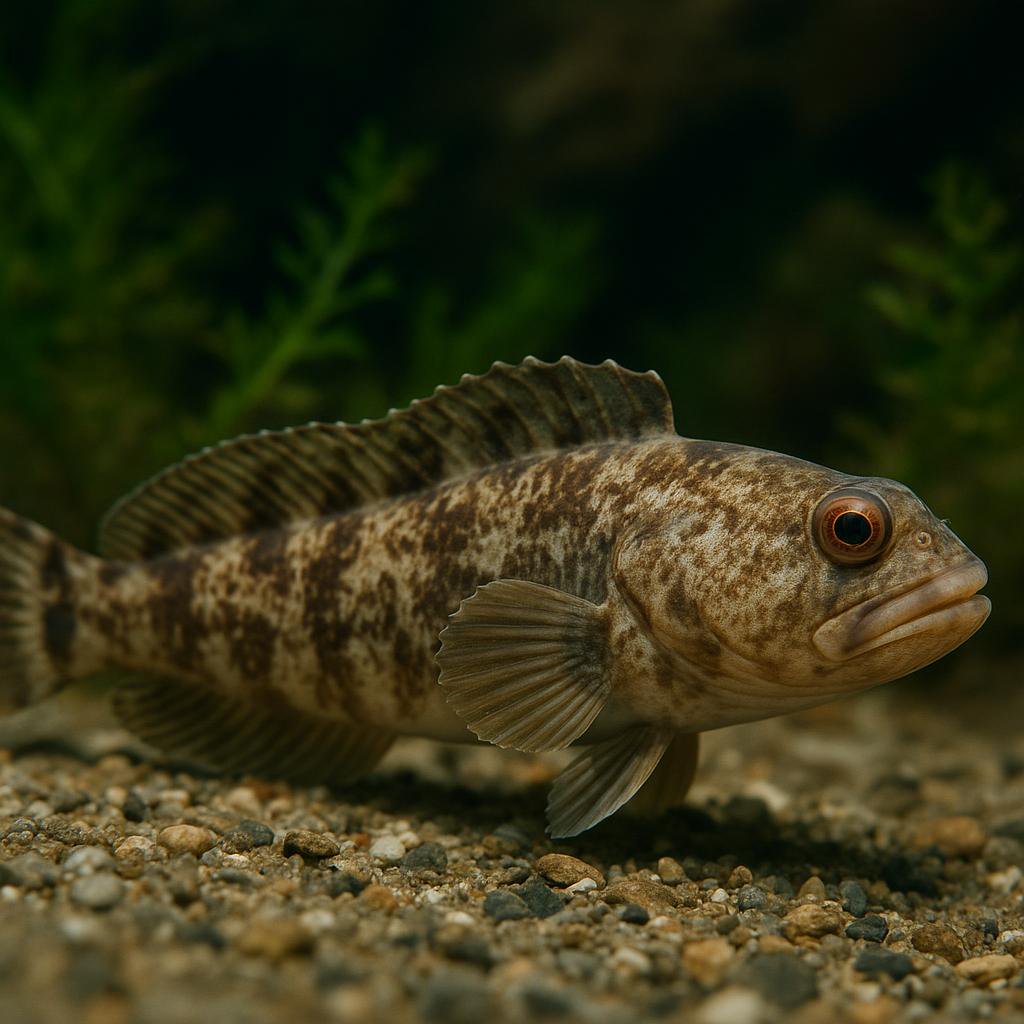
Japonolycodes abei is a temperate, deepwater demersal eelpout (family Zoarcidae) endemic to Japan (Kumano-nada Sea reported; other sources also report Sagami Bay and Tosa Bay). It is the only species in the genus Japonolycodes and occurs roughly 40-300 m depth, making it an uncommon/atypical aquarium species.
Affinis blind cusk-eel
Barathronus affinis
Barathronus affinis is a tiny, super-weird deep-sea blind cusk-eel from the western-central Indian Ocean. It is one of those gelatinous, loose-skinned brotula-type fishes that live way down in the dark and are basically never seen alive, so almost everything we know comes from preserved specimens and taxonomic work.
Allis shad
Alosa alosa
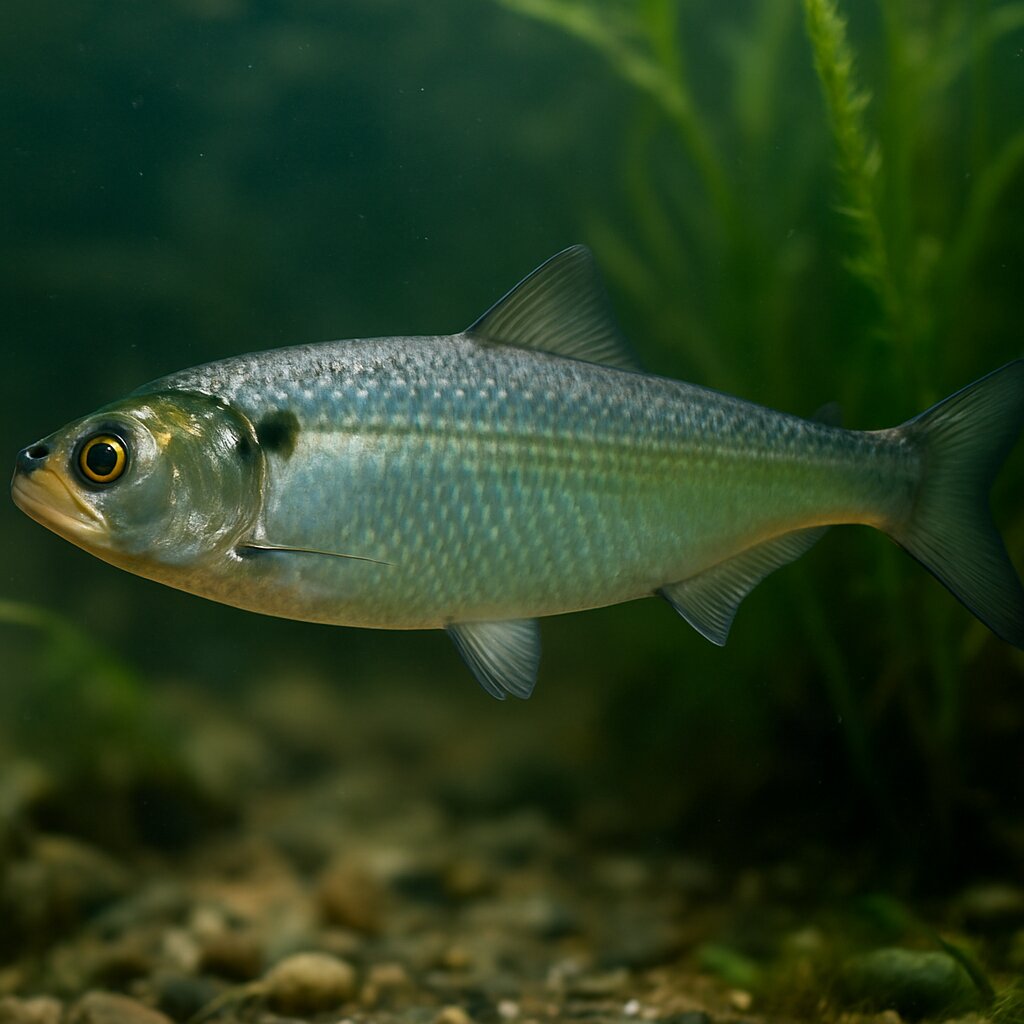
Gorgeous silver, fast-swimming shad that spends most of its life in the sea and then surges up big rivers in noisy, surface-spawning schools. It grows huge for a herring-type fish and needs cool, ultra-oxygenated water and tons of open space, so it is a public-aquarium species rather than a home tank fish.
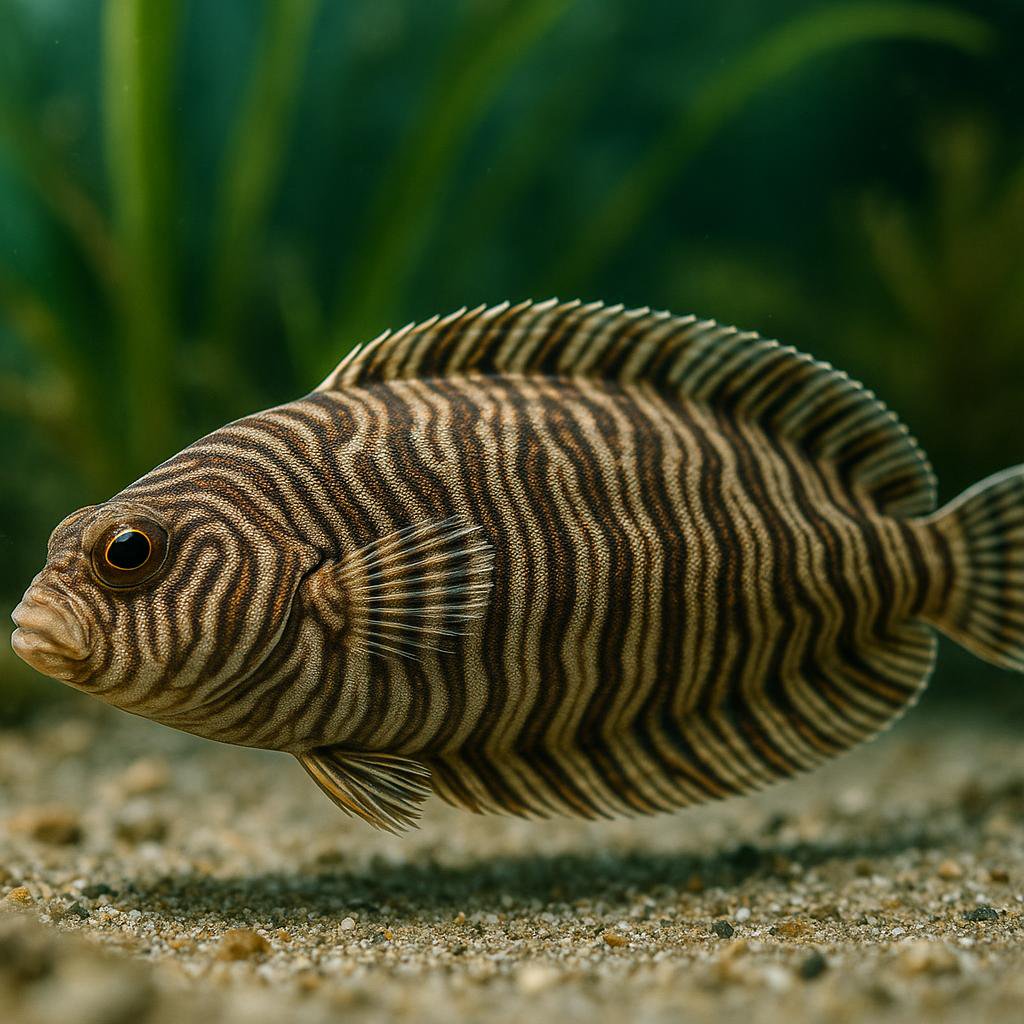
Annandale's zebra sole
Zebrias annandalei
Zebrias annandalei is a small demersal sole from coastal India that inhabits sandy or muddy bottoms and buries for camouflage. It is rarely kept in home aquaria and would require a specialized marine sand-bottom setup and appropriate feeding.
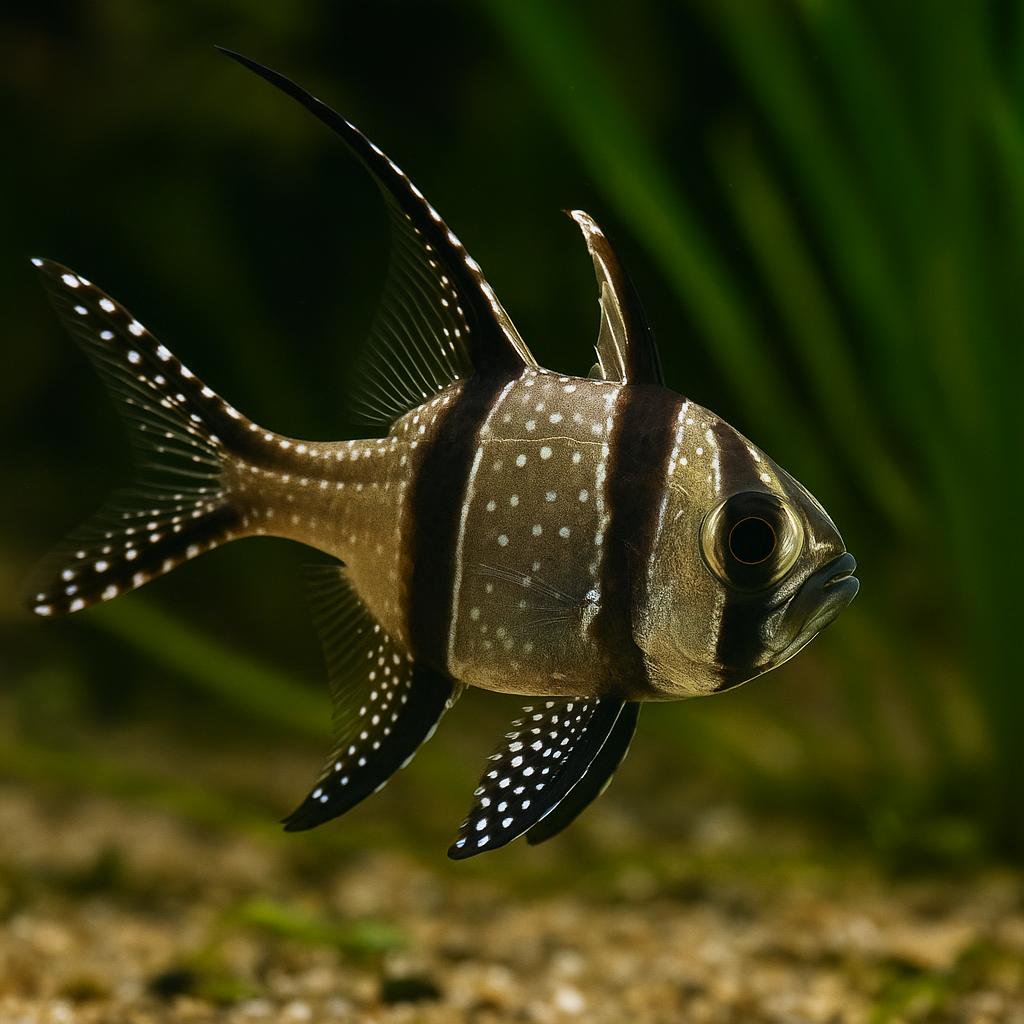
Banggai Cardinalfish
Pterapogon kauderni
Banggai cardinals just sort of hover like little underwater satellites, and the bold black bars with those long, polka-dotted fins look unreal under reef lighting. They're super chill most of the time, but once a pair forms you'll see real "fish drama," and the male will even mouthbrood the babies like a champ.
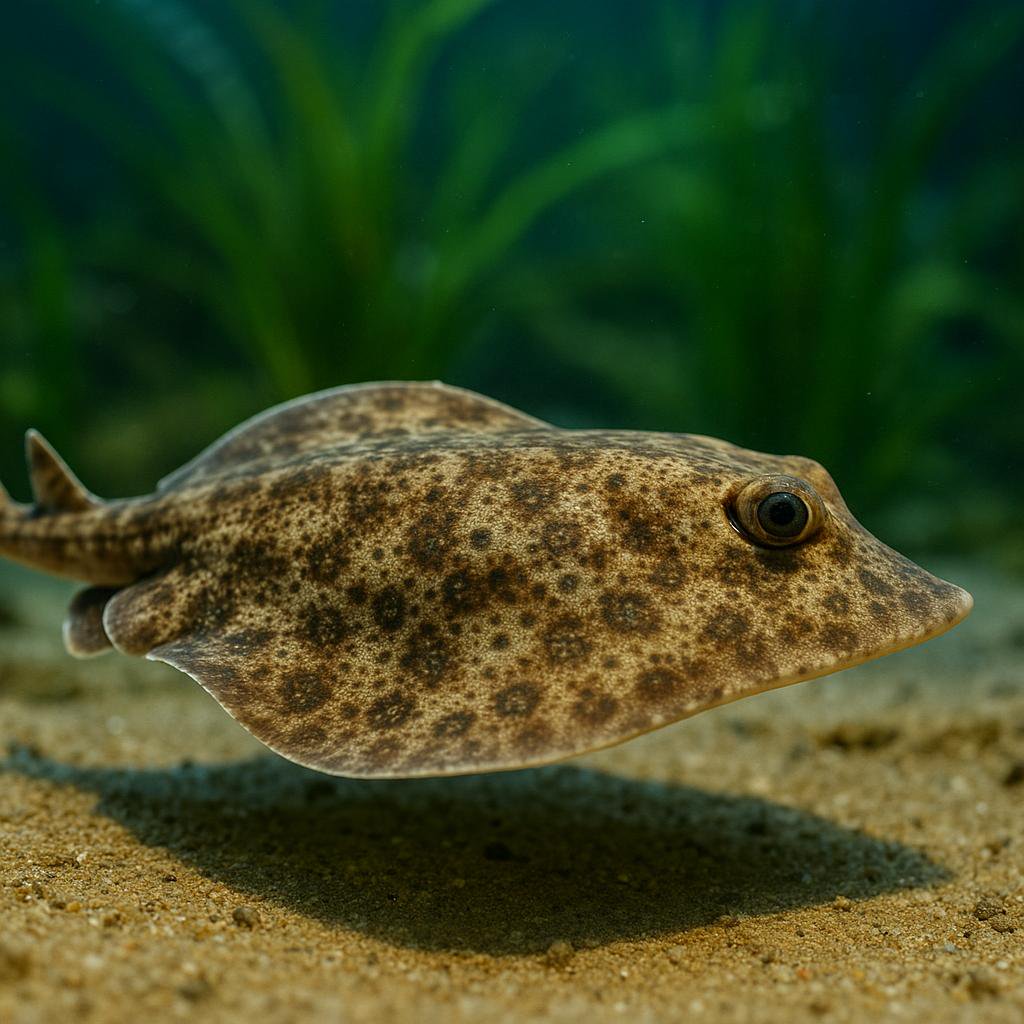
Barbedwire-tailed skate
Notoraja martinezi
Notoraja martinezi is a deepwater skate from the eastern Pacific (Costa Rica down to Ecuador) that lives way down on soft bottoms. The tail is the giveaway - it is lined with strong, hooked thorns that really do look like barbed wire. This is absolutely not an aquarium fish; it is a cold, high-pressure deep-sea animal with basically no practical home care info because it is not kept in the hobby.
More to Explore
Discover more marine species.
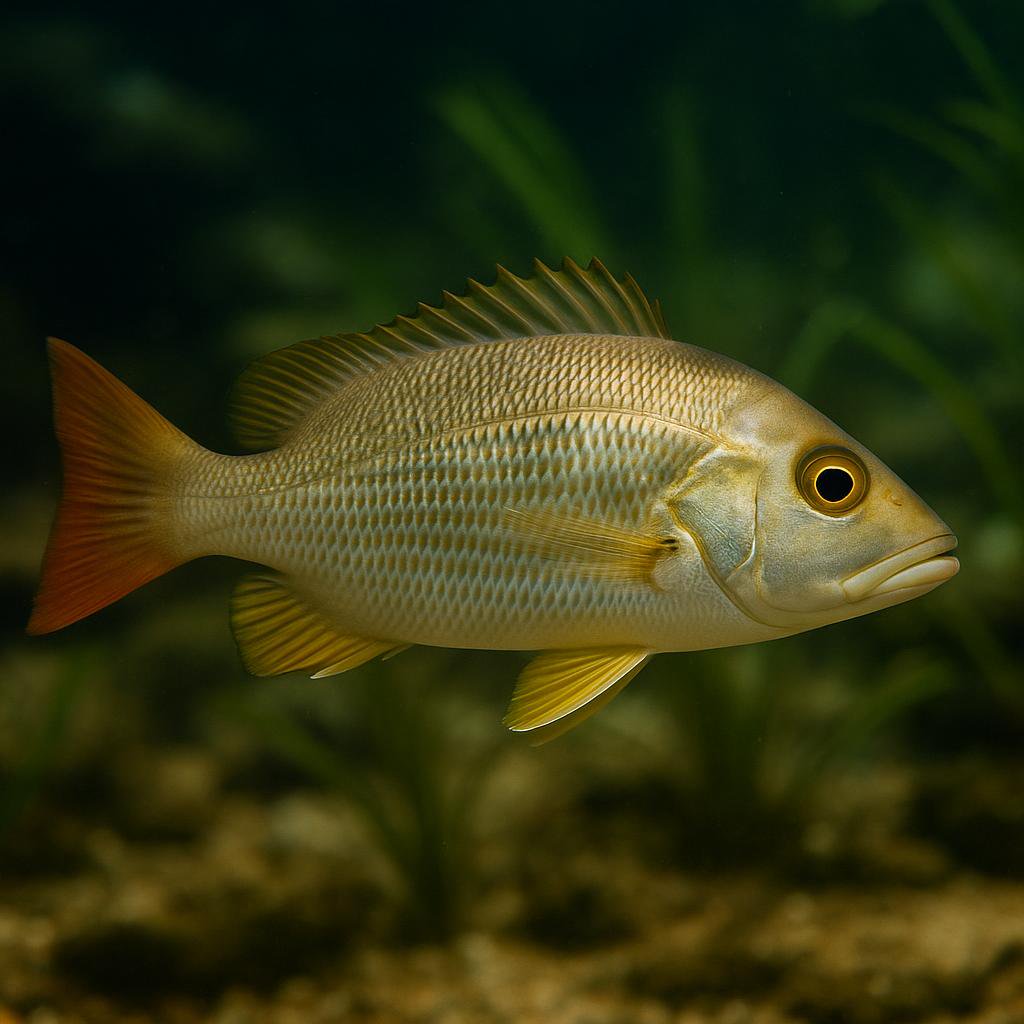
African red snapper
Lutjanus agennes
This is a true snapper from West Africa - a big, fast-growing predator that goes from coastal reefs to brackish lagoons and estuaries (especially as a juvenile). Super cool fish in the wild, but it gets absolutely huge and will eat smaller tankmates once it has the mouth for it, so its really more of a public-aquarium scale animal than a home-aquarium fish.
Aleutian skate
Bathyraja aleutica
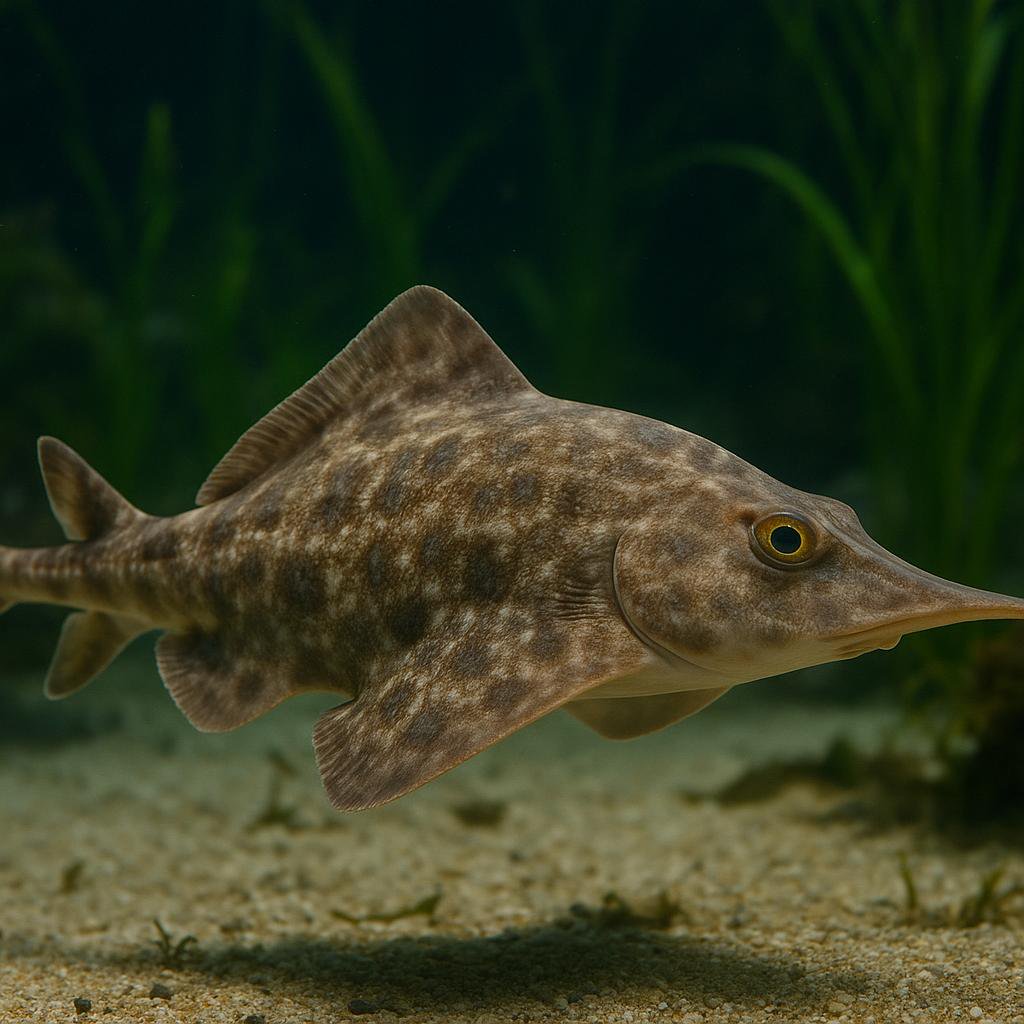
This is a big, cold-water deep-slope skate from the North Pacific that cruises muddy bottoms and eats chunky benthic prey like crabs and shrimp. The really cool bit is its egg-laying skate life - it does distinct pairing (the classic skate "embrace") and drops those tough egg cases on the seafloor. Not an aquarium fish at all unless you're basically running a public-aquarium-style chilled system.
Antarctic dragonfish
Vomeridens infuscipinnis
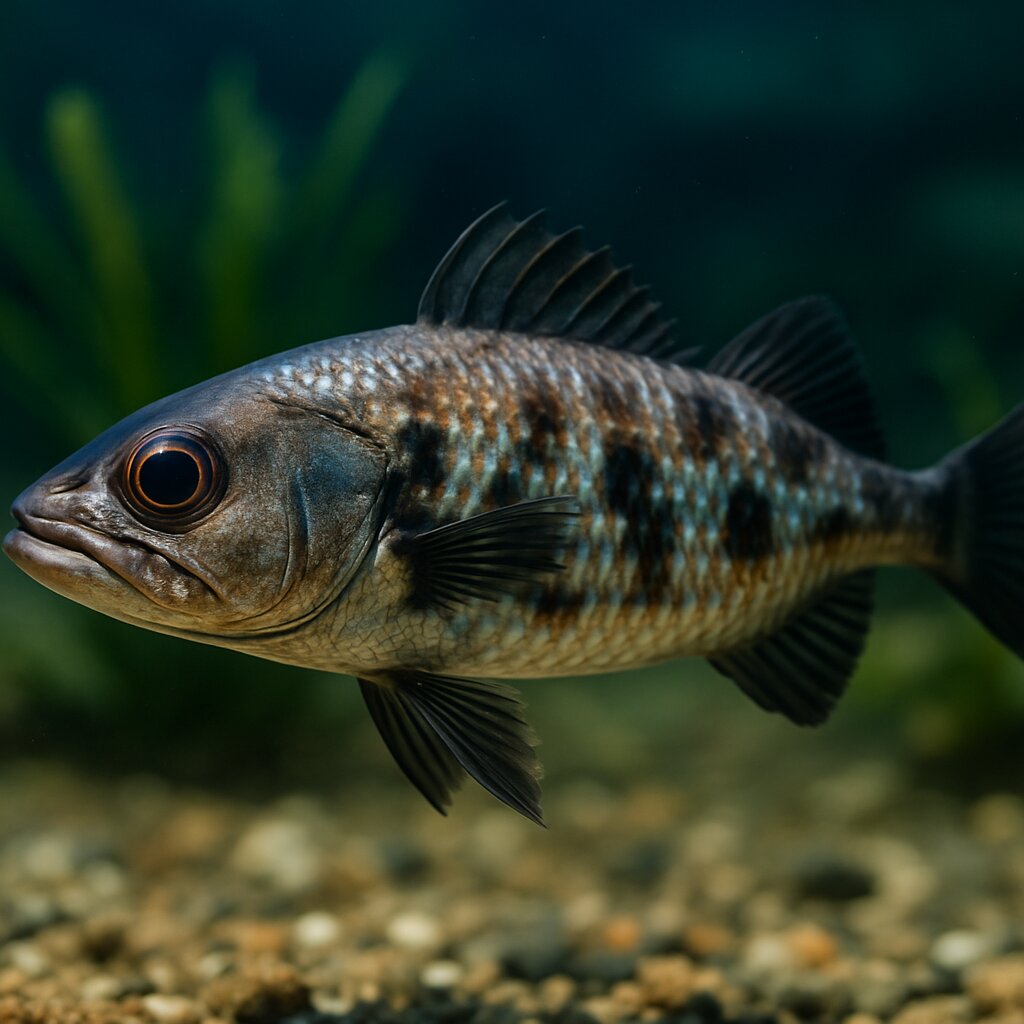
Deep down around Antarctica, this sleek dragonfish cruises the water column like a little submarine, nearly neutrally buoyant so it can hover above the seafloor. It munches almost exclusively on Antarctic krill and lives in near-freezing water 500-800 m down, so it is a cool species to read about, not one for home tanks.
Arabian demoiselle
Neopomacentrus sindensis
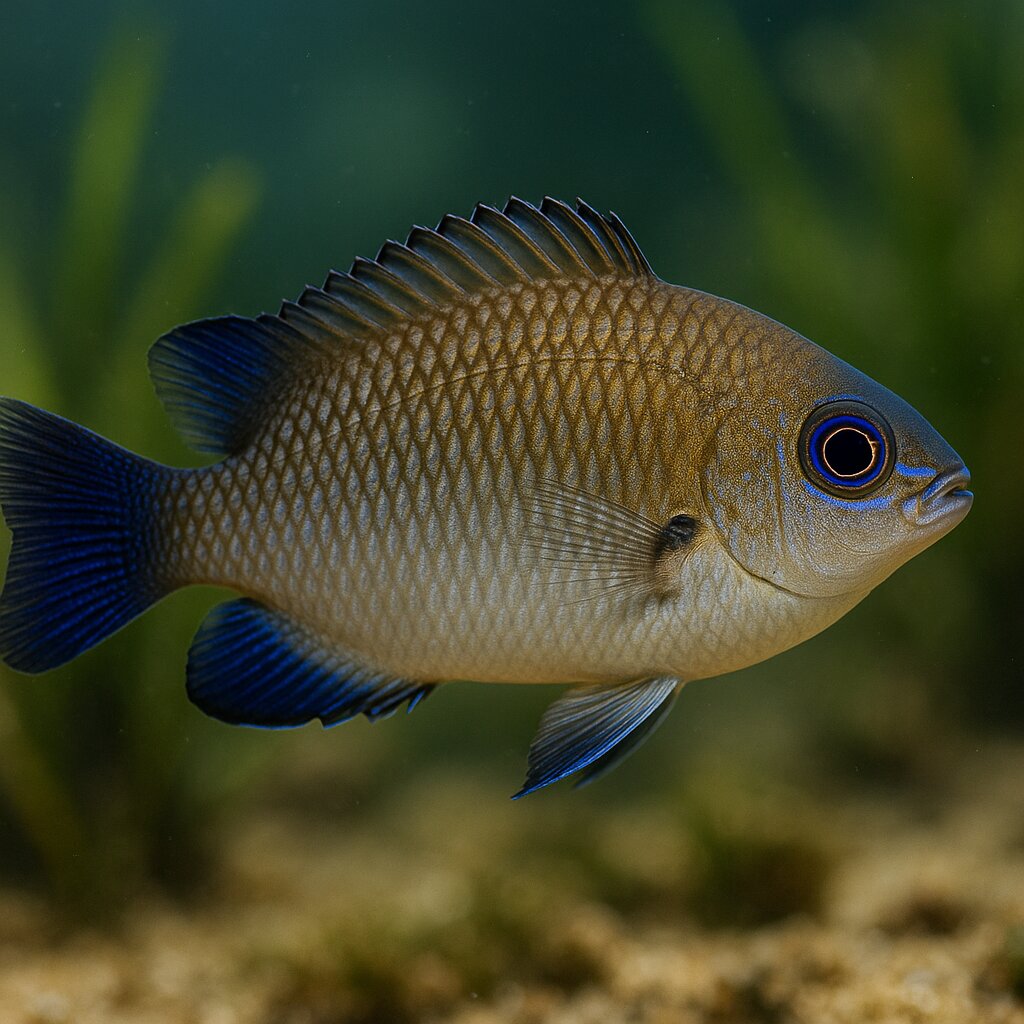
A small lyretail damsel from the Persian Gulf and Arabian Sea, it hangs in loose groups around coral heads, rocks, and even pier pilings picking zooplankton from the flow. Think classic damsel toughness with a slightly milder attitude than the real bruisers, plus subtle yellow tail accents. Males clean a patch, get a mate to lay eggs there, and then stand guard fanning the clutch.
Arabian spiny eel
Notacanthus indicus
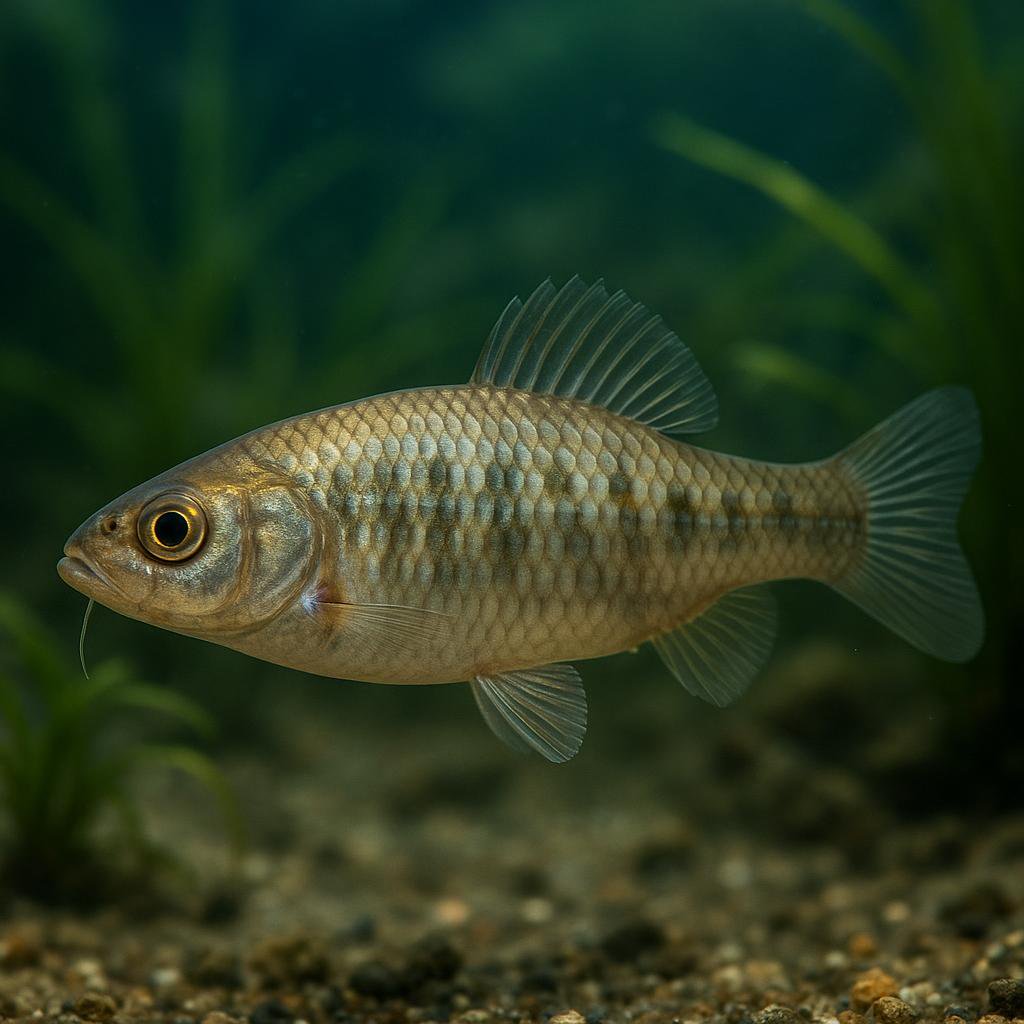
Notacanthus indicus is a deep-sea spiny eel (family Notacanthidae; not a true eel) known from the Arabian Sea on the continental slope at roughly ~960–1,046 m depth, with reported maximum length around 20 cm TL; it is a deep-water bycatch species and not established in the aquarium trade.
Arctic rockling
Gaidropsarus argentatus
This is a deepwater North Atlantic rockling (a cod relative) that hangs out on soft bottoms way down the slope. It is a cold-water, bottom-hugging predator that snoots around for crustaceans and will also take small fish when it gets the chance.
Looking for other species?