

Persian loach
Oxynoemacheilus persa
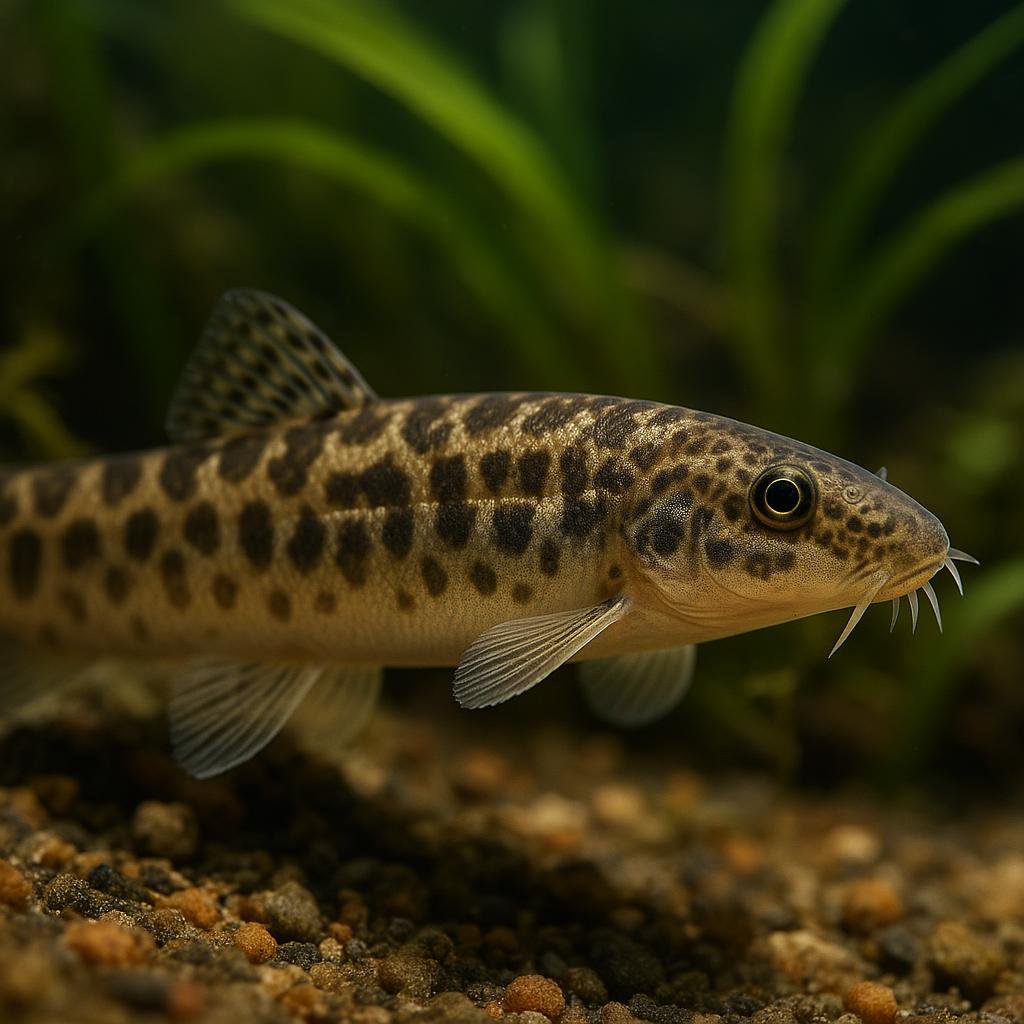
The Persian loach features a slender body with a dark brown to olive-green hue, adorned with distinctive lighter speckles and barbels on its snout.
This page includes AI-generated images. Why am I seeing AI images?
About the Persian loach
This is a little bottom-hugging stone loach from Iran that spends its time cruising the substrate and poking around for food. It does best when you set the tank up like a cool, clean stream - lots of oxygen, flow, smooth rocks, and hiding spots - and you will see way more natural behavior.
Also known as
Quick Facts
Size
14 cm
Temperament
Semi-aggressive
Difficulty
Advanced
Min Tank Size
30 gallons
Lifespan
3-5 years
Origin
Middle East (Iran)
Diet
Primarily benthic invertebrate feeder (insect larvae, worms, small crustaceans); accepts sinking prepared foods and frozen/live items. Algae/biofilm may be grazed incidentally but is not a primary food.
Care Notes
- Give them a river-style tank: sand or smooth fine gravel, lots of rounded rocks, and hard flow from a powerhead so they can sit in the current and pick at surfaces.
- Keep the water cool and punchy: think roughly 18-24 C (64-75 F), high oxygen, and steady parameters; they sulk fast in warm, stale water or low flow.
- They do best in neutral to slightly alkaline water (around pH 7.0-8.0) with some hardness; wild-caught ones hate sudden swings, so match your tank to your tap and keep it stable.
- Feed like a bottom micro-predator: sinking micro pellets, frozen bloodworms/blackworms/daphnia, and small live foods; they are shy at first so drop food right into their favorite rock pile.
- Skip slow fancy fish and long fins - they will pester or outcompete them; pick other fast, current-loving fish (danios, barbs) and sturdy bottom fish, and watch for squabbles with other loaches if the tank is tight.
- Give them lots of hiding cracks and line-of-sight breaks because males can get pushy; multiple caves and scattered rocks stops one fish from owning the whole floor.
- Common problems: skinny fish from being outfed, damaged barbels from sharp gravel, and stress from low oxygen; if they are gulping at the surface or clamped in corners, add flow and surface agitation right away.
- Breeding in home tanks is rare without seasonal cues, but a cool winter period and then a warmer, big water change can trigger chasing; if you ever see eggs, move adults or the eggs will disappear overnight.
Compatibility
Good Tankmates
- Temperate schooling fish that thrive in cooler, fast-moving water (e.g., White Cloud Mountain Minnows; suitable danios); avoid tropical tetras like ember/glowlight unless kept at warmer end of the range.
- Peaceful danios (like zebra danios) in a decent-sized tank with some flow - they are quick, not easily bullied, and the loach is fine as long as it has hides and sand to scoot around on
- Cooler‑water Corydoras only (e.g., Corydoras paleatus 18–23°C); avoid heat‑loving Corydoras that prefer 25–28°C.
- Small peaceful barbs like cherry barbs - active but not usually mean, and they do not hassle the loach much if the tank is planted and everyone is well-fed
- Other peaceful loaches of similar size and temperament (kept in a group, with lots of hides) - Persian loaches are pretty chill, but they are still loaches and like cover and company
Avoid
- Warm‑water algae eaters like Otocinclus and most bristlenose plecos; choose only species that tolerate ~20–24°C in strong flow.
- Big aggressive cichlids (convicts, jewels, most Central Americans) - they will claim the bottom, shove the loach out of hiding spots, and stress it out nonstop
- Nippy jerks like tiger barbs or serpae tetras - they can turn the tank into a constant chase scene, and the loach will spend all day wedged under decor
- Large predatory fish like bigger gouramis, snakeheads, or anything that sees a loach as a snack - Persian loaches are small enough to end up as 'missing fish' overnight
- Super territorial bottom bullies like many crayfish or very aggressive botia loaches - they fight over caves and food, and the Persian loach just is not built for that drama
Where they come from
Persian loaches (Oxynoemacheilus persa) come from fast, clear streams in Iran. Think cool water, lots of oxygen, rocky bottoms, and current you can actually feel with your hand. If you set them up like a generic community tank, they usually look fine for a while... then they slowly fade, get skinny, or start hiding all the time.
If you remember one thing: these are stream fish. Flow and oxygen matter as much as the filter being "rated for the tank."
Setting up their tank
Give them floor space and current. I would not keep them in anything smaller than a 20 long, and bigger is easier because the water stays steadier and you can build a real flow pattern. They spend most of their time on the bottom, wedged between stones, cruising edges, and darting into the current for food.
Substrate is a big deal with these. They like to nose around, and they can scrape themselves up on sharp gravel. Sand or very smooth fine gravel works. Then add rounded river stones, a few larger rocks, and some wood or roots to break lines of sight.
- Tank size: 20 long minimum, 30-40+ gallons is more forgiving
- Substrate: sand or smooth fine gravel (skip sharp stuff)
- Hardscape: rounded stones and rock piles with stable gaps (no wobbly stacks)
- Plants: optional, but choose tough ones (Anubias, Java fern) and wedge them into rock/wood
- Flow: aim for a steady current across the bottom, not just surface ripples
For filtration, I like an over-filtered setup: a canister or strong HOB plus a big sponge or powerhead. You want high turnover and lots of gas exchange. Point flow along the length of the tank so you get a "river" lane, then quieter pockets behind rocks where they can rest.
Watch temperature. These loaches tend to do better on the cool side of typical tropical ranges. Warm, low-oxygen water is where they start going downhill.
Water parameters: neutral-ish is fine for most captive fish as long as its stable and clean. They do not tolerate dirty bottoms. I vacuum around rocks regularly because mulm builds up in exactly the places they like to sit.
- Keep nitrate low with steady water changes
- Add extra aeration if your room runs warm
- Cover the tank well - stream loaches can jump when spooked
- Give them multiple hides so one fish cannot claim the whole bottom
What to feed them
They are bottom pickers and micro-predators. In my tanks they ignore most flake once it hits the surface chaos, but they light up for anything that tumbles in the flow and lands between the stones. If you only feed one sinking pellet a day, the boldest fish eats and the shy ones slowly starve.
- Staples: quality sinking pellets and small wafers (not just algae wafers)
- Frozen: bloodworms, brine shrimp, daphnia, chopped mysis
- Live (if you can): blackworms, grindal worms, mosquito larvae (where safe/legal)
- Occasional: Repashy-style gel foods pressed into rock crevices
Feed after lights dim or right after you turn flow down for 10 minutes. I get way better feeding response, and the shy fish come out.
I like small amounts twice a day rather than one big dump. Drop food into the current so it scatters and sinks into different spots. You will actually see them "hunt" along the substrate, and they keep weight on better.
How they behave and who they get along with
Persian loaches are busy, alert, and a little spicy with each other. You will see short chases and posturing, especially if you only keep one or two or if the tank is too bare. In a group with enough cover, the drama stays pretty harmless and you get more natural behavior.
- Keep them in a small group if your tank size allows (3-6 is a good starting point)
- Expect pecking-order stuff around favorite caves and feeding spots
- They are not a "hide all day" loach if the tank has flow and rockwork
Tankmates: think other fish that like cooler, oxygen-rich water and will not bully the bottom. Peaceful danios and smaller barbs can work, along with some other stream loaches if the footprint is big enough. Avoid slow, long-finned fish that get stressed by current.
Skip aggressive bottom dwellers in smaller tanks (many cichlids, large botia loaches, pushy catfish). Persian loaches do not have the body mass to win those arguments.
Breeding tips
Breeding these in home tanks is possible in theory, but it is not common, and most people never see it. In the wild they are seasonal spawners tied to temperature shifts and changing flow. If you do want to try, you are basically playing "spring flood" with your aquarium.
- Condition adults with heavy feeding of frozen/live foods for a few weeks
- Do a cool-water period, then gradually warm a bit while increasing flow and water changes
- Add lots of small rock gaps or a coarse spawning mop-like area where eggs can fall out of reach
- If you see chasing and belly-heavy females, feed lightly but keep water changes frequent
If they spawn, eggs and fry are likely to be eaten. A separate breeding setup or an egg-trap style substrate usually makes the difference.
Common problems to watch for
Most issues with this species trace back to warm, stale water and not enough food reaching the bottom. They can look "fine" right up until they suddenly are not. Get in the habit of watching their bellies and their breathing. Those two tell you a lot.
- Fast breathing or hanging in high-flow only: low oxygen, high temp, or dirty water
- Sunken belly: not enough sinking food, too much competition, or internal parasites
- Clamped fins and hiding nonstop: stress from tankmates, lack of cover, or unstable water
- Scrapes on the belly/sides: sharp substrate or rough rocks
- White spots after a temperature swing: ich (they are not immune just because they are loaches)
Be cautious with medications. Many loaches are sensitive, especially to copper and strong doses. If you have to treat, start with extra aeration and research dosing for loaches, then go slow.
One more practical thing: they are escape artists. If you have gaps around hoses or a loose lid, they will find it eventually, usually at 2 a.m. I block openings with sponge or mesh and keep the waterline a little lower.
Similar Species
Other freshwater semi-aggressive species you might be interested in.
American flagfish
Jordanella floridae
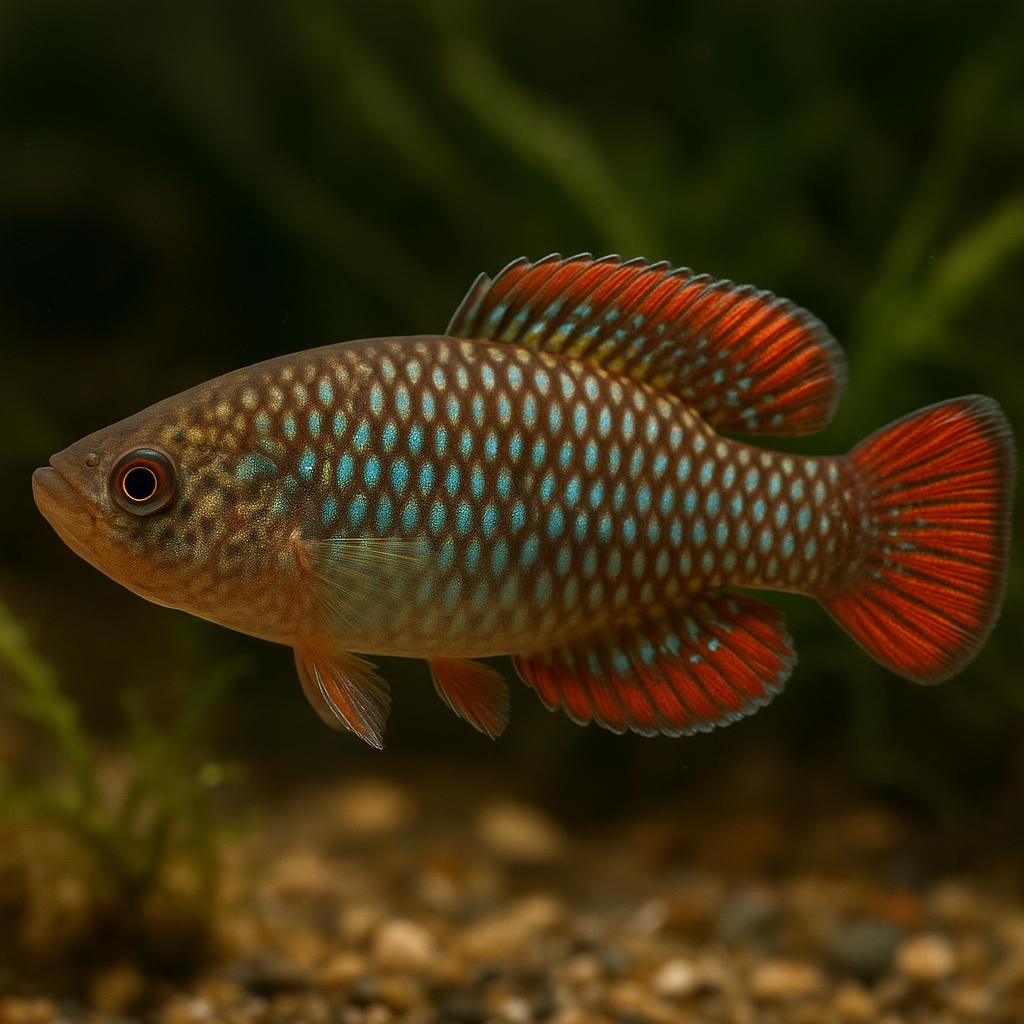
Jordanella floridae is that little Florida native with the red-and-cream striping that really does look like a tiny flag once a male colors up. They graze algae like champs (especially stringy/hair algae), but they have a bit of attitude - give them plants and space so the bossy behavior stays manageable. Bonus: the male guards the eggs and will actively fan them, which is pretty fun to watch.
Banded Leporinus
Leporinus fasciatus
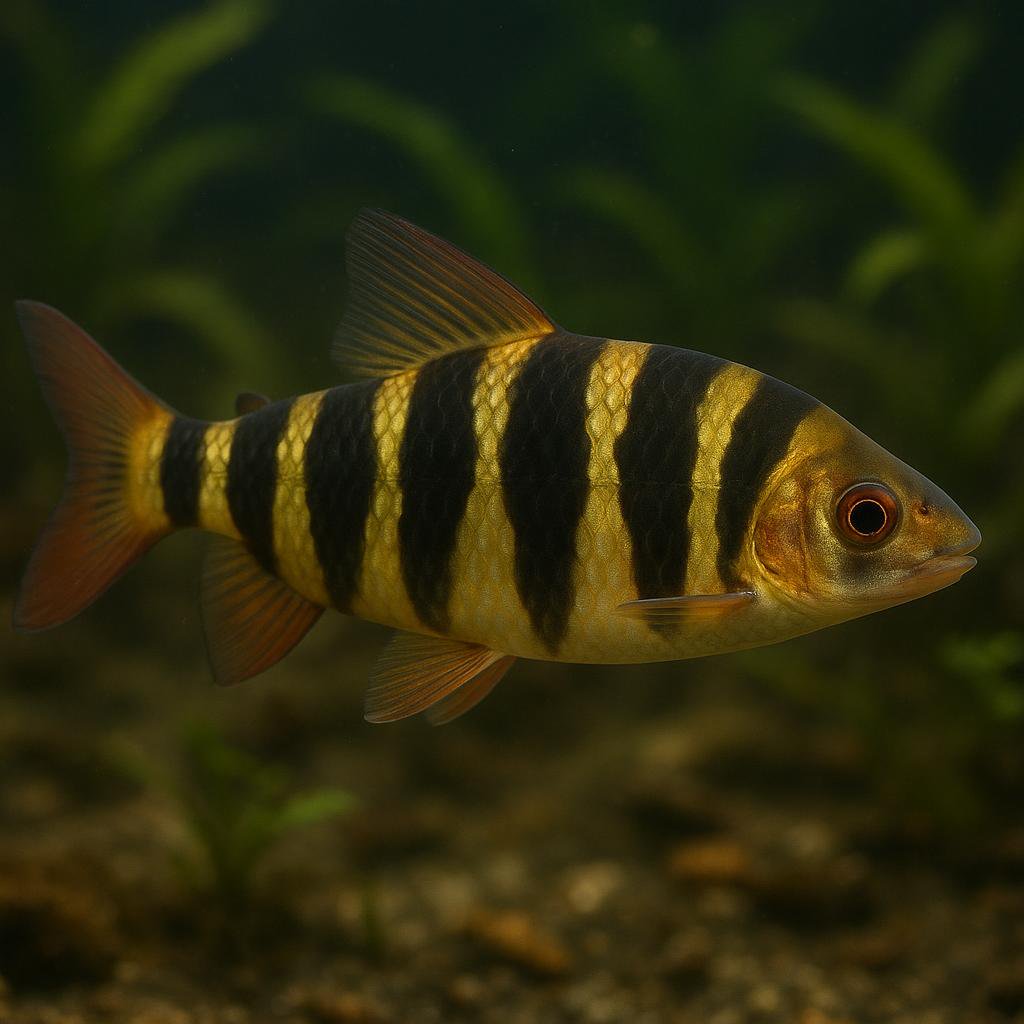
Banded Leporinus are those torpedo-shaped, black-and-yellow striped fish that look like they're wearing a little prison outfit-and they stay on the move. They've got a ton of personality and they're awesome to watch cruising and picking at stuff, but they're also the kind of fish that will redecorate your tank and "taste test" anything soft-looking.
Bandi cichlid
Wallaceochromis signatus
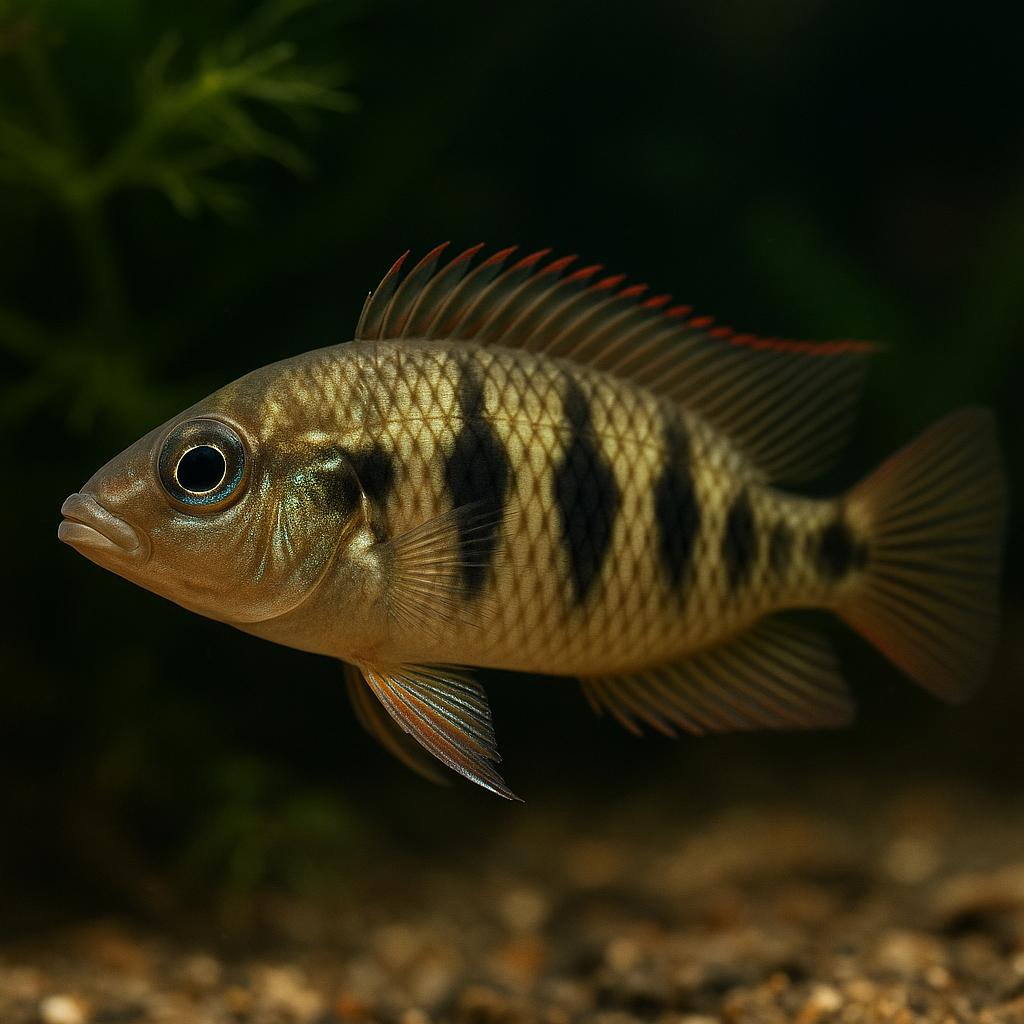
A West African dwarf cichlid from Guinea's Bandi River, this fish shows crisp vertical bars and spotted fins with red highlights. Females have a bold black spot at the base of the tail, and pairs guard eggs and fry in caves, which makes their parental behavior fun to watch.
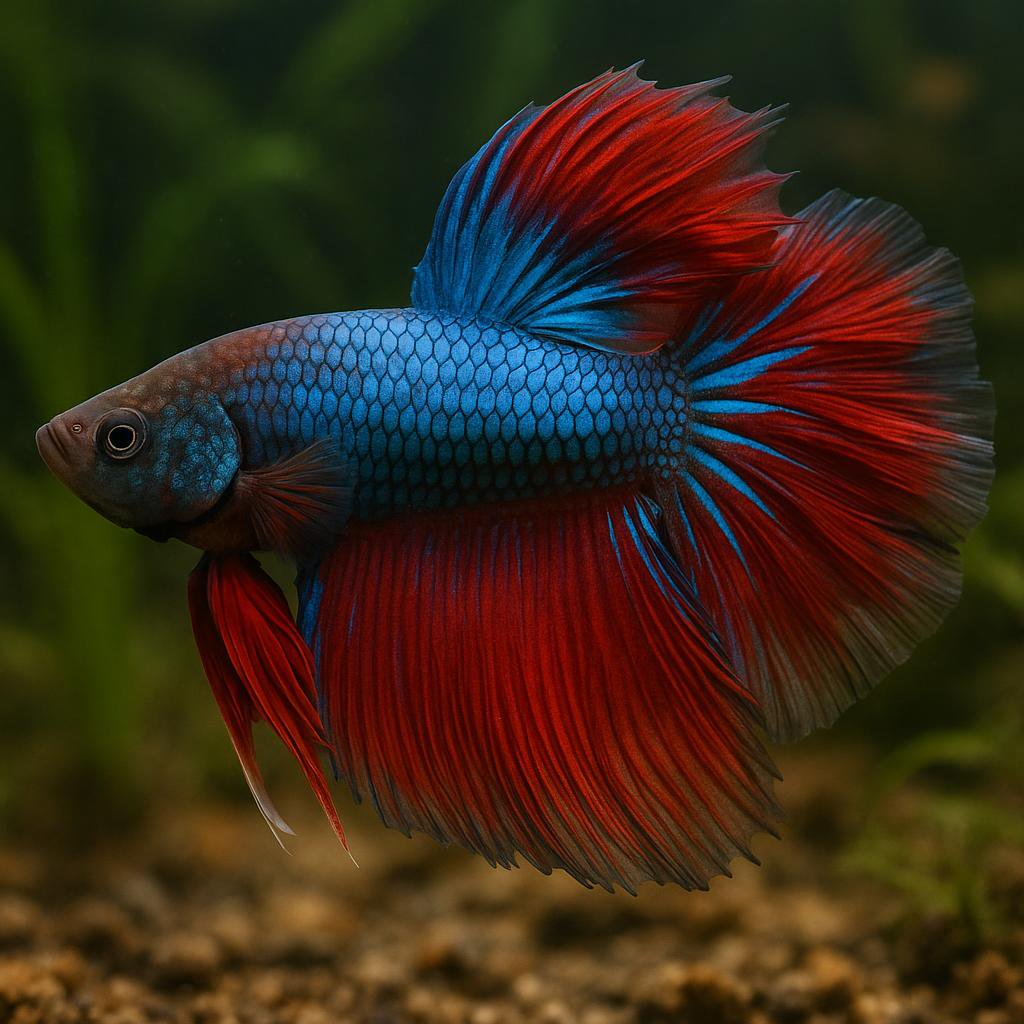
Betta
Betta splendens
Betta fish, also known as Siamese fighting fish, are popular for their striking colors and flowing fins. They are known for their territorial nature, especially males, which can display aggressive behavior towards each other.
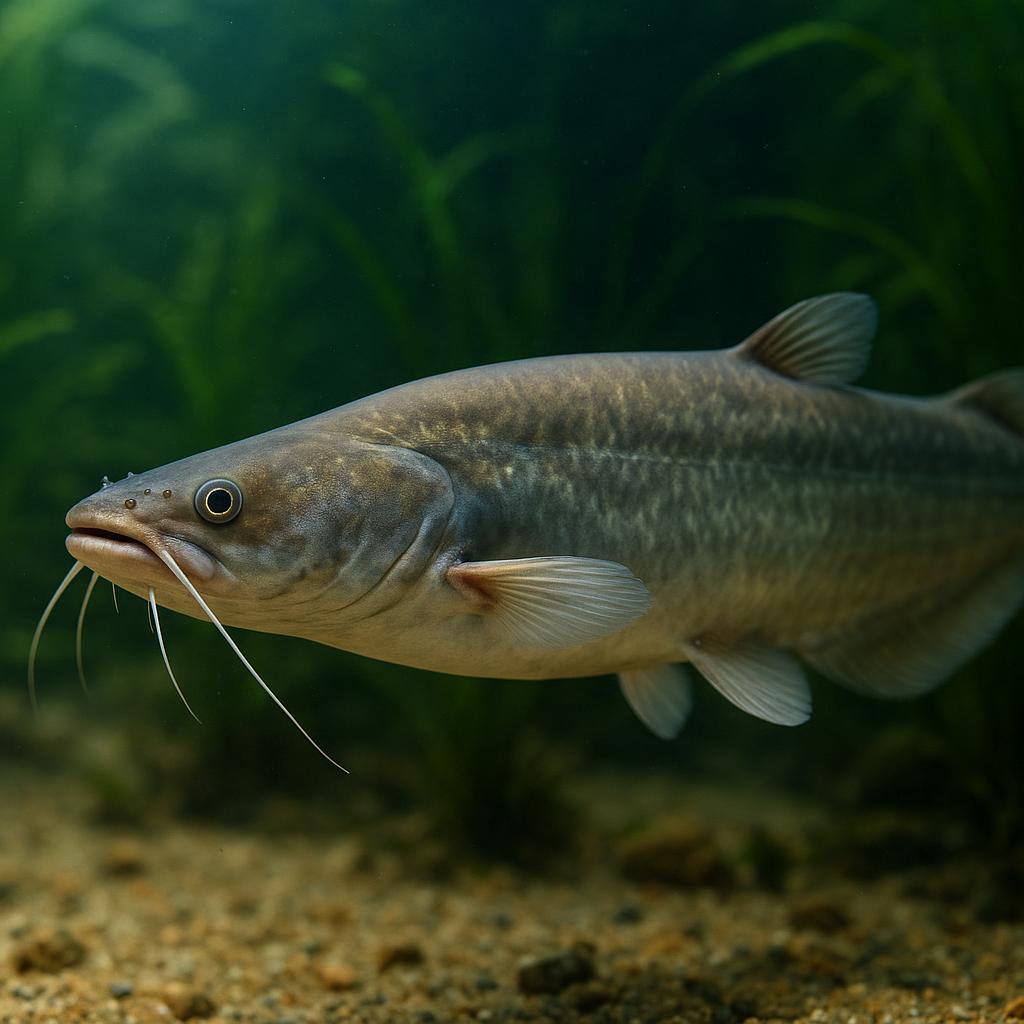
Blackhawk catfish
Wallagonia micropogon
Wallagonia micropogon is a giant Southeast Asian sheatfish with an eel-like body and a huge, scoop-like mouth for hunting other fish. It is native to the Mekong and middle Chao Phraya basins and was long confused with Wallagonia leerii, which makes IDs and care notes tricky. Stunning as a juvenile but it grows to true megafish size, so it is only realistic for expert keepers or public aquariums.
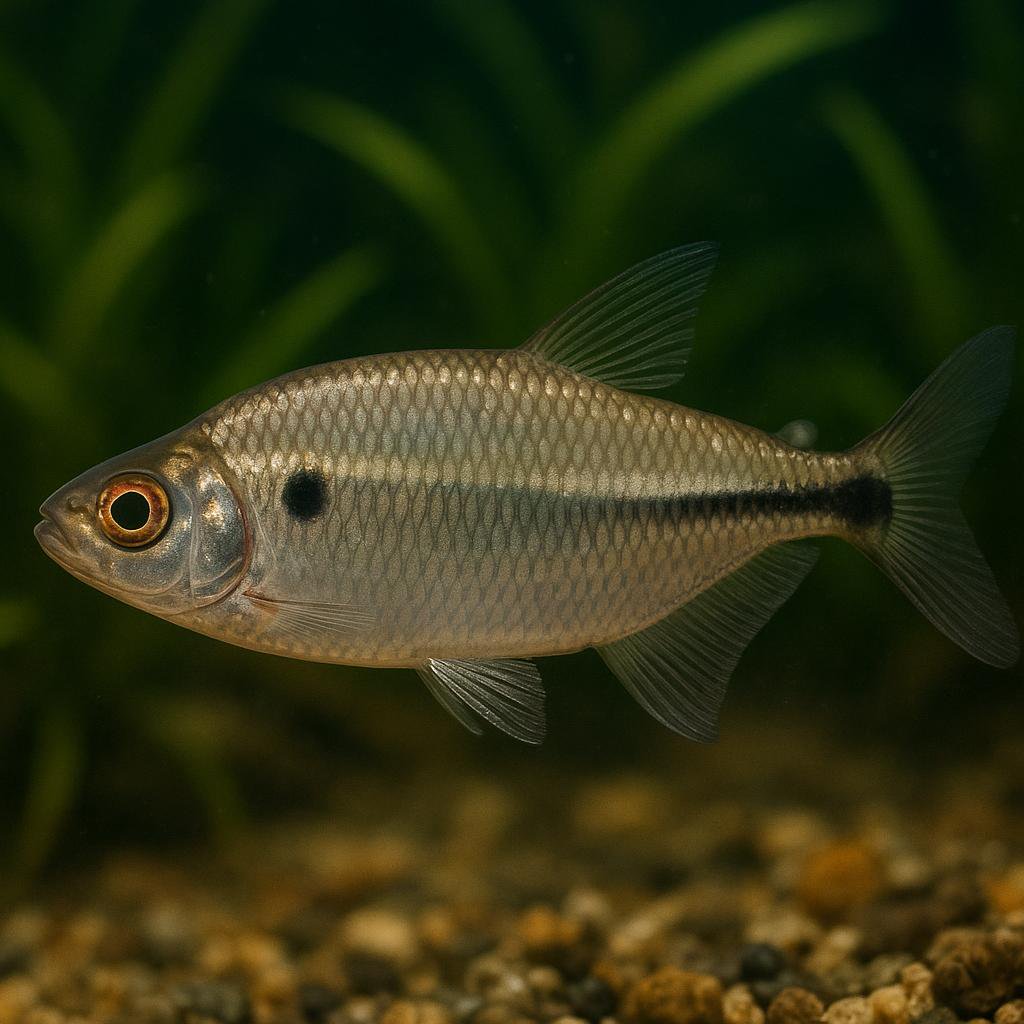
Boulenger's Featherfin Tetra
Bryconaethiops boulengeri
A big, fast African tetra from the Congo River basin, it cruises the mid-to-upper water in active groups and flashes a bold broken stripe along its flanks. In the wild it hunts insects at the surface and can leap, so aquariums need tight lids. Keep it with robust tankmates it cannot swallow.
More to Explore
Discover more freshwater species.
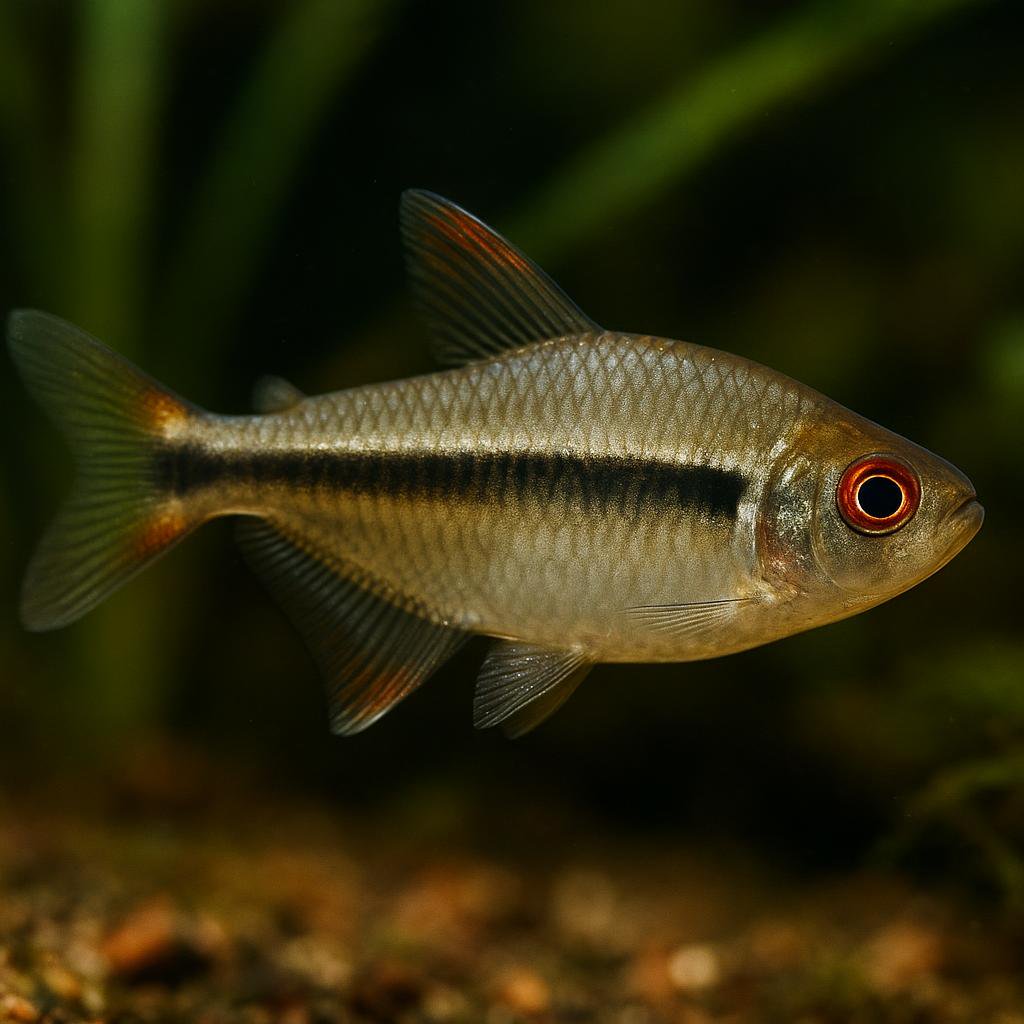
Amapa tetra
Hyphessobrycon amapaensis
This is a tiny, super sleek little tetra with a clean red stripe down the side that really pops once its settled in. It does best in a planted, slightly tinted "creek-style" setup and looks way cooler when you keep a proper group so they school and flash that line together. If you can give it soft, slightly acidic water and a calm community, its an easy fish to fall for.
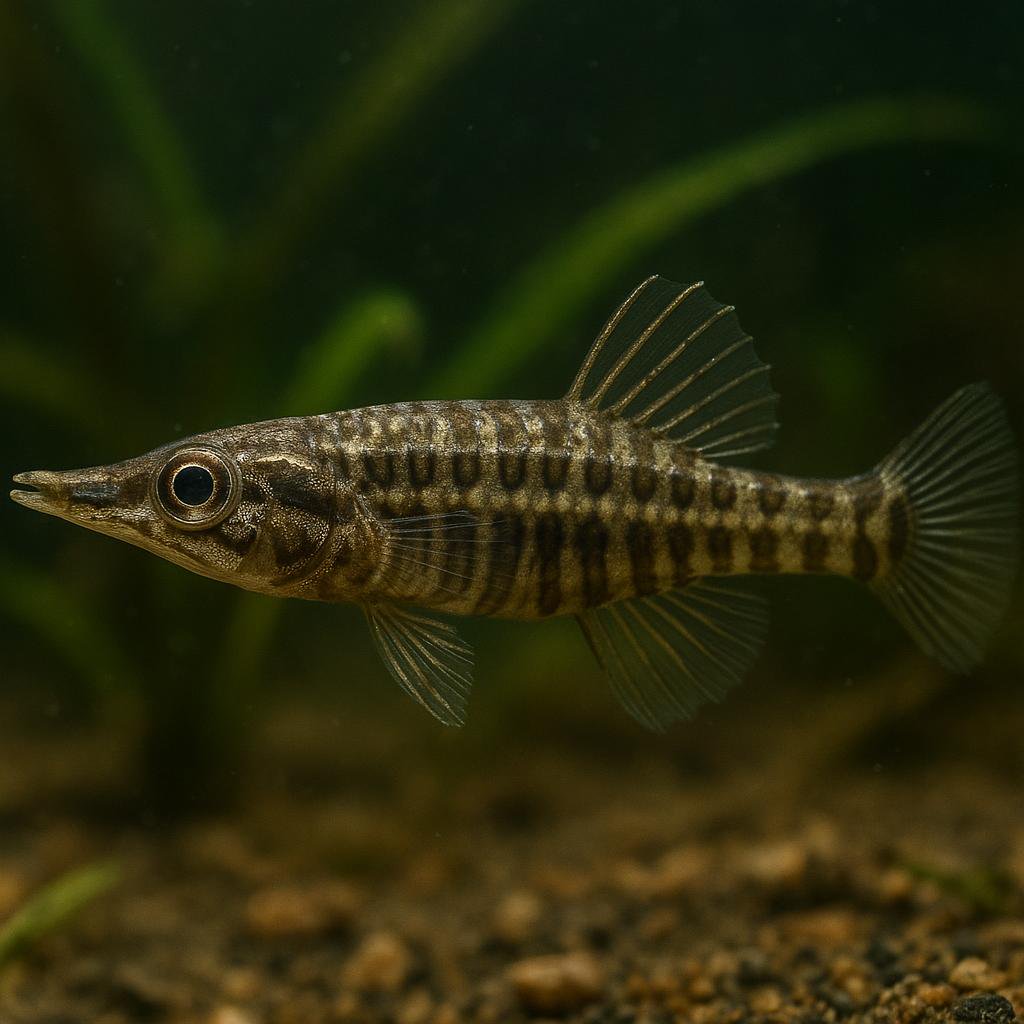
Armoured stickleback
Indostomus paradoxus
This is that goofy little "freshwater seahorse"-looking fish that just kind of perches and scoots around like a tiny armored twig. Its whole vibe is slow, sneaky micropredator - once its settled in, you will catch it stalking microfoods and doing these subtle little posture displays. The big trick is feeding: they do best when you can provide lots of small live foods in a calm, planted tank.
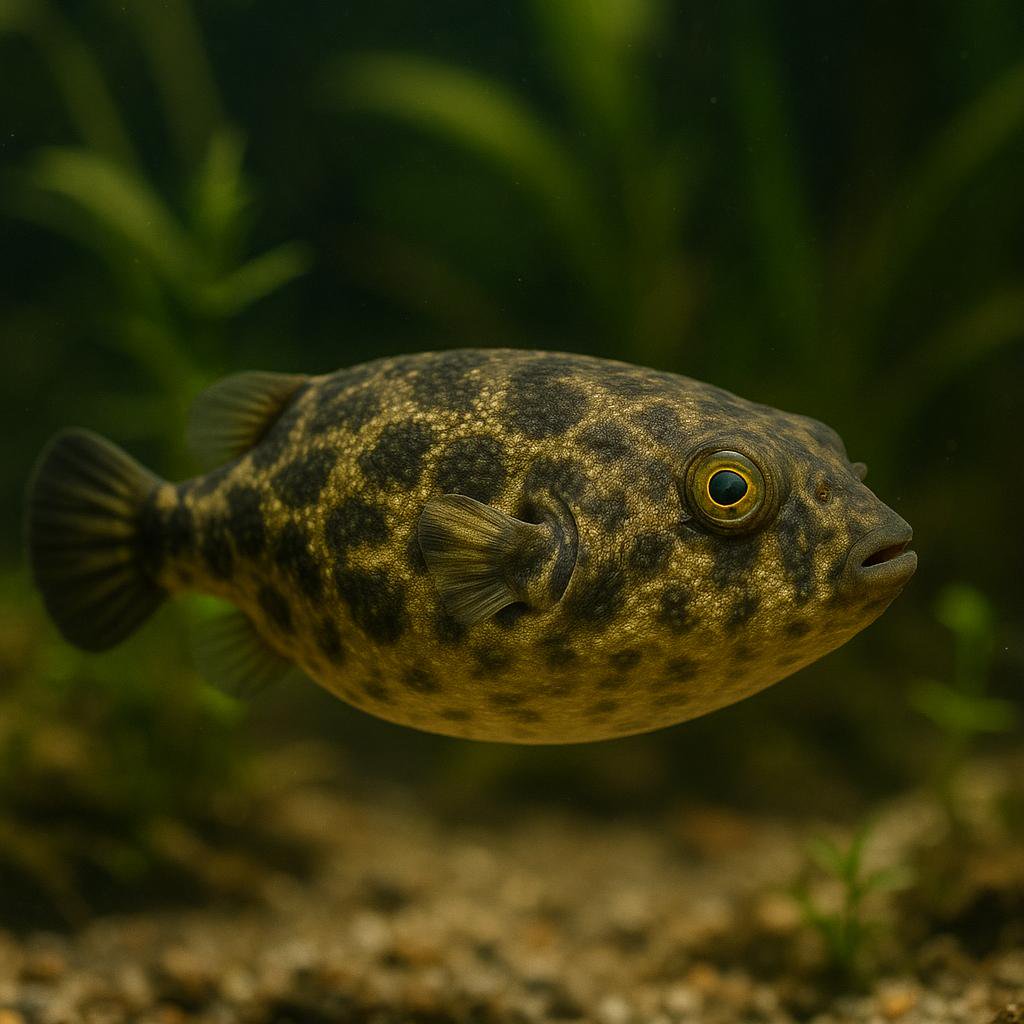
Arrowhead puffer
Pao suvattii
Pao suvattii is that sneaky Mekong puffer that likes to sit low and ambush food, and it has that super recognizable arrow/V pattern on its back. Gorgeous fish with tons of personality, but it is absolutely not a community guy - plan on a solo, species-only setup if you want everybody to stay in one piece.
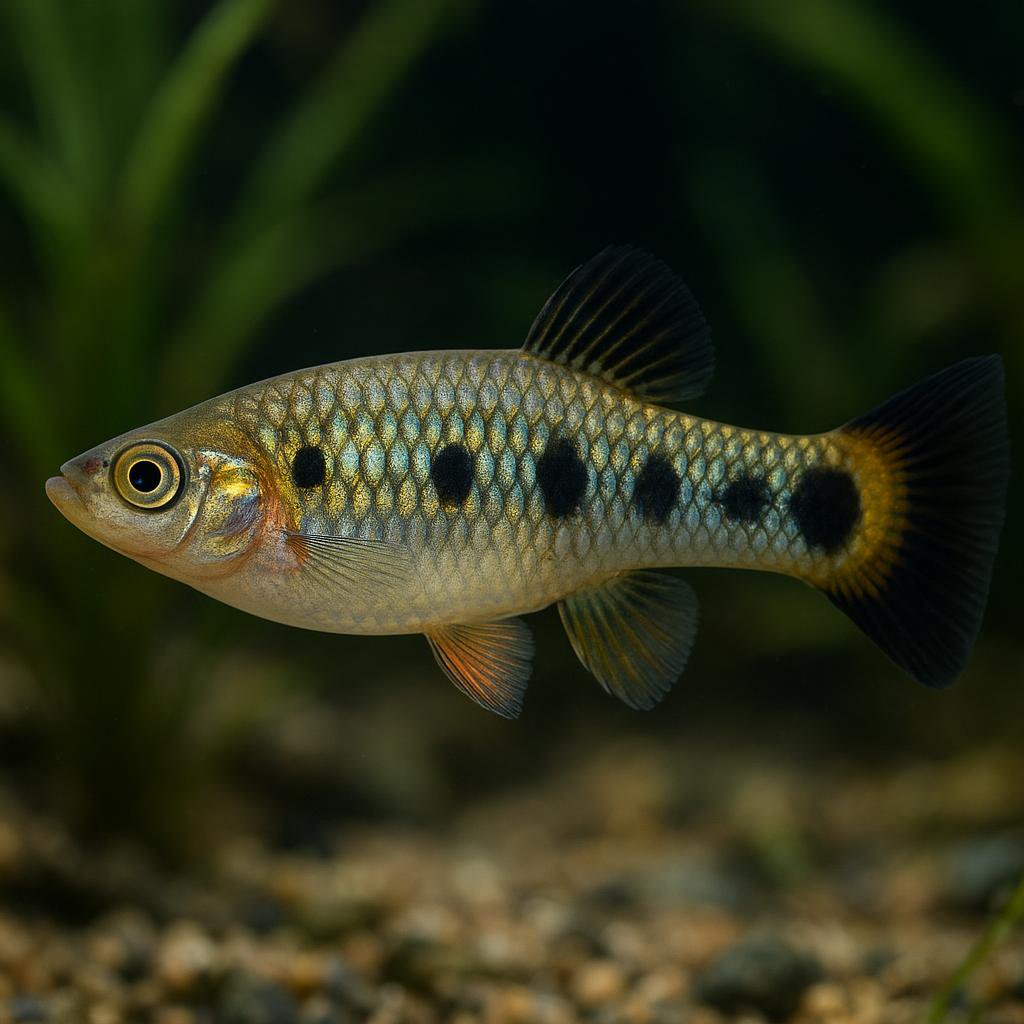
Bishop toothcarp
Brachyrhaphis episcopi
This is a tiny Panamanian livebearer that does best when you treat it more like a shy wild fish than a fancy guppy-lots of cover, calm vibes, and really clean water. The fun part is watching the males posture and spar while the females cruise around dropping fully-formed fry about once a month.
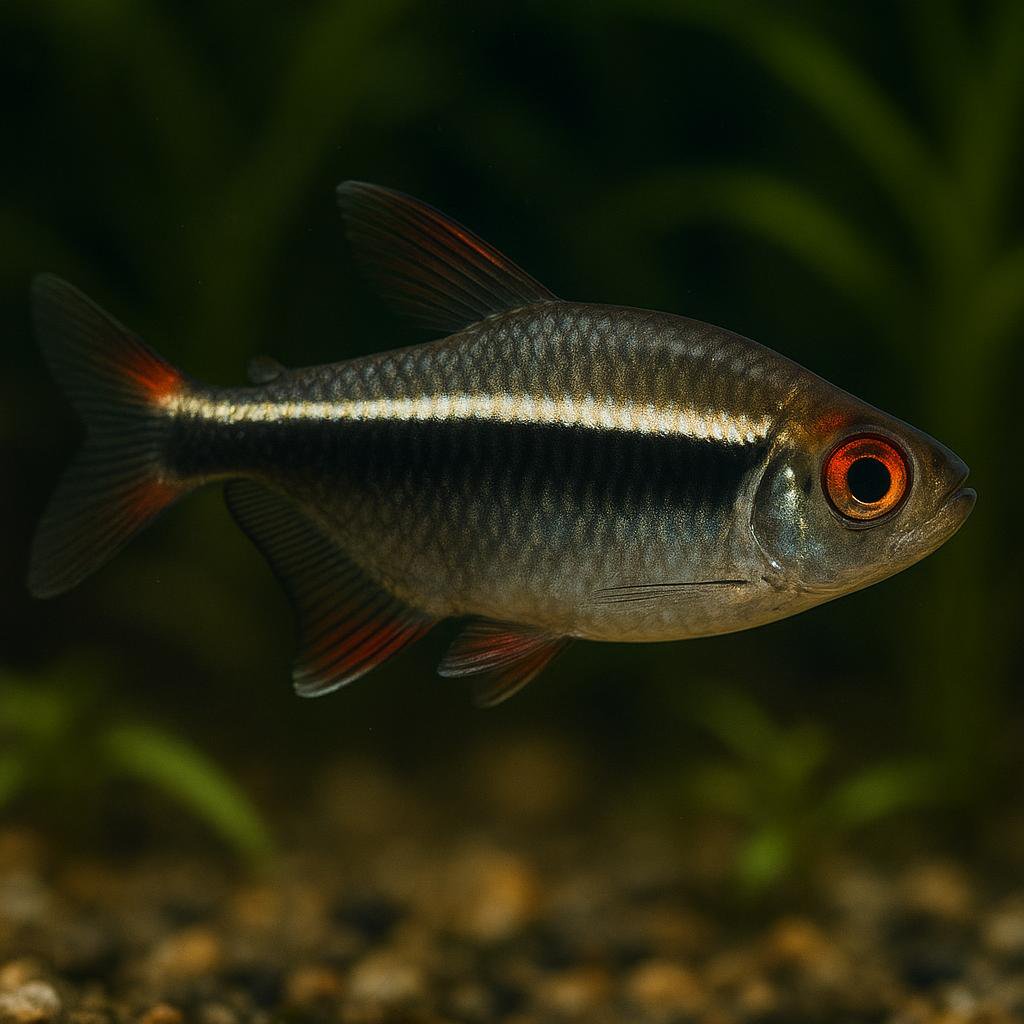
Black Neon Tetra
Hyphessobrycon herbertaxelrodi
Black neons are one of those little tetras that look kinda understated until the light hits them-then that bright stripe pops and they shimmer when the school turns together. They're super chill, always cruising mid-water, and they make a tank feel "alive" without being hectic. If you keep a nice group, they get bolder and you'll see way more of their personality.
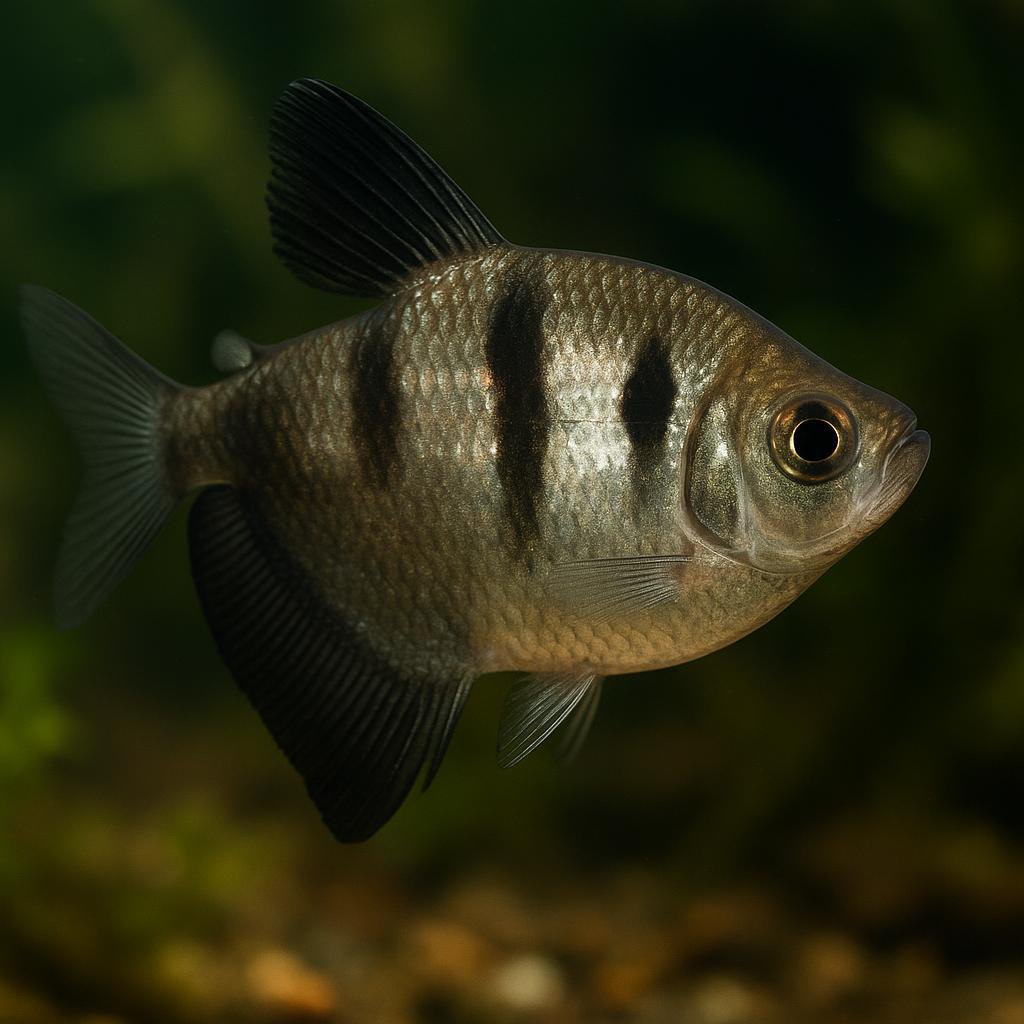
Black Skirt Tetra (Black Widow Tetra)
Gymnocorymbus ternetzi
Black skirts are those little "suit-and-tie" tetras with the dark bands and flowing fins that look way fancier than they should for how tough they are. They're super active midwater fish, and when you keep a proper group they do that tight, zippy schooling thing that makes the whole tank feel alive. Just give them enough buddies and finny tankmates they won't be tempted to nip.
Looking for other species?