

Search Species
Search for fish species by common or scientific name, or use filters to browse by water type, size, temperament, and difficulty.
Found 337 species
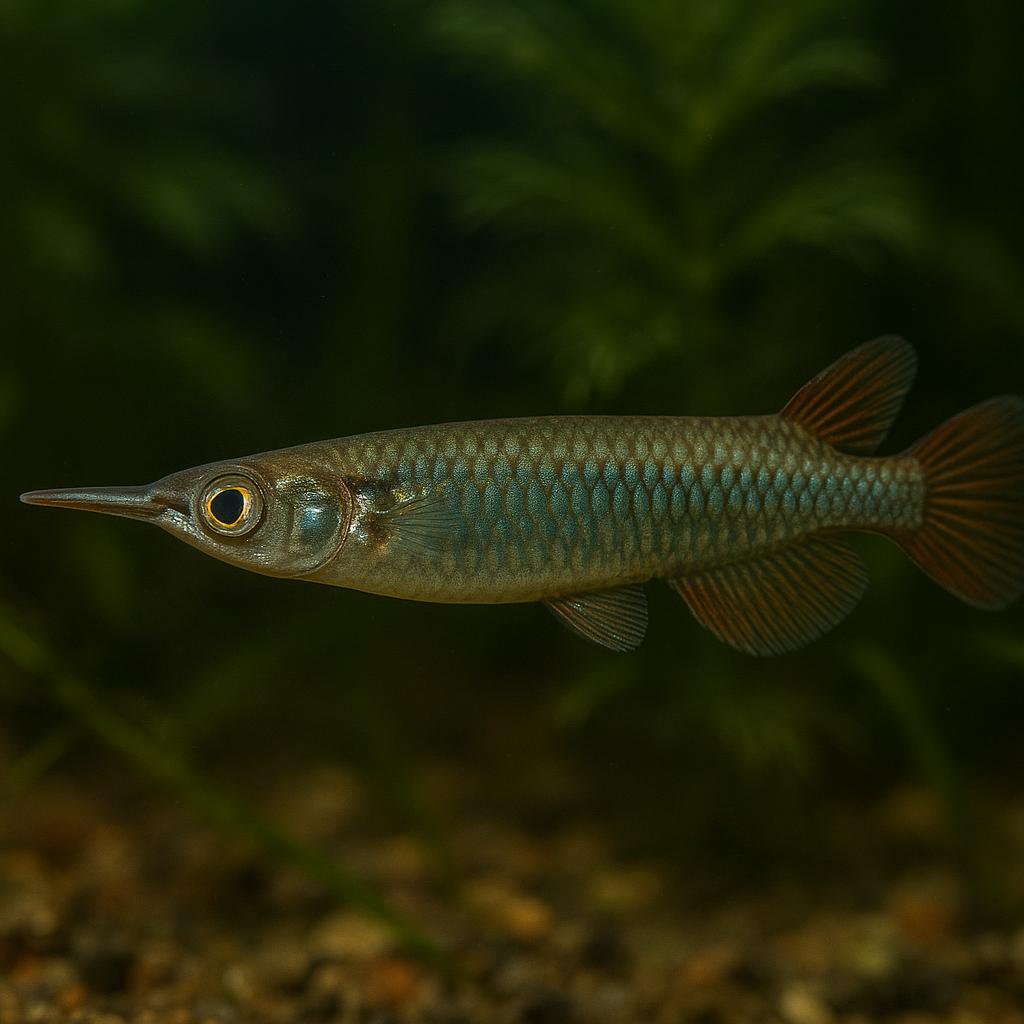
Poso halfbeak
Nomorhamphus celebensis
This is a cool little Sulawesi halfbeak that spends most of its time cruising the surface and picking food right off the top. They do best in a small group with lots of surface cover (floating plants are perfect), and they really reward you if you keep the water clean and stable. Also worth knowing: a lot of info online mixes up their exact habitat, and that can lead people to keep them too warm.
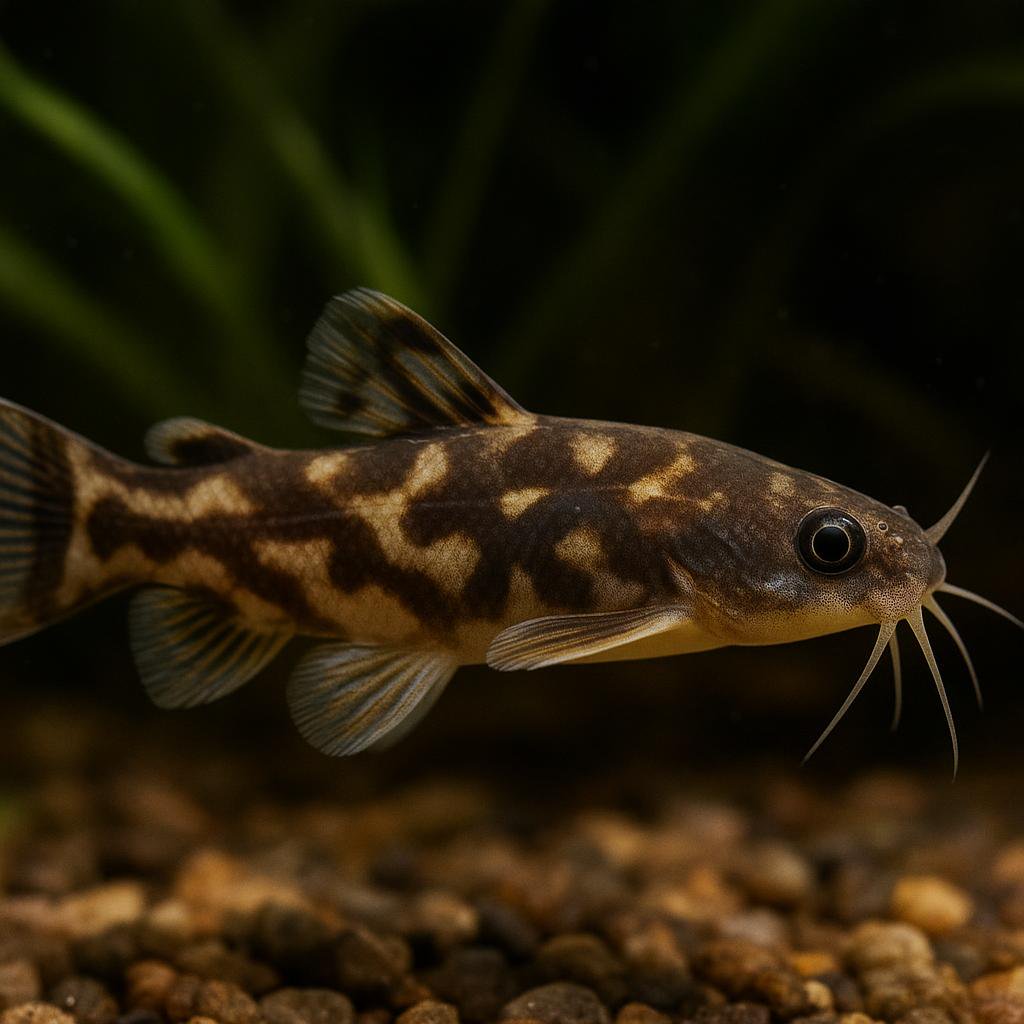
Productus suckermouth catfish
Chiloglanis productus
This is a tiny African suckermouth catfish from fast, clear tributary streams feeding Lake Tanganyika - think boulders, gravel, and current. Its little suction-cup mouth is built for clinging to rocks in flow, and males have a more drawn-out caudal fin shape (which is literally what productus is referring to). If you like oddball hillstream-style setups, this one fits that vibe perfectly.
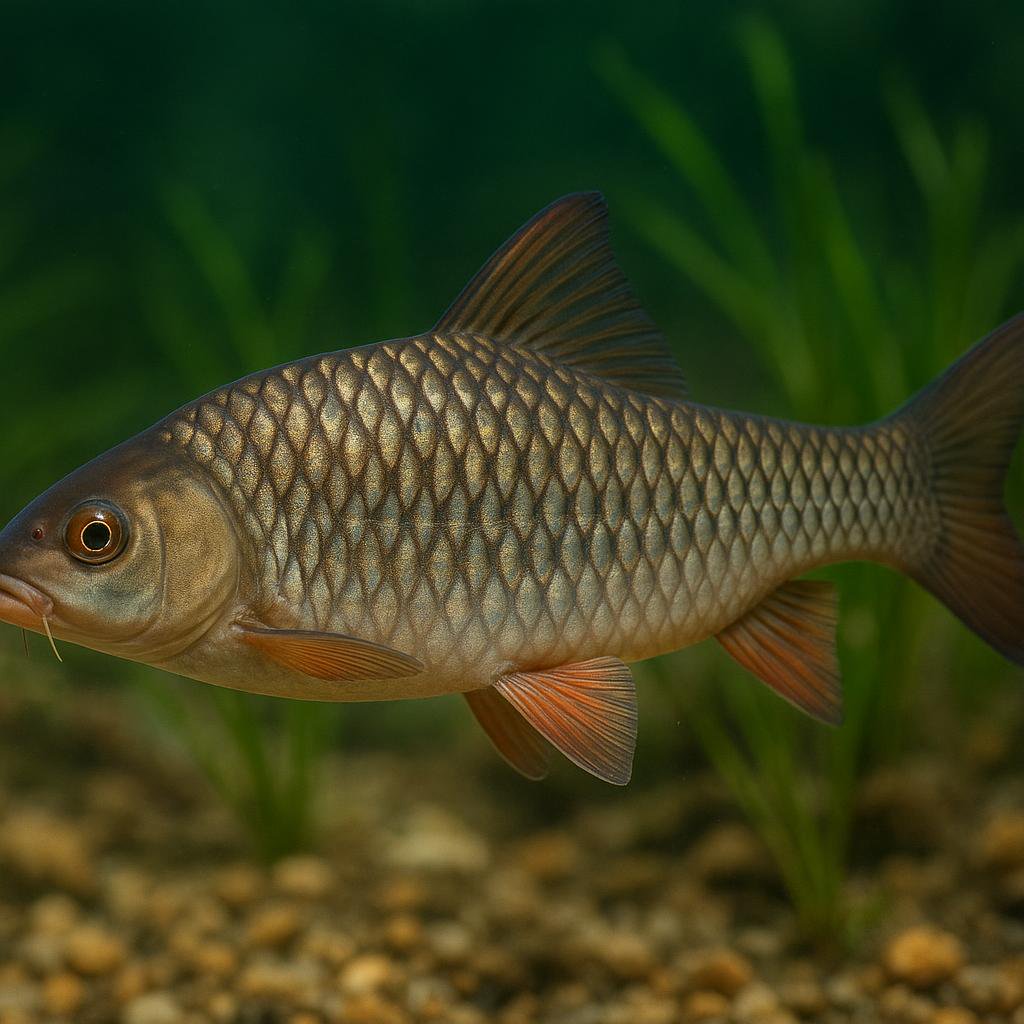
Pseudomussullah barb
Hypselobarbus pseudomussullah
This is a Western Ghats river barb from India that gets to a solid hand-sized fish, built for cruising midwater in current. Its whole claim to fame is how close it looks to Hypselobarbus mussullah - it was literally described as the 'pseudo' mussullah - so it is the kind of fish that can be mis-ID'd in the trade if it ever shows up.
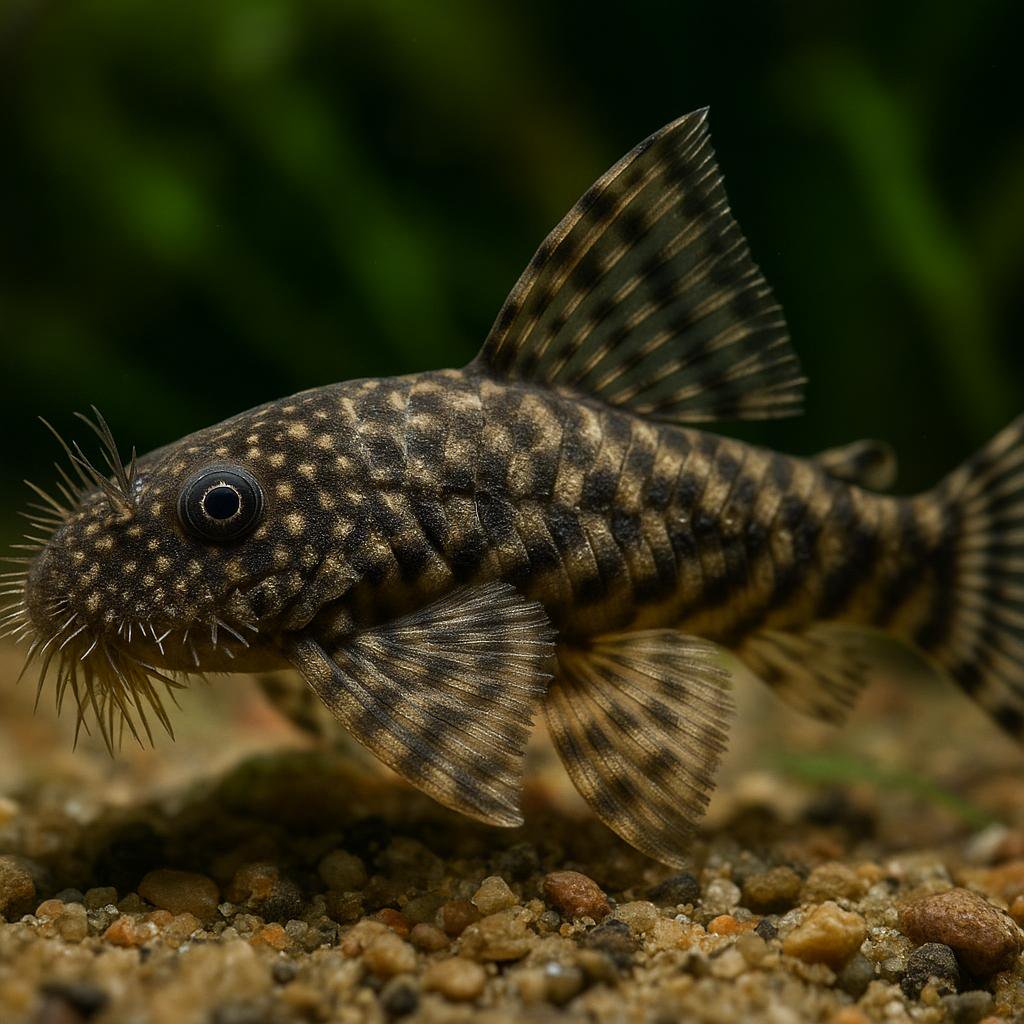
Punk pleco
Neblinichthys pilosus
This is that weirdly awesome little pleco with the punk-rock bristles - mature males get those spiky odontodes on the head and snout that make it look like it rolled out of a 1980s show. It stays pretty small for a pleco, but it is a true wild-type fish from remote Venezuela, so it does best in a clean, oxygen-rich setup with lots of flow and hiding spots.
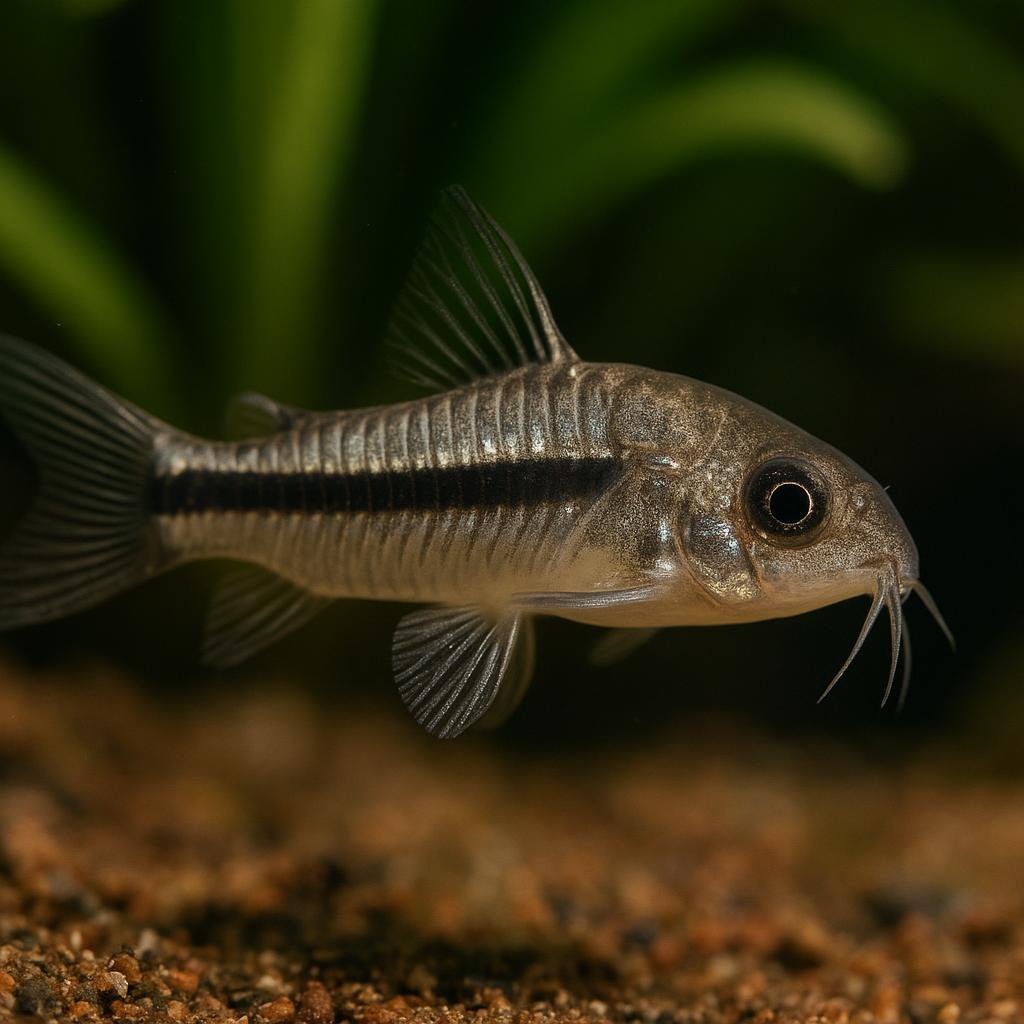
Pygmy corydoras
Corydoras pygmaeus
Pygmy cories are tiny little armored catfish that do this super-cool thing most cories don't: they'll cruise around in the midwater in a loose school instead of just shuffling along the bottom. Give them a soft sandy substrate, lots of plants to weave through, and a proper group, and they turn into nonstop little busybodies.
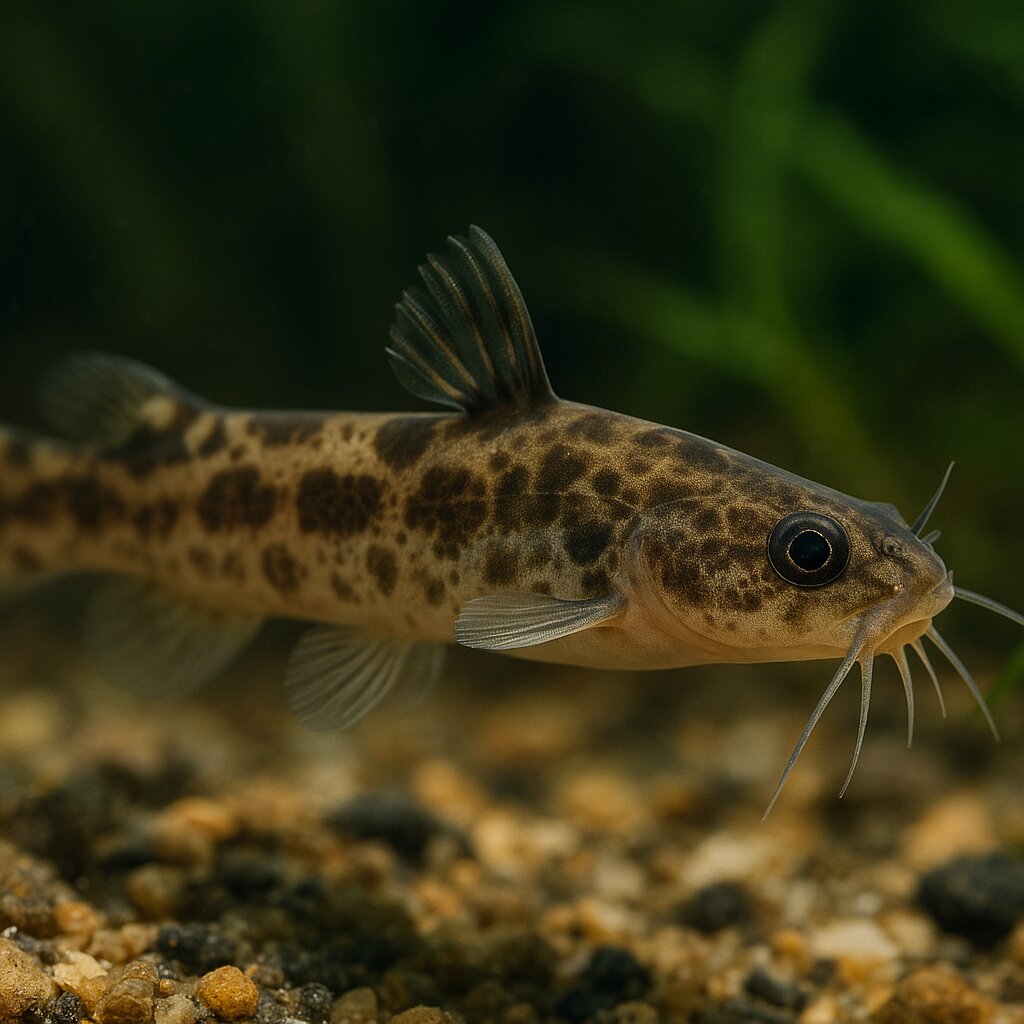
Pygmy madtom
Noturus stanauli
This is a tiny North American catfish from Tennessee's Clinch and Duck rivers that spends its days tucked under small rocks and comes out around dusk. Males guard small clutches of big eggs, which is fun to watch if you ever see footage from conservation hatcheries. It is federally endangered, so it is a fish for biologists with permits, not home aquariums.
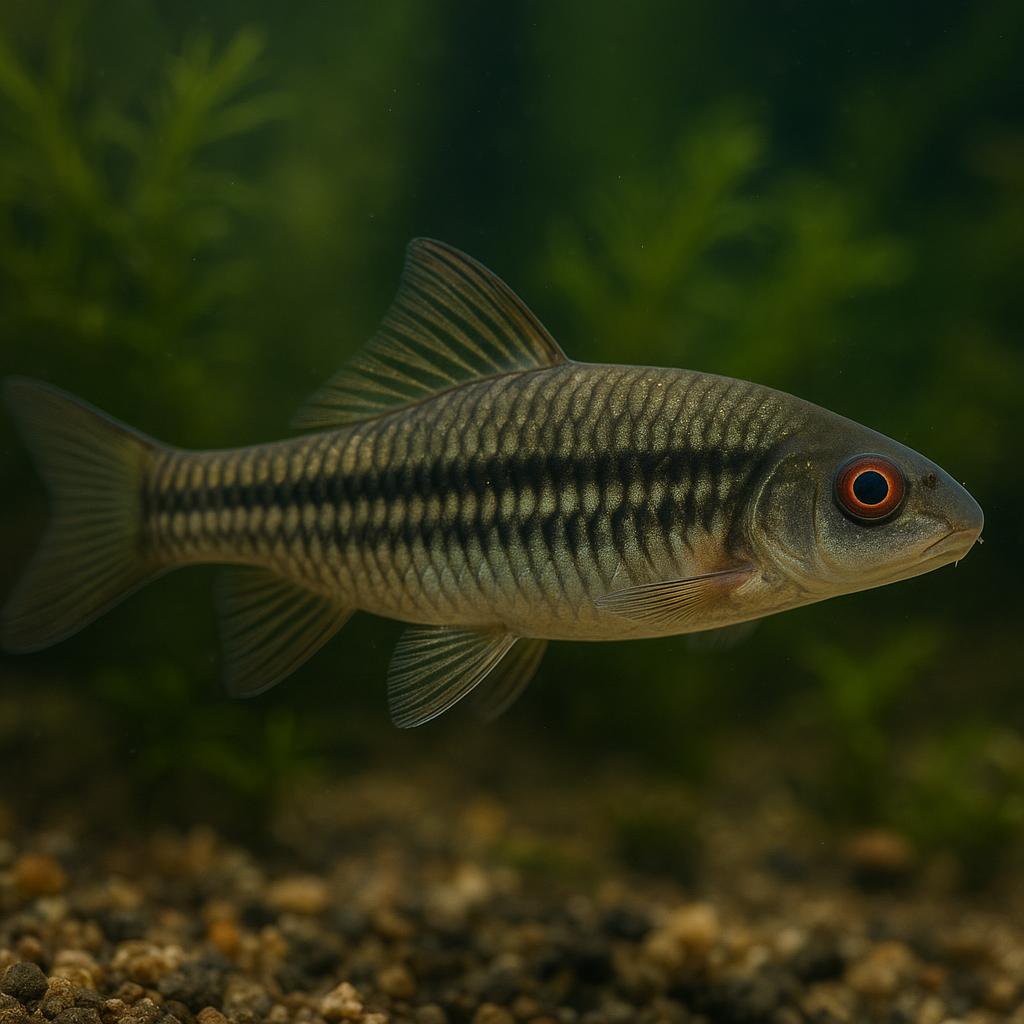
Qianlabeo
Qianlabeo striatus
Qianlabeo striatus is a tiny, river-dwelling labeonin carp from Guizhou, China (Pearl River drainage) that stays under about 3.5 inches. It is the only species in its genus, and in the aquarium hobby it is basically a "data-poor" fish - you will likely be guessing a bit on care unless you can match it to its exact natural stream conditions.
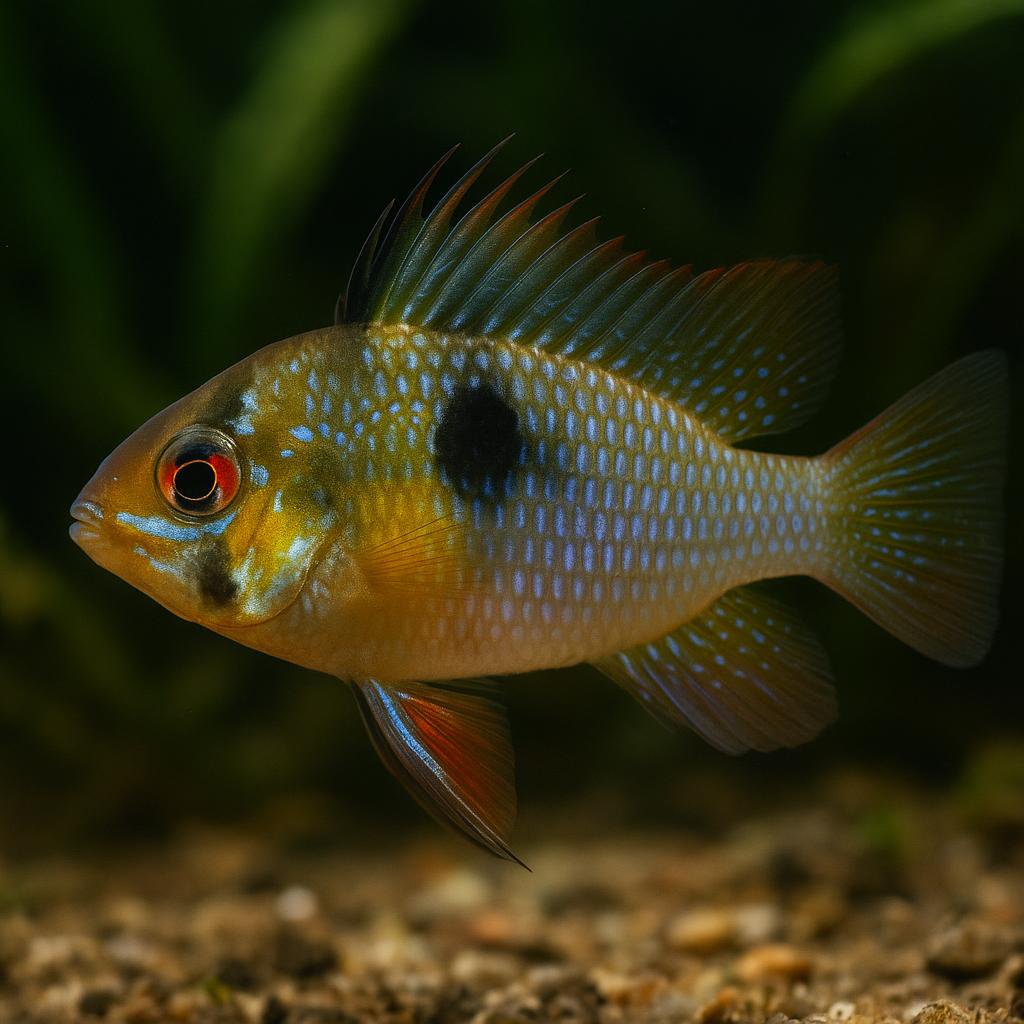
Ram cichlid (German blue ram / butterfly cichlid)
Mikrogeophagus ramirezi
Rams are tiny little cichlids with big-time attitude (in the cutest way) and insane sparkle-those blues, yellows, and that black face bar really pop when they're happy. They're also one of the warmer-water dwarf cichlids, and they'll show off pair behavior and even spawn on flat stones if you keep the tank clean and calm.
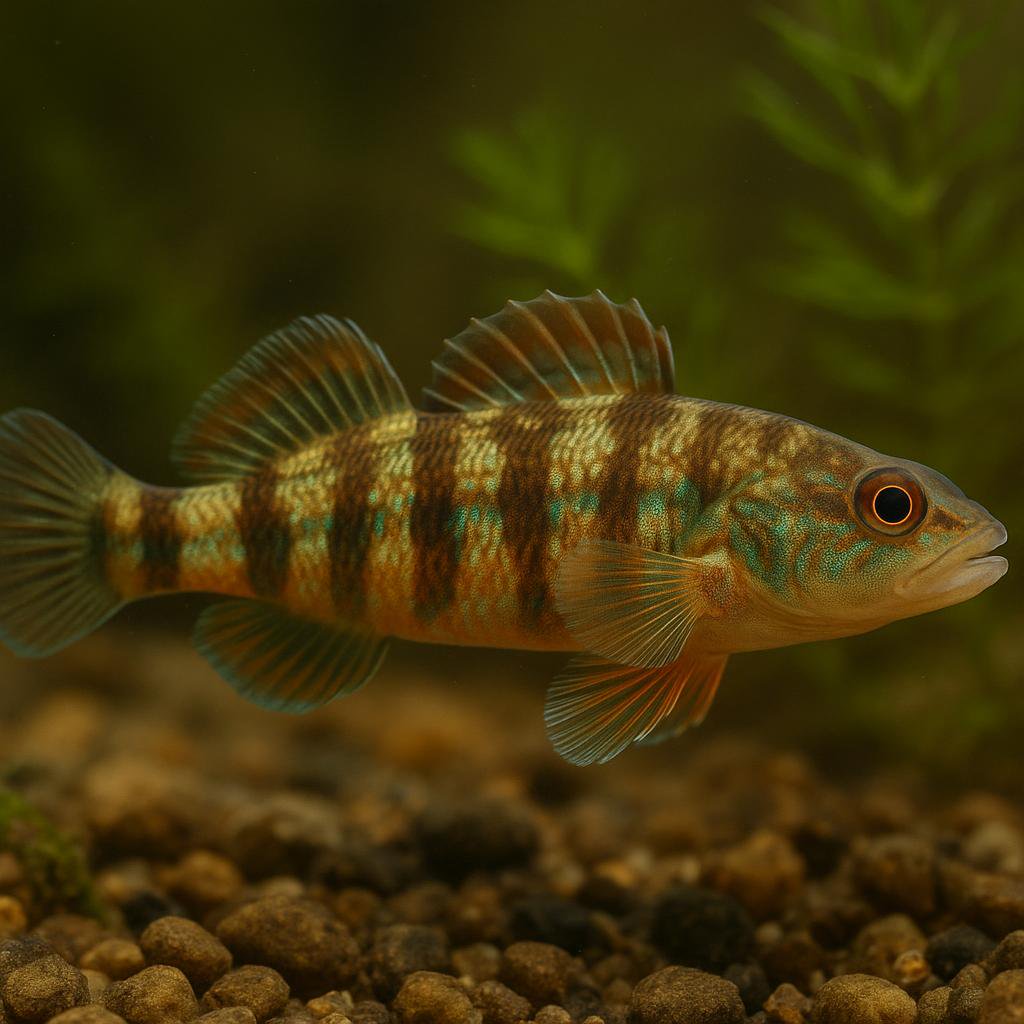
Redlips Darter
Etheostoma maydeni
This is a tiny Cumberland River drainage darter with a really neat telltale feature: the red pigment right on the lips. Its whole vibe is hanging out on the bottom in calmer pools along big creeks and rivers, tucked around boulders and woody cover.
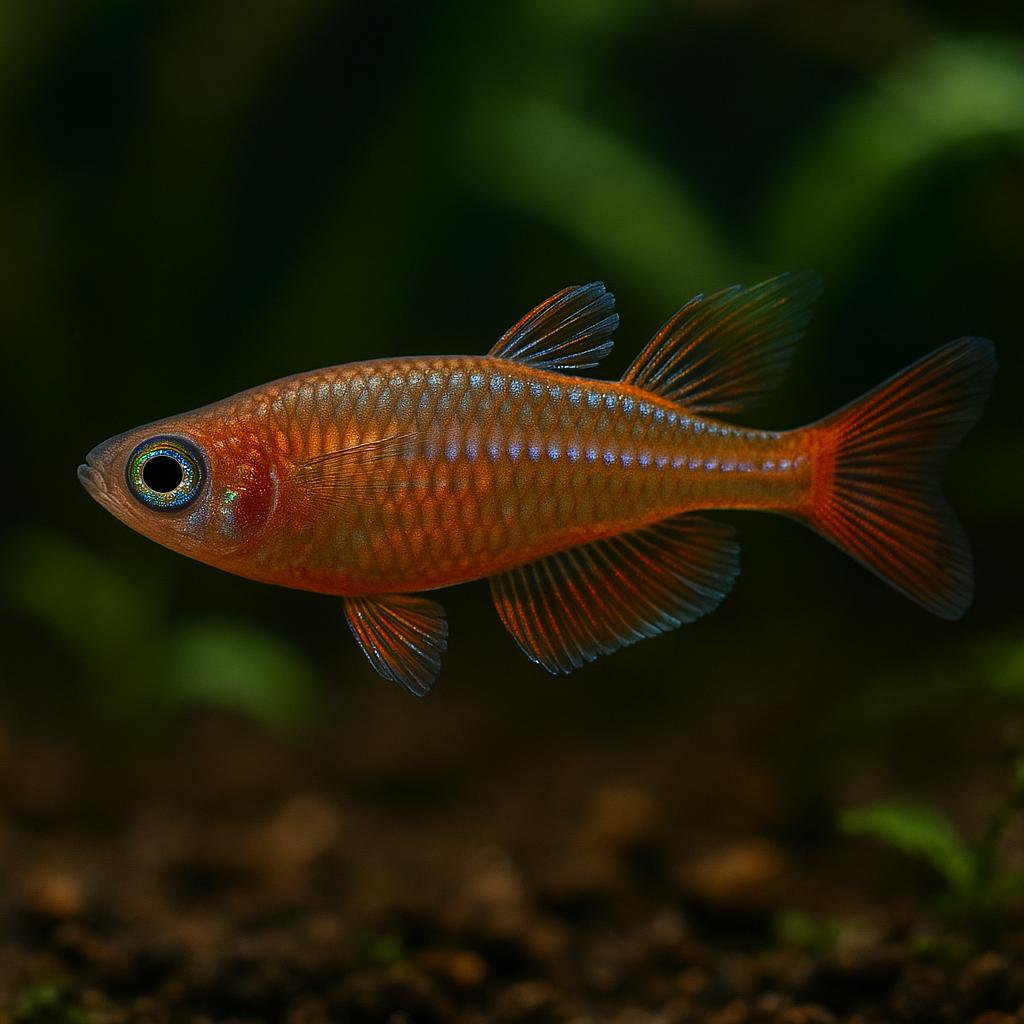
Red Neon Blue-eye
Pseudomugil luminatus
This little blue-eye is basically a tiny fireworks show-males flash electric blue eyes and red/orange fins and spend half the day showing off to each other. Keep them in a nice-sized group and you'll see constant "dancing" and fin-flaring in the open water, especially over dark substrate and plants.
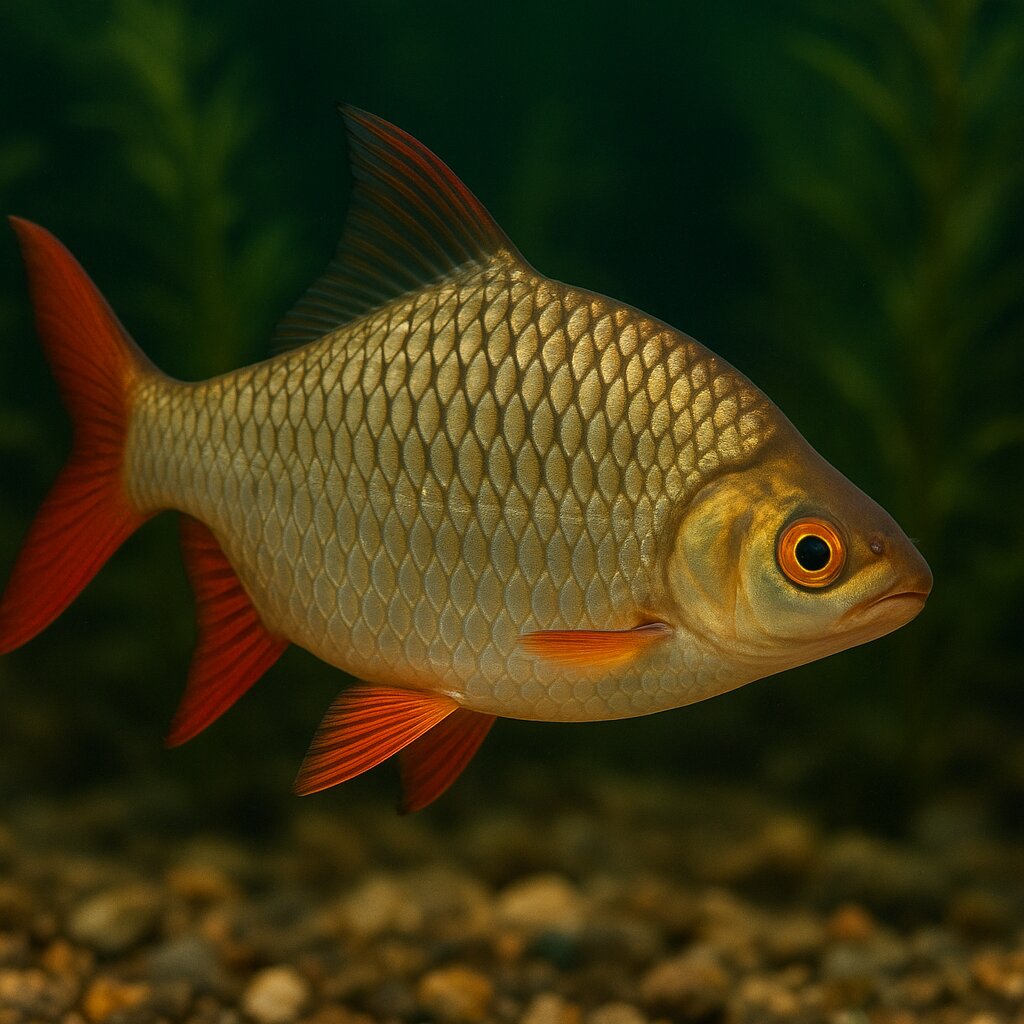
Red-tailed tinfoil barb
Barbonymus altus
Picture a shiny silver barb with vivid red fins and a plain red tail - no black edging - that cruises nonstop like a little river torpedo. It looks a lot like the big tinfoil barb but stays smaller, topping out around 10 inches, and really comes alive when you keep a group in a long tank with good flow.
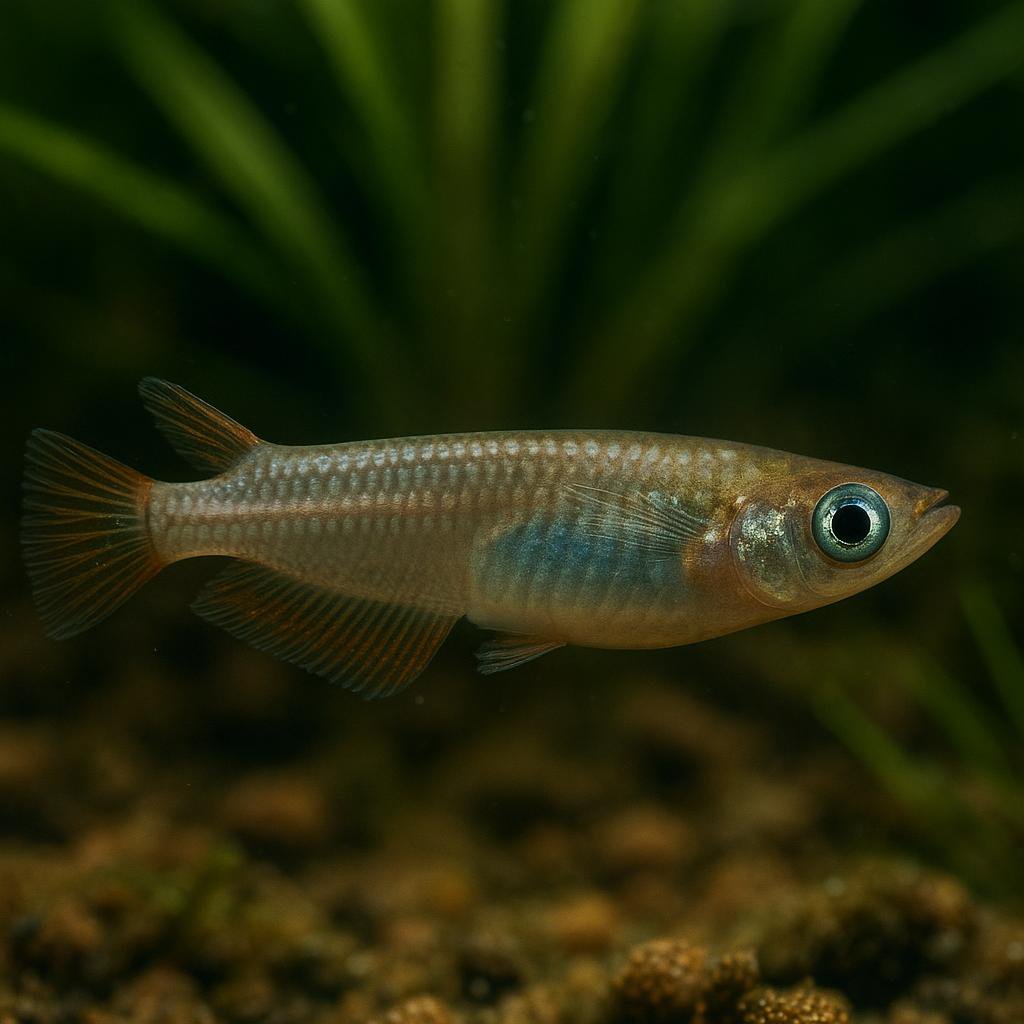
Renny's ricefish
Oryzias hadiatyae
Endemic to Lake Masapi (Malili Lakes system), Central Sulawesi, Indonesia; reported from shallow shoreline habitats and associated with shoreline root/vegetation structure. Diagnostic morphology includes a snout concavity (not unique within the genus).