

Pygmy corydoras
Corydoras pygmaeus
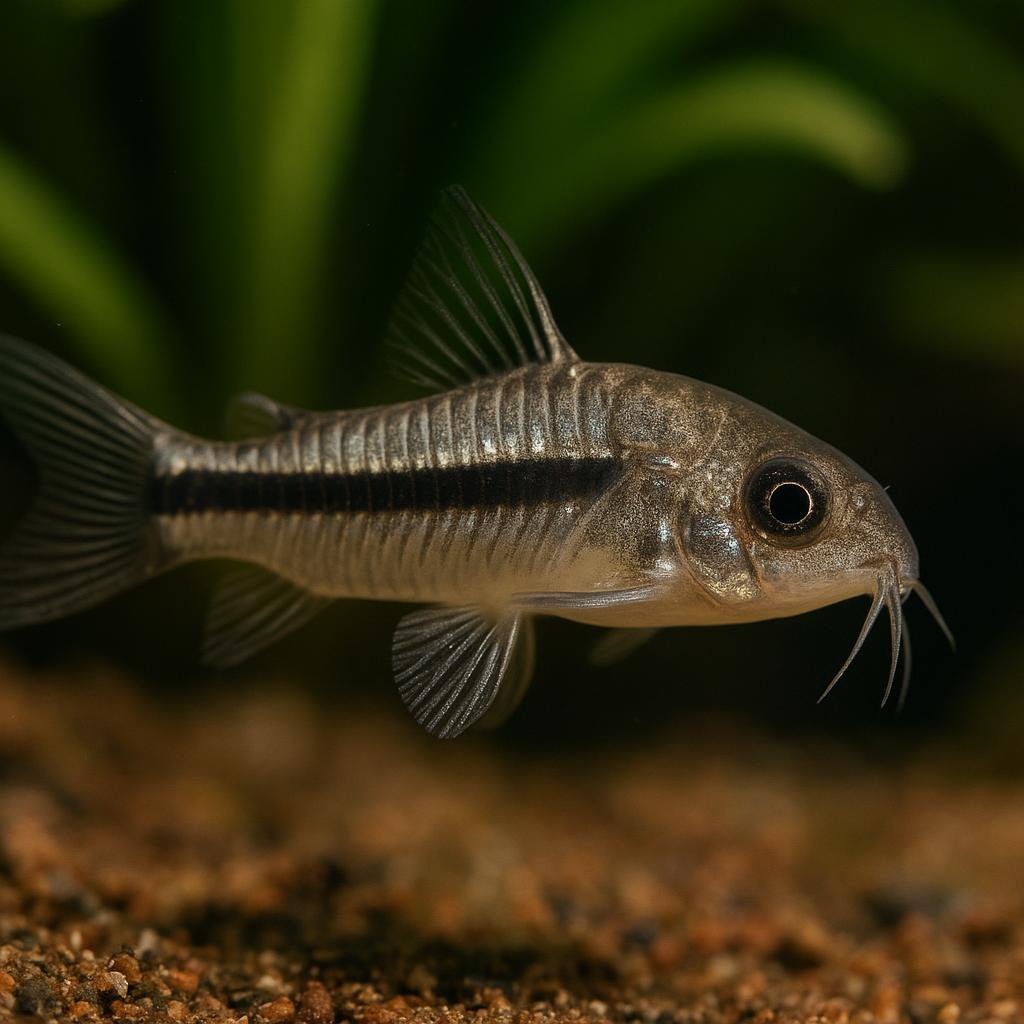
Pygmy corydoras exhibit a small, slender body with a translucent pale brown color, adorned with distinctive dark spots and a prominent adipose fin.
This page includes AI-generated images. Why am I seeing AI images?
About the Pygmy corydoras
Pygmy cories are tiny little armored catfish that do this super-cool thing most cories don't: they'll cruise around in the midwater in a loose school instead of just shuffling along the bottom. Give them a soft sandy substrate, lots of plants to weave through, and a proper group, and they turn into nonstop little busybodies.
Also known as
Quick Facts
Size
2.1 cm SL (about 0.8 in standard length)
Temperament
Peaceful
Difficulty
Intermediate
Min Tank Size
10 gallons
Lifespan
3-5 years
Origin
South America (Madeira River basin; also reported from tributaries in Peru/Ecuador/western Brazil)
Diet
Omnivore - sinking micro pellets/wafers, crushed flakes, frozen/live small foods (baby brine shrimp, daphnia, bloodworms)
Water Parameters
22-26°C
6-7.8
2-15 dGH
Need a heater for this species?
This species needs 22-26°C in a 10 gallon tank. Use our heater calculator to find the right wattage.
Calculate heater sizeCare Notes
- Keep pygmy cories in a real group-8+ if you can. In small numbers they get skittish and you'll barely see them.
- Use sand or super smooth fine gravel; sharp substrate will mess up their barbels. A couple plants/floaters and some wood or leaf litter makes them act way bolder.
- They're small but hate dirty water-aim for ~22-26°C, pH ~6.0-7.8, and keep nitrogen waste low with routine maintenance. Stable beats chasing exact numbers.
- Don't expect them to "clean the tank." Feed tiny sinking foods (micro pellets, crushed wafers) plus frozen/live stuff like baby brine, daphnia, and bloodworms; toss food in a couple spots so everyone gets some.
- They're mid-water for a cory, so give them open swimming space and gentle flow. A sponge filter or pre-filter on the intake saves them (and their fry) from getting sucked in.
- Best tankmates are peaceful nano fish-small tetras/rasboras, otocinclus, and shrimp usually work. Avoid boisterous/large fish that may intimidate or eat them; bettas are individual-dependent and should be watched closely if attempted.
- If you want babies, cool water changes and heavy feeding often trigger spawning; you'll find eggs on glass/plants. Move eggs or adults if you want a decent hatch because they'll snack on them.
- Watch for barbel erosion (usually rough substrate or dirty bottom) and for them getting outcompeted at meals. If they're skinny, feed after lights out or use a feeding dish so the food actually reaches them.
Compatibility
Good Tankmates
- Small, chill tetras (neons, embers, cardinals, glowlight) - they hang mid-water and won't hassle pygmy corys while the corys do their little hover-schooling down low
- Rasboras (chili rasboras, harlequins, lambchops) - peaceful, similar vibe, and they don't outcompete the pygmies at feeding time as long as you drop a little food down to the bottom
- Otocinclus - classic 'nobody bothers anybody' combo, both like clean water and a mature tank, and they're not pushy eaters
- Small, calm livebearers like endlers (or very mellow guppies) - works fine if the tank isn't a chaos-fest and you're making sure the pygmies get sinking foods
- Honey gourami (Trichogaster chuna) - often works in calm, planted setups, but monitor feeding competition and any territorial behavior.
- Tiny peaceful shrimp like cherries/amano (with hiding spots) - pygmy corys are basically shrimp-safe; baby shrimp might disappear here and there but it's not a hunt-and-kill situation
Avoid
- Fin-nippers like tiger barbs or serpae tetras - pygmy corys get stressed and stop doing their cute schooling thing when there's constant chasing and pecking
- Big or boisterous fish (most cichlids, larger barbs, big danios) - they'll bulldoze the tank, steal food, and can straight-up snack on pygmies
- Bettas (hit or miss, but I've seen enough 'miss' to be cautious) - some ignore them, others harass anything that moves, and pygmies don't love being stalked
- Large-mouthed fish (e.g., angelfish) - may view pygmy cories as prey, especially smaller individuals.
1) Where they come from
Pygmy corydoras (Corydoras pygmaeus) come from small, slow-moving waters in South America—think quiet creeks and backwaters with leaf litter, roots, and soft sand. That background explains a lot: they’re built for sifting the bottom, they like cover, and they’re way happier in groups than alone.
2) Setting up their tank
These guys are tiny, but don’t treat them like decorations for a nano tank with zero stability. A 10 gallon works great for a proper group, and a 15–20 gallon is even nicer if you want them to really show their personality.
- Tank size: 10+ gallons for a group (bigger is easier to keep stable)
- Group size: 8–12 is the sweet spot; 6 is the bare minimum in my experience
- Temp: mid-70s°F (around 23–25°C) keeps them active and comfortable
- pH/hardness: they’re flexible if you keep it steady; slightly acidic to neutral is typical
- Flow: gentle to moderate—enough to keep water fresh, not enough to pin them down
Substrate matters more than most people think. They spend their day nosing around, and rough gravel will slowly beat up their barbels. Fine sand is the easiest win you can give them.
Go with fine sand (or very smooth, small gravel). If you ever see shortened/irritated barbels, swap substrate and clean up the maintenance routine—barbel damage is usually a “tank conditions” problem, not a mystery disease.
Plants and cover make them bolder. Mine always came out more when I gave them clumps of moss, crypts, and a few little caves or root tangles. They’ll also use midwater space a lot more than larger cories, especially if they feel safe.
- Lighting: moderate; floaters help if your tank is bright
- Decor: leaf litter (catappa/oak) looks natural and they love poking around it
- Filtration: sponge filters are perfect; gentle, safe intake, lots of biofiltration
- Maintenance: small weekly water changes beat big “once in a while” changes
3) What to feed them
Pygmy cories are not “cleanup crew.” They’ll eat leftovers, sure, but you should feed them like a real fish you care about. They have small mouths, and faster tankmates will absolutely rob them if you only toss food in once and walk away.
- Staples: sinking micro pellets, small wafers broken into pieces
- Frozen: baby brine shrimp, daphnia, cyclops, chopped bloodworms (not huge chunks)
- Live (if you do it): baby brine shrimp, microworms, grindal worms
Feed after lights-out sometimes. A small sinking meal 30–60 minutes after the main feeding is an easy way to make sure the pygmies actually get their share.
I like to do small amounts more often rather than one big dump. You’ll see them “pepper” the bottom and plants, hunting all day. If their bellies look a bit pinched, they’re probably getting outcompeted.
4) Behavior and tankmates
They’re schooling cories with a twist: they do a lot of midwater hovering and little darting runs, not just bottom shuffling. In a good-sized group they act totally different—more confident, more visible, and way more fun to watch.
- Best tankmates: small peaceful fish (ember tetras, chili rasboras, small pencilfish), small gourami species, otos
- Shrimp: usually fine with adult shrimp; babies may disappear
- Avoid: big/boisterous fish, fin nippers, anything that treats “tiny fish” as a snack
Watch out for “peaceful” fish that are just too pushy at feeding time (some tetras and livebearers). The pygmies won’t fight for food—they’ll just slowly lose weight.
They’re also surprisingly sensitive to stress from constant chasing. If you see them glued to corners or hiding nonstop, it’s usually tankmates, not shyness.
5) Breeding tips (if you want to try it)
They’re one of the easier cories to breed once they’re settled, fed well, and you’re doing regular water changes. Spawning often kicks off after a cool-ish water change and heavy feeding for a week or two.
- Conditioning: frozen/live foods for 1–2 weeks (daphnia and baby brine are great)
- Trigger: a water change with slightly cooler water plus fresh, clean water
- Egg spots: glass, plant leaves, filter intake, even the heater sometimes
If you actually want fry, you’ll get better results pulling the eggs or moving the adults. Adults aren’t unstoppable egg-eaters, but they’ll snack if they find them.
First foods for fry: infusoria/micro foods for a few days, then baby brine shrimp. Keep the water clean and don’t overdo it—tiny fry tanks foul fast.
6) Common problems to watch for
Most pygmy cory issues come from three things: dirty substrate, sharp substrate, or not getting enough food. They’re tough little fish, but they don’t love swings or neglect.
- Barbel wear/infections: usually rough gravel or a dirty bottom—swap to sand and improve maintenance
- Skinny fish: outcompeted at meals; feed smaller sinking foods and try night feeding
- Staying hidden all the time: group too small, tank too bare, or tankmates too active
- Sudden losses after changes: big parameter swings; do smaller, more frequent water changes
- Ich/other stress bugs: often show up after new fish or stress—quarantine newcomers if you can
Skip salt with pygmy cories unless you really know what you’re doing. They’re scaleless-ish catfish and don’t appreciate heavy dosing. If you need meds, pick ones known to be catfish-safe and follow directions carefully.
If you keep them in a stable, planted tank with a soft bottom and a real group, they’re honestly one of the most rewarding “small fish” you can buy. The key is treating them like the main character, not a side quest.
Similar Species
Other freshwater peaceful species you might be interested in.
Amapa tetra
Hyphessobrycon amapaensis
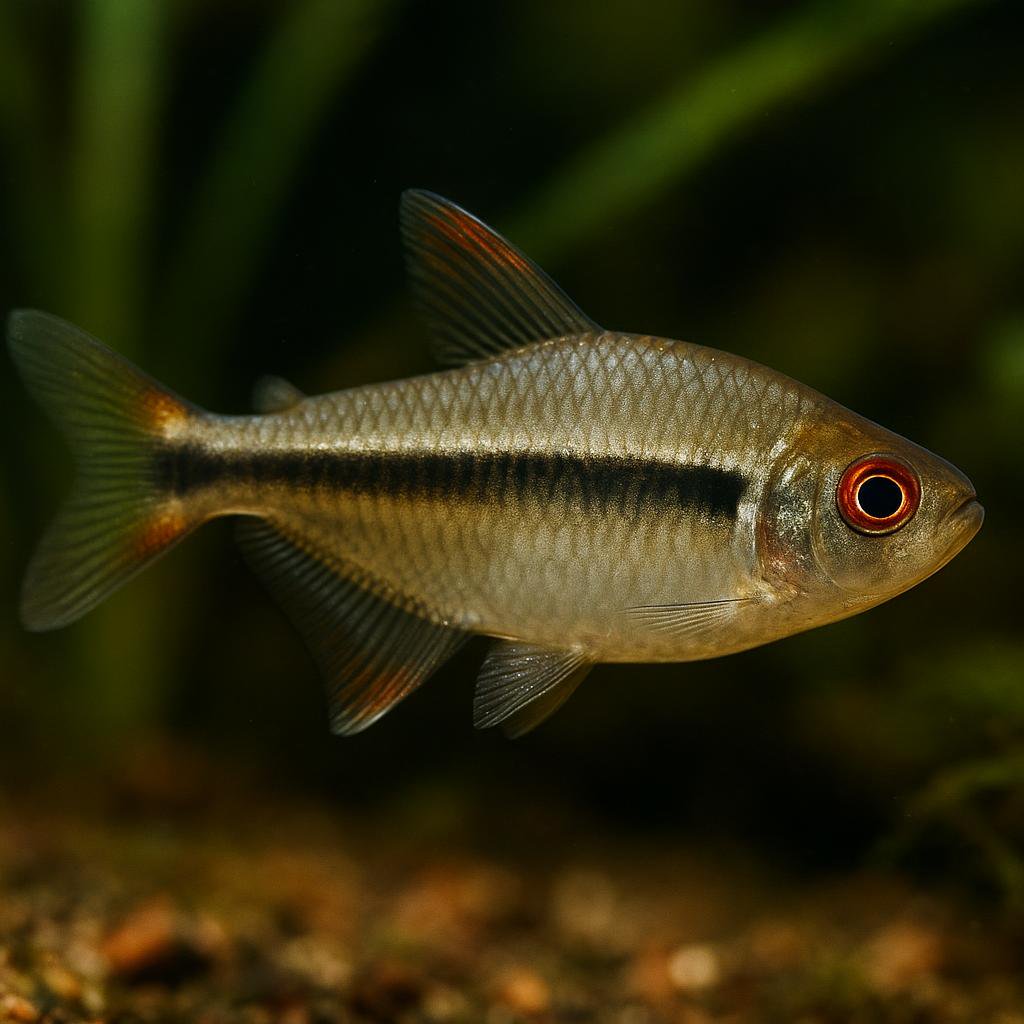
This is a tiny, super sleek little tetra with a clean red stripe down the side that really pops once its settled in. It does best in a planted, slightly tinted "creek-style" setup and looks way cooler when you keep a proper group so they school and flash that line together. If you can give it soft, slightly acidic water and a calm community, its an easy fish to fall for.
Armoured stickleback
Indostomus paradoxus
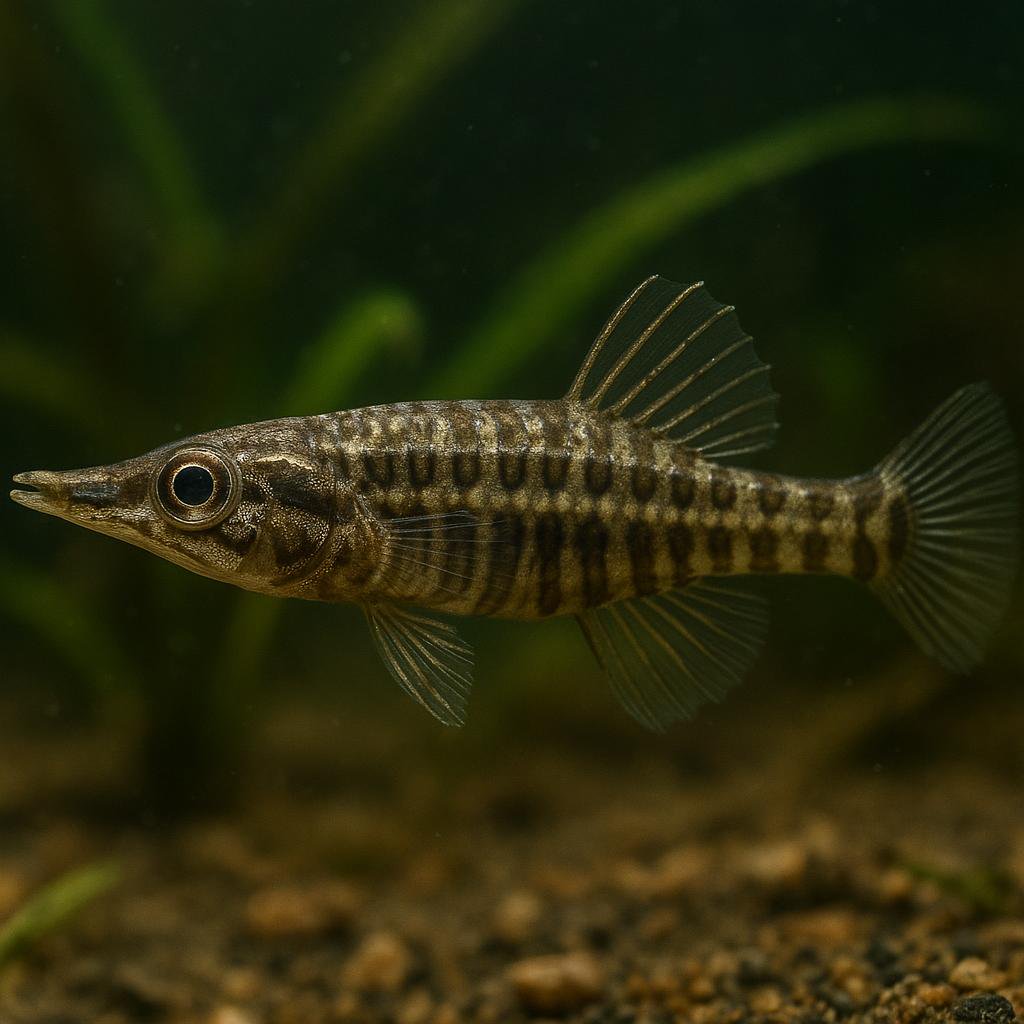
This is that goofy little "freshwater seahorse"-looking fish that just kind of perches and scoots around like a tiny armored twig. Its whole vibe is slow, sneaky micropredator - once its settled in, you will catch it stalking microfoods and doing these subtle little posture displays. The big trick is feeding: they do best when you can provide lots of small live foods in a calm, planted tank.
Bishop toothcarp
Brachyrhaphis episcopi
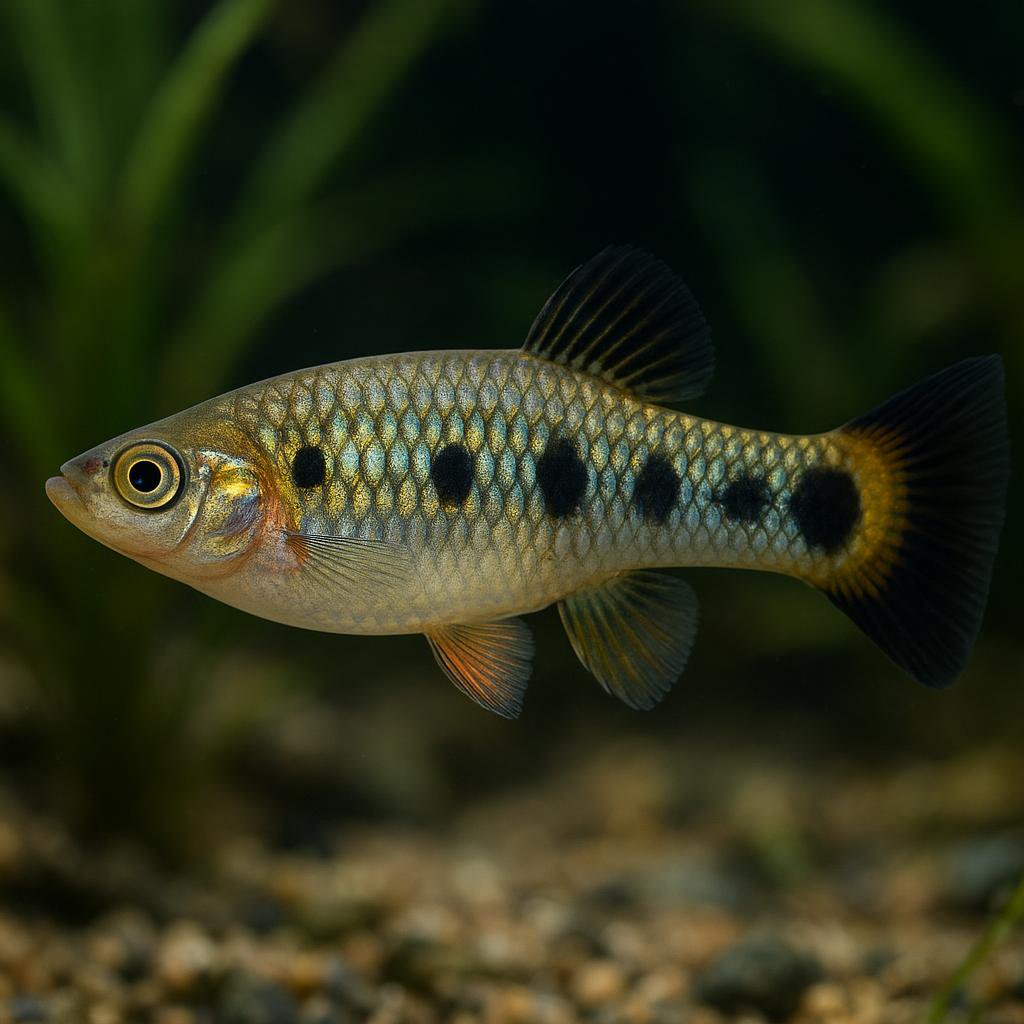
This is a tiny Panamanian livebearer that does best when you treat it more like a shy wild fish than a fancy guppy-lots of cover, calm vibes, and really clean water. The fun part is watching the males posture and spar while the females cruise around dropping fully-formed fry about once a month.
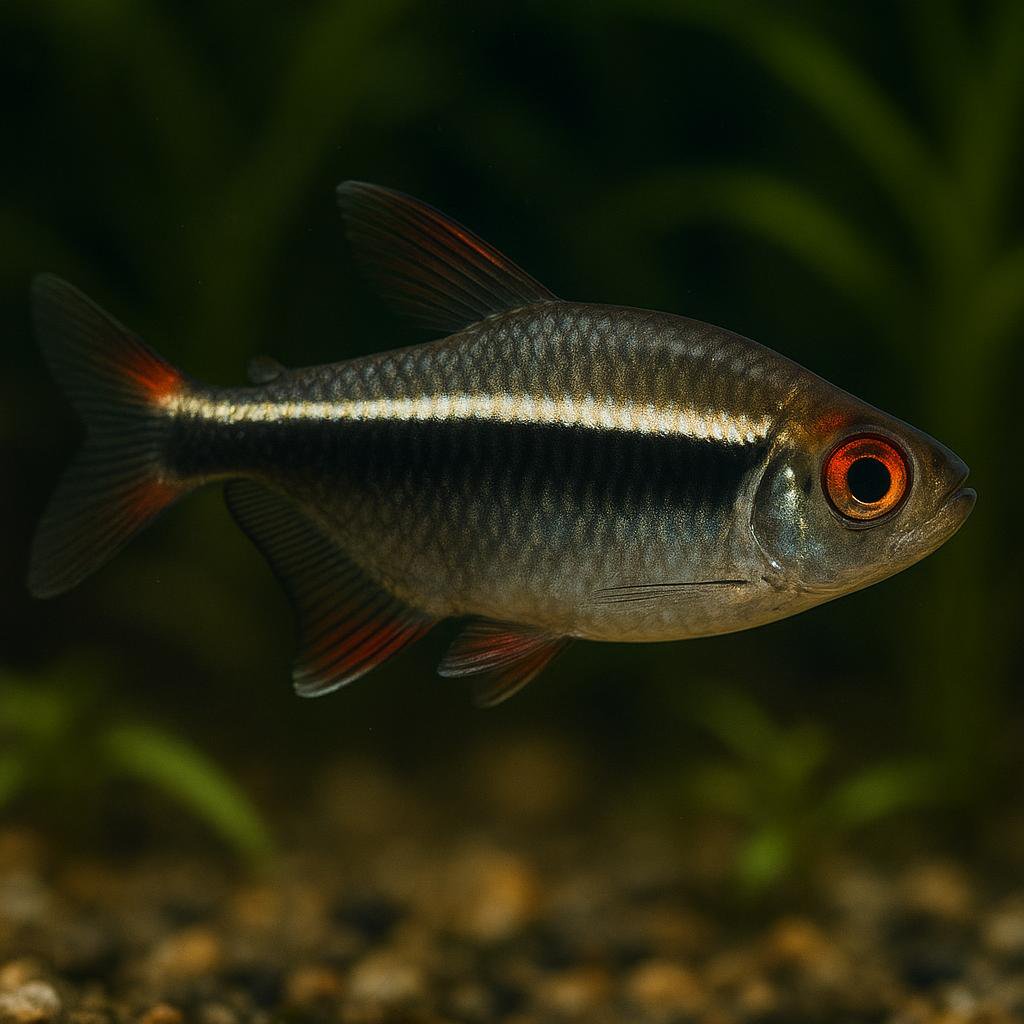
Black Neon Tetra
Hyphessobrycon herbertaxelrodi
Black neons are one of those little tetras that look kinda understated until the light hits them-then that bright stripe pops and they shimmer when the school turns together. They're super chill, always cruising mid-water, and they make a tank feel "alive" without being hectic. If you keep a nice group, they get bolder and you'll see way more of their personality.
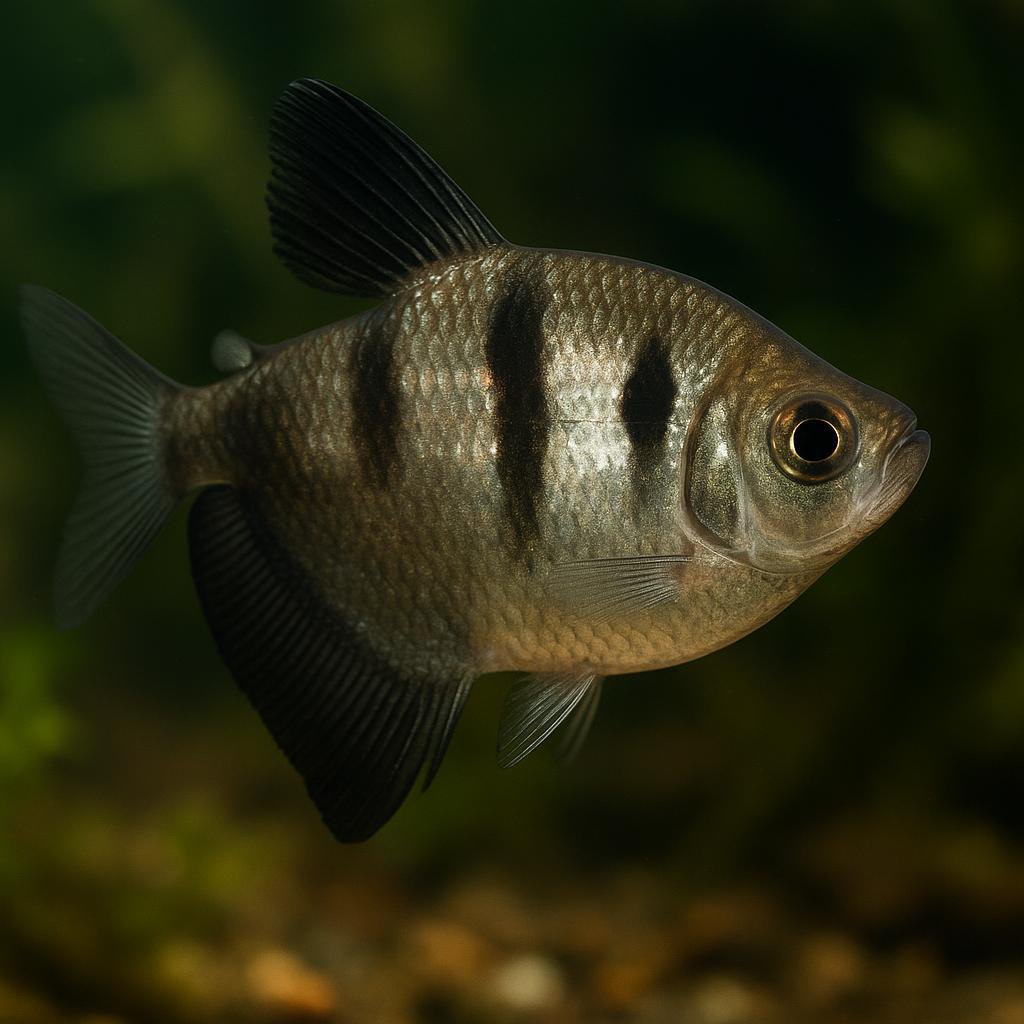
Black Skirt Tetra (Black Widow Tetra)
Gymnocorymbus ternetzi
Black skirts are those little "suit-and-tie" tetras with the dark bands and flowing fins that look way fancier than they should for how tough they are. They're super active midwater fish, and when you keep a proper group they do that tight, zippy schooling thing that makes the whole tank feel alive. Just give them enough buddies and finny tankmates they won't be tempted to nip.
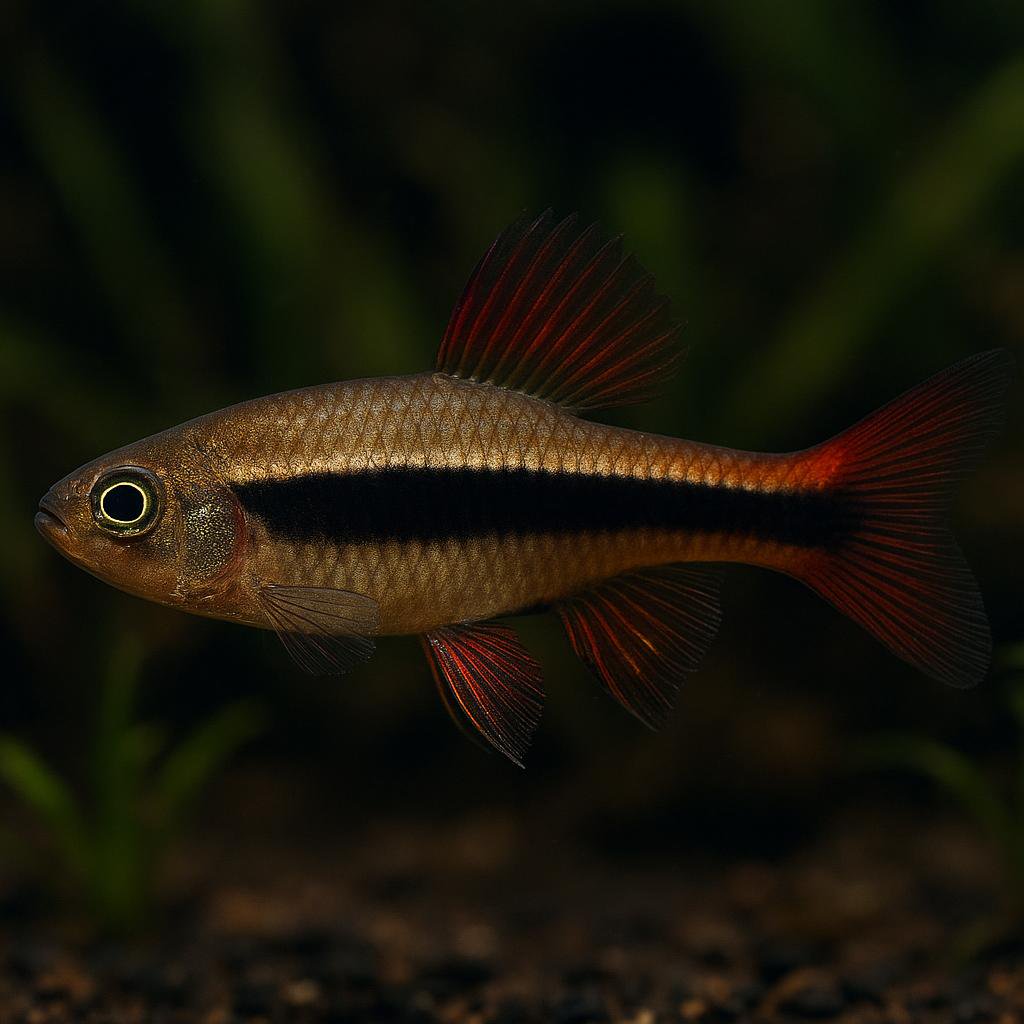
Black morpho tetra
Poecilocharax weitzmani
Poecilocharax weitzmani is one of those tiny blackwater oddballs that acts more like a little darter than a typical tetra - it hangs low, darts between cover, and the males can get pretty showy with fin-flares. The really cool part is they are cave breeders with male brood care, which is not what most people expect from a small characin. Give them very soft, acidic, super-clean water and lots of leaf litter and hidey holes, and they settle in and start showing their best colors.
More to Explore
Discover more freshwater species.
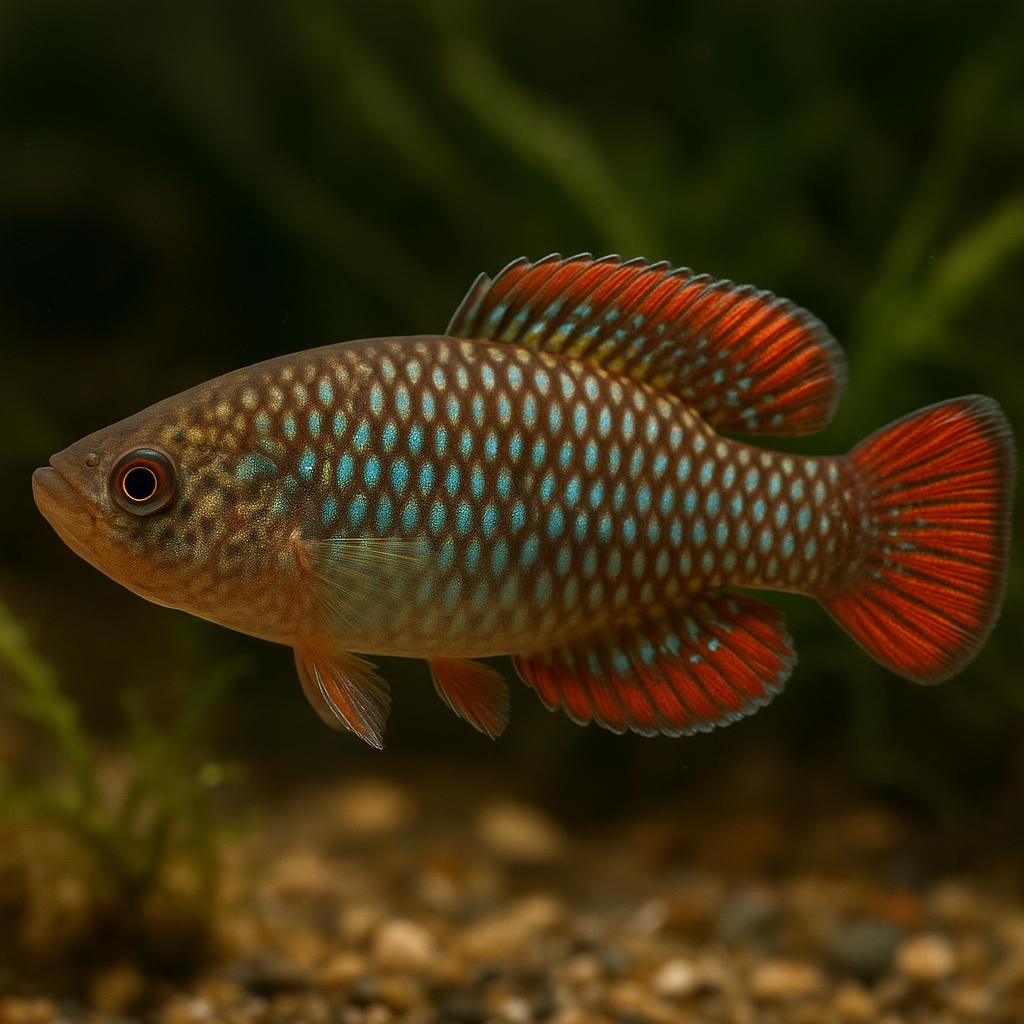
American flagfish
Jordanella floridae
Jordanella floridae is that little Florida native with the red-and-cream striping that really does look like a tiny flag once a male colors up. They graze algae like champs (especially stringy/hair algae), but they have a bit of attitude - give them plants and space so the bossy behavior stays manageable. Bonus: the male guards the eggs and will actively fan them, which is pretty fun to watch.
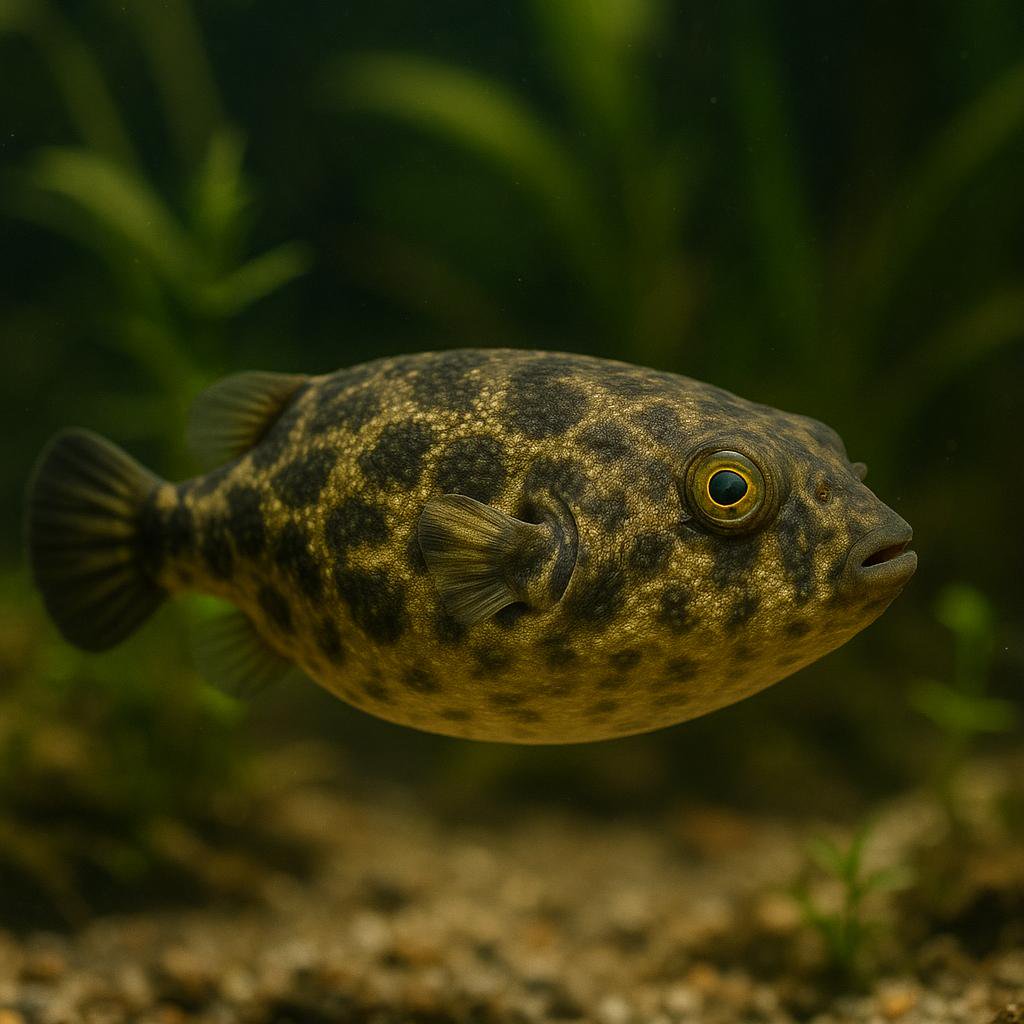
Arrowhead puffer
Pao suvattii
Pao suvattii is that sneaky Mekong puffer that likes to sit low and ambush food, and it has that super recognizable arrow/V pattern on its back. Gorgeous fish with tons of personality, but it is absolutely not a community guy - plan on a solo, species-only setup if you want everybody to stay in one piece.
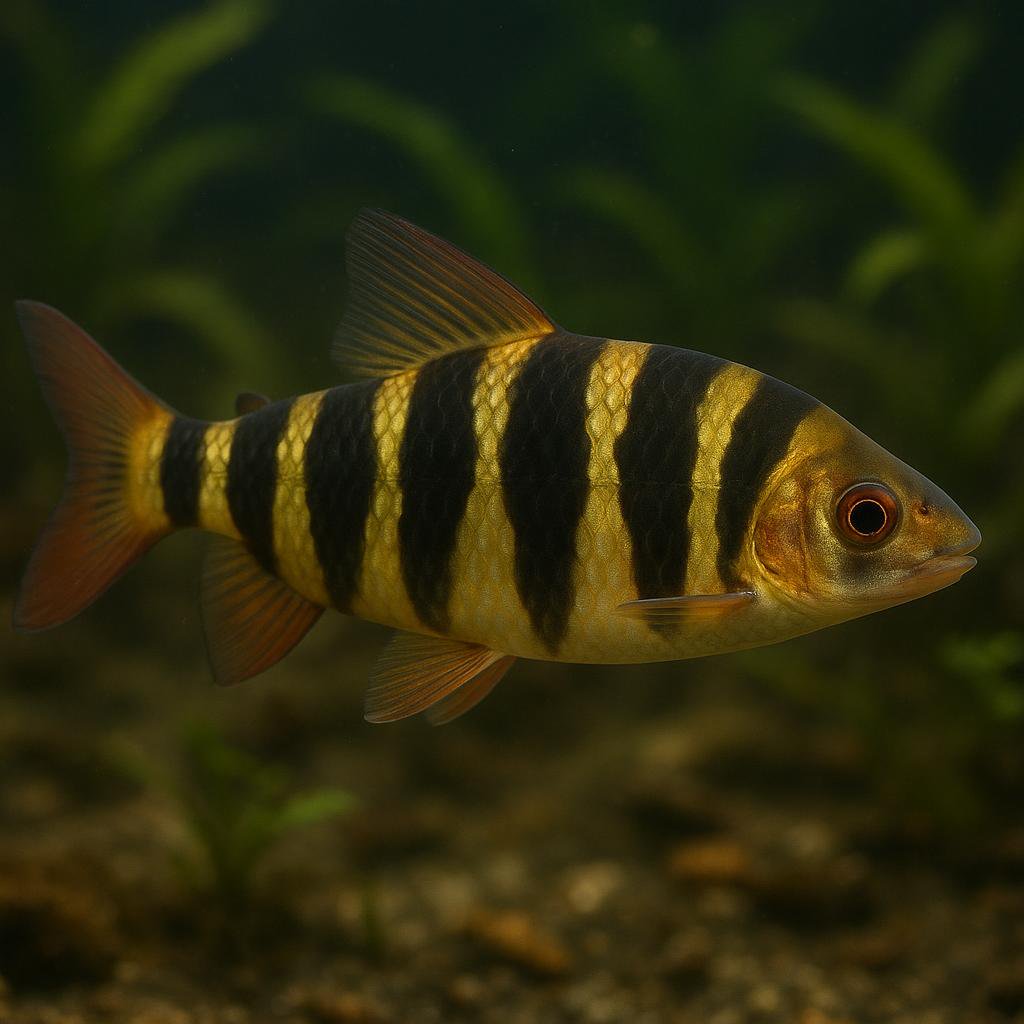
Banded Leporinus
Leporinus fasciatus
Banded Leporinus are those torpedo-shaped, black-and-yellow striped fish that look like they're wearing a little prison outfit-and they stay on the move. They've got a ton of personality and they're awesome to watch cruising and picking at stuff, but they're also the kind of fish that will redecorate your tank and "taste test" anything soft-looking.
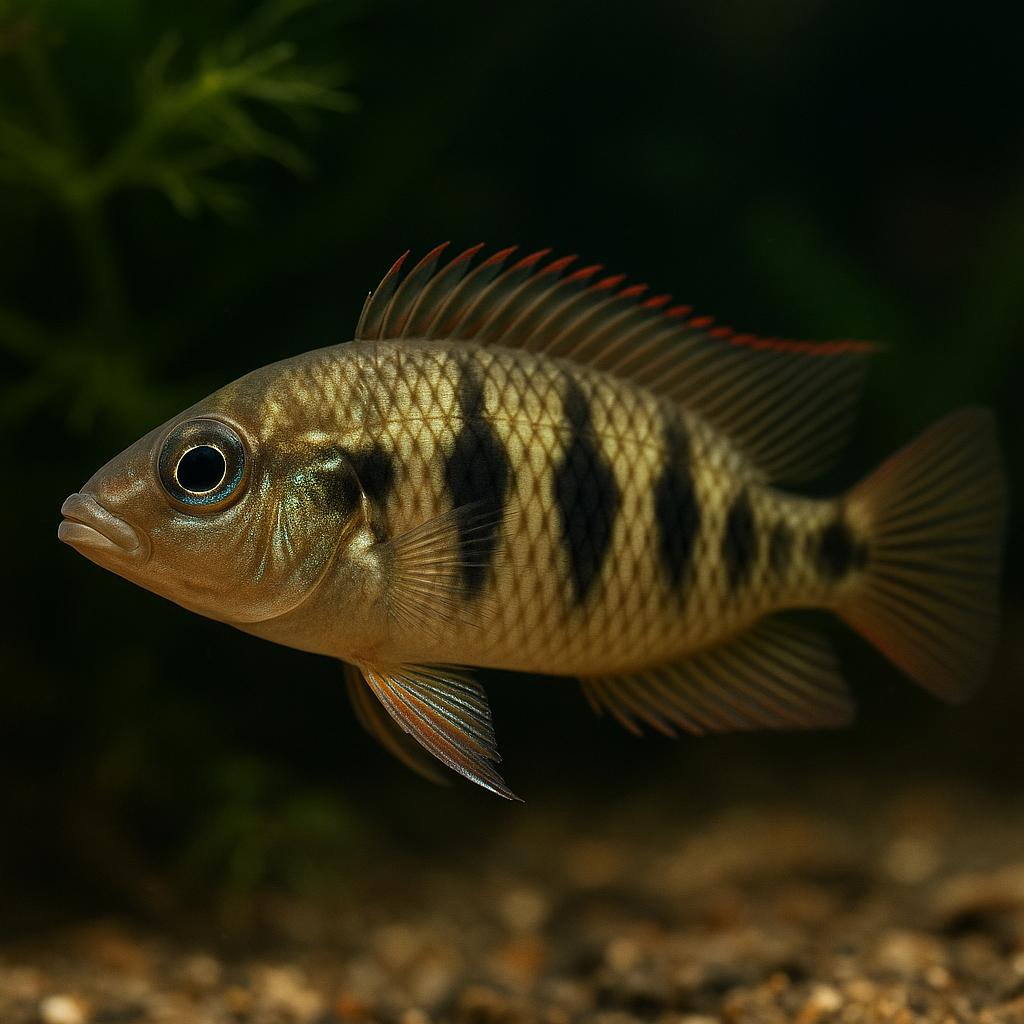
Bandi cichlid
Wallaceochromis signatus
A West African dwarf cichlid from Guinea's Bandi River, this fish shows crisp vertical bars and spotted fins with red highlights. Females have a bold black spot at the base of the tail, and pairs guard eggs and fry in caves, which makes their parental behavior fun to watch.
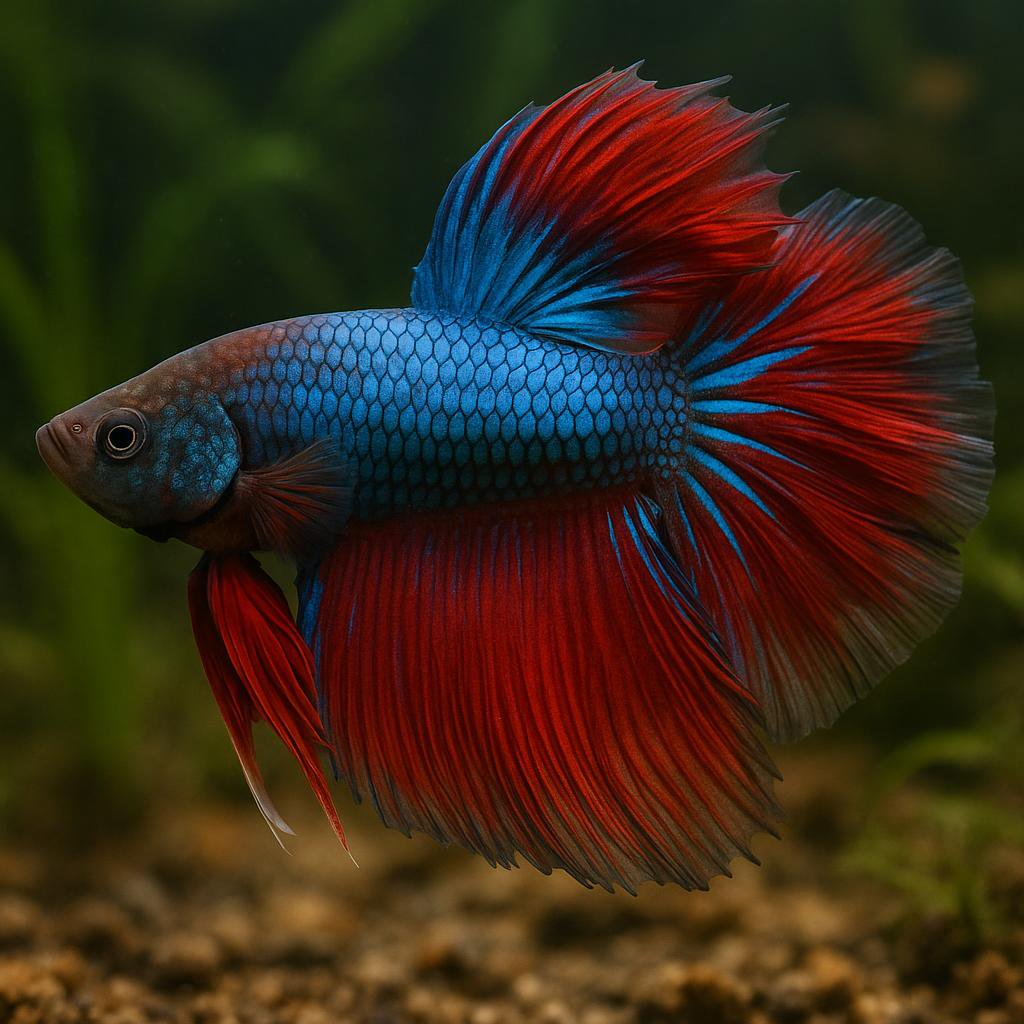
Betta
Betta splendens
Betta fish, also known as Siamese fighting fish, are popular for their striking colors and flowing fins. They are known for their territorial nature, especially males, which can display aggressive behavior towards each other.
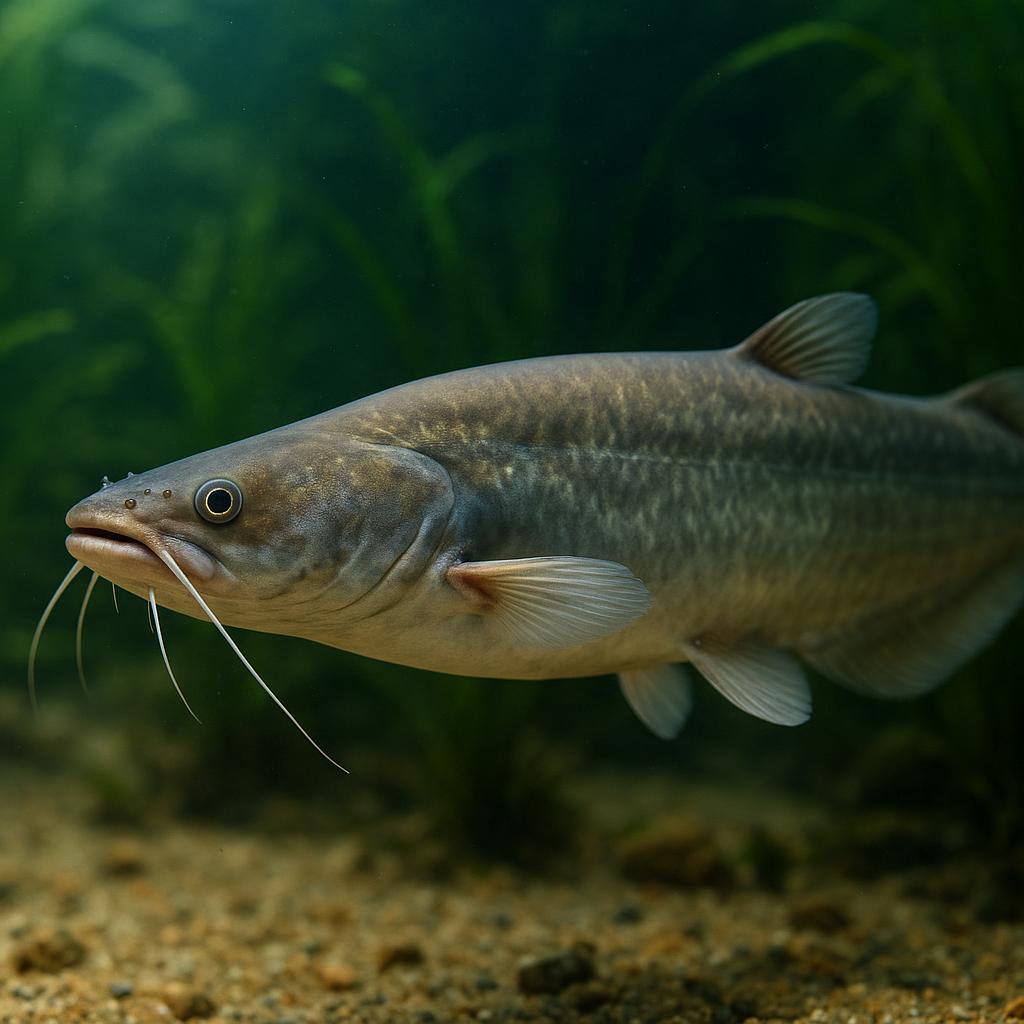
Blackhawk catfish
Wallagonia micropogon
Wallagonia micropogon is a giant Southeast Asian sheatfish with an eel-like body and a huge, scoop-like mouth for hunting other fish. It is native to the Mekong and middle Chao Phraya basins and was long confused with Wallagonia leerii, which makes IDs and care notes tricky. Stunning as a juvenile but it grows to true megafish size, so it is only realistic for expert keepers or public aquariums.
Looking for other species?