

Pygmy madtom
Noturus stanauli
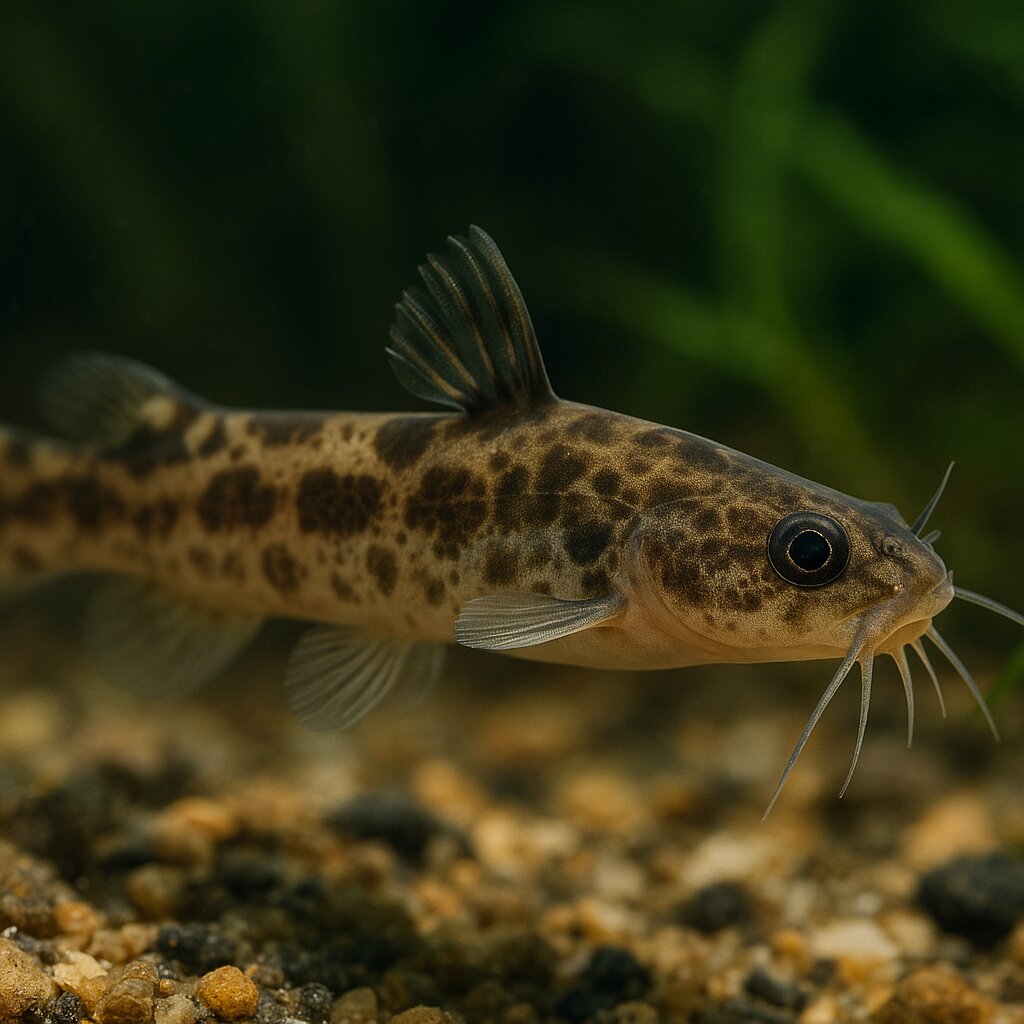
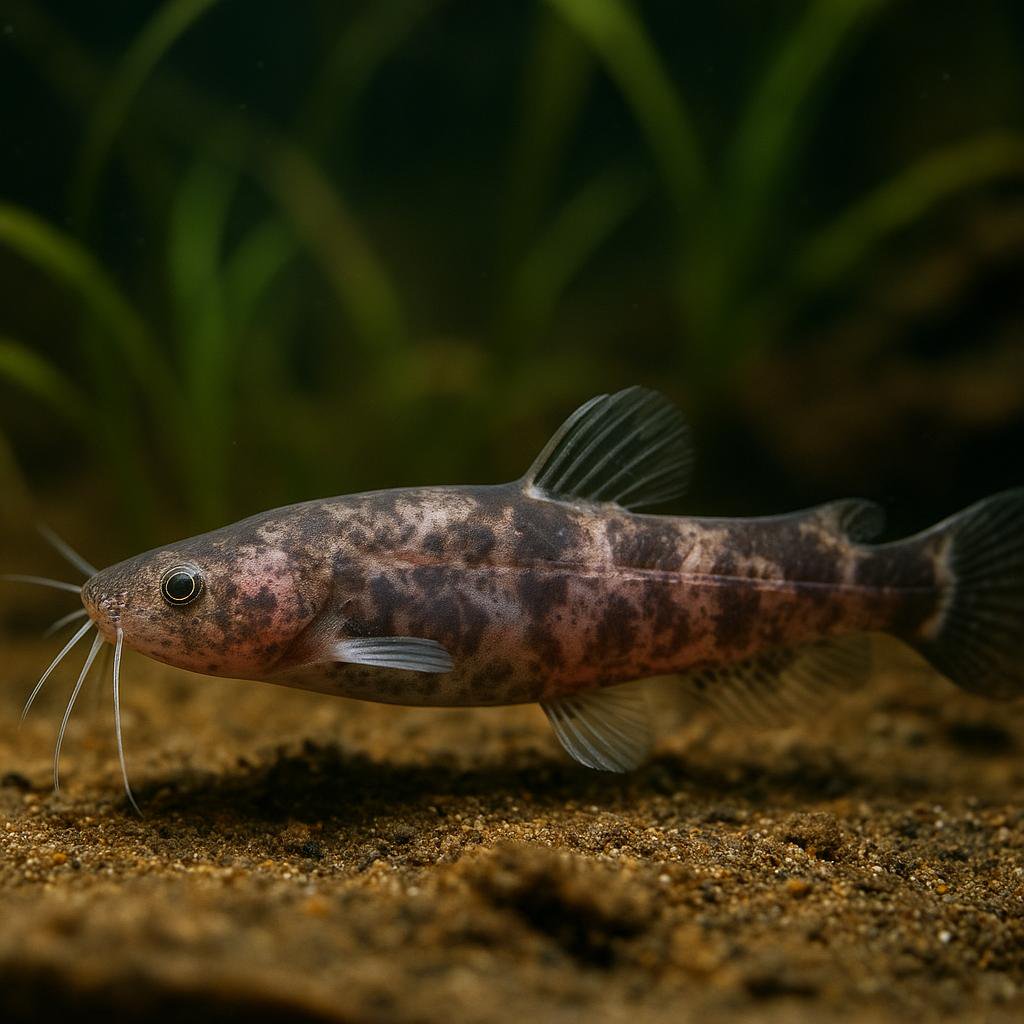
The Pygmy madtom has a slender body, with a pale belly and dark, spotted dorsal surface, reaching lengths of up to 7.5 cm.
This page includes AI-generated images. Why am I seeing AI images?
About the Pygmy madtom
This is a tiny North American catfish from Tennessee's Clinch and Duck rivers that spends its days tucked under small rocks and comes out around dusk. Males guard small clutches of big eggs, which is fun to watch if you ever see footage from conservation hatcheries. It is federally endangered, so it is a fish for biologists with permits, not home aquariums.
Quick Facts
Size
4.2 cm (1.7 inches) TL
Temperament
Peaceful
Difficulty
Expert
Min Tank Size
20 gallons
Lifespan
1-2 years
Origin
North America (Tennessee River drainage, USA)
Diet
Carnivore - aquatic insect larvae and small invertebrates
Water Parameters
20-24°C
6.5-8
5-15 dGH
Need a heater for this species?
This species needs 20-24°C in a 20 gallon tank. Use our heater calculator to find the right wattage.
Calculate heater sizeCare Notes
- This species is federally endangered in the US, so double-check your permits and coordinate with your state biologist; do not buy or sell them without paperwork.
- Give them a cool, fast-flow tank in a long footprint tank (20+ gallons) with sand or fine gravel, flat rocks, and leaf litter; keep light low, cover every intake with sponge, and use a tight lid.
- Aim for 60-70 F (16-21 C), pH 6.8-7.5, 3-12 dGH, zero ammonia and nitrite, and nitrate under 10 ppm; strong aeration/flow is non-negotiable and small weekly water changes keep them stable.
- They feed after dark, so drop in live blackworms, chopped earthworms, frozen bloodworms, and small sinking carnivore pellets right after lights out; small portions 1-2x daily and pull leftovers.
- Skip tankmates; they are tiny, shy, and get outcompeted fast, and anything clawed or pushy (crayfish, cichlids, sunfish, larger catfish, loaches) will injure or eat them.
- If you try breeding, pack tight caves under flat rocks or 1 inch PVC; a cool winter at 55-60 F then a slow rise to 66-70 F can cue spawning, with the male guarding the clutch.
- Heat and low oxygen wipe them out quickly, so keep a fan or chiller and a backup air pump ready; avoid copper or formalin meds and treat in a separate tank if needed.
- Handle with a specimen cup, not a net, because they have sharp mildly venomous spines and delicate skin; block every gap and filter intake because they wedge themselves into tiny spaces.
Compatibility
Good Tankmates
- Small, calm cool-water schoolers like white clouds and redbelly dace that hang mid-top and leave the bottom alone
- Peaceful ricefish/medaka up top; same temp range, ignore the catfish, and make nice dithers
- Non-bossy shiners such as rainbow shiners as dithers, as long as you spread food around and toss extra after lights out so the madtoms actually eat
- Easygoing Etheostoma-type darters that perch on rocks but are not pushy; give lots of rock cracks and leaf litter so the madtoms can vanish when they want
- Peppered corys in a roomy footprint; mellow and cool-tolerant, but keep the group modest and target-feed the madtoms at night
- Quiet topwater killifish that are not nippy and do fine cool, like medaka or small Fundulus that ignore the bottom
Avoid
- Anything predatory or pushy like sunfish, cichlids, or larger catfish that will view a 1.5-2.5 inch madtom as a snack
- Bottom bullies and nonstop foragers such as yo-yo or skunk loaches and big plecos that will body-check them after dark
- Hyperactive food hogs like giant danios or big barbs that stress shy, nocturnal fish and vacuum up every pellet
- Big darters and sculpins that dominate the bottom and can inhale small catfish
Where they come from
Pygmy madtoms (Noturus stanauli) are tiny, bottom-hugging catfish from the upper Tennessee River system, mainly the Clinch and Powell rivers. Think cool, clear riffles with clean gravel and cobble, not mucky backwaters. They are one of the rarest North American fishes and are legally protected.
This species is federally protected in the U.S. Do not buy, sell, or collect them. My experience was under permits through a conservation program. If you see N. stanauli for sale, walk away - it is almost certainly illegal or misidentified.
Setting up their tank
If you are working with them under permits, think cool-water river tank. A 20-long or 30-breeder gives a good footprint. They appreciate steady current, tons of oxygen, and places to wedge themselves out of sight.
- Flow and oxygen: strong, laminar flow across the bottom. Aim for 10-20x turnover and highly aerated water.
- Temperature: 57-70 F (14-21 C). A chiller or a cool basement helps. They sulk in heat.
- Water: pH 6.8-7.6, soft to moderate hardness, very low nitrate. Absolutely no ammonia or nitrite.
- Substrate: fine gravel with rounded pebbles and small cobble. Keep it clean and silt-free.
- Hides: flat stones, narrow rock crevices, small PVC sections, or stacked slate with gaps just big enough for them.
I run a river-manifold style setup with powerheads pushing water through buried pipes to outlet sponges on one side. That gives a strong, single-direction flow and keeps detritus moving to the filter intakes.
Put sponge prefilters on every intake. These fish nose into everything and scrape easily. Dim the lighting and let leaf litter gather in back eddies for extra cover.
What to feed them
They are micro-predators with small mouths. Mine ignored flakes and big pellets for weeks. Start with live or wiggly foods, then sneak in prepared stuff once they are eating confidently.
- Live blackworms (well-rinsed) and whiteworms
- Frozen bloodworms and chopped mysis
- Small sinking carnivore pellets (soaked) mixed with bloodworms
- Occasional daphnia and scuds
Feed after lights out. A turkey baster is your friend for spot-feeding under stones. They learn where the food shows up and will poke their heads out once the room goes dark.
To wean onto prepared foods, thaw frozen bloodworms, mix in crushed pellets, and let it sit 10 minutes. Squirt small portions right into their hide. Over a couple weeks they start taking the pellets too.
How they behave and who they get along with
Shy, crepuscular, and very into tight spaces. They are not aggressive, but they will snap up tiny fry or shrimp that wander too close. In a group they often share the same flat rock, each with a corner to themselves.
Tankmates are tricky. Fast-water minnows and darters look right on paper, but most outcompete pygmies at feeding time. For conservation work, I keep them species-only. If you must mix, use just a few small, calm fish that accept food from the surface so your madtoms get the bottom offerings.
Skip crayfish and larger sunfish. Pinchers and big mouths turn these into expensive snacks.
Breeding tips
There is very little published on N. stanauli spawning. What worked for me mirrors other Noturus: seasonal cues, tight nest spaces, and peace and quiet. The male will claim a flat rock with a low ceiling and guard the nest.
- Season cycle: cool them to 50-54 F (10-12 C) for 6-8 weeks, then warm gradually to 64-68 F (18-20 C) with a longer photoperiod.
- Nests: offer lots of flat stones on spacers or small PVC caps laid sideways. Openings should be just big enough for one fish.
- Feeding up: heavy live/frozen foods for several weeks before warming.
- After eggs appear: keep flow steady but not blasting the nest. Minimize disturbance. The male usually fans and guards.
- Larvae: at 18-20 C, expect hatch about a week in. Start with microworms and newly hatched brine shrimp, then transition to chopped blackworms.
If you are part of an authorized program and get a spawn, document everything. Coordinate with your agency or institution on disposition of juveniles. This species is conservation-first.
Common problems to watch for
- Overheating and low oxygen: first signs are rapid gilling and hugging the highest-flow spot. Add air, drop temp, and increase surface agitation.
- Silted substrate: they hate gunk in their gills. Vacuum lightly and manage flow so fines get carried to the filter.
- Scrapes and fungus: sharp rock or bare intakes cause nicks that fuzz up. Round your stones, use sponge guards, and keep water pristine.
- Refusing food: they often need live movement to kickstart feeding. Try live blackworms at lights-out, then blend in frozen.
- Medication sensitivity: like many catfish, they react badly to copper and strong dyes. If you must treat, go gentle and isolate.
- Misidentification: many "pygmy madtoms" in photos are actually other Noturus. If you are not working from a permitted source, you likely do not have N. stanauli.
If you want a similar catfish for a home stream tank, look for legally collected, common Noturus like N. gyrinus (tadpole madtom) through reputable, permitted sources. They handle warmer rooms and are far easier to feed.
Similar Species
Other freshwater peaceful species you might be interested in.
Amphilius dimonikensis
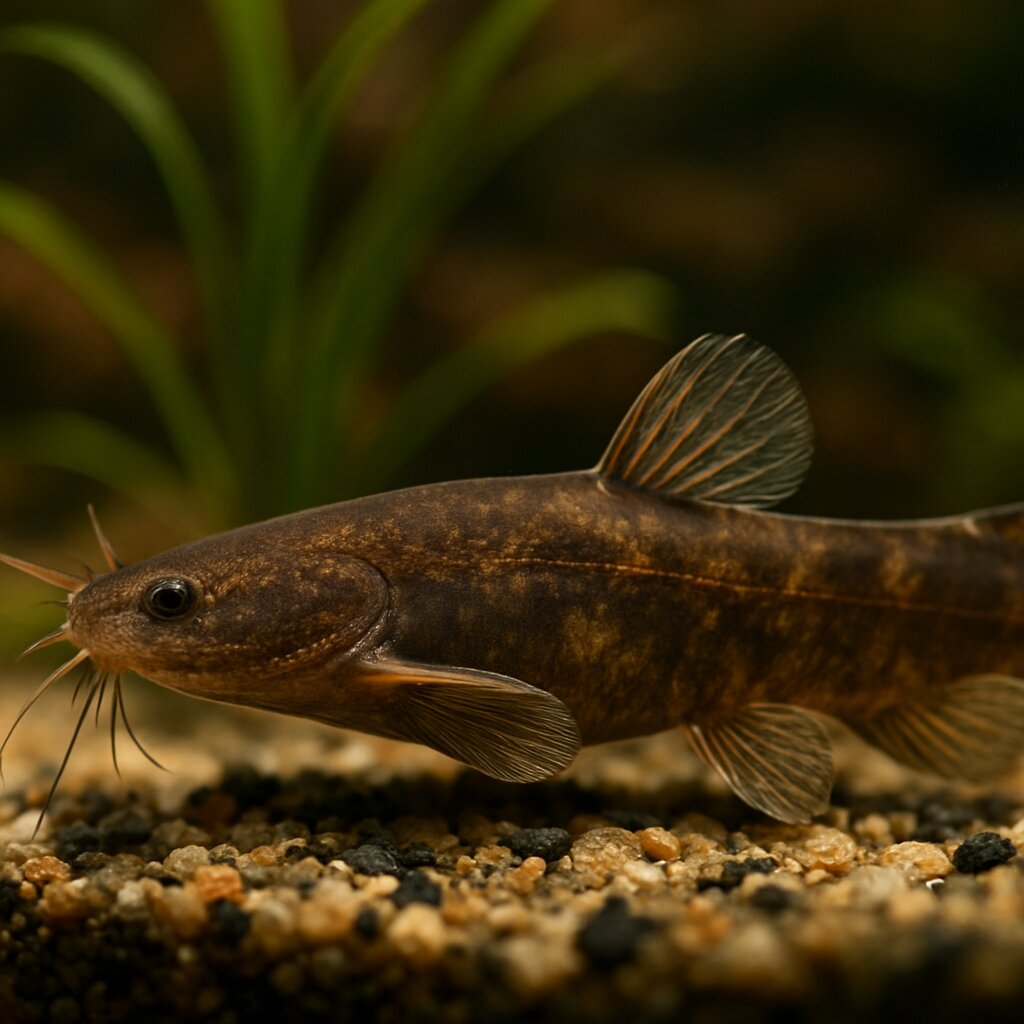
A small loach catfish endemic to the Mpoulou River in the Mayombe (Dimonika Biosphere Reserve), Republic of the Congo. Amphilius dimonikensis has a subtle banded pattern and inhabits fast, clear streams over rock and sand. In aquaria, prioritize strong, well-oxygenated flow with rounded stones and sand to mimic hillstream conditions.
Aboina barb
Enteromius aboinensis
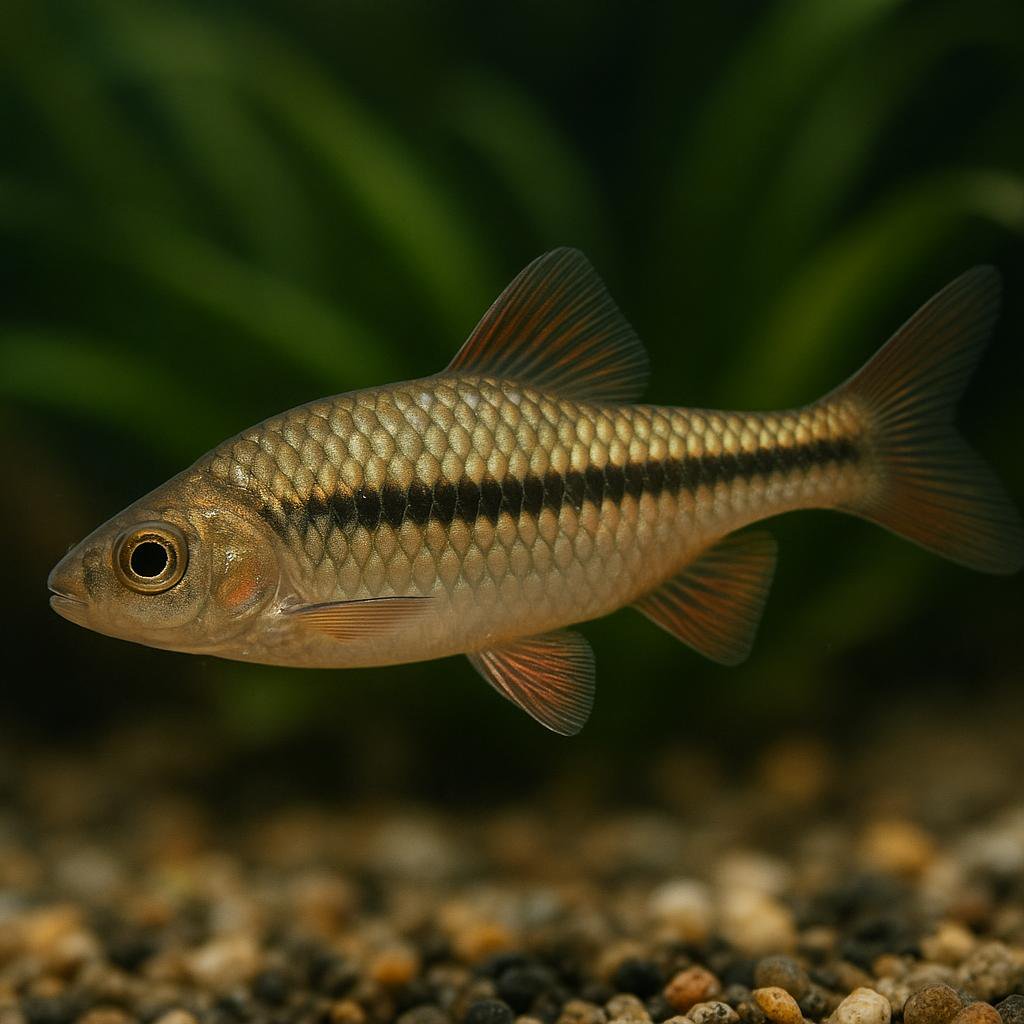
Enteromius aboinensis (the Aboina barb) is a small West African barb with a clean black midline stripe and a little spot right at the base of the tail. It does best when you treat it like a proper schooling fish - keep a decent group and give it plants around the edges with open swimming room in the middle.
Ajuricaba tetra
Jupiaba ajuricaba
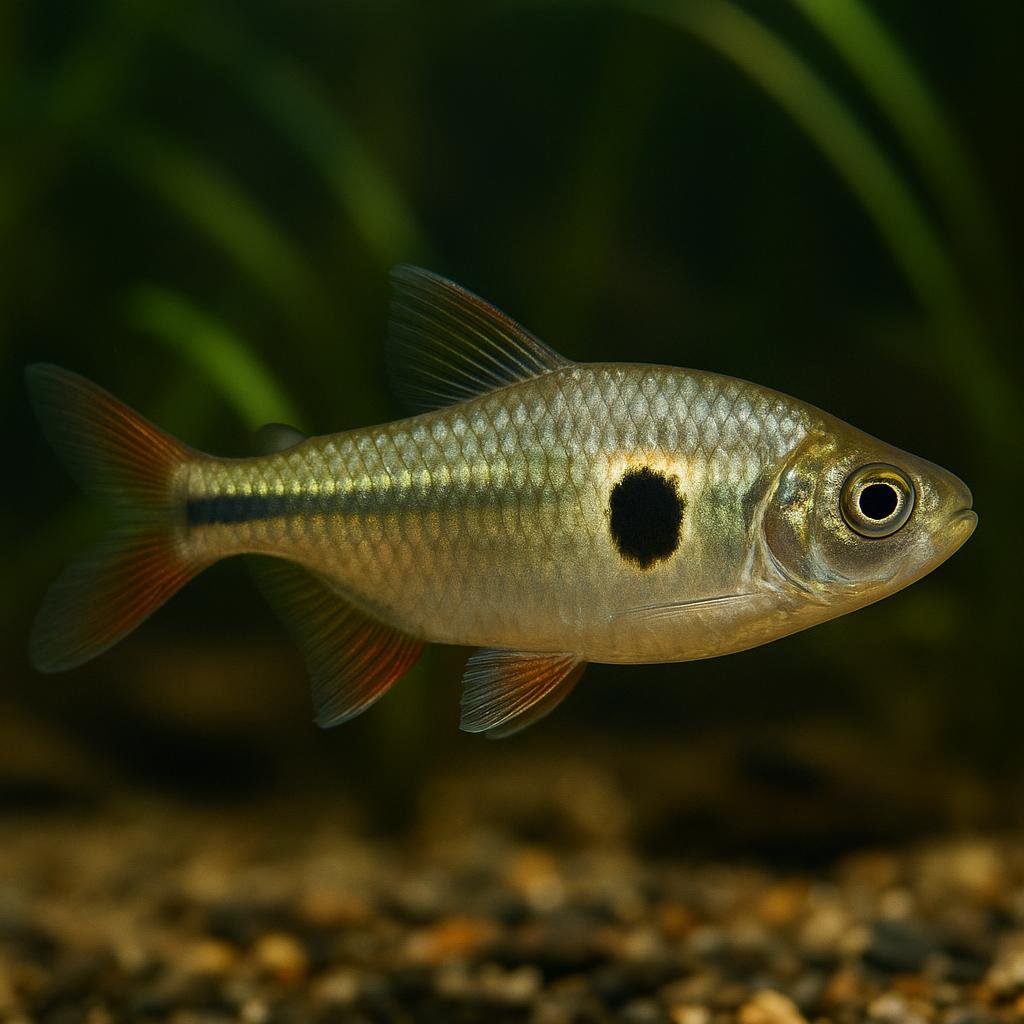
Jupiaba ajuricaba is a South American freshwater characin from the Amazon basin in Brazil (rio Negro, rio Solimões, and rio Tapajós basins). It reaches about 9.5 cm SL and is diagnosed by a narrow dark midlateral stripe, an elongated humeral spot, and an ocellated spot on the upper caudal-fin lobe. Wild specimens have been collected from blackwater forest streams and also oxbow-lake habitats.
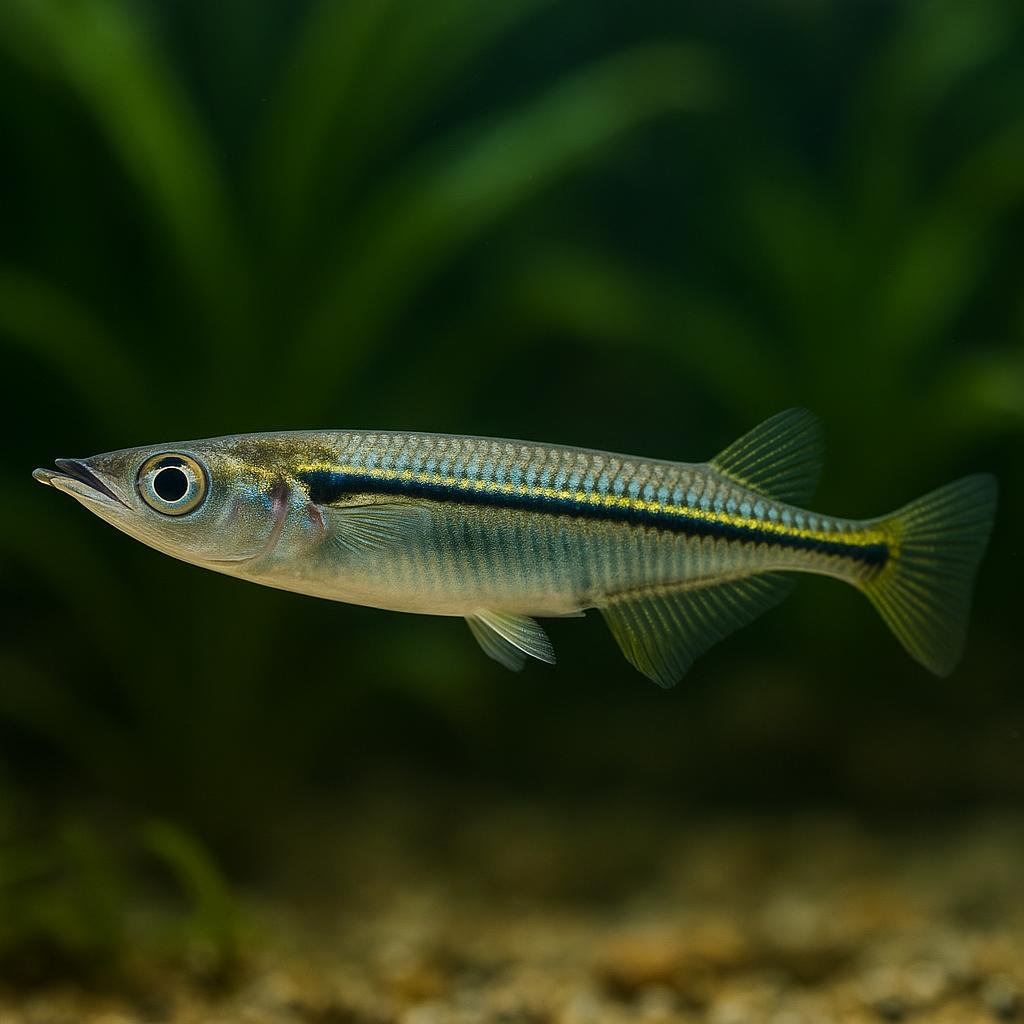
Allen's river garfish
Zenarchopterus alleni
A poorly known freshwater halfbeak endemic to West Papua (Mamberamo River), described from a single specimen (~13 cm SL). Beyond basic habitat/occurrence, little is published about its ecology or aquarium suitability; assume it is a surface-oriented, jump-prone halfbeak only by analogy with related taxa.
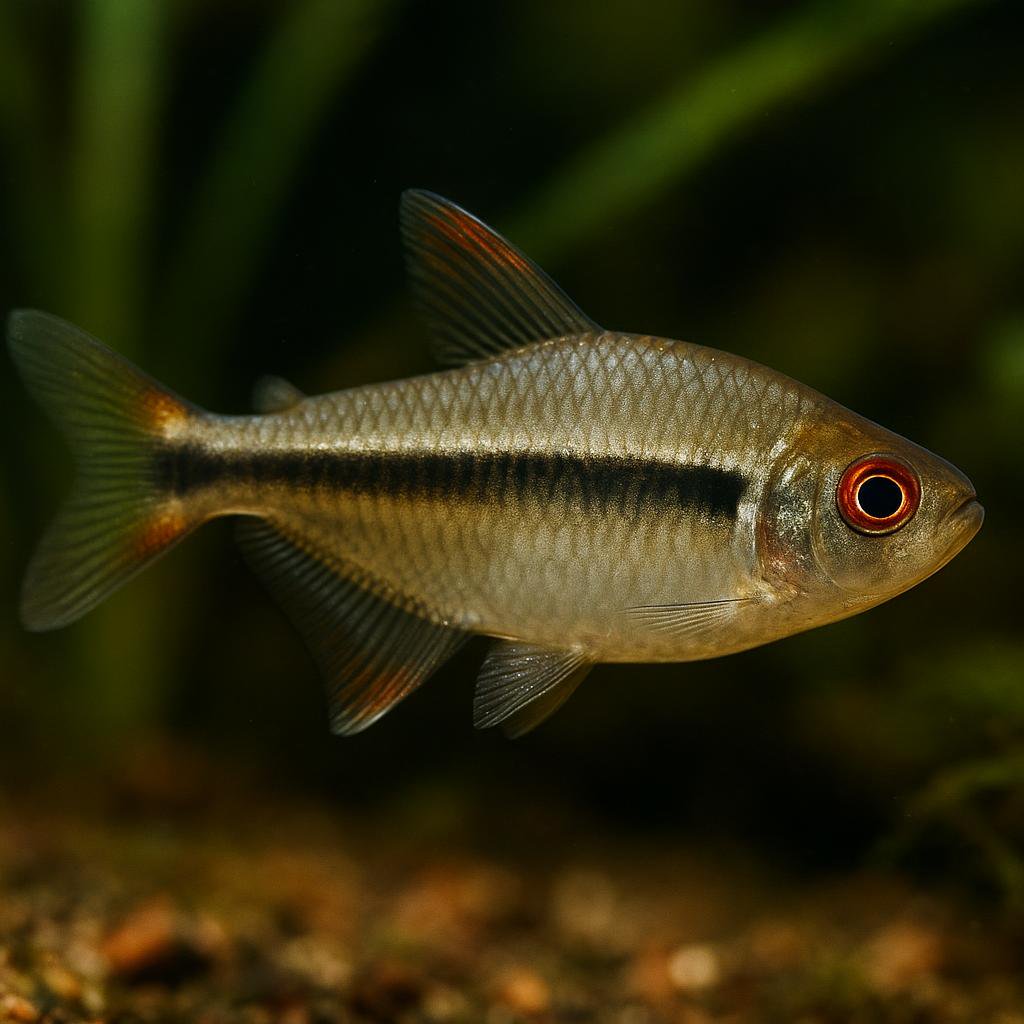
Amapa tetra
Hyphessobrycon amapaensis
This is a tiny, super sleek little tetra with a clean red stripe down the side that really pops once its settled in. It does best in a planted, slightly tinted "creek-style" setup and looks way cooler when you keep a proper group so they school and flash that line together. If you can give it soft, slightly acidic water and a calm community, its an easy fish to fall for.
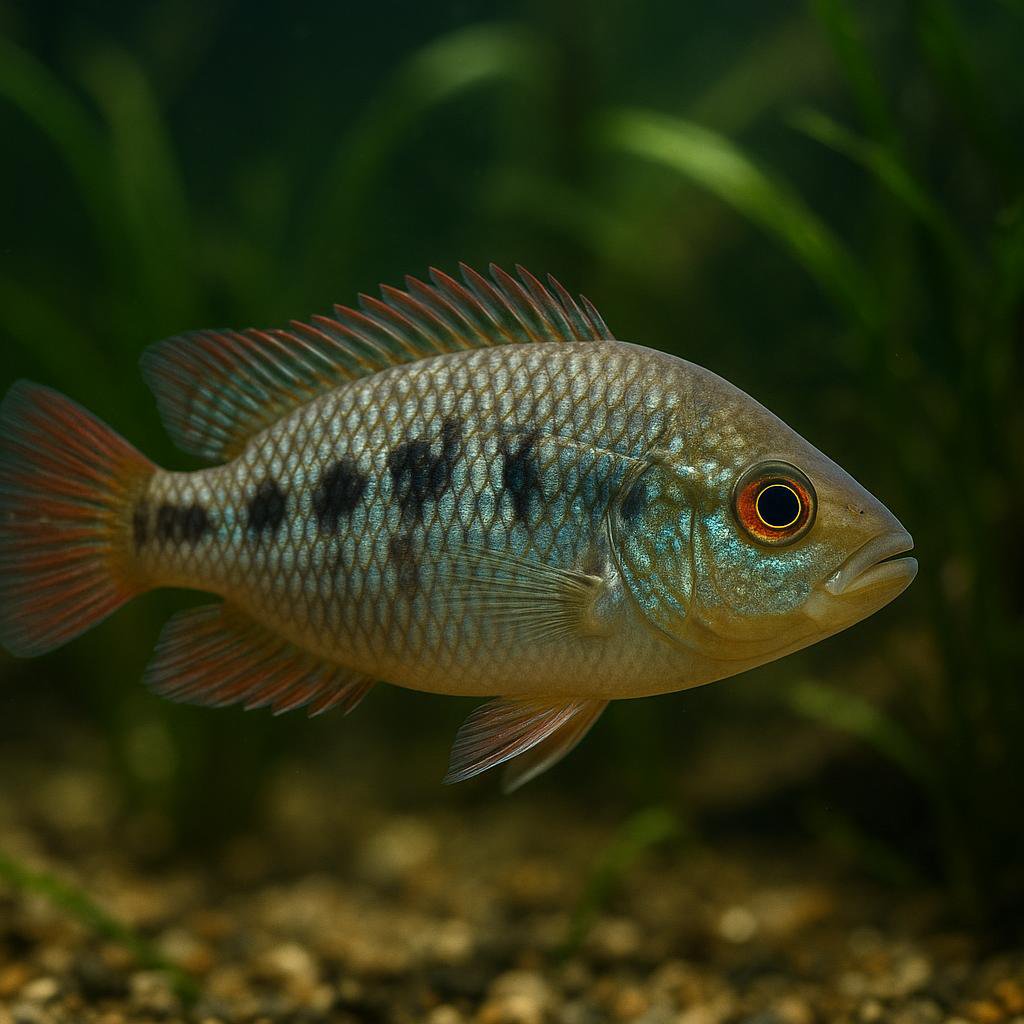
Amatlan chub
Yuriria amatlana
Yuriria amatlana (the Amatlan chub) is a little Mexican native minnow from the Ameca River basin. Its wild range is pretty limited and it is listed as Endangered, so its care info in the aquarium hobby is basically nonexistent and its availability is usually low. In the original species description, preserved fish show a dark lateral stripe with a darker patch on the caudal peduncle, and they can have tiny barbels at the mouth corners.
More to Explore
Discover more freshwater species.
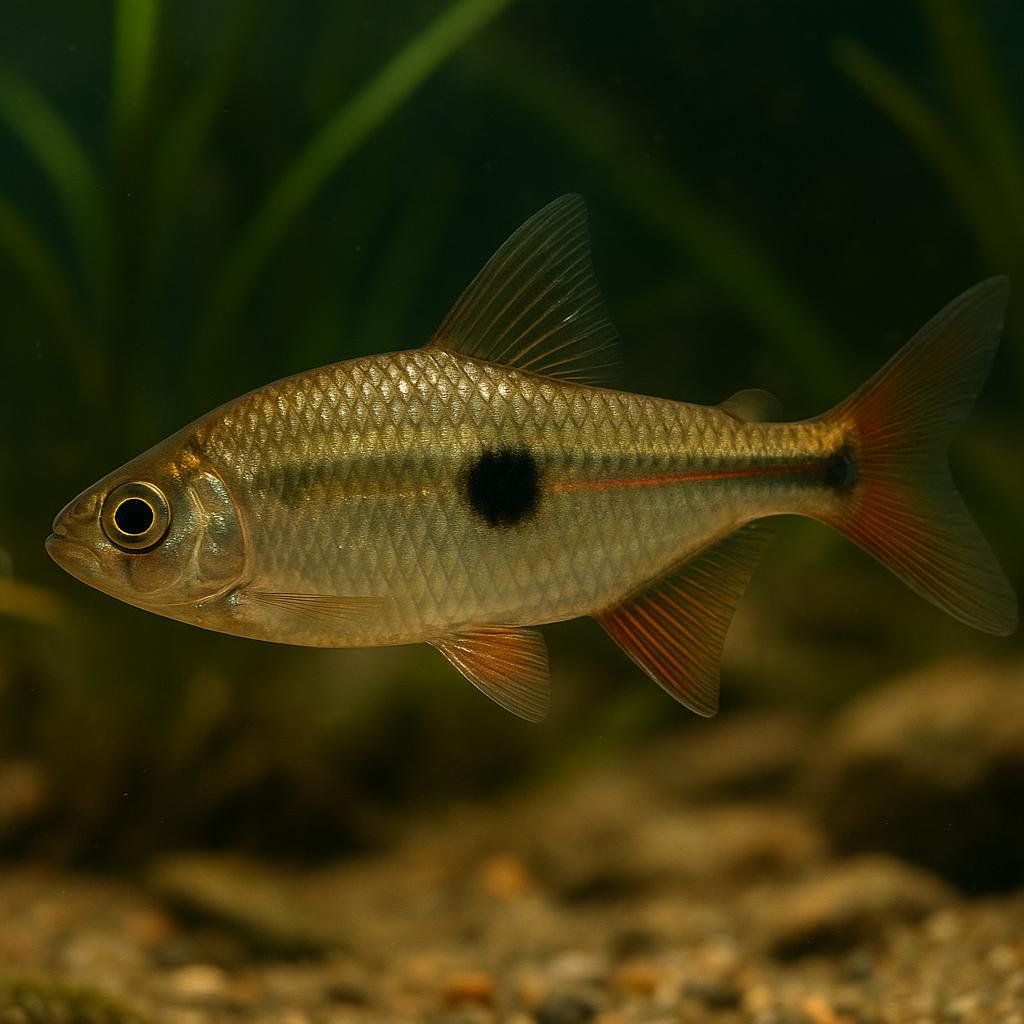
Jupiaba kurua
Small South American characin endemic to the upper rio Curuá (rio Xingu basin, Brazil). Reaches about 8.7 cm SL and inhabits clearwater rivers. Distinguished by dark dots on the bases of many lateral scales and a distinct dark caudal‑peduncle spot. Reported diet indicates omnivory, including aquatic insects, small fishes, and fragments of Podostemaceae and filamentous algae.
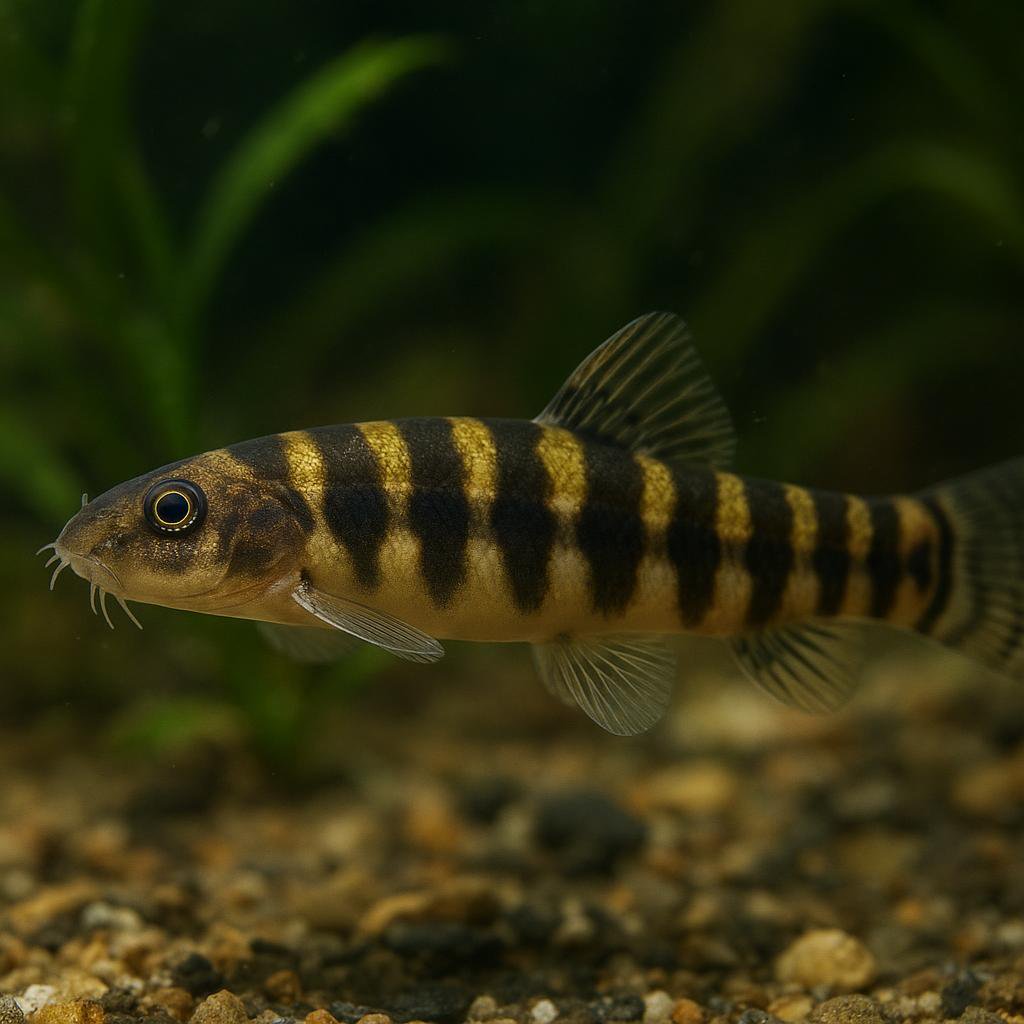
Altipedunculata stone loach
Schistura altipedunculata
Schistura altipedunculata is one of those little stream loaches that wants clean, well-oxygenated water and a bunch of rock nooks to claim as home. It is a bottom-hugger that will spend its day scooting from crevice to crevice, and it tends to get a bit spicy with its own kind if you do not give it enough hiding spots.
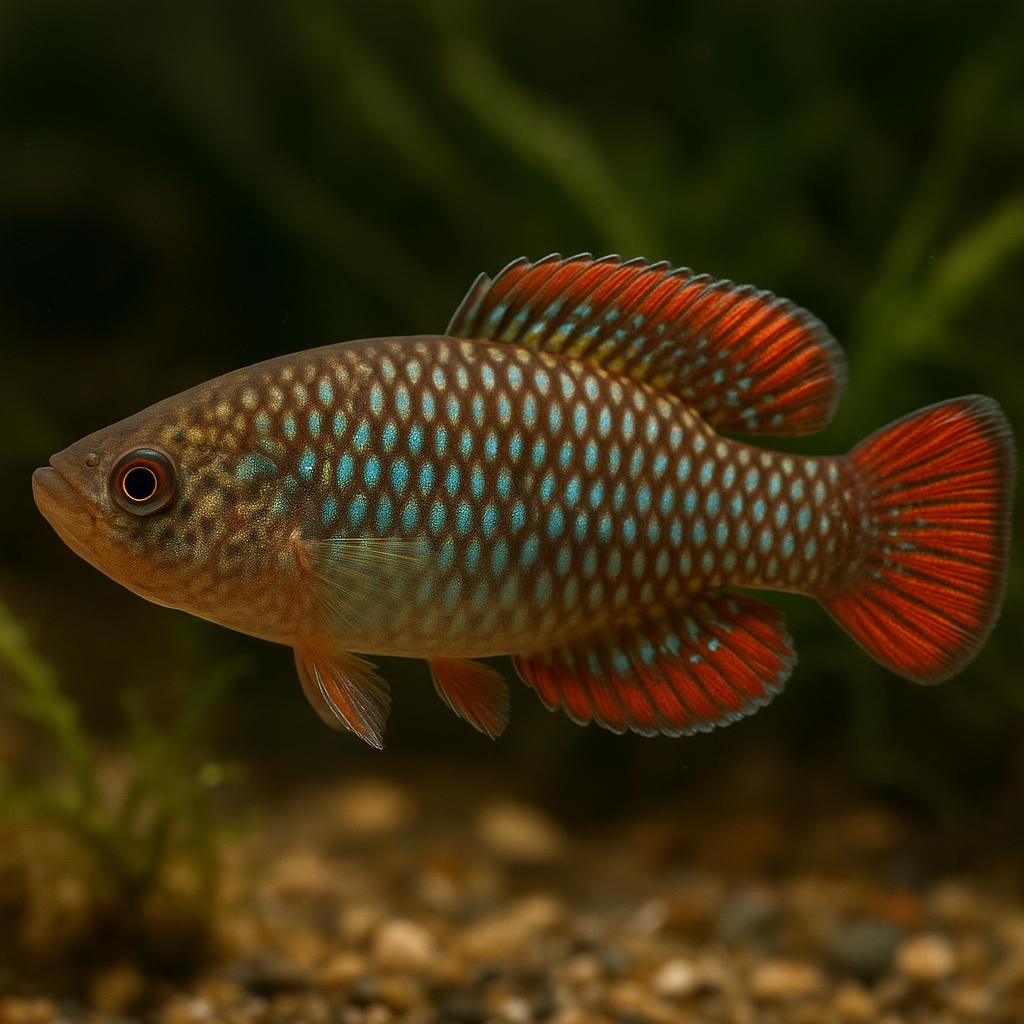
American flagfish
Jordanella floridae
Jordanella floridae is that little Florida native with the red-and-cream striping that really does look like a tiny flag once a male colors up. They graze algae like champs (especially stringy/hair algae), but they have a bit of attitude - give them plants and space so the bossy behavior stays manageable. Bonus: the male guards the eggs and will actively fan them, which is pretty fun to watch.
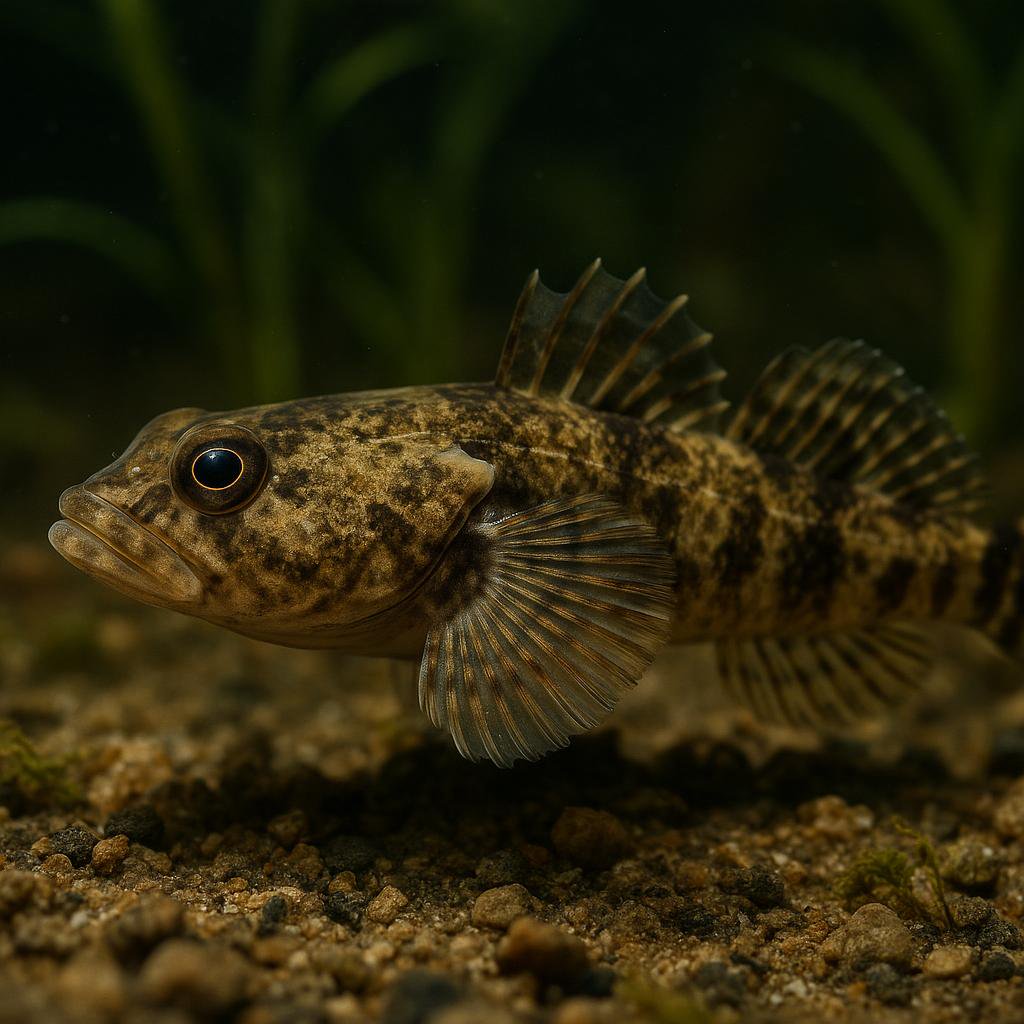
Amur sculpin
Alpinocottus szanaga
This is a little coldwater sculpin from the Amur drainage - a bottom-hugging, rock-and-gravel fish that spends its day wedged under stones and darting out to grab food. Super cool behavior and attitude, but it is absolutely not a warm tropical community fish - it wants chilly, fast, oxygen-rich water and will bicker with other bottom fish.
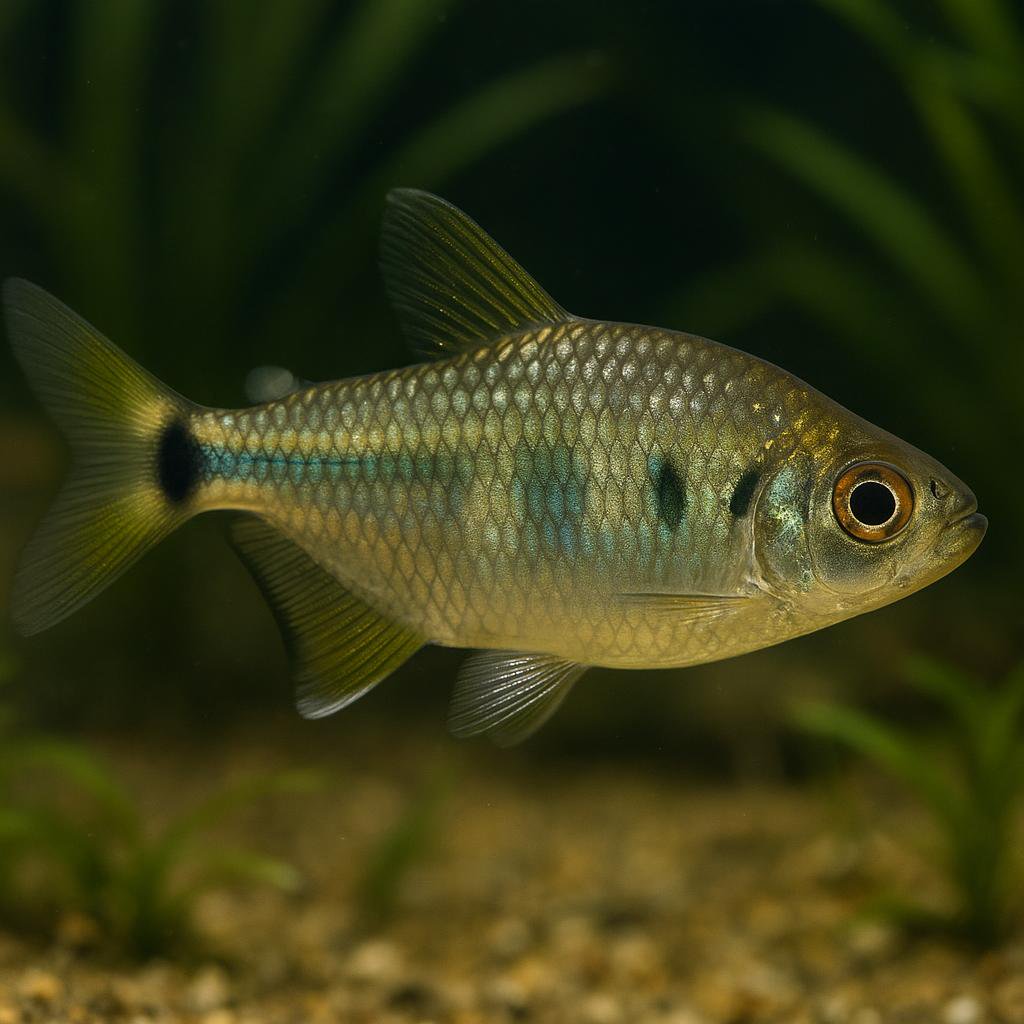
Andrica moenkhausia
Moenkhausia andrica
Moenkhausia andrica is a little Brazilian characin from the Tapajos system that tops out around 7 cm (about 2.8 inches) standard length. It has a neat netted (reticulated) scale pattern plus a dark spot on the caudal peduncle, and the really wild part is that mature females can have tiny fin hooklets too, which is usually a male-only thing in a lot of characins.
Anhanga pygmy pencil catfish
Potamoglanis anhanga
This is a truly tiny Amazonian trichomycterid catfish - like 1.3 cm max - so it is more of a micro-predator oddball than a typical community catfish. It is the kind of fish that disappears into sand, leaf litter, and plant roots, and you will spend way more time setting up the right micro-habitat than you will actually seeing it.
Looking for other species?