

Search Species
Search for fish species by common or scientific name, or use filters to browse by water type, size, temperament, and difficulty.
Found 337 species
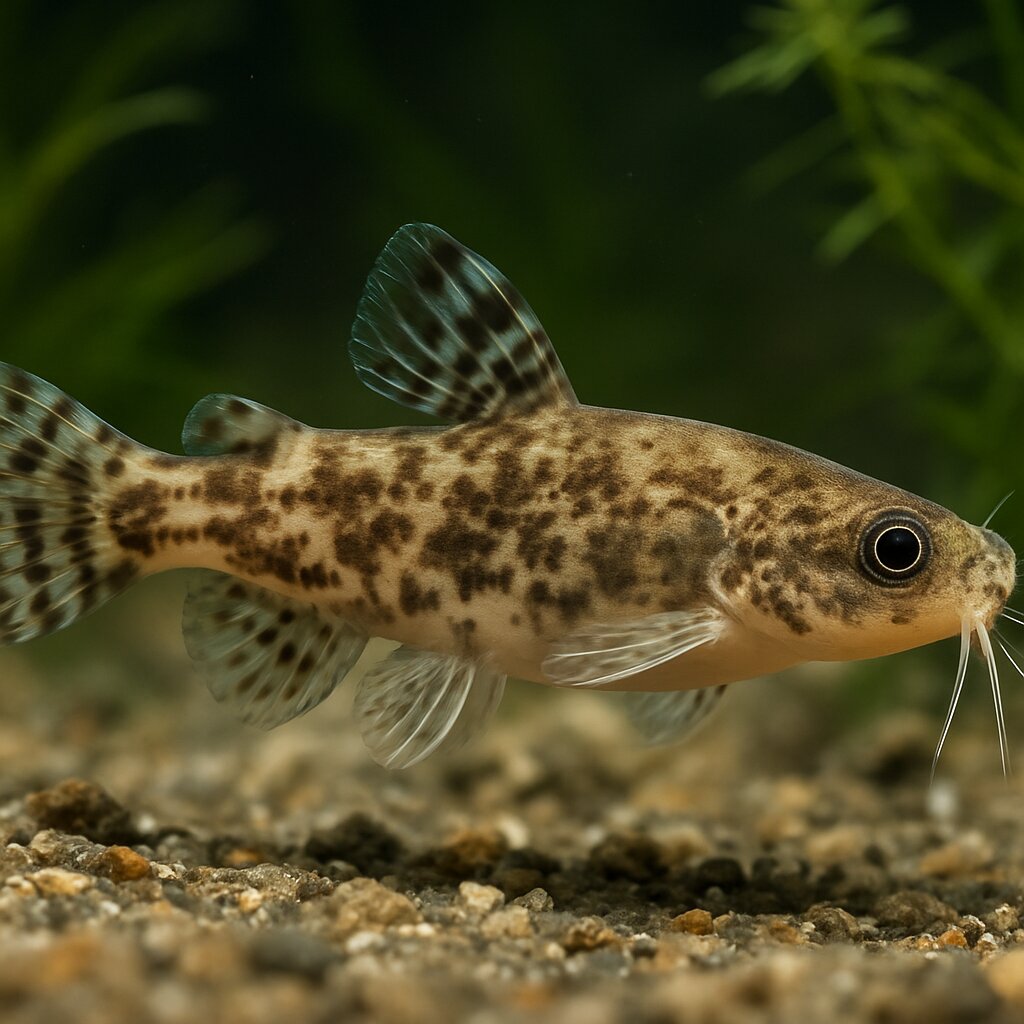
Sand catlet
Zaireichthys wamiensis
A tiny sand-burying catfish from Tanzanias Wami River, this little guy tops out around an inch. It likes to vanish into fine sand with just its eyes showing, then dart out for micro-foods. Set it up with smooth sand, gentle flow, and small meaty foods and it will show off its quirky periscope routine.
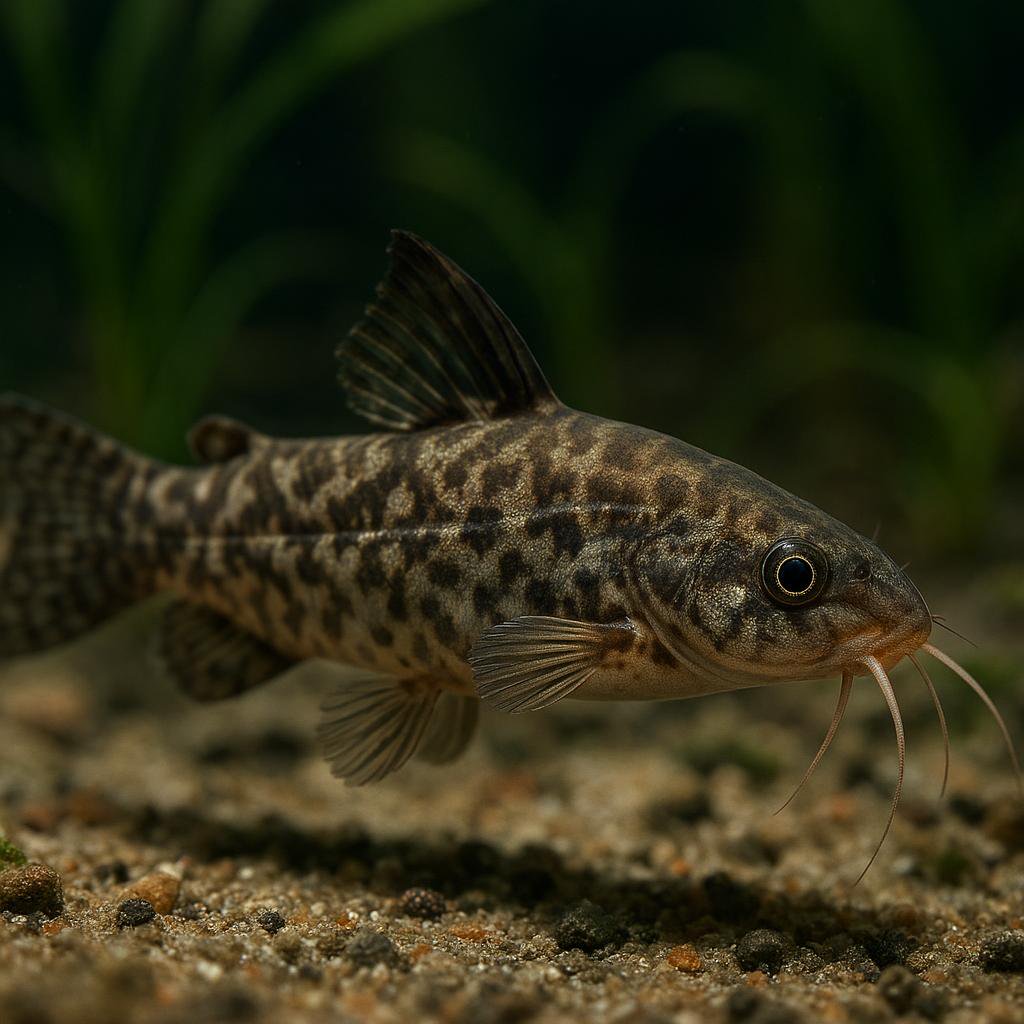
Sangha rough catfish
Trachyglanis sanghensis
Trachyglanis sanghensis is a small African loach catfish (family Amphiliidae) known from the Sangha River near Ouesso in the Congo Basin (Republic of the Congo). Reported maximum size is about 5 cm TL.
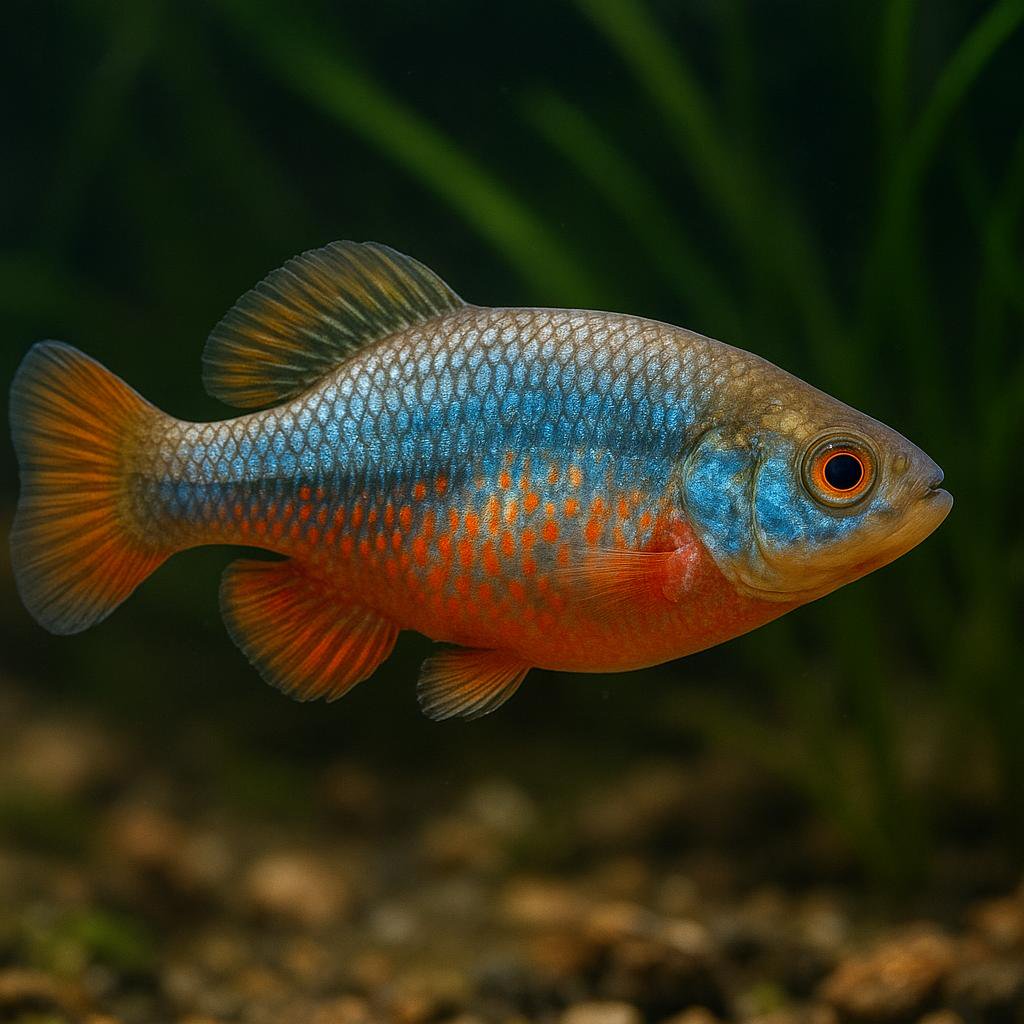
San Marcos redtail splitfin
Xenotoca doadrioi
This is a little Mexican goodeid livebearer where the males do that awesome "blue body + orange/red tail" thing when they color up. They're super active, always grazing and pecking at surfaces, and they really appreciate cooler, clean, well-oxygenated water compared to your typical tropical livebearers.
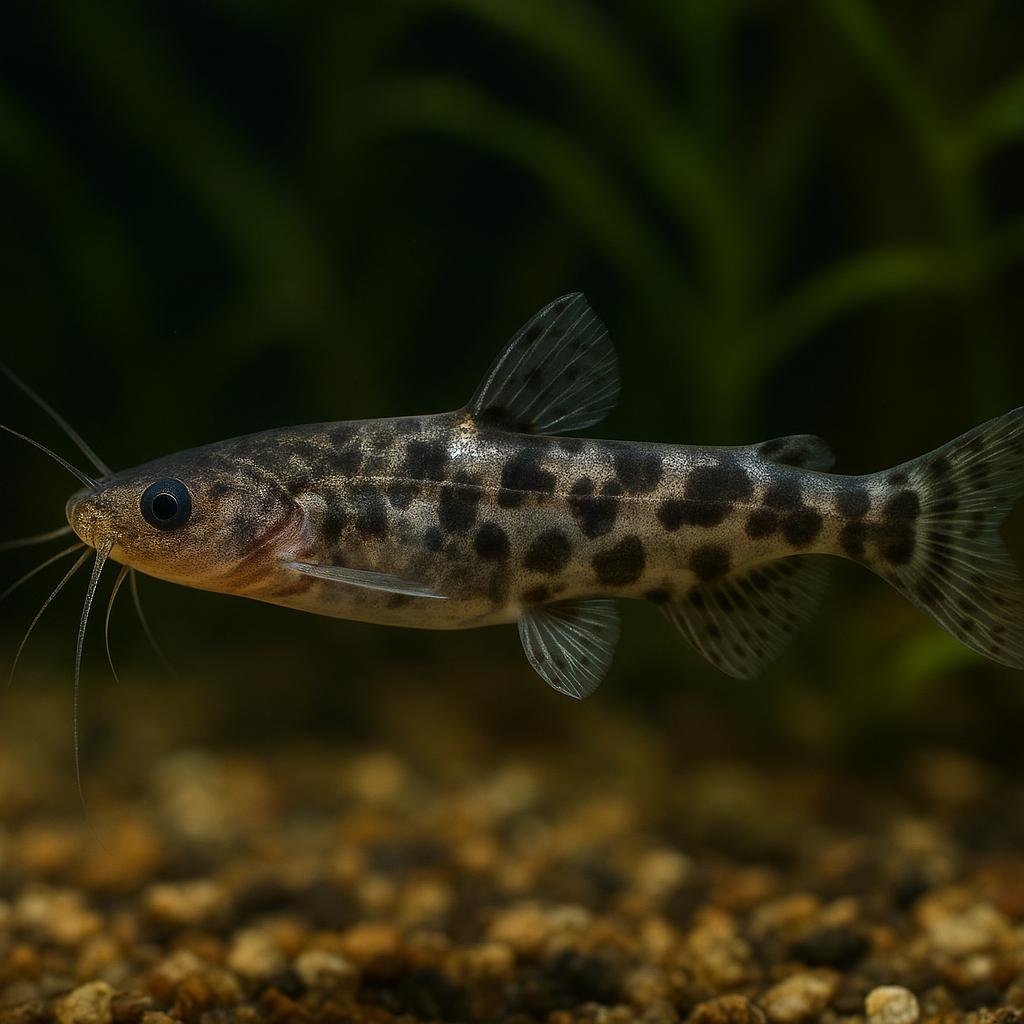
Saul's whale catfish
Denticetopsis sauli
This is one of those ultra-tiny South American whale catfish that most people will never see in the trade - it tops out around 2 cm. Its whole vibe is "secretive little bottom-hanger" from blackwater-style habitats, so in an aquarium it would spend a lot of time tucked into leaf litter and small caves if you could even source one.
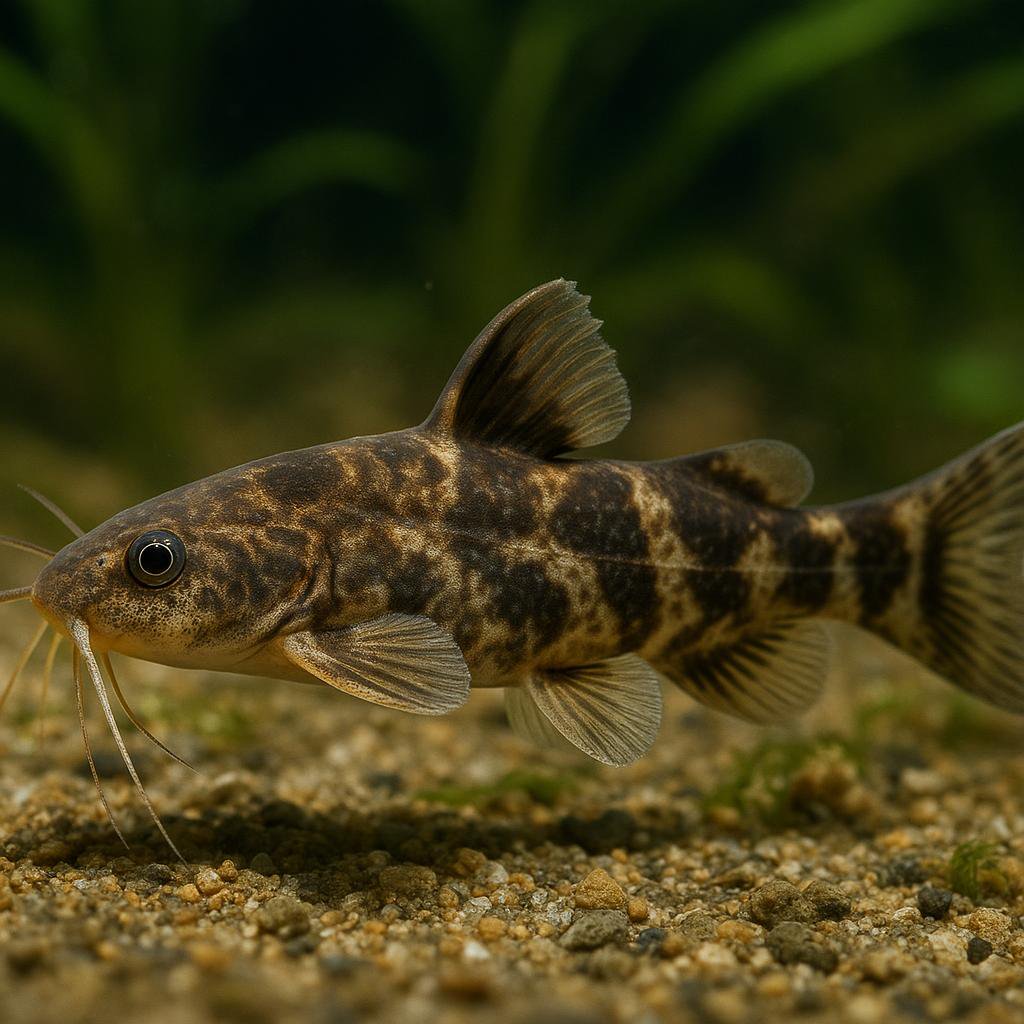
Schmidt's hillstream catfish
Glyptothorax schmidti
This is one of the little Asian hillstream catfish that lives in fast, cool, super-oxygenated water and literally clings to rocks with a sticky belly pad. In an aquarium its whole vibe is "powerhead + smooth stones + pristine water," and if you nail that setup its rock-hugging behavior is seriously cool to watch.
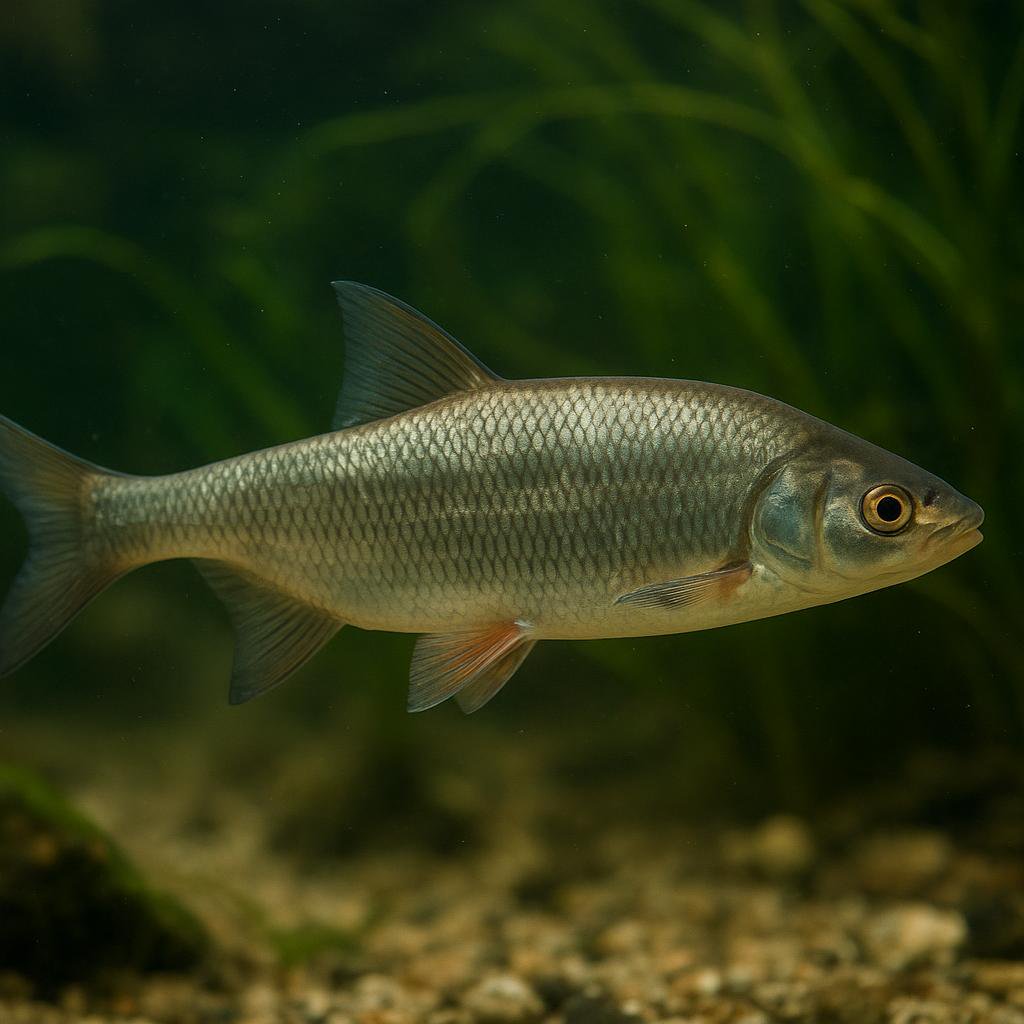
Seerüssling
Vimba elongata
Vimba elongata (Seerüssling) is a temperate European cyprinid from the upper Danube basin, with populations in subalpine lakes of southern Bavaria and Upper Austria. It is a slim, silvery, benthic forager that roots for small invertebrates.
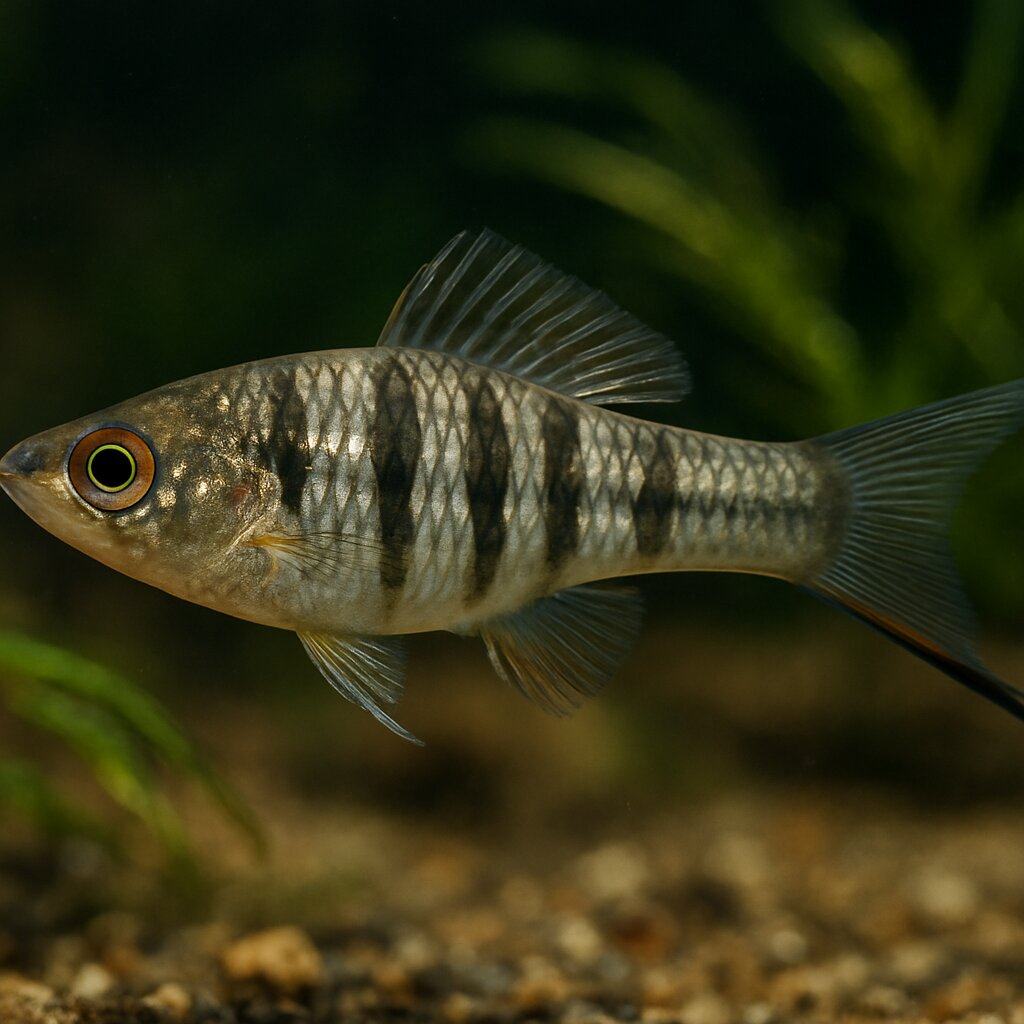
Sheepshead swordtail
Xiphophorus birchmanni
A wild swordtail from eastern Mexico that loves fast, splashy streams and shows off bold vertical bars and a big, yellow-speckled dorsal. Males barely carry a sword at all, which always surprises folks, but they make up for it with tons of personality when kept in a roomy, well-oxygenated tank.
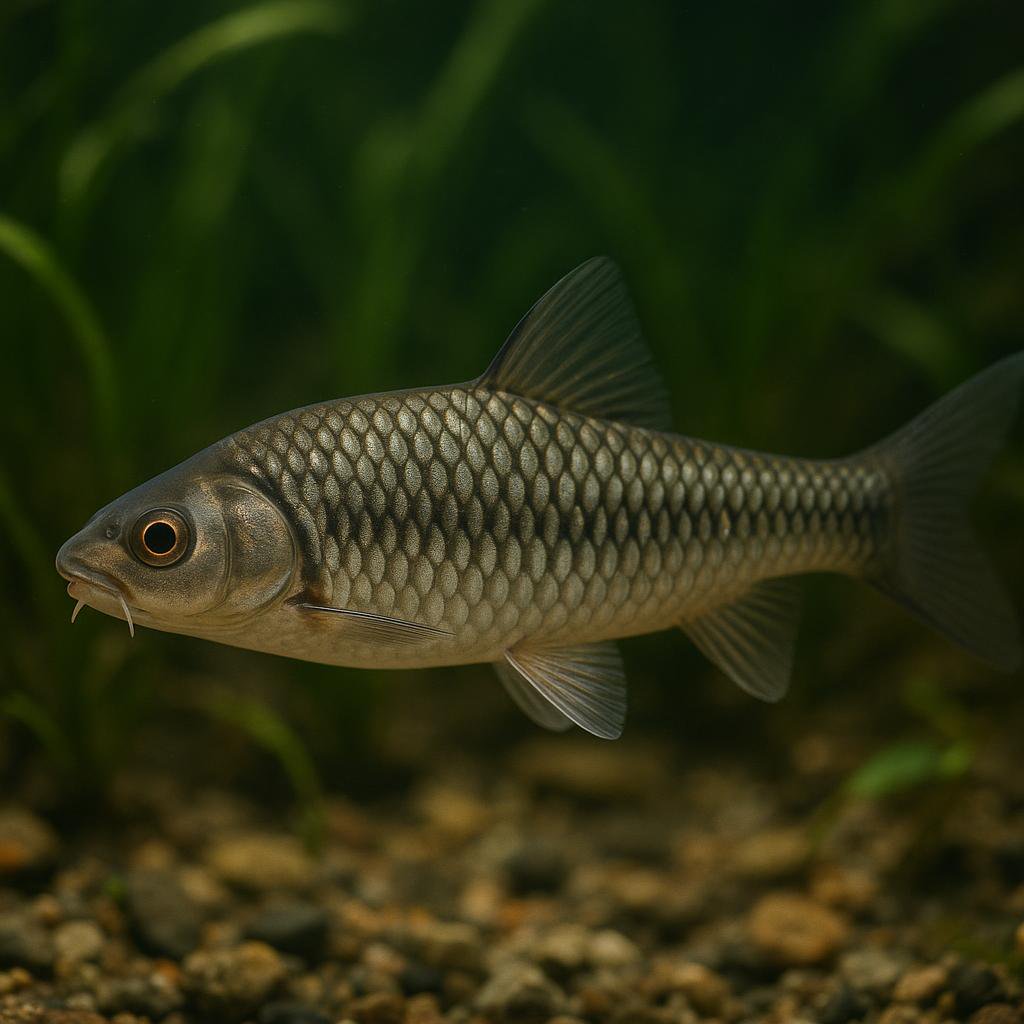
Short-bodied white-armored fish
Onychostoma breve
Onychostoma breve is a small river carp from the Yangtze River system in China, topping out around 14.6 cm standard length. Its whole vibe is a streamlined, current-loving minnow that wants lots of oxygen and moving water, so it is way happier in a river-style setup than a typical calm community tank.
Short-sword platyfish
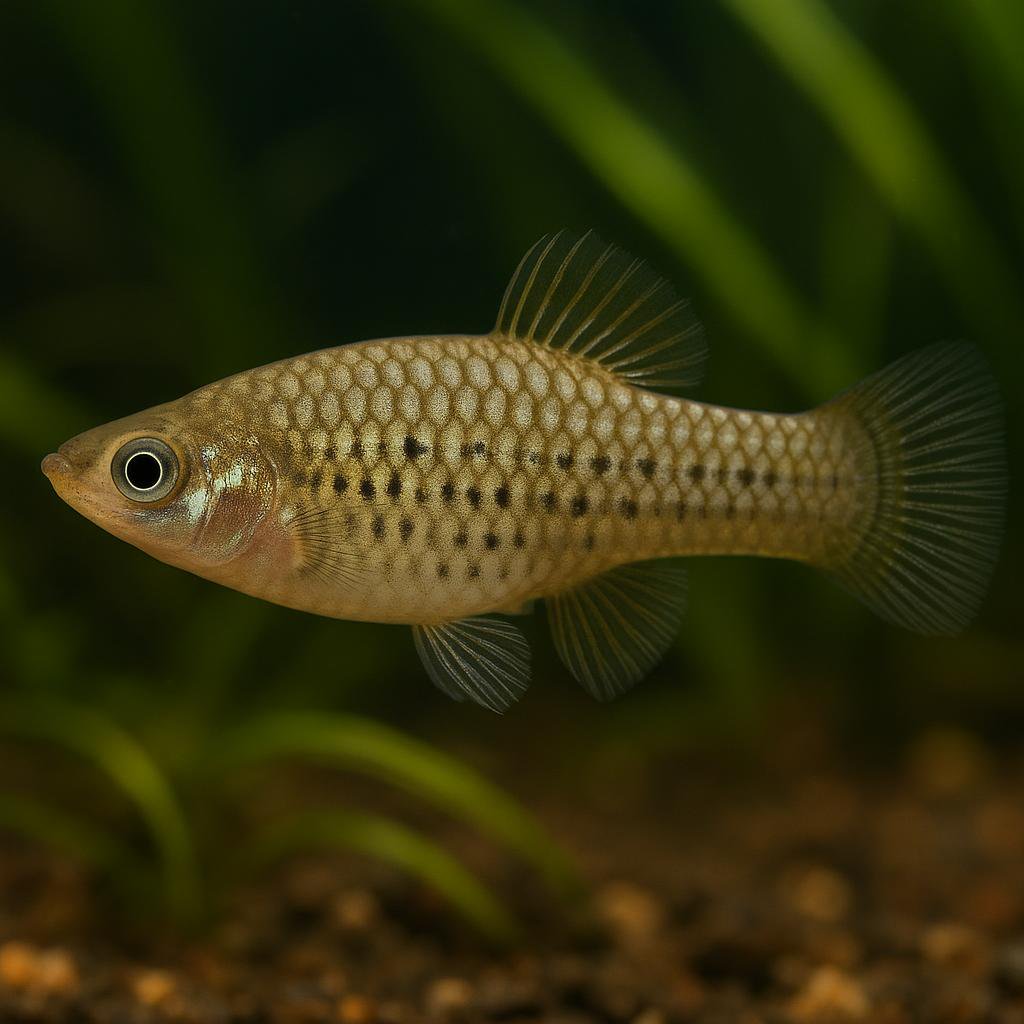
Xiphophorus continens
Xiphophorus continens is a tiny little wild-type livebearer from the Rio Panuco drainage in Mexico, and the males have just a short "stub" sword instead of the big flowing one you see on common swordtails. They really shine in a planted, oxygen-rich tank with some current, where you can watch the males do their low-key "sneaker" style mating behavior and the females quietly cruise the plants.
Short Zaireichthys (dwarf loach catfish)
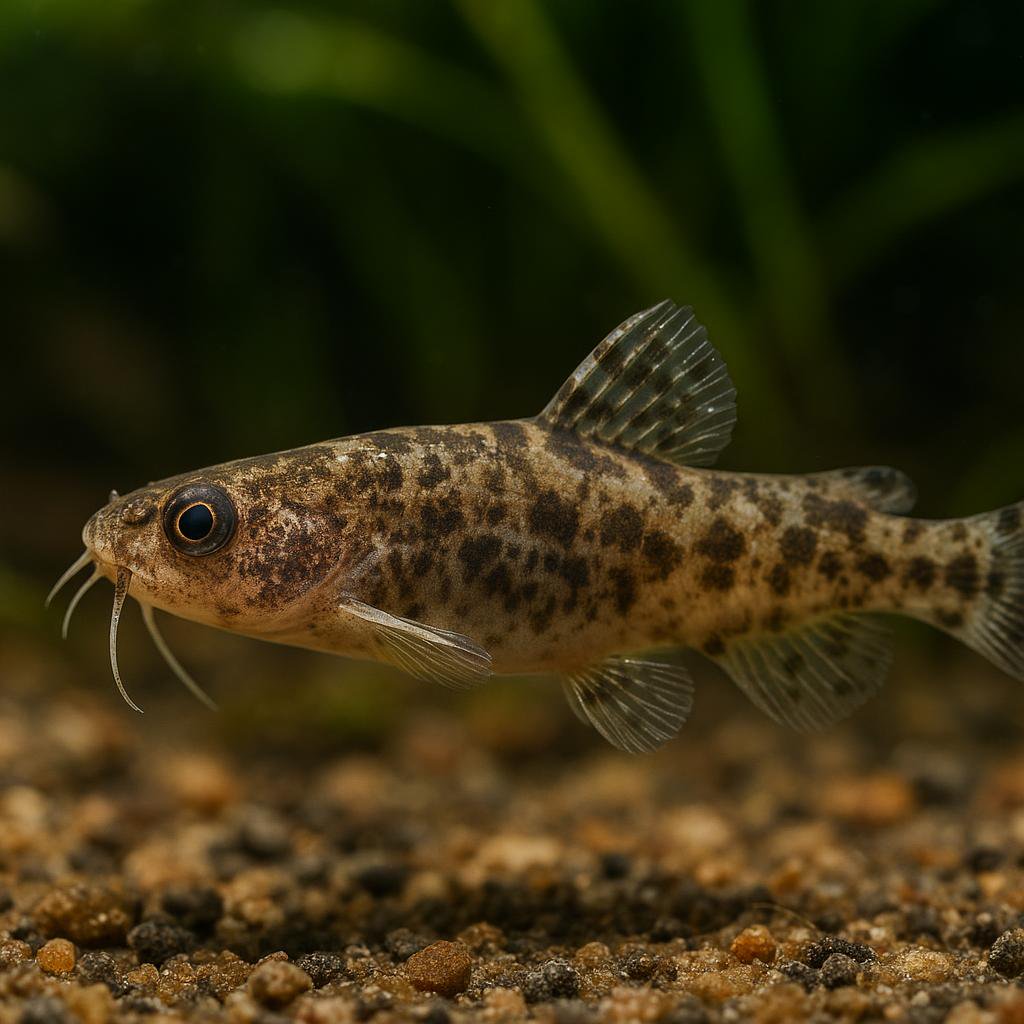
Zaireichthys brevis
Zaireichthys brevis is a tiny little African loach catfish from the Congo River basin - think "micro catfish" that spends its time down on the bottom. Its wild habitat is sandy stretches of big river, so it tends to appreciate fine sand and some rocks/cover, and it is more of a look-and-enjoy species than an interactive pet.
Siberian dace
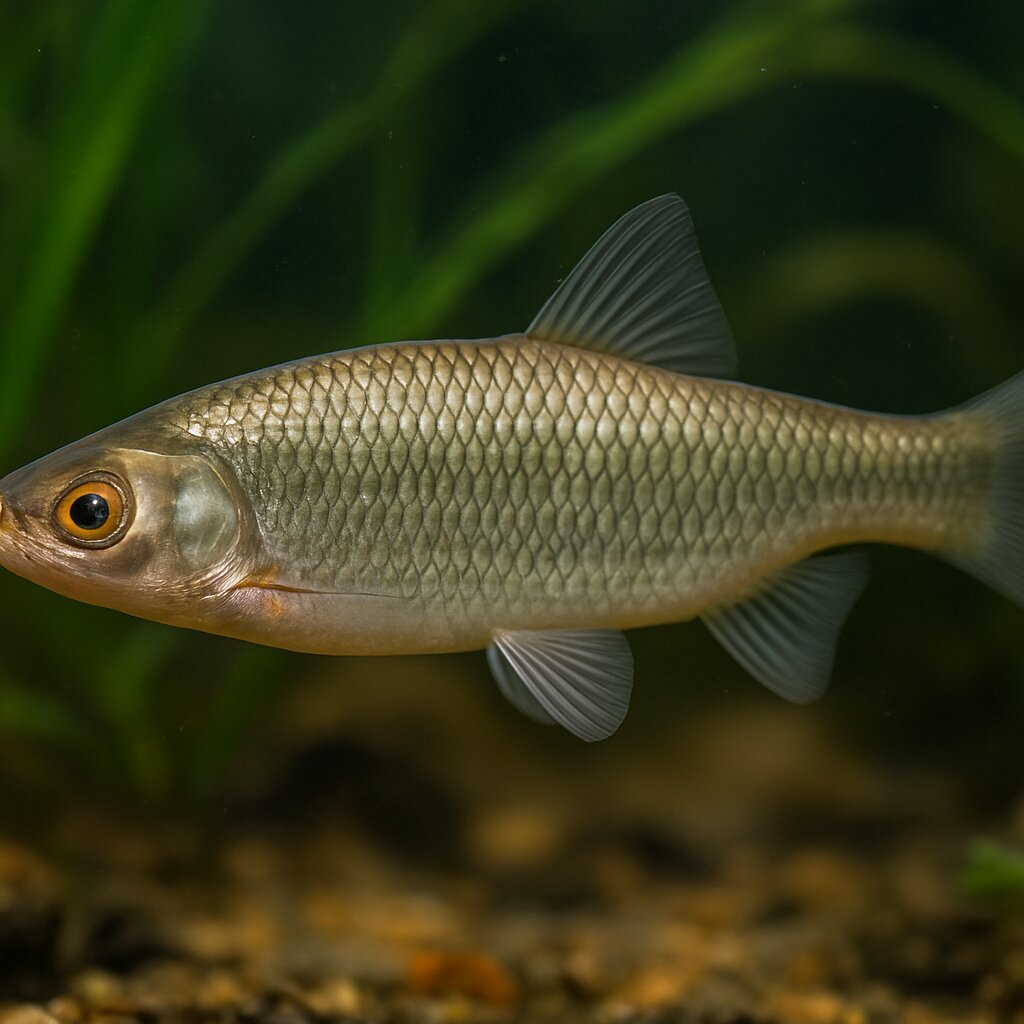
Leuciscus baicalensis
Siberian dace are zippy silver minnows from Siberia and Mongolia that really come alive in cool, fast water. They school tightly and spend the day cruising midwater and over gravel, picking at insect bits in the flow. They can look awesome in a big, chilled river-style setup with strong oxygenation and plenty of swimming room.
Sicklefin chub
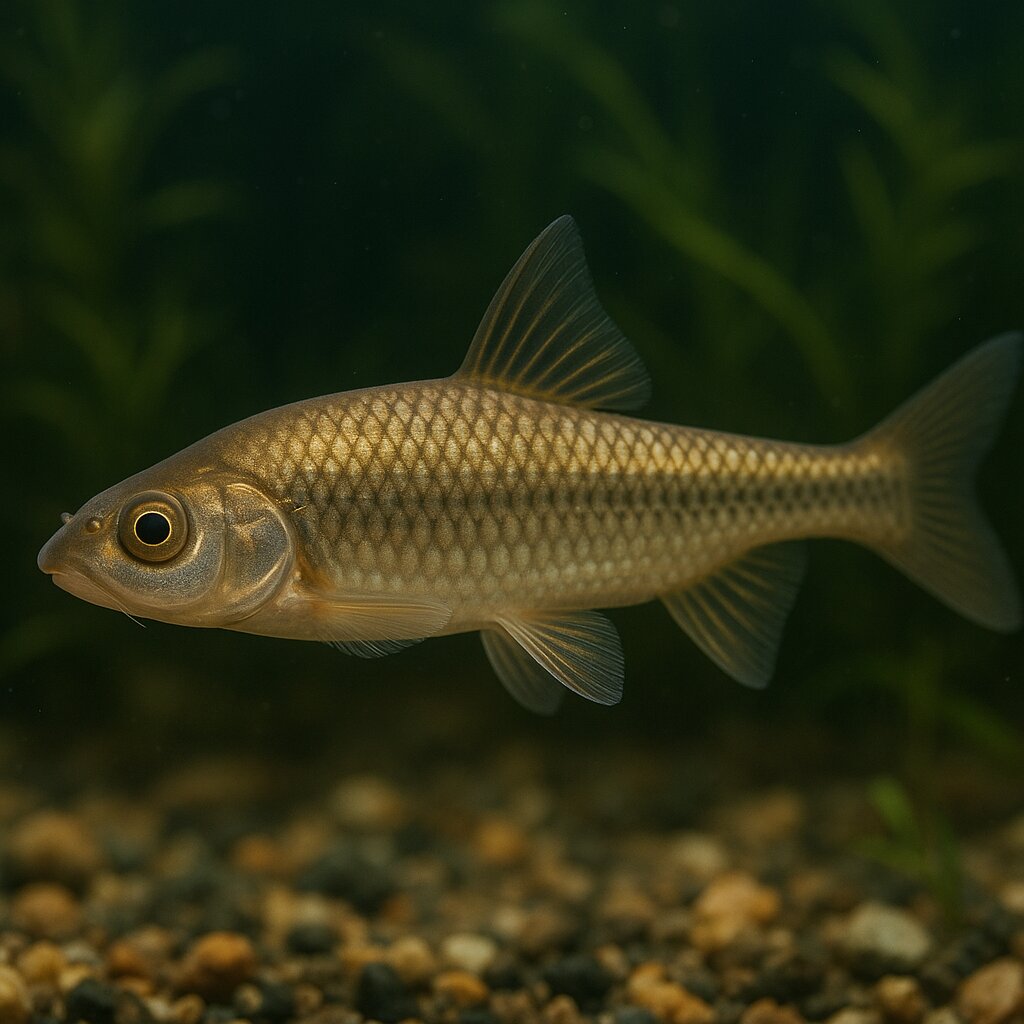
Macrhybopsis meeki
Sicklefin chub is a sleek Midwestern river minnow with a neat sickle-shaped dorsal fin. It hugs sandy runs in fast, turbid water and relies on taste more than sight to pick off tiny drifting insects. If you ever keep it, plan on cool, high-oxygen flow and a soft sand river setup.