

Sand catlet
Zaireichthys wamiensis
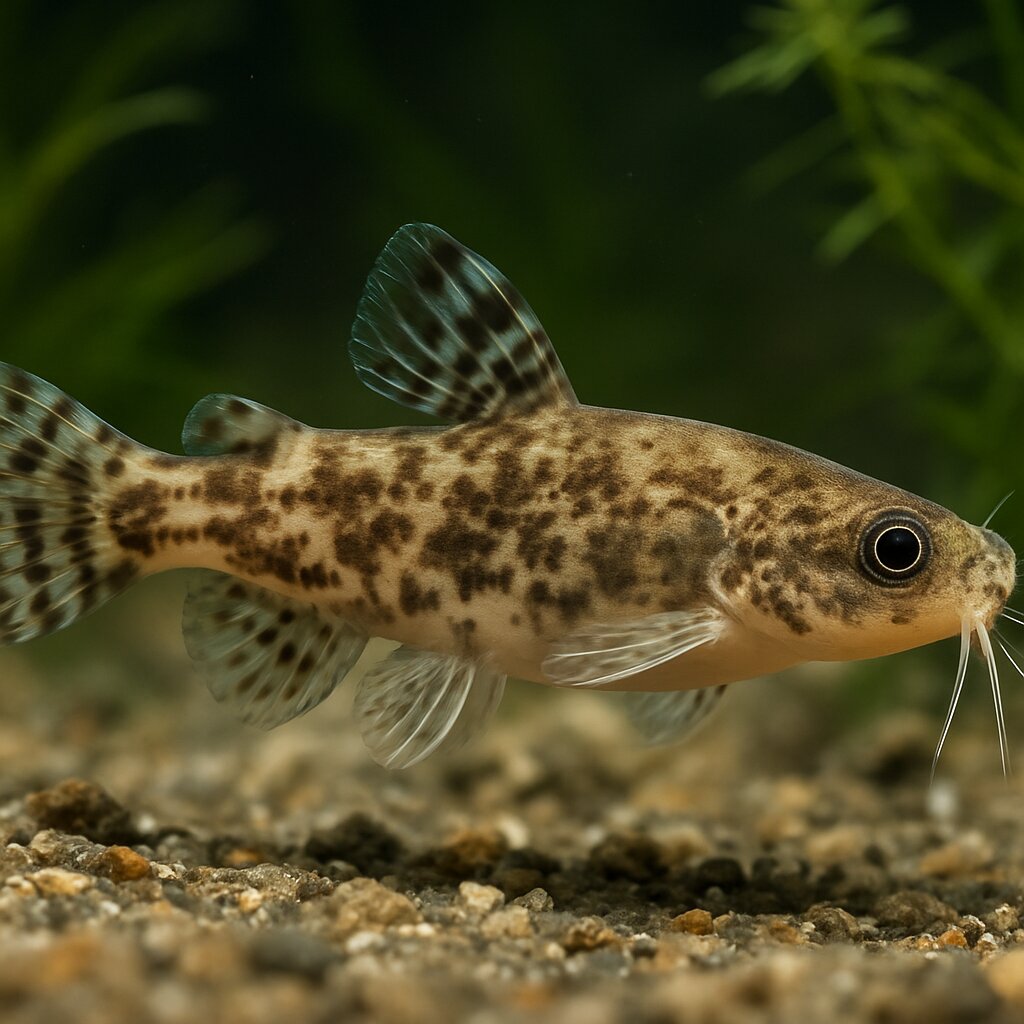
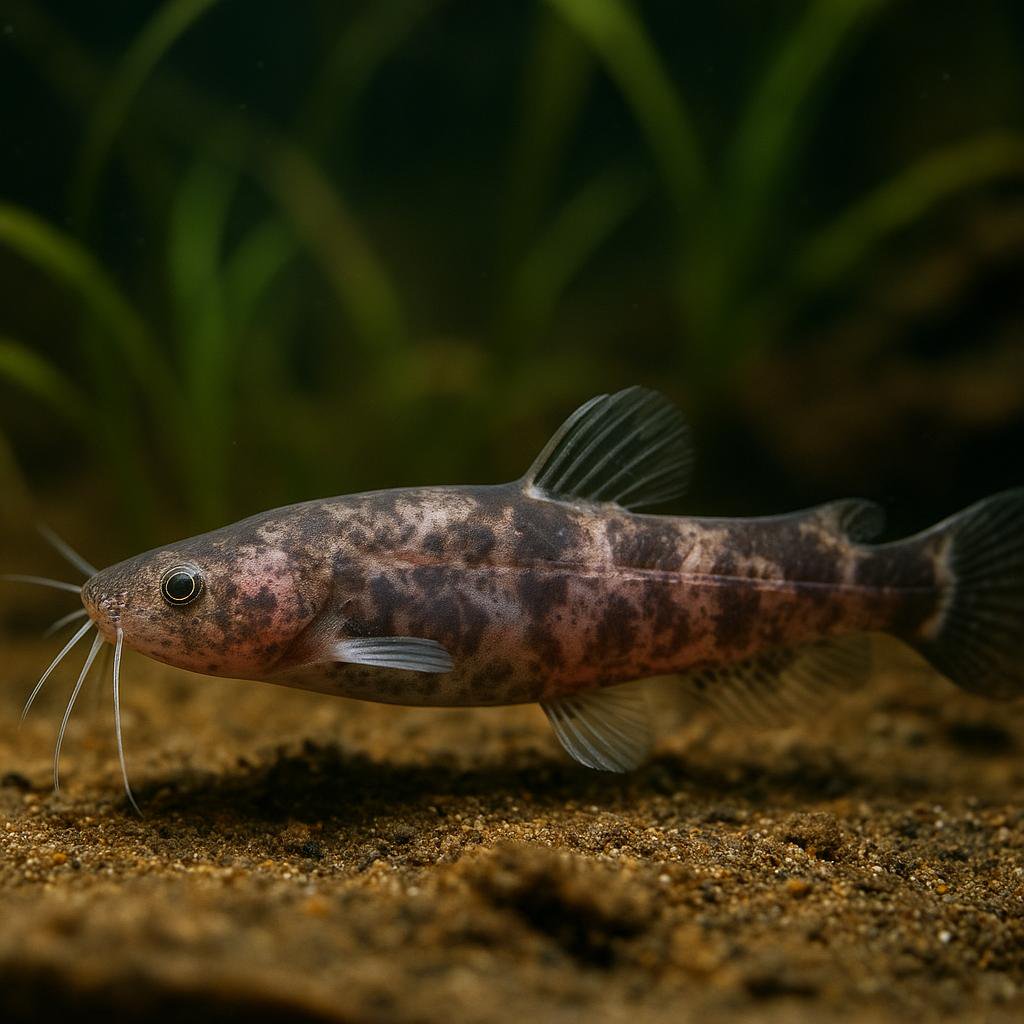
The Sand catlet features a slender body with pronounced, vibrant orange and white markings, and its elongated fins enhance its agile swimming ability.
This page includes AI-generated images. Why am I seeing AI images?
About the Sand catlet
A tiny sand-burying catfish from Tanzanias Wami River, this little guy tops out around an inch. It likes to vanish into fine sand with just its eyes showing, then dart out for micro-foods. Set it up with smooth sand, gentle flow, and small meaty foods and it will show off its quirky periscope routine.
Quick Facts
Size
2.5 cm
Temperament
Peaceful
Difficulty
Advanced
Min Tank Size
15 gallons
Lifespan
3-5 years
Origin
East Africa
Diet
Carnivore - micro-predator; small live and frozen foods, sinking micro-pellets
Water Parameters
22-25°C
6.5-7.2
2-12 dGH
Need a heater for this species?
This species needs 22-25°C in a 15 gallon tank. Use our heater calculator to find the right wattage.
Calculate heater sizeCare Notes
- Give them a long, low tank with a 2-3 inch bed of sugar-fine sand; they spend their lives sifting and burying, so skip gravel entirely.
- Run steady flow and high oxygen: sponge pre-filter on the intake, plus a small powerhead or spray bar for rippling surface and gentle current.
- Keep water soft and clean: 72-76 F, pH 6.0-7.2, low TDS, and nitrates under 10 ppm with small, frequent water changes.
- Feed after lights out and target-feed with a pipette; they take live and frozen micro foods like baby brine, daphnia, blackworms, and finely chopped bloodworms, but usually snub dry foods.
- Tankmates should be tiny, calm midwater fish (lampeyes, small tetras, pencilfish); avoid cichlids, barbs, loaches, and pushy bottom feeders that outcompete or stress them.
- They vanish into the sand by day; that is normal. Cover filter intakes and gaps in the lid so nobody gets sucked in or jumps.
- Most arrive wild-caught, so quarantine and deworm (levamisole/flubendazole) before the display; frayed barbels usually mean rough substrate or dirty sand.
- Breeding is rare but happens in groups on deep sand under leaf litter; try heavy feeding, a cool water change, and a bump in flow, then pull adults and start fry on infusoria before moving to microworms/BBS.
Compatibility
Good Tankmates
- Chill midwater tetras like embers, neons, and green neons - they ignore the sand and do not outcompete them
- Tiny rasboras and microdevario - super calm, great dithers so the catlets feel safe
- Pencilfish and small lampeye killifish - top/mid swimmers that keep the vibe relaxed
- Otocinclus - peaceful algae grazers that will not bug a sand-burrower
- Pygmy corys (pygmaeus/habrosus) if you feed after lights out so the catlets get their share
- Pseudomugil blue-eyes (dwarf rainbowfish) - active up top but gentle, good movement without stress
Avoid
- Cichlids of any kind (yes, even dwarfs) - too pushy and likely to snack on tiny sand catlets
- Boisterous loaches like yoyo, zebra, or skunk - bulldoze the bottom and win every feeding
- Nippy, fast fish like tiger barbs or giant danios - stress them and steal food
- Big or predatory catfish (Synodontis, pictus, etc.) - nighttime hunters that turn them into snacks
Where they come from
Sand catlets are tiny African loach-catfish from sandy stretches of rivers and streams. The species name points to the Wami River in Tanzania, and that lines up with how they act in the tank: they bury in fine sand with just eyes and barbels sticking out, waiting for little critters to drift by.
Most are wild-caught. Plan on a calm, well-oxygenated quarantine for 4-6 weeks before they meet your display. Mine settled faster after a couple rounds of deworming.
Setting up their tank
Think river margin with clean, fine sand and steady, gentle flow. They are small, but I would still give a group a 15-20 gallon tank with more floor space than height. Keep the light on the dim side and use a tight lid; they can surprise-jump during lights-out shuffles.
- Substrate: 2-5 cm of fine, rounded silica sand. They must be able to bury completely.
- Flow and oxygen: moderate current with lots of surface movement. A spray bar or small powerhead aimed along the front works well.
- Filtration: oversized filter with a sponge pre-filter on every intake. These fish are tiny and curious.
- Aquascape: open sandy areas plus scattered rounded pebbles, driftwood, and leaf litter. Leave calm pockets out of the main flow.
- Water: 22-26 C (72-79 F), pH 6.2-7.4, soft to mid-hard (2-8 dGH). Keep it clean and stable; they do not forgive neglect.
- Lighting: subdued. Floating plants or tannins help them feel secure.
Skip sharp sand and any gravel mix. Coarse grains scrape skin and barbels, and they will stop eating if they cannot bury.
Maintenance is a little different: I lightly hover the siphon over the sand to lift debris without digging deep. Every week or two I gently rake the top layer with my fingers to prevent compaction and gas pockets. Leaf litter traps biofilm they like to pick at, but do not let it smother the sand. Keep intakes covered, and clean pre-filters often so flow stays strong.
What to feed them
They are crepuscular hunters. You will get the best response by feeding at dusk or 30-60 minutes after lights out. They hunt by scent, so target feeding is your friend.
- Live or frozen: baby brine shrimp, cyclops, daphnia, chopped blackworms, mosquito larvae, small bloodworms.
- Prepared: high-quality micro wafers and fine carnivore pellets that sink fast.
- Occasional: crushed snails or tiny bits of shrimp for variety.
Pre-soak pellets and drop them right onto a small feeding tile or dish on the sand. A turkey baster lets you sneak food to their hideouts without blasting them.
They fill up quickly. I feed small amounts once daily and skip one day a week. If bellies look tight or they start spitting bloodworms, rotate to softer foods like daphnia and baby brine for a bit.
How they behave and who they get along with
Expect a lot of peekaboo at first. In a group they relax: you will see them pop out at dusk to skitter over the sand, then disappear like quicksand ghosts. They are not aggressive, but they are slow eaters and get pushed off food by bolder fish.
- Great choices: species-only setup, tiny lampeyes (Aplocheilichthys/Procatopus), pencilfish, small rasboras, very calm dwarf killifish. Peaceful snails are fine.
- Maybe, with care: shrimp. Adults are usually safe, but they will snack on shrimplets.
- Avoid: anything boisterous or bottom-heavy feeders (loaches, corys, larger tetras, barbs, Synodontis). Also avoid large or nippy fish that patrol the bottom.
Keep at least 6-8. Solo fish stay buried all day and may slowly starve from stress.
Breeding tips
This is still a white whale in the hobby, but you can nudge them. Females bulk up a bit rounder; males stay slimmer. Spawning seems to happen at night, and eggs are likely scattered into the sand with no care given.
- Set up a separate 10-15 gallon with deep fine sand, gentle flow, and lots of oxygen.
- Condition the group on live foods for 2-3 weeks.
- Simulate a rainy season: a series of larger, slightly cooler water changes (2-3 C drop) with soft water and increased flow.
- After a few nights, remove adults so they do not eat eggs or hatchlings.
- Fry are tiny. Start with infusoria/green water, then move to vinegar eels and freshly hatched baby brine once they can take it.
Use only air-driven sponges in the breeding tank. Even a gentle HOB will hoover up eggs and fry.
Common problems to watch for
- Barbel wear or skin abrasions from rough substrate. Fix the sand before it turns into infections.
- Low oxygen. If they are gulping at the surface or refusing food, increase surface agitation and flow.
- Slow starvation. They often lose out at mealtime. Target feed after lights out and check body weight weekly.
- Filter mishaps. Cover every intake with sponge. Check gaps around lids; they can wedge themselves out.
- Parasites from import. Stringy white feces, weight loss, or flashing are common flags.
- Fungal tufts on scrapes after shipping. Clean water and mild treatment usually sort it.
Catfish are sensitive to copper and harsh dyes. If you medicate, research the drug first, start with a reduced dose, and crank up aeration.
Quarantine pays off. I have had good results with praziquantel for tapeworms and levamisole for nematodes, with big water changes between rounds. Feed lightly during treatment and watch for regained appetite and normal burying behavior.
Similar Species
Other freshwater peaceful species you might be interested in.
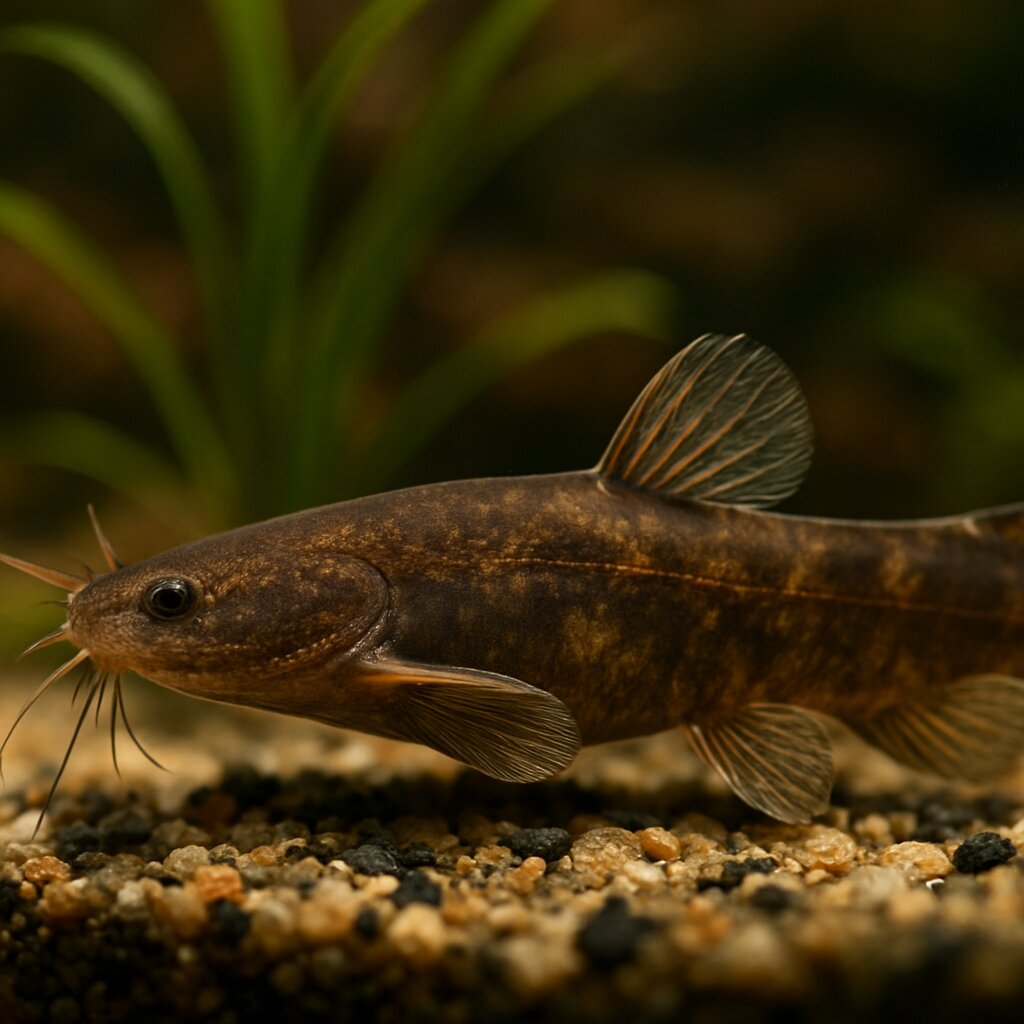
Amphilius dimonikensis
A small loach catfish endemic to the Mpoulou River in the Mayombe (Dimonika Biosphere Reserve), Republic of the Congo. Amphilius dimonikensis has a subtle banded pattern and inhabits fast, clear streams over rock and sand. In aquaria, prioritize strong, well-oxygenated flow with rounded stones and sand to mimic hillstream conditions.
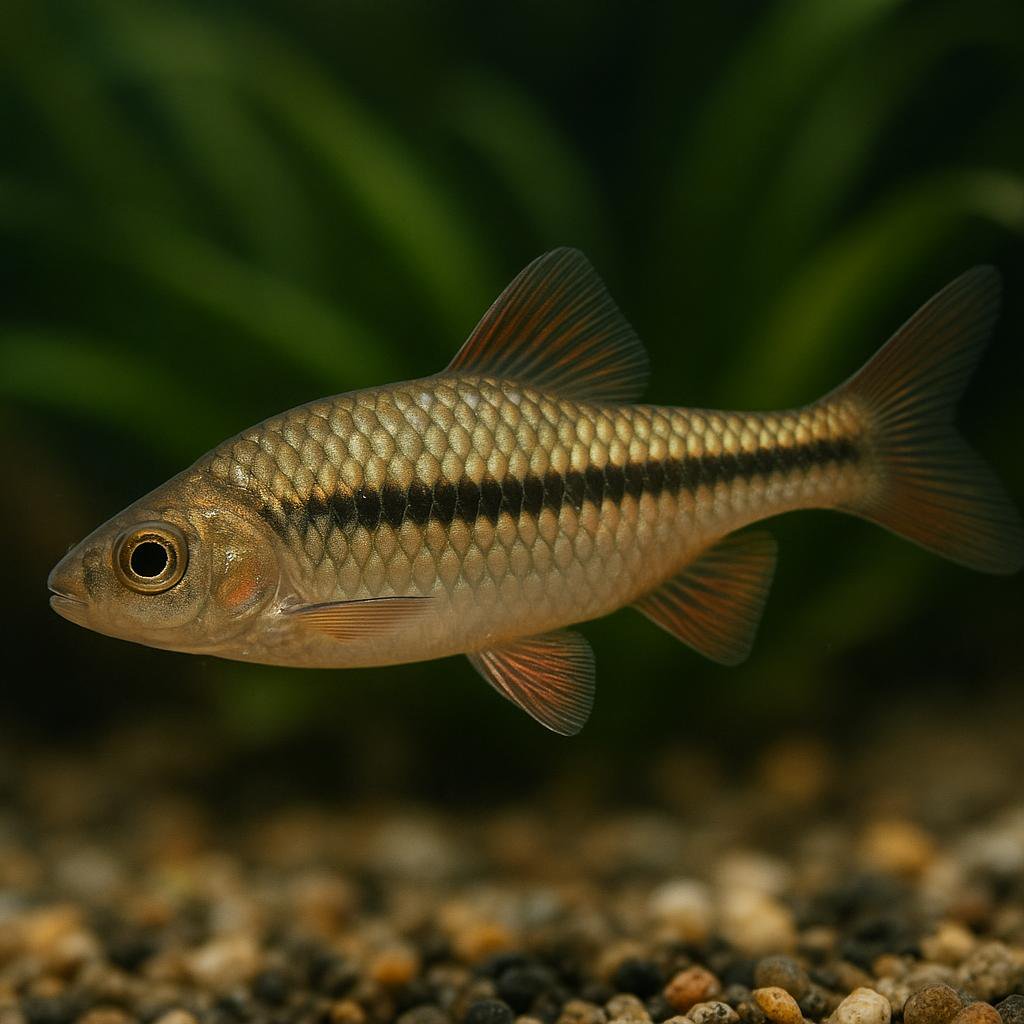
Aboina barb
Enteromius aboinensis
Enteromius aboinensis (the Aboina barb) is a small West African barb with a clean black midline stripe and a little spot right at the base of the tail. It does best when you treat it like a proper schooling fish - keep a decent group and give it plants around the edges with open swimming room in the middle.
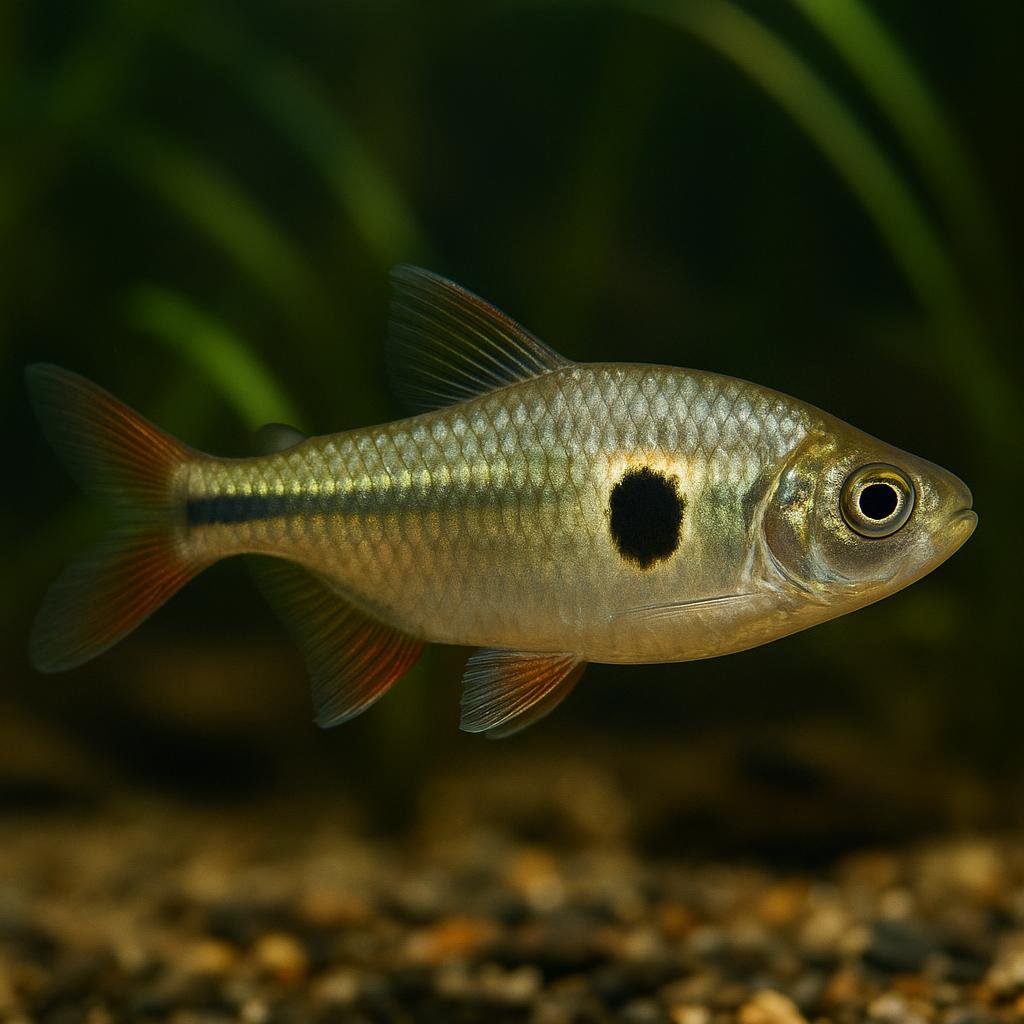
Ajuricaba tetra
Jupiaba ajuricaba
Jupiaba ajuricaba is a South American freshwater characin from the Amazon basin in Brazil (rio Negro, rio Solimões, and rio Tapajós basins). It reaches about 9.5 cm SL and is diagnosed by a narrow dark midlateral stripe, an elongated humeral spot, and an ocellated spot on the upper caudal-fin lobe. Wild specimens have been collected from blackwater forest streams and also oxbow-lake habitats.
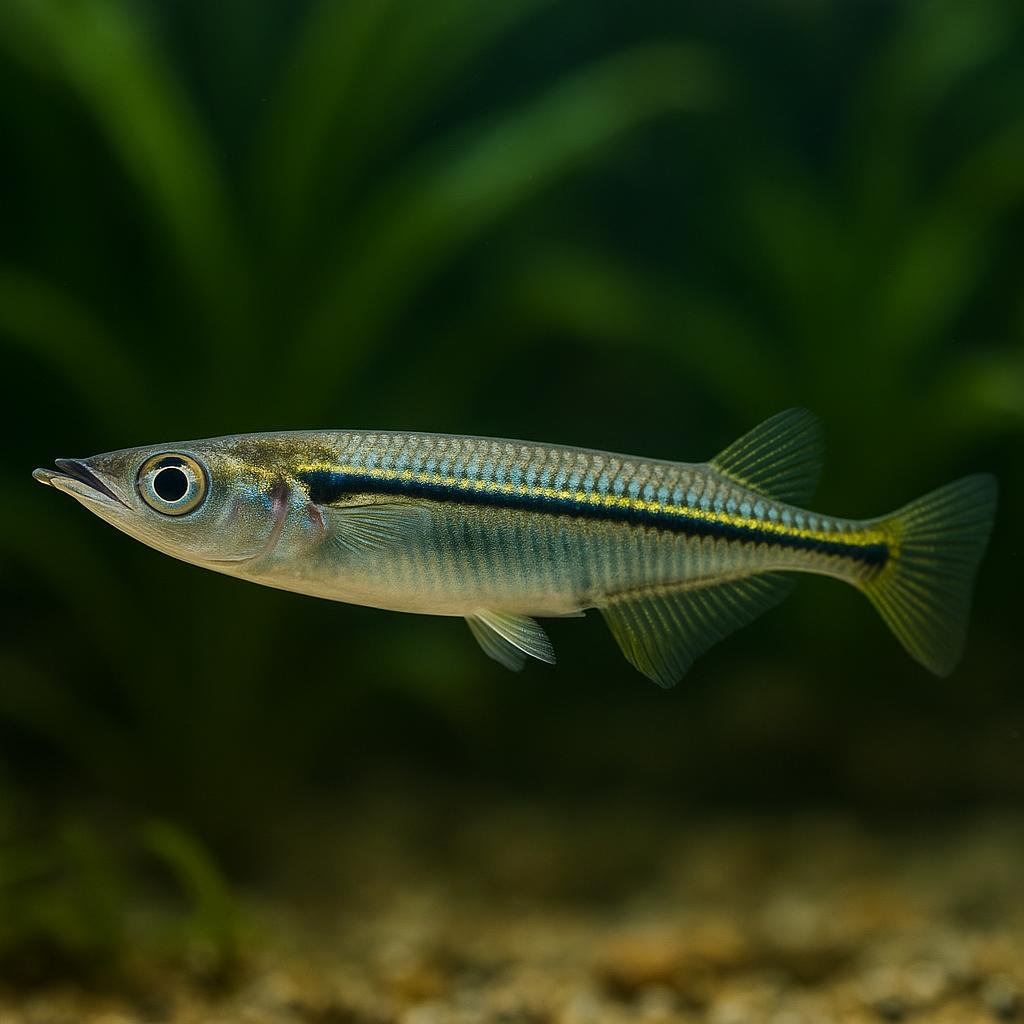
Allen's river garfish
Zenarchopterus alleni
A poorly known freshwater halfbeak endemic to West Papua (Mamberamo River), described from a single specimen (~13 cm SL). Beyond basic habitat/occurrence, little is published about its ecology or aquarium suitability; assume it is a surface-oriented, jump-prone halfbeak only by analogy with related taxa.
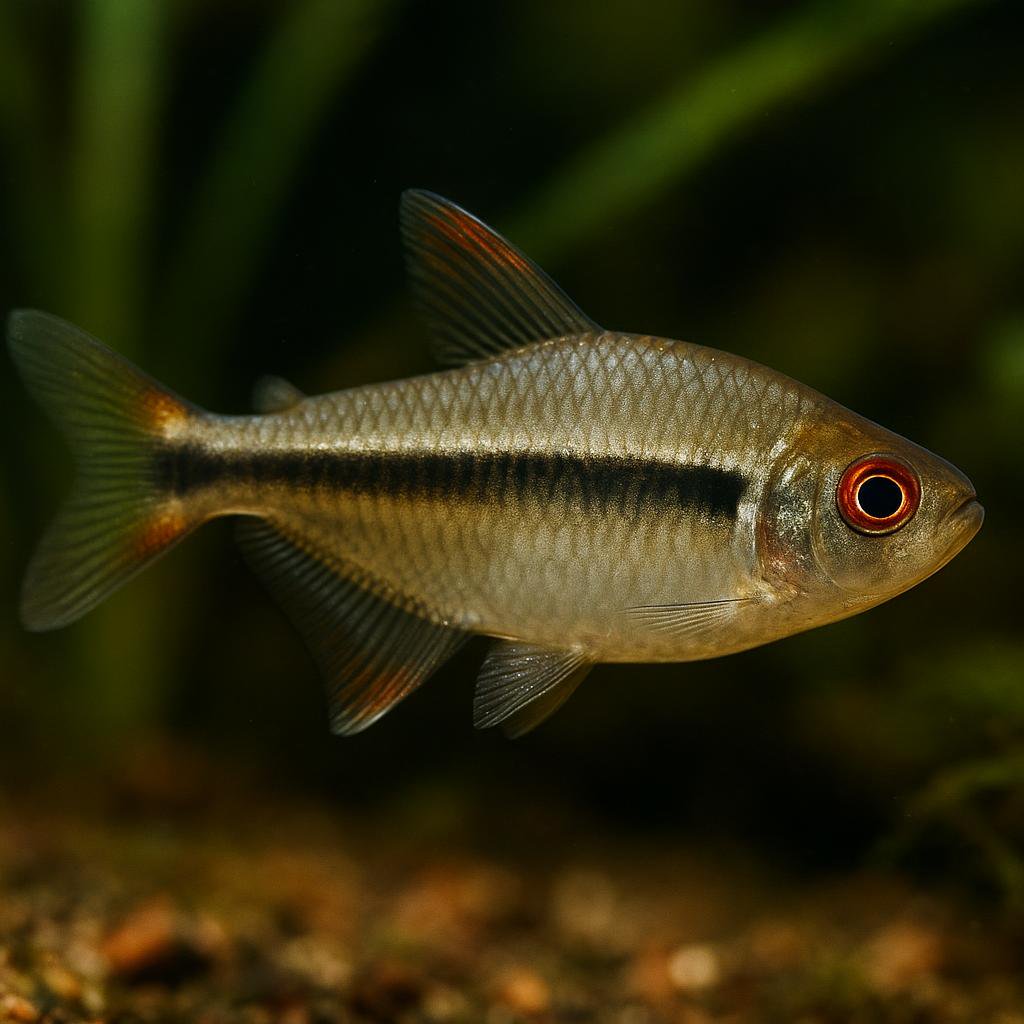
Amapa tetra
Hyphessobrycon amapaensis
This is a tiny, super sleek little tetra with a clean red stripe down the side that really pops once its settled in. It does best in a planted, slightly tinted "creek-style" setup and looks way cooler when you keep a proper group so they school and flash that line together. If you can give it soft, slightly acidic water and a calm community, its an easy fish to fall for.
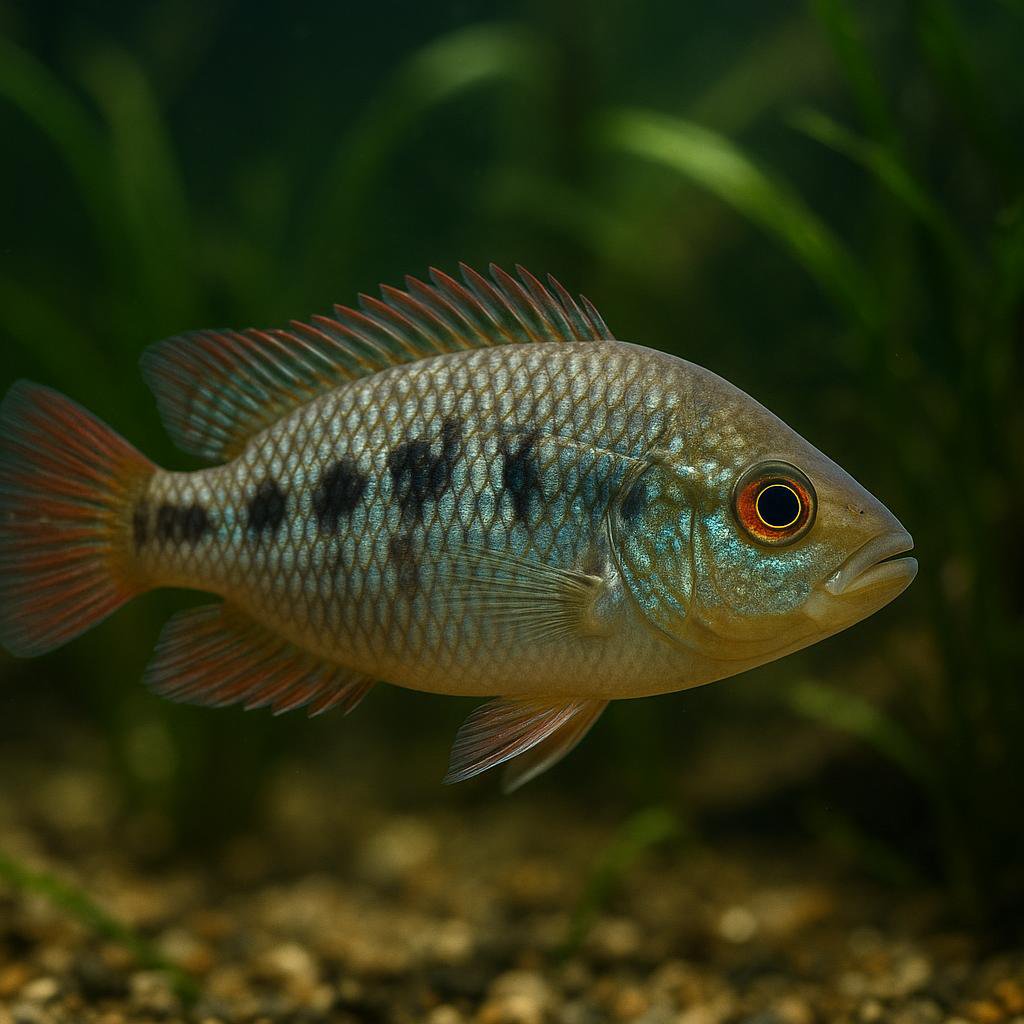
Amatlan chub
Yuriria amatlana
Yuriria amatlana (the Amatlan chub) is a little Mexican native minnow from the Ameca River basin. Its wild range is pretty limited and it is listed as Endangered, so its care info in the aquarium hobby is basically nonexistent and its availability is usually low. In the original species description, preserved fish show a dark lateral stripe with a darker patch on the caudal peduncle, and they can have tiny barbels at the mouth corners.
More to Explore
Discover more freshwater species.
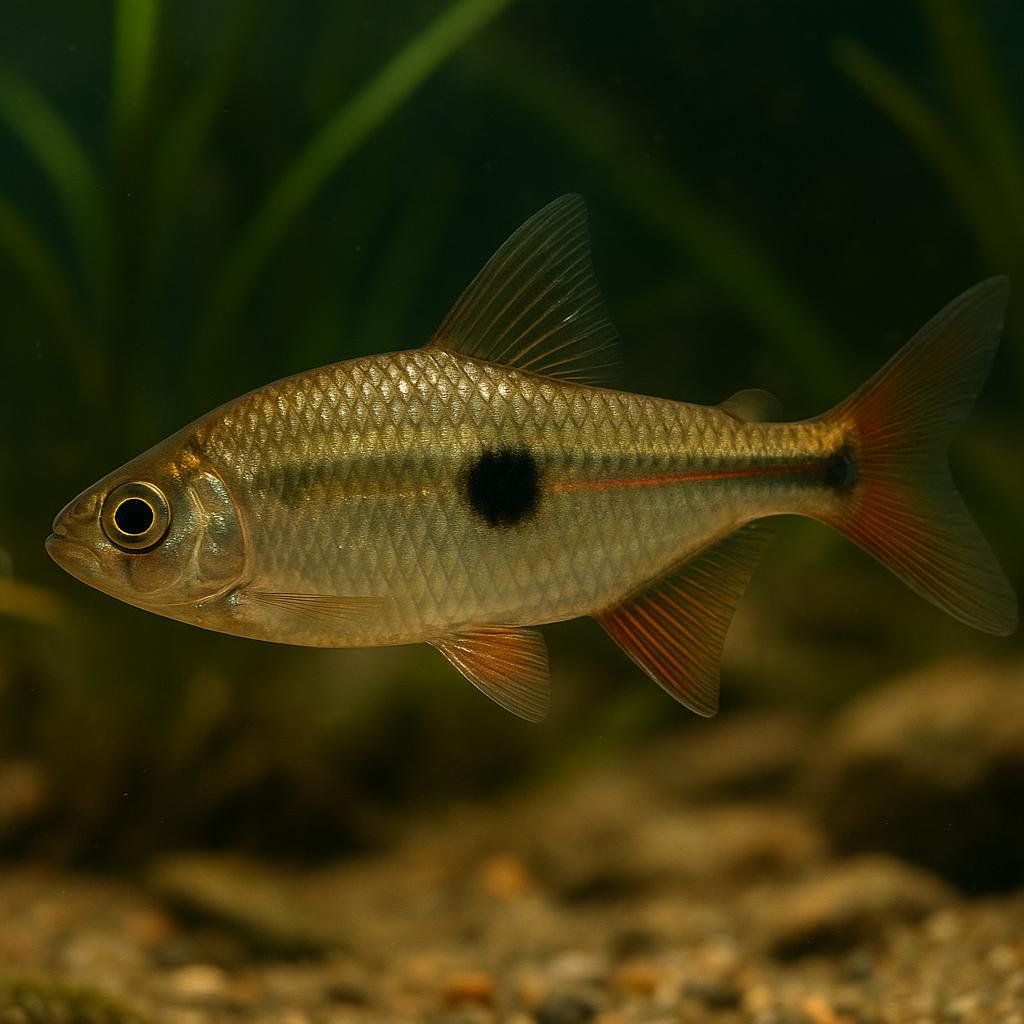
Jupiaba kurua
Small South American characin endemic to the upper rio Curuá (rio Xingu basin, Brazil). Reaches about 8.7 cm SL and inhabits clearwater rivers. Distinguished by dark dots on the bases of many lateral scales and a distinct dark caudal‑peduncle spot. Reported diet indicates omnivory, including aquatic insects, small fishes, and fragments of Podostemaceae and filamentous algae.
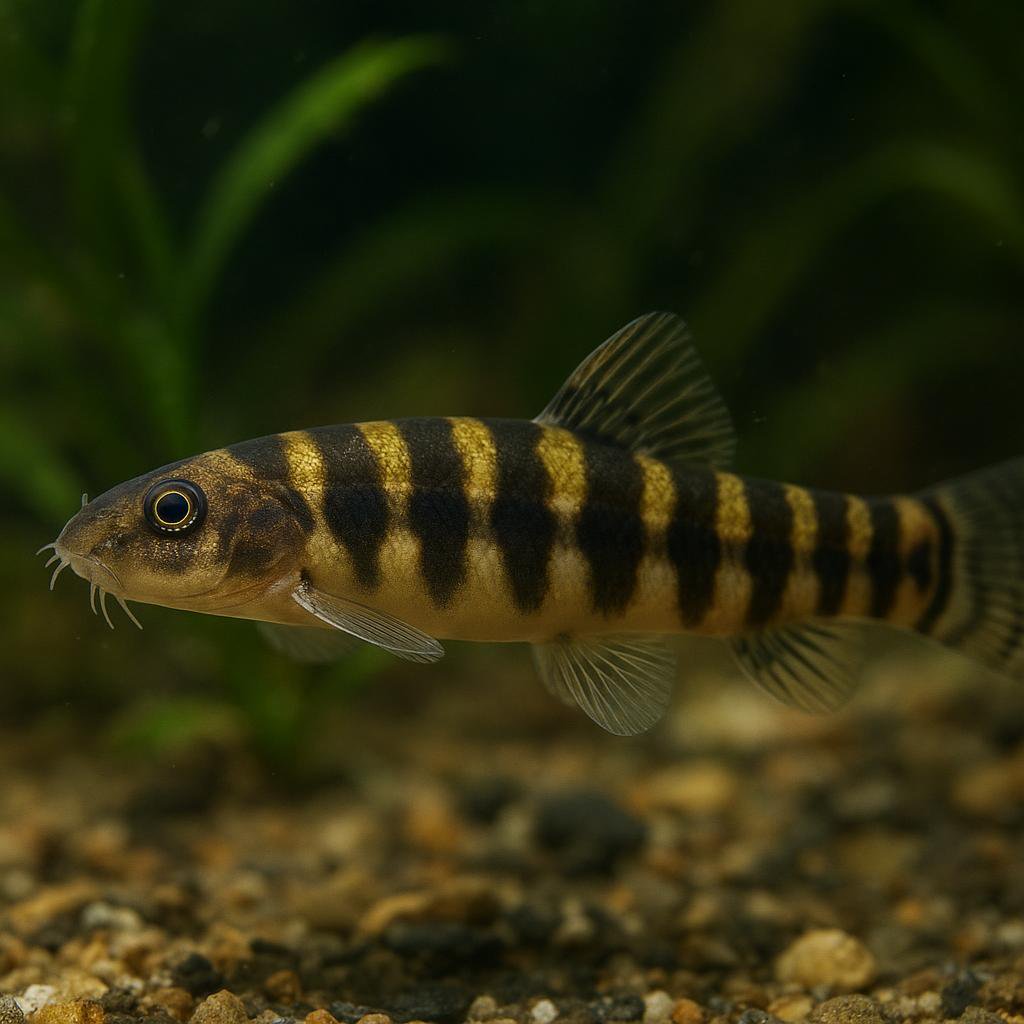
Altipedunculata stone loach
Schistura altipedunculata
Schistura altipedunculata is one of those little stream loaches that wants clean, well-oxygenated water and a bunch of rock nooks to claim as home. It is a bottom-hugger that will spend its day scooting from crevice to crevice, and it tends to get a bit spicy with its own kind if you do not give it enough hiding spots.
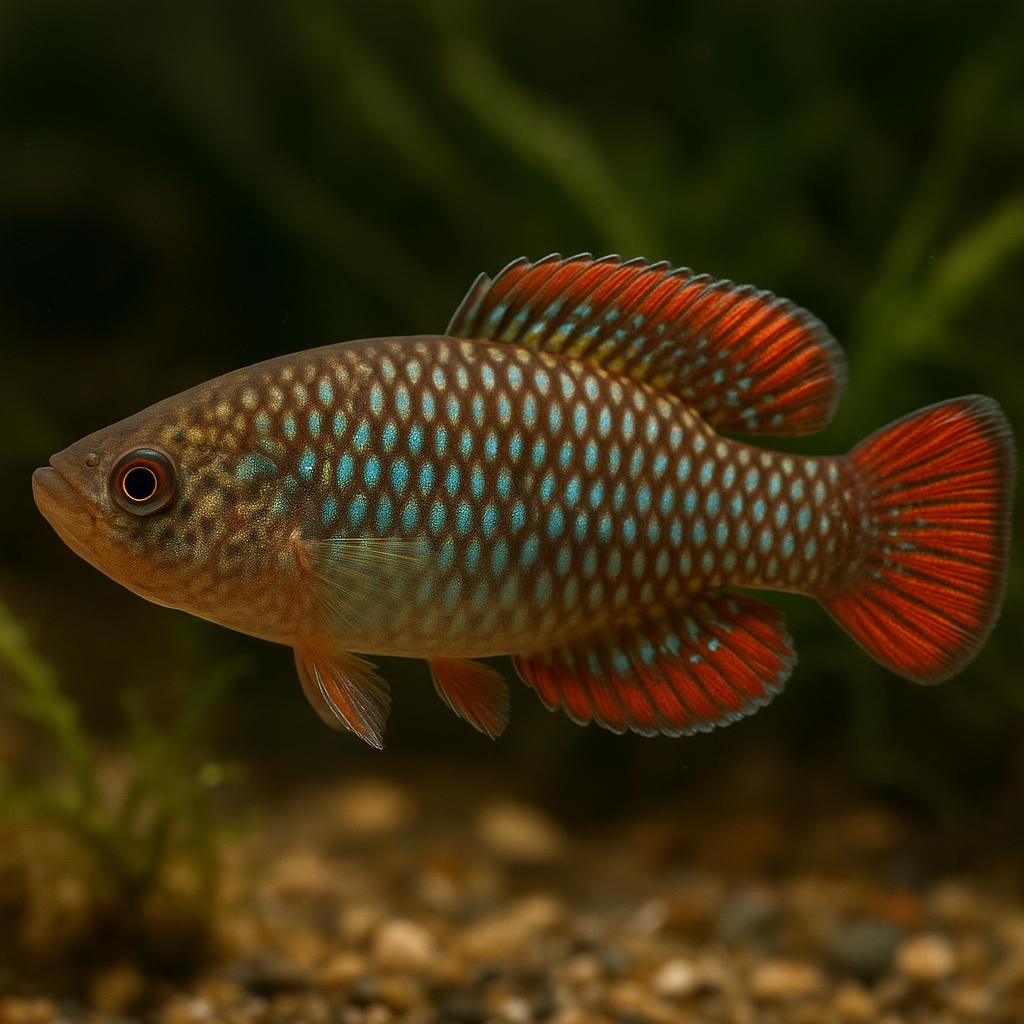
American flagfish
Jordanella floridae
Jordanella floridae is that little Florida native with the red-and-cream striping that really does look like a tiny flag once a male colors up. They graze algae like champs (especially stringy/hair algae), but they have a bit of attitude - give them plants and space so the bossy behavior stays manageable. Bonus: the male guards the eggs and will actively fan them, which is pretty fun to watch.
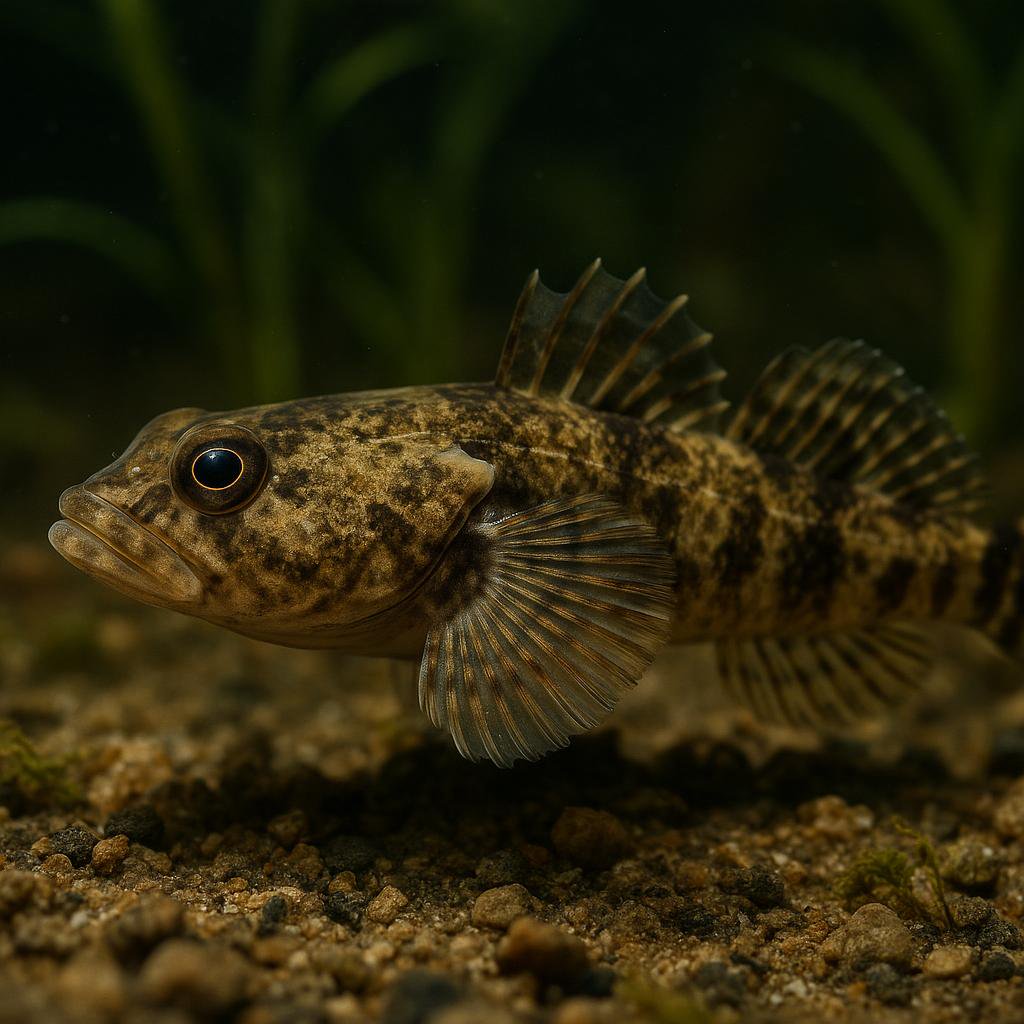
Amur sculpin
Alpinocottus szanaga
This is a little coldwater sculpin from the Amur drainage - a bottom-hugging, rock-and-gravel fish that spends its day wedged under stones and darting out to grab food. Super cool behavior and attitude, but it is absolutely not a warm tropical community fish - it wants chilly, fast, oxygen-rich water and will bicker with other bottom fish.
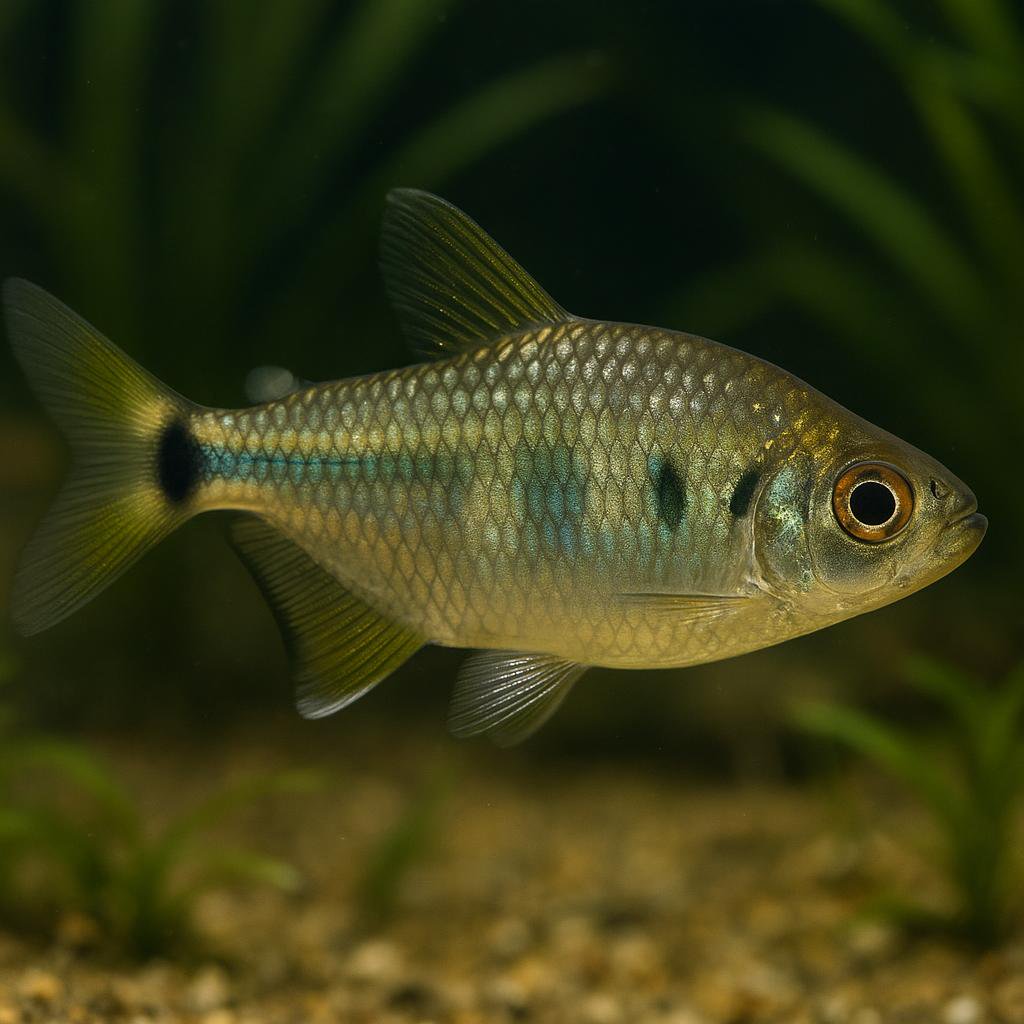
Andrica moenkhausia
Moenkhausia andrica
Moenkhausia andrica is a little Brazilian characin from the Tapajos system that tops out around 7 cm (about 2.8 inches) standard length. It has a neat netted (reticulated) scale pattern plus a dark spot on the caudal peduncle, and the really wild part is that mature females can have tiny fin hooklets too, which is usually a male-only thing in a lot of characins.
Anhanga pygmy pencil catfish
Potamoglanis anhanga
This is a truly tiny Amazonian trichomycterid catfish - like 1.3 cm max - so it is more of a micro-predator oddball than a typical community catfish. It is the kind of fish that disappears into sand, leaf litter, and plant roots, and you will spend way more time setting up the right micro-habitat than you will actually seeing it.
Looking for other species?