

Search Species
Search for fish species by common or scientific name, or use filters to browse by water type, size, temperament, and difficulty.
Found 654 species
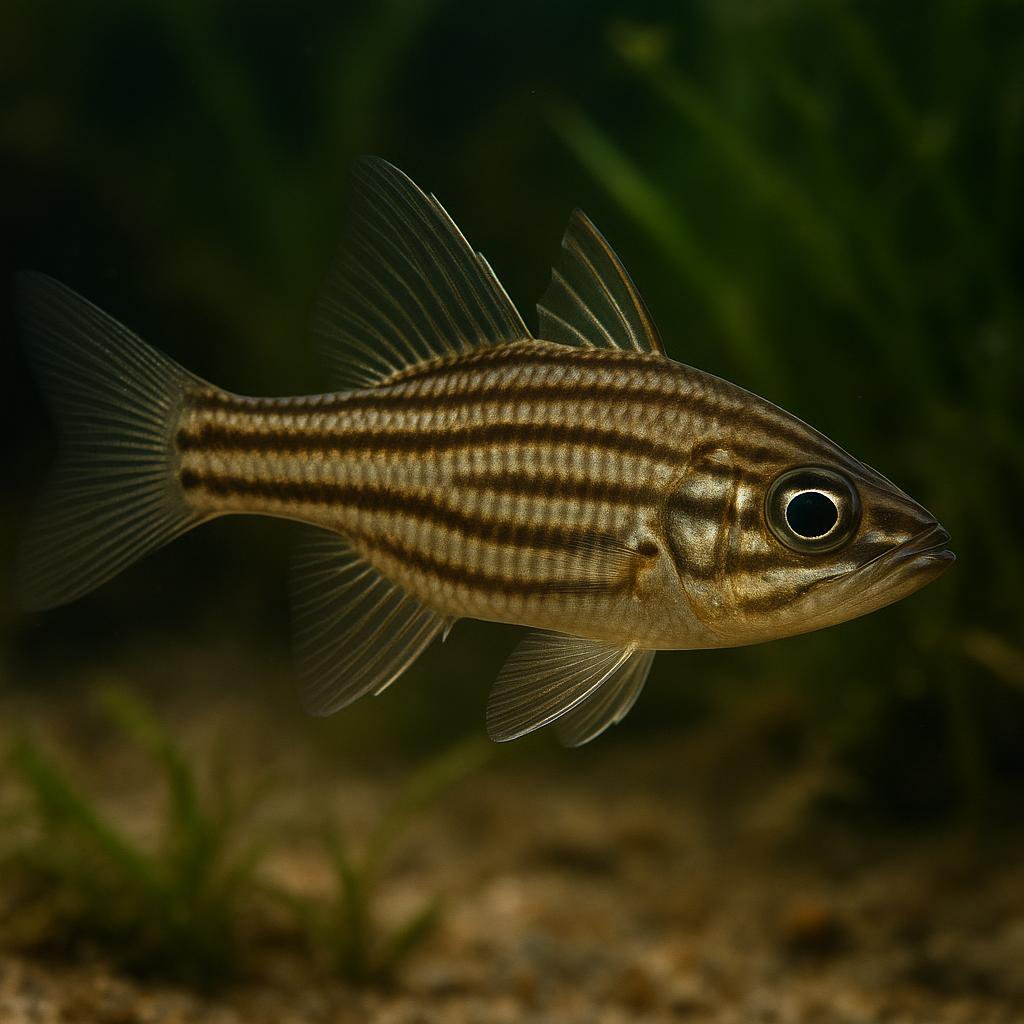
Indian perch
Jaydia lineata
Jaydia lineata is a little Indo-West Pacific cardinalfish with a clean set of brown vertical bands and that classic big-eyed, hang-back cardinalfish vibe. The really cool part is the breeding - the male mouthbroods the eggs, so if you ever got a pair settled in, you could actually see some neat parental care behavior.
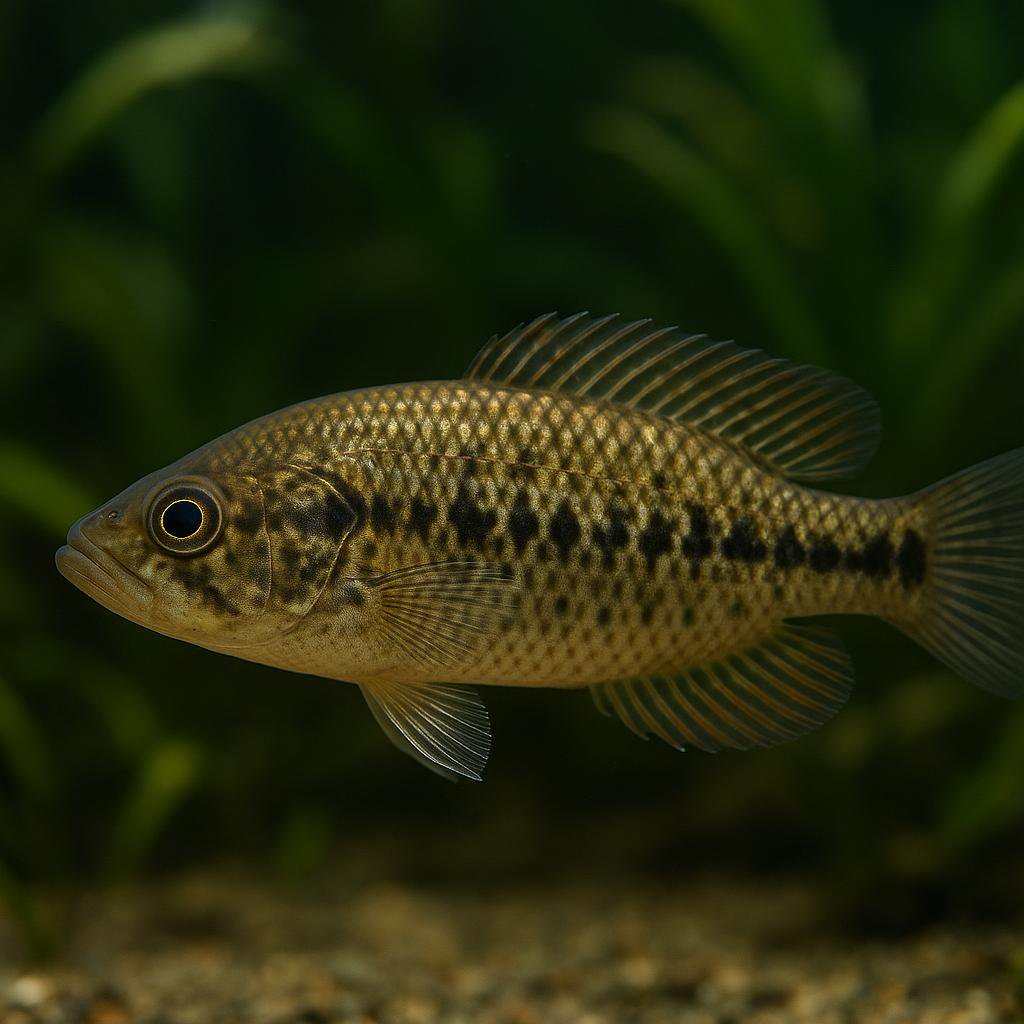
Indian ponyfish
Deveximentum indicium
This is a little ponyfish (slipmouth) from coastal seas and brackish edges, with that classic super-protrusible, upturned mouth they can shoot forward when they feed. Silvery body, some dark facial marking, and it tends to be a schooling, open-water kind of fish rather than a hide-in-the-rocks type.
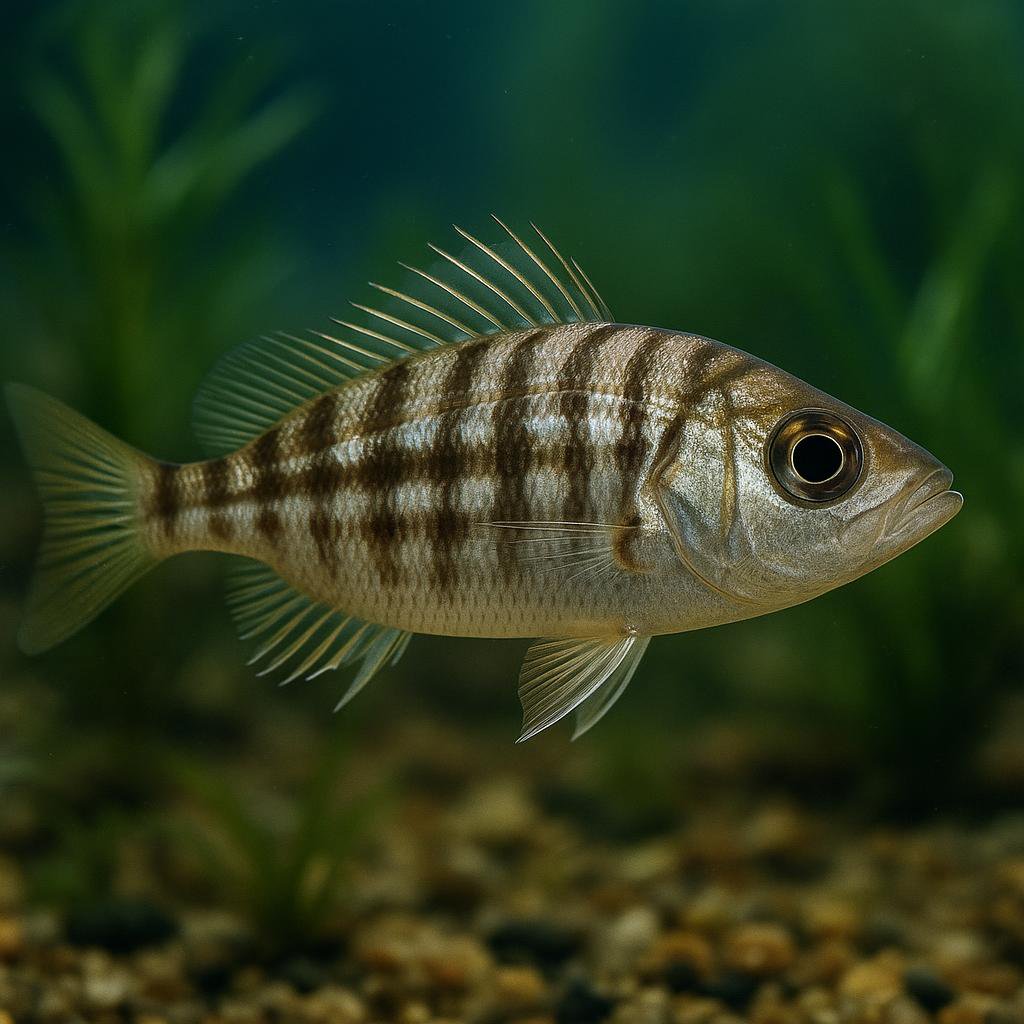
Indian sevenfinger threadfin
Filimanus similis
Filimanus similis is a small marine threadfin from the Indian Ocean with seven long, finger-like pectoral filaments it uses to feel around the bottom for food. Its color in life is usually brownish on top with a golden/silvery belly, and the fins often show darker edging, so it has that neat sandy-coast vibe. This is a demersal (bottom-associated) coastal species that shows up in trawl catches rather than the aquarium trade.
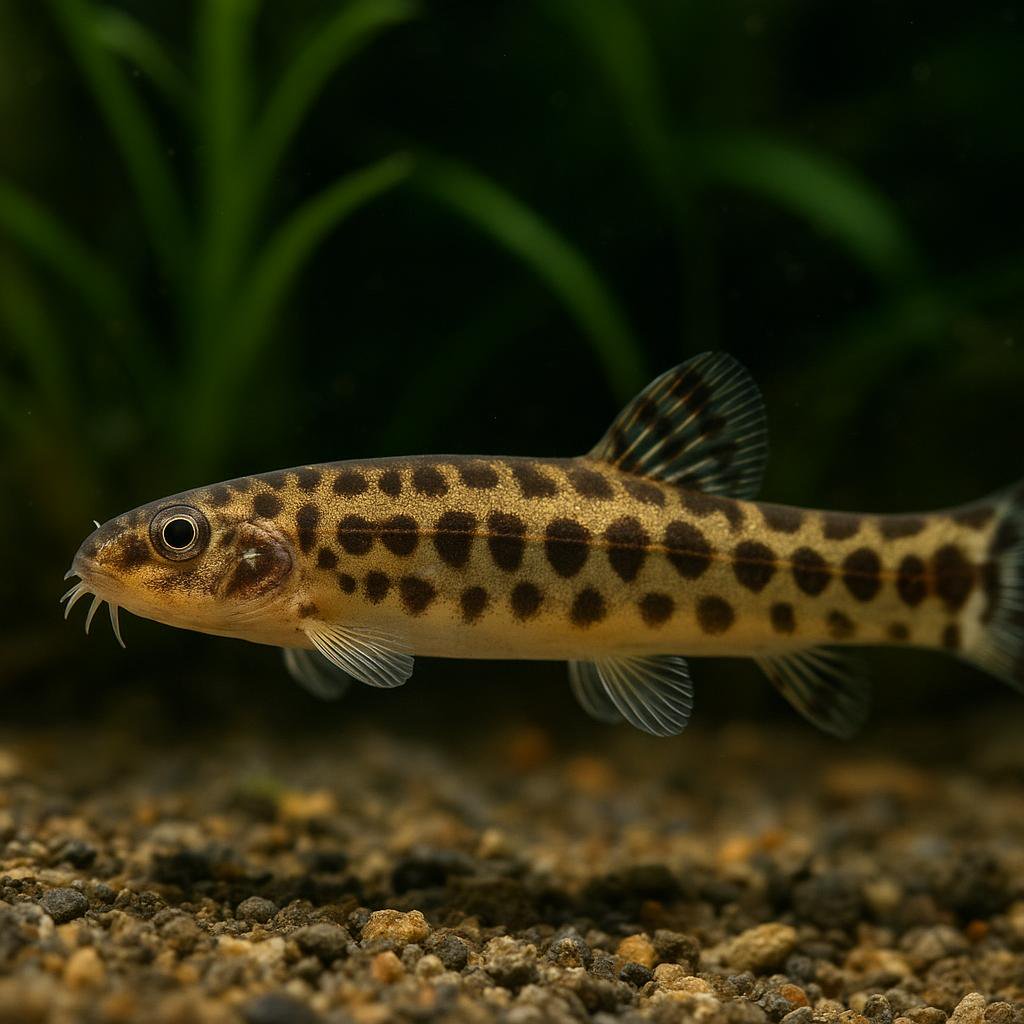
Inle loach
Yunnanilus brevis
This is the quirky little Inle loach from Myanmar (Lake Inle/He-Ho plain) that cruises around midwater in a loose shoal and often swims head-up (normal behavior). Unlike many loaches, it does well in calmer, well-planted setups with good water quality, and it’s best kept in groups to encourage natural schooling.
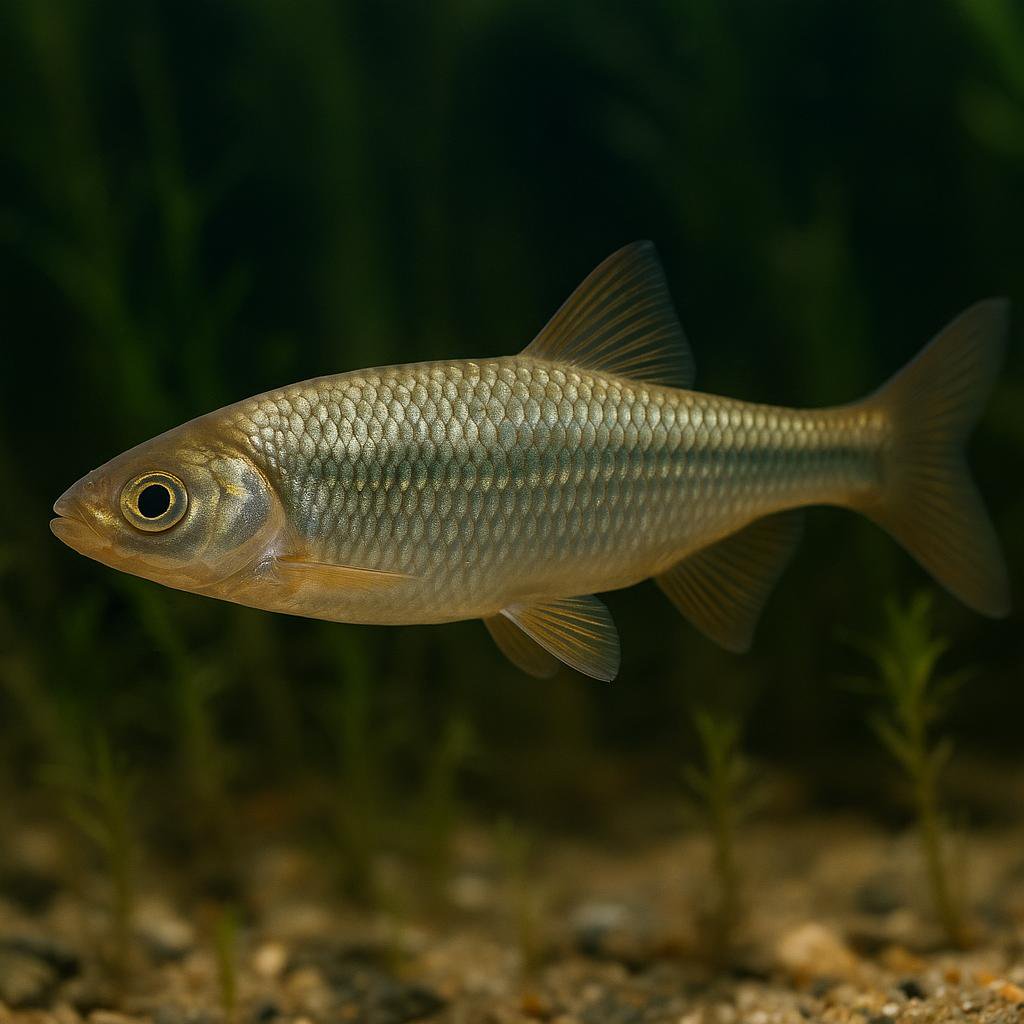
Iskenderun bleak
Alburnus kotschyi
Alburnus kotschyi is a freshwater bleak endemic to southern Turkey, known from the Seyhan and Ceyhan river drainages and coastal streams between Ceyhan and Arsuz (İskenderun Bay watershed). It is not a standard aquarium-trade species.
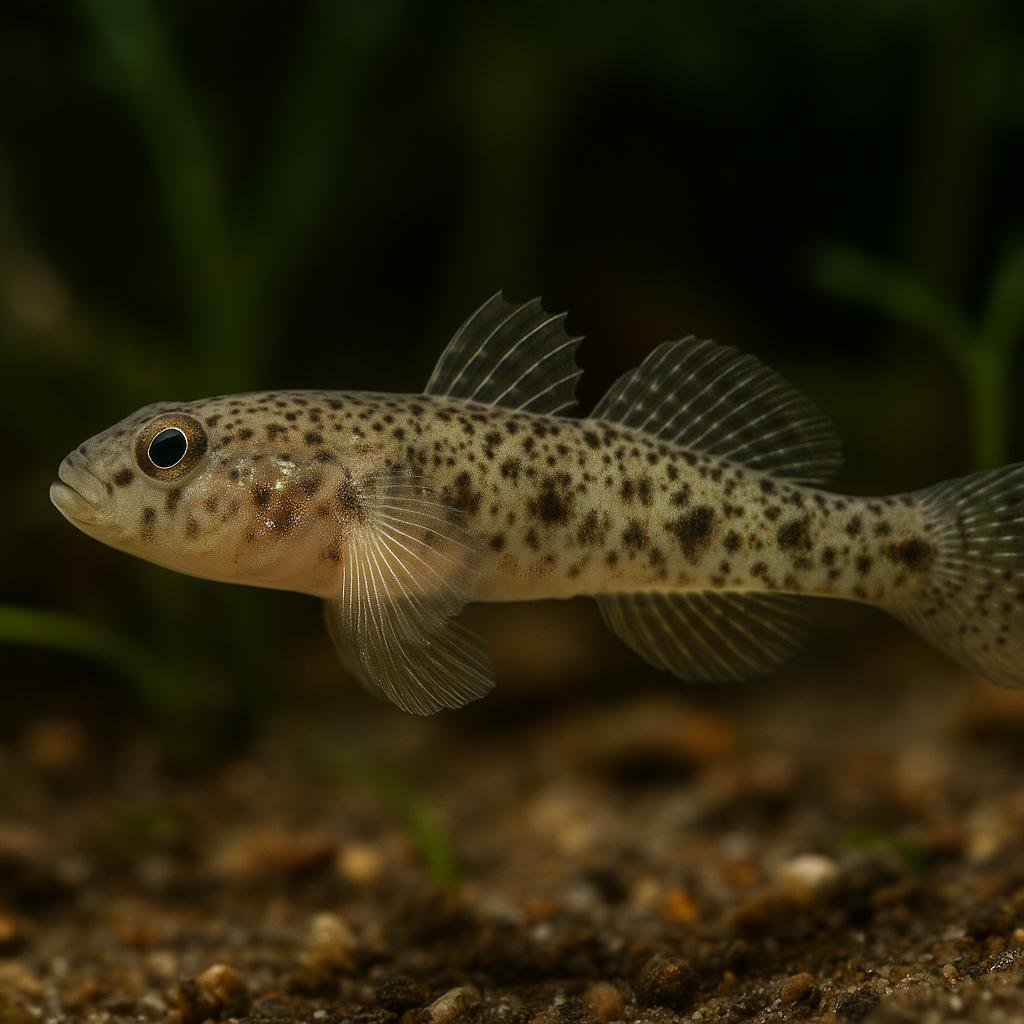
Italian spring goby
Knipowitschia punctatissima
This is a tiny little freshwater goby from northern Italy that spends most of its time glued to the bottom, scooting between sand, gravel, and cover. In the wild it is tied to cool, clear spring-fed habitats, so it does best in an oxygen-rich tank with gentle flow and lots of little hiding spots. Its size is cute, but its needs are kind of specific, and its wild status makes it a fish I would not treat as a casual impulse buy.
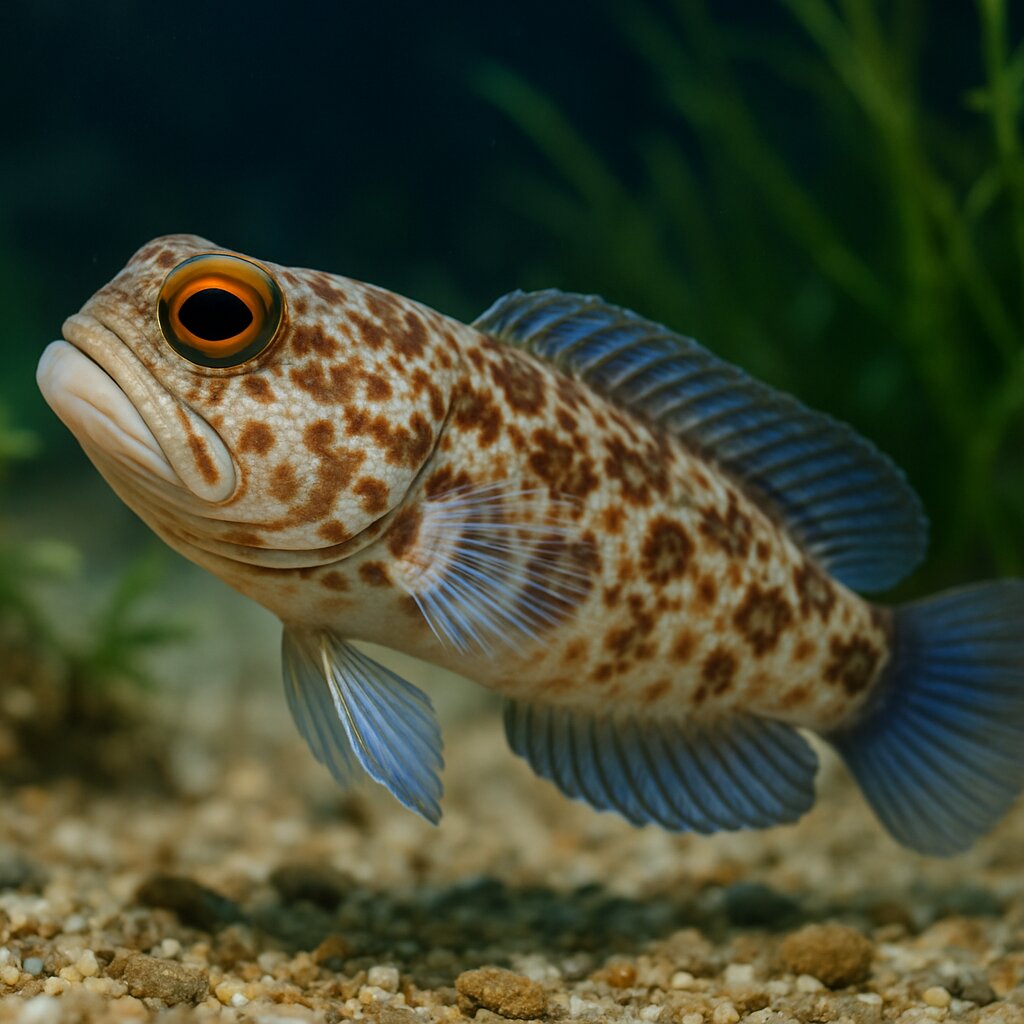
Iyo jawfish
Opistognathus iyonis
Tiny sand-burrower from southern Japan and Korea that spends the day peeking out of a tunnel it builds from sand and shell bits. Males mouthbrood the eggs, and this species prefers cooler marine temps than typical reef fish, so give it a deep sand bed, some rubble, and a tight lid since they jump.
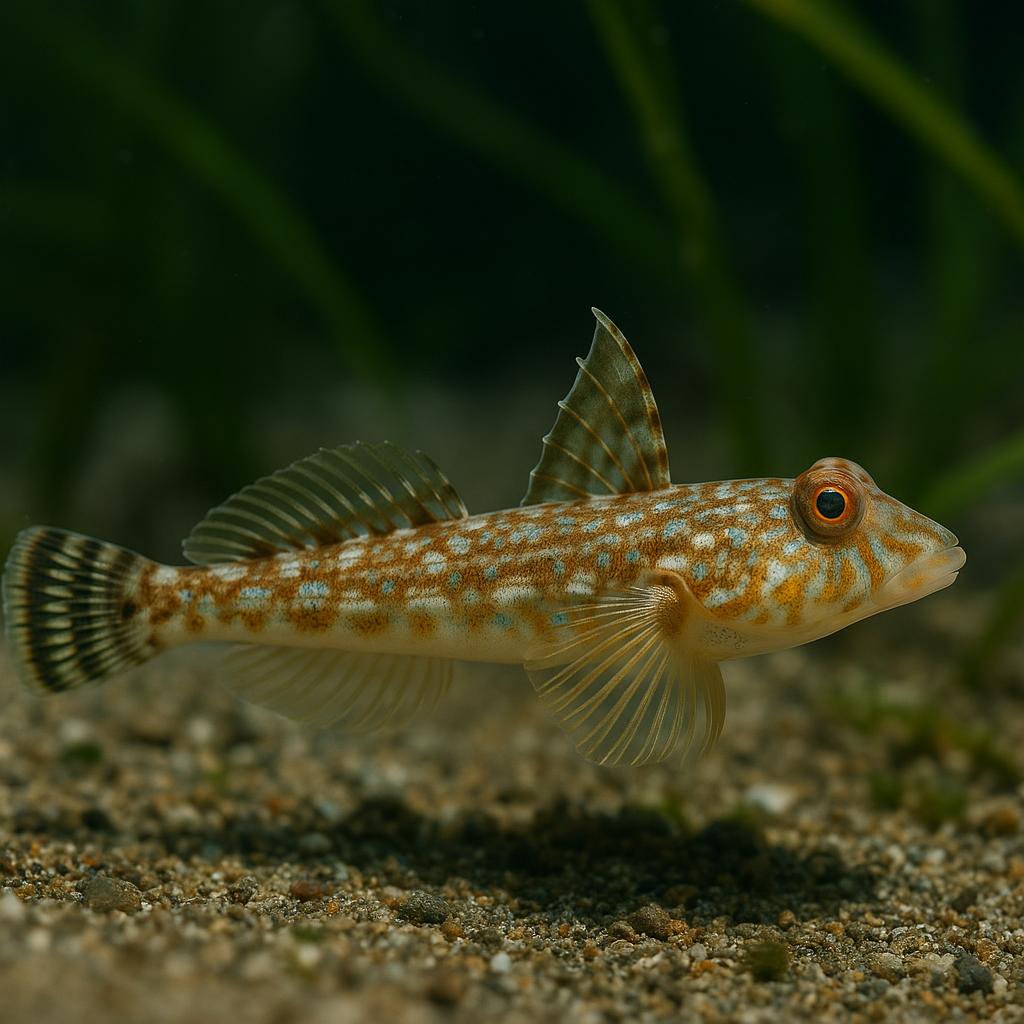
Izu dragonet
Callionymus izuensis
This is a little Japanese sand-dwelling dragonet from around the Izu Islands. Think of it as a bottom-hopper that hangs out on coarse sand and rubble and spends its time picking at tiny critters like most dragonets do. Super cool fish, but it is really more of a niche, species-tank kind of project than a casual community add.
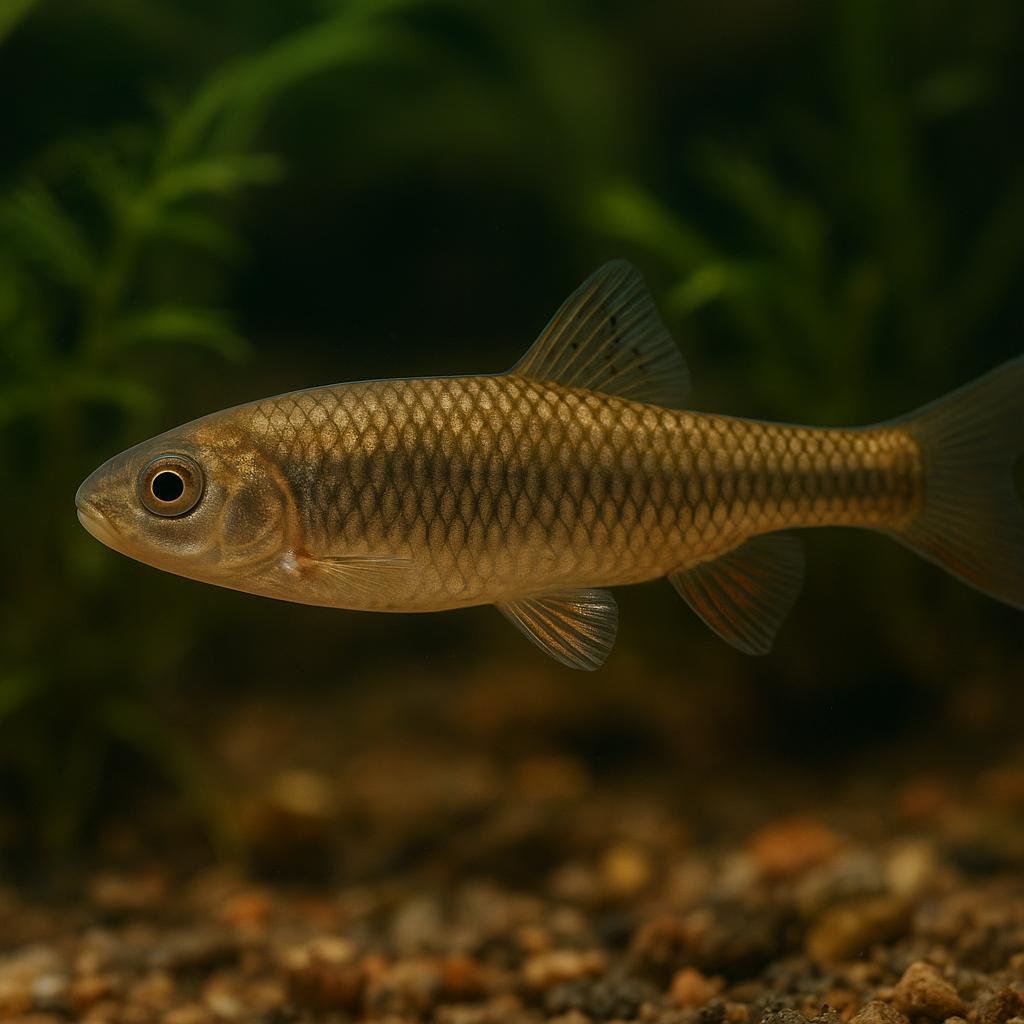
Jadova minnow
Delminichthys jadovensis
This is a tiny karst-stream minnow that lives in just a sliver of Croatia, and it actually ducks into subterranean waters (or hides in mud) when conditions get rough. Its whole life is tied to super clear, slow-flowing streams, so it is more of a conservation fish than something you will realistically see for sale.
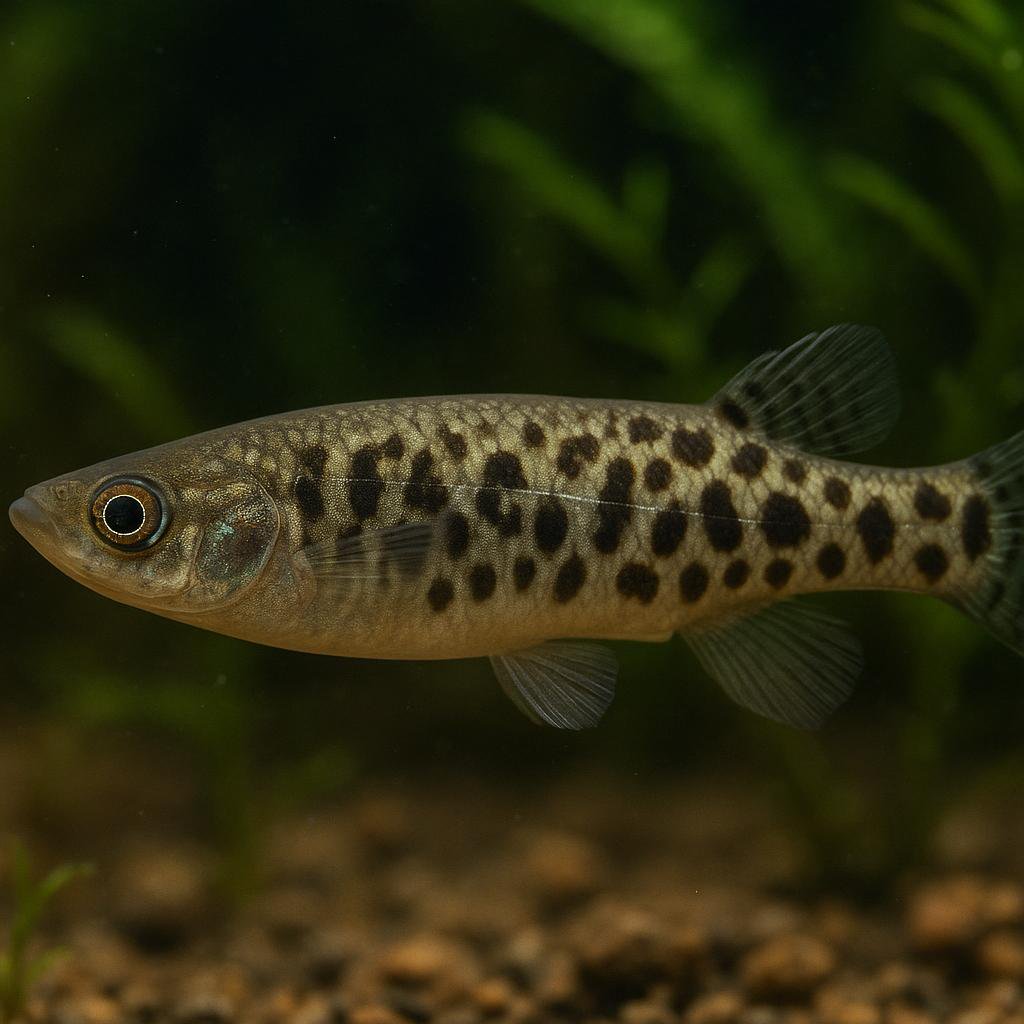
Jaguar livebearer
Jenynsia onca
Jenynsia onca is an unusual anablepid livebearer often called a one-sided livebearer; males have an asymmetrical gonopodium and mating may involve lateralized positioning (though some sources dispute strict left/right-only pairing). In aquaria they are active schooling fish that prefer cooler, well-oxygenated water and are best kept in groups.
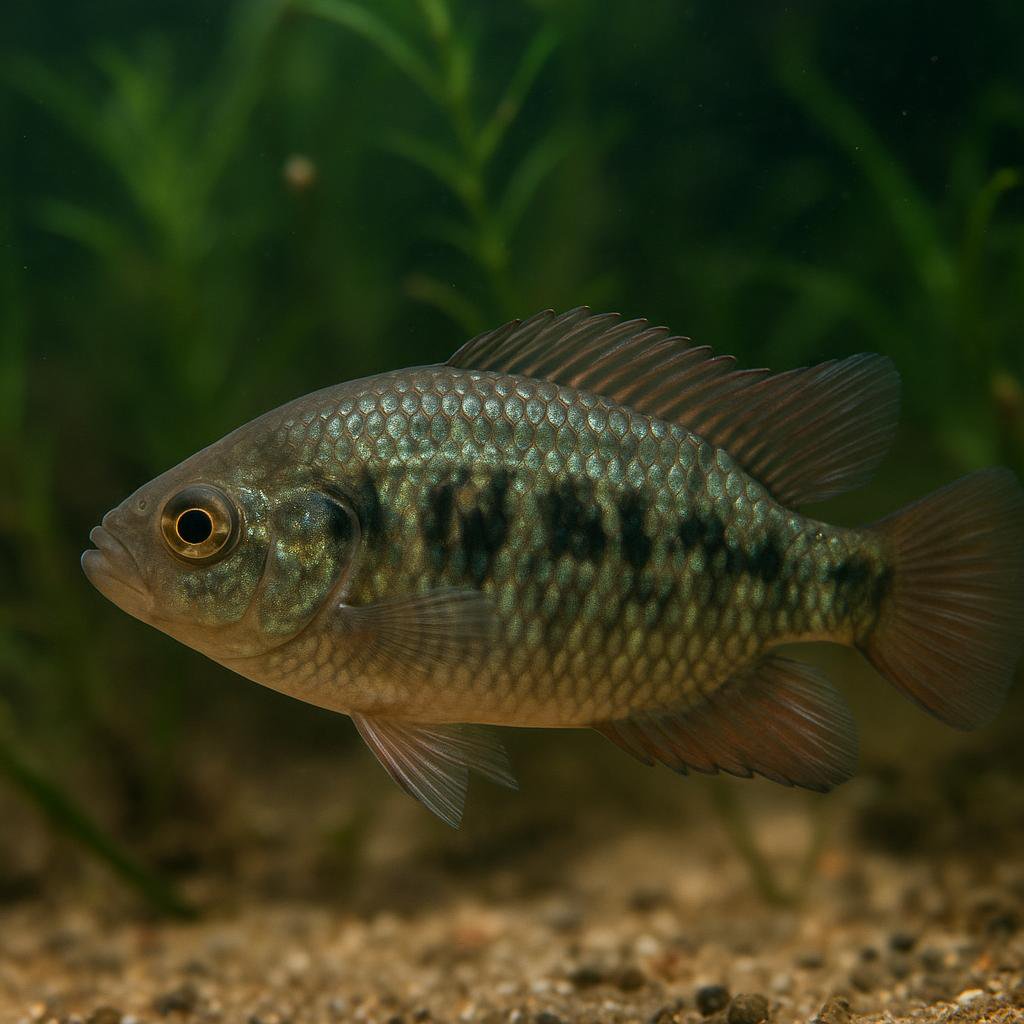
Jalisco chub
Yuriria alta
Yuriria alta is a Mexican freshwater chub endemic to central Mexican basins (including the Lerma–Chapala region) reaching about 18.2 cm SL. The species is listed as Endangered (IUCN), so collection/keeping may be restricted and it is more often of conservation/biotope interest than a mainstream aquarium fish.
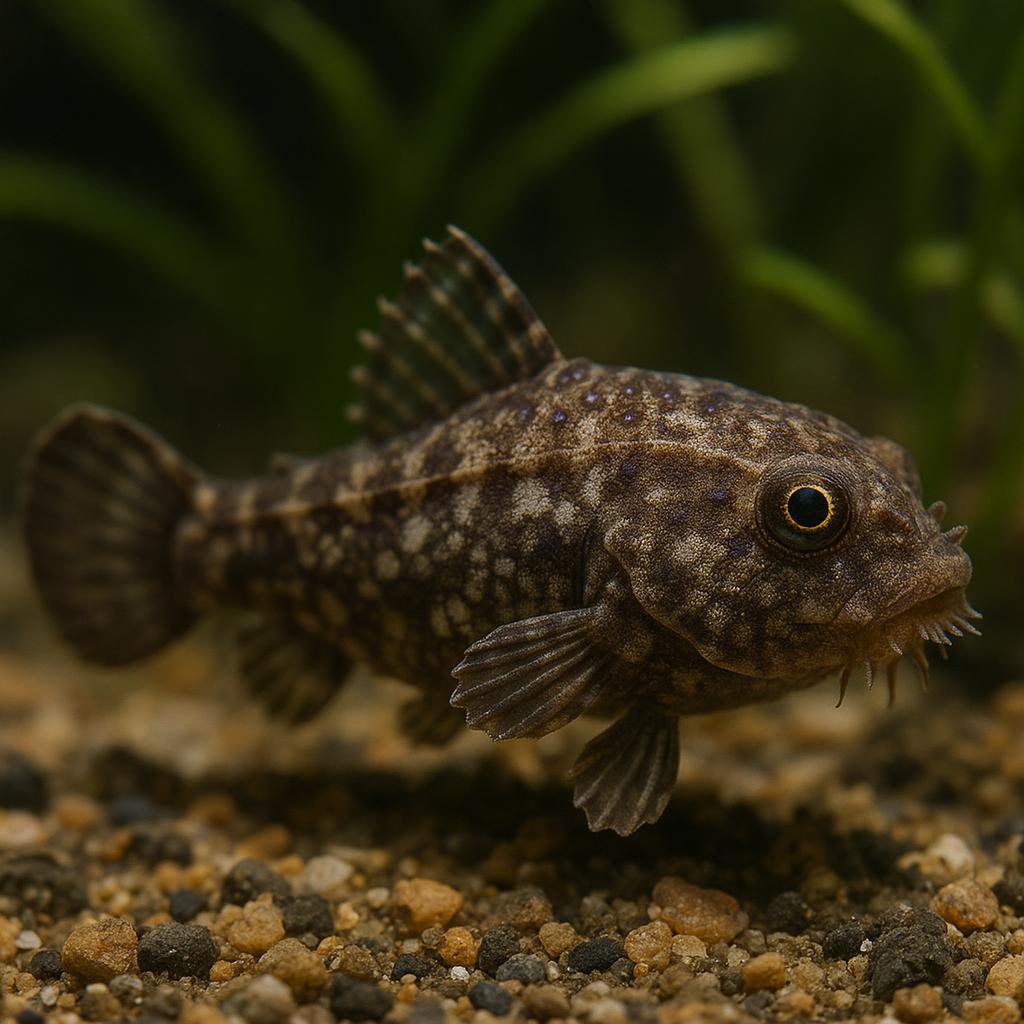
Japanese deepwater clingfish
Aspasma minima
Aspasma minima is a tiny little marine clingfish from southern Japan that spends its life hugging hard surfaces with that cool suction-disc belly. Its whole vibe is secretive and bottom-oriented, more like a micro predator you design a tank around than a "community fish" you toss in with everything.