

Samoan surf sardine
Iso nesiotes
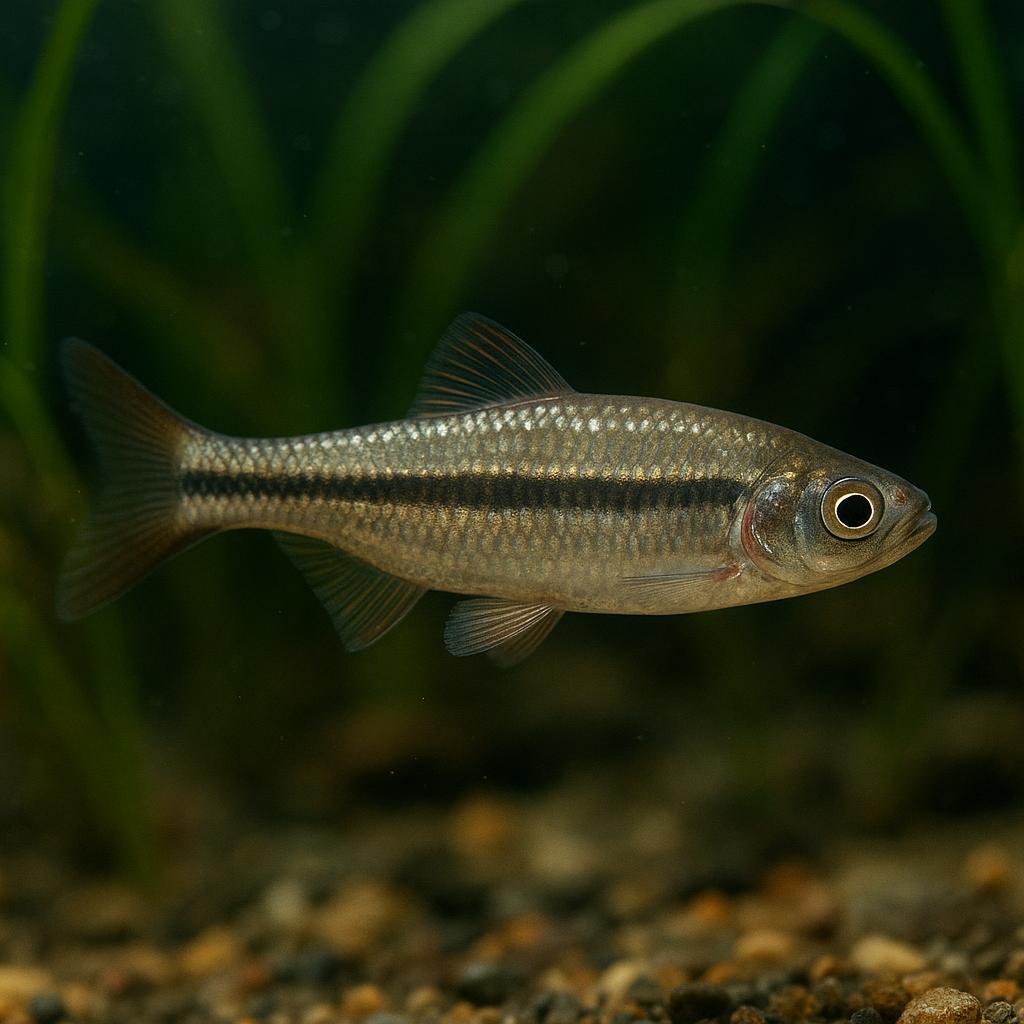
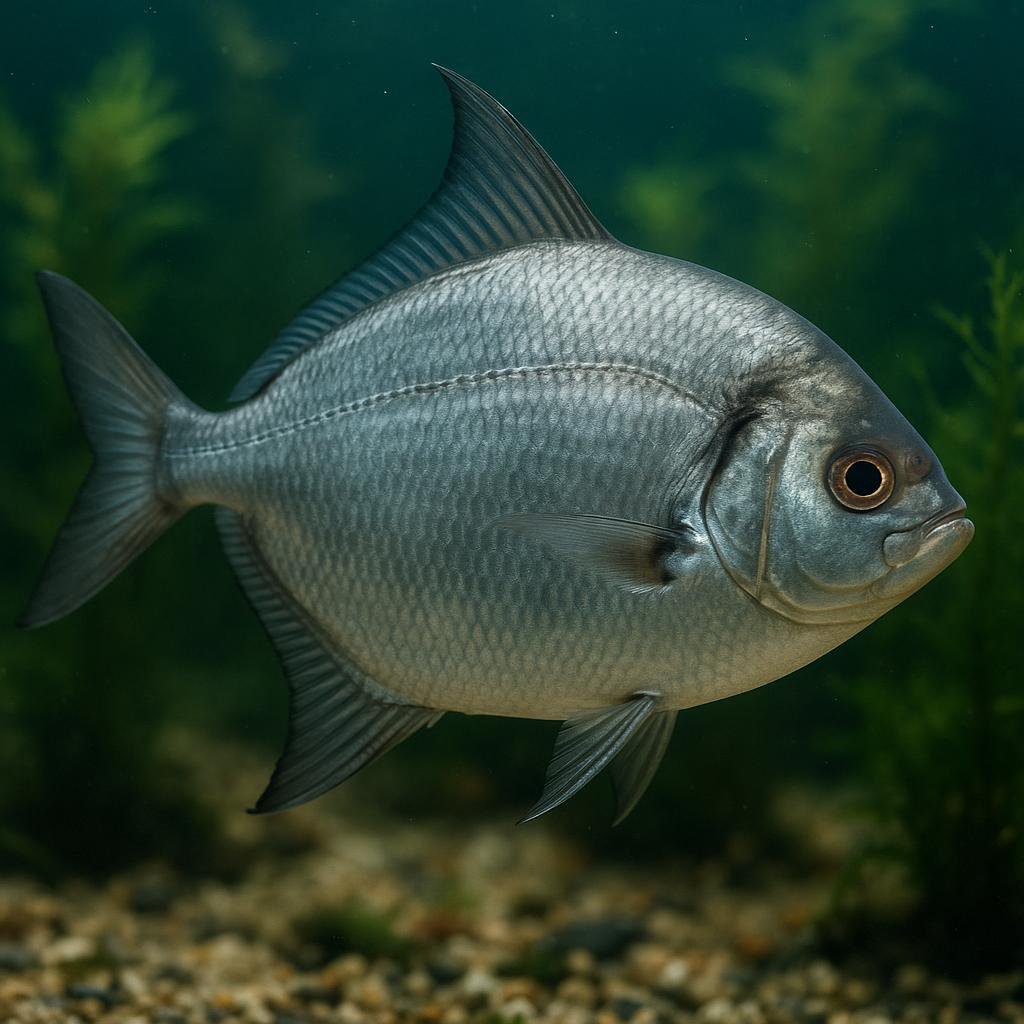
The Samoan surf sardine features a streamlined body with reflective silver scales and a distinctive dark horizontal stripe along its flank.
This page includes AI-generated images. Why am I seeing AI images?
About the Samoan surf sardine
Iso nesiotes (Samoan surf sardine) is a very small surf-zone marine fish (family Isonidae) reported from places such as American Samoa and Pitcairn Island, inhabiting surf and waves around rocky headlands and reefs. Maximum reported size is about 4 cm TL; detailed life-history and aquarium husbandry information is limited.
Also known as
Quick Facts
Size
4 cm
Temperament
Peaceful
Difficulty
Expert
Min Tank Size
30 gallons
Lifespan
unknown
Origin
American Samoa and Pitcairn Island (South Pacific)
Diet
Planktivore/invertivore - likely tiny crustaceans and other micro-prey in the surf zone
Water Parameters
24-28°C
8-8.4
8-12 dGH
Need a heater for this species?
This species needs 24-28°C in a 30 gallon tank. Use our heater calculator to find the right wattage.
Calculate heater sizeCare Notes
- Species-specific aquarium husbandry for Iso nesiotes is not well documented in authoritative references; any captive-care setup recommendations should be treated as unverified.
- Species-specific water-chemistry tolerances for Iso nesiotes are not provided in the authoritative references reviewed; if kept, this note should be labeled as general marine-aquarium guidance rather than species-specific requirements.
- No authoritative captive-feeding guidance was located for Iso nesiotes; feeding recommendations should be presented as general advice for small pelagic/schooling marine fishes unless a species-specific source is provided.
- No authoritative Iso nesiotes sources located provide species-specific claims about jumping/spooking; if retained, label as general risk for small schooling fishes rather than a documented species trait.
- No authoritative Iso nesiotes compatibility guidance was located; any tankmate advice should be flagged as general predation/harassment logic rather than species-documented compatibility.
- No authoritative Iso nesiotes sources located provide species-specific quarantine/disease susceptibility guidance; remove or generalize this note unless a species-specific veterinary/husbandry reference is added.
- Reproductive mode and captive breeding feasibility for Iso nesiotes are not provided in the authoritative sources reviewed; avoid stating pelagic spawning unless a reproductive biology source is added.
Compatibility
Good Tankmates
- Unknown (no authoritative aquarium compatibility data located for Iso nesiotes)
- Unknown (no authoritative aquarium compatibility data located for Iso nesiotes)
- Unknown (no authoritative aquarium compatibility data located for Iso nesiotes)
- Unknown (no authoritative aquarium compatibility data located for Iso nesiotes)
- Unknown (no authoritative aquarium compatibility data located for Iso nesiotes)
- Unknown (no authoritative aquarium compatibility data located for Iso nesiotes)
Avoid
- Unknown (no authoritative aquarium compatibility data located for Iso nesiotes)
- Unknown (no authoritative aquarium compatibility data located for Iso nesiotes)
- Unknown (no authoritative aquarium compatibility data located for Iso nesiotes)
Where they come from
The Samoan surf sardine (Iso nesiotes) is one of those fish that makes sense the second you learn where it lives: right in the wash zone around Samoa and nearby South Pacific islands. Think clear ocean water, hard surge, and fish that spend their whole day cruising in a tight group looking for tiny food in the current.
That background matters because they are not a "hang out around the rocks" fish. They are built to move, all day, in open water.
Setting up their tank
If you try to keep these like typical small marine schooling fish in a cozy reef tank, you are going to have a bad time. They want length, flow, and oxygen. I would only attempt them in a long, open tank with serious turnover and a lid that you trust.
- Tank shape: long and open (think more "raceway" than "cube")
- Space: plan for a real school, not a pair or trio. A handful looks stressed; a bigger group settles down
- Flow: strong, broad flow they can swim into. Not a single jet blasting them in the face all day
- Filtration: oversized skimmer and lots of mechanical filtration you can clean often (they are messy by reef-fish standards because you feed so much)
- Gas exchange: big surface agitation, and I like adding an air stone in the sump at night for insurance
- Cover: tight-fitting lid or screen top. These fish jump when spooked, and they spook easily
Do not underestimate oxygen demand. Most losses I have seen with open-water planktivores are basically "low O2 plus stress" even when test kits look fine.
Aquascape-wise, keep the rockwork low and off to the sides. Give them a clean lane to cruise. They will use that lane constantly, and they get beat up if they keep clipping rock because the tank is cluttered.
Stability matters more than chasing a specific number. Keep salinity steady, temperature steady, and keep nitrate from creeping up from the heavy feeding. An auto top-off is basically non-negotiable.
What to feed them
These are small, fast planktivores. They do best when you feed like you are trying to keep anthias, but even more "little and often". One big dump of food a day does not match how they eat, and it tends to foul the water anyway.
- Staples: enriched brine shrimp, mysis (smaller pieces), copepods, finely chopped krill or clam for variety
- Frozen blends: anything made for planktivores works well if the particle size is small
- Dry foods: small marine pellets and flakes can work, but expect a training period. Mix with frozen at first
- Enrichment: I use HUFA/vitamin soaks a few times a week, especially right after import
An automatic feeder for tiny pellets plus 1-2 frozen feedings a day makes life way easier. These fish look best when they are never going long stretches with empty bellies.
Watch their bodies. A good Samoan surf sardine should look streamlined but not pinched behind the head. If you start seeing that "sunken" look, bump up frequency before you start throwing meds at the tank.
How they behave and who they get along with
They are schooling fish, and they act like it. In a decent-sized group they move like one animal, and it is honestly the whole reason to keep them. Solo or in tiny groups, they get flighty and spend more time panic-swimming than feeding.
Tankmates need to pass a simple test: will it try to eat them, will it bully them, or will it outcompete them at feeding time. A lot of "peaceful" reef fish fail the third one.
- Good fits: other peaceful open-water planktivores that like similar food and flow (picked carefully), calm tangs in larger systems, non-aggressive wrasses that will not harass the school
- Avoid: triggers, larger wrasses that hunt, dottybacks, big hawkfish, lionfish, groupers, and basically anything that thinks "moving silver fish" equals lunch
- Also avoid: hyper-competitive feeders that blitz food so fast the sardines miss meals
They spook at sudden movement and light changes. If your room lights flip on at night, add a ramping light or a dim ambient light so they do not explode into the glass.
Breeding tips
Breeding them in a home aquarium is in the "possible in theory, rare in practice" bucket. They are open-water spawners, and even if you get spawning behavior, raising the larvae is the real wall. You are basically signing up for a full-on marine larval project with live feeds, tight timing, and a separate rearing setup.
If you want to take a swing at it, focus on conditioning first: heavy varied feeding, very stable salinity and temperature, and lots of swimming room. Spawning triggers in nature are often seasonal and tied to plankton blooms, and we are guessing in captivity.
If you ever see eggs or larvae, pull a sample and start live foods immediately (rotifers first, then copepod nauplii). Waiting until "tomorrow" is how you end up with nothing.
Common problems to watch for
Most problems with this species are not mysterious diseases. They are stress problems that turn into disease problems.
- Shipping and acclimation stress: they come in touchy. Keep lights low, add extra aeration, and do not chase them with nets
- Starvation by "looks like they ate": they will snap at food even when they are losing weight. Track body shape over weeks
- Oxygen dips: heavy feeding plus warm water plus a quiet night can knock them over. If they hang at the surface, react fast
- Jumping and impact injuries: spooking into glass or rock leads to split fins, missing scales, and secondary infections
- External parasites (marine ich/velvet): open-water fish often show it hard. Quarantine is your friend, and so is observation
- Bloat from oversized foods: they do better with small particles and frequent meals
If you see fast breathing, loss of schooling, or a fish separating and hovering, assume you have an oxygen or velvet-type emergency until proven otherwise. Add aeration, increase surface agitation, and move quickly.
Last thing: keep your hands out of the tank as much as you can. Routine maintenance is fine, but constant rearranging, scraping, and chasing "one little thing" stresses a school like this more than people expect.
Similar Species
Other marine peaceful species you might be interested in.
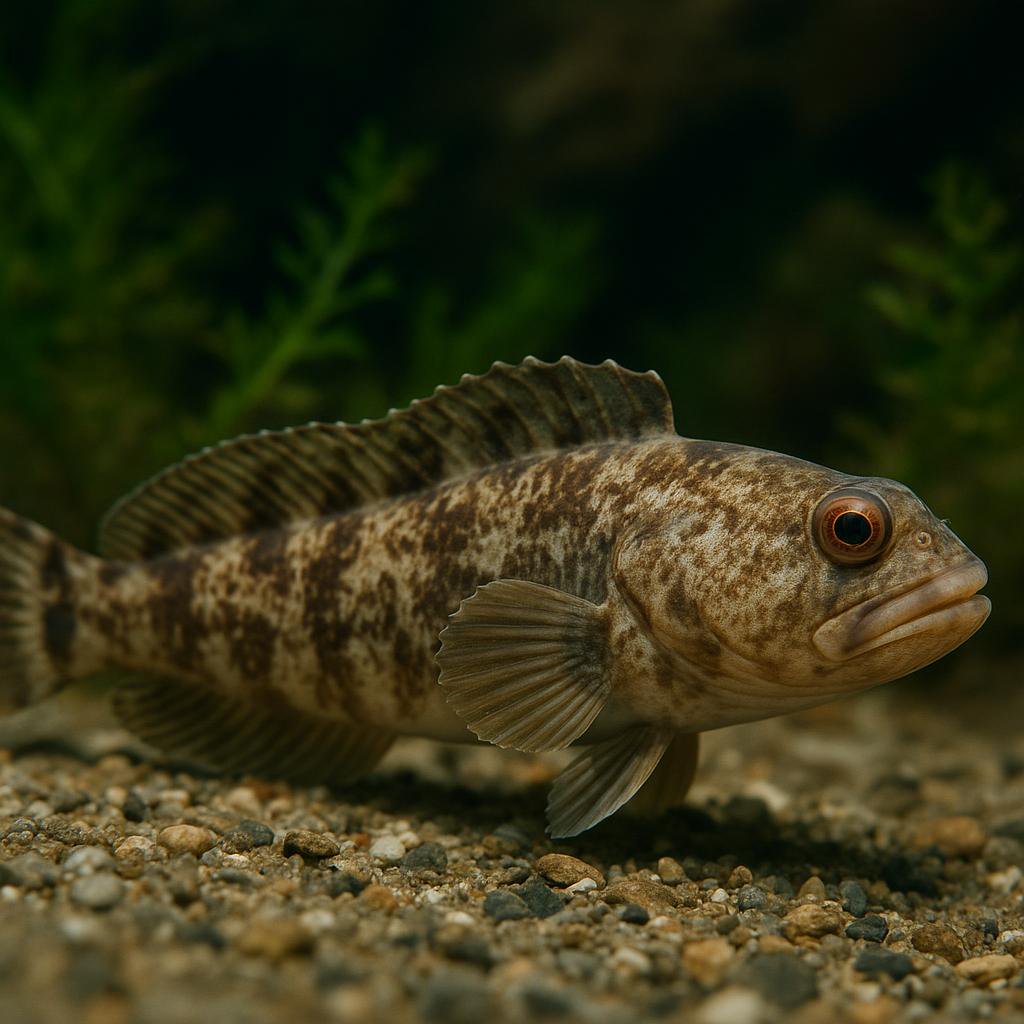
Abe's eelpout
Japonolycodes abei
Japonolycodes abei is a temperate, deepwater demersal eelpout (family Zoarcidae) endemic to Japan (Kumano-nada Sea reported; other sources also report Sagami Bay and Tosa Bay). It is the only species in the genus Japonolycodes and occurs roughly 40-300 m depth, making it an uncommon/atypical aquarium species.
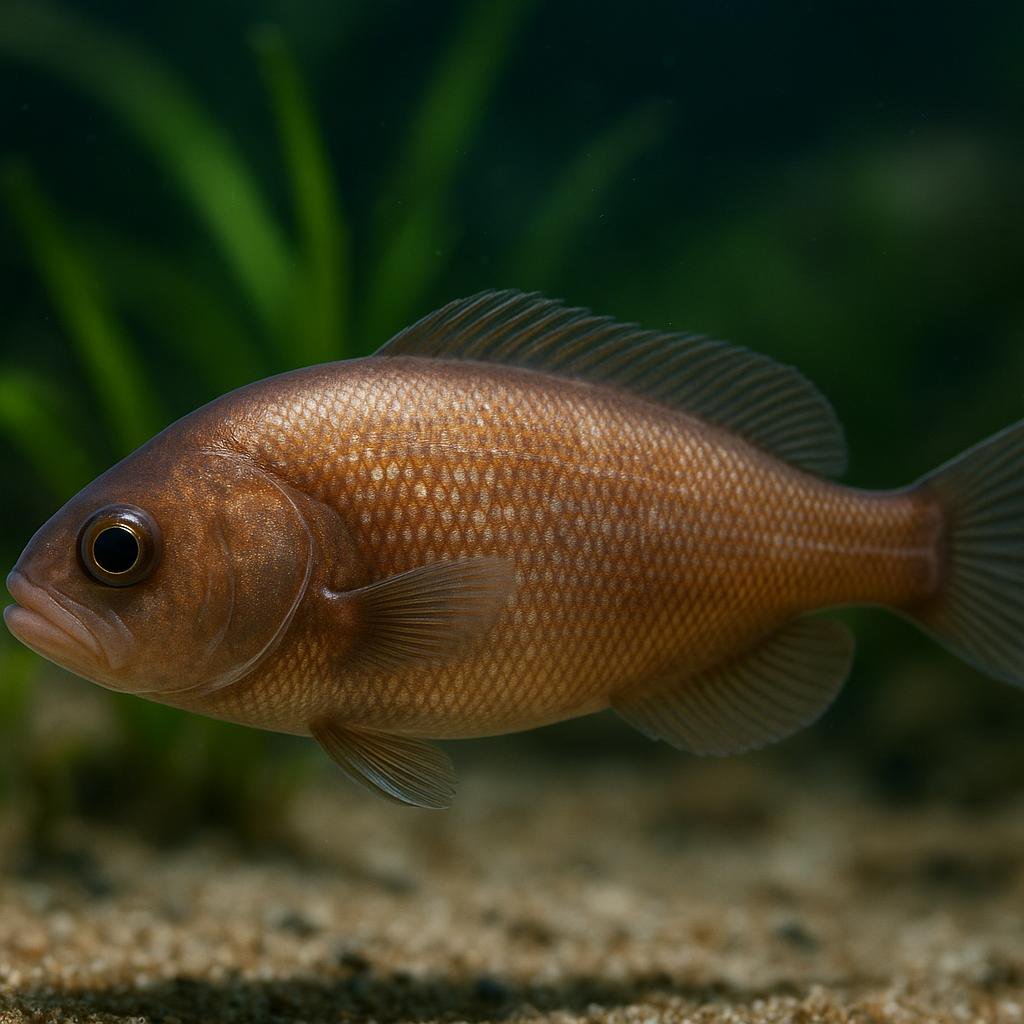
Affinis blind cusk-eel
Barathronus affinis
Barathronus affinis is a tiny, super-weird deep-sea blind cusk-eel from the western-central Indian Ocean. It is one of those gelatinous, loose-skinned brotula-type fishes that live way down in the dark and are basically never seen alive, so almost everything we know comes from preserved specimens and taxonomic work.
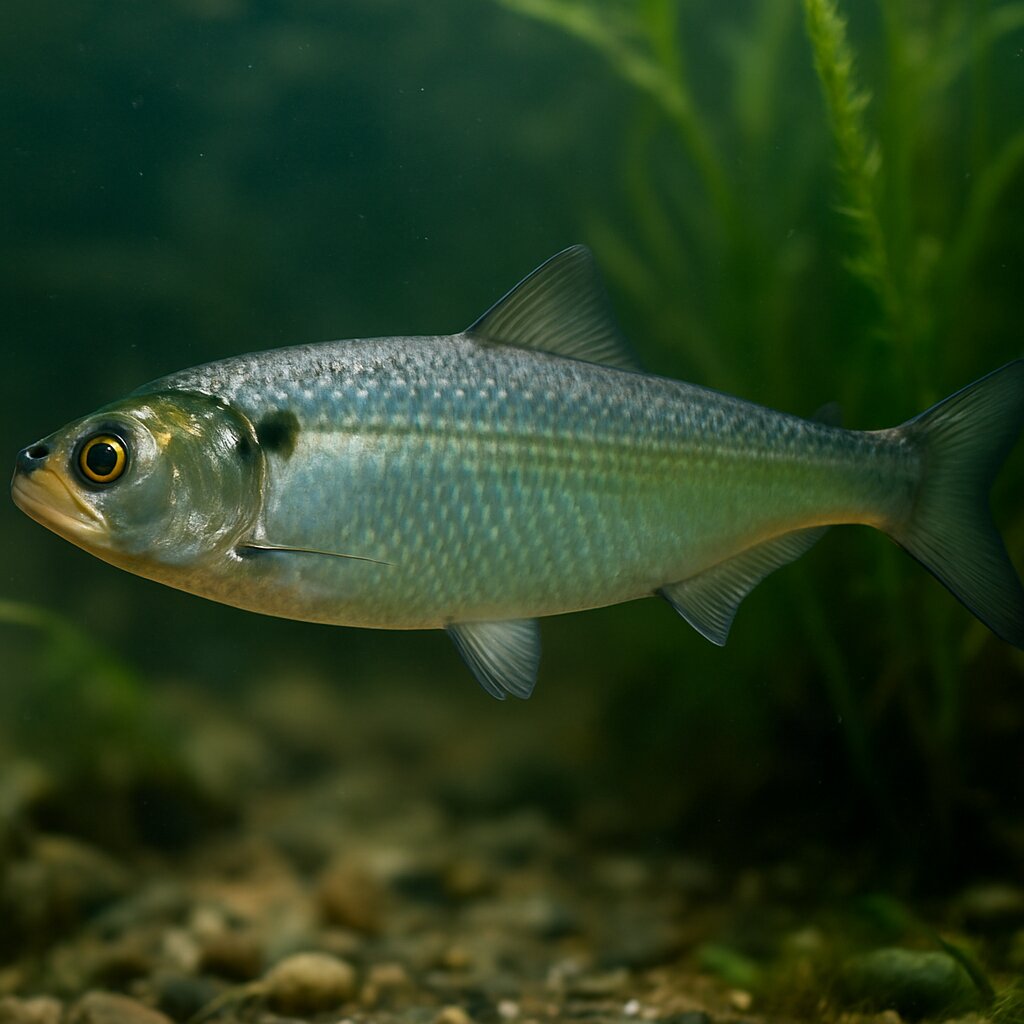
Allis shad
Alosa alosa
Gorgeous silver, fast-swimming shad that spends most of its life in the sea and then surges up big rivers in noisy, surface-spawning schools. It grows huge for a herring-type fish and needs cool, ultra-oxygenated water and tons of open space, so it is a public-aquarium species rather than a home tank fish.
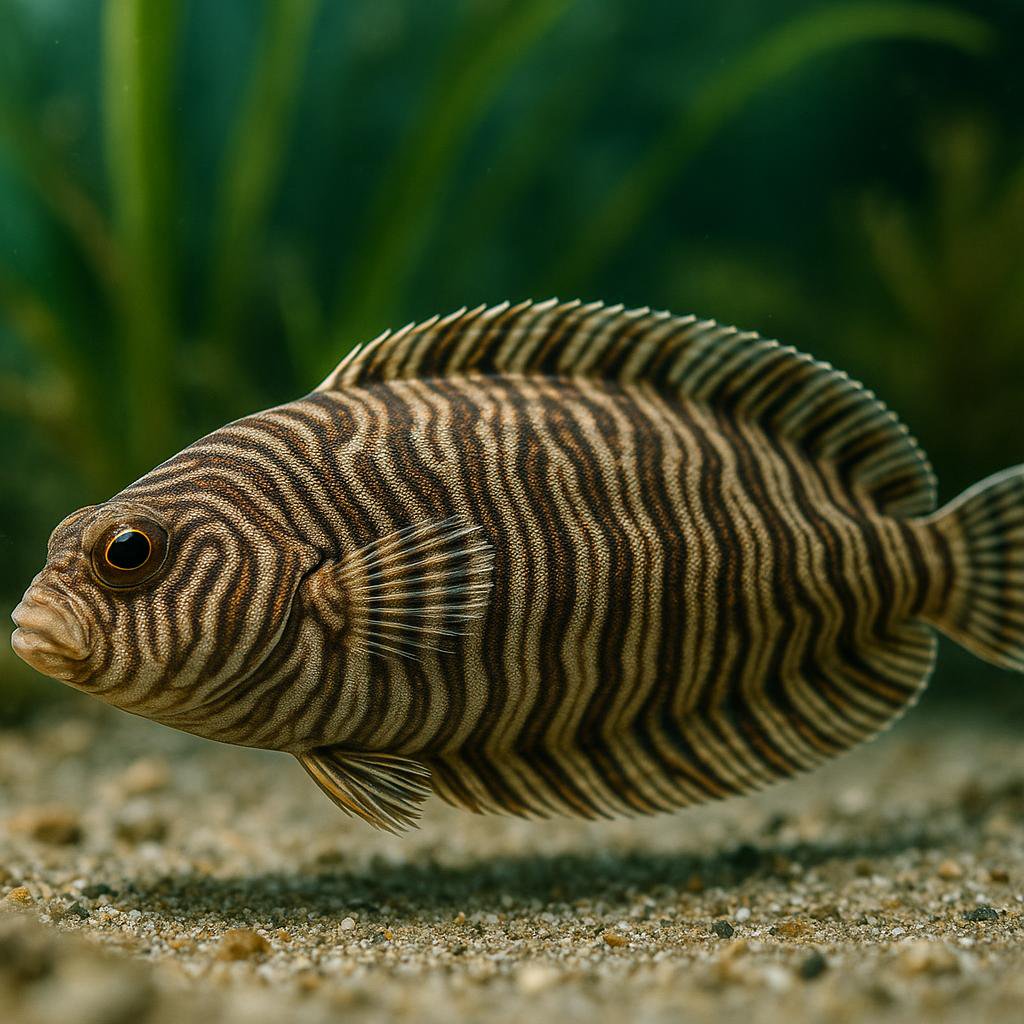
Annandale's zebra sole
Zebrias annandalei
Zebrias annandalei is a small demersal sole from coastal India that inhabits sandy or muddy bottoms and buries for camouflage. It is rarely kept in home aquaria and would require a specialized marine sand-bottom setup and appropriate feeding.
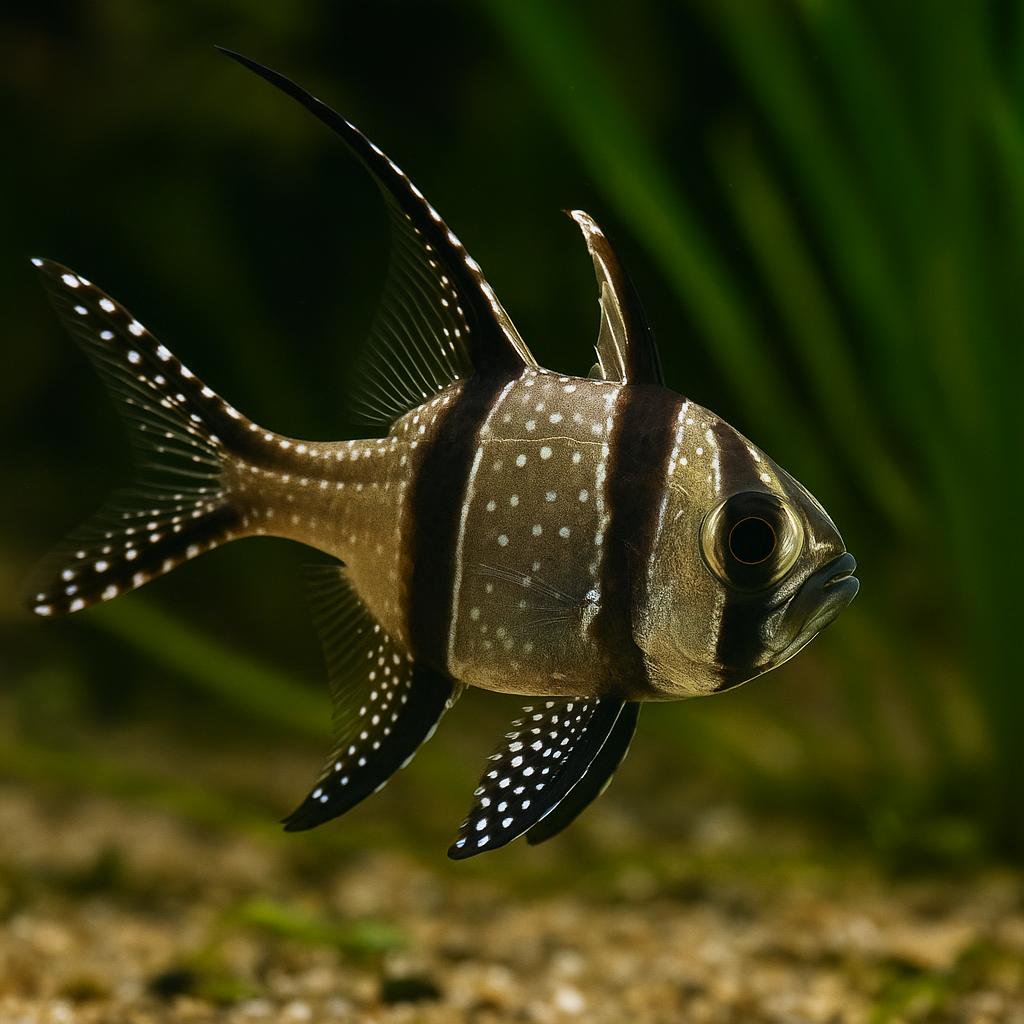
Banggai Cardinalfish
Pterapogon kauderni
Banggai cardinals just sort of hover like little underwater satellites, and the bold black bars with those long, polka-dotted fins look unreal under reef lighting. They're super chill most of the time, but once a pair forms you'll see real "fish drama," and the male will even mouthbrood the babies like a champ.
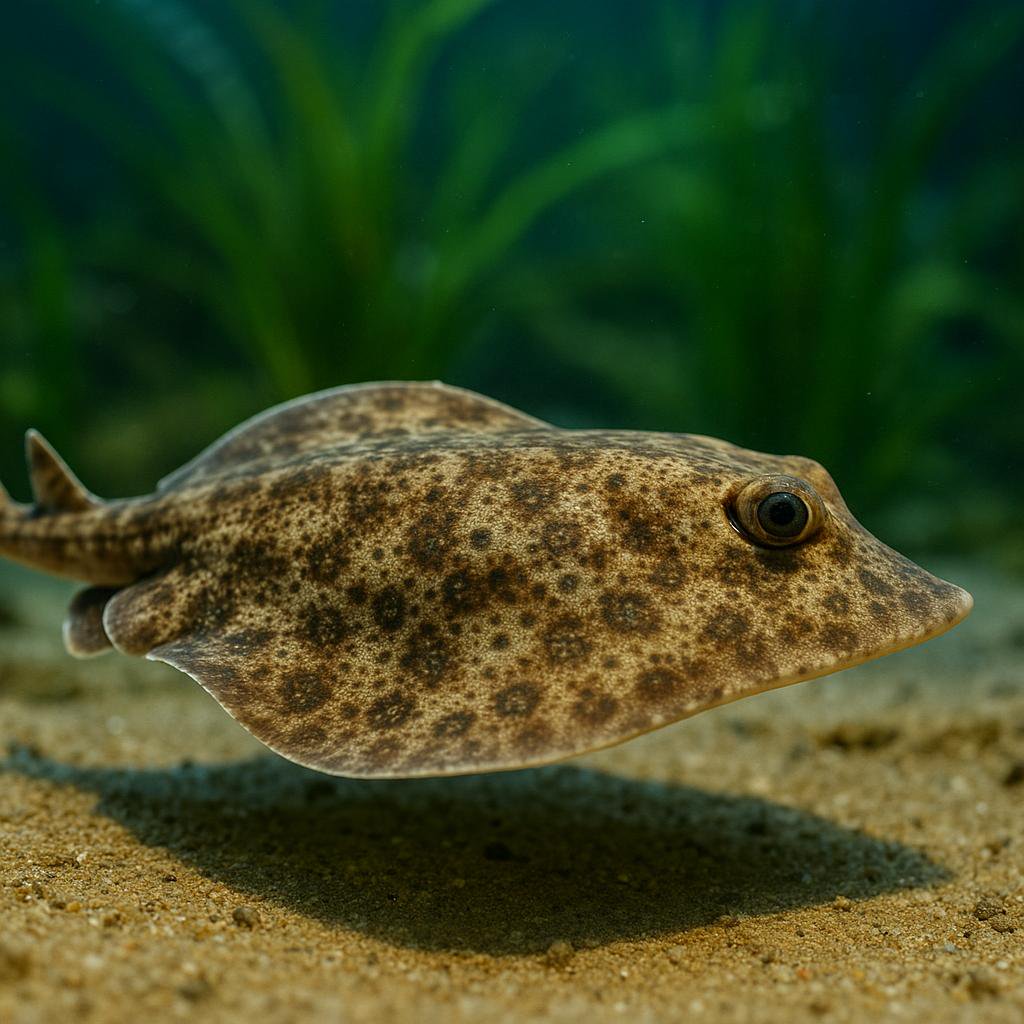
Barbedwire-tailed skate
Notoraja martinezi
Notoraja martinezi is a deepwater skate from the eastern Pacific (Costa Rica down to Ecuador) that lives way down on soft bottoms. The tail is the giveaway - it is lined with strong, hooked thorns that really do look like barbed wire. This is absolutely not an aquarium fish; it is a cold, high-pressure deep-sea animal with basically no practical home care info because it is not kept in the hobby.
More to Explore
Discover more marine species.
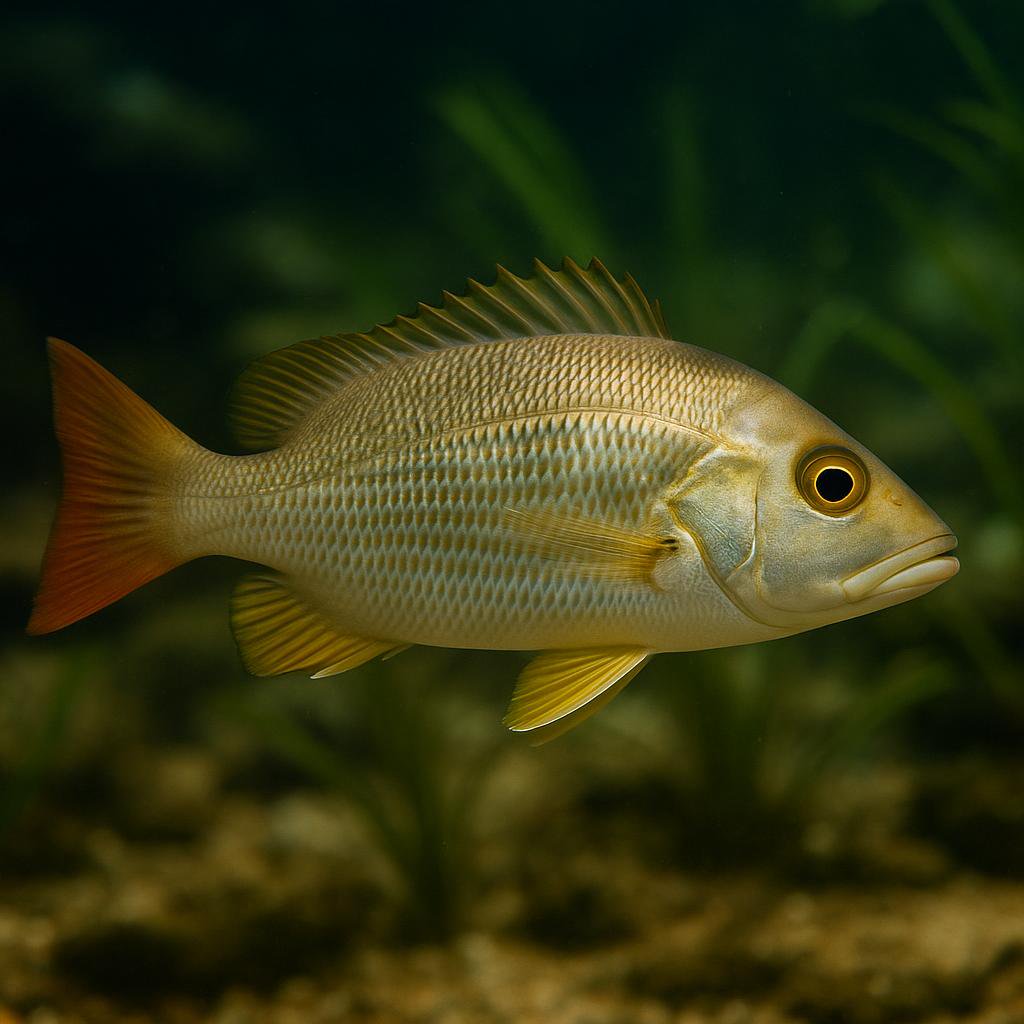
African red snapper
Lutjanus agennes
This is a true snapper from West Africa - a big, fast-growing predator that goes from coastal reefs to brackish lagoons and estuaries (especially as a juvenile). Super cool fish in the wild, but it gets absolutely huge and will eat smaller tankmates once it has the mouth for it, so its really more of a public-aquarium scale animal than a home-aquarium fish.
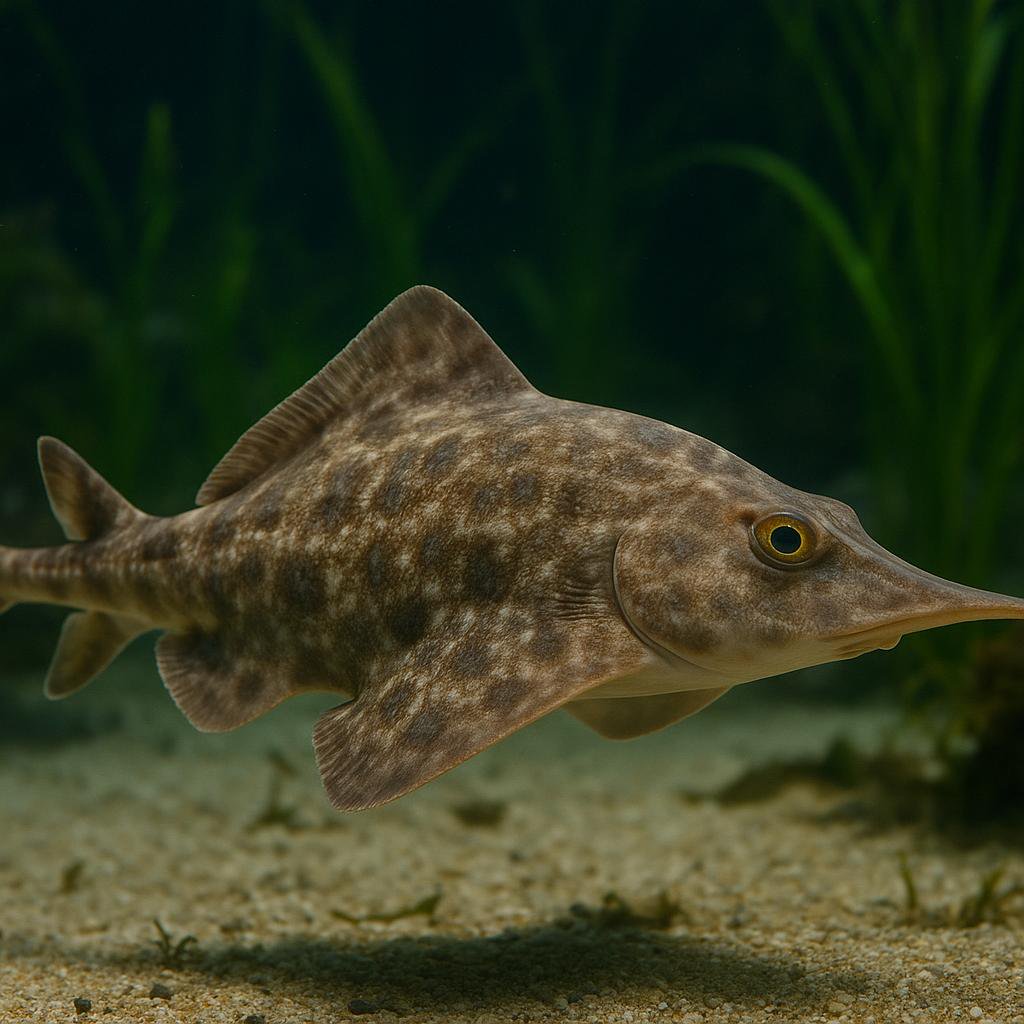
Aleutian skate
Bathyraja aleutica
This is a big, cold-water deep-slope skate from the North Pacific that cruises muddy bottoms and eats chunky benthic prey like crabs and shrimp. The really cool bit is its egg-laying skate life - it does distinct pairing (the classic skate "embrace") and drops those tough egg cases on the seafloor. Not an aquarium fish at all unless you're basically running a public-aquarium-style chilled system.
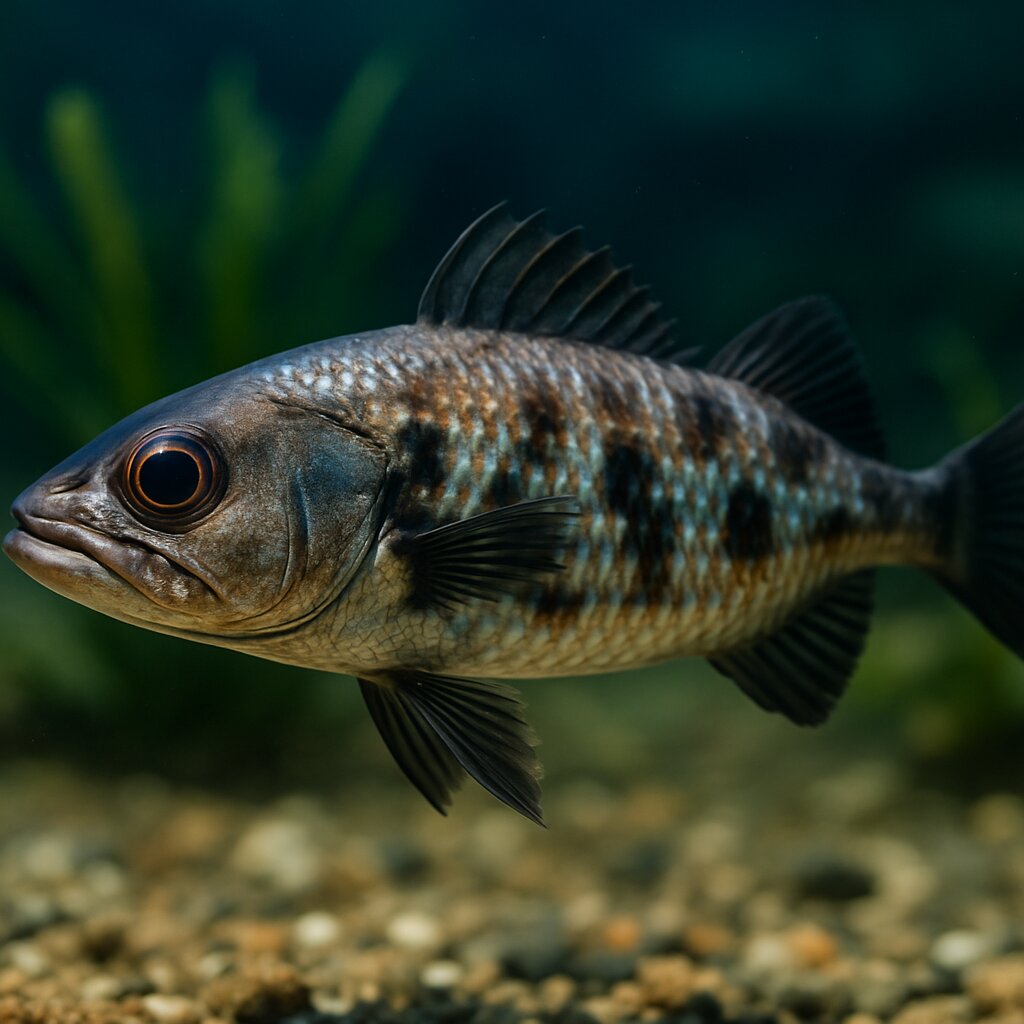
Antarctic dragonfish
Vomeridens infuscipinnis
Deep down around Antarctica, this sleek dragonfish cruises the water column like a little submarine, nearly neutrally buoyant so it can hover above the seafloor. It munches almost exclusively on Antarctic krill and lives in near-freezing water 500-800 m down, so it is a cool species to read about, not one for home tanks.
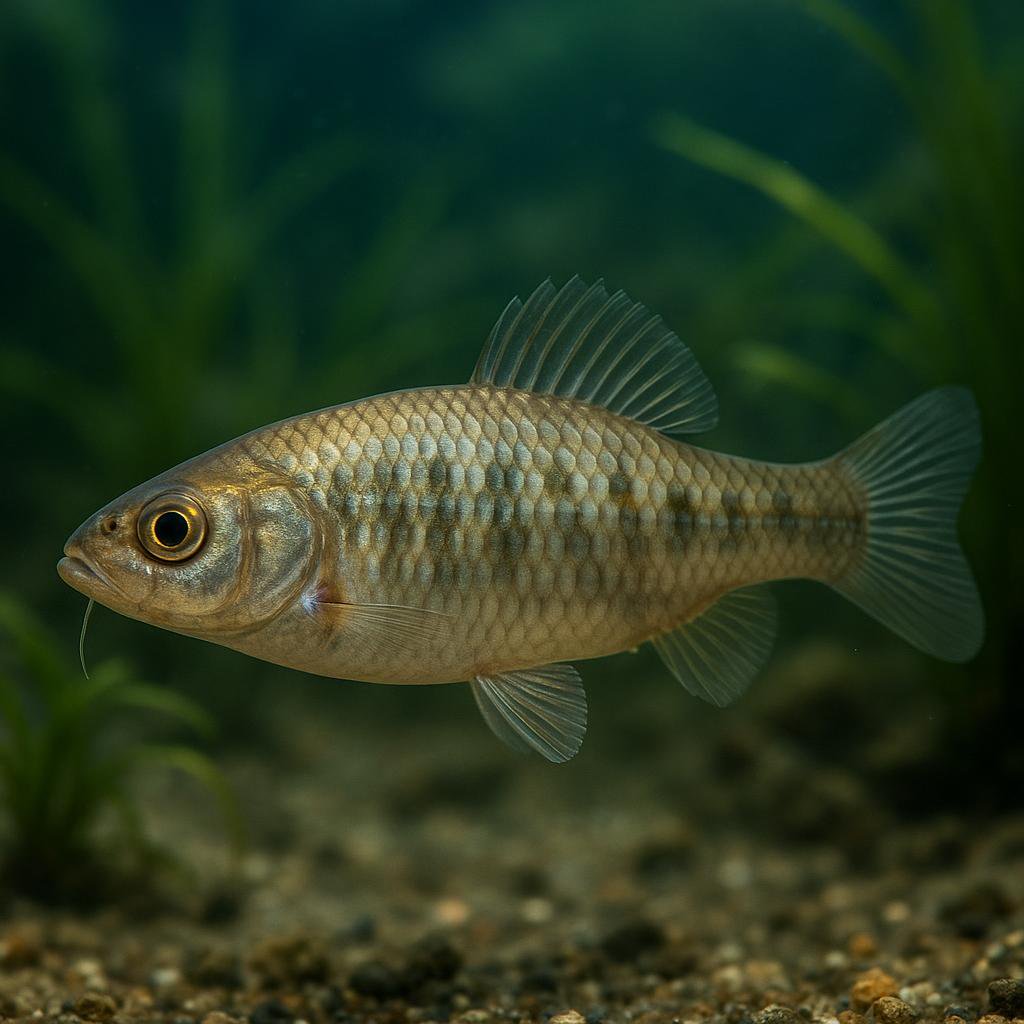
Arabian spiny eel
Notacanthus indicus
Notacanthus indicus is a deep-sea spiny eel (family Notacanthidae; not a true eel) known from the Arabian Sea on the continental slope at roughly ~960–1,046 m depth, with reported maximum length around 20 cm TL; it is a deep-water bycatch species and not established in the aquarium trade.
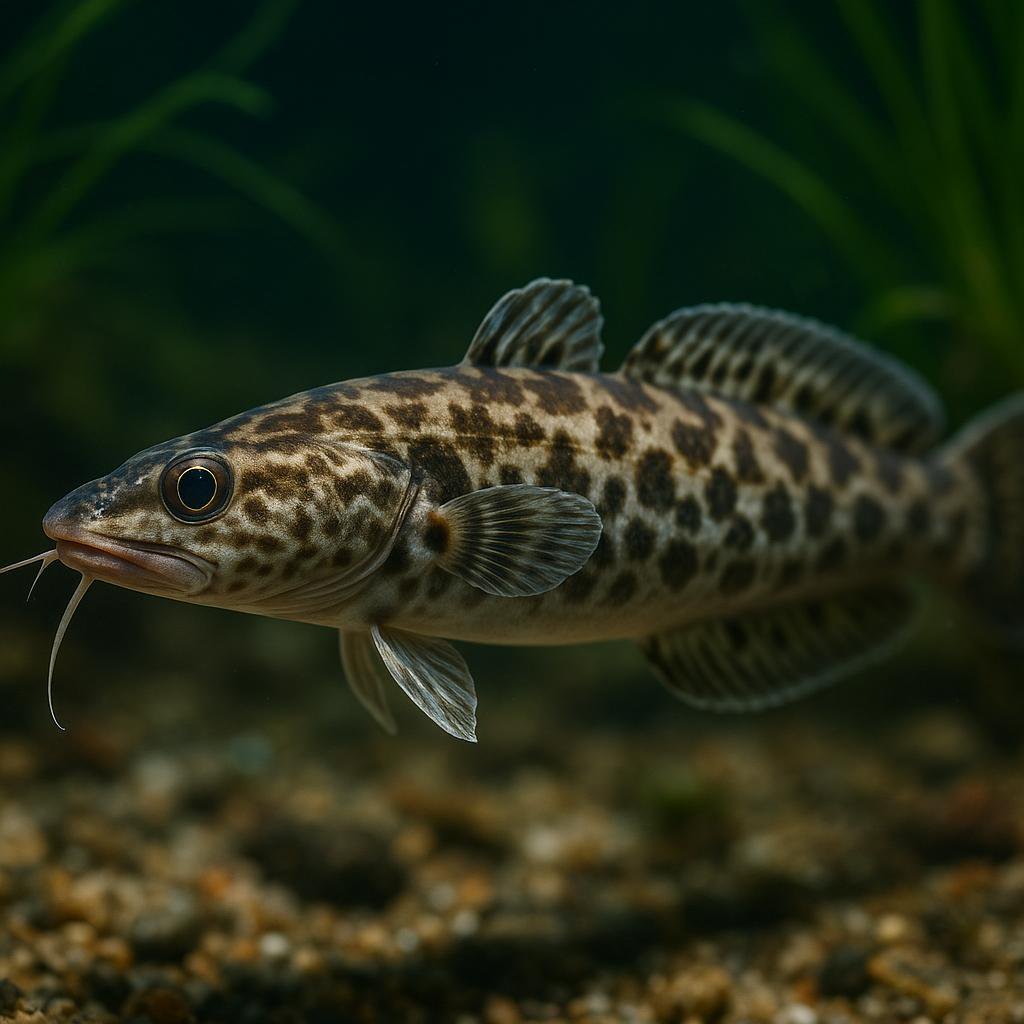
Arctic rockling
Gaidropsarus argentatus
This is a deepwater North Atlantic rockling (a cod relative) that hangs out on soft bottoms way down the slope. It is a cold-water, bottom-hugging predator that snoots around for crustaceans and will also take small fish when it gets the chance.
Atlantic pomfret
Brama brama
Brama brama is the Atlantic pomfret (aka Ray's bream) - a deep-bodied, open-ocean pelagic fish that cruises around in small schools and follows water temps. It is a legit big, wild marine species (not an aquarium fish) that eats other small sea critters like fish and squid, and it ranges across a huge chunk of the Atlantic plus parts of the Indian and South Pacific.
Looking for other species?