

Search Species
Search for fish species by common or scientific name, or use filters to browse by water type, size, temperament, and difficulty.
Found 541 species
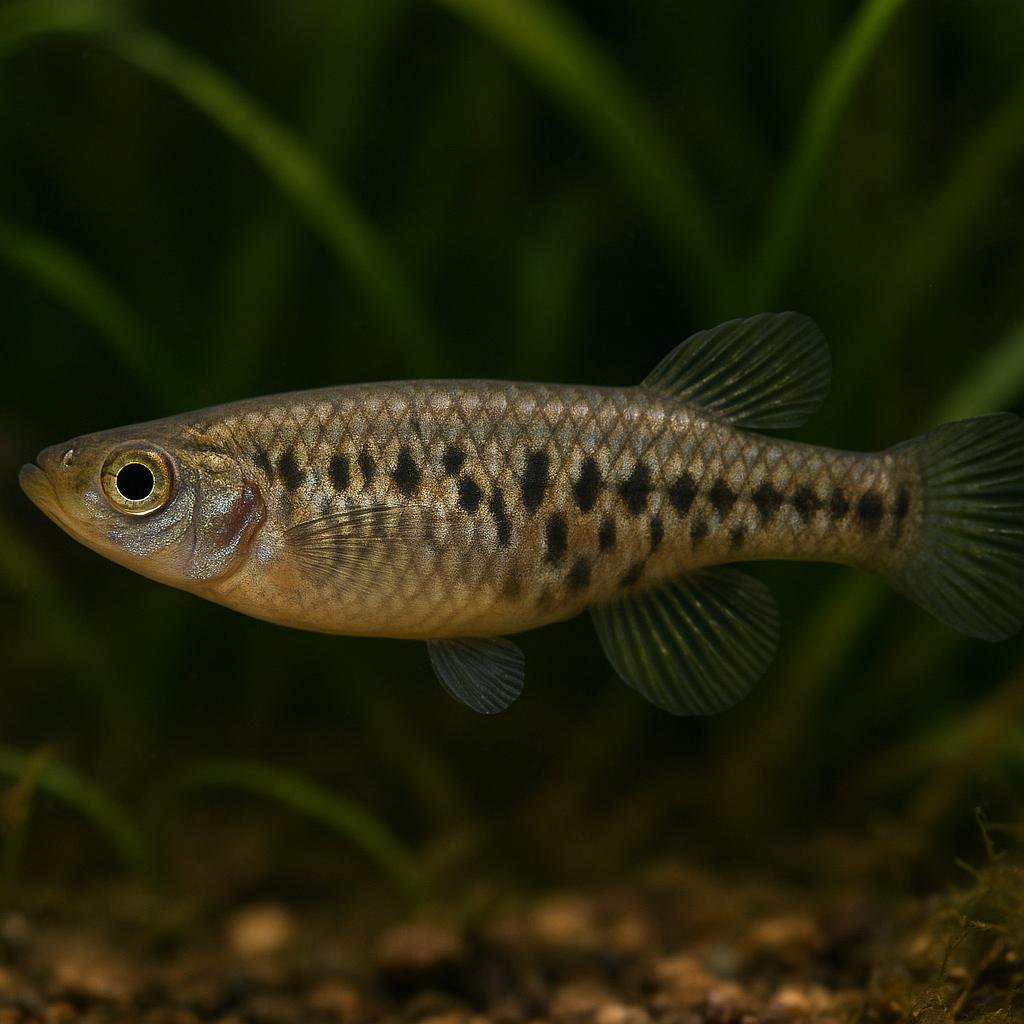
Meleiro livebearer
Jenynsia sanctaecatarinae
This is a little onesided livebearer from southern Brazil that stays pretty small, with males topping out around 3.7 cm and females around 4.2 cm. In a planted stream-style tank they are always cruising and picking at tiny foods, and like other Jenynsia they have that cool livebearer biology (no eggs to babysit). I'd treat them like a slightly feisty nano livebearer and give them space and a group so nobody gets singled out.
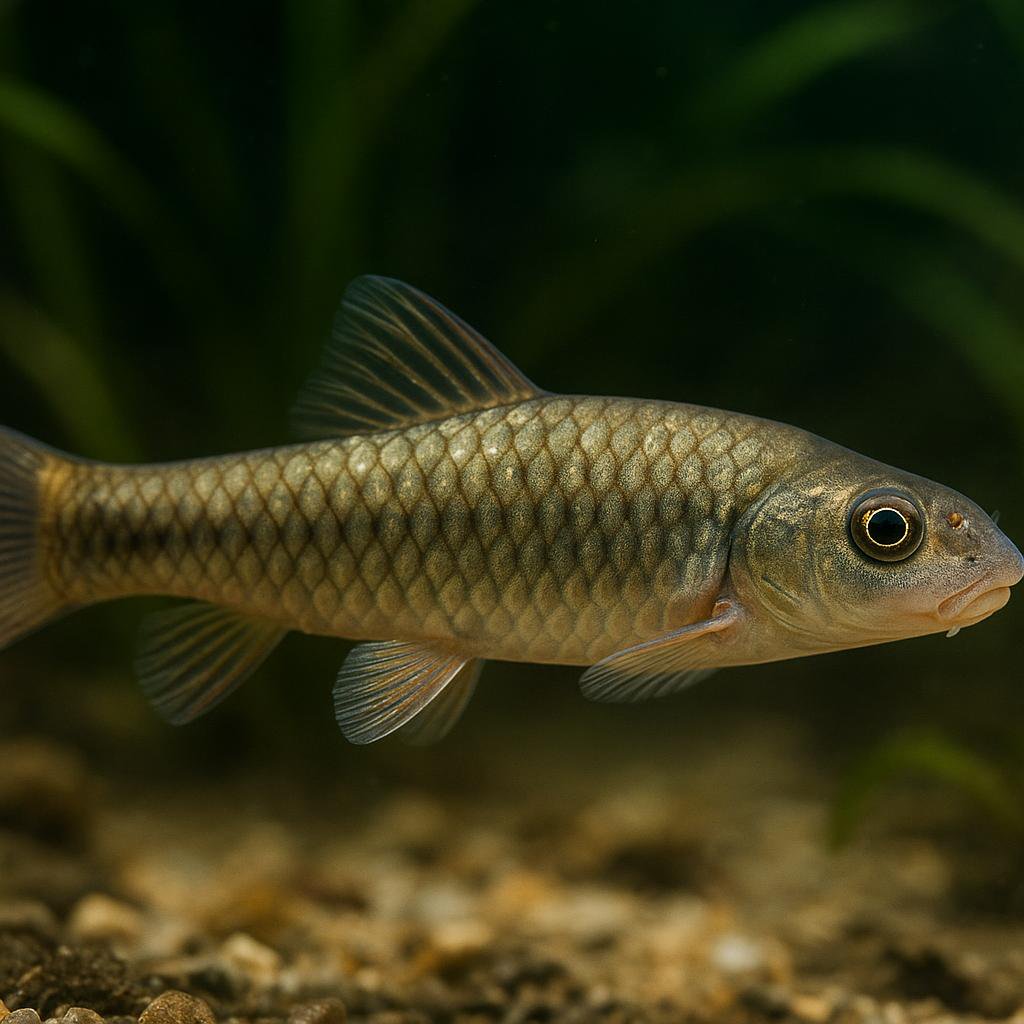
Menderes garra
Garra menderesensis
A small-bodied cyprinid endemic to Lake Işıklı and the Büyük Menderes River system (Turkey). Described in 2015 (originally as Hemigrammocapoeta menderesensis) and currently treated as Garra menderesensis. Aquarium husbandry information appears scarce; avoid extrapolating care requirements from unrelated Garra species without species-specific sources.
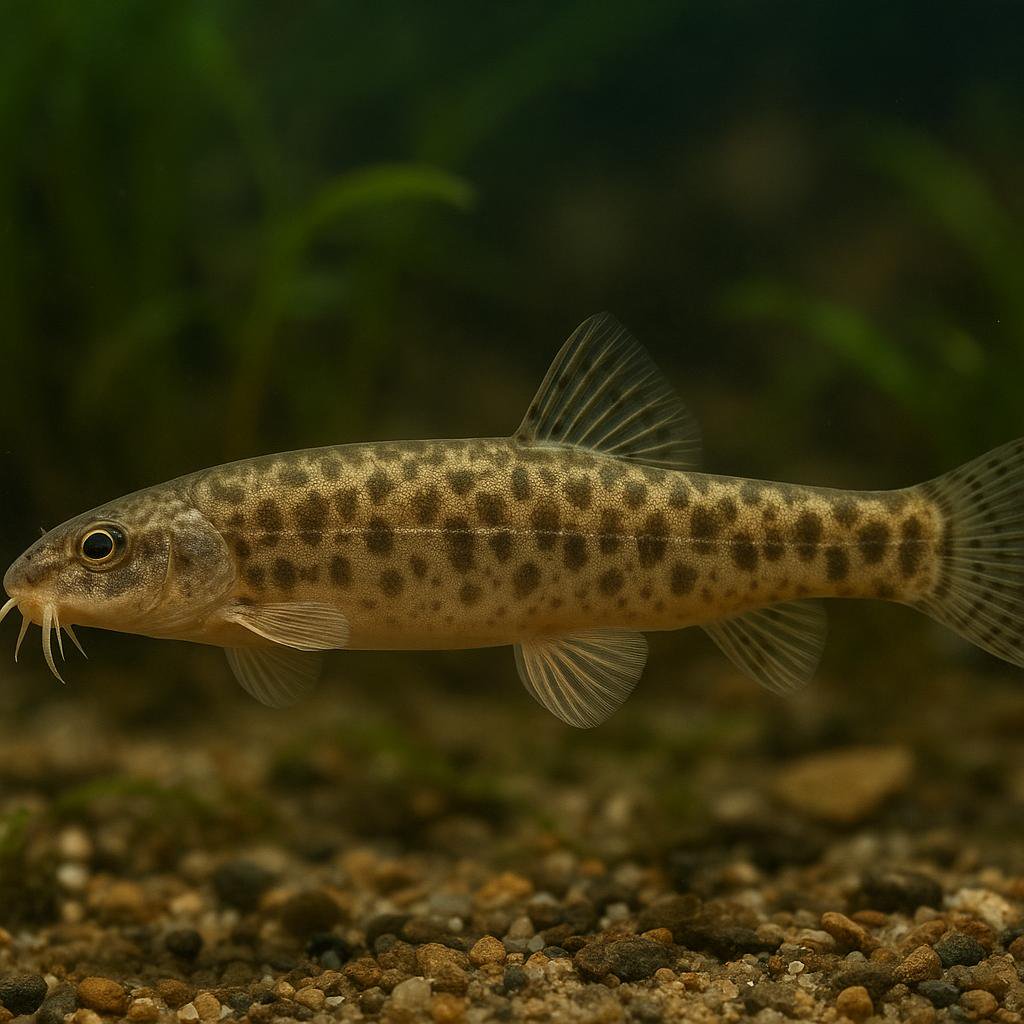
Min County plateau loach
Triplophysa minxianensis
This is a coldwater, fast-river Triplophysa from Gansu, China - a little bottom loach built for current, with that classic 'stone loach' shape and a life spent hugging the substrate. Its wild range seems pretty localized (Taohe River and upper Weihe), and in the hobby its care gets tricky mostly because it really wants cool, super-oxygenated water and a clean, river-style setup.
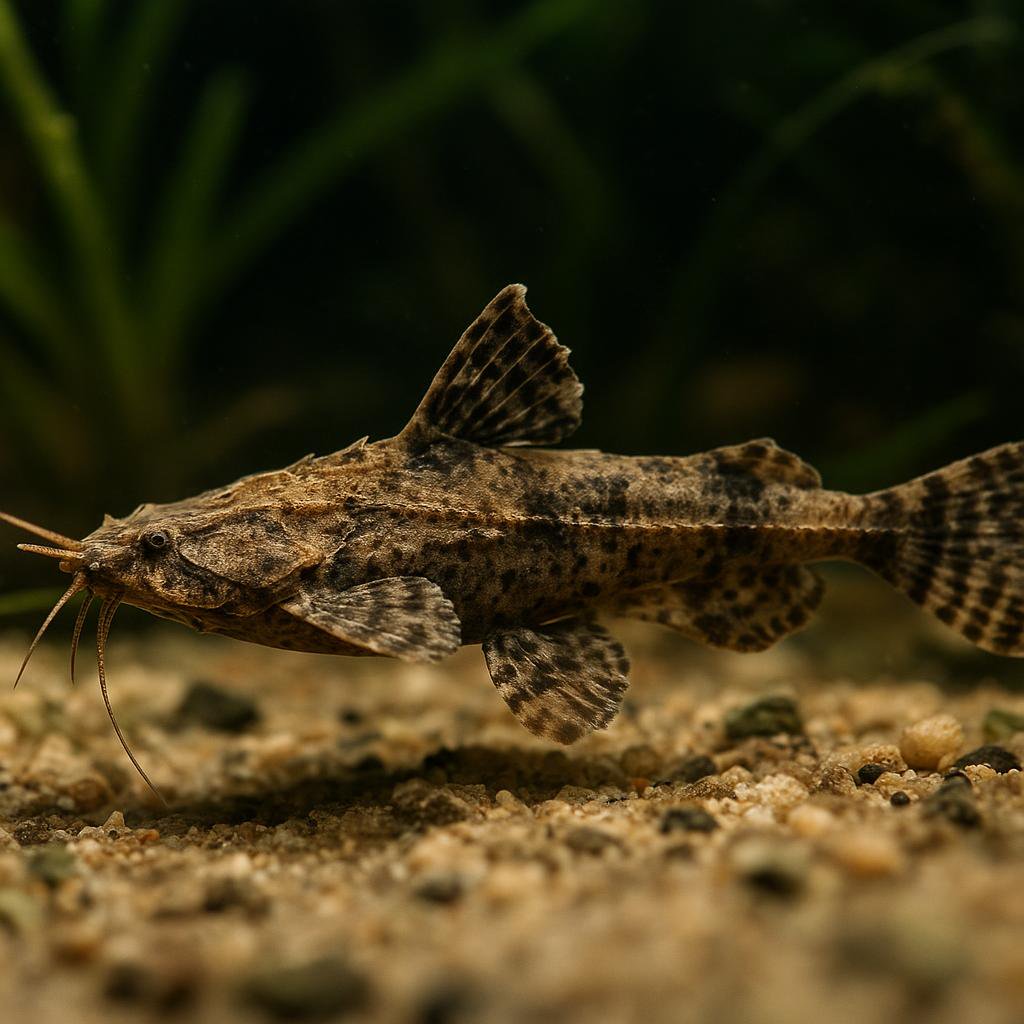
Minerim banjo catfish
Bunocephalus minerim
This is a tiny little banjo catfish from Brazil that basically lives the stealth life - it melts into leaf litter and sand and you can go days thinking it vanished. Super chill fish, but it is one of those bottom hiders you feed with intention (sinking foods after lights-out), and it really appreciates a soft substrate to burrow into.
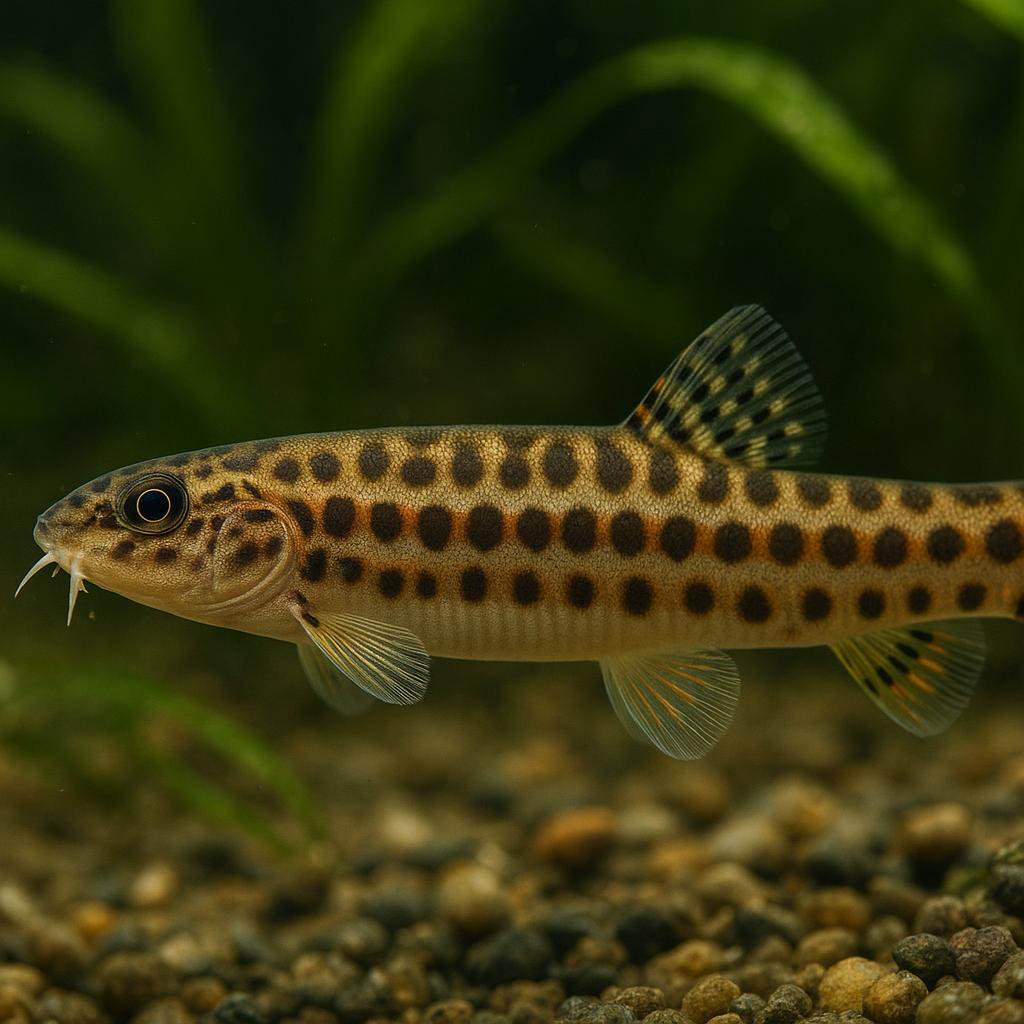
Mini zebra loach
Yunnanilus pulcherrimus
This is a tiny Chinese stone loach with a really crisp, zebra-like stripe pattern, and it spends most of its time nosing around the bottom like a little aquatic mouse. It does best in a mature, well-oxygenated tank with lots of cover and smooth sand or rounded gravel so it can cruise and forage without beating up its barbels.
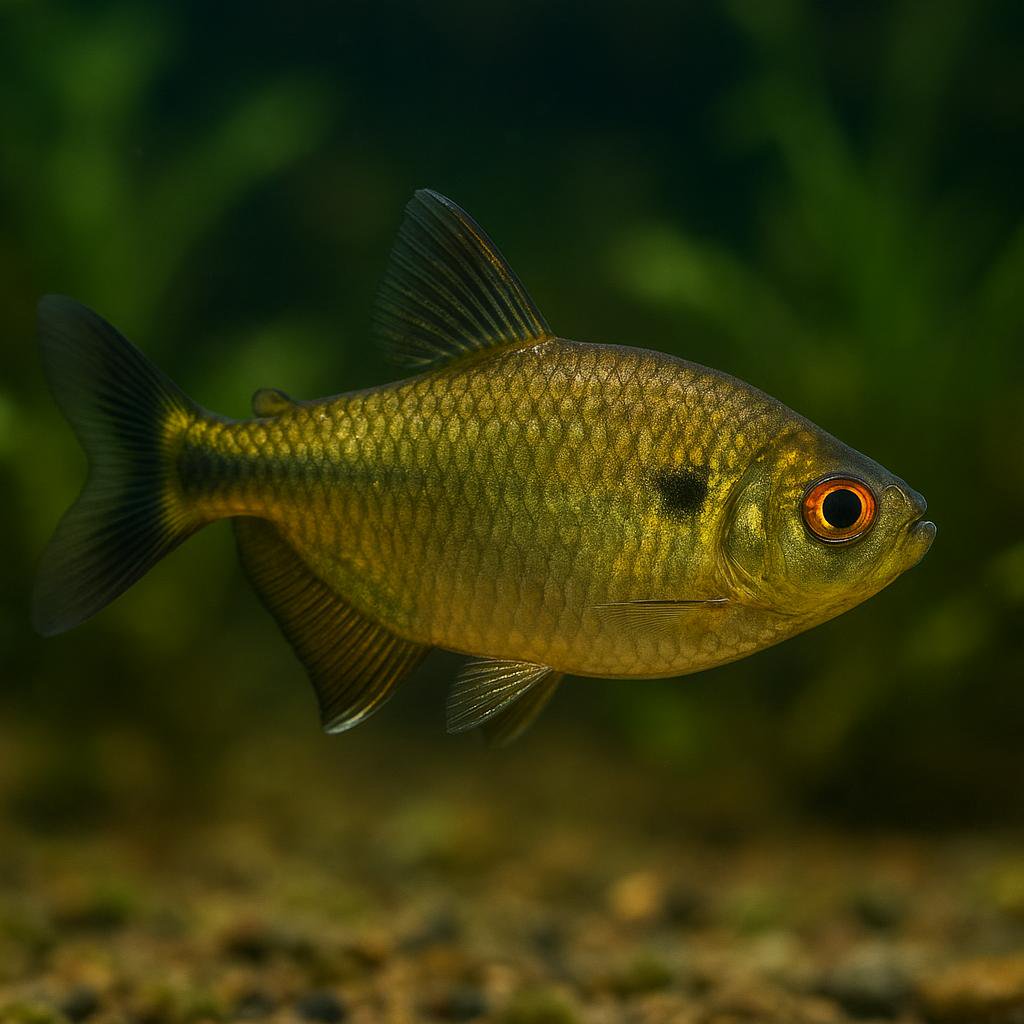
Moenkhausia aurantia
Moenkhausia aurantia
This is a little Brazilian Moenkhausia tetra described in 2011 from clear, shallow streams in the upper rio Tocantins basin. In the wild it turns up around rocky/sandy bottoms with riparian vegetation, and its name (aurantia) is literally a nod to an orangish tone. It is not a common aquarium fish, so most keepers end up treating it like a small, schooling South American tetra and focusing on stability and a calm setup.
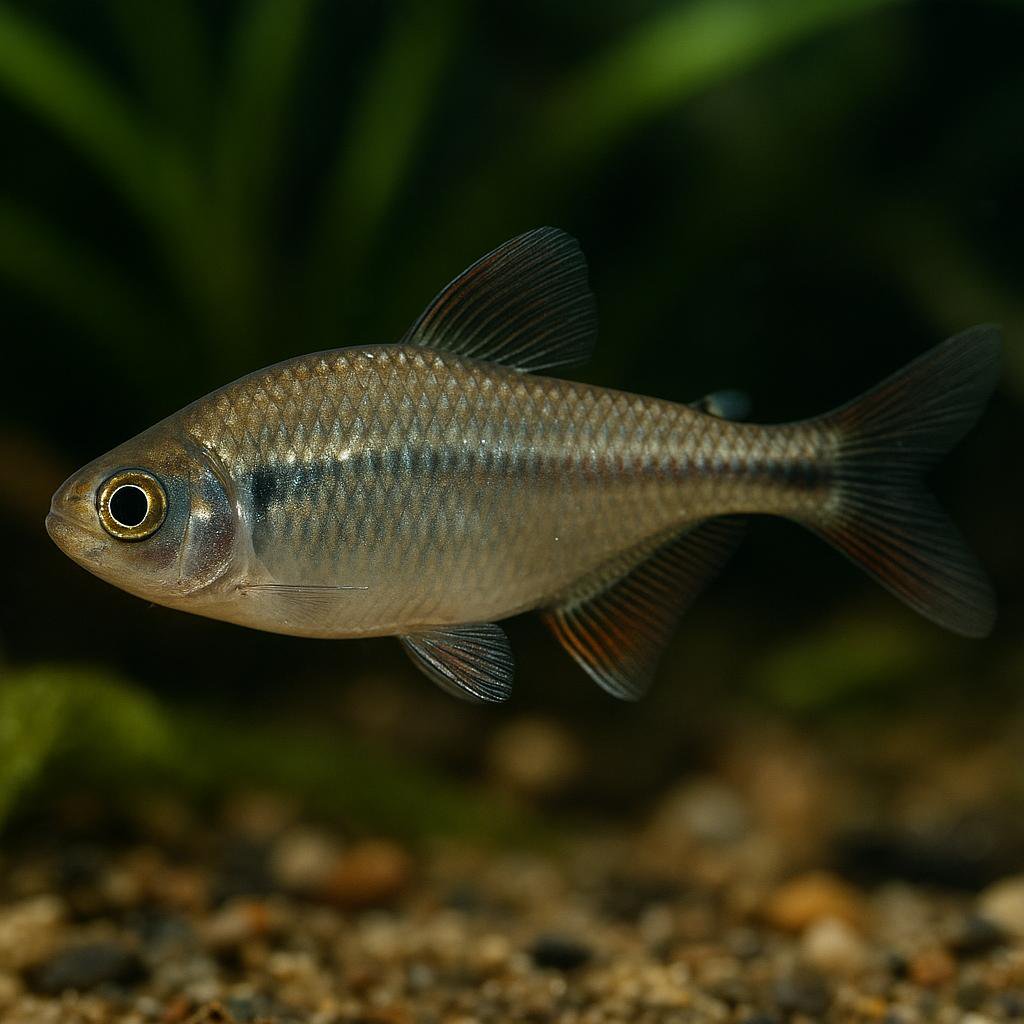
Mojarita
Knodus breviceps
Knodus breviceps is a small freshwater characin from South America, reported from the Tocantins River basin. FishBase lists it as a benthopelagic freshwater species.
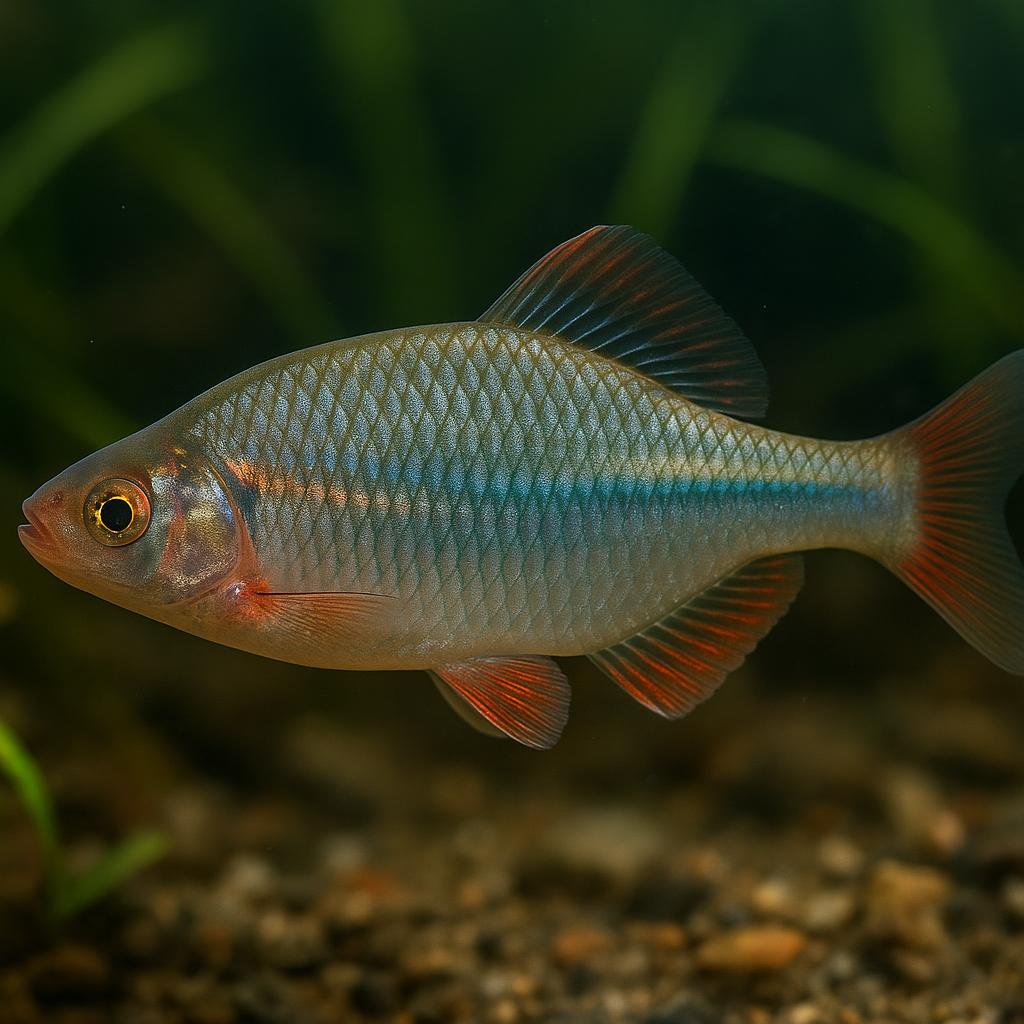
Mongolia bitterling
Rhodeus monguonensis
Rhodeus monguonensis is a little temperate bitterling from China, and its whole claim to fame (like other bitterlings) is the wild breeding trick of laying eggs into freshwater mussels. Its actual aquarium care is basically "cool, clean water and a planted setup," but the real challenge is that species-specific hobby info is scarce, so you end up keeping it like other Rhodeus and watching behavior closely.
Mo River killifish
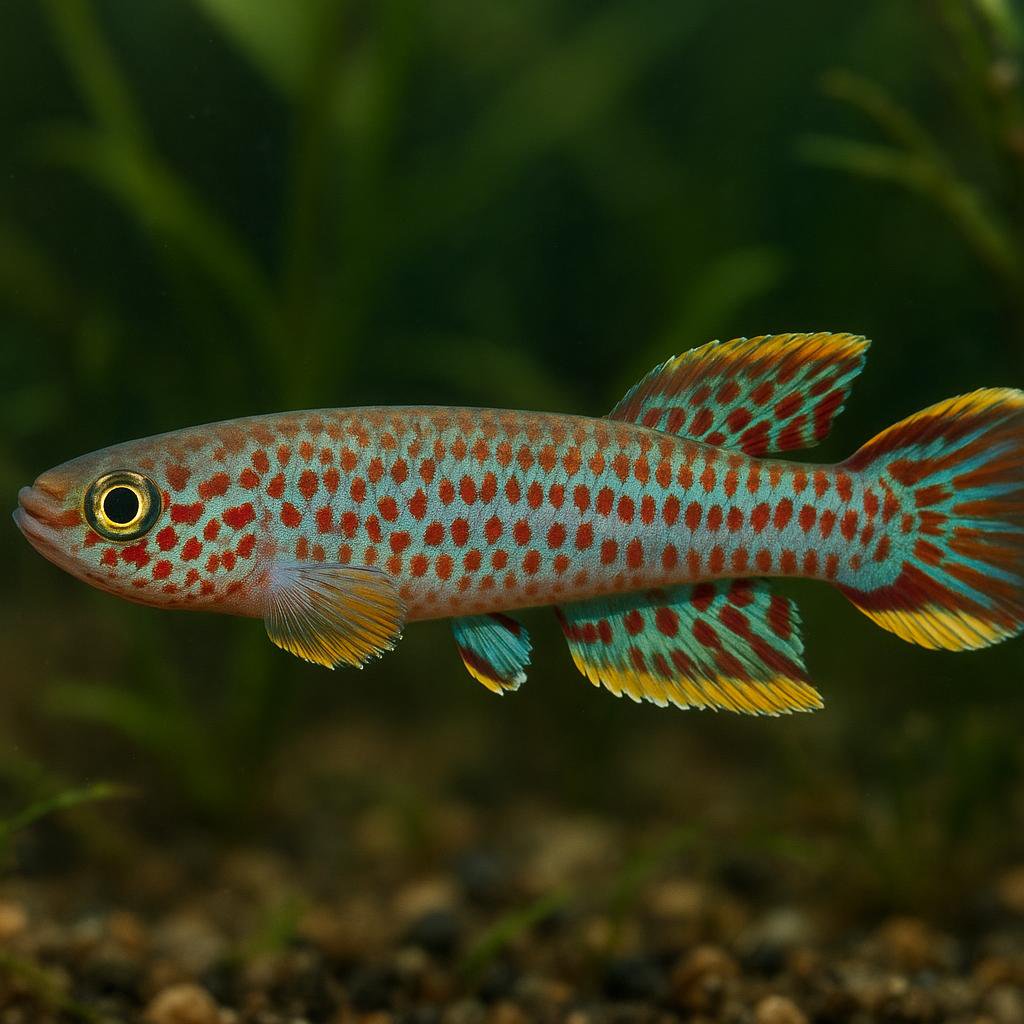
Fundulopanchax moensis
Fundulopanchax moensis is one of those West African stream killies where the males just light up once they settle in, especially in a dim, plant-packed tank. It is a non-annual killi (so not a "live fast, die young" puddle fish) and it really rewards you if you keep it covered and calm - they can be jumpy little rockets.
Moszkowski labeo
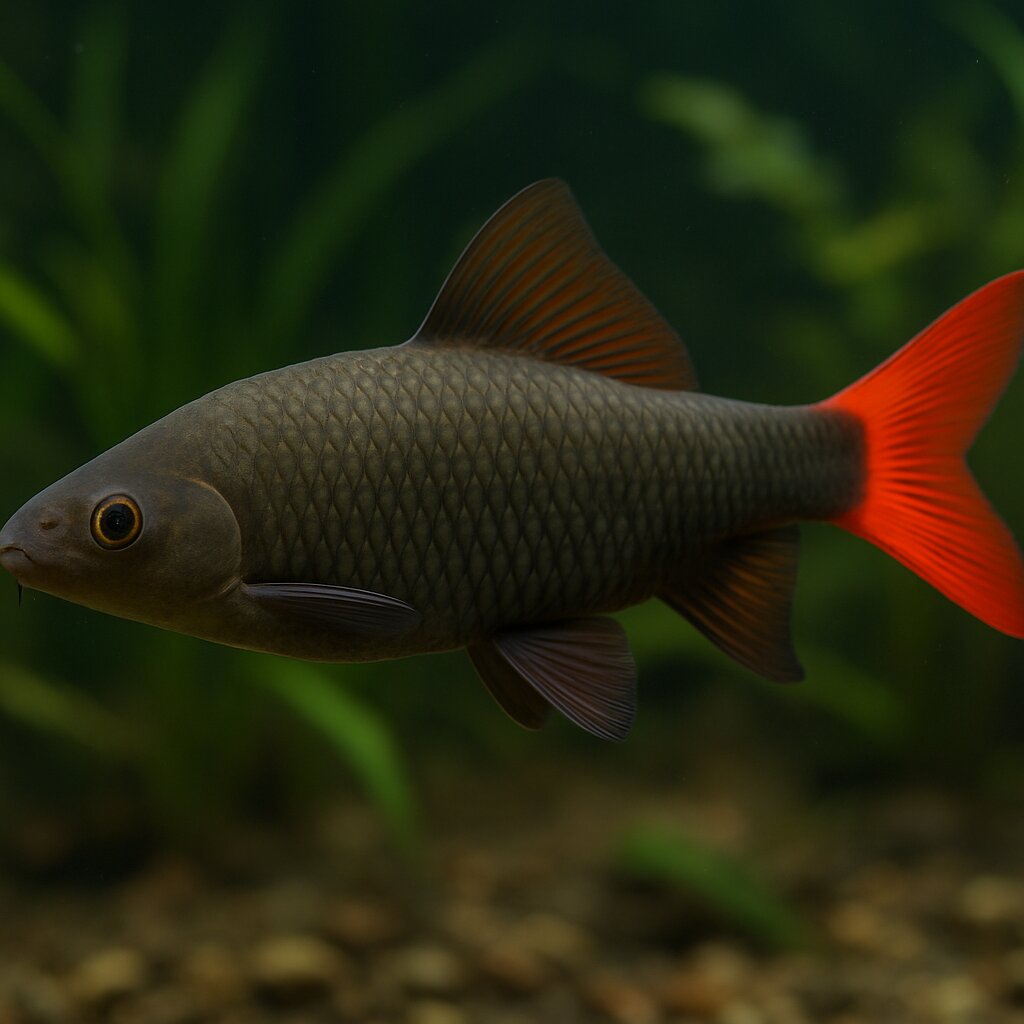
Labeo moszkowskii
A pocket-sized labeo from Sumatra that tops out around 5 cm and spends its day scraping biofilm from rocks and wood. You almost never see it in the trade, so carewise treat it like a mini algae-grazer in clean, oxygen-rich flow with plenty of hard surfaces to rasp. Size and Sumatran origin are documented, while the grazing habit follows the genus pattern of periphyton-feeding labeos. ([fishbase.se](https://fishbase.se/identification/SpeciesList.php?areacode=4&showAll=yes&sortby=species&utm_source=openai))
Motatan pencil catfish
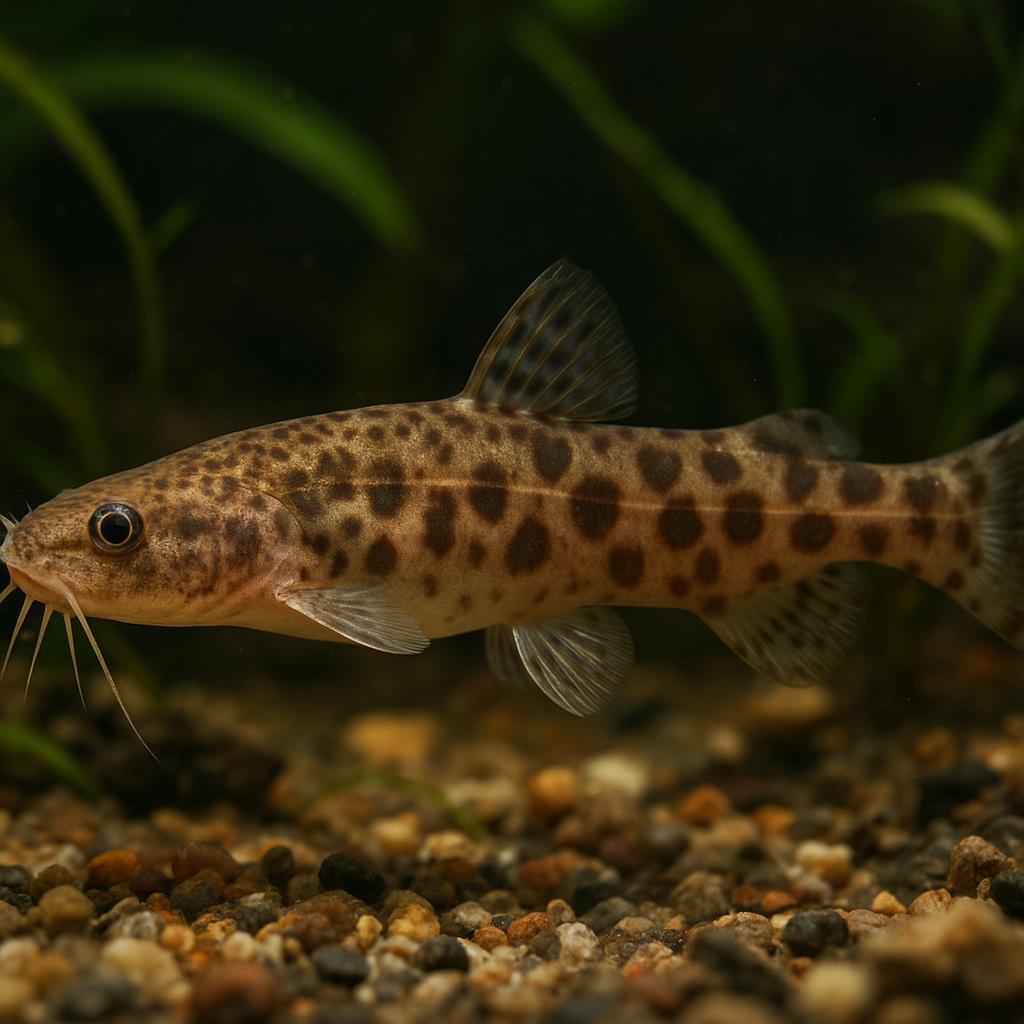
Trichomycterus motatanensis
Trichomycterus motatanensis is a little Venezuelan pencil catfish from the Lake Maracaibo basin area, the kind that likes hugging the bottom and poking around in crevices. Its not really a mainstream aquarium fish, so a lot of its exact care details in captivity are basically undocumented - if you ever ran into one, you would treat it like a cool-water, high-oxygen stream catfish and keep things super clean.
Mountain Erethistoides catfish
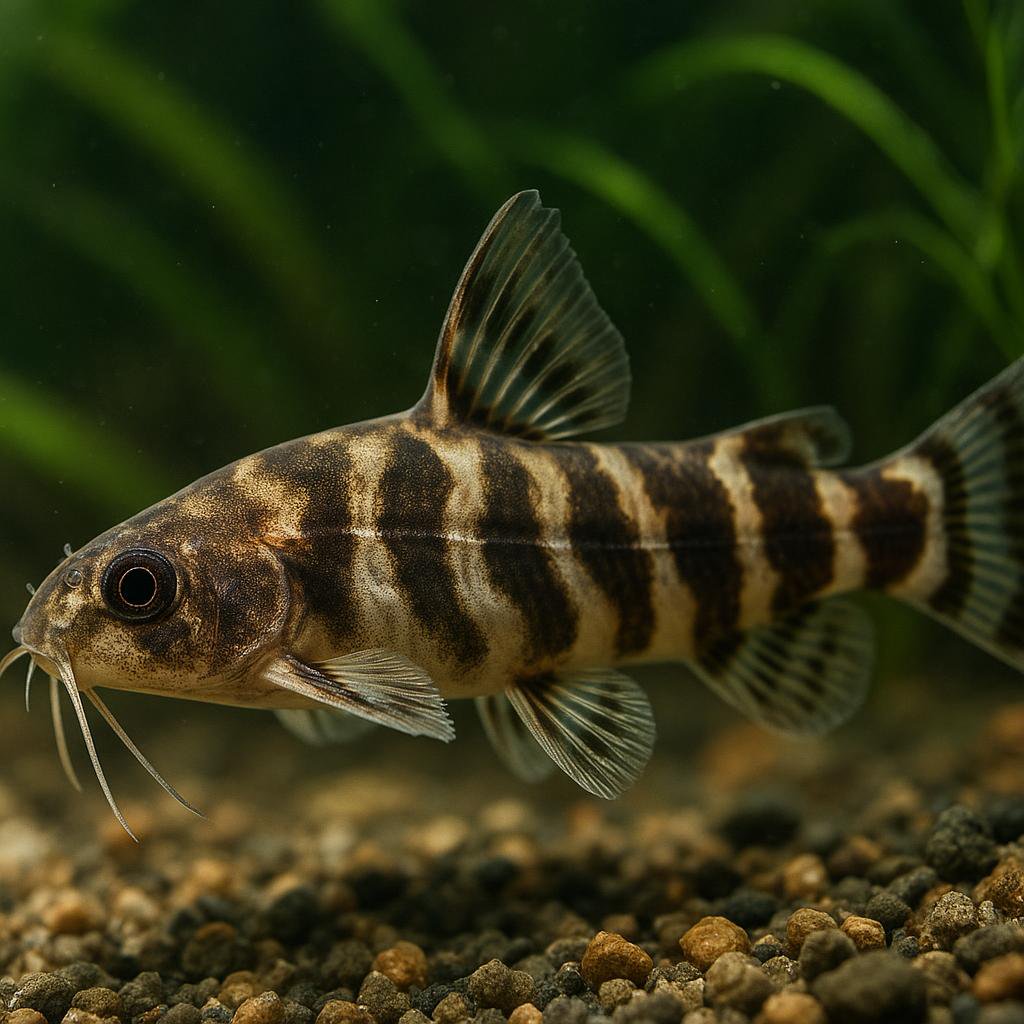
Erethistoides montana
This is a tiny little South Asian river catfish that lives down in fast, clean streamlets, where it hugs the bottom and lets the current do its thing. In a tank it is basically a stealthy pebble-cat that comes alive at feeding time, and it really appreciates lots of oxygen and places to tuck in.