

Search Species
Search for fish species by common or scientific name, or use filters to browse by water type, size, temperament, and difficulty.
Found 654 species
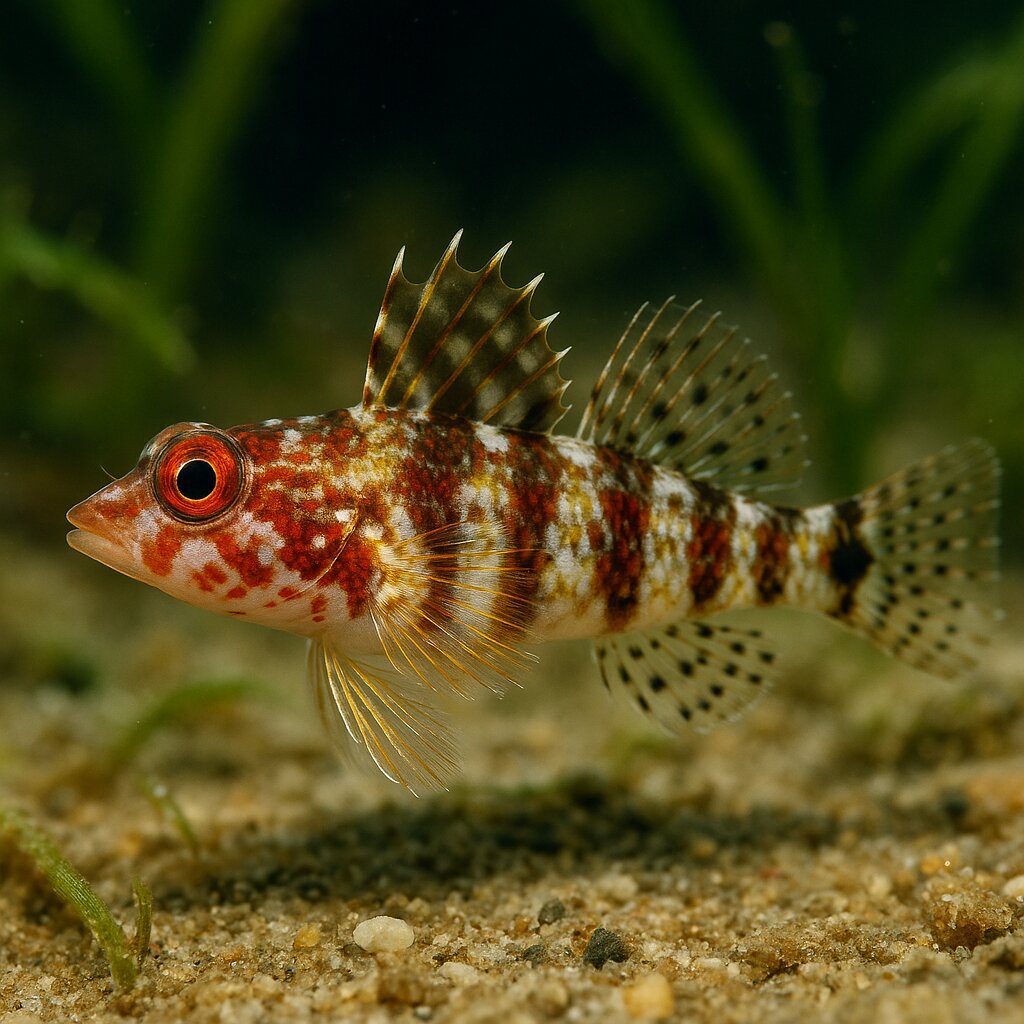
Miracle triplefin
Enneapterygius mirabilis
This is a tiny reef perch that hops around the rockwork and flashes big pectoral fins and a tall first dorsal when it is fired up. It sticks to outer reef slopes in the Southwest Pacific and tops out around 3 cm, so think micro-reef showpiece rather than community fish. Give it mature live rock full of pods and it becomes a fun little hunter to watch.
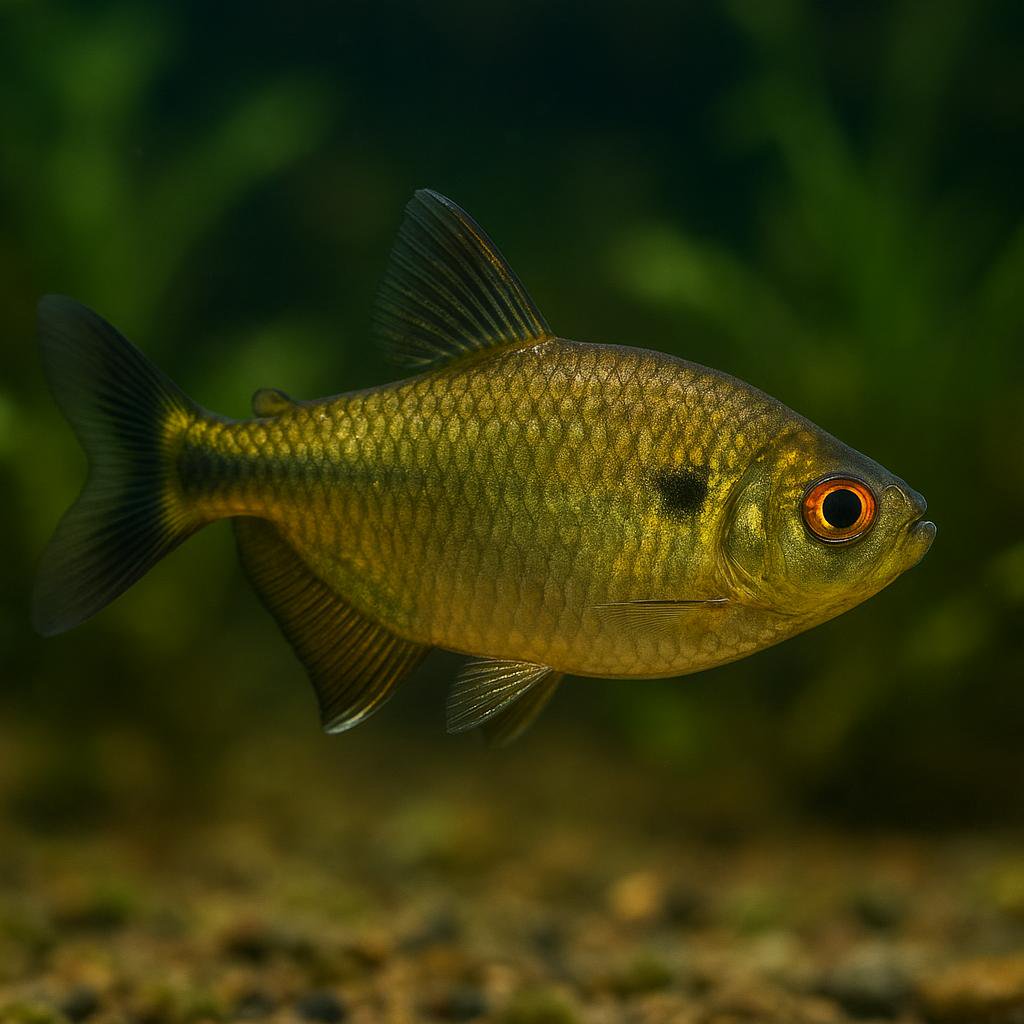
Moenkhausia aurantia
Moenkhausia aurantia
This is a little Brazilian Moenkhausia tetra described in 2011 from clear, shallow streams in the upper rio Tocantins basin. In the wild it turns up around rocky/sandy bottoms with riparian vegetation, and its name (aurantia) is literally a nod to an orangish tone. It is not a common aquarium fish, so most keepers end up treating it like a small, schooling South American tetra and focusing on stability and a calm setup.
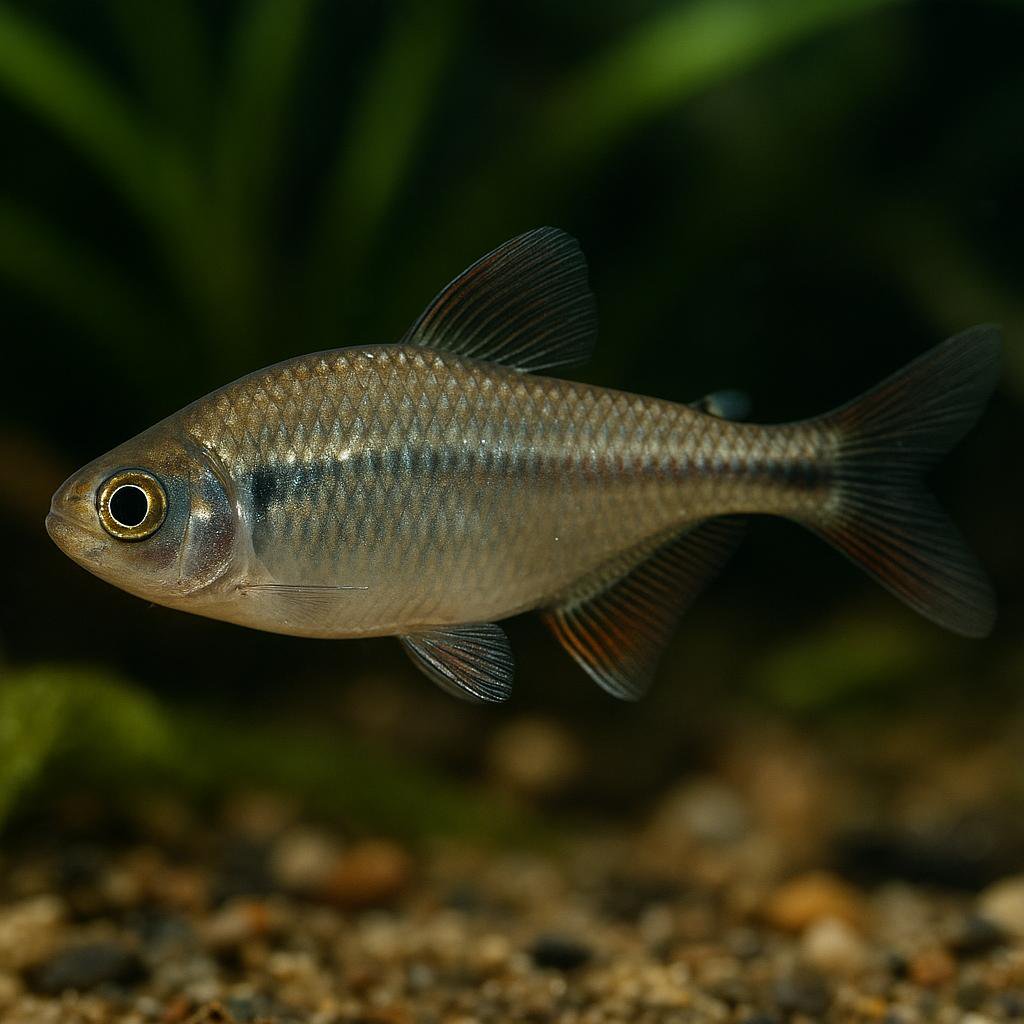
Mojarita
Knodus breviceps
Knodus breviceps is a small freshwater characin from South America, reported from the Tocantins River basin. FishBase lists it as a benthopelagic freshwater species.
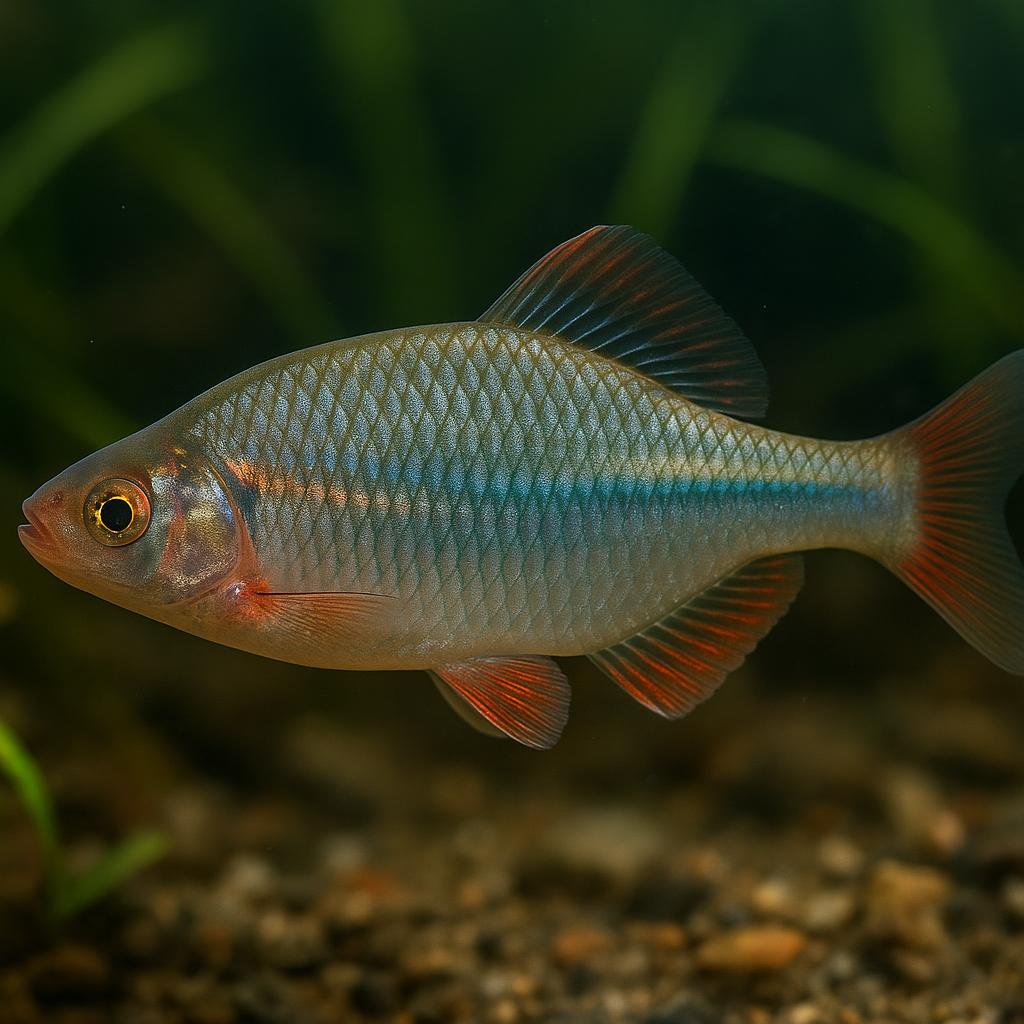
Mongolia bitterling
Rhodeus monguonensis
Rhodeus monguonensis is a little temperate bitterling from China, and its whole claim to fame (like other bitterlings) is the wild breeding trick of laying eggs into freshwater mussels. Its actual aquarium care is basically "cool, clean water and a planted setup," but the real challenge is that species-specific hobby info is scarce, so you end up keeping it like other Rhodeus and watching behavior closely.
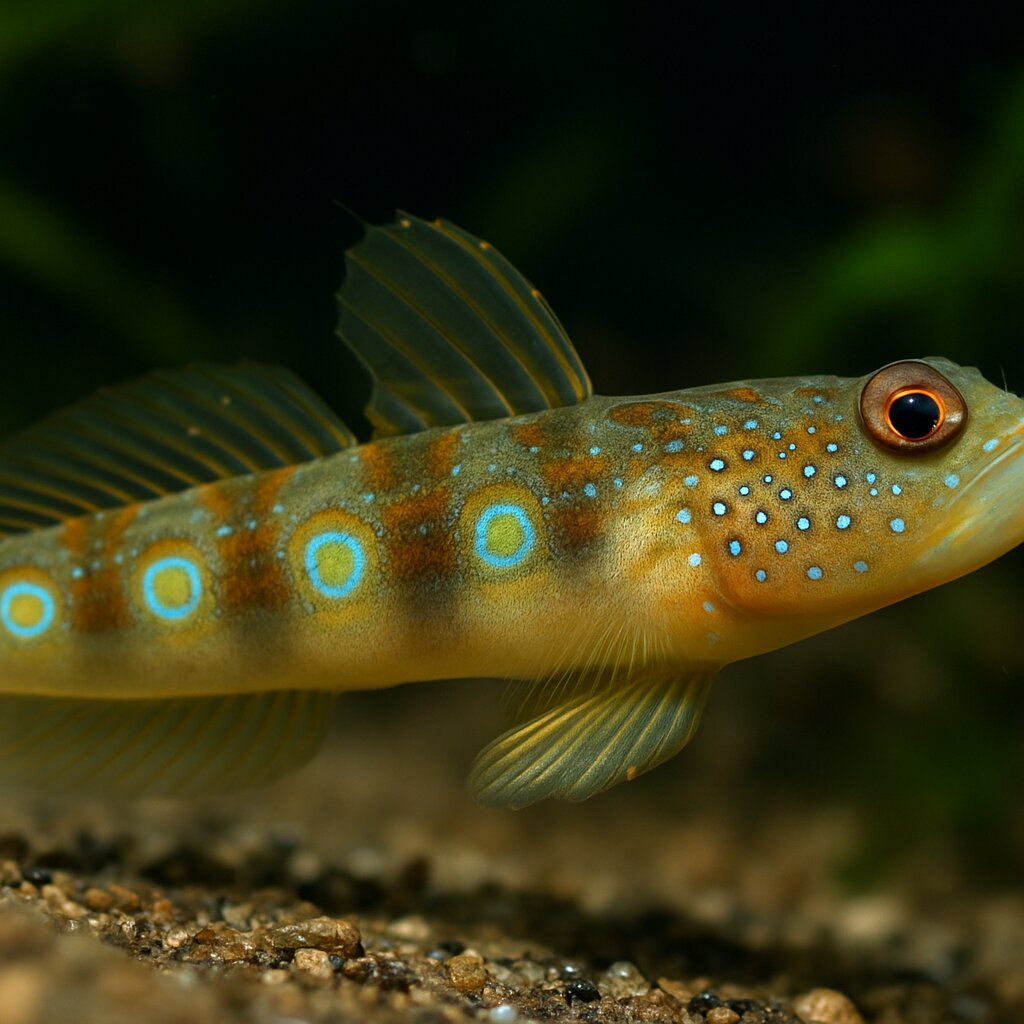
Moon-spotted shrimp goby
Vanderhorstia nannai
This little shrimp-goby rocks bright moon-yellow spots and loves living with a pistol shrimp, sharing a sand burrow and acting like the lookout. Give it a sandy bed and peaceful tankmates and it will perch at the entrance, dash for meaty bites, and show tons of personality. Use a snug lid - they can launch if startled.
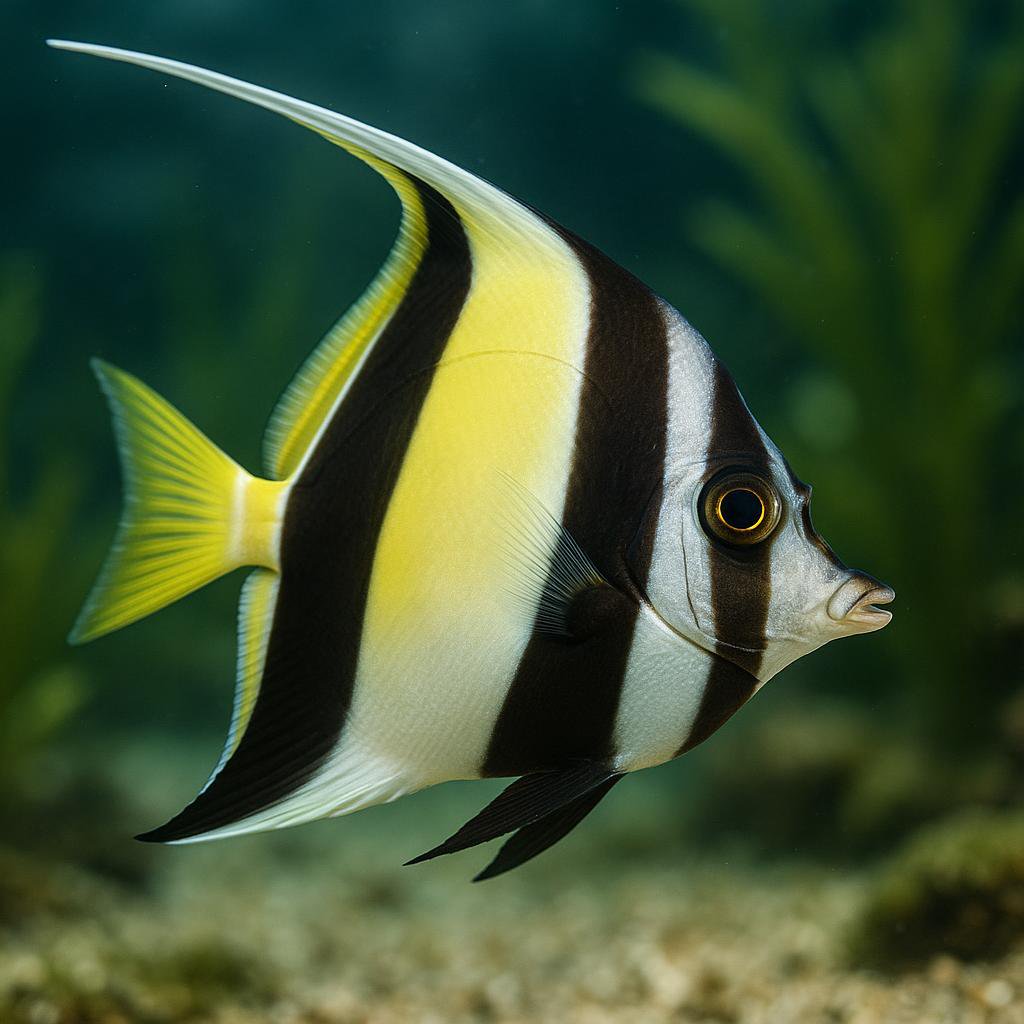
Moorish idol
Zanclus cornutus
Moorish idols are that black-white-yellow reef fish with the long streamer off the dorsal fin - they look like theyre floating more than swimming. In the wild they cruise reefs in pairs or little groups and pick at sponges and other encrusting critters all day. Theyre gorgeous, but the big challenge in aquariums is getting them eating well long-term.
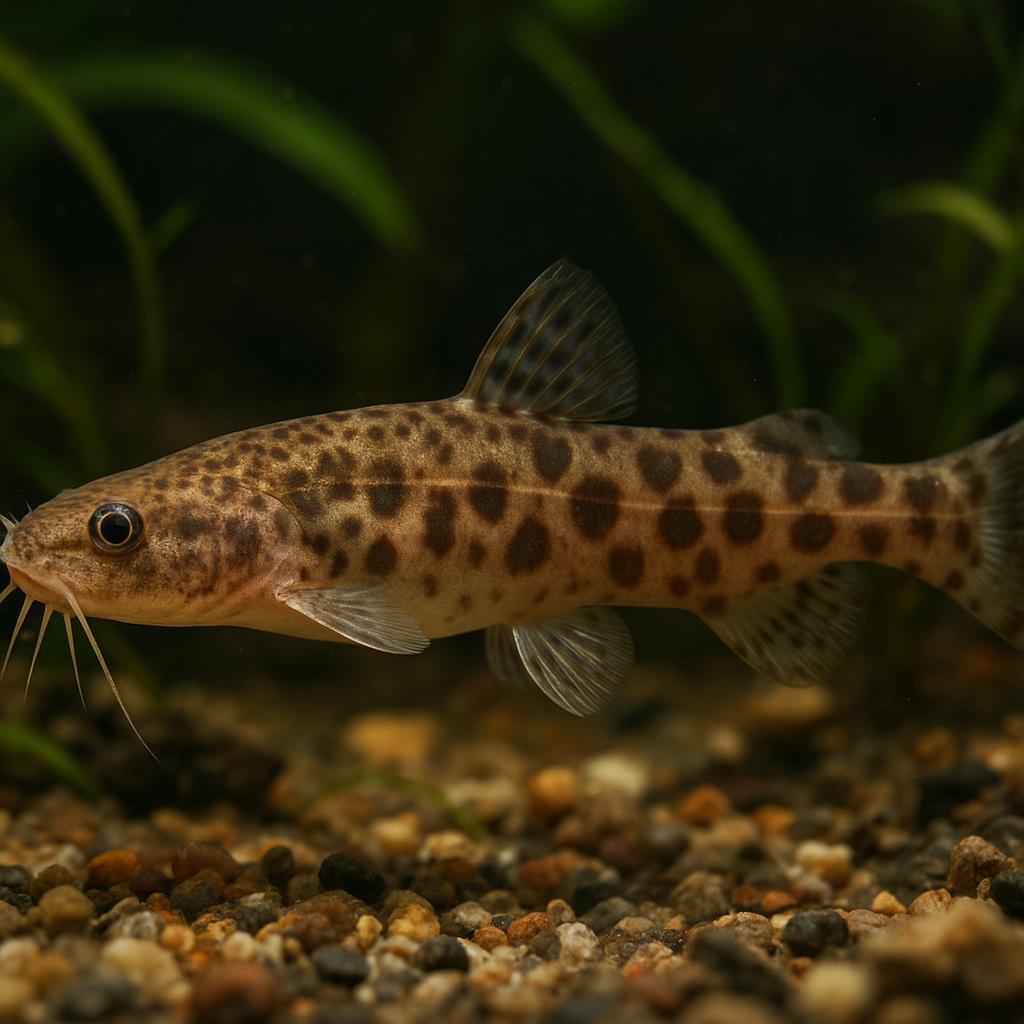
Motatan pencil catfish
Trichomycterus motatanensis
Trichomycterus motatanensis is a little Venezuelan pencil catfish from the Lake Maracaibo basin area, the kind that likes hugging the bottom and poking around in crevices. Its not really a mainstream aquarium fish, so a lot of its exact care details in captivity are basically undocumented - if you ever ran into one, you would treat it like a cool-water, high-oxygen stream catfish and keep things super clean.
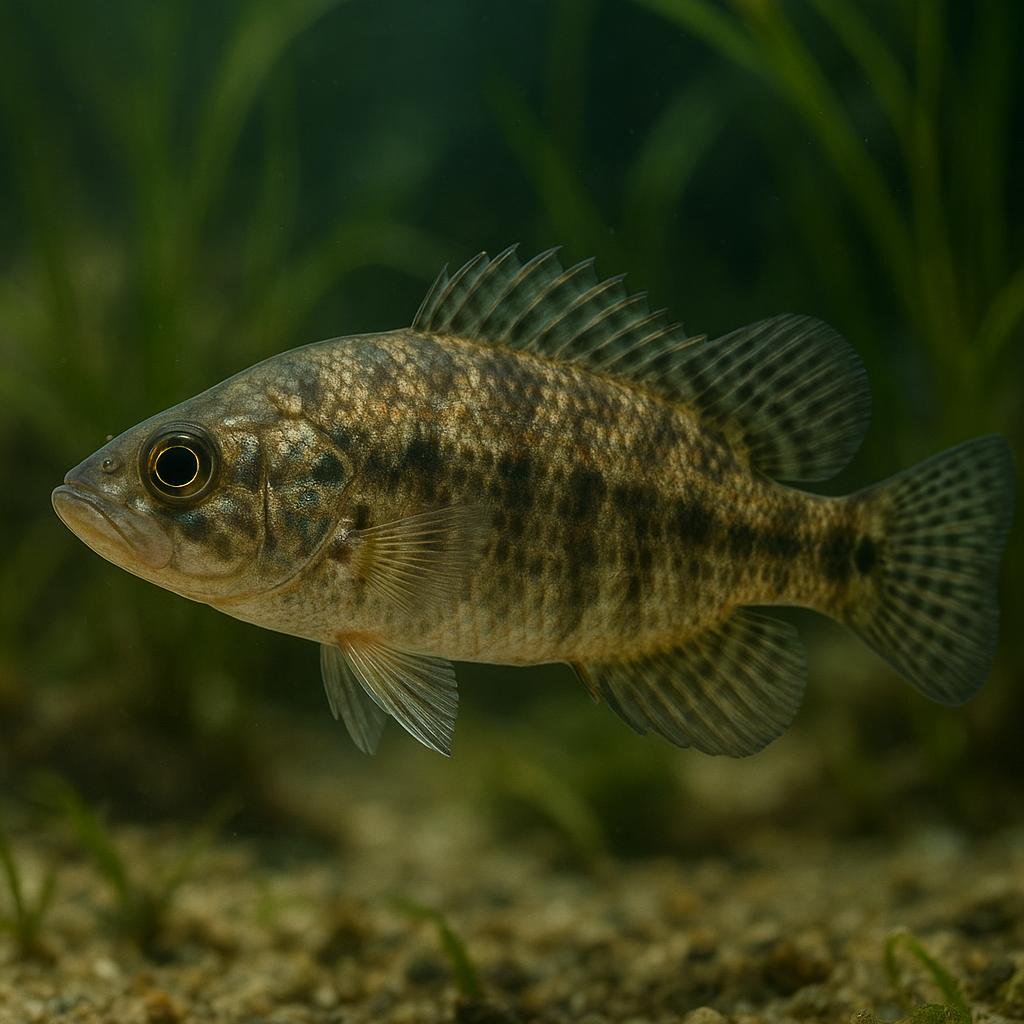
Mottled mojarra
Ulaema lefroyi
Ulaema lefroyi is that shiny silver beach mojarra with the crazy-protrusible mouth, always nosing around sandy bottoms for little critters. Adults hang out along sandy shores and inlets and they can show a neat mottled/banded look that helps them blend over sand. Its a true saltwater fish, so think marine setup, not a community freshwater tank.
Mottled triplefin
Forsterygion malcolmi
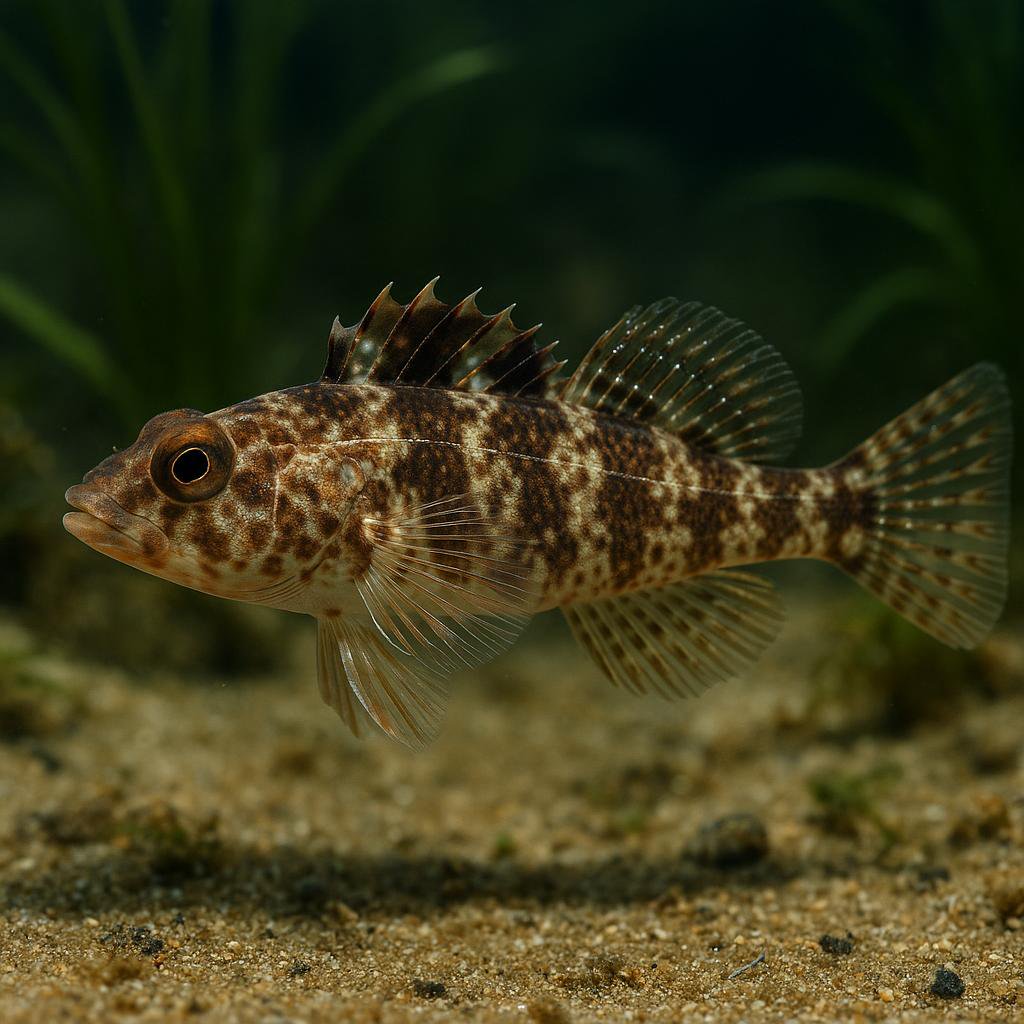
This is a little New Zealand temperate reef triplefin that spends its time parked on rockwork, peeking out from overhangs and holes like a tiny goby-meets-blenny. It is a crustacean-and-snail picker in the wild, and its whole vibe is "hang close to cover and watch everything" - super cool if you like natural behavior more than flashy open-water swimming.
Mountain Erethistoides catfish
Erethistoides montana
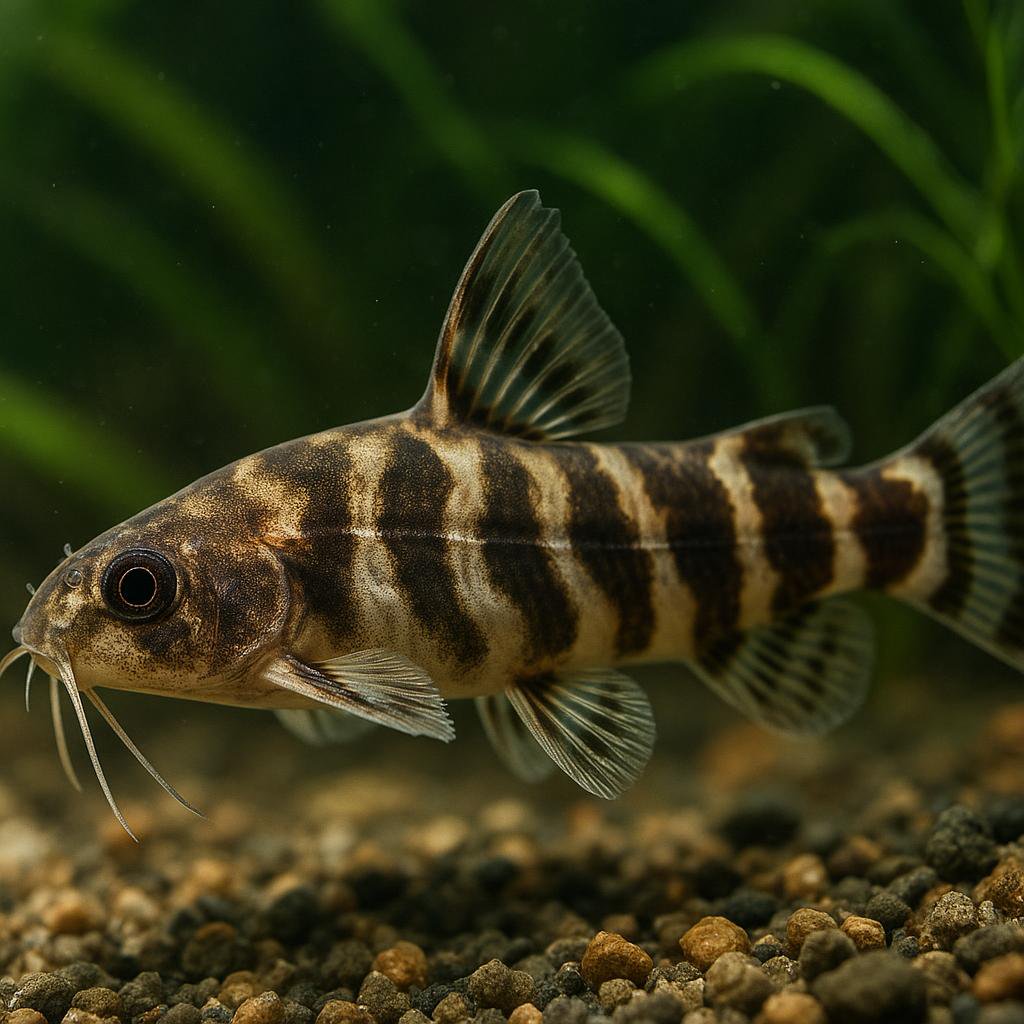
This is a tiny little South Asian river catfish that lives down in fast, clean streamlets, where it hugs the bottom and lets the current do its thing. In a tank it is basically a stealthy pebble-cat that comes alive at feeding time, and it really appreciates lots of oxygen and places to tuck in.
Mozambique silverbiddy
Gerres mozambiquensis
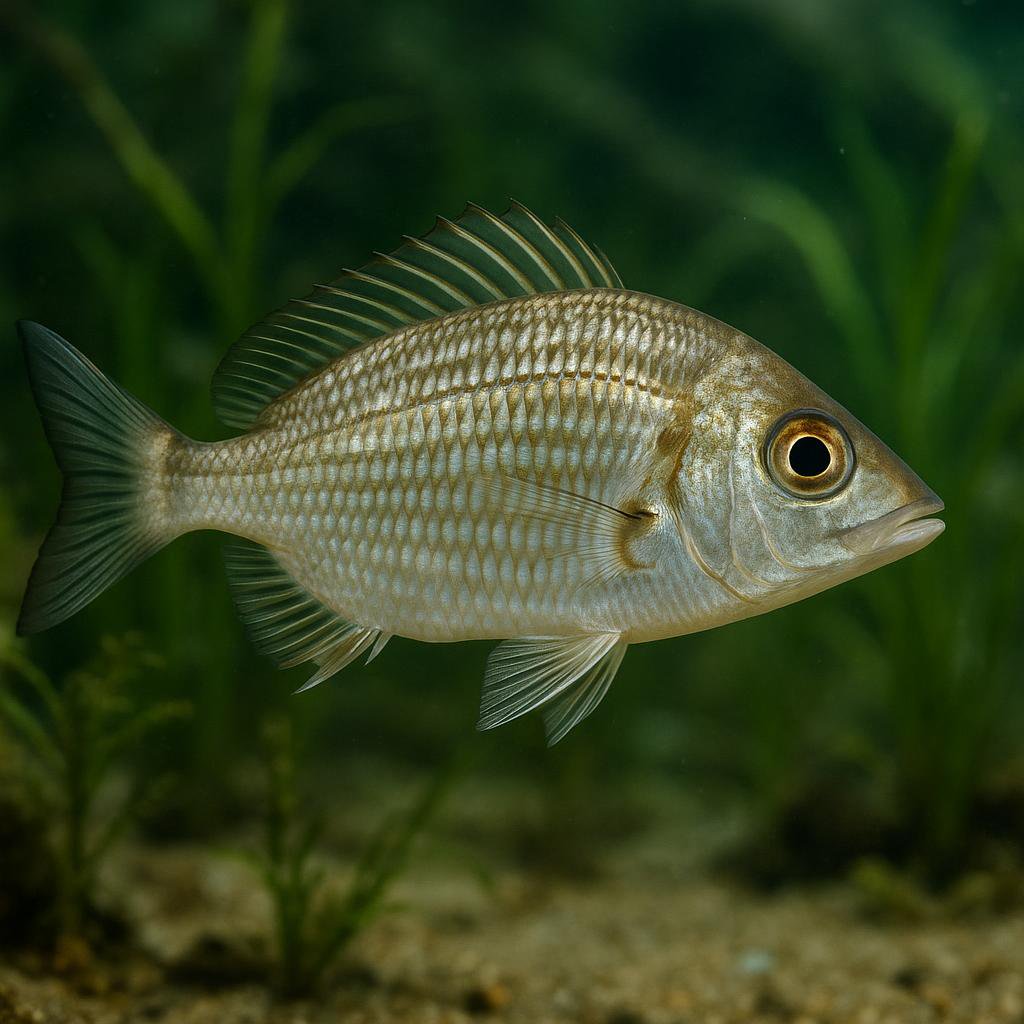
Small gerreid (silverbiddy/mojarra) described from Larde Estuary, Mozambique (holotype and paratype). Natural history details beyond the type locality are limited in readily available references; like other Gerreidae, it likely forages on benthic invertebrates in shallow estuarine/coastal habitats.
Munahosi cardinalfish
Ostorhinchus cheni
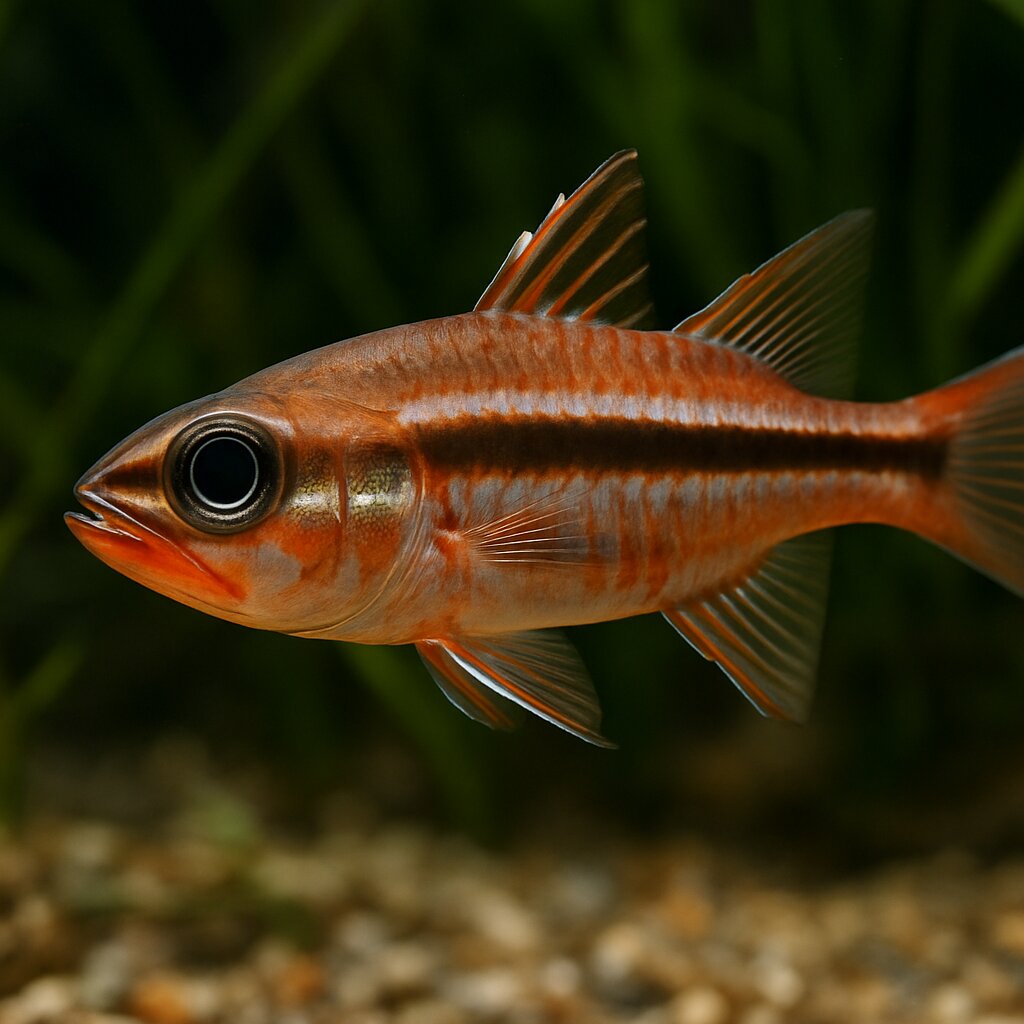
Think of a deepwater cardinalfish with a moody, reddish body, two slim dusky stripes, and a bold spot at the tail base. It hangs in the shadows, cruises slowly, and the male mouthbroods eggs, which is wild to watch if you ever see it happen. Super cool fish, but it comes from 70-100 m and prefers cooler marine temps, so it is definitely a specialist project.