

Yellowfin toxic goby
Yongeichthys criniger
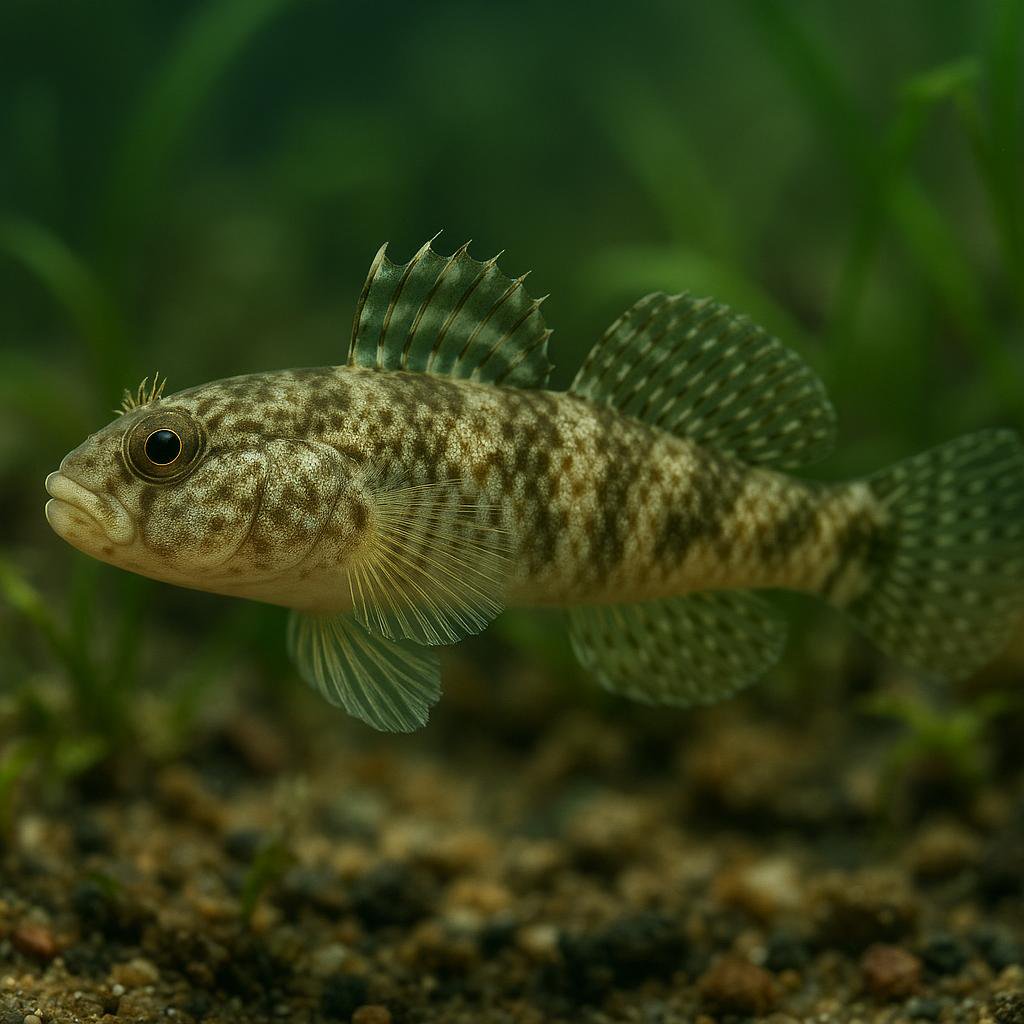
The Yellowfin toxic goby features a bright yellow dorsal fin, a slender body, and distinctive markings that aid in its camouflage among corals.
This page includes AI-generated images. Why am I seeing AI images?
About the Yellowfin toxic goby
An Indo-Pacific goby found on coastal mud/silty sand flats and in estuary/mangrove-associated habitats. It is documented as poisonous to eat and is known to carry tetrodotoxin; toxicity can be particularly high in the skin and varies by locality. Handle with care (avoid contact with mucus, especially with cuts) and avoid mixing with aggressive/boisterous species.
Also known as
Quick Facts
Size
15 cm SL
Temperament
Peaceful
Difficulty
Advanced
Min Tank Size
50 gallons
Lifespan
5-8 years
Origin
Indo-Pacific
Diet
Carnivore - small meaty foods (frozen and live), benthic invertebrate-style fare
Water Parameters
24-29°C
Need a heater for this species?
This species needs 24-29°C in a 50 gallon tank. Use our heater calculator to find the right wattage.
Calculate heater sizeCare Notes
- This species is documented as toxic/poisonous (tetrodotoxin has been studied; toxicity can be high in the skin and vary by locality). Use careful handling practices (avoid contact with mucus, especially with cuts) and plan tankmates conservatively.
- This species is reported from both marine and brackish environments; choose a stable, appropriate salinity for the system you're running and avoid swings. If keeping it as a marine fish, maintain full-strength seawater (around SG 1.020-1.025) and stable tropical temperatures.
- They want a sandy bottom with lots of tiny bolt-holes - piles of small rock, shell, or rubble plus a few tight caves; they hang near cover and hate being out in the open.
- Feed like a picky micro-predator: small meaty stuff (live or frozen) like baby brine, mysis, chopped shrimp, copepods; offer small portions 1-2 times a day and watch that they actually swallow it.
- Avoid fin-nippers and boisterous feeders - they get outcompeted and stressed; if you add tankmates at all, think calm brackish fish that will not hover over their territory.
- If you keep more than one, add them all at once and give extra hiding spots - they can turn snippy, and the bullied one will just disappear into a corner and stop eating.
- Breeding is possible if you give a snug cave (little PVC elbow or tight rock cave) - the male tends the eggs, so do not rearrange decor or blast the nest with flow once you see guarding behavior.
- Watch for mystery deaths after heavy maintenance - toxins plus stress is a bad combo, so do smaller water changes, match salinity carefully, and run carbon if you have any doubt.
Compatibility
Good Tankmates
- Small bumblebee gobies (Brachygobius spp.) - same brackish vibe, similar chill temperament. Just give lots of little caves and sight breaks so nobody squabbles over the same perch.
- Figure 8 puffers (Tetraodon biocellatus) - only if you know your puffer is a model citizen and the tank is roomy with tons of cover. Some are fine, some turn into little fin-biters, so watch closely.
- Knight gobies (Stigmatogobius sadanundio) - works in bigger brackish setups where the knight has its own territory. Yellowfin toxic gobies are peaceful, but they hate getting bullied off food.
- Scats (Scatophagus argus) - in a larger brackish tank. They are not mean, just big and busy, and the goby will mostly stick to perches and rockwork while scats cruise midwater.
- Archerfish (Toxotes spp.) - again, only in a bigger brackish community. Different zones, not typically interested in gobies, and they do fine in similar salinity ranges.
- Peaceful brackish livebearers like mollies (Poecilia sphenops/velifera) - good 'dither' fish that do not hassle gobies much. Keep them well fed so they are not picking at everything.
Avoid
- Fin-nippers and bullies like tiger barbs or most serpae-type 'mean' tetras - they will stress a mellow goby and can harass it off its favorite perch and food.
- Hyper-territorial brackish gobies in tight quarters (especially bigger males) - they can pin the yellowfin into a corner and outcompete it at feeding time if the tank is short on hides.
- Big predators like monos when small plus anything that grows into 'if it fits, it eats' mode - the yellowfin is small and will get treated like a snack sooner or later.
- Freshwater-only community fish (neons, corys, most rasboras) - not an aggression issue, just a long-term mismatch. Brackish conditions that suit the goby usually wear these fish down.
Where they come from
Yellowfin toxic gobies (Yongeichthys criniger) show up around mangroves, estuaries, and sheltered coastal flats in the Indo-Pacific. Think silty bottoms, rubble, and little pockets of brackish-to-marine water that change with tides and rain.
They are one of those tiny, easily-overlooked gobies that look harmless. They are not. Some Yongeichthys are known for potent skin toxins, and even if every individual is not equally nasty, you want to treat this fish like it is toxic every single time.
Assume this goby is toxic. Do not put your hands in your mouth/eyes after working in the tank. Use gloves if you have cuts. Never let pets or kids near bucket water, nets, or dead fish. If one dies, remove it fast and run fresh carbon.
Setting up their tank
Give them a small footprint tank with lots of bottom detail. A 10-20 gallon works for one, but bigger is easier to keep stable and gives you more options for tankmates. They spend their lives down low, parking on sand, rubble, and under little ledges.
For brackish, I have had the best luck keeping them on the saltier end rather than barely-brackish. Stable salinity matters more than chasing a magic number. If you are already running a low-end marine setup, they adapt better than they do to yo-yo conditions.
- Substrate: fine sand or very small gravel so they can sit and scoot without scraping themselves up
- Hardscape: piles of small rock/rubble, shells, and a couple tight caves - they love wedge-shaped hideouts
- Filtration: oversize sponge or HOB with prefilter; gentle flow along the bottom, stronger flow up top is fine
- Cover: tight lid - gobies can pop out when spooked
- Salinity: pick a brackish range and keep it steady; use a refractometer if you can
Build more hiding spots than you think you need. If you can see the goby all the time, it probably does not feel secure. Once it has a few bolt-holes, it will come out and feed way more confidently.
I would not keep them in a brand new tank. They do better once there is some biofilm and micro-life on the rocks and sand. A mature brackish tank also tends to have fewer random parameter swings, which these little fish do not appreciate.
What to feed them
Plan on feeding frozen and live foods, at least at first. Many arrive skinny and picky. Once settled, some will take pellets, but I would not buy one assuming it will eat dry food right away.
- Best staples: frozen mysis, finely chopped prawn, enriched brine shrimp (as a treat, not the only food)
- Great small foods: copepods, amphipods, live baby brine, blackworms (if you trust your source)
- Feeding style: target feed near their hideout with a pipette or turkey baster
If it is hiding and not coming out for food, dim the lights and feed right at the cave entrance. After a week or two of that, they usually learn the routine and start showing themselves.
Small meals beat one big dump of food. These gobies are built to pick at small prey, and heavy feeding in brackish tanks can foul the water fast. I aim for 1-2 feedings a day, tiny portions, and I siphon leftovers if I miss the mark.
How they behave and who they get along with
They are bottom-oriented, a bit secretive, and can be surprisingly territorial for their size. Most of the time they just perch and watch, then do a quick dart to grab food. If you keep more than one, expect squabbles unless the tank is roomy with lots of separate hideouts.
Tankmates are where people get burned. You are balancing three things: the goby is small, it can get bullied, and it may be toxic. I stick with calm brackish fish that will not harass it or try to swallow it.
- Decent choices: small mollies (brackish-adapted lines), bumblebee gobies in similar salinity (watch food competition), quiet smaller monos when young (in larger tanks)
- Avoid: aggressive scats/large monos, fin-nippers, anything big enough to eat it, and highly predatory crabs
- Also avoid: delicate show fish you would be devastated to lose if a toxin event happened
Do not mix this fish with animals that like to mouth or chew tankmates (puffers, big scats, predatory crabs). If a predator bites it, you are risking a dead predator and a nasty tank event.
Breeding tips
Breeding in home tanks is possible in the general goby sense (cave spawning, male guarding eggs), but with this group it is not a common, repeatable project for most hobbyists. Sexing is not straightforward, and getting a compatible pair is half the battle.
If you want to try anyway, set the tank up like a little goby condo: multiple narrow caves (PVC elbows hidden under rock work work great), lots of micro-food availability, and very stable salinity and temperature. Condition them heavy on meaty foods. If you ever see a fish camping a cave and refusing to leave, you might have eggs inside.
If you do get larvae, expect a planktonic phase. That means rotifers/copepods, greenwater-style feeding, and a separate rearing setup. It is a big jump in difficulty.
Common problems to watch for
The most common issue is simple starvation. They can look fine in the store, then slowly fade because they are not competing at feeding time. The fix is target feeding and choosing tankmates that do not mob the food.
- Skinny belly and hollow head: not eating enough or food too large - switch to smaller meaty foods and feed near the hiding spot
- Scrapes/redness on the belly: rough substrate or sharp rubble - smooth the hardscape and use finer sand
- Rapid breathing/hanging at the surface: salinity swing, ammonia/nitrite, or low oxygen - test immediately, add aeration, and do a water change
- Ich/velvet: can happen, especially after shipping - quarantine new arrivals and avoid temperature/salinity bouncing
Be careful with meds in brackish tanks. Some treatments are harsher at higher salinity, and inverts (if you keep any) limit your options. Quarantine is your friend here.
The other big one is the toxin angle. Most of the time, nothing dramatic happens. But stress, injury, or death can dump nastiness into the water. Keep carbon on hand, keep up with maintenance, and do not let a dead fish sit overnight.
Similar Species
Other brackish peaceful species you might be interested in.
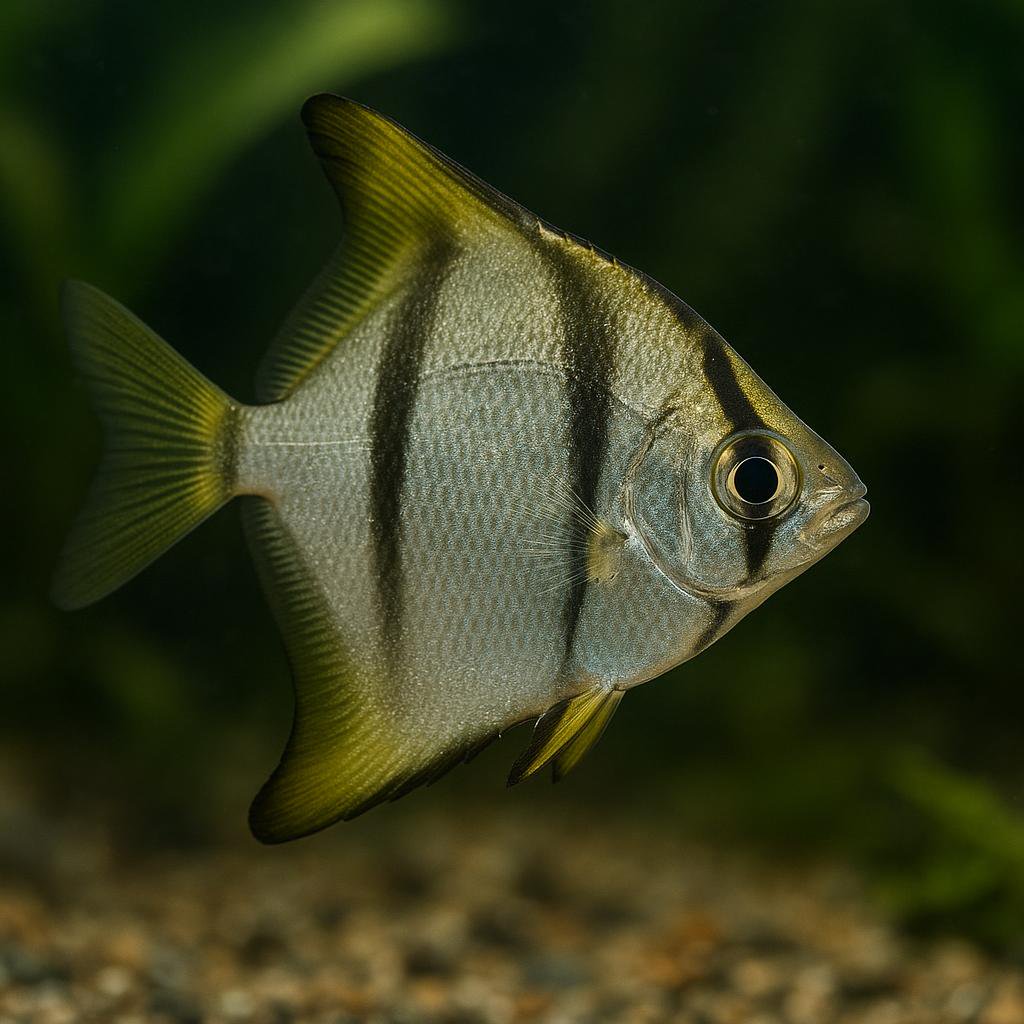
African moony
Monodactylus sebae
This is that shiny, diamond-shaped "mono" that cruises around in a tight pack and looks like a little silver dinner plate with black bars when it's young. The big thing with African moonies is they're euryhaline-so they'll tolerate freshwater as juveniles, but they really shine long-term in brackish (and can be transitioned toward marine as they mature). Give them a big, open tank and a group, and they turn into nonstop, super fun midwater swimmers.
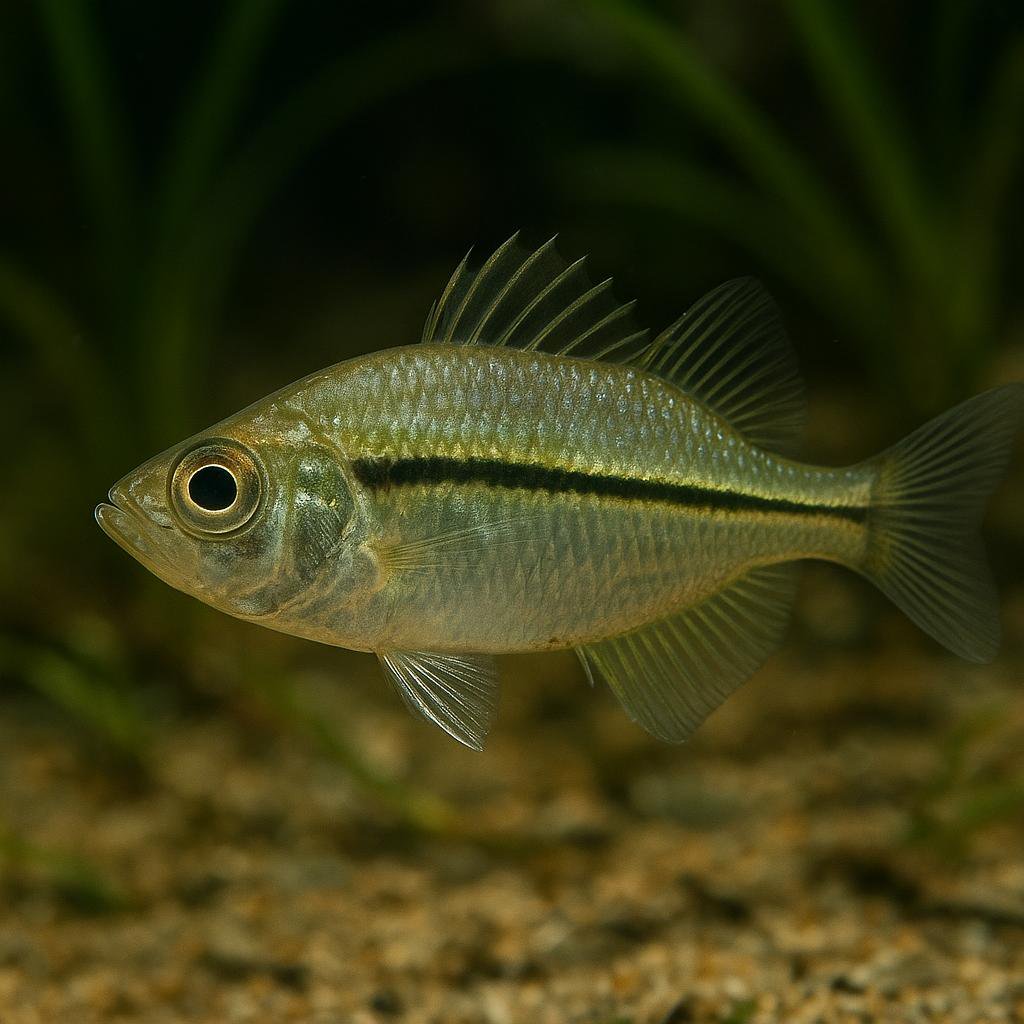
Banded-tail glassy perchlet
Ambassis urotaenia
This is one of those see-through glassy perchlets where you can literally watch the organs shimmer when it turns-super cool in the right lighting. In the wild it hangs around river mouths and mangroves and cruises in groups, so it does best when you keep a little gang of them and give them some open swimming room.
-1771643191.jpg)
Elongate mudskipper (pointed-tailed goby)
Pseudapocryptes elongatus (syn. Pseudapocryptes lanceolatus)
This is that super-cool "mudskipper-ish" goby that mostly stays in the water, but will park itself in the shallows and periscope its eyes above the surface like it's keeping watch. It's an obligate air-breather from tidal rivers/estuaries, so it really appreciates shallow, brackish setups with soft mud/sand and gentle flow-more of a mangrove vibe than a typical community tank.
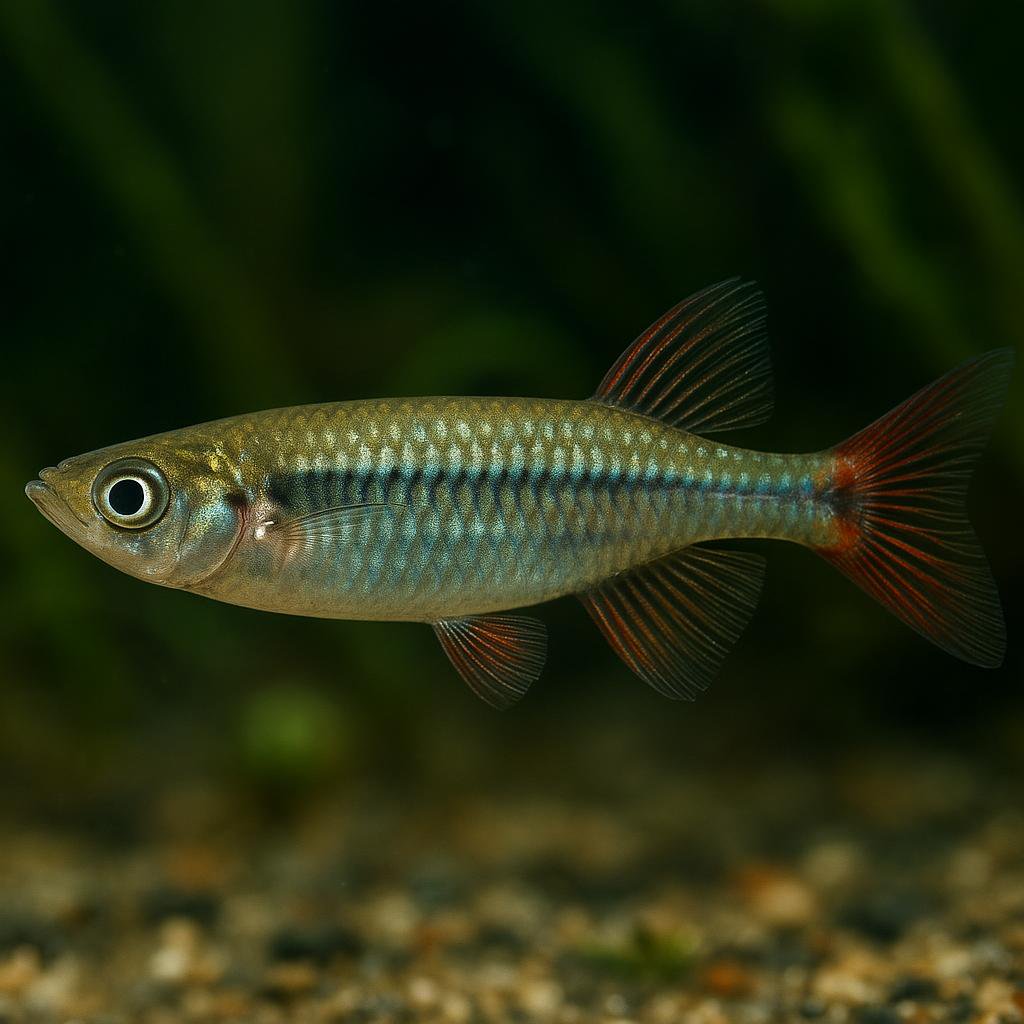
Feathered river-garfish
Zenarchopterus dispar
Zenarchopterus dispar is a surface-hanging halfbeak from mangroves and sheltered bays, with that classic long lower jaw for snapping up insects and other floaty foods. Males get those funky elongated fin rays (the "feathered" look), and they are livebearers, so once they settle in you can occasionally get surprise babies. Biggest thing with this fish is giving it calm water up top, room to cruise, and a tight lid because halfbeaks can rocket-jump.
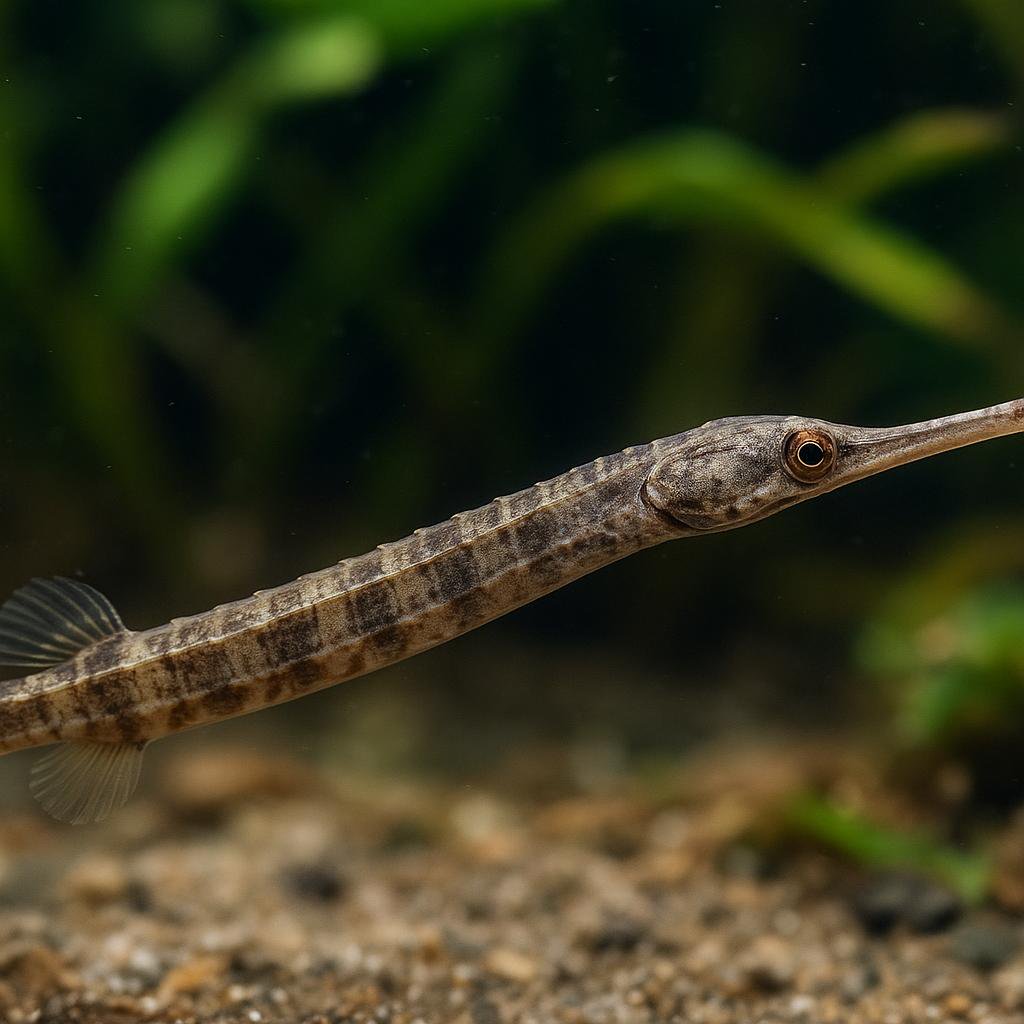
Hairy pipefish
Urocampus carinirostris
This is a tiny, stick-thin pipefish that lives in seagrass and algae beds and uses its prehensile tail to hang on like a little underwater chameleon. The coolest part is the "hairy" fringing (little filaments) all over the body that breaks up its outline, and like other syngnathids the male carries the eggs in a brood pouch under the tail.
-1771297475.jpg)
Orange chromide
Pseudetroplus maculatus (syn. Etroplus maculatus)
This is that cute little Indian/Sri Lankan cichlid with the big black "shoulder" spot and a warm gold/orange glow when it's happy. It'll do the classic cichlid thing where it gets a bit pushy when breeding, but most of the time it's pretty chill-especially if you keep a small group. Super cool bonus: the parents actively tend the eggs and fry, and the babies even graze on the parents' skin mucus for a bit.
More to Explore
Discover more brackish species.
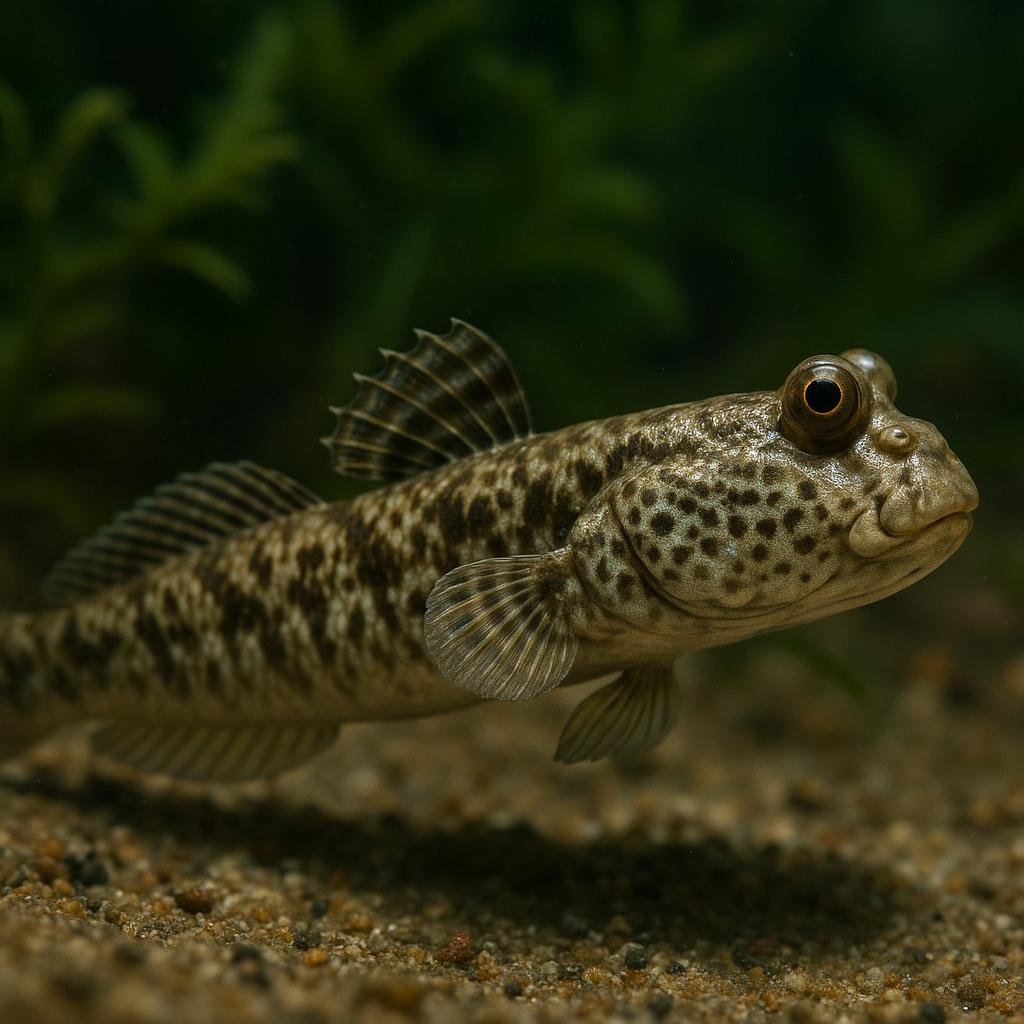
Atlantic Mudskipper
Periophthalmus barbarus
This is that wild little amphibious goby that straight-up climbs around on land like it forgot it was a fish. They've got big googly eyes, tons of personality, and they'll perch, hop, and patrol their territory-honestly more like a tiny crabby lizard than a "regular" aquarium fish.
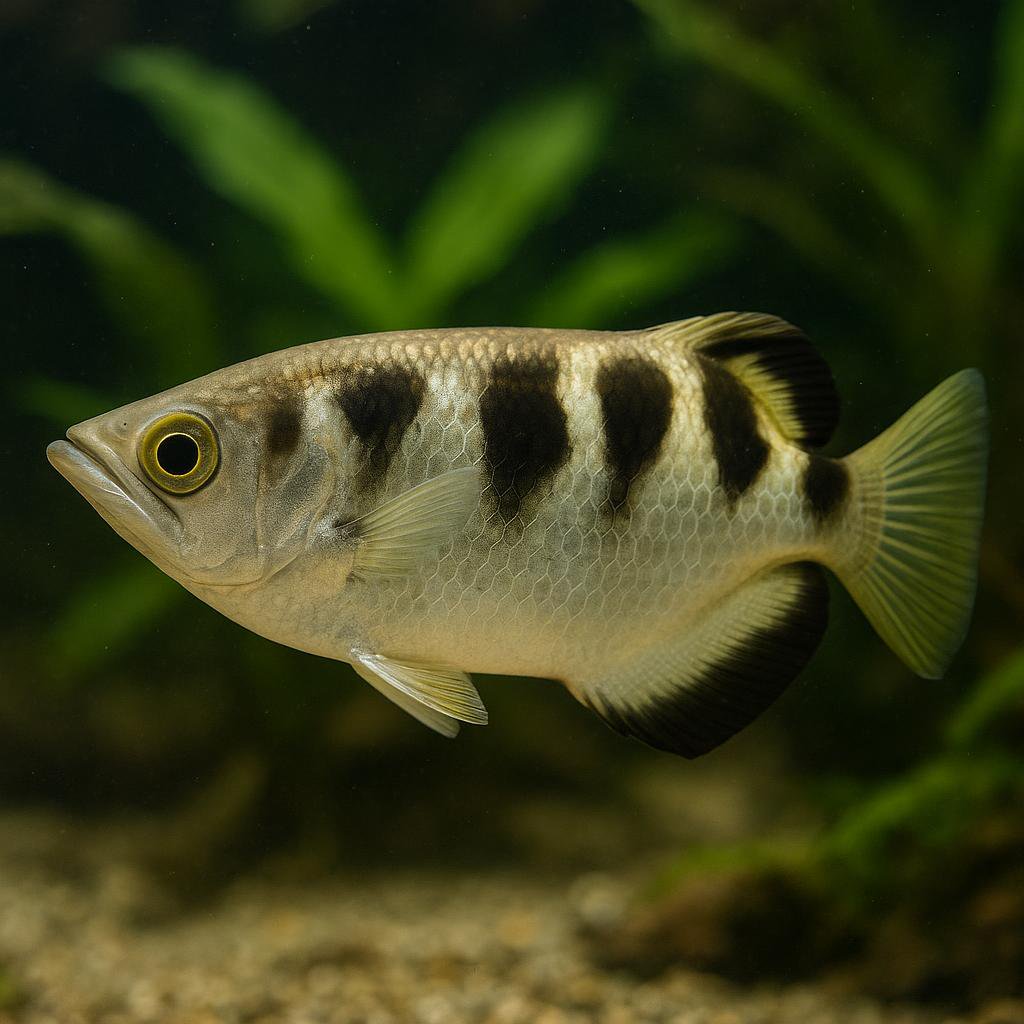
Banded Archerfish
Toxotes jaculatrix
This is the fish that literally spits jets of water to knock insects off branches-watching one "take aim" is unreal. They're super aware of what's going on outside the tank and will even learn to beg and snipe food from the surface once they settle in. Give them height and some open swimming room and they act like little aquatic sharpshooters.
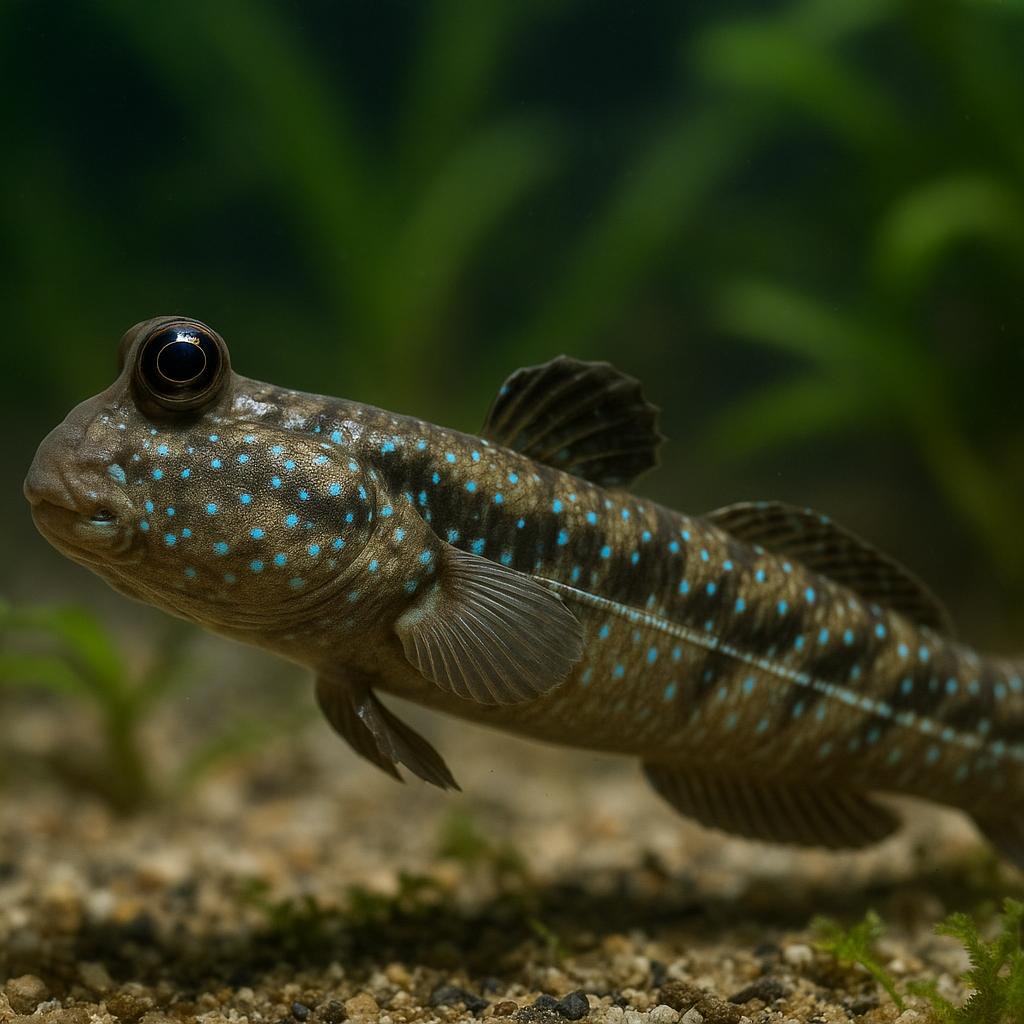
Barred mudskipper
Periophthalmus argentilineatus
This is one of those classic "walks around like it owns the place" mudskippers-big goofy eyes, climbs, hops, and spends a ton of time out on the mud when it's humid. In the wild it lives on intertidal mangrove/nipa mudflats and even shuttles between little pools and open air, hunting worms, insects, and small crustaceans. It's super fun to watch, but it really wants a brackish paludarium setup (not a normal aquarium).
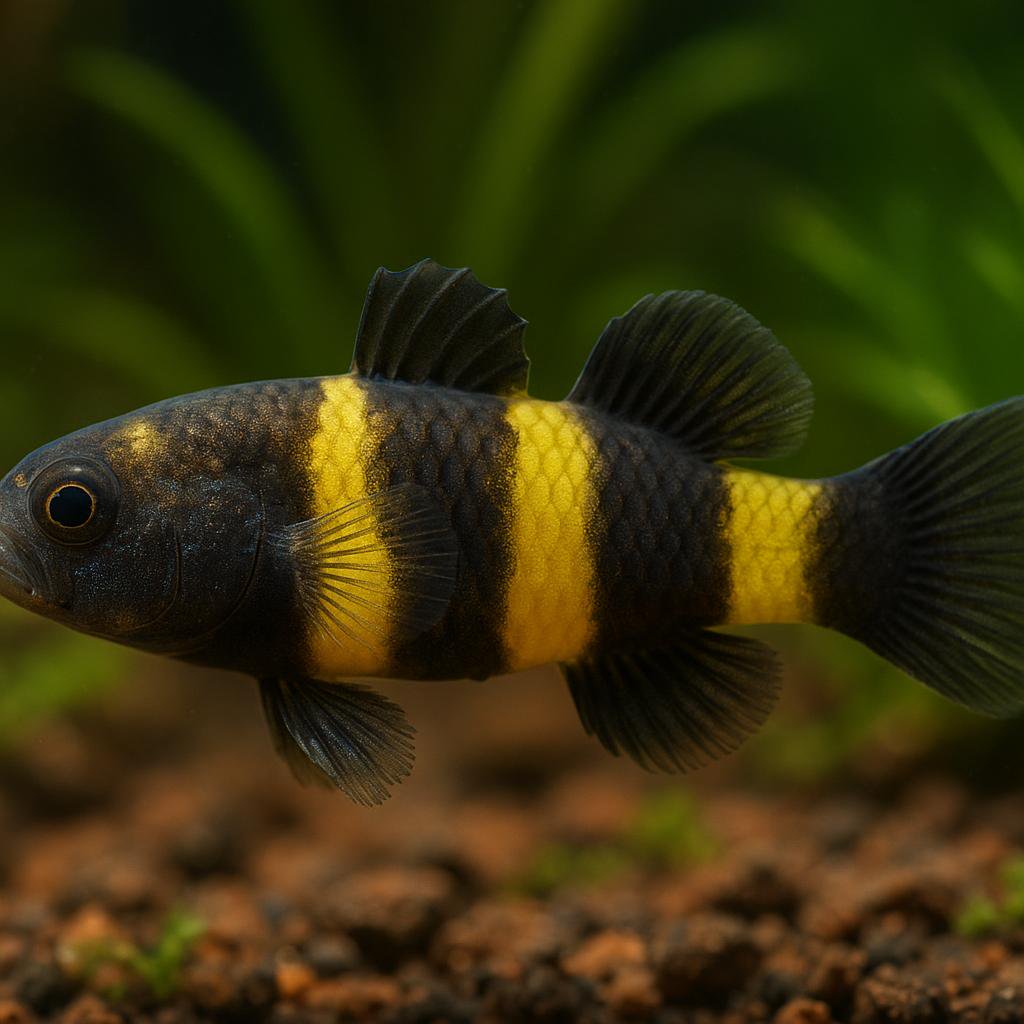
Bumblebee goby
Brachygobius doriae
Brachygobius doriae is one of the classic "bumblebee gobies" - tiny, bottom-hugging little characters that perch on rocks and sand and stare at you like they own the place. They're at their best in a calm setup with lots of caves and leaf litter, and they really shine once you get them eating frozen/live foods reliably (they're slow, picky eaters). Also: they're one of the species that gets mislabeled a lot in shops, so it's super common to see them sold under the wrong bumblebee-goby name.
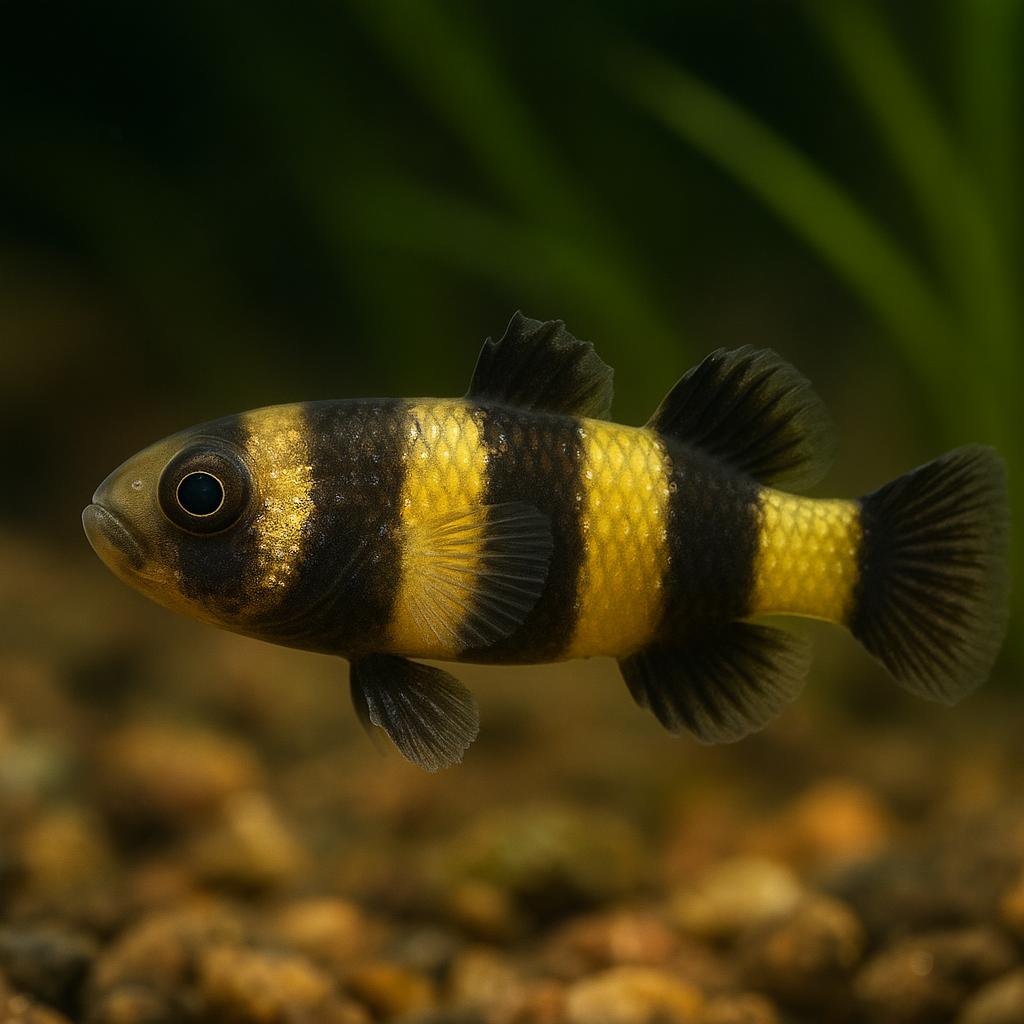
Bumblebee goby (Bumblebee fish)
Brachygobius xanthozonus
This is that tiny little goby with the bold black-and-yellow bands that likes to perch on the bottom and stare back at you like it owns the place. It's happiest in lightly brackish water with lots of little caves and sight-breaks, and it's one of those fish that often refuses flakes-frozen/live meaty foods usually flip the "yes, I will eat" switch.
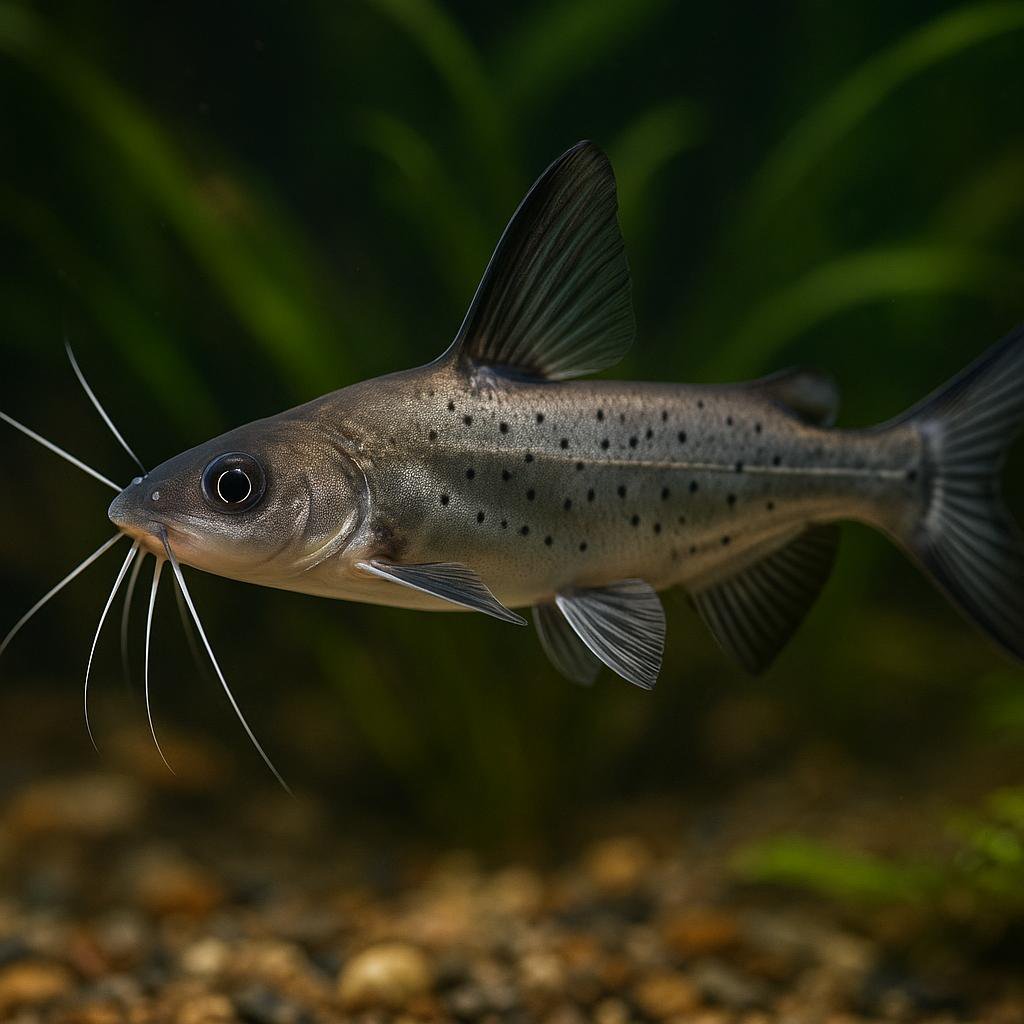
Colombian shark catfish
Ariopsis seemanni
This is that slick silver "shark-looking" catfish with the black fins and white tips that cruises around like it owns the place. The big gotcha is it's not a true freshwater community fish long-term-juveniles show up in shops as "freshwater," but as it grows it really wants brackish and eventually full marine conditions, plus a lot of swimming room.
Looking for other species?