

Search Species
Search for fish species by common or scientific name, or use filters to browse by water type, size, temperament, and difficulty.
Found 79 species
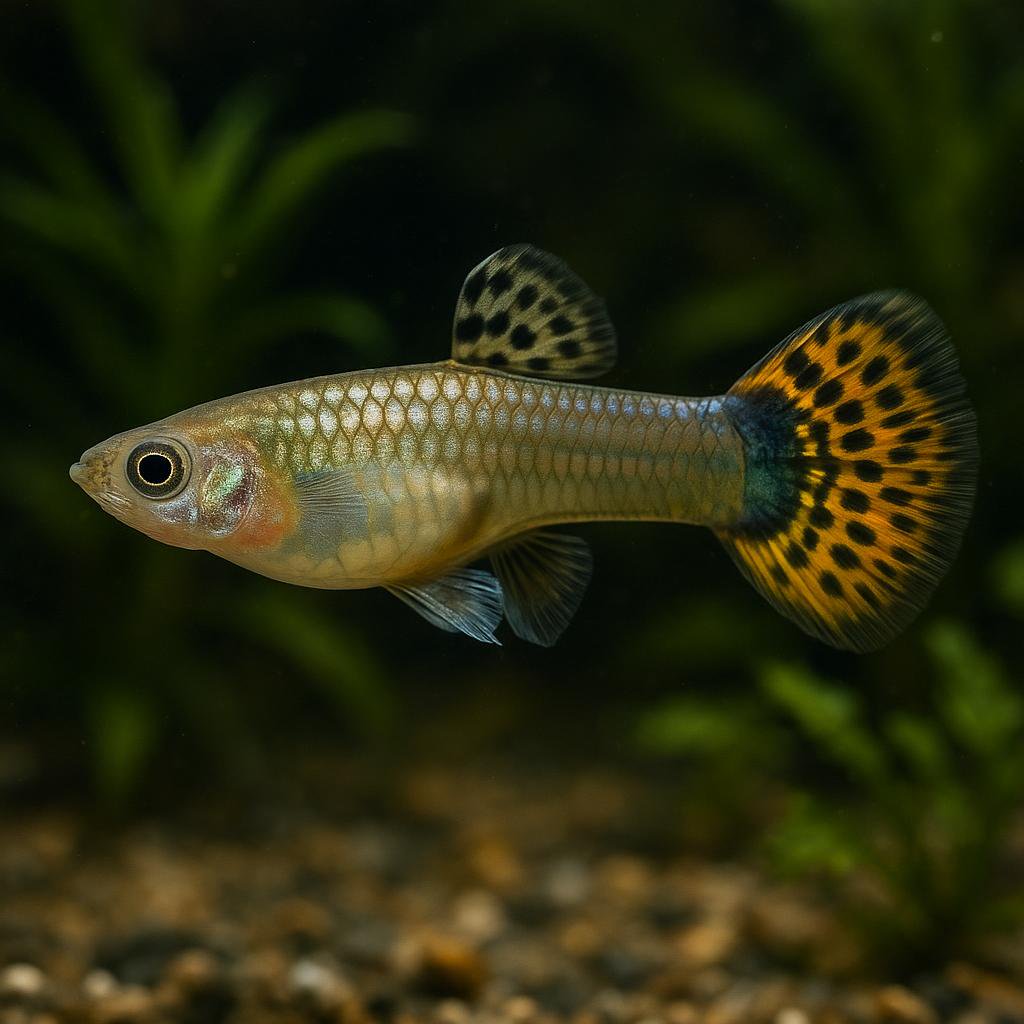
Guppy
Poecilia reticulata
The Guppy is one of the most popular freshwater fish among aquarium enthusiasts due to its colorful appearance and lively nature. These fish have a wide range of vibrant colors and tail shapes, making them a visual delight in any aquarium. Guppies are known for their peaceful temperament and ease of care, making them ideal for both beginner and experienced fishkeepers.
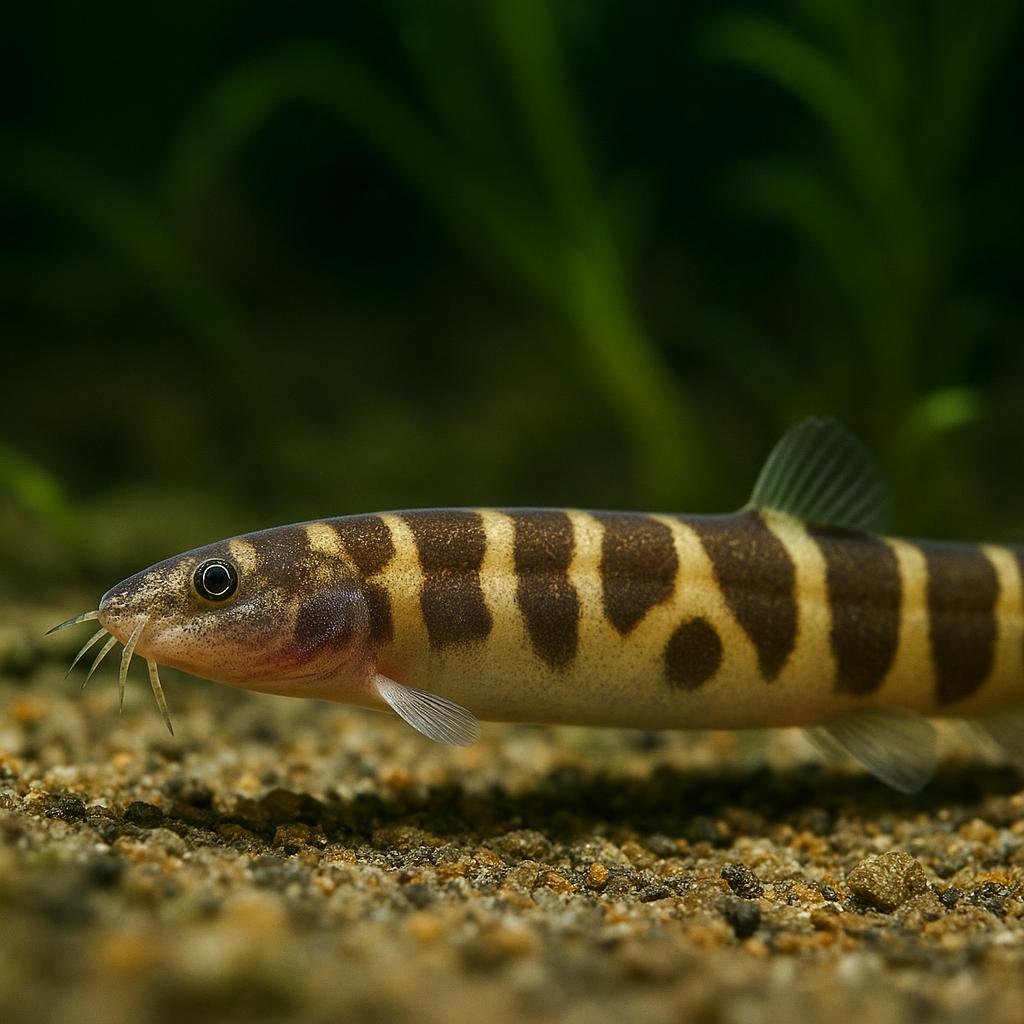
Half-banded kuhli loach
Pangio semicincta
Pangio semicincta is one of those classic "striped kuhli" loaches that spends the day wedged in plants and caves, then comes out at lights-down to wiggle around like a tiny eel. They're super social once you keep a proper group, and they're famous for piling into the same hidey-hole together. Also: they're one of the species that gets mixed up/mislabeled in the trade a lot, so buying from a shop that IDs them carefully is a win.
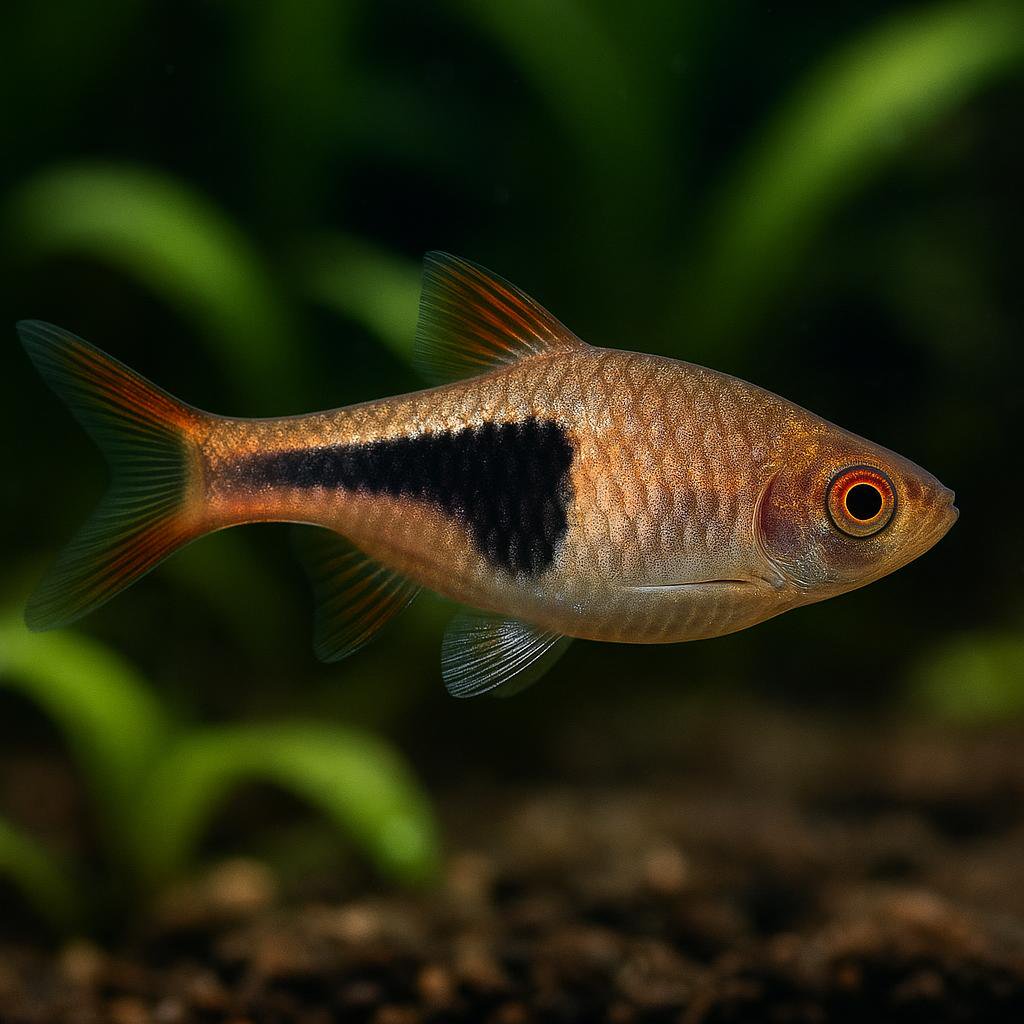
Harlequin Rasbora
Trigonostigma heteromorpha
Harlequin rasboras are those little coppery-orange fish with the bold black "wedge" on their sides that somehow look even better once they're cruising in a group. Give them a nice school and some plants to weave through and they'll do this tight, synchronized swimming thing that's honestly kind of hypnotic.
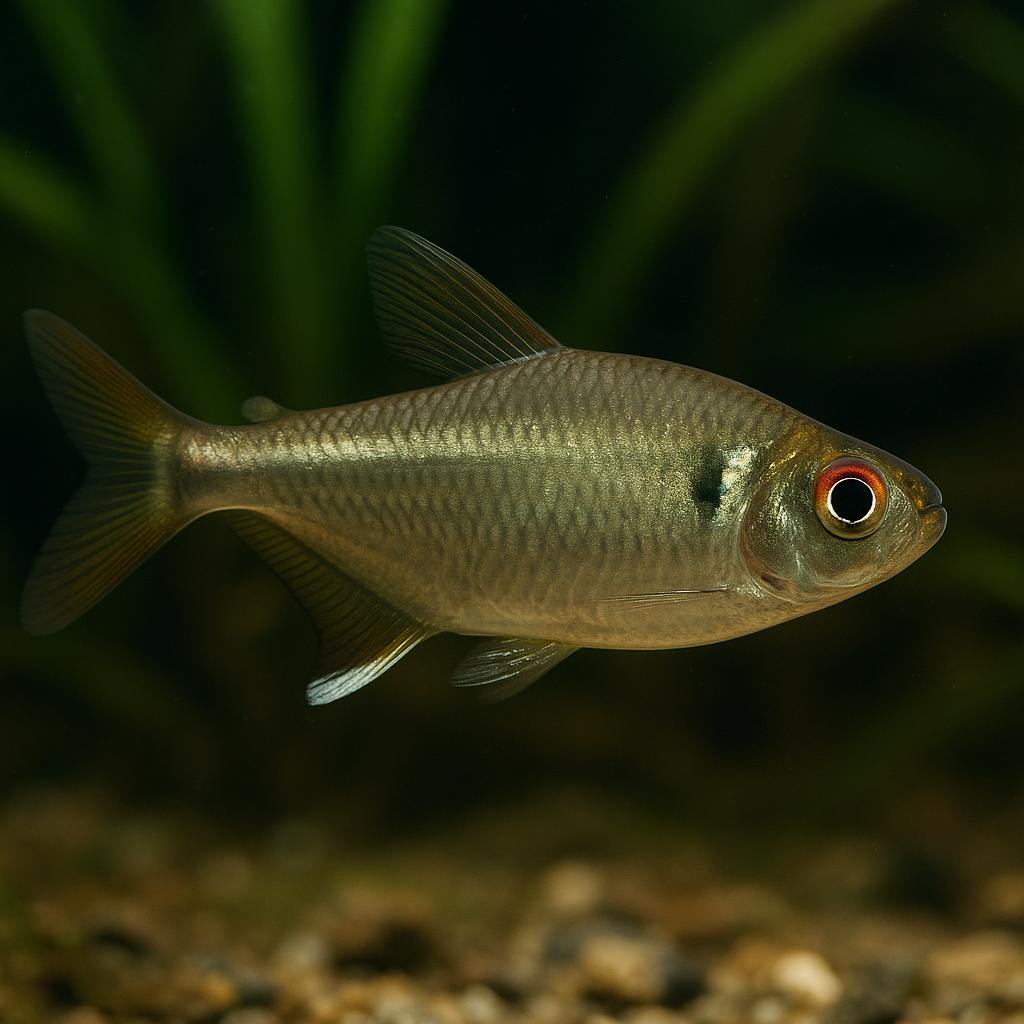
Head-and-Tail Light Tetra
Hemigrammus ocellifer
This little tetra does a neat trick in the light-there's a shiny "headlight" spot near the gills and a glowing "taillight" at the base of the tail, so the whole school kind of sparkles as they turn. They're super chill in a group, and they look way better the bigger the shoal is and the more plants you give them to cruise through.
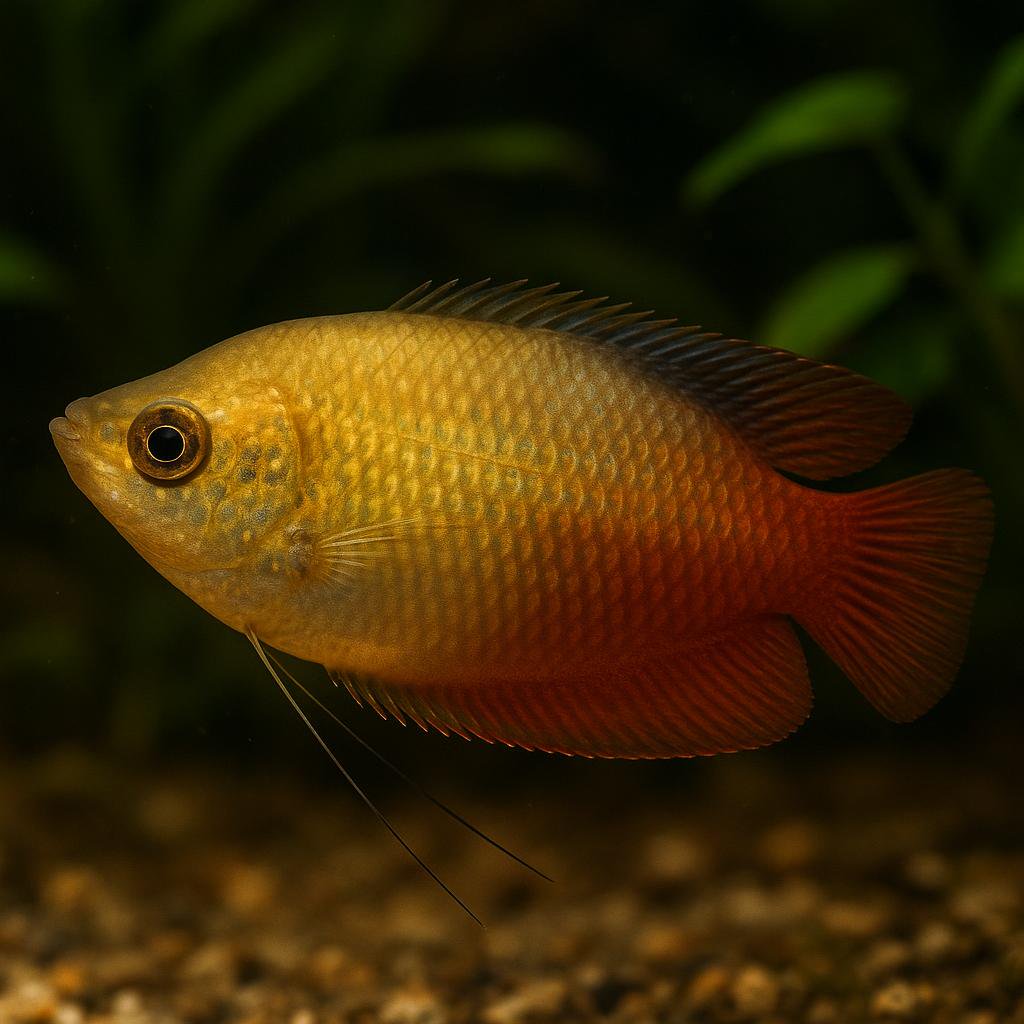
Honey gourami
Trichogaster chuna
Honey gouramis are those little chill labyrinth fish that spend a lot of time cruising the upper half of the tank and "feeling" around with their long thread-like belly fins. Give them plants (especially floaters) and calm tankmates and they really settle in-males can glow that warm honey/orange color and will build bubble nests at the surface.
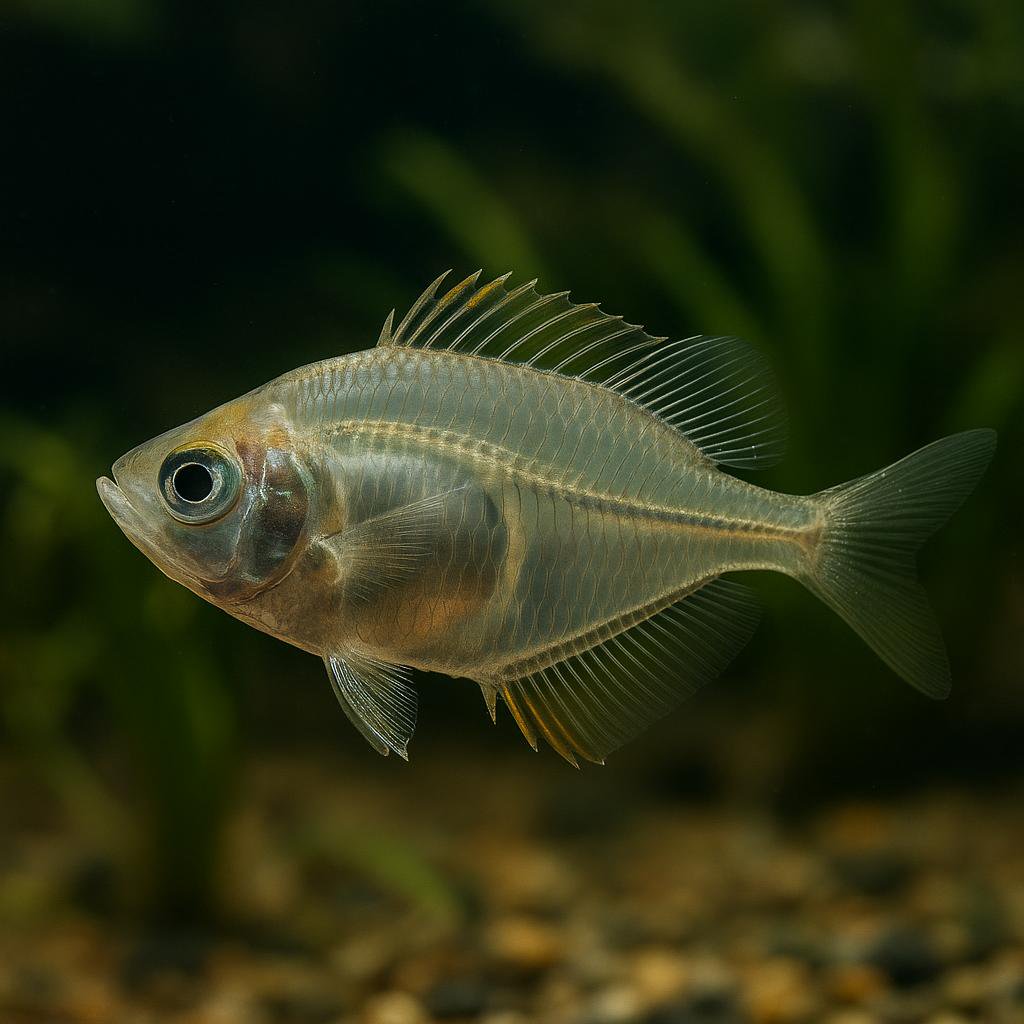
Indian glassy fish
Parambassis ranga
This is the classic see-through "glassfish" where you can literally see the bones and organs-super cool in a planted tank with calm tankmates. They're happiest when you keep a little crew of them (they get braver and way more active in a group). Also: skip any dyed/painted ones-those fish are usually in rough shape from the process.
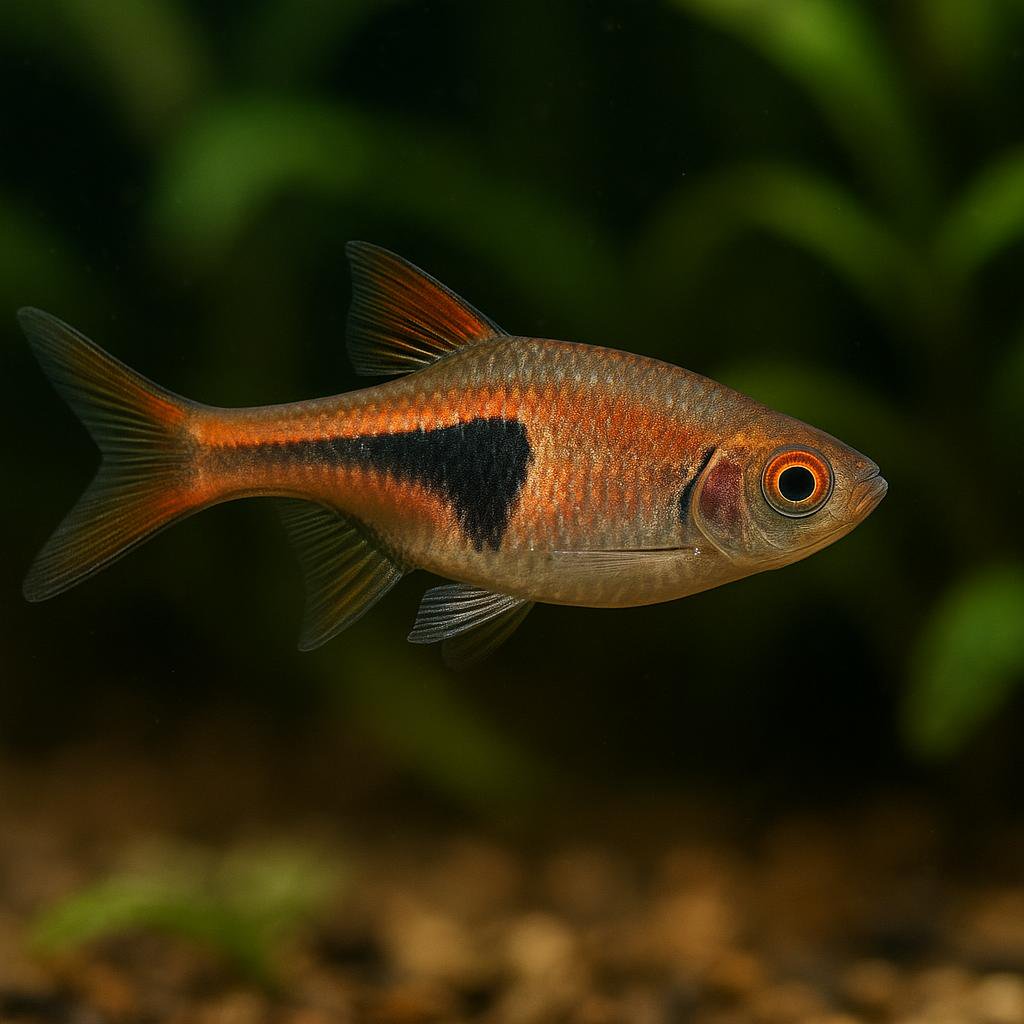
Lambchop rasbora
Trigonostigma espei
This is that tiny coppery-orange rasbora with the sharp "lambchop" black wedge on its side-super slick-looking in a planted tank. Keep a proper little gang of them and they'll cruise the midwater together, flashing color way more than when they're kept in a sad little trio. They're gentle, easy to feed, and honestly one of my favorite small-school fish for calmer community setups.
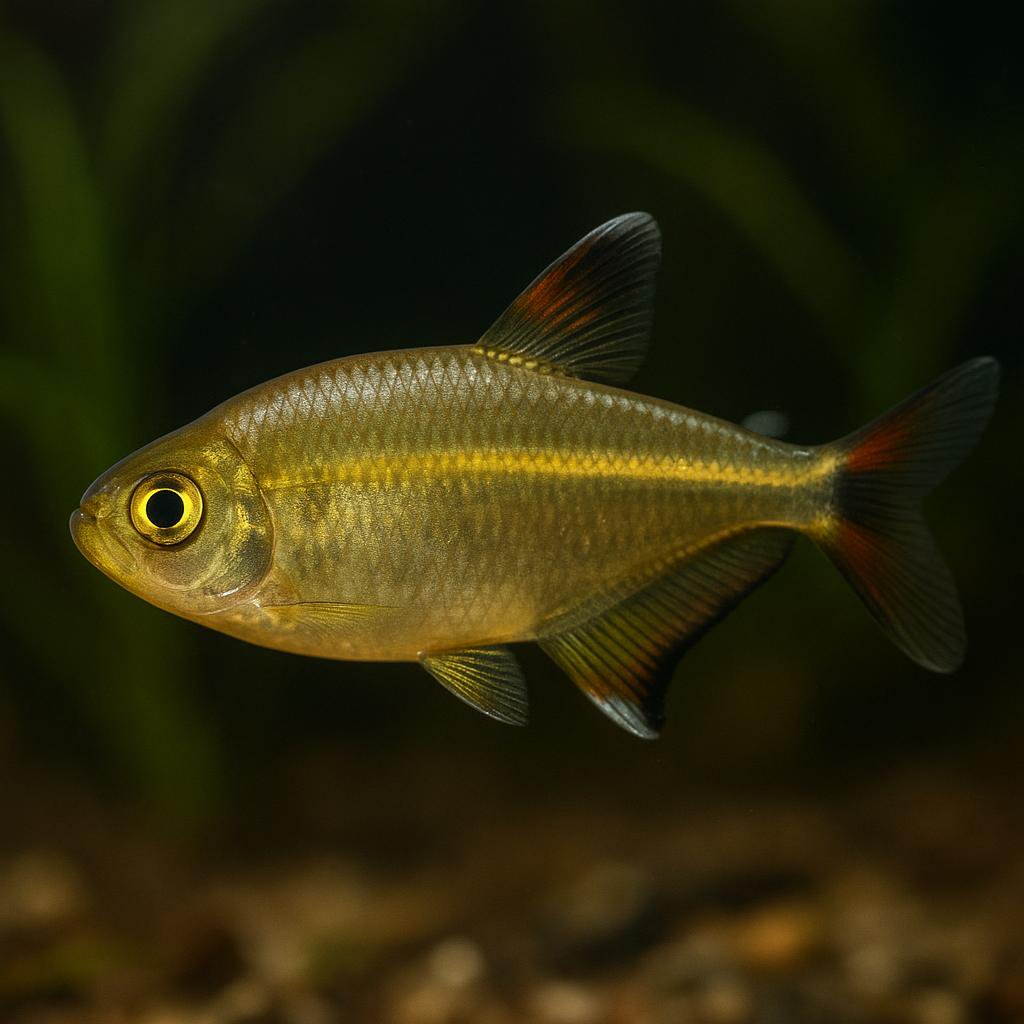
Lemon Tetra
Hyphessobrycon pulchripinnis
Lemon tetras are one of those fish that look kind of subtle at first, then you catch the light and the whole body glows yellow with those punchy black-and-yellow fins. Get them in a proper little group and they're constantly cruising together, super active but not obnoxious. I also love how their red eyes pop when they're settled in and feeling good.
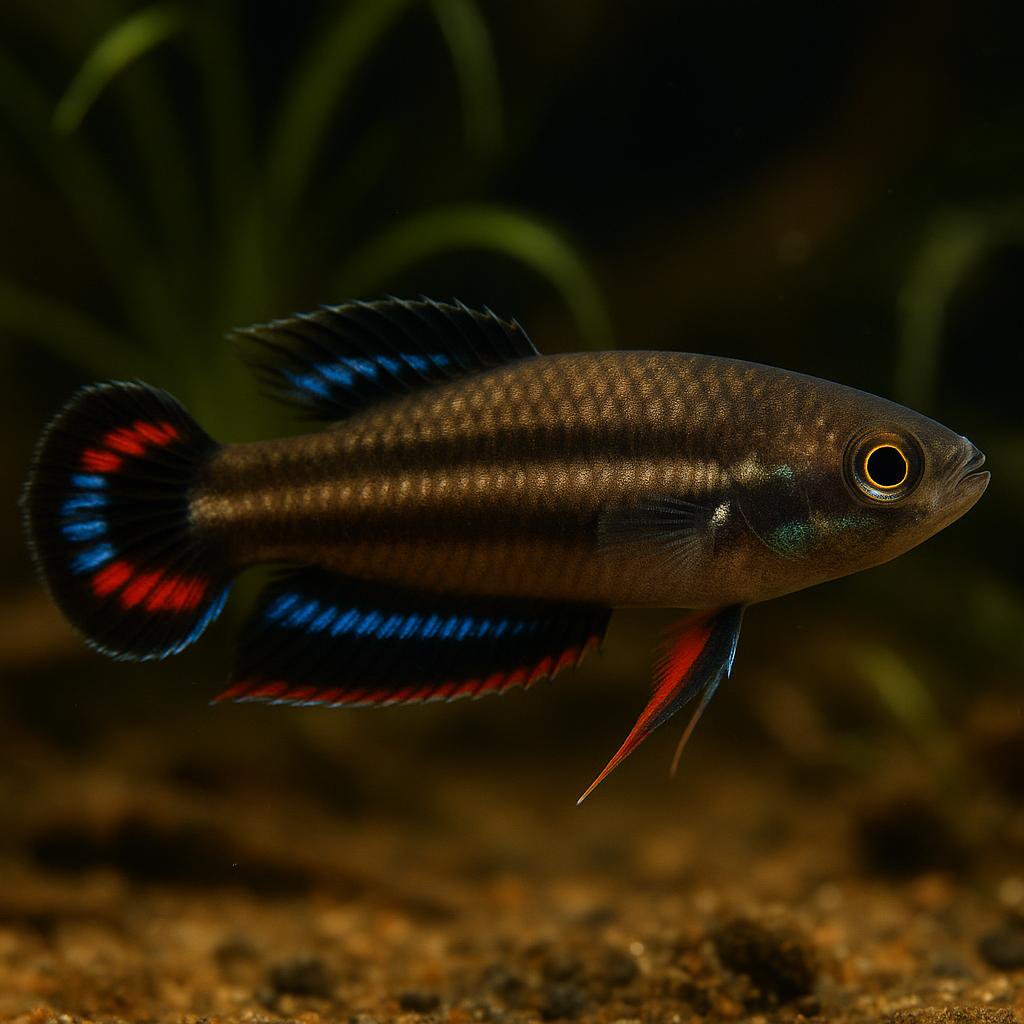
Linke’s Licorice Gourami
Parosphromenus linkei
This is one of those tiny, dark little gouramis that looks kind of understated in a store tank... until it settles in and the male starts flashing those deep reds and blues with the fancy fin edging. They're shy and a bit secretive, but when you keep them the way they like (soft, acidic, calm), they turn into these surprisingly bold little show-offs around spawning time.
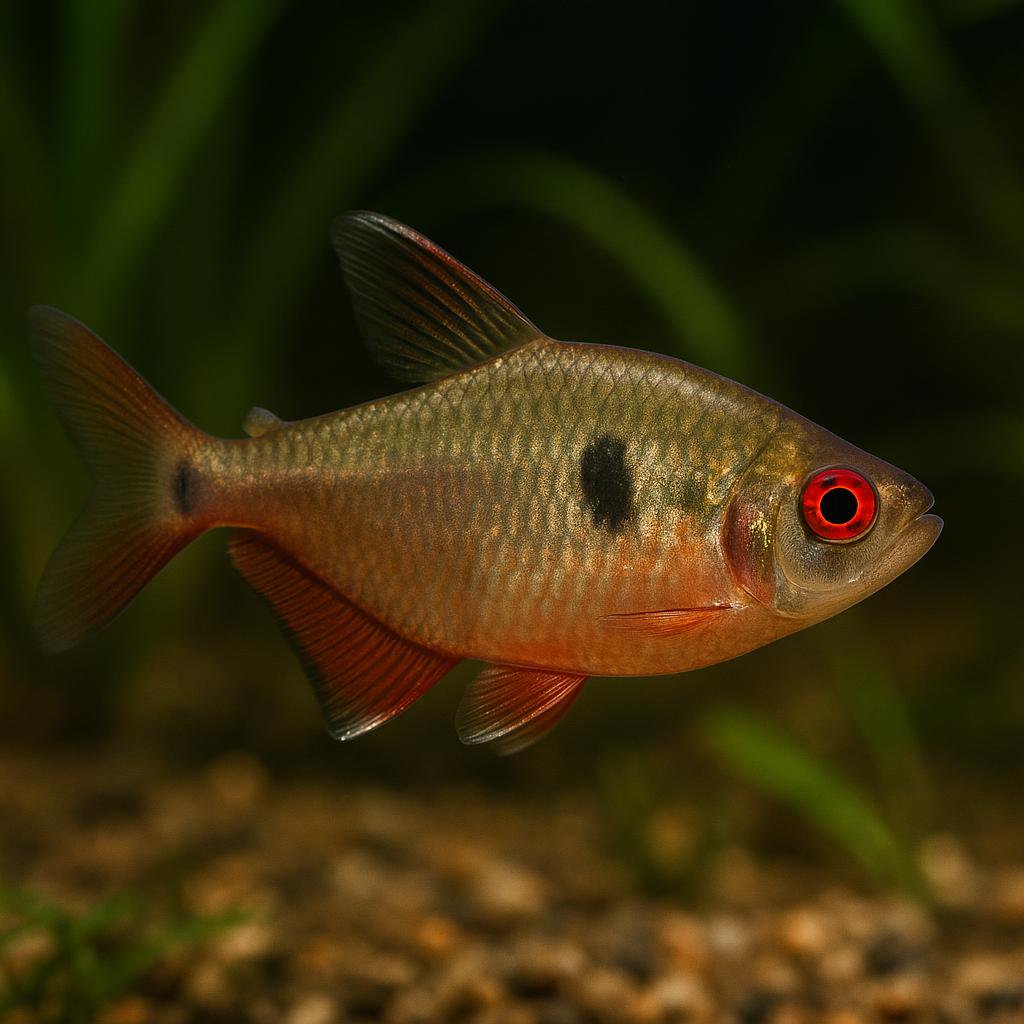
Lowe's tetra
Hyphessobrycon loweae
This is a tiny Upper Xingu tetra that can glow gold in the right light, with males showing that cool elongated dorsal fin. It does best when you keep a real group and give it a calm, planted setup so it feels bold enough to come out and color up.
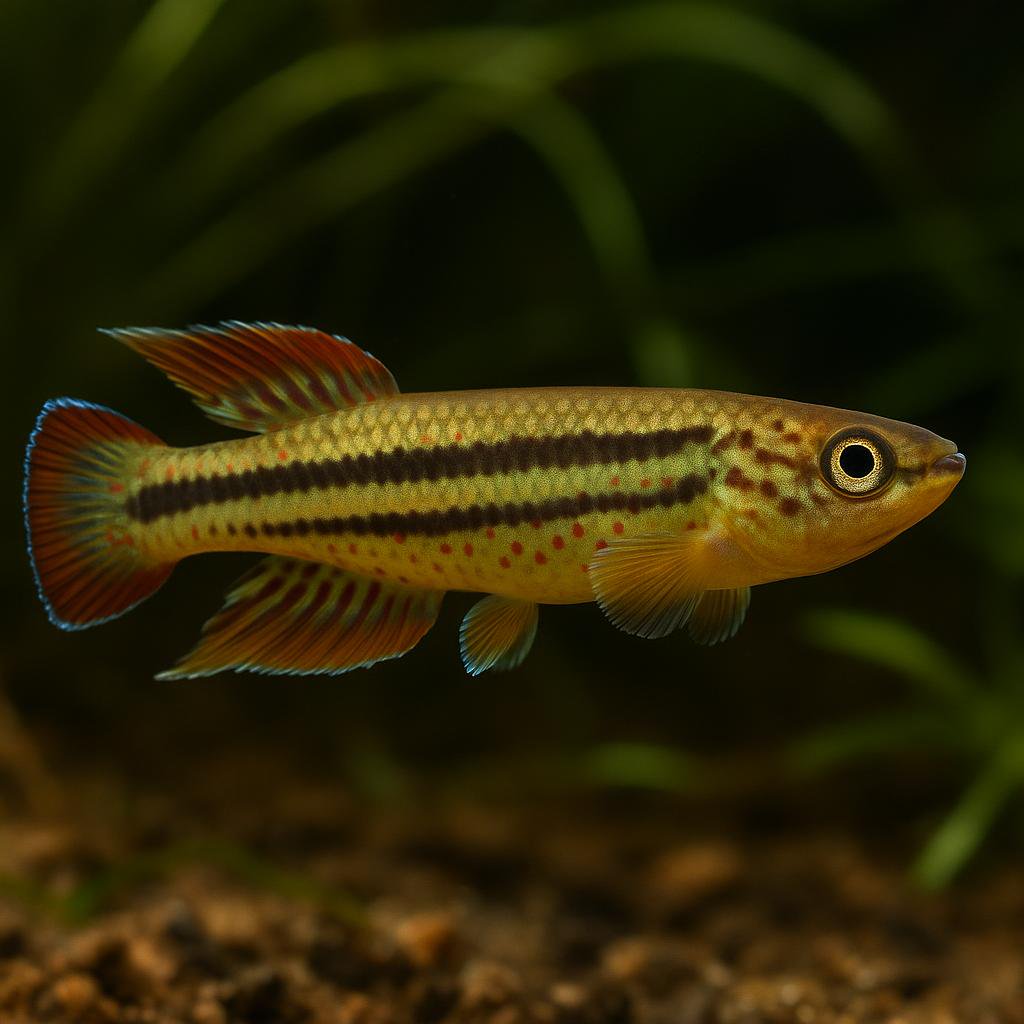
Meinken's lyretail
Fundulopanchax oeseri
Fundulopanchax oeseri is a small West African lyretail killifish endemic to Bioko (Equatorial Guinea). Aphyosemion trilineatum (often misspelled “trilineatus”) is a junior synonym of this species; other historical names include Aphyosemion meinkeni and Aphyosemion santaisabellae. Males show blue‑green flanks with fine red lines, and this expert jumper prefers cool, very soft, acidic water.
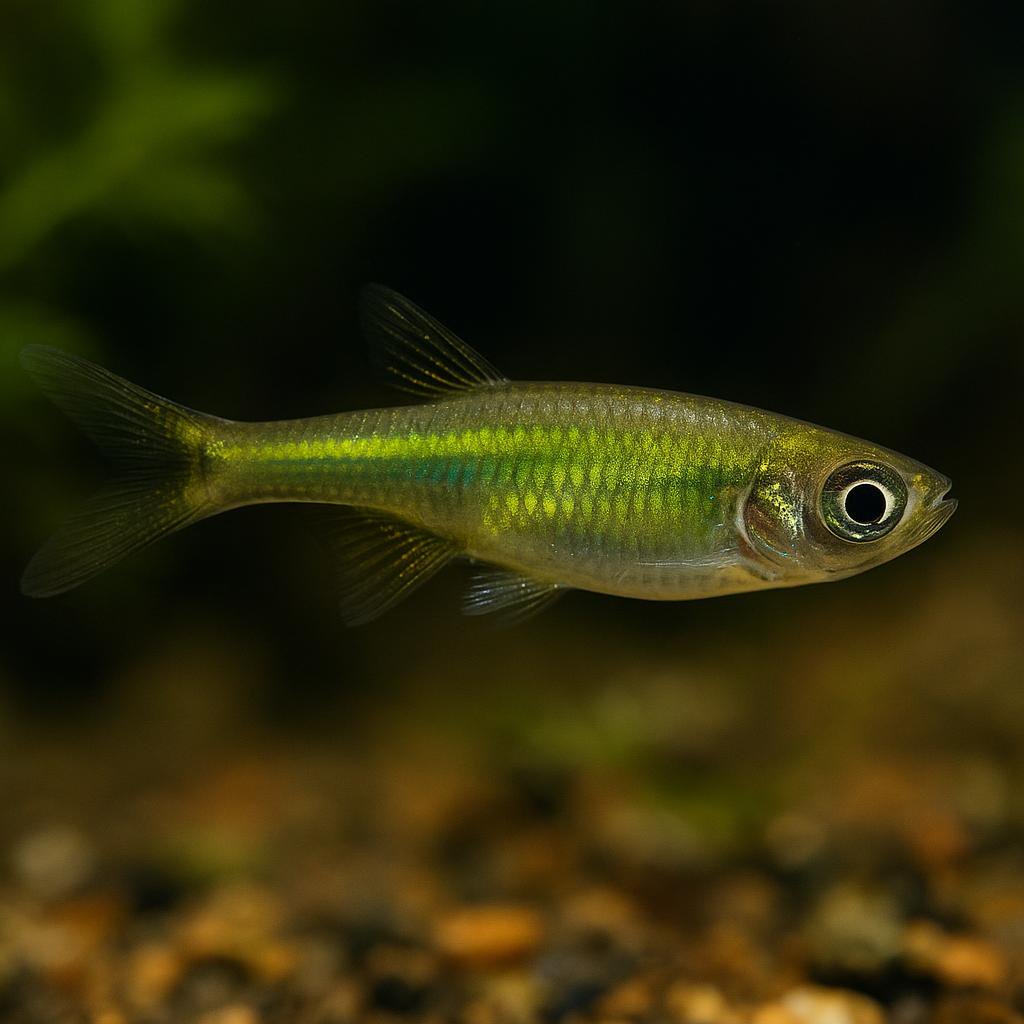
Neon Green Rasbora
Microdevario kubotai
This is that tiny, glassy-yellow fish that turns into a little green highlighter once it settles into an aquarium-especially over a dark substrate and under decent lighting. They're super active mid-water shoalers, and the whole group "flashing" that neon stripe together is the main event. Keep them in a proper group and they get way bolder and look a lot more intense.