

Search Species
Search for fish species by common or scientific name, or use filters to browse by water type, size, temperament, and difficulty.
Found 119 species
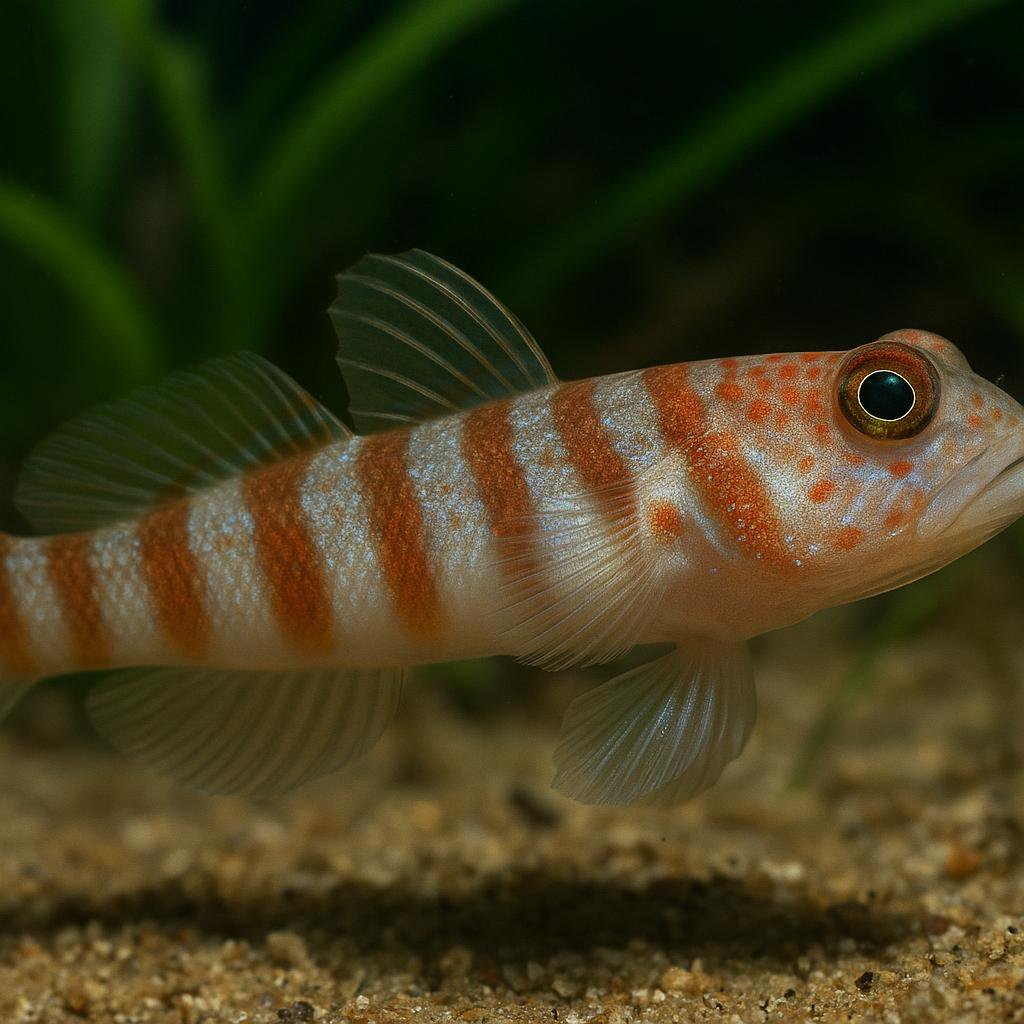
Randall’s shrimp goby
Amblyeleotris randalli
Randall's shrimp goby is that little candy-cane striped goby you'll see parked at the entrance of a burrow, doing sentry duty like it's getting paid for it. The really fun part is the partnership with a pistol shrimp-goby keeps watch, shrimp does the digging, and they basically run a tiny construction site in your sand bed. Give it a cozy sand area and a few rubble bits and it'll settle in and start acting like it owns the place (in the cutest way).
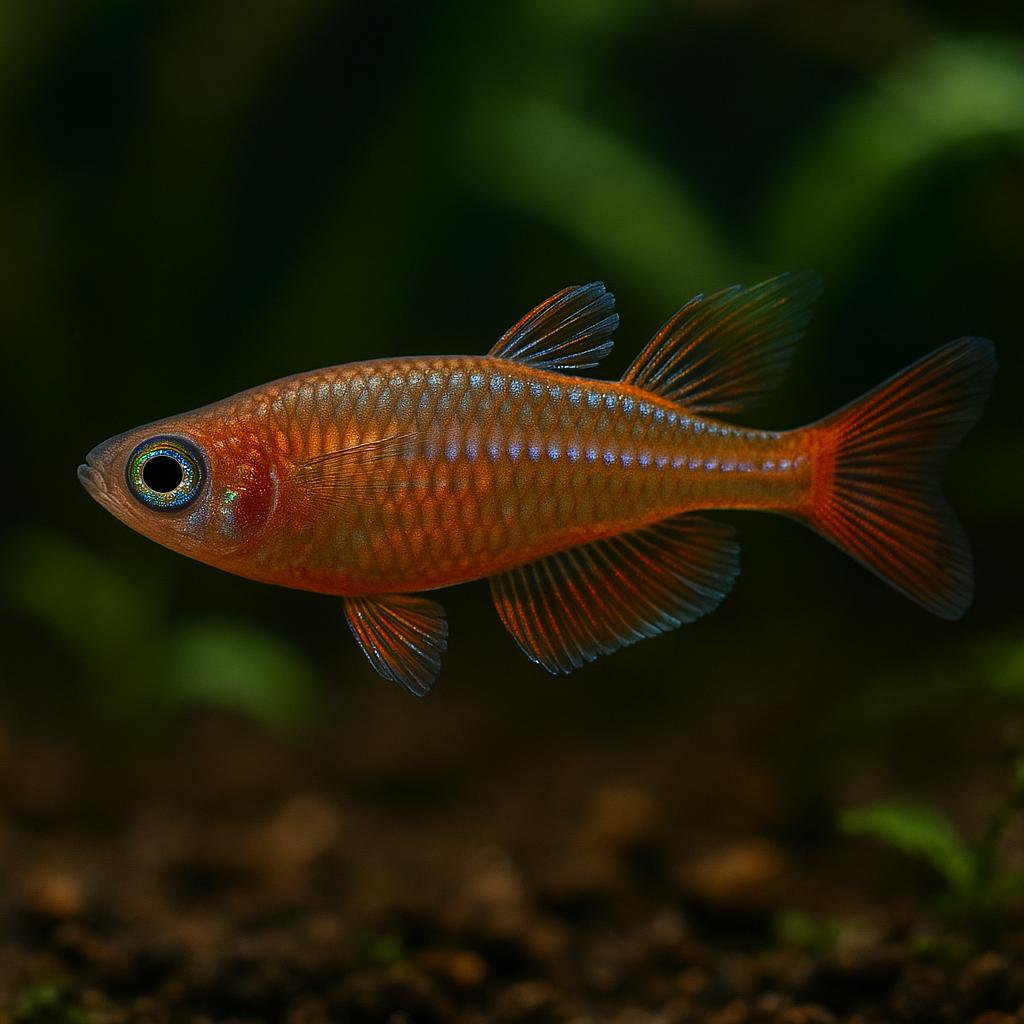
Red Neon Blue-eye
Pseudomugil luminatus
This little blue-eye is basically a tiny fireworks show-males flash electric blue eyes and red/orange fins and spend half the day showing off to each other. Keep them in a nice-sized group and you'll see constant "dancing" and fin-flaring in the open water, especially over dark substrate and plants.
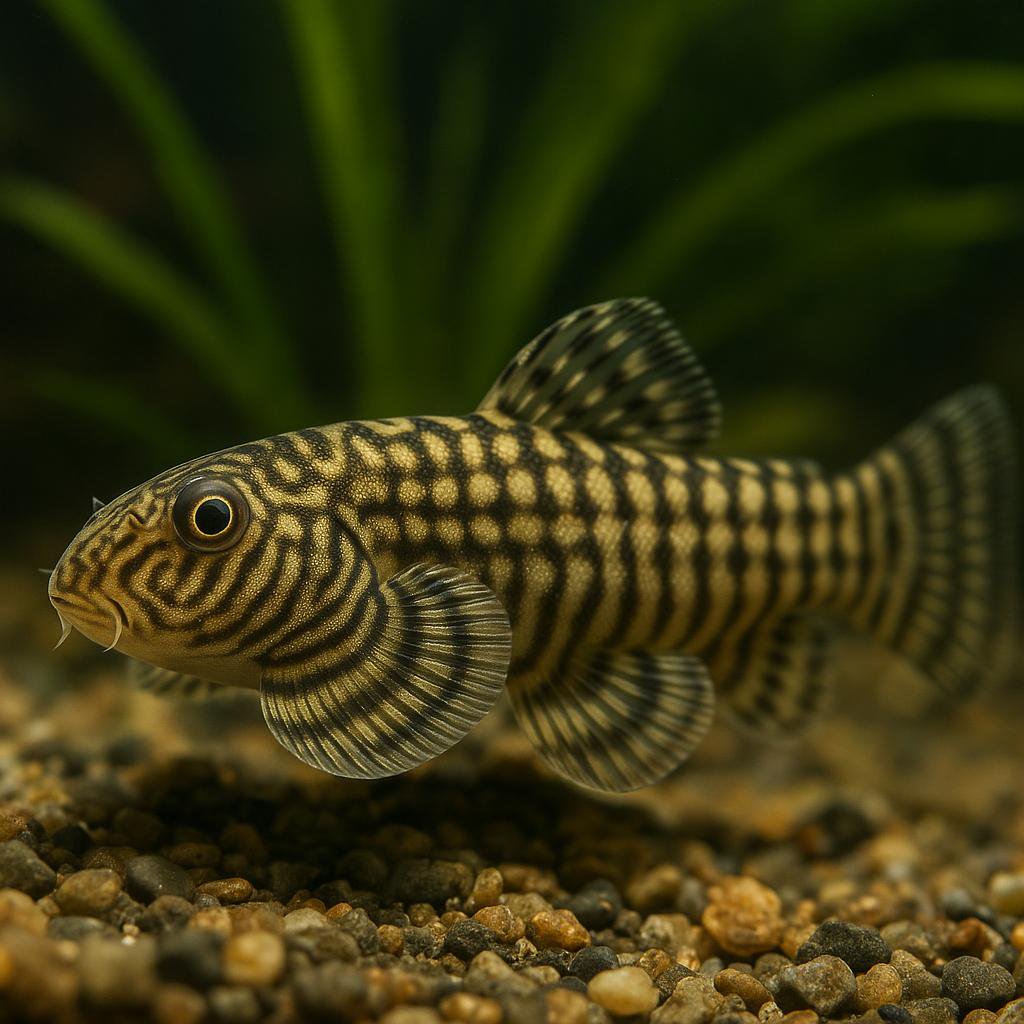
Reticulated hillstream loach
Sewellia lineolata
This is the little "stingray-shaped" loach that parks itself on rocks and glass like it's magnetized, then cruises around in the current like a tiny river skate. Give it cool, super-oxygenated, fast-moving water and lots of smooth stones with biofilm, and it'll spend all day grazing and doing hilarious little dominance shuffles with its own kind.
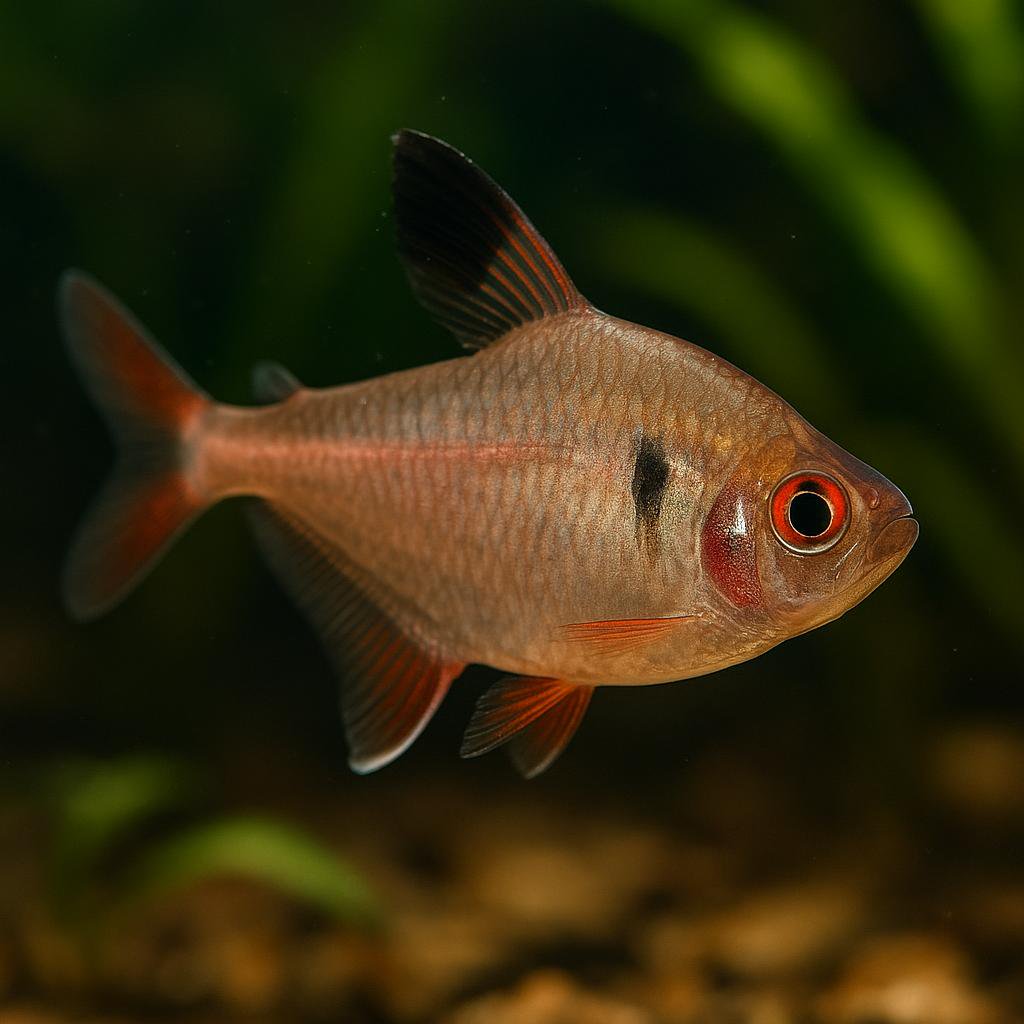
Rosy Tetra
Hyphessobrycon bentosi
Rosy tetras are those little coppery-pink characins that look kinda "glowy" when the light hits them right, and the males can get nice extended fins when they're settled in. Keep a small group and you'll see them do their little pecking-order sparring and flashing-nothing scary, just classic tetra drama that looks awesome in a planted tank.
-1772108746.jpg)
Rummy-nose tetra
Petitella rhodostoma (syn. Hemigrammus rhodostomus)
This is the classic rummy-nose tetra - silver body, a solid red "face," and that crisp black-and-white tail that flashes when the whole group turns at once. The red nose is a legit mood ring for water quality and stress, so when they are happy and stable, they look incredible in a tight school.
-1771034027.jpg)
Rummy-nose tetra
Petitella rhodostoma (Ahl, 1924) (formerly Hemigrammus rhodostomus)
This is the classic rummy-nose tetra-the one with the bright red "nose" and the crisp black-and-white tail that flashes when the whole group turns together. They're tight-schoolers, so a bigger group in a longer tank is where you really get that synchronized, hypnotic swimming. The red face also doubles as a little "health meter" since it tends to fade when they're stressed or water quality slips.
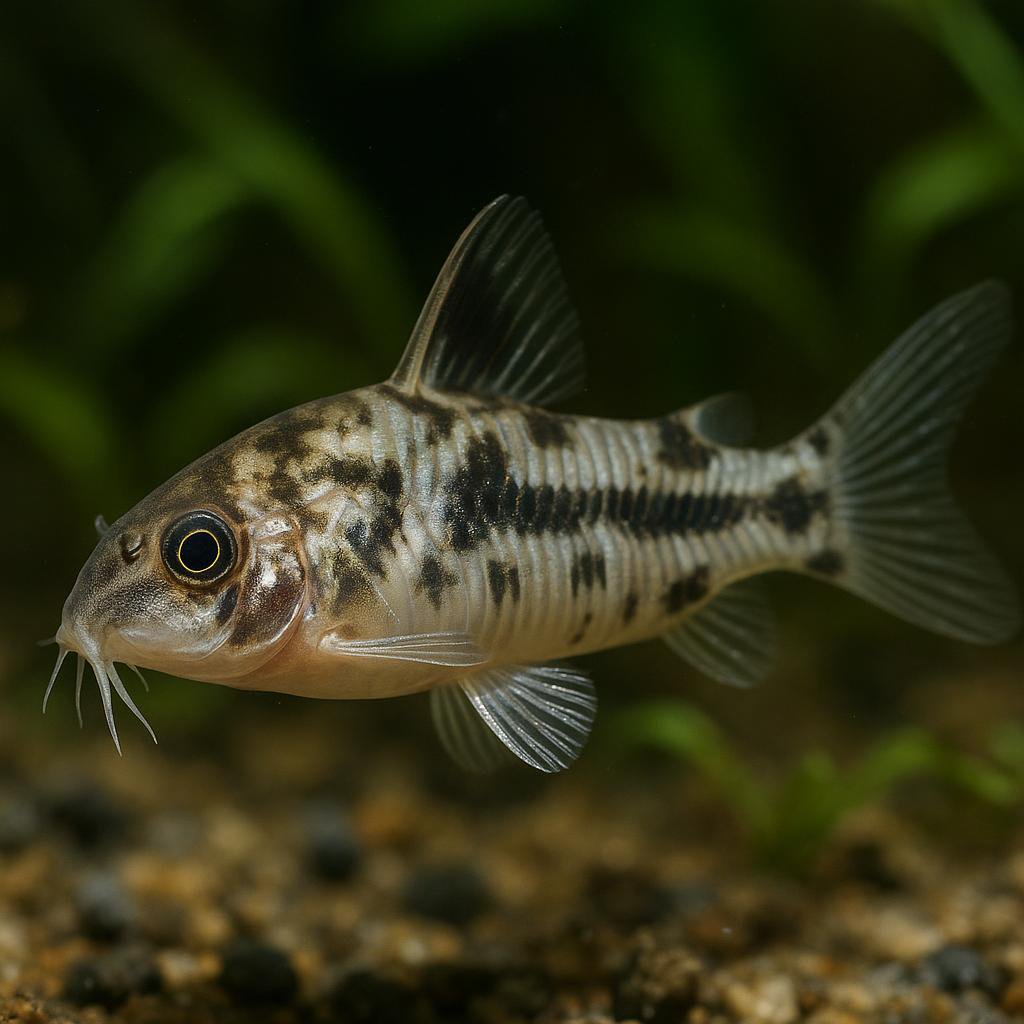
Salt and pepper cory (Habrosus cory)
Corydoras habrosus
This is the tiny "salt and pepper" cory that scoots around the bottom like a little wind-up toy, constantly sifting and picking through the sand. Keep them in a real group and they get way bolder-lots of quick little dashes, little pauses, and then back to foraging. They're also one of those fish that really rewards a soft sandy bottom and calm tankmates.
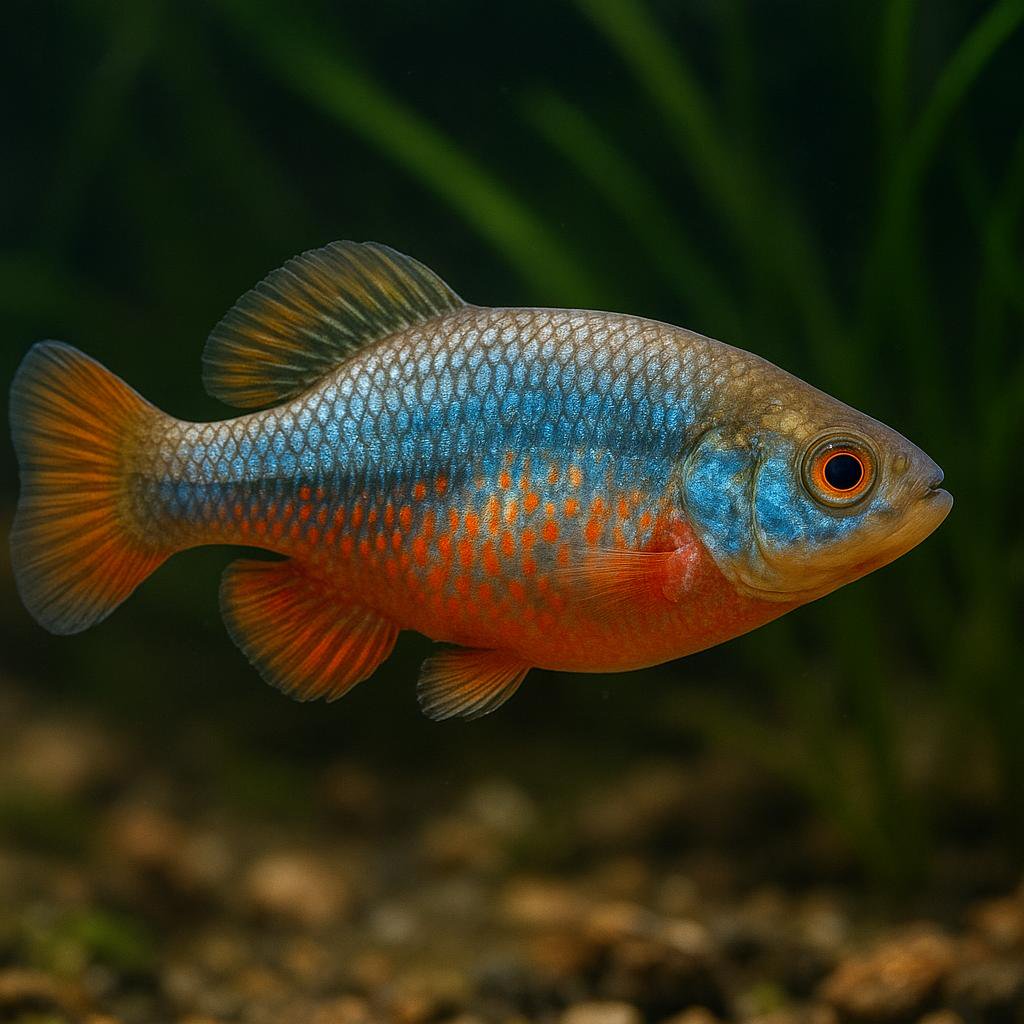
San Marcos redtail splitfin
Xenotoca doadrioi
This is a little Mexican goodeid livebearer where the males do that awesome "blue body + orange/red tail" thing when they color up. They're super active, always grazing and pecking at surfaces, and they really appreciate cooler, clean, well-oxygenated water compared to your typical tropical livebearers.
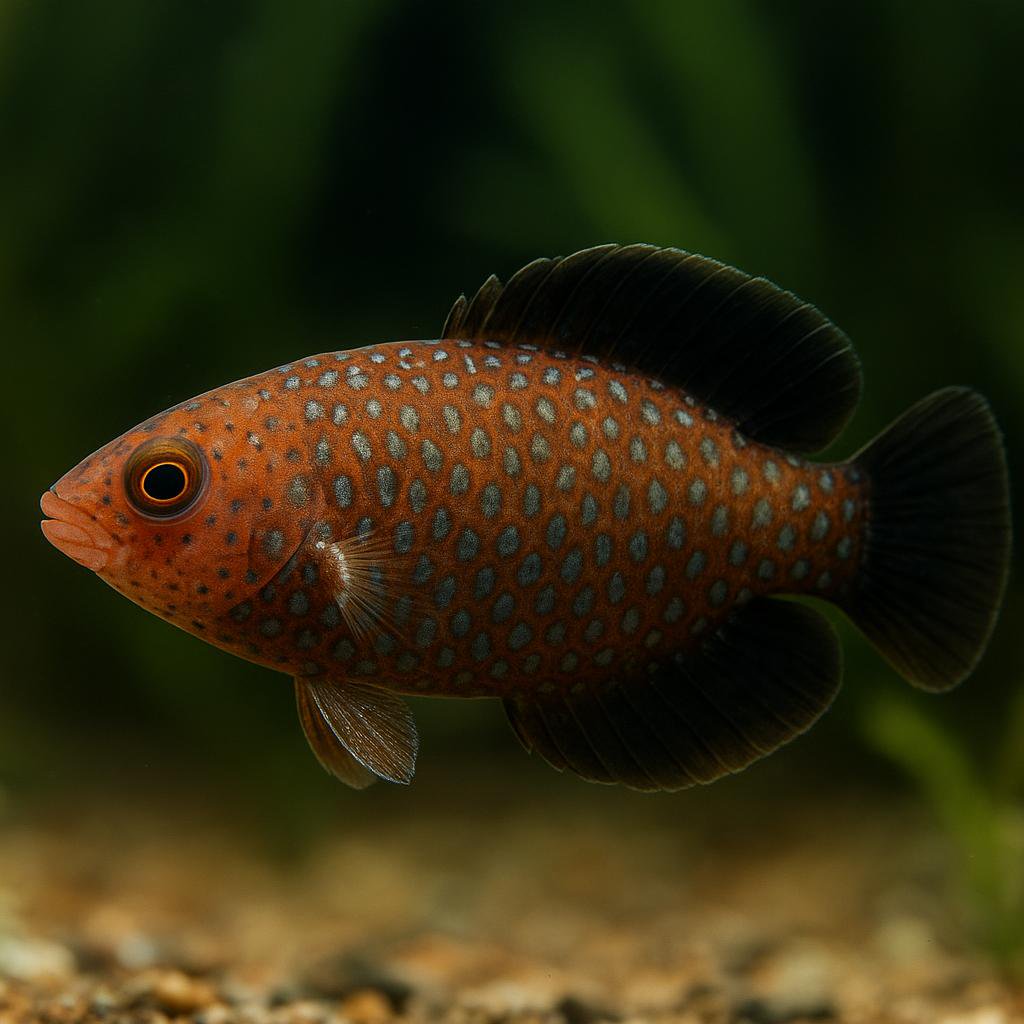
Sharpnose wrasse
Wetmorella nigropinnata
This is one of those tiny, sneaky reef wrasses that lives in the rockwork - you'll see it poking its little sharp snout into cracks hunting micro-prey. Super peaceful and shy, but once it settles in, its yellow bars and twitchy 'possum wrasse' vibes are seriously addictive to watch.
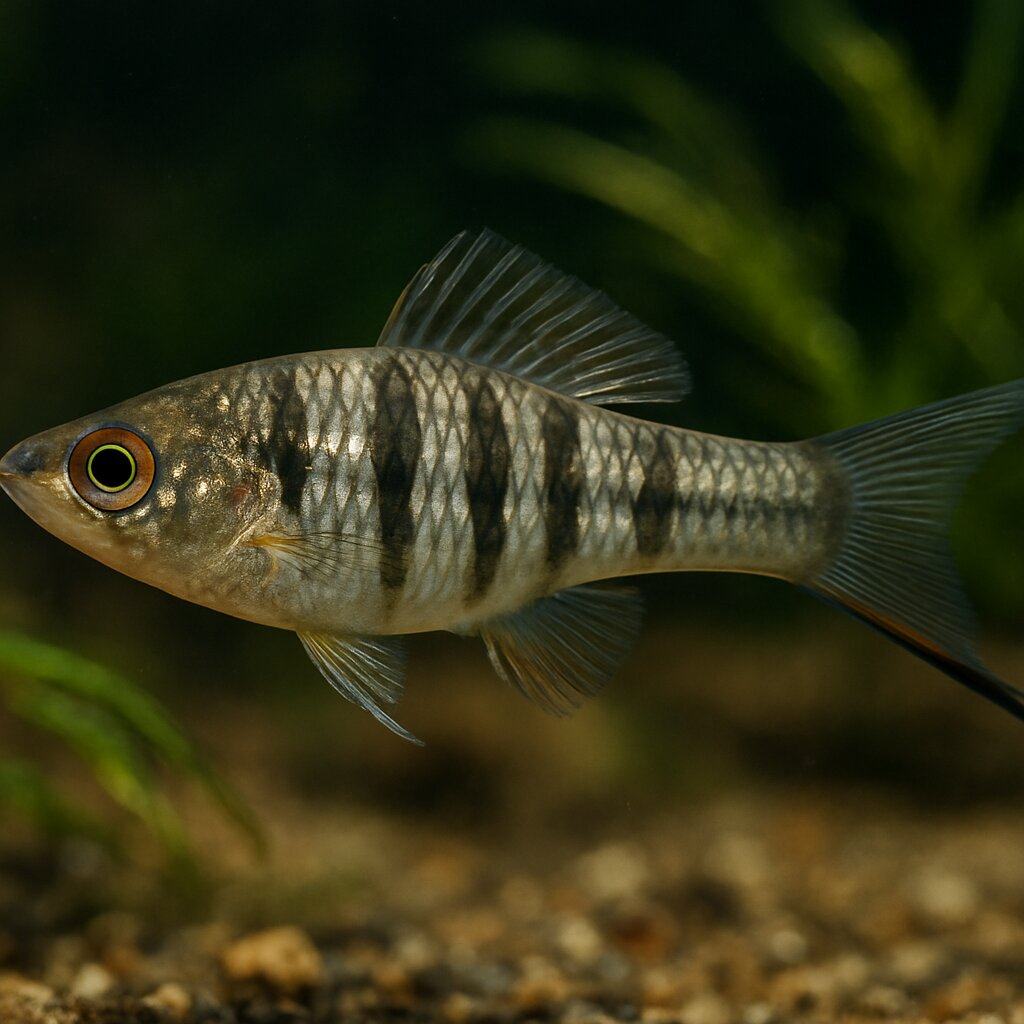
Sheepshead swordtail
Xiphophorus birchmanni
A wild swordtail from eastern Mexico that loves fast, splashy streams and shows off bold vertical bars and a big, yellow-speckled dorsal. Males barely carry a sword at all, which always surprises folks, but they make up for it with tons of personality when kept in a roomy, well-oxygenated tank.
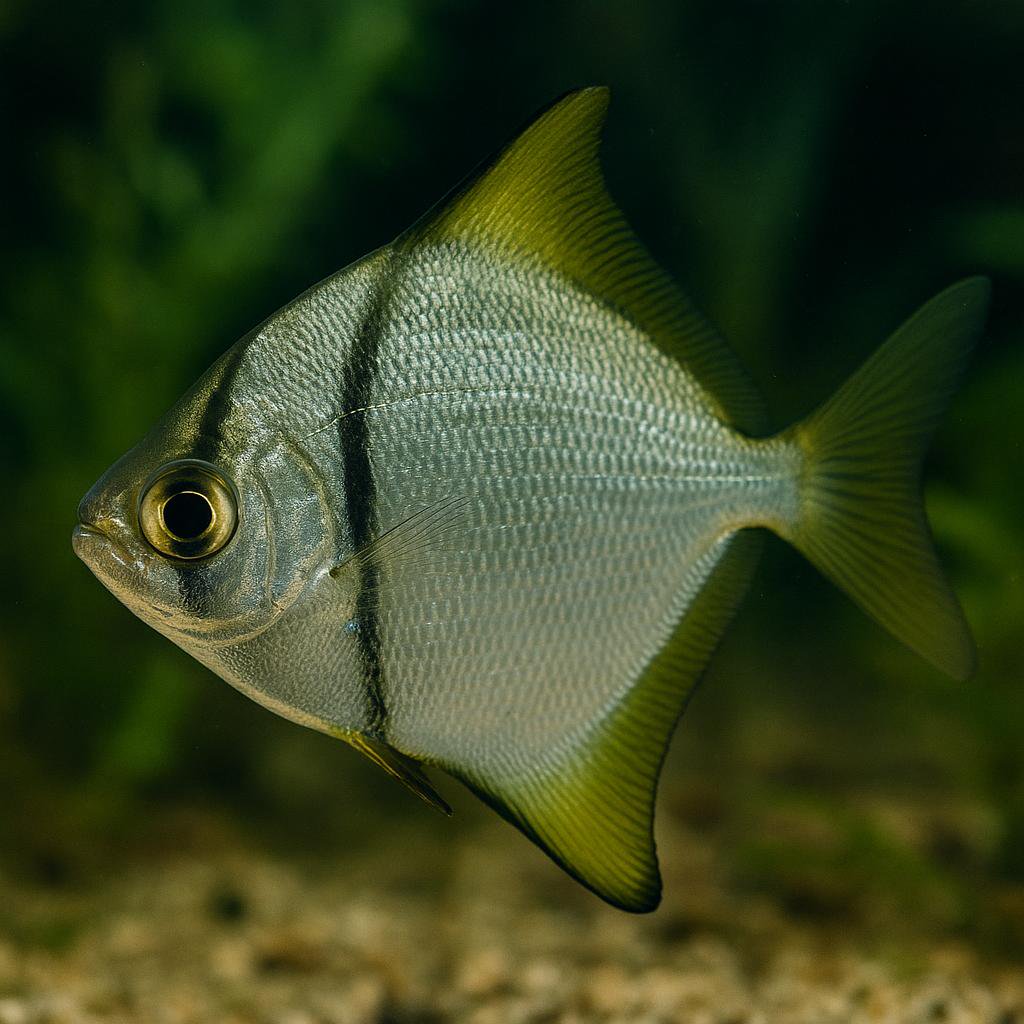
Silver moony (Mono)
Monodactylus argenteus
Silver moonies are those shiny, diamond-shaped "mono" fish you see cruising nonstop in brackish tanks-super active and way more fun to watch when they're in a proper group. They start out in estuaries (often sold too small and too fresh), and the big "gotcha" is they really want you to ramp them up to stronger brackish/near-marine as they grow. Feed them like a hungry, messy omnivore and give them swimming room, and they're absolute show-stealers.
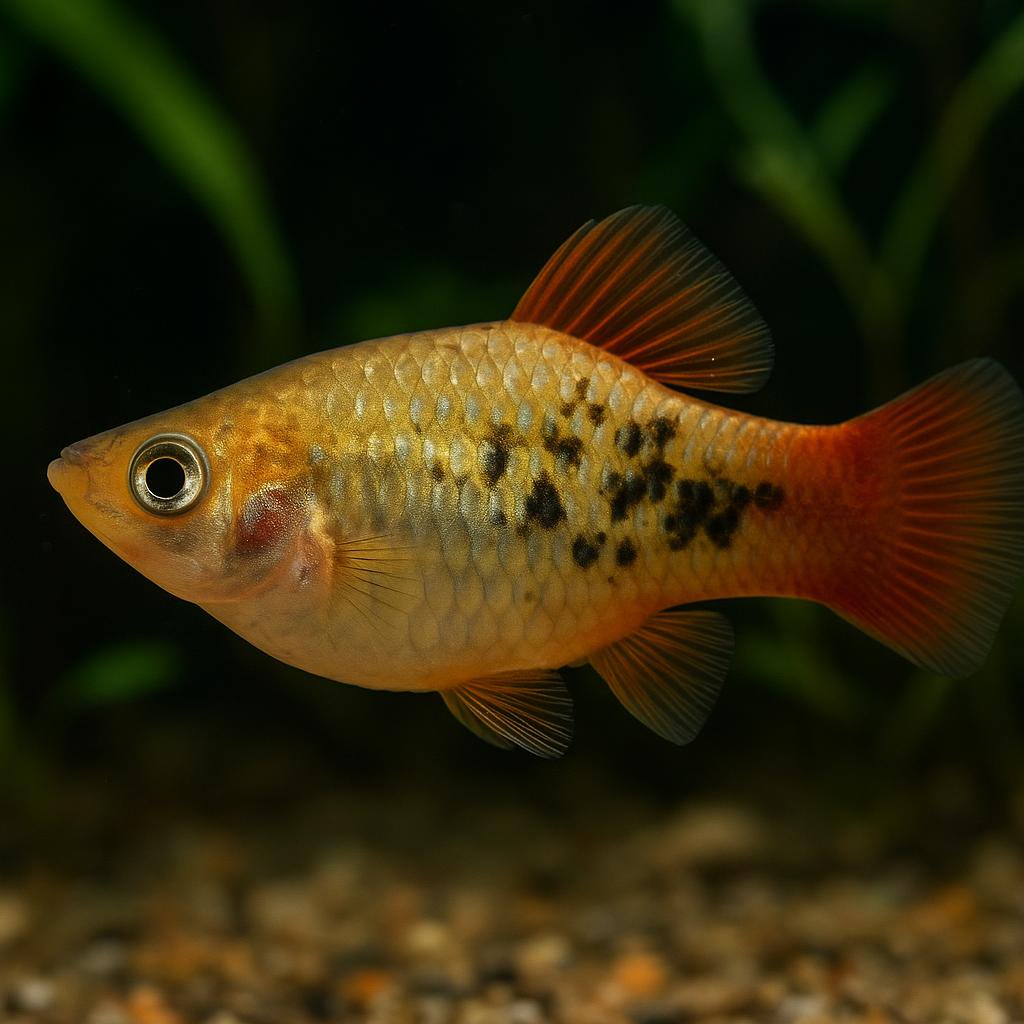
Southern platyfish
Xiphophorus maculatus
This is the classic platy-the little livebearer that's been bred into a ridiculous number of colors, but the wild-type is more of an olive-brown fish with dark blotches. They're super active, always cruising for snacks, and you'll see fun social behavior when you keep them in a small group. Also: if you mix males and females, you'll almost certainly end up with fry-these guys don't waste any time.