

Dwarf stingray
Urotrygon nana
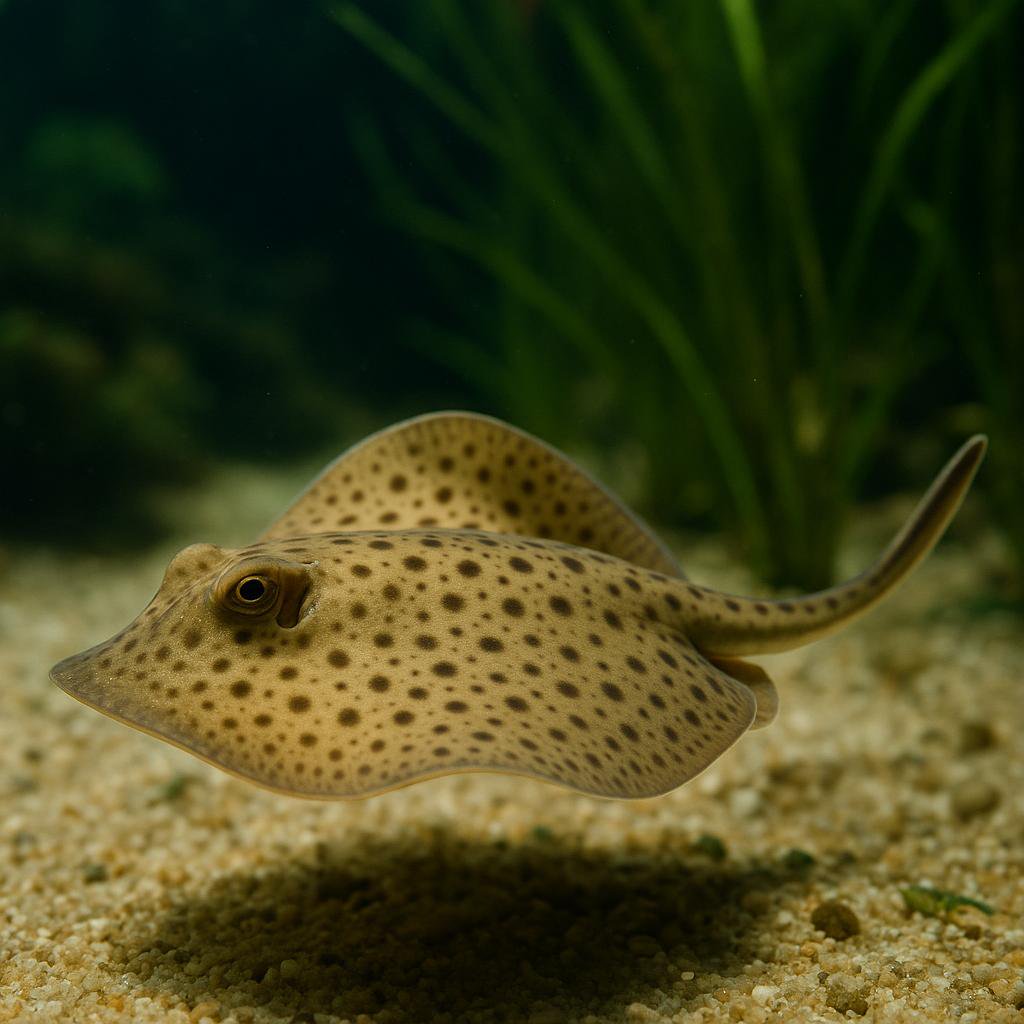
The Dwarf stingray features a flattened, disc-shaped body with a mottled brown coloration and distinct, large eyes positioned dorsally.
This page includes AI-generated images. Why am I seeing AI images?
About the Dwarf stingray
This is a tiny tropical round stingray from the eastern Pacific that spends its time cruising and burying in soft sand in very shallow water. It stays relatively small for a stingray (still a real ray, not a "mini" aquarium species), and it does carry a venomous tail spine, so it is absolutely a hands-off animal.
Also known as
Quick Facts
Size
32 cm TL
Temperament
Peaceful
Difficulty
Expert
Min Tank Size
180 gallons
Lifespan
Unknown (not well documented)
Origin
Eastern Central Pacific (Mexico to Costa Rica; also Central America)
Diet
Carnivore - small benthic invertebrates (worms, crustaceans); in captivity would require meaty marine foods
Water Parameters
23.4-29°C
8-8.4
8-12 dGH
Need a heater for this species?
This species needs 23.4-29°C in a 180 gallon tank. Use our heater calculator to find the right wattage.
Calculate heater sizeCare Notes
- Give it a big footprint, not just gallons - think 6x2 ft or larger with wide open sand, no sharp rock piles in the cruising lanes. Use fine aragonite sand (sugar-sized) so the disc does not get scraped up when it buries.
- Keep salinity steady at 1.024-1.026 and temp around 75-78F; they sulk fast when either swings. pH 8.1-8.4 and you want ammonia and nitrite at absolute zero, with nitrate kept low (ideally under ~10-20 ppm).
- Feed like a ray, not a 'reef fish' - small meaty stuff on the sand: enriched shrimp, squid, clam, krill, and marine worms. Target feed with tongs or a feeding dish so it actually gets food before faster fish vacuum it up.
- New arrivals often refuse frozen at first, so have live blackworms/ghost shrimp or fresh chopped seafood ready to get it eating, then wean to frozen. Soak food in vitamins and add iodine once in a while to help prevent nutritional issues.
- Skip aggressive or nippy tankmates (triggers, large wrasses, puffers, big angels) because they will chew fins and stress it out. Best company is calm, non-competitive fish that do not pick at the sand bed and will not steal every bite.
- Cover every pump and overflow like your life depends on it - rays find intakes, and a pinched disc is a disaster. Use big strainers or sponge guards and keep strong flow aimed above the sand so it does not blast the ray.
- Watch for disc edge damage, cloudy eyes, and rapid breathing - those are usually sand/rock injuries, bad water, or parasites, and they go downhill quickly. Also keep copper out of the system entirely; if you have to treat, do it in a separate ray-safe setup.
Compatibility
Good Tankmates
- Peaceful sand-sifting gobies (watchman gobies, sleeper gobies) - they hang out on the bottom but usually keep to themselves, and they are not the type to pick at a ray. Give the ray a wide sandy area and a couple caves so nobody is forced to sit on top of each other.
- Small, calm reef-safe wrasses (like flasher or fairy wrasses) - active midwater fish that do their own thing and do not mess with the ray on the sand. Just keep feeding steady so the wrasse does not get pushy at mealtime.
- Peaceful clowns (ocellaris or percula) - they stick to their corner and do not bother the ray. Works best when the clowns are not in full-on nesting mode and the tank is not cramped.
- Small cardinals (Banggai or pajama) - mellow, hover-y fish that do not compete much with a bottom-feeding ray. They are easy neighbors as long as you are not trying to keep tiny bite-sized juveniles.
- Peaceful blennies (tailspot, bicolor) - perchers that mostly graze and watch the world. They are usually fine as long as the blenny is not a hyper-territorial jerk about a specific hole right next to the ray's resting spot.
- Chill, non-grabby cleaner shrimp and snails (skunk cleaners, trochus, nassarius) - the ray ignores them and they help with leftovers. The key is avoiding big clawed stuff that wants to tussle on the sand.
Avoid
- Triggers and puffers - they love to nip, chew, and investigate with their mouths, and rays are basically a big tempting target (eyes, spiracles, fin edges). Even the 'nice' ones can turn into a problem fast.
- Large or territorial wrasses (big Halichoeres, tuskfish) - a lot of them will flip sand, steal food, and some will pick at anything resting on the bottom. They can stress a ray out and outcompete it at feeding time.
- Aggressive damsels and dottybacks - constant attitude, pecking, and chasing. The ray will not fight back, it will just get stressed and hide, and then it misses meals.
- Crabs and predatory crustaceans (large hermits, emeralds that get too bold, any mantis shrimp) - anything with real claws can go after a resting ray, especially at night. This is one of those 'fine until it is not' situations.
Where they come from
Urotrygon nana is one of those tiny coastal stingrays from the tropical eastern Pacific. Think sandy shallows, soft bottom, gentle surf zones, and lots of buried time waiting for small crustaceans to wander by.
They are not a common aquarium ray, and for good reason: they are delicate shippers, picky eaters at first, and they do not tolerate sloppy water. If you are set on keeping one, you are signing up to run a ray tank, not a reef with a ray in it.
Setting up their tank
The whole game is floor space, soft sand, and stability. These rays spend their life on the bottom, and they get injured fast if the tank is built like a rockscape maze.
- Tank footprint first, height second. Aim for a wide, open-bottom tank. Bigger is always easier to keep stable.
- Fine sand only. Sugar-sized aragonite is what you want. No crushed coral, no sharp gravel.
- Keep the rockwork minimal and locked down. Put rocks on the glass or on supports, then add sand around them so the ray cannot undermine a pile.
- Gentle flow across the bottom, not a sandstorm. Use diffused returns or wavemakers aimed up.
- Covered intakes. Any pump intake needs a guard or sponge so the ray cannot pin itself to it.
- Tight lid. Rays can and do launch when startled.
Do not put a dwarf stingray in a tank with exposed heaters or sharp overflow teeth. They will rub, bury, and wedge themselves into places you did not think possible.
Water parameters need to be boring: stable salinity around natural seawater, steady temperature, and very low nitrogen waste. Rays react to ammonia and nitrite like you poured acid on them. Nitrate is not a free pass either - keep it low.
I like oversized mechanical filtration and aggressive biological capacity, plus a skimmer that actually pulls. Carbon helps, and so does frequent small water changes. If your tank swings because you top off by hand once a day, fix that before you buy the ray.
What to feed them
These rays are bottom hunters. In captivity you are basically teaching them that food comes from you, not from the sand. The first month is the make-or-break period.
- Start with fresh or frozen-thawed meaty foods: peeled shrimp, chopped clam, scallop, squid, and marine fish flesh in rotation.
- Live foods can jump-start stubborn new arrivals: live ghost shrimp (salt-acclimated), small crabs, or live blackworms offered in a dish.
- Use a feeding stick or tongs to place food right in front of the ray. They learn fast if they are not being outcompeted.
- Feed small portions more often at first. Once settled, you can move to fewer, larger meals.
A shallow feeding dish on the sand is your best friend. It keeps food from disappearing into the substrate and lets you track exactly how much the ray ate.
Avoid fatty freshwater feeder stuff (like goldfish) and do not rely on krill as a staple. Variety matters. If you can, soak foods occasionally in a vitamin supplement made for marine predators.
How they behave and who they get along with
Dwarf stingrays are generally calm, shy, and very routine-driven. They bury in the sand with just the eyes showing, then cruise at dusk and during feeding time. If your ray is constantly glass-surfing or trying to climb corners, something is off (water, flow, tankmates, or stress).
Tankmates are where most people mess up. Anything that steals food, nips, or harasses the ray will slowly starve it or stress it into sickness.
- Good tankmates: calm, non-nippy fish that stay midwater and do not bulldoze the bottom.
- Bad tankmates: triggers, puffers, large wrasses that pick, angels with a taste for fins, aggressive tangs that spook it, and any fast bottom-feeders that will out-eat it.
- Inverts: most crabs and shrimp are ray snacks eventually, and some crabs will nip the ray while it rests.
Feeding competition is the silent killer. If you keep fish with the ray, you need a plan to get food to the ray every single time.
Also remember the obvious safety piece: it is a stingray. Even a small ray can tag you. I do all sandbed work with long tools, move slowly, and never put my hand under a buried ray. If you need to net or move it, use a large container, not a net.
Breeding tips
Breeding Urotrygon nana in home aquariums is rare. They are livebearers (pups are born fully formed), but getting a healthy pair, getting them conditioned, and keeping them long enough is the hard part.
- If you ever try, focus on stability and heavy conditioning with varied meaty foods.
- Give them lots of uninterrupted open sand so courtship is not blocked by rockwork.
- Do not expect fast results. Rays tend to run on their own schedule.
If a female is gravid, avoid sudden parameter swings and skip any risky tank changes. Stress during gestation is where things can go sideways.
Common problems to watch for
Most issues show up as behavior changes before you see physical damage. Get used to how your ray looks when it is relaxed, buried, and feeding well. That baseline makes problems obvious.
- Not eating or spitting food: often shipping stress, internal parasites, or being outcompeted. Try smaller pieces, offer live foods short-term, and feed with tongs in a quiet spot.
- Ammonia/nitrite exposure: rapid breathing, lethargy, refusal to bury. Test immediately and do large water changes if needed.
- Skin scrapes and fin edge damage: usually from rough substrate, rockwork, or pump/overflow injuries.
- Bacterial issues: cloudy patches, red sores, or rapid decline after an injury. These can move fast in rays.
- Sudden jumping or frantic laps: often harassment, electrical leakage, or a big swing in salinity or temperature.
Never treat a ray like a normal fish with random meds. Many common copper-based or harsh treatments can kill elasmobranchs. If you need to treat, research ray-safe options first and use a separate system if possible.
One last thing that catches people: these rays can look "fine" while slowly losing weight. Watch the body disc thickness and the area behind the eyes. If it starts looking pinched, step up feeding and remove competition immediately. It is way easier to keep weight on a ray than to put it back on.
Similar Species
Other marine peaceful species you might be interested in.
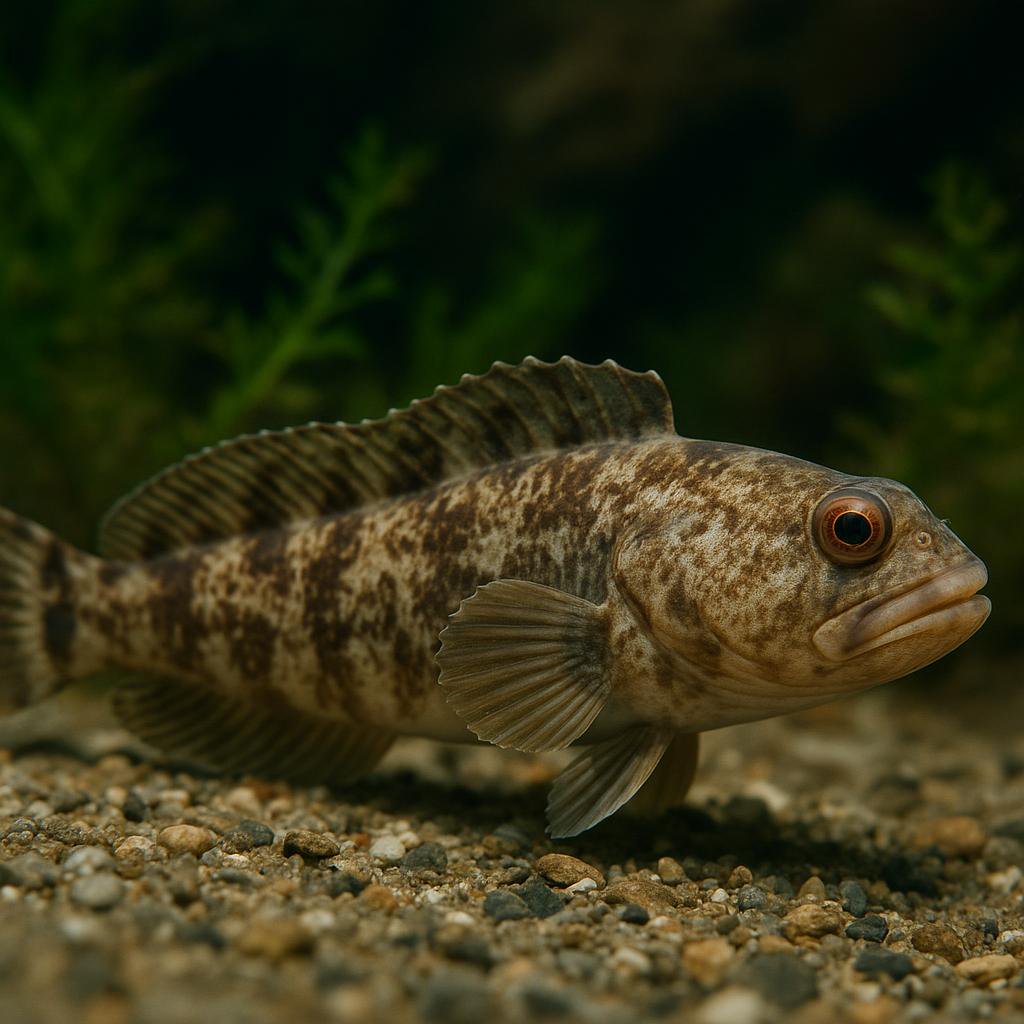
Abe's eelpout
Japonolycodes abei
Japonolycodes abei is a temperate, deepwater demersal eelpout (family Zoarcidae) endemic to Japan (Kumano-nada Sea reported; other sources also report Sagami Bay and Tosa Bay). It is the only species in the genus Japonolycodes and occurs roughly 40-300 m depth, making it an uncommon/atypical aquarium species.
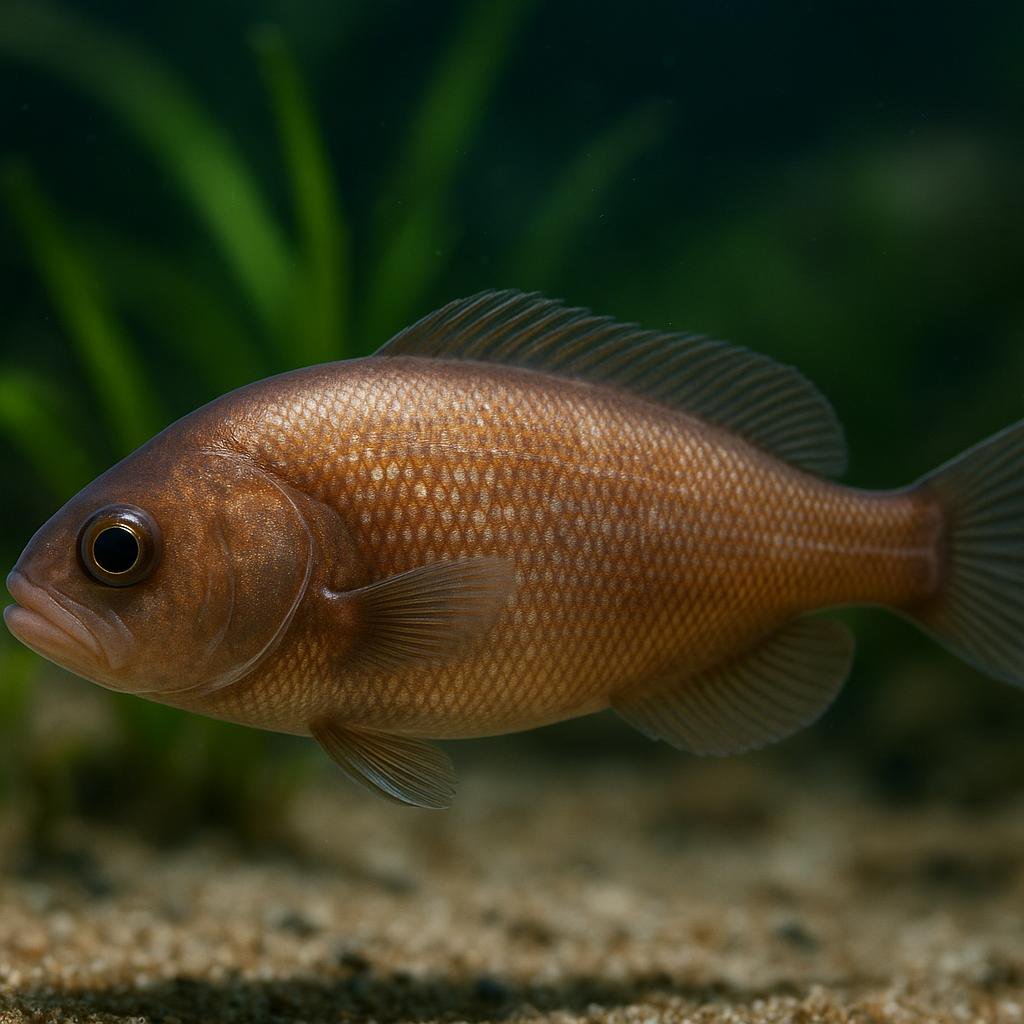
Affinis blind cusk-eel
Barathronus affinis
Barathronus affinis is a tiny, super-weird deep-sea blind cusk-eel from the western-central Indian Ocean. It is one of those gelatinous, loose-skinned brotula-type fishes that live way down in the dark and are basically never seen alive, so almost everything we know comes from preserved specimens and taxonomic work.
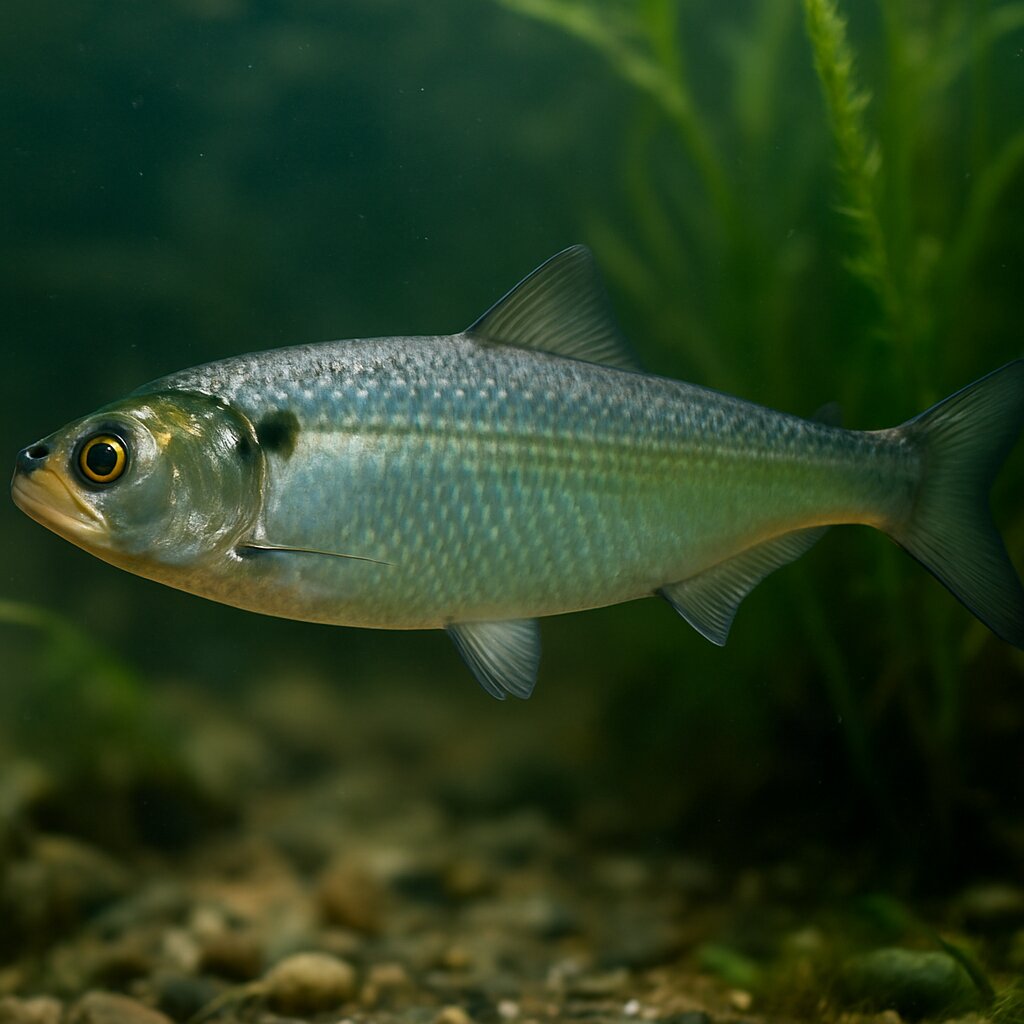
Allis shad
Alosa alosa
Gorgeous silver, fast-swimming shad that spends most of its life in the sea and then surges up big rivers in noisy, surface-spawning schools. It grows huge for a herring-type fish and needs cool, ultra-oxygenated water and tons of open space, so it is a public-aquarium species rather than a home tank fish.
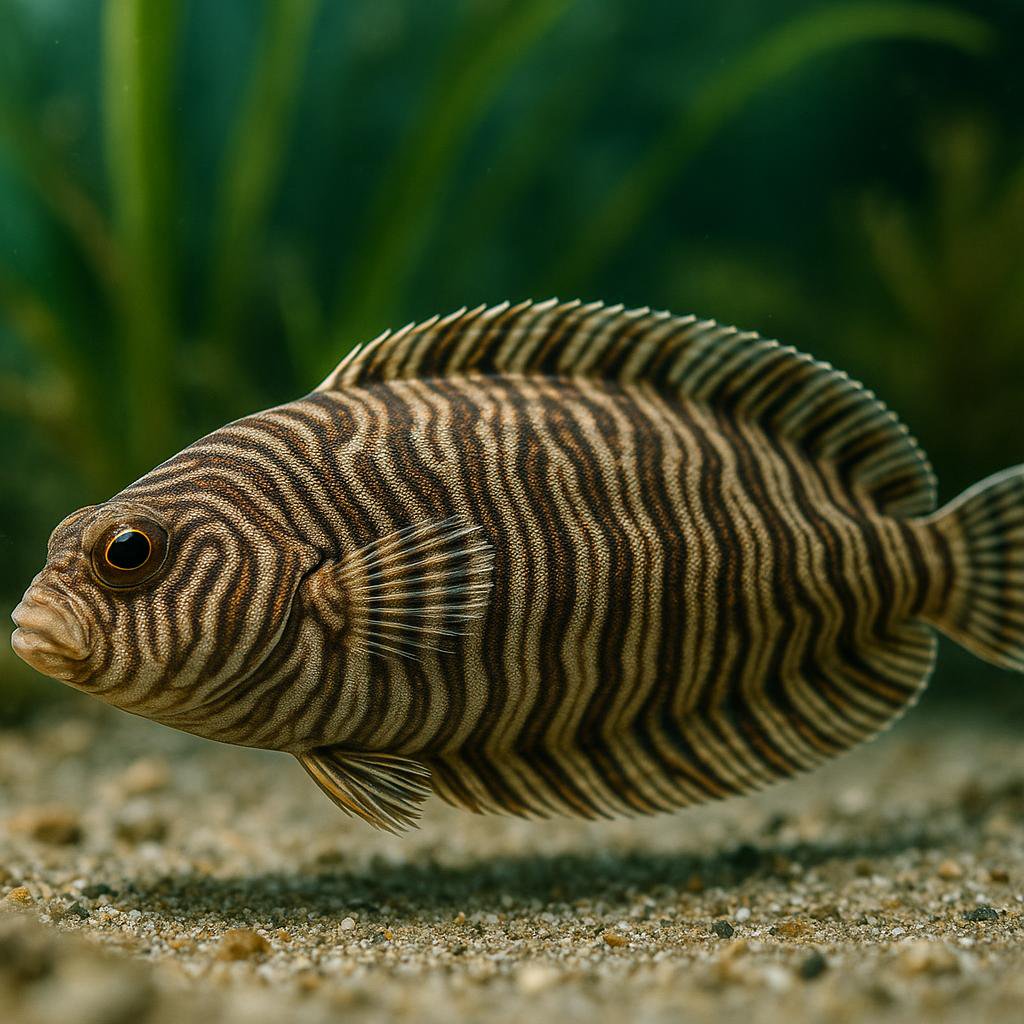
Annandale's zebra sole
Zebrias annandalei
Zebrias annandalei is a small demersal sole from coastal India that inhabits sandy or muddy bottoms and buries for camouflage. It is rarely kept in home aquaria and would require a specialized marine sand-bottom setup and appropriate feeding.
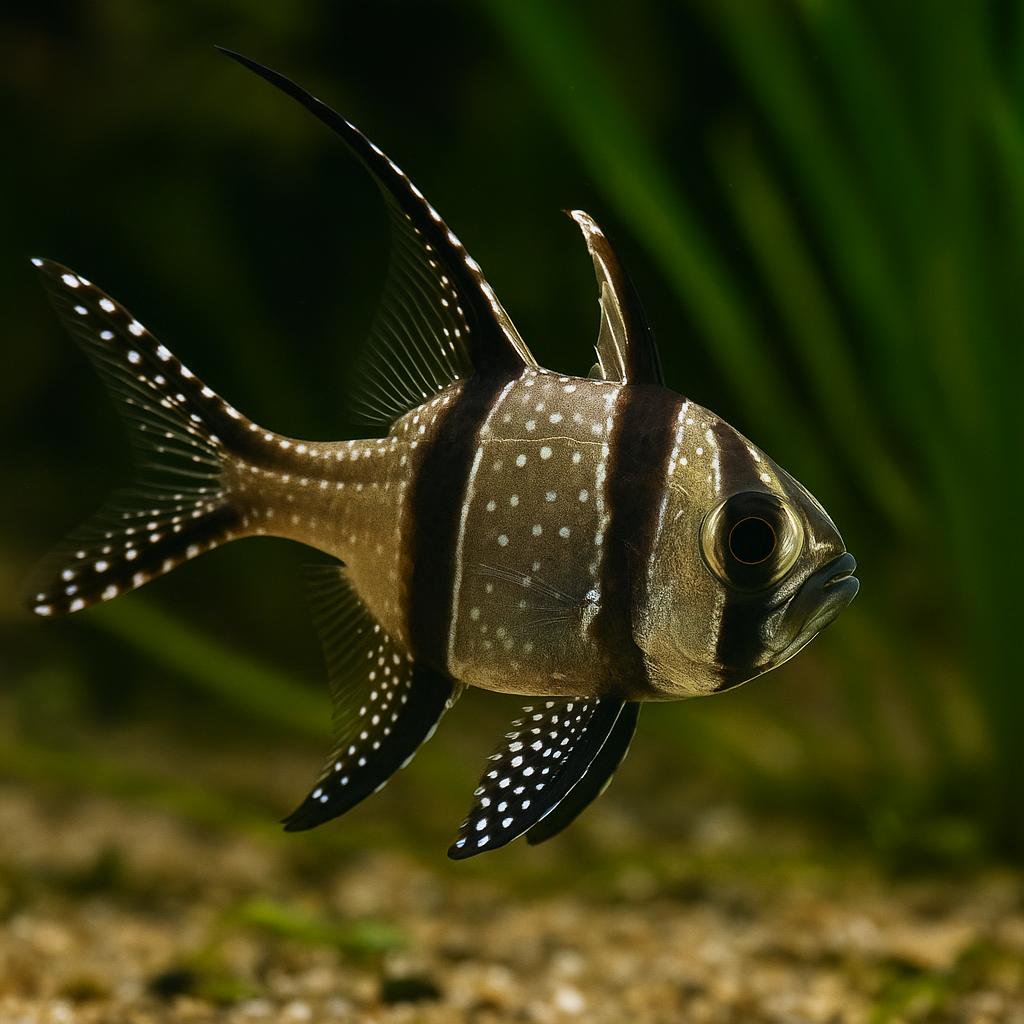
Banggai Cardinalfish
Pterapogon kauderni
Banggai cardinals just sort of hover like little underwater satellites, and the bold black bars with those long, polka-dotted fins look unreal under reef lighting. They're super chill most of the time, but once a pair forms you'll see real "fish drama," and the male will even mouthbrood the babies like a champ.
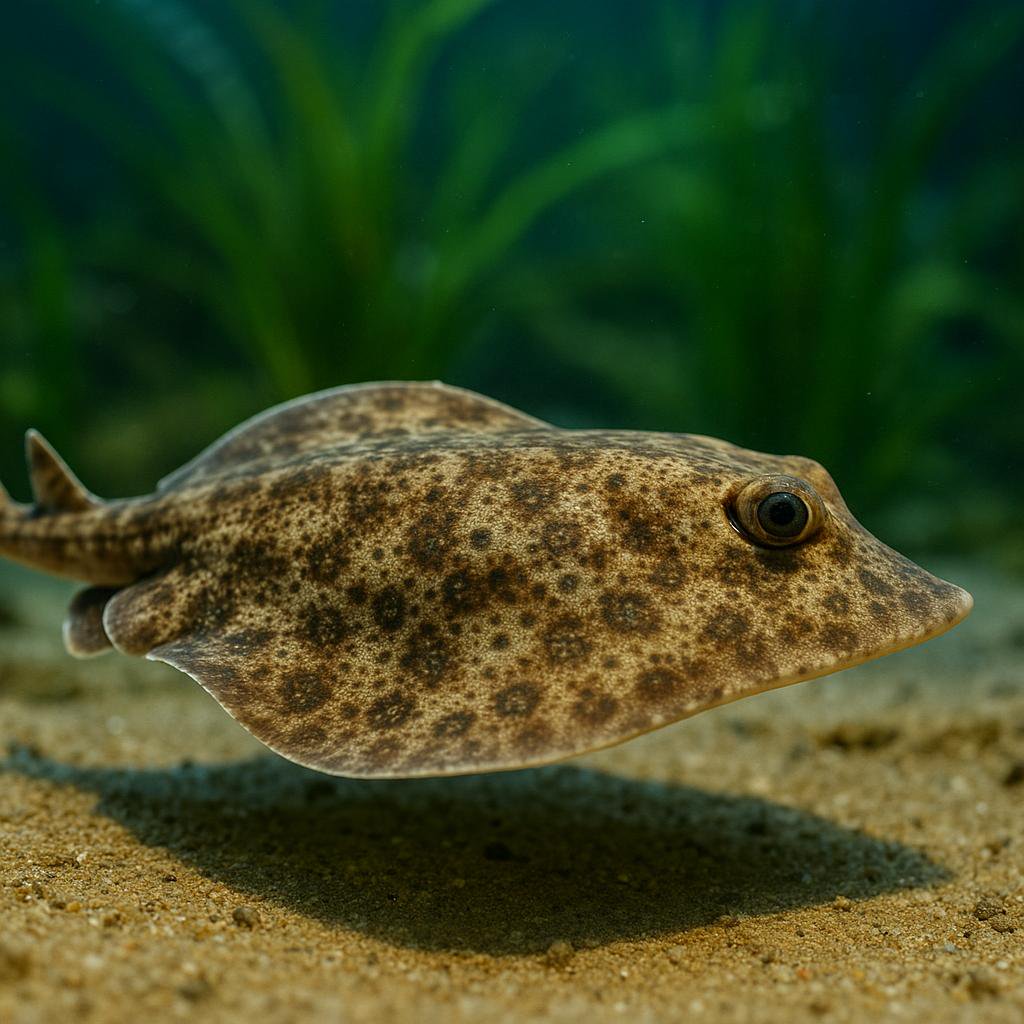
Barbedwire-tailed skate
Notoraja martinezi
Notoraja martinezi is a deepwater skate from the eastern Pacific (Costa Rica down to Ecuador) that lives way down on soft bottoms. The tail is the giveaway - it is lined with strong, hooked thorns that really do look like barbed wire. This is absolutely not an aquarium fish; it is a cold, high-pressure deep-sea animal with basically no practical home care info because it is not kept in the hobby.
More to Explore
Discover more marine species.
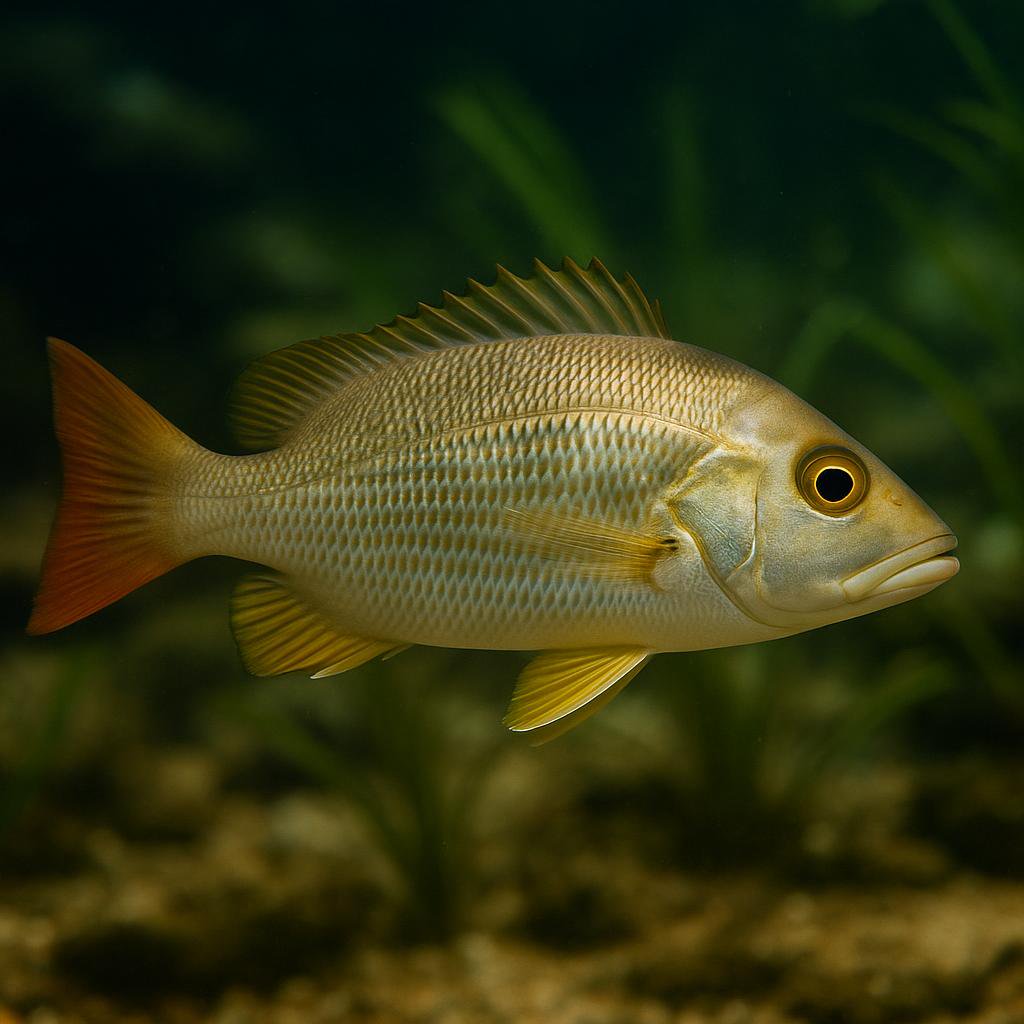
African red snapper
Lutjanus agennes
This is a true snapper from West Africa - a big, fast-growing predator that goes from coastal reefs to brackish lagoons and estuaries (especially as a juvenile). Super cool fish in the wild, but it gets absolutely huge and will eat smaller tankmates once it has the mouth for it, so its really more of a public-aquarium scale animal than a home-aquarium fish.
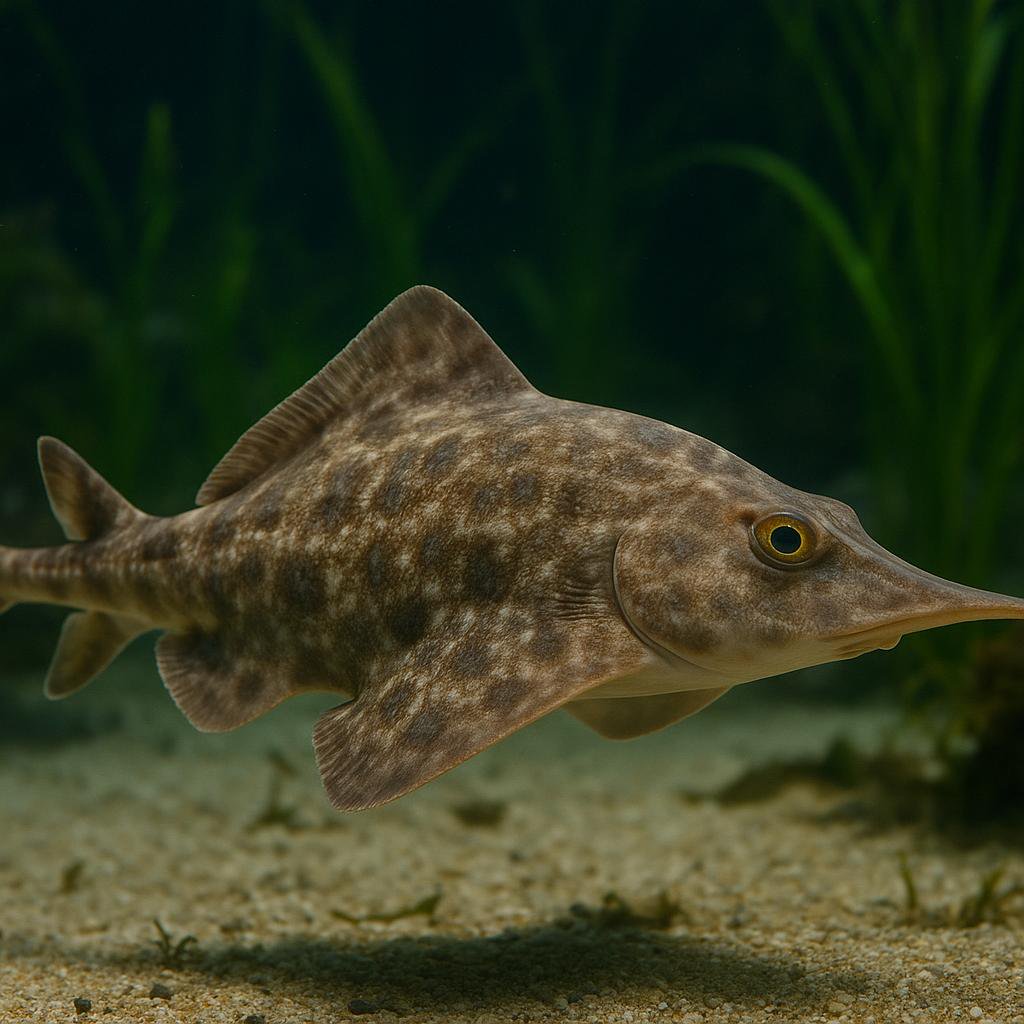
Aleutian skate
Bathyraja aleutica
This is a big, cold-water deep-slope skate from the North Pacific that cruises muddy bottoms and eats chunky benthic prey like crabs and shrimp. The really cool bit is its egg-laying skate life - it does distinct pairing (the classic skate "embrace") and drops those tough egg cases on the seafloor. Not an aquarium fish at all unless you're basically running a public-aquarium-style chilled system.
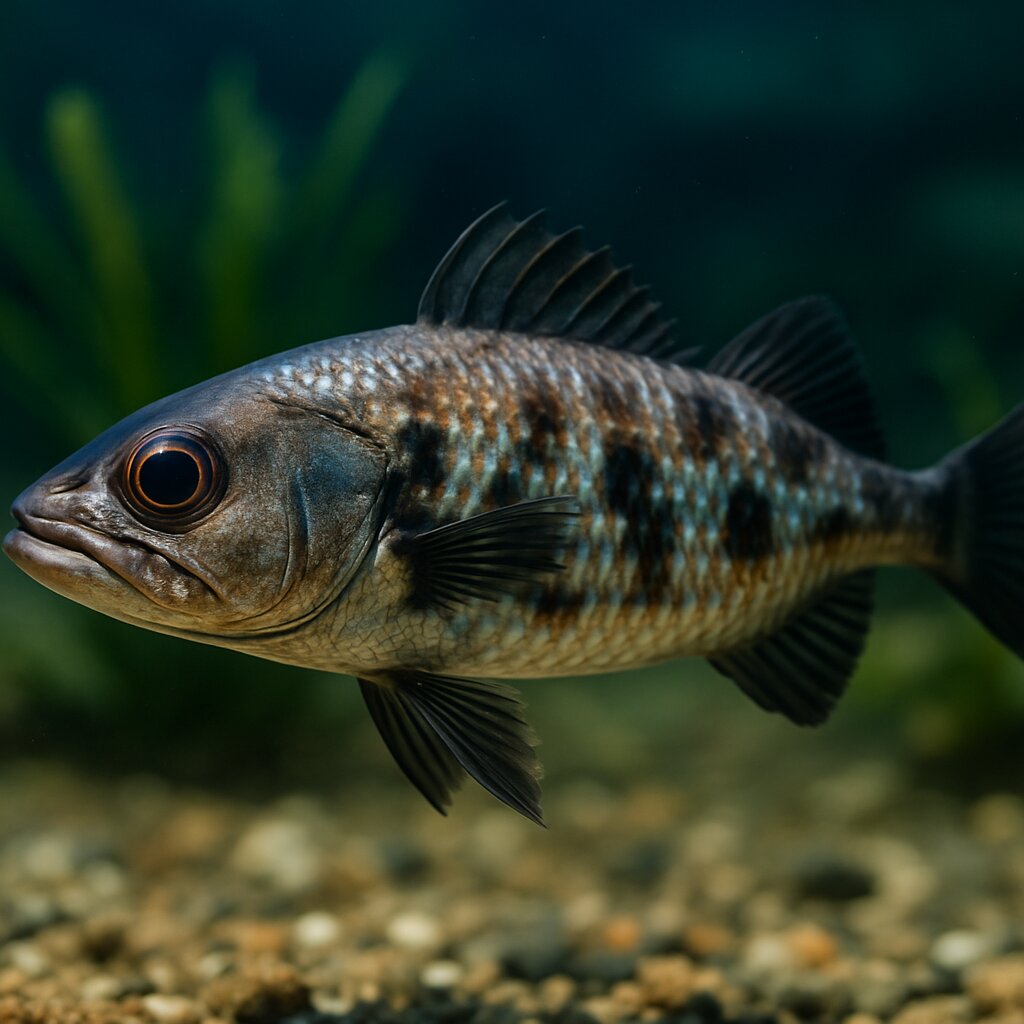
Antarctic dragonfish
Vomeridens infuscipinnis
Deep down around Antarctica, this sleek dragonfish cruises the water column like a little submarine, nearly neutrally buoyant so it can hover above the seafloor. It munches almost exclusively on Antarctic krill and lives in near-freezing water 500-800 m down, so it is a cool species to read about, not one for home tanks.
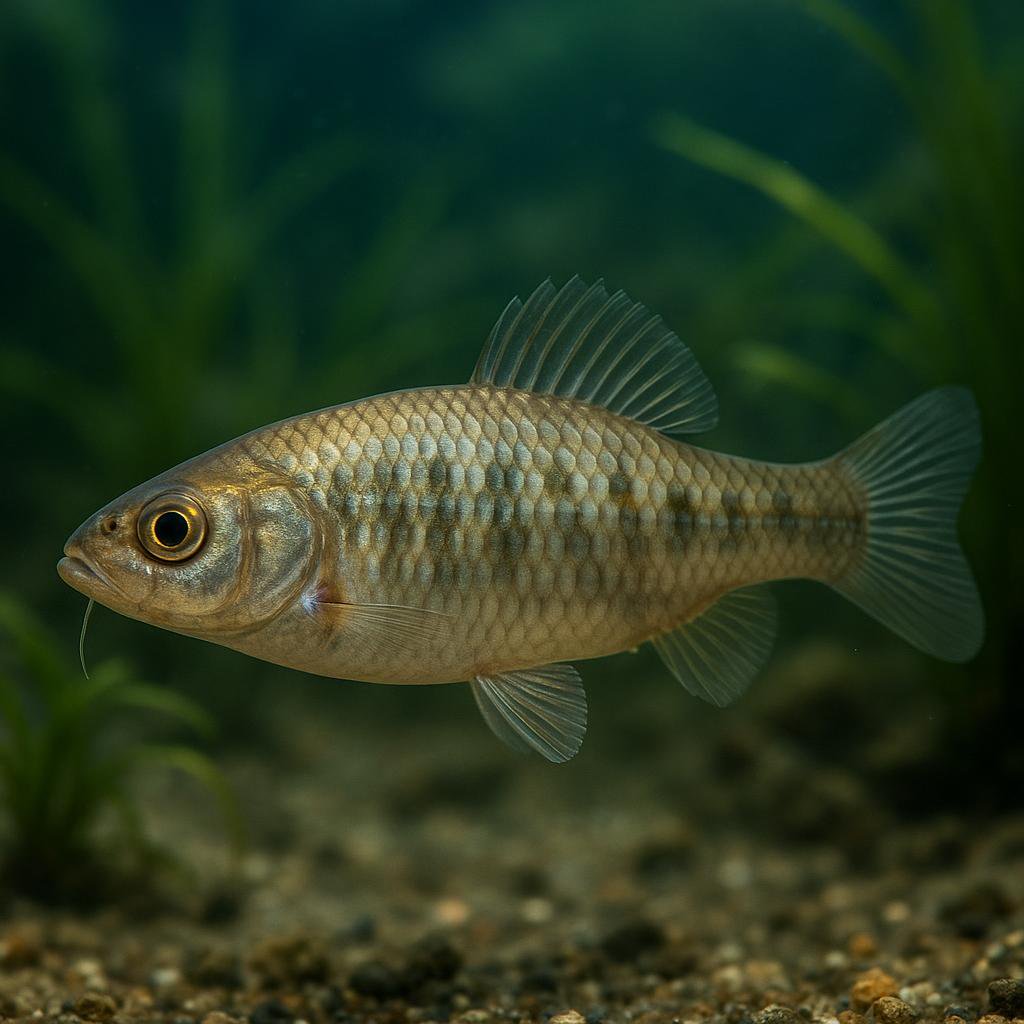
Arabian spiny eel
Notacanthus indicus
Notacanthus indicus is a deep-sea spiny eel (family Notacanthidae; not a true eel) known from the Arabian Sea on the continental slope at roughly ~960–1,046 m depth, with reported maximum length around 20 cm TL; it is a deep-water bycatch species and not established in the aquarium trade.
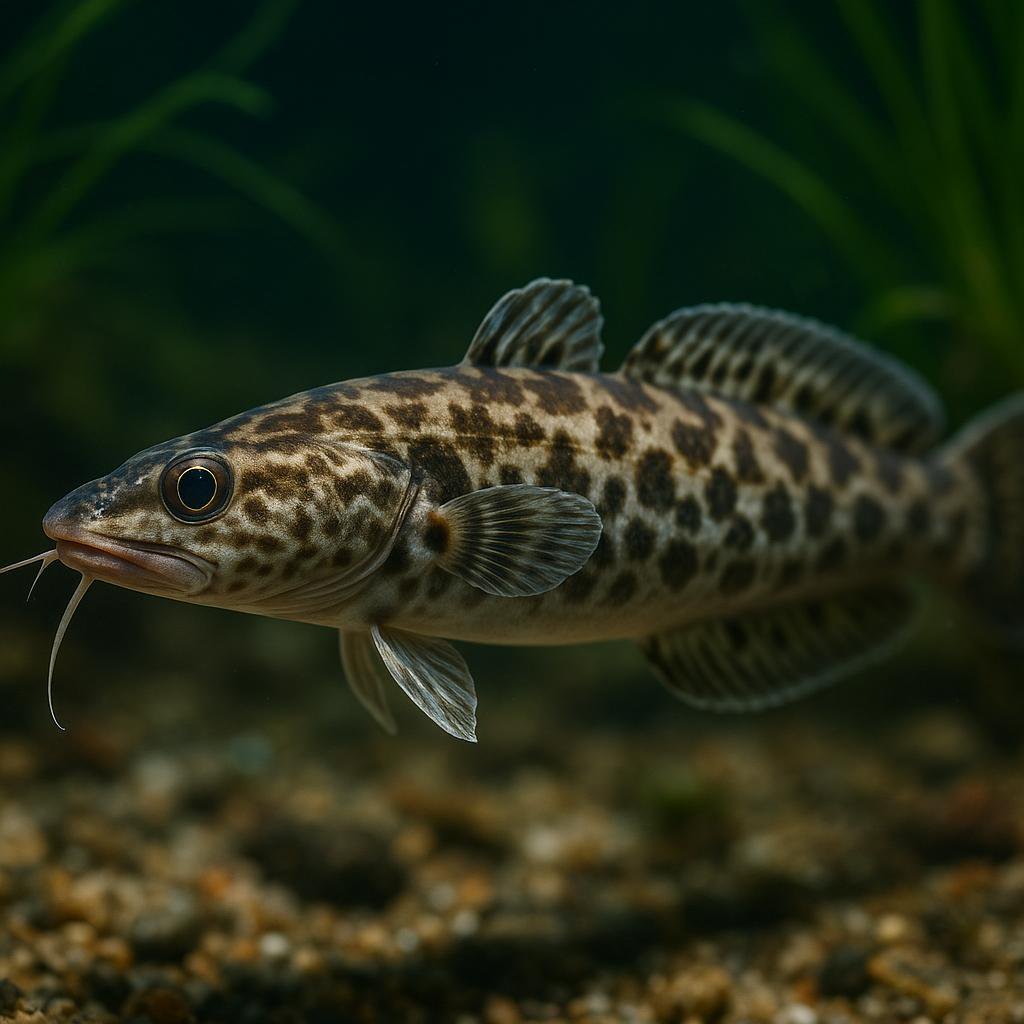
Arctic rockling
Gaidropsarus argentatus
This is a deepwater North Atlantic rockling (a cod relative) that hangs out on soft bottoms way down the slope. It is a cold-water, bottom-hugging predator that snoots around for crustaceans and will also take small fish when it gets the chance.
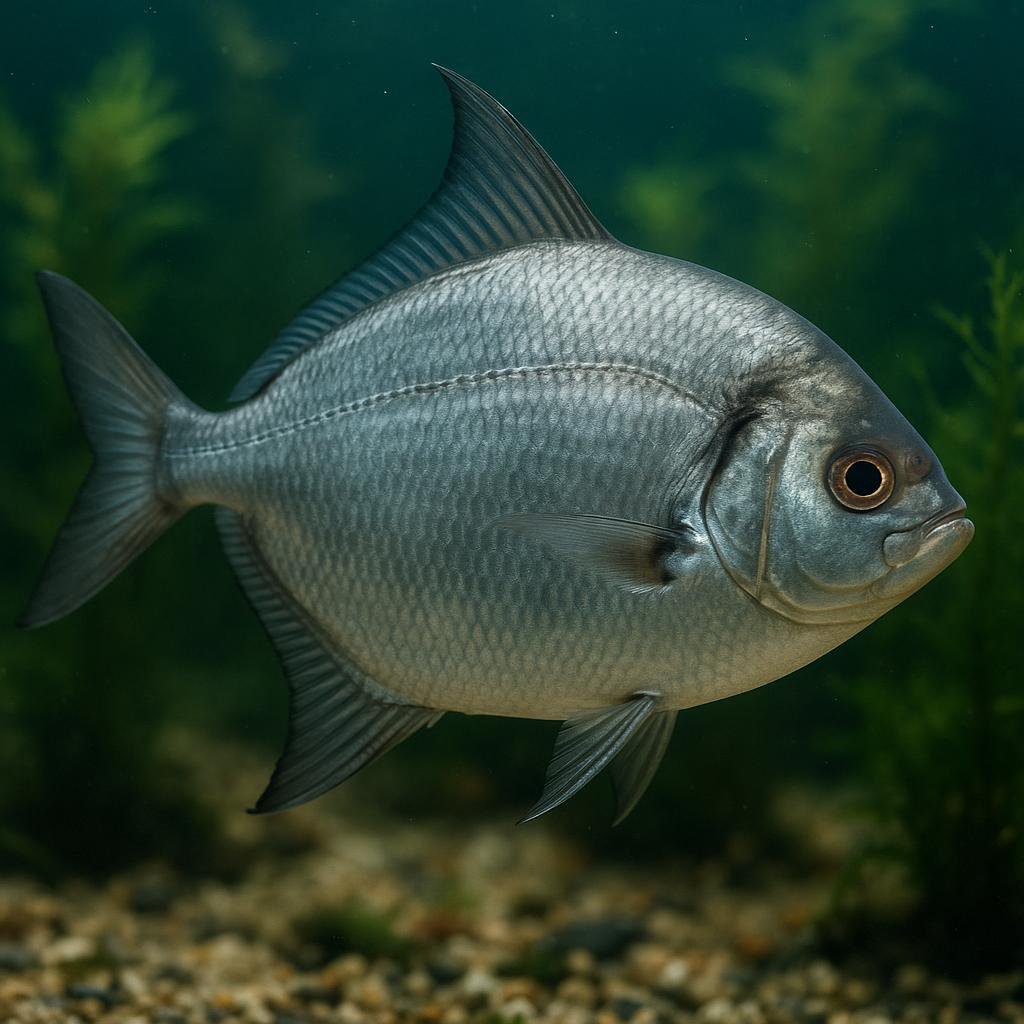
Atlantic pomfret
Brama brama
Brama brama is the Atlantic pomfret (aka Ray's bream) - a deep-bodied, open-ocean pelagic fish that cruises around in small schools and follows water temps. It is a legit big, wild marine species (not an aquarium fish) that eats other small sea critters like fish and squid, and it ranges across a huge chunk of the Atlantic plus parts of the Indian and South Pacific.
Looking for other species?