

Search Species
Search for fish species by common or scientific name, or use filters to browse by water type, size, temperament, and difficulty.
Found 79 species
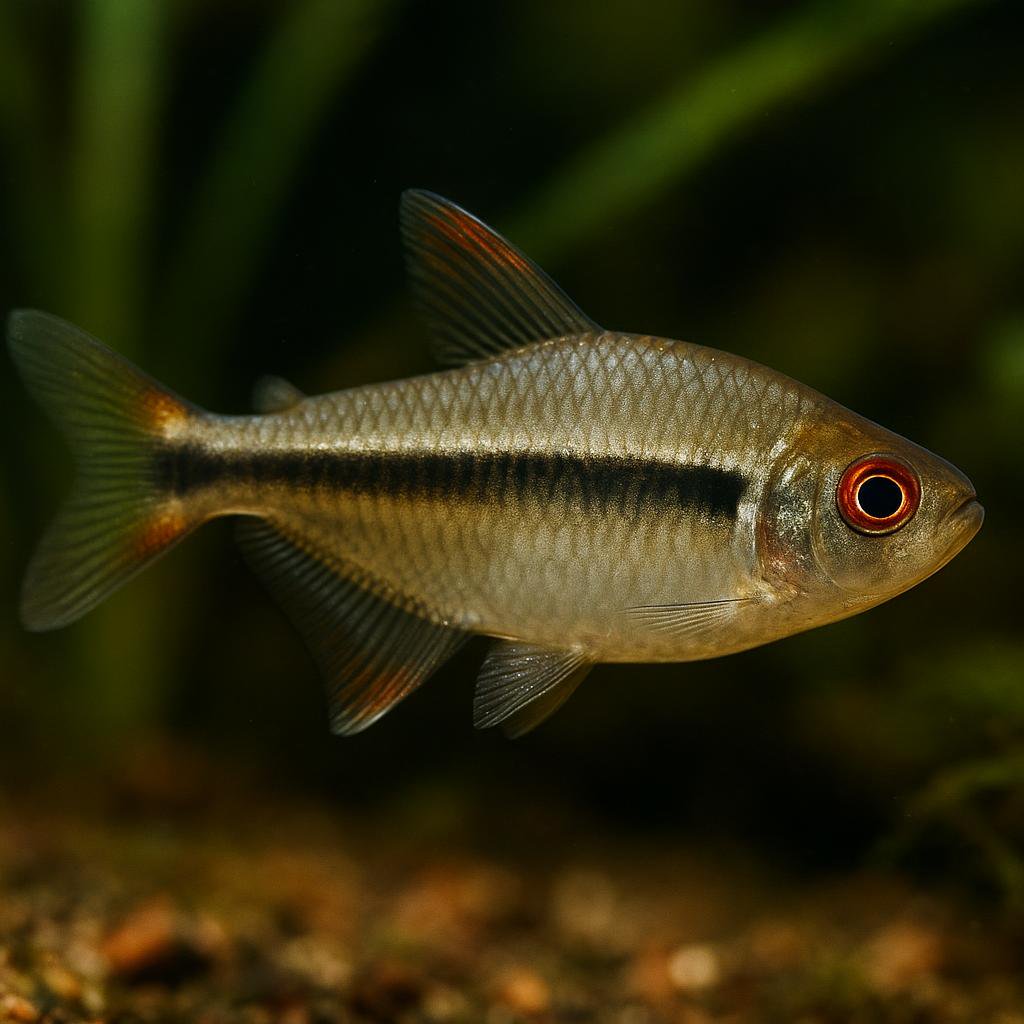
Amapa tetra
Hyphessobrycon amapaensis
This is a tiny, super sleek little tetra with a clean red stripe down the side that really pops once its settled in. It does best in a planted, slightly tinted "creek-style" setup and looks way cooler when you keep a proper group so they school and flash that line together. If you can give it soft, slightly acidic water and a calm community, its an easy fish to fall for.
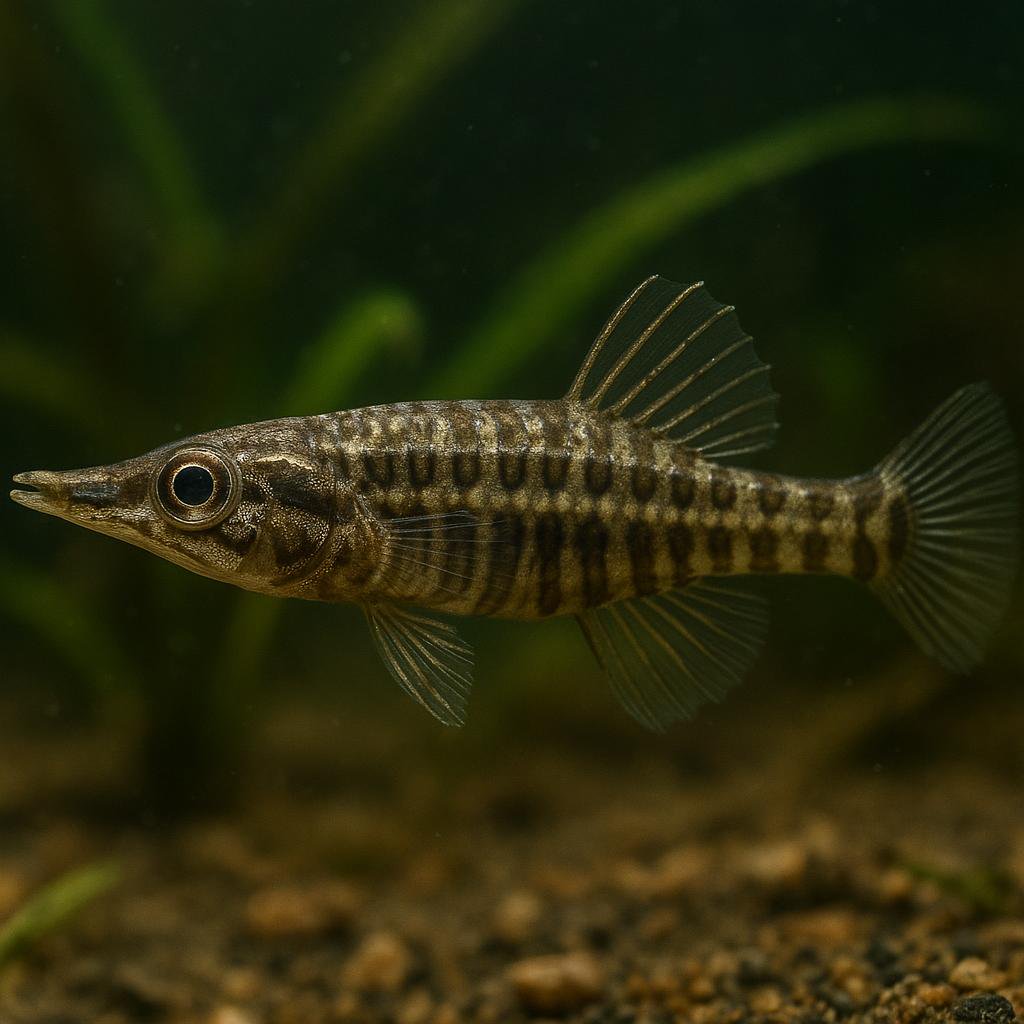
Armoured stickleback
Indostomus paradoxus
This is that goofy little "freshwater seahorse"-looking fish that just kind of perches and scoots around like a tiny armored twig. Its whole vibe is slow, sneaky micropredator - once its settled in, you will catch it stalking microfoods and doing these subtle little posture displays. The big trick is feeding: they do best when you can provide lots of small live foods in a calm, planted tank.
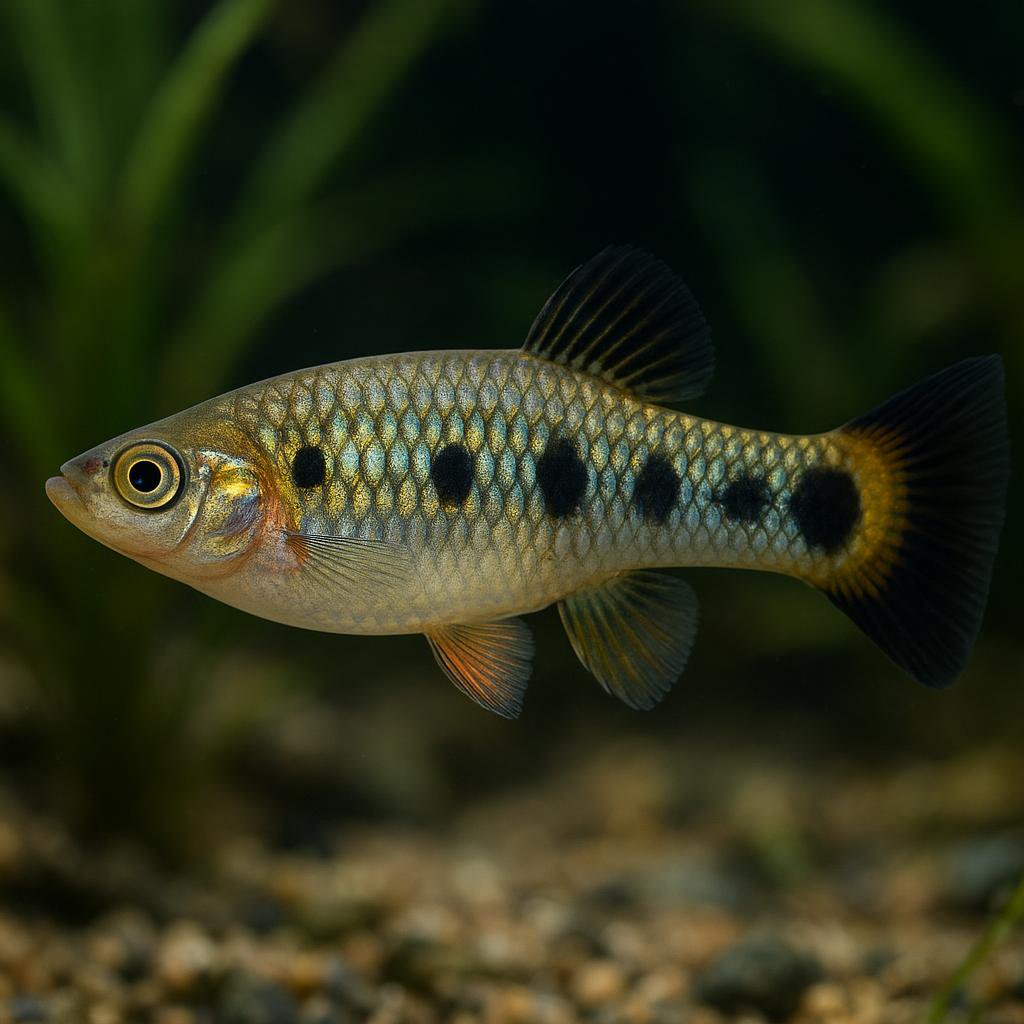
Bishop toothcarp
Brachyrhaphis episcopi
This is a tiny Panamanian livebearer that does best when you treat it more like a shy wild fish than a fancy guppy-lots of cover, calm vibes, and really clean water. The fun part is watching the males posture and spar while the females cruise around dropping fully-formed fry about once a month.
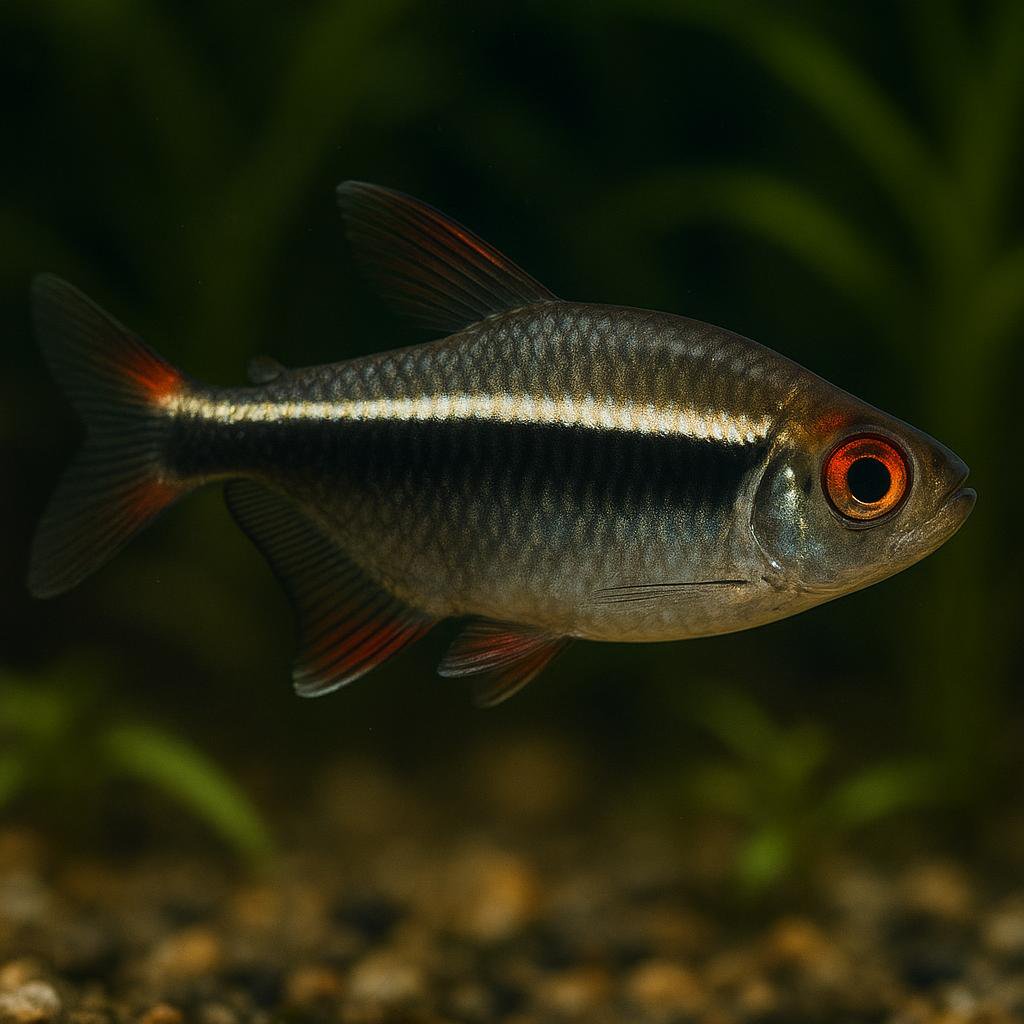
Black Neon Tetra
Hyphessobrycon herbertaxelrodi
Black neons are one of those little tetras that look kinda understated until the light hits them-then that bright stripe pops and they shimmer when the school turns together. They're super chill, always cruising mid-water, and they make a tank feel "alive" without being hectic. If you keep a nice group, they get bolder and you'll see way more of their personality.
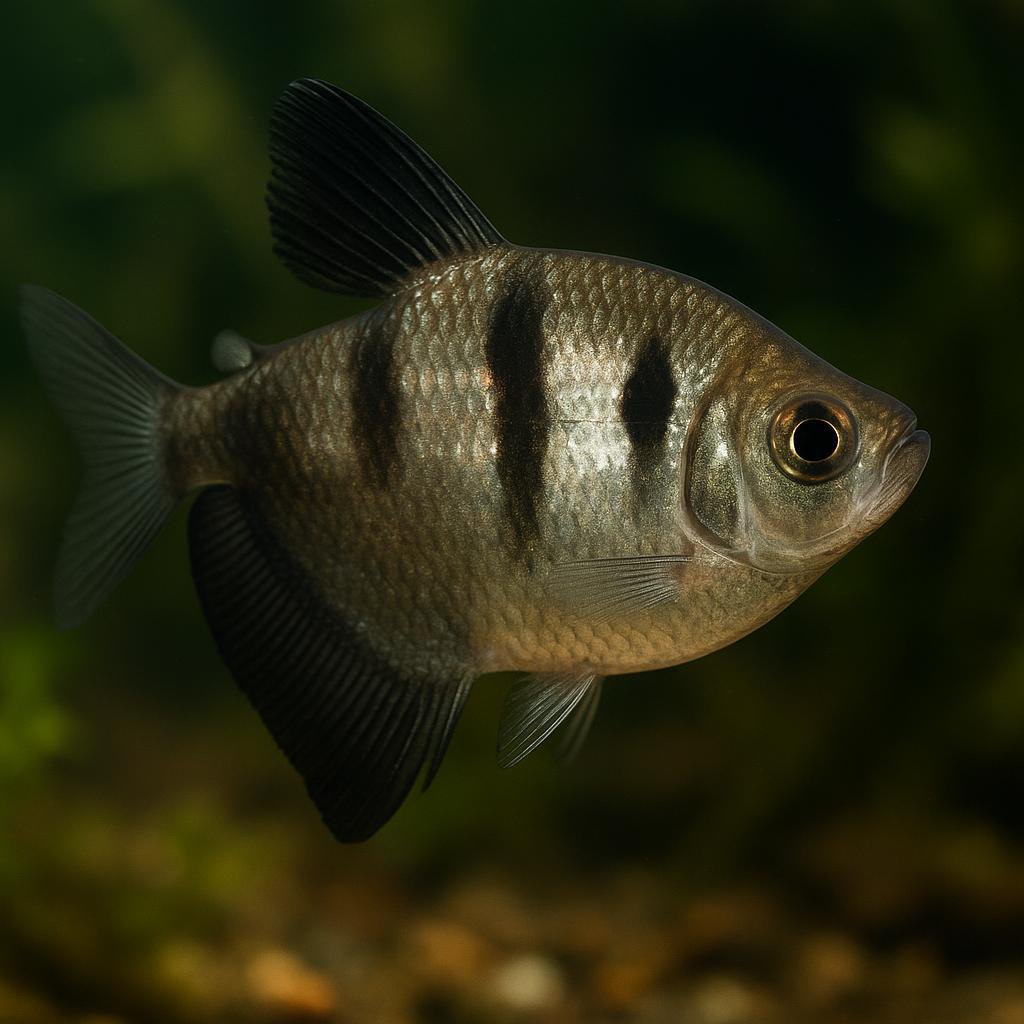
Black Skirt Tetra (Black Widow Tetra)
Gymnocorymbus ternetzi
Black skirts are those little "suit-and-tie" tetras with the dark bands and flowing fins that look way fancier than they should for how tough they are. They're super active midwater fish, and when you keep a proper group they do that tight, zippy schooling thing that makes the whole tank feel alive. Just give them enough buddies and finny tankmates they won't be tempted to nip.
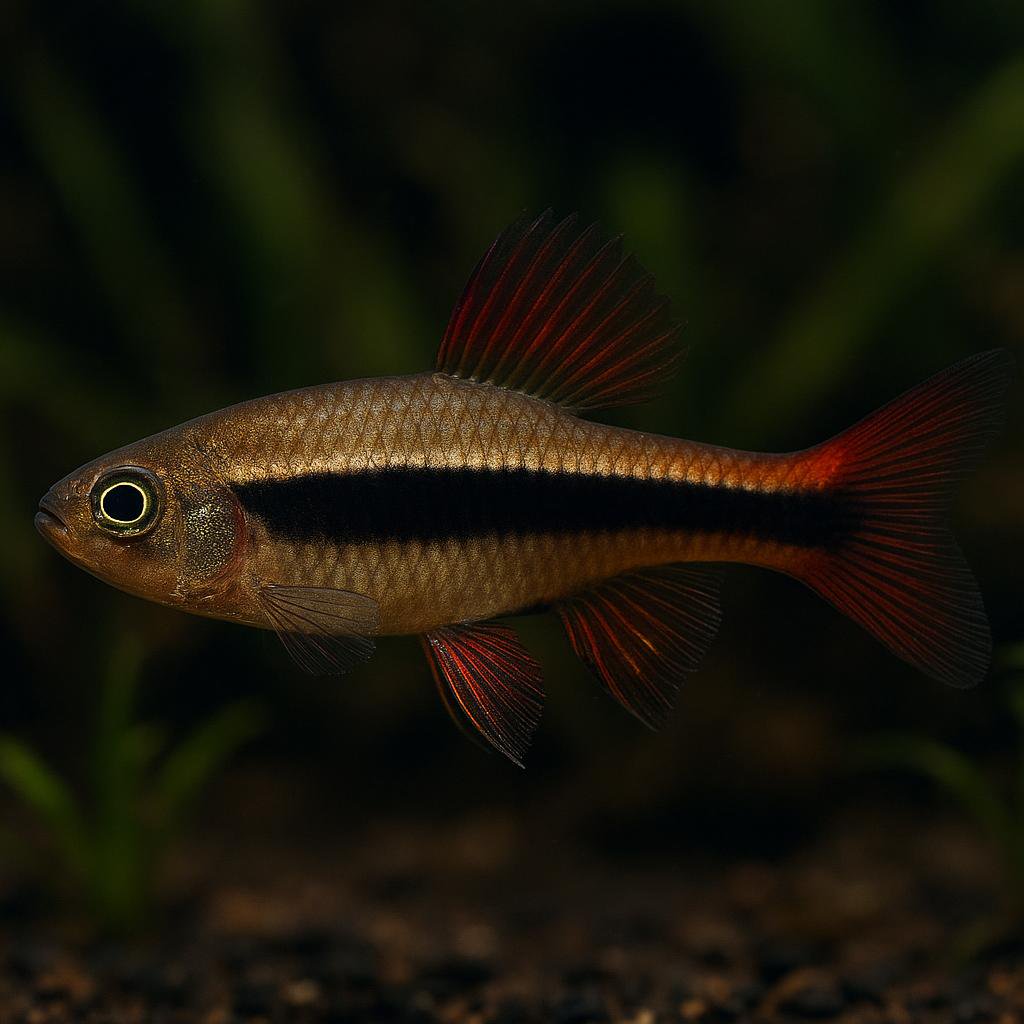
Black morpho tetra
Poecilocharax weitzmani
Poecilocharax weitzmani is one of those tiny blackwater oddballs that acts more like a little darter than a typical tetra - it hangs low, darts between cover, and the males can get pretty showy with fin-flares. The really cool part is they are cave breeders with male brood care, which is not what most people expect from a small characin. Give them very soft, acidic, super-clean water and lots of leaf litter and hidey holes, and they settle in and start showing their best colors.
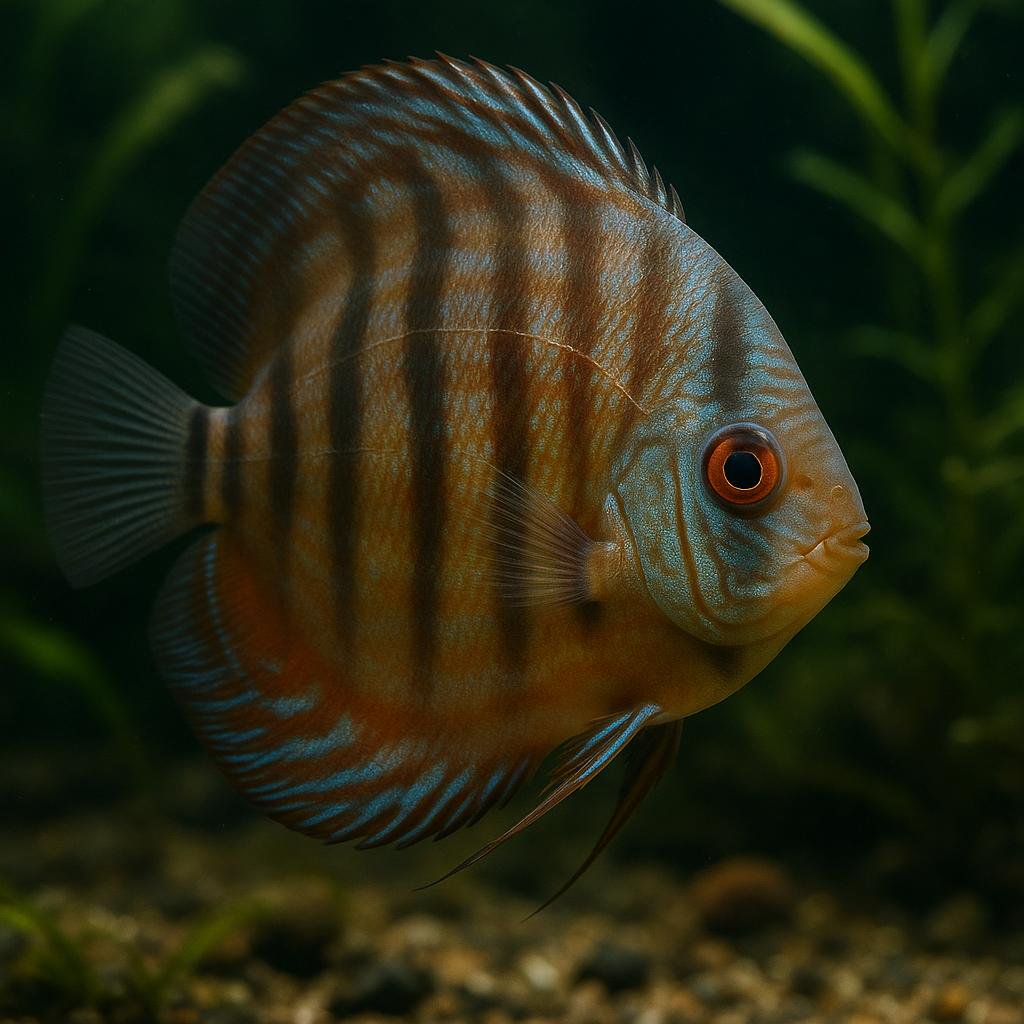
Blue discus
Symphysodon aequifasciatus
This is one of the classic wild discus from the Amazon-big, round, and super "cichlid-smart," but way more chill than most cichlids. The coolest part to me is the parenting: the fry actually feed off a mucus layer from the parents' skin for a while, which is just wild to see if you ever breed them.
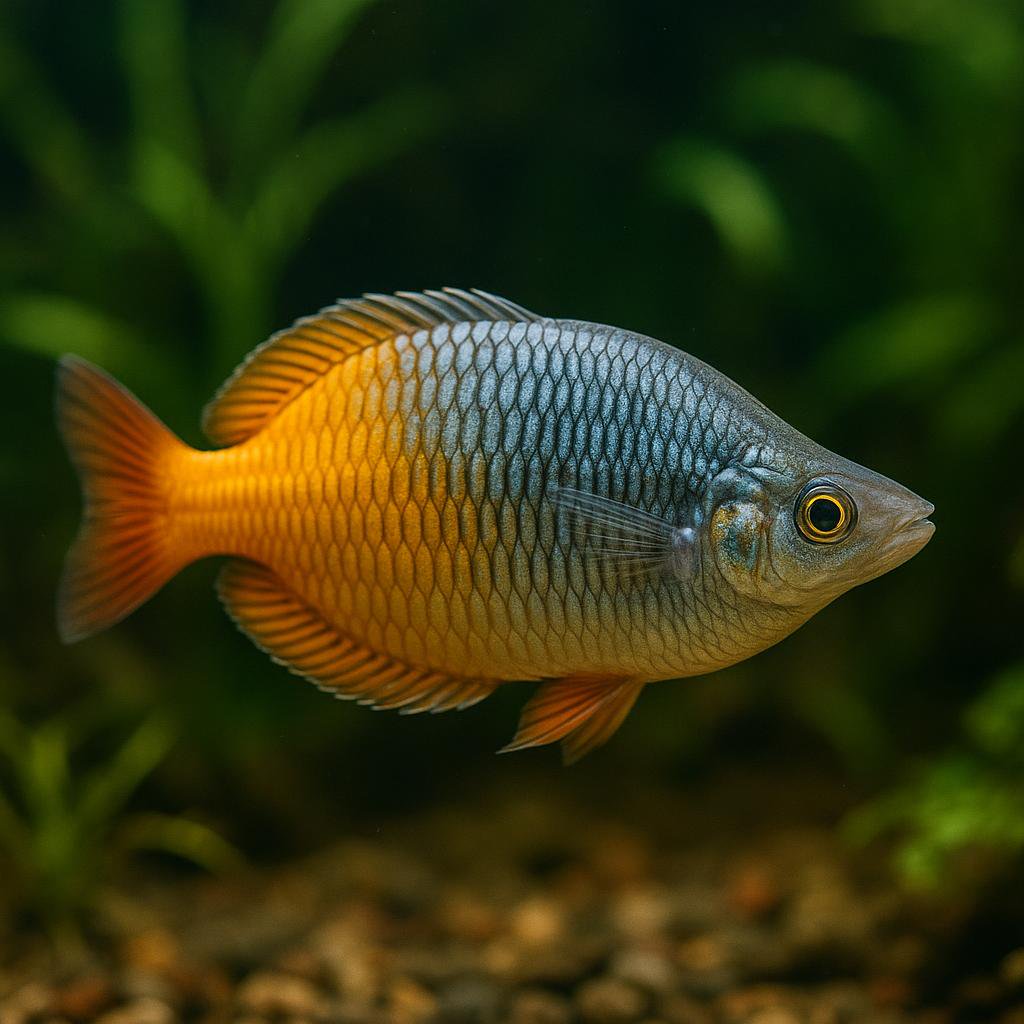
Boeseman's rainbowfish
Melanotaenia boesemani
Boesemani rainbows are basically little swimming fireworks once they settle in-males get that wild split-color look (blue up front, orange in back) and they'll flash and posture at each other all day. They're super active and way happier in a real group with a long tank to cruise, not a cramped setup where they can't stretch out.
-1771032879.jpg)
Brilliant rummy-nose tetra
Petitella bleheri (syn. Hemigrammus bleheri)
This is the rummy-nose with the really "full-face" red that runs back past the gill plate, plus that crisp black-and-white tail that flashes when the whole group turns together. When they're happy and the water's clean, they school tight and look like one living fish-when they're stressed, that red head fades fast, so they're basically your tank's mood ring.
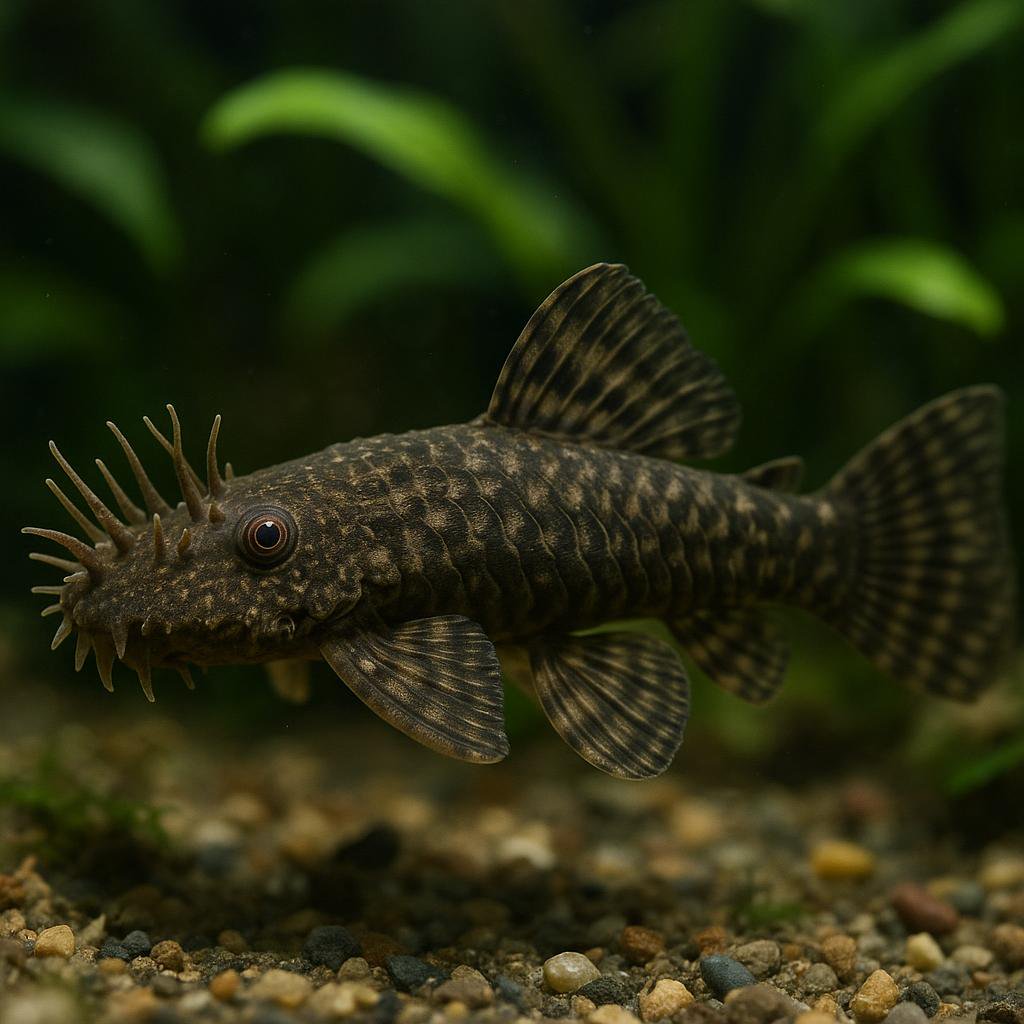
Bristlenose Pleco (Common Bristlenose)
Ancistrus cirrhosus
The Bristlenose Pleco is a small catfish with a sucker mouth, armored body, and distinctive bristles on its face, especially in males. It is primarily nocturnal and spends much of its time grazing on biofilm and algae from surfaces, making it a popular, hardy "algae-eater" in community aquariums.
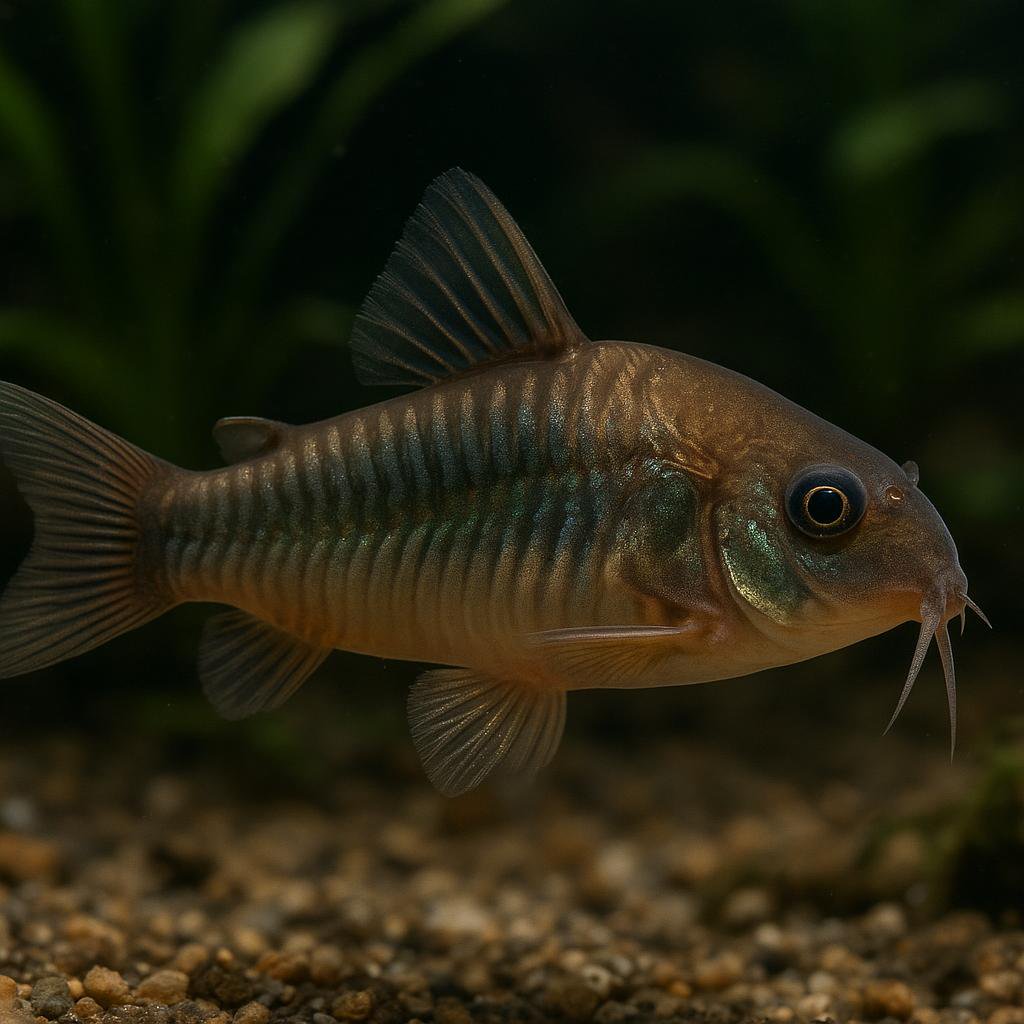
Bronze Corydoras
Corydoras aeneus
The Bronze Corydoras is a charming and highly popular freshwater fish known for its peaceful nature and striking bronze coloration. It has a stout body with barbels around its mouth, allowing it to forage effectively on the substrate. Often seen in schools, this species is well-loved for its social behavior and bottom-dwelling habits.
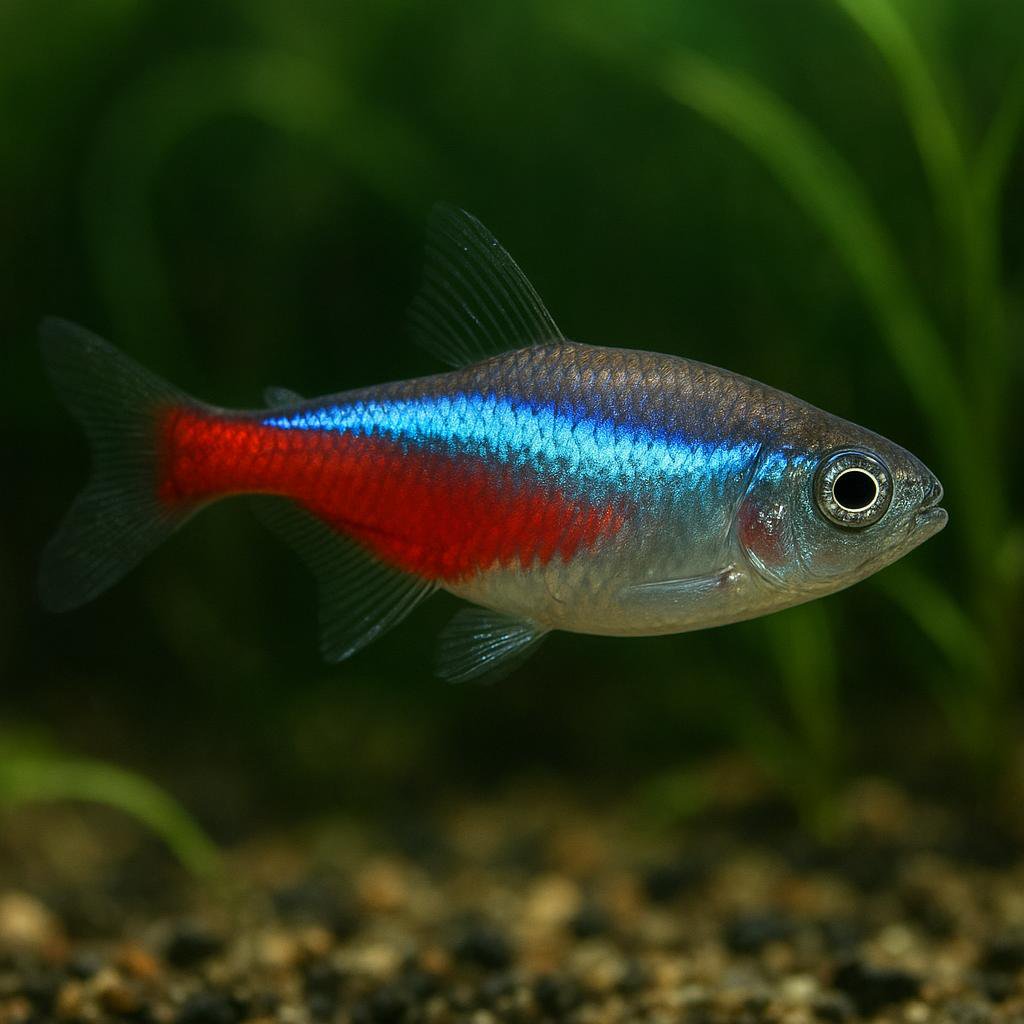
Cardinal Tetra
Paracheirodon axelrodi
The Cardinal Tetra is a small, vibrant freshwater fish known for its striking iridescent blue and red coloring. It is closely related to the Neon Tetra but can be distinguished by the extended red stripe that runs the entire length of its body. People love keeping Cardinal Tetras in their tanks because they're peaceful and great at schooling together.