

Amatlan chub
Yuriria amatlana
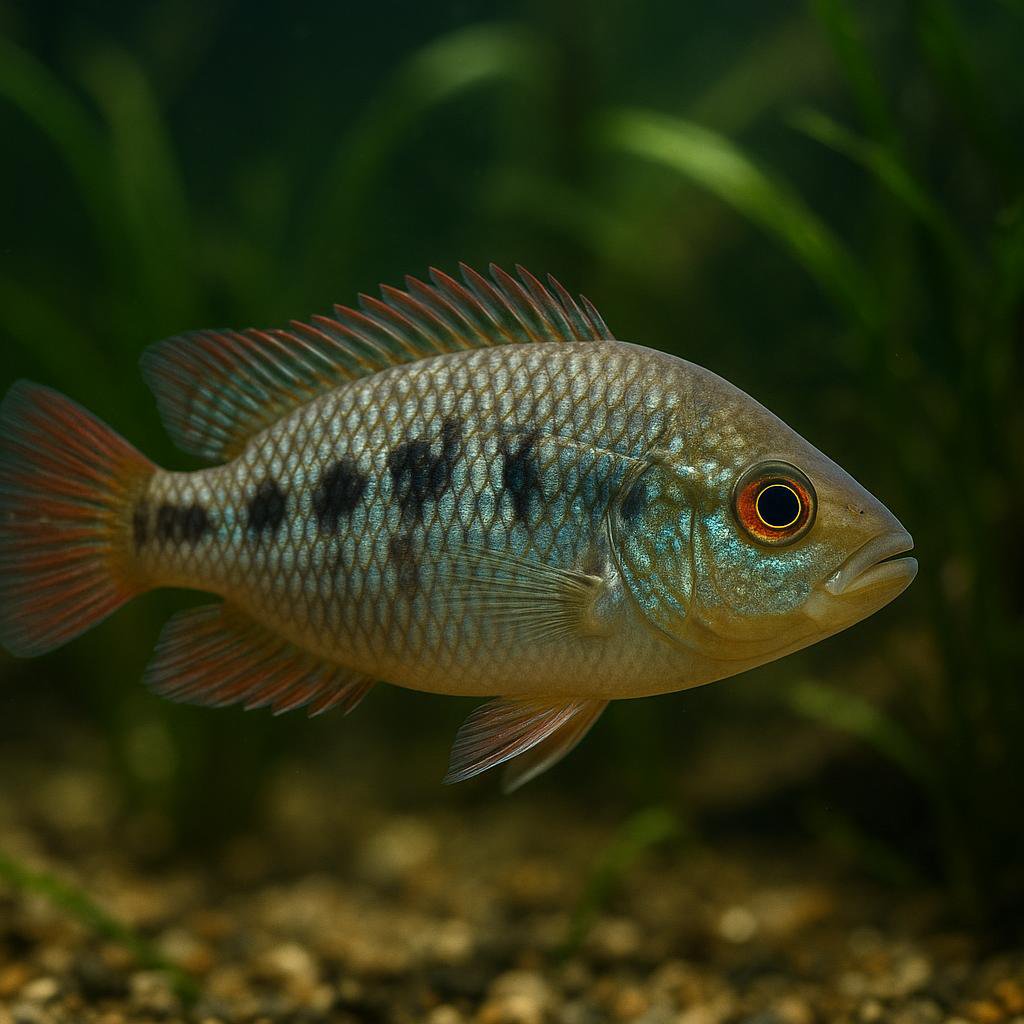
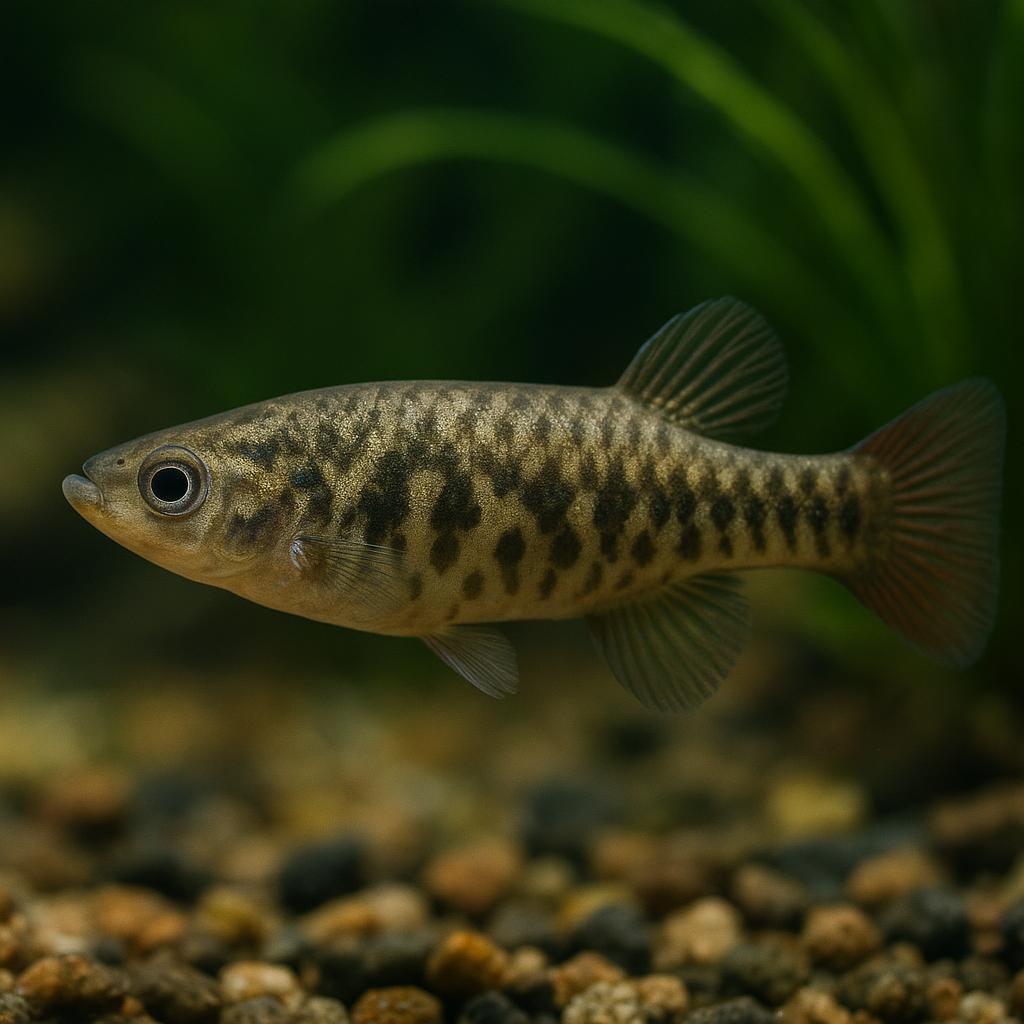
The Amatlan chub has a slender, elongated body with a silvery coloration and distinct dark spots along the lateral line.
This page includes AI-generated images. Why am I seeing AI images?
About the Amatlan chub
Yuriria amatlana (the Amatlan chub) is a little Mexican native minnow from the Ameca River basin. Its wild range is pretty limited and it is listed as Endangered, so its care info in the aquarium hobby is basically nonexistent and its availability is usually low. In the original species description, preserved fish show a dark lateral stripe with a darker patch on the caudal peduncle, and they can have tiny barbels at the mouth corners.
Also known as
Quick Facts
Size
9.2 cm SL
Temperament
Peaceful
Difficulty
Advanced
Min Tank Size
20 gallons
Lifespan
unknown
Origin
North America (Mexico - Ameca River basin)
Diet
Omnivore (typical small river cypriniform) - small insects/larvae, crustaceans, algae/aufwuchs; in captivity would take quality flakes/pellets plus frozen/live foods
Water Parameters
18-24°C
7-8
8-20 dGH
Need a heater for this species?
This species needs 18-24°C in a 20 gallon tank. Use our heater calculator to find the right wattage.
Calculate heater sizeCare Notes
- Give them a long tank with real current - think river vibe with a strong powerhead, lots of oxygen, and a lid because they can bolt when spooked.
- They do best in cool-to-mild temps (about 18-24 C / 64-75 F) and hate stale water; big weekly water changes are your friend if you're feeding heavy.
- Keep the water on the hard/alkaline side if you can (roughly pH 7.2-8.2, medium to hard GH), and don't let nitrates creep up - they get cranky and lose condition fast.
- Feed like a grazer: small meals 2-3 times a day with quality pellets/flakes plus frozen foods (daphnia, brine, bloodworms), and add some veggie matter like spirulina or blanched greens.
- They are schooling fish - keep a group (6+ if you have the room) or you'll get a jumpy, fin-nippy weirdo that harasses tankmates.
- Pick tankmates that like flow and cooler water (other robust minnows, some loaches, maybe rainbowfish if temps overlap); skip slow fancy fish and anything that needs warm, calm water.
- Breeding is doable if they're happy: condition them on heavy feeding, then do a big cool water change to mimic rain; they'll scatter eggs over fine plants/mops and adults will snack on them, so pull the parents or pull the eggs.
- Watch for mouth and fin damage from glass surfing and chasing, and keep an eye on skinny bellies - they burn calories fast in high flow and will fall behind if food isn't spread out.
Compatibility
Good Tankmates
- Other peaceful Mexican livebearer-type community fish (goodeids like Ameca splendens or Xenotoca) - similar water and temperament, and they can handle an active midwater fish without getting bullied
- Hardy midwater schoolers that are not tiny (bigger tetras like black skirt tetras, or larger barbs like Odessa barbs) - they keep up with the chubs and do fine with the constant cruising
- Rainbowfish (small to medium Melanotaenia or Pseudomugil if the chubs are not huge) - same vibe: always on the move, peaceful, and they do not melt down when the tank is busy
- Bottom crews that hold their ground (Corydoras groups, bristlenose pleco, or medium loaches) - the chubs mostly ignore the bottom as long as everyone has space and hiding spots
- Fast, plain-finned algae grazers like hillstream loaches (if you run cooler, high-oxygen water) - they stick to the glass and rocks and the chubs just do their laps up top
- Medium peaceful cichlids that are not territorial monsters (think keyholes) - works if the tank is roomy and the cichlid is not guarding a cave right in the chubs' main swim lane
Avoid
- Anything aggressive or territorial that tries to claim the whole midwater (most African cichlids, nasty Central American cichlids, red devils, convicts in breeding mode) - they will stress the chubs out and turn the tank into a boxing ring
- Nippy fin-biters (tiger barbs in small groups, some serpae tetras, aggressive danios) - Amatlan chubs are peaceful but active, and constant nipping makes them skittish and beat up
- Slow fish with big fancy fins (bettas, fancy guppies, longfin gouramis, angelfish with long streamers) - the chubs are quick and grabby at feeding time, and slow floaty fish get stressed or get their fins chewed
- Tiny bite-sized fish or shrimp (neon-sized tetras, endlers fry, cherry shrimp) - even peaceful chubs will opportunistically snack if it fits in their mouth
Where they come from
Amatlan chubs (Yuriria amatlana) are a Mexican highland cyprinid from clear freshwater systems. Think hard water, rocky runs, bright light, and seasonal swings. They are not a soft, warm, still-water tropical fish, and that mismatch is where most people get into trouble.
If you have kept North American shiners, dace, or Mexican goodeids in cooler, hard water tanks, you're already in the right mindset. If your baseline is warm community tanks, plan to adjust.
Setting up their tank
Give them room and current. These fish spend a lot of time cruising midwater, and they look their best when they can school and work against flow. A long tank beats a tall one every time.
- Tank size: I would not bother under 40 breeder / 75 cm footprint, and 75+ gallons is where they start acting natural in a group.
- Group size: 8-12 is a sweet spot. Fewer and you get more fin-nipping and jumpy behavior.
- Flow and filtration: strong filtration plus a powerhead or river manifold style flow if you like that look.
- Substrate: sand or fine gravel with rounded river stones. They will pick around and appreciate natural textures.
- Hardscape: rock piles, driftwood branches, and a couple of broken sight lines so the pecking order is not nonstop.
- Plants: tough stuff (vallisneria, sag, bolbitis/anubias on rocks) or go plant-light. In higher flow, delicate stems get shredded.
Water wise, they do best in cooler-to-moderate temps and on the hard/alkaline side. I have had the most stable results keeping them more like a temperate river fish than a warm tropical: steady oxygen, steady hardness, and no chronic heat.
They jump. Not occasionally - they jump for real. Tight lid, no gaps around hoses, and keep the water line a little lower than you think you need.
High dissolved oxygen fixes a lot of weirdness with this species. If they are hanging near the surface or acting spooked all the time, add surface agitation before you start chasing other parameters.
What to feed them
They are hearty omnivores with a strong grazing/foraging habit. If you only feed one rich pellet once a day, they get chunky and the water gets ugly fast. Multiple smaller feedings keeps them active and keeps bloat issues down.
- Staples: quality omnivore pellets or small cichlid pellets, plus a decent flake for variety.
- Frozen: daphnia, brine shrimp, cyclops, chopped bloodworms (not as the main food), mysis if they can handle the size.
- Greens: spirulina flakes, blanched spinach/zucchini, or gel foods with plant matter.
- Live foods: grindal worms, live daphnia, or mosquito larvae if you can source clean.
If you see them getting pinched bellies or acting like they are chewing and spitting, try smaller pellets and add more roughage (spirulina/greens). They do better with a little fiber in the routine.
How they behave and who they get along with
They are active, fast, and a bit pushy in that river-fish way. In a big group they mostly bicker among themselves and look great doing it. In a small group, one or two can turn into little bullies.
Tankmates need to like similar water and not be easily stressed by constant movement. Slow, long-finned fish get harassed. Tiny fish get outcompeted at feeding time.
- Good fits: other robust temperate/hardwater fish that like flow (many shiners/dace, larger livebearers from hard water, some hillstream-type species that can handle the temps).
- Risky: fancy guppies, bettas, angelfish, slow gouramis, anything with trailing fins.
- Avoid: very small nano fish, delicate soft-water species, and bottom fish that hate current.
If you want them calm, keep them in a proper shoal, give them current, and feed small amounts a couple times a day. A bored chub in a quiet tank turns into a problem child.
Breeding tips
Breeding can happen in the home aquarium, but it is not a guaranteed "oops fry" fish like some livebearers. What has worked best for me is treating them like a seasonal spawner: cooler period, then a gradual warm-up with heavier feeding and big water changes.
- Conditioning: 2-3 weeks of heavier feeding (more frozen/live) while keeping water very clean.
- Season cue: a slight cool-down period, then bring temps back up slowly and do a few larger water changes.
- Spawning site: fine-leaved plants, spawning mops, or a tray of clean rounded gravel/pebbles where eggs can fall out of reach.
- Egg/fry handling: adults will eat eggs and fry. If you want numbers, pull the mop/media to a separate rearing tub with gentle air and clean water.
First foods for fry: infusoria or powdered fry food for a couple days, then baby brine shrimp. Keep flow gentle in the rearing container so they are not pinned to a corner.
Common problems to watch for
Most issues with Amatlan chubs come from pushing them too warm, keeping them under-oxygenated, or crowding them in a short tank. They will live, but they get skittish, nippy, and prone to random losses.
- Jumping: the number one "mystery death". Cover the tank tight.
- Low oxygen: surface gasping, hanging in the flow, dull colors, rapid breathing.
- Heat stress: lethargy, poor appetite, more disease outbreaks in summer if the tank runs hot.
- Bloat/constipation: swollen belly, stringy poop, awkward swimming - usually from rich food and big meals.
- Fin damage: usually from crowding or too small a group; also watch for sharp rocks in high-flow layouts.
Do not treat them like a warm tropical community fish. If your tank sits in the high 70s/80s F for long stretches, plan on extra aeration at minimum, and consider a cooler setup if you want long-term success.
Similar Species
Other freshwater peaceful species you might be interested in.
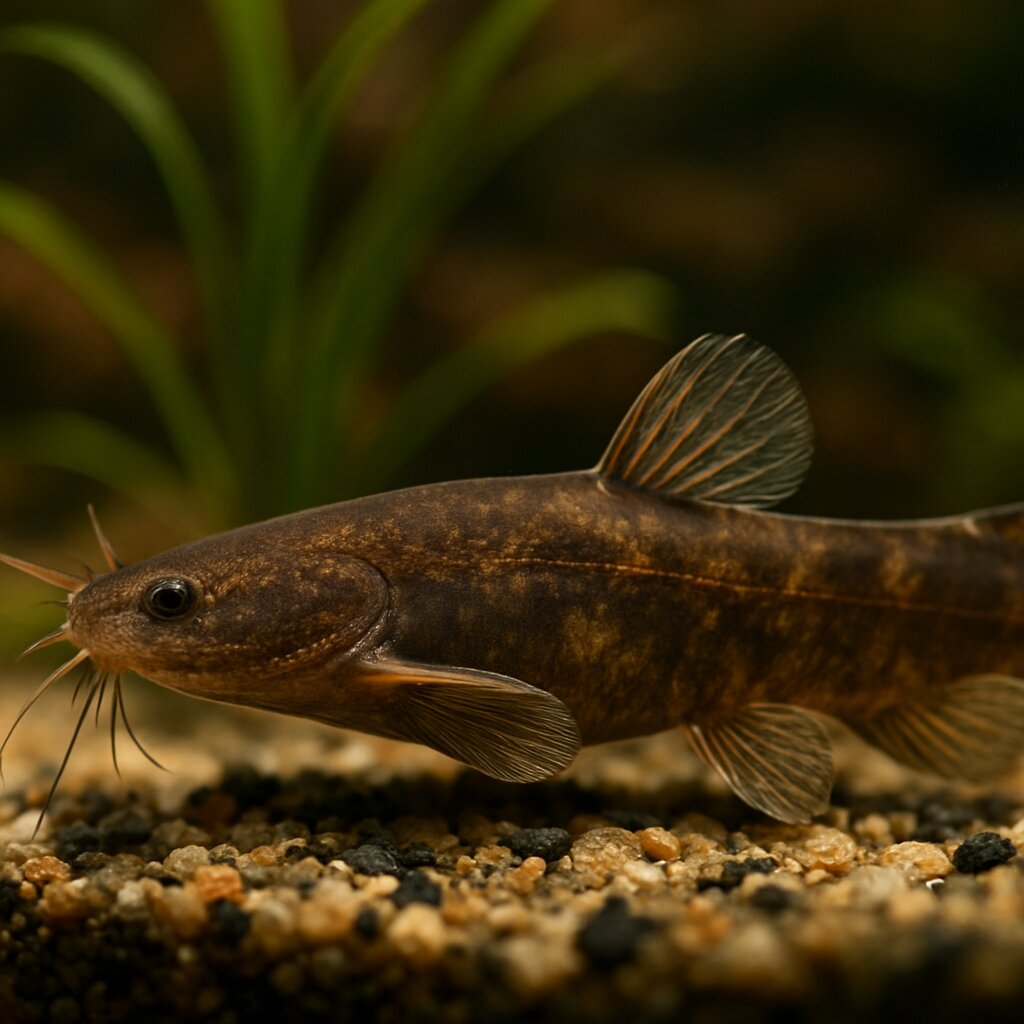
Amphilius dimonikensis
A small loach catfish endemic to the Mpoulou River in the Mayombe (Dimonika Biosphere Reserve), Republic of the Congo. Amphilius dimonikensis has a subtle banded pattern and inhabits fast, clear streams over rock and sand. In aquaria, prioritize strong, well-oxygenated flow with rounded stones and sand to mimic hillstream conditions.
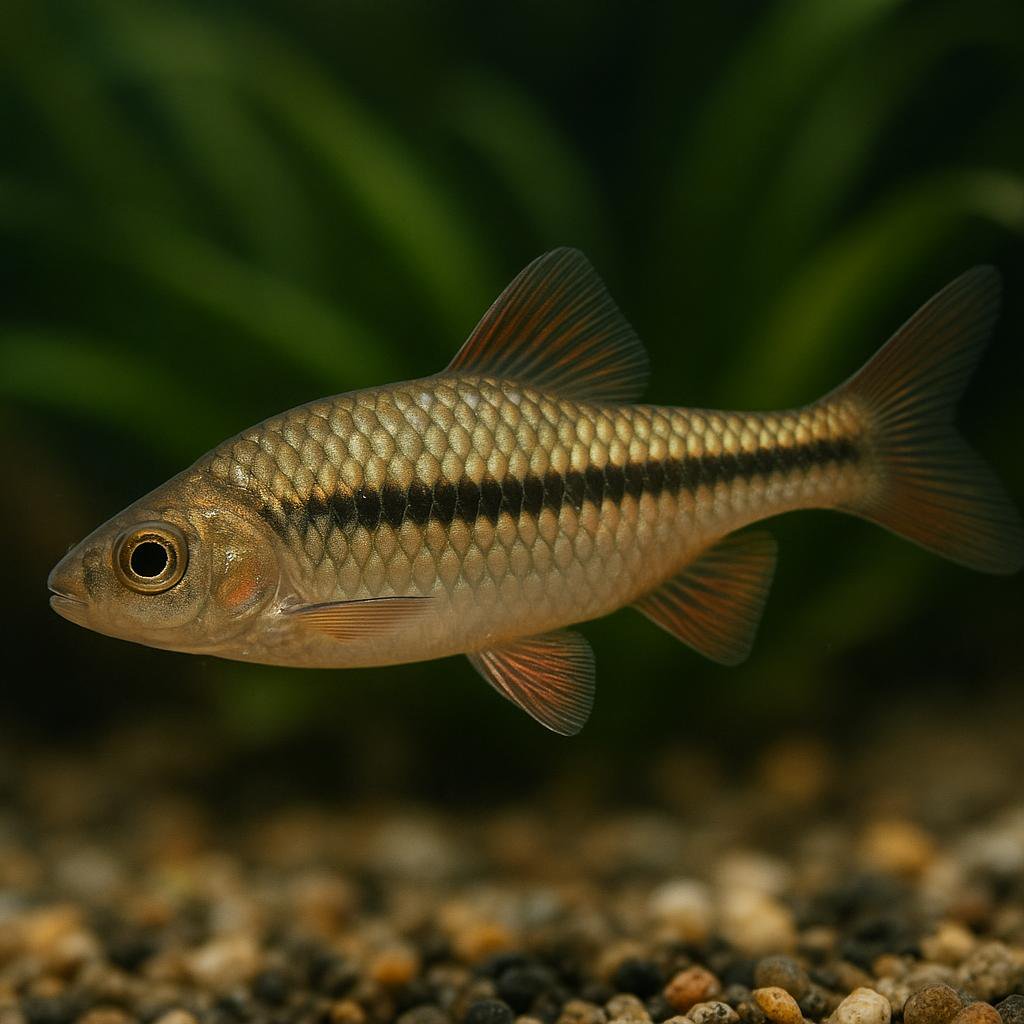
Aboina barb
Enteromius aboinensis
Enteromius aboinensis (the Aboina barb) is a small West African barb with a clean black midline stripe and a little spot right at the base of the tail. It does best when you treat it like a proper schooling fish - keep a decent group and give it plants around the edges with open swimming room in the middle.
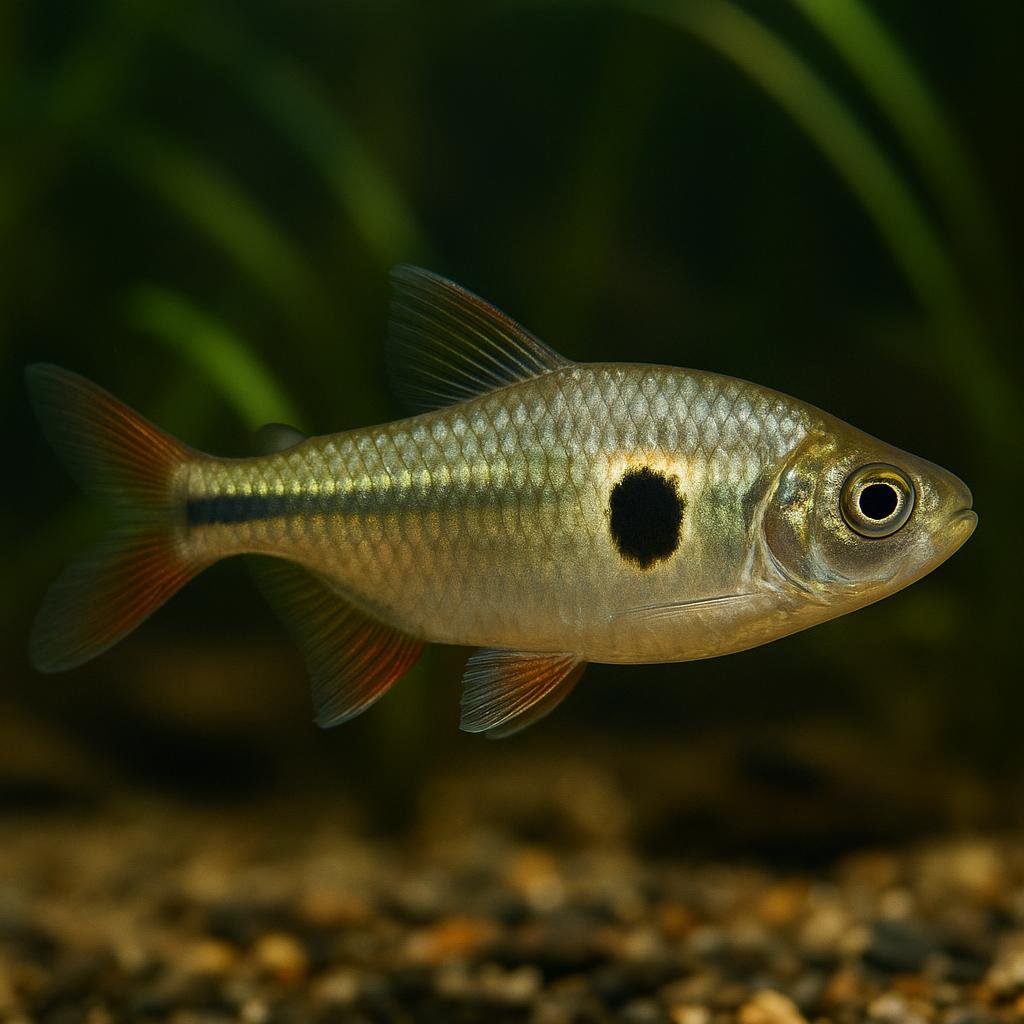
Ajuricaba tetra
Jupiaba ajuricaba
Jupiaba ajuricaba is a South American freshwater characin from the Amazon basin in Brazil (rio Negro, rio Solimões, and rio Tapajós basins). It reaches about 9.5 cm SL and is diagnosed by a narrow dark midlateral stripe, an elongated humeral spot, and an ocellated spot on the upper caudal-fin lobe. Wild specimens have been collected from blackwater forest streams and also oxbow-lake habitats.
Allen's river garfish
Zenarchopterus alleni
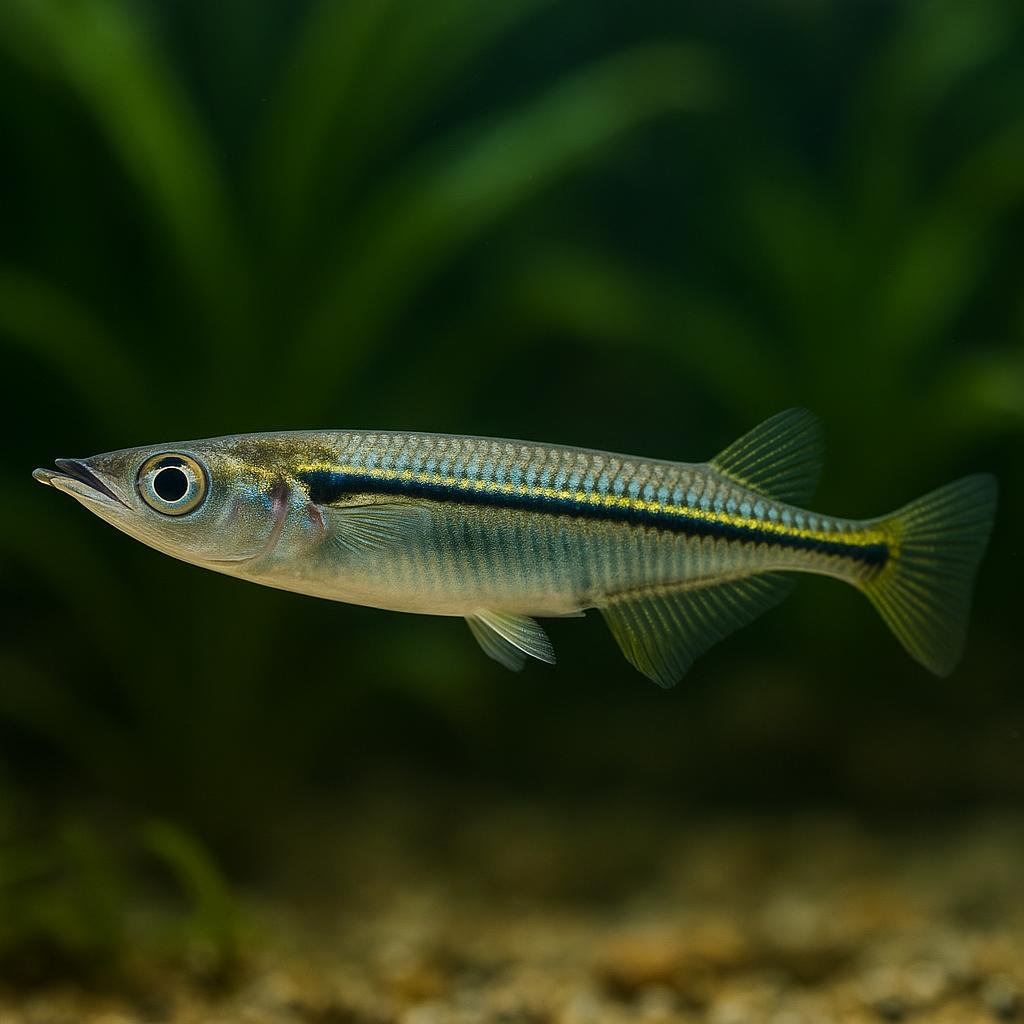
A poorly known freshwater halfbeak endemic to West Papua (Mamberamo River), described from a single specimen (~13 cm SL). Beyond basic habitat/occurrence, little is published about its ecology or aquarium suitability; assume it is a surface-oriented, jump-prone halfbeak only by analogy with related taxa.
Amapa tetra
Hyphessobrycon amapaensis
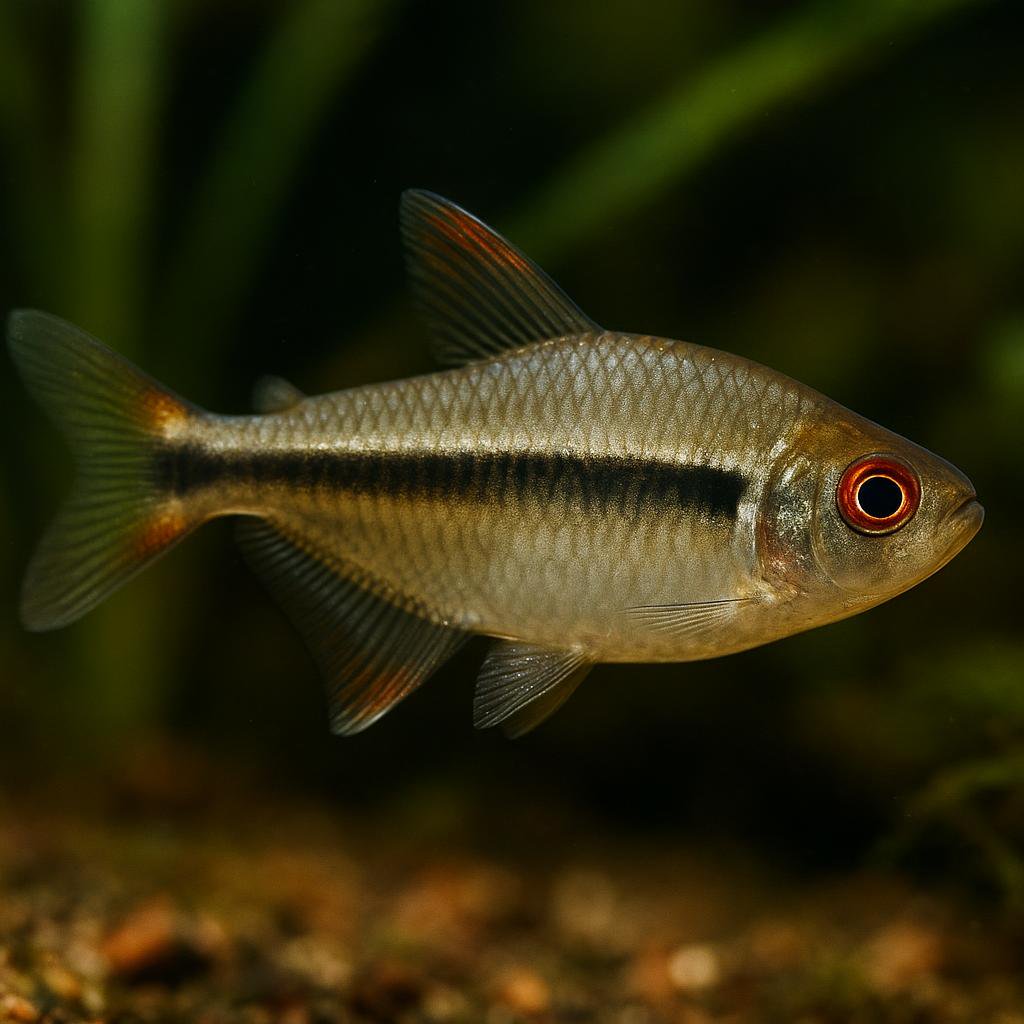
This is a tiny, super sleek little tetra with a clean red stripe down the side that really pops once its settled in. It does best in a planted, slightly tinted "creek-style" setup and looks way cooler when you keep a proper group so they school and flash that line together. If you can give it soft, slightly acidic water and a calm community, its an easy fish to fall for.
Andrica moenkhausia
Moenkhausia andrica
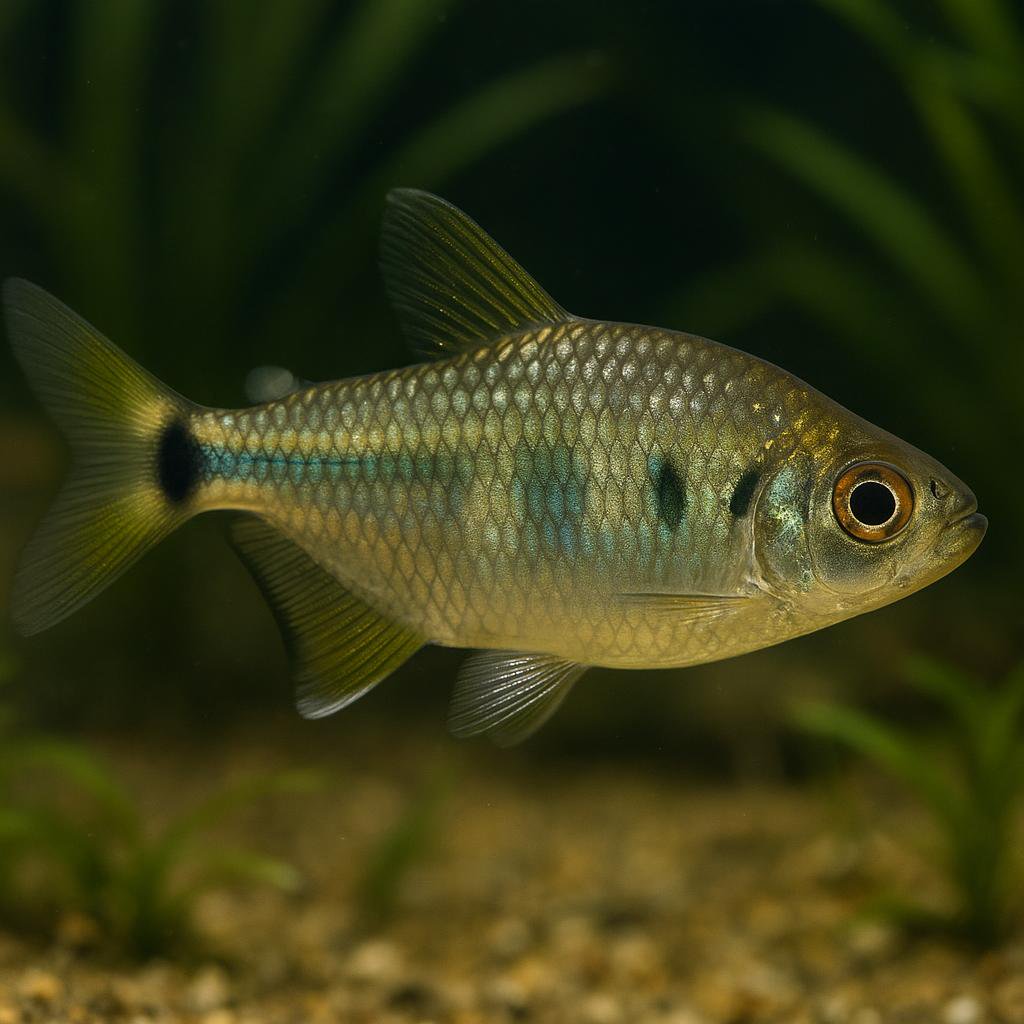
Moenkhausia andrica is a little Brazilian characin from the Tapajos system that tops out around 7 cm (about 2.8 inches) standard length. It has a neat netted (reticulated) scale pattern plus a dark spot on the caudal peduncle, and the really wild part is that mature females can have tiny fin hooklets too, which is usually a male-only thing in a lot of characins.
More to Explore
Discover more freshwater species.
Jupiaba kurua
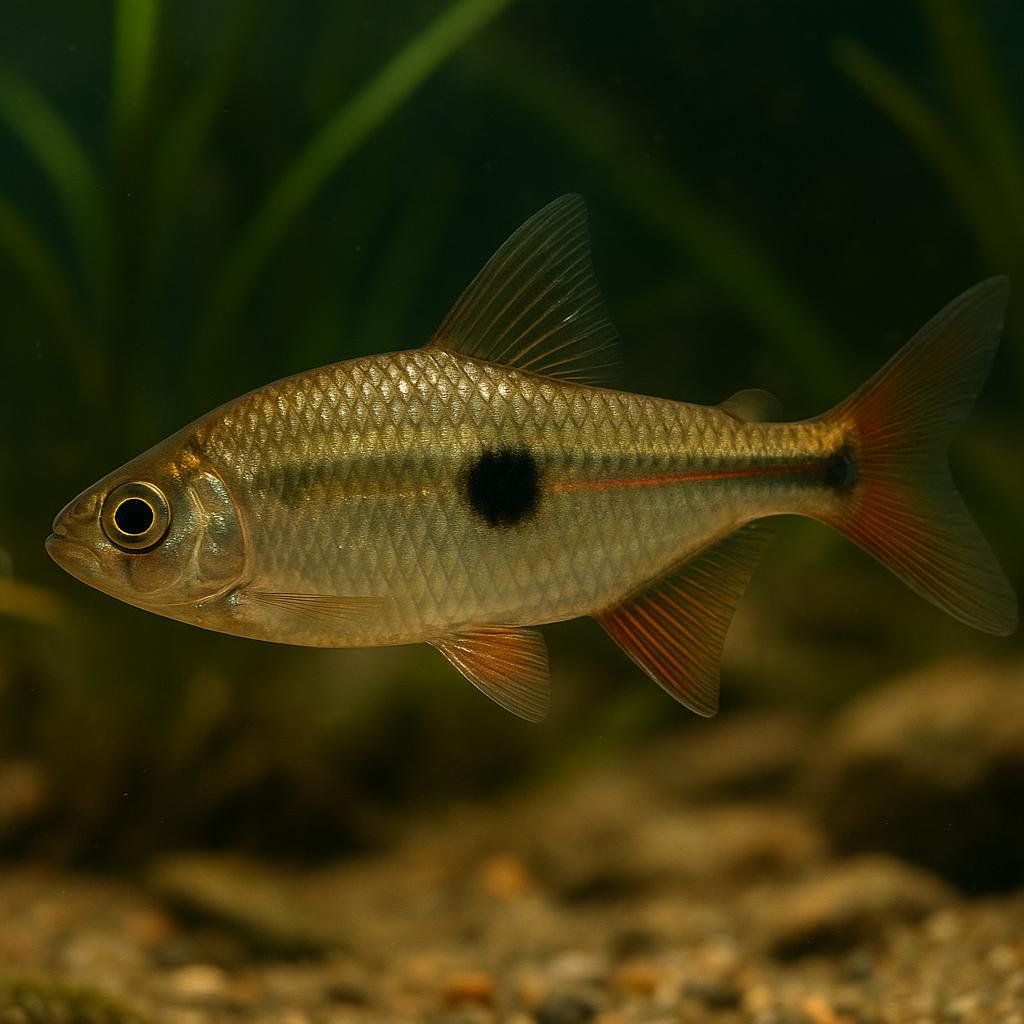
Small South American characin endemic to the upper rio Curuá (rio Xingu basin, Brazil). Reaches about 8.7 cm SL and inhabits clearwater rivers. Distinguished by dark dots on the bases of many lateral scales and a distinct dark caudal‑peduncle spot. Reported diet indicates omnivory, including aquatic insects, small fishes, and fragments of Podostemaceae and filamentous algae.
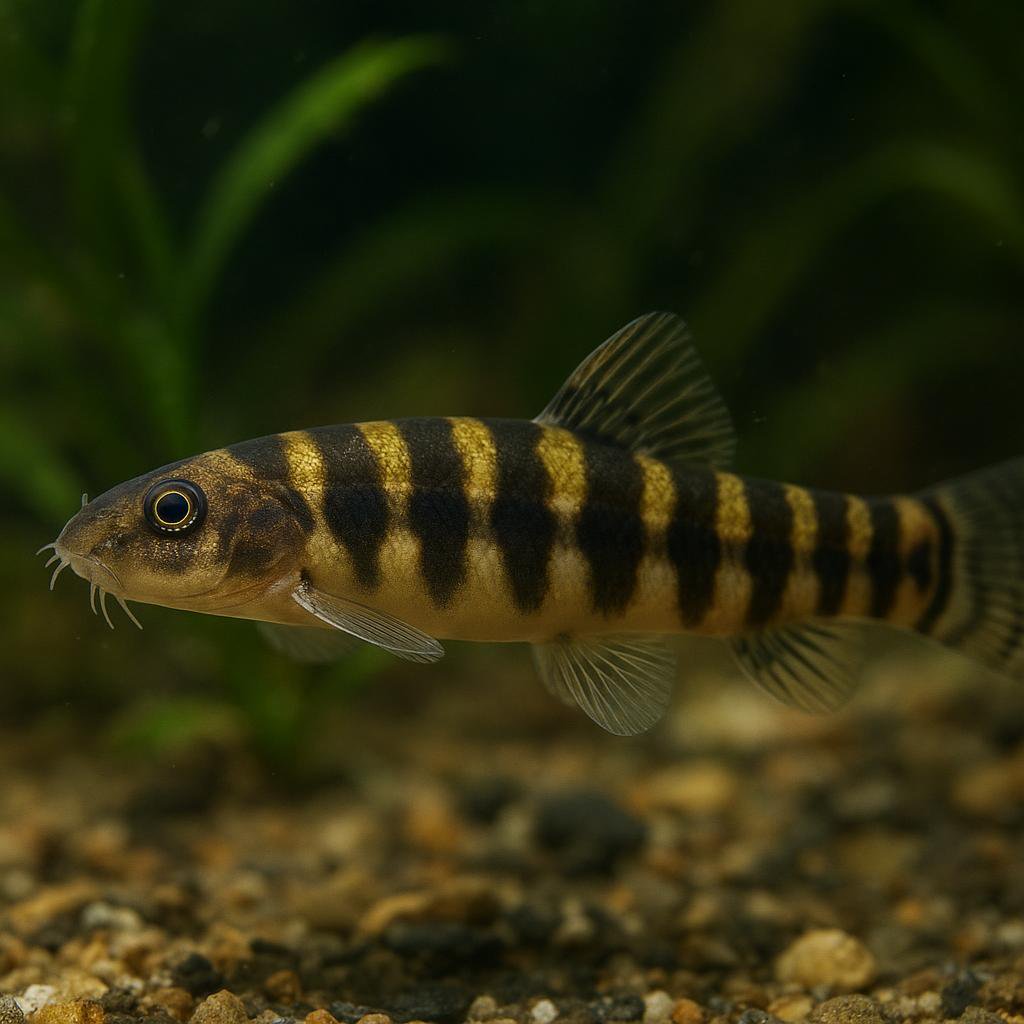
Altipedunculata stone loach
Schistura altipedunculata
Schistura altipedunculata is one of those little stream loaches that wants clean, well-oxygenated water and a bunch of rock nooks to claim as home. It is a bottom-hugger that will spend its day scooting from crevice to crevice, and it tends to get a bit spicy with its own kind if you do not give it enough hiding spots.
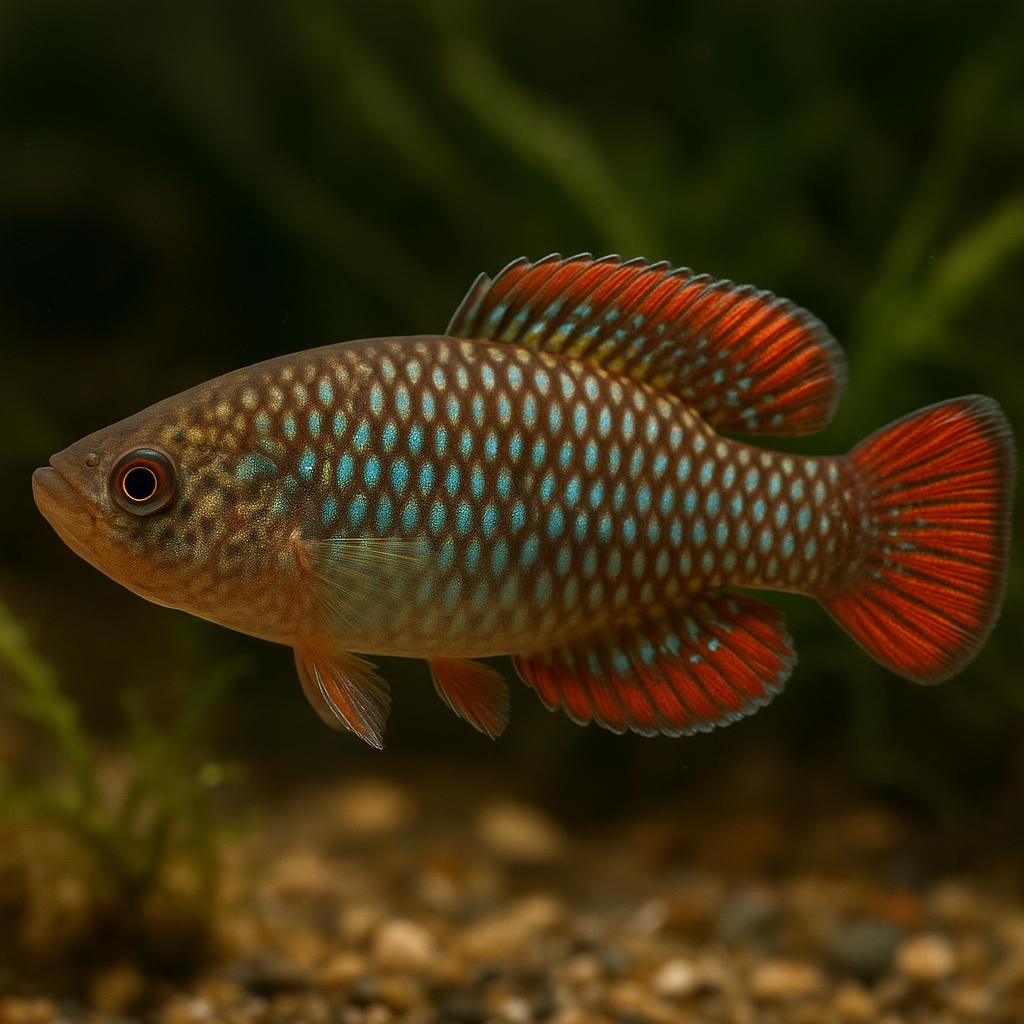
American flagfish
Jordanella floridae
Jordanella floridae is that little Florida native with the red-and-cream striping that really does look like a tiny flag once a male colors up. They graze algae like champs (especially stringy/hair algae), but they have a bit of attitude - give them plants and space so the bossy behavior stays manageable. Bonus: the male guards the eggs and will actively fan them, which is pretty fun to watch.
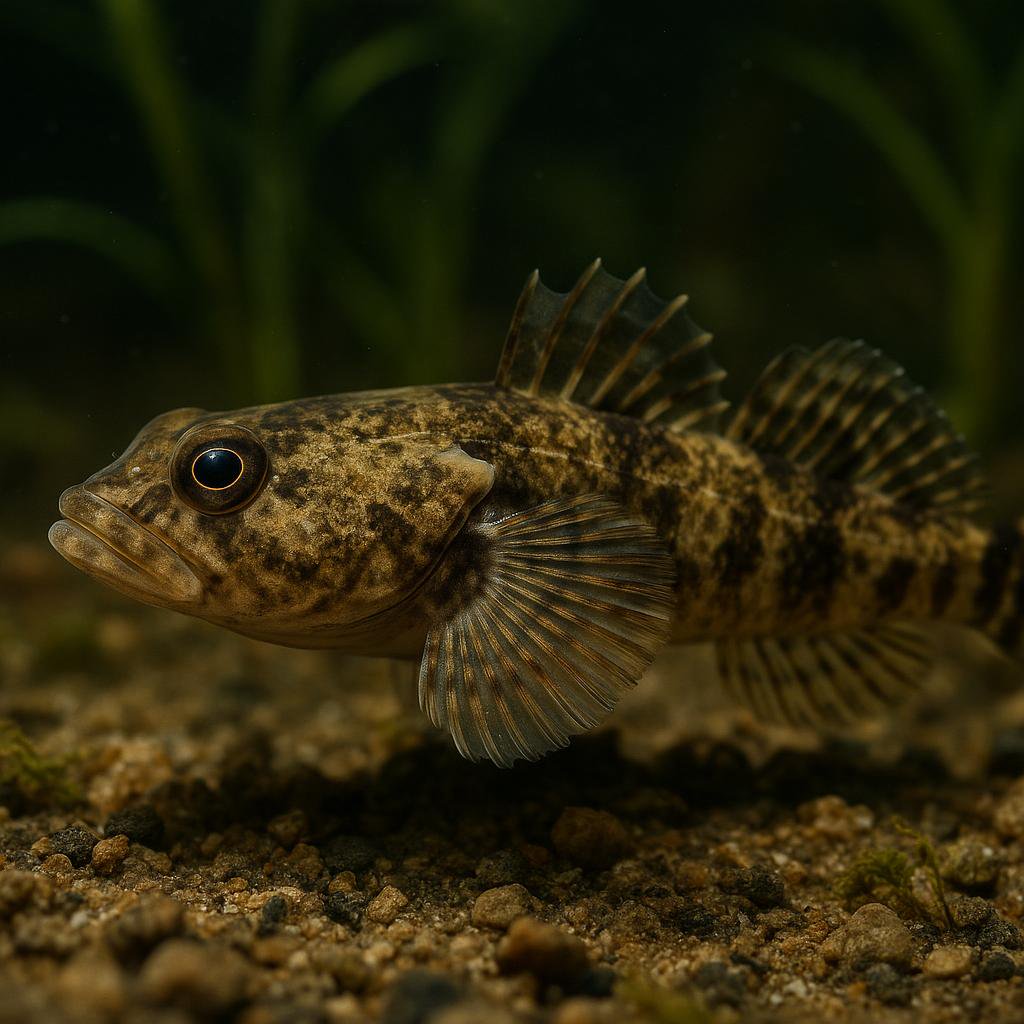
Amur sculpin
Alpinocottus szanaga
This is a little coldwater sculpin from the Amur drainage - a bottom-hugging, rock-and-gravel fish that spends its day wedged under stones and darting out to grab food. Super cool behavior and attitude, but it is absolutely not a warm tropical community fish - it wants chilly, fast, oxygen-rich water and will bicker with other bottom fish.
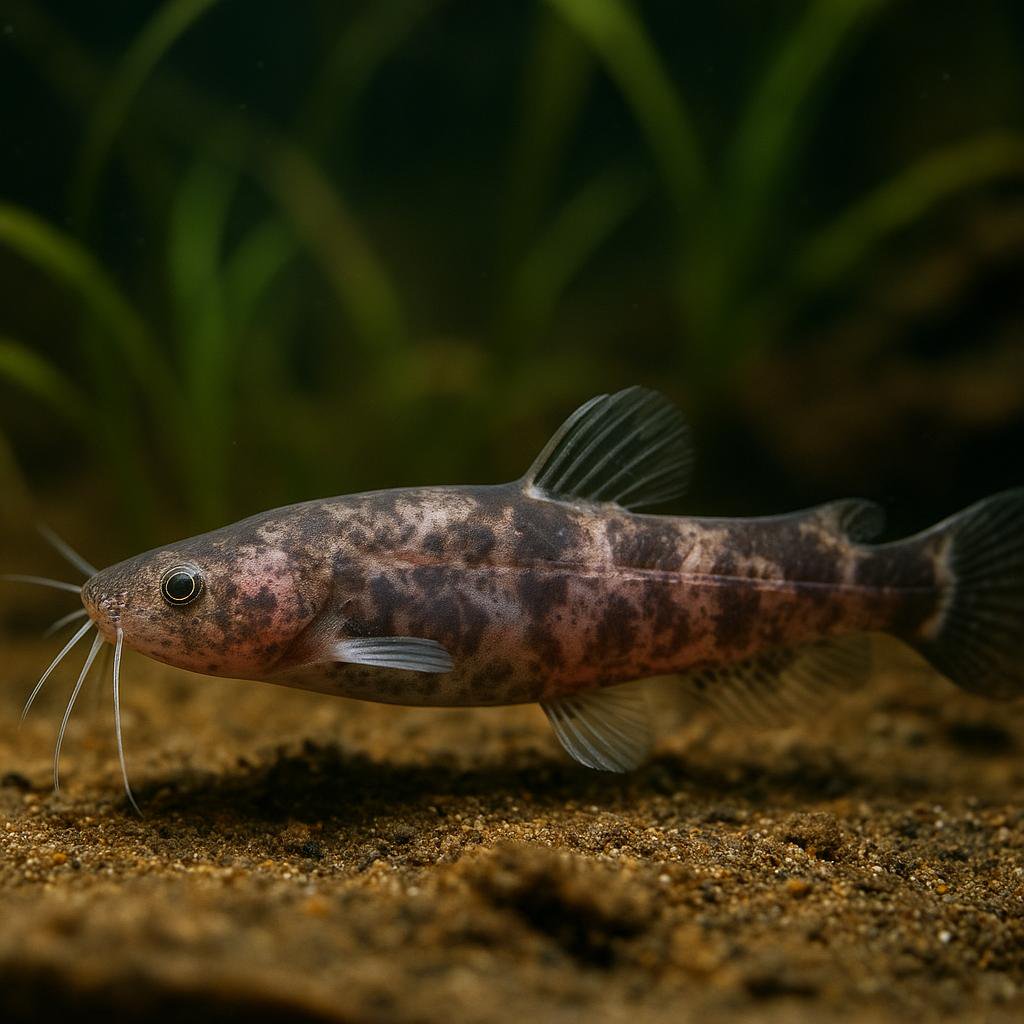
Anhanga pygmy pencil catfish
Potamoglanis anhanga
This is a truly tiny Amazonian trichomycterid catfish - like 1.3 cm max - so it is more of a micro-predator oddball than a typical community catfish. It is the kind of fish that disappears into sand, leaf litter, and plant roots, and you will spend way more time setting up the right micro-habitat than you will actually seeing it.
Anitápolis livebearer
Jenynsia weitzmani
Jenynsia weitzmani is a freshwater anablepid livebearer endemic to southern Brazil (currently known only from the type locality near Anitápolis, Santa Catarina). Like other Jenynsia (onesided livebearers), reproduction involves lateralized mating morphology/behavior; aquarium care guidance is not well-documented for this species specifically.
Looking for other species?