

Ripon Falls haplochromine
Haplochromis macrops
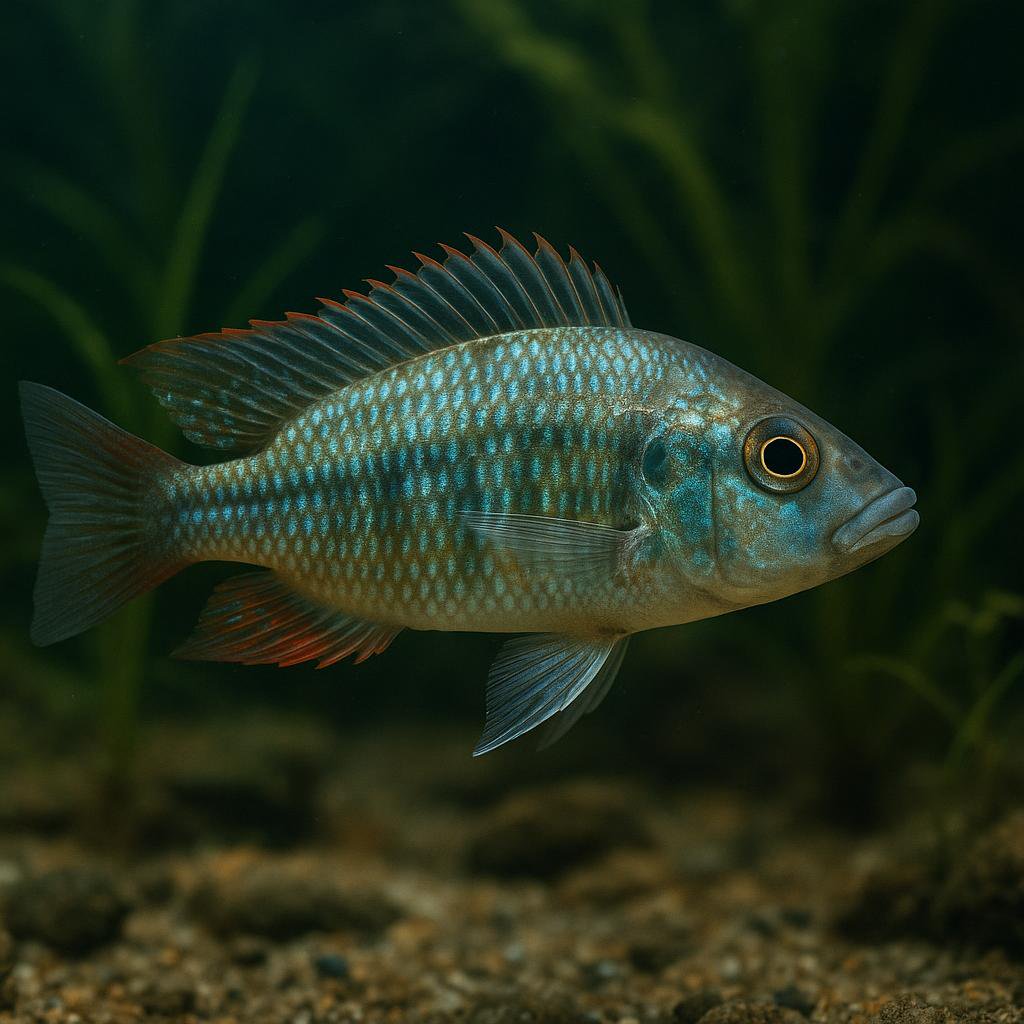
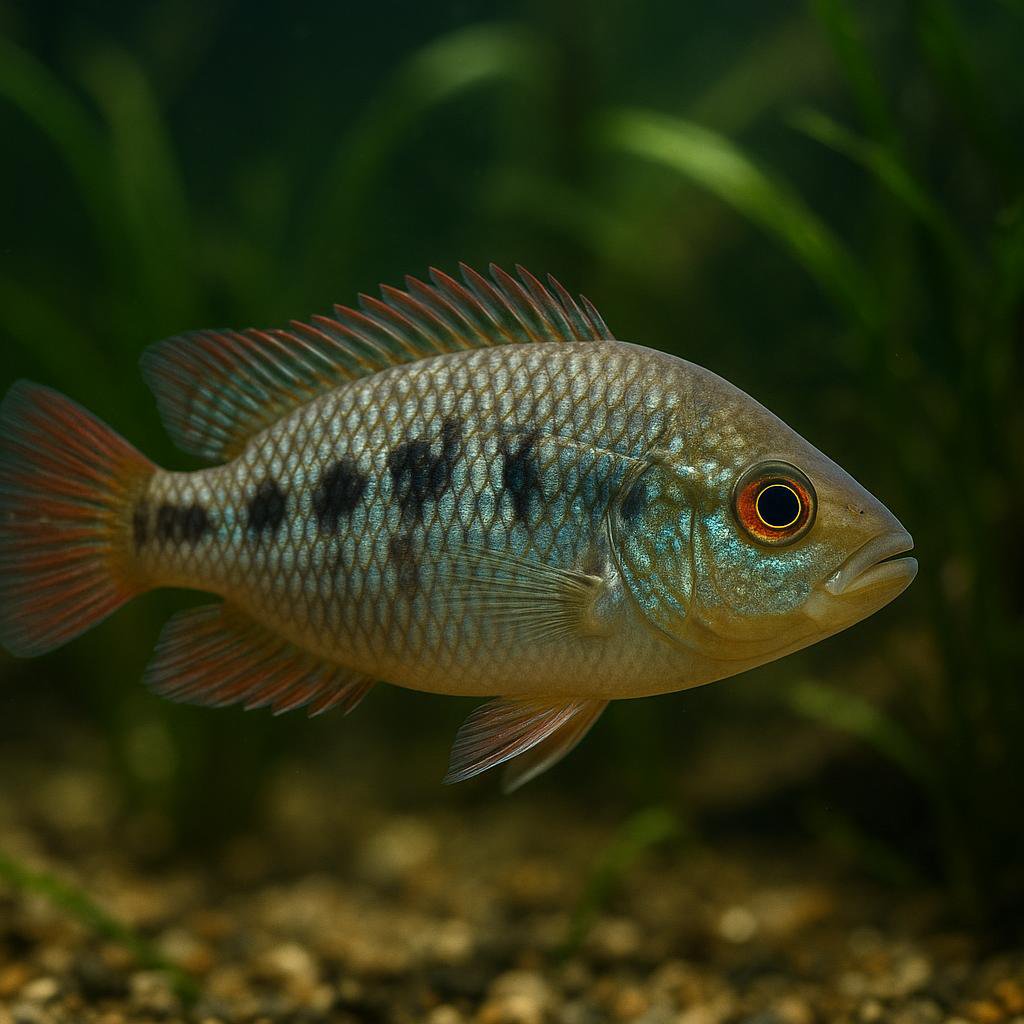
The Ripon Falls haplochromine features a streamlined body with vibrant blue-green hues and distinctive vertical barring along its flanks.
This page includes AI-generated images. Why am I seeing AI images?
About the Ripon Falls haplochromine
This is a smaller Lake Victoria haplochromine cichlid from the littoral zone, hanging around sandy and rocky shore areas. In the wild it picks at insect larvae and other small inverts, and like a lot of Victorian haps the females are maternal mouthbrooders. Its care is basically "Lake Victoria hap" style - clean, well-oxygenated water, sand/rock decor, and a bit of attitude like most cichlids.
Also known as
Quick Facts
Size
10.4 cm SL
Temperament
Semi-aggressive
Difficulty
Intermediate
Min Tank Size
40 gallons
Lifespan
5-8 years
Origin
East Africa (Lake Victoria basin)
Diet
Carnivore/insectivore leaning omnivore - quality cichlid pellets plus frozen/live foods (insect larvae, small crustaceans)
Water Parameters
21-27°C
7.5-8.6
8-20 dGH
Need a heater for this species?
This species needs 21-27°C in a 40 gallon tank. Use our heater calculator to find the right wattage.
Calculate heater sizeCare Notes
- Provide ample space and line-of-sight breaks using rockwork; exact minimum volume depends on group size and tankmates (no species-specific minimum tank size guidance was found for this species in authoritative sources).
- They act like a Lake Victoria hap: hard, alkaline water keeps them steady (around pH 7.6-8.6, GH 8-15), and they get cranky fast if you let nitrate climb.
- Run extra filtration and add lots of water movement; these guys eat like predators and the tank will foul quicker than you expect.
- Feed like a hunter: quality cichlid pellets as the base, plus krill, shrimp, or earthworms a couple times a week; skip messy overfeeding because bloat is a real thing with rich foods.
- Stocking: best with other similarly sized, tough African haps or robust Synodontis; avoid slow fancy fish, tiny tetras, or peaceful community cichlids because they will get bullied or eaten.
- Keep one male with multiple females unless your tank is huge; two males in a smaller setup usually turns into nonstop sparring and shredded fins.
- Breeding is maternal mouthbrooding in Lake Victoria haplochromines; confirm holding duration for this species/line specifically (no authoritative source confirming an exact ~3-week hold for H. riponianus/macrops was found in this audit).
- Watch for chewed fins, lip-locking injuries, and sudden sulking at the bottom - that usually means too much aggression or water quality slipping, not some mystery disease.
Compatibility
Good Tankmates
- Other medium-sized Lake Victoria haplochromines (similar attitude and size) - best when you stock a small harem-style group and spread the aggression around
- Lake Malawi peacocks (Aulonocara) (possible, but mixing Lake Victoria and Lake Malawi cichlids is not a species-specific recommendation and should be treated as a conditional/advanced mix, not a default compatibility rule).
- Yellow labs (Labidochromis caeruleus) (conditional; mixing Victoria haplochromines with mbuna is not species-specific guidance and should be treated as an advanced/behavior-dependent mix).
- Synodontis catfish (like petricola/multipunctatus type cats) - awesome for bottom cleanup and they do not care about cichlid drama
- Robust dither fish like larger barbs (tinfoil barbs, or big, fast barbs in general) - they are quick, not finny, and they help keep everyone out in the open
- Giant danios or similar fast, tough schooling fish - only if the tank is big and the cichlids are not in full breeding rage 24-7
Avoid
- Slow, fancy-finned fish (angelfish, gouramis, bettas, fancy guppies) - they get stressed, get fins shredded, and usually end up hiding until they crash
- Tiny community fish (neons, small rasboras, small livebearers) - looks like food, acts like food, becomes food
- Super aggressive mbuna (like auratus, johannii, some crabro/bumblebee types) - you end up with nonstop war and somebody is getting pinned in a corner
- Other males of the same hap or very similar-looking haps in a tight tank - they will lock onto each other and it turns into a grudge match
Where they come from
Ripon Falls haplochromines (Haplochromis riponianus) are Lake Victoria cichlids from the old Ripon Falls area where the lake used to pour into the Nile. Theyre part of that big, messy group of Victorian haps that can look similar in photos but act very much like cichlids once you get them settled.
Most of what you see in the hobby is tank-bred or line-bred from older imports, so dont be surprised if coloration varies a bit between sources. If you can, ask the breeder what their adults look like and how aggressive their line runs.
Setting up their tank
Give them space first, then decorate. Theyre active, fast fish and they use the whole tank once they feel safe. A 4 foot tank is the minimum Id bother with for a group, and bigger makes your life easier.
- Tank size: 75 gallons/280L and up is a comfortable starting point for a small group (a 55 can work short-term, but youll feel cramped fast).
- Layout: open swimming room in the middle, rock piles at the ends, and a few sight breaks so a bullied fish can disappear for a minute.
- Substrate: sand is nice because theyll pick at it and it looks natural, but theyre not hardcore diggers like some Malawi species.
- Filtration: overfilter and add flow. These fish eat like cichlids and poop like cichlids.
- Water: neutral to hard is fine. I keep them around pH 7.5-8.2 with moderate hardness. Warmish temps (mid to upper 70s F) keep them active.
If youre starting with juveniles, pack the tank with extra rock and line-of-sight breaks early. As they mature, you can simplify the scape once you know who the boss is.
Ive had the best luck with regular water changes and not letting nitrate creep. Theyll survive less-than-perfect water, but youll see it in their fins and color and in how jumpy they act.
What to feed them
Think meaty-leaning omnivore. In my tanks they did best on a good quality cichlid pellet as the base, with frozen foods to keep condition and color up. You want growth without turning them into bloated little footballs.
- Staple: medium cichlid pellets (mix in a slightly higher protein pellet if your fish are growing out).
- Frozen: mysis, brine shrimp, krill (sparingly), chopped prawn, cyclops.
- Extras: occasional spirulina-based flake/pellet is fine for variety.
- Schedule: small meals 1-2x a day beats one huge dump of food.
Go easy on super fatty foods (lots of beefheart, heavy krill every day, etc.). Ive seen Victorian haps get digestive issues and get sluggish when the diet is too rich for too long.
If you can, watch who is actually eating. Subdominant fish often hang back and pretend theyre fine while the big male vacuums everything. I like feeding in two spots so the shy ones get a chance.
How they behave and who they get along with
Theyre not plant-pickers and theyre not constant rock-bashers, but they are still cichlids: pecking order, posturing, and the occasional chase. Males get territorial, especially as color comes in, and the vibe can shift quickly once one decides a corner is his.
- Best kept as: one male with several females (a harem) or a larger group of juveniles you can sort later.
- Temperament: medium to pushy. Not usually a murderous species, but a singled-out fish can get hammered.
- Tankmates: other similarly sized, not-too-delicate African cichlids that like similar water. Avoid slow, long-finned fish.
- Avoid: mixing with very aggressive Malawi mbuna unless the tank is huge and you know what youre doing. They can get stressed and stay washed out.
If youre getting constant chasing, try adding more females, adding a few extra hiding spots, or pulling the bully for a week and rearranging rocks before reintroducing. That reset has saved me more than once.
They can be jumpy during the first couple weeks. A tight lid is not optional. Once they learn youre the food source, they calm down a lot.
Breeding tips
Like most Lake Victoria haplochromines, theyre maternal mouthbrooders. Once the male picks a spot and starts displaying, youll see him trying to herd a ripe female to his territory. After spawning, the female disappears and looks like shes chewing.
- Spotting a holding female: swollen throat, she avoids food, stays low and keeps away from the male.
- Holding time: usually around 2-3 weeks depending on temperature.
- Fry: small and quick. Powdered fry food and newly hatched brine shrimp work great once theyre free-swimming.
- Raising numbers: you can strip the female near the end if you know what youre doing, or move her to a quiet tank and let her spit naturally.
If you want the female to hold to term in the main tank, keep aggression under control and give her rockwork she can vanish into. A stressed female will spit early or swallow the brood.
If youre keeping multiple Victorian species, be careful about hybrids. They can cross with other similar haps, and the fry can look convincing until they grow out. If you care about keeping the line clean, dedicate a species tank.
Common problems to watch for
Most issues I see with these come down to stress, crowd dynamics, and water that slowly slides downhill. Theyre forgiving fish, but they show it in behavior before they show it in outright disease.
- Bloat and stringy poop: often diet-related or stress. Back off rich foods, keep water changes steady, and dont let bullying continue for days.
- Frayed fins: usually nipping or poor water. Fix the social problem and clean up the tank before reaching for meds.
- Washed-out color and hiding: usually too much aggression or too bright/too bare of a setup. Add cover and break sight lines.
- Ich outbreaks after new fish: common if you add stressed stock. Quarantine if you can, and dont swing temperature/pH around.
The fastest way to lose Victorian haps is letting one fish get pinned in a corner. If you see a fish not coming out to eat, act that day - rearrange, add cover, or pull the aggressor.
If you keep up with water changes, feed a sensible mix, and manage the male-to-female ratio, theyre actually pretty straightforward. The intermediate part is mostly social management, not water chemistry wizardry.
Similar Species
Other freshwater semi-aggressive species you might be interested in.
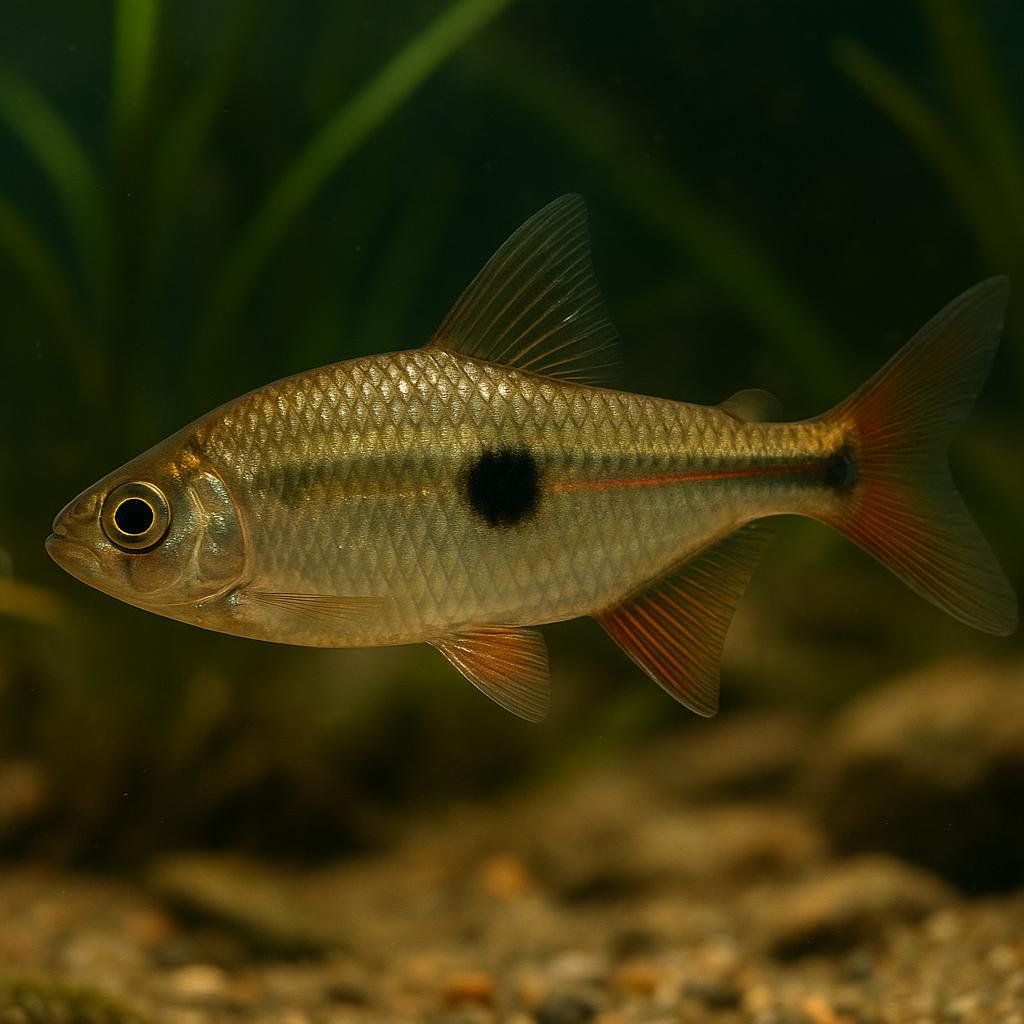
Jupiaba kurua
Small South American characin endemic to the upper rio Curuá (rio Xingu basin, Brazil). Reaches about 8.7 cm SL and inhabits clearwater rivers. Distinguished by dark dots on the bases of many lateral scales and a distinct dark caudal‑peduncle spot. Reported diet indicates omnivory, including aquatic insects, small fishes, and fragments of Podostemaceae and filamentous algae.
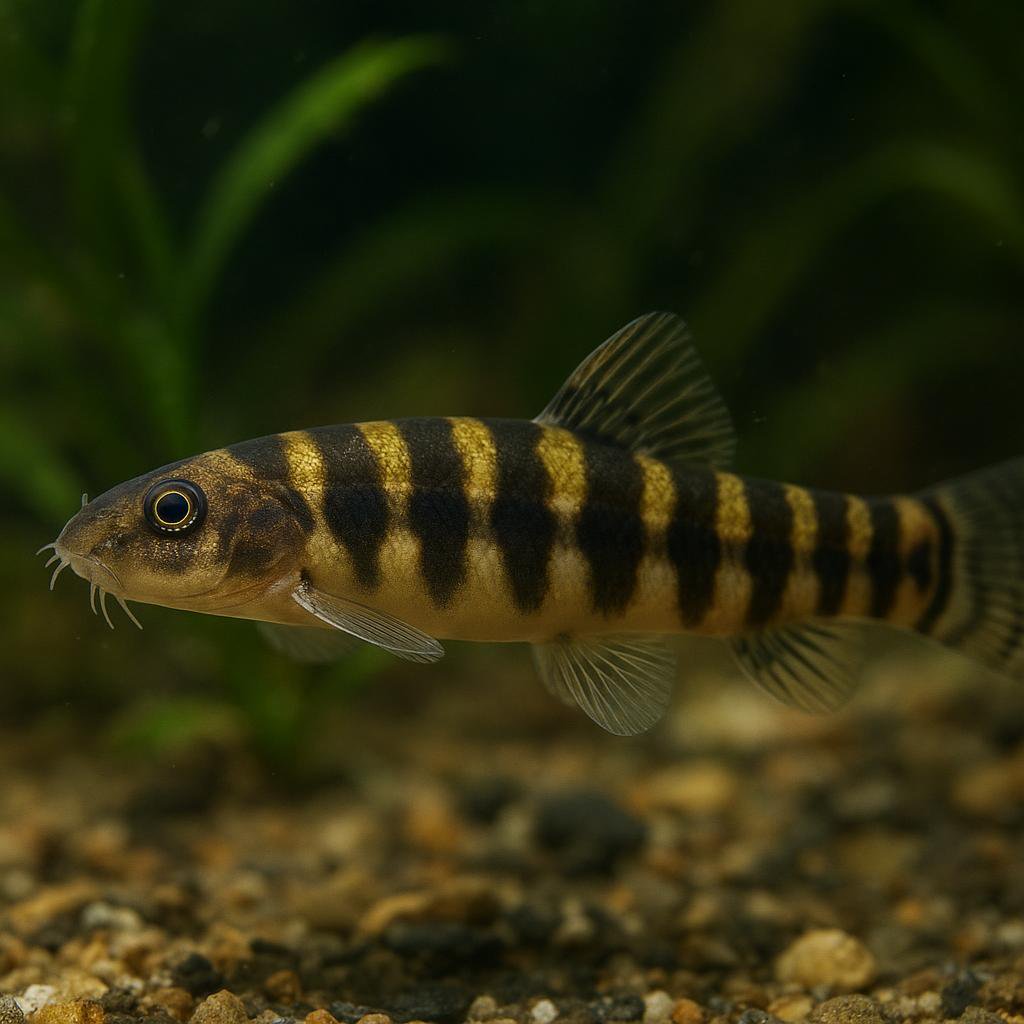
Altipedunculata stone loach
Schistura altipedunculata
Schistura altipedunculata is one of those little stream loaches that wants clean, well-oxygenated water and a bunch of rock nooks to claim as home. It is a bottom-hugger that will spend its day scooting from crevice to crevice, and it tends to get a bit spicy with its own kind if you do not give it enough hiding spots.
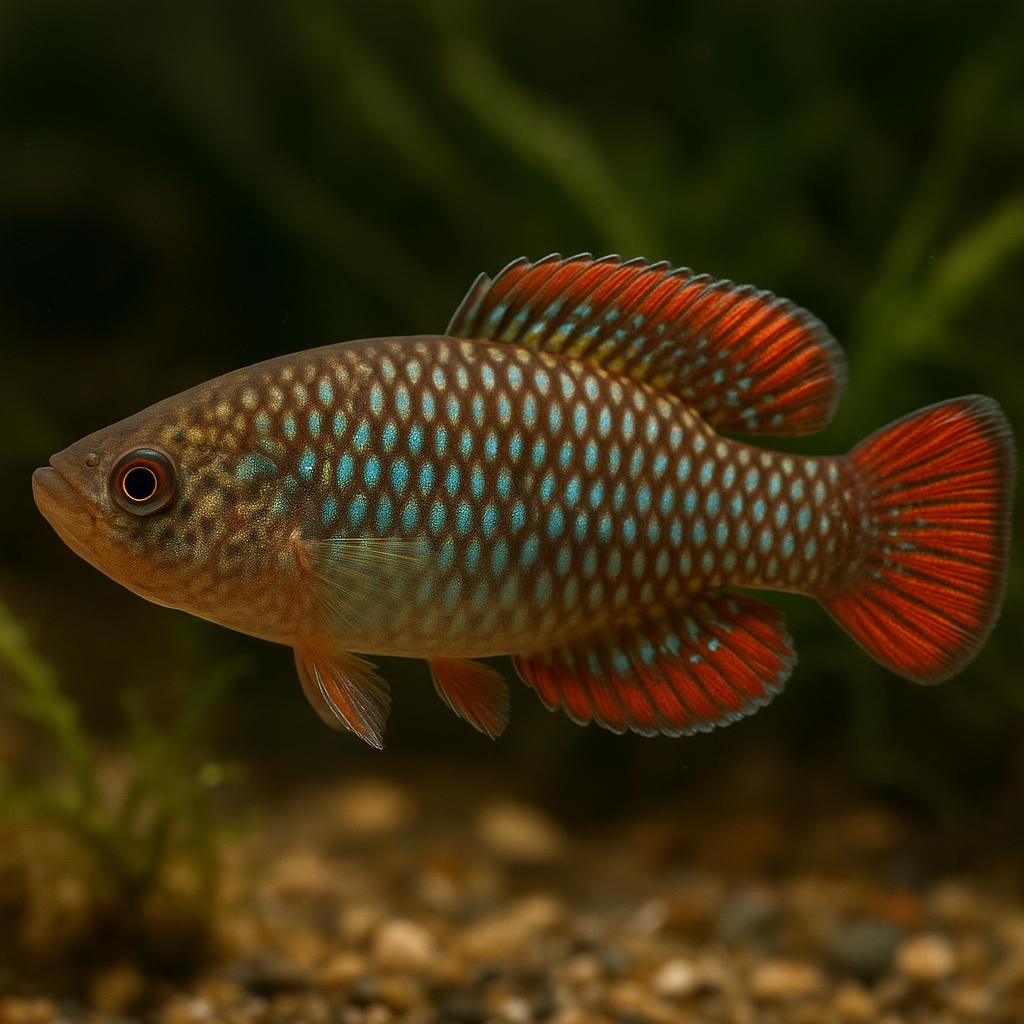
American flagfish
Jordanella floridae
Jordanella floridae is that little Florida native with the red-and-cream striping that really does look like a tiny flag once a male colors up. They graze algae like champs (especially stringy/hair algae), but they have a bit of attitude - give them plants and space so the bossy behavior stays manageable. Bonus: the male guards the eggs and will actively fan them, which is pretty fun to watch.
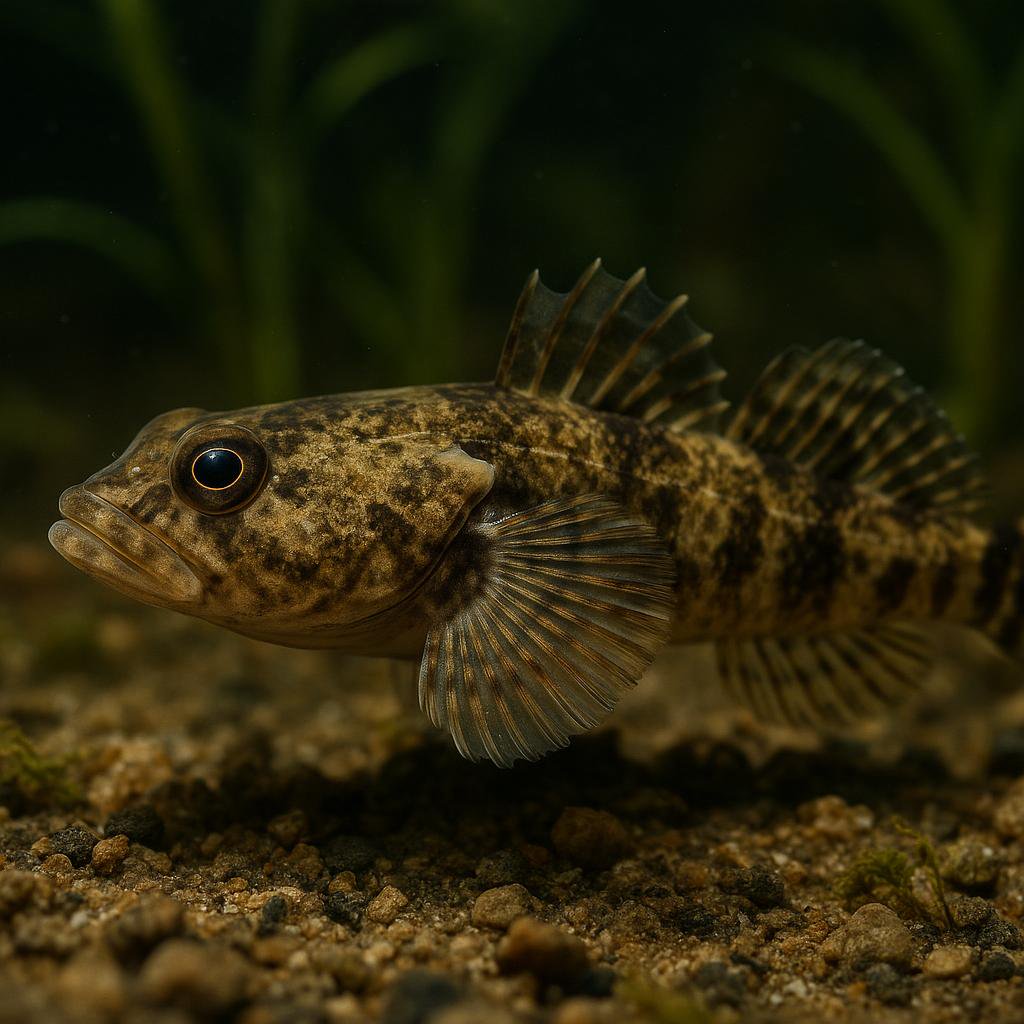
Amur sculpin
Alpinocottus szanaga
This is a little coldwater sculpin from the Amur drainage - a bottom-hugging, rock-and-gravel fish that spends its day wedged under stones and darting out to grab food. Super cool behavior and attitude, but it is absolutely not a warm tropical community fish - it wants chilly, fast, oxygen-rich water and will bicker with other bottom fish.
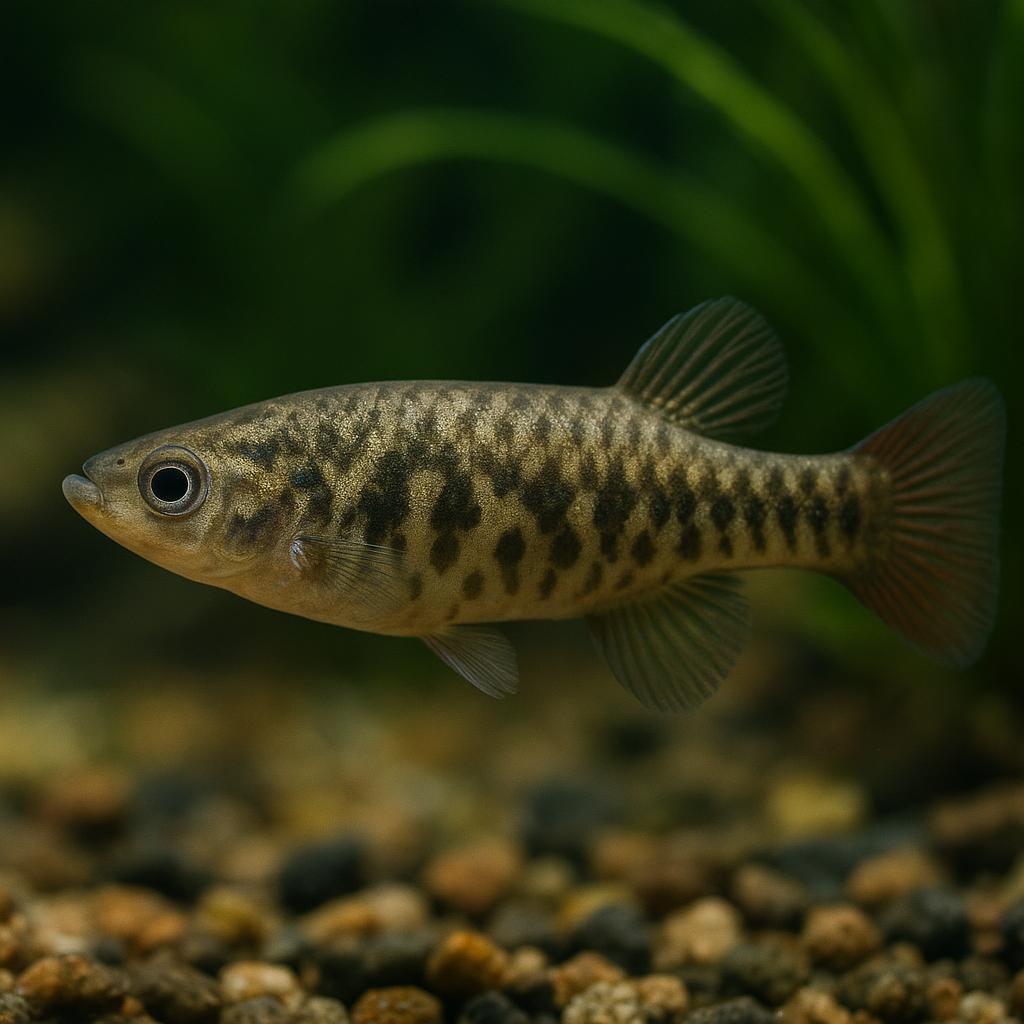
Anitápolis livebearer
Jenynsia weitzmani
Jenynsia weitzmani is a freshwater anablepid livebearer endemic to southern Brazil (currently known only from the type locality near Anitápolis, Santa Catarina). Like other Jenynsia (onesided livebearers), reproduction involves lateralized mating morphology/behavior; aquarium care guidance is not well-documented for this species specifically.
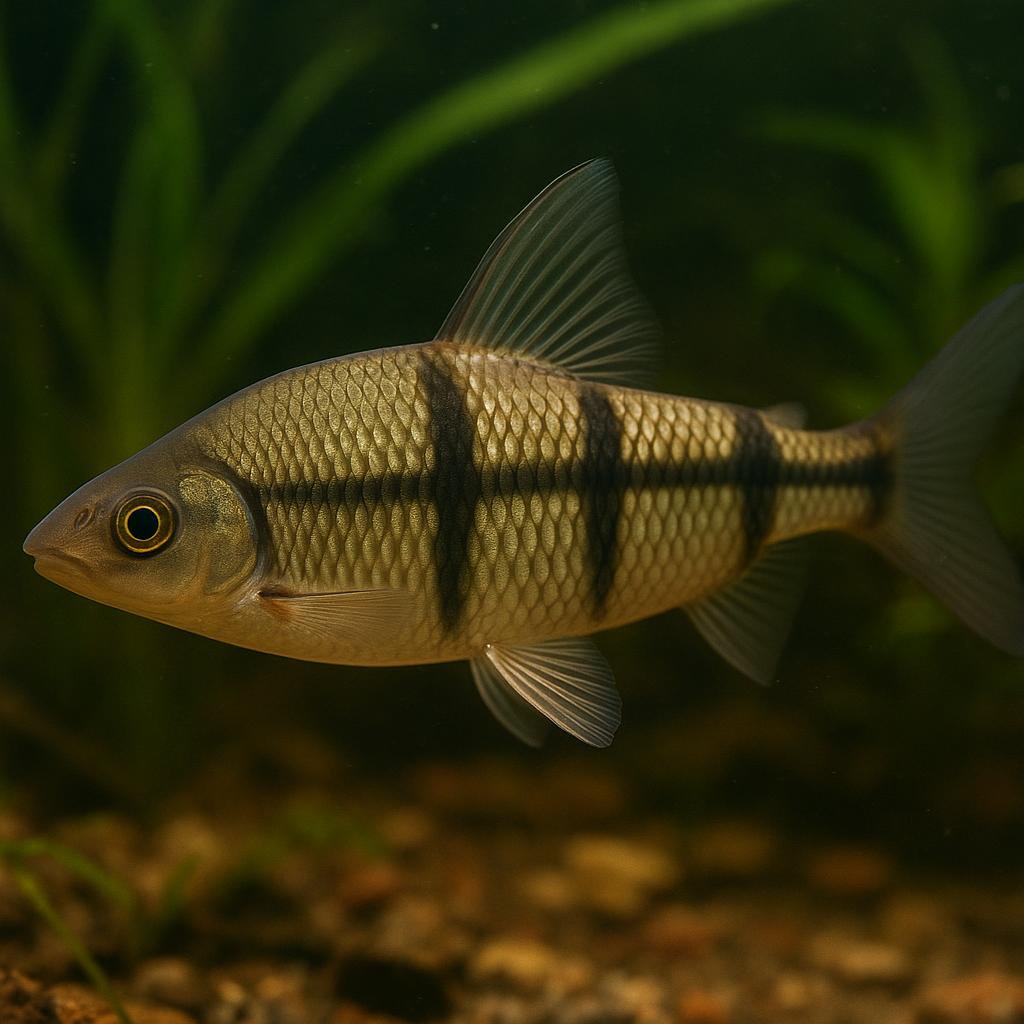
Aracu-comum
Schizodon vittatus
Schizodon vittatus is a large South American anostomid (family Anostomidae). Reported maximum size is about 35 cm standard length; it is harvested/consumed in parts of Brazil and is not commonly covered by mainstream aquarium husbandry references.
More to Explore
Discover more freshwater species.
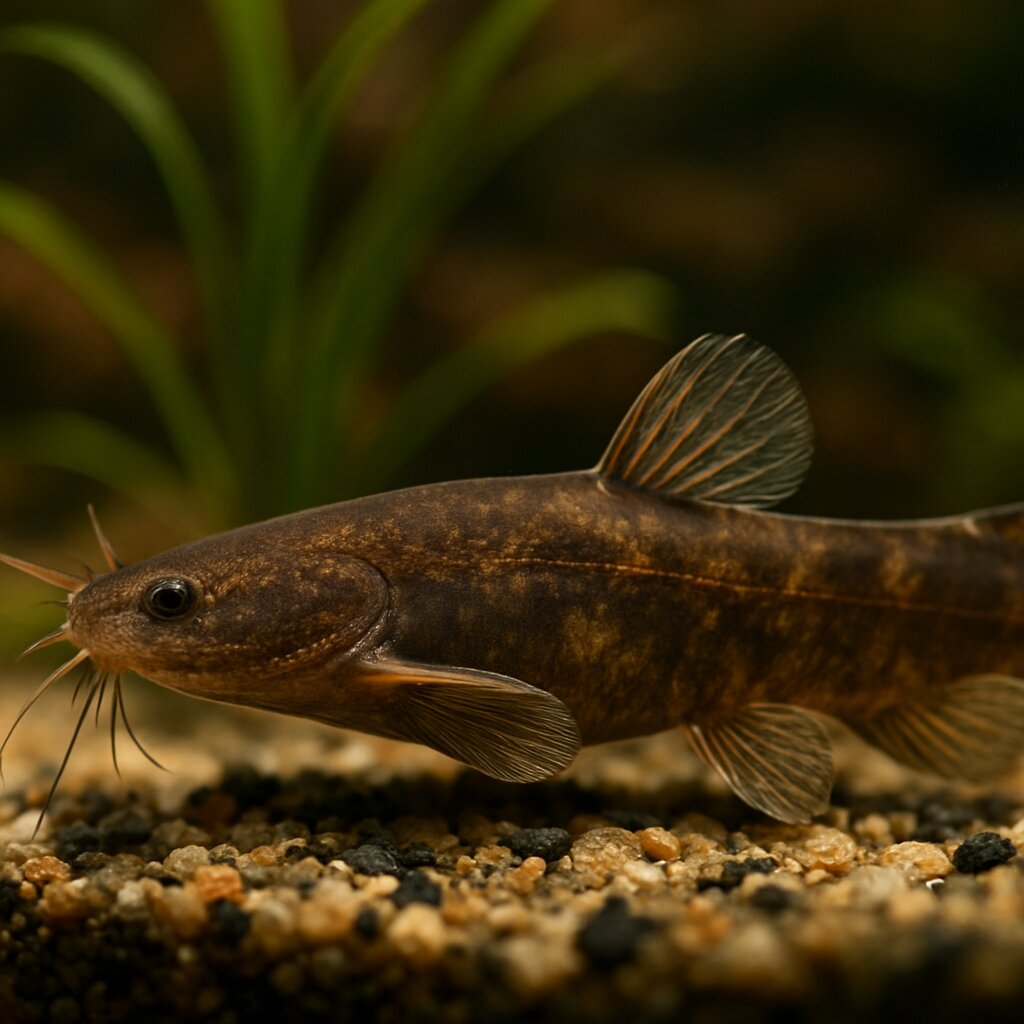
Amphilius dimonikensis
A small loach catfish endemic to the Mpoulou River in the Mayombe (Dimonika Biosphere Reserve), Republic of the Congo. Amphilius dimonikensis has a subtle banded pattern and inhabits fast, clear streams over rock and sand. In aquaria, prioritize strong, well-oxygenated flow with rounded stones and sand to mimic hillstream conditions.
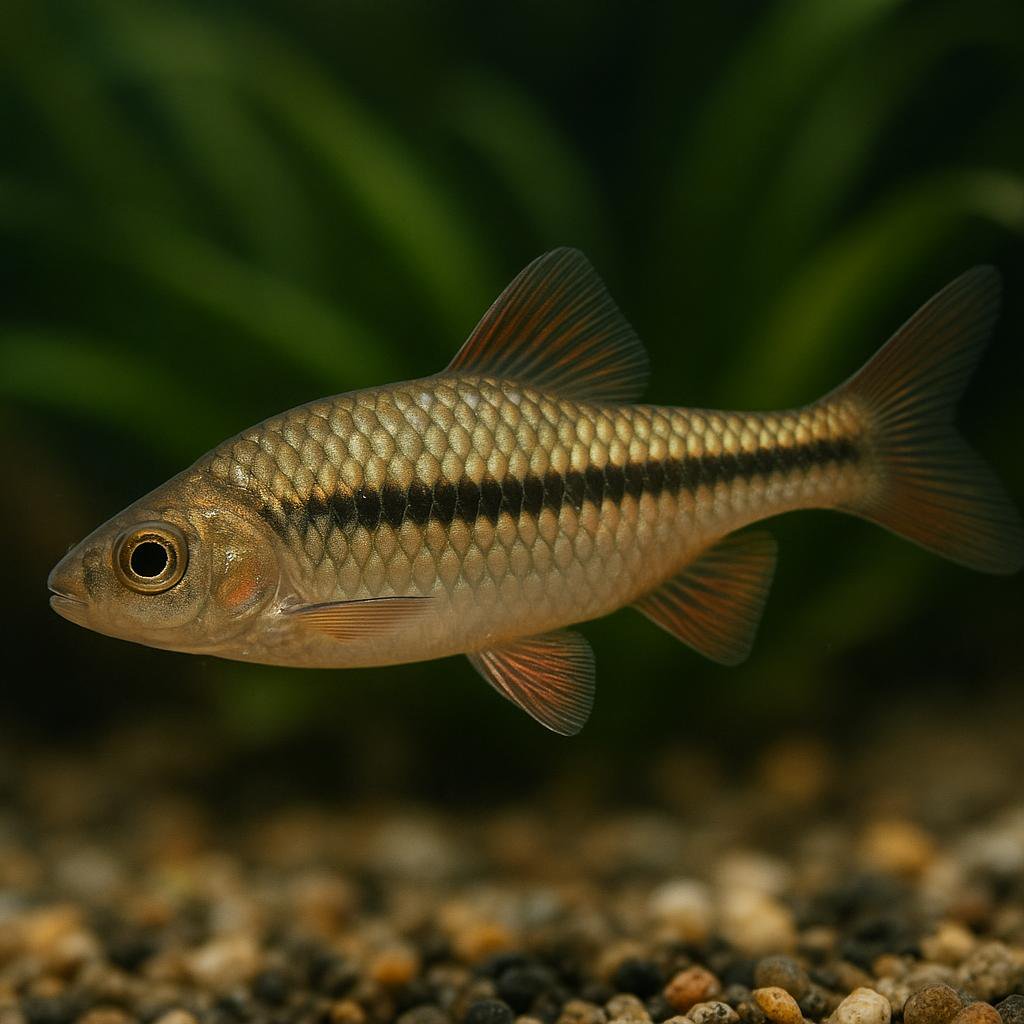
Aboina barb
Enteromius aboinensis
Enteromius aboinensis (the Aboina barb) is a small West African barb with a clean black midline stripe and a little spot right at the base of the tail. It does best when you treat it like a proper schooling fish - keep a decent group and give it plants around the edges with open swimming room in the middle.
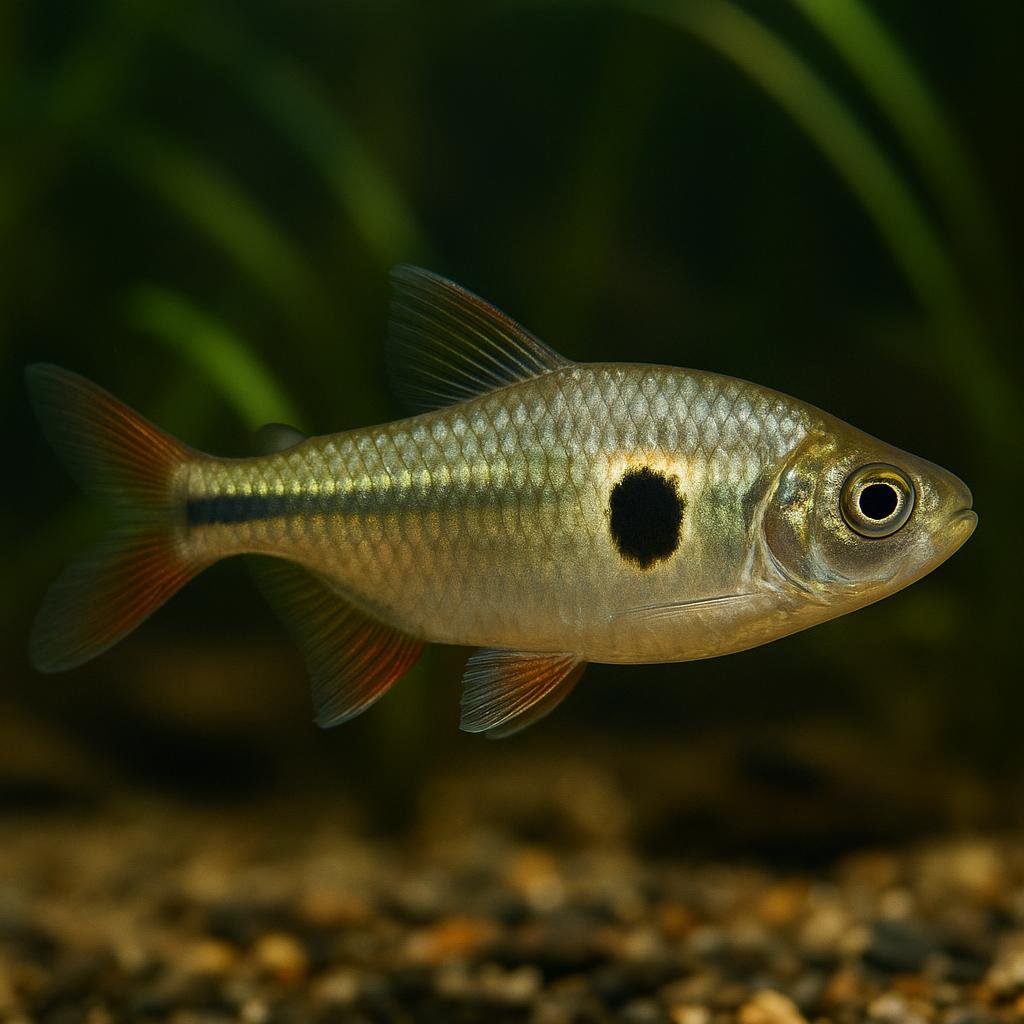
Ajuricaba tetra
Jupiaba ajuricaba
Jupiaba ajuricaba is a South American freshwater characin from the Amazon basin in Brazil (rio Negro, rio Solimões, and rio Tapajós basins). It reaches about 9.5 cm SL and is diagnosed by a narrow dark midlateral stripe, an elongated humeral spot, and an ocellated spot on the upper caudal-fin lobe. Wild specimens have been collected from blackwater forest streams and also oxbow-lake habitats.
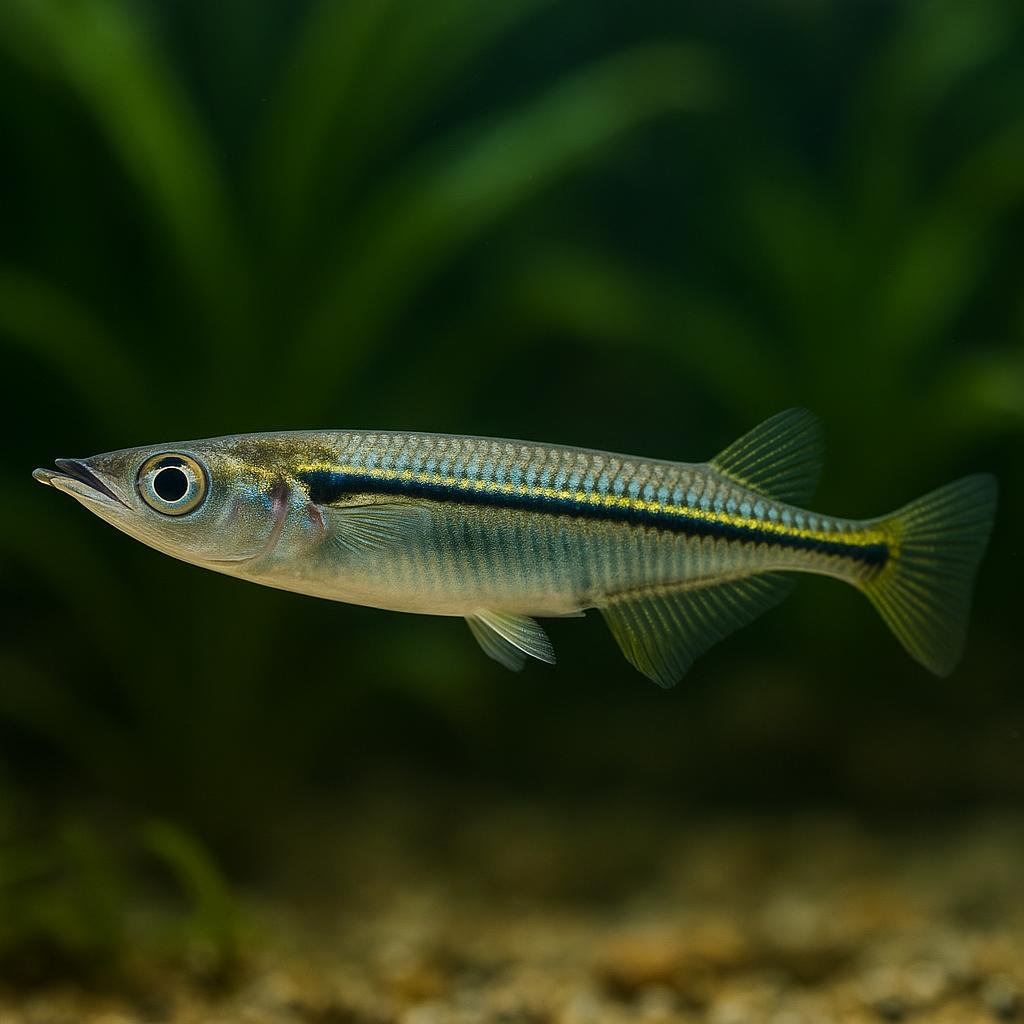
Allen's river garfish
Zenarchopterus alleni
A poorly known freshwater halfbeak endemic to West Papua (Mamberamo River), described from a single specimen (~13 cm SL). Beyond basic habitat/occurrence, little is published about its ecology or aquarium suitability; assume it is a surface-oriented, jump-prone halfbeak only by analogy with related taxa.
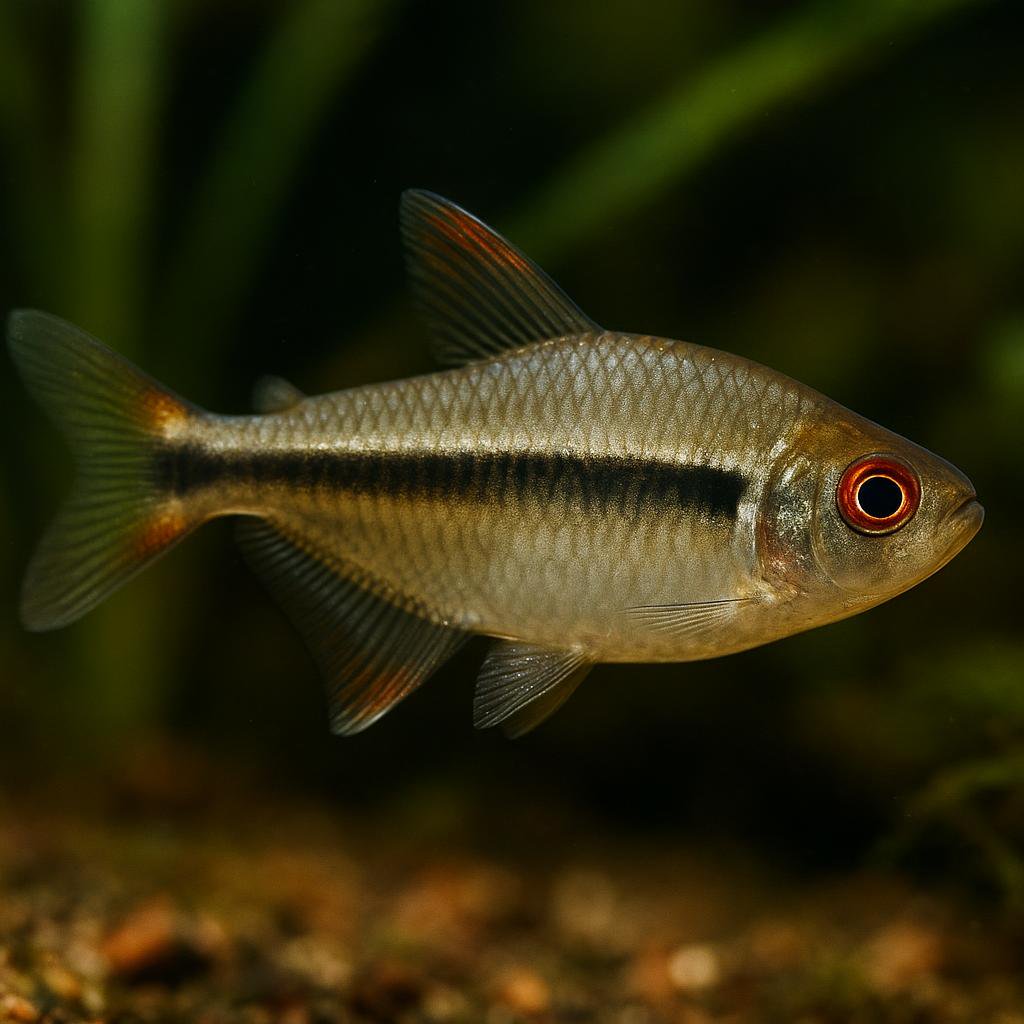
Amapa tetra
Hyphessobrycon amapaensis
This is a tiny, super sleek little tetra with a clean red stripe down the side that really pops once its settled in. It does best in a planted, slightly tinted "creek-style" setup and looks way cooler when you keep a proper group so they school and flash that line together. If you can give it soft, slightly acidic water and a calm community, its an easy fish to fall for.
Amatlan chub
Yuriria amatlana
Yuriria amatlana (the Amatlan chub) is a little Mexican native minnow from the Ameca River basin. Its wild range is pretty limited and it is listed as Endangered, so its care info in the aquarium hobby is basically nonexistent and its availability is usually low. In the original species description, preserved fish show a dark lateral stripe with a darker patch on the caudal peduncle, and they can have tiny barbels at the mouth corners.
Looking for other species?