

Golden spiny eel
Macrognathus aureus
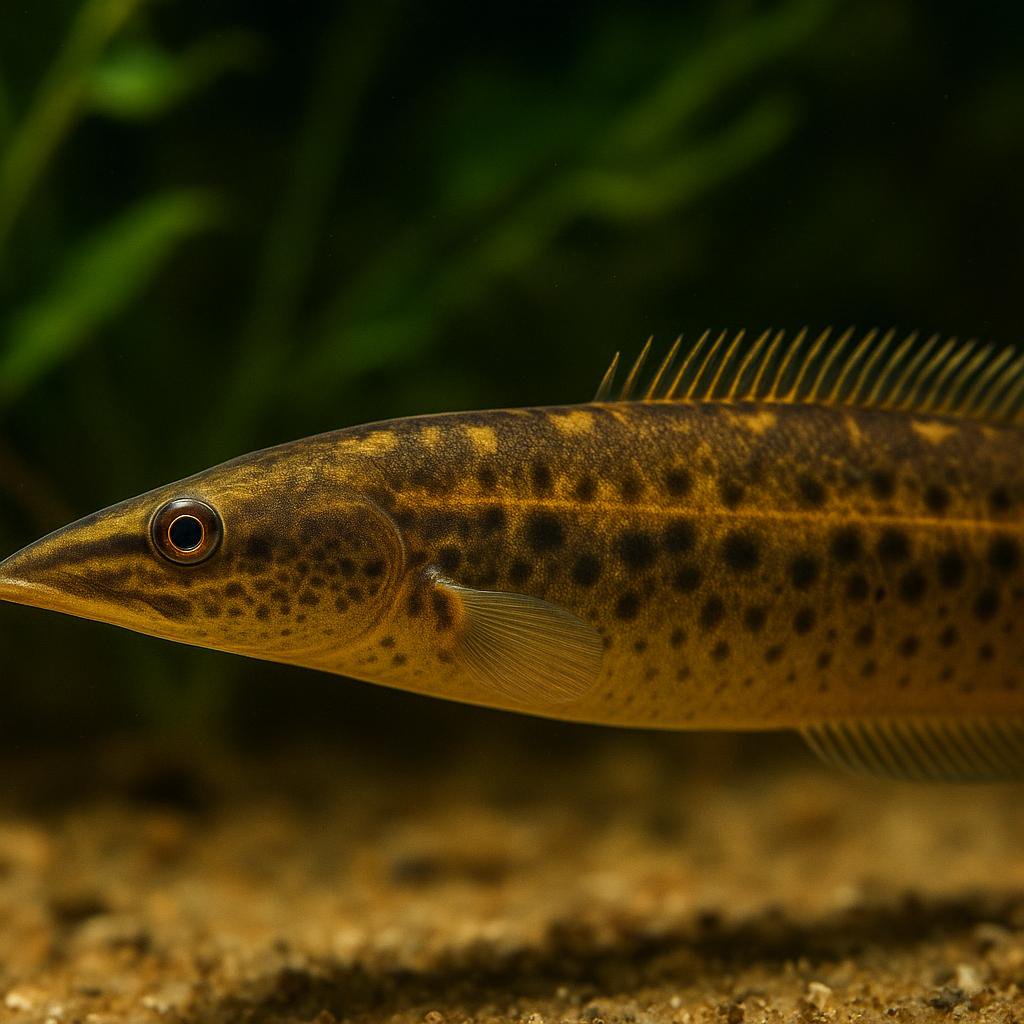
The Golden spiny eel exhibits a slender, elongated body with striking yellow-golden coloration and distinct, prominent spines along its dorsal fin.
This page includes AI-generated images. Why am I seeing AI images?
About the Golden spiny eel
This is a Myanmar spiny eel with those bold, white-edged dark blotches running along the back and sides - it looks like someone hand-painted it. Like most Macrognathus, it is a shy, burrowing little noodle that comes alive at dusk and will absolutely make you fall in love once it starts taking worms from tongs.
Also known as
Quick Facts
Size
21.6 cm SL
Temperament
Peaceful
Difficulty
Advanced
Min Tank Size
40 gallons
Lifespan
8-12 years
Origin
Southeast Asia
Diet
Carnivore/invertivore - earthworms, blackworms, bloodworms, insect larvae, frozen meaty foods; will sometimes take sinking carnivore pellets once settled
Water Parameters
24-28°C
6-7.5
2-12 dGH
Need a heater for this species?
This species needs 24-28°C in a 40 gallon tank. Use our heater calculator to find the right wattage.
Calculate heater sizeCare Notes
- Give it a long tank with lots of floor space (think 75g+ for an adult) and a soft sand bed - they like to bury and rough gravel will scrape them up.
- Lock the lid down tight and block every gap around hoses and wires; golden spiny eels are escape artists and will launch themselves out after dark.
- Keep the water warm and steady (about 78-82F) with low-mid flow and high oxygen; they sulk hard when temps swing or the water gets stale.
- They hate nasty water more than most scaleless fish, so stay on top of nitrates (aim under ~20 ppm) and go easy on meds, salt, and copper.
- Feed at lights-out: earthworms, blackworms, chopped shrimp, and sinking carnivore pellets once they trust you; use tongs and target-feed so faster fish do not steal it all.
- Tankmates should be calm, not bitey, and too big to fit in its mouth - think larger peaceful barbs/rainbows, medium cichlids that are not bullies, and big loaches; skip fin-nippers and any small fish or shrimp you want to keep.
- Add caves, driftwood, and plants for shade, and keep it dim; if it is always hiding, check for too much light, too much current, or pushy tankmates.
- Common headaches: skin scrapes/infections from sharp decor, starvation from competition, and internal worms if you feed a lot of live foods - quarantine and deworm if it starts getting thin with a normal appetite.
Compatibility
Good Tankmates
- Medium-sized, chill schooling fish like larger tetras (Congo tetras, bleeding hearts) or rasboras - they stay out of the eel's way and are usually too big to be mistaken for food
- Peaceful rainbowfish (Boesemani, turquoise, etc.) - active but not jerks, and they don't pick at the eel when it is wedged in a cave
- Calm gouramis like pearls or thick-lipped gouramis - generally mellow in the mid/upper water and not into fin-nipping
- Bigger, peaceful barbs like rosy barbs - as long as you skip the nippy species, these tend to cruise around and ignore the eel
- Sturdy bottom buddies like kuhli loaches and most Corydoras - they all like sand and hiding spots, and they usually just mind their own business
- Non-aggressive plecos (bristlenose or similar) - good algae help, and they are armored enough that accidental late-night bumping is no big deal
Avoid
- Anything tiny that fits in the eel's mouth (neon tetras, ember tetras, micro rasboras, small livebearer fry) - they can look like snacks, especially after lights out
- Nippy fish like tiger barbs or some fin-biting tetras - they will harass the eel when it is resting and can shred that long dorsal fin
- Big aggressive cichlids (most Central Americans, some larger Africans) - they will claim the caves and stress the eel nonstop
- Crabs or large predatory shrimp - they can grab the eel at night when it is nosing around the bottom
Where they come from
Golden spiny eels (Macrognathus aureus) come from Southeast Asia, where they hang around slow-moving rivers, floodplains, and muddy backwaters. Think warm water, soft bottoms, lots of leaf litter, and plenty of places to disappear. If you set the tank up to match that vibe, they settle in way faster.
Setting up their tank
This is one of those fish where the tank setup matters more than chasing perfect numbers. They are shy, easily spooked, and they love to burrow. Give them a calm tank with hiding spots and a bottom they can dig into without shredding themselves.
- Tank size: I would not do under 55 gallons for one adult. Bigger is better because they get long and they cruise at night.
- Substrate: fine sand is the move. Gravel can scrape them up and you will notice more little sores and infections.
- Hides: PVC elbows, smooth rock caves, driftwood tangles, and dense plants (real or fake) so they can wedge in and feel secure.
- Lighting: keep it on the dim side, or use floating plants. They are way more confident in low light.
- Filtration: clean, well-oxygenated water, but avoid a blasting current. Aim for steady turnover, not a river tank.
- Lid: tight. They can and will launch through tiny gaps when startled.
Check every opening in the lid: filter cutouts, airline gaps, feeding doors. If a pencil fits, an eel can try. I have found them dried behind the tank after a single jumpy night.
Water-wise, they do well in typical tropical freshwater. I keep mine around 76-80F. A slightly softer, slightly acidic to neutral setup usually matches what they are used to, but stability beats perfection. The big thing is keeping nitrate down and the bottom clean without constantly ripping up their favorite burrowing spots.
If you run sand, use a pre-filter sponge on intakes. These guys stir the bottom and fine sand loves to find its way into filters.
What to feed them
Golden spiny eels are predators with a strong preference for meaty foods. Some will learn pellets, but many act like pellets are invisible for weeks. Night feeding helps a lot since they are most active after lights out.
- Best staples: earthworms (rinsed), chopped nightcrawlers, blackworms, bloodworms (not as a sole diet), chopped shrimp, pieces of clam or mussel
- Frozen foods: mysis, krill, bloodworms, brine shrimp (more of a snack than a meal)
- Pellets: sinking carnivore pellets can work once they recognize them, but do not assume they will take them right away
Skip feeder fish. Besides parasite risk, they can teach your eel to only hunt live fish, which makes tankmate choices harder later.
My routine is to target feed with long tweezers right at the front of their hide. Once they connect you with food, they get pretty bold at mealtime. Feed smaller portions more often at first, especially with new imports that are skinny and stressed.
How they behave and who they get along with
They are mostly peaceful in the "ignore everyone" sense, but they are still an eel: if it fits in their mouth, it is on the menu. During the day you might see a face poking out of the sand. At night they patrol the bottom, sniffing for food.
- Good tankmates: medium to larger peaceful fish that stay mid-water (larger rasboras, rainbows, bigger tetras, peaceful barbs), sturdy bottom fish that are not bite-sized (some larger loaches can work if the tank is roomy)
- Avoid: tiny fish and shrimp, slow long-finned fish that can get nipped, aggressive cichlids that will harass them, fin-nippers that will pick at their face
- With other spiny eels: it can work in a big tank with lots of hides, but you may see squabbles. More hiding spots than eels helps a ton.
A lot of "mystery disappearances" in community tanks end up being spiny eel behavior. If you want to keep small schooling fish, pick species too large to swallow, not just "fast."
They are also surprisingly sensitive to bullying. If bold fish constantly steal food or chase them out of hides, the eel will stay buried, lose weight, and you will barely see it. A calmer stocking plan usually beats trying to force them into a busy tank.
Breeding tips
Breeding Macrognathus aureus in home aquariums is uncommon. Sexing is not straightforward, and most fish in the hobby are wild-caught. I have not personally had them spawn, and most hobbyist reports are either accidental or from very large, mature groups.
If you want to take a shot, the usual pattern people aim for is: a roomy tank, a group of adults, heavy conditioning with live and frozen foods, then big water changes that mimic rainy season (slightly cooler, very clean water, and more frequent changes). Lots of plants or fine-leaved cover helps if eggs happen, because adults may snack on them.
If breeding is your goal, start with a group and grow them out together. Buying a single "pair" is a gamble because sexing is guessy and stress is higher with oddball individuals.
Common problems to watch for
Most issues I see with golden spiny eels come from three things: rough substrate, poor acclimation/quarantine, and them not eating enough early on. They can look fine for weeks, then suddenly crash if something has been brewing.
- Refusing food: common after purchase. Offer live or very smelly frozen foods, feed after lights out, and keep the tank calm.
- Skin damage and infections: often from gravel, sharp decor, or getting stuck behind hardscape. Use sand and smooth hides.
- Ich and external parasites: they can be more sensitive than scaled fish. Quarantine new arrivals and treat carefully.
- Wasting away: can be internal parasites, stress, or constant food competition. Watch body shape behind the head and along the belly.
- Jumping: usually from sudden lights, banging the tank, or chasing. A tight lid and steady routine prevent most of it.
Be cautious with salt and harsh meds. Spiny eels can react badly. If you have to medicate, go by their behavior and start with lower doses unless the medication specifically lists them as safe.
Quarantine is worth the effort with this species. A bare-bottom quarantine tank is fine, but give them a PVC hide and keep the light low. If they feel exposed, they will stop eating, and then you are stuck in a frustrating cycle.
Similar Species
Other freshwater peaceful species you might be interested in.
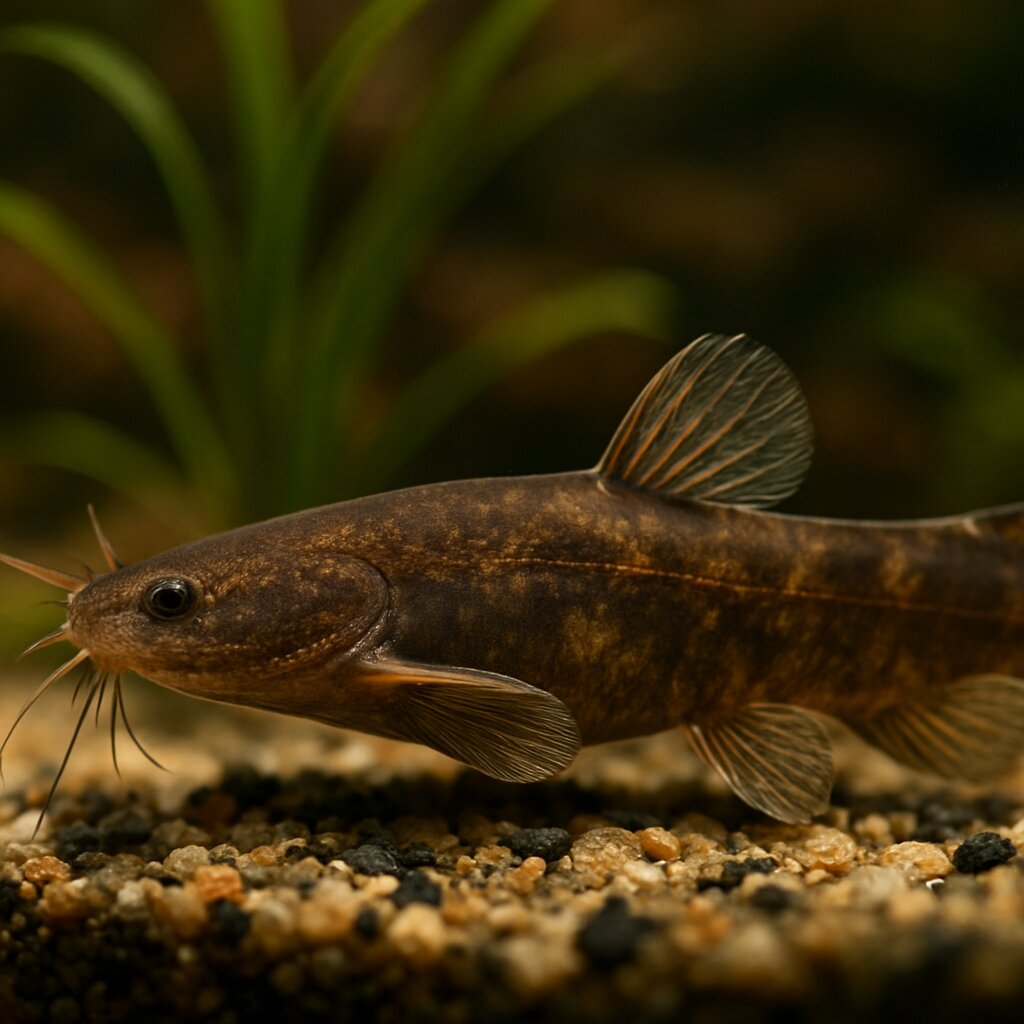
Amphilius dimonikensis
A small loach catfish endemic to the Mpoulou River in the Mayombe (Dimonika Biosphere Reserve), Republic of the Congo. Amphilius dimonikensis has a subtle banded pattern and inhabits fast, clear streams over rock and sand. In aquaria, prioritize strong, well-oxygenated flow with rounded stones and sand to mimic hillstream conditions.
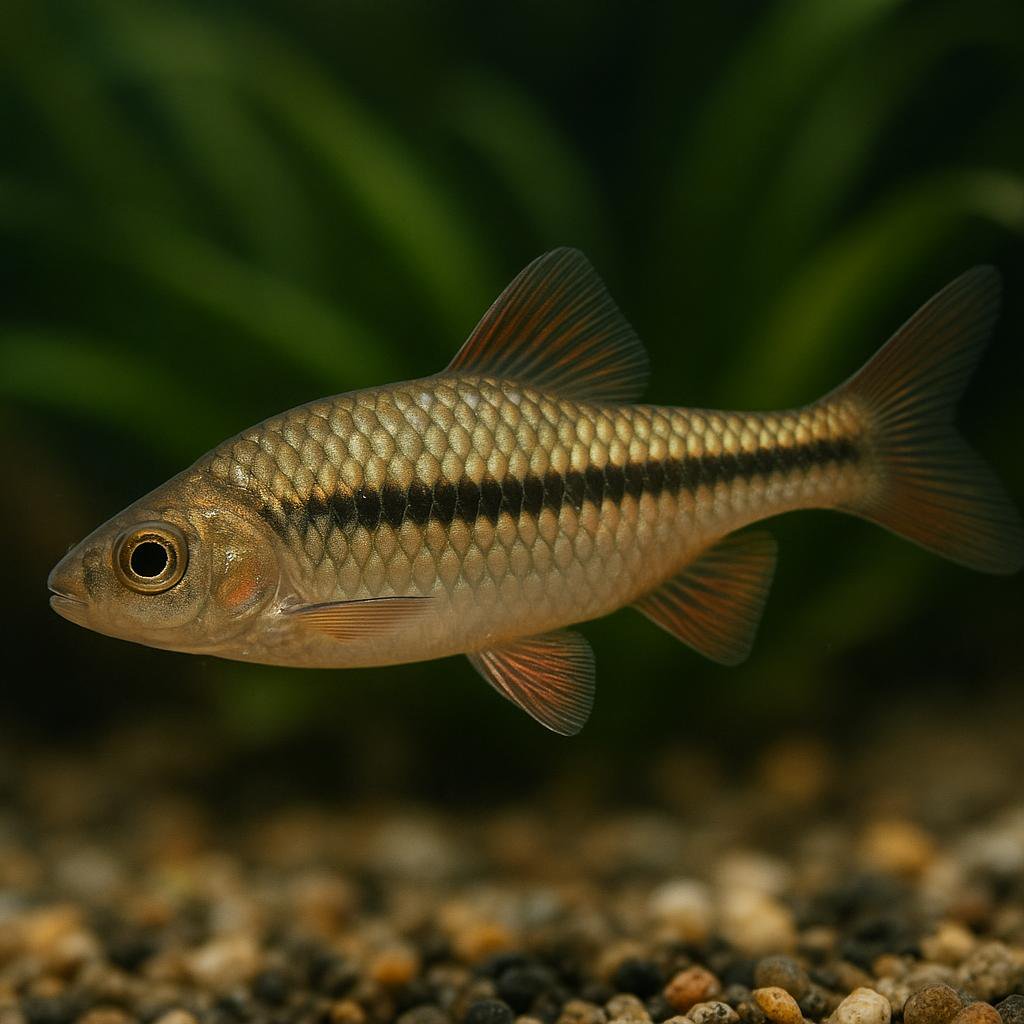
Aboina barb
Enteromius aboinensis
Enteromius aboinensis (the Aboina barb) is a small West African barb with a clean black midline stripe and a little spot right at the base of the tail. It does best when you treat it like a proper schooling fish - keep a decent group and give it plants around the edges with open swimming room in the middle.
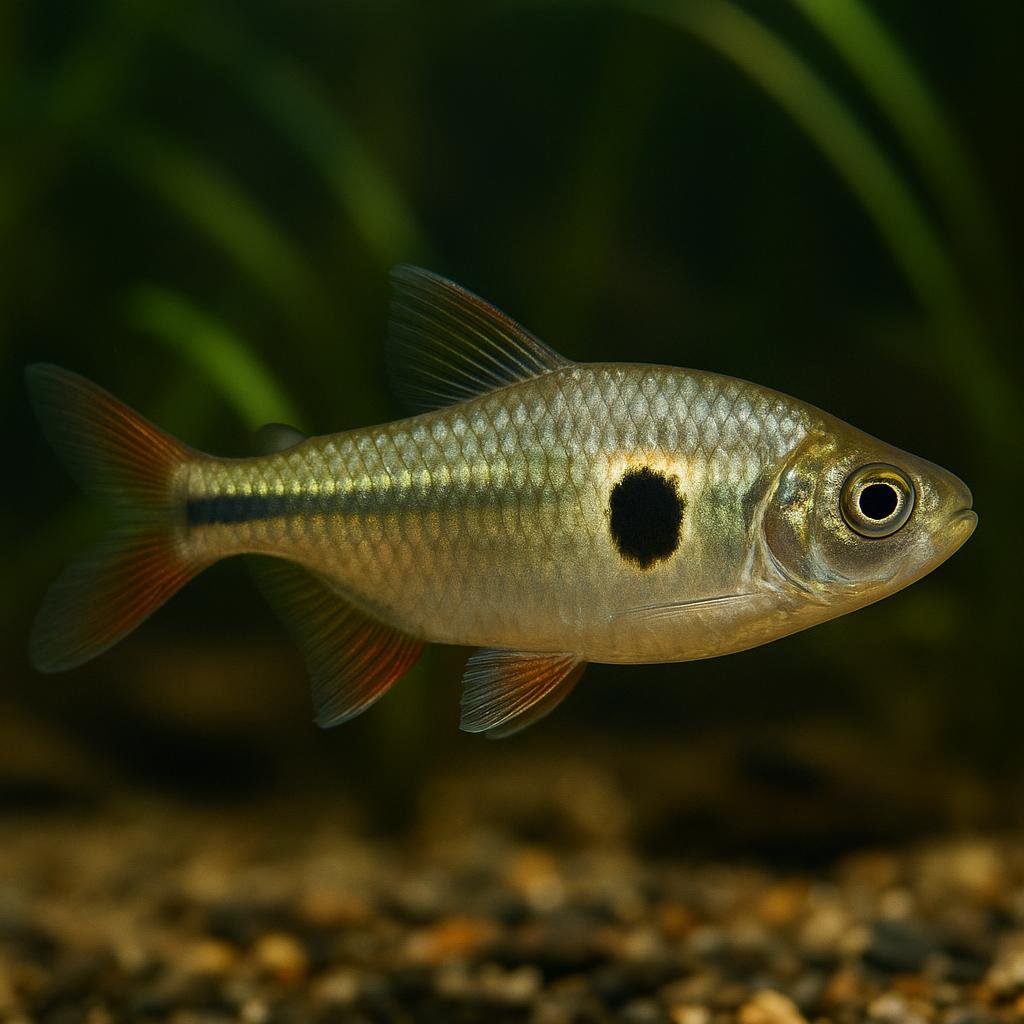
Ajuricaba tetra
Jupiaba ajuricaba
Jupiaba ajuricaba is a South American freshwater characin from the Amazon basin in Brazil (rio Negro, rio Solimões, and rio Tapajós basins). It reaches about 9.5 cm SL and is diagnosed by a narrow dark midlateral stripe, an elongated humeral spot, and an ocellated spot on the upper caudal-fin lobe. Wild specimens have been collected from blackwater forest streams and also oxbow-lake habitats.
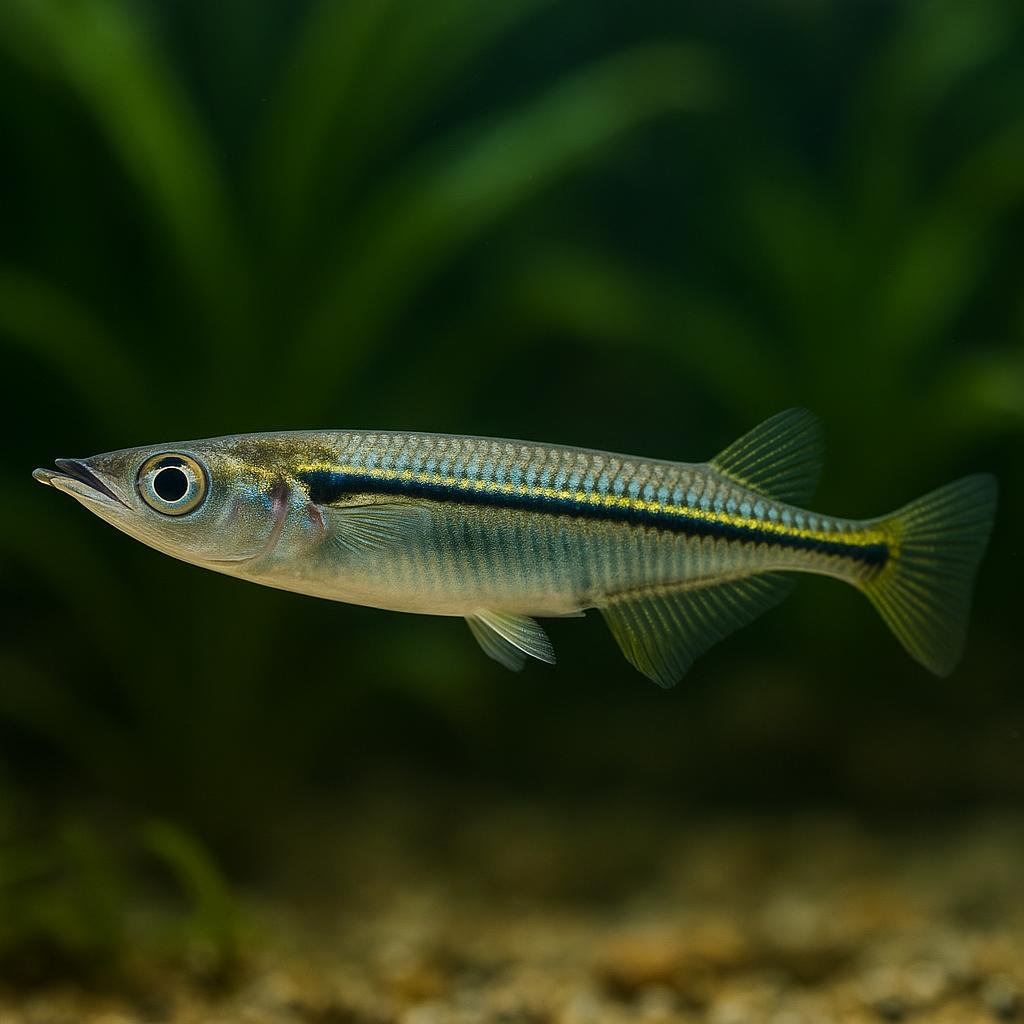
Allen's river garfish
Zenarchopterus alleni
A poorly known freshwater halfbeak endemic to West Papua (Mamberamo River), described from a single specimen (~13 cm SL). Beyond basic habitat/occurrence, little is published about its ecology or aquarium suitability; assume it is a surface-oriented, jump-prone halfbeak only by analogy with related taxa.
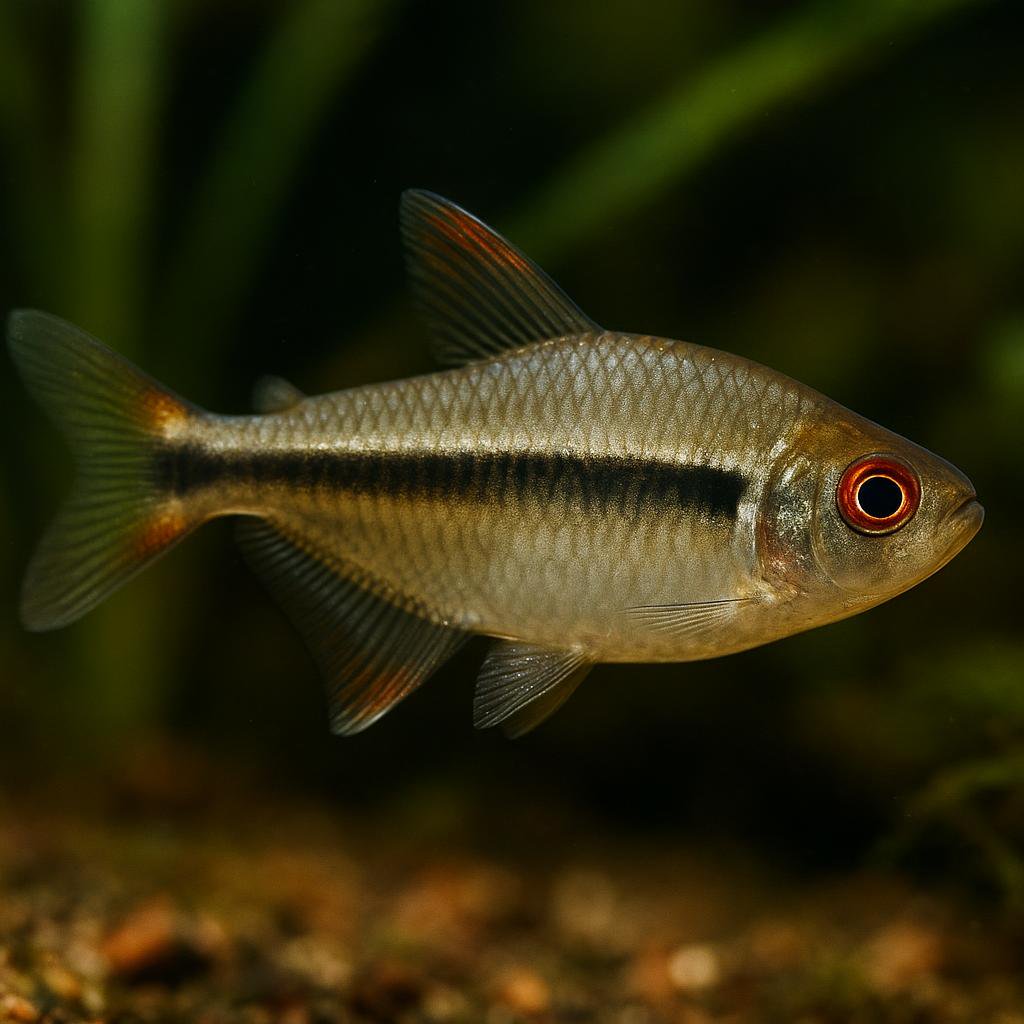
Amapa tetra
Hyphessobrycon amapaensis
This is a tiny, super sleek little tetra with a clean red stripe down the side that really pops once its settled in. It does best in a planted, slightly tinted "creek-style" setup and looks way cooler when you keep a proper group so they school and flash that line together. If you can give it soft, slightly acidic water and a calm community, its an easy fish to fall for.
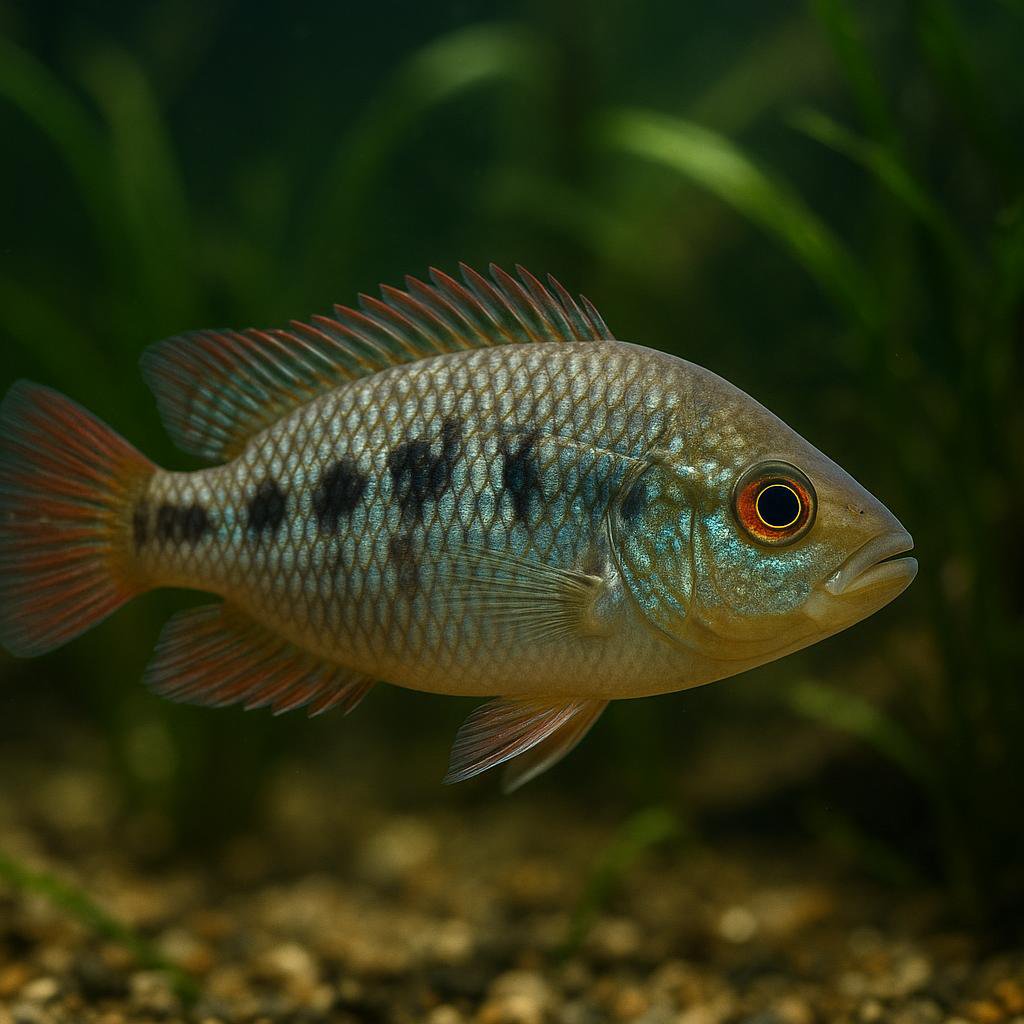
Amatlan chub
Yuriria amatlana
Yuriria amatlana (the Amatlan chub) is a little Mexican native minnow from the Ameca River basin. Its wild range is pretty limited and it is listed as Endangered, so its care info in the aquarium hobby is basically nonexistent and its availability is usually low. In the original species description, preserved fish show a dark lateral stripe with a darker patch on the caudal peduncle, and they can have tiny barbels at the mouth corners.
More to Explore
Discover more freshwater species.
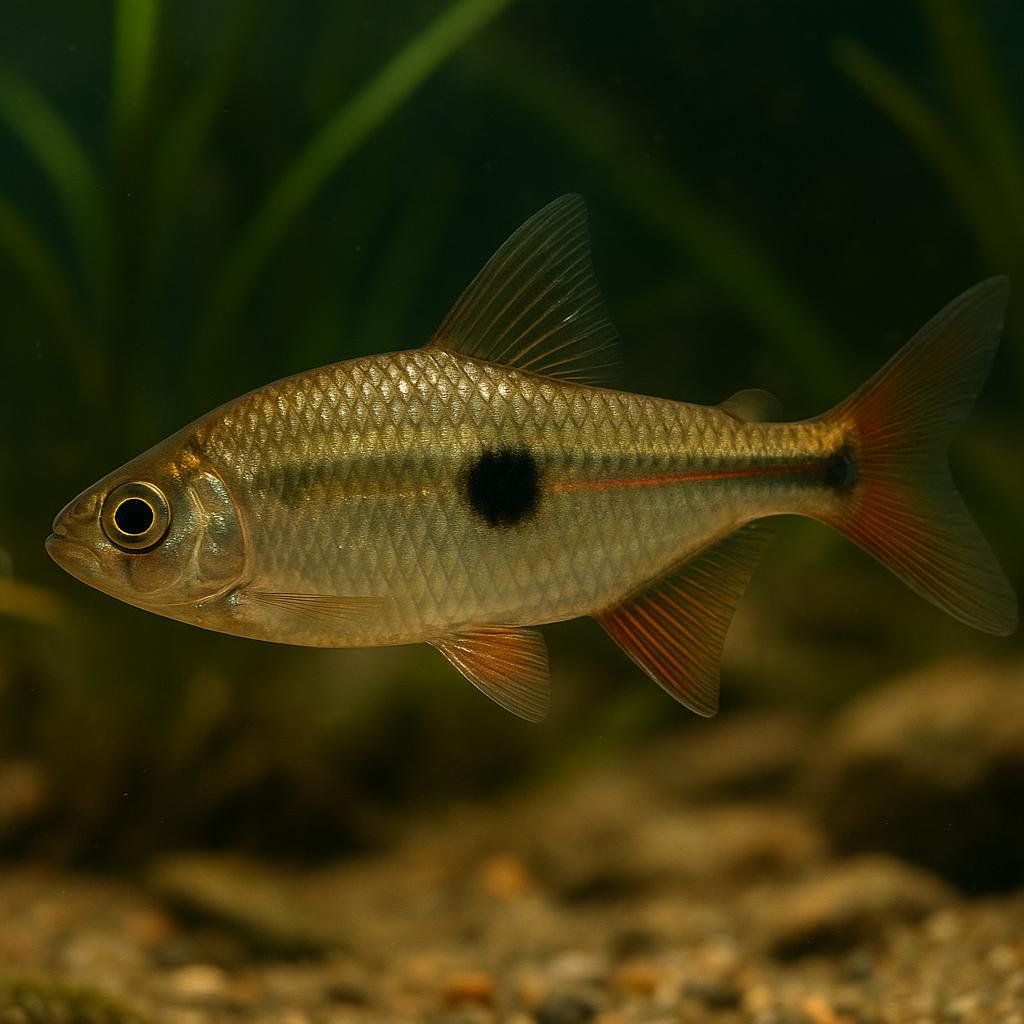
Jupiaba kurua
Small South American characin endemic to the upper rio Curuá (rio Xingu basin, Brazil). Reaches about 8.7 cm SL and inhabits clearwater rivers. Distinguished by dark dots on the bases of many lateral scales and a distinct dark caudal‑peduncle spot. Reported diet indicates omnivory, including aquatic insects, small fishes, and fragments of Podostemaceae and filamentous algae.
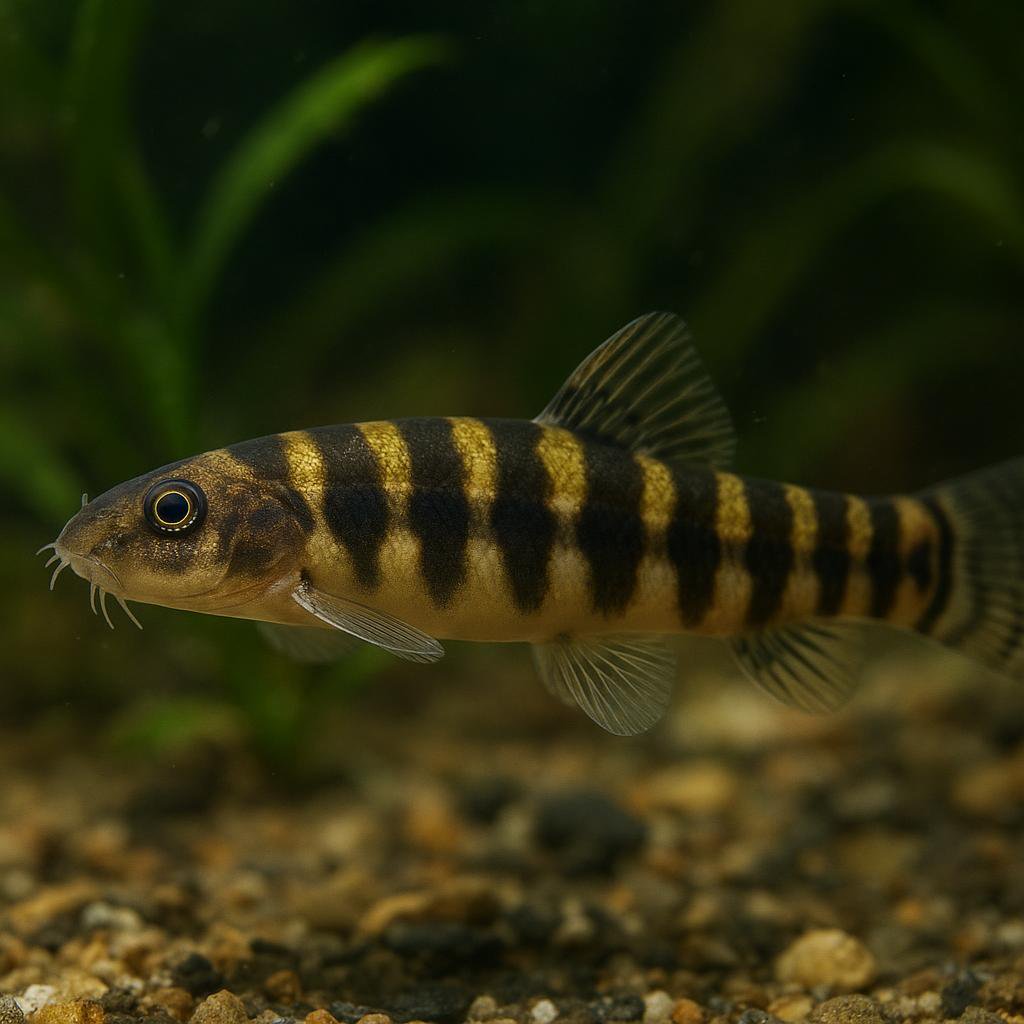
Altipedunculata stone loach
Schistura altipedunculata
Schistura altipedunculata is one of those little stream loaches that wants clean, well-oxygenated water and a bunch of rock nooks to claim as home. It is a bottom-hugger that will spend its day scooting from crevice to crevice, and it tends to get a bit spicy with its own kind if you do not give it enough hiding spots.
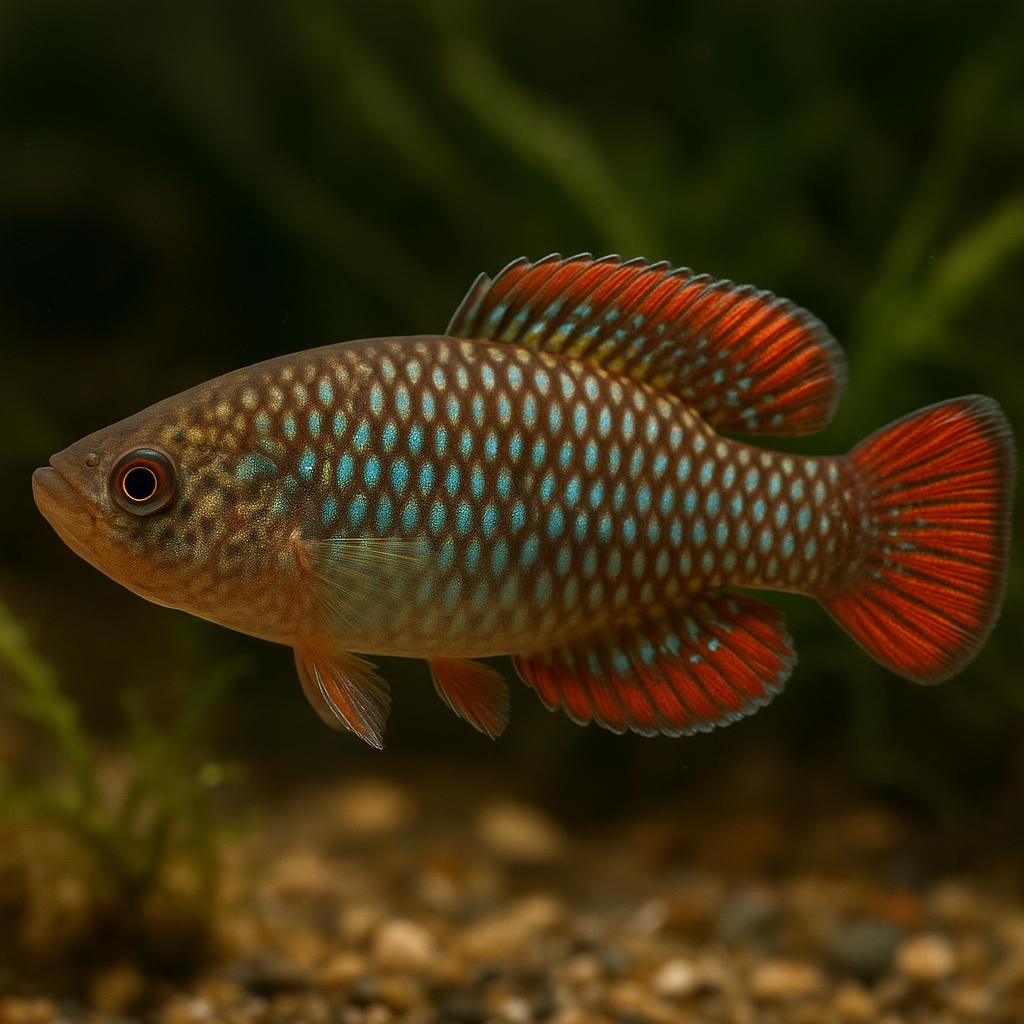
American flagfish
Jordanella floridae
Jordanella floridae is that little Florida native with the red-and-cream striping that really does look like a tiny flag once a male colors up. They graze algae like champs (especially stringy/hair algae), but they have a bit of attitude - give them plants and space so the bossy behavior stays manageable. Bonus: the male guards the eggs and will actively fan them, which is pretty fun to watch.
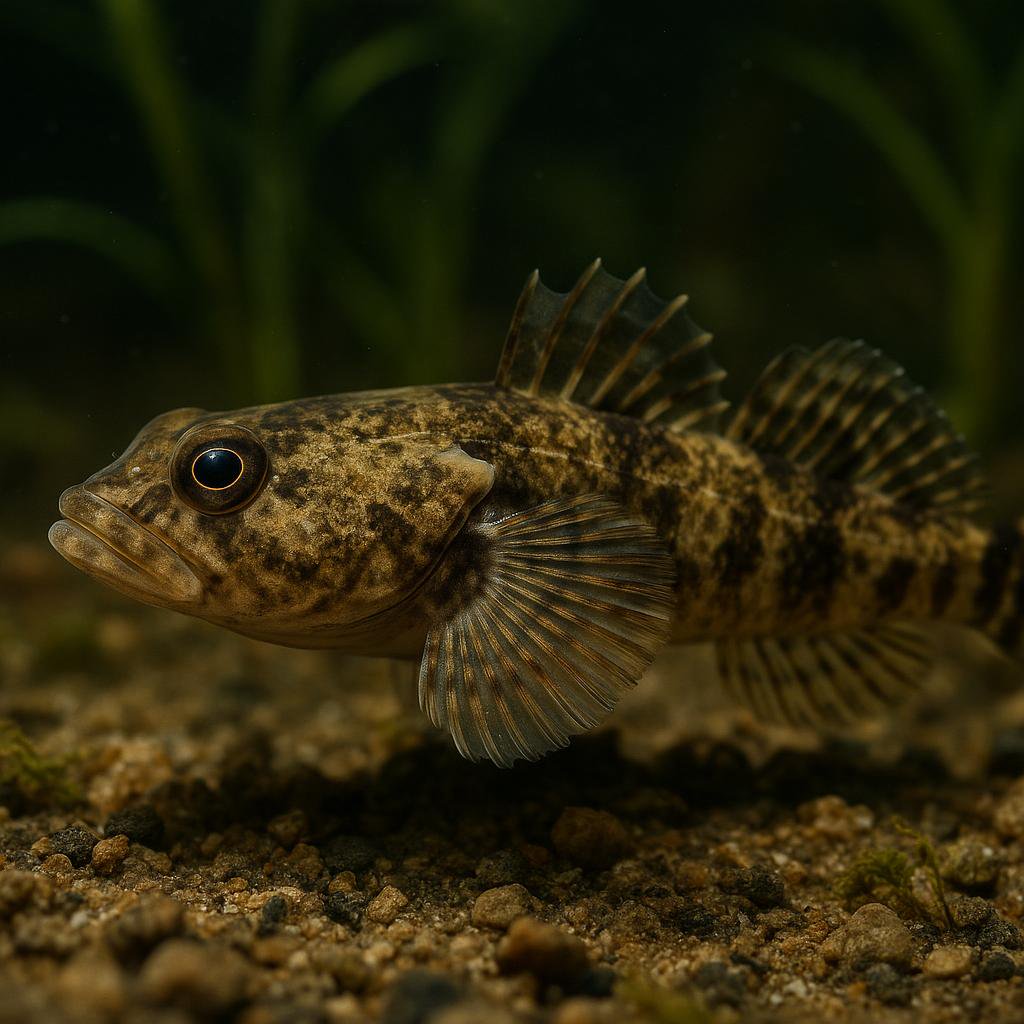
Amur sculpin
Alpinocottus szanaga
This is a little coldwater sculpin from the Amur drainage - a bottom-hugging, rock-and-gravel fish that spends its day wedged under stones and darting out to grab food. Super cool behavior and attitude, but it is absolutely not a warm tropical community fish - it wants chilly, fast, oxygen-rich water and will bicker with other bottom fish.
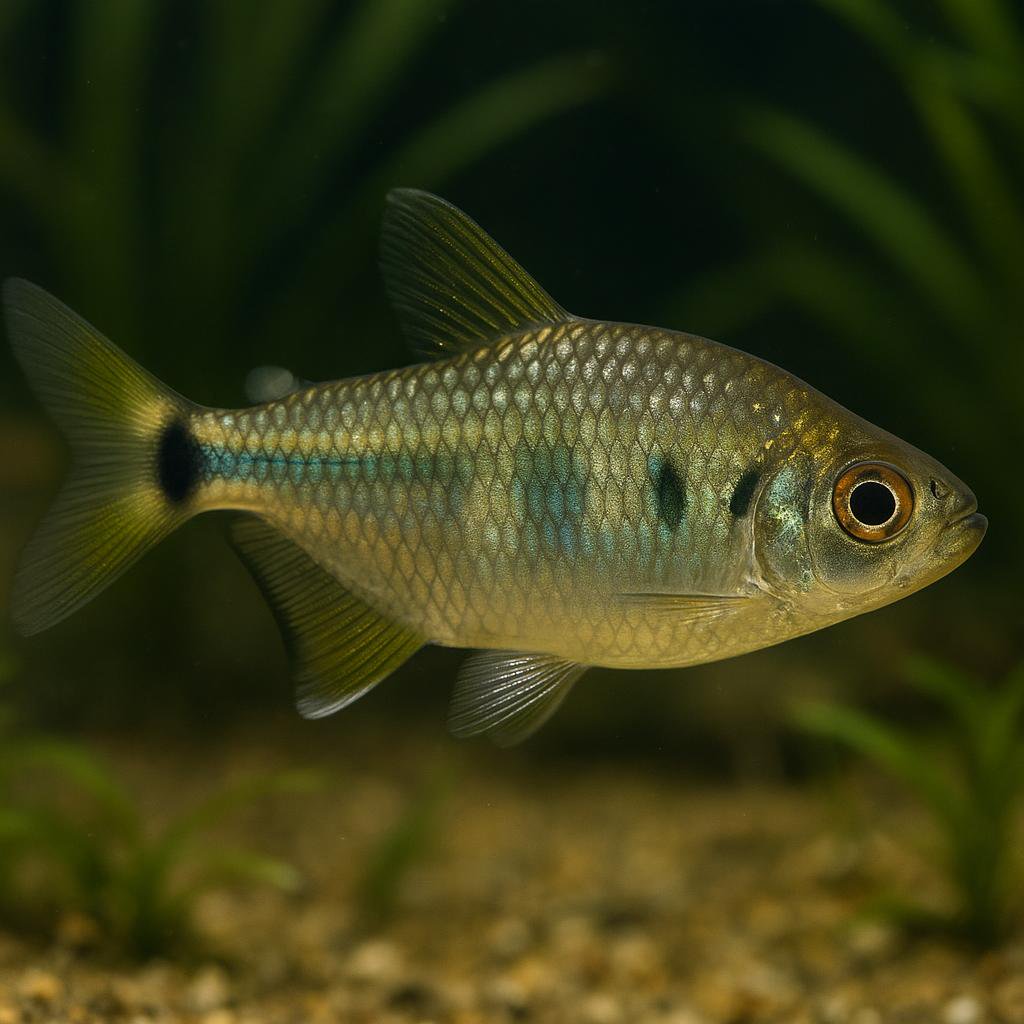
Andrica moenkhausia
Moenkhausia andrica
Moenkhausia andrica is a little Brazilian characin from the Tapajos system that tops out around 7 cm (about 2.8 inches) standard length. It has a neat netted (reticulated) scale pattern plus a dark spot on the caudal peduncle, and the really wild part is that mature females can have tiny fin hooklets too, which is usually a male-only thing in a lot of characins.
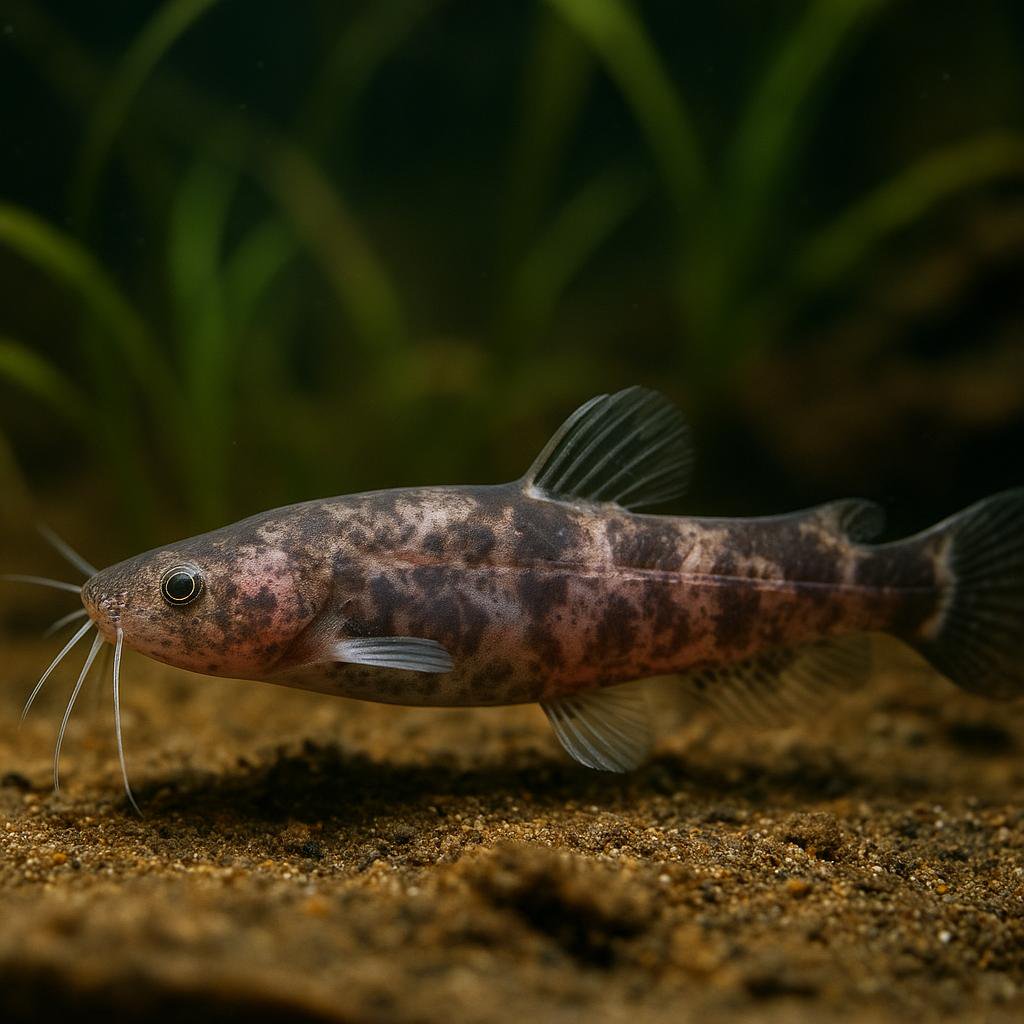
Anhanga pygmy pencil catfish
Potamoglanis anhanga
This is a truly tiny Amazonian trichomycterid catfish - like 1.3 cm max - so it is more of a micro-predator oddball than a typical community catfish. It is the kind of fish that disappears into sand, leaf litter, and plant roots, and you will spend way more time setting up the right micro-habitat than you will actually seeing it.
Looking for other species?