

Fly River garfish
Zenarchopterus novaeguineae
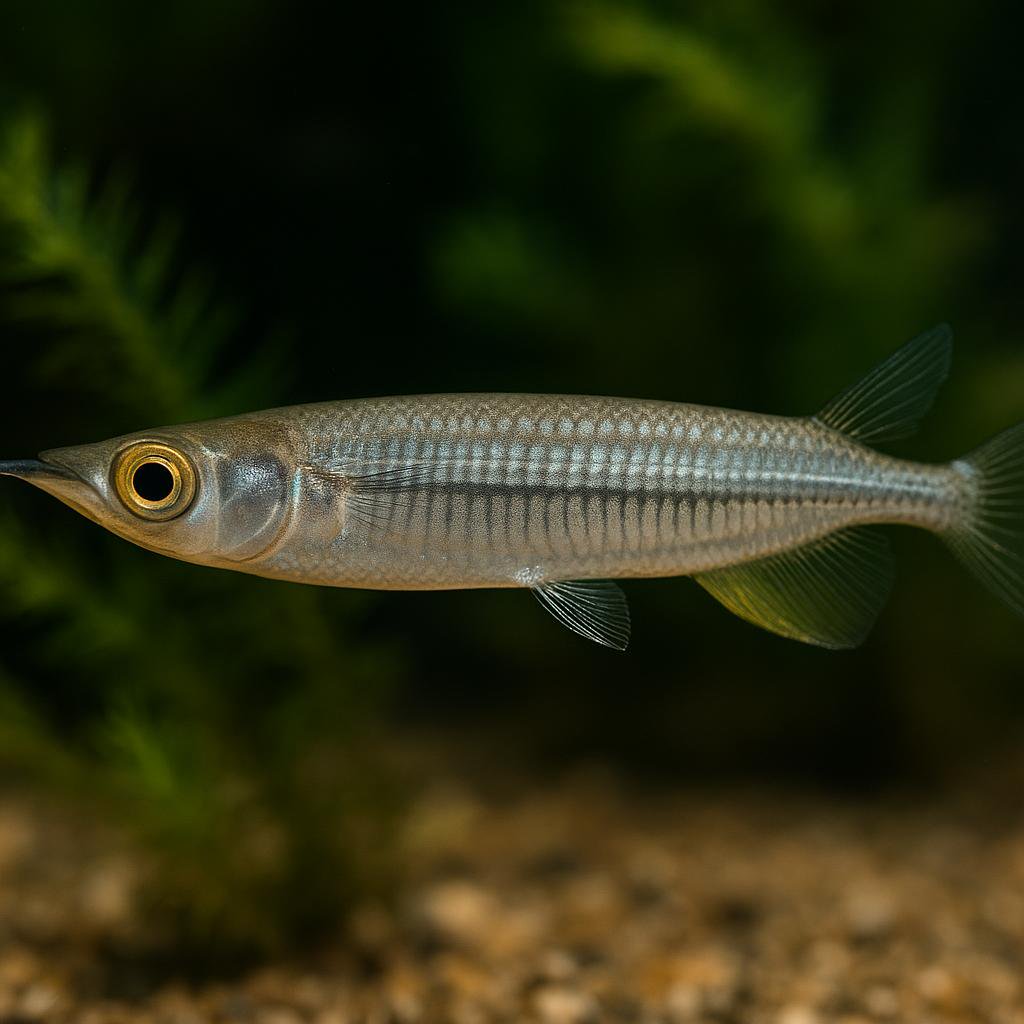
The Fly River garfish exhibits a streamlined body, elongated jaws, and distinctive transparent, greenish fins with a silvery hue.
This page includes AI-generated images. Why am I seeing AI images?
About the Fly River garfish
This is a surface-cruising freshwater halfbeak from New Guinea and far north Australia that likes warm, weedy shallows and will hang near the top in little shoals. In the wild it grazes a lot of plant material but will also snap up insects, so it acts like a picky topwater grazer with a "snatch anything that lands" vibe. If you ever try one in a tank, think "tight lid, calm flow, lots of surface cover" first.
Also known as
Quick Facts
Size
20 cm SL
Temperament
Peaceful
Difficulty
Advanced
Min Tank Size
20 gallons
Lifespan
3-6 years
Origin
Oceania (New Guinea and northern Australia)
Diet
Omnivore with a strong plant/aufwuchs component - soft greens, algae-based foods, and small insects/live or frozen foods
Water Parameters
25-30°C
6.5-8
2-20 dGH
Need a heater for this species?
This species needs 25-30°C in a 20 gallon tank. Use our heater calculator to find the right wattage.
Calculate heater sizeCare Notes
- Give them a long tank more than a tall one - they live at the surface and cruise nonstop, so think 4 ft+ footprint if you can. Leave open swimming room and keep hard decor away from the top where they spook and rocket.
- They jump like they are trying to leave the hobby, so use a tight lid with no gaps around pipes and cords. Floating plants help them feel covered, but keep a clear lane to feed in.
- They do best in clean, stable freshwater: mid-70s to low-80s F, pH around neutral to slightly alkaline (about 7.0-8.0), and keep nitrates low because they get ratty fast when the water slides. Big, regular water changes beat chasing numbers.
- Feed small floating foods and small live/frozen stuff - baby crickets, fruit flies, mosquito larvae, daphnia, and finely chopped shrimp all work. They are surface pickers, so sinkers get ignored and food that splashes can trigger panic-jumps.
- Keep them in a group (6+ if you have the space) or they get twitchy and spend more time hiding at the surface. Singletons can turn into fin-nippers just from stress.
- Tankmates need to be calm and not competing at the surface - midwater fish that are too boisterous will keep them pinned to the corners. Avoid fin-nippers (tiger barbs, many rainbows when crowded) and anything big enough to mouth them at night.
- Watch for mouth and snout damage from hitting the lid or glass after a fright - it can turn into fungus fast. Dimmer lighting, floating cover, and no sudden room lights at night helps a ton.
- Breeding in home tanks is hit-or-miss, but a seasonal routine helps: heavier feeding plus frequent smaller water changes like a 'rainy season' bump can trigger courtship. If you see fry, they hang at the surface and need tiny live foods (infusoria then baby brine) right away.
Compatibility
Good Tankmates
- Medium, calm schooling fish that stay midwater like bigger rasboras (scissortails, harlequins) - they dont bother the garfish and they wont freak out when the gars cruise the surface
- Peaceful barbs that are not fin nippers, especially cherry barbs - active but usually polite, and they wont camp the surface
- Corydoras groups - classic combo since the gars mostly hang top, cories mind their own business on the bottom, everybody stays out of each others way
- Smaller, chill plecos like bristlenose (Ancistrus) - good cleanup crew, tough enough to ignore the commotion, just give them wood and hiding spots
- Loaches that stick to the bottom like kuhli loaches - theyre basically invisible to Fly River garfish and dont compete for the same space
- Big, non-aggressive gouramis (pearl or thicklip type) - as long as theyre not super slow and shy, they usually share the upper levels fine
Avoid
- Fin nippers like tiger barbs and some serpae-type tetras - theyll chew on those long garfish fins and the gars will stay stressed and skittish
- Aggressive or pushy cichlids (convicts, most mbuna, texas, etc.) - too much in-your-face behavior, and the gars dont like being harassed at the surface
- Tiny bite-sized fish like small guppies, endlers, and very small tetras - Fly River gars are peaceful, but they are surface predators and little snacks can disappear
- Slow, fancy-finned surface fish like bettas and long-fin guppies - the garfish can outcompete them at feeding time and the slow guys get stressed even if nobody is trying to fight
Where they come from
Fly River garfish (Zenarchopterus novaeguineae) come out of New Guinea, especially the Fly River system and nearby lowland waters. Think warm, soft-to-medium water, lots of cover along the edges, and a surface full of insects. They are built for cruising the top layer all day.
Setting up their tank
Give them length more than height. These fish are basically surface torpedoes, and they use that top 2-3 inches constantly. A long tank with open swimming room up top and structure along the sides works way better than a tall show tank.
- Tank size: I would not bother under 4 ft long for a group. Bigger is calmer.
- Lid: tight-fitting, no gaps around pipes. They jump hard and fast.
- Filtration: strong but not a washing machine at the surface. Aim flow along the back or use spray bars.
- Surface: floating plants or a strip of cover helps them feel less exposed.
- Lighting: not too brutal. Bright lights with no shade makes them skittish.
They are elite jumpers. If your lid has a pencil-sized gap, they will find it at 2 am.
I like to set the tank up with hardscape and plants pushed to the sides, leaving a clear "runway" down the middle. Floating plants (or even a band of water lettuce) makes a huge difference in how confident they act.
Water-wise, stability beats chasing numbers. Warm temps, clean water, and steady maintenance matter more than obsessing over a specific pH. That said, they do best in the usual New Guinea river range: neutral-ish, not ice cold, and not rock-hard liquid stone.
What to feed them
They are surface predators with small-ish mouths. Mine mostly wanted moving food in the top layer, and they can be picky at first. If you buy skinny imports, expect a "training" phase.
- Best starters: live or frozen mosquitoes, bloodworms, daphnia, brine shrimp, chopped blackworms
- Once settled: small floating pellets, floating micro-sticks, insect-based foods
- Treats: small crickets/flightless fruit flies (careful with size), chopped shrimp, finely cut fish flesh occasionally
Feed small amounts 2-3 times a day at first. They burn energy cruising the surface, and steady small meals helps them fill out faster than one big dump of food.
If they ignore pellets, mix pellets in with frozen, or pre-soak pellets in thawed food juice and offer right at the surface flow. A confident "first eater" in the group teaches the rest.
How they behave and who they get along with
They are alert, fast, and surface-focused. In a group they settle in and act more natural, but you will still see quick darts and occasional sparring. Most of the drama is about pecking order and food at the surface.
- Best kept: in a group, in a long tank with lots of surface room
- Temperament: not a bully in the usual sense, but will outcompete slow surface fish at feeding time
- Activity zone: top layer, especially the first few inches
Tankmates should be peaceful and able to handle fast surface feeders. Midwater schooling fish that are quick (and not fin-nippy) tend to work. Bottom fish are usually ignored, which is nice.
Avoid tiny fish that hang near the surface (very small livebearer fry, tiny rasboras). If it looks like a surface insect from below, it may get tested.
Also skip notorious fin nippers. A stressed garfish that gets harassed at the surface turns into a glass-surfing jumper. Calm tankmates keep them in the tank.
Breeding tips
Breeding Zenarchopterus in home tanks is possible but not something you just stumble into like guppies. In the hobby you will usually run into two hurdles: getting a comfortable, mature group, and getting fry through the early days without them vanishing.
- Start with: a decent-sized group so you likely get both sexes
- Give them: heavy feeding (insecty foods) and warm, stable water
- Provide: floating plants and quiet surface areas for courtship and hiding fry
Many halfbeaks and their relatives are livebearers (or give birth to well-developed young). If you see a female getting boxy and a male showing more interest, check floating plants for tiny surface-hugging babies.
If you do get young, the adults may snack on them. I would move fry to a grow-out or use a thick mat of floating plants so some can dodge the adults. Newly born/very small young do well on baby brine shrimp and powdered foods that stay near the surface.
Common problems to watch for
- Jumping: the number one killer. Seal the lid and keep water level a bit lower if needed.
- Shipping damage and skinny imports: they can come in beat up, with mouth wear or fin damage. Clean water and easy foods help them recover.
- Refusing food: common early on. Start with live/frozen, then convert slowly.
- Surface stress: too much surface turbulence or bright, uncovered lighting makes them nervous and flighty.
- Mouth injuries: they can smack lids or hardscape during spooks. Keep the top area clear and use floating plants as a "soft ceiling."
- Internal parasites: if they keep eating but never gain weight, consider a quarantine and deworming plan.
They spook easily the first couple weeks. Keep the room calm, avoid sudden light changes, and do tank work slowly. A scared garfish is a garfish looking for the exit.
If you can get them eating confidently and you treat the tank like a "surface fish" setup (lid, cover, long swim space), they are incredibly fun. Watching a healthy group patrol the top like little river needles never gets old.
Similar Species
Other freshwater peaceful species you might be interested in.
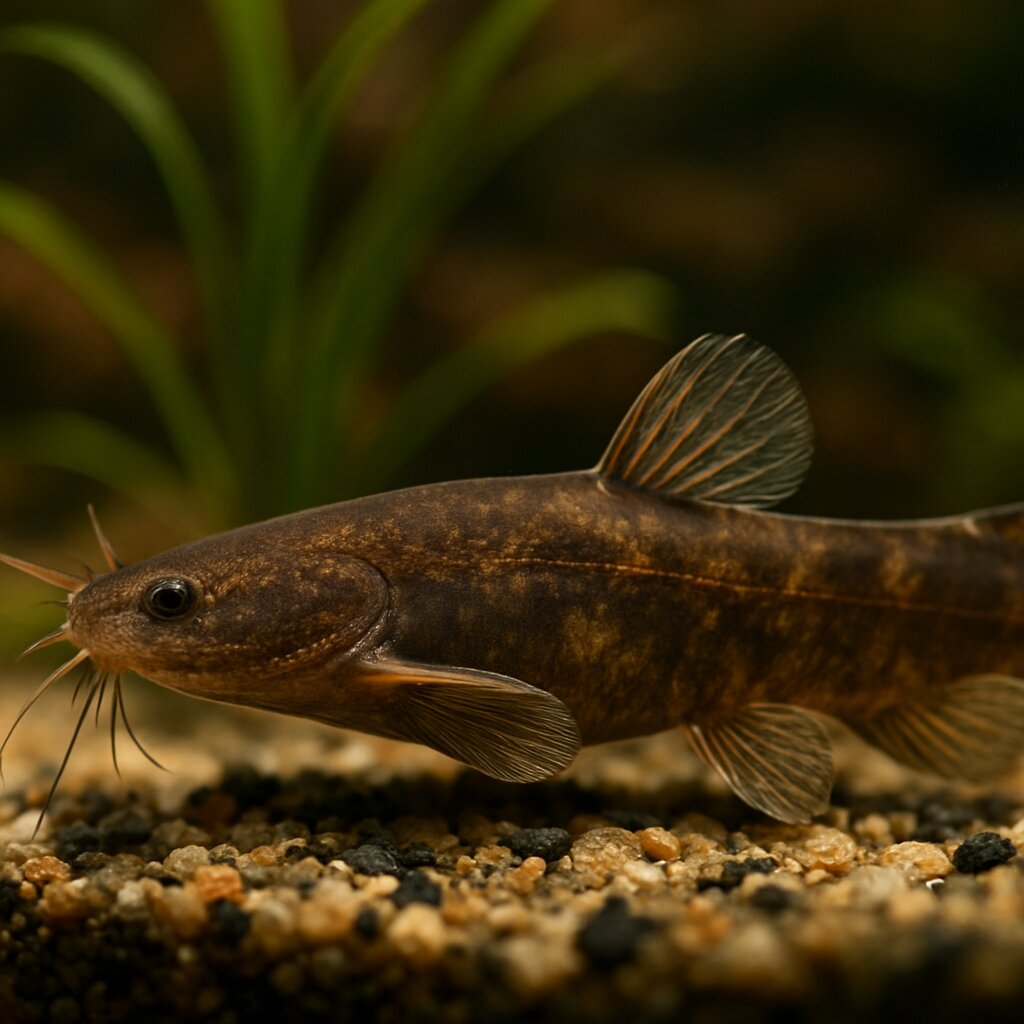
Amphilius dimonikensis
A small loach catfish endemic to the Mpoulou River in the Mayombe (Dimonika Biosphere Reserve), Republic of the Congo. Amphilius dimonikensis has a subtle banded pattern and inhabits fast, clear streams over rock and sand. In aquaria, prioritize strong, well-oxygenated flow with rounded stones and sand to mimic hillstream conditions.
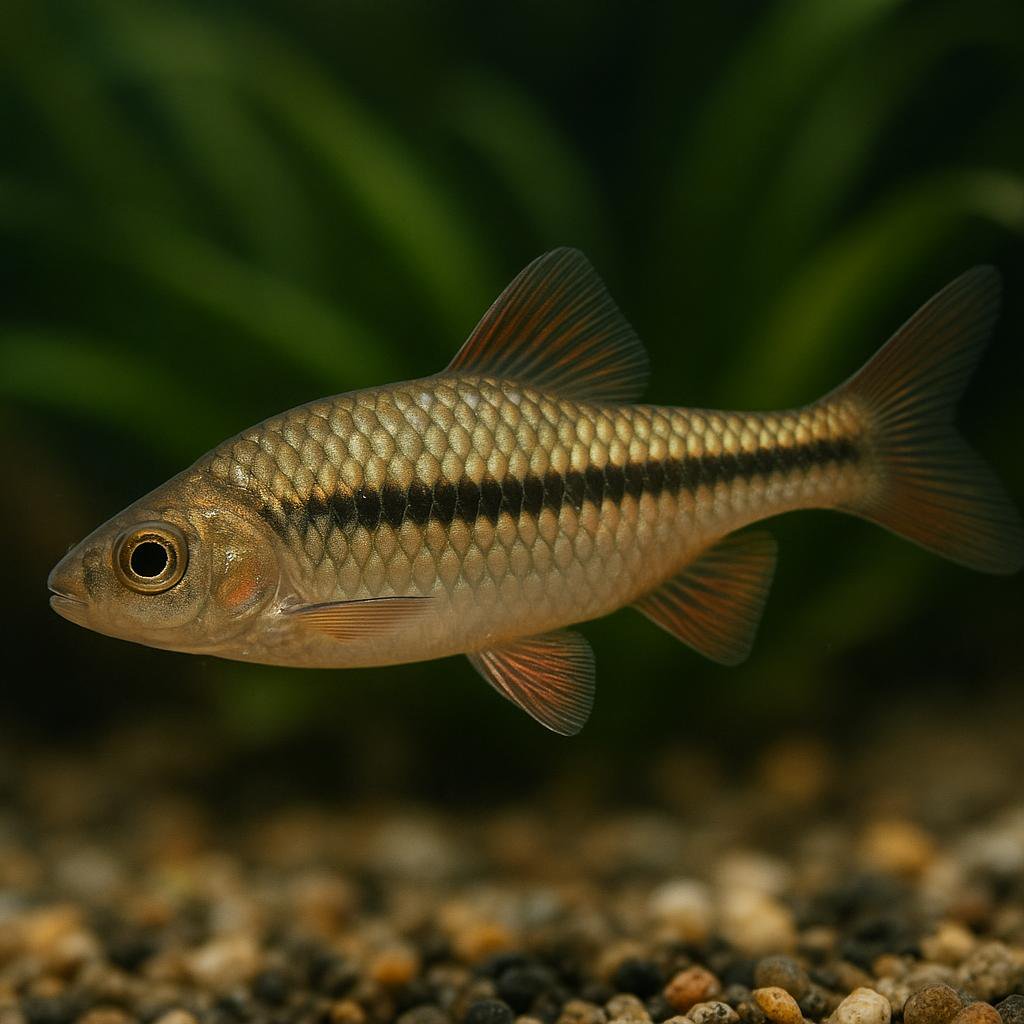
Aboina barb
Enteromius aboinensis
Enteromius aboinensis (the Aboina barb) is a small West African barb with a clean black midline stripe and a little spot right at the base of the tail. It does best when you treat it like a proper schooling fish - keep a decent group and give it plants around the edges with open swimming room in the middle.
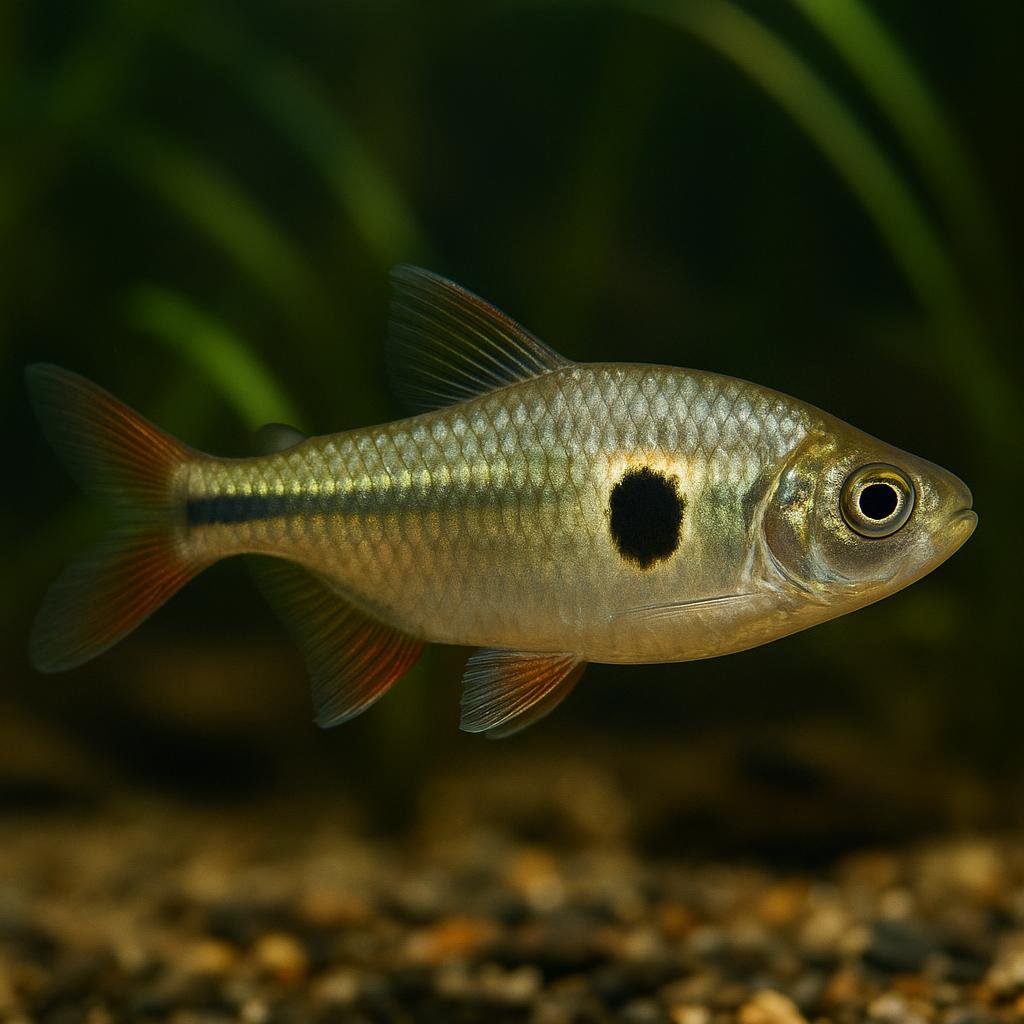
Ajuricaba tetra
Jupiaba ajuricaba
Jupiaba ajuricaba is a South American freshwater characin from the Amazon basin in Brazil (rio Negro, rio Solimões, and rio Tapajós basins). It reaches about 9.5 cm SL and is diagnosed by a narrow dark midlateral stripe, an elongated humeral spot, and an ocellated spot on the upper caudal-fin lobe. Wild specimens have been collected from blackwater forest streams and also oxbow-lake habitats.
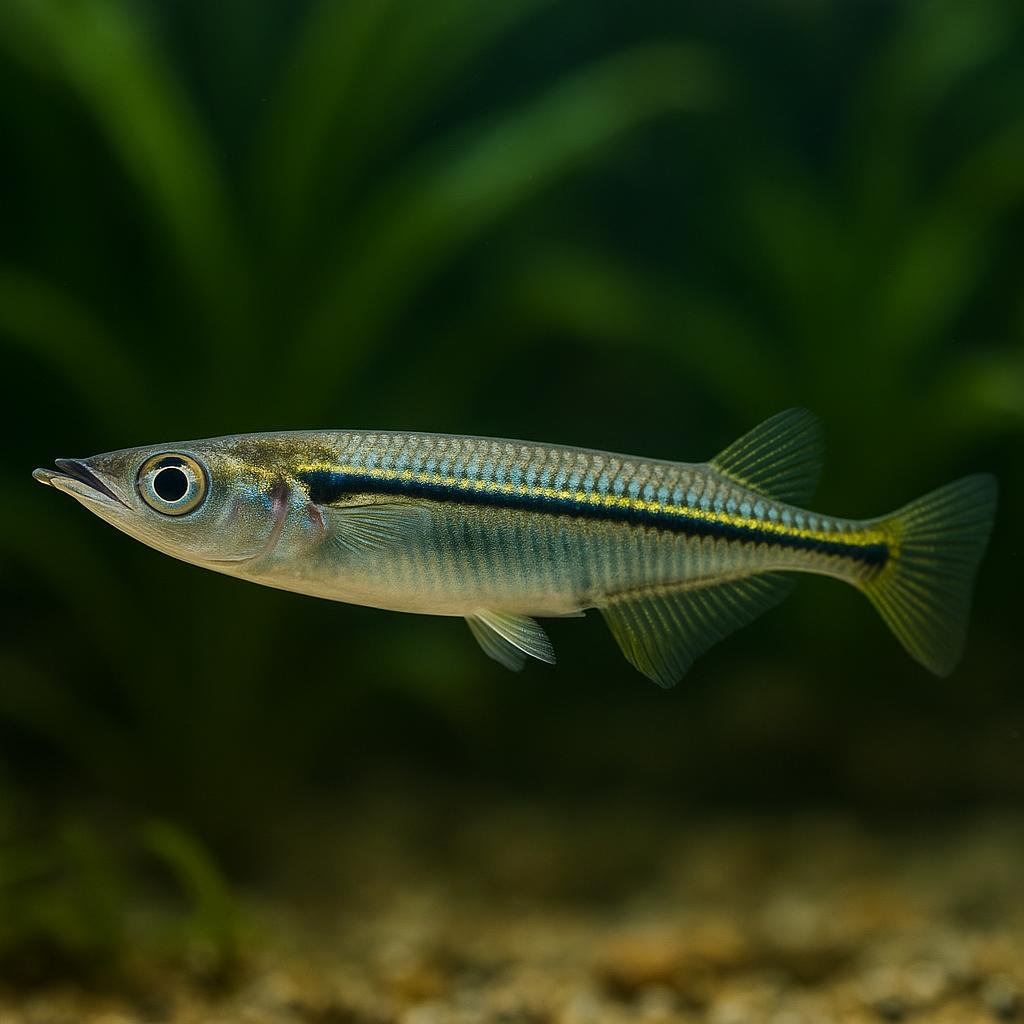
Allen's river garfish
Zenarchopterus alleni
A poorly known freshwater halfbeak endemic to West Papua (Mamberamo River), described from a single specimen (~13 cm SL). Beyond basic habitat/occurrence, little is published about its ecology or aquarium suitability; assume it is a surface-oriented, jump-prone halfbeak only by analogy with related taxa.
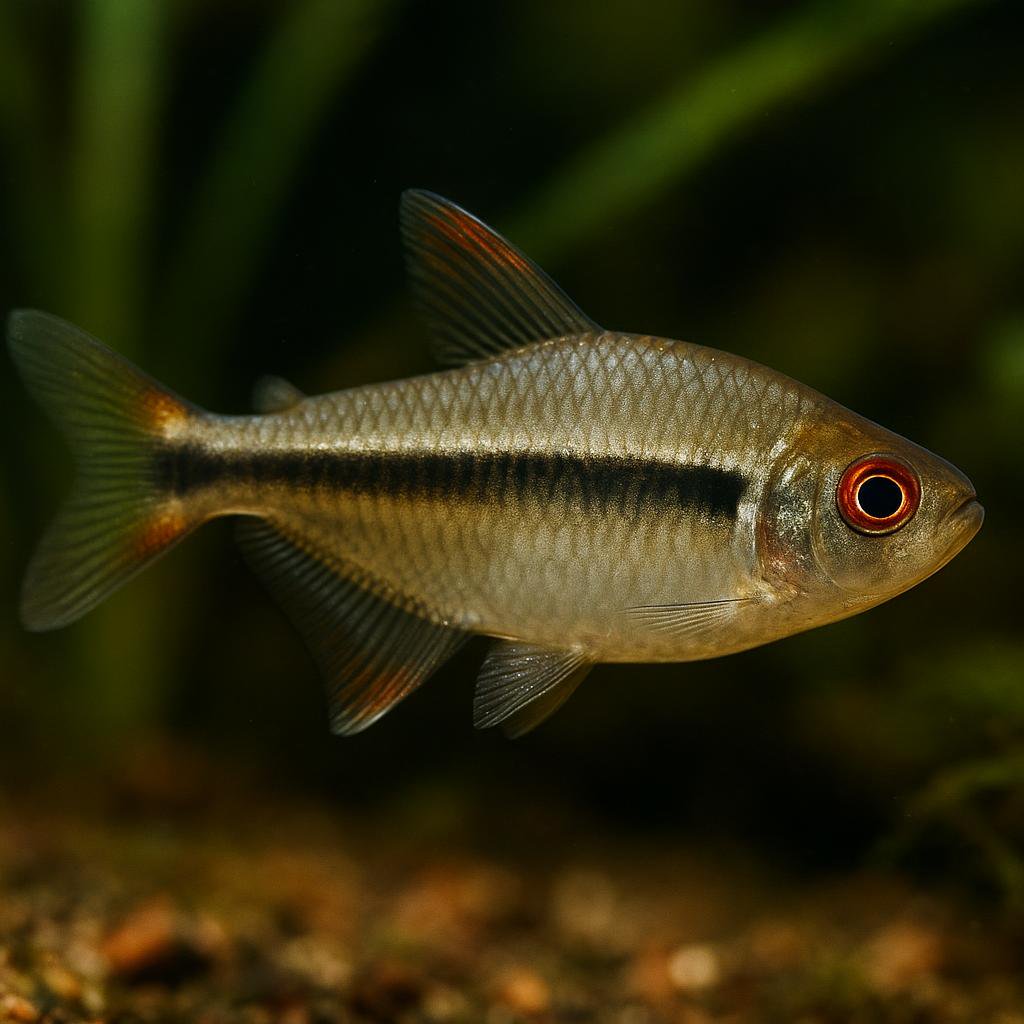
Amapa tetra
Hyphessobrycon amapaensis
This is a tiny, super sleek little tetra with a clean red stripe down the side that really pops once its settled in. It does best in a planted, slightly tinted "creek-style" setup and looks way cooler when you keep a proper group so they school and flash that line together. If you can give it soft, slightly acidic water and a calm community, its an easy fish to fall for.
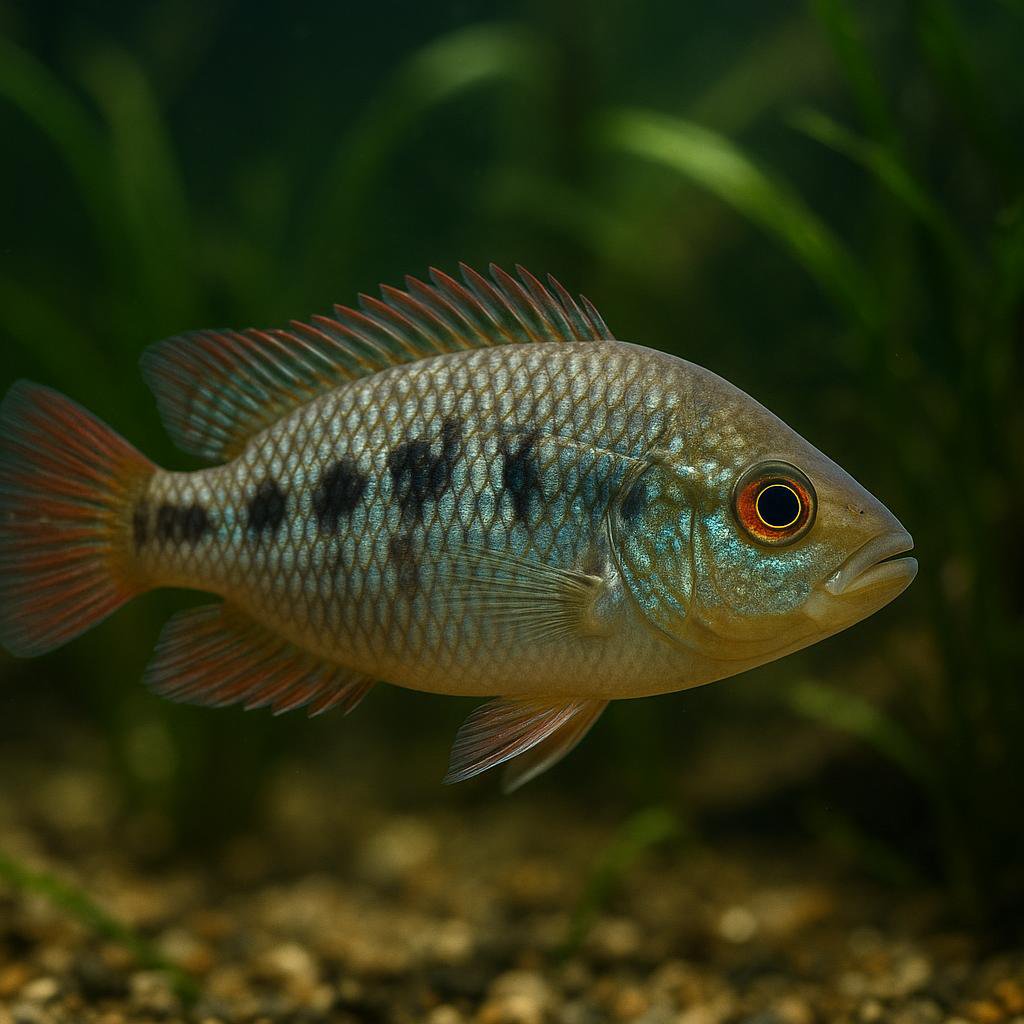
Amatlan chub
Yuriria amatlana
Yuriria amatlana (the Amatlan chub) is a little Mexican native minnow from the Ameca River basin. Its wild range is pretty limited and it is listed as Endangered, so its care info in the aquarium hobby is basically nonexistent and its availability is usually low. In the original species description, preserved fish show a dark lateral stripe with a darker patch on the caudal peduncle, and they can have tiny barbels at the mouth corners.
More to Explore
Discover more freshwater species.
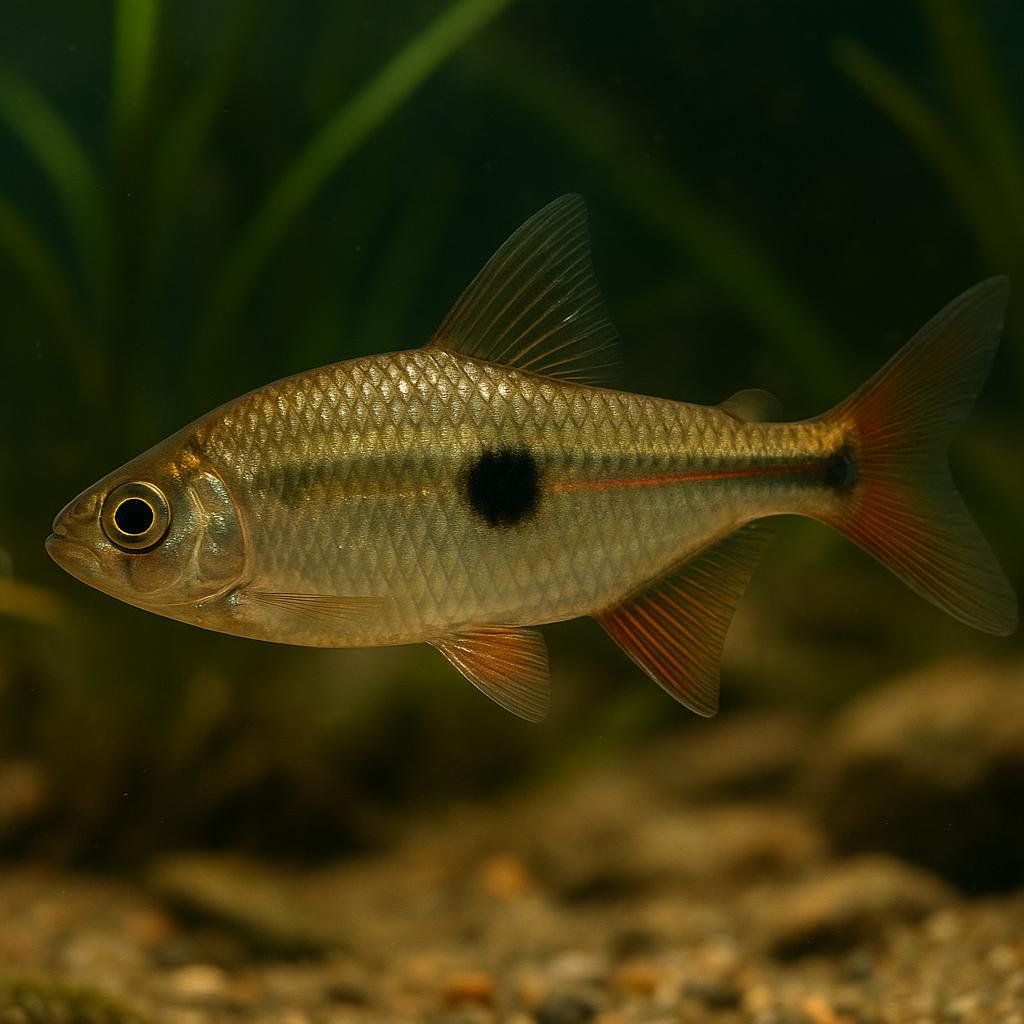
Jupiaba kurua
Small South American characin endemic to the upper rio Curuá (rio Xingu basin, Brazil). Reaches about 8.7 cm SL and inhabits clearwater rivers. Distinguished by dark dots on the bases of many lateral scales and a distinct dark caudal‑peduncle spot. Reported diet indicates omnivory, including aquatic insects, small fishes, and fragments of Podostemaceae and filamentous algae.
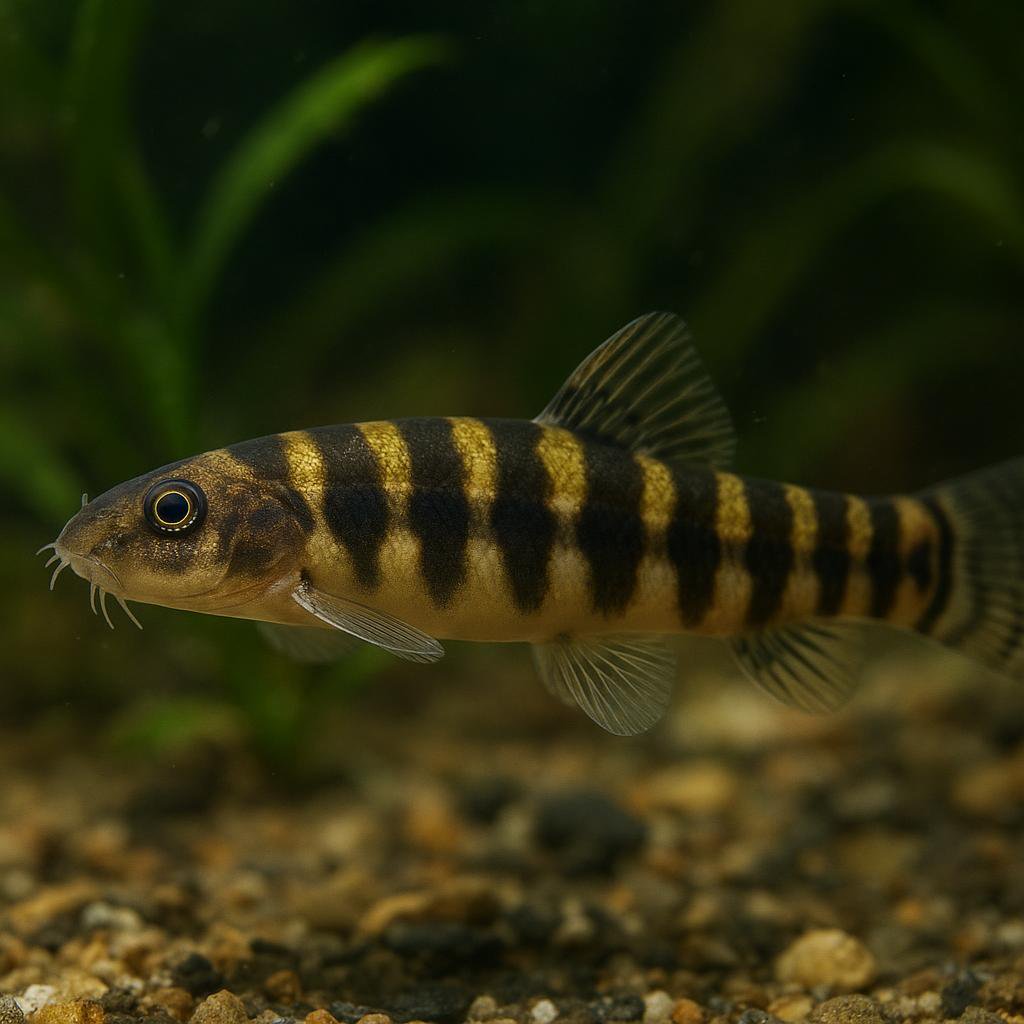
Altipedunculata stone loach
Schistura altipedunculata
Schistura altipedunculata is one of those little stream loaches that wants clean, well-oxygenated water and a bunch of rock nooks to claim as home. It is a bottom-hugger that will spend its day scooting from crevice to crevice, and it tends to get a bit spicy with its own kind if you do not give it enough hiding spots.
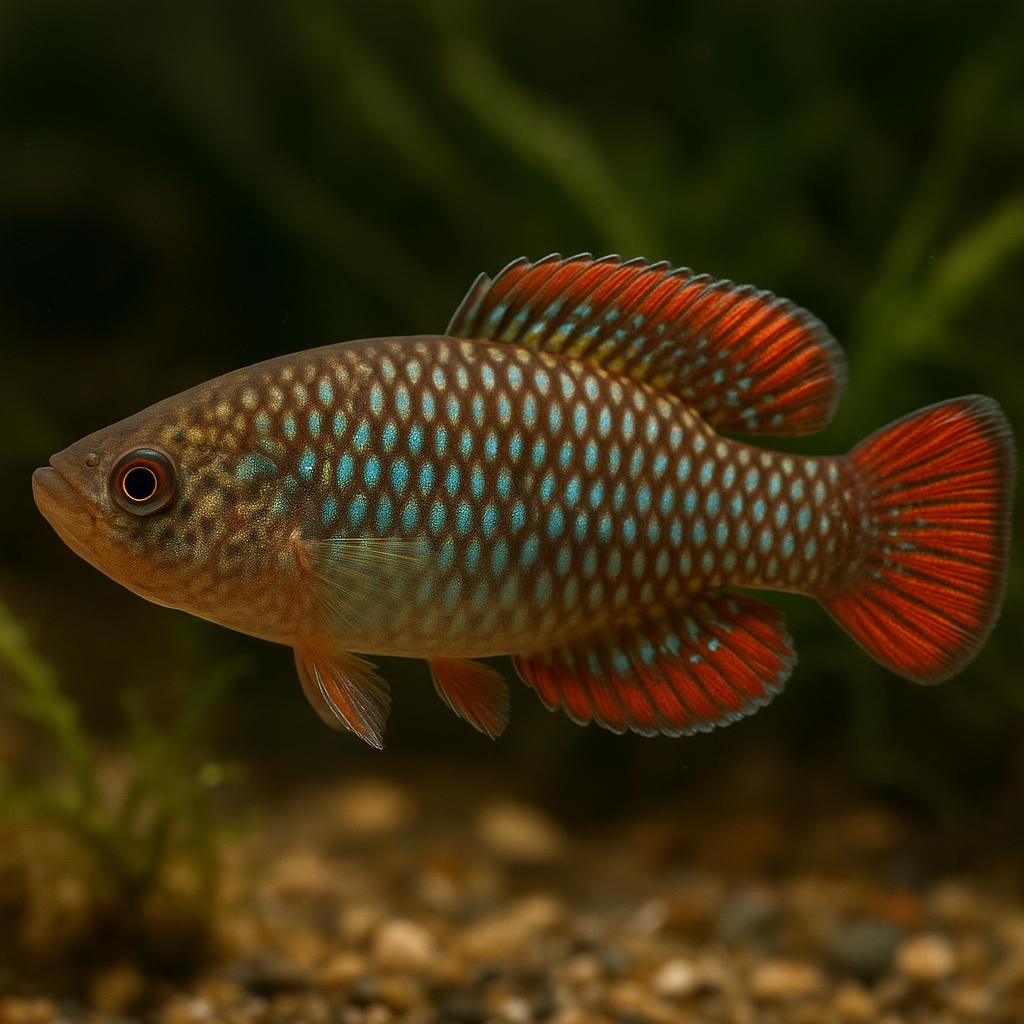
American flagfish
Jordanella floridae
Jordanella floridae is that little Florida native with the red-and-cream striping that really does look like a tiny flag once a male colors up. They graze algae like champs (especially stringy/hair algae), but they have a bit of attitude - give them plants and space so the bossy behavior stays manageable. Bonus: the male guards the eggs and will actively fan them, which is pretty fun to watch.
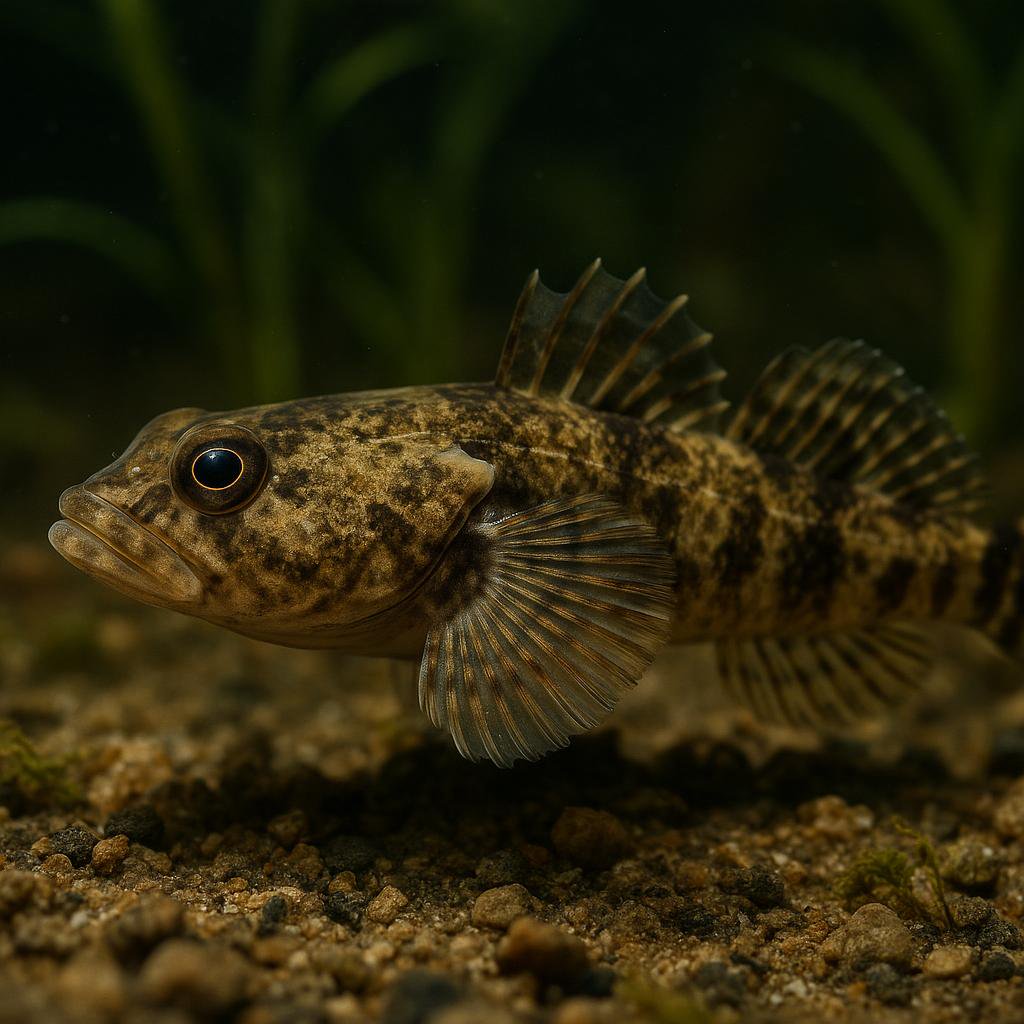
Amur sculpin
Alpinocottus szanaga
This is a little coldwater sculpin from the Amur drainage - a bottom-hugging, rock-and-gravel fish that spends its day wedged under stones and darting out to grab food. Super cool behavior and attitude, but it is absolutely not a warm tropical community fish - it wants chilly, fast, oxygen-rich water and will bicker with other bottom fish.
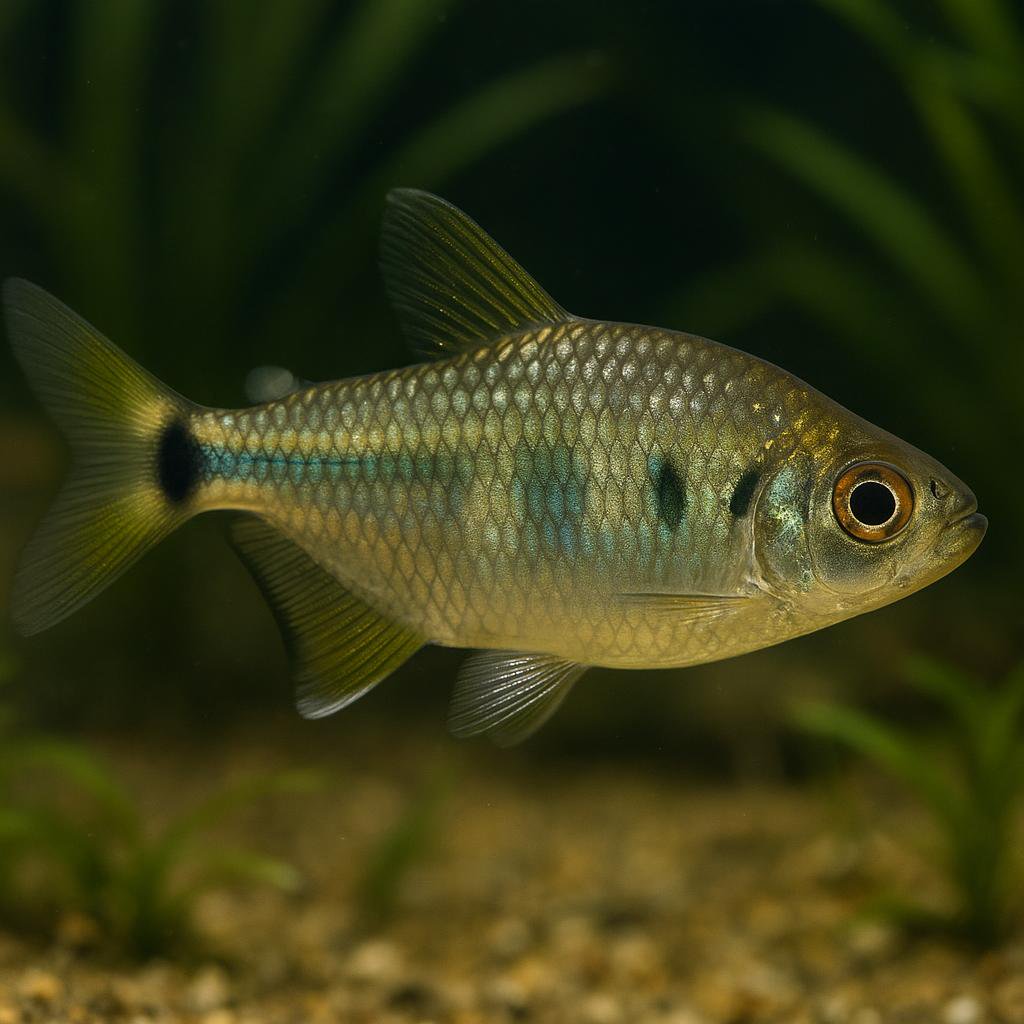
Andrica moenkhausia
Moenkhausia andrica
Moenkhausia andrica is a little Brazilian characin from the Tapajos system that tops out around 7 cm (about 2.8 inches) standard length. It has a neat netted (reticulated) scale pattern plus a dark spot on the caudal peduncle, and the really wild part is that mature females can have tiny fin hooklets too, which is usually a male-only thing in a lot of characins.
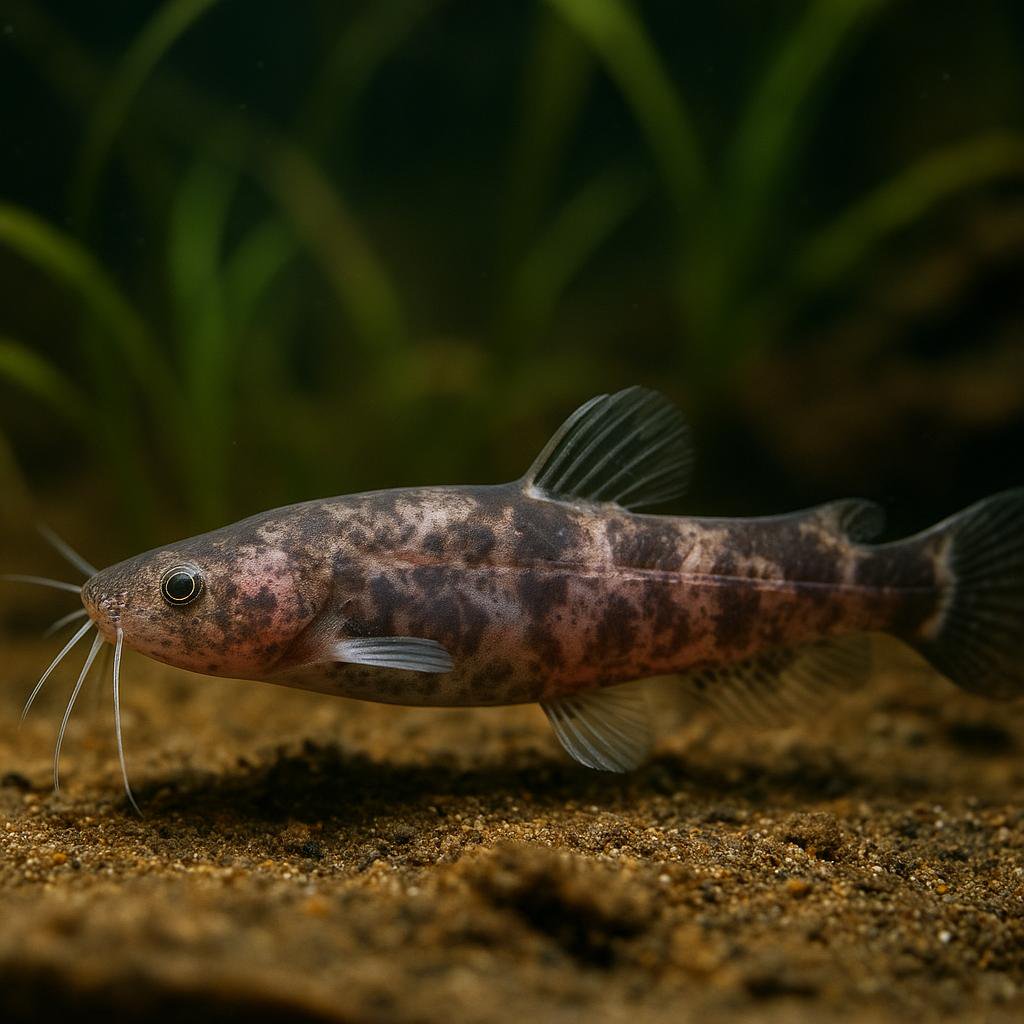
Anhanga pygmy pencil catfish
Potamoglanis anhanga
This is a truly tiny Amazonian trichomycterid catfish - like 1.3 cm max - so it is more of a micro-predator oddball than a typical community catfish. It is the kind of fish that disappears into sand, leaf litter, and plant roots, and you will spend way more time setting up the right micro-habitat than you will actually seeing it.
Looking for other species?