

Search Species
Search for fish species by common or scientific name, or use filters to browse by water type, size, temperament, and difficulty.
Found 159 species
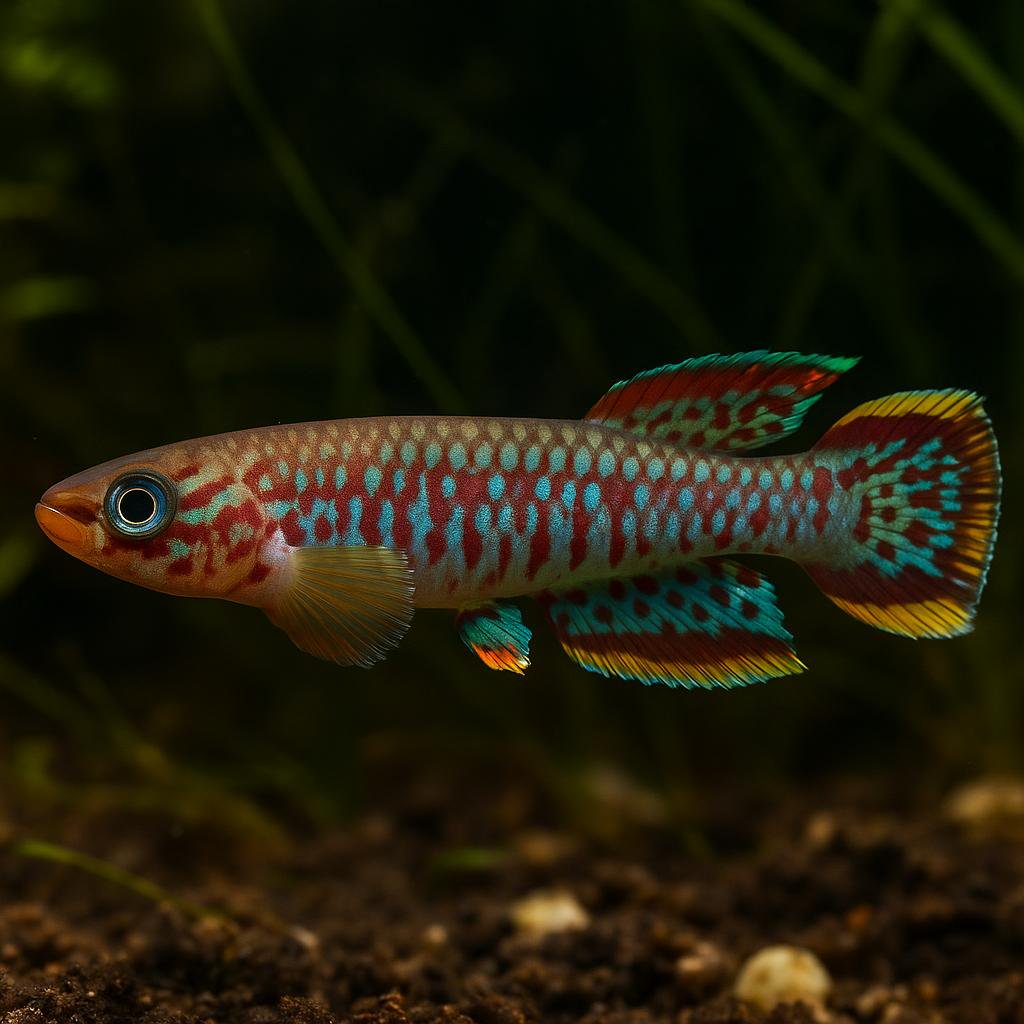
Purzl's killifish
Fundulopanchax puerzli
A small West African killifish from rainforest creeks in western Cameroon, males wear striking blue-red speckling and a lyre-like tail. It does best in soft, slightly acidic water and really shows personality when conditioned on live foods. Keep a tight lid - they are enthusiastic jumpers.
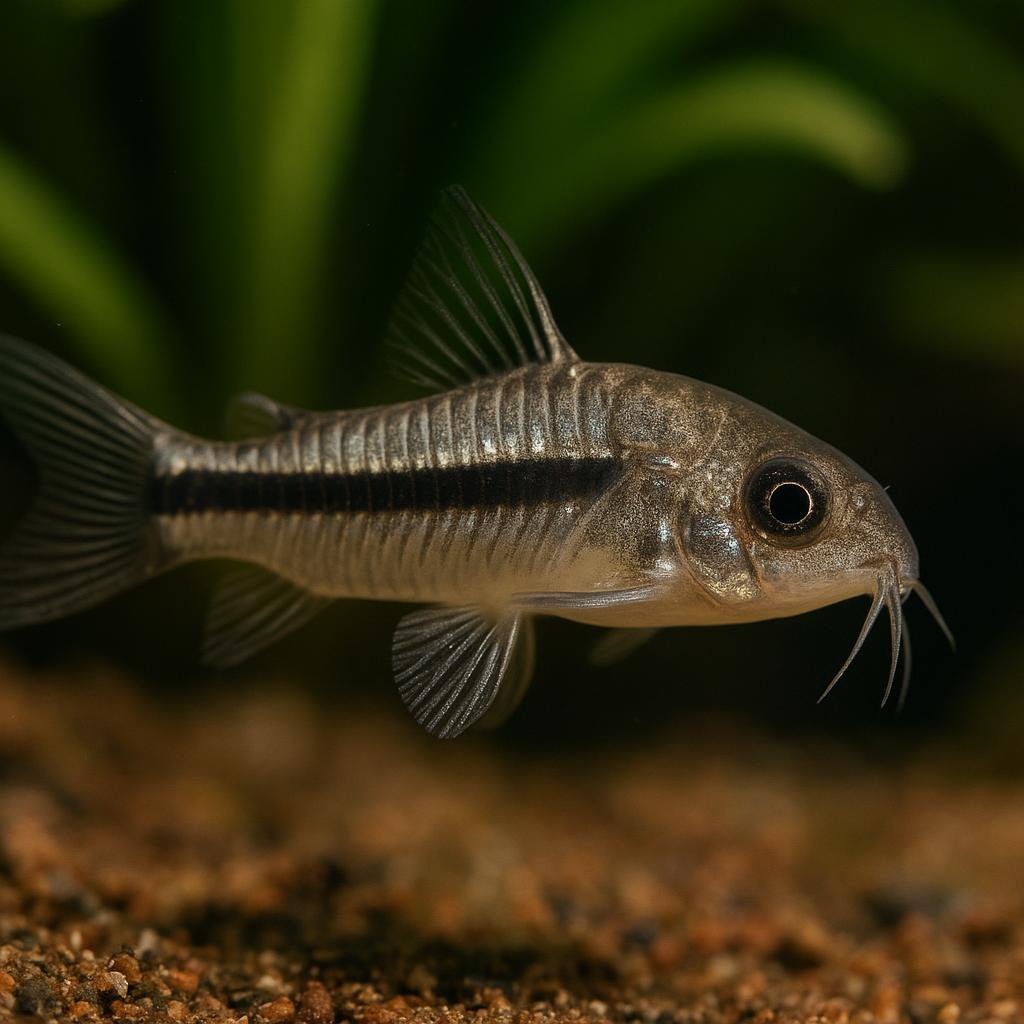
Pygmy corydoras
Corydoras pygmaeus
Pygmy cories are tiny little armored catfish that do this super-cool thing most cories don't: they'll cruise around in the midwater in a loose school instead of just shuffling along the bottom. Give them a soft sandy substrate, lots of plants to weave through, and a proper group, and they turn into nonstop little busybodies.
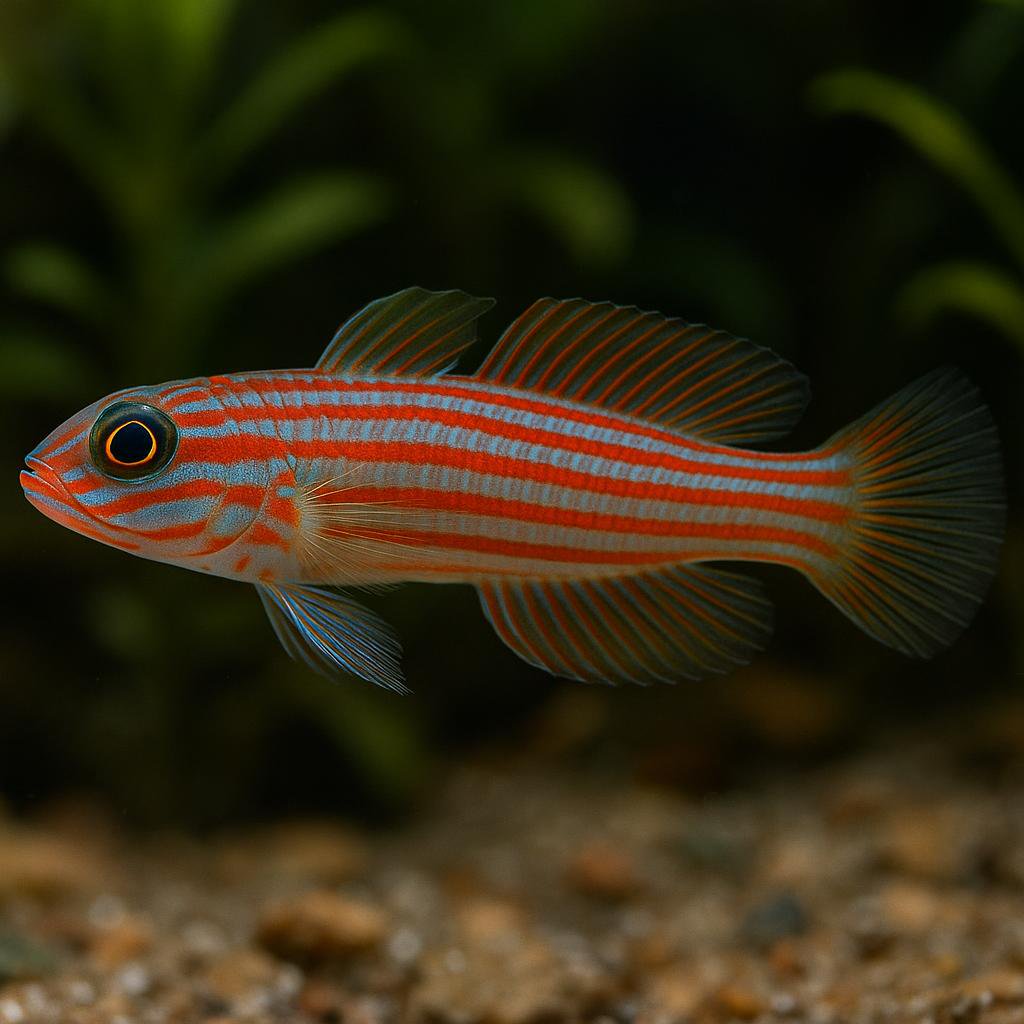
Rainford's goby
Koumansetta rainfordi
This little goby is a tiny striped hoverer that spends its day scooting between rock crevices and pecking at the sand and micro-stuff on the rocks. In the right setup its a super chill, reef-safe character fish, but the big trick is keeping it well-fed in a mature tank so it doesnt slowly waste away.
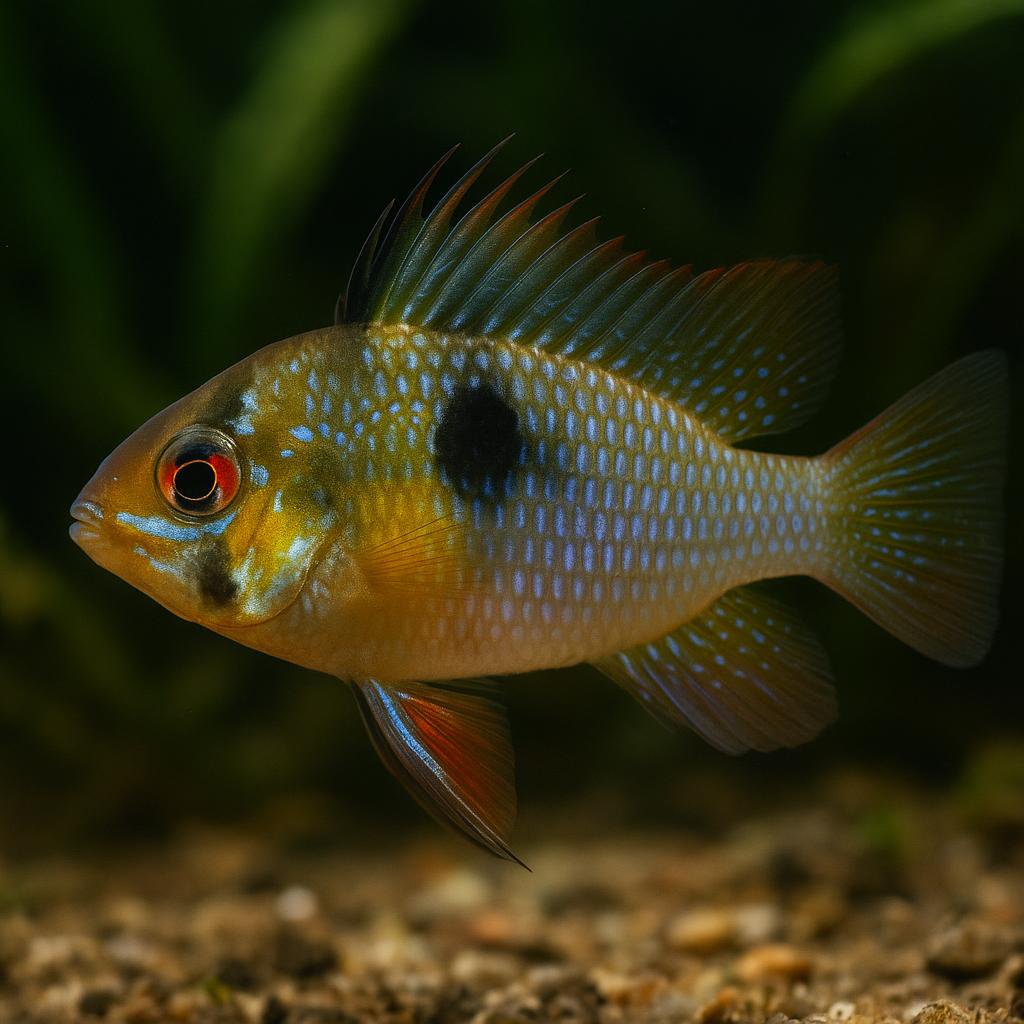
Ram cichlid (German blue ram / butterfly cichlid)
Mikrogeophagus ramirezi
Rams are tiny little cichlids with big-time attitude (in the cutest way) and insane sparkle-those blues, yellows, and that black face bar really pop when they're happy. They're also one of the warmer-water dwarf cichlids, and they'll show off pair behavior and even spawn on flat stones if you keep the tank clean and calm.
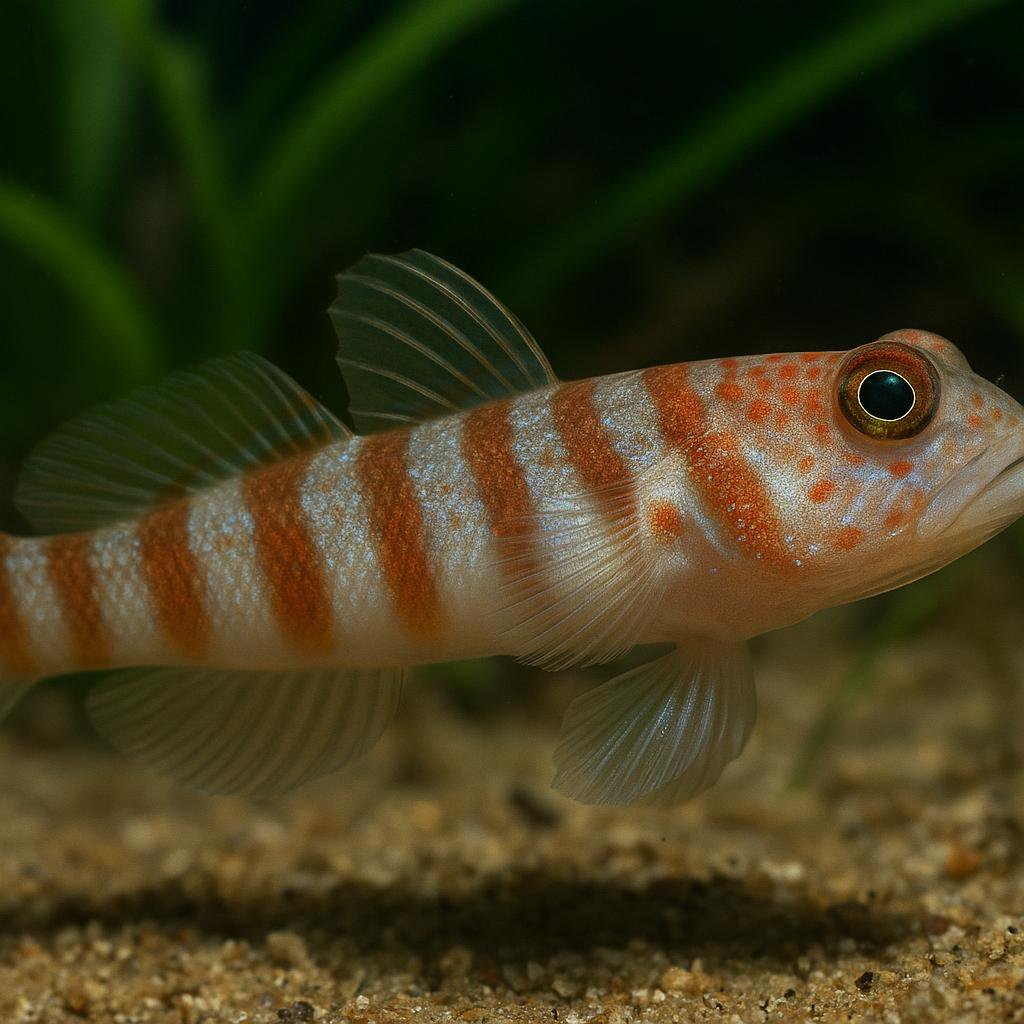
Randall’s shrimp goby
Amblyeleotris randalli
Randall's shrimp goby is that little candy-cane striped goby you'll see parked at the entrance of a burrow, doing sentry duty like it's getting paid for it. The really fun part is the partnership with a pistol shrimp-goby keeps watch, shrimp does the digging, and they basically run a tiny construction site in your sand bed. Give it a cozy sand area and a few rubble bits and it'll settle in and start acting like it owns the place (in the cutest way).
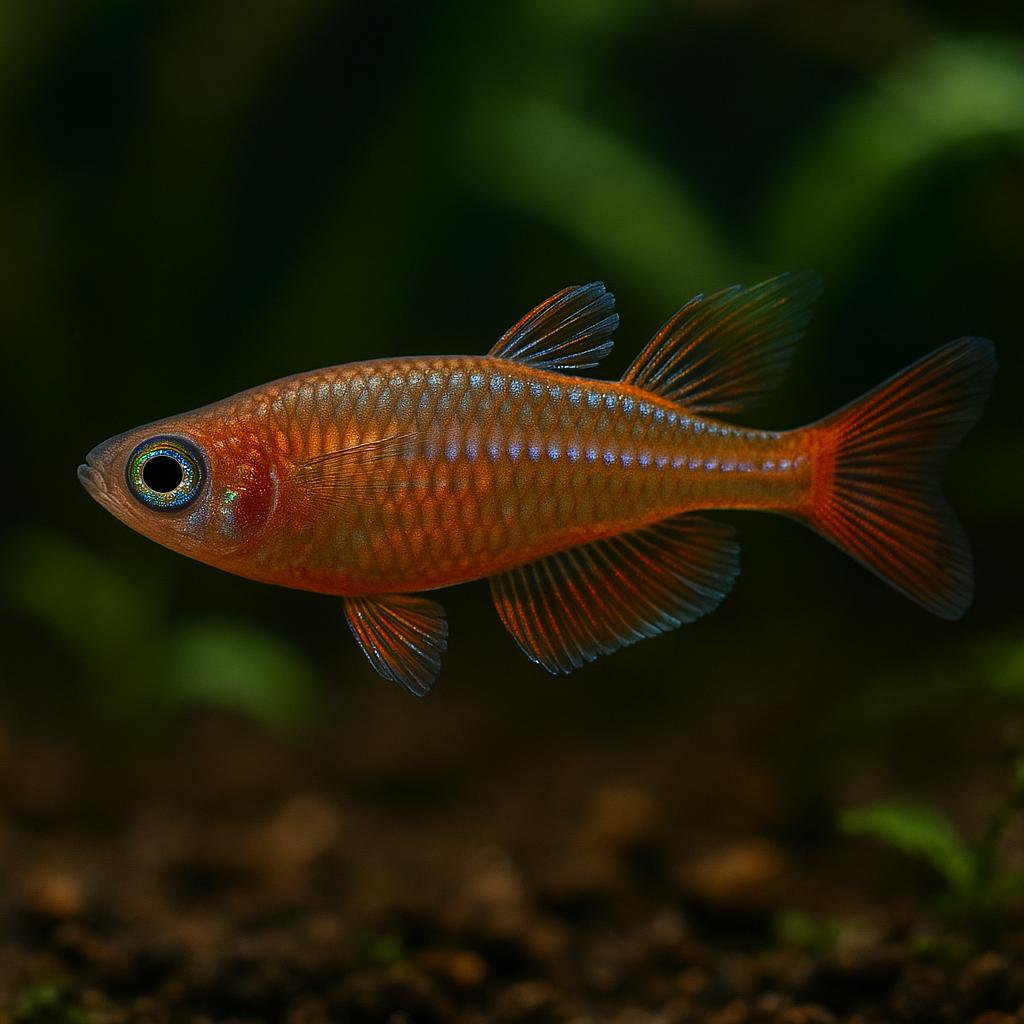
Red Neon Blue-eye
Pseudomugil luminatus
This little blue-eye is basically a tiny fireworks show-males flash electric blue eyes and red/orange fins and spend half the day showing off to each other. Keep them in a nice-sized group and you'll see constant "dancing" and fin-flaring in the open water, especially over dark substrate and plants.
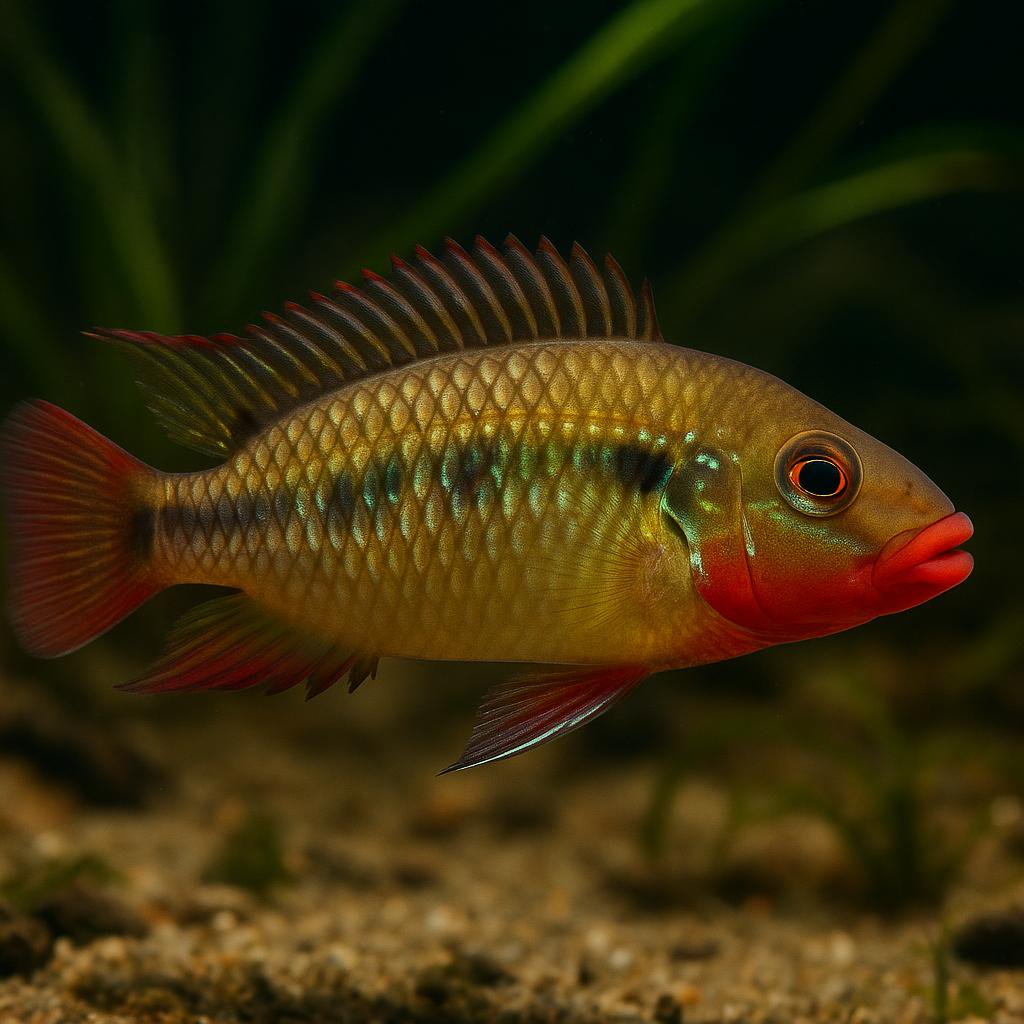
Red-lipped Wallaceochromis
Wallaceochromis rubrolabiatus
A small West African dwarf cichlid from the Kolente-Bandi system in Guinea, males sport striking red lips and both parents guard their brood in caves. It behaves like a krib relative but can get pushy when breeding, so give a pair room and cover. Wild populations are localized, and in aquaria it does best in soft, slightly acidic water. ([fishbase.org](https://www.fishbase.org/Summary/wallaceochromis-rubrolabiatus))
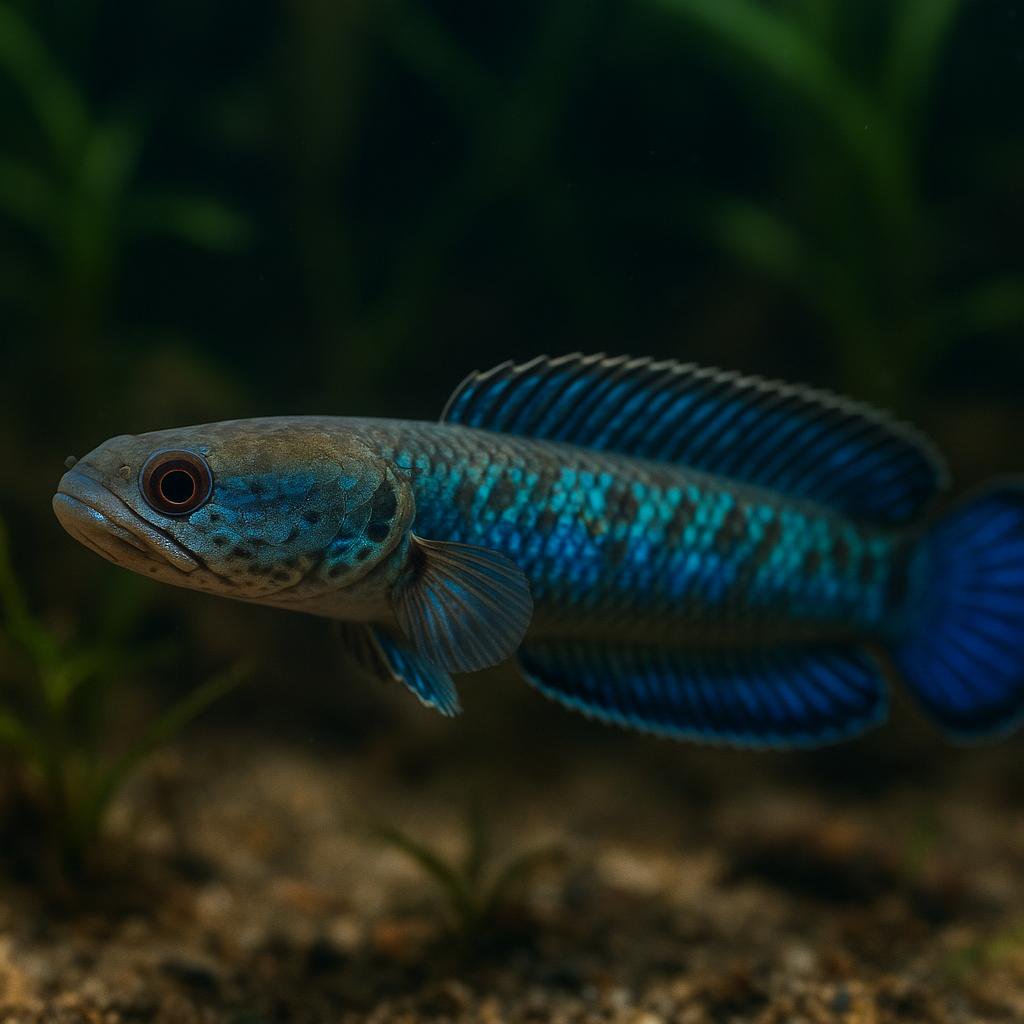
Redspotted snakehead
Channa andrao
Channa andrao is one of those "how is this real?" dwarf snakeheads-tiny, super colorful, and way more personable than you'd expect from a predator. It's a mouthbrooder, hangs near the surface a lot (air-breather), and it's happiest in a plant-choked, hidey-hole setup with a tight-fitting lid because, yep, it can jump.
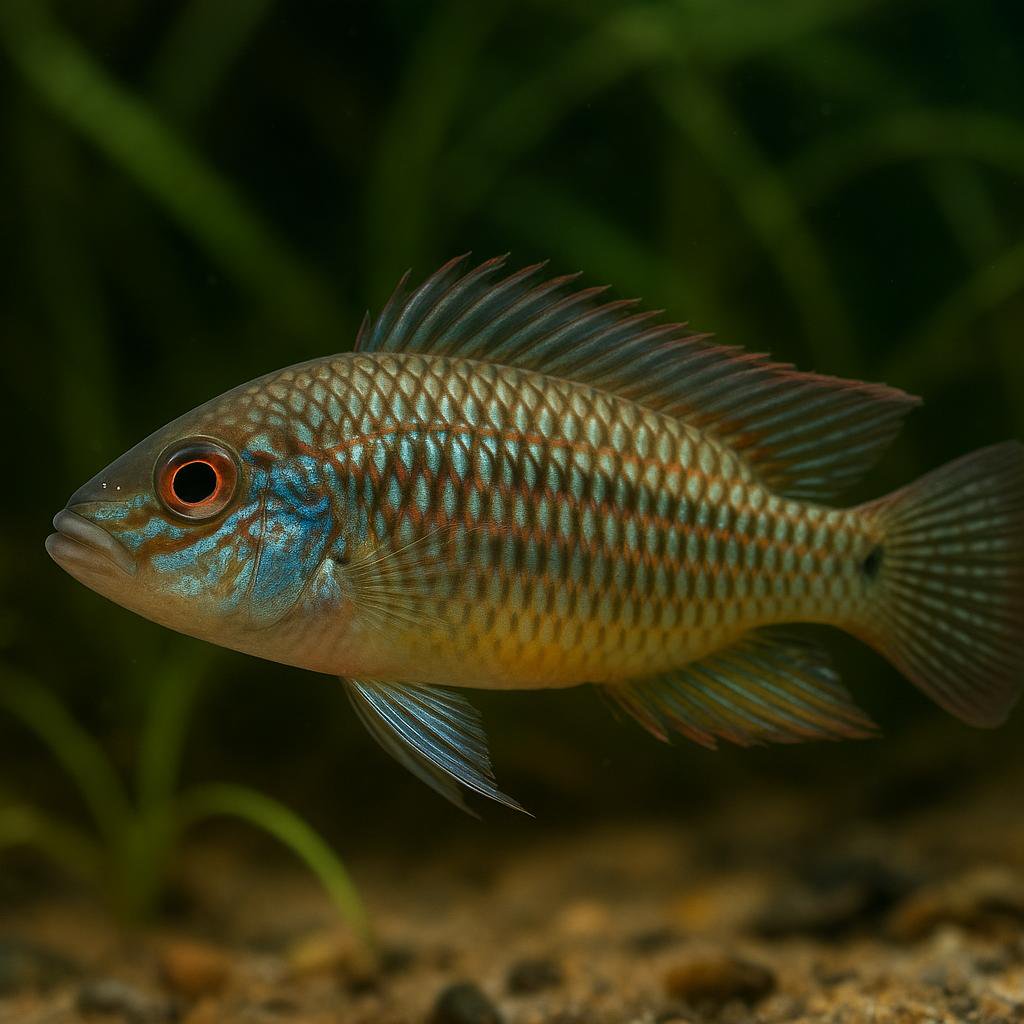
Regani dwarf pike cichlid
Wallaciia regani
A tiny, pike-shaped cichlid from the Amazon, W. regani hangs around leaf litter and roots and tops out near 3 inches. Females show a neat eyespot in the dorsal, and pairs spawn in caves with devoted guarding. It is mellow for a pike cichlid but anything bite-size is food.
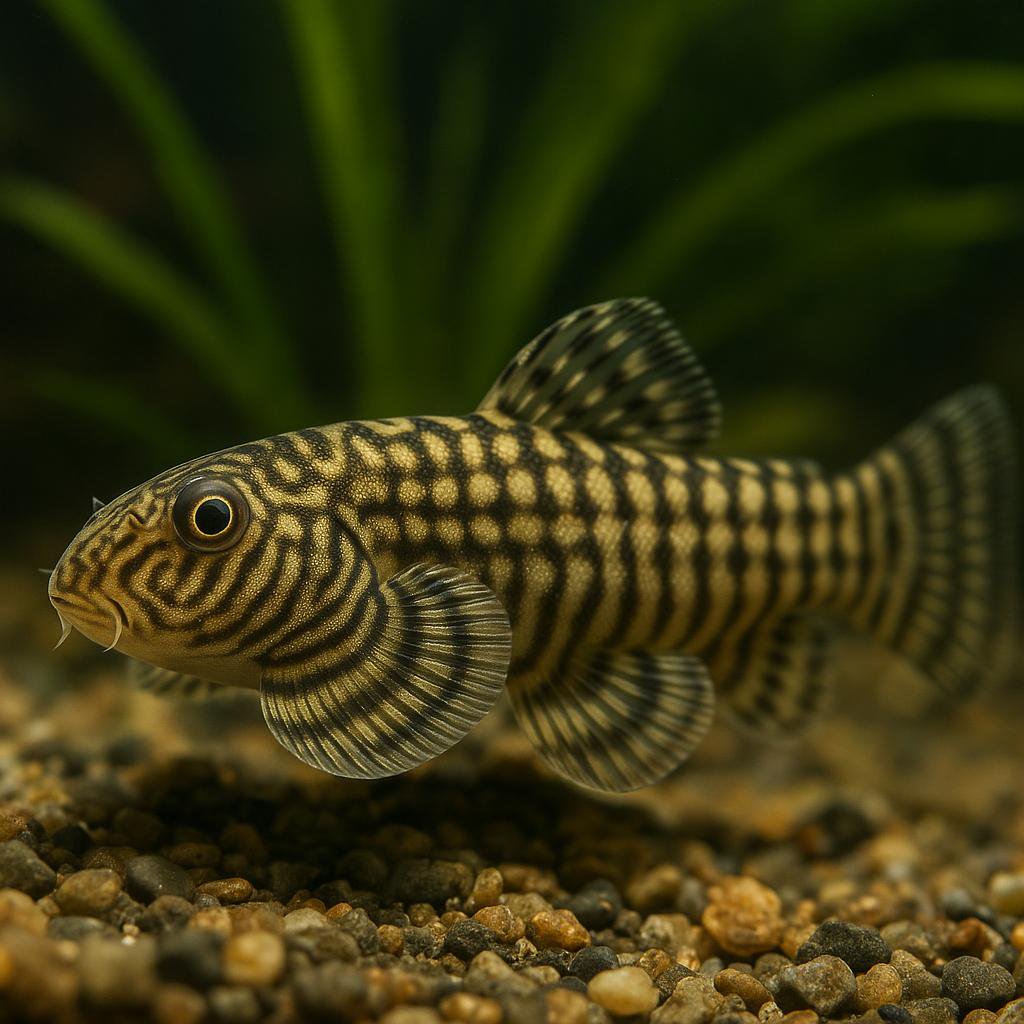
Reticulated hillstream loach
Sewellia lineolata
This is the little "stingray-shaped" loach that parks itself on rocks and glass like it's magnetized, then cruises around in the current like a tiny river skate. Give it cool, super-oxygenated, fast-moving water and lots of smooth stones with biofilm, and it'll spend all day grazing and doing hilarious little dominance shuffles with its own kind.
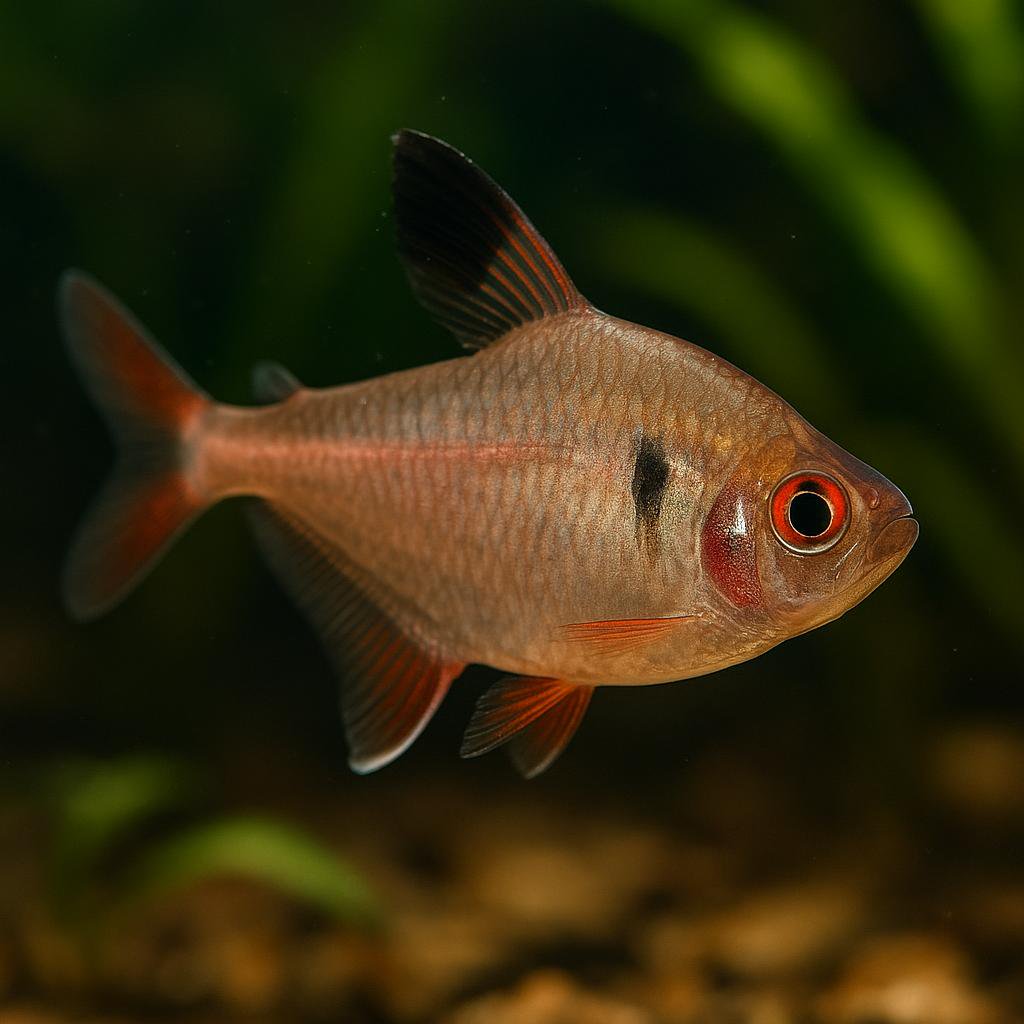
Rosy Tetra
Hyphessobrycon bentosi
Rosy tetras are those little coppery-pink characins that look kinda "glowy" when the light hits them right, and the males can get nice extended fins when they're settled in. Keep a small group and you'll see them do their little pecking-order sparring and flashing-nothing scary, just classic tetra drama that looks awesome in a planted tank.
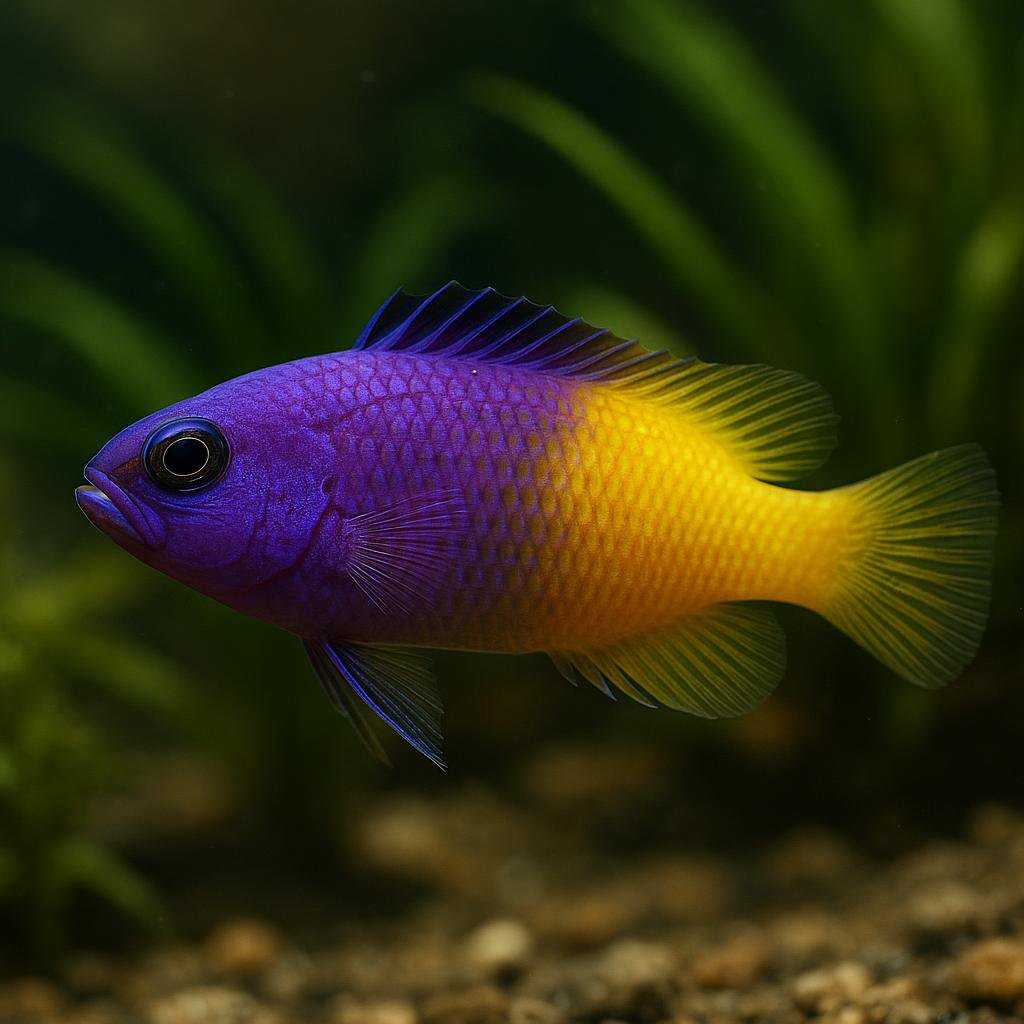
Royal gramma
Gramma loreto
Royal grammas are that classic purple-to-yellow Caribbean basslet that likes to claim a cave and hover around it (sometimes totally upside-down under a ledge). They're usually chill with tankmates, but they can get spicy with other grammas/basslets/dottybacks if space is tight-give them rockwork and a "home" cave and they settle right in.