

Freshwater angelfish
Pterophyllum scalare
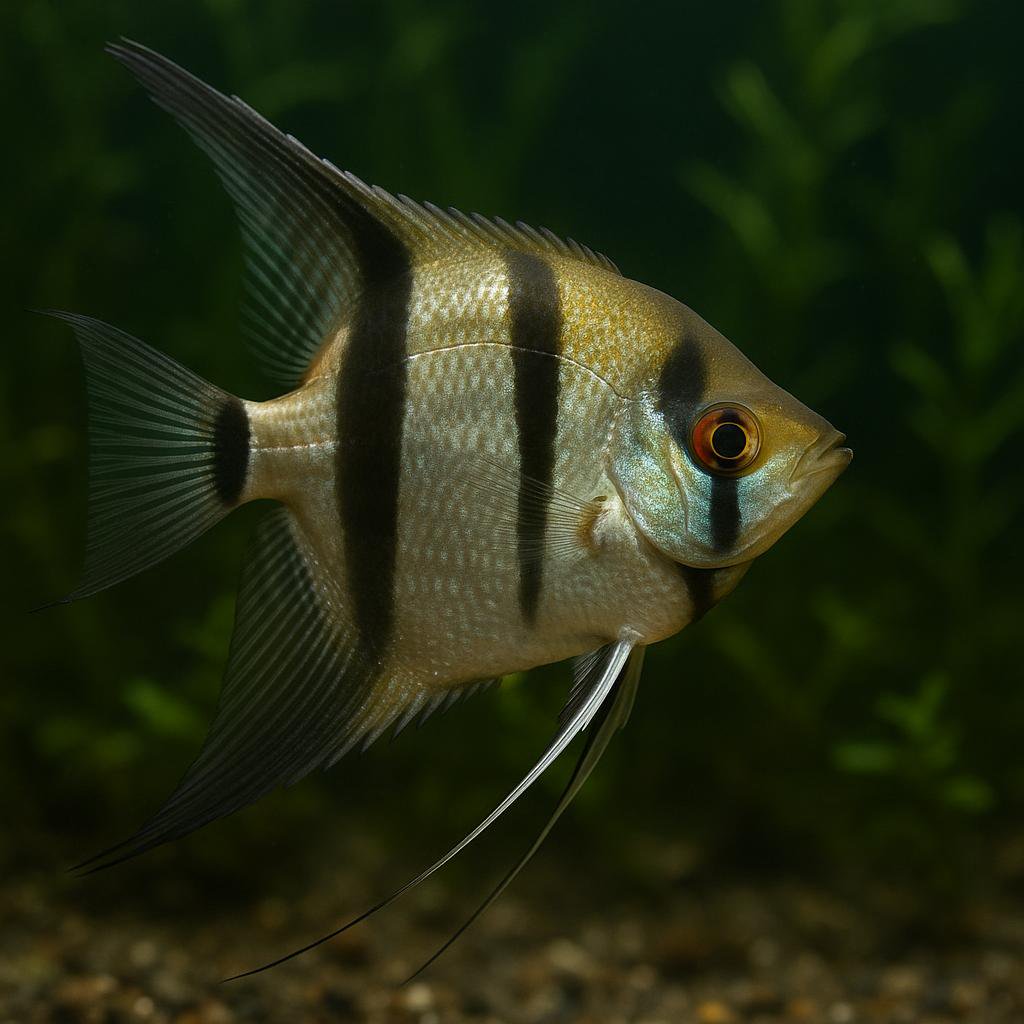
The Freshwater angelfish features a flattened body, elongated fins, and distinctive vertical black stripes against a silver background.
This page includes AI-generated images. Why am I seeing AI images?
About the Freshwater angelfish
Pterophyllum scalare is that classic tall, triangle-shaped cichlid that just glides around like it owns the midwater. Give it some vertical space, plants/wood to weave through, and it'll reward you with tons of personality-especially once a pair forms and starts guarding a spawn site.
Also known as
Quick Facts
Size
15 cm (6 inches)
Temperament
Semi-aggressive
Difficulty
Intermediate
Min Tank Size
30 gallons
Lifespan
8-10 years
Origin
South America (Amazon Basin)
Diet
Omnivore - quality flakes/pellets plus frozen/live foods (e.g., bloodworms, brine shrimp)
Water Parameters
24-30°C
6-7.5
3-10 dGH
Need a heater for this species?
This species needs 24-30°C in a 30 gallon tank. Use our heater calculator to find the right wattage.
Calculate heater sizeCare Notes
- Give them a tall tank, not just a long one-plan ~29-30 gallons minimum for a single adult or bonded pair, and 55 gallons+ for a small group to reduce territorial stress and provide turning room.
- Keep water warm and steady (around 78-82°F) and don't let ammonia/nitrite exist at all; they get cranky fast in dirty water, so regular water changes matter more than chasing fancy numbers.
- They'll live in a range of pH/hardness, but they act their best in slightly acidic to neutral water (roughly pH 6.5-7.5); stability beats trying to "fix" pH with chemicals.
- Feed like a predator: quality pellets/flakes as the base, plus frozen foods (bloodworms, brine shrimp, mysis) a few times a week-small meals 1-2x/day so you're not fouling the tank.
- Avoid fin-nippers (most tiger barbs) and tiny tankmates (neon tetras can become snacks once the angels size up); good matches are medium tetras, corydoras, and calm dwarf cichlids if the tank's roomy.
- Angels get territorial as they mature-if you buy a group of juveniles, expect a pair to form and start claiming a corner; be ready to reshuffle decor or move fish if someone gets bullied.
- Breeding is easy once they pair: they'll lay eggs on a vertical surface (broad leaf, filter intake, slate), and the parents will guard hard-community tanks often end with the eggs disappearing overnight.
Compatibility
Good Tankmates
- Corydoras catfish (most common cories) - they stick to the bottom, stay busy, and angels usually ignore them. Great cleanup crew that doesn't start drama.
- Bristlenose pleco (Ancistrus) - often works, but monitor at night and during spawning; some plecos may rasp slime coats or disturb egg clutches, so provide hiding places and separate if problems occur.
- Medium, non-nippy schooling fish like rummynose tetras or black skirt tetras - big enough that adult angels don't usually see them as snacks, and they keep to themselves if they've got a proper group.
- Dwarf cichlids like bolivian rams - same warm water vibe, generally chill, and they hold their own without constantly picking at the angels. Watch things if anyone starts breeding.
- Rainbowfish (e.g., Boesemani) - only in larger tanks and when water-parameter overlap is appropriate; avoid mixes where rainbowfish prefer harder/more alkaline water than the angelfish.
- Peaceful bigger gouramis (pearl gourami is a classic) - usually calm enough to share space with angels, as long as you're not cramming the tank and everyone has room to chill.
Avoid
- Fin nippers like tiger barbs (and often serpae tetras) - they'll treat angelfish fins like a snack bar, especially if the group is small or the tank is tight.
- Tiny fish like neon tetras (especially with adult angels) - a lot of angels eventually decide they're food, even if they behaved at first.
- Aggressive/territorial cichlids like convicts, jack dempseys, or most mbuna - angels aren't built for that kind of brawling and will get stressed or shredded.
- Slow, fancy-finned stuff like guppies/longfin mollies or bettas - angels love to 'test' those fins, and it turns into a ragged-fin situation pretty quick.
1) Where they come from
Freshwater angelfish (Pterophyllum scalare) come from the Amazon basin—slow, warm waters with tangled roots, leaf litter, and plants. That tall, flat body isn’t just for looks; it’s made for slipping through vertical stems and branches.
Most angels you see in shops are tank-bred, but they still act like little Amazon cichlids—territorial when they feel like it, and very aware of “their” space.
2) Setting up their tank
Give them height. A tall tank looks like a “nice-to-have,” but it makes a real difference once they’re adult and those fins get long. They also appreciate calm water—blasting them with flow tends to stress them out over time.
- Tank size: I’d start with 30 gallons for a small group of juveniles, but 40+ makes life easier (and reduces drama). For a pair, 29–40 works well depending on tank shape.
- Tank shape: taller is better than long-and-shallow. Think “display tank,” not “river raceway.”
- Temp: 78–82°F (25.5–28°C). Cooler water can work short-term, but they color up and eat better warm.
- pH/hardness: they’re flexible if you keep it stable. Mine have done fine around neutral with moderate hardness.
- Filtration: steady, not raging. Sponge filters are great for pairs/breeding tanks; canisters/HOBs are fine if you baffle the output.
Decor-wise, you’ll get the best behavior if you break up line-of-sight. Driftwood, tall plants (real or fake), and a few “walls” of hardscape give shy fish somewhere to tuck in and give a bullied fish an exit route.
If you want plants, think vertical: Amazon swords, val, crypts, or tall stems. Angels love to hover between leaves like they own the place.
Avoid nippy tankmates and sharp decor. Long fins + fin-nippers = shredded angels. Rough rock edges can also tear fins when they spook and dart.
3) What to feed them
Angels are easy to feed, but they do best with variety. A good staple pellet/flakes plus frozen foods will keep them growing evenly and looking sharp.
- Staple: quality cichlid/angelfish pellets (small enough to swallow without chewing forever).
- Frozen: bloodworms, brine shrimp, mysis—rotate them instead of picking one and repeating it forever.
- Occasional: live foods if you have a clean source (great for conditioning breeders).
- Veggie matter: not their main thing, but a bit of spirulina-based food won’t hurt and helps some fish keep weight.
Feed smaller amounts more often if you can. Two small feedings beats one big dump-and-run, especially in warmer water where they burn calories fast.
Go easy on freeze-dried foods unless you pre-soak them. I’ve seen angels gulp dry chunks and end up bloated and miserable.
4) Behavior and tankmates
They’re cichlids with good manners… until they’re not. Most of the time they’re calm, curious, and kind of “pet-like.” But once a pair forms, they can flip into bouncer mode and start policing the whole tank.
- Good tankmates: larger tetras (like rummynose, bleeding heart), peaceful rainbowfish, Corydoras, bristlenose plecos, many peaceful loaches.
- Use caution: gouramis (sometimes fine, sometimes a staring contest), dwarf cichlids (territory overlap), slow fancy fish that get bullied.
- Avoid: fin-nippers (serpae tetras, many barbs), aggressive cichlids, and tiny fish that fit in an adult angel’s mouth.
That last point catches people off guard. Your angels may ignore small fish for months… and then one day they decide a neon tetra is a snack. If it can fit, assume it’s on the menu eventually.
If you want a community tank, start with a small group of young angels and let them grow up with the other fish. Adding angels last (as bigger juveniles/adults) tends to cause more chasing.
5) Breeding tips (if you want to go down that rabbit hole)
Angels are one of those fish that make you feel like a proud grandparent the first time you see them cleaning a leaf together. They lay eggs on vertical surfaces—broad plant leaves, driftwood, the filter intake… whatever looks right to them.
- Best way to get a pair: buy 5–8 juveniles and let them pair off naturally.
- Give them a spawning surface: a tall leaf, slate tile, or a spawning cone works great.
- Conditioning: warm water + heavy feeding (quality foods, frozen/live) = more consistent spawns.
- If you want to raise fry: a separate tank makes it way less stressful than trying to do it in a busy community.
First-time parents often eat the eggs or fry. Don’t panic. It usually takes a few tries before they “get it,” especially in a tank with lots of activity.
If fungus is wiping out eggs, check water cleanliness and flow. Gentle aeration near the eggs helps, and some breeders use a tiny amount of methylene blue in a separate hatch setup.
6) Common problems to watch for
Angels are pretty hardy once settled, but they’re not forgiving of filthy water or constant stress. Most “mystery issues” I’ve dealt with came down to bullying, temperature swings, or long-term nitrate creep.
- Fin damage: usually from nipping or rough decor. Fix the tankmates/scape first, then the fins usually grow back.
- Ich and other parasites: angels show it clearly (white spots, flashing, clamped fins). Warmer temps speed up parasite life cycles, so treat promptly and follow through.
- Hole-in-the-head/erosion (less common, but real): often linked to long-term water issues and diet variety. Clean water and better food usually help a lot.
- Bloat/constipation: often from overfeeding rich foods or dry foods. Fast for a day, then offer lighter foods (like brine shrimp) and adjust feeding habits.
- Sudden aggression: often a pair formed. Expect them to claim a corner and start evicting neighbors.
Watch for one angel getting pinned in a corner with torn fins or hiding and not eating. One bully (or a breeding pair) can slowly wreck a fish without you noticing until it’s in rough shape.
If you’re seeing ongoing tension, adding tall plants/hardscape dividers can help more than you’d think. Worst case, be ready to rehome the oddball or move the pair—angels don’t always negotiate.
Similar Species
Other freshwater semi-aggressive species you might be interested in.
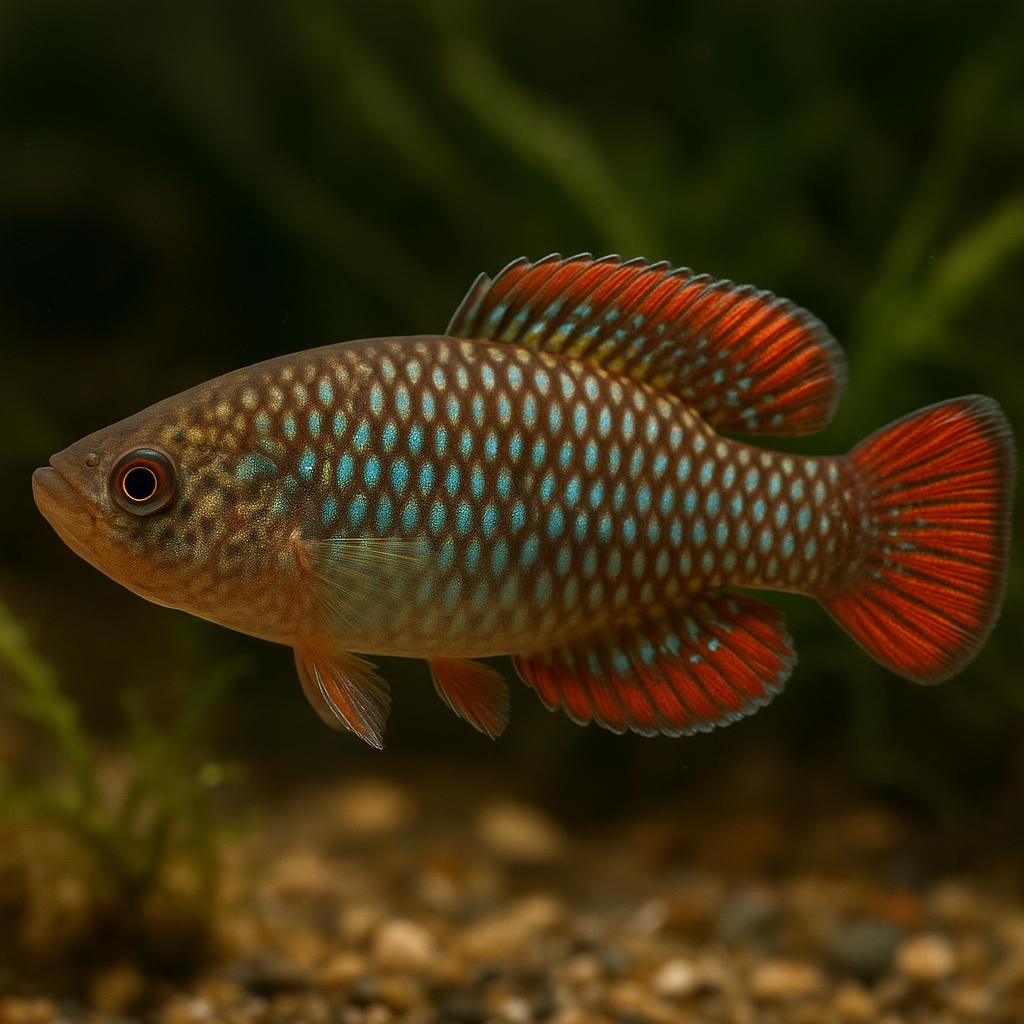
American flagfish
Jordanella floridae
Jordanella floridae is that little Florida native with the red-and-cream striping that really does look like a tiny flag once a male colors up. They graze algae like champs (especially stringy/hair algae), but they have a bit of attitude - give them plants and space so the bossy behavior stays manageable. Bonus: the male guards the eggs and will actively fan them, which is pretty fun to watch.
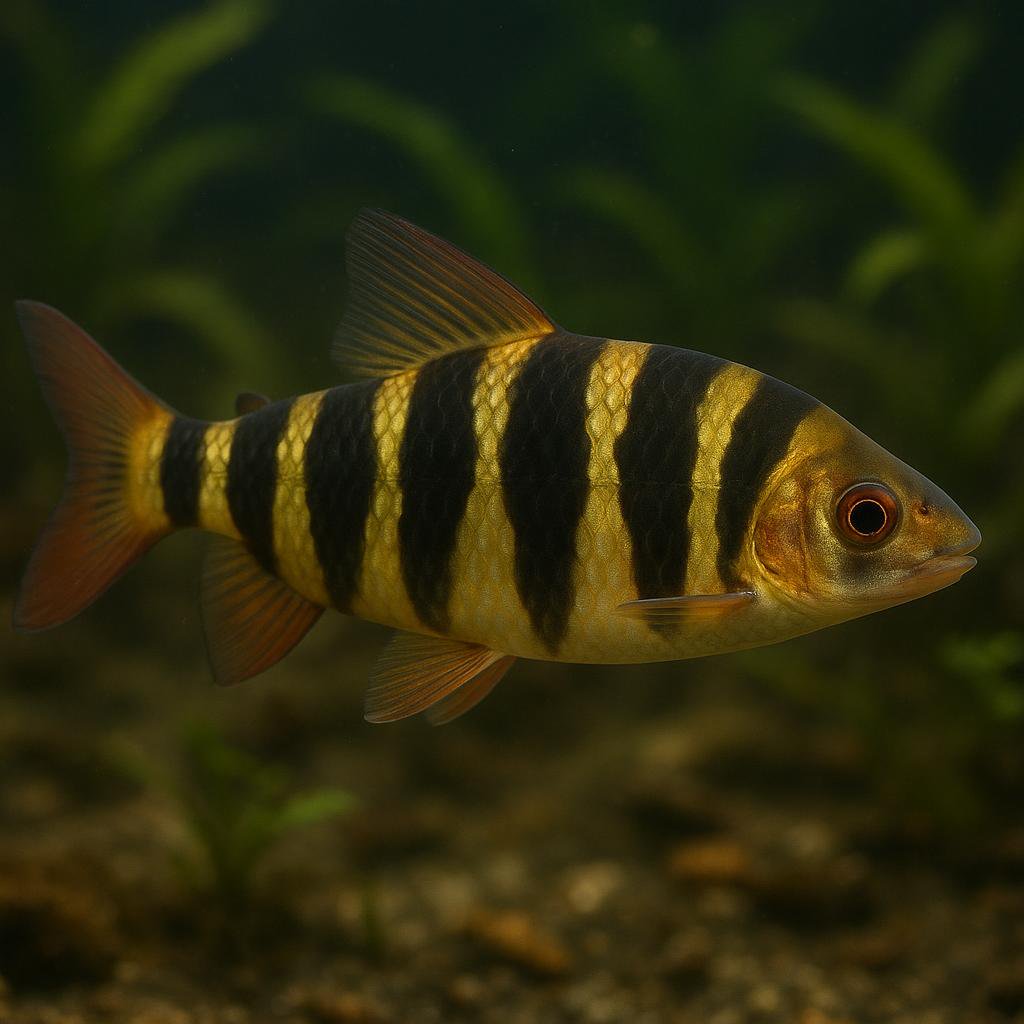
Banded Leporinus
Leporinus fasciatus
Banded Leporinus are those torpedo-shaped, black-and-yellow striped fish that look like they're wearing a little prison outfit-and they stay on the move. They've got a ton of personality and they're awesome to watch cruising and picking at stuff, but they're also the kind of fish that will redecorate your tank and "taste test" anything soft-looking.
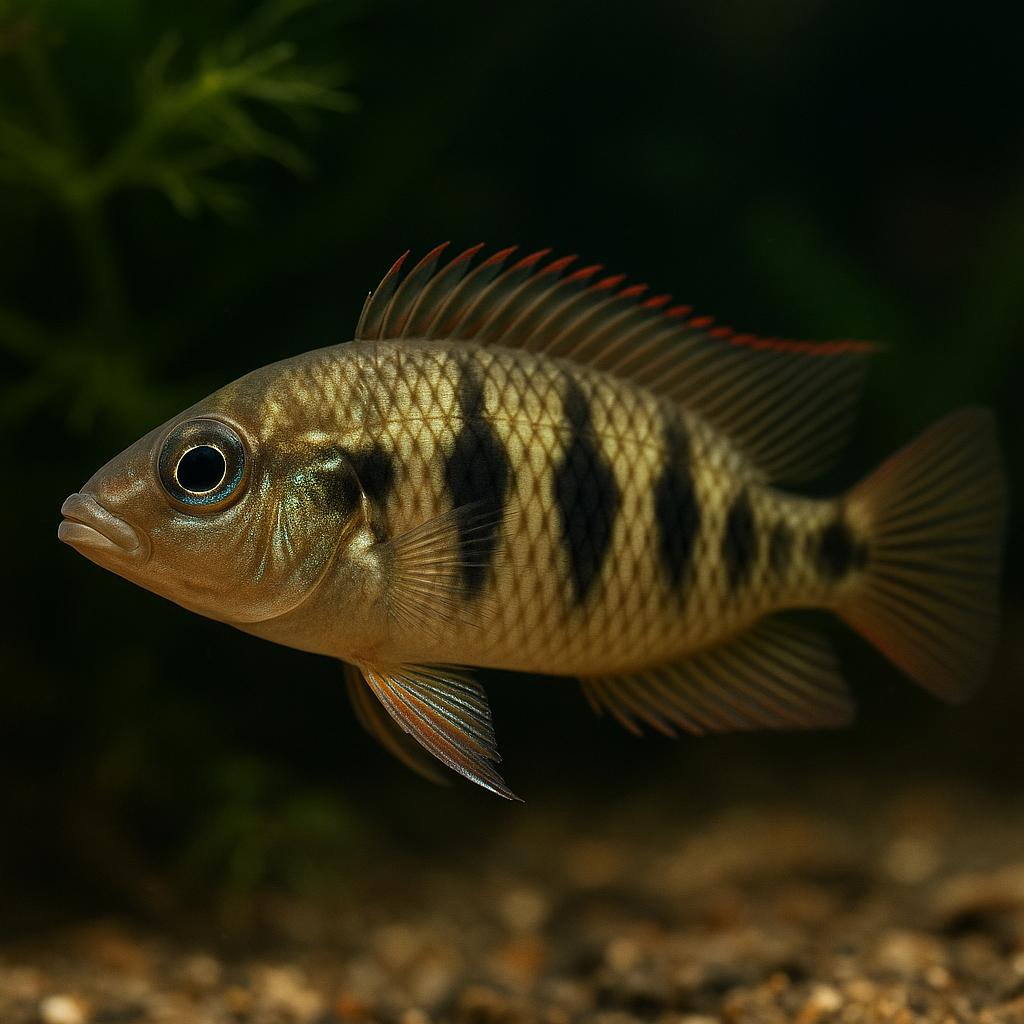
Bandi cichlid
Wallaceochromis signatus
A West African dwarf cichlid from Guinea's Bandi River, this fish shows crisp vertical bars and spotted fins with red highlights. Females have a bold black spot at the base of the tail, and pairs guard eggs and fry in caves, which makes their parental behavior fun to watch.
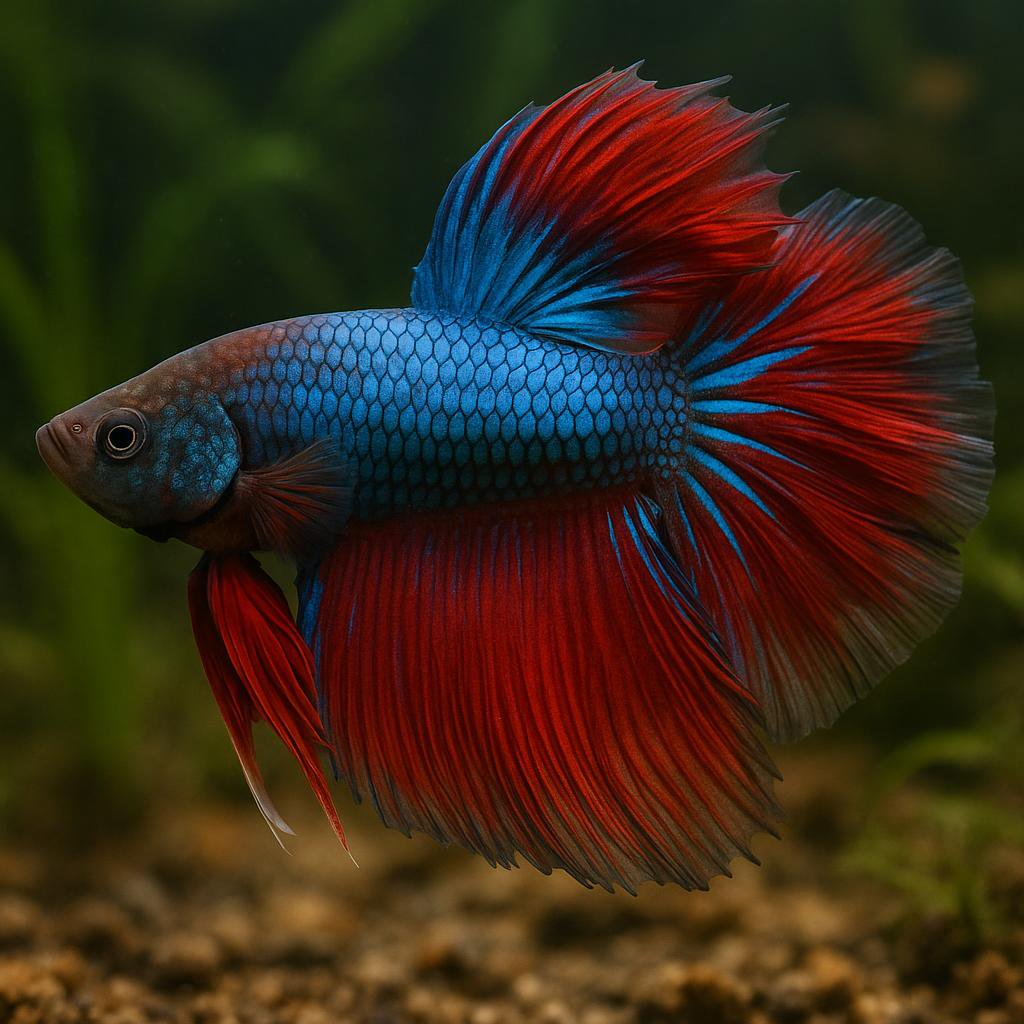
Betta
Betta splendens
Betta fish, also known as Siamese fighting fish, are popular for their striking colors and flowing fins. They are known for their territorial nature, especially males, which can display aggressive behavior towards each other.
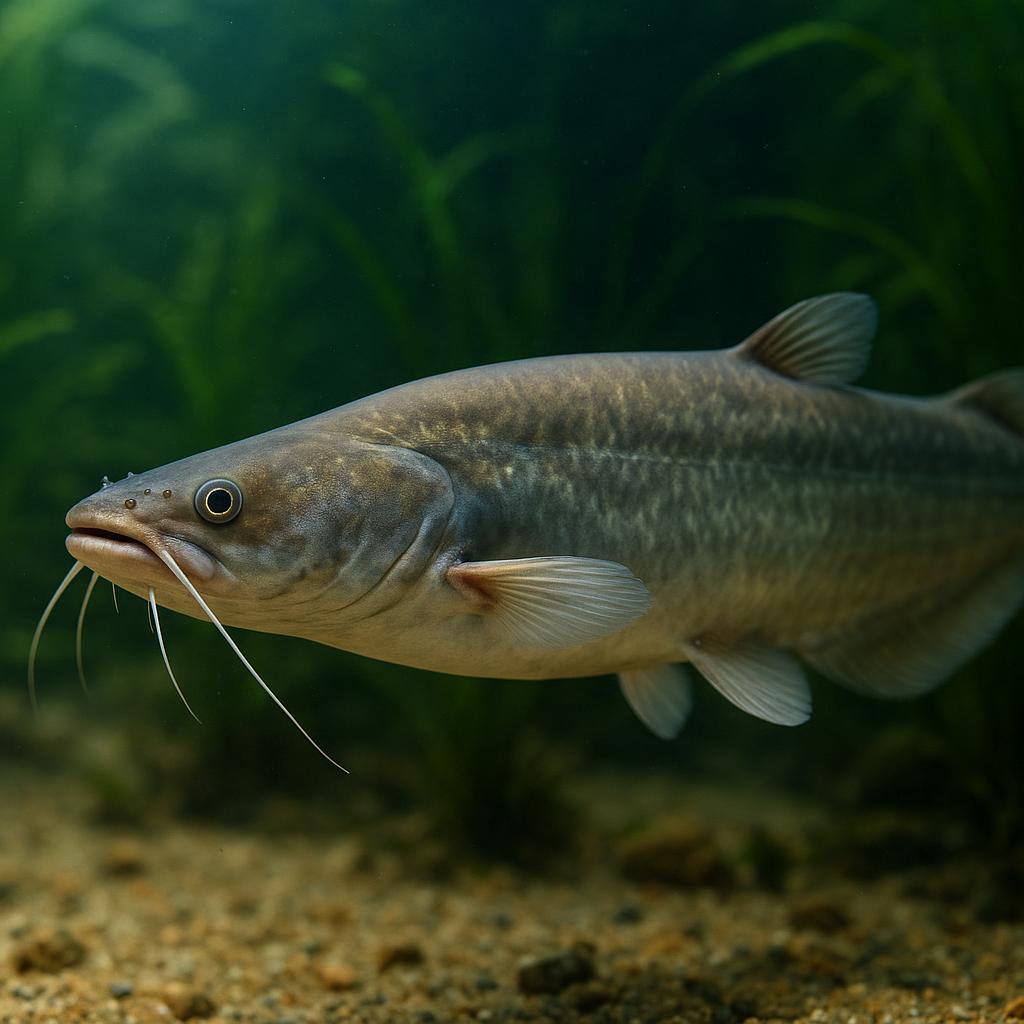
Blackhawk catfish
Wallagonia micropogon
Wallagonia micropogon is a giant Southeast Asian sheatfish with an eel-like body and a huge, scoop-like mouth for hunting other fish. It is native to the Mekong and middle Chao Phraya basins and was long confused with Wallagonia leerii, which makes IDs and care notes tricky. Stunning as a juvenile but it grows to true megafish size, so it is only realistic for expert keepers or public aquariums.
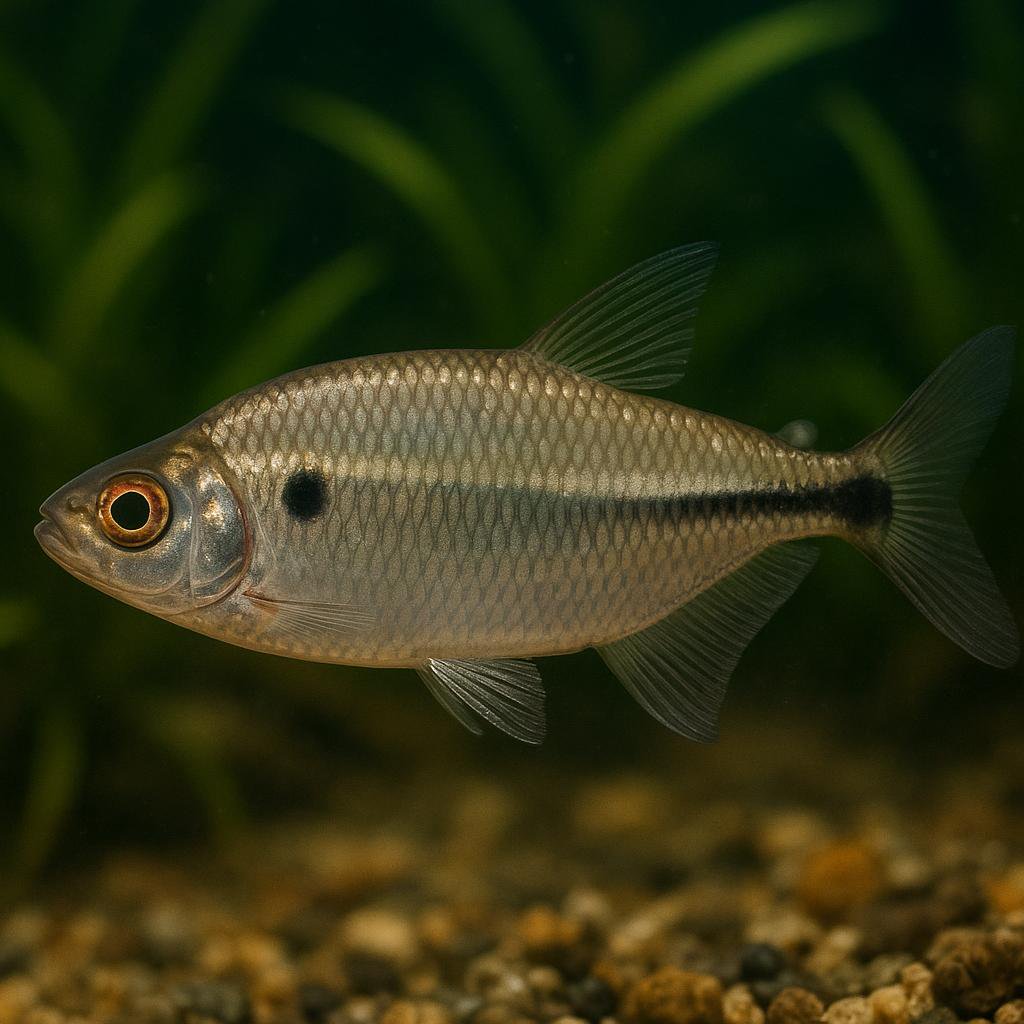
Boulenger's Featherfin Tetra
Bryconaethiops boulengeri
A big, fast African tetra from the Congo River basin, it cruises the mid-to-upper water in active groups and flashes a bold broken stripe along its flanks. In the wild it hunts insects at the surface and can leap, so aquariums need tight lids. Keep it with robust tankmates it cannot swallow.
More to Explore
Discover more freshwater species.
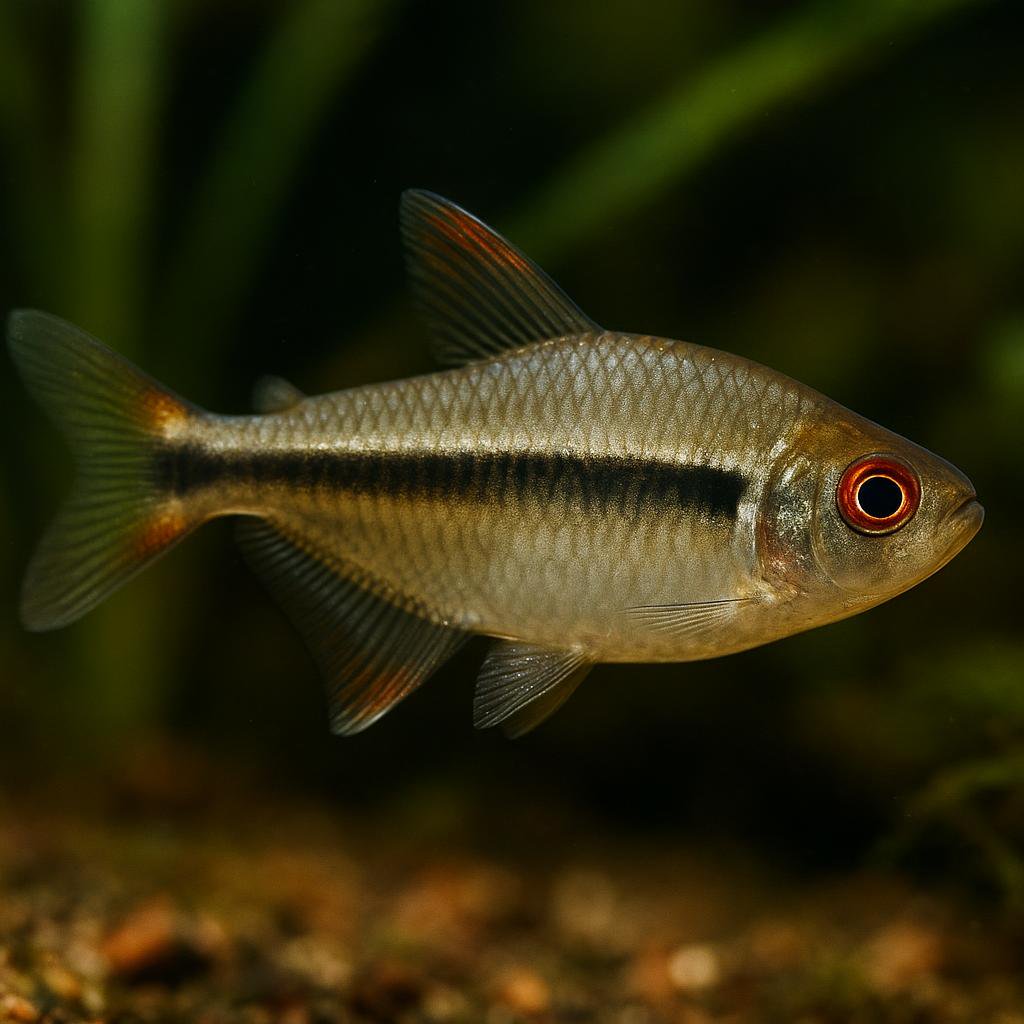
Amapa tetra
Hyphessobrycon amapaensis
This is a tiny, super sleek little tetra with a clean red stripe down the side that really pops once its settled in. It does best in a planted, slightly tinted "creek-style" setup and looks way cooler when you keep a proper group so they school and flash that line together. If you can give it soft, slightly acidic water and a calm community, its an easy fish to fall for.
Armoured stickleback
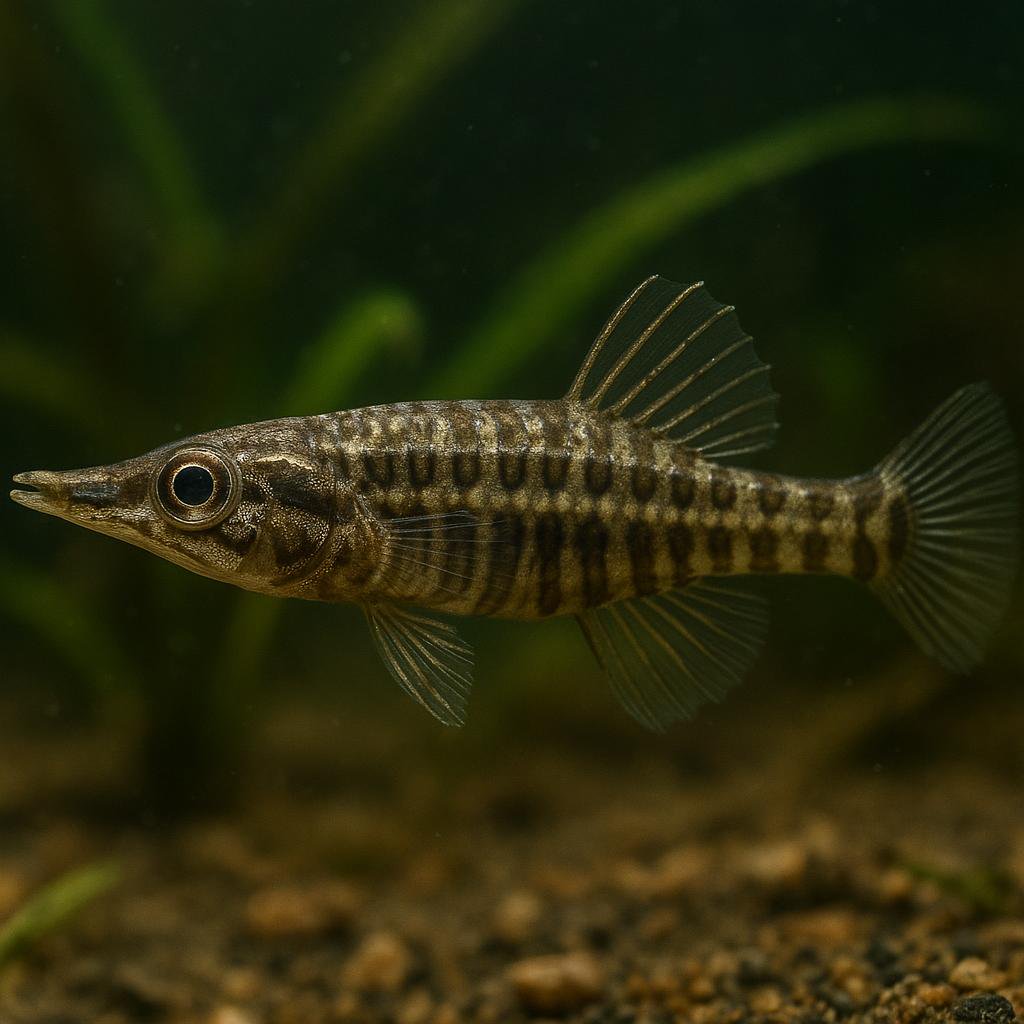
Indostomus paradoxus
This is that goofy little "freshwater seahorse"-looking fish that just kind of perches and scoots around like a tiny armored twig. Its whole vibe is slow, sneaky micropredator - once its settled in, you will catch it stalking microfoods and doing these subtle little posture displays. The big trick is feeding: they do best when you can provide lots of small live foods in a calm, planted tank.
Arrowhead puffer
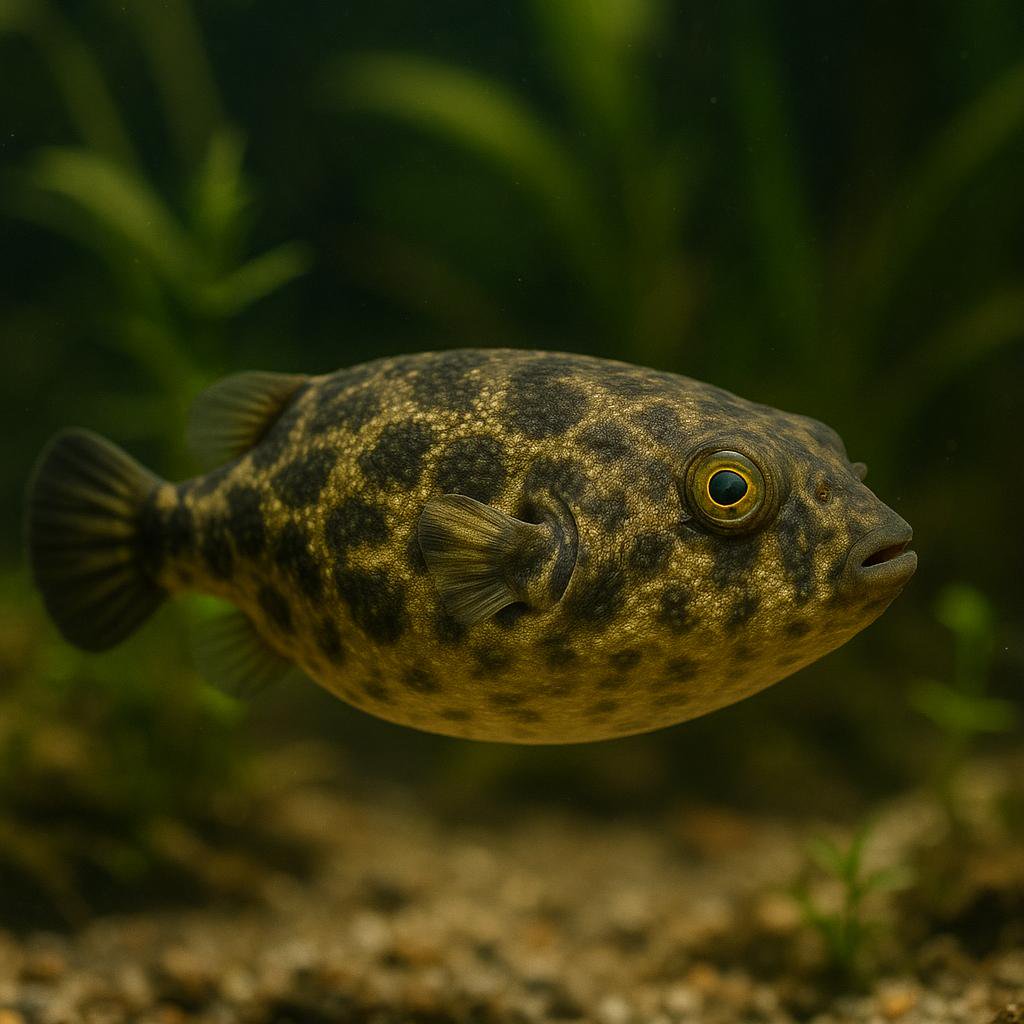
Pao suvattii
Pao suvattii is that sneaky Mekong puffer that likes to sit low and ambush food, and it has that super recognizable arrow/V pattern on its back. Gorgeous fish with tons of personality, but it is absolutely not a community guy - plan on a solo, species-only setup if you want everybody to stay in one piece.
Bishop toothcarp
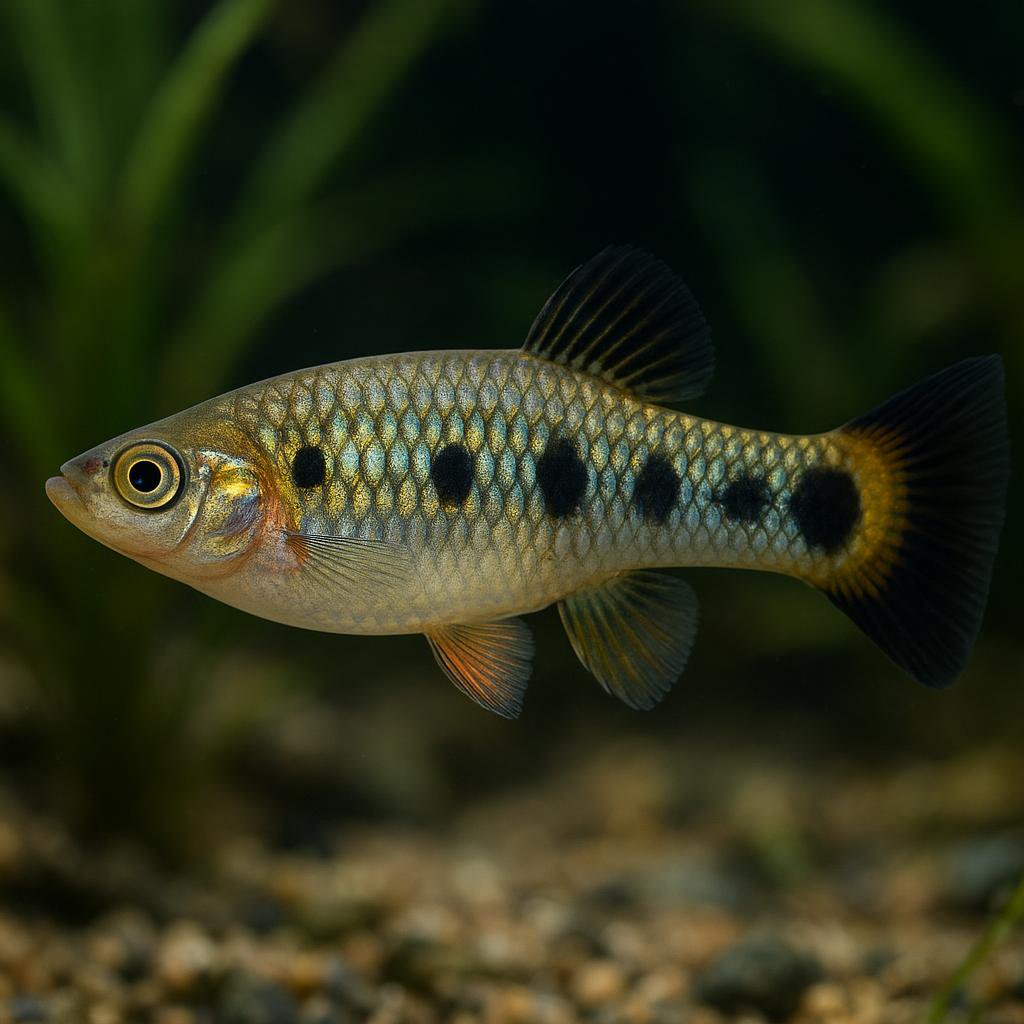
Brachyrhaphis episcopi
This is a tiny Panamanian livebearer that does best when you treat it more like a shy wild fish than a fancy guppy-lots of cover, calm vibes, and really clean water. The fun part is watching the males posture and spar while the females cruise around dropping fully-formed fry about once a month.
Black Neon Tetra
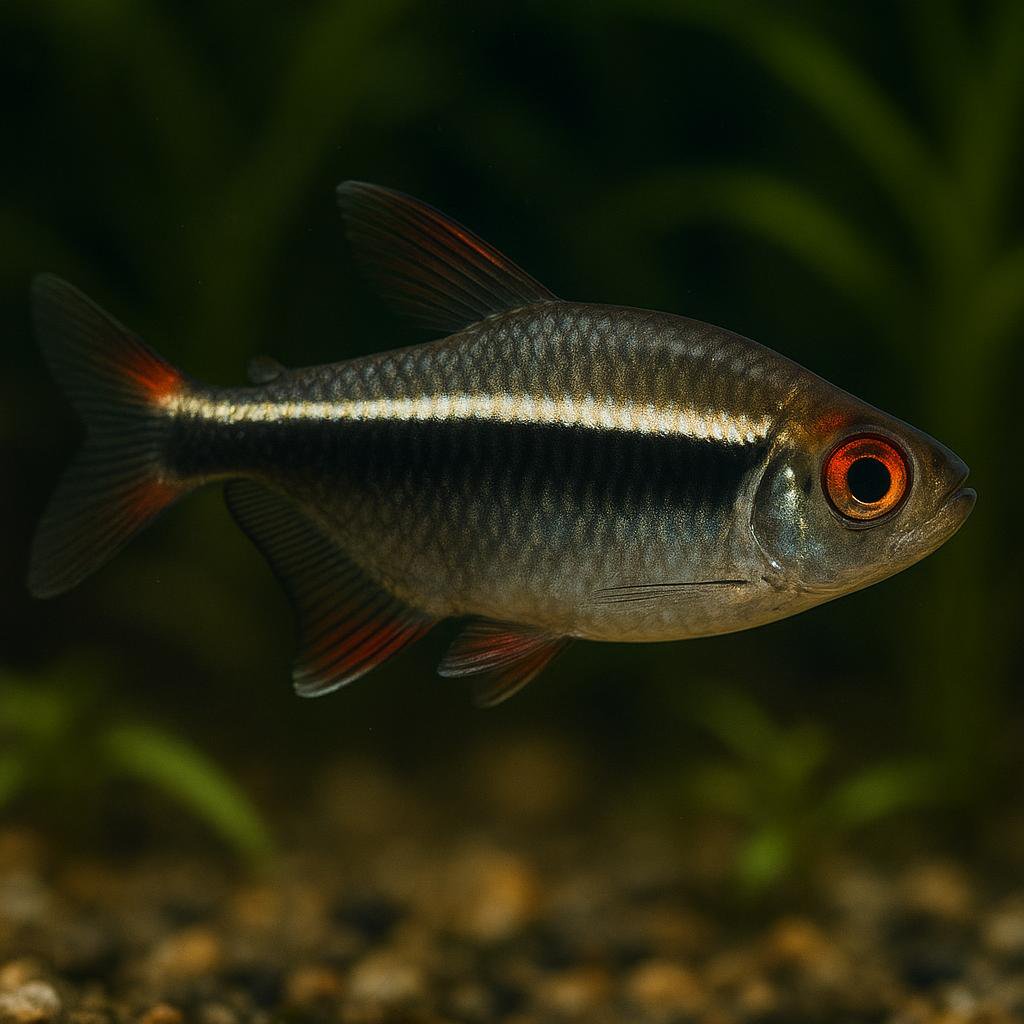
Hyphessobrycon herbertaxelrodi
Black neons are one of those little tetras that look kinda understated until the light hits them-then that bright stripe pops and they shimmer when the school turns together. They're super chill, always cruising mid-water, and they make a tank feel "alive" without being hectic. If you keep a nice group, they get bolder and you'll see way more of their personality.
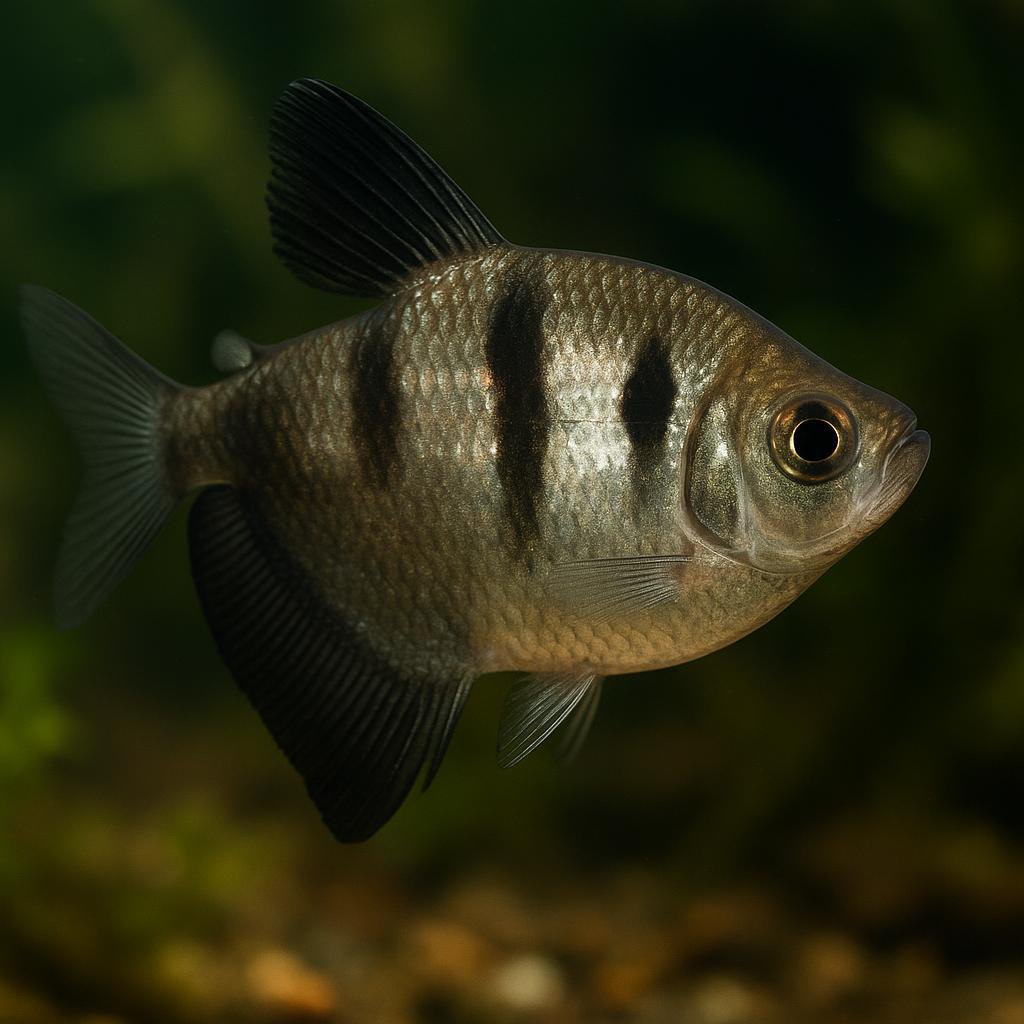
Black Skirt Tetra (Black Widow Tetra)
Gymnocorymbus ternetzi
Black skirts are those little "suit-and-tie" tetras with the dark bands and flowing fins that look way fancier than they should for how tough they are. They're super active midwater fish, and when you keep a proper group they do that tight, zippy schooling thing that makes the whole tank feel alive. Just give them enough buddies and finny tankmates they won't be tempted to nip.
Looking for other species?