

Gjellerup's snake eel
Yirrkala gjellerupi
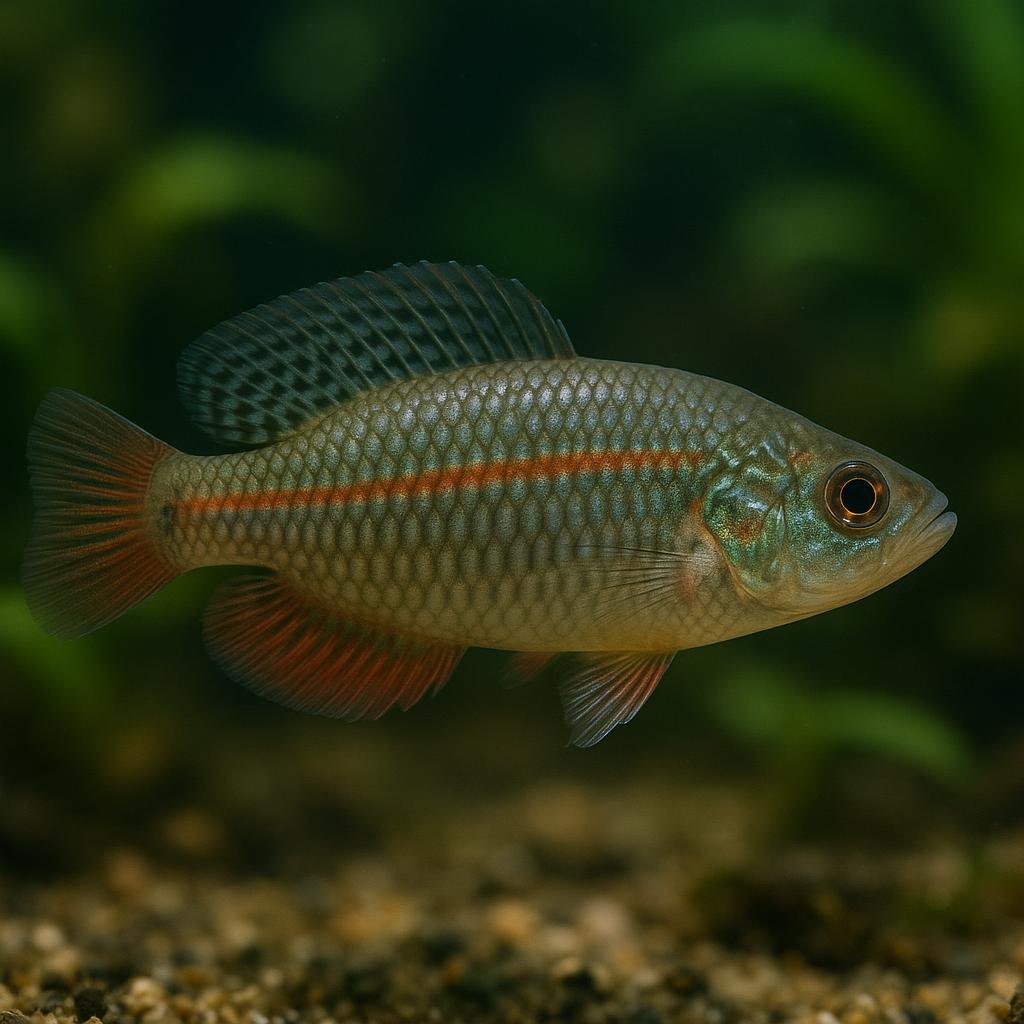
The Gjellerup's snake eel features a slender, elongated body with a brownish hue and distinct dark blotches along its length.
This page includes AI-generated images. Why am I seeing AI images?
About the Gjellerup's snake eel
This is a tiny little freshwater snake eel (worm eel family) that lives a pretty un-eel-like life, turning up in streams well away from the sea. It is one of those obscure oddballs you will mostly see in scientific papers rather than aquarium shops, and that rarity is honestly part of what makes it so interesting.
Quick Facts
Size
15.3 cm
Temperament
Semi-aggressive
Difficulty
Expert
Min Tank Size
40 gallons
Lifespan
unknown
Origin
Oceania (New Guinea; also recorded from Fiji)
Diet
Carnivore - small live/frozen meaty foods (worms, insect larvae, small crustaceans)
Care Notes
- Lock down the lid like its a snake enclosure - they can push through tiny gaps, and they will go exploring at night. Cover overflows and cable holes with sponge or mesh.
- Give them a deep soft sand bed (2-4 inches) and a couple tight PVC tubes or rock caves; they feel safer when they can bury and only stick the head out. Skip sharp gravel - they scrape up fast and infections follow.
- Keep ammonia/nitrite at zero and nitrates low with strong filtration and regular water changes. Specific temperature/pH targets for Yirrkala gjellerupi are not well-documented in aquarium references; aim for stable, appropriate tropical freshwater conditions matching the collection locality whenever known.
- Feed after lights out: earthworms, blackworms, chopped shrimp, mussel, tilapia, or other meaty chunks; tongs help keep your fingers intact. Start small and frequent for new arrivals, then move to 2-4 solid meals a week once its settled.
- Avoid tiny tankmates because anything that fits in the mouth is food, even if you swear its been 'peaceful' so far. Best bets are sturdy mid/upper-water fish too big to swallow and not prone to fin-nipping; skip aggressive cichlids that will harass it in its burrow.
- Watch for abrasions on the snout and belly from rough decor and for cloudy eyes from sand getting kicked up; clean, fine sand and low-flow zones fix most of that. If it stops eating, check for bullying, tight hiding spots, and nighttime activity - they often look 'gone' all day but are fine.
- Breeding in home tanks is basically a unicorn - they likely need seasonal cues and space you are not going to replicate casually. If you ever see swelling and a sudden drop in appetite, treat it as 'observe and keep stress low' rather than trying to force anything.
Compatibility
Good Tankmates
- Unknown/insufficient evidence (species is rarely kept; avoid housing with fish small enough to be eaten or fish likely to harass it).
- Medium-large barbs that stay in the midwater and are quick (tinfoil barbs or rosy barbs in a good-sized group) - the eel mostly cruises the bottom and these guys are too fast and too big to be seen as snacks
- Bigger rainbows (Boesemani, turquoise, etc.) - active, fast, and not typically interested in bullying a bottom-hugger, just make sure they are not small juveniles
- Large catfish that mind their own business (Synodontis, larger pictus-type setups, or a big common/pleco-type) - they share the lower zones but tend to be armor-first and not easy targets
- Tough, medium-sized gouramis like three-spot/blue gourami - works if the tank is roomy and everyone is well-fed, since the eel is more of an ambush eater than a constant chaser
- Fast, medium-large dither fish like larger danios (giant danios) - they stay up top, keep the vibe calm, and are hard for a snake eel to pin down
Avoid
- Small fish/shrimp that can be swallowed (predation risk).
- Slow fish with long, tempting fins (bettas, fancy guppies, angelfish) - between fin damage and stress, it just turns into a bad time, especially after lights-out
- Bottom perchers that want the same caves (loaches, small bichir-like behavior, smaller catfish) - they end up in each other's space, and the eel is not shy about throwing its weight around
- Anything super aggressive or nippy (tiger barbs in a tight group, aggressive cichlids like convicts in breeding mode) - they will harass it, and an eel that feels cornered can get mean fast
Where they come from
Gjellerup's snake eel (Yirrkala gjellerupi) is one of those oddball eels that shows up in the hobby and makes you realize how many different "eel" lifestyles exist. In the wild they are tied to soft-bottom habitats where they can disappear fast, and that bury-first, ask-questions-later behavior is basically the whole key to keeping them.
Most losses with this species are not about water chemistry numbers. They are about physical setup: burrowing substrate, tight lids, and preventing injuries from panicked dashes.
Setting up their tank
If you take one thing from my experience: build the tank around the eel's need to bury. They do not just "like" sand - they live in it. A bare-bottom or chunky gravel setup is a fast track to a stressed eel with scrapes, infections, and nonstop hiding.
- Tank size: bigger footprint beats height. I would not bother under a 4 foot tank once it has some size on it.
- Substrate: fine, smooth sand. Give them a deep layer so they can fully disappear.
- Hardscape: keep it simple and stable. A few smooth rocks or driftwood pieces, but nothing that can shift if they burrow under it.
- Filtration: strong biological filtration and steady flow, but avoid blasting the sand into dunes. Use spray bars or diffused returns.
- Lighting: they are happier with dimmer light or lots of shade. Bright tanks make them skittish.
- Lid: tight. Seal every gap around pipes and wires. They can and will test it at night.
Escape risk is real. If a finger fits, an eel can work it. Cover cutouts, weigh down sliding lids, and do a nighttime check after maintenance.
I also recommend giving them a couple of "known" spots: a length of smooth PVC partly buried, or a cave with a sandy entrance. They will still burrow, but having a predictable hangout makes it easier to monitor them and feed without turning the whole tank into a scavenger hunt.
What to feed them
These are predators. Mine did best on meaty foods with a strong scent, offered with tongs near their burrow entrance. If you dump food in and hope, the eel often eats fine but your water quality suffers because leftovers vanish into the sand and rot.
- Good staples: shrimp, prawn, squid, fish flesh, earthworms, blackworms (if you can get them clean), chopped mussel
- Occasional treats: live river shrimp or small live foods to kick-start a picky new arrival
- Avoid: feeder goldfish/rosies (disease risk), fatty mammal meats, and anything seasoned or cooked
Train them to tongs early. Start by wiggling a piece of shrimp right at the sand where their head pops out. Once they associate the tongs with food, feeding gets safer and way cleaner.
Feeding schedule depends on size. Smaller individuals can take smaller meals more often. Larger ones do better with bigger meals every few days. Watch the body shape: you want a nicely filled-out eel, not a thick "sausage" and not a pinched head with a skinny neck.
How they behave and who they get along with
They are mostly a "pet eel" experience: lots of hiding, sudden appearances, and a strong feeding response once settled. Daytime visibility varies. Mine became more confident after a few months, especially once the tank was calm and I fed consistently in the same area.
- Best tankmates: larger, confident fish that will not bother the sand or pick at the eel
- Risky tankmates: anything small enough to be swallowed, fin-nippers, and aggressive bottom dwellers that compete for burrow space
- Inverts: expect shrimp/crayfish to be on the menu sooner or later
If a fish can fit in the eel's mouth, plan on it disappearing. Even "peaceful" eels are still ambush predators.
One more behavior quirk: they spook easily. Sudden lights-on, banging the glass, or chasing them with a net can trigger high-speed dashes into decor. That is how noses get scraped up. Move slowly, keep hiding spots, and use a container instead of a net if you ever have to move the eel.
Breeding tips
Realistically, breeding this species in home aquariums is not something I would plan around. True eels and eel-like fish often have complex life cycles and migration/spawning triggers that we cannot replicate in a typical freshwater setup.
If you ever see two together and one gets thin or starts hiding constantly, separate them. What looks like "pairing" is often just stress or competition in a confined tank.
Common problems to watch for
Most problems show up as "my eel disappeared" or "my eel stopped eating". Some hiding is normal, but you want to notice when behavior changes. A healthy, settled snake eel usually has a predictable rhythm: buried most of the time, peeking out at feeding time, and taking food confidently.
- Scrapes and snout damage: usually from sharp decor, gravel, or panic collisions
- Refusing food: often stress from bright lights, too much commotion, or recent moves
- Sudden ammonia/nitrite spikes: leftover meaty foods trapped in sand, or a filter that cannot keep up
- External parasites after purchase: wild-caught individuals can come in rough; quarantine helps a lot
- Escape attempts: most common right after introduction or after big maintenance
If they are not eating, do not keep piling food in. Offer a small, very smelly piece (shrimp works), remove it if ignored, and focus on making the tank feel safe: dim the lights, reduce traffic, and double-check water quality.
Be cautious with meds, especially copper-based treatments. Eel-like fish can be sensitive. If you have to treat, research the exact medication and dose carefully, and consider treating in a separate tank.
Similar Species
Other freshwater semi-aggressive species you might be interested in.
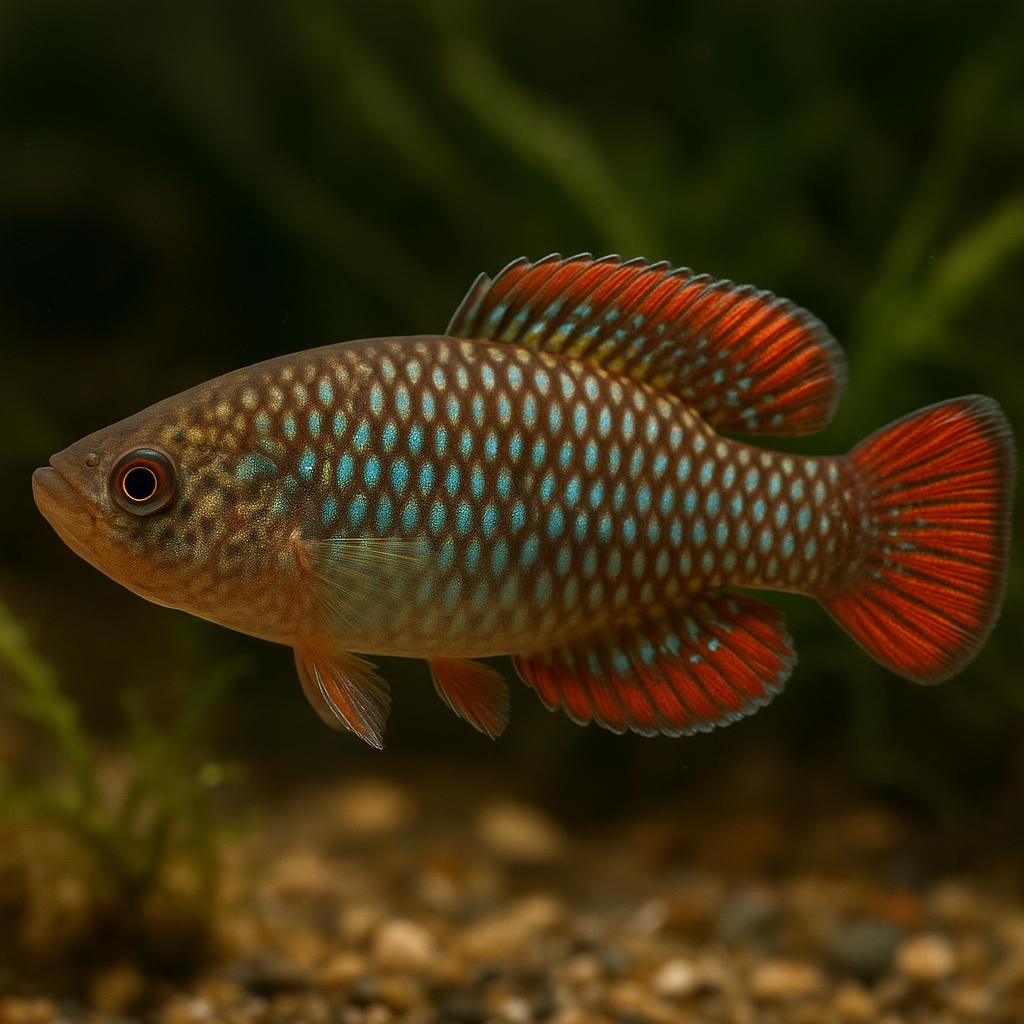
American flagfish
Jordanella floridae
Jordanella floridae is that little Florida native with the red-and-cream striping that really does look like a tiny flag once a male colors up. They graze algae like champs (especially stringy/hair algae), but they have a bit of attitude - give them plants and space so the bossy behavior stays manageable. Bonus: the male guards the eggs and will actively fan them, which is pretty fun to watch.
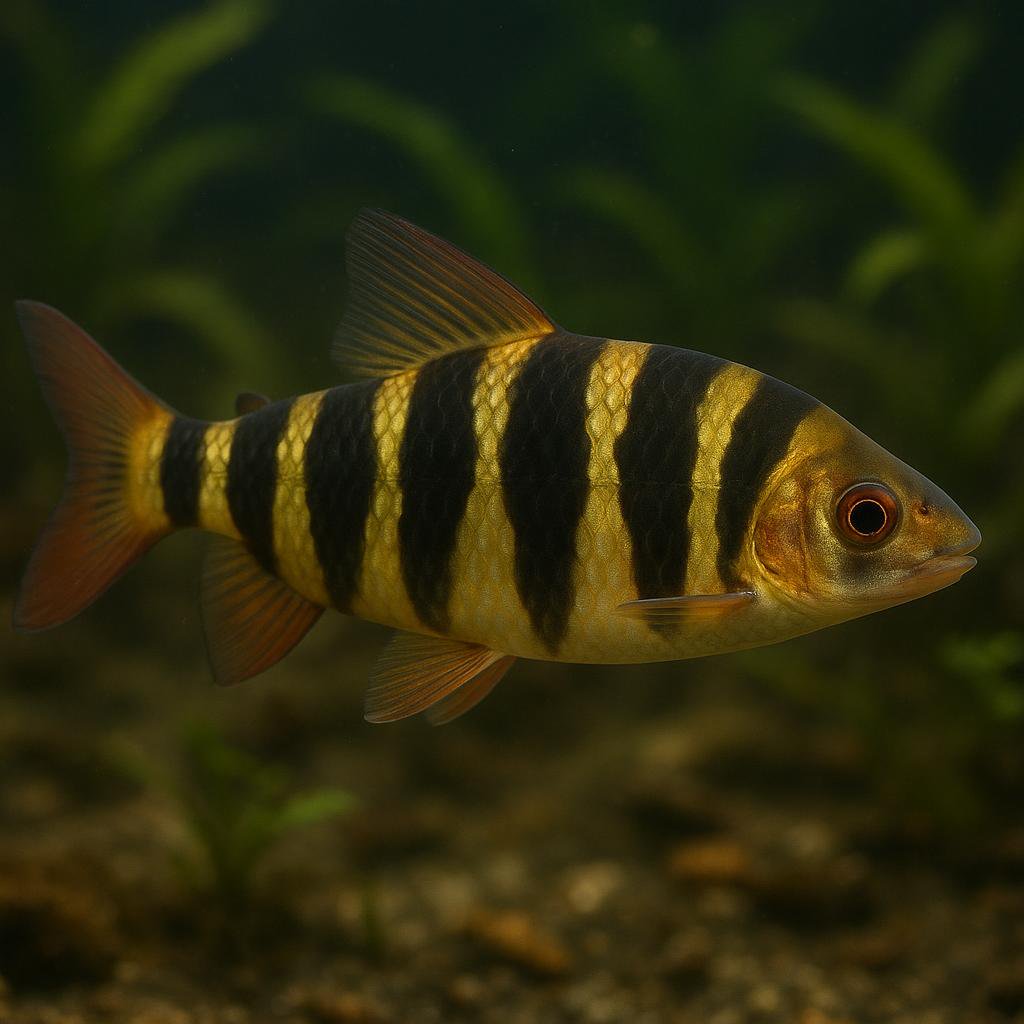
Banded Leporinus
Leporinus fasciatus
Banded Leporinus are those torpedo-shaped, black-and-yellow striped fish that look like they're wearing a little prison outfit-and they stay on the move. They've got a ton of personality and they're awesome to watch cruising and picking at stuff, but they're also the kind of fish that will redecorate your tank and "taste test" anything soft-looking.
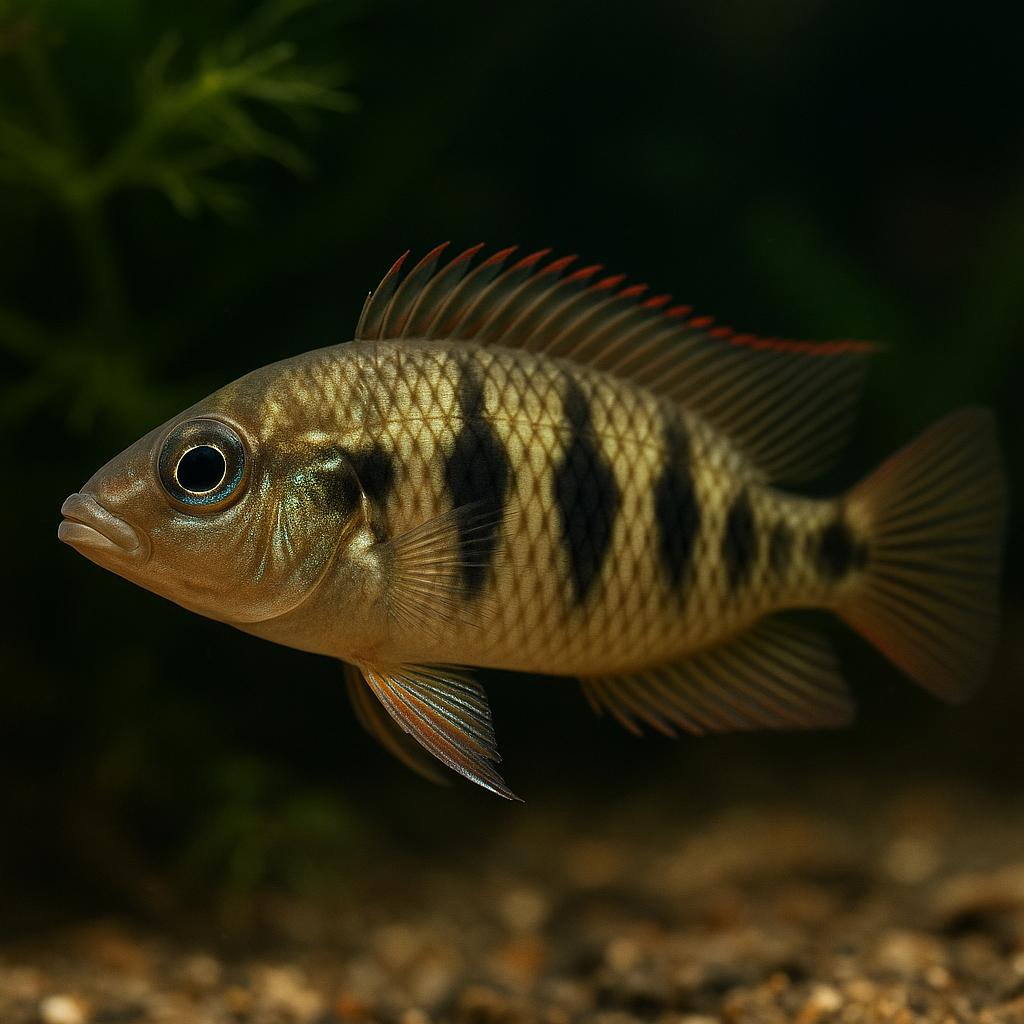
Bandi cichlid
Wallaceochromis signatus
A West African dwarf cichlid from Guinea's Bandi River, this fish shows crisp vertical bars and spotted fins with red highlights. Females have a bold black spot at the base of the tail, and pairs guard eggs and fry in caves, which makes their parental behavior fun to watch.
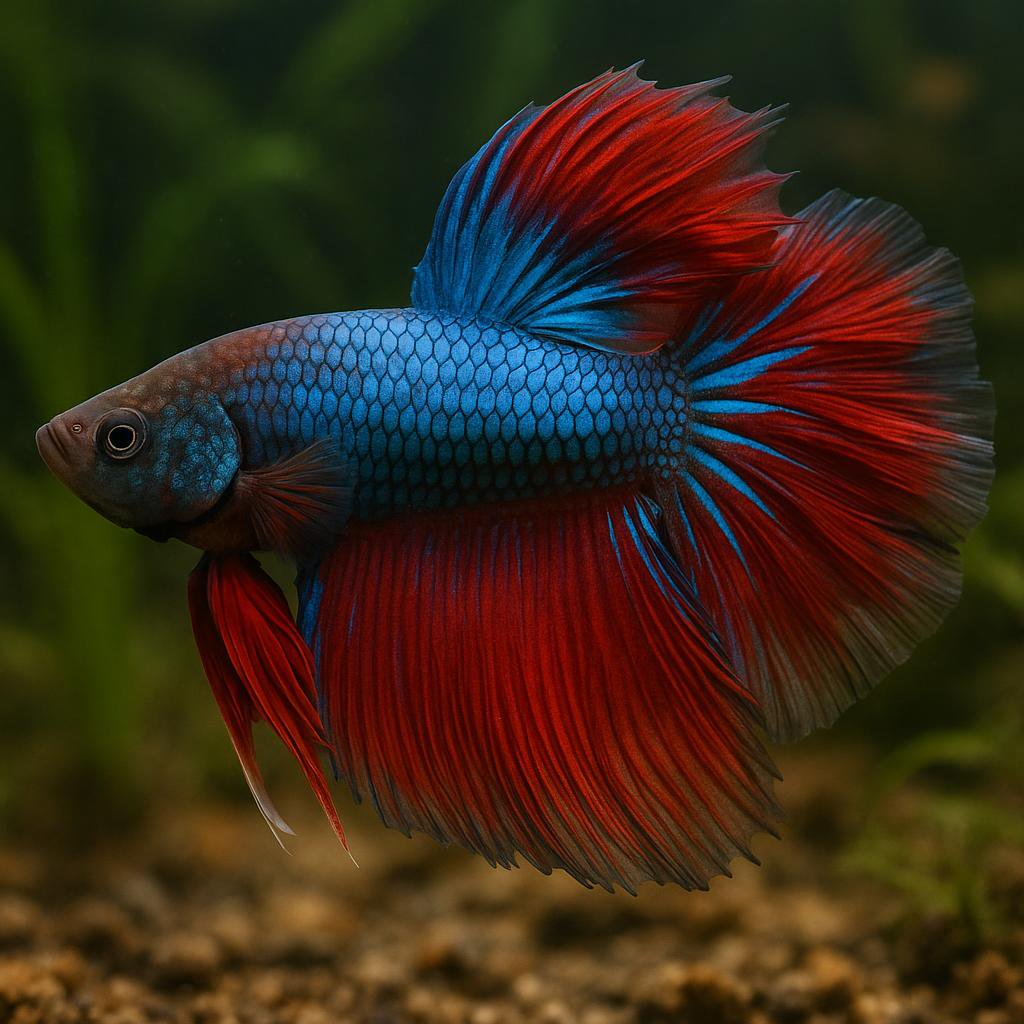
Betta
Betta splendens
Betta fish, also known as Siamese fighting fish, are popular for their striking colors and flowing fins. They are known for their territorial nature, especially males, which can display aggressive behavior towards each other.
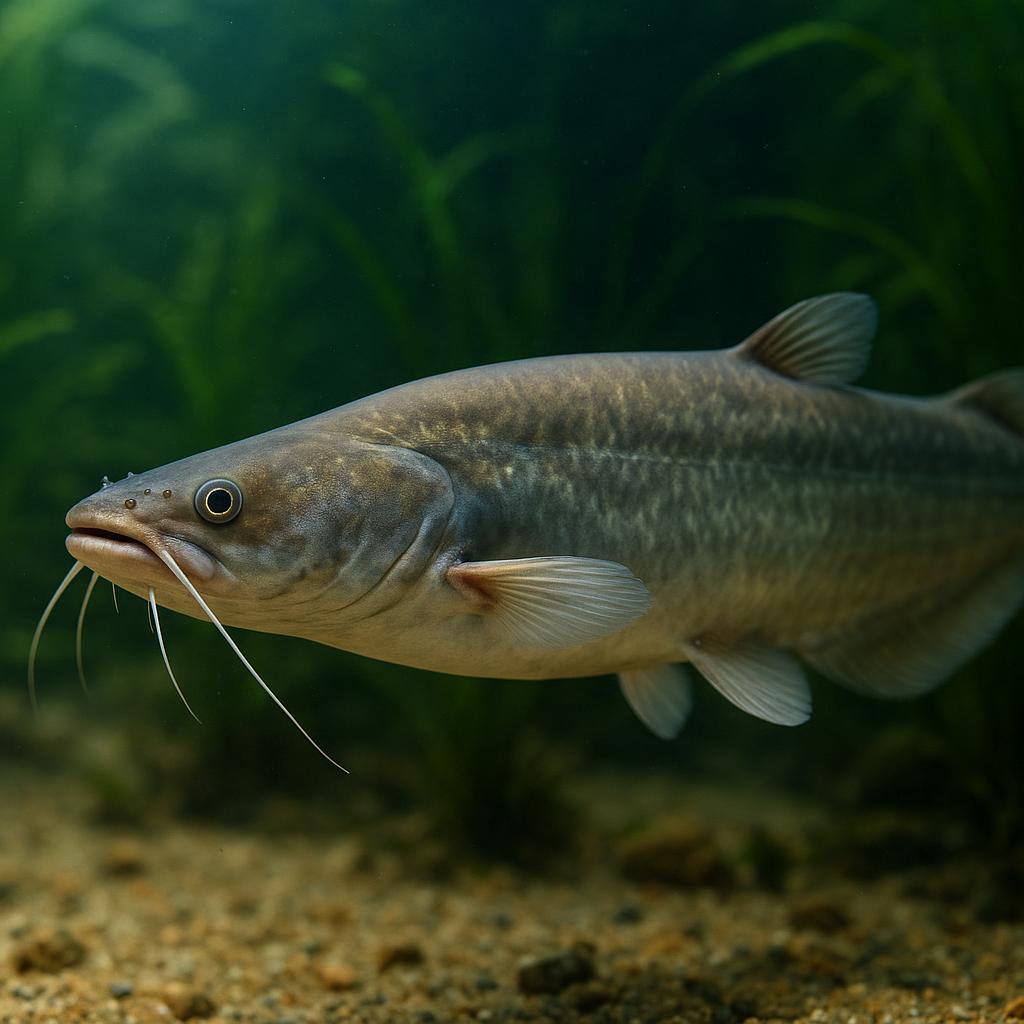
Blackhawk catfish
Wallagonia micropogon
Wallagonia micropogon is a giant Southeast Asian sheatfish with an eel-like body and a huge, scoop-like mouth for hunting other fish. It is native to the Mekong and middle Chao Phraya basins and was long confused with Wallagonia leerii, which makes IDs and care notes tricky. Stunning as a juvenile but it grows to true megafish size, so it is only realistic for expert keepers or public aquariums.
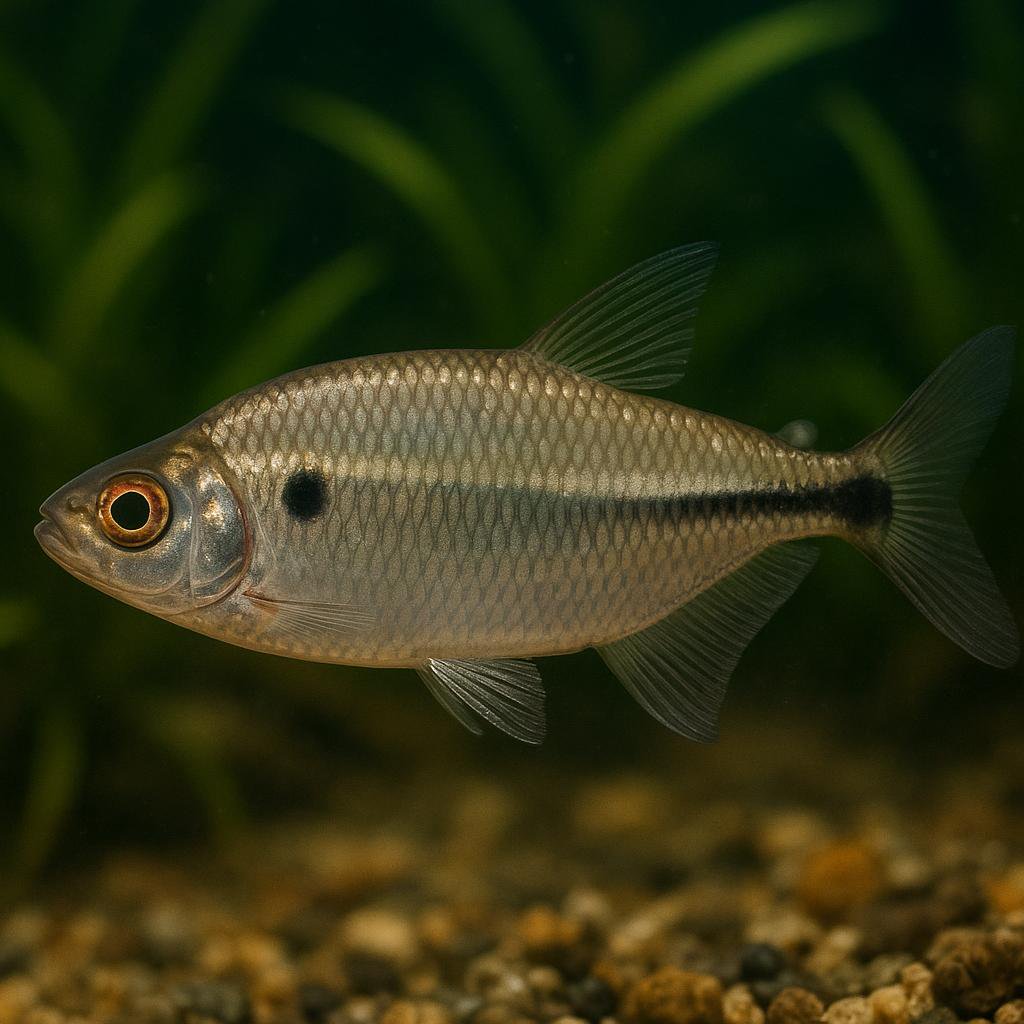
Boulenger's Featherfin Tetra
Bryconaethiops boulengeri
A big, fast African tetra from the Congo River basin, it cruises the mid-to-upper water in active groups and flashes a bold broken stripe along its flanks. In the wild it hunts insects at the surface and can leap, so aquariums need tight lids. Keep it with robust tankmates it cannot swallow.
More to Explore
Discover more freshwater species.
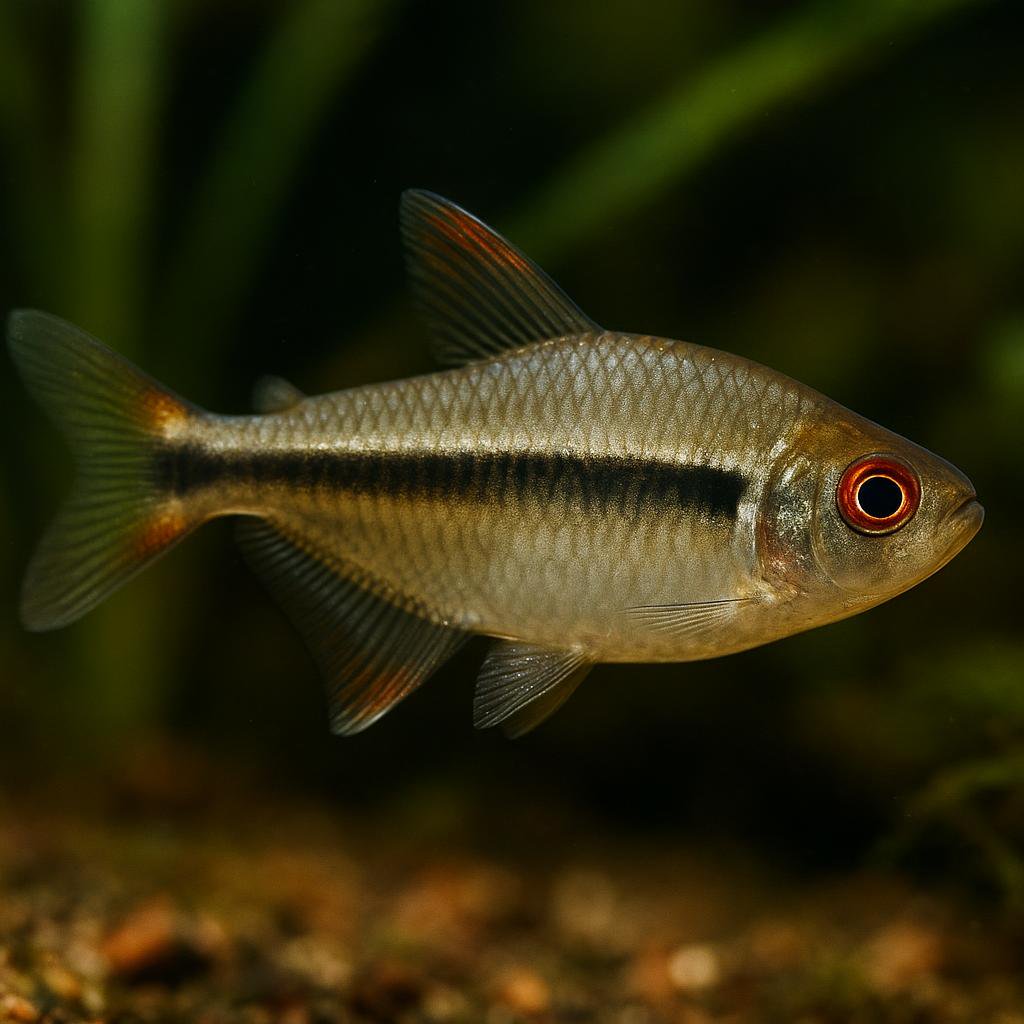
Amapa tetra
Hyphessobrycon amapaensis
This is a tiny, super sleek little tetra with a clean red stripe down the side that really pops once its settled in. It does best in a planted, slightly tinted "creek-style" setup and looks way cooler when you keep a proper group so they school and flash that line together. If you can give it soft, slightly acidic water and a calm community, its an easy fish to fall for.
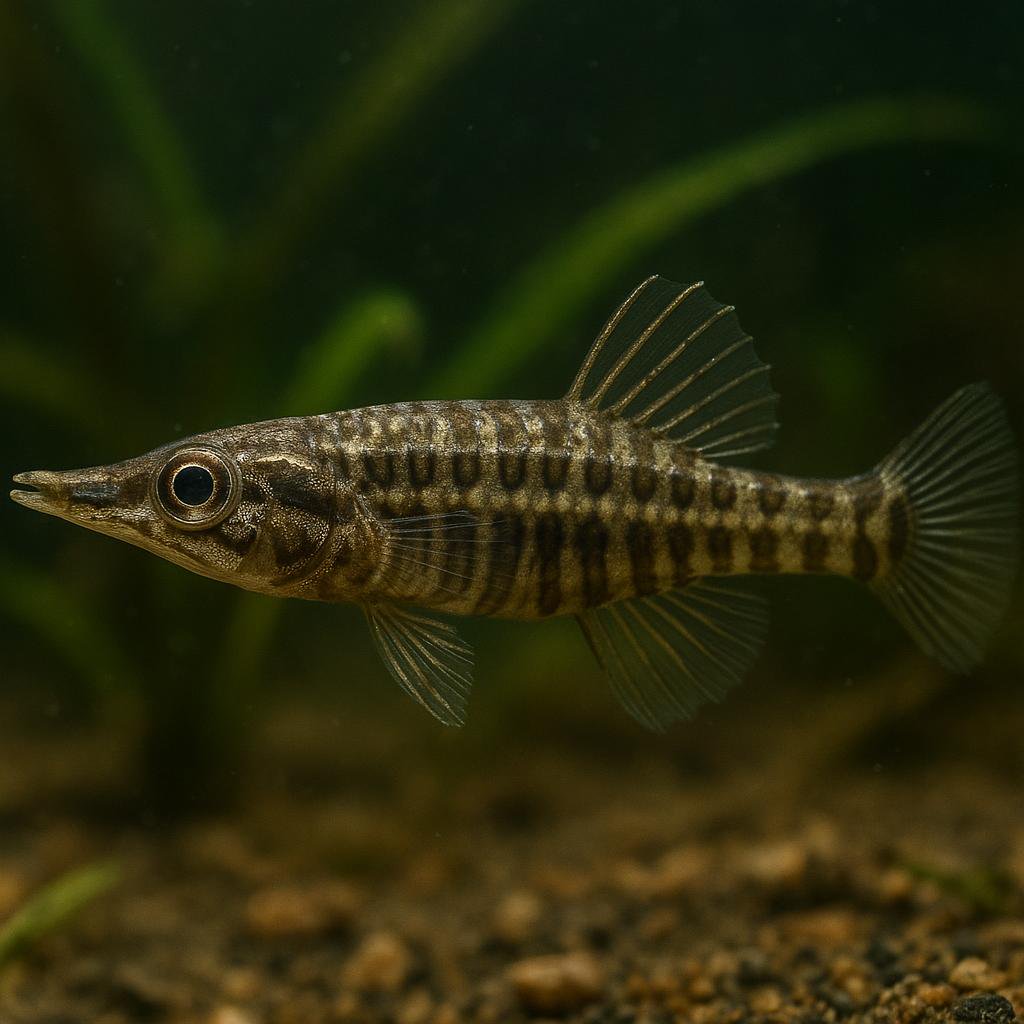
Armoured stickleback
Indostomus paradoxus
This is that goofy little "freshwater seahorse"-looking fish that just kind of perches and scoots around like a tiny armored twig. Its whole vibe is slow, sneaky micropredator - once its settled in, you will catch it stalking microfoods and doing these subtle little posture displays. The big trick is feeding: they do best when you can provide lots of small live foods in a calm, planted tank.
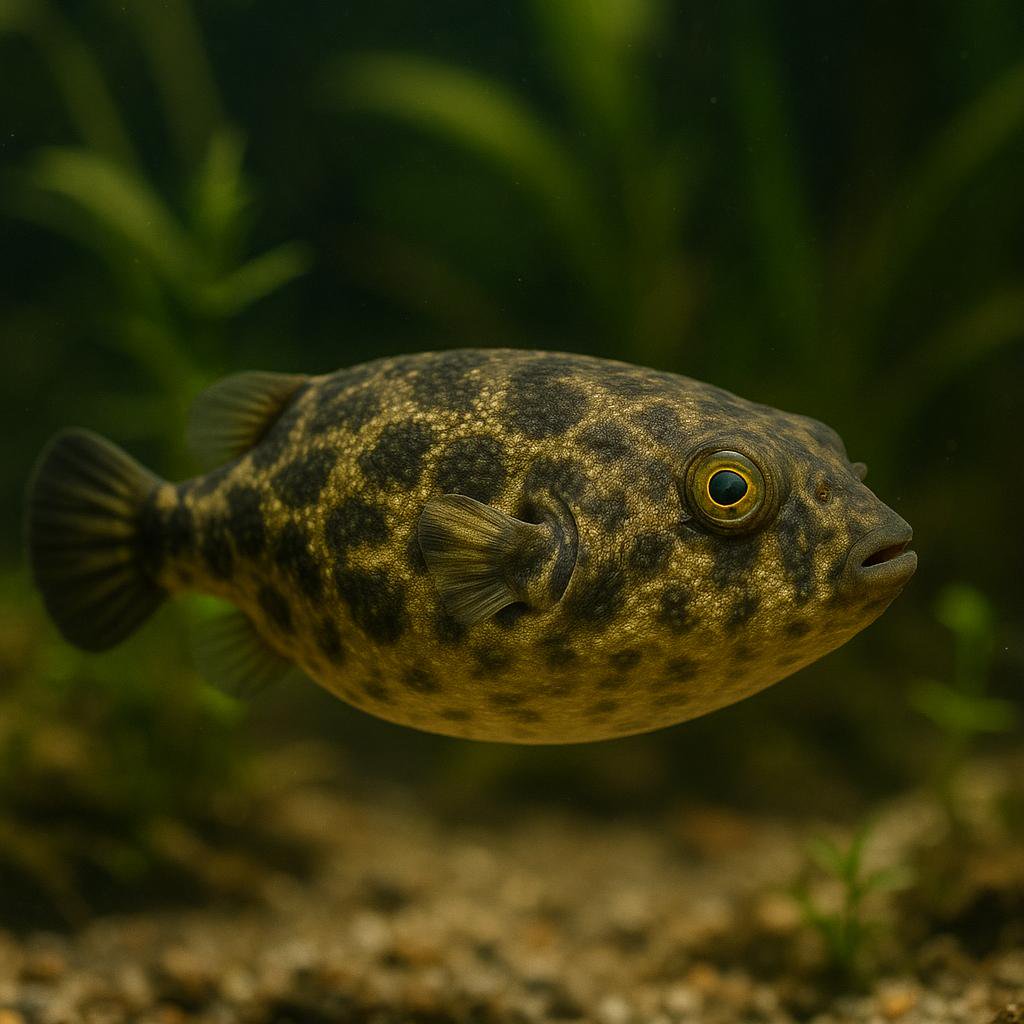
Arrowhead puffer
Pao suvattii
Pao suvattii is that sneaky Mekong puffer that likes to sit low and ambush food, and it has that super recognizable arrow/V pattern on its back. Gorgeous fish with tons of personality, but it is absolutely not a community guy - plan on a solo, species-only setup if you want everybody to stay in one piece.
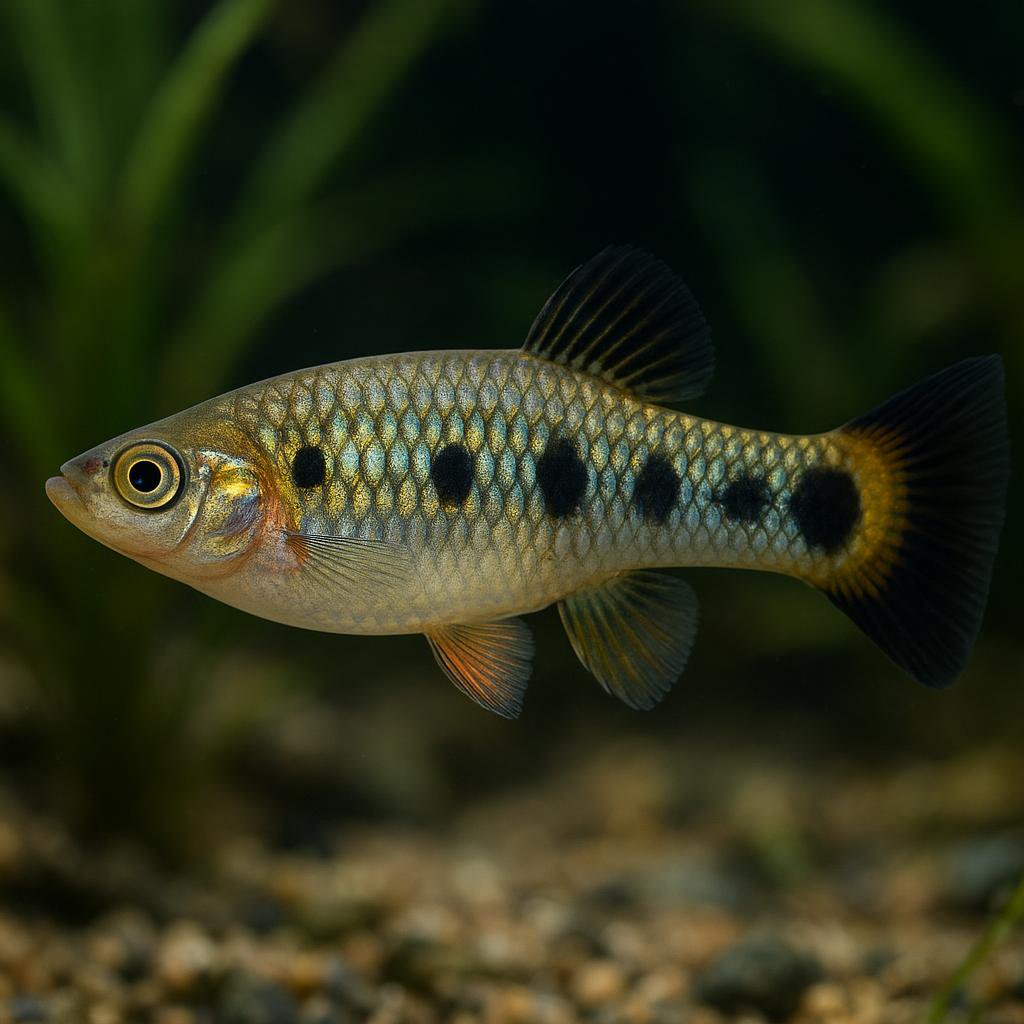
Bishop toothcarp
Brachyrhaphis episcopi
This is a tiny Panamanian livebearer that does best when you treat it more like a shy wild fish than a fancy guppy-lots of cover, calm vibes, and really clean water. The fun part is watching the males posture and spar while the females cruise around dropping fully-formed fry about once a month.
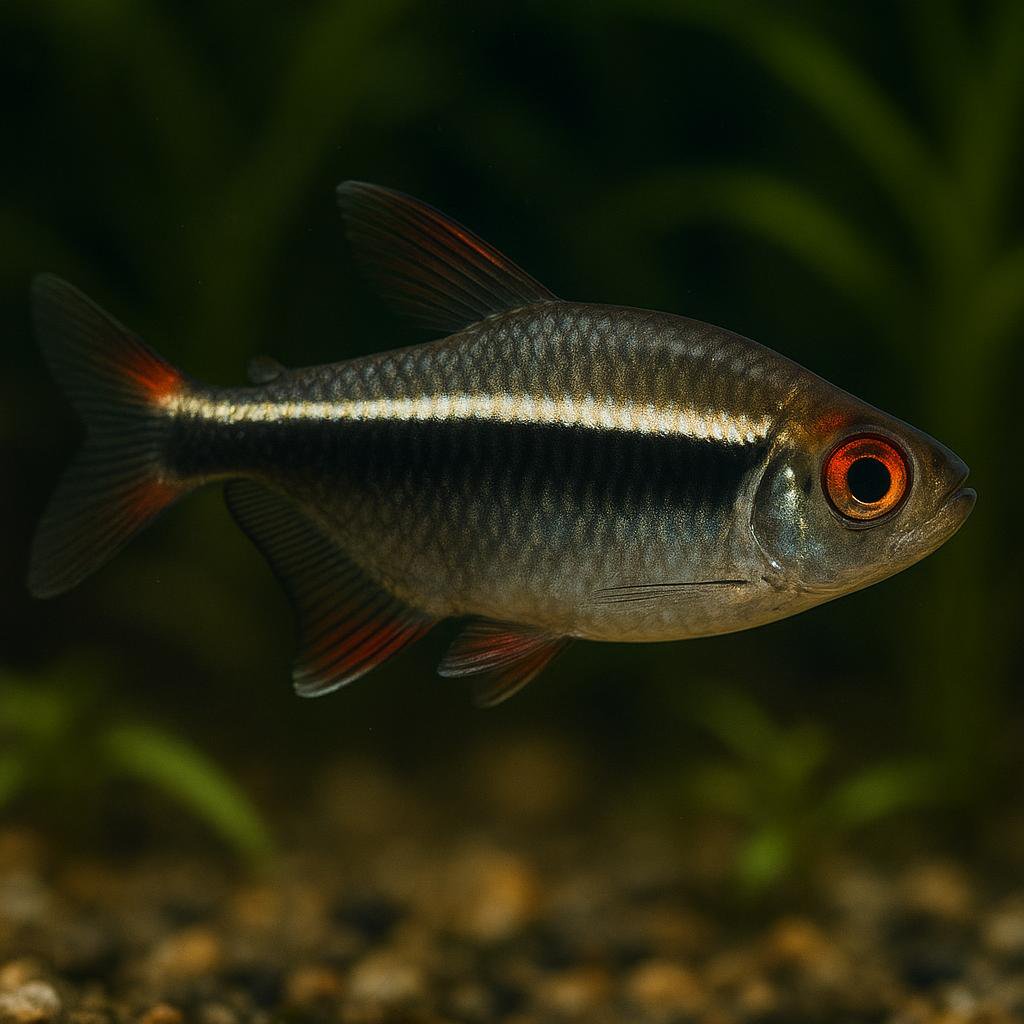
Black Neon Tetra
Hyphessobrycon herbertaxelrodi
Black neons are one of those little tetras that look kinda understated until the light hits them-then that bright stripe pops and they shimmer when the school turns together. They're super chill, always cruising mid-water, and they make a tank feel "alive" without being hectic. If you keep a nice group, they get bolder and you'll see way more of their personality.
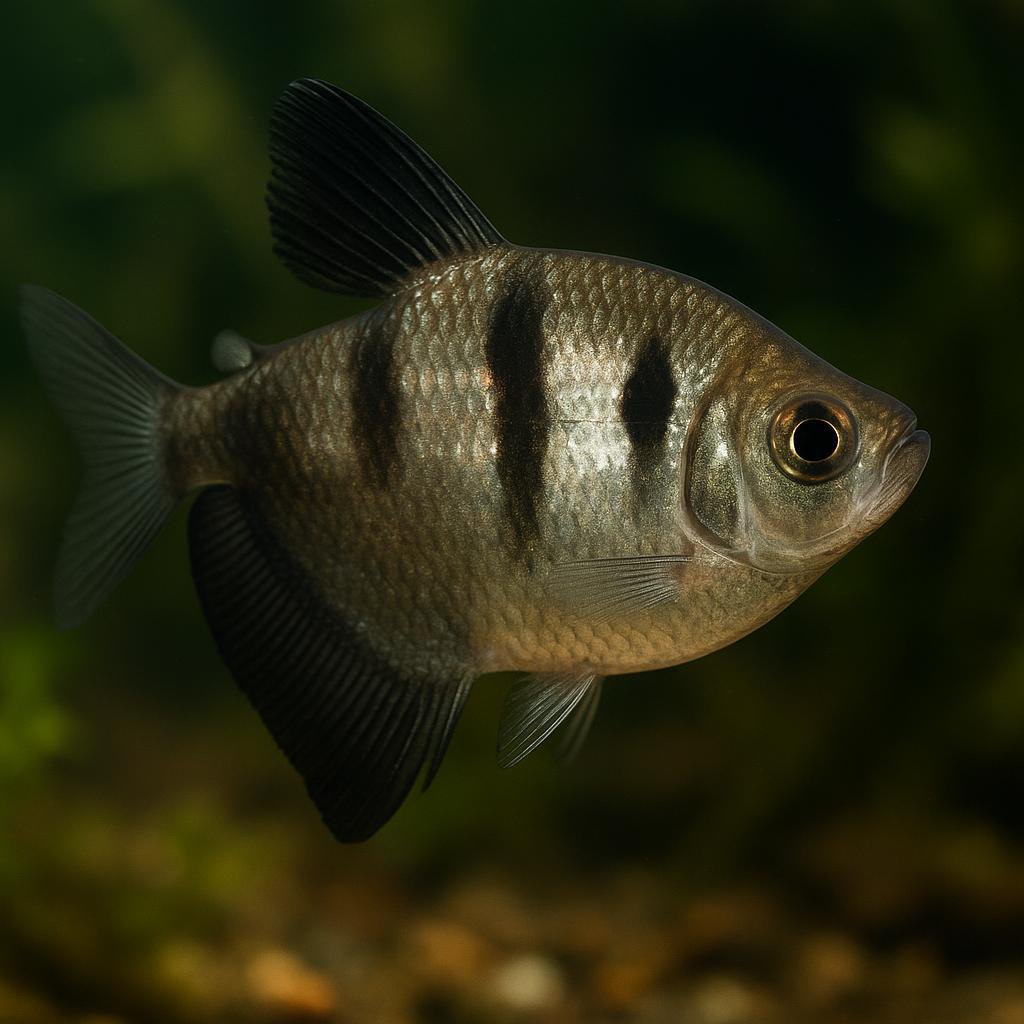
Black Skirt Tetra (Black Widow Tetra)
Gymnocorymbus ternetzi
Black skirts are those little "suit-and-tie" tetras with the dark bands and flowing fins that look way fancier than they should for how tough they are. They're super active midwater fish, and when you keep a proper group they do that tight, zippy schooling thing that makes the whole tank feel alive. Just give them enough buddies and finny tankmates they won't be tempted to nip.
Looking for other species?